



ACTIQ 200 MICROGRAMS Orally disintegrating tablet

Запит на рецепт онлайн
Лікар розгляне ваш випадок і визначить, чи є рецепт медично доцільним.

Поговоріть з лікарем про ці ліки
Обговоріть симптоми та можливі подальші кроки під час короткої онлайн-консультації.



Інструкція із застосування AKTIQ
Зміст інструкції
ACTIQ 200 micrograms, oral mucosal tablet with incorporated applicator, 400 micrograms, oral mucosal tablet with incorporated applicator, 600 micrograms, oral mucosal tablet with incorporated applicator, 800 micrograms, oral mucosal tablet with incorporated applicator, 1200 micrograms, oral mucosal tablet with incorporated applicator, 1600 micrograms, oral mucosal tablet with incorporated applicator
Fentanil
Read this leaflet carefully before you start to use this medicine as it contains important information for you.
- Keep this leaflet. You may need to read it again.
- If you have any questions, ask your doctor or pharmacist.
- This medicine has been prescribed for you only. Do not pass it on to others, even if their symptoms are the same as yours, as it could be harmful.
- If you get any side effects, even those not listed in this leaflet, tell your doctor or pharmacist. See section 4.
Contents of this leaflet:
- 1. What ACTIQ is and what it is used for
- 2. What you need to know before you use ACTIQ
- 3. How to use ACTIQ
- 4. Possible side effects
- 5. How to store ACTIQ
- 6. Contents of this leaflet and other information
1. What is ACTIQ and what is it used for
ACTIQ contains fentanyl as its active ingredient, which is a potent analgesic medicine
known as an opioid. The ACTIQ unit is presented as a lozenge with a built-in applicator.
- It is used to relieve intense episodic pain in adults and adolescents starting from 16 years of age suffering from cancer who are already regularly taking opioid-based medicines for their persistent oncological pain (fixed-dose, fixed-schedule therapy). Intense episodic pain is additional and sudden pain that occurs despite the regular intake of opioid medicines for pain.
2. Cosa deve sapere prima di usare ACTIQ
NON usi ACTIQ:
- Se non sta assumendo regolarmente ogni giorno, da almeno una settimana, un medicinale oppioide su prescrizione (per es. codeina, fentanil, idromorfone, morfina, ossicodone, petidina), per controllare il dolore persistente. Se non usa questi medicinali non deve usareACTIQ, perché questo potrebbe aumentare il rischio che la sua respirazione diventi pericolosamente lenta e/o superficiale, o perfino che si blocchi.
- Se é allergico al fentanil o ad uno qualsiasi degli altri componenti di ACTIQ (elencati al paragrafo 6).
- Se sta attualmente assumendo farmaci inibitori delle monoaminossidasi (MAO inibitori) per trattare la depressione grave o li ha presi nelle ultime due settimane (vedere paragrafo 2 “Parli con il medico o il farmacista PRIMAdi usare ACTIQ”).
- Se soffre di gravi problemi respiratori o di gravi problemi polmonari in caso di ostruzione.
- Se soffre di dolore di breve durata diverso da quello episodico intenso (ad es. dolore da lesioni, intervento chirurgico, mal di testa o emicranie). Non usi ACTIQ se riscontra un qualsiasi caso sopra citato. In caso di dubbio si rivolga al medico o al farmacista prima di usare ACTIQ.
Avvertenze e precauzioni
Mentre prende ACTIQ continui ad usare l’antidolorifico oppioide che sta assumendo per il suo dolore
persistente (terapia a dosi fisse, orari fissi) dovuto al cancro.
L'uso ripetuto di ACTIQ può rendere il farmaco meno efficace (il corpo si abitua al farmaco) o
diventare dipendente da esso. Il medico controllerà la comparsa di segnali correlati a queste
condizioni.
Si rivolga al medico o al farmacista PRIMAdi usare ACTIQ se:
- L’altro antidolorifico oppioide per il suo dolore persistente (terapia a dosi fisse, orari fissi) dovuto al cancro non è ancora stato stabilizzato.
- Soffre di qualunque malattia che influenza la sua respirazione (come asma, respiro sibilante o affannoso).
- Ha subito un trauma cranico o ha avuto perdita di coscienza.
- Ha problemi al cuore, in particolare un battito lento.
- Ha problemi al fegato o ai reni, poiché questo può influire sul modo in cui l’organismo elimina il medicinale.
- Soffre di pressione bassa dovuta ad una bassa concentrazione di fluidi nel sangue.
- Ha il diabete.
- Ha più di 65 anni, potrebbe aver bisogno di una dose più bassa e qualsiasi aumento di dose sarà rivisto molto attentamente dal medico.
- Usa le benzodiazepine (vedere paragrafo 2 "Altri medicinali e ACTIQ"). L'uso delle benzodiazepine può aumentare la probabilità di avere effetti indesiderati gravi, inclusa la morte.
- Usa antidepressivi o antipsicotici (inibitori selettivi della ricaptazione della serotonina [SSRIs], inibitori della ricaptazione della serotonina-norepinefrina [SNRIs], inibitori della monoammino ossidasi (MAO); (vedere paragrafo 2 “Non usi ACTIQ” e “Altri medicinali e ACTIQ”). L'uso di questi medicinali con ACTIQ può portare alla sindrome serotoninergica una condizionepotenzialmente pericolosa per la vita(vedere paragrafo 2 "Altri medicinali e ACTIQ").
- Ha mai abusato o è stato dipendente da oppiodi o qualsiasi altro farmaco, alcol o droghe illegali.
- Ha sviluppato in passato insufficienza surrenalica, una condizione in cui le ghiandole surrenali non producono ormoni in quantità sufficienti, o mancanza di ormoni sessuali (deficit di androgeni) con l’uso di oppioidi, (vedere paragrafo 4 “Effetti indesiderati gravi”).
- Beve alcol: fare riferimento al paragrafo “ACTIQ con cibi, bevande e alcol”.
Per chi svolge attività sportiva: l’uso del farmaco senza necessità terapeutica costituisce doping e può
determinare comunque positività ai test antidoping.
Consulti il medico MENTREusa ACTIQ:
- Se manifesta dolore o aumentata sensibilità al dolore (iperalgesia), che non risponde a un aumento della dose del medicinale prescritto dal medico.
- Se manifesta segni di carie dentali. ACTIQ contiene circa 2 grammi di zucchero; un uso frequente espone a un aumento del rischio di carie dentali che possono essere gravi. E’ importante prendersi cura dei denti durante il trattamento con ACTIQ.
- Se manifesta una combinazione dei seguenti sintomi: nausea, vomito, anoressia, stanchezza, debolezza, capogiro e pressione arteriosa bassa. Nell’insieme questi sintomi possono essere un segno di una condizione potenzialmente letale chiamata insufficienza surrenalica, nella quale le ghiandole surrenali non producono una quantità sufficiente di ormoni.
- Ha difficoltà a respirare durante il sonno (apnea).
Si rivolga URGENTEMENTEa un medico:
- Se manifesta sintomi quali difficoltà a respirare o capogiro, gonfiore della lingua, delle labbra o della gola mentre usa ACTIQ. Questi possono essere sintomi precoci di una reazione allergica grave (anafilassi, ipersensibilità; vedere paragrafo 4 “Effetti indesiderati gravi”).
Bambini e adolescenti
ACTIQ non è raccomandato in bambini e adolescenti al di sotto dei 16 anni di età.
Altri medicinali e ACTIQ
Non usi questo medicinale e dica al medico o al farmacista:
- se sta prendendo altri medicinali a base di fentanil che le sono stati prescritti in passato per il suo dolore episodico intenso. Se ha a casa ancora qualcuno di questi medicinali a base di fentanil, controlli con il suo farmacista come smaltirli.
- se sta assumendo inibitori delle monoaminossidasi (MAO) (farmaci per trattare la depressione grave) o li ha presi nelle ultime due settimane (vedere paragrafo 2 “NON usi ACTIQ”. e “Parli con il medico o il farmacista PRIMAdi usare ACTIQ”). Informi il medico o il farmacista prima di prendere ACTIQ se sta assumendo o ha recentemente assunto qualsiasi altro medicinale, compresi quelli senza prescrizione medica inclusi i medicinali a base di erbe. In particolare dica al medico o al farmacista se sta assumendo uno qualsiasi dei seguenti medicinali:
- L’uso concomitante di ACTIQ con medicinali sedativi come le benzodiazepine o farmaci correlati aumenta il rischio di sonnolenza, difficoltà a respirare (depressione respiratoria), coma e può essere fatale. Per questo, l’uso concomitante deve essere preso in considerazione soltanto quando altri trattamenti terapeutici non sono possibili.
In ogni caso, se il medico dovesse prescriverle ACTIQ insieme a medicinali sedativi, deve
limitare la dose e la durata del trattamento concomitante.
Parli con il suo medico dei medicinali sedativi che sta assumendo (ad esempio medicinali contro
l’insonnia, medicinali per ridurre l’ansia, alcuni medicinali antiallergici (antistaminici) o tranquillanti)
e segua attentamente le raccomandazioni del medico sulla dose. Può essere utile informare amici o
parenti dei segni e dei sintomi sopra indicati. Rivolgersi al proprio medico quando si verificano tali
sintomi
- Alcuni miorilassanti come baclofene, diazepam (vedere anche il paragrafo “Avvertenze e precauzioni”).
- Qualsiasi medicinale che possa influire sul modo in cui l’organismo elimina ACTIQ, come ritonavir o altri medicinali che aiutano a controllare l’infezione da HIV, o altri cosiddetti “inibitori del CYP3A4”, come ketoconazolo, itraconazolo o fluconazolo (medicinali per le infezioni fungine) e troleandromicina, claritromicina o eritromicina (medicinali per le infezioni batteriche) e i cosiddetti “induttori del CYP3A4” come rifampina o rifabutina (medicinali per le infezioni batteriche), carbamazepina, fenobarbital o fenitoina (medicinali usati per trattare le convulsioni).
- Alcuni tipi di antidolorifici forti, chiamati agonisti/antagonisti parziali e.s. buprenorfina, nalbufina e pentazocina (medicinali per il trattamento del dolore). Durante l’utilizzo di questi medicinali potrebbe sperimentare i sintomi della sindrome da astinenza (nausea, vomito, diarrea, ansia, brividi, tremore e sudorazione).
- Prodotti medicinali serotoninergici usati per trattare la depressione (antidepressivi: come gli inibitori selettivi della ricaptazione della serotonina (SSRIs) e gli inibitori della ricaptazione della serotonina-norepinefrina (SNRIs)) o gli antipsicotici. L’uso di questi farmaci con ACTIQ può portare ad una sindrome serotoninergica potenzialmente letale. (vedere paragrafo 2 “Parli con il medico o il farmacista PRIMAdi usare ACTIQ e “NON usi ACTIQ”). I I sintomi di una sindrome serotoninergica possono includere alterazioni dello stato mentale (per es. agitazione, allucinazioni, coma) e altri effetti, come una temperatura corporea superiore a 38°C, accelerazione del battito cardiaco, pressione sanguigna instabile e riflessi eccessivi, rigidità
muscolare, mancanza di coordinazione e/o sintomi gastrointestinali (per es. nausea, vomito,
diarrea). Il medico le dirà se ACTIQ è adatto a lei.
Se deve sottoporsi a un intervento chirurgico che richieda un’anestesia generale, informi il medico o
l’infermiere.
ACTIQ con cibi, bevande e alcol
- ACTIQ può essere usato prima o dopo i pasti. Tuttavia non lo usi durante i pasti.
- prima di usare ACTIQ, può bere dell’acqua per bagnare la bocca. Tuttavia non deve bere né mangiare nulla mentre usa ACTIQ.
- Non beva succo di pompelmo mentre sta usando ACTIQ perché esso può avere un effetto sul modo in cui l’organismo elimina ACTIQ.
- Non beva alcolici mentre sta assumendo ACTIQ perché può aumentare la probabilità di avere effetti indesiderati gravi, inclusa la morte.
Gravidanza e allattamento
Se è in corso una gravidanza, se sospetta o sta pianificando una gravidanza, o se sta allattando con
latte materno chieda consiglio al medico o al farmacista prima di prendere questo medicinale.
Gravidanza
ACTIQ non deve essere assunto durante la gravidanza senza averne discusso con il suo medico. Se
ACTIQ viene usato per lungo tempo durante la gravidanza esiste il rischio che il neonato possa avere
sintomi di astinenza dal medicinale, che può essere pericolosa per la vita se non riconosciuta e trattata
dal medico (vedere paragrafo 4 “Altri effetti indesiderati con frequenza non nota”).
ACTIQ non deve essere assunto durante il parto perché il fentanil può causare depressione respiratoria
nei neonati.
Allattamento
Il fentanil può passare nel latte materno e può causare effetti indesiderati durante l’allattamento del
neonato. Non usi ACTIQ se sta allattando al seno. Fino ad almeno 5 giorni dopo l’ultima dose di
ACTIQ non deve cominciare ad allattare.
Guida di veicoli e utilizzo di macchinari
Questo medicinale può influenzare la sua capacità di guidare veicoli o utilizzare qualsiasi strumento o
macchinario. Consulti il medico per sapere se è sicuro per lei guidare un veicolo o utilizzare qualsiasi
strumento o macchinario nelle prime ore immediatamente successive all’assunzione di ACTIQ. Non
guidi o utilizzi strumenti o macchinari se: avverte sonnolenza o capogiro, ha offuscamento della vista
o visione doppia, ha difficoltà di concentrazione. È importante che lei sappia quali sono le sue reazioni
ad ACTIQ prima di guidare veicoli o utilizzare qualsiasi strumento o macchinario.
ACTIQ contiene glucosio
Contiene 1,89 g di glucosio per dose. Da tenere in considerazione in persone affette da diabete mellito.
Se il medico le ha detto che lei è intollerante ad alcuni zuccheri, parli con il medico prima che lei
prenda questo medicinale
Può essere dannoso per i denti.
ACTIQ contiene saccarosio
Se il medico le ha detto che lei è intollerante ad alcuni zuccheri, parli con il medico prima che lei
prenda questo medicinale
Può essere dannoso per i denti.
ACTIQ contiene sodio
Questo medicinale contiene meno di 1 mmol (23 mg) di sodio per pastiglia, cioè essenzialmente
‘senza sodio’.
3. How to use ACTIQ
Use this medicine following the instructions of your doctor or pharmacist exactly. If you have
any doubts, consult your doctor or pharmacist.
The first time you use ACTIQ, your doctor will help you determine the exact dose that can relieve the
intense episodic pain you are suffering from. It is very important that you use ACTIQ exactly
as instructed by your doctor.
- Do not change the dose of ACTIQ or the dose of your other pain medication on your own initiative. A change in dose must be prescribed and monitored by your doctor.
- If you are unsure of the correct dose to use, or if you would like clarification on how to take this medicine, talk to your doctor.
How the medicine works in your body
When you place the tablet in your mouth:
- The tablet dissolves and the active ingredient is released. It takes 15 minutes for this to happen.
- The active ingredient is absorbed through the oral mucosa, thus entering the bloodstream. Taking this medicine in the manner described allows it to be absorbed rapidly. This means that it provides rapid pain relief.
While the right dose is being found
While you are taking ACTIQ, you should begin to feel a rapid reduction in pain.
However, while you and your doctor are looking for the dose that can control your intense episodic
pain, you may not have sufficient pain relief within 30 minutes of starting the first ACTIQ unit (15 minutes from when you have finished using the ACTIQ unit). If this happens, your doctor may
allow you to use a second ACTIQ unit at the same dose to control the same pain event.
Do not use a second unit unless your doctor has allowed it. Do not
use more than two units to treat a single episode of intense episodic pain.
While the right dose is being found, you may need to have more than one dose of ACTIQ at home.
However, keep at home only the dosages of ACTIQ units you need. This helps to
avoid possible confusion or overdose. Talk to your pharmacist to find out how to dispose of
any unused ACTIQ units.
How many units to use
Once the right dose has been found with your doctor, use 1 unit for an episode of intense
episodic pain.
Talk to your doctor if the right dose of ACTIQ does not relieve your intense episodic pain for several
consecutive episodes of pain. The doctor will decide whether it is necessary to change the dose.
If you use ACTIQ more than four times a day, you must immediately inform your doctor, as
it may be necessary to change the treatment regimen. The doctor may change the
treatment for your persistent pain; once your persistent pain is controlled, the doctor
may need to adjust the dosage of ACTIQ.
If your doctor suspects an increase in pain sensitivity (hyperalgesia) related to ACTIQ, a
reduction in the dose of ACTIQ may be considered (see section 2 “Warnings and
precautions”). For more effective pain relief, inform your doctor about your pain and how
ACTIQ works for you, so that the dosage can be changed if necessary.
How to use the medicine
Opening the packaging- Each ACTIQ tablet is sealed inside a single blister.
- Open the packaging when you are ready to use the medicine. Do not open it in advance.
- Hold the blister with the printed side away from you.
- Hold the blister by the bottom.
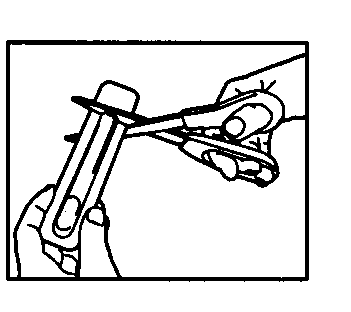
- With scissors, cut the blister at the height of the stick end (as shown in the figure).
- Lift the printed bottom side to detach it completely from the blister.
- Remove the ACTIQ unit from the blister and immediately place the tablet in your mouth.
Using the tablet
- Place the tablet between your cheek and gum.
- Using the stick, continue to move the tablet inside your mouth, especially along your cheeks. Turn the stick frequently.
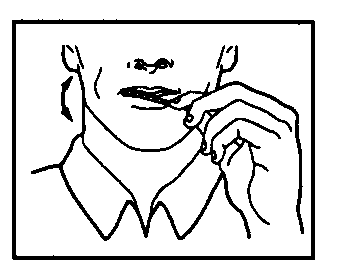
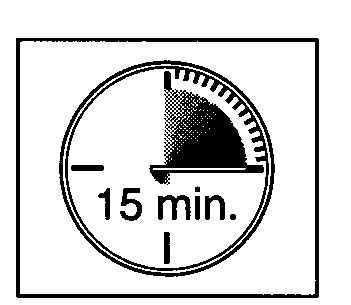
- To get the maximum pain relief, consume the tablet completely in about 15 minutes. If you consume the medicine too quickly, you will swallow more medicine and consequently have less relief from the intense episodic pain you are suffering from.
- Do not bite or chew the tablet. This would result in lower blood levels and less pain relief than when it is taken as directed.
- If, for any reason, you do not finish the entire tablet each time you experience an episode of acute pain, talk to your doctor.
How often should you use ACTIQ
Once a dose has been found that can effectively control your pain, do not use more than four
ACTIQ units per day. If you think you need more than four ACTIQ units per day, talk to your doctor immediately.
How many ACTIQ units can you use
Do not use more than two units to treat a single episode of intense episodic pain.
If you use more ACTIQ than you should
The most common side effects found due to overdose are drowsiness, malaise or
dizziness.
- If you start to feel dizzy, unwell or very sleepy before the tablet has completely dissolved, remove the ACTIQ tablet from your mouth and call for help from a family member or another nearby person.
A serious side effect of ACTIQ is slowing and/or decreasing of the respiratory rate. This can occur if the dose of ACTIQ is too high or if you use too many ACTIQ tablets.
- If this happens, seek immediate medical assistance.
What to do if a child or adult accidentally takes ACTIQ
If you think someone has accidentally used ACTIQ, seek immediate medical assistance.
Try to keep the person awake (by calling their name and shaking their arm or shoulder)
until medical assistance arrives.
If you forget to take ACTIQ
If the episode of intense pain is still ongoing, you can take ACTIQ as your doctor has told you. If
the episode of intense pain has gone away, do not take ACTIQ until the next peak of pain.
If you stop taking ACTIQ
You should stop taking ACTIQ when you no longer have any episodes of intense pain. It is
however necessary to continue taking the opioid medicine you normally use to relieve
cancer-related persistent pain, as recommended by your doctor. When you stop taking
ACTIQ, withdrawal symptoms may occur similar to the possible side effects of ACTIQ. If
withdrawal symptoms occur or if you are concerned about your pain treatment, you should
contact your doctor. The doctor will assess whether you need medicine to reduce or eliminate
withdrawal symptoms.
If you have any doubts about using this medicine, ask your doctor or pharmacist.
4. Possible side effects
Like all medicines, this medicine can cause side effects, although not everybody gets them.
If you notice any of these side effects, contact your doctor.
Serious side effects
The most serious side effects are shortness of breath, low blood pressure, and shock.
You or anyone caring for you must remove the ACTIQ tablet from your mouth, contact your
doctor immediately, and seek urgent medical help as you may need
emergency medical attention if you experience any of the following serious side effects:
- Deep drowsiness, or if your breathing becomes slow and/or labored.
- You have difficulty breathing or experience dizziness, swelling of the tongue, lip, or throat, which may be early signs of a severe allergic reaction.
Note for caregivers:
If you notice that the patient using ACTIQ has a slowed and/or decreased breathing rate, or
if it is difficult to wake the patient, do the following IMMEDIATELY:
- using the stick, remove the ACTIQ tablet from the patient's mouth and keep it out of reach of children and pets until it can be disposed of.
- SEEK EMERGENCY MEDICAL ATTENTION
- While waiting for help, if the person appears to be breathing slowly, encourage them to breathe every 5-10 seconds. If you experience excessive dizziness, drowsiness, or other discomfort while using ACTIQ, use the stick to remove the tablet and dispose of it according to the instructions in this leaflet (see Section 5). Then, contact your doctor for further instructions on how to use ACTIQ.
- Contact your doctor if you experience a combination of the following symptomsNausea, vomiting, loss of appetite, fatigue, weakness, dizziness, and low blood pressure.
Together, these symptoms may be a sign of a potentially life-threatening condition,
called adrenal insufficiency. This is a condition in which the adrenal glands do not
produce enough hormones.
- Prolonged use of fentanyl during pregnancy can cause withdrawal symptoms in the newborn, which can be life-threatening (see section 2 under “Pregnancy and breastfeeding”).
Other side effects
Very common(may affect more than 1 in 10 people)
- Vomiting, nausea/feeling unwell, constipation, stomach pain (abdominal).
- Asthenia (weakness), drowsiness, dizziness, headache.
- Shortness of breath.
Common(may affect up to 1 in 10 people)
- Confusion, anxiety, seeing and hearing things that are not there (hallucinations), depression, mood swings.
- Feeling unwell.
- Muscle tremors, feeling dizzy or “lightheaded”, loss of consciousness, sedation, tingling or numbness, difficulty coordinating movements, increased or altered tactile sensitivity, seizures.
- Dry mouth, inflammation of the mouth, changes in the tongue (for example, a burning sensation or ulcers), altered taste.
- Flatulence, abdominal bloating, congestion, decreased appetite, weight loss.
- Blurred vision or double vision.
- Sweating, skin rash, itching.
- Urinary retention.
- Accidental injury (e.g., falls).
Uncommon(may affect up to 1 in 100 people)
- Tooth decay, paralysis of the intestine, mouth ulcers, bleeding gums
- Coma, slurred speech
- Abnormal dreams, personality changes, thought disorders, euphoria.
- Vasodilation.
- Urticaria.
Frequency not known
The following side effects have also been reported with the use of ACTIQ but the
frequency with which they occur is not known:
- Gingival retraction, gum inflammation, tooth loss, severe breathing problems, flushing, feeling very hot, diarrhea, swelling of the arms or legs, fatigue, insomnia, fever (pyrexia), withdrawal syndrome (may manifest with the following side effects: nausea, vomiting, diarrhea, anxiety, chills, tremor, and sweating).
- Lack of sex hormones (androgen deficiency).
- Substance abuse dependence
- Drug abuse
- Delirium (symptoms may include a combination of agitation, restlessness, disorientation, confusion, fear, seeing or hearing things that do not exist, sleep disturbances, nightmares).
- Difficulty breathing during sleep.
Prolonged treatment with fentanyl during pregnancy can cause withdrawal symptoms in the
newborn, which can be fatal (see section 2).
During the use of ACTIQ, you may experience irritation, pain, and ulcers at the application site and
bleeding gums.
Reporting of side effects
If you get any side effects, talk to your doctor or pharmacist. This includes any side effects not listed
in this leaflet. You can also report side effects directly through the national reporting system
www.aifa.gov.it/content/segnalazioni-reazioni-avverse.
By reporting side effects you can help provide more information on the safety of
this medicine.
5. How to store ACTIQ
The pain-relieving substance contained in ACTIQ is very potent and may be life-threatening to a child who accidentally ingests it. ACTIQ must be kept out of sight and reach of children.
- Do not use ACTIQ after the expiry date, indicated on the blister and the carton. The expiry date refers to the last day of that month.
- Do not store at a temperature above 30 C.
- Always keep ACTIQ inside the blister until you are ready to use it. Do not use if the blister has been damaged or opened before you are ready to use it.
- If you have any unused ACTIQ tablets, use appropriate containers for the separate collection of medicines, contacting your doctor or pharmacist.
How to dispose of ACTIQ after use
Partially used ACTIQ tablets may contain enough medicine to be harmful or even life-threatening to a child. Even if little medicine remains on the stick, or even when it no longer contains any medicine, it is still necessary to dispose of the product appropriately. Therefore, proceed as follows:
- If the medicine is completely finished, throw the stick into a waste container out of the reach of children and pets.
- If some medicine remains on the stick, place the tablet under a stream of hot tap water to dissolve the remaining medicine, then throw the stick into a waste container out of the reach of children or pets.
- If you do not use the entire tablet and are unable to immediately dissolve the remaining medicine, store the residual tablet out of the reach of children and pets, until you can dispose of it, according to the above instructions.
- Do not throw partially used tablets, sticks or blisters into the toilet.
6. Contents of the pack and other information
What ACTIQ contains:
The active ingredient is fentanyl. Each lozenge contains:
- 200 micrograms of fentanyl (as citrate),
- 400 micrograms of fentanyl (as citrate),
- 600 micrograms of fentanyl (as citrate),
- 800 micrograms of fentanyl (as citrate),
- 1200 micrograms of fentanyl (as citrate),
- 1600 micrograms of fentanyl (as citrate).
The other ingredients are:
Lozenge:
Hydrated dextrans (equivalent to approximately 1.89 grams of glucose).
Citric acid, disodium phosphate, artificial berry flavour (maltodextrin (containing
glucose), propylene glycol, artificial flavours and triethyl citrate), magnesium stearate.
Edible glue used to fix the lozenge to the stick
Modified corn starch E1450, confectioner's sugar (sucrose and corn
starch), water.
Ink for printing
Water, refined deparaffined white shellac, propylene glycol, synthetic tar mineral blue dye
(E 133), ammonium hydroxide (E527) for pH adjustment
Description of the appearance of ACTIQ and contents of the pack
ACTIQ consists of a white-whitish lozenge attached to a stick for
oromucosal administration. The lozenge may develop a slightly mottled appearance over time. This is due to
minor variations in the product's flavouring agent and does not affect its efficacy in any way.
ACTIQ is available in 6 different dosages: 200, 400, 600, 800, 1200 or 1600 micrograms. The dose is
indicated on the white lozenge, on the stick, on the blister and on the box to ensure that you take the
correct dose prescribed. Each dose is associated with a specific colour.
ACTIQ lozenges are supplied individually in blisters contained in a box. The blisters are
contained in packs of 3, 6, 15 or 30 single units of ACTIQ.
Not all pack sizes may be marketed.
Marketing Authorisation Holder and manufacturer
Marketing Authorisation Holder
Teva Italia S.r.l.
Piazzale Luigi Cadorna, 4
20123 Milan
Manufacturer
Teva Pharmaceuticals Europe B.V.
Swensweg 5
2031 GA Haarlem
Netherlands

Не впевнені, чи підходить вам цей лікарський засіб?
Обговоріть симптоми та можливі варіанти лікування з лікарем онлайн.

Виникли питання під час прийому ліків?
Обговоріть свої симптоми та лікування з лікарем онлайн.
- Країна реєстрації
- Лікарська формаOrally disintegrating tablet, 200 MICROGRAMS
- Код АТХN02AB03
- Діюча речовина
- Потрібен рецептТак
- Виробник
- Ця інформація надана лише для ознайомлення і не є медичною порадою. Рішення щодо лікування завжди приймає лікар.
- Альтернативи до AKTIQЛікарська форма: Sublingual tablet, 100 MCGДіюча речовина: фентанилВиробник: GRUNENTHAL ITALIA S.R.L.Потрібен рецептЛікарська форма: Transdermal patch, 25MCG/ORAДіюча речовина: фентанилПотрібен рецептЛікарська форма: Sublingual tablet, 100 MICROGRAMSДіюча речовина: фентанилВиробник: SANDOZ S.P.A.Потрібен рецепт
Аналоги AKTIQ в інших країнах
Препарати з тією самою діючою речовиною, доступні в інших країнах.
Аналог AKTIQ у Іспанія
Аналог AKTIQ у Польща
Аналог AKTIQ у Україна
Лікарі онлайн щодо AKTIQ
Застосування, безпека та можливість призначення рецепта — за результатами медичної оцінки.









Отримайте рецепт на AKTIQ онлайн
Заповніть форму за 2 хвилини
Розкажіть про симптоми, історію хвороби та потрібний препарат.
Оберіть лікаря або ми призначимо
Оберіть спеціаліста або ми підберемо найближчого доступного лікаря.
Лікар розглядає ваш випадок
Зазвичай протягом 30 хвилин. Може ставити уточнювальні запитання в чаті.
Отримайте в будь-якій аптеці
Електронний рецепт надсилається на вашу пошту — дійсний по всій Польщі.
Часті запитання
AKTIQ потребує рецепта в Італія. Ви можете обговорити з лікарем онлайн, чи підходить цей лікарський засіб для вашої ситуації.
Діюча речовина у AKTIQ — фентанил. Це допомагає визначити препарати з тим самим складом, але під іншими торговими назвами.
AKTIQ виробляється компанією TEVA ITALIA S.R.L.. Назва бренду та упаковка можуть відрізнятися залежно від дистрибʼютора.
Лікарі, зокрема Сімейні лікарі, Психіатри, Дерматологи, Кардіологи, Ендокринологи, Гастроентерологи, Пульмонологи, Нефрологи, Ревматологи, Гематологи, Інфекціоністи, Алергологи, Геріатри, Педіатри, Онкологи, можуть оцінити доцільність застосування AKTIQ з урахуванням вашого стану та місцевих правил. Ви можете записатися на онлайн-консультацію, щоб обговорити симптоми та можливі подальші кроки.
Польща має добре розвинену систему охорони здоров'я у великих містах, таких як Варшава, Краків, Вроцлав і Гданськ. Аптеки широко доступні та працюють відповідно до чинного законодавства, забезпечуючи доступ до рецептурних препаратів.
Ви можете придбати AKTIQ у Варшаві, Кракові, Вроцлаві або Гданську в будь-якій аптеці за наявності дійсного рецепта.
Щоб отримати рецепт, ви можете скористатися Oladoctor:
Інші препарати з тією самою діючою речовиною (фентанил) включають ABSTRAL, ALJEDON, DOJETIK. Вони можуть відрізнятися торговою назвою або формою випуску, але містять той самий терапевтичний компонент. Перед зміною або початком прийому нового препарату варто проконсультуватися з лікарем.
