



ORAMORPH 2 mg /Ml Syrup

Запит на рецепт онлайн
Лікар розгляне ваш випадок і визначить, чи є рецепт медично доцільним.

Поговоріть з лікарем про ці ліки
Обговоріть симптоми та можливі подальші кроки під час короткої онлайн-консультації.



Інструкція із застосування ORAMORP
Зміст інструкції
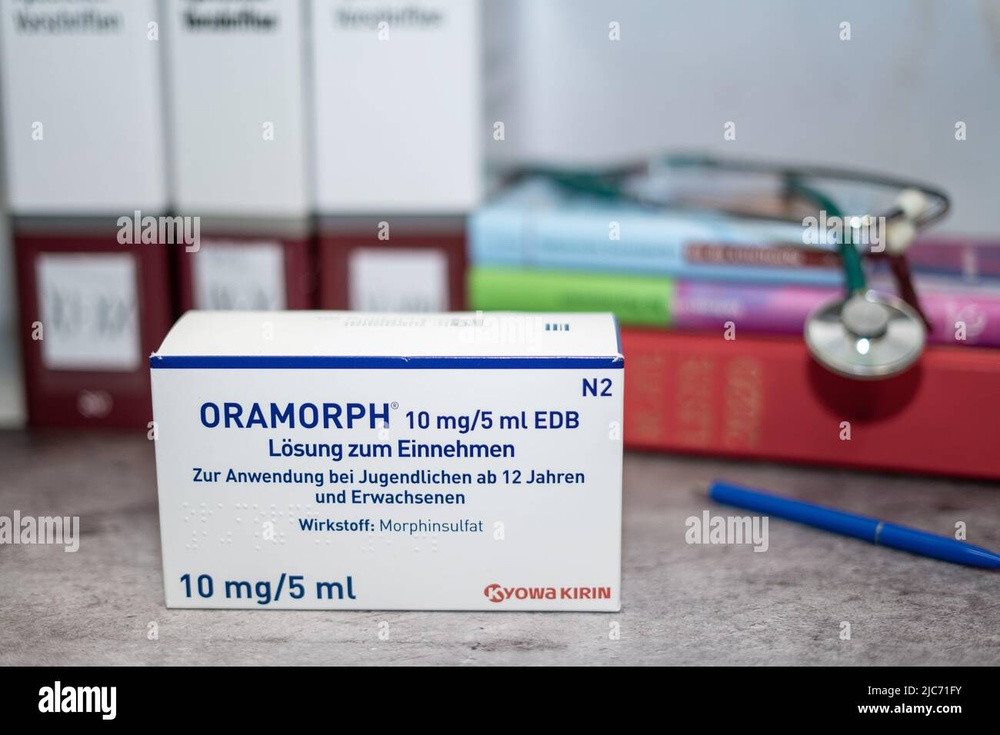
- ORAMORPH 10 mg/5 ml oral solution, 30 mg/5 ml oral solution, 100 mg/5 ml oral solution
- Oramorph even at therapeutic doses causes respiratory depression and may induce serious
- ORAMORPH 2 mg/ml syrup
- ORAMORPH 20 mg/ml oral solution
ORAMORPH 10 mg/5 ml oral solution, 30 mg/5 ml oral solution, 100 mg/5 ml oral solution
Morphine sulfate
Read this leaflet carefully before you start to use this medicine as it contains important information for you.
- Keep this leaflet. You may need to read it again.
- If you have any questions, ask your doctor, pharmacist or nurse.
- If you get any side effects, even those not listed in this leaflet, tell your doctor, pharmacist or nurse. See section 4.
Contents of this leaflet:
- 1. What Oramorph is and what it is used for
- 2. What you need to know before you take Oramorph
- 3. How to take Oramorph
- 4. Possible side effects
- 5. How to store Oramorph
- 6. Contents of the pack and other information
1. What is Oramorph and what is it used for?
Oramorph contains the active ingredient morphine sulfate which belongs to a group of medicines
called opioid analgesics.
This medicine is indicated for the treatment of severe chronic pain, particularly for the therapy
of pain caused by a tumor, for which other pain relievers are not effective.
2. What you need to know before you use Oramorph
Do not take Oramorph if:
- you are allergic to morphine sulfate, to similar substances, or to any of the other ingredients of this medicine (listed in section 6);
- you suffer from problems with your abdomen (all forms of acute abdomen) or intestines (paralytic ileus);
- the person who needs to take this medicine is a child under 6 years of age;
- you have severe breathing problems (respiratory depression, respiratory failure);
- you have severe liver problems (severe hepatocellular insufficiency);
- you suffer from asthma attacks;
- you have heart problems caused by chronic lung disease (cardiac decompensation secondary to chronic lung disease);
- you have recently suffered head injuries (traumatic brain injuries);
- you suffer from severe headaches: this may be a sign of high pressure inside the skull (increased intracranial pressure);
- you have undergone surgery on the bile ducts;
- you suffer from seizures and uncontrolled epilepsy;
- you have drunk a lot or suffer from alcohol withdrawal symptoms (acute alcoholism, delirium tremens);
- you are taking other medicines that affect the nervous system, such as hypnotics, sedatives, tranquilizers (see section “Other medicines and Oramorph”);
- you are taking the following medicines (see section “Other medicines and Oramorph”):
- monoamine oxidase inhibitors (MAOIs), including furazolidone, used to treat depression. In this case, at least 2-3 weeks must pass from the discontinuation of the antidepressant treatment before starting treatment with Oramorph;
- naltrexone, used in the treatment of morphine dependence;
- you are pregnant or breastfeeding (see section “Pregnancy and breastfeeding”).
Warnings and precautions
Talk to your doctor or pharmacist before taking Oramorph.
Take this medicine with caution and tell your doctor if:
- you suffer from disorders of brain function caused by brain diseases (organic-cerebral conditions);
- you suffer from lung problems (respiratory failure, chronic lung diseases, bronchial hypersecretion);
- you suffer from breathing disorders (reduced ventilatory reserve) due to problems with the spine (scoliosis) and obesity;
- you suffer from kidney stones or biliary colic;
- you are a man and suffer from a problem with the prostate (prostatic hypertrophy);
- you have problems with the thyroid (myxedema, hyperthyroidism);
- you have inflammation or other liver diseases (acute hepatitis, acute liver diseases);
- you suffer from chronic kidney (chronic kidney disease) or liver (chronic liver disease) problems;
- you suffer from problems with the adrenal gland (adrenocortical insufficiency);
- you have a severe circulatory problem (shock);
- you have very low blood pressure (severe hypotensive states);
- you suffer from intestinal disorders (slowing of gastrointestinal transit and inflammatory or obstructive intestinal diseases);
- you have been taking opioids for a long time and at high doses (opioid habituation);
- you suffer from heart problems (cardiovascular diseases, cardiac arrhythmias);
- you have undergone surgery on the urinary tract (urinary tracts);
- you are over 65 years of age;
- you are debilitated.
Contact your doctor, pharmacist or nurse if you notice the appearance of any of the following
symptoms while taking Oramorph:
- increased sensitivity to pain, despite taking increasing doses (hyperalgesia). The doctor will decide whether a dose adjustment or a change of the strong analgesic (“pain reliever”) is necessary (see section 2);
- weakness, fatigue, loss of appetite, nausea, vomiting or low blood pressure. This may be a symptom that the adrenal glands are producing insufficient amounts of cortisol hormone and you may need to take a hormone supplement;
- loss of libido, impotence, cessation of menstruation. This may be due to a decrease in the production of sex hormones;
- if you have been dependent on drugs or alcohol in the past, also tell them if you feel you are becoming dependent on Oramorph while taking it. You may have started to think a lot about when you can take the next dose, even if you don't need it for the pain;
- withdrawal or dependence symptoms. The most common withdrawal symptoms are mentioned in section 3. If this occurs, your doctor may change the type of medicine or the timing between doses.
Keep in mind that morphine, due to its effects on pain, pupil and level of consciousness
can mask some symptoms and make clinical evaluation difficult and can hinder diagnosis
in the presence of any acute abdominal disorders by the doctor.
The use of Oramorph, especially if prolonged, can lead to the development of tolerance and
dependence. Your body risks getting used to this medicine (tolerance) and the dose taken will be
less effective, and consequently you may need higher doses and at more frequent intervals of
administration.
Dependencecan be both physical and psychological and is a condition that develops with
repeated administration of the medicine. It is characterized by an irresistible need to continue
taking the drug or another substance with similar properties.
Furthermore, you should not abruptly stop therapy because this can cause the onset of a
withdrawal crisis (See also section 3 “If you stop taking Oramorph”).
Therefore, take Oramorph only for the treatment of pain that cannot be treated with
medicines to relieve pain less potent and always under the strict control of the doctor.
Effects on doping tests
For those who engage in sports, the use of Oramorph without therapeutic necessity constitutes doping and
may still result in positive doping tests.
Children
This medicine is contraindicated in children under 6 years of age (See section “Do not
take Oramorph”).
Other medicines and Oramorph
Tell your doctor or pharmacist if you are taking, have recently taken or might take
any other medicines, including over-the-counter medicines, because Oramorph can
affect how some medicines work or because other medicines can
affect how Oramorph works.
Do not take Oramorph with:
- medicines called MAOIs (monoamine oxidase inhibitors), used to treat depression. In this case, you can only take Oramorph 2 or 3 weeks after stopping treatment with antidepressants (see section “Do not take Oramorph”);
- naltrexone, used in the treatment of morphine dependence (see section “Do not take Oramorph”);
- alcohol or medicines containing alcohol, because it increases the sedative effect of morphine altering the state of alertness and making driving dangerous.
Tell your doctor or pharmacist before taking Oramorph if you are taking any of the
following medicines, because it may be necessary to adjust the dose:
- rifampicin, used to treat infections such as tuberculosis as it causes a decrease in the effectiveness of morphine;
- cimetidine, used to treat stomach problems, and other medicines that increase the levels of morphine in the blood (cytochrome-P system inhibitors);
- medicines that make the blood more fluid (oral anticoagulants, such as dicoumarol) as morphine can enhance the effects on coagulation;
- medicines to treat blood clots (e.g. clopidogrel, prasugrel, ticagrelor), because they may have a delayed and reduced effect when taken in combination with morphine;
- medicines that promote urine excretion (diuretics) as the diuretic action may be reduced.
Pay particular attention to the use of Oramorph and tell your doctor if you are taking:
- medicines used to relieve pain (alfentanil, codeine, dextromoramide, dextropropoxyphene, dihydrocodeine, fentanyl, oxycodone, pethidine, phenoperidine, remifentanil, sufentanil, tramadol) or against cough (dextromethorphan, noscapine, pholcodine, codeine, ethylmorphine) belonging to the group of opioid analgesics;
- medicines for the treatment of seizures and to induce anesthesia (barbiturates);
- medicines for the treatment of muscle rigidity (muscle relaxants) and for allergies (sedating H1 antihistamines);
- medicines to promote sleep or tranquilize, such as benzodiazepines and other anxiolytics, hypnotics, sedative antidepressants, neuroleptics. The concomitant use of Oramorph and sedatives such as benzodiazepines or related medicines increases the risk of drowsiness, difficulty breathing (respiratory depression), coma and can be life-threatening. For this reason, concomitant use should only be considered when other treatment options are not possible. However, if your doctor prescribes Oramorph together with sedatives, the dose and duration of concomitant treatment must be limited by the doctor. Inform your doctor about all the sedatives you are taking and carefully follow the dosage recommendations provided by the doctor. It may be helpful to inform friends or relatives about the signs and symptoms above. Contact your doctor when these symptoms occur. Oramorph with food, drinks and alcoholDo not drink alcoholic beverages while taking this medicine. This is because alcohol can increase the side effects of Oramorph.
Pregnancy, breastfeeding and fertility
If you are pregnant, suspect you are pregnant or are planning a pregnancy, or if you are breastfeeding with
breast milk, ask your doctor or pharmacist for advice before taking this medicine.
Oramorph, like other similar medicines (narcotic analgesics), is generally contraindicated in
pregnancy, as it can cause the newborn to have breathing problems (respiratory depression)
or withdrawal symptoms (withdrawal crisis), if you have used this medicine continuously
.
If Oramorph is used for a long time during pregnancy, there is a risk that the newborn
will present symptoms of substance withdrawal (withdrawal) that must be treated by a
doctor.
Since morphine passes into breast milk, do not take Oramorph during breastfeeding or do not breastfeed
while taking Oramorph.
Driving and using machines
Avoid driving vehicles or using machinery while taking Oramorph,
especially if you take alcohol, medicines containing alcohol or that depress the functions of
the brain (sedatives) (See sections “Other medicines and Oramorph” and “Oramorph” with alcohol).
3. How to take Oramorph
Take this medicine following exactly the instructions of your doctor or pharmacist.
If you have doubts, consult your doctor or pharmacist.
This medicine is a solution to be taken by mouth (orally).
How much to take
Your dose will be decided by the doctor depending on the severity of your condition and your response
to therapy. Always take the dose that your doctor has told you.
The recommended initial dose in adults is 10-20 mg (one or two single-dose containers of 10
mg).
The doctor may decide to increase the dose according to the intensity of the pain and if previously
other medicines have been used to relieve pain (analgesics, even morphine-based injections),
using the 30 mg/5 ml single-dose container or the 100 mg/5 ml single-dose container.
The duration of treatment depends on the intensity of the pain (painful symptoms) and the type of
disease.
Use in children
Do not use this medicine in children under 6 years of age.
- Children aged between 6 and 12 years: the maximum recommended dose is 5-10 mg (half or one 10 mg single-dose container) every 4 hours.
Use in the elderly and debilitated people
If you are over 65 years old, or are debilitated, the doctor may decide to reduce the dose.
How to take it
Detach a container from the strip and open it by twisting the tip forcefully.
The solution can be diluted in water or other non-alcoholic beverages immediately before
use.
If you take more Oramorph than you should
If you have taken more Oramorph than you should, talk to a doctor or go to hospital immediately. Bring the
package of the medicine with you.
In case of ingestion/accidental intake of an excessive dose of Oramorph, the following symptoms may occur:
- constriction of the pupil (miosis);
- breathing problems (respiratory depression);
- lowering of blood pressure (hypotension);
- disorders of circulation and heart activity (circulatory insufficiency);
- deep state of unconsciousness (deep coma). People who have taken an excessive dose may develop pneumonia from inhalation of vomit or foreign bodies, whose symptoms may include dyspnea, cough and fever. People who have taken an excessive dose may also experience breathing difficulties that cause unconsciousness or even death.
If you forget to take Oramorph
If you forget a dose, skip the forgotten dose and take the next one as usual. Do not
take a double dose to make up for the missed dose.
If you stop taking Oramorph
Do not stop treatment with Oramorph without first talking to your doctor. This
is because it may have undesirable effects (see section Warnings and precautions). If you intend
to stop treatment with Oramorph, ask your doctor how to gradually reduce the dosage
in order to avoid withdrawal symptoms.
Abrupt discontinuation of treatment may lead to a "withdrawal syndrome" with symptoms
such as:
- yawning;
- pupil dilation;
- tearing, runny nose, sneezing;
- goosebumps;
- muscle tremor;
- headache;
- weakness;
- sweating;
- an intense feeling of dissatisfaction, anxiety, irritability, sleep disturbances or inability to fall asleep (insomnia);
- restlessness, agitation;
- decreased appetite (anorexia);
- flu-like symptoms;
- stomach pains, nausea, vomiting, weight loss, diarrhea, fluid loss (dehydration);
- bone pains, abdominal and muscle cramps;
- increased heart rate (tachycardia);
- increased breathing rate (tachypnea);
- increased blood pressure (hypertension);
- increased body temperature, disturbances of blood vessels (vasomotor disorders).
These symptoms appear a few hours after stopping treatment, reach their
maximum intensity within 36-72 hours and then gradually decrease. If left untreated, the symptoms
usually disappear in 5-14 days.
Therefore, do not stop treatment with Oramorph without first consulting your doctor.
If you have any doubts about the use of this medicine, ask your doctor or pharmacist.
4. Possible side effects
Like all medicines, this medicine can cause side effects, although not everyone will experience them.
The most common side effects at the beginning of treatment are usually transient:
- drowsiness,
- confusion,
- nausea and vomiting. Constipation is a frequent side effect that does not diminish as treatment progresses. All these side effects are predictable and require adequate treatment. In case of abrupt discontinuation of therapy, a withdrawal syndrome may occur (see sections “Warnings and precautions and How to take Oramorph”).
Important side effects or symptoms to monitor and what to do if affected:
- severe allergic reaction causing difficulty breathing or dizziness;
- serious breathing problems (respiratory depression), cessation of breathing (respiratory arrest), collapse.
Oramorph even at therapeutic doses causes respiratory depression and may induce serious
consequences in patients with existing broncho-pulmonary diseases.
If you experience these significant side effects, consult a doctor immediately.
Below are the side effects of Oramorph. Sufficient data are not available
to establish the frequency of individual effects listed.
- reduction of heartbeats (bradycardia), sudden feeling of weakness (lipothymia), temporary loss of consciousness (syncope), reduction of blood circulation (circulatory depression) and lowering of blood pressure (hypotension), which is more severe in case of reduction of blood volume in circulation (hypovolemia);
- constriction of the pupil (miosis), visual disturbances;
- headache (cephalalgia), dizziness, increased pressure in the brain (intracranial) which may worsen the symptoms of pre-existing brain diseases;
- increased sensitivity to pain;
- sweating;
- excitement, insomnia, irritability, agitation, excessive happiness (euphoria) and excessive depression of mood (dysphoria), sedation;
- weakness (asthenia);
- involuntary muscle contractions (myoclonus), especially in elderly people or those suffering from severe kidney problems (renal insufficiency), in case of overdose or if the dose has been increased too rapidly;
- nausea, vomiting, constipation;
- dry mouth;
- reduced urine production (oliguria) and difficulty urinating (urinary retention), more severe in the presence of pre-existing problems with the urinary tract (urethroprostatic stenosing pathology);
- redness of the face, neck and upper chest, itching, urticaria and other skin rashes;
- sweating;
- alteration of the production of some hormones (increase in vasopressin, reduction of adrenocorticotropic hormone, thyroid-stimulating hormone, 17-hydroxy and 17-ketosteroid);
- biliary cramps that can cause pain in the upper abdomen or back (spasms of the biliary tract), with a temporary increase in the blood levels of some enzymes (amylase and lipase);
- depression of mood tone, nightmares, hallucinations, mental confusion (mental obtundation) and states of indifference, especially if you are elderly;
- withdrawal or dependence symptoms (for symptoms see paragraph 3: “If you stop taking Oramorph”).
Reporting of side effects
If you experience any side effect, including those not listed in this leaflet, contact your
doctor or pharmacist. You can also report side effects directly
through the national reporting system at
https://www.aifa.gov.it/content/segnalazioni-reazioni- avverse .
By reporting side effects you can help provide more information on
the safety of this medicine.
5. How to store Oramorph
- Keep this medicine out of the sight and reach of children.
- Do not use this medicine after the expiry date that is stated on the packaging after “Scad.”.
- Store in the original packaging to protect the medicine from light.
- Do not dispose of any medicine in wastewater or household waste. Ask your pharmacist how to dispose of medicines you no longer use. This will help protect the environment.
6. Contents of the pack and other information
What Oramorph contains
The active ingredient is morphine sulfate.
Each single-dose container of Oramorph 10 mg/5 ml contains 10 mg of morphine sulfate.
Each single-dose container of Oramorph 30 mg/5 ml contains 30 mg of morphine sulfate.
Each single-dose container of Oramorph 100 mg/5 ml contains 100 mg of morphine sulfate.
- The other ingredients are: disodium edetate, citric acid and purified water.
Description of the appearance of Oramorph and contents of the pack
Oramorph 10 mg/5 ml oral solution. One pack contains 20 single-dose containers of 5 ml.
Oramorph 30 mg/5 ml oral solution. One pack contains 20 single-dose containers of 5 ml.
Oramorph 100 mg/5 ml oral solution. One pack contains 20 single-dose 5 ml containers.
Not all pack sizes may be marketed.
Marketing Authorisation Holder and Manufacturer
- L. Molteni & C. dei F.lli Alitti Società di Esercizio S.p.A. – Strada Statale 67 Fraz. Granatieri – Scandicci (FI) –Italy
Manufacturer
- L. Molteni & C. dei F.lli Alitti Società di Esercizio S.p.A. Strada Statale 67 Fraz. Granatieri Scandicci (FI)

Не впевнені, чи підходить вам цей лікарський засіб?
Обговоріть симптоми та можливі варіанти лікування з лікарем онлайн.
ORAMORPH 2 mg/ml syrup
Morphine sulfate
Read this leaflet carefully before using this medicine as it contains
important information for you.
- Keep this leaflet. You may need to read it again.
- If you have any questions, ask your doctor, pharmacist or nurse.
- If you experience any side effects, including those not listed in this leaflet, ask your doctor, pharmacist or nurse. See section 4.
Contents of this leaflet:
- 1. What Oramorph is and what it is used for
- 2. What you need to know before you take Oramorph
- 3. How to take Oramorph
- 4. Possible side effects
- 5. How to store Oramorph
- 6. Contents of the pack and other information
1. What is Oramorph and what is it used for?
Oramorph contains the active ingredient morphine sulfate which belongs to a group of medicines
called opioid analgesics.
This medicine is indicated for the treatment of severe chronic pain, particularly for the therapy
of pain caused by a tumor, for which other pain relievers are not effective.
2. What you need to know before you use Oramorph
Do not take Oramorph if:
- you are allergic to morphine sulfate, to similar substances, or to any of the other ingredients of this medicine (listed in section 6);
- you suffer from problems with your abdomen (all forms of acute abdomen) or intestines (paralytic ileus);
- the person who needs to take this medicine is a child under 1 year of age;
- you have severe breathing problems (respiratory depression, respiratory failure);
- you have severe liver problems (severe hepatocellular insufficiency);
- you suffer from asthma attacks;
- you have heart problems caused by chronic lung disease (cardiac decompensation secondary to chronic lung disease);
- you have recently suffered head injuries (traumatic brain injuries);
- you suffer from severe headaches: this may be a sign of high pressure inside the skull (intracranial hypertension);
- you have undergone surgery on the bile ducts;
- you suffer from seizures and uncontrolled epilepsy;
- you have drunk a lot or suffer from alcohol withdrawal symptoms (acute alcoholism, delirium tremens);
- you are taking other medicines that affect the nervous system, such as hypnotics, sedatives, tranquilizers (see section “Other medicines and Oramorph”);
- you are taking the following medicines (see section “Other medicines and Oramorph”):
- monoamine oxidase inhibitors (MAOIs), including furazolidone, used to treat depression. In this case, before starting treatment with Oramorph,
at least 2-3 weeks must have passed since stopping treatment with
the antidepressant;
- naltrexone, used in the treatment of morphine dependence;
- you are pregnant or breastfeeding (see section “Pregnancy and breastfeeding”). Warnings and precautionsTalk to your doctor or pharmacist before taking Oramorph.
Take this medicine with caution and tell your doctor if:
- you suffer from disorders of brain function caused by brain diseases (organic-cerebral conditions);
- you suffer from lung problems (respiratory failure, chronic lung diseases, bronchial hypersecretion);
- you suffer from breathing problems (reduced ventilatory reserve) due to problems with the spine (scoliosis) and obesity;
- you suffer from kidney stones or biliary colic;
- you are a man and suffer from a problem with the prostate (prostatic hypertrophy);
- you have problems with the thyroid (myxedema, hyperthyroidism);
- you have an inflammation or other diseases of the liver (acute hepatitis, acute liver diseases);
- you suffer from chronic kidney (chronic renal diseases) or liver (chronic liver diseases) problems;
- you suffer from problems with the adrenal gland (adrenocortical insufficiency);
- you have a severe circulatory problem (shock);
- you have very low blood pressure (severe hypotensive states);
- you suffer from bowel disorders (slowing of gastrointestinal transit and inflammatory or obstructive intestinal diseases);
- you have been taking opioids for a long time and at high doses (opioid habituation);
- you suffer from heart problems (cardiovascular diseases, cardiac arrhythmias);
- you have undergone surgery on the urinary tract (urinary tracts);
- you are over 65 years of age;
- you are debilitated.
Tell your doctor, pharmacist or nurse if you notice the appearance of any of the following
symptoms while taking Oramorph:
- increased sensitivity to pain, despite taking increasing doses (hyperalgesia). The doctor will decide whether a dose adjustment or a change of the strong analgesic (“pain reliever”) is necessary (see section 2);
- weakness, fatigue, loss of appetite, nausea, vomiting or low blood pressure. This may be a symptom that the adrenal glands are producing insufficient amounts of cortisol hormone and you may need to take a hormone supplement;
- loss of libido, impotence, cessation of menstruation. This may be due to a decrease in the production of sex hormones;
- if you have been addicted to drugs or alcohol in the past, also tell them if you feel you are becoming addicted to Oramorph while using it. You may have started thinking a lot about when you can take the next dose, even if you don't need it for pain;
- withdrawal or dependence symptoms. The most common withdrawal symptoms are mentioned in section 3. If this occurs, the doctor may change the type of medicine or the timing between doses.
Keep in mind that morphine, due to its effects on pain, pupil and level of consciousness,
can mask some symptoms and make clinical evaluation difficult and can hinder diagnosis
in the presence of any acute abdominal disorders by the doctor.
The use of Oramorph, especially if prolonged, can lead to the development of tolerance and
dependence. Your body risks getting used to this medicine (tolerance) and the dose taken will
be less effective, and consequently you may need higher doses and at more frequent intervals
of administration.
Dependencecan be both physical and psychological and is a condition that develops with
repeated administration of the medicine. It is characterized by an irresistible need to continue
taking the drug or another substance with similar properties.
Furthermore, do not suddenly stop therapy because this can cause a withdrawal crisis (see also section 3 “If you stop taking Oramorph”).
Therefore, take Oramorph only for the treatment of pain that cannot be treated with
medicines to relieve pain less potent and always under the strict control of the doctor.
Effects on doping tests
For those who engage in sports, the use of Oramorph without therapeutic necessity constitutes doping and
may still result in a positive doping test.
Children
This medicine is contraindicated in children under 1 year of age (see section “Do not
take Oramorph”).
Other medicines and Oramorph
Tell your doctor or pharmacist if you are taking, have recently taken or might take
any other medicines, including over-the-counter medicines, because Oramorph can
affect how some medicines work or because other medicines can
affect how Oramorph works.
Do not take Oramorph with:
- medicines called MAOIs (monoamine oxidase inhibitors), used to treat depression. In this case, you can only take Oramorph 2 or 3 weeks after stopping treatment with antidepressants (see section “Do not take Oramorph”);
- naltrexone, used in the treatment of morphine dependence (see section “Do not take Oramorph”);
- alcohol or medicines containing alcohol, because it increases the sedative effect of morphine altering the state of wakefulness and making driving dangerous.
Tell your doctor before taking Oramorph, if you are taking any of the following
medicines, because it may be necessary to adjust the dose:
- rifampicin, used to treat infections such as tuberculosis as it causes a decrease in the effectiveness of morphine;
- cimetidine, used to treat stomach problems, and other medicines that increase the levels of morphine in the blood (inhibitors of the cytochrome-P450 system);
- medicines that make the blood more fluid (oral anticoagulants, such as dicoumarol) as morphine can potentiate the effects on coagulation;
- medicines to treat blood clots (e.g. clopidogrel, prasugrel, ticagrelor), because they may have a delayed and reduced effect when taken in combination with morphine;
- medicines that facilitate the elimination of urine (diuretics) as the diuretic action may be reduced.
Pay particular attention to the use of Oramorph and tell your doctor if you are taking:
- medicines used to relieve pain (alfentanil, codeine, dextromoramide, dextropropoxyphene, dihydrocodeine, fentanyl, oxycodone, pethidine, phenoperidine, remifentanil, sufentanil, tramadol) or against cough (dextromethorphan, noscapine, folcodine, codeine, ethylmorphine) belonging to the group of opioid analgesics;
- medicines for the treatment of seizures and to induce anesthesia (barbiturates);
- medicines for the treatment of muscle stiffness (muscle relaxants) and for allergies (sedating H1 antihistamines);
- medicines to promote sleep or tranquilize, such as benzodiazepines and other anxiolytics, hypnotics, sedating antidepressants, neuroleptics.
The concomitant use of Oramorph and sedatives such as benzodiazepines or related medicines
increases the risk of drowsiness, difficulty breathing (respiratory depression), coma and can
be life-threatening. For this reason, concomitant use should only be considered when other treatment options are not possible.
However, if the doctor prescribes Oramorph together with sedatives, the dose and duration of
concomitant treatment must be limited by the doctor.
Tell your doctor about all the sedatives you are taking and carefully follow the
recommendations on dosage provided by the doctor. It may be helpful to inform friends or relatives about the above signs and symptoms.
Contact your doctor when these symptoms occur.
Oramorph with food, drinks and alcohol
Do not drink alcoholic beverages while taking this medicine. This is because alcohol can
increase the side effects of Oramorph.
Pregnancy, breastfeeding and fertility
If you are pregnant, suspect you are pregnant or are planning a pregnancy, or if you are breastfeeding
with breast milk, ask your doctor or pharmacist for advice before taking this medicine.
Oramorph, like other similar medicines (narcotic analgesics), is generally contraindicated in
pregnancy, because it can cause the newborn breathing problems (respiratory depression)
or withdrawal symptoms (withdrawal symptoms) if you have used this medicine continuously.
If Oramorph is used for a long time during pregnancy, there is a risk that the newborn
will present symptoms of substance withdrawal that must be treated by a
doctor.
Because morphine passes into breast milk, do not take Oramorph during breastfeeding or do not breastfeed
while taking Oramorph.
The medicine contains sucrose, glucose, para-hydroxybenzoates and ethyl alcohol (see section Oramorph 2 mg/ml syrup contains sucrose,
glucose, para-hydroxybenzoates and ethyl alcohol).
Driving and using machines
Avoid driving vehicles or using machinery while taking Oramorph,
especially if you are taking alcohol, medicines containing alcohol or that depress the functions of
the brain (sedatives) (see sections “Other medicines and Oramorph” and “Oramorph with alcohol”).
Oramorph 2 mg/ml syrup contains sucrose, glucose, para-hydroxybenzoates and ethyl
alcohol
Sucrose and glucose are two sugars. If your doctor has diagnosed you with an intolerance to
some sugars, contact him before taking this medicine.
It can be harmful to your teeth.
Para-hydroxybenzoates may cause allergic reactions (even delayed).
This medicine contains 80 mg of alcohol (ethanol) in each millilitre, corresponding to 8%. The
alcohol content of a 5 ml dose of this medicine is equivalent to 10 ml of beer or 4 ml of
wine..
The amount of alcohol in this medicine is unlikely to have an effect on adults and adolescents and its
effects in children are not evident. Some effects may occur in young children, for
example feeling sleepy.
The alcohol in this medicine may alter the effects of other medicines. Talk to your doctor or
pharmacist if you are taking other medicines.
If you are pregnant or breastfeeding, talk to your doctor or pharmacist before taking this
medicine.
If you have an alcohol addiction, talk to your doctor before taking this medicine.
3. How to take Oramorph
Take this medicine following exactly the instructions of your doctor or pharmacist.
If you have any doubts, consult your doctor or pharmacist.
This medicine is a solution to be taken by mouth (orally).
How much to take
Your dose will be decided by the doctor depending on the severity of your condition and your response
to therapy. Always take the dose that your doctor has told you.
The doctor may decide to increase the dose according to the intensity of the pain and if previously
other medicines have been used to relieve the pain (analgesics, even morphine-based injections).
The recommended initial dose in adults is 10-20 mg (5-10 ml) every 4 hours.
The duration of treatment depends on the intensity of the pain (painful symptoms) and the type of
disease.
Use in children
Do not use this medicine in children under 1 year of age.
- Children aged between 1 and 5 years: the maximum recommended dose is 5 mg (2.5 ml), every 4 hours.
- Children aged between 6 and 12 years: the maximum recommended dose is 5-10 mg (2.5-5 ml), every 4 hours.
Use in the elderly and debilitated people
If you are over 65 years old, or are debilitated, the doctor may decide to reduce the dose.
If you take more Oramorph than you should
If you have taken more Oramorph than you should, talk to a doctor or go to hospital immediately. Bring the
package of the medicine with you.
In case of accidental ingestion/taking of an excessive dose of Oramorph, the following symptoms may occur:
- constriction of the pupil (miosis);
- breathing problems (respiratory depression);
- lowering of blood pressure (hypotension);
- disorders of circulation and heart activity (circulatory failure);
- deep state of unconsciousness (deep coma).
People who have taken an excessive dose may develop pneumonia from inhalation of
vomit or foreign bodies, whose symptoms may include shortness of breath, cough and fever.
People who have taken an excessive dose may also experience breathing difficulties
that cause unconsciousness or even death.
If you forget to take Oramorph
If you forget a dose, skip the missed dose and take the next one as normal. Do not
take a double dose to make up for the missed dose.
If you stop taking Oramorph
Do not stop taking Oramorph without first talking to your doctor. This
is because it may have undesirable effects (see section Warnings and precautions). If you intend
to stop taking Oramorph, ask your doctor how to gradually reduce the dosage
in order to avoid withdrawal symptoms.
Abrupt discontinuation of treatment may result in a “withdrawal syndrome” with symptoms
such as:
- yawning;
- pupil dilation;
- tearing, runny nose, sneezing;
- goosebumps;
- muscle tremor;
- headache;
- weakness;
- sweating;
- an intense feeling of dissatisfaction, anxiety, irritability, sleep disturbances or inability to fall asleep (insomnia);
- restlessness, agitation;
- decreased appetite (anorexia);
- flu-like symptoms;
- stomach pains, nausea, vomiting, weight loss, diarrhea, fluid loss (dehydration);
- bone pains, abdominal and muscle cramps;
- increased heart rate (tachycardia);
- increased breathing rate (tachypnea);
- increased blood pressure (hypertension);
- increased body temperature, disturbances of blood vessels (vasomotor disturbances).
These symptoms appear within a few hours of stopping treatment, reach the
maximum intensity within 36-72 hours and then gradually decrease. If left untreated, the symptoms
usually disappear in 5-14 days.
Therefore, do not stop taking Oramorph without first consulting your doctor.
If you have any doubts about the use of this medicine, ask your doctor or pharmacist.
4. Possible side effects
Like all medicines, this medicine can cause side effects, although not everybody gets them.
The most common side effects at the beginning of treatment are usually transient:
- drowsiness,
- confusion,
- nausea and vomiting. Constipation is a frequent side effect that does not diminish as treatment progresses. All these side effects are predictable and require adequate treatment. In case of abrupt discontinuation of therapy, a withdrawal syndrome may occur (see sections “Warnings and precautions” and “How to take Oramorph”).
Important side effects or symptoms to monitor and what to do if affected:
- severe allergic reaction causing difficulty breathing or dizziness;
- serious breathing problems (respiratory depression), cessation of breathing (respiratory arrest), collapse. Oramorph even at therapeutic doses causes respiratory depression and can induce serious consequences in patients with existing bronchopulmonary diseases.
If you experience these important side effects, seek immediate medical attention.
Below are the side effects of Oramorph. Insufficient data are available
to establish the frequency of the individual effects listed.
- reduction in heart rate (bradycardia), sudden feeling of weakness (hypotension), temporary loss of consciousness (syncope), reduced blood circulation (circulatory depression) and lowering of blood pressure (hypotension), which is more severe in case of reduced blood volume (hypovolemia);
- constriction of the pupil (miosis), visual disturbances;
- headache, dizziness, increased pressure in the brain (intracranial) which may worsen symptoms of pre-existing brain diseases;
- increased sensitivity to pain;
- sweating;
- excitement, insomnia, irritability, agitation, excessive happiness (euphoria) and excessive depression of mood (dysphoria), sedation;
- weakness (asthenia);
- involuntary muscle contractions (myoclonus), especially in elderly people or those suffering from severe kidney problems (renal insufficiency), in case of overdose or if the dose has been increased too rapidly;
- nausea, vomiting, constipation;
- dry mouth;
- reduced urine production (oliguria) and difficulty urinating (urinary retention), more severe in the presence of pre-existing problems of the urinary tract (urethral prostatic stenosing pathology);
- redness of the face, neck and upper chest, itching, hives and other skin rashes;
- sweating;
- alteration of the production of some hormones (increase in vasopressin, reduction of adrenocorticotropic hormone, thyroid stimulating hormone, 17-hydroxy and 17-ketosteroid);
- biliary cramps that can cause pain in the upper abdomen or back (biliary spasms), with a temporary increase in the blood levels of certain enzymes (amylase and lipase);
- depression of mood, nightmares, hallucinations, mental confusion (mental obtundation) and states of indifference, especially if elderly;
- withdrawal symptoms or dependence (for symptoms see paragraph 3: “If you stop taking Oramorph”).
Reporting of side effects
If you get any side effects, even those not listed in this leaflet, tell your doctor or pharmacist. You can also report side effects directly
through the national reporting system at
https://www.aifa.gov.it/content/segnalazioni-reazioni- avverse.
By reporting side effects you can help provide more information on
the safety of this medicine.
5. How to store Oramorph
- Keep this medicine out of the sight and reach of children.
- Do not use this medicine after the expiry date that is stated on the packaging after “Scad.”.
- Do not store at a temperature above 25°C.
- Store in the original packaging to protect the medicine from light.
- After the first opening of the bottle, the product must be consumed within 3 months. Remember to note the date of first opening on the packaging.
- Do not dispose of any medicine in wastewater or household waste. Ask your pharmacist how to dispose of medicines you no longer use. This will help protect the environment.
6. Contents of the pack and other information
What Oramorph contains
- The active ingredient is morphine sulfate. Each ml of syrup contains 2 mg of morphine sulfate.
- The other ingredients are: sucrose, glucose syrup, methylparaben, propylparaben, ethyl alcohol, purified water.
Description of the appearance of Oramorph and contents of the pack
100 ml bottle with child-resistant closure and pipette adapter supplied with a separate measuring pipette.
250 ml and 500 ml bottles supplied with a measuring cup.
Marketing Authorisation Holder
- L. Molteni & C. dei F.lli Alitti Società di Esercizio S.p.A. – Strada Statale 67 Fraz. Granatieri – Scandicci (FI) – Italy
Manufacturer
- L. Molteni & C. dei F.lli Alitti Società di Esercizio S.p.A. Strada Statale 67 Fraz. Granatieri 50018 Scandicci (FI)
ORAMORPH 20 mg/ml oral solution
Morphine sulfate
Read this leaflet carefully before you start to use this medicine as it contains important information for you.
- Keep this leaflet. You may need to read it again.
- If you have any questions, ask your doctor, pharmacist or nurse.
- If you get any side effects, even those not listed in this leaflet, tell your doctor, pharmacist or nurse. See section 4.
Contents of this leaflet:
- 1. What Oramorph is and what it is used for
- 2. What you need to know before you take Oramorph
- 3. How to take Oramorph
- 4. Possible side effects
- 5. How to store Oramorph
- 6. Contents of the pack and other information
1. What is Oramorph and what is it used for
Oramorph contains the active ingredient morphine sulfate which belongs to a group of medicines
called opioid analgesics.
This medicine is indicated for the treatment of severe chronic pain, particularly for the therapy
of pain caused by a tumor, for which other pain relievers are not effective.
2. What you need to know before you use Oramorph
Do not take Oramorph if:
- you are allergic to morphine sulfate, to similar substances, or to any of the other ingredients of this medicine (listed in section 6);
- you suffer from problems with your abdomen (all forms of acute abdomen) or intestines (paralytic ileus);
- the person who needs to take this medicine is a child under 1 year of age;
- you have severe breathing problems (respiratory depression, respiratory failure);
- you have severe liver problems (severe hepatocellular insufficiency);
- you suffer from asthma attacks;
- you have heart problems caused by chronic lung disease (cardiac decompensation secondary to chronic lung disease);
- you have recently suffered head injuries (traumatic brain injuries);
- you suffer from severe headaches: this may be a sign of high pressure inside the skull (increased intracranial pressure);
- you have undergone surgery on the bile ducts;
- you suffer from seizures and uncontrolled epilepsy;
- you have drunk a lot or suffer from alcohol withdrawal symptoms (acute alcoholism, delirium tremens);
- you are taking other medicines that affect the nervous system, such as hypnotics, sedatives, tranquilizers (see section “Other medicines and Oramorph”);
- you are taking the following medicines (see section “Other medicines and Oramorph”):
- monoamine oxidase inhibitors (MAOIs), including furazolidone, used to treat depression. In this case, at least 2-3 weeks must pass from the discontinuation of the antidepressant treatment before starting treatment with Oramorph;
- naltrexone, used to treat morphine dependence;
- you are pregnant or breastfeeding (see section “Pregnancy and breastfeeding”). Warnings and precautions
Talk to your doctor or pharmacist before taking Oramorph.
Take this medicine with caution and tell your doctor if:
- you suffer from disorders of brain function caused by brain diseases (organic-cerebral conditions);
- you suffer from lung problems (respiratory failure, chronic lung diseases, bronchial hypersecretion);
- you suffer from breathing disorders (reduced ventilatory reserve) due to problems with the spine (scoliosis) and obesity;
- you suffer from kidney stones or biliary colic;
- you are a man and suffer from a problem with the prostate (prostatic hypertrophy);
- you have problems with the thyroid (myxedema, hyperthyroidism);
- you have inflammation or other liver diseases (acute hepatitis, acute liver diseases);
- you suffer from chronic kidney (chronic kidney disease) or liver (chronic liver disease) problems;
- you suffer from problems with the adrenal gland (adrenocortical insufficiency);
- you have a severe circulatory problem (shock);
- you have very low blood pressure (severe hypotensive states);
- you suffer from intestinal disorders (slowing of gastrointestinal transit and inflammatory or obstructive intestinal diseases);
- you have been taking opioids for a long time and at high doses (opioid habituation);
- you suffer from heart problems (cardiovascular diseases, cardiac arrhythmias);
- you have undergone surgery on the urinary tract (urinary tracts);
- you are over 65 years of age;
- you are debilitated.
Talk to your doctor, pharmacist or nurse if you notice the appearance of any of the following
symptoms while taking Oramorph:
- increased sensitivity to pain, despite taking increasing doses (hyperalgesia). The doctor will decide whether a dose adjustment or a change of the strong analgesic (“pain reliever”) is necessary (see section 2);
- weakness, fatigue, loss of appetite, nausea, vomiting or low blood pressure. This may be a symptom that the adrenal glands are producing an insufficient amount of cortisol hormone and you may need to take a hormone supplement;
- loss of libido, impotence, cessation of menstruation. This may be due to a decrease in the production of sex hormones;
- if you have been addicted to drugs or alcohol in the past, also tell them if you feel you are becoming addicted to Oramorph while taking it. You may have started to think a lot about when you can take the next dose, even if you don't need it for the pain;
- withdrawal or dependence symptoms. The most common withdrawal symptoms are mentioned in section 3. If this occurs, the doctor may change the type of medicine or the timing between doses. Keep in mind that morphine, due to its effects on pain, pupil and level of consciousness, can mask some symptoms and make clinical assessment difficult and can hinder the diagnosis of any acute abdominal disorders by the doctor.
The use of Oramorph, especially if prolonged, can lead to the development of tolerance and
dependence. Your body risks getting used to this medicine (tolerance) and the dose taken will be
less effective, and consequently you may need higher doses and more frequent administration intervals.
Dependencecan be both physical and psychological and is a condition that develops with
repeated administration of the medicine. It is characterized by an irresistible need to continue
taking the drug or another substance with similar properties.
Furthermore, you should not abruptly stop the therapy because this can cause a
withdrawal crisis (See also section 3 “If you stop taking Oramorph”).
Therefore, take Oramorph only for the treatment of pain that cannot be treated with
medicines to relieve pain less potent and always under the strict control of the doctor.
Effects on doping tests
For those who engage in sports, the use of Oramorph without therapeutic need constitutes doping and
may still result in a positive doping test.
Children
This medicine is contraindicated in children under 1 year of age (See section “Do not
take Oramorph”).
Other medicines and Oramorph
Tell your doctor or pharmacist if you are taking, have recently taken or might take
any other medicines, even those bought without a prescription, because Oramorph can
affect how some medicines work or because other medicines can
affect how Oramorph works.
Do not take Oramorph with:
- medicines called MAOIs (monoamine oxidase inhibitors), used to treat depression. In this case, you can only take Oramorph 2 or 3 weeks after stopping treatment with antidepressants (see section “Do not take Oramorph”);
- naltrexone, used to treat morphine dependence (see section “Do not take Oramorph”);
- alcohol or medicines containing alcohol, because it increases the sedative effect of morphine altering the state of wakefulness and making driving dangerous.
Tell your doctor before taking Oramorph if you are taking any of the following
medicines, because it may be necessary to adjust the dose:
- rifampicin, used to treat infections such as tuberculosis as it causes a decrease in the effectiveness of morphine;
- cimetidine, used to treat stomach problems, and other medicines that increase the levels of morphine in the blood (cytochrome-P system inhibitors);
- medicines that make the blood more fluid (oral anticoagulants, such as dicoumarol) as morphine can enhance the effects on coagulation;
- medicines to treat blood clots (e.g. clopidogrel, prasugrel, ticagrelor), because they may have a delayed and reduced effect when taken in combination with morphine;
- medicines that facilitate the elimination of urine (diuretics) as the diuretic action may be reduced.
Pay particular attention to the use of Oramorph and tell your doctor if you are taking:
- medicines used to relieve pain (alfentanil, codeine, dextromoramide, dextropropoxyphene, dihydrocodeine, fentanyl, oxycodone, pethidine, phenoperidine, remifentanil, sufentanil, tramadol) or for cough (dextromethorphan, noscapine, folcodine, codeine, ethylmorphine) belonging to the group of opioid analgesics;
- medicines for the treatment of seizures and to induce anesthesia (barbiturates);
- medicines for the treatment of muscle stiffness (muscle relaxants) and for allergies (sedating H1 antihistamines);
- medicines to help you sleep or tranquilize, such as benzodiazepines and other anxiolytics, hypnotics, sedative antidepressants, neuroleptics. The concomitant use of Oramorph and sedatives such as benzodiazepines or related medicines increases the risk of drowsiness, difficulty breathing (respiratory depression), coma and can be life-threatening. For this reason, concomitant use should only be considered when other treatment options are not possible. However, if your doctor prescribes Oramorph together with sedatives, the dose and duration of concomitant treatment must be limited by the doctor. Inform your doctor about all the sedatives you are taking and carefully follow the dosage recommendations provided by your doctor. It may be helpful to inform friends or relatives about the signs and symptoms above. Contact your doctor when these symptoms occur.
Oramorph with food, drinks and alcohol
Do not drink alcoholic beverages while taking this medicine. This is because alcohol can
increase the unwanted effects of Oramorph.
Pregnancy, breastfeeding and fertility
If you are pregnant, suspect you are pregnant or are planning to become pregnant, ask your doctor or
pharmacist for advice before taking this medicine.
Oramorph, like other similar medicines (narcotic analgesics), is generally contraindicated in
pregnancy, as it can cause the newborn to have breathing problems (respiratory depression)
or withdrawal symptoms (withdrawal symptoms) if you have been using this medicine continuously.
If Oramorph is used for a long time during pregnancy, there is a risk that the newborn
will present substance withdrawal symptoms (withdrawal) that must be treated by a
doctor.
Since morphine passes into breast milk, do not take Oramorph while breastfeeding or do not breastfeed
while taking Oramorph.
Oramorph contains sodium benzoate, which can increase jaundice in newborns (see section
Oramorph contains sodium benzoate).
Driving and using machines
Avoid driving vehicles or using machinery while taking Oramorph,
especially if you drink alcohol, take medicines containing alcohol or that depress the functions of
the brain (sedatives) (See sections “Other medicines and Oramorph” and “Oramorph” with alcohol”).
Oramorph 20 mg/ml contains benzoate and sodium.
This medicine contains 0.5 mg of sodium benzoate per dose of 8 drops, equivalent to 1 mg per
ml.
Sodium benzoate can increase jaundice (yellowing of the skin and eyes) in newborns up to 4
weeks of age (see section “Pregnancy and breastfeeding”).
This medicine contains less than 1 mmol (23 mg) of sodium per dose, i.e. essentially “sodium-free”.
3. How to take Oramorph
Take this medicine following exactly the instructions of your doctor or pharmacist.
If you have any doubts, consult your doctor or pharmacist.
This medicine is a solution to be taken by mouth (orally).
How much to take
Your dose will be decided by the doctor depending on the severity of your condition and your response
to therapy. Always take the dose that your doctor has told you.
The doctor may decide to increase the dose according to the intensity of the pain and if previously other medicines have been
used to relieve the pain (analgesics, including morphine-based injections).
The recommended initial dose in adults is 10-20 mg, corresponding to 0.5-1 ml or 8-16
drops of solution every 4 hours.
The duration of treatment depends on the intensity of the pain (painful symptoms) and the type of
disease.
Use in children
Do not use this medicine in children under 1 year of age.
- Children between 1 and 5 years of age: the recommended maximum dose is 5 mg, corresponding to 0.25 ml or 4 drops of solution every 4 hours.
- Children between 6 and 12 years of age: the recommended maximum dose is 5-10 mg, corresponding to 0.25-0.5 ml or 4-8 drops every 4 hours.
Use in the elderly and debilitated people
If you are over 65 years of age, or are debilitated, your doctor may decide to reduce the dose.
If you take more Oramorph than you should
If you have taken more Oramorph than you should, talk to a doctor or go to hospital immediately. Bring the
package of the medicine with you.
In case of accidental ingestion/taking of an excessive dose of Oramorph, the following symptoms may occur:
- constriction of the pupil (miosis);
- breathing problems (respiratory depression);
- lowering of blood pressure (hypotension);
- disorders of circulation and heart activity (circulatory failure);
- deep state of unconsciousness (deep coma). People who have taken an excessive dose may develop pneumonia from inhalation of vomit or foreign bodies, whose symptoms may include dyspnea, cough and fever. People who have taken an excessive dose may also experience breathing difficulties that cause unconsciousness or even death.
If you forget to take Oramorph
If you forget a dose, skip the missed dose and take the next one as normal. Do not
take a double dose to make up for the missed dose.
If you stop taking Oramorph
Do not stop taking Oramorph without first talking to your doctor. This
is because it may have undesirable effects (see section Warnings and precautions). If you intend
to stop taking Oramorph, ask your doctor how to gradually reduce the dosage
in order to avoid withdrawal symptoms.
Abrupt discontinuation of treatment may result in a “withdrawal syndrome” with symptoms
such as:
- yawning;
- pupil dilation;
- tearing, runny nose, sneezing;
- goosebumps;
- muscle tremor;
- headache;
- weakness;
- sweating;
- an intense feeling of dissatisfaction, anxiety, irritability, sleep disturbances or inability to fall asleep (insomnia);
- restlessness, agitation;
- loss of appetite (anorexia);
- flu-like symptoms;
- stomach pain, nausea, vomiting, weight loss, diarrhea, fluid loss (dehydration);
- bone pain, abdominal and muscle cramps;
- increased heart rate (tachycardia);
- increased breathing rate (tachypnea);
- increased blood pressure (hypertension);
- increased body temperature, vascular disorders (vasomotor disturbances).
These symptoms appear within a few hours of stopping treatment, reach the
maximum intensity within 36-72 hours and then gradually decrease. If left untreated, the symptoms
usually disappear in 5-14 days.
Therefore, do not stop taking Oramorph without first consulting your doctor.
If you have any doubts about the use of this medicine, please contact your doctor or pharmacist.
4. Possible side effects
Like all medicines, this medicine can cause side effects, although not everyone will experience them.
The most common side effects at the beginning of treatment are usually transient:
- drowsiness,
- confusion,
- nausea and vomiting. Constipation is a frequent side effect that does not diminish as treatment progresses. All these side effects are predictable and require adequate treatment. In case of abrupt discontinuation of therapy, a withdrawal syndrome may occur (see sections “Warnings and precautions” and “How to take Oramorph”).
Important side effects or symptoms to monitor and what to do if affected:
- severe allergic reaction causing difficulty breathing or dizziness;
- serious breathing problems (respiratory depression), cessation of breathing (respiratory arrest), collapse. Oramorph, even at therapeutic doses, causes respiratory depression and can induce serious consequences in patients with pre-existing bronchopulmonary diseases. If you experience these important side effects, seek immediate medical attention.
Below are the side effects of Oramorph. Sufficient data are not available
to establish the frequency of individual effects listed.
- reduction of heartbeats (bradycardia), sudden feeling of weakness (hypotension), temporary loss of consciousness (syncope), reduction of blood circulation (circulatory depression) and lowering of blood pressure (hypotension), which is more severe in case of reduced blood volume (hypovolemia);
- constriction of the pupil (miosis), visual disturbances;
- headache, dizziness, increased pressure in the brain (intracranial) which may worsen symptoms of pre-existing brain diseases;
- increased sensitivity to pain;
- sweating;
- excitement, insomnia, irritability, agitation, excessive happiness (euphoria) and excessive depression of mood (dysphoria), sedation;
- weakness (asthenia);
- involuntary muscle contractions (myoclonus), especially in elderly people or those suffering from severe kidney problems (renal insufficiency), in case of overdose or if the dose has been increased too rapidly;
- nausea, vomiting, constipation;
- dry mouth;
- reduced urine production (oliguria) and difficulty urinating (urinary retention), more severe in the presence of pre-existing problems with the urinary tract (urethroprostatic stenosing pathology);
- redness of the face, neck and upper chest, itching, hives and other skin rashes;
- sweating;
- alteration of the production of some hormones (increase in vasopressin, reduction of adrenocorticotropic hormone, thyroid hormone, 17-hydroxy and 17-ketosteroid);
- biliary cramps that can cause pain in the upper abdomen or back (spasms of the biliary tract), with a temporary increase in the blood levels of some enzymes (amylase and lipase);
- depression of mood, nightmares, hallucinations, mental clouding (mental obtundation) and states of indifference, especially if elderly;
- withdrawal symptoms or dependence (for symptoms see paragraph 3: “If you stop taking Oramorph”).
Reporting of side effects
If you experience any side effects, including those not listed in this leaflet, tell your
doctor or pharmacist. You can also report side effects directly
through the national reporting system at
https://www.aifa.gov.it/content/segnalazioni-reazioni- avverse .
By reporting side effects you can help provide more information on
the safety of this medicine.
5. How to store Oramorph
- Keep this medicine out of the sight and reach of children.
- Do not use this medicine after the expiry date which is stated on the packaging after “Scad.”.
- Do not store at a temperature above 25°C.
- Store in the original packaging to protect the medicine from light.
- After the first opening of the bottle, the product must be consumed within 3 months. Remember to note the date of first opening on the packaging.
- Do not dispose of any medicine in wastewater or household waste. Ask your pharmacist how to dispose of medicines you no longer use. This will help protect the environment.
6. Contents of the pack and other information
What Oramorph contains
- The active ingredient is morphine sulfate. Each ml of oral solution contains 20 mg of morphine sulfate.
- The other ingredients are: disodium edetate, sodium benzoate, citric acid, purified water.
Description of the appearance of Oramorph and contents of the pack
Oramorph 20 mg/ml is an oral solution, available in the following pack sizes:
20 ml bottle with integrated dropper
100 ml bottle with measuring pipette
30 ml and 120 ml bottle with graduated dropper
Not all pack sizes may be marketed.
Marketing Authorisation Holder and Manufacturer
- L. Molteni & C. dei F.lli Alitti Società di Esercizio S.p.A. – Strada Statale 67 Fraz. Granatieri – Scandicci (FI) –Italy
Manufacturer
20 ml bottle with integrated dropper
- L. Molteni & C. dei F.lli Alitti Società di Esercizio S.p.A., Strada Statale 67 Fraz. Granatieri, 50018 Scandicci (FI) Italy 30 ml bottle with graduated dropper, 100 ml with separate measuring pipette and 120 ml with graduated dropper: Istituto de Angeli srl, Località Prulli, 50066 Reggello (FI) Italy

Виникли питання під час прийому ліків?
Обговоріть свої симптоми та лікування з лікарем онлайн.
- Країна реєстрації
- Лікарська формаSyrup, 2MG/ML
- Код АТХN02AA01
- Діюча речовина
- Потрібен рецептТак
- Виробник
- Ця інформація надана лише для ознайомлення і не є медичною порадою. Рішення щодо лікування завжди приймає лікар.
- Альтернативи до ORAMORPЛікарська форма: Injectable solution, 10 MG/MLДіюча речовина: МорфинПотрібен рецептЛікарська форма: Injectable solution, 10 MG/MLДіюча речовина: МорфинВиробник: MONICO S.P.A.Потрібен рецептЛікарська форма: Injectable solution, 10 MG/MLДіюча речовина: МорфинВиробник: S.A.L.F. SPA LABORATORIO FARMACOLOGICOПотрібен рецепт
Аналоги ORAMORP в інших країнах
Препарати з тією самою діючою речовиною, доступні в інших країнах.
Аналог ORAMORP у Польща
Аналог ORAMORP у Україна
Аналог ORAMORP у Іспанія
Лікарі онлайн щодо ORAMORP
Застосування, безпека та можливість призначення рецепта — за результатами медичної оцінки.









Отримайте рецепт на ORAMORP онлайн
Заповніть форму за 2 хвилини
Розкажіть про симптоми, історію хвороби та потрібний препарат.
Оберіть лікаря або ми призначимо
Оберіть спеціаліста або ми підберемо найближчого доступного лікаря.
Лікар розглядає ваш випадок
Зазвичай протягом 30 хвилин. Може ставити уточнювальні запитання в чаті.
Отримайте в будь-якій аптеці
Електронний рецепт надсилається на вашу пошту — дійсний по всій Польщі.
Часті запитання
ORAMORP потребує рецепта в Італія. Ви можете обговорити з лікарем онлайн, чи підходить цей лікарський засіб для вашої ситуації.
Діюча речовина у ORAMORP — Морфин. Це допомагає визначити препарати з тим самим складом, але під іншими торговими назвами.
ORAMORP виробляється компанією L. MOLTENI & C. DEI F.LLI ALITTI SOCIETA' DI ESERCIZIO S.P.A.. Назва бренду та упаковка можуть відрізнятися залежно від дистрибʼютора.
Лікарі, зокрема Сімейні лікарі, Психіатри, Дерматологи, Кардіологи, Ендокринологи, Гастроентерологи, Пульмонологи, Нефрологи, Ревматологи, Гематологи, Інфекціоністи, Алергологи, Геріатри, Педіатри, Онкологи, можуть оцінити доцільність застосування ORAMORP з урахуванням вашого стану та місцевих правил. Ви можете записатися на онлайн-консультацію, щоб обговорити симптоми та можливі подальші кроки.
Польща має добре розвинену систему охорони здоров'я у великих містах, таких як Варшава, Краків, Вроцлав і Гданськ. Аптеки широко доступні та працюють відповідно до чинного законодавства, забезпечуючи доступ до рецептурних препаратів.
Ви можете придбати ORAMORP у Варшаві, Кракові, Вроцлаві або Гданську в будь-якій аптеці за наявності дійсного рецепта.
Щоб отримати рецепт, ви можете скористатися Oladoctor:
Інші препарати з тією самою діючою речовиною (Морфин) включають MORFINA KLORIDRATO MOLTENI, MORFINA KLORIDRATO MONIKO, MORFINA KLORIDRATO S.A.L.F.. Вони можуть відрізнятися торговою назвою або формою випуску, але містять той самий терапевтичний компонент. Перед зміною або початком прийому нового препарату варто проконсультуватися з лікарем.
