



DELAPRIDE 30 mg /1.25 Mg Coated Tablet

Запит на рецепт онлайн
Лікар розгляне ваш випадок і визначить, чи є рецепт медично доцільним.

Поговоріть з лікарем про ці ліки
Обговоріть симптоми та можливі подальші кроки під час короткої онлайн-консультації.



Інструкція із застосування DELAPRIDE
Зміст інструкції
DELAPRIDE 30 mg + 1,25 mg tablets
(delapril hydrochloride and indapamide)
Read this leaflet carefully before taking this medicine as it contains important
information for you.
- Keep this leaflet. You may need to read it again.
- If you have any questions, ask your doctor.
- This medicine has been prescribed for you only. Do not pass it on to others, even if they have the same symptoms as you, as it may be harmful.
- If any side effects occur, including those not listed in this leaflet, tell your doctor. See section 4.
1. WHAT IS DELAPRIDE AND WHAT IT IS USED FOR
What is DELAPRIDE
DELAPRIDE is a combination of two active substances: delapril hydrochloride and indapamide.
Delapril hydrochloride belongs to a group of drugs known as angiotensin converting enzyme inhibitors (ACE inhibitors). Angiotensin II is a substance produced in the body that
causes narrowing of the blood vessels, thus causing an increase in blood pressure. Delapril
prevents the production of Angiotensin II, thereby causing a reduction in blood pressure.
Indapamide is a diuretic that reduces blood pressure in two ways: it reduces circulating fluids through its
diuretic effect which is exerted by blocking the reabsorption of sodium at the renal level, and induces
relaxation of the small peripheral arteries.
What DELAPRIDE is used for
DELAPRIDE is used for the treatment of high blood pressure (hypertension) in patients in whom this
is not adequately controlled by the use of delapril or indapamide alone.
2. WHAT YOU NEED TO KNOW BEFORE TAKING DELAPRIDE
Do not take DELAPRIDE:
- if you are allergic (hypersensitive) to delapril or other ACE inhibitors, to indapamide or other sulfonamide derivatives, or to any of the other ingredients of this medicine (listed in section 6).
- if you have severe liver failure,
- if you have severe kidney failure,
- if you have problems with stenosis of the renal arteries (narrowing of the renal arteries),
- if you suffer from disorders of the cerebral blood vessels (cerebrovascular problems),
- if you are affected by Pheochromocytoma (a tumor that produces catecholamines, substances with a stimulating action),
- if you are affected by Conn's syndrome (hyperactivity of the adrenal glands which can lead to a lowering of potassium levels in the blood),
- if you are pregnant for more than three months (it is best to avoid DELAPRIDE even in the early stages of pregnancy - see the Pregnancy section),
- if you have suffered from allergic reactions, such as swelling of the face, eyes, lips, tongue, throat and/or difficulty breathing with previous treatments with ACE inhibitors or if you or a member of your family has had these symptoms in other circumstances,
- if you have low levels of potassium or sodium that have not responded to treatment,
- if you suffer from anuria (absence of urination),
- if you suffer from hereditary/idiopathic angioedema (a disease characterized by edema),
- if you suffer from diabetes or your kidney function is impaired and you are being treated with a medicine that lowers blood pressure, containing aliskiren.
- If you have taken or are taking sacubitril/valsartan, a medicine used to treat a type of long-term (chronic) heart failure in adults, as this increases the risk of angioedema (rapid swelling under the skin in areas such as the throat). If you are taking any of the following medicines, the risk of angioedema may be increased.
- Racecadotril, a medicine used to treat diarrhea.
- Medicines used to prevent organ rejection and to treat cancer (such as temsirolimus, sirolimus, everolimus).
- Vildagliptin, a medicine used to treat diabetes.
Warnings and Precautions
Talk to your doctor, pharmacist or nurse before taking DELAPRIDE.
Be careful with Delapride especially:
- if you suffer from kidney disorders, if you have had a kidney transplant,
- if you suffer from certain heart problems (valvular stenosis, i.e. narrowing of the aortic valve, or heart failure, or problems with the heart caused by narrowing of the coronary arteries that carry blood to the heart muscle, such as chest pain called angina, or an abnormality in the electrocardiogram called a long QT interval),
- if you are on dialysis (treatment with an artificial kidney),
- if you have a condition associated with changes in potassium levels in the blood,
- if you have abnormal changes in blood components,
- if you suffer from liver problems,
- if you are to undergo surgery or take anesthetics,
- if you are to undergo an examination based on imaging techniques that require the administration of an iodinated contrast agent,
- if you have diabetes,
- if you are undergoing LDL apheresis (removal of cholesterol from the blood with a machine),
- if you are undergoing desensitizing treatment for allergic reactions to bee or wasp stings,
- if you are 65 years of age or older,
- if you suffer from gout and/or have high levels of uric acid in the blood,
- if you suffer from respiratory problems,
- if you have a fast heartbeat, dizziness, general weakness that may indicate low blood pressure,
- if you think you are pregnant (or if there is a possibility of becoming pregnant). DELAPRIDE is not recommended in early pregnancy, and should not be taken if you are pregnant for more than three months, as it can cause serious harm to the baby if taken during this period (see the Pregnancy section),
- if you are breastfeeding,
- if you are taking any of the following medicines used to treat high blood pressure:
- an "angiotensin II receptor blocker" (AIIRA) (also known as sartans - for example valsartan, telmisartan, irbesartan), especially if you suffer from kidney problems related to diabetes,
- aliskiren.
- if you are taking any of the following medicines, the risk of angioedema (rapid swelling under the skin in areas such as the throat) is greater:
- sirolimus, everolimus and other drugs belonging to the class of mTOR inhibitors (used to prevent organ rejection).
- If you have decreased vision or eye pain. These could be symptoms of fluid accumulation in the vascular layer of the eye (choroidal effusion) or increased pressure in the eye and can occur within hours to weeks of taking Delapride. This can lead to permanent vision loss if left untreated. If you have had an allergy to penicillin or sulfonamides in the past, you may be at greater risk of developing these symptoms.
The doctor may check your kidney function, blood pressure, and the amount of electrolytes (e.g. potassium) in your blood at regular intervals.
See also what is reported in the section “Do not take DELAPRIDE”.
Stop taking DELAPRIDE and immediately consult your doctor in the presence of
one or more of the following symptoms, due to hypersensitivity reactions to the drug: swelling of the
face, eyes, lips, tongue, throat and/or difficulty breathing.(see “Possible Side Effects”)
If you are an athlete, be aware that this medicine contains an active substance that may give a positive result to doping tests.
Children and adolescents
Delapride should not be given to children and adolescents.
Other medicines and DELAPRIDE
Tell your doctor or pharmacist if you are taking, have recently taken or might take
any other medicines, even those available without a prescription.
The doctor may need to adjust the dose and/or take other precautions if you are taking
any of the following medicines:
- salts containing potassium or potassium-sparing diuretics. In this case, special precautions are recommended (e.g. blood tests),
- diuretics (used to eliminate water from the body by increasing urine production) and other medicines that lower your blood pressure. These medicines can increase the reduction in blood pressure caused by DELAPRIDE,
- preparations containing lithium (usually used for the treatment of manic-depressive disorders). These drugs should only be taken with DELAPRIDE under strict medical supervision.
- preparations containing digitalis (for the treatment of heart problems),
- anesthetics, narcotics,
- drugs used for the treatment of tumors,
- drugs with a protective action against antitumor therapies,
- other drugs to lower blood pressure,
- corticosteroids,
- immunosuppressant drugs (which reduce the body's defenses) used for the treatment of autoimmune diseases or in transplant surgery,
- allopurinol (for the treatment of gout),
- some painkillers (e.g. non-steroidal anti-inflammatory drugs such as aspirin),
- drugs that stimulate the sympathetic nervous system (e.g. medicines for colds),
- antacids,
- drugs for diabetes (oral use, especially metformin, or insulin),
- drugs for the treatment of arrhythmias (irregular heartbeat). In this case, special precautions are recommended (e.g. blood tests),
- antipsychotics, antidepressants. In this case, special precautions are recommended (e.g. blood tests),
- some anti-infectives (erythromycin, halofantrine, pentamidine, sparfloxacin, moxifloxacin), vincamine. In this case, special precautions are recommended (e.g. blood tests),
- calcium supplements, an angiotensin II receptor blocker (AIIRA) or aliskiren (see also the sections “Do not take DELAPRIDE” and “Warnings and precautions”).
This indication applies especially if you are also taking:
- drugs used to prevent organ rejection (sirolimus, everolimus and other drugs belonging to the class of mTOR inhibitors). See section “Warnings and precautions”.
- Potassium supplements (including salt substitutes), potassium-sparing diuretics, and other medicines that can increase the amount of potassium in the blood (such as trimethoprim and cotrimoxazole for treating bacterial infections; cyclosporine, an immunosuppressant drug used to prevent organ rejection; and heparin, a drug used to thin the blood and prevent blood clots).
DELAPRIDE with food, beverages and alcohol
DELAPRIDE can be taken with or without food, as food intake has a negligible effect and
does not affect the blood pressure lowering effect of DELAPRIDE. Be careful with alcohol consumption, as
it enhances the antihypertensive effect of DELAPRIDE.
Pregnancy, breastfeeding and fertility
Pregnancy
If you are pregnant, suspect you are pregnant or are planning a pregnancy, ask your doctor for advice before taking this medicine. Generally, your doctor will advise you to stop taking DELAPRIDE before starting a pregnancy or as soon as you find out you are pregnant and will advise you to take another medicine instead of DELAPRIDE.
DELAPRIDE is not recommended in early pregnancy, and should not be taken if you are pregnant for more than three months, as it can cause serious harm to the baby if taken after the third month of pregnancy.
Breastfeeding
Tell your doctor if you are breastfeeding or are planning to start breastfeeding.
DELAPRIDE is not recommended for women who are breastfeeding and your doctor may choose another
treatment if you wish to breastfeed, especially if your baby is newborn or premature.
Ask your doctor for advice before taking any medicine.
Driving and operating machinery
It is unlikely that DELAPRIDE will affect your ability to drive vehicles or operate machinery. However,
dizziness, fatigue or other reactions to the lowering of blood pressure may occasionally occur, which could impair your ability to drive vehicles or use machinery (see
“Possible Side Effects”). If this happens to you, consult your doctor before engaging in these activities.
DELAPRIDE contains lactose and coloring agent
If your doctor has diagnosed you with an intolerance to certain sugars, contact him before taking this
medicine.
The coloring agent E110 may cause allergic reactions.
3. HOW TO TAKE DELAPRIDE
Dosage
Take this medicine exactly as your doctor has instructed. If you have any doubts, consult your doctor.
The usual starting dose is one DELAPRIDE 30 mg + 1.25 mg tablet once a day. After 2-4
weeks of therapy, based on the response, your doctor may decide to maintain the same dose or
increase it to one 30 mg + 2.5 mg tablet once a day.
However, in certain cases, your doctor may immediately prescribe DELAPRIDE 30 mg + 2.5 mg.
If you are over 65 years of age, have kidney problems, or have blood pressure slightly above normal,
or are already taking a diuretic, your doctor may prescribe a suitably reduced dose.
Method of administration
Delapride should preferably be taken in the morning.
Swallow the tablet with a sufficient amount of water.
You should try to take your daily dose every day at the same time.
Duration of treatment
It is important to continue taking DELAPRIDE unless otherwise indicated by your doctor.
Take exactly the prescribed dose and do not change it without first consulting your doctor.
C
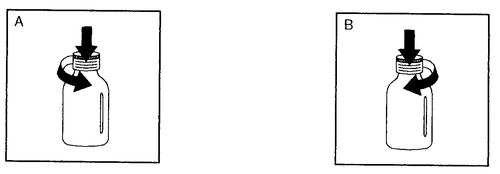
To prevent misuse by children, the bottle is equipped with a child-resistant closure.
To open and close the bottle, follow these instructions:
- To open: A) press and turn simultaneously
- To close: B) press and screw on simultaneously
Use in children and adolescents
Do not administer Delapride to children and adolescents (see section 2, “Do not take Delapride”).
If you take more DELAPRIDE than you should
If you accidentally take too many tablets, contact your doctor immediately because
this could excessively reduce your blood pressure.
If you forget to take DELAPRIDE
If you accidentally forget to take a dose of the medicine, continue with therapy as normal.
Do not take a double dose to make up for the missed tablet.
If you stop taking DELAPRIDE
It is important to continue taking DELAPRIDE unless otherwise indicated by your doctor.
If you have any doubts about using this medicine, consult your doctor.
4. POSSIBLE SIDE EFFECTS
Like all medicines, this medicine can cause side effects, although not everybody gets them.
If side effects occur, they are likely to be mild and temporary. However,
some of these effects may be serious and require medical attention.
Very common side effects(affecting more than 1 in 10 people) :
Cough, dizziness, vertigo (see “Driving and using machines”), headache, weakness, stomach upset, vomiting, skin rashes, itching.
Common side effects(affecting more than 1 in 100 people, but less than 1 in 10 people) :
Very low blood pressure with dizziness, weakness, vision disturbances. Abnormal blood tests
indicating alterations in kidney function or liver function, changes in potassium levels,
low potassium levels in the blood, increased levels of uric acid and glucose in the blood, allergic
skin reactions.
Uncommon side effects(affecting more than 1 in 1,000 people, but less than 1 in
- 100) :Kidney function disorders, including acute renal failure, worsening of pre-existing renal insufficiency. Changes in laboratory tests: increase of a compound produced by muscle function called creatine phosphokinase (CPK) and an enzyme called lactate dehydrogenase (LDH) in the blood, low sodium levels in the blood which can lead to dehydration and reduced blood pressure, impotence (inability to obtain or maintain an erection).
Rare side effects(affecting more than 1 in 10,000 people, but less than 1 in 1,000 people) :
Very low blood pressure with loss of consciousness (syncope), difficulty breathing, sinusitis, cold-like symptoms, inflammation of the tongue, bronchitis and spastic narrowing of the bronchi, nausea,
abdominal pain, indigestion, diarrhea, constipation and dry mouth, skin manifestations with
scaly white lesions (psoriasis) and hair loss, depression, sleep disorders, abnormal sensations of tingling and/or burning, impotence, balance disorders, confusion, ringing in the ears,
blurred vision and taste disturbances. Changes in laboratory tests: Reduction in the amount of
blood pigment (hemoglobin) and the percentage of red blood cell volume (hematocrit), increased
bile pigments and liver enzymes, low chlorine levels in the blood and low magnesium levels in the blood.
Rare cases of reactions that may be produced by similar drugs include swelling of the face, eyes, lips, tongue, throat or difficulty breathing (hypersensitivity/angioedema).
If you notice any of these reactions during treatment, stop taking DELAPRIDE and seek
immediate medical attention.
Very rare side effects(affecting less than 1 in 10,000 people, including isolated reports) :
Very low blood pressure with accelerated heart rate, palpitations, irregular heartbeat,
chest pain, heart attack, transient ischemic attack, cerebral hemorrhage. Edema
affecting the airways with fatal respiratory obstruction. Obstructive jaundice,
hepatitis, inflammation of the pancreas and intestinal obstruction. Allergic reactions to the skin
associated with inflammation and necrosis of the epidermis with exfoliation giving an appearance of burned skin (toxic epidermal necrolysis), blistering rash of the skin, mouth, eyes and genitals with fever and
muscle and joint pain (Stevens-Johnson syndrome), acute multiforme rash (erythema multiforme). Changes in blood: anemia due to deficiency or
insufficient number of new blood cells produced by the bone marrow, severe reduction in the number of
white blood cells which makes infections more likely, reduction in the number of platelets which increases the risk
of bleeding or bruising, reduction in the number of specific white blood cells which makes infections more likely, anemia due to excessive breakdown of red blood cells. Impairment of
liver function; in case of pre-existing liver failure, impairment of brain functions.
Worsening of pre-existing lupus erythematosus. Increased levels of calcium in the blood.
Side effects with unknown frequency(frequency cannot be estimated on the basis of available data)
- High levels of potassium in the blood (hyperkalemia)
- Swelling of the face, lips, tongue and/or throat with difficulty swallowing or breathing (angioedema)
- Kidney problems: significantly reduced urine production (acute kidney injury)
- Alteration of the sense of taste (dysgeusia)
- Inability to perceive flavors (ageusia)
- Loss of consciousness/fainting
- Decreased vision or eye pain due to high pressure (possible signs of fluid accumulation in the vascular layer of the eye (choroidal effusion).
Reporting of side effects
If you get any side effects, talk to your doctor or pharmacist. You can also report side effects directly through the national reporting system at https://www.aifa.gov.it/content/segnalazioni-reazioni-avverse .
By reporting side effects you can help provide more information on the safety of this
medicine.
5. HOW TO STORE DELAPRIDE
- Keep this medicine out of the sight and reach of children.
- Do not use this medicine after the expiry date which is stated on the package and the label of the bottle after the wording EXP. The expiry date refers to the last day of that month.
- Delapride must be used within two months of first opening the bottle.
- Keep the bottle tightly closed.
- This medicine does not require any special storage conditions.
Do not dispose of any medicine in the wastewater or household waste. Ask your pharmacist how to eliminate the
medicines that you no longer use. This will help protect the environment.
6. PACKAGE CONTENTS AND OTHER INFORMATION
What DELAPRIDE contains
The active ingredients are: delapril hydrochloride and indapamide.
Each DELAPRIDE 30 mg + 1.25 mg tablet contains 30 mg of delapril and 1.25 mg of indapamide.
The other ingredients are: lactose monohydrate, low substituted hydroxypropylcellulose, hydroxypropylcellulose
, magnesium stearate and E110 aluminium lake.
Description of the appearance of DELAPRIDE and package contents
DELAPRIDE is supplied in yellow glass bottles, equipped with a child-resistant closure including a
desiccant.
Each pack of DELAPRIDE contains 28 light pink tablets with a break line.
Marketing Authorisation Holder and Manufacturer
Marketing Authorisation Holder
Promedica S.r.l., via Palermo 26 A, 43122 Parma, Italy
Manufacturer
Chiesi Farmaceutici S.p.A, Via San Leonardo, 96, 43122 Parma, Italy
DELAPRIDE 30 mg + 2,5 mg tablets
(delapril hydrochloride and indapamide)
Read this leaflet carefully before taking this medicine as it contains important
information for you.
- Keep this leaflet. You may need to read it again.
- If you have any questions, ask your doctor.
- This medicine has been prescribed for you only. Do not pass it on to others, even if they have the same symptoms as you, as it may be harmful.
- If any side effects occur, including those not listed in this leaflet, tell your doctor. See section 4.
1. WHAT IS DELAPRIDE AND WHAT IT IS USED FOR
What is DELAPRIDE
DELAPRIDE is a combination of two active substances: delapril hydrochloride and indapamide.
Delapril hydrochloride belongs to a group of drugs known as angiotensin converting enzyme inhibitors (ACE inhibitors). Angiotensin II is a substance produced in the body that
causes narrowing of the blood vessels, thus causing an increase in blood pressure. Delapril
prevents the production of Angiotensin II, thereby causing a reduction in blood pressure.
Indapamide is a diuretic that reduces blood pressure in two ways: it reduces circulating fluids through its diuretic effect, which is exerted by blocking the reabsorption of sodium at the renal level, and induces
relaxation of the small peripheral arteries.
What DELAPRIDE is used for
DELAPRIDE is used for the treatment of high blood pressure (hypertension) in patients in whom this
is not adequately controlled by the use of delapril or indapamide alone.
2. WHAT YOU NEED TO KNOW BEFORE TAKING DELAPRIDE
Do not take DELAPRIDE:
What is DELAPRIDE and what it is used for
- 2. What you need to know before taking DELAPRIDE
- 3. How to take DELAPRIDE
- 4. Possible side effects
- 5. How to store DELAPRIDE
- 6. Contents of the pack and other information
- if you are allergic (hypersensitive) to delapril or other ACE inhibitors, to indapamide or other sulfonamide derivatives, or to any of the other ingredients of this medicine (listed in section 6).
- if you suffer from severe liver failure,
- if you suffer from severe kidney failure,
- if you have problems with stenosis of the renal arteries (narrowing of the renal arteries),
- if you suffer from disorders of the cerebral blood vessels (cerebrovascular problems),
- if you are affected by Pheochromocytoma (a tumor that produces catecholamines, substances with a stimulating action),
- if you are affected by Conn's syndrome (hyperactivity of the adrenal glands which can lead to a lowering of potassium levels in the blood),
- if you are pregnant for more than three months. (It is better to avoid DELAPRIDE even in the early stages of pregnancy - see the Pregnancy section),
- if you have suffered from allergic reactions, such as swelling of the face, eyes, lips, tongue, throat and/or difficulty breathing with previous treatments of ACE inhibitors or if you or a family member has had these symptoms in other circumstances,
- if you have low levels of potassium or sodium that have not responded to treatment,
- if you suffer from anuria (absence of urination),
- if you suffer from hereditary/idiopathic angioedema (a disease characterized by edema),
- if you suffer from diabetes or your kidney function is impaired and you are being treated with a medicine that lowers blood pressure, containing aliskiren.
- If you have taken or are taking sacubitril/valsartan, a medicine used to treat a type of long-term (chronic) heart failure in adults, as this increases the risk of angioedema (rapid swelling under the skin in areas such as the throat). If you are taking any of the following medicines, the risk of angioedema may be increased.
- Racecadotril, a medicine used to treat diarrhea.
- Medicines used to prevent organ rejection and to treat cancer (such as temsirolimus, sirolimus, everolimus).
- Vildagliptin, a medicine used to treat diabetes.
Warnings and precautions
Talk to your doctor, pharmacist or nurse before taking DELAPRIDE.
Be careful with Delapride especially:
- if you suffer from kidney disorders, if you have had a kidney transplant,
- if you suffer from certain heart problems (valvular stenosis, i.e. narrowing of the aortic valve or heart failure, or problems with the heart caused by narrowing of the coronary arteries that carry blood to the heart muscle, such as chest pain called angina, or an abnormality in the electrocardiogram called long QT),
- if you are on dialysis (artificial kidney treatment),
- if you have a condition associated with changes in potassium levels in the blood,
- if you have abnormal changes in blood components,
- if you suffer from liver problems,
- if you are to undergo surgery or receive anesthetics,
- if you are to undergo an examination based on imaging techniques that require the administration of an iodinated contrast agent,
- if you have diabetes,
- if you are undergoing LDL-apheresis (removal of cholesterol from the blood with a machine),
- if you are undergoing desensitizing treatment for allergic reactions to bee or wasp stings,
- if you are 65 years of age or older,
- if you suffer from gout and/or have high levels of uric acid in the blood,
- if you suffer from respiratory problems,
- if you have a fast heartbeat, dizziness, general weakness that may indicate low blood pressure,
- if you think you are pregnant (or if there is a possibility of becoming pregnant). DELAPRIDE is not recommended in early pregnancy, and should not be taken if you are pregnant for more than three months, as it can cause serious harm to the baby if taken during this period (see the Pregnancy section),
- if you are breastfeeding,
- if you are taking any of the following medicines used to treat high blood pressure:
- an "angiotensin II receptor blocker" (AIIRA) (also known as sartans - for example valsartan, telmisartan, irbesartan), especially if you suffer from kidney problems related to diabetes,
- aliskiren,
- if you are taking any of the following medicines, the risk of angioedema (rapid swelling under the skin in areas such as the throat) is greater:
- sirolimus, everolimus and other drugs belonging to the class of mTOR inhibitors (used to prevent organ rejection).
- If you have a decrease in vision or eye pain. These could be symptoms of fluid accumulation in the vascular layer of the eye (choroidal effusion) or an increase in pressure in the eye and can occur within a few hours to weeks after taking Delapride. This can lead to permanent vision loss if left untreated. If you have had an allergy to penicillin or sulfonamides in the past, you may be at greater risk of developing these symptoms.
The doctor may check your kidney function, blood pressure, and the amount of electrolytes (e.g. potassium) in your blood at regular intervals.
See also what is reported under the heading “Do not take DELAPRIDE”.
Stop taking DELAPRIDE and seek immediate medical attention if you experience one or more of the following symptoms, due to hypersensitivity reactions to the drug: swelling of the face, eyes, lips, tongue, throat and/or difficulty breathing.(see “Possible Side Effects”)
If you are an athlete, be aware that this medicine contains an active substance that may give a positive result in doping tests.
Children and adolescents
Delapride should not be given to children and adolescents.
Other medicines and DELAPRIDE
Tell your doctor or pharmacist if you are taking, have recently taken or might take any other medicines, including those available without a prescription.
The doctor may need to adjust the dose and/or take other precautions if you are taking any of the following medicines:
- salts containing potassium or potassium-sparing diuretics. In this case, special precautions are recommended (e.g. blood tests),
- diuretics (used to eliminate water from the body by increasing urine production) and other medicines that reduce your blood pressure. These medicines can increase the reduction in blood pressure caused by DELAPRIDE,
- preparations containing lithium (usually used to treat manic-depressive disorders). These medicines must be taken together with DELAPRIDE only under strict medical supervision.
- preparations containing digitalis (for the treatment of heart problems),
- anesthetics, narcotics,
- medicines used to treat cancer,
- medicines with a protective action against cancer therapies,
- other medicines to lower blood pressure,
- corticosteroids,
- immunosuppressant drugs (which reduce the body's defenses) used for the treatment of autoimmune diseases or in organ transplant surgery,
- allopurinol (for the treatment of gout),
- some painkillers (e.g. non-steroidal anti-inflammatory drugs such as aspirin),
- medicines that stimulate the sympathetic nervous system (e.g. cold medicines),
- antacids,
- medicines for diabetes (oral use, especially metformin, or insulin),
- medicines for the treatment of arrhythmias (irregular heartbeat). In this case, special precautions are recommended (e.g. blood tests),
- antipsychotics, antidepressants. In this case, special precautions are recommended (e.g. blood tests),
- some anti-infectives (erythromycin, halofantrine, pentamidine, sparfloxacin, moxifloxacin), vincamine. In this case, special precautions are recommended (e.g. blood tests),
- calcium supplements,
- an angiotensin II receptor blocker (AIIRA) or aliskiren (see also what is reported under “Do not take DELAPRIDE” and “Warnings and precautions”. This indication applies especially if you are also taking:
- medicines used to prevent organ rejection (sirolimus, everolimus and other drugs belonging to the class of mTOR inhibitors). See paragraph “Warnings and precautions”.
- Potassium supplements (including salt substitutes), potassium-sparing diuretics and other medicines that can increase the amount of potassium in the blood (such as trimethoprim and cotrimoxazole for treating bacterial infections; cyclosporine, an immunosuppressant used to prevent organ rejection; and heparin, a medicine used to thin the blood and prevent blood clots).
DELAPRIDE with food, beverages and alcohol
DELAPRIDE can be taken with or without food, as food intake has a negligible effect and does not affect the blood pressure lowering effect.
Be careful when drinking alcohol, as it enhances the antihypertensive effect of DELAPRIDE.
Pregnancy, breastfeeding and fertility
Pregnancy
If you are pregnant, suspect you are pregnant or are planning a pregnancy, ask your doctor for advice before taking this medicine. As a rule, your doctor will advise you to stop taking DELAPRIDE before starting a pregnancy or as soon as you find out you are pregnant and will advise you to take another medicine instead of DELAPRIDE.
DELAPRIDE is not recommended in early pregnancy, and should not be taken if you are pregnant for more than three months, as it can cause serious harm to the baby if taken after the third month of pregnancy.
Breastfeeding
Tell your doctor if you are breastfeeding or planning to start breastfeeding.
DELAPRIDE is not recommended for women who are breastfeeding and your doctor may choose another treatment if you wish to breastfeed, especially if your baby is newborn or premature.
Ask your doctor for advice before taking any medicine.
Driving and operating machinery
It is unlikely that DELAPRIDE will affect your ability to drive vehicles or operate machinery. However, dizziness, fatigue or other reactions to the lowering of blood pressure may occasionally occur, which could impair your ability to drive vehicles or use machinery (see “Possible Side Effects”). If this happens to you, consult your doctor before engaging in these activities.
DELAPRIDE contains lactose
If your doctor has diagnosed you with intolerance to certain sugars, contact him before taking this medicine.
3. HOW TO TAKE DELAPRIDE
Dosage
Take this medicine exactly as your doctor has instructed. If you have any doubts, consult your doctor.
The usual starting dose is one DELAPRIDE 30 mg + 1.25 mg tablet once a day. After 2-4
weeks of therapy, depending on the response, your doctor may decide to maintain the same dose or
to increase it to one 30 mg + 2.5 mg tablet once a day.
However, in certain cases, your doctor may immediately prescribe DELAPRIDE 30 mg + 2.5 mg.
If you are over 65 years old, have kidney problems or slightly elevated blood pressure levels,
or are already taking a diuretic, your doctor may prescribe you a suitably reduced dose.
Method of administration
Delapride should preferably be taken in the morning.
Swallow the tablet with a sufficient amount of water.
You should try to take your daily dose every day at the same time.
Duration of treatment
It is important to continue taking DELAPRIDE unless otherwise indicated by your doctor.
Take exactly the prescribed dose and do not change it without first consulting your doctor.
Use in children and adolescents
Do not administer Delapride to children and adolescents (see section 2, "Do not take Delapride").
If you take more DELAPRIDE than you should
If you accidentally take too many tablets, contact your doctor immediately because
this could excessively reduce your blood pressure.
If you forget to take DELAPRIDE
If you accidentally forget to take a dose of the medicine, continue with therapy as normal.
Do not take a double dose to compensate for forgetting a single tablet.
If you stop taking DELAPRIDE
It is important to continue taking DELAPRIDE unless otherwise indicated by your doctor.
If you have any doubts about using this medicine, consult your doctor.
4. POSSIBLE SIDE EFFECTS
Like all medicines, this medicine can cause side effects, although not everybody gets them.
If side effects do occur, they are likely to be mild and temporary. However,
some of these effects may be serious and require medical attention.
Very common side effects(which affect more than 1 in 10 people) :
Cough, dizziness, vertigo (see “Driving and using machines”), headache, weakness, upset stomach, vomiting, skin rashes, itching.
Common side effects(which affect more than 1 in 100 people, but less than 1 in 10 people) :
Very low blood pressure with dizziness, weakness, visual disturbances. Abnormal blood tests
indicating alterations in kidney function or liver function, changes in potassium levels,
low potassium levels in the blood, increased levels of uric acid and glucose in the blood, allergic
skin reactions.
Uncommon side effects(which affect more than 1 in 1,000 people, but less than 1 in
- 100) :Disorders of kidney function, including acute renal failure, worsening of pre-existing renal insufficiency. Changes in laboratory tests: increase in a compound produced by muscle function called creatine phosphokinase (CPK) and an enzyme called lactate dehydrogenase (LDH) in the blood, low sodium levels in the blood which may lead to dehydration and reduced blood pressure, impotence (inability to obtain or maintain an erection).
Rare side effects(which affect more than 1 in 10,000 people, but less than 1 in 1,000 people) :
Very low blood pressure with loss of consciousness (syncope), difficulty breathing, sinusitis, cold-like symptoms, inflammation of the tongue, bronchitis and spasm of the bronchi, nausea,
abdominal pain, indigestion, diarrhea, constipation and dry mouth, skin manifestations with
scaly white lesions (psoriasis) and hair loss, depression, sleep disturbances, abnormal sensations of tingling and/or burning, impotence, balance disorders, confusion, ringing in the ears,
blurred vision and taste disturbances. Changes in laboratory tests: Reduction in the amount of
blood pigment (hemoglobin) and the percentage of red blood cell volume (hematocrit), increased
bile pigments and liver enzymes, low chlorine levels in the blood and low magnesium levels in the blood.
Rare cases of reactions that may be produced by similar drugs include swelling of the face, eyes, lips, tongue, or throat, or difficulty breathing (hypersensitivity/angioedema).
If you notice any of these reactions during treatment, stop taking DELAPRIDE and seek
immediate medical attention.
Very rare side effects(which affect less than 1 in 10,000 people, including isolated reports) :
Very low blood pressure with accelerated heart rate, palpitations, irregular heartbeat,
chest pain, heart attack, transient ischemic attack (stroke), cerebral hemorrhage. Edema
affecting the airways with fatal respiratory obstruction. Jaundice due to obstruction of the bile ducts,
hepatitis, inflammation of the pancreas and intestinal obstruction. Allergic skin reactions
associated with inflammation and necrosis of the epidermis with exfoliation giving an appearance of burned skin (toxic epidermal necrolysis), blistering rash of the skin, mouth, eyes and genitals with fever and
muscle and joint pain (Stevens-Johnson syndrome), acute multiforme rash (erythema multiforme). Changes in the blood: anemia due to deficiency or insufficient
number of new blood cells produced by the bone marrow, severe reduction in the number of white blood cells
which increases the likelihood of infections, reduction in the number of platelets which increases the risk of
bleeding or bruising, reduction in the number of specific white blood cells which increases the likelihood of
infections, anemia due to excessive breakdown of red blood cells. Impairment of liver function; in case of pre-existing liver insufficiency impairment of brain functions.
Worsening of pre-existing lupus erythematosus. Increased levels of calcium in the blood.
Side effects with unknown frequency(frequency cannot be estimated on the basis of available data)
- High levels of potassium in the blood (hyperkalemia)
- Swelling of the face, lips, tongue and/or throat with difficulty swallowing or breathing (angioedema)
- Kidney problems: significantly reduced urine production (acute kidney injury)
- Altered sense of taste (dysgeusia)
- Inability to perceive tastes (ageusia)
- Loss of consciousness/fainting
- Decreased vision or eye pain due to high pressure (possible signs of fluid accumulation in the vascular layer of the eye (choroidal effusion).
- Reporting of side effectsIf you get any side effects, talk to your doctor or pharmacist. You can also report side effects directly through the national reporting system at https://www.aifa.gov.it/content/segnalazioni-reazioni-avverse . By reporting side effects you can help provide more information on the safety of this medicine.
5. HOW TO STORE DELAPRIDE
- Keep this medicine out of the sight and reach of children.
- Do not use this medicine after the expiry date which is stated on the pack after the inscription EXP. The expiry date refers to the last day of that month.
- This medicine does not require any particular storage conditions.
Do not dispose of any medicine in waste water or household waste. Ask your pharmacist how to dispose of medicines you no longer use. This will help protect the environment.
6. PACKAGE CONTENTS AND OTHER INFORMATION
What DELAPRIDE contains
The active ingredients are: delapril hydrochloride and indapamide.
Each DELAPRIDE 30 mg + 2.5 mg tablet contains 30 mg of delapril and 2.5 mg of indapamide
The other ingredients are lactose monohydrate, low substituted hydroxypropylcellulose, hydroxypropylcellulose
and magnesium stearate.
Description of the appearance of DELAPRIDE and package contents
DELAPRIDE is supplied in aluminum blisters with 14 pockets.
Each pack of DELAPRIDE contains 28 white tablets with a break line.
Marketing Authorization Holder and Manufacturers
Marketing Authorization Holder
Promedica Srl Via Palermo 26/ A, 43122 Parma, Italy
Manufacturers
Chiesi Farmaceutici S.p.A Via San Leonardo, 96, 43122 Parma, Italy
Fine Foods & Pharmaceuticals N.T.M. S.p.A.
Via Grignano, 43 24041 Brembate (BG), Italy

Не впевнені, чи підходить вам цей лікарський засіб?
Обговоріть симптоми та можливі варіанти лікування з лікарем онлайн.

Виникли питання під час прийому ліків?
Обговоріть свої симптоми та лікування з лікарем онлайн.

- Країна реєстрації
- Лікарська формаCoated tablet, 30 MG + 1.25 MG
- Код АТХC09BA12
- Діюча речовина
- Потрібен рецептТак
- Виробник
- Ця інформація надана лише для ознайомлення і не є медичною порадою. Рішення щодо лікування завжди приймає лікар.
- Альтернативи до DELAPRIDEЛікарська форма: Coated tablet, 50 MG + 25 MGДіюча речовина: captopril and diureticsПотрібен рецептЛікарська форма: Tablet, 20 MG + 12,5 MGДіюча речовина: enalapril and diureticsВиробник: ALFASIGMA S.P.A.Потрібен рецептЛікарська форма: Film-coated tablet, 10 MG/12.5 MGДіюча речовина: benazepril and diureticsВиробник: EG S.P.A.Потрібен рецепт
Аналоги DELAPRIDE в інших країнах
Препарати з тією самою діючою речовиною, доступні в інших країнах.
Аналог DELAPRIDE у Іспанія
Лікарі онлайн щодо DELAPRIDE
Застосування, безпека та можливість призначення рецепта — за результатами медичної оцінки.
Отримайте рецепт на DELAPRIDE онлайн
Заповніть форму за 2 хвилини
Розкажіть про симптоми, історію хвороби та потрібний препарат.
Оберіть лікаря або ми призначимо
Оберіть спеціаліста або ми підберемо найближчого доступного лікаря.
Лікар розглядає ваш випадок
Зазвичай протягом 30 хвилин. Може ставити уточнювальні запитання в чаті.
Отримайте в будь-якій аптеці
Електронний рецепт надсилається на вашу пошту — дійсний по всій Польщі.
Часті запитання
DELAPRIDE потребує рецепта в Італія. Ви можете обговорити з лікарем онлайн, чи підходить цей лікарський засіб для вашої ситуації.
Діюча речовина у DELAPRIDE — delapril and diuretics. Це допомагає визначити препарати з тим самим складом, але під іншими торговими назвами.
DELAPRIDE виробляється компанією PROMEDICA S.R.L.. Назва бренду та упаковка можуть відрізнятися залежно від дистрибʼютора.
Лікарі, зокрема Сімейні лікарі, Психіатри, Дерматологи, Кардіологи, Ендокринологи, Гастроентерологи, Пульмонологи, Нефрологи, Ревматологи, Гематологи, Інфекціоністи, Алергологи, Геріатри, Педіатри, Онкологи, можуть оцінити доцільність застосування DELAPRIDE з урахуванням вашого стану та місцевих правил. Ви можете записатися на онлайн-консультацію, щоб обговорити симптоми та можливі подальші кроки.
Польща має добре розвинену систему охорони здоров'я у великих містах, таких як Варшава, Краків, Вроцлав і Гданськ. Аптеки широко доступні та працюють відповідно до чинного законодавства, забезпечуючи доступ до рецептурних препаратів.
Ви можете придбати DELAPRIDE у Варшаві, Кракові, Вроцлаві або Гданську в будь-якій аптеці за наявності дійсного рецепта.
Щоб отримати рецепт, ви можете скористатися Oladoctor:
Інші препарати з тією самою діючою речовиною (delapril and diuretics) включають AKEDIUR, AKESISTEM, BENATSEPRIL IDROKLOROTIATSIDE EG. Вони можуть відрізнятися торговою назвою або формою випуску, але містять той самий терапевтичний компонент. Перед зміною або початком прийому нового препарату варто проконсультуватися з лікарем.
