



ACEDIUR 50 mg/25 mg Coated Tablet

Запит на рецепт онлайн
Лікар розгляне ваш випадок і визначить, чи є рецепт медично доцільним.

Поговоріть з лікарем про ці ліки
Обговоріть симптоми та можливі подальші кроки під час короткої онлайн-консультації.



Інструкція із застосування AKEDIUR
Зміст інструкції
OK for variation N1B/2017/965 and N1B/2015/4623
ACEDIUR 50 mg + 25 mg tablets, 50 mg + 15 mg tablets
Captopril + hydrochlorothiazide
Read this leaflet carefully before taking this medicine as it contains
important information for you.
- Keep this leaflet. You may need to read it again.
- If you have any questions, ask your doctor or pharmacist.
- This medicine has been prescribed for you only. Do not pass it on to others, even if their symptoms are the same as yours, as it could be harmful.
- If you get any side effects, even those not listed in this leaflet, tell your doctor or pharmacist. See section 4.
Contents of this leaflet:
- 1. What ACEDIUR is and what it is used for
- 2. What you need to know before you take ACEDIUR
- 3. How to take ACEDIUR
- 4. Possible side effects
- 5. How to store ACEDIUR
- 6. Contents of the pack and other information
1. WHAT ACEDIUR IS AND WHAT IT IS USED FOR
ACEDIUR contains the active ingredients captopril (belonging to the pharmacological class of ACE
inhibitors, medicines used to lower blood pressure) and hydrochlorothiazide (diuretic medicine,
belonging to the sulfonamides, which increases urine production with a consequent
lowering of blood pressure).
ACEDIUR is used in adults for the treatment of essential hypertension (increased
blood pressure due to causes not yet identified).
The captopril/hydrochlorothiazide combination is indicated for patients whose blood pressure is not
adequately controlled with captopril alone or with hydrochlorothiazide alone.
2. WHAT YOU NEED TO KNOW BEFORE TAKING ACEDIUR
Do not take ACEDIUR
- if you are allergic to captopril or any other ACE inhibitor; if you are allergic to hydrochlorothiazide or other drugs derived from sulfonamides or to any of the other ingredients of this medicine (listed in section 6);
- if you have had angioedema (sudden swelling of the skin and mucous membranes) in the past associated with previous therapy with ACE inhibitors;
- if you have hereditary/idiopathic angioedema (of unknown origin);
- if you suffer from severe renal insufficiency (decreased kidney function with creatinine clearance less than 30 ml/min);
- if you suffer from severe hepatic insufficiency (decreased liver function);
- if you suffer from diabetes or your kidney function is impaired and you are being treated with a medicine that lowers blood pressure containing the active ingredient aliskiren;
- if you are in the second and third trimester of pregnancy (see “Pregnancy, breastfeeding and fertility”).
Warnings and precautions
Consult your doctor or pharmacist before taking ACEDIUR if any of the following applies to you:
- if you are taking any of the following medicines used to treat high blood pressure:
- an “angiotensin II receptor antagonist” (AIIRA) (also known as sartans - for example valsartan, telmisartan, irbesartan), especially if you suffer from kidney problems related to diabetes;
- aliskiren (see “Do not take ACEDIUR”);
- if you are taking any of the following drugs, the risk of angioedema (rapid swelling under the skin in areas such as the throat) is greater: sirolimus, everolimus and other drugs belonging to the class of mTOR inhibitors (used to prevent organ rejection after transplantation);
- if you suffer from high blood pressure due to reduced blood flow to one or both kidneys, if you have a pathological narrowing of a renal artery (in the case of a single functioning kidney) or of both renal arteries; in these cases, therapy should be started under strict medical supervision with low doses, with careful dose adjustment and monitoring of kidney function;
- if you have had aortic and mitral stenosis (pathological narrowing of the aorta and one of the 4 valves inside the heart), hypertrophic obstructive cardiomyopathy (marked thickening of the heart walls, which determines an obstacle to normal blood flow); shock following heart failure (cardiogenic shock);
- if you are undergoing desensitization treatment (administration of increasing doses of a substance that produces allergic reactions, until the body no longer reacts to them) with venom for example from bees or wasps; allergic-type reactions, even severe ones, have been reported in people who, while taking medicines like Acediur, had undergone such desensitization treatment; talk to your doctor before such desensitization procedures;
- if you suffer from diabetes and have been previously treated with oral antidiabetics or insulin, Acediur may affect the effect of insulin or other antidiabetic medicines; ask your doctor for advice;
- if you are to undergo major surgery or treatments with anesthetics known to cause a decrease in blood pressure;
- if you suffer from any liver disorder; thiazide diuretics should be used with caution in case of liver dysfunction or progressive liver disease, as even minor changes in fluids or electrolyte balance can lead to hepatic coma; discontinue treatment with ACEDIUR and undergo specific medical monitoring if you develop jaundice (yellowing of the skin, sclera and mucous membranes) or experience marked increases in liver enzymes (liver) during treatment with the medicine;
- if you suffer from any kidney disorder; in patients with kidney disease, thiazide diuretics (such as hydrochlorothiazide) can cause hyperazotemia; furthermore, drug accumulation effects may develop; if you have had a kidney disease in the past, you should undergo determinations of urine proteins (dipstick on the first morning urine) before treatment and then periodically; proteinuria (presence of proteins in the urine) can
manifest in particular if you have pre-existing kidney dysfunction or if you are being treated with
relatively high doses of Acediur;
- if you are undergoing dialysis; allergic-type reactions have been reported in people undergoing hemodialysis with high-flux dialysis membranes (i.e. capable of removing toxins of medium size), undergoing apheresis (removal) of low-density lipoproteins by adsorption with dextran sulfate (accumulation on a surface coated with a polymer that binds lipoproteins), who are taking medicines like Acediur;
- if you experience a reduction in vision (transient myopia) or pain in one or both eyes while taking Acediur; this could be a sign that you are developing glaucoma (increased pressure in one or both eyes); in this case, stop treatment and consult a doctor;
- if you suffer from allergies, bronchial asthma, systemic lupus erythematosus (a chronic disease that can affect various organs and tissues of the body, in which the immune system generates direct responses against its own components) or lupus-like disorders;
- if you are taking potassium supplements, saline substitutes containing potassium, potassium-sparing diuretics or other drugs associated with an increase in potassium (e.g. heparin); increased blood potassium levels have been observed in some patients treated with ACE inhibitors, including captopril;
- if hypotension (low blood pressure) occurs; hypotension (low blood pressure) has been rarely observed in patients with uncomplicated hypertension; symptomatic hypotension may be more likely if you suffer from hypertension and have reduced volume (i.e. the amount of water contained in the body) and/or sodium following intensive diuretic therapy, salt restriction in the diet, diarrhea, vomiting or hemodialysis; volume and/or sodium reduction must be corrected before administering an ACE inhibitor and a lower initial dose should be considered; as with other antihypertensives, an excessive decrease in pressure in patients with ischemic cardiovascular disease may increase the risk of myocardial infarction or stroke;
- if angioedema (sudden swelling of the skin or mucous membranes in the extremities, face, lips, tongue, glottis or larynx) occurs; in this case, you must stop treatment immediately;
- if a cough occurs; the appearance of a persistent, non-productive (dry) cough has been reported with the use of Acediur, which resolves with discontinuation of therapy;
- if you experience neutropenia (decreased number of neutrophils, a type of white blood cell in the blood), agranulocytosis (severe decrease in the number of granulocytes in the blood), thrombocytopenia (decreased platelets in the blood) and anemia (reduction in hemoglobin levels in the blood). Use captopril with extreme cautionif:
- you have collagen diseases (structural protein, a fundamental component of connective tissue);
- you are undergoing therapy with immunosuppressants (medicines that decrease or block the immune response), allopurinol (a medicine that reduces the formation of uric acid) or procainamide (a medicine used to treat heart rhythm abnormalities);
- if you have a combination of these risk factors, especially in the presence of pre-existing kidney dysfunction (see “Other medicines and ACEDIUR”).
In these cases, serious infections may develop, which sometimes do not respond to intensive
antibiotic therapy.
In these situations, if you are taking captopril, it is recommended to perform a white blood cell count and
leukocyte formula before therapy, every two weeks during the first three months of therapy with
captopril and then periodically.
Thiazide diuretics, including hydrochlorothiazide, can cause an imbalance of water and
electrolytes: hypokalemia (i.e. decrease in potassium levels in the blood), hyponatremia (i.e.
decrease in sodium levels in the blood) and hypochloremic alkalosis (i.e. decrease in blood acidity
following a decrease in chlorine levels in the blood). Warning signs of an electrolyte imbalance are
dryness of the mouth (area of passage from the mouth to the throat), thirst, weakness,
lethargy, drowsiness, agitation, muscle pain or cramps, fatigue, hypotension, oliguria
(decreased urine production), tachycardia (increased heart rate) and gastrointestinal
disorders such as nausea or vomiting.
Although hypokalemia may develop with the use of thiazide diuretics, concomitant therapy with
captopril may reduce diuretic-induced hypokalemia. The risk of hypokalemia is greatest in
patients with cirrhosis of the liver, patients with polyuria (producing a lot of
urine), patients receiving inadequate electrolyte intake (i.e. an inadequate amount of
minerals such as calcium, magnesium, potassium, sodium) and patients who are being treated
simultaneously with corticosteroids or ACTH (see “Other medicines and ACEDIUR”).
A dilutional hypokalemia may occur in patients with edema (fluid accumulation) in
very hot days. Chlorine deficiency is generally mild and normally does not require treatment.
Thiazide diuretics can decrease urinary excretion of calcium and cause intermittent and mild
elevation of its concentration in the blood in the absence of ascertained disorders of calcium
metabolism. A marked hypercalcemia may be a sign of hidden hyperparathyroidism (increased
functionality of the parathyroid glands). Treatment with thiazides should be discontinued before
performing tests for parathyroid function.
Thiazide diuretics have been shown to increase urinary excretion of magnesium, which can result in
hypomagnesemia (decreased magnesium levels in the blood).
Your doctor may check your kidney function, blood pressure and the amount of electrolytes
(e.g. potassium) in your blood at regular intervals. See also what is reported in the section “Do not
take ACEDIUR”.
Medicines containing lithium should not be taken with Acediur without careful medical supervision.
If you experience any of the following problems, contact your doctor immediately
- severe dizziness or fainting, which may be symptoms due to excessive lowering of blood pressure;
- swelling of the arms, legs, ankles, face, lips, tongue and/or throat, with difficulty swallowing or breathing;
- cough;
- jaundice (yellowing of the skin/eyes);
- increased levels of cholesterol, triglycerides (fats) and uric acid in the blood,
- decreased number of white blood cells, platelets or decreased hemoglobin levels in the blood;
- any sign of infection (such as sore throat or fever) that does not respond promptly to usual treatment;
- dryness of the mouth (area of passage from the mouth to the throat);
- thirst;
- weakness;
- lethargy;
- drowsiness;
- agitation;
- muscle pain or cramps;
- fatigue;
- decreased urine production (oliguria);
- gastrointestinal disorders such as nausea or vomiting;
- increased heart rate (tachycardia).
Captopril can cause false positive results in urine tests for acetone.
It can also interfere with tests for the diagnosis of pancreatic diseases (bentiroamide test)
and can decrease blood levels of thyroid-binding iodinated hormones without signs
of thyroid disorder.
Inform the following people that you are taking Acediur:
- if you are hospitalized, medical staff, especially the anesthesiologist (if you are to be operated on);
- the dentist before anesthesia for dental care.
Children and adolescents
The safety and efficacy of ACEDIUR in children have not been established.
For those who play sports: the use of the drug without therapeutic need constitutes doping and
may still result in positive doping tests.
Other medicines and ACEDIUR
Tell your doctor or pharmacist if you are taking, have recently taken, or might take
any other medicine, even those available without a prescription.
This applies especially if you are also taking:
- medicines usually used to prevent rejection of transplanted organs (sirolimus, everolimus and other medicines belonging to the class of mTOR inhibitors). See section “Warnings and precautions”;
- potassium supplements or saline substitutes containing potassium, diuretics (tablets that promote urination, especially those so-called potassium-sparing diuretics), other medicines that can increase potassium levels in the body (including heparin and cotrimoxazole also known as trimethoprim/sulfamethoxazole).
If concomitant use is indicated due to manifest hypokalaemia, they must be used with
caution and with frequent checks of blood potassium levels (see “Warnings and precautions”).
- other diuretics; previous treatment with high doses of diuretics can lead to a depletion of volume (i.e. a reduction in the amount of water and sodium) and to the risk of hypotension (excessive reduction of blood pressure) when starting therapy with captopril; hypotensive effects can be reduced by stopping the diuretic, increasing the volume or taking salt, or starting therapy with low doses of captopril; however, in specific studies conducted with hydrochlorothiazide or furosemide (molecules belonging to the diuretic category), no clinically significant pharmacological interactions have been observed;
- medicines used for the treatment of acute myocardial infarction; captopril can be used together with acetylsalicylic acid (at cardiological dosages), thrombolytics (a class of medicines capable of causing the destruction of pathological blood clots), beta-blockers and/or nitrates (medicines used for heart and vascular diseases) in patients with myocardial infarction;
- antihypertensive medicines; concomitant use may increase the hypotensive effects of Acediur; the doctor may need to adjust the dose and/or take other precautions if you are taking an angiotensin II receptor blocker (AIIRA) or aliskiren (see also what is reported in “Do not take ACEDIUR” and “Warnings and precautions”);
- nitroglycerin and other nitrates or other vasodilators;.
- medicines used to treat psychotic conditions and some antidepressants, ACE inhibitors can enhance the hypotensive effects of some tricyclic antidepressants and antipsychotics, resulting in postural hypotension;
- allopurinol (a medicine that reduces the formation of uric acid), procainamide (a medicine used to treat heart rhythm abnormalities), cytotoxic drugs (antineoplastic drugs that inhibit and fight the development of tumors) or immunosuppressant agents (medicines that decrease or block the immune response); the simultaneous administration of ACE inhibitors may lead to an increased risk of leucopenia (decrease in the level of white blood cells in the blood), especially when the latter are used in doses higher than those normally recommended (see “Warnings and precautions”);
- sympathomimetic medicines (medicines that stimulate the autonomic nervous system) which can reduce the antihypertensive effects of ACE inhibitors;
- medicines used for diabetes; ACE inhibitors, including captopril, can enhance the hypoglycemic effects of insulin and antidiabetics;
- amphotericin B parenterally (antifungal), carbenoxolone (anti-ulcer), corticosteroids (anti-inflammatory), corticotropin (or ACTH, a hormone important for cortisol synthesis) or stimulant laxatives (medicines capable of increasing intestinal motility and secretion); hydrochlorothiazide can intensify electrolyte imbalance, particularly hypokalaemia;
- calcium salts, in case of concomitant administration with thiazide diuretics, an increase in blood calcium concentration is observed as a consequence of its reduced excretion;
- cardiac glycosides (digitalis, medicines that increase heart function), hypokalaemia induced by diuretics increases the possibility of digitalis toxicity;
- cholestyramine and colestipol (medicines that lower blood cholesterol), these medicines can delay or decrease the absorption of hydrochlorothiazide. Take ACEDIUR at least one hour before or four to six hours after these medicines;
- muscle relaxants (used to relieve muscle spasms, e.g. tubocurarine chloride);
- medicines associated with torsade de pointes (a serious form of cardiac rhythm disturbance) Due to the risk of reducing potassium levels in the blood, caution should be exercised when administering ACEDIUR together with medicines associated with torsade de pointes (a serious form of cardiac arrhythmia), such as some antiarrhythmics, antipsychotics and other medicines known to induce torsade de pointes.
- Lithium The combination of captopril and hydrochlorothiazide with lithium is not recommended. Reversible increases in blood lithium concentrations and lithium toxicity have been reported during concomitant administration of lithium and ACE inhibitors. The concomitant use of thiazide diuretics may increase the risk of lithium toxicity and enhance the already high risk of lithium toxicity with ACE inhibitors. Careful monitoring of blood lithium levels must be performed if the combination is necessary.
- Non-steroidal anti-inflammatory drugs (NSAIDs) When ACE inhibitors are administered simultaneously with non-steroidal anti-inflammatory drugs (e.g. selective COX-2 inhibitors such as celecoxib or valdecoxib, acetylsalicylic acid starting from 325 mg/day and non-selective NSAIDs), there may be an attenuation of the antihypertensive effect.
The concomitant use of ACE inhibitors and NSAIDs may lead to an increased risk of worsening
renal function including possible acute renal failure and increased blood potassium levels, especially in patients with pre-existing impaired renal function.
Take ACEDIUR with caution, especially if you are elderly. You should be adequately hydrated and
monitoring of renal function should be considered at the start of concomitant therapy.
ACEDIUR with alcohol
As with other antihypertensives, the ability to drive vehicles and operate machinery may be reduced
when ACEDIUR is used in combination with alcohol, but these effects depend on individual susceptibility.
Pregnancy and breastfeeding
If you are pregnant, suspect you are pregnant, or are planning to become pregnant, or if you are breastfeeding with
breast milk, ask your doctor or pharmacist for advice before taking this medicine.
Pregnancy
Do not take ACEDIUR during pregnancy. Exposure to ACE inhibitors during the second and third
trimesters of pregnancy
induces fetal (reduced kidney function, reduction in the amount of amniotic fluid,
delayed skull ossification) and neonatal (kidney failure, hypotension, increased levels
of potassium in the blood) toxicity.
If exposure to an ACE inhibitor occurs from the second trimester of pregnancy, an ultrasound check of kidney function and the skull is recommended.
If you are planning a pregnancy, you should switch to alternative antihypertensive treatments with
a proven safety profile for use in pregnancy, unless it is considered essential to continue therapy with an ACE inhibitor.
Breastfeeding
Tell your doctor if you are breastfeeding or are planning to start breastfeeding. The use of ACEDIUR during
breastfeeding is not recommended. If ACEDIUR is taken during breastfeeding, the doses
should be kept as low as possible.
Driving and using machines
As with other antihypertensives, the ability to drive vehicles and operate machinery may be reduced, for
example at the beginning of treatment, when the dosage is changed, and also when used in
combination with alcohol, but these effects depend on individual susceptibility.
ACEDIUR 50 mg + 25 mg tablets and ACEDIUR 50 mg + 15 mg tablets contain
lactose.If your doctor has diagnosed you with an intolerance to certain sugars, contact him before
taking this medicine.
ACEDIUR 50 mg + 25 mg tablets contains the colorant E110which may cause allergic
reactions.
3. HOW TO TAKE ACEDIUR
Take this medicine following exactly the instructions of your doctor or pharmacist. If you have any doubts, ask your doctor or pharmacist.
In patients whose blood pressure is not adequately controlled with captopril alone or hydrochlorothiazide alone, ACEDIUR may be taken, before and after meals, in a single dose or in two divided doses daily.
Do not exceed the maximum daily dose of captopril 100 mg/hydrochlorothiazide 30 mg, equivalent to 1 ACEDIUR 50/25 mg tablet or 2 ACEDIUR 50/15 mg tablets per day.
If satisfactory blood pressure reductions are not obtained, further antihypertensive treatment may be added (see “Other medicines and ACEDIUR”).
Adults
The administration of ACEDIUR is usually recommended after a progressive dosage of the individual components.
The usual maintenance dose is 50/25 mg (1 ACEDIUR 50/25 mg tablet) once a day, in the morning.
When clinically appropriate, a direct switch from monotherapy (therapy with a single medicine) to fixed combination (ACEDIUR) may be considered.
The 25/25 mg dosage may be administered once a day in those patients whose blood pressure is not adequately controlled with hydrochlorothiazide 25 mg monotherapy and before titration (dosage adjustment) of captopril.
The 50/25 mg and 25/25 mg dosages must be taken in a single tablet per day, as two tablets would result in inappropriate overdosing of hydrochlorothiazide (50 mg/day).
The 50/15 mg dosage may be administered at the beginning of therapy with the fixed combination in those patients whose blood pressure is not adequately controlled with captopril 50 mg monotherapy and/or when a lower dosage of hydrochlorothiazide is preferred.
Renal dysfunction
In case of decreased renal function (creatinine clearance between 30 and 80 ml/min) the initial dose is usually 25/12.5 mg (half an ACEDIUR 50/25 mg tablet) once a day, in the morning.
The captopril/hydrochlorothiazide combination is contraindicated in patients with severe renal insufficiency (creatinine clearance less than 30 ml/min).
Special populations
In patients with salt or volume depletion (decrease in salt or water and sodium content), in elderly patients and in diabetics, the initial dose is usually 25/12.5 mg (half an ACEDIUR 50/25 mg tablet) once a day.
Children and adolescents:
The safety and efficacy of ACEDIUR in children have not been established.
Duration of treatment
As prescribed by your doctor.
If you take more ACEDIUR than you should
If you have taken an excessive dose of the medicine, immediately inform your doctor or go to the nearest hospital.
If you have taken an excessive dose of ACEDIUR, you may experience: increased diuresis, electrolyte imbalance, severe hypotension, depression of consciousness (including coma), convulsions, paresis (partial decrease in the motility of a muscle district), cardiac arrhythmias (alteration of heart rhythm), bradycardia (decrease in heart rate), renal failure.
If the ingestion is recent, measures to prevent absorption such as gastric lavage (emptying and washing of the stomach), administration of adsorbents and sodium sulfate should be applied within thirty minutes of ingestion and elimination should be accelerated.
If hypotension occurs, the patient should be placed in the Trendelenburg position (supine position on an inclined plane of 20-30° so that the head is at a lower level than the pelvis and lower limbs) and fluids and sodium chloride should be rapidly administered. Treatment with angiotensin II may be considered.
Significant bradycardia and vagal reactions should be treated with atropine. The use of a pacemaker may be considered. Constant monitoring of fluids, electrolytes and acid-base balance and blood glucose is essential. In case of hypokalemia, administration of a potassium substitute is necessary.
Captopril can be removed from the circulation by dialysis. The level of removal for hydrochlorothiazide hemodialysis has not been established.
If you forget to take ACEDIUR
Do not take a double dose to make up for a missed dose.
If you have any doubts about using this medicine, ask your doctor or pharmacist.
4. POSSIBLE SIDE EFFECTS
Like all medicines, this medicine can cause side effects, although not everyone will experience them.
CAPTOPRIL
The side effects reported with captopril and/or ACE inhibitor therapy include:
Common side effects (may affect up to 1 in 10 people)
- sleep disturbances;
- altered taste, dizziness;
- itching with or without redness, skin rash (sudden redness of the skin) and alopecia (hair loss);
- dry, irritating cough (non-productive) (see “Warnings and precautions”) and dyspnea (difficulty breathing);
- nausea, vomiting, gastric irritation, abdominal pain, diarrhea, constipation, dry mouth.
Uncommon side effects (may affect up to 1 in 100 people)
- tachycardia (accelerated heartbeat) or tachyarrhythmia, angina pectoris (chest pain caused by insufficient oxygenation of the heart muscle following a transient decrease in blood flow), palpitations;
- chest pain, fatigue, malaise;
- angioedema (see “Warnings and precautions”);
- hypotension (see “Warnings and precautions”), Raynaud's syndrome (characterized by excessive contraction of blood vessels), flushing, pallor.
Rare side effects (may affect up to 1 in 1,000 people)
- anorexia (lack or reduction of appetite);
- somnolence, headache and paresthesia (altered sensitivity of the limbs or other parts of the body);
- renal dysfunction including renal failure, polyuria, oliguria, pollakiuria (frequent emission of small amounts of urine);
- stomatitis (inflammation of the oral mucosa), aphthous ulcers (painful mouth ulcers).
Very rare side effects (may affect up to 1 in 10,000 people)
- hyperpotassemia, hypoglycemia (decreased glucose concentration in the blood) (see “Warnings and precautions”);
- proteinuria, hyponatremia, hyperazotemia (see “Warnings and precautions”), eosinophilia (high concentration of eosinophilic white blood cells in the blood), hypercreatininemia (high concentration of creatinine in the blood), hyperbilirubinemia (high concentration of bilirubin in the blood);
- confusion, depression;
- cerebrovascular accidents, including stroke and syncope (transient loss of consciousness, rapid onset, caused by reduced blood flow to the brain, short duration and spontaneous resolution);
- blurred vision;
- cardiac arrest, cardiogenic shock;
- urticaria (more or less itchy rash, characterized by the appearance of rounded skin lesions, pinkish or sometimes pale in color, which disappear more or less quickly), Stevens-Johnson syndrome (severe acute hypersensitivity reaction in which the skin and mucous membranes react to a medicine or infection), erythema multiforme (pathological condition affecting the skin, characterized by inflammation of the blood vessels), photosensitivity (excessive reaction to light), erythroderma (skin condition characterized by widespread and uniform redness accompanied by scaling or blistering), pemphigoid reactions (skin disease with the appearance of large blisters) and exfoliative dermatitis (inflammation of the skin with scaling);
- myalgia (muscle pain), arthralgia (joint pain);
- nephrotic syndrome (see “Warnings and precautions”);
- impotence, gynecomastia (development of breasts in men);
- fever;
- decrease in hemoglobin, hematocrit (blood test that indicates the percentage of blood volume occupied by the corpuscular component), leukocytes (white blood cells), platelets, positivity for anti-nuclear antibodies (a very broad category of autoantibodies, i.e. antibodies that the body produces against itself, correlated with numerous autoimmune diseases such as Lupus), elevated ESR (blood test that analyzes the rate of sedimentation of red blood cells);
- glossitis (inflammation of the tongue), peptic ulcer (erosion of the inner lining of the stomach or intestine), pancreatitis (inflammation of the pancreas);
- hepatic dysfunction and cholestasis (including jaundice), hepatitis including necrosis, increased liver enzymes and bilirubin;
- bronchospasm, rhinitis (irritation and inflammation of the nasal mucosa), allergic alveolitis (lung disease with cough and difficulty breathing originating from inhalation of an antigen to which the subject has previously been sensitized), eosinophilic pneumonia (inflammation of the interstitial lung tissue);
- neutropenia/agranulocytosis (see “Warnings and precautions”), pancytopenia (reduction in the number of all cells present in the blood), especially in patients with renal dysfunction (see “Warnings and precautions”), anemia (including aplastic and hemolytic anemia), thrombocytopenia, lymphadenopathy, eosinophilia, autoimmune diseases and/or positivity for anti-nuclear antibodies.
HYDROCHLOROTHIAZIDE
Side effects with frequency not known (frequency cannot be estimated on the basis of
available data)
- sialoadenitis (inflammation of the salivary glands);
- leukopenia, neutropenia/agranulocytosis, thrombocytopenia, aplastic and hemolytic anemia, bone marrow depression;
- anorexia, hyperglycemia (high glucose concentration in the blood), glycosuria (loss of glucose in the urine), hyperuricemia (high uric acid concentration in the blood), imbalance
and electrolyte (including hyponatremia and hypokalemia), increased cholesterol and
triglycerides (fats);
- agitation, depression, sleep disturbances;
- loss of appetite, paresthesia, feeling of lightheadedness;
- xanthopsia (visual disturbance consisting of seeing yellow objects white), transient blurred vision, acute myopia (visual defect due to which observed objects tend to appear blurred) and acute angle-closure glaucoma (eye disease caused by other eye or general diseases, characterized by a reduction of the angle existing between cornea and iris with consequent obstruction of the outflow of aqueous humor, i.e. the liquid present between cornea and lens);
- vertigo;
- postural hypotension, cardiac arrhythmias;
- necrotizing angiitis (inflammation of blood vessels, cutaneous vasculitis);
- respiratory disorders (including pneumonia and pulmonary edema);
- gastric irritation, diarrhea, constipation, pancreatitis;
- jaundice (intrahepatic cholestatic jaundice);
- photosensitivity reactions, flushing, lupus-like reactions, reactivation of Cutaneous Lupus Erythematosus, urticaria, anaphylactic reactions (severe allergic reactions with rapid onset), toxic epidermal necrolysis (severe skin disease induced by an allergy to certain medicines, characterized by the destruction of the skin epithelium and mucous membranes) (see “Warnings and precautions”);
- muscle spasms;
- renal dysfunction, interstitial nephritis;
- fever, weakness.
Reporting of side effects
If you experience any side effects, including those not listed in this leaflet, please tell your
doctor or pharmacist. You can also report side effects directly through the
national reporting system at www.aifa.gov.it/content/segnalazioni-reazioni-avverse.
By reporting side effects, you can help provide more information on the safety
of this medicine.
5. HOW TO STORE ACEDIUR
Keep this medicine out of the sight and reach of children.
Do not use this medicine after the expiry date which is stated on the packaging. The expiry date refers to the last day of that month.
Do not store at a temperature above 30°C.
Do not dispose of any medicine in wastewater or household waste. Ask your pharmacist how to
dispose of medicines you no longer use. This will help protect the environment.
6. CONTENTS OF THE PACK AND OTHER INFORMATION
What ACEDIUR contains
ACEDIUR 50 mg + 25 mg tablets
Each tablet contains:
Active ingredient: captopril 50 mg + hydrochlorothiazide 25 mg.
Other ingredients: microcrystalline cellulose, pregelatinized starch, lactose monohydrate, magnesium
stearate, stearic acid and colourant E 110.
ACEDIUR 50 mg + 15 mg tablets
Each tablet contains:
Active ingredient: captopril 50 mg + hydrochlorothiazide 25 mg.
Other ingredients: microcrystalline cellulose, pregelatinized starch, lactose monohydrate, magnesium
stearate, stearic acid.
Description of the appearance of ACEDIUR and contents of the pack
ACEDIUR 50 mg + 25 mg tablets
Tablets, oval, biconvex, pink in colour with a break line on one side. The tablet can be
divided into two equal doses.
Pack containing 12 tablets, in blisters.
ACEDIUR 50 mg + 15 mg tablets
Tablets, oval, biconvex, white in colour.
Pack containing 12 tablets, in blisters.
Marketing Authorisation Holder
- A. Menarini Industrie Farmaceutiche Riunite s.r.l., Via Sette Santi, 3 – Florence.
Manufacturer
- A. Menarini Manufacturing Logistics and Services s.r.l., Campo di Pile - L'Aquila. Menarini Von Heyden GmbH, Leipziger Strasse 7-13, Dresden (Germany).
This leaflet was last updated on

Не впевнені, чи підходить вам цей лікарський засіб?
Обговоріть симптоми та можливі варіанти лікування з лікарем онлайн.

Виникли питання під час прийому ліків?
Обговоріть свої симптоми та лікування з лікарем онлайн.
- Країна реєстрації
- Лікарська формаCoated tablet, 50 MG + 25 MG
- Код АТХC09BA01
- Діюча речовина
- Потрібен рецептТак
- Виробник
- Ця інформація надана лише для ознайомлення і не є медичною порадою. Рішення щодо лікування завжди приймає лікар.
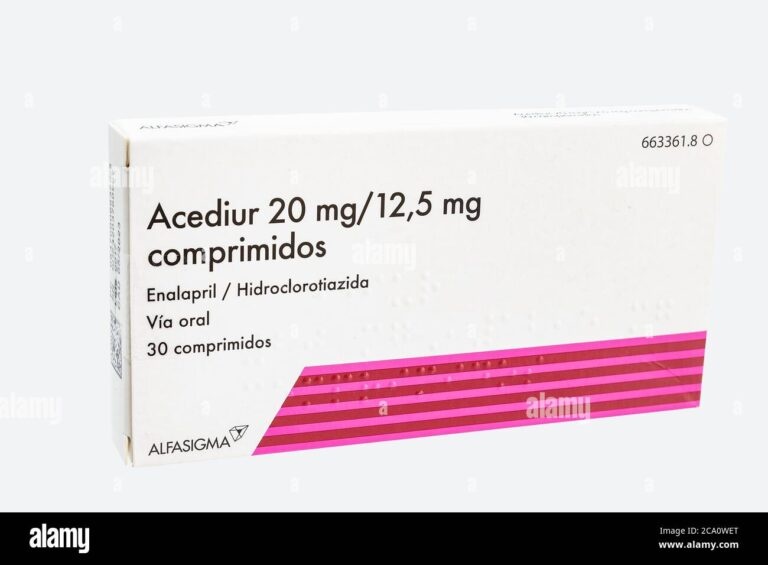
- Альтернативи до AKEDIURЛікарська форма: Coated tablet, 50 MG + 25 MGДіюча речовина: captopril and diureticsВиробник: MYLAN S.P.A.Потрібен рецептЛікарська форма: Tablet, 20 MG + 12,5 MGДіюча речовина: enalapril and diureticsВиробник: ALFASIGMA S.P.A.Потрібен рецептЛікарська форма: Film-coated tablet, 10 MG/12.5 MGДіюча речовина: benazepril and diureticsВиробник: EG S.P.A.Потрібен рецепт
Аналоги AKEDIUR в інших країнах
Препарати з тією самою діючою речовиною, доступні в інших країнах.
Аналог AKEDIUR у Україна
Аналог AKEDIUR у Іспанія
Лікарі онлайн щодо AKEDIUR
Застосування, безпека та можливість призначення рецепта — за результатами медичної оцінки.
Отримайте рецепт на AKEDIUR онлайн
Заповніть форму за 2 хвилини
Розкажіть про симптоми, історію хвороби та потрібний препарат.
Оберіть лікаря або ми призначимо
Оберіть спеціаліста або ми підберемо найближчого доступного лікаря.
Лікар розглядає ваш випадок
Зазвичай протягом 30 хвилин. Може ставити уточнювальні запитання в чаті.
Отримайте в будь-якій аптеці
Електронний рецепт надсилається на вашу пошту — дійсний по всій Польщі.
Часті запитання
AKEDIUR потребує рецепта в Італія. Ви можете обговорити з лікарем онлайн, чи підходить цей лікарський засіб для вашої ситуації.
Діюча речовина у AKEDIUR — captopril and diuretics. Це допомагає визначити препарати з тим самим складом, але під іншими торговими назвами.
AKEDIUR виробляється компанією A. MENARINI INDUSTRIE FARMACEUTICHE RIUNITE S.R.L.. Назва бренду та упаковка можуть відрізнятися залежно від дистрибʼютора.
Лікарі, зокрема Сімейні лікарі, Психіатри, Дерматологи, Кардіологи, Ендокринологи, Гастроентерологи, Пульмонологи, Нефрологи, Ревматологи, Гематологи, Інфекціоністи, Алергологи, Геріатри, Педіатри, Онкологи, можуть оцінити доцільність застосування AKEDIUR з урахуванням вашого стану та місцевих правил. Ви можете записатися на онлайн-консультацію, щоб обговорити симптоми та можливі подальші кроки.
Польща має добре розвинену систему охорони здоров'я у великих містах, таких як Варшава, Краків, Вроцлав і Гданськ. Аптеки широко доступні та працюють відповідно до чинного законодавства, забезпечуючи доступ до рецептурних препаратів.
Ви можете придбати AKEDIUR у Варшаві, Кракові, Вроцлаві або Гданську в будь-якій аптеці за наявності дійсного рецепта.
Щоб отримати рецепт, ви можете скористатися Oladoctor:
Інші препарати з тією самою діючою речовиною (captopril and diuretics) включають KAPTOPRIL E IDROKLOROTIATSIDE MYLAN JENERIKS, AKESISTEM, BENATSEPRIL IDROKLOROTIATSIDE EG. Вони можуть відрізнятися торговою назвою або формою випуску, але містять той самий терапевтичний компонент. Перед зміною або початком прийому нового препарату варто проконсультуватися з лікарем.
