



REYATAZ 100 mg Kapsułka Twarda

Ocena recepty online
Lekarz przeanalizuje Twój przypadek i zdecyduje, czy wystawienie recepty jest medycznie uzasadnione.

Porozmawiaj z lekarzem o tym leku
Omów swoje objawy i opcje leczenia podczas szybkiej konsultacji online.



Jak stosować REYATATS
Treść ulotki
REYATAZ 200 mg hard capsules
atazanavir
Read this leaflet carefully before taking this medicine as it contains important information for you.
- Keep this leaflet. You may need to read it again.
- If you have any questions, ask your doctor or pharmacist.
- This medicine has been prescribed for you only. Do not pass it on to others, even if they have the same symptoms as you, as it may be harmful.
- If you get any side effects, even those not listed in this leaflet, tell your doctor or pharmacist. See section 4.
Contents of this leaflet
- 1. What REYATAZ is and what it is used for
- 2. What you need to know before you take REYATAZ
- 3. How to take REYATAZ
- 4. Possible side effects
- 5. How to store REYATAZ
- 6. Contents of the pack and other information
1. What is REYATAZ and what is it used for
REYATAZ is an antiviral (or antiretroviral) medicine.It belongs to a group called
protease inhibitors. These medicines control the human immunodeficiency virus (HIV) infection by blocking a protein that HIV needs to replicate. These medicines work by reducing the amount of HIV virus in the body, and this leads to a strengthening of the immune system. In this way, REYATAZ reduces the risk of developing diseases associated with HIV infection.
REYATAZ capsules can be used by both adults and children 6 years of age and older. Your doctor has prescribed REYATAZ because you are affected by the HIV virus that causes Acquired Immunodeficiency Syndrome (AIDS). It is usually used in combination with other anti-HIV medicines. Your doctor will discuss with you which combination of these medicines with REYATAZ is best.
2. Cosa deve sapere prima di prendere REYATAZ
Do not take REYATAZ
- if you are allergicto atazanavir or to any of the other ingredients of this medicine (listed in section 6)
- if you have moderate to severe liver problems.Your doctor will assess the severity of your liver problems before deciding if you can take REYATAZ
- if you are taking any of these medicines:see also Other medicines and REYATAZ
- rifampicin (an antibiotic for the treatment of tuberculosis)
- astemizole or terfenadine (commonly used to treat allergy symptoms, these medicines may be available without a prescription); cisapride (used to treat heartburn, sometimes called acid indigestion); pimozide (used to treat schizophrenia); quinidine or bepridil (used to correct heart rhythm); ergotamine, dihydroergotamine, ergonovine, methylergonovine (used to treat headaches); alfuzosin (used to treat enlarged prostate)
- quetiapine (used to treat schizophrenia, bipolar disorder and major depressive disorder); lurasidone (used to treat schizophrenia)
- medicines containing St. John's Wort (Hypericum perforatum, a herbal preparation
- triazolam and oral midazolam (taken by mouth) (used to help you sleep and/or reduce anxiety)
- lomitapide, simvastatin and lovastatin (used to lower cholesterol levels in the blood)
- medicines that contain grazoprevir, including the fixed-dose combination of elbasvir/grazoprevir and the fixed-dose combination of glecaprevir/pibrentasvir (used to treat chronic hepatitis C infection)
- apalutamide (used to treat prostate cancer), encorafenib (used to treat cancer) and ivosidenib (used to treat cancer)
- carbamazepine, phenobarbital and phenytoin (used to treat seizures)
Do not take sildenafil with REYATAZ when sildenafil is used for the treatment of pulmonary arterial hypertension.
Sildenafil is also used for the treatment of erectile dysfunction. Tell your
doctor if you are using sildenafil for the treatment of erectile dysfunction.
Talk to your doctor immediately if you are in any of these conditions.
Warnings and precautions
REYATAZ is not a cure for HIV infection.You may continue to develop infections or other
diseases associated with HIV infection.
Some people may require special attention before or during taking
REYATAZ. Talk to your doctor or pharmacist before taking REYATAZ and make sure that your
doctor knows:
- if you suffer from hepatitis B or C
- if you develop signs or symptoms of gallstones (pain in the upper right side of the stomach)
- if you suffer from haemophilia A or B
- if you are on haemodialysis
REYATAZ may affect kidney function.
Kidney stones have been reported in patients taking REYATAZ. If you develop signs or symptoms of
kidney stones (pain in the side, blood in the urine, pain when urinating), tell your
doctor immediately.
In some patients with advanced HIV infection (AIDS) and with a history of opportunistic infection,
signs and symptoms of previous infections may occur shortly after starting anti-HIV treatment. These symptoms are thought to be due to an improvement in the body’s immune response, which allows the body to fight infections that may have been
present without clear symptoms. If you notice any symptoms of infection, please inform your doctor
immediately. In addition to opportunistic infections, autoimmune disorders (a condition that occurs when the immune system attacks healthy tissue in the
body) may also occur after you have started taking medicines to treat HIV infection. Autoimmune disorders can occur many months after starting treatment. If you notice any
symptoms of infection or other symptoms such as muscle weakness, initial weakness in hands and feet that
rises towards the body trunk, palpitations, tremor or hyperactivity, tell your doctor
immediately to request the necessary treatment.
Some patients taking combination antiretroviral therapy may develop a bone disease
called osteonecrosis (bone tissue death caused by a lack of blood supply
to the bone). The duration of combination antiretroviral therapy, the use of corticosteroids, alcohol consumption, severe immunosuppression, a higher body mass index, among
others, may be some of the numerous risk factors for the development of this disease. Signs of
osteonecrosis are stiffness of the joints, discomfort and pain (especially in the hips, knees
and shoulders) and difficulty moving. See your doctor if you notice any of
these symptoms.
Hyperbilirubinemia (an increase in bilirubin levels in the blood) has occurred in patients taking REYATAZ. The signs may be a slight yellowing of the skin and eyes. See
your doctor if you notice any of these symptoms.
Severe skin rash, including Stevens-Johnson syndrome, has been reported in patients taking REYATAZ. If you should develop a rash, tell your doctor immediately.
See your doctor if you notice a change in your heartbeat (changes in heart rhythm).
Children receiving REYATAZ may need cardiac monitoring and this will be
established by the pediatrician.
Children
Do not give this medicine to childrenyounger than 3 months of age and weighing less than 5 kg. The use of
REYATAZ in children under 3 months of age and weighing less than 5 kg has not been studied due to
the risk of serious complications.
Other medicines and REYATAZ
You must not take REYATAZ with some medicines.These medicines are listed in the section
Do not take REYATAZ, at the beginning of Section 2.
There are other medicines that you must not take with REYATAZ. Tell your doctor if you are taking, have
recently taken or might take any other medicines. Especially, it is important to mention the
following:
- other medicines for the treatment of HIV infection (e.g., indinavir, nevirapine and efavirenz)
- sofosbuvir/velpatasvir/voxilaprevir (used to treat hepatitis C)
- sildenafil, vardenafil or tadalafil (used by men to treat impotence (erectile dysfunction))
- if you are taking oral contraceptives ("the pill") with REYATAZ to prevent pregnancy, be sure to take them exactly as directed by your doctor and do not miss any dose
- any medicine used to treat acid-related disorders (e.g., antacids to be taken one hour before taking REYATAZ or 2 hours after taking REYATAZ, H2 receptor blockers such as famotidine and proton pump inhibitors such as omeprazole)
- medicines to lower blood pressure, decrease heart rate or correct heart rhythm (amiodarone, diltiazem, systemic lidocaine, verapamil)
- atorvastatin, pravastatin and fluvastatin (used to lower cholesterol levels in the blood)
- salmeterol (used to treat asthma)
- cyclosporine, tacrolimus and sirolimus (medicines to lower the activity of the immune system)
- some antibiotics (rifabutin, clarithromycin)
- ketoconazole, itraconazole and voriconazole (antifungals)
- apixaban, dabigatran, edoxaban, rivaroxaban, warfarin, clopidogrel, prasugrel and ticagrelor (used to reduce blood clot formation)
- lamotrigine (antiepileptic)
- irinotecan (used in cancer treatment)
- elagolix (gonadotropin-releasing hormone receptor antagonist, used to treat severe endometriosis pain)
- fostamatinib (used to treat chronic immune thrombocytopenia)
- sedatives (e.g., injectable midazolam)
- buprenorphine (used to treat opioid dependence and pain)
- corticosteroids (all routes of administration; including dexamethasone).
Some medicines may interact with ritonavir, a medicine that is taken with REYATAZ.
It is important that you tell your doctor if you are taking a corticosteroid administered by
inhalation or nasal (in the nose), including fluticasone or budesonide (administered for the treatment of
allergy symptoms or asthma).
REYATAZ with food and drink
It is important that you take REYATAZ with food (a meal or a substantial snack) as this
helps the absorption of the medicine.
Pregnancy and breastfeeding
If you are pregnant, suspect you are pregnant or are planning to become pregnant ask your doctor for
advice before taking this medicine.
Atazanavir, the active ingredient of REYATAZ, is excreted in breast milk. Patients must
not
breastfeed while taking REYATAZ.
Breastfeeding is not recommendedfor HIV-positive women as HIV infection can be
transmitted to the baby through breast milk.
If you are breastfeeding or are thinking about breastfeeding you must talk toyour doctor as soon as possible.
Driving and using machines
If you feel dizzy or lightheaded, do not drive or use machines and contact your
doctor immediately.
REYATAZ contains lactose.
If you have been told by your doctor that you have an intolerance to some sugars (e.g., lactose),
contact him before taking this medicine.
3. How to take REYATAZ
Take this medicine exactly as your doctor has told you. If you have any doubts, ask your doctor.
In this way, you can be sure that the medicine will be fully effective and will reduce the risk of
the virus developing resistance to treatment.
For adults, the recommended dose of REYATAZ capsules is 300 mg once a day
with 100 mg of ritonavir, once a day, taken with food,in combination with other
anti-HIV medicines. Your doctor may adjust the dose of REYATAZ based on your anti-HIV therapy.
For children (from 6 years to less than 18 years of age), the pediatrician will determine the right dose based on
the child's weight.The dose of REYATAZ capsules in children is calculated based on body weight and
is taken once a day with food and 100 mg of ritonavir, as indicated below:
| g Body weight (kg) | REYATAZ dose once a gday (mg) | Dose* of Ritonavir once a gday (mg) |
| A from 15 to less than 35 | 200 | 100 |
| at least 35 | 300 | 100 |
REYATAZ is also available as an oral powder for use in children who are at least 3 months
old and weigh at least 5 kg. It is suggested to switch from REYATAZ oral powder to REYATAZ
capsules as soon as patients are able to swallow capsules regularly.
A change in dosage may occur when switching between the oral powder and capsules. The doctor
will decide the right dose based on the child's weight.
No dosages of REYATAZ are recommended for pediatric patients under 3 months.
Take REYATAZ capsules with food(a meal or a substantial snack). Swallow the capsules
whole. Do not open the capsules.
If you take more REYATAZ than you should
If you or the child takes too high a dose of REYATAZ, yellowing of the
skin and/or eyes (jaundice) and irregular heartbeat (prolongation of the QTc interval) may occur.
If you accidentally take more REYATAZ capsules than prescribed by your doctor, contact
your doctor or the nearest hospital immediately for advice.
If you forget to take REYATAZ
If you forget to take a dose, take the forgotten dose as soon as possible with food and
then take the next dose at the scheduled time. However, if the time of the next dose is near,
do not take the forgotten dose. Wait and take only the next dose at the scheduled time. Do
not take a double dose to make up for a missed dose.
If you stop taking REYATAZ
Do not stop taking REYATAZ before talking to your doctor.
If you have any questions about using this medicine, ask your doctor.
4. Possible side effects
Like all medicines, this medicine can cause side effects, although not everybody gets them.
When you are being treated for HIV infection it is not always easy to tell which side effects are caused by REYATAZ, by other medicines you are taking or by the HIV infection itself.
Tell your doctor if you notice anything unusual about your health.
During therapy for HIV you may experience an increase in weight and in the levels of lipids and glucose
in the blood. This is partly related to the restoration of health and lifestyle and, in the case of
blood lipids, sometimes to the HIV medicines themselves. Your doctor will check these
changes.
Tell your doctor immediately if you develop any of the following serious side effects:
- Skin rash, itching which can occasionally be severe has been reported. The rash usually disappears within 2 weeks without any change to REYATAZ treatment. Severe rash can develop in association with other symptoms which can be serious. Stop taking REYATAZ and tell your doctor immediately if you develop severe rash or rash with flu-like symptoms, blisters, fever, sores in the mouth, muscle or joint pain, facial swelling, eye inflammation causing redness (conjunctivitis), painful, warm or red lumps (nodules).
- Yellowing of the skin or the white of the eyes caused by high levels of bilirubin in the blood has been commonly reported. This side effect is usually not dangerous
in adults and infants over 3 months of age; but it can be a sign of a serious problem.
Tell your doctor immediately if your skin or the whites of your eyes become yellow.
- Changes in the way your heart beats (changes in heart rhythm) can occasionally occur. Tell your doctor immediately if you feel dizzy, lightheaded or faint. These can be symptoms of a serious heart problem.
- Liver problems can occur infrequently. Your doctor should perform blood tests before and during treatment with REYATAZ. If you have liver problems, including hepatitis B or C infection, you may experience a worsening of your liver problems. Tell your doctor immediately if you notice dark urine (tea-colored), itching, yellowing of the skin or the white of your eyes, pain around the stomach, pale stools or nausea.
- Gallbladder problems, such as gallstones, occur infrequently in people taking REYATAZ. Symptoms of gallstones can include pain in the upper right or central part of the stomach, nausea, vomiting, fever or yellowing of the skin or the white of your eyes.
- REYATAZ can affect kidney function.
- Kidney stones occur infrequently in people taking REYATAZ. Tell your doctor immediately if you notice symptoms of kidney stones including pain in your lower back or stomach, blood in your urine, or pain when urinating.
Other side effects reported for patients treated with REYATAZ are the following:
Common (may affect up to 1 in 10 people)
- headache
- vomiting, diarrhoea, abdominal pain (stomach discomfort), nausea, dyspepsia (indigestion)
- fatigue (extreme tiredness)
Uncommon (may affect up to 1 in 100 people)
- peripheral neuropathy (numbness, weakness, tingling or pain in the arms and legs)
- hypersensitivity (allergic reaction)
- asthenia (unusual tiredness or weakness)
- decreased weight, increased weight, anorexia (loss of appetite), increased appetite
- depression, anxiety, sleep disorders
- disorientation, amnesia (memory loss), dizziness, drowsiness, altered dream activity
- syncope (fainting), hypertension (high blood pressure)
- dyspnea (shortness of breath)
- pancreatitis (inflammation of the pancreas), gastritis (inflammation of the stomach), aphthous stomatitis (mouth ulcers and inflammation of the oral cavity), dysgeusia (altered taste), flatulence (gas), dry mouth, abdominal distension
- angioedema (severe swelling of the skin and other tissues, most frequently lips and eyes)
- alopecia (hair loss or thinning) , itching
- muscle atrophy (reduction of muscle mass), arthralgia (joint pain), myalgia (muscle pain)
- interstitial nephritis (kidney inflammation), hematuria (blood in the urine), proteinuria (excess protein in the urine), pollakiuria (increased frequency of urination)
- gynecomastia (breast enlargement in men)
- chest pain, malaise (feeling unwell), fever
- insomnia (difficulty sleeping)
Rare (may affect up to 1 in 1,000 people)
- gait disturbance (abnormal way of walking)
- edema (swelling)
- hepato-splenomegaly (enlargement of the liver and spleen)
- myopathy (muscle pain, muscle weakness from fatigue not caused by exercise)
- renal pain
Reporting of side effects
If you get any side effects, talk to your doctor or nurse. This includes any possible side effects not listed in this leaflet. You can also report side effects directly through the national reporting system listed in Annex V. By reporting side effects you can help provide more information on the safety of this medicine.
5. How to store REYATAZ
Keep this medicine out of the sight and reach of children.
Do not use this medicine after the expiry date which is stated on the label, the carton or the
blister. The expiry date refers to the last day of that month.
Do not store at a temperature above 25°C.
Do not dispose of any medicine in waste water or household waste. Ask your pharmacist how to
dispose of medicines you no longer use. This will help protect the environment.
6. Contents of the pack and other information
What REYATAZ contains
- The active ingredient is atazanavir. Each capsule contains 200 mg of atazanavir (as sulfate).
- The other ingredients are crospovidone, lactose monohydrate and magnesium stearate. The capsule shell and ink contain gelatin, shellac, ammonium hydroxide, simeticone, propylene glycol, indigo carmine (E132) and titanium dioxide (E171).
Description of the appearance of REYATAZ and contents of the pack
Each REYATAZ 200 mg capsule contains 200 mg of atazanavir.
Opaque blue capsule, with printed, with white ink, on one half "BMS 200 mg" and "3631"
on the other half.
REYATAZ 200 mg hard capsules are supplied in bottles containing 60 capsules. In a carton are
supplied one or three bottles of 60 hard capsules.
REYATAZ 200 mg hard capsules are also supplied in blisters packaged in cartons
containing 60 capsules.
Not all pack sizes may be marketed.
Marketing Authorisation Holder
Bristol-Myers Squibb Pharma EEIG
Plaza 254
Blanchardstown Corporate Park 2
Dublin 15, D15 T867
Ireland
Manufacturer
CATALENT ANAGNI S.R.L.
Loc. Fontana del Ceraso snc
Strada Provinciale 12 Casilina, 41
03012 Anagni (FR)
Italy
Swords Laboratories Unlimited Company T/A Bristol-Myers Squibb Pharmaceutical Operations,
External Manufacturing
Plaza 254
Blanchardstown Corporate Park 2
Dublin 15, D15 T867
Ireland
Other sources of information
More detailed information on this medicinal product is available on the website of the European
Medicines Agency, http://www.ema.europa.eu .
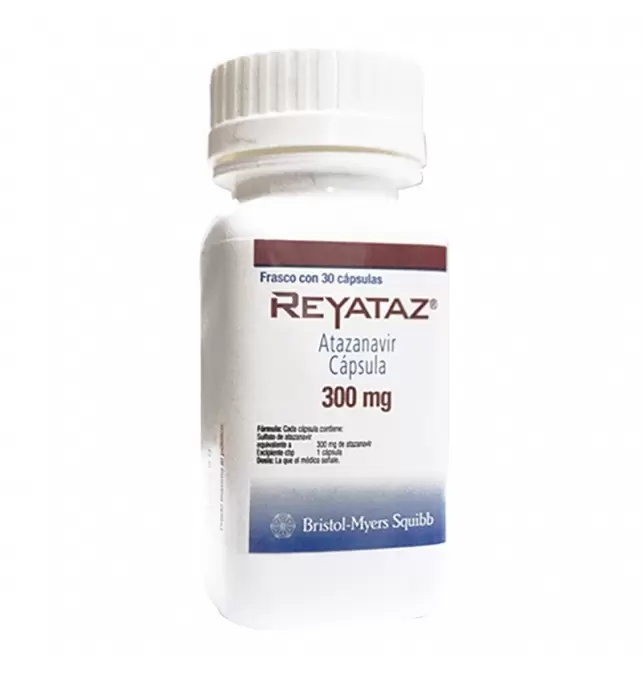
REYATAZ 300 mg hard capsules
atazanavir
Read this leaflet carefully before you start taking this medicine because it contains
important information for you.
- Keep this leaflet. You may need to read it again.
- If you have any questions, ask your doctor or pharmacist.
- This medicine has been prescribed for you only. Do not pass it on to others, even if their symptoms are the same as yours, as it could be harmful.
- If you get any side effects, even those not listed in this leaflet, tell your doctor or pharmacist. See section 4.
Contents of this leaflet
- 1. What REYATAZ is and what it is used for
- 2. What you need to know before you take REYATAZ
- 3. How to take REYATAZ
- 4. Possible side effects
- 5. How to store REYATAZ
- 6. Contents of the pack and other information
1. What is REYATAZ and what is it used for
REYATAZ is an antiviral (or antiretroviral) medicine.It belongs to a group called
protease inhibitors. These medicines control the human immunodeficiency virus (HIV) infection by blocking a protein that HIV needs to replicate. These medicines work by
reducing the amount of HIV virus in the body, and this leads to a strengthening of the
immune system. In this way REYATAZ reduces the risk of developing diseases associated with HIV
infection.
REYATAZ capsules can be used by both adults and children 6 years of age and older. Your doctor has
prescribed REYATAZ because you are affected by the HIV virus that causes Acquired
Immunodeficiency Syndrome (AIDS). It is usually used in combination with other anti-HIV medicines. Your doctor
will discuss with you which combination of these medicines with REYATAZ is best.
2. Cosa deve sapere prima di prendere REYATAZ
Non prenda REYATAZ
- se è allergicoto atazanavir or to any of the other ingredients of this medicine (listed in section 6)
- se ha problemi al fegato da moderati a gravi.The doctor will assess the severity of the liver disorder before deciding if you can take REYATAZ
- se sta prendendo uno di questi medicinali:see also Altri medicinali e REYATAZ
- rifampicina (an antibiotic for the treatment of tuberculosis)
- astemizolo or terfenadina (commonly used to treat allergy symptoms, these medicines may be available over the counter); cisapride (used to treat acid reflux, sometimes called heartburn); pimozide (used to treat schizophrenia); chinidina or bepridil (used to correct heart rhythm); ergotamina, diidroergotamina, ergonovina, metilergonovina (used to treat headaches); alfuzosina (used to treat benign prostatic hyperplasia)
- quetiapina (used to treat schizophrenia, bipolar disorder and major depressive disorder); lurasidone (used to treat schizophrenia)
- medicinali contenenti l'Erba di S. Giovanni (Hypericum perforatum, a herbal preparation)
- triazolam e midazolam orale (to be taken by mouth) (used to help you sleep and/or reduce anxiety)
- lomitapide, simvastatina e lovastatina (used to lower cholesterol levels in the blood)
- medicinali che contengono grazoprevir, inclusa la combinazione in dose fissa di elbasvir/grazoprevir e la combinazione in dose fissa di glecaprevir/pibrentasvir (used to treat chronic hepatitis C infection)
- apalutamide (used to treat prostate cancer), encorafenib (used for cancer treatment) and ivosidenib (used for cancer treatment)
- carbamazepina, fenobarbital e fenitoina (used to treat seizures)
Do not take sildenafil with REYATAZ when sildenafil is used for the treatment of pulmonary arterial hypertension.
Sildenafil is also used for the treatment of erectile dysfunction. Tell your
doctor if you are using sildenafil for the treatment of erectile dysfunction.
Talk to your doctor immediately if you are in any of these conditions.
Warnings and precautions
REYATAZ is not a cure for HIV infection.You may continue to develop infections or other
diseases associated with HIV infection.
Some people may require special attention before or during taking
REYATAZ. Ask your doctor or pharmacist before taking REYATAZ and make sure your
doctor knows:
- se soffre di epatite B o C
- if you develop signs or symptoms of gallstones (pain in the upper right side of the stomach)
- if you suffer from hemophilia A or B
- if you are on hemodialysis
REYATAZ may affect kidney function.
Kidney stones have been reported in patients taking REYATAZ. If you develop signs or symptoms of
kidney stones (pain in the side, blood in the urine, pain when urinating), tell your
doctor immediately.
In some patients with advanced HIV infection (AIDS) and a history of opportunistic infection,
signs and symptoms of previous infections may occur shortly after starting anti-HIV treatment. These symptoms are thought to be due to an improvement in the body's immune response, which allows the body to fight infections that may have been
present without clear symptoms. If you notice any symptoms of infection, please inform your doctor
immediately. In addition to opportunistic infections, autoimmune disorders (a condition that occurs when the immune system attacks healthy tissue in the
body) may also occur after you have started taking medicines to treat HIV infection. Autoimmune disorders can occur many months after starting treatment. If you notice any
symptoms of infection or other symptoms such as muscle weakness, initial weakness in hands and feet that
rises towards the torso, palpitations, tremors or hyperactivity, tell your doctor
immediately to request the necessary treatment.
Some patients taking combination antiretroviral therapy may develop a bone disease
called osteonecrosis (bone tissue death caused by a lack of blood flow
to the bone). The duration of combination antiretroviral therapy, the use of corticosteroids, alcohol consumption, severe immunosuppression, a higher body mass index, among
others, may be some of the numerous risk factors for the development of this disease. Signs of
osteonecrosis are joint stiffness, discomfort and pain (especially in the hips, knees
and shoulders) and difficulty moving. See your doctor if you notice any of
these symptoms.
Hyperbilirubinemia (an increase in bilirubin levels in the blood) has occurred in patients taking REYATAZ. Signs may be a slight yellowing of the skin and eyes. See
your doctor if you notice any of these symptoms.
Severe skin rash, including Stevens-Johnson syndrome, has been reported in patients taking REYATAZ. If you develop a rash, tell your doctor immediately.
See your doctor if you notice a change in your heartbeat (changes in heart rhythm).
Children receiving REYATAZ may need cardiac monitoring and this will be
established by the pediatrician.
Children
Do not give this medicine to childrenyounger than 3 months of age and weighing less than 5 kg. The use of
REYATAZ in children under 3 months of age and weighing less than 5 kg has not been studied due to
the risk of serious complications.
Other medicines and REYATAZ
You must not take REYATAZ with some medicines.These medicines are listed in the section
Do not take REYATAZ, at the beginning of Section 2.
There are other medicines that you cannot take with REYATAZ. Tell your doctor if you are taking, have
recently taken or may take any other medicine. Especially, it is important to mention the
following:
- other medicines for the treatment of HIV infection (e.g., indinavir, nevirapina and efavirenz)
- sofosbuvir/velpatasvir/voxilaprevir (used to treat hepatitis C)
- sildenafil, vardenafil or tadalafil (used by men to treat impotence (erectile dysfunction))
- if you are taking oral contraceptives ("the pill") with REYATAZ to prevent pregnancy, be sure to take them exactly as directed by your doctor and do not miss any dose
- any medicine used to treat acid-related disorders (e.g., antacids to be taken one hour before taking REYATAZ or 2 hours after taking REYATAZ, H2 receptor blockers such as famotidine and proton pump inhibitors such as omeprazole)
- medicines to lower blood pressure, decrease heart rate or correct heart rhythm (amiodarone, diltiazem, systemic lidocaine, verapamil)
- atorvastatina, pravastatina e fluvastatina (used to lower cholesterol levels in the blood)
- salmeterolo (used to treat asthma)
- ciclosporina, tacrolimus e sirolimus (medicines to lower the activity of the immune system)
- some antibiotics (rifabutina, claritromicina)
- ketoconazolo, itraconazolo e voriconazolo (antifungals)
- apixaban, dabigatran, edoxaban, rivaroxaban, warfarin, clopidogrel, prasugrel e ticagrelor (used to reduce blood clot formation)
- lamotrigina (antiepileptic)
- irinotecan (used in cancer treatment)
- elagolix (gonadotropin-releasing hormone receptor antagonist, used to treat severe endometriosis pain)
- fostamatinib (used to treat chronic immune thrombocytopenia)
- sedatives (e.g.: injectable midazolam)
- buprenorfina (used to treat opioid dependence and pain)
- corticosteroids (all routes of administration; including dexamethasone).
Some medicines may interact with ritonavir, a medicine that is taken with REYATAZ.
It is important that you tell your doctor if you are taking a corticosteroid administered by
inhalation or nasal (in the nose), including fluticasone or budesonide (administered for the treatment of
allergic symptoms or asthma).
REYATAZ with food and drinks
It is important that you take REYATAZ with food (a meal or a substantial snack) as this
helps the absorption of the medicine.
Pregnancy and breastfeeding
If you are pregnant, suspect you may be pregnant or are planning a pregnancy, ask your doctor
before taking this medicine.
Atazanavir, the active ingredient of REYATAZ, is excreted in breast milk. Patients should not
breastfeed while taking REYATAZ.
Breastfeeding is not recommendedfor HIV-positive women as HIV infection can
be transmitted to the baby through breast milk.
If you are breastfeeding or are thinking of breastfeeding you must talk toyour doctor as soon as possible.
Driving and using machines
If you feel dizzy or lightheaded, do not drive or use machines and contact your
doctor immediately.
REYATAZ contains lactose.
If you have been told by your doctor that you have an intolerance to some sugars (e.g., lactose),
contact him before taking this medicine.
3. How to take REYATAZ
Take this medicine following exactly the instructions of your doctor. If you have any doubts, ask your
doctor. This way, you can be sure that the medicine will be fully effective and will reduce the risk of
developing viral resistance to treatment.
For adults, the recommended dose of REYATAZ capsules is 300 mg once a day
with 100 mg of ritonavir, once a day, taken with food,in combination with other
anti-HIV medicines. Your doctor may adjust the dose of REYATAZ based on your anti-HIV therapy.
For children (from 6 years to less than 18 years of age), the pediatrician will establish the right dose based on the
child's weight.The dose of REYATAZ capsules in children is calculated based on body weight and
is taken once a day with food and 100 mg of ritonavir, as indicated below:
| e g Body weight (kg) | REYATAZ dose once a day (mg) | Dose* of Ritonavir once a day (mg) |
| from 15 to less than 35 | 200 | 100 |
| A at least 35 | 300 | 100 |
REYATAZ is also available as an oral powder for use in children who are at least 3 months
old and weigh at least 5 kg. It is suggested to switch from REYATAZ oral powder to REYATAZ
capsules as soon as patients are able to swallow capsules regularly.
A change in dosage may occur when switching from oral powder to capsules. The doctor
will decide the right dose based on the child's weight.
No recommended dosages of REYATAZ are available for pediatric patients under 3 months.
Take REYATAZ capsules with food(a meal or a substantial snack). Swallow the capsules
whole. Do not open the capsules.
If you take more REYATAZ than you should
If you or the child takes too high a dose of REYATAZ, yellowing of the
skin and/or eyes (jaundice) and irregular heartbeat (prolongation of the QTc interval) may occur.
If you accidentally take more REYATAZ capsules than prescribed by your doctor, contact
your doctor or the nearest hospital immediately for advice.
If you forget to take REYATAZ
If you forget to take a dose, take the forgotten dose as soon as possible with food and then
take the next dose at the scheduled time. However, if the time of the next dose is near,
do not take the forgotten dose. Wait and take only the next dose at the scheduled time. Do
not take a double dose to make up for a missed dose.
If you stop taking REYATAZ
Do not stop treatment with REYATAZ before talking to your doctor.
If you have any questions about using this medicine, ask your doctor.
4. Possible side effects
Like all medicines, this medicine can cause side effects, although not everyone will experience them.
When being treated for HIV infection, it is not always easy to tell which side effects are caused by REYATAZ, by other medicines you are taking, or by the HIV infection itself.
Tell your doctor if you notice anything unusual about your health.
During therapy for HIV, you may experience an increase in weight and levels of lipids and glucose
in the blood. This is partly related to the restoration of health and lifestyle, and in the case of
blood lipids, sometimes to the HIV medicines themselves. Your doctor will check these
changes.
Tell your doctor immediately if you develop any of the following serious side effects:
- Skin redness and itching have been reported, which can occasionally be severe. The redness usually disappears within 2 weeks without any modification to treatment with REYATAZ. Severe redness can develop in association with other symptoms that may be serious. Stop taking REYATAZ and tell your doctor immediately if you develop severe redness or redness with flu-like symptoms, blisters, fever, mouth sores, muscle or joint pain, facial swelling, eye inflammation causing redness (conjunctivitis), painful, warm or red lumps (nodules).
- Yellowing of the skin or the white of the eyes caused by high levels of bilirubin in the blood has been commonly reported. This side effect is usually not dangerous
in adults and infants over 3 months of age; but it can be a symptom of a serious problem.
Tell your doctor immediately if your skin or the white of your eyes become yellow.
- Changes in the way your heart beats (changes in heart rhythm) can occur occasionally. Tell your doctor immediately if you feel dizzy, lightheaded, or faint suddenly. These may be symptoms of a serious heart problem.
- Liver problems can occur infrequently. Your doctor should perform blood tests before and during treatment with REYATAZ. If you have liver problems, including hepatitis B or C infection, you may experience a worsening of your liver problems. Tell your doctor immediately if you notice dark urine (tea-colored), itching, yellowing of the skin or the white of your eyes, pain around the stomach, pale stools, or nausea.
- Gallbladder problems, such as gallstones, occur infrequently in people taking REYATAZ. Symptoms of gallstones may include pain in the upper right or middle of the stomach, nausea, vomiting, fever, or yellowing of the skin or the white of the eyes.
- REYATAZ can affect kidney function.
- Kidney stones occur infrequently in people taking REYATAZ. Tell your doctor immediately if you notice symptoms of kidney stones, including pain in your lower back or stomach, blood in your urine, or pain when urinating.
Other side effects reported for patients treated with REYATAZ are as follows:
Common (may affect up to 1 in 10 people)
- headache
- vomiting, diarrhea, abdominal pain (stomach discomfort), nausea, dyspepsia (indigestion)
- fatigue (extreme tiredness)
Uncommon (may affect up to 1 in 100 people)
- peripheral neuropathy (numbness, weakness, tingling, or pain in the arms and legs)
- hypersensitivity (allergic reaction)
- asthenia (unusual tiredness or weakness)
- decreased weight, increased weight, anorexia (loss of appetite), increased appetite
- depression, anxiety, sleep disorders
- disorientation, amnesia (memory loss), dizziness, drowsiness, altered dream activity
- syncope (fainting), hypertension (high blood pressure)
- dyspnea (shortness of breath)
- pancreatitis (inflammation of the pancreas), gastritis (inflammation of the stomach), aphthous stomatitis (mouth ulcers and inflammation of the oral cavity), dysgeusia (altered taste), flatulence (gas), dry mouth, abdominal distension
- angioedema (severe swelling of the skin and other tissues, most frequently lips and eyes)
- alopecia (unusual hair loss or thinning), itching
- muscle atrophy (reduction in muscle mass), arthralgia (joint pain), myalgia (muscle pain)
- interstitial nephritis (kidney inflammation), hematuria (blood in the urine), proteinuria (excess protein in the urine), pollakiuria (increased frequency of urination)
- gynecomastia (breast enlargement in men)
- chest pain, malaise (general feeling of discomfort), fever
- insomnia (difficulty falling asleep)
Rare (may affect up to 1 in 1,000)
- gait disturbance (abnormal way of walking)
- edema (swelling)
- hepato-splenomegaly (enlargement of the liver and spleen)
- myopathy (muscle pain, muscle weakness from fatigue not caused by exercise)
- renal pain
Reporting of side effects
If you get any side effects, talk to your doctor or nurse. This includes any side effects not listed in this leaflet. You can also report side effects directly through the national reporting system listed in Annex V. By reporting side effects, you can help provide more information on the safety of this medicine.
5. How to store REYATAZ
Keep this medicine out of the sight and reach of children.
Do not use this medicine after the expiry date which is stated on the label, the carton or the
blister. The expiry date refers to the last day of that month.
Do not store at a temperature above 25°C.
Do not dispose of any medicine in waste water or household waste. Ask your pharmacist how to
dispose of medicines you no longer use. This will help protect the environment.
6. Contents of the pack and other information
What REYATAZ contains
- The active ingredient is atazanavir. Each capsule contains 300 mg of atazanavir (as sulfate).
- The other ingredients are crospovidone, lactose monohydrate and magnesium stearate. The capsule shell and ink contain gelatin, shellac, ammonium hydroxide, simeticone, red iron oxide, black iron oxide, yellow iron oxide, propylene glycol, indigo carmine (E132) and titanium dioxide (E171).
Description of the appearance of REYATAZ and contents of the pack
Each REYATAZ 300 mg capsule contains 300 mg of atazanavir.
Opaque red and blue capsule, with white ink printing on one half "BMS 300 mg" and "3622"
on the other half.
REYATAZ 300 mg hard capsules are supplied in bottles containing 30 capsules. One or three bottles of 30 hard capsules are provided in a carton.
REYATAZ 300 mg hard capsules are also supplied in blisters packaged in cartons
containing 30 capsules.
Not all pack sizes may be marketed.
Marketing Authorisation Holder
Bristol-Myers Squibb Pharma EEIG
Plaza 254
Blanchardstown Corporate Park 2
Dublin 15, D15 T867
Ireland
Manufacturer
CATALENT ANAGNI S.R.L.
Loc. Fontana del Ceraso snc
Strada Provinciale 12 Casilina, 41
03012 Anagni (FR)
Italy
Swords Laboratories Unlimited Company T/A Bristol-Myers Squibb Pharmaceutical Operations,
External Manufacturing
Plaza 254
Blanchardstown Corporate Park 2
Dublin 15, D15 T867
Ireland
Other sources of information
More detailed information on this medicine is available on the European Medicines Agency website, http://www.ema.europa.eu .

Nie jesteś pewien, czy ten lek jest odpowiedni dla ciebie?
Omów swoje objawy i leczenie z lekarzem online.
REYATAZ 50 mg oral powder
atazanavir
Read this leaflet carefully before taking this medicine because it contains important information for you.
- Keep this leaflet. You may need to read it again.
- If you have any questions, ask your doctor or pharmacist.
- This medicine has been prescribed for you only. Do not pass it on to others, even if they have the same symptoms as you, as it may be harmful.
- If any side effects occur, including any not listed in this leaflet, tell your doctor or pharmacist. See section 4.
Contents of this leaflet
- 1. What REYATAZ is and what it is used for
- 2. What you need to know before you take REYATAZ
- 3. How to take REYATAZ
- 4. Possible side effects
- 5. How to store REYATAZ
- 6. Contents of the pack and other information
1. What is REYATAZ and what is it used for
REYATAZ is an antiviral (or antiretroviral) medicine.It belongs to a group called
protease inhibitors. These medicines control the human immunodeficiency virus (HIV) infection by blocking a protein that HIV needs to replicate. These medicines work by
reducing the amount of HIV virus in the body, and this leads to a strengthening of the
immune system. In this way REYATAZ reduces the risk of developing diseases associated with HIV
infection.
REYATAZ oral powder can be used in children who are at least 3 months old and weigh
at least 5 kg (see section 3 How to take REYATAZ). Your doctor has prescribed REYATAZ
because you are affected by the HIV virus that causes Acquired Immunodeficiency Syndrome (AIDS). It must
always be used with a low dose of ritonavir and in association with other anti-HIV medicines. Your
doctor will discuss with you which combination of these medicines with REYATAZ is best.
2. What you need to know before taking REYATAZ
Do not take REYATAZ
- if you are allergicto atazanavir or any of the other ingredients of this medicine (listed in section 6)
- if you have moderate to severe liver problems.Your doctor will assess the severity of your liver problem before deciding if you can take REYATAZ
- if you are taking any of these medicines:see also Other medicines and REYATAZ
- rifampicin (an antibiotic for the treatment of tuberculosis)
- astemizole or terfenadine (commonly used to treat allergy symptoms, these medicines may be available without a prescription); cisapride (used to treat heartburn, sometimes called acid reflux); pimozide (used to treat schizophrenia); quinidine or bepridil (used to correct heart rhythm); ergotamine, dihydroergotamine, ergonovine, methylergonovine (used to treat headaches); alfuzosin (used to treat enlarged prostate)
- quetiapine (used to treat schizophrenia, bipolar disorder and major depressive disorder); lurasidone (used to treat schizophrenia)
- medicines containing St John's Wort (Hypericum perforatum, a herbal preparation)
- triazolam and oral midazolam (taken by mouth) (used to help you sleep and/or reduce anxiety)
- lomitapide, simvastatin and lovastatin (used to lower cholesterol levels in the blood)
- medicines that contain grazoprevir, including the fixed-dose combination of elbasvir/grazoprevir and the fixed-dose combination of glecaprevir/pibrentasvir (used to treat chronic hepatitis C infection)
- apalutamide (used to treat prostate cancer), encorafenib (used for cancer treatment), ivosidenib (used for cancer treatment)
- carbamazepine, phenobarbital and phenytoin (used to treat seizures)
Do not take sildenafil with REYATAZ when sildenafil is used for the treatment of pulmonary arterial hypertension.
Sildenafil is also used for the treatment of erectile dysfunction. Tell your doctor if you are using sildenafil for the treatment of erectile dysfunction.
Talk to your doctor immediately if you are in any of these conditions.
Warnings and precautions
REYATAZ is not a cure for HIV infection.You may continue to develop infections or other illnesses associated with HIV infection.
Some people may require special attention before or during taking REYATAZ. Talk to your doctor or pharmacist before taking REYATAZ and make sure your doctor knows:
- if you suffer from hepatitis B or C
- if you develop signs or symptoms of gallstones (pain in the upper right side of your stomach)
- if you suffer from hemophilia A or B
- if you are undergoing hemodialysis
REYATAZ may affect kidney function.
Kidney stones have been reported in patients taking REYATAZ. If you develop signs or symptoms of kidney stones (pain in your side, blood in your urine, pain when urinating), tell your doctor immediately.
In some patients with advanced HIV infection (AIDS) and a history of opportunistic infection, inflammatory signs and symptoms of previous infections may occur shortly after starting anti-HIV treatment. These symptoms are believed to be due to an improvement in the body's immune response, which allows the body to fight infections that may have been present without clear symptoms. If you notice any symptoms of infection, please inform your doctor immediately. In addition to opportunistic infections, autoimmune disorders (a condition that occurs when the immune system attacks healthy tissue in the body) may also occur after you have started taking medicines to treat HIV infection. Autoimmune disorders can occur many months after starting treatment. If you notice any symptoms of infection or other symptoms such as muscle weakness, initial weakness in hands and feet that rises towards the torso, palpitations, tremor or hyperactivity, tell your doctor immediately for necessary treatment.
Some patients taking combination antiretroviral therapy may develop a bone disease called osteonecrosis (bone tissue death caused by a lack of blood flow to the bone). The duration of combination antiretroviral therapy, the use of corticosteroids, alcohol consumption, severe immunosuppression, a higher body mass index, among others, may be some of the numerous risk factors for the development of this disease. Signs of osteonecrosis are joint stiffness, discomfort and pain (especially in the hips, knees and shoulders) and difficulty moving. See your doctor if you notice any of these symptoms.
Hyperbilirubinemia (an increase in bilirubin levels in the blood) has occurred in patients taking REYATAZ. The signs may be a slight yellowing of the skin and eyes. See your doctor if you notice any of these symptoms.
Severe skin rash, including Stevens-Johnson syndrome, has been reported in patients taking REYATAZ. If you develop a rash, tell your doctor immediately.
See your doctor if you notice a change in your heartbeat (changes in heart rhythm).
Children receiving REYATAZ may need cardiac monitoring and this will be established by the pediatrician.
Children
Do not give this medicine to childrenunder 3 months of age and weighing less than 5 kg. The use of REYATAZ in children under 3 months of age and weighing less than 5 kg has not been studied due to the risk of serious complications.
Other medicines and REYATAZ
You must not take REYATAZ with some medicines.These medicines are listed in the Do not take REYATAZ section at the beginning of Section 2.
There are other medicines that you cannot take with REYATAZ. Tell your doctor if you are taking, have recently taken or might take any other medicine. Especially, it is important to mention the following:
- other medicines for the treatment of HIV infection (e.g., indinavir, nevirapine and efavirenz)
- sofosbuvir/velpatasvir/voxilaprevir (used to treat hepatitis C)
- sildenafil, vardenafil or tadalafil (used by men to treat impotence (erectile dysfunction))
- if you are taking oral contraceptives ("the pill") with REYATAZ to prevent pregnancy, be sure to take them exactly as directed by your doctor and do not miss any dose
- any medicine used to treat acid-related disorders (e.g., antacids to be taken one hour before taking REYATAZ or 2 hours after taking REYATAZ, histamine H-receptor blockers such as famotidine and proton pump inhibitors such as omeprazole)
- medicines to lower blood pressure, decrease heart rate or correct heart rhythm (amiodarone, diltiazem, systemic lidocaine, verapamil)
- atorvastatin, pravastatin and fluvastatin (used to lower cholesterol levels in the blood)
- salmeterol (used to treat asthma)
- cyclosporine, tacrolimus and sirolimus (medicines to lower the activity of the immune system)
- some antibiotics (rifabutin, clarithromycin)
- ketoconazole, itraconazole and voriconazole (antifungals)
- apixaban, dabigatran, edoxaban, rivaroxaban, warfarin, clopidogrel, prasugrel and ticagrelor (used to reduce blood clot formation)
- lamotrigine (antiepileptic)
- irinotecan (used in cancer treatment)
- elagolix (gonadotropin-releasing hormone receptor antagonist, used to treat severe endometriosis pain)
- fostamatinib (used to treat chronic immune thrombocytopenia)
- sedatives (e.g., injectable midazolam)
- buprenorphine (used to treat opioid dependence and pain)
- corticosteroids (all routes of administration; including desamethasone).
Some medicines may interact with ritonavir, a medicine that is taken with REYATAZ.
It is important that you tell your doctor if you are taking a corticosteroid administered by inhalation or nasal route (in the nose), including fluticasone or budesonide (administered for the treatment of allergic symptoms or asthma).
REYATAZ with food and drink
See section 3 How to take REYATAZ.
Pregnancy and breastfeeding
If you are pregnant, suspect you may be pregnant or are planning to become pregnant, ask your doctor for advice before taking this medicine.
Atazanavir, the active ingredient of REYATAZ, is excreted in breast milk. Patients should not breastfeed while taking REYATAZ.
Breastfeeding is not recommendedfor HIV-positive women as HIV infection can be transmitted to the baby through breast milk.
If you are breastfeeding or planning to breastfeed you must talk toyour doctor as soon as possible.
Driving and using machines
If you feel dizzy or lightheaded, do not drive or use machines and contact your doctor immediately.
REYATAZ oral powder contains:
- 63 mg of aspartame per sachet. Aspartame is a source of phenylalanine. It may be harmful if you have phenylketonuria, a rare genetic disorder that causes phenylalanine to build up because the body cannot get rid of it properly.
- 1.3 g sucrose per sachet. This must be taken into account in patients with diabetes mellitus. It may be harmful to your teeth. If your doctor has diagnosed the child with an intolerance to some sugars, contact him before giving this medicine to the child.
3. How to take REYATAZ
Take this medicine following exactly the instructions of your doctor. If you have any doubts, consult your
doctor. This way, you can be sure that the medicine will be fully effective and will reduce the risk of
developing viral resistance to treatment.
For children (age at least 3 months and weight at least 5 kg), the doctor will decide the correct dose based on the
child's weight.The dose of REYATAZ oral powder for children is calculated based on body
weight and is taken once a day with food and ritonavir as shown below:
| g Body weight A (kg) | REYATAZ dose once a day (mg) | Ritonavir dose* once a day (mg) |
| from 5 to less than 15 | 200 mg (4 sachets) | 80 mgb |
| from 15 to less than 35 | 250 mg (5 sachets) | 80 mgb |
| at least 35 | 300 mg (6 sachets) | 100 mgc |
REYATAZ is also available in capsules for use in adults and children who are at least
6 years of age and weigh at least 15 kg and are able to swallow the capsules. It is suggested to switch
from REYATAZ oral powder to REYATAZ capsules as soon as patients are able to swallow
capsules regularly.
When switching between oral powder and capsules, a change in dosage may occur. The doctor
will decide the correct dose based on the child's weight.
No recommended dosages of REYATAZ are available for pediatric patients under 3 months of age.
Instructions for REYATAZ oral powder:
- For children who are able to drink from a cup, REYATAZ oral powder should be taken with food or beverages. If REYATAZ oral powder is mixed with water, food should also be eaten at the same time.
- For children who are unable to eat solid food or drink from a cup, REYATAZ oral powder should be mixed with infant formula and administered using an oral syringe. Ask your pharmacist for an oral syringe. Do not use a baby bottle to administer REYATAZ mixed with infant formula.
administer a dose of REYATAZ oral powder.
- REYATAZ oral powder should be administered within 60 minutes of preparing the mixture.
If you take more REYATAZ than you should
If you or the child takes too high a dose of REYATAZ, yellowing of the
skin and/or eyes (jaundice) and irregular heartbeat (QTc prolongation) may occur.
If you accidentally take more REYATAZ capsules than prescribed by your doctor, contact
your doctor or the nearest hospital immediately for advice.
If you forget to take REYATAZ
If you forget to take a dose or administer it to the child, take or administer the forgotten dose as soon as possible with food and then take or administer the next dose
at the scheduled time. However, if the time for the next dose for you or the child is near, do not take or
administer the forgotten dose. Wait and take or administer the next dose at the scheduled time.
Do not take or administer a double dose to make up for a missed dose.
If you stop taking REYATAZ
Do not stop treatment with REYATAZ before talking to your doctor.
If you have any doubts about the use of this medicine, ask your doctor.
4. Possible side effects
Like all medicines, this medicine can cause side effects, although not everyone will experience them.
When being treated for HIV infection, it is not always easy to tell which side effects are caused by REYATAZ, by other medicines you are taking, or by the HIV infection itself.
Tell your doctor if you notice anything unusual about your health.
During therapy for HIV, you may experience an increase in weight and levels of lipids and glucose
in the blood. This is partly related to the restoration of health and lifestyle, and in the case of
blood lipids, sometimes to the HIV medicines themselves. Your doctor will check these
changes.
Tell your doctor immediately if you develop any of the following serious side effects:
- Skin redness, itching has been reported, which can occasionally be severe. The redness usually disappears within 2 weeks without any modification to treatment with REYATAZ. Severe redness can develop in association with other symptoms that may be serious. Stop taking REYATAZ and tell your doctor immediately if you develop severe redness or redness with flu-like symptoms, blisters, fever, mouth sores, muscle or joint pain, facial swelling, eye inflammation causing redness (conjunctivitis), painful, warm or red lumps (nodules).
- Yellowing of the skin or the whites of the eyes caused by high levels of bilirubin in the blood has been commonly reported. This side effect is usually not dangerous in adults and infants over 3 months of age; but it can be a symptom of a serious problem. Tell your doctor immediately if the skin or the whites of the eyes become yellow.
- Changes in the way your heart beats (changes in heart rhythm) can occasionally occur. Tell your doctor immediately if you feel dizzy, lightheaded, or faint suddenly. These may be symptoms of a serious heart problem.
- Liver problems can occur infrequently. Your doctor should perform blood tests before and during treatment with REYATAZ. If you have liver problems, including hepatitis B or C infection, you may experience a worsening of your liver problems. Tell your doctor immediately if you notice dark urine (tea-colored), itching, yellowing of the skin or the whites of the eyes, pain around the stomach, pale stools, or nausea.
- Gallbladder problems occur infrequently in people taking REYATAZ. Symptoms of gallbladder problems may include pain in the upper right or middle of the stomach, nausea, vomiting, fever, or yellowing of the skin or the whites of the eyes.
- REYATAZ can affect kidney function.
- Kidney stones occur infrequently in people taking REYATAZ. Tell your doctor immediately if you notice symptoms of kidney stones, including pain in the lower back or stomach, blood in the urine, or pain when urinating.
Other side effects reported for patients treated with REYATAZ are as follows:
Common (may affect up to 1 in 10 people)
- headache
- vomiting, diarrhea, abdominal pain (stomach discomfort), nausea, dyspepsia (indigestion)
- fatigue (extreme tiredness)
Uncommon (may affect up to 1 in 100 people)
- peripheral neuropathy (numbness, weakness, tingling, or pain in the arms and legs)
- hypersensitivity (allergic reaction)
- asthenia (unusual tiredness or weakness)
- decreased weight, increased weight, anorexia (loss of appetite), increased appetite
- depression, anxiety, sleep disorders
- disorientation, amnesia (memory loss), dizziness, drowsiness, altered dream activity
- syncope (fainting), hypertension (high blood pressure)
- dyspnea (shortness of breath)
- pancreatitis (inflammation of the pancreas), gastritis (inflammation of the stomach), aphthous stomatitis (mouth ulcers and inflammation of the oral cavity), dysgeusia (altered taste), flatulence (gas), dry mouth, abdominal distension
- angioedema (severe swelling of the skin and other tissues, most frequently lips and eyes)
- alopecia (unusual hair loss or thinning), itching
- muscle atrophy (reduction of muscle mass), arthralgia (joint pain), myalgia (muscle pain)
- interstitial nephritis (kidney inflammation), hematuria (blood in the urine), proteinuria (excess protein in the urine), pollakiuria (increased frequency of urination)
- gynecomastia (breast enlargement in men)
- chest pain, malaise (general feeling of discomfort), fever
- insomnia (difficulty falling asleep)
Rare (may affect up to 1 in 1,000 people)
- gait disturbance (abnormal way of walking)
- edema (swelling)
- hepato-splenomegaly (enlargement of the liver and spleen)
- myopathy (muscle pain, muscle weakness from fatigue not caused by exercise)
- renal pain
Reporting of side effects
If you get any side effects, talk to your doctor or nurse. This includes any side effects not listed in this leaflet. You can also report side effects directly through the national reporting system reported in Annex V. By reporting side effects, you can help provide more information on the safety of this medicine.
5. How to store REYATAZ
Keep this medicine out of the sight and reach of children.
Do not use this medicine after the expiry date which is stated on the pack or sachet. The expiry date refers to the last day of that month.
This medicine does not require any particular storage conditions. Do not open the sachet
until you are ready to use it.
After mixing the oral powder with food or drinks, it may be stored at room temperature (not exceeding 30 C) for up to 1 hour.
Do not dispose of any medicine in wastewater or household waste. Ask your pharmacist how to
dispose of medicines you no longer use. This will help protect the environment.
6. Contents of the pack and other information
What REYATAZ contains
- The active ingredient is atazanavir. Each sachet contains 50 mg of atazanavir (as sulfate).
- The other ingredients are aspartame (E951), sucrose and orange vanilla flavour.
Description of the appearance of REYATAZ and contents of the pack
Each sachet of REYATAZ 50 mg oral powder contains 50 mg of atazanavir.
A pack is available containing: 1 carton containing 30 sachets.
Marketing Authorisation Holder
Bristol-Myers Squibb Pharma EEIG
Plaza 254
Blanchardstown Corporate Park 2
Dublin 15, D15 T867
Ireland
Manufacturer
Swords Laboratories Unlimited Company T/A Lawrence Laboratories
Unit 12 & 15, Distribution Centre
Shannon Industrial Estate
Shannon, Co. Clare, V14 DD39
Ireland
Other sources of information
More detailed information on this medicine is available on the European Medicines Agency website, http://www.ema.europa.eu .
Instructions for use
These instructions show you how to prepare and administer a dose of REYATAZ oral powder.
Make sure you read and understand these instructions before administering this medicine to the
child.
The paediatrician will decide the correct dose based on the child's age and weight.
Always administer the medicine to the child within 60 minutes of preparing the mixture.
Before administering the medicine
- 1. Determine the dose and the number of REYATAZ oral powder sachets needed (see section 3 How to take REYATAZ).
- 2. Before use, tap the sachet. Cut each sachet along the dotted line.
- 3. Choose the appropriate option listed below to administer REYATAZ oral powder to the child. Larger volumes or amounts of liquid infant formula, drink or food can be used. Ensure that all of the infant formula, drink or food containing the medicine is taken.
Prepare and administer the medicine with liquid infant formula using a
medicine measuring device or a small container and an oral syringe (ask your
pharmacist for the oral syringe ):
- 1. Take a medicine measuring device or a small container and put the contents of the sachets into it.
- 2. Add 10 mL of liquid infant formula and mix using a spoon.
- 3. Place the tip of the syringe into the mixture and pull back the plunger to draw up the entire amount of infant formula.
- 4. Place the syringe in the child's mouth towards the cheek and push the plunger to release the medicine.
- 5. Put another 10 mL of liquid infant formula into the measuring device or container and collect the remaining oral powder from the measuring device or container.
- 6. Place the tip of the syringe into the mixture and pull back the plunger to draw up the entire amount of infant formula.
- 7. Place the syringe in the child's mouth towards the cheek and push the plunger to release the medicine.
- 8. Administer the recommended dose of ritonavir to the child immediately after administering REYATAZ oral powder.
Prepare and administer the medicine with drinks、
- 1. Put the contents of the sachets into a small cup.
- 2. Add 30 mL of drink and mix with a spoon.
- 3. Have the child drink the mixture.
- 4. Add another 15 mL of drink, mix and have the child drink the mixture.
- 5. If water is used, food should also be eaten at the same time.
Prepare and administer the medicine with food
- 1. Fill a small container with the contents of the sachets.
- 2. Add at least one tablespoon of food and mix.
- 3. Have the child eat the mixture.
- 4. Add another tablespoon of food to the container, mix and have the child eat it again.
If you have any questions about how to prepare and administer a dose of REYATAZ oral powder, ask your
doctor, pharmacist or nurse.

Zacząłeś przyjmować lek i masz pytania?
Omów swoje objawy i leczenie z lekarzem online.
- Kraj rejestracji
- Postać farmaceutycznaHard capsule, 100 MG
- Kod ATCJ05AE08
- Substancja czynna
- Wymaga receptyTak
- Producent
- Te treści mają charakter wyłącznie informacyjny i nie zastępują konsultacji lekarskiej.
- Zamienniki REYATATSPostać farmaceutyczna: Hard capsule, 150 MGSubstancja czynna: atazanavirProducent: KRKA D.D. NOVO MESTOWymaga receptyPostać farmaceutyczna: Hard capsule, 200 MGSubstancja czynna: atazanavirProducent: SANDOZ S.P.A.Wymaga receptyPostać farmaceutyczna: Hard capsule, 150 MGSubstancja czynna: atazanavirProducent: VIATRIS LIMITEDWymaga recepty
Odpowiedniki REYATATS w innych krajach
Leki z tą samą substancją czynną dostępne w innych krajach.
Odpowiednik REYATATS w Hiszpania
Odpowiednik REYATATS w Polska
Odpowiednik REYATATS w Ukraina
Lekarze online w sprawie REYATATS
Omów stosowanie REYATATS, bezpieczeństwo i ocenę zasadności recepty zgodnie z obowiązującymi przepisami.









Uzyskaj receptę na REYATATS online
Wypełnij 2-minutowy formularz
Opisz swoje objawy, historię choroby i lek, o który prosisz.
Wybierz lekarza lub pozwól nam przydzielić
Wybierz specjalistę lub dopasujemy Cię do najbliższego dostępnego lekarza.
Lekarz analizuje Twój przypadek
Zazwyczaj w ciągu 30 minut. Może zadawać dodatkowe pytania przez czat.
Odbierz w dowolnej aptece
Recepta elektroniczna wysłana na Twój e-mail — ważna w całej Polsce.
Często zadawane pytania
REYATATS wymaga recepty w Włochy. Możesz skonsultować się z lekarzem online, aby sprawdzić, czy ten lek może być odpowiedni w Twojej sytuacji.
Substancją czynną w REYATATS jest atazanavir. Informacja ta pomaga rozpoznać leki o tym samym składzie, ale pod różnymi nazwami handlowymi.
REYATATS jest produkowany przez BRISTOL-MYERS SQUIBB PHARMA EEIG. Nazwy handlowe i opakowania mogą się różnić w zależności od dystrybutora.
Lekarze, tacy jak Lekarze rodzinni, Psychiatrzy, Dermatolodzy, Kardiolodzy, Endokrynolodzy, Gastroenterolodzy, Pulmonolodzy, Nefrolodzy, Reumatolodzy, Hematolodzy, Zakaźnicy, Alergolodzy, Geriatrzy, Pediatrzy, Onkolodzy, mogą ocenić, czy stosowanie REYATATS jest odpowiednie w Twoim przypadku, w zależności od sytuacji klinicznej i lokalnych przepisów. Możesz umówić konsultację online, aby omówić objawy i możliwe dalsze kroki.
Polska posiada dobrze rozwiniętą infrastrukturę ochrony zdrowia w dużych miastach, takich jak Warszawa, Kraków, Wrocław i Gdańsk. Apteki są łatwo dostępne i działają zgodnie z obowiązującymi przepisami, zapewniając dostęp do leków na receptę.
Możesz kupić REYATATS w Warszawie, Krakowie, Wrocławiu lub Gdańsku w każdej aptece, posiadając ważną receptę.
Aby uzyskać receptę, możesz skorzystać z Oladoctor:
Inne leki zawierające tę samą substancję czynną (atazanavir) to m.in. ATATSANAVIR KRKA, ATATSANAVIR SANDOTS, ATATSANAVIR VIATRIS. Mogą one różnić się nazwą handlową lub postacią, ale zawierają ten sam składnik terapeutyczny. Przed zmianą lub rozpoczęciem nowego leku skonsultuj się z lekarzem.
