



PRIMOVIST 0.25 mmol/mL Roztwór do wstrzykiwań

Ocena recepty online
Lekarz przeanalizuje Twój przypadek i zdecyduje, czy wystawienie recepty jest medycznie uzasadnione.

Porozmawiaj z lekarzem o tym leku
Omów swoje objawy i opcje leczenia podczas szybkiej konsultacji online.



Jak stosować PRIMOVIST
Treść ulotki
- PRIMOVIST 0.25 mmol/ml injectable solution
- PRIMOVIST 0.25 mmol/ml injectable solution, pre-filled syringe
PRIMOVIST 0.25 mmol/ml injectable solution
gadoxetate disodium
Read this leaflet carefully before you are given this medicine because
it contains important information for you.
- Keep this leaflet. You may need to read it again.
- If you have any questions, ask the doctor who is administering Primovist.
- If any side effects occur, including those not listed in this leaflet, tell your doctor. See section 4.
Contents of this leaflet:
- 1. What Primovist is and what it is used for
- 2. What you need to know before you are given Primovist
- 3. How Primovist is used
- 4. Possible side effects
- 5. How to store Primovist
- 6. Contents of the pack and other information
1. What is Primovist and what is it used for
Primovist is a contrast agent indicated in imaging diagnostics of the liver with magnetic resonance imaging (MRI). It is used to facilitate the detection and diagnosis of alterations that may be found in the liver.
It allows for a better assessment of anomalies within the liver such as number, size and distribution.
Primovist can also help the doctor determine the nature of the anomalies, thus increasing the certainty
of the diagnosis.
Primovist is an injectable solution for intravenous use and is a medicine for diagnostic use only.
MRI is a diagnostic technique that provides images through the detection of water molecules in normal and abnormal tissues, thanks to a complex system of magnets and radio waves.
2. What you need to know before you receive Primovist
Do not use Primovist
- if you are allergic to gadoxetate disodium or any of the other ingredients of this medicine (listed in section 6.)
Warnings and precautions
Talk to your doctor before you receive Primovist if you have:
- or have had asthma or an allergy such as hay fever, hives
- had a previous reaction to contrast agents
- severely reduced kidney function.
The use of some contrast agents containing gadolinium in patients with this condition has been
associated with a disease called Nephrogenic Systemic Fibrosis (NSF).
NSF is a disease that causes thickening and hardening of the skin and connective tissues. NSF
can cause immobility, muscle weakness or damage the function of internal organs which can
potentially be life-threatening.
- a serious heart or blood vessel disease
- low levels of potassium
- or someone in your family has had a problem with the electrical conduction of the heart, called long QT syndrome
- had changes in heart rhythm following the use of medicines
- a pacemaker or any metal implants or clips
Allergic-type reactions with delayed reactions after hours or days may occur after the use of Primovist.
See section 4.
Tell your doctor if:
- your kidneys are not working properly
- you have recently had or are planning to have a liver transplant soon
The doctor may decide to have a blood test to assess whether your kidneys are functioning
correctly, before deciding to use Primovist, especially if you are 65 years of age or older.
Accumulation in the body
The action of Primovist is due to a metal called gadolinium. Studies have shown that small
amounts of gadolinium can remain in the body, including the brain. No adverse effects due to the persistence of gadolinium in the brain have been observed.
Children and adolescents
The safety and efficacy of Primovist have not been established in patients under 18 years of age because there is
Other medicines and Primovist
Tell your doctor if you are taking, have recently taken or might take any other medicines.
These include in particular:
- beta-blockers, medicines to treat high blood pressure or other heart conditions
- medicines that change the rhythm or rate of the heartbeat (such as amiodarone, sotalol)
- rifampicin: a medicine for the treatment of tuberculosis or certain other infections
Pregnancy and breastfeeding
Pregnancy
Tell your doctor if you think you may be pregnant or if you are planning a pregnancy. Primovist should not
be used during pregnancy unless absolutely necessary.
Breastfeeding
Tell your doctor if you are breastfeeding or intend to start breastfeeding. The doctor will assess whether you can continue breastfeeding or
if you should stop breastfeeding for a period of 24 hours after receiving Primovist.
Driving and using machines
Primovist does not affect the ability to drive vehicles and use machines.
Primovist contains sodium
This medicine contains 82 mg of sodium (the main component of table salt) per dose based on the
amount given to a person weighing 70 kg. This is equivalent to 4.1% of the maximum recommended daily intake
of salt for an adult.
- 3. How to use Primovist
Primovist is injected into a vein with a thin needle. Primovist will be given to you immediately
before the magnetic resonance examination.
After the injection, you will be observed for at least 30 minutes.
The recommended dose is
0.1 ml of Primovist per kg of body weight.
Dosage in special patient populations
The use of Primovist is not recommended in patients with severe kidney problems and in patients who have
recently had or are about to have a liver transplant. However, if use is required, you should only receive one dose of Primovist during the examination and should not receive a second dose for
at least 7 days.
Elderly
No dose adjustment is necessary if you are 65 years of age or older but you may be subjected to a
blood test to assess whether your kidneys are functioning correctly.
If you receive more Primovist than you should
An overdose is unlikely. However, if it does occur, the doctor will treat any symptoms that
may arise.
- 4. Possible side effects
Like all medicines, this medicine can cause side effects, although not everybody gets them.
Most side effects are mild to moderate.
If you get any side effects, talk to your doctor.
As with other contrast agents, allergic-type reactions may occur rarely. Delayed reactions may
occur hours or days after administration of Primovist.
The most serious side effect in patients receiving Primovist is anaphylactic shock (a severe
allergic-type reaction).
Tell your doctor immediately if you experience any of the following signs or have
difficulty breathing:
- low blood pressure
- swelling of the tongue, throat or face
- runny nose, sneezing, coughing
- red, moist and itchy eyes
- stomach pain
- hives
- reduced sensation or sensitivity of the skin, itching, paleness
The following additional side effects may occur:
Common:may affect up to 1 in 10 people
- headache
- nausea
Not common:may affect up to 1 in 100 people
- dizziness
- numbness and tingling
- changes in taste or smell
- facial flushing
- high blood pressure
- difficulty breathing
- vomiting
- dry mouth
- skin rash
- severe itching, affecting the whole body or eye
- back pain, chest pain
- reactions at the injection site, such as
- burning, feeling of cold, irritation, pain
- feeling of warmth
- chills
- fatigue
- feeling abnormal
Rare:may affect up to 1 in 1,000 people
- inability to stand or sit still
- uncontrollable tremor
- feeling of increased heart rate
- irregular heartbeat (signs of cardiac arrest)
- discomfort in the mouth
- increased salivation
- skin rash with blisters or reddish spots
- increased sweating
- feeling unwell, general malaise
Not known:Frequency cannot be estimated from available data
- fast heartbeat
- restlessness
Laboratory values may be altered shortly after the administration of Primovist. If you provide
blood or urine samples, inform healthcare personnel if you have recently received Primovist
Cases of nephrogenic systemic fibrosis (causing hardening of the skin and can also affect
soft tissues and internal organs) have been reported associated with the use of other gadolinium-containing contrast agents.
Reporting of side effects
If you get any side effects, talk to your doctor or pharmacist. You can also report side effects directly through the national reporting system.
By reporting side effects you can help provide more information on the safety of this
medicine.
- 5. How to store Primovist
Keep this medicine out of the sight and reach of children.
Do not use this medicine after the expiry date which is stated on the vial and the carton after Exp. The
expiry date refers to the last day of that month.
This medicine does not require any special storage conditions.
This medicine must be used immediately after opening.
It must be visually inspected before use. This medicine should not be used if there is
marked discoloration, presence of particles or a defective container.
Do not dispose of medicines via the wastewater or household waste. Ask your pharmacist how to dispose of medicines you no longer use. This will help protect the environment.
- 6. Contents of the pack and other information
What Primovist contains
- The active substance is gadoxetate disodium. Each ml of solution for injection contains 0.25 mmol of gadoxetate disodium (equivalent to 181.43 mg of gadoxetate disodium).
- The other ingredients are caloxetate trisodium, trometamol, sodium hydroxide and hydrochloric acid (both for pH adjustment), water for injections. 1 vial with 5.0 ml of solution contains 907 mg of gadoxetate disodium 1 vial with 7.5 ml of solution contains 1361 mg of gadoxetate disodium 1 vial with 10.0 ml of solution contains 1814 mg of gadoxetate disodium
What Primovist looks like and contents of the pack
Primovist is a clear, colorless to pale yellow solution, free from visible particles. The packs contain 1, 5 or 10 vials with
5.0 ml solution for injection (in 6 ml vial)
7.5 ml solution for injection (in 10 ml vial)
10.0 ml solution for injection (in 10 ml vial)
Not all pack sizes may be marketed.
Marketing Authorisation Holder:
Bayer S.p.A.
Viale Certosa, 130
20156 Milan
Telephone: +39 02 3978 1
Manufacturer
Bayer AG
Muellerstrasse 178
13353 Berlin, Germany
This leaflet was last approved on
<--------------------------------------------------------------------------------------------------------------------------
The following information is intended exclusively for physicians or healthcare professionals:
- Impairment of renal functionBefore administering Primovist, it is recommended that all patients undergo screening for renal dysfunction, with laboratory testsCases of nephrogenic systemic fibrosis (NSF) have been reported associated with the use of certain gadolinium-containing contrast agents in patients with severe acute or chronic renal insufficiency (GFR < 30ml/min/1.73m). Patients undergoing liver transplantation are at particular risk as the incidence of acute renal failure is high in this group of patients. Since NSF may occur with Primovist, its use should be avoided
- in patients with severe renal insufficiency
- in the perioperative period of liver transplantation unless diagnostic information is essential and not obtainable with MRI without contrast agent. If the use of Primovist cannot be avoided, the dose should not exceed 0.025 mmol/kg of body weight. More than one dose should not be used during each examination. Due to the lack of information on repeated administrations, Primovist injections should not be repeated without an interval of at least 7 days between them.
Since renal clearance of gadoxetate may be impaired in the elderly, it is particularly
important to screen for renal function in patients aged 65 years and over.
Hemodialysis immediately after the administration of Primovist may be useful to remove Primovist
from the body. There is no evidence to support the use of hemodialysis in the prevention or treatment of
NSF in patients not yet undergoing hemodialysis.
- Pregnancy and breastfeedingPrimovist should not be used during pregnancy unless the clinical condition in the woman requires the use of gadoxetate.
The physician and breastfeeding mother must decide whether to continue or discontinue breastfeeding for 24 hours after
the administration of Primovist.
- Paediatric populationAn observational study was conducted in 52 paediatric patients aged greater than 2 months and less than 18 years. The patients had been candidates for a liver magnetic resonance examination with Primovist in order to evaluate suspected or known focal liver lesions. Additional diagnostic information was obtained when liver magnetic resonance images with and without contrast agent were compared with magnetic resonance images without contrast agent alone. Serious adverse events were reported, however none of these events were assessed by the investigator to be related to Primovist. Due to the retrospective nature and the small sample size of the study, no definitive conclusions can be drawn regarding efficacy and safety in this population.
- Before injectionPrimovist is a transparent solution, from colourless to pale yellow, free from visible particles. The contrast medium must be visually inspected before use. Contrast media should not be used in case of marked colour change, in the presence of particles or if the container is defective.
- AdministrationPrimovist must be administered undiluted by bolus intravenous injection at a rate of 2 ml/sec. After the injection, the cannula/intravenous line must be flushed using physiological saline solution (9 mg/ml).
- The patient must be kept under observation for at least 30 minutes after the injection.
- Primovist must not be mixed with other medicines.
- Intramuscular administration must be absolutely avoided.
- UsePrimovist is a ready-to-use solution. Vials containing the contrast medium are not intended for multi-dose withdrawal. Primovist must only be drawn into the syringe immediately before use. The rubber stopper must never be punctured more than once. The solution not used during the examination must be disposed of in accordance with local regulations.
The traceable adhesive label on the vials should be removed and applied to the patient documentation, to
allow accurate recording of the gadolinium-containing contrast agent used. The dose used
must also be recorded. If electronic documentation is used, the product name, batch number and
dose must be entered into the patient’s electronic documentation.
PRIMOVIST 0.25 mmol/ml injectable solution, pre-filled syringe
gadoxetate disodium
Read this leaflet carefully before you are given this medicine because
it contains important information for you.
- Keep this leaflet. You may need to read it again.
- If you have any questions, ask the doctor who is giving you Primovist.
- If you get any side effects, even if not listed in this leaflet, tell your doctor. See section 4.
Contents of this leaflet:
- 1. What is Primovist and what it is used for
- 2. What you need to know before you are given Primovist
- 3. How Primovist is used
- 4. Possible side effects
- 5. How to store Primovist
- 6. Contents of the pack and other information
- 1. What is Primovist and what it is used for
Primovist is a contrast agent indicated in diagnostic imaging of the liver with magnetic resonance
(MRI). It is used to facilitate the detection and diagnosis of changes that may be found in the liver.
It allows for a better assessment of abnormalities within the liver such as number, size and distribution.
Primovist can also help the doctor determine the nature of the abnormalities, thus increasing the certainty
of the diagnosis.
Primovist is an injectable solution for intravenous use and is a medicine only for diagnostic use.
MRI is a diagnostic technique that provides images through the detection of water molecules in normal and abnormal tissues
thanks to a complex system of magnets and radio waves.
- 2. What you need to know before you are given Primovist
Do not use Primovist
- if you are allergic to gadoxetate disodium or any of the other ingredients of this medicine (listed in section 6)
Warnings and precautions
Talk to your doctor before you are given Primovist if you have:
- or have had asthma or an allergy such as hay fever, hives
- had a previous reaction to contrast agents
- a severely reduced kidney function.
The use of some contrast agents containing gadolinium in patients with this condition has been
associated with a disease called Nephrogenic Systemic Fibrosis (NSF).
NSF is a disease that causes thickening and hardening of the skin and connective tissues. NSF
can cause immobility, muscle weakness or damage to internal organ function which can
potentially be life-threatening.
- a serious heart or blood vessel disease
- low levels of potassium
- you or someone in your family has had a problem with the electrical conduction of the heart, called prolonged QT syndrome
- had changes in heart rhythm following the use of medicines
- a cardiac pacemaker or any metallic implants or clips
Allergic-type reactions with delayed reactions after hours or days may occur after the use of Primovist.
See section 4.
Tell your doctor if:
- your kidneys are not working properly
- you have recently had or are about to have a liver transplant
The doctor may decide to perform a blood test to assess whether your kidneys are functioning
correctly, before deciding to use Primovist, especially if you are 65 years of age or older.
Accumulation in the body
The action of Primovist is due to a metal called gadolinium. Studies have shown that small
amounts of gadolinium can remain in the body, including the brain. No adverse effects have been observed due to the persistence of gadolinium in the brain.
Children and adolescents
The safety and efficacy of Primovist have not been established in patients under 18 years of age because there is
Other medicines and Primovist
Tell your doctor if you are taking, have recently taken or might take any other medicines.
These include in particular:
- beta-blockers, medicines to treat high blood pressure or other heart conditions
- medicines that change the rhythm or rate of the heartbeat (such as amiodarone, sotalol)
- rifampicin, a medicine for the treatment of tuberculosis or certain other infections
Pregnancy and breastfeeding
Pregnancy
Tell your doctor if you think you may be pregnant or if you are planning to become pregnant. Primovist should not
be used during pregnancy unless absolutely necessary.
Breastfeeding
Tell your doctor if you are breastfeeding or intend to start breastfeeding. The doctor will assess whether you can continue breastfeeding or
whether you should stop breastfeeding for a period of 24 hours after the administration of Primovist.
Driving and using machines
Primovist does not affect the ability to drive vehicles and operate machines.
Primovist contains sodium
This medicine contains 82 mg of sodium (the main component of table salt) per dose based on the
amount given to a person weighing 70 kg. This is equivalent to 4.1% of the maximum recommended daily intake of
sodium with the diet of an adult.
- 3. How Primovist is usedPrimovist is injected into a vein with a fine needle. Primovist will be given to you immediately before the MRI scan. After the injection, you will be observed for at least 30 minutes. The recommended dose is0.1 ml of Primovist per kg of body weight. Dosage in special patient populationsThe use of Primovist is not recommended in patients with severe kidney problems and in patients who have recently had or are about to have a liver transplant. However, if use is required, they should receive only one dose of Primovist during the examination and should not receive a second dose for at least 7 days.
Elderly
No dose adjustment is necessary if you are 65 years of age or older, but you may be subjected to a
blood test to assess whether your kidneys are functioning correctly.
If you are given too much Primovist
An overdose is unlikely. However, if it should occur, the doctor will treat any symptoms that
may arise.
- 4. Possible side effects
Like all medicines, this medicine can cause side effects, although not everybody gets them.
Most side effects are mild to moderate.
If you get any side effects, tell your doctor
As with other contrast agents, allergic-type reactions can occur rarely. Delayed reactions may
occur hours or days after the administration of Primovist.
The most serious side effect in patients receiving Primovist is anaphylactic shock (a severe
allergic-type reaction).
Tell your doctor immediately if you experience any of the following signs or have
difficulty breathing:
- low blood pressure
- swelling of the tongue, throat or face
- runny nose, sneezing, coughing
- red, watery and itchy eyes
- stomach pain
- hives
- reduced sensation or sensitivity of the skin, itching, paleness
The following additional side effects may occur:
Common:may affect up to 1 in 10 people
- headache
- nausea
Uncommon:may affect up to 1 in 100 people
- dizziness
- numbness and tingling
- changes in taste or smell
- facial flushing
- high blood pressure
- difficulty breathing
- vomiting
- dry mouth
- skin rash
- severe itching, affecting the whole body or eye
- back pain, chest pain
- reactions at the injection site, such as
- burning, feeling of cold, irritation, pain
- feeling of warmth
- chills
- fatigue
- feeling abnormal
Rare:may affect up to 1 in 1000 people
- inability to stand or sit still
- uncontrolled tremor
- feeling of increased heart rate
- irregular heartbeat (signs of cardiac arrest)
- discomfort in the mouth
- increased salivation
- rash with blisters or reddish spots
- increased sweating
- feeling of discomfort, general malaise
Not known:frequency cannot be estimated from available data
- fast heartbeat
- restlessness
Laboratory values may be altered shortly after the administration of Primovist. If you provide
blood or urine samples, inform the healthcare staff if you have recently been given Primovist.
Cases of Nephrogenic Systemic Fibrosis (causing hardening of the skin and can also affect
soft tissues and internal organs) have been reported associated with the use of other gadolinium-containing contrast agents.
Reporting of side effects
If you get any side effects, even if not listed in this leaflet, tell your doctor
or pharmacist. You can also report side effects directly through the national reporting system.
By reporting side effects you can help provide more information on the safety of this
medicine.
- 5. How to store Primovist
Keep this medicine out of the sight and reach of children.
Do not use this medicine after the expiry date which is stated on the syringe and carton after Exp. The
expiry date refers to the last day of that month.
This medicine does not require any special storage conditions.
This medicine must be used immediately after opening.
It must be visually inspected before use. This medicine should not be used if there is
marked discoloration, presence of particles or a defective container.
Do not dispose of medicines via wastewater or household waste. Ask your pharmacist how to dispose of medicines you no longer use. This will help protect the environment.
- 6. Contents of the pack and other information
What Primovist contains
- The active substance is gadoxetate disodium. Each ml of injectable solution contains 0.25 mmol of gadoxetate disodium (equivalent to 181.43 mg of gadoxetate disodium).
- The other ingredients are caloxetate trisodium, trometamol, sodium hydroxide and hydrochloric acid (both for pH adjustment), water for injections. 1 pre-filled syringe with 5.0 ml of solution contains 907 mg of gadoxetate disodium 1 pre-filled syringe with 7.5 ml of solution contains 1361 mg of gadoxetate disodium [glass syringe only] 1 pre-filled syringe with 10.0 ml of solution contains 1814 mg of gadoxetate disodium
What Primovist looks like and contents of the pack
Primovist is a clear, colourless to pale yellow solution, free from visible particles. The packs contain 1, 5 or 10 pre-filled syringes with
5.0 ml of injectable solution (in 10 ml glass/plastic pre-filled syringes)
7.5 ml of injectable solution (in 10 ml glass pre-filled syringes) [glass syringe only]
10.0 ml of injectable solution (in 10 ml glass/plastic pre-filled syringes)
Not all pack sizes may be marketed.
Marketing Authorisation Holder:
Bayer S.p.A.
Viale Certosa, 130
20156 Milan
Telephone: +39 02 3978 1
Manufacturer
Bayer AG
Muellerstrasse 178
13353 Berlin, Germany
This leaflet was last approved on
<--------------------------------------------------------------------------------------------------------------------------
The following information is intended exclusively for physicians or healthcare professionals:
- Impairment of renal functionBefore administering Primovist, it is recommended that all patients undergo screening for renal dysfunction, with laboratory tests.
Cases of nephrogenic systemic fibrosis (NSF) have been reported associated with the use of some contrast agents
containing gadolinium, in patients with severe acute or chronic renal insufficiency (GFR < 30ml/min/1.73m ).
Patients undergoing liver transplantation are at particular risk as the incidence of acute renal failure is high in this group of patients.
Since NSF may occur with Primovist, its use should be avoided
- in patients with severe renal insufficiency
- in the perioperative period of liver transplantation unless the diagnostic information is essential and not obtainable with MRI without contrast medium. If the use of Primovist cannot be avoided, the dose should not exceed 0.025 mmol/kg of body weight. More than one dose should not be used during each examination. Due to the lack of information on repeated administrations, Primovist injections should not be repeated without an interval of at least 7 days between them.
Given that renal clearance of gadoxetate may be impaired in the elderly, it is particularly
important to screen for renal function in patients aged 65 years and over.
Hemodialysis immediately after the administration of Primovist may be useful to remove Primovist
from the body. There is no evidence to support the use of hemodialysis in the prevention or treatment of
NSF in patients not yet undergoing hemodialysis.
- Pregnancy and breastfeedingPrimovist should not be used during pregnancy unless the clinical condition in the woman requires the use of gadoxetate.
The physician and breastfeeding mother must decide whether to continue or discontinue breastfeeding for 24 hours after
the administration of Primovist.
- Paediatric populationAn observational study has been conducted in 52 paediatric patients aged greater than 2 months and less than 18 years. The patients had been candidates for a liver magnetic resonance examination with Primovist in order to evaluate suspected or known focal liver lesions. Additional diagnostic information was obtained when the liver magnetic resonance images with and without contrast medium were compared with the magnetic resonance images without contrast medium alone. Serious adverse events were reported, however none of these events were assessed by the investigator to be related to Primovist. Due to the retrospective nature and small sample size of the study, definitive conclusions about efficacy and safety in this population cannot be drawn.
- Before injectionPrimovist is a transparent solution, from colourless to pale yellow, free from visible particles. The contrast medium must be visually inspected before use. Contrast media should not be used in case of marked colour change, in the presence of particles or if the container is defective.
- AdministrationPrimovist must be administered undiluted by bolus intravenous injection at a rate of 2 ml/sec. After the injection, the cannula/intravenous line must be flushed using physiological saline (9 mg/ml).
- The patient must be observed for at least 30 minutes after the injection.
- Primovist must not be mixed with other medicinal products.
- Intramuscular administration must be strictly avoided.
- UsePrimovist is a ready-to-use solution. The pre-filled syringe must be prepared for injection immediately before the examination. The needle cap must be removed from the syringe immediately before use. The solution not used during the examination must be disposed of in accordance with current local regulations.
The traceability adhesive label on the syringes should be detached and applied to the patient's documentation, to
allow accurate recording of the gadolinium-containing contrast medium used. The dose used must also be recorded. If electronic documentation is used, the product name, batch number and
dose must be entered into the patient's electronic documentation.
Glass syringe only:
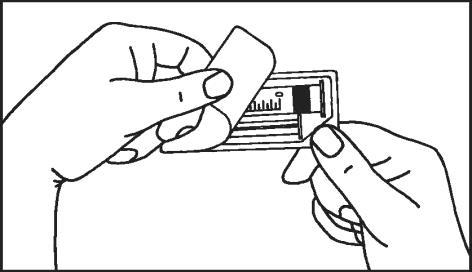
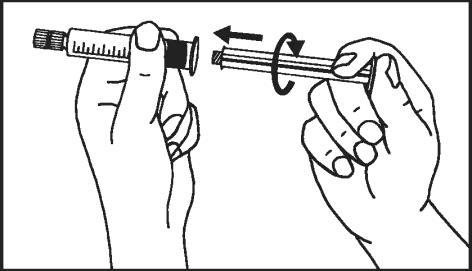
- 1. Open the package 2. Screw the plunger onto the syringe
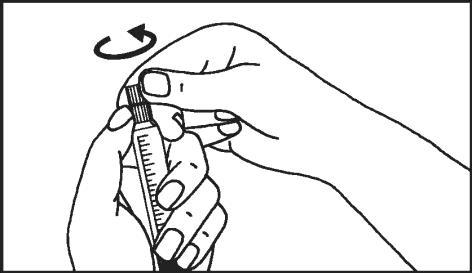
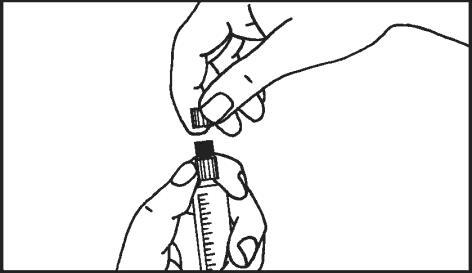
- 3. Break the protective cap 4. Remove the protective cap
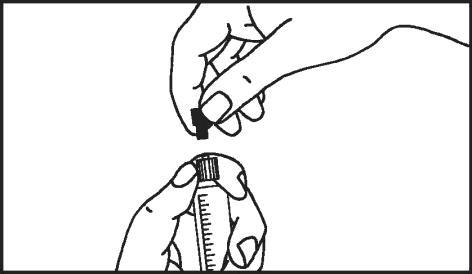
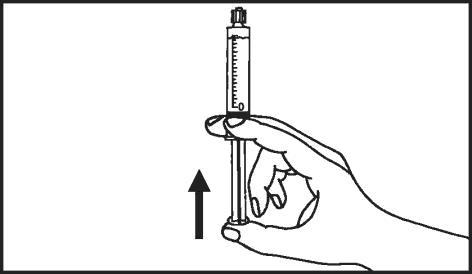
- 5. Remove the rubber stopper 6. Remove air from the syringe
Plastic syringe only
MANUAL INJECTION AUTOMATIC INJECTOR INJECTION
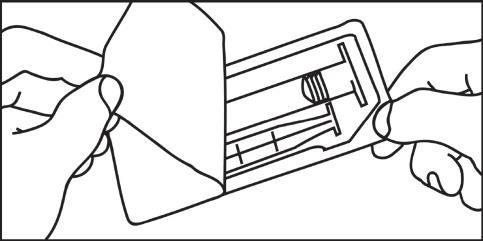
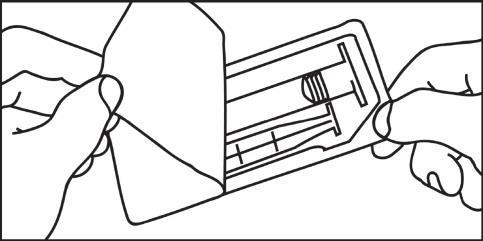
- 1. Open the package 1. Open the package
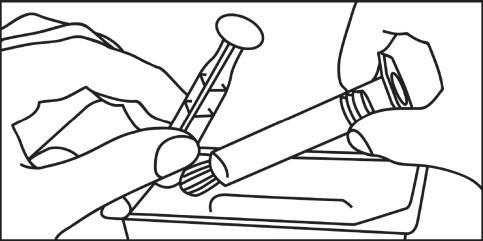
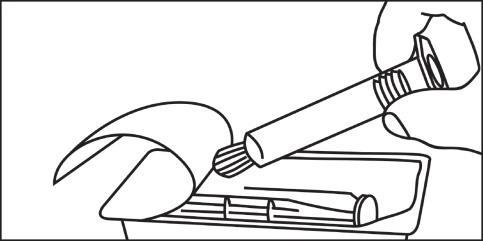
- 2. Extract the syringe and plunger 2. Extract the syringe
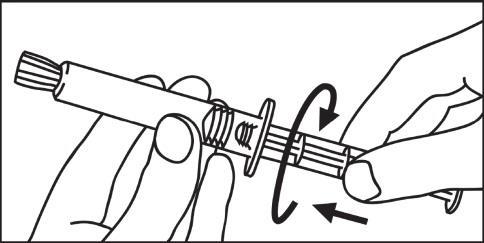
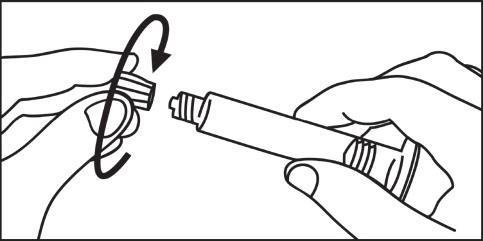
- 3. Rotate the plunger in the syringe clockwise 3. Open the cap by rotating it
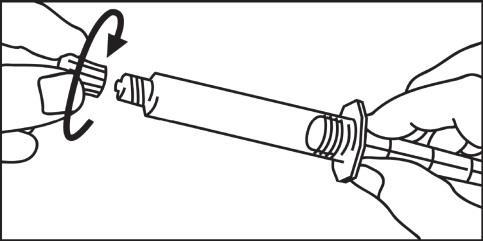
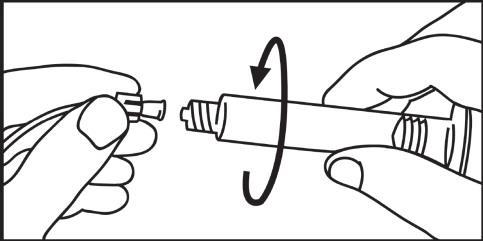
- 4. Open the cap by rotating it 4. Connect the tip of the syringe or tubing system clockwise and proceed according to the manufacturer's instructions for the device
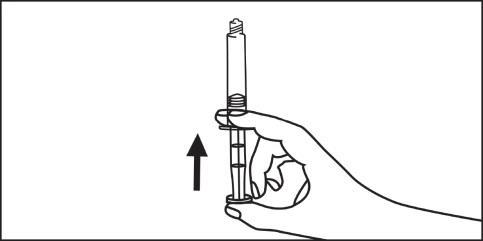
- 5. Remove air from the syringe

Nie jesteś pewien, czy ten lek jest odpowiedni dla ciebie?
Omów swoje objawy i leczenie z lekarzem online.

Zacząłeś przyjmować lek i masz pytania?
Omów swoje objawy i leczenie z lekarzem online.

- Kraj rejestracji
- Postać farmaceutycznaInjectable solution, 0.25 mmol/mL
- Kod ATCV08CA10
- Substancja czynna
- Wymaga receptyTak
- Producent
- Te treści mają charakter wyłącznie informacyjny i nie zastępują konsultacji lekarskiej.
- Zamienniki PRIMOVISTPostać farmaceutyczna: Injectable solution, 0,5 MMOL/MLSubstancja czynna: gadoteric acidProducent: GE HEALTHCARE ASWymaga receptyPostać farmaceutyczna: Injectable solution, 0.5 mmol/mLSubstancja czynna: gadoteric acidProducent: BAYER S.P.A.Wymaga receptyPostać farmaceutyczna: Injectable solution, 0.5 mmol / mLSubstancja czynna: gadopiclenolProducent: GUERBETWymaga recepty
Odpowiedniki PRIMOVIST w innych krajach
Leki z tą samą substancją czynną dostępne w innych krajach.
Odpowiednik PRIMOVIST w Polska
Odpowiednik PRIMOVIST w Ukraina
Odpowiednik PRIMOVIST w Hiszpania
Lekarze online w sprawie PRIMOVIST
Omów stosowanie PRIMOVIST, bezpieczeństwo i ocenę zasadności recepty zgodnie z obowiązującymi przepisami.









Uzyskaj receptę na PRIMOVIST online
Wypełnij 2-minutowy formularz
Opisz swoje objawy, historię choroby i lek, o który prosisz.
Wybierz lekarza lub pozwól nam przydzielić
Wybierz specjalistę lub dopasujemy Cię do najbliższego dostępnego lekarza.
Lekarz analizuje Twój przypadek
Zazwyczaj w ciągu 30 minut. Może zadawać dodatkowe pytania przez czat.
Odbierz w dowolnej aptece
Recepta elektroniczna wysłana na Twój e-mail — ważna w całej Polsce.
Często zadawane pytania
PRIMOVIST wymaga recepty w Włochy. Możesz skonsultować się z lekarzem online, aby sprawdzić, czy ten lek może być odpowiedni w Twojej sytuacji.
Substancją czynną w PRIMOVIST jest gadoxetic acid. Informacja ta pomaga rozpoznać leki o tym samym składzie, ale pod różnymi nazwami handlowymi.
PRIMOVIST jest produkowany przez BAYER S.P.A.. Nazwy handlowe i opakowania mogą się różnić w zależności od dystrybutora.
Lekarze, tacy jak Lekarze rodzinni, Psychiatrzy, Dermatolodzy, Kardiolodzy, Endokrynolodzy, Gastroenterolodzy, Pulmonolodzy, Nefrolodzy, Reumatolodzy, Hematolodzy, Zakaźnicy, Alergolodzy, Geriatrzy, Pediatrzy, Onkolodzy, mogą ocenić, czy stosowanie PRIMOVIST jest odpowiednie w Twoim przypadku, w zależności od sytuacji klinicznej i lokalnych przepisów. Możesz umówić konsultację online, aby omówić objawy i możliwe dalsze kroki.
Polska posiada dobrze rozwiniętą infrastrukturę ochrony zdrowia w dużych miastach, takich jak Warszawa, Kraków, Wrocław i Gdańsk. Apteki są łatwo dostępne i działają zgodnie z obowiązującymi przepisami, zapewniając dostęp do leków na receptę.
Możesz kupić PRIMOVIST w Warszawie, Krakowie, Wrocławiu lub Gdańsku w każdej aptece, posiadając ważną receptę.
Aby uzyskać receptę, możesz skorzystać z Oladoctor:
Inne leki zawierające tę samą substancję czynną (gadoxetic acid) to m.in. KLARIKYKLIK, DOTAGRAF, ELUKIREM. Mogą one różnić się nazwą handlową lub postacią, ale zawierają ten sam składnik terapeutyczny. Przed zmianą lub rozpoczęciem nowego leku skonsultuj się z lekarzem.
