



DARUNAVIR 400 mg Tabletki Powlekane

Ocena recepty online
Lekarz przeanalizuje Twój przypadek i zdecyduje, czy wystawienie recepty jest medycznie uzasadnione.

Porozmawiaj z lekarzem o tym leku
Omów swoje objawy i opcje leczenia podczas szybkiej konsultacji online.



Jak stosować DARUNAVIR AUROBINDO
Treść ulotki
- Darunavir Aurobindo 400 mg film-coated tablets, 800 mg film-coated tablets
- Darunavir Aurobindo o 1 tablet of 800 milligrams of Darunavir Aurobindo) to
- Darunavir Aurobindo 600 mg film-coated tablets
Darunavir Aurobindo 400 mg film-coated tablets, 800 mg film-coated tablets
Generic medicine
Read this leaflet carefully before taking this medicine because it contains
important information for you.
- Keep this leaflet. You may need to read it again.
- If you have any questions, ask your doctor, pharmacist or nurse.
- This medicine has been prescribed for you only. Do not pass it on to others, even if their symptoms are the same as yours, as it could be harmful.
- If you get any side effects, even those not listed in this leaflet, tell your doctor, pharmacist or nurse. See section 4.
Contents of this leaflet:
- 1. What Darunavir Aurobindo is and what it is used for
- 2. What you need to know before you take Darunavir Aurobindo
- 3. How to take Darunavir Aurobindo
- 4. Possible side effects
- 5. How to store Darunavir Aurobindo
- 6. Contents of the pack and other information
1. What is Darunavir Aurobindo and what is it used for
What is Darunavir Aurobindo
Darunavir Aurobindo contains the active substance darunavir. Darunavir Aurobindo is a
antiretroviral medicine used in the treatment of human immunodeficiency virus (HIV) infection. It belongs to a group of medicines called
protease inhibitors. Darunavir Aurobindo works by reducing the amount of HIV
in the body, improving the immune system and reducing the risk of developing diseases related to
HIV infection.
What it is used for
The 400 mg and 800 mg tablets of Darunavir Aurobindo are used for the treatment
of adults and children (aged 3 years or older, and weighing at least 40
kilograms) with HIV infection:
- who have not used other antiretroviral medicines before.
- in some patients, who have already used antiretroviral medicines before (the doctor will determine who to administer it to).
Darunavir Aurobindo must be taken in combination with a low dose of cobicistat or
ritonavir and with other anti-HIV medicines. The doctor will discuss with you the best combination of
medicines for you.
2. Cosa deve sapere prima di prendere Darunavir Aurobindo
Do not take Darunavir Aurobindo
- If you are allergicto darunavir or to any of the other ingredients of this medicine (listed in section 6), or to cobicistat or ritonavir.
- If you have severe liver problems. Ask your doctor for advice if you are not sure about the severity of your liver disease. Further tests may be necessary.
Tell your doctor about allthe medicines you are taking, including medicines taken orally,
inhaled, injected or applied to the skin.
Do not take Darunavir Aurobindo with any of the following medicines
If you are taking any of these medicines, ask your doctor how to switch to another
medicine.
| Medicine | Purpose of the medicine |
| Avanafil | l For the treatment of erectile dysfunction |
| Astemizole or terfenadine | e For the treatment of allergy symptoms |
| Triazolam and oral midazolam (taken by mouth) | d To help you sleep and/or reduce anxiety |
| Cisapride | a For the treatment of some stomach disorders |
| n Colchicine (if you have kidney and/or liver problems) | For the treatment of gout or familial Mediterranean fever |
| a Lurasidone, pimozide, quetiapine or sertindole | For the treatment of psychiatric disorders |
| i Ergot alkaloids such as l ergotamine, dihydroergotamine, ergometrine and methylergonovine | For the treatment of migraine headaches |
| a t Amiodarone, bepridil, dronedarone, I ivabradine, quinidine, ranolazine | For the treatment of some heart problems, such as abnormal heartbeats |
| Lovastatin, simvastatin and lomitapide | To lower cholesterol levels |
| a Rifampicin | For the treatment of some infections, such as tuberculosis |
| i z Lopinavir/ritonavir combination | This anti-HIV medicine belongs to the same class as darunavir |
| Elbasvir/grazoprevir | To treat hepatitis C infection |
| n Alfuzosin | To treat benign prostatic hyperplasia |
| e Sildenafil | To treat high blood pressure in the pulmonary circulation |
| g Ticagrelor | To help block platelet aggregation in the treatment of patients with a history of heart attack |
| A Naloxegol | To treat opioid-induced constipation |
Do not take Darunavir Aurobindo with products containing St John's Wort ( Hypericum
perforatum).
Warnings and precautions
Talk to your doctor, pharmacist or nurse before taking Darunavir Aurobindo.
Darunavir Aurobindo is not a cure for HIV infection.
People taking Darunavir Aurobindo may still develop infections or other
diseases associated with HIV infection. You should see your doctor regularly.
People taking Darunavir Aurobindo may develop a rash.
Rarely, a rash can become severe or potentially life-threatening.
Contact your doctor every time you develop a rash.
In people taking Darunavir Aurobindo and raltegravir (for HIV infection),
rashes (usually mild or moderate) may occur more frequently
than in patients taking these medicines separately.
Tell your doctor about your condition BEFORE and DURING therapy.
Make sure you check the following points, and tell your doctor if any of these apply to you.
- Tell your doctor if you have had liver problems in the past, including hepatitis B or C infection. The doctor can assess the severity of your liver disease before deciding whether to give you Darunavir Aurobindo.
- Tell your doctor if you have diabetes. Darunavir Aurobindo may increase blood sugar levels.
- Tell your doctor immediately if you notice any signs of infection (e.g. swollen lymph nodes and fever). In some patients with advanced HIV infection and a history of opportunistic infection, signs and symptoms of inflammation from previous infections may appear shortly after starting anti-HIV treatment. These symptoms are thought to be due to an improvement in the body's immune response, allowing the body to fight infections that may have been present without causing obvious symptoms.
- In addition to opportunistic infections, autoimmune disorders (a condition that occurs when the immune system attacks healthy tissue in the body) may also occur after you have started taking medicines to treat HIV infection. Autoimmune disorders can occur many months after starting treatment. If you notice any symptoms of infection, or other symptoms such as muscle weakness, weakness initially in the hands and feet that rises towards the torso, palpitations, tremors or hyperactivity, tell your doctor immediately for necessary treatment.
| Dapoxetine | To treat premature ejaculation |
| Domperidone | To treat nausea and vomiting |
- Tell your doctor if you have hemophilia. Darunavir Aurobindo may increase the risk of bleeding.
- Tell your doctor if you are allergic to sulfonamides (used to treat some infections).
- Tell your doctor if you notice any musculoskeletal problems. Some patients taking a combination of antiretroviral medicines may develop a bone disease called osteonecrosis (death of bone tissue caused by a lack of blood supply to the bone). Some of the many risk factors for developing this disease may be the duration of use of antiretrovirals in combination, the use of corticosteroids, alcohol consumption, severe immunodeficiency, a high body mass index. Signs of osteonecrosis are joint swelling, pain and aches (especially in the hip, knee and shoulder) and difficulty moving. If you notice any of these symptoms, tell your doctor immediately.
Elderly
Darunavir Aurobindo has only been given to a limited number of patients aged
65 years or older. If you are in this age group, ask your doctor if you can
use Darunavir Aurobindo.
Children and adolescents
Darunavir Aurobindo should not be used in children under 3 years of age or weighing less than
40 kilograms.
Other medicines and Darunavir Aurobindo
Tell your doctor or pharmacist if you are taking, have recently taken or might
take any other medicines.
There are some medicines that must not be takenwith Darunavir Aurobindo. These
medicines have been listed previously, in the section “Do not take Darunavir Aurobindo with
any of the following medicines”.
In most cases, Darunavir Aurobindo can be taken with other anti-HIV medicines
belonging to a different class [e.g. NRTIs (nucleoside reverse transcriptase inhibitors), NNRTIs (non-nucleoside reverse transcriptase inhibitors),
CCR5 antagonists and FIs (fusion inhibitors)]. Darunavir Aurobindo in combination with
cobicistat or ritonavir has not been studied with all PIs (protease inhibitors) and should not
be used with other HIV PIs. In some cases, the dose of other medicines may need to be adjusted. So always tell your doctor if you are taking other anti-HIV medicines
and carefully follow your doctor's instructions on which medicines you can take.
The effects of Darunavir Aurobindo may be reduced if you take any of the
following medicines. Tell your doctor if you take:
- Phenobarbital, phenytoin (to prevent seizures).
- Dexamethasone (a corticosteroid).
- Efavirenz (to treat HIV infection).
- Rifapentine, rifabutin (medicines to treat some infections such as tuberculosis).
- Saquinavir (to treat HIV infection).
The effects of other medicines may be affected by taking Darunavir
Aurobindo and your doctor may want to carry out further blood tests. Tell your doctor if you take:
- Amlodipine, diltiazem, disopyramide, carvedilol, felodipine, flecainide, lidocaine, metoprolol, mexiletine, nifedipine, nicardipine, propafenone, timolol, verapamil (for heart disease), as the therapeutic effect or side effects of these medicines may be altered.
- Apixaban, dabigatran etexilate, edoxaban, rivaroxaban, warfarin, clopidogrel (to reduce blood clotting), as both the therapeutic effect and side effects may be altered.
- Hormonal contraceptives containing estrogens or hormone replacement therapy. Darunavir Aurobindo may reduce their effectiveness. When hormone therapy is used for contraceptive purposes, the use of other non-hormonal contraceptive methods is recommended.
- Ethinylestradiol/drospirenone. Darunavir Aurobindo may increase the risk of an increase in potassium levels due to drospirenone.
- Atorvastatin, pravastatin, rosuvastatin (to lower cholesterol levels). It may increase the risk of muscle damage. The doctor will assess which medicine to reduce cholesterol is most appropriate for your specific condition.
- Clarithromycin (an antibiotic).
- Cyclosporine, everolimus, tacrolimus, sirolimus (to reduce activity from the immune system), as the therapeutic effect or side effects of these medicines may be increased. The doctor may want to carry out further tests.
- Corticosteroids, including betamethasone, budesonide, fluticasone, mometasone, prednisone, triamcinolone. These medicines are used in the treatment of allergies, asthma, inflammatory bowel disease, skin, eye, joint and muscle inflammatory conditions, and other types of inflammatory diseases. These medicines are generally taken orally, by inhalation, injection or applied to the skin. If alternative treatments cannot be used, these medicines may only be taken after assessment by the doctor and under close monitoring of the side effects due to corticosteroids.
- Buprenorphine/naloxone (to treat opioid dependence).
- Salmeterol (for the treatment of asthma).
- Artemether/lumefantrine (a combination of medicines for the treatment of malaria).
- Dasatinib, everolimus, irinotecan, nilotinib, vinblastine, vincristine (to treat cancer).
- Sildenafil, tadalafil, vardenafil (for erectile dysfunction or for the treatment of a heart or lung disorder called pulmonary arterial hypertension).
- Glecaprevir/pibrentasvir (to treat hepatitis C infection).
- Fentanyl, oxycodone, tramadol (for the treatment of pain).
- Fesoterodine, solifenacin (to treat urological disorders).
Your doctor may want to carry out further blood tests and it may be necessary
to adjust the dose of other medicines, because the therapeutic effect and side effects
of these medicines or of Darunavir Aurobindo may be affected if taken together.
Tell your doctor if you take:
- Dabigatran etexilate, edoxaban, warfarin (to reduce blood clotting).
- Alfentanil (a short-acting injectable strong pain reliever used for surgeries).
- Digoxin (for the treatment of some heart disorders).
- Clarithromycin (an antibiotic).
- Itraconazole, isavuconazole, fluconazole, posaconazole, clotrimazole (to treat fungal infections). Voriconazole can only be taken after assessment by the doctor.
- Rifabutin (against bacterial infections).
- Sildenafil, vardenafil, tadalafil (for erectile dysfunction or for high blood pressure in the pulmonary circulation).
- Amitriptyline, desipramine, imipramine, nortriptyline, paroxetine, sertraline, trazodone (for the treatment of depression and anxiety).
- Maraviroc (to treat HIV infection).
- Methadone (to treat opioid dependence).
- Carbamazepine, clonazepam (to prevent seizures or to treat some types of neuropathic pain).
- Colchicine (to treat gout or familial Mediterranean fever).
- Bosentan (to treat high blood pressure in the pulmonary circulation).
- Buspirone, clorazepate, diazepam, estazolam, flurazepam, midazolam when used for injection, zolpidem (sedatives).
- Perphenazine, risperidone, thioridazine (to treat psychiatric conditions).
- Metformin (to treat type 2 diabetes). This is nota complete list of medicines. Tell your doctor about all the medicines you are taking.
Darunavir Aurobindo with food and drink
See section 3, “How to take Darunavir Aurobindo”.
Pregnancy and breastfeeding
Tell your doctor immediately if you are pregnant or planning a
pregnancy. Pregnant women should not take Darunavir Aurobindo with
ritonavir, unless specifically instructed by their doctor. Pregnant women
should not take Darunavir Aurobindo with cobicistat.
Due to potential adverse effects in infants, women should not breastfeed
if they are receiving Darunavir Aurobindo.
Breastfeeding is not recommended in women with HIV infection as
the infection can be transmitted to the baby through breast milk. If you are breastfeeding, or
think you might be, talk to your doctor as soon as possible.
Driving and operating machinery
Do not drive vehicles or operate machinery if you experience dizziness after taking Darunavir
Aurobindo.
Darunavir Aurobindo 400 mg film-coated tablets contains propylene glycol
This medicine contains 55.56 mg of propylene glycol in each film-coated tablet.
If your child is less than 4 weeks old, talk to your doctor or pharmacist before
giving this medicine, especially if the child is taking other
medicines containing propylene glycol or alcohol.
Darunavir Aurobindo 800 mg film-coated tablets contains propylene glycol
This medicine contains 111.12 mg of propylene glycol in each film-coated
tablet. If your child is less than 4 weeks old, talk to your doctor or pharmacist
before giving this medicine, especially if the child is taking other
medicines containing propylene glycol or alcohol.
3. How to take Darunavir Aurobindo
Take this medicine exactly as your doctor or pharmacist has told you. If you have doubts, ask your doctor or pharmacist. Even if you feel better, do not stop taking Darunavir Aurobindo and cobicistat or ritonavir without talking to your doctor.
After therapy has started, the dose or dosage schedule must not be changed, nor must therapy be interrupted without instructions from your doctor.
The 400 milligram tablets of Darunavir Aurobindo must only be used to achieve a daily dosage of 800 milligrams; the 800 milligram tablets of Darunavir Aurobindo are exclusively intended for daily use.
This medicine is only available in the form of film-coated tablets, therefore it is not suitable for patients who are unable to swallow the tablets whole, such as small children. For use in these patients, it is necessary to verify the availability of more appropriate formulations containing darunavir.
Dose for adults who have not previously taken antiretroviral drugs (your doctor will assess this)
The normal dose of Darunavir Aurobindo is 800 milligrams (2 tablets of 400 milligrams of Darunavir Aurobindo or 1 tablet of 800 milligrams of Darunavir Aurobindo) once a day.
You must take Darunavir Aurobindo every day, always in combination with 150 milligrams of cobicistat or 100 milligrams of ritonavir and with food. Darunavir Aurobindo may not work best without cobicistat or ritonavir and without food. You must take a meal or snack within 30 minutes before taking Darunavir Aurobindo and cobicistat or ritonavir. The type of food is irrelevant. Even if you feel better, do not stop taking Darunavir Aurobindo and cobicistat or ritonavir before talking to your doctor.
Instructions for adults
- Take two 400 milligram tablets or one 800 milligram tablet at the same time, once a day, every day.
- Always take Darunavir Aurobindo with 150 milligrams of cobicistat or 100 milligrams of ritonavir.
- Take Darunavir Aurobindo with food.
- Swallow the tablets with a drink such as water or milk.
- Take other medicines for HIV used in association with Darunavir Aurobindo and cobicistat or ritonavir, following your doctor's instructions.
Adults who have previously taken antiretrovirals (your doctor will assess this)
A different dose of Darunavir Aurobindo may be required, which cannot be administered with these 400 or 800 milligram tablets. However, other dosages of Darunavir Aurobindo are available.
The dose is:
- 800 milligrams of Darunavir Aurobindo (2 tablets of 400 milligrams of Darunavir Aurobindo or 1 tablet of 800 milligrams of Darunavir Aurobindo) together with 150 milligrams of cobicistat or 100 milligrams of ritonavir, once a day. OR
- 600 milligrams of Darunavir Aurobindo (1 tablet of 600 milligrams of Darunavir Aurobindo) together with 100 milligrams of ritonavir, twice a day.
Discuss with your doctor what the correct dose is for you.
Dose for children aged 3 years or older with ritonavir and aged 12 years or older with cobicistat, and weighing more than 40 kilograms who have not previously taken antiretroviral medicines (your child's doctor will determine this condition)
- The usual dose of Darunavir Aurobindo is 800 milligrams (2 tablets of 400 milligrams of Darunavir Aurobindo or 1 tablet of 800 milligrams of Darunavir Aurobindo) together with 100 milligrams of ritonavir or 150 milligrams of cobicistat, once a day.
Dose for children aged 3 years or older with ritonavir and aged 12 years or older with cobicistat, and weighing more than 40 kilograms who have previously taken antiretroviral medicines (your child's doctor will determine this condition)
The dose is:
- 800 milligrams of Darunavir Aurobindo (2 tablets of 400 milligrams of Darunavir Aurobindo or 1 tablet of 800 milligrams of Darunavir Aurobindo) together with 100 milligrams of ritonavir or 150 milligrams of cobicistat once a day. OR
- 600 milligrams of Darunavir Aurobindo (1 tablet of 600 milligrams of Darunavir Aurobindo) together with 100 milligrams of ritonavir, twice a day.
Discuss with your doctor what the correct dose is.
Instructions for children aged 3 years or older with ritonavir and aged 12 years or older with cobicistat, and weighing more than 40 kilograms
- Take 800 milligrams of Darunavir Aurobindo (2 tablets of 400 milligrams of
Darunavir Aurobindo o 1 tablet of 800 milligrams of Darunavir Aurobindo) to
the same time, once a day, every day.
- Take Darunavir Aurobindo always together with 100 milligrams of ritonavir or 150 milligrams of cobicistat.
- Take Darunavir Aurobindo with food.
- Swallow the tablets with a drink, such as water or milk.
- Take other medicines for HIV used in association with Darunavir Aurobindo and ritonavir or cobicistat, following the doctor's instructions.
Child-resistant cap removal
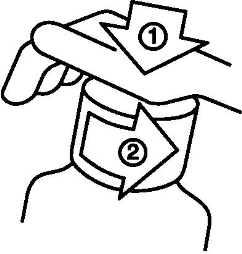
The plastic bottle is supplied with a child-resistant cap,
which must be opened as follows:
- Push the plastic cap down and turn it counterclockwise.
- Remove the unscrewed cap.
If you take more Darunavir Aurobindo than you should
Inform your doctor, pharmacist or nurse immediately.
If you forget to take Darunavir Aurobindo
If you notice within 12 hours, you should take the tablets immediately. Always take the
tablets together with cobicistat or ritonavir and with food. If you notice after 12 hours, skip
the dose and take the next dose as usual. Do not take a double dose to
make up for a missed dose.
If you vomit after taking Darunavir Aurobindo and cobicistat or ritonavir
If you vomit within 4 hours of taking the medicine, you should take another dose of
Darunavir Aurobindo and cobicistat or ritonavir with food as soon as possible. If you vomit more than 4
hours after taking the medicine, you do not need to take another dose of
Darunavir Aurobindo and cobicistat or ritonavir until the time usually scheduled for the next
dose.
Contact your doctor if you have any doubts about what to do if you forget a dose or vomit.
Do not stop taking Darunavir Aurobindo without first talking to your doctor
HIV medicines can make you feel better. Do not stop taking Darunavir
Aurobindo, even if you feel better. Talk to your doctor first.
If you have any questions about the use of this medicine, ask your doctor, pharmacist or
nurse.
4. Possible side effects
During therapy for HIV, an increase in weight and levels of lipids and glucose in the blood may occur. This is partly related to the restoration of health and lifestyle, and in the case of blood lipids, sometimes to the HIV medications themselves. The doctor will check these changes.
Like all medicines, this medicine can cause side effects, although not everyone will experience them.
Tell your doctor if you develop any of the following side effects.
Liver problems have been reported that can occasionally be serious. The doctor will need to perform blood tests before starting Darunavir Aurobindo. If you suffer from chronic hepatitis B or C, the doctor should check your blood tests more frequently, because there is a greater likelihood of developing liver problems. Talk to your doctor about the signs and symptoms of liver problems. These may include yellowing of the skin or whites of the eyes, dark urine (tea-colored), pale stools (bowel movements), nausea, vomiting, loss of appetite, or pain, tenderness or discomfort on the right side under the ribs.
Skin rashes (more frequent when used in combination with raltegravir), itching. Skin rashes are generally mild to moderate in severity. A skin rash may also be a symptom of a more serious and rare condition. It is important that you consult your doctor if you develop a skin rash. The doctor will advise you on how to treat the symptoms, or tell you if Darunavir Aurobindo should be discontinued.
Other serious side effects were diabetes (common) and inflammation of the pancreas (uncommon).
Very common(may affect more than 1 in 10 people):
- diarrhoea.
Common(may affect up to 1 in 10 people):
- vomiting, nausea, abdominal pain or distension, dyspepsia, flatulence.
- headache, fatigue, dizziness, drowsiness, numbness, tingling or pain in the hands or feet, loss of strength, difficulty falling asleep.
Uncommon(may affect up to 1 in 100 people):
- chest pain, changes in electrocardiogram, rapid heartbeat.
- decreased or abnormal skin sensation, pins and needles sensation, attention disorders, memory problems, balance problems.
- difficulty breathing, cough, nosebleeds, throat irritation.
- inflammation of the stomach or mouth, heartburn, retching, dry mouth, abdominal discomfort, constipation, belching.
- kidney failure, kidney stones, difficulty urinating, frequent or excessive urination, sometimes at night.
- urticaria, severe swelling of the skin or other tissues (especially lips and eyes), eczema, excessive sweating, night sweats, hair loss, acne, scaly skin, nail pigmentation.
- muscle pain, muscle cramps or weakness, pain in the extremities, osteoporosis.
- slowdown of thyroid function. This can be detected through a blood test.
- high blood pressure, hot flushes.
- red or dry eyes.
- fever, leg swelling due to fluid retention, malaise, irritability, pain.
- infection symptoms, herpes simplex.
- erectile dysfunction, breast enlargement.
- sleep disorders, drowsiness, depression, anxiety, altered dreams, decreased sexual desire.
Rare(may affect up to 1 in 1,000 people):
- a reaction called DRESS [severe rash, which may be accompanied by fever, fatigue, facial or lymph node swelling, increased eosinophils (a type of white blood cell), effects on liver, kidneys or lungs].
- heart attack, slow heartbeat, palpitations.
- vision disorders.
- chills, feeling unwell.
- a feeling of confusion or disorientation, altered mood, restlessness.
- fainting, seizures, change or loss of taste.
- mouth ulcers, vomiting blood, inflammation of the lips, dry lips, coated tongue.
- runny nose.
- skin lesions, dry skin.
- stiffness of muscles or joints, joint pain with or without inflammation.
- changes in some blood cell or chemical values. These can be seen in blood and/or urine tests. The doctor will explain these results to you. Examples are: increased white blood cells.
- darunavir crystal deposition in the kidney causing kidney disease.
Some side effects are typical of anti-HIV medicines in the Darunavir Aurobindo family. These are:
- muscle pain, fragility or weakness. In rare cases, these muscle disorders have been serious.
Reporting of side effects
If you get any side effect, even if not listed in this leaflet, tell your doctor or pharmacist. You can also report side effects directly through the national reporting system at
www.aifa.gov.it/content/segnalazioni-reazioni-avverse .
By reporting side effects you can help provide more information on the safety of this medicine.
5. How to store Darunavir Aurobindo
Keep this medicine out of the sight and reach of children.
Do not use this medicine after the expiry date which is stated on the label of the bottle
and on the packaging after EXP. The expiry date refers to the last day of that month.
This medicine does not require any particular storage conditions.
Do not use this medicine if you notice any changes in the appearance of the tablets.
Do not dispose of any medicine in wastewater or household waste. Ask your pharmacist
how to dispose of medicines you no longer use. This will help protect the environment.
6. Contents of the pack and other information
What Darunavir Aurobindo contains
The active ingredient is darunavir (as propylene glycol).
Darunavir Aurobindo 400 mg film-coated tablets
Each film-coated tablet contains 400 mg of darunavir (as propylene glycol).
Darunavir Aurobindo 800 mg film-coated tablets
Each film-coated tablet contains 800 mg of darunavir (as propylene glycol).
The other ingredients are:
Tablet core:
Microcrystalline cellulose (Grade-101), hydroxypropylcellulose, crospovidone (Type-B), colloidal anhydrous silica and magnesium stearate.
Tablet coating:
For 400 mg
Ready-to-use coating material (brown color):
Polyvinyl alcohol, macrogol 3350, titanium dioxide (E171), talc and red iron oxide (E172).
For 800 mg
Ready-to-use coating material (brown color):
Polyvinyl alcohol, macrogol 3350, red iron oxide (E172), titanium dioxide (E171) and talc.
Description of the appearance of Darunavir Aurobindo and contents of the pack
Darunavir Aurobindo 400 mg film-coated tablets
Film-coated tablets of red color, oval in shape, biconvex with imprinted “D” on
one side and “400” on the other side.
Darunavir Aurobindo 800 mg film-coated tablets
Film-coated tablets of dark red color, oval in shape, biconvex with imprinted
“D” on one side and “800” on the other side.
Darunavir Aurobindo film-coated tablets is available in white opaque HDPE bottles
equipped with a child-resistant polypropylene closure.
Pack sizes
HDPE bottles:
For 400 mg: 60 film-coated tablets.
For 800 mg: 30 film-coated tablets.
Not all pack sizes may be marketed.
Marketing authorisation holder and manufacturer
Marketing authorisation holder
Aurobindo Pharma (Italia) S.r.l.
Via San Giuseppe, 102
- 21047 - Saronno (VA)
Manufacturer
APL Swift Services (Malta) Ltd
HF26, Hal Far Industrial Estate, Hal Far,
Birzebbugia, BBG 3000, Malta
Generis Farmacêutica SA
Rua João de Deus, 19
2700-487 Amadora, Portugal
This medicinal product is authorised in the Member States of the European Economic Area with
the following denominations:
Portugal: Darunavir Generis Phar
Italy: Darunavir Aurobindo

Nie jesteś pewien, czy ten lek jest odpowiedni dla ciebie?
Omów swoje objawy i leczenie z lekarzem online.
Darunavir Aurobindo 600 mg film-coated tablets
Generic medicine
Read this leaflet carefully before you start taking this medicine as it contains important information for you.
- Keep this leaflet. You may need to read it again.
- If you have any questions, ask your doctor, pharmacist or nurse.
- This medicine has been prescribed for you only. Do not pass it on to others, even if they have the same symptoms as you, as it could be harmful.
- If you get any side effects, even those not listed in this leaflet, tell your doctor, pharmacist or nurse. See section 4.
Contents of this leaflet:
- 7. What Darunavir Aurobindo is and what it is used for
- 8. What you need to know before you take Darunavir Aurobindo
- 9. How to take Darunavir Aurobindo
- 10. Possible side effects
- 11. How to store Darunavir Aurobindo
- 12. Contents of the pack and other information
1. What is Darunavir Aurobindo and what is it used for
What is Darunavir Aurobindo
Darunavir Aurobindo contains the active ingredient darunavir. Darunavir Aurobindo is a
antiretroviral medicine used in the treatment of human immunodeficiency virus (HIV) infection. It belongs to a group of medicines called
protease inhibitors. Darunavir Aurobindo works by reducing the amount of HIV
in the body, improving the immune system and reducing the risk of developing diseases related to HIV infection.
What it is used for
Darunavir Aurobindo is used for the treatment of adults and children aged 3 years or older and weighing at least 15 kilograms who have HIV infection
and have already used other antiretroviral medicines.
Darunavir Aurobindo must be taken in combination with a low dose of ritonavir and with
other anti-HIV medicines. Your doctor will discuss with you the best combination of medicines
for you.
2. Cosa deve sapere prima di prendere Darunavir Aurobindo
Do not take Darunavir Aurobindo
- If you are allergicto darunavir or to any of the other ingredients of this medicine (listed in section 6), or to ritonavir.
- If you have serious liver problems. Ask your doctor for advice if you are not sure about the severity of your liver disease. Further tests may be necessary.
Tell your doctor about allthe medicines you are taking, including medicines taken orally,
inhaled, injected or applied to the skin.
Do not combine Darunavir Aurobindo with any of the following medicines
If you are taking any of these medicines, ask your doctor how to switch to another
medicine.
| Medicine | Purpose of the medicine |
| Avanafil | F For the treatment of erectile dysfunction |
| Astemizole or terfenadine | For the treatment of allergy symptoms |
| Triazolam and oral midazolam (taken by mouth) | l To help you sleep and/or reduce anxiety |
| Cisapride | e For the treatment of some stomach disorders |
| Colchicine (if you have kidney and/or liver problems) | d For the treatment of gout or familial Mediterranean fever |
| Lurasidone, pimozide, quetiapine or sertindole | a For the treatment of psychiatric disorders |
| n Ergot alkaloids such as a ergotamine, dihydroergotamine, ergometrine and methylergonovine | For the treatment of migraine headaches |
| i l Amiodarone, bepridil, dronedarone, ivabradine, quinidine, ranolazine a | For the treatment of some heart problems, such as heart rhythm abnormalities |
| Lovastatin, simvastatin and lomitapide | To lower cholesterol levels |
| t I Rifampicin | For the treatment of some infections, such as tuberculosis |
| a Lopinavir/ritonavir combination | This anti-HIV medicine belongs to the same class as darunavir |
| Elbasvir/grazoprevir | To treat hepatitis C infection |
| i Alfuzosin | To treat benign prostatic hyperplasia |
| z Sildenafil | To treat high blood pressure in the pulmonary circulation |
| n Ticagrelor and | To help block platelet aggregation in the treatment of patients with a history of heart attack |
| g Naloxegol | To treat opioid-induced constipation |
| A Dapoxetine | To treat premature ejaculation |
| Domperidone | To treat nausea and vomiting |
Do not combine Darunavir Aurobindo with products containing St John's wort ( Hypericum
perforatum).
Warnings and precautions
Talk to your doctor, pharmacist or nurse before taking Darunavir Aurobindo.
Darunavir Aurobindo is not a cure for HIV infection.
People taking Darunavir Aurobindo may still develop infections or other
diseases associated with HIV infection. You should stay in regular contact with your
doctor.
People taking Darunavir Aurobindo may develop a rash.
Rarely, a rash may become severe or potentially life-threatening.
Contact your doctor every time you develop a rash.
In people taking Darunavir Aurobindo and raltegravir (for HIV infection), rashes (usually mild or moderate) may occur more frequently
than in patients taking these medicines separately.
Tell your doctor about your condition BEFORE and DURING therapy
Make sure you check the following points, and tell your doctor if any of these apply to you.
- Tell your doctor if you have had liver problems in the past, including hepatitis B or C infection. Your doctor may assess the severity of your liver disease before deciding whether to give you Darunavir Aurobindo.
- Tell your doctor if you have diabetes. Darunavir Aurobindo may increase blood sugar levels.
- Tell your doctor immediately if you notice any signs of infection (e.g. swollen lymph nodes and fever). In some patients with advanced HIV infection and a history of opportunistic infection, signs and symptoms of inflammation from previous infections may occur shortly after starting anti-HIV treatment. These symptoms are thought to be due to an improvement in the body's immune response, which allows the body to fight infections that may have been present without causing obvious symptoms.
- In addition to opportunistic infections, autoimmune disorders (a condition that occurs when the immune system attacks healthy tissue in the body) may also occur after you have started taking medicines to treat HIV infection. Autoimmune disorders can occur many months after starting treatment. If you notice any symptoms of infection, or other symptoms such as muscle weakness, weakness initially in the hands and feet that rises towards the trunk of the body, palpitations, tremors or hyperactivity, tell your doctor immediately for necessary treatment.
- Tell your doctor if you have haemophilia. Darunavir Aurobindo may increase the risk of bleeding.
- Tell your doctor if you are allergic to sulfonamides (used to treat some infections).
- Tell your doctor if you notice any musculoskeletal problems. Some patients taking a combination of antiretroviral medicines may develop a
bone disease called osteonecrosis (bone tissue death caused by a lack of
blood supply to the bone). Some of the many risk factors for developing this
disease may be the duration of use of antiretrovirals in combination, the use of
corticosteroids, alcohol consumption, severe immunodeficiency, a high body mass
index. Signs of osteonecrosis are joint swelling, pain and aches
(especially in the hip, knee and shoulder) and difficulty of movement. If you notice
any of these symptoms, tell your doctor immediately.
Elderly
Darunavir Aurobindo has only been given to a limited number of patients aged
65 years or older. If you are in this age group, ask your doctor if you can
use Darunavir Aurobindo.
Children
Darunavir Aurobindo should not be used in children under 3 years of age or weighing less than
15 kilograms.
Other medicines and Darunavir Aurobindo
Tell your doctor or pharmacist if you are taking, have recently taken or might
take any other medicines.
There are some medicines that must not be combinedwith Darunavir Aurobindo. These
medicines have been listed previously, in the section “Do not combine Darunavir Aurobindo with
any of the following medicines”.
In most cases, Darunavir Aurobindo can be combined with other anti-HIV medicines belonging to a different class [e.g. NRTIs (nucleoside reverse transcriptase inhibitors), NNRTIs (non-nucleoside reverse transcriptase inhibitors), CCR5 antagonists and FIs (fusion inhibitors)]. Darunavir Aurobindo in combination with
ritonavir has not been studied with all PIs (protease inhibitors) and should not be
used with other HIV PIs. In some cases, it may be necessary to adjust the dose of
other medicines. Therefore, always tell your doctor if you are taking other anti-HIV medicines and
carefully follow your doctor's instructions on which medicines you can take.
The effects of Darunavir Aurobindo may be reduced if you take any of the
following medicines. Tell your doctor if you take:
- Phenobarbital, phenytoin (to prevent seizures).
- Dexamethasone (a corticosteroid).
- Efavirenz (to treat HIV infection).
- Rifapentine, rifabutin (medicines to treat some infections such as tuberculosis).
- Saquinavir (to treat HIV infection).
The effects of other medicines may be affected by taking Darunavir
Aurobindo and your doctor may want to perform further blood tests. Tell your doctor if you take:
- Amlodipine, diltiazem, disopyramide, carvedilol, felodipine, flecainide, lidocaine, metoprolol, mexiletine, nifedipine, nicardipine, propafenone, timolol, verapamil (for
heart diseases), as the therapeutic effect or side effects of these
medicines may be altered.
- Apixaban, dabigatran etexilate, edoxaban, rivaroxaban, warfarin, clopidogrel (to reduce blood clotting), as both the therapeutic effect and side effects may be altered.
- Hormonal contraceptives based on estrogens or hormone replacement therapy. Darunavir Aurobindo may reduce their effectiveness. When hormone therapy is used for contraceptive purposes, the use of other non-hormonal contraceptive methods is recommended.
- Ethinylestradiol/drospirenone. Darunavir Aurobindo may increase the risk of an increase in potassium levels due to drospirenone.
- Atorvastatin, pravastatin, rosuvastatin (to lower cholesterol levels). It may increase the risk of muscle damage. Your doctor will assess which medicine to lower cholesterol is most suitable for your specific condition.
- Clarithromycin (an antibiotic).
- Cyclosporine, everolimus, tacrolimus, sirolimus (to reduce the activity of the immune system), as the therapeutic effect or side effects of these medicines may be increased. Your doctor may want to perform further tests.
- Corticosteroids, including betamethasone, budesonide, fluticasone, mometasone, prednisone, triamcinolone. These medicines are used in the treatment of allergies, asthma, inflammatory bowel diseases, skin, eye, joint and muscle inflammatory diseases, and other types of inflammatory diseases. These medicines are generally taken orally, by inhalation, injection or applied to the skin. If alternative treatments cannot be used, these medicines can only be taken after evaluation by your doctor and under close monitoring of the side effects due to corticosteroids.
- Buprenorphine/naloxone (to treat opioid dependence).
- Salmeterol (for the treatment of asthma).
- Artemether/lumefantrine (a combination of medicines for the treatment of malaria).
- Dasatinib, everolimus, irinotecan, nilotinib, vinblastine, vincristine (to treat cancer).
- Sildenafil, tadalafil, vardenafil (for erectile dysfunction or for the treatment of a heart or lung disorder called pulmonary arterial hypertension).
- Glecaprevir/pibrentasvir (to treat hepatitis C infection).
- Fentanyl, oxycodone, tramadol (for pain treatment).
- Fesoterodine, solifenacin (to treat urological disorders).
Your doctor may want to perform further blood tests and it may be necessary
to adjust the dosage of other medicines, because the therapeutic effect and side effects
of these medicines or Darunavir Aurobindo may be affected if combined.
Tell your doctor if you take:
- Dabigatran etexilate, edoxaban, warfarin (to reduce blood clotting).
- Alfentanil (a strong short-acting injectable painkiller used for surgery).
- Digoxin (for the treatment of some heart disorders).
- Clarithromycin (an antibiotic).
- Itraconazole, isavuconazole, fluconazole, posaconazole, clotrimazole (to treat fungal infections). Voriconazole can only be taken after evaluation by your doctor.
- Rifabutin (against bacterial infections).
- Sildenafil, vardenafil, tadalafil (for erectile dysfunction or pulmonary hypertension).
- Amitriptyline, desipramine, imipramine, nortriptyline, paroxetine, sertraline, trazodone (for the treatment of depression and anxiety).
- Maraviroc (to treat HIV infection).
- Methadone (to treat opioid dependence).
- Carbamazepine, clonazepam (to prevent seizures or to treat some types of neuropathic pain).
- Colchicine (to treat gout or familial Mediterranean fever).
- Bosentan (to treat pulmonary hypertension).
- Buspirone, clorazepate, diazepam, estazolam, flurazepam, midazolam when used for injection, zolpidem (sedatives).
- Perphenazine, risperidone, thioridazine (to treat psychiatric conditions).
This is nota complete list of medicines. Tell your doctor about allthe medicines you
are taking.
Darunavir Aurobindo with food and drink
See section 3, “How to take Darunavir Aurobindo”.
Pregnancy and breastfeeding
Tell your doctor immediately if you are pregnant or planning a
pregnancy. Pregnant women should not take Darunavir Aurobindo with
ritonavir, unless specifically instructed by their doctor. Pregnant women
should not take Darunavir Aurobindo with cobicistat.
Due to potential adverse effects in infants, women should not breastfeed
if they are receiving Darunavir Aurobindo.
Breastfeeding is not recommended in women with HIV infection as
the infection can be transmitted to the baby through breast milk. If you are breastfeeding, or
think you might be, talk to your doctor as soon as possible.
Driving and operating machinery
Do not drive vehicles and do not operate machinery if you experience dizziness after taking Darunavir
Aurobindo.
Darunavir Aurobindo contains propylene glycol
This medicine contains 83.34 mg of propylene glycol in each film-coated tablet.
If your child is less than 4 weeks old, talk to your doctor or pharmacist before
administering this medicine, especially if the child is taking other
medicines containing propylene glycol or alcohol.
3. How to take Darunavir Aurobindo
Take this medicine following exactly the instructions of your doctor or pharmacist. If you have any doubts, ask your doctor or pharmacist.
Even if you feel better, do not stop taking Darunavir Aurobindo and ritonavir
without talking to your doctor.
After therapy has been started, the dose or dosage schedule must not be changed, nor
must the therapy be interrupted without instructions from your doctor.
Dose for adults who have not previously taken antiretroviral drugs (your doctor
will assess this)
Different dosages of Darunavir Aurobindo may be needed that cannot be
administered with these 600 mg tablets. Other formulations of
Darunavir Aurobindo are available.
Dose for adults who have previously taken antiretroviral drugs (your doctor will assess
this)
The dose is:
- 600 milligrams of Darunavir Aurobindo together with 100 milligrams of ritonavir, twice a day. OR
- 800 milligrams of Darunavir Aurobindo (2 tablets of 400 milligrams of Darunavir Aurobindo or 1 tablet of 800 milligrams of Darunavir Aurobindo) together with 100 milligrams of ritonavir, once a day. The 400 milligram and 800 milligram tablets of Darunavir Aurobindo must only be used to achieve the 800 milligram once-daily regimen.
Discuss with your doctor what the correct dose is for you.
Instructions for adults
- Always take Darunavir Aurobindo with ritonavir. Darunavir Aurobindo does not work properly without ritonavir.
- In the morning, take one 600 milligram tablet of Darunavir Aurobindo together with 100 milligrams of ritonavir.
- In the evening, take one 600 milligram tablet of Darunavir Aurobindo together with 100 milligrams of ritonavir.
- Take Darunavir Aurobindo with food. Darunavir Aurobindo does not work properly without food. The type of food taken is not important.
- Swallow the tablets with a drink, such as water or milk.
Dose for children aged 3 years or older and weighing at least 15
kilograms who have not previously taken antiretroviral drugs (your child's doctor will determine this)
The doctor will calculate the correct daily dose each time based on the child's body weight
(see table below). This dose must not exceed the recommended dose for adults, which is 800 milligrams of darunavir together with 100 milligrams
of ritonavir once a day. Your doctor will tell you how many tablets of darunavir and
ritonavir (capsules, tablets or solution) your child should take. Lower dosage tablets are available to achieve the appropriate therapeutic regimen.
ritonavir oral solution: 80 milligrams per milliliter.
Dose for children aged 3 years or older and weighing at least 15
kilograms who have previously taken antiretroviral drugs (your child's doctor will determine this)
The doctor will calculate the appropriate dose based on the child's weight (see table below).
The doctor will determine whether the once-daily or twice-daily dose is appropriate for the child. This dose must not exceed the recommended dose for adults, which
is 600 milligrams of Darunavir Aurobindo together with 100 milligrams of ritonavir twice
a day or 800 milligrams of Darunavir Aurobindo together with 100 milligrams of
ritonavir once a day. Your doctor will tell you how many tablets of darunavir and
how much ritonavir (capsules, tablets or solution) your child should take. Tablets with other dosages are available to achieve the appropriate therapeutic regimen. The
doctor will determine if Darunavir Aurobindo tablets are suitable for the child.
Twice-daily dose
* For children aged 12 years or older and weighing at least 40 kilograms, the
doctor will determine if Darunavir Aurobindo 800 milligrams once a day can be used. This cannot be administered with the 600 milligram tablets. Other
dosages of Darunavir Aurobindo are available.
Once-daily dose
ritonavir oral solution: 80 milligrams per milliliter.
Instructions for adults
- The child must always take Darunavir Aurobindo with ritonavir. Darunavir Aurobindo cannot act effectively without ritonavir.
| Weight | A dose of darunavir is | a A dose of ritonavir is |
| Between 15 and 30 kilograms | 600 milligrams | 100 milligrams |
| Between 30 and 40 kilograms | 675 milligrams | 100 milligrams |
| More than 40 kilograms | 800 milligrams | m 100 milligrams |
| Weight | a A dose is |
| i Between 15 and 30 kilograms l | 375 milligrams of darunavir + 50 milligrams of ritonavir twice a day |
| a Between 30 and 40 kilograms | 450 milligrams of darunavir + 60 milligrams of ritonavir twice a day |
| t I More than 40 kilograms* | 600 milligrams of darunavir + 100 milligrams of ritonavir twice a day |
| n Weight | A dose of darunavir is | A dose of ritonavir is |
| Between 15 and 30 kilograms | 600 milligrams | 100 milligrams |
| e Between 30 and 40 kilograms | 675 milligrams | 100 milligrams |
| g More than 40 kilograms | 800 milligrams | 100 milligrams |
- The child must take the appropriate doses of Darunavir Aurobindo and ritonavir twice a day or once a day. If Darunavir Aurobindo is prescribed twice a day, the child must take one dose in the morning and one dose in the evening. The doctor will determine which regimen is most appropriate for the child.
- The child must always take Darunavir Aurobindo with food. Darunavir Aurobindo cannot act effectively without food. The type of food is not important.
- The child must swallow the tablets with a drink, such as water or milk.
Removal of the child-resistant cap
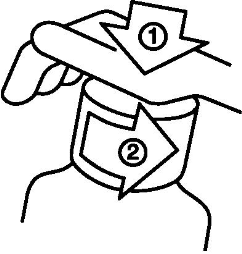
The plastic bottle comes with a child-resistant cap,
which must be opened as follows:
- Push the plastic cap down and rotate it counterclockwise.
- Remove the unscrewed cap.
If you take more Darunavir Aurobindo than you should
Inform your doctor, pharmacist or nurse immediately.
If you forget to take Darunavir Aurobindo
If you realize within 6 hours, you should take the missed dose immediately. Always take the tablets with ritonavir and with food. If you realize after 6 hours, skip
the dose and take the next dose as usual. Do not take a double dose to
make up for the missed dose.
If you vomit after taking Darunavir Aurobindo and ritonavir
If you vomit within 4 hours of taking the medicine, you should take another dose of
Darunavir Aurobindo and ritonavir with food as soon as possible. If you vomit more than 4 hours after
taking the medicine, you do not need to take another dose of Darunavir
Aurobindo and ritonavir until the usual time for the next dose.
Contact your doctor if you have any doubts about what to do if you forget a dose or vomit.
Do not stop treatment with Darunavir Aurobindo without first consulting your doctor
Anti-HIV medicines can make you feel better. Do not stop taking Darunavir
Aurobindo, even if you feel better. Consult your doctor first.
If you have any questions about using this medicine, ask your doctor, pharmacist or
nurse.
4. Possible side effects
During therapy for HIV, an increase in weight and lipid and blood glucose levels may occur. This is partly related to the restoration of health and lifestyle, and in the case of blood lipids, sometimes to the HIV medications themselves. The doctor will check these changes.
Like all medicines, this medicine can cause side effects, although not everyone will experience them.
Tell your doctor if you develop any of the following side effects.
Liver problems have been reported that can occasionally be serious. The doctor will need to perform blood tests before starting Darunavir Aurobindo. If you suffer from chronic hepatitis B or C, the doctor should check your blood tests more frequently, because there is a greater likelihood of developing liver problems. Talk to your doctor about the signs and symptoms of liver problems. These may include yellowing of the skin or whites of the eyes, dark urine (tea-colored), pale stools (bowel movements), nausea, vomiting, loss of appetite, or pain, tenderness, or discomfort on the right side under the ribs.
Skin rashes (more frequent when used in combination with raltegravir), itching. Skin rashes are generally mild to moderate in severity. A skin rash can also be a symptom of a more serious and rare condition. It is important that you consult your doctor if you develop a skin rash. The doctor will advise you on how to treat the symptoms, or tell you if Darunavir Aurobindo should be discontinued.
Other serious side effects were diabetes (common) and pancreatitis (uncommon).
Very common(may affect more than 1 in 10 people):
- diarrhea.
Common(may affect up to 1 in 10 people):
- vomiting, nausea, abdominal pain or distension, dyspepsia, flatulence.
- headache, fatigue, dizziness, drowsiness, numbness, tingling or pain in the hands or feet, loss of strength, difficulty falling asleep.
Uncommon(may affect up to 1 in 100 people):
- chest pain, changes in electrocardiogram, rapid heartbeat.
- decreased or abnormal skin sensitivity, pins and needles sensation, attention disorders, memory problems, balance problems.
- difficulty breathing, cough, nosebleeds, sore throat.
- inflammation of the stomach or mouth, heartburn, nausea, dry mouth, abdominal discomfort, constipation, belching.
- kidney failure, kidney stones, difficulty urinating, frequent or excessive urination, sometimes at night.
- urticaria, severe swelling of the skin or other tissues (especially lips and eyes), eczema, excessive sweating, night sweats, hair loss, acne, scaly skin, nail pigmentation.
- muscle pain, muscle cramps or weakness, pain in the extremities, osteoporosis.
- slowing of thyroid function. This can be detected through a blood test.
- high blood pressure, hot flashes.
- red or dry eyes.
- fever, leg swelling due to fluid retention, malaise, irritability, pain.
- infection symptoms, herpes simplex.
- erectile dysfunction, breast enlargement.
- sleep disorders, drowsiness, depression, anxiety, altered dreams, decreased sexual desire.
Rare(may affect up to 1 in 1,000 people):
- a reaction called DRESS [severe rash, which may be accompanied by fever, fatigue, swelling of the face or lymph nodes, increased eosinophils (a type of white blood cells), effects on liver, kidneys or lungs].
- heart attack, slow heartbeat, palpitations.
- vision disturbances.
- chills, feeling unwell.
- a feeling of confusion or disorientation, altered mood, restlessness.
- fainting, seizures, change or loss of taste.
- mouth ulcers, vomiting blood, inflammation of the lips, dry lips, coated tongue.
- runny nose.
- skin lesions, dry skin.
- stiffness of muscles or joints, joint pain with or without inflammation.
- changes in some blood cell or chemical values. These can be seen in blood and/or urine tests. The doctor will explain these results to you. Examples are: increased white blood cells.
- darunavir crystal deposition in the kidney causing kidney disease.
Some side effects are typical of anti-HIV medicines in the Darunavir Aurobindo family. These are:
- muscle pain, fragility or weakness. In rare cases, these muscle disorders have been serious.
Reporting of side effects
If you get any side effect, talk to your doctor or pharmacist. This includes any possible side effects not listed in this leaflet. You can also report side effects directly through the national reporting system at
www.aifa.gov.it/content/segnalazioni-reazioni-avverse . By reporting side effects you can help provide more information on the safety of this medicine.
5. How to store Darunavir Aurobindo
Keep this medicine out of the sight and reach of children.
Do not use this medicine after the expiry date which is stated on the label of the bottle
and on the packaging after EXP. The expiry date refers to the last day of that month.
This medicine does not require any particular storage conditions.
Do not use this medicine if you notice any changes in the appearance of the tablets.
Do not dispose of any medicine in wastewater or household waste. Ask your pharmacist
how to dispose of medicines you no longer use. This will help protect the environment.
7. Package Contents and Other Information
What Darunavir Aurobindo contains
The active ingredient is darunavir (as propylene glycol).
Darunavir Aurobindo 600 mg film-coated tablets
Each film-coated tablet contains 600 mg of darunavir (as propylene glycol).
The other ingredients are:
Tablet core:
Microcrystalline cellulose (Grade-101), hydroxypropylcellulose, crospovidone (Type-B), colloidal anhydrous silica and magnesium stearate.
Tablet coating:
Ready-to-use coating material (white color):
Polyvinyl alcohol, macrogol 3350, titanium dioxide (E171) and talc.
Description of the appearance of Darunavir Aurobindo and package contents
Darunavir Aurobindo 600 mg film-coated tablets
Orange-colored, oval-shaped, biconvex film-coated tablets imprinted with “D” on one side and “600” on the other side.
Darunavir Aurobindo film-coated tablets are available in white opaque HDPE bottles
equipped with a child-resistant polypropylene closure.
Pack sizes
HDPE bottles: 60 film-coated tablets.
Not all pack sizes may be marketed.
Marketing Authorisation Holder and Manufacturer
Marketing Authorisation Holder
Aurobindo Pharma (Italia) S.r.l.
via San Giuseppe, 102
- 21047 - Saronno (VA)
Manufacturer
APL Swift Services (Malta) Ltd
HF26, Hal Far Industrial Estate, Hal Far,
Birzebbugia, BBG 3000, Malta
Generis Farmacêutica SA
Rua João de Deus, 19
2700-487 Amadora, Portugal
This medicinal product is authorised in the Member States of the European Economic Area with
the following denominations:
Portugal: Darunavir Generis Phar
Italy: Darunavir Aurobindo

Zacząłeś przyjmować lek i masz pytania?
Omów swoje objawy i leczenie z lekarzem online.
- Kraj rejestracji
- Postać farmaceutycznaFilm-coated tablet, 400 MG
- Kod ATCJ05AE10
- Substancja czynna
- Wymaga receptyTak
- Producent
- Te treści mają charakter wyłącznie informacyjny i nie zastępują konsultacji lekarskiej.
- Zamienniki DARUNAVIR AUROBINDOPostać farmaceutyczna: Film-coated tablet, 600 MGSubstancja czynna: darunavirProducent: ACCORD HEALTHCARE, S.L.U.Wymaga receptyPostać farmaceutyczna: Film-coated tablet, 400 MGSubstancja czynna: darunavirProducent: KRKA D.D. NOVO MESTOWymaga receptyPostać farmaceutyczna: Film-coated tablet, 400 MGSubstancja czynna: darunavirProducent: KRKA D.D. NOVO MESTOWymaga recepty
Odpowiedniki DARUNAVIR AUROBINDO w innych krajach
Leki z tą samą substancją czynną dostępne w innych krajach.
Odpowiednik DARUNAVIR AUROBINDO w Hiszpania
Odpowiednik DARUNAVIR AUROBINDO w Polska
Odpowiednik DARUNAVIR AUROBINDO w Ukraina
Lekarze online w sprawie DARUNAVIR AUROBINDO
Omów stosowanie DARUNAVIR AUROBINDO, bezpieczeństwo i ocenę zasadności recepty zgodnie z obowiązującymi przepisami.









Uzyskaj receptę na DARUNAVIR AUROBINDO online
Wypełnij 2-minutowy formularz
Opisz swoje objawy, historię choroby i lek, o który prosisz.
Wybierz lekarza lub pozwól nam przydzielić
Wybierz specjalistę lub dopasujemy Cię do najbliższego dostępnego lekarza.
Lekarz analizuje Twój przypadek
Zazwyczaj w ciągu 30 minut. Może zadawać dodatkowe pytania przez czat.
Odbierz w dowolnej aptece
Recepta elektroniczna wysłana na Twój e-mail — ważna w całej Polsce.
Często zadawane pytania
DARUNAVIR AUROBINDO wymaga recepty w Włochy. Możesz skonsultować się z lekarzem online, aby sprawdzić, czy ten lek może być odpowiedni w Twojej sytuacji.
Substancją czynną w DARUNAVIR AUROBINDO jest darunavir. Informacja ta pomaga rozpoznać leki o tym samym składzie, ale pod różnymi nazwami handlowymi.
DARUNAVIR AUROBINDO jest produkowany przez AUROBINDO PHARMA (ITALIA) S.R.L.. Nazwy handlowe i opakowania mogą się różnić w zależności od dystrybutora.
Lekarze, tacy jak Lekarze rodzinni, Psychiatrzy, Dermatolodzy, Kardiolodzy, Endokrynolodzy, Gastroenterolodzy, Pulmonolodzy, Nefrolodzy, Reumatolodzy, Hematolodzy, Zakaźnicy, Alergolodzy, Geriatrzy, Pediatrzy, Onkolodzy, mogą ocenić, czy stosowanie DARUNAVIR AUROBINDO jest odpowiednie w Twoim przypadku, w zależności od sytuacji klinicznej i lokalnych przepisów. Możesz umówić konsultację online, aby omówić objawy i możliwe dalsze kroki.
Polska posiada dobrze rozwiniętą infrastrukturę ochrony zdrowia w dużych miastach, takich jak Warszawa, Kraków, Wrocław i Gdańsk. Apteki są łatwo dostępne i działają zgodnie z obowiązującymi przepisami, zapewniając dostęp do leków na receptę.
Możesz kupić DARUNAVIR AUROBINDO w Warszawie, Krakowie, Wrocławiu lub Gdańsku w każdej aptece, posiadając ważną receptę.
Aby uzyskać receptę, możesz skorzystać z Oladoctor:
Inne leki zawierające tę samą substancję czynną (darunavir) to m.in. DARUNAVIR AKKORD, DARUNAVIR KRKA D.D., DARUNAVIR KRKA. Mogą one różnić się nazwą handlową lub postacią, ale zawierają ten sam składnik terapeutyczny. Przed zmianą lub rozpoczęciem nowego leku skonsultuj się z lekarzem.
