



RIFADIN 300 mg Hard Capsule

Запит на рецепт онлайн
Лікар розгляне ваш випадок і визначить, чи є рецепт медично доцільним.

Поговоріть з лікарем про ці ліки
Обговоріть симптоми та можливі подальші кроки під час короткої онлайн-консультації.



Інструкція із застосування RIFADIN
Зміст інструкції
- Rifadin 150 mg hard capsules, 300 mg hard capsules, 450 mg coated tablets, 20 mg/ml syrup
- Rifadin 600 mg/10 ml powder and solvent for infusion solution
Rifadin 150 mg hard capsules, 300 mg hard capsules, 450 mg coated tablets, 20 mg/ml syrup
rifampicin
Read this leaflet carefully before taking this medicine as it contains
important information for you.
- Keep this leaflet. You may need to read it again.
- If you have any questions, ask your doctor or pharmacist.
- This medicine has been prescribed for you only. Do not pass it on to others, even if their symptoms are the same as yours, as it could be harmful.
- If you get any side effects, even those not listed in this leaflet, tell your doctor or pharmacist. See section 4.
Contents of this leaflet:
- 1. What Rifadin is and what it is used for
- 2. What you need to know before you take Rifadin
- 3. How to take Rifadin
- 4. Possible side effects
- 5. How to store Rifadin
- 6. Contents of the pack and other information
1. What is Rifadin and what is it used for
Rifadin contains rifampicin, an antibiotic capable of suppressing several types of harmful bacteria for
the body, particularly those of tuberculosis, an infectious disease that usually affects the
lungs.
Rifadin can be used in association with other antibiotics or with other specific drugs such as
chemotherapeutic agents.
2. What you need to know before you use Rifadin
Do not use Rifadin
- if you are allergic to the active ingredient or to any of the other ingredients of this medicine (listed in section 6);
- if you suffer from a disease that causes yellowing of the skin or eyes (jaundice);
- if you are taking a medicine containing saquinavir and ritonavir used to treat HIV infection, the virus that causes AIDS (see section “Other medicines and Rifadin”);
- if you are taking a medicine for schizophrenia and bipolar disorder called lurasidone (see section “Other medicines and Rifadin”).
Warnings and precautions
Talk to your doctor or pharmacist before taking Rifadin if:
- you have liver problems;
- you suffer from porphyria (a rare inherited blood metabolism disorder);
- you are malnourished, elderly or if the person who has to take the medicine is a small child and, in particular, if they are also taking another antibiotic called isoniazid;
- you have bleeding problems or a tendency to bruise (as this medicine can cause blood clotting disorders);
- you are taking other antibiotics (as some of them may increase the risk of blood clotting disorders);
- you have a history of lung inflammation (interstitial lung disease/pneumonia).
If you are not sure if any of these conditions apply to you, talk to your doctor or pharmacist before
taking Rifadin.
It is important that the cause of your infection and the possible presence of tuberculosis are ascertained before starting therapy with this medicine, to avoid the therapy not working correctly
leading to worsening.
If you should experience itching, fatigue, weakness, malaise, loss of appetite, nausea,
vomiting, abdominal pain, yellowing of the eyes or skin, or dark urine, contact
your doctor immediately. These symptoms may be related to inflammation or serious
liver problems (hepatitis or cholestasis).
This medicine can cause a drug reaction (DRESS syndrome) that causes erythema, fever,
inflammation of internal organs, hematological changes and systemic diseases.
If you experience any of these symptoms, stop taking the medicine and contact your doctor
as soon as possible, who will assess whether or not to discontinue treatment.
This medicine can cause severe skin reactions. If you experience any changes in
the skin (for example, mouth, throat, nose, genital ulcers, widespread blisters and scaling), red and swollen eyes (Stevens-Johnson Syndrome – SJS), or severe and extensive skin damage with separation
of the epidermis and superficial mucous membranes (toxic epidermal necrolysis – TEN) or red and scaly rash with the formation of pustules and vesicles (acute generalized exanthematous pustulosis - AGEP), stop taking the medicine and contact your doctor as
soon as possible.
If you develop new or worsening shortness of breath, possibly with a dry cough or fever that does not respond to antibiotic treatment, inform your doctor immediately. These
may be symptoms of lung inflammation (interstitial lung disease/pneumonia) and
can lead to serious respiratory problems due to fluid accumulation in the lungs and interfere with
normal breathing which can lead to life-threatening conditions.
If, while taking this medicine, the symptoms of tuberculosis return or worsen, inform
your doctor immediately (see section 4. Possible side effects).
This medicine, if taken at the same time as other medicines, can decrease their effectiveness. If
you are taking Rifadin, always tell your doctor before taking any other medicine (see
also section “Other medicines and Rifadin”).
This medicine can cause a change in color (yellow, orange, red, brown) of the teeth,
urine, sweat, sputum and tears and can permanently stain soft contact lenses.
Laboratory tests
Before taking this medicine, your doctor will prescribe you some blood tests. In addition, during
therapy, the doctor will visit you every month.
Other medicines and Rifadin
Tell your doctor or pharmacist if you are taking, have recently taken or might take
any other medicines.
- The use of Rifadin should be avoided simultaneously with the intake of medicines based on saquinavir/ritonavir (used to treat HIV infection), halothane (an anesthetic) and daclatasvir, simeprevir, sofosbuvir, telaprevir (used to treat hepatitis C, a liver infection caused by a virus).
- The use of Rifadin should be avoided simultaneously with the intake of lurasidone, a medicine for schizophrenia and bipolar disorder, as rifampicin can reduce blood levels of lurasidone.
- The use of Rifadin with other antibiotics that cause problems with the blood clotting mechanism (such as cefazolin) can lead to severe, even fatal blood clotting disorders and therefore should be avoided. If this combination cannot be avoided, the doctor will perform clinical monitoring including monitoring of hemostasis.
In particular, tell your doctor if you are taking any of the following medicines as a dose adjustment may be necessary:
- medicines against convulsions or epilepsy (e.g. phenytoin);
- medicines against heart rhythm disorders (e.g. disopyramide, mexiletine, quinidine, propafenone, tocainide);
- medicines to treat some cancers (e.g. tamoxifen, toremifene, irinotecan);
- medicines against depression and other diseases of the nervous system (e.g. nortriptyline, haloperidol);
- medicines used to thin the blood (e.g. warfarin, clopidogrel);
- medicines to treat fungal infections (e.g. caspofungin, fluconazole, itraconazole, ketoconazole);
- medicines to treat HIV infection (e.g. zidovudine, saquinavir, indinavir, efavirenz); medicines used to treat anxiety and sleep disorders (e.g. zopiclone, zolpidem, benzodiazepines in general, such as diazepam, barbiturates);
- medicines to treat high blood pressure or other heart diseases (e.g. enalapril, losartan, diltiazem, nifedipine, verapamil and cardiac glycosides and beta-blocker drugs);
- antibiotics (e.g. fluoroquinolones, such as telithromycin, quinine, dapsone, doxycycline, chloramphenicol, clarithromycin);
- anti-inflammatory drugs, such as cortisone;
- medicines to reduce cholesterol (e.g. clofibrate, statins);
- medicines containing hormones (e.g. gestrinone, oral contraceptives, such as the pill, estrogens and progestogens);
- medicines to reduce the body’s immune response (e.g. tacrolimus, cyclosporine);
- medicines for diabetes (e.g. sulfonylureas, thiazolidinediones in general, such as rosiglitazone);
- a medicine for the thyroid (levothyroxine);
- narcotics used to treat pain (e.g. oxycodone, morphine) or to treat drug addiction (e.g. methadone);
- medicines for parasitic infections (e.g. praziquantel, atovaquone);
- a medicine used in amyotrophic lateral sclerosis (riluzole);
- medicines against nausea and vomiting, such as ondansetron;
- a medicine to treat respiratory diseases (theophylline).
Pay particular attention if you are taking:
- antacids: Rifadin should be taken at least 1 hour before taking the antacid;
- oral contraceptives: to avoid unwanted pregnancy, it is necessary to switch to a different type of contraception, using a reliable barrier method such as a condom or IUD, as Rifadin reduces the action of the pill making it less effective;
- isoniazid: used together with rifampicin can increase the risk of liver problems, so your doctor may prescribe you periodic blood tests;
- para-aminosalicylic acid: Rifadin should be taken with an interval of at least 8 hours from the intake of para-aminosalicylic acid (an antibiotic);
- dapsone (an antibiotic): used with rifampicin can cause hematological toxicity including a decrease in bone marrow and red blood cells and methemoglobinemia (decrease in oxygen in the blood caused by alterations in red blood cells);
- paracetamol: used with rifampicin can increase the risk of liver damage.
Tell your doctor or pharmacist if you are pregnant and are planning or undergoing an
interruption of pregnancy using mifepristone.
Diagnostic tests
Rifadin can alter some diagnostic and laboratory tests. Tell your doctor if you need to undergo
medical and laboratory tests, especially if you need to undergo:
- a test to measure the concentration of vitamin B12 or folate in the blood;
- a gallbladder examination;
- a urine test to determine the presence of opioids. It is possible that, especially in the first few days of treatment, the values of some laboratory tests relating to the liver, such as bilirubin and transaminases, may increase: your doctor will provide appropriate checks.
Pregnancy, breastfeeding and fertility
If you are pregnant, suspect or are planning a pregnancy or if you are breastfeeding with
mother's milk, use this medicine only if your doctor has deemed it necessary and under his control.
Driving and operating machinery
Rifadin can cause some side effects (e.g. dizziness, low blood pressure, headache)
that can decrease your ability to concentrate and perform some activities that require
attention. If this happens to you, avoid driving vehicles or using machinery.
Rifadin coated tablets contain
- sucrose and lactose:if your doctor has diagnosed you with intolerance to certain sugars, contact him before taking this medicine;
- sodium: this medicine contains less than 1 mmol (23 mg) of sodium per tablet, i.e. essentially ‘sodium-free’.
Rifadin syrup contains:
- sucrose: if your doctor has diagnosed you with intolerance to certain sugars, contact him before taking this medicine. This medicine contains 12 g of sucrose per dose (600 mg). To be taken into consideration in people affected by diabetes mellitus. It may also be harmful to teeth.
- methyl parahydroxybenzoate and propyl parahydroxybenzoate: may cause allergic reactions (even delayed).
- sodium metabisulfite: rarely can cause severe hypersensitivity reactions and bronchospasm.
- sodium: this medicine contains less than 1 mmol (23 mg) of sodium per ml of syrup, i.e. essentially ‘sodium-free’;
- ethanol(contained in raspberry essence): this medicine contains 28.5 mg of alcohol (ethanol) in each 600 mg dose of rifampicin. The amount in each 600 mg dose of this medicine is equivalent to less than 1 ml of beer or 0.5 ml of wine. The small amount of alcohol in this medicine will not produce significant effects.
Rifadin hard capsules contain sodium
This medicine contains less than 1 mmol (23 mg) of sodium per capsule, i.e. essentially ‘sodium-free’.
3. How to take Rifadin
Take this medicine following exactly the instructions of your doctor or pharmacist. If you
have any doubts, ask your doctor or pharmacist.
Adults
Treatment of tuberculosis
The recommended dose, taken in a single administration, is:
- patients weighing more than 50 kg: 600 mg per day;
- patients weighing less than 50 kg: 450 mg per day.
Treatment of infections other than tuberculosis
The recommended dose may be increased up to 900 - 1200 mg, divided into two administrations
daily.
Use in children
The recommended dose is 10 mg - 20 mg per Kg of body weight per day, divided into two
equal daily administrations.
The daily dose should not exceed 600 mg.
Method of use
Rifadin must be taken on an empty stomach, away from meals, at least 30 minutes before the meal or 2 hours
after the meal.
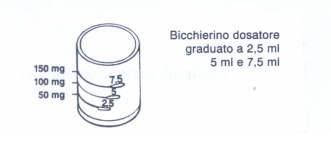
Rifadin 20 mg/ml syrup:shake the bottle well and gently before use, avoiding the
formation of foam. Pour the syrup into the measuring cup up to the mark corresponding to the
dose to be administered (see figure). Wash the measuring cup thoroughly with water after each withdrawal of
syrup.
For the first three months of therapy, your doctor may have you take Rifadin together with two other drugs against
tuberculosis, including isoniazid, with which you then continue therapy together with
rifampicin for the entire duration of treatment. Therapy usually lasts 9 months.
If you take more Rifadin than you should
If you take a dose of Rifadin higher than that prescribed, immediately inform your doctor or
go to the nearest hospital. Bring the package of the medicine with you, so that the doctor knows
what you have taken.
Some of the symptoms of overdose may be: nausea, vomiting, abdominal pain, itching,
headache, drowsiness, loss of consciousness (in case of severe liver disease), increased
bilirubin and other liver blood tests (liver enzymes), usually transient. Other symptoms
include: brownish-reddish or orange discoloration of the skin, urine, sweat, saliva, tears and stools,
the intensity of which is proportional to the dose taken. In children, facial, eye or eyelid swelling may occur. More rarely you may experience: decreased blood pressure, fast and/or irregular heartbeat, convulsions and cardiac arrest.
If you forget to take Rifadin
Do not take a double dose to make up for the missed dose.
If you stop taking Rifadin
Do not stop treatment without consulting your doctor, because in case of sudden interruption
allergic reactions (anaphylactic) may occur; see section 4.
If you have any doubts about the use of this medicine, ask your doctor or pharmacist.
4. Possible Undesirable Effects
Like all medicines, this medicine can cause undesirable effects, although not everybody gets them.
If you experience any of these disorders, stop taking the medicineandimmediately inform your doctor:
- skin diseases, problems with swallowing or breathing, shortness of breath, swelling of the lips, face, throat or tongue. These may be symptoms of anaphylactic shock (severe allergic reaction);
- any changes to the skin (for example, mouth, throat, nose, genital ulcers, widespread blisters and peeling), conjunctivitis (red and swollen eyes). These may be symptoms of a serious skin reaction called “Stevens-Johnson Syndrome” - SJS;
- severe and widespread skin damage (separation of the epidermis and superficial mucous membranes) (toxic epidermal necrolysis - TEN);
- red and scaly rash with the formation of pustules and blisters (acute generalized exanthematous pustulosis - AGEP);
- a drug reaction that causes erythema, fever, inflammation of internal organs, hematological changes and systemic diseases (DRESS syndrome);
- inflammation of the small blood vessels in the skin causing the appearance of a reddish-purple skin rash called “purpura”. The medicine may lead to a reduction in the number of certain blood cells called platelets (thrombocytopenia, may affect up to 1 in 10 people) which may lead to this abnormal accumulation of blood under the skin. This condition usually resolves when therapy is stopped while it may worsen leading to brain bleeding and death if therapy is not stopped or if it is resumed after the appearance of this “purpura”.
The following undesirable effects have also been reported with the use of this medicine:
Very common undesirable effects (may affect more than 1 in 10 people)
- fever, chills.
Common undesirable effects (may affect up to 1 in 10 people)
- headache, dizziness;
- nausea, vomiting;
- increased bilirubin in the blood (hyperbilirubinemia);
- altered values in liver function tests (increased aspartate aminotransferase; increased alanine aminotransferase);
- paradoxical reaction to the drug: during treatment, after initial improvement, the symptoms of tuberculosis may reappear or new symptoms may develop. Paradoxical reactions have been reported as early as 2 weeks and up to 18 months after the start of anti-tuberculosis treatment. Paradoxical reactions are typically associated with fever, enlarged lymph nodes (lymphadenitis), shortness of breath and cough. Patients with a paradoxical reaction to the drug may also experience headache, loss of appetite and weight loss.
Uncommon undesirable effects (may affect up to 1 in 100 people)
- alteration of blood cells (leukopenia);
- diarrhea.
Undesirable effects with unknown frequency (frequency cannot be estimated based on available data):
- an inflammatory painful condition of the colon (last part of the intestine) characterized by cramps, continuous diarrhea, weakness and fever (pseudomembranous colitis);
- alterations of blood cells (agranulocytosis, eosinophilia, leukopenia, anemia);
- blood coagulation disorders (vitamin K dependent);
- bleeding;
- inflammation of the liver (hepatitis);
- alteration of bile flow (cholestasis);
- decreased appetite (anorexia);
- stomach and intestinal disorders, abdominal discomfort;
- redness and other skin disorders, with itching, hives;
- muscle weakness, diseases affecting the muscles (myopathies);
- postpartum hemorrhage (of the mother and fetus);
- menstrual cycle disorders;
- fluid retention resulting in swelling (edema);
- alteration of the color of tears, mucus, sweat or urine;
- alteration of tooth color (which may be permanent);
- attacks of porphyria in patients already suffering from this disease (a rare inherited metabolic disorder of the blood);
- altered values in liver function tests (increased liver enzymes, increased alkaline phosphatases);
- increased level of creatinine in the blood (creatinine indicates the degree of kidney function);
- influenza with bone pain and general malaise;
- difficulty breathing (dyspnea) and wheezing sounds with breathing (wheezing);
- low blood pressure;
- low blood pressure resulting in impaired consciousness and other mental faculties (shock);
- hot flashes;
- acute kidney damage due to the onset of kidney diseases (e.g. tubular necrosis or tubulo-interstitial nephritis);
- a rare disease affecting the skin and mucous membranes characterized by the appearance of blisters on the skin (pemphigus);
- a serious disease characterized by the formation of widespread blood clots (disseminated intravascular coagulation);
- mental disorders;
- alteration of adrenal function in patients who already have problems with the adrenal glands;
- inflammation of blood vessels causing skin disorders, weakness, fever, joint and muscle pain (vasculitis);
- inflammation of the lungs (interstitial lung disease/pneumonitis): immediately inform your doctor if you develop new or worsening shortness of breath, possibly with cough or fever.
Reporting of undesirable effects
If you get any side effects, even those not listed in this leaflet, tell your doctor or pharmacist. You can also report side effects directly to the address
https://www.aifa.gov.it/content/segnalazioni-reazioni-avverse. By reporting side effects you can help provide more information on the safety of this medicine.
5. How to store Rifadin
Do not store at a temperature above 25°C.
Keep this medicine out of sight and reach of children.
Do not use this medicine after the expiry date which is stated on the package and on the blister after
“Exp.”. The expiry date refers to the last day of that month.
Do not dispose of any medicine in wastewater or household waste. Ask your pharmacist how to
dispose of medicines you no longer use. This will help protect the environment.
6. Contents of the pack and other information
What Rifadin contains
Rifadin 150 mg hard capsulesand Rifadin 300 mg hard capsules
- The active ingredient is rifampicin. One hard capsule contains 150 mg or 300 mg of rifampicin.
- The other ingredients are: corn starch, magnesium stearate, gelatin, erythrosine (E 127), indigotin (E 132), titanium dioxide (E 171).
Rifadin 450 mg coated tablets
- The active ingredient is rifampicin. One coated tablet contains 450 mg of rifampicin.
- The other ingredients are: sodium lauryl sulfate, microcrystalline cellulose, lactose, calcium stearate, sodium carboxymethylcellulose, corn starch, gum arabic, povidone, sucrose, talc, light magnesium carbonate, titanium dioxide, heavy kaolin, anhydrous colloidal silica, aluminium lake and erythrosine (E127), magnesium stearate, gelatin.
Rifadin 20 mg/ml syrup
- The active ingredient is rifampicin. Each ml of syrup contains 20 mg of rifampicin.
- The other ingredients are: agar-agar; sucrose; potassium sorbate; saccharin; methyl parahydroxybenzoate; propyl parahydroxybenzoate; sodium metabisulfite; polysorbate 80; raspberry essence (containing ethanol); diethanolamine, purified water.
Description of the appearance of Rifadin and contents of the pack
Rifadin hard capsulesare presented in a box containing 8 capsules.
Rifadin coated tabletsare presented in a box containing 8 tablets.
Rifadin syrupis presented in a 60 ml bottle with a graduated measuring cup.
Marketing Authorisation Holder and Manufacturer
Sanofi S.r.l. – Viale L. Bodio, 37/B – 20158 Milano
Manufacturer
Sanofi S.r.l. - Via Valcanello, 4 – 03012 Anagni (FR) - Italy
Rifadin 600 mg/10 ml powder and solvent for infusion solution
rifampicin
Read this leaflet carefully before you start this medicine because it contains
important information for you.
- Keep this leaflet. You may need to read it again.
- If you have any questions, ask your doctor, pharmacist or nurse.
- This medicine has been prescribed for you only. Do not pass it on to others, even if they have the same symptoms as you, as it may be harmful.
- If you get any side effects, even those not listed in this leaflet, tell your doctor, pharmacist or nurse. See section 4.
Contents of this leaflet:
- 1. What Rifadin is and what it is used for
- 2. What you need to know before you use Rifadin
- 3. How to use Rifadin
- 4. Possible side effects
- 5. How to store Rifadin
- 6. Contents of the pack and other information
1. What is Rifadin and what is it used for
Rifadin contains rifampicin, an antibiotic capable of suppressing various types of bacteria harmful to the body, particularly those of tuberculosis, an infectious disease that usually affects the lungs.
Rifadin can be used in association with other antibiotics or other specific medications.
Rifadin 600 mg/10 ml powder and solvent for solution for infusion is particularly recommended in cases where the patient's conditions do not allow taking the medicine orally (for example in the case of surgical interventions or in case of altered gastrointestinal absorption or gastric tolerability problems).
2. What you need to know before using Rifadin
Do not use Rifadin
- if you are allergic to the active ingredient or to any of the other ingredients of this medicine (listed in section 6);
- if you have a disease that causes yellowing of the skin or eyes (jaundice);
- if you are taking a medicine containing saquinavir and ritonavir used to treat HIV infection, the virus that causes AIDS (see section “Other medicines and Rifadin”);
- if you are taking a medicine for schizophrenia and bipolar disorder called lurasidone (see section “Other medicines and Rifadin”).
Warnings and precautions
Talk to your doctor, pharmacist or nurse before taking Rifadin if:
- you have liver problems;
- you suffer from porphyria (a rare inherited disorder of blood metabolism);
- you are malnourished, elderly or if the person taking the medicine is a small child and, in particular, if they are also taking another antibiotic called isoniazid;
- you have bleeding problems or a tendency to bruise easily (as this medicine can cause blood clotting disorders);
- you are taking other antibiotics (as some of them can increase the risk of blood clotting disorders);
- you have a history of lung inflammation (interstitial lung disease/pneumonia).
If you are not sure if any of these conditions apply to you, talk to your doctor, pharmacist or
nurse before taking Rifadin.
It is important that the cause of your infection and the possible presence of tuberculosis are established before starting therapy with this medicine, to avoid the therapy not working correctly
leading to worsening.
If you should experience itching, fatigue, weakness, malaise, loss of appetite, nausea,
vomiting, abdominal pain, yellowing of the eyes or skin, or dark urine, contact
your doctor immediately. These symptoms may be related to inflammation or serious
liver problems (hepatitis or cholestasis).
This medicine can cause a drug reaction (DRESS syndrome) that causes erythema, fever,
inflammation of internal organs, hematological changes and systemic diseases.
If you experience any of these symptoms, stop taking the medicine and contact your doctor
as soon as possible, who will assess whether or not to discontinue treatment.
This medicine can cause severe skin reactions. If you experience any changes in the skin
(for example, ulcers in the mouth, throat, nose, genitals, widespread blisters and scaling), red and
swollen eyes (Stevens-Johnson Syndrome – SJS), or severe and extensive skin damage with separation
of the epidermis and superficial mucous membranes (toxic epidermal necrolysis – TEN) or red and
scaly rash with the formation of pustules and blisters (acute generalized exanthematous pustulosis - AGEP), stop taking the medicine and contact your doctor as
soon as possible.
This medicine, if taken at the same time as other medicines, can decrease their effectiveness. If
you are taking Rifadin, always tell your doctor before taking any other medicine (see
also section “Other medicines and Rifadin”).
This medicine can cause a change in color (yellow, orange, red, brown) of the teeth,
urine, sweat, sputum and tears and can permanently stain soft contact lenses.
If you develop new or worsening shortness of breath, possibly with a dry cough or fever that does not respond to antibiotic treatment, tell your doctor immediately. These
may be symptoms of lung inflammation (interstitial lung disease/pneumonia) and
can lead to serious respiratory problems due to fluid accumulation in the lungs and interfere with
normal breathing that can lead to life-threatening conditions.
If, while taking this medicine, the symptoms of tuberculosis return or worsen, tell your
doctor immediately (see section 4. Possible side effects).
Laboratory tests
Before taking this medicine, your doctor will prescribe you some blood tests. In addition, during
therapy, the doctor will visit you every month.
Other medicines and Rifadin
Tell your doctor, pharmacist or nurse if you are taking, have recently taken or might
take any other medicines.
- The use of Rifadin should be avoided simultaneously with the intake of medicines based on saquinavir/ritonavir (used to treat HIV infection), halothane (an anesthetic) and daclatasvir, simeprevir, sofosbuvir, telaprevir (used to treat hepatitis C, a liver infection caused by a virus).
- The use of Rifadin should be avoided simultaneously with the intake of lurasidone, a medicine for schizophrenia and bipolar disorder, as rifampicin can reduce blood levels of lurasidone.
- The use of Rifadin with other antibiotics that cause problems with the blood clotting mechanism (such as cefazolin) can lead to severe, even fatal, blood clotting disorders and should therefore be avoided. If this combination cannot be avoided, the doctor will perform clinical monitoring including monitoring of hemostasis.
In particular, tell your doctor if you are taking any of the following medicines as a dose adjustment may be necessary:
- medicines against convulsions or epilepsy (e.g. phenytoin);
- medicines against heart rhythm disturbances (e.g. disopyramide, mexiletine, quinidine, propafenone, tocainide);
- medicines to treat some cancers (e.g. tamoxifen, toremifene, irinotecan);
- medicines against depression and other diseases of the nervous system (e.g. nortriptyline, haloperidol);
- medicines used to thin the blood (e.g. warfarin, clopidogrel);
- medicines against fungal infections (e.g. caspofungin, fluconazole, itraconazole, ketoconazole);
- medicines to treat HIV infection (e.g. zidovudine, saquinavir, indinavir, efavirenz);
- medicines used to treat anxiety and sleep disorders (e.g. zopiclone, zolpidem, benzodiazepines in general, such as diazepam or barbiturates);
- medicines to treat high blood pressure or other heart diseases (e.g. enalapril, losartan, diltiazem, nifedipine, verapamil and cardiac glycosides and beta-blocker drugs);
- antibiotics (e.g. fluoroquinolones, such as telithromycin, quinine, dapsone, doxycycline, chloramphenicol, clarithromycin);
- anti-inflammatory drugs, such as cortisone;
- medicines to reduce cholesterol (e.g. clofibrate, statins);
- medicines containing hormones (e.g. gestrinone, oral contraceptives, such as the pill, estrogens and progestins);
- medicines to reduce the body's immune response (e.g. tacrolimus, cyclosporine);
- medicines for diabetes (e.g. sulfonylureas, thiazolidinediones in general, such as rosiglitazone);
- a medicine for the thyroid (levothyroxine);
- narcotics used to treat pain (e.g. oxycodone, morphine) or to treat drug addiction (e.g. methadone);
- medicines for parasitic infections (e.g. praziquantel, atovaquone);
- a medicine used in amyotrophic lateral sclerosis (riluzole);
- medicines against nausea and vomiting, such as ondansetron;
- a medicine to treat respiratory diseases (theophylline).
Be particularly careful if you are taking:
- antacids: Rifadin should be taken at least 1 hour before taking the antacid;
- oral contraceptives: to avoid unwanted pregnancy, it is necessary to switch to a different type of contraception, using a reliable barrier method such as a condom or an IUD, as Rifadin reduces the action of the pill making it less effective;
- isoniazid: used together with rifampicin can increase the risk of liver problems, so your doctor may prescribe you periodic blood tests;
- para-aminosalicylic acid: Rifadin should be taken with an interval of at least 8 hours from the intake of para-aminosalicylic acid (an antibiotic);
- dapsone (an antibiotic): used with rifampicin can cause hematological toxicity including a decrease in bone marrow and red blood cells and methemoglobinemia (decrease in oxygen in the blood caused by alterations in red blood cells);
- paracetamol: used with rifampicin can increase the risk of liver damage.
Tell your doctor or pharmacist if you are pregnant and are planning or undergoing a
pregnancy termination using mifepristone.
Diagnostic tests
Rifadin can alter some diagnostic and laboratory tests. Tell your doctor if you need to undergo medical and laboratory tests, especially if you need to undergo:
- a test to measure the concentration of vitamin B12 or folate in the blood;
- a gallbladder examination;
- a urine test to determine the presence of opioids. It is possible that, especially in the first few days of treatment, the values of some laboratory tests relating to the liver, such as bilirubin and transaminases, may increase: your doctor will provide the appropriate checks.
Pregnancy, breastfeeding and fertility
If you are pregnant, suspect or are planning a pregnancy, or if you are breastfeeding
with breast milk, use this medicine only if your doctor has deemed it necessary and under his control.
Driving and operating machinery
Rifadin can cause some side effects (e.g. dizziness, low blood pressure, headache)
that can decrease your ability to concentrate and perform some activities that require
attention. If this happens, avoid driving vehicles or using machinery.
Rifadin contains sodium
This medicine contains less than 1 mmol (23 mg) of sodiumper vial, i.e. essentially ’sodium-free’.
3. How to take Rifadin
Administration must be carried out only by healthcare professionals.
Rifadin will be administered to you by infusion directly into a vein via slow injection with an
intravenous drip (infusion). The contents of the vial will first be dissolved with the solvent from the vial and
subsequently diluted in the infusion.
The recommended dose is 600 mg, corresponding to one vial, once a day (at the doctor's discretion).
If rifampicin is used for the treatment of tuberculosis, the therapy will involve the simultaneous
use of other drugs used to treat this infection.
If you take more Rifadin than you should
If you take a dose of Rifadin higher than that prescribed, immediately inform your doctor or go to the
nearest hospital. Bring the package of the medicine with you, so that the doctor knows
what you have taken.
Some of the symptoms of overdose may include: nausea, vomiting, abdominal pain, itching,
headache, drowsiness, loss of consciousness (in case of severe liver disease), increased
bilirubin and other liver blood tests (liver enzymes), usually transient. Other symptoms
include: brownish-red or orange discoloration of the skin, urine, sweat, saliva, tears and stools,
the intensity of which is proportional to the dose taken. In children, swelling of the face, eyes or
eyelids may occur. More rarely you may experience: decreased blood pressure, fast and/or irregular
heartbeat, convulsions and cardiac arrest.
If you forget to take Rifadin
A double dose should not be administered to compensate for a missed dose.
If you stop taking Rifadin
Do not stop treatment without consulting your doctor, because sudden interruption
may cause allergic (anaphylactic) reactions; see section 4.
If you have any doubts about the use of this medicine, ask your doctor, pharmacist or
nurse.
4. Possible side effects
Like all medicines, this medicine can cause side effects, although not everybody gets them.
If you experience any of these disorders, stop taking the medicineandinform
your doctor immediately:
- skin diseases, problems with swallowing or breathing, shortness of breath, swelling of the lips, face, throat or tongue. These may be symptoms of anaphylactic shock (severe allergic reaction);
- any change in the skin (for example, mouth, throat, nose, genital ulcers, widespread blisters and peeling), conjunctivitis (red and swollen eyes). These may be symptoms of a severe skin reaction called “Stevens-Johnson Syndrome” - SJS;
- severe and widespread skin damage (separation of the epidermis and superficial mucous membranes) (toxic epidermal necrolysis - TEN);
- red and scaly skin rash with the formation of pustules and blisters (acute generalized exanthematous pustulosis - AGEP);
- a drug reaction that causes erythema, fever, inflammation of internal organs, hematological changes and systemic diseases (DRESS syndrome);
- inflammation of the small blood vessels in the skin causing the appearance of a reddish-purple skin rash called “purpura”. The medicine may lead to a reduction in the number of certain blood cells called platelets (thrombocytopenia, may affect up to 1 in 10 people) which may lead to this abnormal accumulation of blood under the skin. This condition usually resolves when therapy is stopped while it may worsen leading to brain bleeding and death if therapy is not stopped or if it is resumed after the appearance of this “purpura”.
The following side effects have also been reported with the use of this medicine:
Very common side effects (may affect more than 1 in 10 people)
- fever, chills.
Common side effects (may affect up to 1 in 10 people)
- headache, dizziness;
- nausea, vomiting;
- increased bilirubin in the blood (hyperbilirubinemia);
- altered values in liver function tests (increased aspartate aminotransferase; increased alanine aminotransferase).
- paradoxical reaction to the drug: during treatment, after initial improvement, symptoms of tuberculosis may reappear or new symptoms may develop. Paradoxical reactions have been reported as early as 2 weeks and up to 18 months after the start of
antitubercular treatment. Paradoxical reactions are typically associated with fever,
enlarged lymph nodes (lymphadenitis), shortness of breath and cough. Patients with a paradoxical reaction to
the drug may also experience headache, loss of appetite and weight loss.
Uncommon side effects (may affect up to 1 in 100 people)
- alteration of blood cells (leukopenia);
- diarrhea.
Side effects with unknown frequency (frequency cannot be estimated based on the available data):
- an inflammatory painful condition of the colon (last part of the intestine) characterized by cramps, continuous diarrhea, weakness and fever (pseudomembranous colitis);
- alterations of blood cells (agranulocytosis, eosinophilia, leukopenia, anemia);
- blood coagulation disorders (vitamin K dependent);
- bleeding;
- inflammation of the liver (hepatitis);
- alteration of bile flow (cholestasis);
- decreased appetite (anorexia);
- stomach and intestinal disorders, abdominal discomfort;
- redness and other skin disorders, with itching, hives;
- muscle weakness, diseases affecting the muscles (myopathies);
- postpartum hemorrhage (of the mother and fetus);
- menstrual cycle disorders;
- fluid retention resulting in swelling (edema);
- alteration of the color of tears, mucus, sweat or urine;
- alteration of tooth color (which may be permanent);
- attacks of porphyria in patients already suffering from this disease (a rare inherited metabolic disorder of the blood);
- altered values in liver function tests (increased liver enzymes, increased alkaline phosphatase);
- increased creatinine levels in the blood (creatinine indicates the degree of kidney function);
- influenza with bone pain and general malaise;
- difficulty breathing (dyspnea) and wheezing;
- low blood pressure;
- low blood pressure resulting in impaired consciousness and other mental faculties (shock);
- hot flashes;
- acute kidney damage due to the onset of kidney diseases (e.g. tubular necrosis or tubulo-interstitial nephritis);
- a rare disease affecting the skin and mucous membranes characterized by the appearance of blisters on the skin (pemphigus);
- a severe disease characterized by the formation of widespread blood clots (disseminated intravascular coagulation);
- mental disorders;
- alteration of adrenal function in patients who already have adrenal problems;
- inflammation of blood vessels causing skin disorders, weakness, fever, joint and muscle pain (vasculitis);
- inflammation of the lungs (interstitial lung disease/pneumonitis): inform your doctor immediately if you develop new or worsening shortness of breath, possibly with cough or fever.
Reporting of side effects
If you get any side effects, talk to your doctor or pharmacist. This includes any side effects not listed in this leaflet. You can also report side effects directly to the address
https://www.aifa.gov.it/content/segnalazioni-reazioni-avverse. By reporting side effects you can help provide more information on the safety of this medicine.
5. How to store Rifadin
This medicine does not require any particular storage conditions.
Keep this medicine out of the sight and reach of children.
Do not use this medicine after the expiry date which is stated on the pack after “Exp.”. The expiry
date refers to the last day of that month.
Information on the storage and time of use of Rifadin, after it has been
reconstituted/diluted and is ready for use, is described in the paragraph “The following information is
intended exclusively for doctors or healthcare professionals”.
Do not dispose of any medicine in wastewater or household waste. Ask your pharmacist how to
dispose of medicines you no longer use. This will help protect the environment.
6. Package contents and other information
What Rifadin contains
- The active ingredient is rifampicin. One vial of powder contains 600 mg of rifampicin.
- The other components of the powder vial are: sodium formaldehyde sulfoxylate and sodium hydroxide.
- The other components of the solvent vial are: water for injections.
Description of the appearance of Rifadin and package contents
Rifadin 600 mg/10 ml powder and solvent for infusion solution is presented in a box
containing a vial containing the powder and a 10 ml vial containing the solvent.
Marketing authorisation holder and manufacturer
Sanofi S.r.l. – Viale L. Bodio, 37/B – 20158 Milan
Manufacturer
Sanofi S.r.l. - Via Valcanello, 4 – 03012 Anagni (FR) - Italy
---------------------------------------------------------------------------------------------------------------------------
The following information is intended exclusively for physicians or healthcare professionals:
Preparation of the solution for intravenous administration
The solution is prepared by introducing the solvent from the vial, present in the package, into the vial of
rifampicin and shaking vigorously and continuously for approximately 30 seconds.
Once the foam has completely disappeared, the solution should be immediately diluted in 500 ml of 5% glucose solution
or physiological saline.
Administration and stability of the solution
The solution prepared as described above must be used within a few hours.
The physicochemical stability during use of the reconstituted solution (see paragraph “Preparation of the
solution for intravenous administration”) has been demonstrated for up to 30 hours at room temperature
and natural light.
The physicochemical stability during use of the reconstituted and diluted solution in 5% glucose solution for
infusion (see paragraph “Preparation of the solution for intravenous administration”) has been
demonstrated for up to 8 hours at room temperature and natural light.
The physicochemical stability during use of the reconstituted and diluted solution in 0.9% sodium chloride solution
for infusion (see paragraph “Preparation of the solution for intravenous administration”) has been
demonstrated for up to 6 hours at room temperature and natural light.
It is recommended to adjust the drip rate so that the infusion lasts approximately 3 hours.
If not used within a few hours, the storage times and conditions are the responsibility of the user.
Administration must be performed by healthcare personnel.
Rifadin solution in a vial is only for intravenous infusion and must not be
administered by intramuscular or subcutaneous route. It is recommended to avoid leakage of the solution
from the vascular site during injection; cases of local irritation and inflammation due to extravasation of the infused solution have been observed. If these reactions occur, the infusion should be stopped and performed at another site.
Incompatible solutions
Physical incompatibility (formation of precipitates) has been observed with simulated Y-site administration
of diltiazem in undiluted solution (5 mg/ml) and diluted (1 mg/ml in normal saline) and rifampicin (6 mg/ml
in normal saline).
Rifadin infusion solution should not be diluted in the following solutions because it may lead to
precipitates:
- 5% sodium bicarbonate solution;
- 1/6 mol sodium lactate.
Compatible solutions
For dilution of the reconstituted solution it is recommended:
- 5% dextrose;
- normal saline.
The use of other infusion solutions is not recommended.
Please refer to the Summary of Product Characteristics for further information

Не впевнені, чи підходить вам цей лікарський засіб?
Обговоріть симптоми та можливі варіанти лікування з лікарем онлайн.

Виникли питання під час прийому ліків?
Обговоріть свої симптоми та лікування з лікарем онлайн.
- Країна реєстрації
- Лікарська формаHard capsule, 300 MG
- Код АТХJ04AB02
- Діюча речовина
- Потрібен рецептТак
- Виробник
- Ця інформація надана лише для ознайомлення і не є медичною порадою. Рішення щодо лікування завжди приймає лікар.
- Альтернативи до RIFADINЛікарська форма: Hard capsule, 150 MGДіюча речовина: rifabutinВиробник: PFIZER ITALIA S.R.L.Потрібен рецептЛікарська форма: Film-coated tablet, 50 MGДіюча речовина: ДеламанидВиробник: OTSUKA NOVEL PRODUCTS GMBHПотрібен рецептЛікарська форма: Tablet, 200 MGДіюча речовина: претоманидаВиробник: MYLAN IRE HEALTHCARE LIMITEDПотрібен рецепт
Аналоги RIFADIN в інших країнах
Препарати з тією самою діючою речовиною, доступні в інших країнах.
Аналог RIFADIN у Польща
Аналог RIFADIN у Україна
Аналог RIFADIN у Іспанія
Лікарі онлайн щодо RIFADIN
Застосування, безпека та можливість призначення рецепта — за результатами медичної оцінки.









Отримайте рецепт на RIFADIN онлайн
Заповніть форму за 2 хвилини
Розкажіть про симптоми, історію хвороби та потрібний препарат.
Оберіть лікаря або ми призначимо
Оберіть спеціаліста або ми підберемо найближчого доступного лікаря.
Лікар розглядає ваш випадок
Зазвичай протягом 30 хвилин. Може ставити уточнювальні запитання в чаті.
Отримайте в будь-якій аптеці
Електронний рецепт надсилається на вашу пошту — дійсний по всій Польщі.
Часті запитання
RIFADIN потребує рецепта в Італія. Ви можете обговорити з лікарем онлайн, чи підходить цей лікарський засіб для вашої ситуації.
Діюча речовина у RIFADIN — Рифампицин. Це допомагає визначити препарати з тим самим складом, але під іншими торговими назвами.
RIFADIN виробляється компанією SANOFI S.R.L.. Назва бренду та упаковка можуть відрізнятися залежно від дистрибʼютора.
Лікарі, зокрема Сімейні лікарі, Психіатри, Дерматологи, Кардіологи, Ендокринологи, Гастроентерологи, Пульмонологи, Нефрологи, Ревматологи, Гематологи, Інфекціоністи, Алергологи, Геріатри, Педіатри, Онкологи, можуть оцінити доцільність застосування RIFADIN з урахуванням вашого стану та місцевих правил. Ви можете записатися на онлайн-консультацію, щоб обговорити симптоми та можливі подальші кроки.
Польща має добре розвинену систему охорони здоров'я у великих містах, таких як Варшава, Краків, Вроцлав і Гданськ. Аптеки широко доступні та працюють відповідно до чинного законодавства, забезпечуючи доступ до рецептурних препаратів.
Ви можете придбати RIFADIN у Варшаві, Кракові, Вроцлаві або Гданську в будь-якій аптеці за наявності дійсного рецепта.
Щоб отримати рецепт, ви можете скористатися Oladoctor:
Інші препарати з тією самою діючою речовиною (Рифампицин) включають MYKOBUTIN, DELTYBA, DOVPRELA. Вони можуть відрізнятися торговою назвою або формою випуску, але містять той самий терапевтичний компонент. Перед зміною або початком прийому нового препарату варто проконсультуватися з лікарем.
