



PENTASA 4 G/100 ML Rectal suspension

Запит на рецепт онлайн
Лікар розгляне ваш випадок і визначить, чи є рецепт медично доцільним.

Поговоріть з лікарем про ці ліки
Обговоріть симптоми та можливі подальші кроки під час короткої онлайн-консультації.



Інструкція із застосування PENTASA
Зміст інструкції
- PENTASA 500 mg modified-release tablets, 1 g modified-release tablets, 1 g prolonged-release granules
- PENTASA 1 g suppositories
- PENTASA 4 g/100 ml rectal suspension
PENTASA 500 mg modified-release tablets, 1 g modified-release tablets, 1 g prolonged-release granules
Mesalazine
Read this leaflet carefully before you start to use this medicine as it contains important
information for you.
- Keep this leaflet. You may need to read it again.
- If you have any questions, ask your doctor or pharmacist.
- This medicine has been prescribed for you only. Do not pass it on to others, even if they have the same symptoms as you, as it may be harmful.
- If you get any side effects, even those not listed in this leaflet, tell your doctor or pharmacist. See section 4.
Contents of this leaflet:
- 1. What PENTASA is and what it is used for
- 2. What you need to know before you use PENTASA
- 3. How to use PENTASA
- 4. Possible side effects
- 5. How to store PENTASA
- 6. Contents of the pack and other information
1. What is Pentasa and what is it used for
Pentasa contains the active ingredient mesalazine, which belongs to the group of drugs called salicylates,
intestinal anti-inflammatory drugs used for the treatment of ulcerative colitis and Crohn's disease.
Ulcerative colitis is a disease of the colon (large intestine) and rectum in which the inner lining
of the intestine becomes reddened and swollen (inflamed), with symptoms such as frequent bowel movements and stools mixed with
blood, accompanied by stomach cramps.
When administered for an acute episode of ulcerative colitis, Pentasa acts throughout the entire colon and the
rectum to treat inflammation and reduce symptoms. The tablets can also be taken to help
prevent the recurrence of ulcerative colitis.
In the severe active phase, combination with corticosteroid drugs may be advisable.
2. What you need to know before using Pentasa
Do not use Pentasa
- if you are allergic to the active ingredient or to any of the other ingredients of this medicine (listed in section 6)
- if you are allergic to a class of drugs known as salicylates (e.g. aspirin)
- in children under 2 years of age
- during the last weeks of pregnancy and during breastfeeding (see “Pregnancy, breastfeeding and fertility”)
- if your liver and kidneys are functioning very poorly (Severe impairment of hepatic or renal function)
- if you suffer from severe kidney diseases (severe nephropathies)
- if you suffer from lesions of the stomach and the first part of the intestine (active peptic ulcer)
Warnings and precautions
Talk to your doctor or pharmacist before using Pentasa:
- if you are allergic to sulfasalazine (allergy to salicylates). Immediately stop taking Pentasa if you experience acute intolerance reactions such as abdominal cramps, severe abdominal pain, bloody diarrhea, fever, severe headache and skin rash
- if your liver is functioning abnormally or reduced
- if you suffer from kidney disorders. Mesalazine induces nephrotoxicity (toxicity to the kidneys), therefore it must be discontinued in patients who develop renal dysfunction during treatment
- if you are being treated with drugs that can alter kidney function, such as non-steroidal anti-inflammatory drugs (NSAIDs) and azathioprine, because they can increase the risk of kidney reactions
- if you are being treated with azathioprine or 6-mercaptopurine and thioguanine because they are drugs that can increase the risk of blood dyscrasias (blood disorders). Treatment should be reduced or discontinued if these adverse reactions occur
- if you are taking one or more of the following medicines:
- medicines to lower blood sugar levels (oral hypoglycemic agents),
- medicines to increase the amount of urine produced (diuretics),
- medicines to prevent blood clotting (coumarins, e.g. warfarin),
- medicines to treat inflammation (corticosteroids);
- if you have particularly slow gastric digestion or have pyloric stenosis (narrowing of the part of the stomach that leads into the small intestine)
- if you suffer from respiratory problems, such as asthma
- if you have previously experienced unwanted effects from taking preparations containing sulfasalazine
- the use of mesalazine can cause the formation of kidney stones. Symptoms may include pain in the sides of the abdomen and blood in the urine. It is recommended to drink a sufficient amount of fluids during treatment with mesalazine.
- if you have ever developed a severe skin rash or skin exfoliation, blisters and/or mouth ulcers after using mesalazine.
Mesalazine can cause a red-brown discoloration of the urine after contact with sodium hypochlorite
contained in bleach present in the toilet water. This is caused by a harmless chemical reaction that
occurs between mesalazine and bleach.
Severe skin reactions, including drug-induced reaction with eosinophilia and systemic symptoms (DRESS), Stevens-Johnson syndrome (SJS) and
toxic epidermal necrolysis (TEN), have been reported in association with mesalazine treatment. Stop using mesalazine and consult a doctor immediately if
you notice any of the symptoms related to these severe skin reactions described in section 4.
Following treatment with mesalazine, some problems may develop (e.g. appearance of bruises,
bleeding of unknown origin, anemia), fever and sore throat. In this case, the doctor will subject you to
blood tests and, if necessary, tell you to stop treatment.
Especially during the initial phase of treatment, the doctor may request urine and blood tests
to assess the function of your kidneys and liver.
Prolonged use of the medicine can lead to allergic reactions (sensitization).
Children and adolescents
Pentasa should not be used in children under 2 years of age. Avoid using tablets in children
under 6 years of age.
Other medicines and Pentasa
Tell your doctor or pharmacist if you are taking, have recently taken or might take any other
medicines, including those that can be obtained without a prescription.
This is particularly important if you are taking drugs such as:
- Azathioprine, 6-mercaptopurine and thioguanine (known as “immunosuppressant” drugs that reduce the activity of your immune system).
- Coumarin anticoagulants (medicines that increase the time it takes for blood to clot). For example warfarin.
- Non-steroidal anti-inflammatory drugs (NSAIDs).
- Sulfonylureas (medicines used to treat diabetes).
- Methotrexate (an immunosuppressant and anticancer drug).
- Probenecid (a medicine used to treat gout).
- Sulfinpyrazone (a medicine used after a heart attack).
- Spironolactone and furosemide (diuretic medicines).
- Rifampicin (an antibiotic).
Pentasa with food and drink
This medicine can be taken with food and drink (see section 3).
Pregnancy, breastfeeding and fertility
If you are pregnant, suspect you are pregnant, are planning to become pregnant, or are breastfeeding
ask your doctor or pharmacist for advice before using this medicine.
Pentasa should be used with caution during pregnancy or breastfeeding, and only if absolutely necessary
(see also section 2 “Do not use Pentasa”). Do not use Pentasa during the last weeks of pregnancy.
Blood disorders have been observed in newborns of mothers treated with Pentasa and in a single case renal
insufficiency was observed in the newborn after the administration of high doses of mesalazine during
pregnancy.
Allergic reactions such as diarrhea cannot be ruled out in children.
If the newborn develops diarrhea, breastfeeding should be discontinued.
Driving and operating machinery
Treatment with Pentasa does not impair the ability to drive vehicles and/or operate machinery.
3. How to use Pentasa
Use this medicine following exactly the instructions of your doctor or pharmacist. If you have any doubts
consult your doctor or pharmacist.
The recommended dose is:
Adults:
- In ulcerative colitis Acute treatment: up to 4 g of mesalazine once a day or divided into 2-4 administrations. Maintenance treatment: the average dose is 2 g of mesalazine in a single administration or divided into 2 daily administrations.
- In Crohn's disease Acute treatment: up to 3-4 g of mesalazine per day, divided into 2-3 administrations. Maintenance treatment: it is recommended to start with 3 g of mesalazine per day, divided into 3 administrations.
Use in children
Children from 6 years of age
It is generally recommended to administer half the dose for adults to children with a body weight up to
40 kg and the normal dose for adults to those with a body weight greater than 40 kg.
- Acute treatment: start with 30-50 mg/kg/day in separate administrations. Maximum dose: 75 mg/kg/day in separate administrations. The total dose should not exceed 4 g/day (maximum dose for adults).
- Maintenance treatment: start with 15-30 mg/kg/day in separate administrations. The total dose should not exceed 2 g/day (recommended dose for adults).
The tablets or sachets can be taken during or shortly after a meal. Pentasa can be taken with
water or yogurt.
The tablets can be swallowed whole or, alternatively, they can also be broken or allowed to dissolve in
a glass or a spoon with a little water.
Pentasa tablets or granules must not be chewed. After opening the sachet, the granules must
be taken within 24 hours (see “How to store Pentasa”).
If you use more Pentasa than you should
If you have taken more tablets or sachets than you should, contact your doctor immediately or go to the nearest
hospital.
If you forget to take Pentasa
If you forget to take a dose of Pentasa, take the normal dosenext scheduled, at the usual
time.
Do not take a double dose to make up for the missed dose.
If you stop taking Pentasa
Your doctor will tell you how long the treatment will last.
Talk to your doctor before stopping treatment with this medicine.
If you have any doubts about the use of this medicine, ask your doctor or pharmacist.
4. Possible side effects
Like all medicines, this medicine can cause side effects, although not everybody gets them.
Stop using mesalazine and consult your doctor immediately if you notice any of the following symptoms:
- raised, reddish patches that are not itchy, target-shaped or circular on the trunk, often with blisters in the centre, skin peeling, ulcers in the mouth, throat, nose, genitals and eyes, widespread rash, fever and swollen lymph nodes. These severe skin reactions may be preceded by fever and flu-like symptoms.
Common side effects (may affect up to 1 in 10 people):
- Headache
- Increased blood pressure (hypertension)
- Diarrhoea
- Nausea
- Vomiting
- Flatulence (intestinal gas)
- Abdominal pain
- Abdominal distension
- Skin rashes, such as hives, erythema
- Fatigue (asthenia)
- Increased body temperature (pyrexia).
Uncommon side effects (may affect up to 1 in 100 people):
- Drowsiness
- Tremor
- Increased heart rate (tachycardia)
- Decreased blood pressure (hypotension)
- Itching
- Malaise
- Facial swelling (facial edema).
Rare side effects (may affect up to 1 in 1,000 people):
- Dizziness
- Myocarditis and pericarditis (inflammation of parts of the heart) which can cause, among other symptoms, shortness of breath and chest pain or palpitations (fast and irregular heartbeats)
- Acute pancreatitis (acute inflammation of the pancreas)
- Increased amylase (pancreatic enzymes that help digest carbohydrates)
- Increased skin sensitivity to sunlight and ultraviolet light (photosensitivity).
Very rare side effects (may affect up to 1 in 10,000 people):
- Blood disorders, such as eosinophilia (increased number of a type of white blood cells called eosinophils), anemia (decreased red blood cells), aplastic anemia (a form of anemia characterized by insufficient production of blood cells of all types in the bone marrow), leucopenia (decreased white blood cells), thrombocytopenia (decreased platelets), agranulocytosis (decreased number of a type of white blood cells called granulocytes), neutropenia (decreased number of a type of white blood cells called neutrophils), pancytopenia (decreased number of all blood cells)
- Hypersensitivity reactions (allergy) including allergic rash, drug fever, lupus-like syndrome (autoimmune reaction), pancolitis (inflammation of the colon), anaphylactic reaction, erythema multiforme
- Peripheral neuropathy (condition affecting the nerves in the hands and feet)
- Allergic reactions and lung disorders (fibrotic pulmonary reactions, including difficulty breathing (dyspnea), cough, bronchospasm, allergic alveolitis, eosinophilic pneumonia, interstitial lung disease, pulmonary infiltrates, pneumonitis)
- Pancreatitis (inflammation of the pancreas)
- Liver disorders (increased liver enzymes, cholestatic indices and bilirubin, hepatotoxicity, including hepatitis, cholestatic hepatitis, cirrhosis, liver failure), cholelithiasis (gallstones in the gallbladder or bile ducts)
- Alopecia (hair loss or thinning) reversible
- Muscle pain (myalgia), joint pain (arthralgia)
- Kidney disorders (acute and chronic interstitial nephritis, nephrotic syndrome, kidney failure, discoloration of urine)
- Reversible oligospermia (low sperm concentration in semen).
Side effects with unknown frequency (frequency cannot be estimated based on available data):
- Angioedema (sudden swelling of the face, lips or throat)
- Kidney stones and associated kidney pain (see also section 2)
Some of the side effects may also be attributable to the disease itself.
Reporting of side effects
If you get any side effects, even those not listed in this leaflet, tell your doctor or pharmacist.
You can also report side effects directly through the national reporting system
at https://www.aifa.gov.it/content/segnalazioni-reazioni-avverse .
By reporting side effects you can help provide more information on the safety of this
medicine.
5. How to store Pentasa
Keep this medicine out of the sight and reach of children.
After opening the sachets, the granules can be stored for 24 hours, after which they must be discarded.
Do not use this medicine after the expiry date which is stated on the packaging after “Exp.”. The expiry date
refers to the last day of that month. This date applies to the product in intact packaging,
correctly stored.
Do not dispose of any medicine in wastewater or household waste. Ask your pharmacist how to dispose of
medicines you no longer use. This will help protect the environment.
6. Contents of the pack and other information
What Pentasa contains
Modified-release tablet:
- The active ingredient is mesalazine
- The other ingredients are povidone, ethylcellulose, magnesium stearate, talc, microcrystalline cellulose.
Prolonged-release granular sachet:
- The active ingredient is mesalazine
- The other ingredients are ethylcellulose, microcrystalline cellulose.
Description of the appearance of Pentasa and contents of the pack
Pentasa 500 mg modified-release tablets: the tablets have small spots from white-grey to light brown and a fracture line. 500 mg is imprinted on one side and PENTASA on the other.
Pack of 50 tablets.
Pentasa 1 g modified-release tablets: the tablets, oval in shape, have small spots from white-grey to light brown. PENTASA is imprinted on both sides.
Pack of 60 tablets.
Pentasa 1 g prolonged-release granular sachets: granules from white-grey to white-light brown.
Pack of 50 sachets.
Marketing Authorisation Holder
Ferring S.p.A.
Via C. Imbonati 18
20159 Milan
Manufacturer
Ferring GmbH
Wittland 11,
24109 Kiel
Germany
PENTASA 1 g suppositories
Mesalazine
Read this leaflet carefully before you use this medicine because it contains important
information for you.
- Keep this leaflet. You may need to read it again.
- If you have any questions, ask your doctor or pharmacist.
- This medicine has been prescribed for you only. Do not pass it on to others, even if they have the same symptoms as you, as it may be harmful.
- If you get any side effects, even those not listed in this leaflet, tell your doctor or pharmacist. See section 4.
Contents of this leaflet:
- 1. What PENTASA is and what it is used for
- 2. What you need to know before you use PENTASA
- 3. How to use PENTASA
- 4. Possible side effects
- 5. How to store PENTASA
- 6. Contents of the pack and other information
1. What is Pentasa and what is it used for
Pentasa contains the active substance mesalazine, which belongs to the group of medicines called salicylates,
intestinal anti-inflammatory drugs.
Pentasa 1 g suppositories is used for the treatment of ulcerative proctitis (inflammation of the rectum) both in the active
phase and in remission of the disease (maintenance of the attenuation or disappearance of the symptoms
of the disease). In the severe active phase, the association with corticosteroid drugs may be advisable.
2. What you need to know before using Pentasa
Do not use Pentasa
- if you are allergic to the active ingredient or to any of the other ingredients of this medicine (listed in section 6)
- if you are allergic to a class of drugs known as salicylates (e.g. aspirin)
- in children under 2 years of age
- during the last weeks of pregnancy and during breastfeeding (see also section 2 “Pregnancy, breastfeeding and fertility”)
- if your liver and kidneys are functioning very poorly (Severe impairment of hepatic or renal function)
- if you suffer from severe kidney disease (severe nephropathies)
- if you suffer from lesions of the stomach and the first part of the intestine (active peptic ulcer)
Warnings and precautions
Talk to your doctor or pharmacist before using Pentasa:
- if you are allergic to sulfasalazine (salicylate allergy). Immediately stop taking Pentasa if you experience acute intolerance reactions such as abdominal cramps, severe abdominal pain, bloody diarrhea, fever, severe headache and skin rash
- if you suffer from concomitant gastric or duodenal ulcer (lesion of the lining of the stomach or a part of the intestine called the duodenum)
- if you are taking one or more of the following medicines:
- medicines to lower blood sugar levels (oral hypoglycemic agents),
- medicines to increase the amount of urine produced (diuretics),
- medicines to prevent blood clotting (coumarins, e.g. warfarin),
- medicines to treat inflammation (corticosteroids);
- if your liver is functioning abnormally or reduced
- if you suffer from kidney disorders. Mesalazine induces nephrotoxicity (toxicity to the kidneys), therefore it must be discontinued in patients who develop renal dysfunction during treatment
- if you are being treated with drugs that can alter kidney function, such as non-steroidal anti-inflammatory drugs (NSAIDs) and azathioprine
- if you are being treated with azathioprine, 6-mercaptopurine and thioguanine because they are drugs that can increase the risk of blood dyscrasias (blood disorders). Treatment should be reduced or discontinued if these adverse reactions occur.
- if you suffer from respiratory problems, such as asthma
- if you have previously experienced adverse effects from taking preparations containing sulfasalazine
- the use of mesalazine can cause the formation of kidney stones. Symptoms may include pain in the sides of the abdomen and blood in the urine. It is recommended to drink a sufficient amount of fluids during treatment with mesalazine.
- if you have ever developed a severe skin rash or exfoliation of the skin, blisters and/or mouth ulcers after using mesalazine.
Mesalazine can cause a red-brown discoloration of the urine after contact with sodium hypochlorite
contained in bleach present in the toilet water. This is caused by a harmless chemical reaction
that occurs between mesalazine and bleach.
Severe skin reactions, including drug-induced hypersensitivity syndrome with eosinophilia and systemic symptoms (DRESS), Stevens-Johnson syndrome (SJS) and
toxic epidermal necrolysis (TEN), have been reported in association with mesalazine treatment. Stop using mesalazine and consult a doctor immediately if
you notice any of the symptoms related to these severe skin reactions described in section 4.
Following treatment with mesalazine, some problems may develop (e.g., bruising, unexplained bleeding, anemia), fever and sore throat. In this case, the doctor will subject you to
blood tests and, if necessary, tell you to stop treatment.
Especially during the initial phase of treatment, your doctor will ask you to undergo tests and
subject you to regular checks to assess the function of your kidneys and liver.
Prolonged use of the medicine can give rise to allergic reactions (sensitization).
Children and adolescents
The use of Pentasa should not be used in children under 2 years of age.
Other medicines and Pentasa
Tell your doctor or pharmacist if you are taking, have recently taken or might take any
other medicines, including those available without a prescription.
This is important if you are using drugs such as:
- Azathioprine, 6-mercaptopurine and thioguanine (known as “immunosuppressant” drugs that reduce the activity of your immune system).
- Coumarin anticoagulants (medicines that increase the time it takes for blood to clot). For example warfarin.
- Non-steroidal anti-inflammatory drugs (NSAIDs).
- Sulfonylureas (medicines used to treat diabetes).
- Methotrexate (an immunosuppressant and anticancer drug).
- Probenecid (a medicine used to treat gout).
- Sulfinpyrazone (a medicine used after a heart attack).
- Spironolactone and furosemide (diuretic medicines).
- Rifampicin (an antibiotic).
Pregnancy, breastfeeding and fertility
If you are pregnant, suspect you are pregnant, are planning a pregnancy, or are breastfeeding
ask your doctor or pharmacist for advice before using this medicine.
Pentasa should be used with caution during pregnancy or breastfeeding, and only if absolutely
necessary (see also section 2 “Do not use Pentasa”). Do not use Pentasa during the last weeks of
pregnancy.
Blood disorders have been observed in newborns of mothers treated with Pentasa and, in a single case, renal failure was observed in the newborn after the administration of high doses of mesalazine during
pregnancy.
Allergic reactions such as diarrhea cannot be ruled out in children.
If the newborn develops diarrhea, breastfeeding should be discontinued.
Driving and operating machinery
Treatment with Pentasa does not impair the ability to drive vehicles and/or operate machinery.
3. How to use Pentasa
Use this medicine following exactly the instructions of your doctor or pharmacist. If you have any doubts
consult your doctor or pharmacist.
The recommended dose is 1 suppository per day.
It is advisable to administer the suppository with the bowel free of fecal matter.
Instructions for use
- Open the suppository container
- Carefully insert one suppository into the rectum
- If the suppository is expelled within 10 minutes, another one can be administered
- Dispose of the used container.
If you use more Pentasa than you should
If you have taken more Pentasa than you should, contact your doctor immediately or go to the nearest
hospital.
If you forget to take Pentasa
If you forget to take a dose of Pentasa, take the next scheduled normal dose, at the usual
time.
Do not take a double dose to make up for a missed dose.
If you stop taking Pentasa
Your doctor will tell you how long the treatment will last.
Talk to your doctor before stopping treatment with this medicine.
If you have any doubts about the use of this medicine, ask your doctor or pharmacist.
4. Possible side effects
Like all medicines, this medicine can cause side effects, although not everybody gets them.
Stop using mesalazine and consult your doctor immediately if you notice any of the following symptoms:
- reddish, non-raised, target-shaped or circular patches on the trunk, often with central blisters, skin exfoliation, ulcers in the mouth, throat, nose, genitals and eyes, widespread rash, fever and swollen lymph nodes. These severe skin reactions may be preceded by fever and flu-like symptoms.
Common side effects (may affect up to 1 in 10 people):
- Headache
- Increased blood pressure (hypertension)
- Diarrhea
- Nausea
- Vomiting
- Flatulence (intestinal gas)
- Abdominal pain
- Abdominal distension
- Skin rashes, such as urticaria, erythema
- Fatigue (asthenia)
- Increased body temperature (pyrexia)
- Anal discomfort and irritation at the application site, itching, contraction of the sphincter (tenesmus)
Uncommon side effects (may affect up to 1 in 100 people):
- Drowsiness
- Tremor
- Increased heart rate (tachycardia)
- Decreased blood pressure (hypotension)
- Itching
- Malaise
- Facial swelling (facial edema)
Rare side effects (may affect up to 1 in 1000 people):
- Dizziness
- Myo- and pericarditis (inflammation of certain parts of the heart) which can cause, among other symptoms, shortness of breath and chest pain or palpitations (rapid and irregular heartbeats)
- Acute pancreatitis (acute inflammation of the pancreas)
- Increased amylase (pancreatic enzymes that help digest carbohydrates)
- Increased skin sensitivity to sunlight and ultraviolet light (photosensitivity).
Very rare side effects (may affect up to 1 in 10,000 people):
- Blood disorders, such as eosinophilia (increased number of a type of white blood cells called eosinophils), anemia (decreased red blood cells), aplastic anemia (a form of anemia characterized by insufficient production of blood cells of all types in the bone marrow), leukopenia (decreased white blood cells), thrombocytopenia (decreased platelets), agranulocytosis (decreased number of a type of white blood cells called granulocytes), neutropenia (decreased number of a type of white blood cells called neutrophils), pancytopenia (decreased number of all blood cells)
- Hypersensitivity reactions (allergy) including allergic rash, drug fever, lupus-like syndrome (autoimmune reaction), pancolitis (inflammation of the colon), anaphylactic reaction, erythema multiforme
- Peripheral neuropathy (condition affecting the nerves of the hands and feet)
- Allergic reactions and lung disorders (fibrotic pulmonary reactions, including difficulty breathing (dyspnea), cough, bronchospasm, allergic alveolitis, eosinophilic pneumonia, interstitial lung diseases, pulmonary infiltrates, pneumonia)
- Pancreatitis (inflammation of the pancreas)
- Liver disorders (increased liver enzymes, cholestatic indices and bilirubin, hepatotoxicity, including hepatitis, cholestatic hepatitis, cirrhosis, liver failure), cholelithiasis (gallstones in the gallbladder and bile ducts)
- Alopecia (hair loss or thinning) reversible
- Muscle pain (myalgia), joint pain (arthralgia)
- Kidney disorders (acute and chronic interstitial nephritis, nephrotic syndrome, kidney failure, discoloration of urine)
- Oligospermia (low sperm concentration in semen) reversible. Side effects with frequency not known (frequency cannot be estimated on the basis of availabledata):
- Angioedema (sudden swelling of the face, lips or throat)
- Kidney stones and associated kidney pain (see also section 2)
Some of the side effects may also be attributed to the disease itself.
Reporting of side effects
If you get any side effects, talk to your doctor or pharmacist. This includes any possible side effects not listed in this leaflet.
You can also report side effects directly through the national reporting system
at https://www.aifa.gov.it/content/segnalazioni-reazioni-avverse .
By reporting side effects you can help provide more information on the safety of
this medicine.
5. How to store Pentasa
Keep this medicine out of sight and reach of children.
Do not use this medicine after the expiry date which is stated on the packaging after “Exp”. The expiry
date refers to the last day of that month.
Do not dispose of any medicine in wastewater or household waste. Ask your pharmacist how to dispose of
medicines you no longer use. This will help protect the environment.
This medicine does not require any particular storage conditions, provided it is kept in the
original packaging at room temperature.
6. Contents of the pack and other information
What Pentasa contains
- The active ingredient is mesalazine. Each suppository contains 1 g of mesalazine.
- The other ingredients are polyvinylpyrrolidone, polyethylene glycol 6000, magnesium stearate, talc.
Description of the appearance of Pentasa and contents of the pack
Pack of 28 suppositories of 1 g.
Each suppository is packaged in a single container consisting of a double aluminum foil.
Marketing authorization holder
Ferring S.p.A., Via C. Imbonati 18, 20159 Milan
Manufacturer
Ferring International Center SA - Chemin de la Vergognausaz 50, 1162 St-Prex, Switzerland

Не впевнені, чи підходить вам цей лікарський засіб?
Обговоріть симптоми та можливі варіанти лікування з лікарем онлайн.
PENTASA 4 g/100 ml rectal suspension
Mesalazine
Read this leaflet carefully before you use this medicine, as it contains important information for you.
- Keep this leaflet. You may need to read it again.
- If you have any questions, ask your doctor or pharmacist.
- This medicine has been prescribed for you only. Do not pass it on to others, even if their symptoms are the same as yours, as it could be harmful.
- If you get any side effects, even those not listed in this leaflet, tell your doctor or pharmacist. See section 4.
Contents of this leaflet:
- 1. What PENTASA is and what it is used for
- 2. What you need to know before you use PENTASA
- 3. How to use PENTASA
- 4. Possible side effects
- 5. How to store PENTASA
- 6. Contents of the pack and other information
1. What is Pentasa and what it is used for
Pentasa contains the active ingredient mesalazine, which belongs to the group of medicines called salicylates,
intestinal anti-inflammatory drugs.
Pentasa 4 g/100 ml rectal suspension is used for the treatment of ulcerative colitis at the recto-sigmoid level.
Pentasa acts on inflammation and is used both in the treatment of the active phase of the disease and in the
prevention of relapses (recurrences). In the severe active phase, the association with
corticosteroid drugs may be advisable.
2. What you need to know before using Pentasa
Do not use Pentasa
- if you are allergic to the active ingredient or to any of the other ingredients of this medicine (listed in section 6)
- if you are allergic to a class of drugs known as salicylates (e.g. aspirin)
- in children under the age of 2 years
- during the last few weeks of pregnancy and during breastfeeding (see section 2 “Pregnancy, breastfeeding and fertility”)
- if your liver and kidneys are functioning very poorly (Severe impairment of hepatic or renal function)
- if you suffer from severe kidney disease (severe nephropathies)
- if you suffer from lesions of the stomach and the first part of the intestine (active peptic ulcer)
Warnings and precautions
Talk to your doctor or pharmacist before using Pentasa:
- if you are allergic to sulfasalazine (salicylate allergy). Immediately stop taking Pentasa if you experience acute intolerance reactions such as abdominal cramps, severe abdominal pain, bloody diarrhea, fever, severe headache and skin rash
- if you suffer from a concomitant gastric or duodenal ulcer (lesion of the lining of the stomach or a part of the intestine called the duodenum)
- if you are taking one or more of the following medicines:
- medicines to lower blood sugar levels (oral hypoglycemic agents),
- medicines to increase the amount of urine produced (diuretics),
- medicines to prevent blood clotting (coumarins, e.g. warfarin),
- medicines to treat inflammation (corticosteroids);
- if your liver is functioning abnormally or reduced
- if you suffer from kidney disorders. Mesalazine induces nephrotoxicity (toxicity to the kidneys), therefore it must be discontinued in patients who develop renal dysfunction during treatment
- if you are being treated with drugs that can alter kidney function, such as non-steroidal anti-inflammatory drugs (NSAIDs) and azathioprine because they can increase the risk of kidney reactions
- if you are being treated with azathioprine, 6-mercaptopurine or thioguanine because they are drugs that can increase the risk of blood dyscrasias (blood disorders). Treatment should be reduced or discontinued if these adverse reactions occur.
- if you suffer from respiratory problems, such as asthma
- if you have previously experienced adverse effects from taking preparations containing sulfasalazine
- the use of mesalazine can cause the formation of kidney stones. Symptoms may include pain in the sides of the abdomen and blood in the urine. It is recommended to drink a sufficient amount of fluids during treatment with mesalazine.
- if you have ever developed a severe skin rash or skin exfoliation, blisters and/or mouth ulcers after using mesalazine. Mesalazine can cause a reddish-brown discoloration of the urine after contact with sodium hypochlorite contained in bleach present in the toilet water. This is caused by a harmless chemical reaction that occurs between mesalazine and bleach.
Serious skin reactions, including the reaction
induced by the drug with eosinophilia and systemic symptoms (DRESS), Stevens-Johnson syndrome (SJS) and
toxic epidermal necrolysis (TEN), have been reported in association with treatment with mesalazine. Stop using mesalazine and consult your doctor immediately if
you notice any of the symptoms related to these serious skin reactions described in section 4.
Following treatment with mesalazine, some problems may develop (e.g., appearance of bruises,
bleeding of unknown origin, anemia), fever and sore throat. In this case, your doctor will subject you to
blood tests and, if necessary, will tell you to stop treatment.
Especially during the initial phase of treatment, your doctor will ask you to undergo tests and
subject you to regular checks to assess the function of your kidneys and liver.
Prolonged use of the medicine can lead to allergic reactions (sensitization).
Children and adolescents
Pentasa should not be used in children under the age of 2 years.
Other medicines and Pentasa
Tell your doctor or pharmacist if you are taking, have recently taken or might take any
other medicines, including those available without a prescription.
This is particularly important if you are taking medicines such as:
- Azathioprine, 6-mercaptopurine and thioguanine (known as “immunosuppressant” drugs that reduce the activity of your immune system).
- Coumarin anticoagulants (medicines that increase the time it takes for blood to clot). For example, warfarin.
- Non-steroidal anti-inflammatory drugs (NSAIDs).
- Sulfonylureas (medicines used to treat diabetes).
- Methotrexate (an immunosuppressant and anti-cancer drug).
- Probenecid (a medicine used to treat gout).
- Sulfinpyrazone (a medicine used after a heart attack).
- Spironolactone and furosemide (diuretic medicines).
- Rifampicin (an antibiotic).
Pregnancy, breastfeeding and fertility
If you are pregnant, suspect you are pregnant, are planning to become pregnant, or are breastfeeding,
ask your doctor or pharmacist for advice before using this medicine.
Pentasa should be used with caution during pregnancy or breastfeeding, and only if absolutely
necessary (see also section 2 “Do not use Pentasa”). Do not use Pentasa during the last weeks of
pregnancy.
Blood disorders have been observed in newborns of mothers treated with Pentasa and, in a single case, renal
insufficiency was observed in the newborn after the administration of high doses of mesalazine during
pregnancy.
Allergic reactions such as diarrhea cannot be ruled out in children.
If the newborn develops diarrhea, breastfeeding should be discontinued.
Driving and using machines
Treatment with Pentasa does not impair the ability to drive vehicles and/or use machines.
Pentasa 4 g/100 ml rectal suspension contains sodium metabisulfite
Rarely, it can cause severe hypersensitivity reactions and bronchospasm.
3. How to use Pentasa
Use this medicine following exactly the instructions of your doctor or pharmacist. If you have any doubts
consult your doctor or pharmacist.
The recommended dose is one enema in the evening before bedtime for 2-3 weeks.
It is preferable to administer the enema with the intestine free of faeces.
INSTRUCTIONS FOR USE
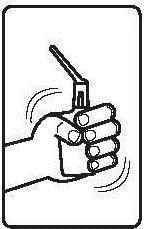
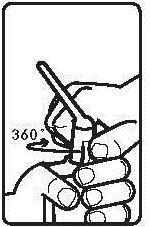
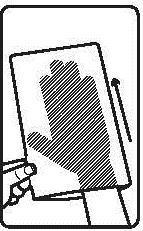
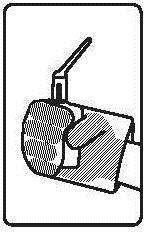
- 3. Insert your hand into one of the disposable plastic bags provided in the package.
- 1. Immediately before use, remove the bottle from the aluminum foil and shake it well.
- 2. To break the seal, rotate the nozzle clockwise one full turn (at the end the nozzle must be in the same direction it was in before rotation).
- 4. Hold the container as shown in the figure.
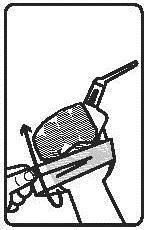
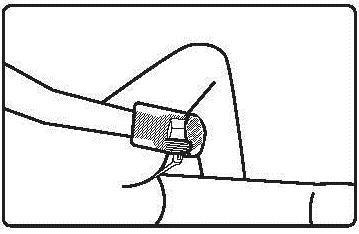
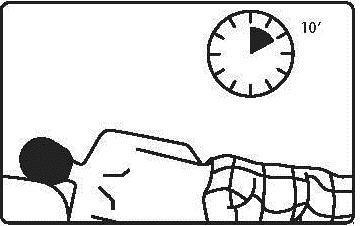
- 6. Once the bottle is empty, remove the tip of the applicator with the bottle still compressed.
- 5. To administer the enema, lie on your left side with your left leg straight and your right leg bent to maintain balance. Carefully insert the tip of the applicator into the rectum. Maintain a sufficiently constant hand pressure while dispensing the contents of the bottle. The contents of the bottle must be administered within max. 30-40 seconds.
- 7. The enema must be retained in the intestine. Remain relaxed in the administration position for 5-10 minutes or until the urge to defecate disappears.
- 8. Wrap the empty bottle with the plastic bag. Dispose of it and wash your hands.
If you use more Pentasa than you should
If you have taken more Pentasa than you should, contact your doctor immediately or go to the nearest hospital.
If you forget to take Pentasa
If you forget to take a dose of Pentasa, take your normal next scheduled dose, at the usual time.
Do not take a double dose to make up for a missed dose.
If you stop taking Pentasa
Your doctor will tell you how long the treatment will last.
Talk to your doctor before stopping treatment with this medicine.
If you have any further questions about the use of this medicine, ask your doctor or pharmacist.
4. Possible side effects
Like all medicines, this medicine can cause side effects, although not everybody gets them.
Stop using mesalazine and consult your doctor immediately if you notice any of the following symptoms:
- reddish, non-raised patches, target-shaped or circular on the trunk, often with central blisters, skin exfoliation, ulcers in the mouth, throat, nose, genitals and eyes, widespread rash, fever and swollen lymph nodes. These severe skin rashes may be preceded by fever and flu-like symptoms.
Common side effects (may affect up to 1 in 10 people):
- Headache
- Increased blood pressure (hypertension)
- Diarrhea
- Nausea
- Vomiting
- Flatulence (intestinal gas)
- Abdominal pain
- Abdominal distension
- Skin rashes, such as hives, erythema
- Fatigue (asthenia)
- Increased body temperature (pyrexia)
- Anal discomfort and irritation at the application site, itching, contraction of the sphincter (tenesmus)
Uncommon side effects (may affect up to 1 in 100 people):
- Drowsiness
- Tremor
- Increased heart rate (tachycardia)
- Decreased blood pressure (hypotension)
- Itching
- Malaise
- Facial swelling (facial edema)
Rare side effects (may affect up to 1 in 1,000 people):
- Dizziness
- Myocarditis and pericarditis (inflammation of parts of the heart) which can cause, among other symptoms, shortness of breath and chest pain or palpitations (rapid and irregular heartbeat)
- Acute pancreatitis (acute inflammation of the pancreas)
- Increased amylase (pancreatic enzymes that help digest carbohydrates)
- Increased skin sensitivity to sunlight and ultraviolet light (photosensitivity).
Very rare side effects (may affect up to 1 in 10,000 people):
- Blood disorders, such as eosinophilia (increased levels of a type of white blood cells called eosinophils), anemia (decreased red blood cells), aplastic anemia (a form of anemia characterized by insufficient production of blood cells of all types in the bone marrow), leucopenia (decreased white blood cells), thrombocytopenia (decreased platelets), agranulocytosis (decreased of a type of white blood cells called granulocytes), neutropenia (decreased of a type of white blood cells called neutrophils), pancytopenia (decreased of all blood cells)
- Hypersensitivity reactions (allergy) including allergic rash, drug fever, lupus-like syndrome (autoimmune reaction), pancolitis (inflammation of the colon), anaphylactic reaction, erythema multiforme
- Peripheral neuropathy (condition affecting the nerves in the hands and feet)
- Allergic reactions and lung disorders (fibrotic pulmonary reactions, including difficulty breathing (dyspnea), cough, bronchospasm, allergic alveolitis, eosinophilic pneumonia, interstitial lung disease, pulmonary infiltrates, pneumonia)
- Pancreatitis (inflammation of the pancreas)
- Liver disorders (increased liver enzymes, cholestatic indices and bilirubin, hepatotoxicity, including hepatitis, cholestatic hepatitis, cirrhosis, liver failure), cholelithiasis (gallstones in the gallbladder and bile ducts)
- Alopecia (hair loss or thinning) reversible
- Muscle pain (myalgia), joint pain (arthralgia)
- Kidney disorders (acute and chronic interstitial nephritis, nephrotic syndrome, kidney failure, discoloration of urine)
- Oligospermia (low sperm concentration in semen) reversible. Side effects with frequency not known (frequency cannot be estimated on the basis of available data):
- Angioedema (sudden swelling of the face, lips or throat)
- Kidney stones and associated kidney pain (see also section 2)
Some of the side effects may also be attributed to the disease itself.
Reporting of side effects
If you get any side effects, talk to your doctor or pharmacist. This includes any possible side effects not listed in this leaflet.
You can also report side effects directly through the national reporting system at https://www.aifa.gov.it/content/segnalazioni-reazioni-avverse.
By reporting side effects you can help provide more information on the safety of this medicine.
5. How to store Pentasa
Keep this medicine out of sight and reach of children.
Do not use this medicine after the expiry date which is stated on the packaging after “Scad.”. The expiry
date refers to the last day of that month.
Do not dispose of any medicine in wastewater or household waste. Ask your pharmacist how to dispose of
medicines you no longer use. This will help protect the environment.
Do not store at a temperature above 25°C. Do not refrigerate or freeze. Store in the original
packaging to protect the medicine from light.
6. Contents of the pack and other information
What Pentasa contains
- The active ingredient is mesalazine. One single-dose container of 100 ml contains 4g of mesalazine.
- The other ingredients are disodium edetate dihydrate; E223 sodium metabisulfite; sodium acetate trihydrate; concentrated hydrochloric acid (pH adjuster); purified water.
Description of the appearance of Pentasa and contents of the pack
Pentasa 4 g/100 ml rectal suspension is presented in a pack of 7 single-dose containers of 100 ml.
Each container is protected by a sealed aluminum wrapper.
The package also contains 7 bags to be used as protective gloves for the application of the enema and its
subsequent removal.
Marketing Authorisation Holder
Ferring S.p.A., Via C. Imbonati 18, 20159 Milano
Manufacturer
Ferring Léčiva a.s. – K Rybníku 475, 252 42 Jesenice u Prahy (Czech Rep.).

Виникли питання під час прийому ліків?
Обговоріть свої симптоми та лікування з лікарем онлайн.

- Країна реєстрації
- Лікарська формаRectal suspension, 4G/100ML
- Код АТХA07EC02
- Діюча речовина
- Потрібен рецептНі
- Виробник
- Ця інформація надана лише для ознайомлення і не є медичною порадою. Рішення щодо лікування завжди приймає лікар.
- Альтернативи до PENTASAЛікарська форма: Enteric-coated tablet, 400 MGДіюча речовина: месалазинаВиробник: DICOFARM S.P.A.Потрібен рецептЛікарська форма: Enteric-coated tablet, 400 MGДіюча речовина: месалазинаВиробник: GIULIANI SPAПотрібен рецептЛікарська форма: Rectal suspension, 2 GДіюча речовина: месалазинаВиробник: CHIESI FARMACEUTICI S.P.A.Рецепт не потрібен
Аналоги PENTASA в інших країнах
Препарати з тією самою діючою речовиною, доступні в інших країнах.
Аналог PENTASA у Іспанія
Аналог PENTASA у Польща
Аналог PENTASA у Україна
Лікарі онлайн щодо PENTASA
Застосування, безпека та можливість призначення рецепта — за результатами медичної оцінки.









Отримайте рецепт на PENTASA онлайн
Заповніть форму за 2 хвилини
Розкажіть про симптоми, історію хвороби та потрібний препарат.
Оберіть лікаря або ми призначимо
Оберіть спеціаліста або ми підберемо найближчого доступного лікаря.
Лікар розглядає ваш випадок
Зазвичай протягом 30 хвилин. Може ставити уточнювальні запитання в чаті.
Отримайте в будь-якій аптеці
Електронний рецепт надсилається на вашу пошту — дійсний по всій Польщі.
Часті запитання
PENTASA не потребує рецепта в Італія. Ви можете обговорити з лікарем онлайн, чи підходить цей лікарський засіб для вашої ситуації.
Діюча речовина у PENTASA — месалазина. Це допомагає визначити препарати з тим самим складом, але під іншими торговими назвами.
PENTASA виробляється компанією FERRING S.P.A.. Назва бренду та упаковка можуть відрізнятися залежно від дистрибʼютора.
Лікарі, зокрема Сімейні лікарі, Психіатри, Дерматологи, Кардіологи, Ендокринологи, Гастроентерологи, Пульмонологи, Нефрологи, Ревматологи, Гематологи, Інфекціоністи, Алергологи, Геріатри, Педіатри, Онкологи, можуть оцінити доцільність застосування PENTASA з урахуванням вашого стану та місцевих правил. Ви можете записатися на онлайн-консультацію, щоб обговорити симптоми та можливі подальші кроки.
Польща має добре розвинену систему охорони здоров'я у великих містах, таких як Варшава, Краків, Вроцлав і Гданськ. Аптеки широко доступні та працюють відповідно до чинного законодавства, забезпечуючи доступ до рецептурних препаратів.
Ви можете придбати PENTASA у Варшаві, Кракові, Вроцлаві або Гданську в будь-якій аптеці за наявності дійсного рецепта.
Щоб отримати рецепт, ви можете скористатися Oladoctor:
Інші препарати з тією самою діючою речовиною (месалазина) включають ARGONAL, ASAKOL, ASALEX. Вони можуть відрізнятися торговою назвою або формою випуску, але містять той самий терапевтичний компонент. Перед зміною або початком прийому нового препарату варто проконсультуватися з лікарем.
