



MESALAZINA 500 mg Coated Tablet

Запит на рецепт онлайн
Лікар розгляне ваш випадок і визначить, чи є рецепт медично доцільним.

Поговоріть з лікарем про ці ліки
Обговоріть симптоми та можливі подальші кроки під час короткої онлайн-консультації.



Інструкція із застосування MESALATSINA SANDOTS
Зміст інструкції
- Mesalazina Sandoz 500 mg coated tablets
- Mesalazina Sandoz and other medicinal products containing mesalazine. If you suspect such a reaction of
- Mesalazina Sandoz 2 g rectal suspension, 4 g rectal suspension
- Mesalazina Sandoz and other medicines containing mesalazine. If you suspect such a reaction of
Mesalazina Sandoz 500 mg coated tablets
Generic medicine
Read this leaflet carefully before taking this medicine as it contains important information for you.
- Keep this leaflet. You may need to read it again.
- If you have any questions, ask your doctor or pharmacist.
- This medicine has been prescribed for you only. Do not pass it on to others, even if they have the same symptoms as you, as it could be harmful.
- If you get any side effects, even those not listed in this leaflet, tell your doctor or pharmacist. See section 4.
Contents of this leaflet:
- 1. What Mesalazina Sandoz is and what it is used for
- 2. What you need to know before you take Mesalazina Sandoz
- 3. How to take Mesalazina Sandoz
- 4. Possible side effects
- 5. How to store Mesalazina Sandoz
- 6. Contents of the pack and other information
1. What is Mesalazina Sandoz and what is it used for
Mesalazina Sandoz is a medicine containing mesalazine, an active ingredient that belongs to the
class of Non-Steroidal Anti-Inflammatory Drugs (NSAIDs).
Mesalazina Sandoz is indicated in the treatment of intestinal inflammation (ulcerative colitis,
Crohn's disease) and in the prevention of relapses.
In some more severe cases, your doctor may advise you to take cortisone together with mesalazine.
2. What you need to know before you take Mesalazina Sandoz
Do not take Mesalazina Sandoz
- if you are allergic to mesalazine, to any medicine belonging to the class of non-steroidal anti-inflammatory drugs (NSAIDs) or to any of the other components of this medicine (listed in section 6);
- if you have severe liver problems;
- if you have lesions to the stomach or intestines (ulcer);
- if you have a predisposition to bleeding (bleeding diathesis);
- if you suffer from severe kidney diseases;
- if you are in the last weeks of pregnancy (see section “Pregnancy and breastfeeding”);
- if the child is less than 2 years old (see section “Children”).
Warnings and precautions
Talk to your doctor or pharmacist before taking Mesalazina Sandoz.
Pay particular attention and talk to your doctor if:
- you suffer from diseases that predispose to inflammation of the heart muscle (myocarditis) or the membrane surrounding the heart muscle (pericarditis), as rare cardiac hypersensitivity reactions induced by mesalazine (myocarditis and pericarditis) have been reported with
Mesalazina Sandoz and other medicinal products containing mesalazine. If you suspect such a reaction of
hypersensitivity, stop treatment and definitively avoid medicinal products containing
mesalazine.
- are allergic to sulfasalazine, due to a potential risk of cross-hypersensitivity reactions between sulfasalazine and mesalazine. Patients who have a history of adverse reactions to preparations containing sulfasalazine must be kept under strict medical supervision at the beginning of the treatment cycle with Mesalazina Sandoz, as the medicine may cause reactions of acute intolerance such as abdominal cramps, acute abdominal pain, diarrhea with blood, fever, severe headache and skin rashes. In this case, immediately stop treatment.
- have liver problems, as cases of increased liver enzyme levels have been reported in patients treated with preparations containing mesalazine. Before starting treatment, the doctor may want to subject you to blood tests, tests to evaluate liver enzyme levels (GOT, GPT), serum creatinine and/or urine tests. The doctor himself will decide how often to repeat these tests.
- have kidney problems. In case of impaired renal function during treatment, kidney damage induced by mesalazine should be considered. Consult your doctor for an assessment of renal function before starting therapy, and at least twice a year during treatment.
- have exceptionally slow gastric digestion or have a narrowing of the opening between the stomach and the intestine (pyloric stenosis), as the medicine may cause gastric irritation and may lose its effectiveness. Both after stopping treatment with Mesalazina Sandoz and during inadequate maintenance treatment, a recurrence of the disease symptoms may occur.
- suffer from lung diseases, in particular asthma; in this case, you must be carefully monitored during treatment with Mesalazina Sandoz, as there is a risk of developing sensitization reactions. Prolonged use of the medicine can give rise to allergic phenomena.
- develop bleeding of unclear origin, blood collections in the tissues (hematomas), reddish spots on the skin (purpura), reduction of hemoglobin levels in the blood (anemia), fever or sore throat, as rare cases of serious blood diseases have been reported following treatment with mesalazine. In case of suspicion of such a disease, treatment should be discontinued and complex blood tests should be performed.
- during treatment experience cramps, acute abdominal pain and diarrhea with blood, fever, headache or erythema, as mesalazine has been associated with an acute intolerance syndrome that is difficult to distinguish from a relapse of chronic inflammatory bowel disease. In case of suspected acute intolerance syndrome, immediately stop treatment and definitively avoid products containing mesalazine.
- if you have ever developed a severe skin rash or exfoliation of the skin, blisters and/or ulcers in the mouth after using mesalazine
The use of mesalazine can cause the formation of kidney stones. Symptoms may include
pain on the sides of the abdomen and blood in the urine. It is recommended to drink a sufficient amount of
liquids during treatment with mesalazine.
Mesalazine can cause a reddish-brown discoloration of the urine after contact with sodium hypochlorite
contained in bleach present in the toilet water. This is caused by a harmless chemical reaction that occurs between mesalazine and bleach.
Serious skin adverse reactions, including drug-induced hypersensitivity syndrome with eosinophilia and systemic symptoms (DRESS), Stevens-Johnson syndrome (SJS) and toxic epidermal necrolysis (TEN) have been reported in association with treatment with mesalazine. Stop using mesalazine and
seek immediate medical attention if you observe any of the symptoms related to these serious
skin reactions described in paragraph 4.
Children
Do not use Mesalazina Sandoz in children under the age of 6 years (see “Do not take Mesalazina
Sandoz”).
Other medicines and Mesalazina Sandoz
Tell your doctor or pharmacist if you are taking, have recently taken or might take
any other medicine.
Be particularly careful and tell your doctor if you are taking:
- medicines that lower blood sugar levels (oral hypoglycemic agents or sulfonylureas);
- a medicine used to treat some tumors and some autoimmune diseases (methotrexate);
- medicines used to lower uric acid levels in the blood (probenecid);
- medicines used to treat blood circulation disorders (sulfinpyrazone);
- medicines used to increase urine production (diuretics such as spironolactone or furosemide);
- a medicine used to treat infections (rifampicin);
- medicines used for inflammation (corticosteroids);
- medicines for blood coagulation disorders (anticoagulants) such as coumarins, in particular warfarin;
- medicines used in case of constipation (lactulose);
- medicines used to treat inflammation and pain, known as non-steroidal anti-inflammatory drugs (NSAIDs);
- medicines used for diseases of the immune system (azathioprine or 6-mercaptopurine).
Pregnancy and breastfeeding
If you are pregnant, suspect or are planning a pregnancy, or if you are breastfeeding with
breast milk, ask your doctor or pharmacist for advice before taking this medicine.
Pregnancy
Do not take Mesalazina Sandoz in the last weeks of pregnancy.
In the first part of pregnancy, take Mesalazina Sandoz only if absolutely necessary and
under the direct control of the doctor.
Breastfeeding
Mesalazine is excreted in breast milk. During breastfeeding, take Mesalazina Sandoz
only if absolutely necessary and under the direct control of the doctor.
If the baby develops diarrhea, stop breastfeeding.
Driving and operating machinery
Mesalazina Sandoz does not alter the ability to drive vehicles or operate machinery.
Mesalazina Sandoz 500 mg tablets contains lactose and sodium
This medicine contains 1 g of lactose per tablet. If your doctor has diagnosed
an intolerance to certain sugars, contact him before taking this medicine.
This medicine contains less than 1 mmol (23 mg) of sodium per tablet, i.e. essentially
‘sodium-free’.
3. How to take Mesalazina Sandoz
Take this medicine following exactly the instructions of your doctor or pharmacist.
If you have any doubts, consult your doctor or pharmacist.
Unless otherwise prescribed by your doctor, the recommended dose is 1 tablet, three times a day.
For severe forms, your doctor may increase the dose up to 8 tablets per day.
Take the tablets with plenty of fluid, before meals.
If you use more Mesalazina Sandoz than you should
In case of accidental ingestion/intake of an excessive dose of Mesalazina Sandoz, notify
your doctor immediately or go to the Emergency Room of the nearest hospital.
Mesalazina Sandoz contains an aminosalicylate and the symptoms of salicylate toxicity include:
- ringing or whistling in the ear (tinnitus);
- dizziness;
- headache;
- confusion;
- drowsiness;
- fluid buildup in the lungs (pulmonary edema);
- dehydration due to sweating;
- diarrhea;
- vomiting;
- reduction of blood sugar level (hypoglycemia);
- increased breathing rate (hyperventilation);
- alteration of the salt balance and pH of the blood;
- increased body temperature (hyperthermia).
If you forget to take Mesalazina Sandoz
Do not take a double dose to make up for the missed tablet.
If you have any doubts about the use of this medicine, consult your doctor or pharmacist.
4. Possible side effects
Like all medicines, this medicine can cause side effects, although not everyone will experience them.
Common(may affect up to 1 in 10 people)
- headache;
- increased blood pressure (hypertension);
- tense abdomen;
- indigestion (dyspepsia);
- diarrhea;
- skin lesions (skin rashes);
- back pain;
- weakness (asthenia);
- fever (pyrexia).
Uncommon(may affect up to 1 in 100 people)
- drowsiness;
- tremors;
- ear pain (otalgia);
- increased heart rate (tachycardia);
- decreased blood pressure (hypotension);
- sore throat;
- inflammation of the colon (colitis) or pancreas (pancreatitis);
- growths of the rectal mucosa (rectal polyps);
- abdominal pain;
- skin inflammation with the development of pimples (acne);
- sudden appearance of skin rash (urticaria);
- itching;
- fatigue;
- swelling (edema) of the face.
Rare(may affect up to 1 in 1,000 people)
- dizziness;
- abdominal pain;
- diarrhea;
- presence of gas in the intestine (flatulence);
- nausea;
- vomiting;
- increased skin sensitivity to sunlight and ultraviolet light (photosensitivity).
Very rare(may affect up to 1 in 10,000 people)
- blood disorders: reduction in the number of red blood cells, white blood cells and platelets (aplastic anemia), reduction in the number of white blood cells (agranulocytosis, neutropenia, leukopenia), reduction in the number of all cells present in the blood (pancytopenia), reduction in the number of platelets (thrombocytopenia);
- hypersensitivity reactions such as: skin rash with pustules, blisters and bubbles (allergic exanthema); drug fever; autoimmune disease affecting the immune defense system (systemic lupus erythematosus); inflammation of the colon (pancolitis);
- damage to the peripheral nervous system manifested by numbness or weakness of arms and legs (peripheral neuropathy);
- inflammation of the heart muscle (myocarditis) or the membrane surrounding the heart muscle (pericarditis);
- allergic and fibrotic reactions of the lungs: difficulty breathing (dyspnea), cough, narrowing of the bronchi (bronchospasm), inflammation of the lung alveoli (alveolitis), inflammation of the lungs associated with an increase in a type of white blood cells, called eosinophils (eosinophilic pneumonia), inflammation of the lungs (pulmonary infiltration, pneumonia);
- inflammation of the pancreas (pancreatitis, acute pancreatitis);
- impairment of kidney function, including acute and chronic kidney inflammation (interstitial nephritis) and reduced kidney function (renal insufficiency);
- a set of symptoms characterized by a severe alteration of the kidneys (nephrotic syndrome);
- hair and hair loss (alopecia);
- muscle pain (myalgia) and joint pain (arthralgia);
- changes in some liver parameters (increased transaminase parameters and cholestasis);
- inflammation of the liver (hepatitis);
- inflammation of the liver caused by blockage of bile excretion (cholestatic hepatitis);
- formation of stones within the biliary system (cholelithiasis);
- reduction in the number of spermatozoa in the ejaculate (oligospermia), reversible.
Not known(frequency cannot be estimated from available data)
- swelling of the skin of the face and mucous membranes (angioedema);
- reactions similar to systemic lupus erythematosus, an autoimmune disease affecting the natural defense system (lupoid syndrome);
- kidney stones and associated kidney pain (see also paragraph 2).
Stop treatment with mesalazine and contact your doctor immediately if you notice any of the following symptoms:
- reddish, non-raised patches on the trunk, target-shaped or circular, often with central blisters, skin exfoliation, ulcers in the mouth, throat, nose, genitals and eyes, widespread rash, fever and swollen lymph nodes. These severe skin rashes may be preceded by fever and flu-like symptoms.
Side effects common to salicylates may occur, albeit rarely; the eventual occurrence of the latter will require immediate interruption of treatment.
Reporting of side effects
If you experience any side effects, including those not listed in this leaflet, please tell your doctor or pharmacist. You can also report side effects directly through the national reporting system at www.aifa.gov.it/content/segnalazioni-reazioni-avverse. By reporting side effects you can contribute to providing more information on the safety of this medicine.
5. How to store Mesalazina Sandoz
Keep this medicine out of the sight and reach of children.
Do not use this medicine after the expiry date which is stated on the packaging after “Exp.”.
The expiry date refers to the last day of that month.
Store at a temperature below 30° C.
Do not dispose of any medicine in wastewater or household waste. Ask your pharmacist how
to dispose of medicines you no longer use. This will help protect the environment.
6. Contents of the pack and other information
What Mesalazina Sandoz contains
- The active ingredient is mesalazine (5-aminosalicylic acid). One coated tablet contains 500 mg of mesalazine.
- The other ingredients are: triethyl citrate, type B methacrylic acid copolymer, yellow iron oxide (E 172), red iron oxide (E 172), lactose, magnesium stearate, polyvinylpyrrolidone, sodium carboxymethylcellulose, polysorbate 80, talc, titanium dioxide.
Description of the appearance of Mesalazina Sandoz and contents of the pack
Coated tablets, 50 coated tablets containing 500 mg.
Marketing Authorisation Holder
Sandoz S.p.A. – Largo U.Boccioni, 1 – 21040 Origgio (Va) - Italy
Manufacturer
Special Product’s Line S.p.A. – Via Fratta Rotonda Vado Largo, 1 – 03012 Anagni (Frosinone)

Не впевнені, чи підходить вам цей лікарський засіб?
Обговоріть симптоми та можливі варіанти лікування з лікарем онлайн.
Mesalazina Sandoz 2 g rectal suspension, 4 g rectal suspension
Generic medicine
Read this leaflet carefully before using this medicine as it contains
important information for you.
- Keep this leaflet. You may need to read it again.
- If you have any questions, ask your doctor or pharmacist.
- This medicine has been prescribed for you only. Do not pass it on to others, even if their symptoms are the same as yours, as it could be harmful.
- If you get any side effects, even those not listed in this leaflet, tell your doctor or pharmacist. See section 4.
Contents of this leaflet:
- 1. What Mesalazina Sandoz is and what it is used for
- 2. What you need to know before you use Mesalazina Sandoz
- 3. How to use Mesalazina Sandoz
- 4. Possible side effects
- 5. How to store Mesalazina Sandoz
- 6. Contents of the pack and other information
1. What is Mesalazina Sandoz and what is it used for
Mesalazina Sandoz is a medicine containing mesalazine, an active ingredient that belongs to the
class of Non-Steroidal Anti-Inflammatory Drugs (NSAIDs).
Mesalazina Sandoz is indicated in the treatment of intestinal inflammation (ulcerative colitis
located in the rectal region) and in the prevention of relapses.
In some more severe cases, your doctor may advise you to take cortisone together with mesalazine.
2. What you need to know before using Mesalazina Sandoz
Do not use Mesalazina Sandoz
- if you are allergic to mesalazine, to any medicine belonging to the class of non-steroidal anti-inflammatory drugs (NSAIDs) or to any of the other components of this medicine (listed in section 6);
- if you have severe liver problems;
- if you have lesions to the stomach or intestines (ulcer);
- if you have a predisposition to bleeding (haemorrhagic diathesis);
- if you suffer from severe kidney diseases;
- if you are in the last weeks of pregnancy (see section “Pregnancy and breastfeeding”);
- if the child is less than 2 years of age (see section “Children”).
Warnings and precautions
Consult your doctor or pharmacist before using Mesalazina Sandoz.
Pay particular attention and consult your doctor if:
- you suffer from diseases that predispose to inflammation of the heart muscle (myocarditis) or the membrane surrounding the heart muscle (pericarditis), as rare
cardiac hypersensitivity reactions induced by mesalazine (myocarditis and pericarditis) with
Mesalazina Sandoz and other medicines containing mesalazine. If you suspect such a reaction of
hypersensitivity, stop treatment and definitively avoid medicines containing
mesalazine.
- are allergic to sulfasalazine, due to a potential risk of cross-hypersensitivity reactions between sulfasalazine and mesalazine. Patients who have a history of adverse reactions to preparations containing sulfasalazine must be kept under strict medical supervision at the beginning of the treatment cycle with Mesalazina Sandoz, as the medicine may cause reactions of acute intolerance such as abdominal cramps, acute abdominal pain, diarrhea with blood, fever, severe headache and skin rashes. In this case, immediately stop treatment.
- have liver problems, as cases of increased liver enzyme levels have been reported in patients treated with preparations containing mesalazine. Before starting treatment, the doctor may want to subject you to blood tests, tests to evaluate liver enzyme levels (GOT, GTP), serum creatinine and/or urine analysis. The doctor himself will decide how often to repeat these tests.
- have kidney problems. In case of impairment of renal function during treatment, kidney damage induced by mesalazine should be considered. Consult your doctor for an assessment of renal function before starting therapy, and at least twice a year during treatment.
- suffer from lung diseases, particularly asthma; in this case you must be carefully monitored during treatment with Mesalazina Sandoz, as there is a risk of developing sensitization reactions. Prolonged use of the medicine can give rise to allergic phenomena.
- develop bleeding of unclear origin, blood collections in the tissues (hematomas), reddish spots on the skin (purpura), reduction of hemoglobin levels in the blood (anemia), fever or sore throat, as rare cases of serious blood diseases have been reported following treatment with mesalazine. If such a disease is suspected, treatment should be discontinued and complex blood tests should be performed.
- during treatment experience cramps, acute abdominal pain and diarrhea with blood, fever, headache or erythema, as mesalazine has been associated with an acute intolerance syndrome that is difficult to distinguish from a relapse of chronic inflammatory bowel disease. If an acute intolerance syndrome is suspected, immediately stop treatment and definitively avoid products containing mesalazine.
- if you have ever developed a severe skin rash or exfoliation of the skin, blisters and/or ulcers in the mouth after using mesalazine
Mesalazine may cause a reddish-brown discoloration of the urine after contact with sodium hypochlorite
contained in bleach present in the toilet water. This is caused by a harmless chemical reaction that occurs
between mesalazine and bleach.
Severe skin adverse reactions have been reported in association with mesalazine treatment,
including drug-induced hypersensitivity with eosinophilia and systemic symptoms (DRESS), Stevens-Johnson
syndrome (SJS) and toxic epidermal necrolysis (TEN). Stop using mesalazine and
immediately consult your doctor if you observe any of the symptoms related to
these serious skin reactions described in paragraph 4.
The use of mesalazine may cause the formation of kidney stones. Symptoms may include
pain on the sides of the abdomen and blood in the urine. It is recommended to drink a sufficient amount of
liquids during treatment with mesalazine.
Children
Do not use Mesalazina Sandoz in children under 2 years of age (see “Do not use Mesalazina
Sandoz”).
Other medicines and Mesalazina Sandoz
Tell your doctor or pharmacist if you are taking, have recently taken or might take
any other medicine.
Pay particular attention and inform your doctor if you are taking:
- medicines that lower blood sugar levels (oral hypoglycemic agents or sulfonylureas);
- a medicine used to treat some cancers and some autoimmune diseases (methotrexate);
- medicines used to lower uric acid levels in the blood (probenecid);
- medicines used to treat blood circulation disorders (sulfinpyrazone);
- medicines used to increase urine production (diuretics such as spironolactone or furosemide);
- a medicine used to treat infections (rifampicin);
- medicines used for inflammation (corticosteroids);
- medicines for blood coagulation disorders (anticoagulants) such as coumarins, in particular warfarin;
- medicines used to treat inflammation and pain, known as non-steroidal anti-inflammatory drugs (NSAIDs);
- medicines used for diseases of the immune system (azathioprine or 6-mercaptopurine).
Pregnancy and breastfeeding
If you are pregnant, suspect or are planning a pregnancy, or if you are breastfeeding with
breast milk, ask your doctor or pharmacist for advice before using this medicine.
Pregnancy
Do not take Mesalazina Sandoz in the last weeks of pregnancy.
In the first part of pregnancy, take Mesalazina Sandoz only if absolutely necessary and
under the direct control of the doctor.
Breastfeeding
Mesalazine is excreted in breast milk. During breastfeeding, take Mesalazina Sandoz
only if absolutely necessary and under the direct control of the doctor.
If the baby develops diarrhea, stop breastfeeding.
Driving and operating machinery
Mesalazina Sandoz does not alter the ability to drive vehicles or operate machinery
Mesalazina Sandoz 2 g rectal suspension contains in a single-dose container:
- 0.1405 g of potassium metabisulfite which rarely may cause serious hypersensitivity reactions and bronchospasm.
- 0.030 g of sodium benzoate which may increase jaundice (yellowing of the skin and eyes) in newborns (up to 4 weeks of age).
- less than 1 mmol (23 mg) of sodium per tablet, i.e. essentially ‘sodium-free’.
Mesalazina Sandoz 4 g rectal suspension contains in a single-dose container:
- 0.281 g of potassium metabisulfite which rarely may cause serious hypersensitivity reactions and bronchospasm.
- 0.060 g of sodium benzoate which may increase jaundice (yellowing of the skin and eyes) in newborns (up to 4 weeks of age).
- less than 1 mmol (23 mg) of sodium per tablet, i.e. essentially ‘sodium-free’.
3. How to use Mesalazina Sandoz
Use this medicine following the instructions of your doctor or pharmacist exactly. If you have any
doubts, consult your doctor or pharmacist.
Unless otherwise prescribed by your doctor, the recommended doses are 1 single-dose container of 4 g once a
day, or 1 single-dose container of 2 g twice a day.
Method of administration of the rectal suspension:
Shake well before use, to obtain a homogeneous suspension; for applying the
single-dose container, follow these instructions:
- Lie on your left side, keeping your left leg straight and bending your right leg;
- Gently insert the cannula into the anal opening and press the bottle with gradual and constant pressure until completely empty;
- Turn onto both sides several times to facilitate the distribution of the medicine and remain lying down for at least half an hour;
- To obtain a better efficacy of the medicine, keep the medication in place for as long as possible or, better still, leave it in place all night.
If you use more Mesalazina Sandoz than you should
In case of accidental ingestion/administration of an excessive dose of Mesalazina Sandoz
immediately inform your doctor or go to the Emergency Room of the nearest hospital.
Mesalazina Sandoz contains an aminosalicylate and the symptoms of salicylate toxicity include:
- ringing or whistling in the ear (tinnitus);
- dizziness;
- headache;
- confusion;
- drowsiness;
- fluid in the lungs (pulmonary edema);
- dehydration following sweating;
- diarrhea;
- vomiting;
- reduction of blood sugar level (hypoglycemia);
- increased breathing rate (hyperventilation);
- alteration of the balance of salts and the pH of the blood;
- increased body temperature (hyperthermia).
If you forget to use Mesalazina Sandoz
Do not use a double dose to make up for a missed dose.
If you have any doubts about the use of this medicine, consult your doctor or pharmacist.
4. Possible side effects
Like all medicines, this medicine can cause side effects, although not everyone will experience them.
Common(may affect up to 1 in 10 people)
- headache;
- increased blood pressure (hypertension);
- tense abdomen;
- indigestion (dyspepsia);
- diarrhea;
- skin lesions (skin rashes);
- back pain;
- weakness (asthenia);
- fever (pyrexia).
Uncommon(may affect up to 1 in 100 people)
- drowsiness;
- tremors;
- ear pain (otalgia);
- increased heart rate (tachycardia);
- decreased blood pressure (hypotension);
- sore throat;
- inflammation of the colon (colitis) or pancreas (pancreatitis);
- growths of the rectal mucosa (rectal polyps);
- abdominal pain
- skin inflammation with the development of pimples (acne);
- sudden appearance of skin rash (urticaria);
- itching;
- fatigue;
- swelling (edema) of the face.
Rare(may affect up to 1 in 1,000 people)
- dizziness;
- abdominal pain;
- diarrhea;
- presence of gas in the intestine (flatulence);
- nausea;
- vomiting;
- increased skin sensitivity to sunlight and ultraviolet light (photosensitivity).
Very rare(may affect up to 1 in 10,000 people)
- blood disorders: reduction in the number of red blood cells, white blood cells and platelets (aplastic anemia), reduction in the number of white blood cells (agranulocytosis, neutropenia, leukopenia), reduction in the number of all cells present in the blood (pancytopenia), reduction in the number of platelets (thrombocytopenia);
- hypersensitivity reactions such as: skin rash with pustules, blisters and bubbles (allergic exanthema); drug fever; autoimmune disease affecting the immune defense system (systemic lupus erythematosus); inflammation of the colon (pancolitis);
- damage to the peripheral nervous system that manifests with numbness or weakness of arms and legs (peripheral neuropathy);
- inflammation of the heart muscle (myocarditis) or the membrane surrounding the heart muscle (pericarditis);
- allergic and fibrotic reactions of the lungs: difficulty breathing (dyspnea), cough, narrowing of the bronchi (bronchospasm), inflammation of the lung alveoli (alveolitis), inflammation of the lungs associated with an increase in a type of white blood cells, called
eosinophils (pulmonary eosinophilia), inflammation of the lungs (pulmonary infiltration,
pneumonia);
- inflammation of the pancreas (pancreatitis, acute pancreatitis);
- impairment of kidney function, including acute and chronic kidney inflammation (interstitial nephritis) and reduced kidney function (renal insufficiency);
- a set of symptoms characterized by a severe alteration of the kidneys (nephrotic syndrome);
- hair loss (alopecia);
- muscle pain (myalgia) and joint pain (arthralgia);
- changes in some liver parameters (increased transaminase levels and cholestasis);
- inflammation of the liver (hepatitis);
- inflammation of the liver caused by blockage of bile excretion (cholestatic hepatitis);
- formation of stones within the biliary system (cholelithiasis);
- reduction in the number of spermatozoa in the ejaculate (oligospermia), reversible.
Not known(frequency cannot be estimated from the available data)
- swelling of the skin of the face and mucous membranes (angioedema);
- reactions similar to systemic lupus erythematosus, an autoimmune disease affecting the natural defense system (lupoid syndrome);
- kidney stones and associated kidney pain (see also paragraph 2).
Stop treatment with mesalazine and see your doctor immediately if you notice any of the following symptoms:
- reddish, non-raised patches on the trunk, target-shaped or circular, often with central blisters, skin exfoliation, ulcers in the mouth, throat, nose, genitals and eyes, widespread rash, fever and swollen lymph nodes. These severe skin rashes may be preceded by fever and flu-like symptoms.
Side effects common to salicylates may occur, albeit rarely, including hypersensitivity reactions; the occurrence of the latter will require immediate interruption of treatment.
Reporting of side effects
If you get any side effects, even those not listed in this leaflet, tell your doctor or pharmacist. You can also report side effects directly through the national reporting system at www.aifa.gov.it/content/segnalazioni-reazioni-
avverse. By reporting side effects you can help provide more information on the safety of this medicine.
5. How to store Mesalazina Sandoz
Keep this medicine out of the sight and reach of children.
Do not use this medicine after the expiry date which is stated on the packaging after “Exp.”.
The expiry date refers to the last day of that month.
Store at a temperature below 25° C.
Do not dispose of any medicine in wastewater or household waste. Ask your pharmacist how
to dispose of medicines you no longer use. This will help protect the environment.
6. Contents of the pack and other information
What Mesalazina Sandoz contains
Mesalazina Sandoz2 g rectal suspension
- The active ingredient is mesalazine. One single-dose container of 30 g contains 2 g of mesalazine (5-aminosalicylic acid).
- The other ingredients are: purified water, carbopolimetilene, disodium edetate dihydrate, xanthan gum, potassium acetate, potassium metabisulfite, sodium benzoate.
Mesalazina Sandoz 4 g rectal suspension
- The active ingredient is mesalazine. One single-dose container of 60 g contains 4 g of mesalazine (5-aminosalicylic acid).
- The other ingredients are: purified water, carbopolimetilene, disodium edetate dihydrate, xanthan gum, potassium acetate, potassium metabisulfite, sodium benzoate.
Description of the appearance of Mesalazina Sandoz and contents of the pack
Rectal suspension, 7 single-dose containers of 2 g in 30 g + 7 single-use cannulae.
Rectal suspension, 7 single-dose containers of 4 g in 60 g + 7 single-use cannulae.
Marketing Authorisation Holder
Sandoz S.p.A. – Largo U.Boccioni, 1 – 21040 Origgio (Va) - Italy
Manufacturer
Special Product’s Line S.p.A. – Via Fratta Rotonda Vado Largo, 1 – 03012 Anagni (Frosinone)

Виникли питання під час прийому ліків?
Обговоріть свої симптоми та лікування з лікарем онлайн.
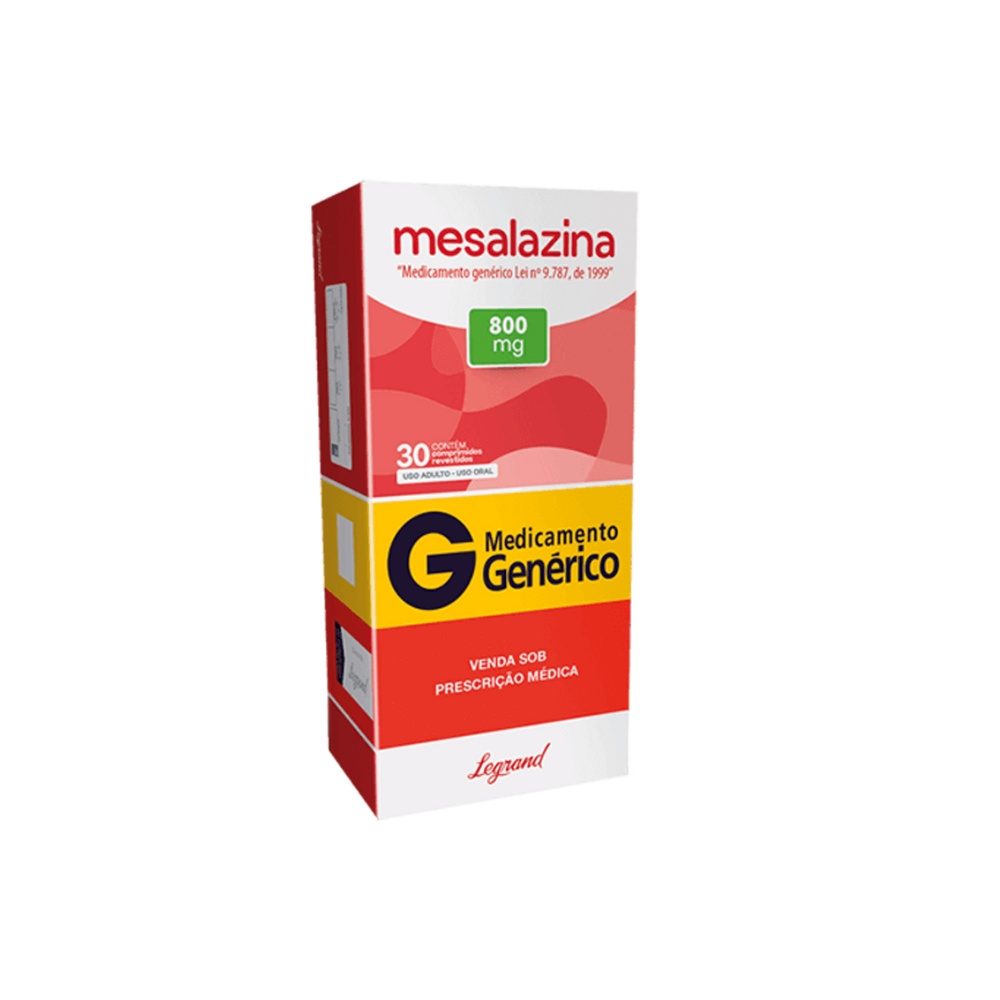
- Країна реєстрації
- Лікарська формаCoated tablet, 500 MG
- Код АТХA07EC02
- Діюча речовина
- Потрібен рецептТак
- Виробник
- Ця інформація надана лише для ознайомлення і не є медичною порадою. Рішення щодо лікування завжди приймає лікар.
- Альтернативи до MESALATSINA SANDOTSЛікарська форма: Enteric-coated tablet, 400 MGДіюча речовина: месалазинаВиробник: DICOFARM S.P.A.Потрібен рецептЛікарська форма: Enteric-coated tablet, 400 MGДіюча речовина: месалазинаВиробник: GIULIANI SPAПотрібен рецептЛікарська форма: Rectal suspension, 2 GДіюча речовина: месалазинаВиробник: CHIESI FARMACEUTICI S.P.A.Рецепт не потрібен
Аналоги MESALATSINA SANDOTS в інших країнах
Препарати з тією самою діючою речовиною, доступні в інших країнах.
Аналог MESALATSINA SANDOTS у Іспанія
Аналог MESALATSINA SANDOTS у Польща
Аналог MESALATSINA SANDOTS у Україна
Лікарі онлайн щодо MESALATSINA SANDOTS
Застосування, безпека та можливість призначення рецепта — за результатами медичної оцінки.









Отримайте рецепт на MESALATSINA SANDOTS онлайн
Заповніть форму за 2 хвилини
Розкажіть про симптоми, історію хвороби та потрібний препарат.
Оберіть лікаря або ми призначимо
Оберіть спеціаліста або ми підберемо найближчого доступного лікаря.
Лікар розглядає ваш випадок
Зазвичай протягом 30 хвилин. Може ставити уточнювальні запитання в чаті.
Отримайте в будь-якій аптеці
Електронний рецепт надсилається на вашу пошту — дійсний по всій Польщі.
Часті запитання
MESALATSINA SANDOTS потребує рецепта в Італія. Ви можете обговорити з лікарем онлайн, чи підходить цей лікарський засіб для вашої ситуації.
Діюча речовина у MESALATSINA SANDOTS — месалазина. Це допомагає визначити препарати з тим самим складом, але під іншими торговими назвами.
MESALATSINA SANDOTS виробляється компанією SANDOZ S.P.A.. Назва бренду та упаковка можуть відрізнятися залежно від дистрибʼютора.
Лікарі, зокрема Сімейні лікарі, Психіатри, Дерматологи, Кардіологи, Ендокринологи, Гастроентерологи, Пульмонологи, Нефрологи, Ревматологи, Гематологи, Інфекціоністи, Алергологи, Геріатри, Педіатри, Онкологи, можуть оцінити доцільність застосування MESALATSINA SANDOTS з урахуванням вашого стану та місцевих правил. Ви можете записатися на онлайн-консультацію, щоб обговорити симптоми та можливі подальші кроки.
Польща має добре розвинену систему охорони здоров'я у великих містах, таких як Варшава, Краків, Вроцлав і Гданськ. Аптеки широко доступні та працюють відповідно до чинного законодавства, забезпечуючи доступ до рецептурних препаратів.
Ви можете придбати MESALATSINA SANDOTS у Варшаві, Кракові, Вроцлаві або Гданську в будь-якій аптеці за наявності дійсного рецепта.
Щоб отримати рецепт, ви можете скористатися Oladoctor:
Інші препарати з тією самою діючою речовиною (месалазина) включають ARGONAL, ASAKOL, ASALEX. Вони можуть відрізнятися торговою назвою або формою випуску, але містять той самий терапевтичний компонент. Перед зміною або початком прийому нового препарату варто проконсультуватися з лікарем.
