



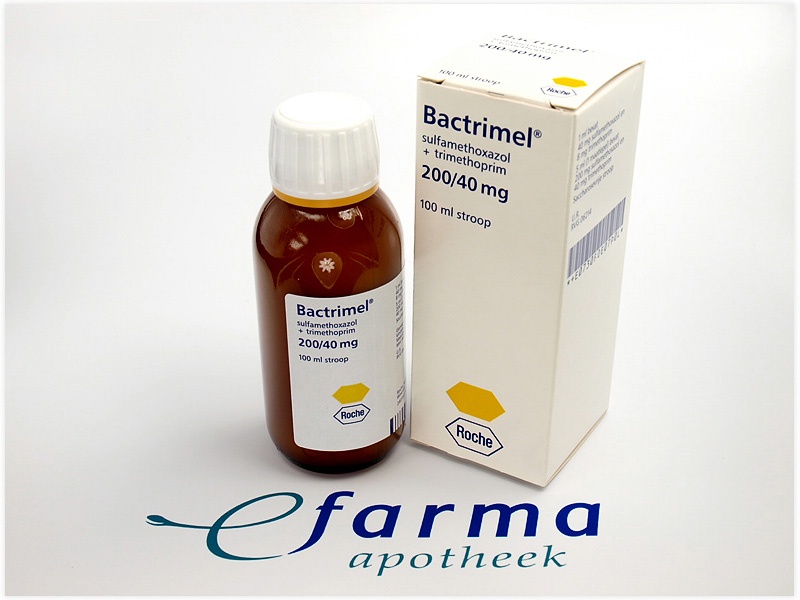
BACTRIMEL 40 mg /Ml + 8 Mg/Ml Oral Suspension

Запит на рецепт онлайн
Лікар розгляне ваш випадок і визначить, чи є рецепт медично доцільним.

Поговоріть з лікарем про ці ліки
Обговоріть симптоми та можливі подальші кроки під час короткої онлайн-консультації.



Інструкція із застосування BAKTRIMEL
Зміст інструкції
Bactrimel 40 mg/ml + 8 mg/ml oral suspension
sulfametoxazole and trimethoprim
Read this leaflet carefully before taking this medicine as it contains
important information for you.
- Keep this leaflet. You may need to read it again.
- If you have any questions, ask your doctor or pharmacist.
- This medicine has been prescribed for you only. Do not pass it on to others, even if they have the same symptoms as you, as it may be harmful.
- If you get any side effects, even those not listed in this leaflet, tell your doctor, pharmacist or nurse. See section 4.
Contents of this leaflet:
- 1. What Bactrimel is and what it is used for
- 2. What you need to know before you take Bactrimel
- 3. How to take Bactrimel
- 4. Possible side effects
- 5. How to store Bactrimel
- 6. Contents of the pack and other information
1. What is Bactrimel and what is it used for
What is Bactrimel
Bactrimel is a combination of two substances: sulfamethoxazole and trimethoprim. Together they
destroy bacteria and prevent them from growing and reproducing.
What is Bactrimel used for
Bactrimel is mainly used for:
- urinary tract infections
- prostate infections
- lung infections that worsen over time
- infections such as dysentery, typhoid fever and paratyphoid fever. Bactrimel can also be used in the prevention and treatment of a type of pneumonia caused by a fungus similar to yeast called " Pneumocystis jirovecii". In this case, it is used especially in patients with a weakened immune system.
Bactrimel is used in adults and children aged 6 weeks or older.
2. What you need to know before taking Bactrimel
Do not use Bactrimel:
- if you are allergic to trimethoprim, sulfamethoxazole or any of the other ingredients of Bactrimel (see section 6 “Contents of the pack and other information”)
- if you have severe liver damage
- if you suffer from a serious blood disease
- if your body is unable to break down glucose or if you are breastfeeding a baby whose body is unable to break down glucose
- if a child is less than 6 weeks old
- if you suffer from severe kidney failure
- if you are taking a medicine called dofetilide (used for heart rhythm problems) Do not use Bactrimel if any of the above applies to you. If you are unsure, ask your doctor before using Bactrimel.
Warnings and precautions
Talk to your doctor or pharmacist before taking Bactrimel:
- if you have kidney problems
- if you have low levels of folic acid
- if you are over 65 years old, malnourished or very dehydrated
- if you suffer from cystic fibrosis
- if you have a severe allergy or asthma
- if you have a thyroid gland dysfunction
- if you have been told that your liver takes longer to eliminate drugs
- if you have been told by your doctor that you have a lot of potassium in your blood
Pay attention to side effects
Stop taking Bactrimel and consult your doctor immediately if you notice any of the following effects
undesirable:
- Infection:Bactrimel may reduce your defenses against infections (affecting white blood cells). If you experience signs of infection, you should consult your doctor as soon as possible - see section 4 under "Serious side effects" for signs of infection.
- Potentially life-threatening skin reactions, such as: Stevens-Johnson syndrome, drug-induced skin rashes with increased white blood cells (eosinophilia) and systemic symptoms (DRESS), toxic epidermal necrolysis (TEN) and acute generalized exanthematous pustulosis (AGEP) - see section 4 for the signs of these problems under "Serious side effects".
- Pain, cramps or muscle weakness:stop taking Bactrimel and consult your doctor immediately if you experience any of the above signs. It is important to inform them that you have taken Bactrimel.
- Cough and shortness of breath:if the cough and shortness of breath worsen, inform your doctor immediately.
- Hemophagocytic lymphohistiocytosis:very rarely, excessive immune reactions due to uncontrolled activation of white blood cells causing inflammation (hemophagocytic lymphohistiocytosis) have been reported, which can be life-threatening if not diagnosed and treated early. If you experience more than one symptom such as fever, swollen lymph nodes, feeling weak, dizziness, shortness of breath, bruising or rash simultaneously or shortly after each other, contact your doctor immediately.
Other medicines and Bactrimel
Tell your doctor or pharmacist if you are taking, have recently taken or might take
any other medicines, including over-the-counter medicines. Bactrimel can
affect how some medicines work. Also, some medicines can affect how
Bactrimel works.
In particular, do not take Bactrimel if you are taking dofetilide, a medicine used for
heart rhythm problems.
Tell your doctor or pharmacist if you are taking any of the following medicines:
- medicines for type 2 diabetes, such as: chlorpropamide, glibenclamide, repaglinide, pioglitazone and glipizide, tolbutamide, gliclazide, rosiglitazone
- memantine, amantadine (for dementia)
- warfarin, acenocoumarol, phenprocoumon (to thin the blood)
- cyclosporine, tacrolimus and azathioprine (medicines to suppress the immune system)
- prednisolone (anti-inflammatory)
- phenytoin (for epilepsy)
- digoxin, amiodarone (medicines for the heart)
- ACE inhibitors (for high blood pressure or heart failure)
- tricyclic antidepressants, clozapine (for mental health problems)
- contraceptive pill
- zidovudine and lamivudine (for HIV)
- diuretics such as thiazides, potassium-sparing diuretics (for high blood pressure or heart failure)
- methotrexate, paclitaxel and mercaptopurine (anticancer medicines)
- pyrimethamine (antimalarial medicine)
- dapsone (for skin diseases)
Bactrimel may interfere with some clinical tests. Tell your doctor that you are taking Bactrimel if
you are told that you need to have clinical tests while taking Bactrimel.
If any of the above applies to you or you are unsure, talk to your doctor or
pharmacist before using Bactrimel.
Pregnancy and breastfeeding
If you are pregnant, suspect you may be pregnant or are planning to become pregnant, ask your doctor
or pharmacist for advice before taking this medicine. There is a risk that the baby may be
affected.
Ask your doctor or pharmacist if you are breastfeeding or planning to breastfeed.
This is because small amounts of Bactrimel can pass to the baby.
Driving and operating machinery
Bactrimel is not expected to affect your ability to drive and operate machinery, although
Bactrimel may cause dizziness, seizures and hallucinations (see section 4).
Bactrimel contains sorbitol (E420), methyl parahydroxybenzoate (E218), propyl
parahydroxybenzoate (E216), propylene glycol (E1520), alcohol (ethanol) and sodium.
Bactrimel contains 630 mg of sorbitol per ml, which corresponds to 3 to 25 grams of sorbitol per
day.
Sorbitol is a source of fructose. If your doctor has told you that you (or your child) are intolerant to
some sugars or if you (or your child) have been diagnosed with hereditary fructose intolerance,
a rare genetic disease in which patients are unable to break down fructose, consult your doctor
before you (or the child) take this medicine.
Sorbitol can cause stomach/intestinal problems and have a mild laxative effect.
Bactrimel contains methyl parahydroxybenzoate and propyl parahydroxybenzoate, which may cause an
allergic reaction (even delayed).
Bactrimel contains 24 mg of propylene glycol per 5 ml, equivalent to 4.8 mg/ml.
Bactrimel contains 9 mg of alcohol (ethanol) per 5 ml, equivalent to 1.8 mg/ml. The amount in 5 ml of
this medicine is equivalent to less than 0.23 ml of beer or 0.10 ml of wine. The small amount of
alcohol in this medicine will not produce significant effects.
Bactrimel contains less than 1 mmol (23 mg) of sodium per ml, which makes it essentially “sodium-free”.
3. How to take Bactrimel
Take Bactrimel following the doctor's instructions exactly. Do not change the dose that has been
prescribed to you.If you have any doubts, consult your doctor or pharmacist.
When to take Bactrimel
Bactrimel is supplied with a graduated measuring spoon at 1.25 ml, 2.5 ml and 5 ml. This measuring spoon
can also be used to measure 2.5 ml (half a measuring spoon). Always use the
supplied measuring spoon when taking Bactrimel.
Take Bactrimel twice a day: once in the morning and once in the evening.
For oral use.
Shake the bottle before each use.
Rinse the measuring spoon after each use.
How much to take
Standard dose for adults and children over 12 years of age:
- 20 ml (4 measuring spoons) of Bactrimel oral suspension, morning and evening
Standard dose for children aged 12 years or less:
- aged between 6 weeks to 5 months: 2.5 ml (half a measuring spoon) of oral suspension, morning and evening.
- aged between 6 months to 5 years: 5 ml (1 measuring spoon) of oral suspension, morning and evening.
- aged between 6 to 12 years: 10 ml (2 measuring spoons) of oral suspension, morning and evening.
Your treatment will last until you are symptom-free for 2 days and generally should not exceed
7 days. See your doctor if you do not feel better or if you feel worse after 7 days of therapy.
The doctor may prescribe a different dosage or duration of treatment based on your
diagnosis and clinical characteristics. Always follow your doctor's advice.
If you take more Bactrimel than you should
If you take more Bactrimel than you should, immediately notify your doctor or go to the nearest
hospital.
Symptoms of overdose may manifest as nausea, vomiting, diarrhea, headache,
dizziness, mental and visual disturbances. The doctor will establish the appropriate supportive treatment to treat the
symptoms of excessive dosage.
If you forget to take Bactrimel
- If you forget a dose, take it as soon as you remember. However, if it is almost time for the next dose, skip the missed dose and take your next dose as normal.
- Do not take a double dose to make up for a missed dose.
4. Possible side effects
Like all medicines, Bactrimel can cause side effects, although not everybody gets them.
manifest.
Serious side effects
Stop taking Bactrimel and contact your doctor immediately if you experience any of the
following symptoms:
- Potentially life-threatening skin reactions:(very rare) o These skin reactions can often start with symptoms similar to those of the flu. o The risk is greater during the first weeks of treatment. o Signs of skin reactions include:
- red to purple, target- or round-shaped spots with blisters in the middle, often spreading symmetrically on the body. The skin may start to peel.
- sudden rash on the skin with the appearance of red pustules the size of a pinhead (acute generalized exanthematous pustulosis (AGEP))
- ulcers of the mouth, throat, nose or genitals
- eye inflammation (red and swollen eyes)
Do not use medicines containing trimethoprim or sulfamethoxazole again if you experience any of the
symptoms described above after using Bactrimel.
- Pain, cramps or muscle weakness(myalgia, frequency not known) o Pain, cramps or weakness that you cannot explain.
- Serious infection: your doctor should perform a blood test as soon as possible to rule out a deficiency of white blood cells (agranulocytosis, very rare). Be careful for signs of: o infection with fever and a general feeling of being unwell o sore throat o mouth sores o urinary tract infection
- Severe allergic reaction(very rare) o swelling of the face, tongue or throat, difficulty swallowing o hives and facial disturbances Stop taking Bactrimel and contact your doctor immediately if you experience any of the symptoms described above.
Other side effects
Tell your doctor, pharmacist or nurse if you experience any of the following side effects:
Common:may affect up to 1 in 10 people
- feeling unwell or malaise
- blood tests showing liver or kidney problems
- inflamed or rash-like skin, redness or itching
Uncommon:may affect up to 1 in 100 people
- fungal infections
- uncontrolled body movements (seizures)
- diarrhea
- colitis
- inflamed liver (hepatitis)
- kidney failure
- hives
Rare:may affect up to 1 in 1,000 people
- blood problems, such as a low number of white blood cells
- low blood sugar levels
- feeling weak, difficulty moving, fainting (functional neurological disorders)
- inflamed tongue and mouth
- bile problems (cholestasis)
- crystals in the urine
- stomach pain.
Very rare:may affect up to 1 in 10,000 people
- lung problems such as cough, shortness of breath
- blood tests showing high levels of potassium in the blood
- hallucinations
- difficulty coordinating muscle movements
- inflamed eye
- dizziness
- allergic reaction with inflamed heart muscle (allergic myocarditis)
- ringing in the ears
- destruction of liver tissue (hepatic necrosis)
- increased urine production than usual or partially inflamed kidney
- meningitis
- sensitivity to light (photosensitivity)
- inflamed blood vessels (vasculitis) affecting the whole body
- destruction of muscle tissue (rhabdomyolysis).
Not known:frequency cannot be estimated from the available data
- blood tests showing low levels of sodium
- sudden inflammation of the pancreas (acute pancreatitis)
- injury to the bile ducts (vanishing bile duct syndrome)
- joint and muscle pain
- plum-colored, raised, painful sores on the limbs and sometimes on the face and neck with fever (Sweet syndrome)
- kidney stones (urolithiasis)
Your doctor may ask you to have blood tests while taking Bactrimel to
monitor some of these side effects.
Tell your doctor, pharmacist or nurse if you notice any of the side effects listed above.
Reporting of side effects
If you get any side effects, even those not listed in this leaflet, tell your
doctor, pharmacist or nurse. You can also report side effects directly
through the national reporting system at https://www.aifa.gov.it/content/segnalazioni-
reazioni-avverse . By reporting side effects you can help provide more information
on the safety of this medicine.
5. How to store Bactrimel
Keep this medicine out of the sight and reach of children.
Do not use this medicine after the expiry date which is stated on the packaging. The expiry date refers to the last day of that month.
Once opened, do not store at a temperature above 25 °C and use within 8 weeks.
Store the dosing spoon with the product in the outer packaging.
Do not dispose of any medicine in wastewater or household waste. Ask your pharmacist how to
dispose of medicines you no longer use. This will help protect the environment.
6. Contents of the pack and other information
What Bactrimel contains
- The active ingredients are sulfamethoxazole and trimethoprim. 1 ml of Bactrimel oral suspensioncontains 40 mg of sulfamethoxazole and 8 mg of trimethoprim. One 5 ml measuring spoon of Bactrimel oral suspensioncontains 200 mg of sulfamethoxazole and 40 mg of trimethoprim.
- The other ingredients are: sorbitol (sweetener E420), microcrystalline cellulose, sodium carboxymethylcellulose, methyl parahydroxybenzoate (preservative E218), propyl parahydroxybenzoate (preservative E216), polysorbate 80, banana flavour (contains propylene glycol E1520), vanilla flavour (contains ethanol) and purified water.
Description of the appearance of Bactrimel and contents of the pack
Glass bottle containing 100 ml of oral suspension
A transparent plastic 5 ml measuring spoon graduated at 1.25 ml, 2.5 ml and 5 ml.
Marketing authorisation holder and manufacturer
EUMEDICA Pharmaceuticals GmbH
Basler Straße 126
79540 Lörrach
Germany
This medicinal product is authorised in the Member States of the European Economic Area with the
following denominations:
Sweden, France Bactrim
Italy Bactrimel
Medical advice/indications
Antibiotics are used to treat bacterial infections. They have no effect against
viral infections.
Sometimes an infection caused by bacteria does not respond to a course of antibiotics. One of the most
common reasons for this is that the bacteria causing the infection are resistant to the antibiotic
taken. This means they can survive and even multiply despite antibiotic therapy. Bacteria can become resistant to antibiotics for many reasons. Careful use
of antibiotics can help reduce the likelihood that bacteria will develop resistance to
them.
When your doctor prescribes a course of antibiotics, it is intended to treat only the
current illness.
Paying attention to the following advice will help prevent the emergence of resistant bacteria that
could inhibit the action of the antibiotic.
- 1. It is very important that you take the antibiotic according to the prescribed dosage, if in doubt ask your doctor or pharmacist for clarification.
- 2. Do not take an antibiotic unless it has been specifically prescribed for you and use it exclusively to treat the infection for which it was prescribed.
- 3. Do not take antibiotics that have been prescribed to other people, even if they had an infection similar to yours.
- 4. Do not give antibiotics that have been prescribed for you to others.
- 5. If, at the end of the cycle prescribed by your doctor, you have any antibiotic remaining, the remaining medicine must be taken to a pharmacy for correct disposal.

Не впевнені, чи підходить вам цей лікарський засіб?
Обговоріть симптоми та можливі варіанти лікування з лікарем онлайн.

Виникли питання під час прийому ліків?
Обговоріть свої симптоми та лікування з лікарем онлайн.
- Країна реєстрації
- Лікарська формаOral suspension, 40 MG/ML + 8 MG/ML
- Код АТХJ01EE01
- Діюча речовина
- Потрібен рецептНі
- Виробник
- Ця інформація надана лише для ознайомлення і не є медичною порадою. Рішення щодо лікування завжди приймає лікар.
- Альтернативи до BAKTRIMELЛікарська форма: Concentrate for infusion solution, 400 MG/5 ML + 80 MG/5 MLДіюча речовина: sulfamethoxazole and trimethoprimВиробник: EUMEDICA PHARMACEUTICALS GMBHПотрібен рецептЛікарська форма: Tablet, 160 MG + 800 MGДіюча речовина: sulfamethoxazole and trimethoprimВиробник: EUMEDICA PHARMACEUTICALS GMBHПотрібен рецептЛікарська форма: Film-coated tablet, 875 MG + 125 MGДіюча речовина: amoxicillin and beta-lactamase inhibitorВиробник: FIDIA FARMACEUTICI S.P.A.Потрібен рецепт
Аналоги BAKTRIMEL в інших країнах
Препарати з тією самою діючою речовиною, доступні в інших країнах.
Аналог BAKTRIMEL у Польща
Аналог BAKTRIMEL у Україна
Аналог BAKTRIMEL у Іспанія
Лікарі онлайн щодо BAKTRIMEL
Застосування, безпека та можливість призначення рецепта — за результатами медичної оцінки.









Отримайте рецепт на BAKTRIMEL онлайн
Заповніть форму за 2 хвилини
Розкажіть про симптоми, історію хвороби та потрібний препарат.
Оберіть лікаря або ми призначимо
Оберіть спеціаліста або ми підберемо найближчого доступного лікаря.
Лікар розглядає ваш випадок
Зазвичай протягом 30 хвилин. Може ставити уточнювальні запитання в чаті.
Отримайте в будь-якій аптеці
Електронний рецепт надсилається на вашу пошту — дійсний по всій Польщі.
Часті запитання
BAKTRIMEL не потребує рецепта в Італія. Ви можете обговорити з лікарем онлайн, чи підходить цей лікарський засіб для вашої ситуації.
Діюча речовина у BAKTRIMEL — sulfamethoxazole and trimethoprim. Це допомагає визначити препарати з тим самим складом, але під іншими торговими назвами.
BAKTRIMEL виробляється компанією EUMEDICA PHARMACEUTICALS GMBH. Назва бренду та упаковка можуть відрізнятися залежно від дистрибʼютора.
Лікарі, зокрема Сімейні лікарі, Психіатри, Дерматологи, Кардіологи, Ендокринологи, Гастроентерологи, Пульмонологи, Нефрологи, Ревматологи, Гематологи, Інфекціоністи, Алергологи, Геріатри, Педіатри, Онкологи, можуть оцінити доцільність застосування BAKTRIMEL з урахуванням вашого стану та місцевих правил. Ви можете записатися на онлайн-консультацію, щоб обговорити симптоми та можливі подальші кроки.
Польща має добре розвинену систему охорони здоров'я у великих містах, таких як Варшава, Краків, Вроцлав і Гданськ. Аптеки широко доступні та працюють відповідно до чинного законодавства, забезпечуючи доступ до рецептурних препаратів.
Ви можете придбати BAKTRIMEL у Варшаві, Кракові, Вроцлаві або Гданську в будь-якій аптеці за наявності дійсного рецепта.
Щоб отримати рецепт, ви можете скористатися Oladoctor:
Інші препарати з тією самою діючою речовиною (sulfamethoxazole and trimethoprim) включають BAKTRIM PERFUSIONE, BAKTRIM, ABBA. Вони можуть відрізнятися торговою назвою або формою випуску, але містять той самий терапевтичний компонент. Перед зміною або початком прийому нового препарату варто проконсультуватися з лікарем.
