



OLIMEL 1000 ML Эмульсия для внутривенного введения

Рассмотрение рецепта онлайн
Врач рассмотрит ваш случай и примет решение о назначении рецепта, если это медицински оправдано.

Поговорите с врачом об этом лекарстве
Обсудите симптомы и возможные дальнейшие шаги на онлайн-консультации.



Инструкция по применению OLIMEL
Содержание инструкции
- OLIMEL
- OLIMEL PERIFERICO N4E should not be administered simultaneously with blood
- OLIMEL PERIFERICO N4E can be supplemented with electrolytes, based on the following table:
- OLIMEL
- What is OLIMEL N5E, emulsion for infusion and what is it used for
- What you need to know before you are given OLIMEL N5E emulsion for infusion
- How to use OLIMEL N5E, emulsion for infusion
- Possible side effects
- How to store OLIMEL N5E, emulsion for infusion
- Contents of the pack and other information
- 500 mL 2.000 mL 2.500 mL
- OLIMEL
- OLIMEL N7. For example, pediatric patients may have a requirement greater than
- OLIMEL
- What is OLIMEL N7E, emulsion for infusion and what is it used for
- What you need to know before you are given OLIMEL N7E, emulsion for infusion
- How to use OLIMEL N7E, emulsion for infusion
- POSSIBLE SIDE EFFECTS
- How to store OLIMEL N7E emulsion for infusion
- Package Contents and Other Information
- 1,000 mL 1,500 mL 2,000 mL
- OLIMEL
- What is OLIMEL N9 emulsion for infusion and what is it used for
- What you need to know before you are given OLIMEL N9 emulsion for infusion
- How to use OLIMEL N9 emulsion for infusion
- Possible side effects
- How to store OLIMEL N9, emulsion for infusion
- Contents of the pack and other information
- 1,000 mL 1,500 mL 2,000 mL
- OLIMEL
- What is OLIMEL N9E emulsion for infusion and what is it used for
- What you need to know before you are given OLIMEL N9E emulsion for infusion
- How to use OLIMEL N9E emulsion for infusion
- Possible side effects
- How to store OLIMEL N9E emulsion for infusion
- Contents of the pack and other information
- 1,000 mL 1,500 mL 2,000 mL
- OLIMEL
- What is OLIMEL N12 emulsion for infusion and what it is used for
- What you need to know before you are given OLIMEL N12 emulsion for infusion
- How to use OLIMEL N12 emulsion for infusion
- Possible side effects
- How to store OLIMEL N12 emulsion for infusion
- Content of the pack and other information
- What is OLIMEL N12E emulsion for infusion and what is it used for
- What you need to know before you are given OLIMEL N12E emulsion for infusion
- How to use OLIMEL N12E emulsion for infusion
- Possible side effects
- How to store OLIMEL N12E emulsion for infusion
- Contents of the pack and other information
OLIMEL
PERIFERICO N4E, Emulsion for Infusion
Read this leaflet carefully before you are given this medicine
as it contains important information for you.
- Keep this leaflet. You may need to read it again.
- If you have any questions, ask your doctor or nurse. If any side effects occur, including those not listed in this leaflet, ask your doctor or nurse. See section 4.
Contents of this leaflet:
- 1. What OLIMEL PERIFERICO N4E emulsion for infusion is and what it is used for
- 2. What you need to know before you are given OLIMEL PERIFERICO N4E emulsion for infusion
- 3. How to use OLIMEL PERIFERICO N4E, emulsion for infusion
- 4. Possible side effects
- 5. How to store OLIMEL PERIFERICO N4E emulsion for infusion
- 6. Contents of the pack and other information
1. What is OLIMEL PERIFERICO N4E emulsion for infusion and what is it used for?
OLIMEL PERIFERICO N4E is an emulsion for infusion. It is presented in the form of a 3
compartment bag.
One compartment contains a glucose solution with calcium, the second a lipid emulsion and the third a solution of amino acids with other electrolytes.
OLIMEL PERIFERICO N4E is used to provide nutrition to adults and children over the age of
two years via a tube into a vein, when normal oral feeding is not suitable.
OLIMEL PERIFERICO N4E must be used exclusively under medical supervision.
2. What you need to know before you are given OLIMEL PERIPHERIC N4E
emulsion for infusion
OLIMEL PERIPHERIC N4E,emulsion for infusion must not be used
- In premature newborns, infants and children under 2 years of age. If you are hypersensitive (allergic) to egg proteins, soy seeds, peanuts, or corn/corn-derived products (see also the section “Warnings and precautions” below) or to any of the excipients.
- If the use of certain amino acids creates problems for your body.
- If you have particularly high levels of fats in your blood.
- If you have hyperglycemia (too much sugar in the blood).
- If you have an abnormally high concentration of any of the electrolytes (sodium, potassium, magnesium, calcium and/or phosphorus) in your blood.
In all cases, the doctor will decide whether you should receive this medicine based on factors
such as age, weight and medical condition, together with the results of the tests performed.
Warnings and precautions
Talk to your doctor or nurse before you are given OLIMEL PERIPHERIC N4E.
If you are given total parenteral nutrition solutions too quickly, this can cause injury or death.
The infusion must be stopped immediately if you develop signs or symptoms of an abnormal
allergic reaction (such as sweating, fever, chills, headache, skin rash or
difficulty breathing). This medicine contains soybean oil and egg phospholipids.
Soy seeds and egg proteins can cause hypersensitivity reactions.
Allergic cross-reactions between soy and peanut proteins have been observed.
Olimel Peripheric N4E contains glucose derived from corn, which may cause hypersensitivity reactions if you are allergic to corn or products derived from corn (see section
“OLIMEL PERIPHERIC N4E, emulsion for infusion must not be used” above)
Difficulty breathing may also be a sign that small particles have formed,
which block blood vessels in the lungs (pulmonary vascular precipitates). If you
experience difficulty breathing, tell your doctor or nurse, who will decide what
actions to take.
The antibiotic called ceftriaxone must not be mixed or administered
simultaneously with any solution containing calcium (including OLIMEL PERIPHERIC
N4E) that is given to you by intravenous infusion.
These medicines must not be given together even through different infusion lines or different infusion sites.
However, you may take OLIMEL PERIPHERIC N4E and ceftriaxone sequentially, one after
the other, if different infusion lines are used or if the infusion lines are
replaced or thoroughly washed with saline between infusions to avoid the formation of precipitates (calcium-ceftriaxone salt particles).
Some medicines and diseases can increase the risk of developing infection or sepsis (bacteria
in the blood). There is a particular risk of infection or sepsis when a tube (central venous catheter) is inserted into a vein. The doctor will monitor you carefully for any
signs of infection. Patients who require parenteral nutrition (nutrition through
a tube placed in a vein) may be at increased risk of developing infections from their
medical conditions. The use of aseptic techniques (germ-free) during catheter placement and
maintenance and during the preparation of the nutritional formula
(total parenteral nutrition) can reduce this risk.
If you are severely malnourished, to the point of receiving nutrition intravenously,
the doctor must start treatment slowly. In addition, the doctor must monitor you
carefully to prevent sudden changes in your fluid levels, vitamins,
electrolytes and minerals.
The balance of water and salt in your body and metabolic disorders will be corrected
before starting the infusion. The doctor will monitor your condition while you receive this
medicine and may adjust the dose or give you additional nutrients, such as vitamins, electrolytes and
trace elements, if they deem it necessary.
The doctor must be informed in case of:
- severe kidney problem. You must inform the doctor if you are on dialysis (artificial kidney) or if you are undergoing another blood purification treatment;
- severe liver problem;
- coagulation problem;
- inadequate functioning of the adrenal glands (adrenal insufficiency), which are triangular glands located above the kidneys;
- heart failure;
- lung disease;
- accumulation of water in the body (hyperhydration);
- insufficient water in the body (dehydration);
- untreated high blood sugar levels (diabetes mellitus);
- heart attack or stroke secondary to sudden heart failure;
- severe metabolic acidosis (when the blood is too acidic);
- generalized infection (septicemia);
- coma.
To verify the effectiveness and overall safety of administration, the doctor will perform
clinical and laboratory tests while you receive this medicine. If you are given
this medicine for several weeks, your blood will be monitored regularly.
The reduced ability of the body to remove the fats contained in this medicine can
cause a “fat overload syndrome” (see section 4 - Possible side effects).
If you experience pain, burning or swelling at the infusion site or leakage of the
infusion solution during the infusion, tell your doctor or nurse. The administration will
be stopped immediately and restarted in another vein.
If your blood sugar level becomes too high, the doctor will adjust the rate of
delivery of OLIMEL PERIPHERIC N4E or give you a medicine to control your blood sugar level (insulin).
OLIMEL PERIPHERIC N4E can be given to you through a tube (catheter) in a vein
in your arm or in a large vein in your chest (central vein).
Children and adolescents
If the patient is under 18 years of age, particular attention will be paid to providing the
correct dosage. Greater precautions will also be taken for the increased sensitivity
of children to the risk of infection. Supplementation with vitamins and trace elements is always
required. Pediatric formulations should be used.
Other medicines andOLIMEL PERIPHERIC N4E
Tell your doctor if you are taking or using, have recently taken or used, or might
take or use any other medicine.
The simultaneous assimilation of other medicines is generally not a
contraindication. If you are taking other medicines, with or without a prescription, inform
your doctor in advance to verify their compatibility.
OLIMEL PERIFERICO N4E should not be administered simultaneously with blood
through the same infusion set.
OLIMEL PERIFERICO N4E contains calcium. It should not be administered together
with the antibiotic ceftriaxone or through the same tube, because particles may form. If the same device is used to administer these medicines in
succession, the device must be thoroughly washed.
Due to the risk of precipitation, OLIMEL Periferico N4E should not be administered
through the same infusion line or mixed with the antibiotic ampicillin or the antiepileptic
fosphenytoin.
The olive and soybean oils in OLIMEL PERIFERICO N4E contain vitamin K. This
vitamin generally does not affect blood-thinning medications (anticoagulants),
such as coumarin. However, inform your doctor if you are taking anticoagulant drugs.
The lipids contained in this emulsion may interfere with the results of some laboratory tests if the blood sample is taken before the lipids are eliminated from your
blood (which are usually eliminated after a period of 5 or 6 hours without receiving them).
OLIMEL PERIFERICO N4E contains potassium. Take particular care with patients who
are taking diuretics, ACE inhibitors, angiotensin II receptor antagonists (drugs
for the treatment of hypertension) or immunosuppressants. These types of drugs may
increase potassium levels in the blood.
Pregnancy, breastfeeding and fertility
If you are pregnant, suspect you are pregnant, are planning a pregnancy, or are
breastfeeding, ask your doctor for advice before taking this
medicine.
OLIMEL PERIFERICO N4E may be considered during pregnancy and
breastfeeding if necessary.
Driving and operating machinery
Not relevant
3. How to use OLIMEL PERIFERICO N4E, emulsion for infusion
Dosage
OLIMEL PERIFERICO N4E must be administered only to adults and children over the age of
two years.
This is an emulsion for infusion, to be administered via a tube (catheter)
into a vein in the arm or into a large vein in the chest.
OLIMEL PERIFERICO N4E must be at room temperature before use.
OLIMEL PERIFERICO N4E is for single use only.
The infusion of a bag usually lasts between 12 and 24 hours.
Dosage - Adults
The doctor will specify a flow rate corresponding to Your needs and clinical
conditions.
The prescription may continue for as long as required, according to Your clinical
conditions.
Dosage - Children over two years of age and adolescents
The doctor will decide the dose and for how long the medicine will be administered. This
will depend on age, weight, height, medical conditions and the body's ability to break down and use the components of OLIMEL PERIFERICO N4E.
If you have been given more OLIMEL PERIFERICO N4E, emulsion for infusion, than
you should
If the dose given is too high or the infusion is too fast, the amino acid content may
make your blood too acidic and symptoms of hypervolemia (increased
blood volume) may occur. Blood and urine glucose levels may
increase and a hyperosmolar syndrome (excessive blood viscosity) may develop and
the lipid content may increase the level of triglycerides in your blood. Receiving
an infusion too quickly or too large a volume of OLIMEL PERIFERICO N4E can
cause nausea, vomiting, chills, headache, hot flashes, excessive sweating (hyperhidrosis)
and electrolyte disturbances. In such situations the infusion must be stopped
immediately.
In some severe cases, the doctor may temporarily subject you to renal dialysis to help
your kidneys eliminate the excess product.
To prevent such events from occurring, the doctor will regularly check your condition
and test your blood parameters.
If you have any doubts about the use of this medicine, consult your doctor.
4. Possible side effects
Like all medicines, this medicine can cause side effects, although not everyone gets them.
If you notice any changes in the way you feel, during or after treatment, tell your doctor or
nurse promptly.
The tests that your doctor will perform while you are taking the medicine reduce the risk of side
effects.
The infusion will be stopped immediately if signs or symptoms of an allergic reaction develop, such as
sweating, fever, chills, headache, skin rash or difficulty breathing.
With OLIMEL PERIFERICO N4E the following side effects have been reported:
Frequency - Common: may affect up to 1 in 10 people
- Fast heart rate (tachycardia).
- Decreased appetite.
- Increased level of fats in the blood (hypertriglyceridaemia).
- Abdominal pain.
- Diarrhoea.
- Nausea.
- Increased blood pressure (hypertension).
Frequency - Not known: frequency cannot be estimated from the available data
- Leakage of the infusion into the surrounding tissue (extravasation) which can cause pain, irritation,
swelling/edema, redness (erythema)/heat, death of tissue cells (skin necrosis) or blisters/vesicles,
inflammation, thickening or constriction of the skin at the infusion site.
The following side effects have been reported with similar parenteral nutrition products:
Frequency- Very rare: may affect up to 1 in 10,000 people
- Reduced ability to remove lipids (fat overload syndrome) associated with a sudden and sharp
deterioration of the patient's medical condition. The following symptoms of fat overload syndrome are
usually reversible after stopping the lipid emulsion infusion: - 1. Fever
- 2. Reduction of red blood cells which can make the skin pale and cause weakness or shortness of
breath (anaemia). - 3. Low white blood cell count, which can increase the risk of infection (leucopenia)
- 4. Low platelet count, which can increase the risk of bruising and/or bleeding (thrombocytopenia)
- 5. Blood coagulation disorders that compromise the blood's ability to clot
- 6. High levels of fats in the blood (hyperlipidaemia)
- 7. Hepatic lipid infiltration (hepatomegaly)
- 8. Deterioration of liver function
- 9. Manifestations affecting the central nervous system (e.g., coma).
Frequency - Not known: frequency cannot be estimated from the available data
- Allergic reactions.
- Abnormal blood test results for liver function.
- Problems in the elimination of bile (cholestasis)
- Increased liver size (hepatomegaly).
- Jaundice (icterus).
- Reduced number of platelets (thrombocytopenia).
- Increased levels of nitrogen in the blood (azotaemia).
- Elevated liver enzymes
- Formation of small particles that can cause blockage of blood vessels in the lungs (pulmonary vascular
precipitates) and cause pulmonary embolism and breathing difficulties (respiratory distress).
Reporting of side effects
If you get any side effects, even those not listed in this leaflet, tell your doctor or pharmacist.
You can also report side effects directly through the national reporting system at:
http://www.agenziafarmaco.gov.it/content/come-segnalare-una-sospetta-reazione-avversa .
By reporting side effects you can help provide more information on the safety of this medicine .
5. How to store OLIMEL PERIFERICO N4E emulsion for infusion
Keep this medicine out of sight and reach of children
Do not use this medicine after the expiry date which is stated on the container and on the
outer packaging (MM/YYYY). The expiry date refers to the last day of the month.
Do not freeze.
Store in the outer packaging.
Do not dispose of any medicine in wastewater or household waste. Ask your pharmacist
how to dispose of medicines you no longer use. This will help protect the environment.
6. Package Contents and Other Information
What OLIMEL PERIPHERIC N4E, emulsion for infusion contains
The active substancesof each pouch of the reconstituted emulsion are a solution of L-
amino acids 6.3%(corresponding to 6.3 g/100 mL) (alanine, arginine, glycine, histidine,
isoleucine, leucine, lysine (as lysine acetate), methionine, phenylalanine, proline, serine,
threonine, tryptophan, tyrosine, valine, aspartic acid, glutamic acid) with electrolytes
(sodium, potassium, magnesium, phosphate, acetate, chloride), a lipid emulsion at15%
(corresponding to 15 g/100 mL) (purified olive oil and purified soybean oil) and a
glucose solution at 18.75%(corresponding to 18.75 g/100 mL) (as glucose
monohydrate) with calcium.
The excipients are:
CompartmentCompartmentCompartment
Lipid emulsionAmino acid solutionGlucose solution
Purified egg phospholipid,
glycerol, sodium oleate, sodium
hydroxide (for pH adjustment), water for
injections
Glacial acetic acid (for
pH adjustment),
water for injections
Hydrochloric acid (for
pH adjustment),
water for injections
Appearance of OLIMEL PERIPHERIC N4E, emulsion for infusion and contents of the pack
OLIMEL PERIPHERIC N4E is an emulsion for infusion packaged in a three-compartment pouch.
One compartment contains a lipid emulsion, another compartment a solution of amino acids
with electrolytes and the third compartment a glucose solution with calcium. These
compartments are separated by non-permanent membranes.
Before administration, the contents of the compartments must be mixed by rolling the
pouch on itself starting from the top until the membranes open.
Appearance before reconstitution:
- The amino acid and glucose solutions are clear, clear colorless or slightly yellow.
- The lipid emulsion is homogeneous with a milky appearance.
Appearance after reconstitution: homogeneous emulsion with a milky appearance
The 3-compartment pouch is a multi-layer plastic pouch. The material of the inner (contact)
layer of the pouch is designed to be compatible with the constituents and authorized
additives.
To prevent contact with atmospheric oxygen, the pouch is packaged in an outer barrier
packaging for oxygen, which contains an oxygen absorber sachet.
Pack sizes:
1,000 mL pouch: 1 box with 6 pouches
1,500 mL pouch: 1 box with 4 pouches
2,000 mL pouch: 1 box with 4 pouches
2,500 mL pouch: 1 box with 2 pouches
1 pouch of 1,000 mL, 1,500 mL, 2,000 mL and 2,500 mL
Not all pack sizes may be marketed.
Marketing Authorisation Holder
Baxter S.p.A.
Piazzale dell’Industria 20
00144 Rome
Italy
Manufacturer:
Baxter S.A.,
Boulevard René Branquart, 80,
7860 Lessines –
Belgium
This medicinal product is authorised in the member states of the European economic
community with the following names:
France, Portugal, Bulgaria, Romania, Czech Republic, Belgium, Spain, Slovak Republic,
Luxembourg, Slovenia: PERIOLIMEL N4E
Estonia, Poland, Lithuania, Latvia, Greece, Cyprus: OLIMEL PERI N4E
Netherlands: Olimel Perifeer N4E
Austria: PeriOLIMEL 2,5 % mit Elektrolyten
Germany: Olimel Peri 2,5% E
Denmark, Iceland, Sweden, Norway, Finland: Olimel Perifer N4E
United Kingdom, Ireland, Malta: Triomel Peripheral 4g/L nitrogen 700 kcal/L with electrolytes
Hungary: PeriOlimel 4 g/L nitrogén elektrolitokkal emulziós infúzió
--------------------------------------------------------------------------------------------------------------
The following information is intended exclusively for physicians or healthcare professionals:
Pharmacotherapeutic category: Solutions for parenteral nutrition/combinations
ATC code: B05 BA10
- A.QUALITATIVE AND QUANTITATIVE COMPOSITION
OLIMEL PERIPHERIC N4E is presented as a 3-compartment pouch.
Each pouch contains a glucose solution with calcium, a lipid emulsion and an amino acid
solution with other electrolytes:
Content per pouch
1,000 mL 1,500 mL 2,000 mL 2,500 mL
Glucose solution 18.75 %
(corresponding to 18.75 g/100
mL)
400 mL 600 mL 800 mL 1,000 mL
Amino acid solution 6.3 %
(corresponding to 6.3 g/100 mL)
400 mL 600 mL 800 mL 1,000 mL
Lipid emulsion 15 %
(corresponding to 15 g/100 mL)
200 mL 300 mL 400 mL 500 mL
Composition of the reconstituted emulsion after mixing the contents of the three
compartments:
Active ingredients1,000 mL1,500 mL2,000 mL2,500 mL
Purified olive oil + purified soybean oil
30.00 g 45.00 g 60.00 g 75.00 g
Alanine 3.66 g 5.50 g 7.33 g 9.16 g
Arginine 2.48 g 3.72 g 4.96 g 6.20 g
Aspartic acid 0.73 g 1.10 g 1.46 g 1.83 g
Glutamic acid 1.26 g 1.90 g 2.53 g 3.16 g
Glycine 1.76 g 2.63 g 3.51 g 4.39 g
Histidine 1.51 g 2.26 g 3.02 g 3.77 g
Isoleucine 1.26 g 1.90 g 2.53 g 3.16 g
Leucine 1.76 g 2.63 g 3.51 g 4.39 g
Lysine
(equivalent to lysine acetate)
1.99 g
(2.81g)
- 2.99 g (4.21 g) 3.98 g (5.62 g) 4.98 g (7.02 g)
Methionine 1.26 g 1.90 g 2.53 g 3.16 g
Phenylalanine 1.76 g 2.63 g 3.51 g 4.39 g
Proline 1.51 g 2.26 g 3.02 g 3.77 g
Serine 1.00 g 1.50 g 2.00 g 2.50 g
Threonine 1.26 g 1.90 g 2.53 g 3.16 g
Tryptophan 0.42 g 0.64 g 0.85 g 1.06 g
Tyrosine 0.06 g 0.10 g 0.13 g 0.16 g
Valine 1.62 g 2.43 g 3.24 g 4.05 g
Sodium acetate, trihydrate 1.16 g 1.73 g 2.31 g 2.89 g
Sodium glycerophosphate, hydrate 1.91 g 2.87 g 3.82 g 4.78 g
Potassium chloride 1.19 g 1.79 g 2.38 g 2.98 g
Magnesium chloride, hexahydrate 0.45 g 0.67 g 0.90 g 1.12 g
Calcium chloride, dihydrate 0.30 g 0.44 g 0.59 g 0.74 g
Anhydrous glucose
(equivalent to glucose monohydrate)
187.50 g
(206.50 g)
75.00 g
(82.50 g)
112.50 g
(123.75 g)
150.00 g
(165.00 g)
A mixture of purified olive oil (approximately 80%) and purified soybean oil (approximately 20%)
corresponding to an essential fatty acids / total fatty acids ratio of 20%.
The excipients are:
Compartment
Lipid emulsion
Compartment
Amino acid solution
Compartment
Glucose solution
Purified egg phospholipid,
glycerol, sodium oleate, sodium
hydroxide (for pH adjustment), water for
injections
Glacial acetic acid (for
pH adjustment),
water for
injections
Hydrochloric acid (for
pH adjustment),
water for
injections
Nutritional contribution of the reconstituted emulsion for each bag size:
| I |
|
|
|
|
| Lipids | 30 g | 45 g | 60 g | 75 g |
| a Amino acids | 25.3 g | 38.0 g | 50.6 g | 63.3 g |
| Nitrogen | 4.0 g | 6.0 g | 8.0 g | 10.0 g |
| i Glucose | 75.0 g | 112.5 g | 150.0 g | 187.5 g |
| z Energy: n Total calories approx. e Non-protein calories. Glucose calories g Lipid calories..(a) A Non-protein calories/nitrogen ratio Glucose/lipid calories ratio Lipid calories/total | 700 kcal 600 kcal 300 kcal 300 kcal 150 kcal/g 50/50 43% | 1050 kcal 900 kcal 450 kcal 450 kcal 150 kcal/g 50/50 43% | 1400 kcal 1200 kcal 600 kcal 600 kcal 150 kcal/g 50/50 43% | 1750 kcal 1500 kcal 750 kcal 750 kcal 150 kcal/g 50/50 43% |
| Electrolytes: |
Includes calories from purified egg phospholipids
Includes phosphate provided by the lipid emulsion
- B. DOSAGE AND ADMINISTRATION
Dosage
OLIMEL PERIPHERIC N4E is not recommended in children under 2 years of age due to the
inadequate composition and volume (see sections 4.4, 5.1 and 5.2 of the SmPC).
Do not exceed the maximum daily dose reported below. Due to the static composition
of the multi-compartment bag, it may not be possible to simultaneously meet all of the
patient's nutritional needs. Clinical situations may occur in which patients require varying
amounts of nutrients compared to the composition of the static bag. In such a situation,
any adjustment of the volume (dose) must take into account the resulting effect this will have
on the dosage of all other nutrients in OLIMEL PERIPHERIC N4E. For example, pediatric
patients may have a requirement greater than 0.2 mmol/kg/day of phosphate. In these
circumstances, healthcare professionals may consider adjusting the volume (dose) of
OLIMEL PERIPHERIC N4E in order to meet this increased requirement.
In adults:
The dosage depends on energy expenditure, clinical status, body weight and the
patient's ability to metabolize the constituents of OLIMEL PERIPHERIC N4E, as well as
further energy or protein provided orally/enterally, therefore the bag sizes must be chosen
accordingly.
Average daily requirements are:
- 0.16-0.35 g nitrogen/kg body weight (1-2 g amino acids/kg), depending on the patient's nutritional status and degree of catabolic stress,
- 20-40 kcal/kg,
- 20-40 mL fluids /kg or 1-1.5 mL per kcal spent.
For OLIMEL PERIPHERIC N4E, the maximum daily dose is defined by the fluid intake, 40
mL/kg, corresponding to 1 g/kg amino acids, 3 g/kg glucose, 1.2 g/kg lipids, 0.8 mmol/kg
sodium and 0.6 mmol/kg of potassium. For a 70 kg patient, this would be equivalent to
2800 mL OLIMEL PERIPHERIC N4E per day, which translates to an intake of 71 g
amino acids, 210 g glucose and 84 g lipids, or 1680 non-protein kcal and 1960 total kcal.
| Sodium Potassium Magnesium Calcium Phosphate (b) Acetate Chloride | 21 mmol 16.0 mmol 2.2 mmol 2.0 mmol 8.5 mmol 27 mmol 24 mmol | 31.5 mmol 24.0 mmol 3.3 mmol 3.0 mmol 12.7 mmol 41 mmol 37 mmol | 42.0 mmol 32.0 mmol 4.4 mmol 4.0 mmol 17.0 mmol 55 mmol 49 mmol | 52.5 mmol 40.0 mmol or 5.5 mmol 5.0 mmol c 21.2 mmol a 69 mmol 61 mmol |
| pH. | 6.4 | 6.4 | 6.4 | 6.4 |
| Osmolarity. | 760 mosm/L | 760 mosm/L | m 760 mosm/L | 760 mosm/L |
Normally, the flow rate should be increased gradually during the first
hour and then adjusted to account for the dose to be administered, the volumes to be
taken daily and the duration of the infusion.
For OLIMEL PERIPHERIC N4E, the maximum infusion rate is 3.2 mL/kg/hour, corresponding
to 0.08 g/kg/hour for amino acids, 0.24 g/kg/hour for glucose and 0.10 g/kg/hour for lipids.
In children over 2 years of age
No studies have been conducted in the pediatric population.
The dosage depends on energy expenditure, clinical status, body weight and the
patient's ability to metabolize the constituents of OLIMEL PERIPHERIC N4E, as well as
further energy or protein provided orally/enterally, therefore, the bag sizes
must be chosen accordingly.
Furthermore, daily fluid, nitrogen and energy requirements gradually decrease with
age.
Two groups were considered, age between 2 and 11 years, and age between 12 and 18 years.
For Olimel PERIPHERIC N4E, the limiting factors for the above pediatric groups are the
phosphate concentration for the daily dose (0.2 mmol/kg/day) and the lipid concentration for the hourly rate, resulting in the following intakes:
| Constituents | n From 2 to 11 years | From 12 to 18 years | |||
| i Recommendeda l | a OLIMEL PERIPHERIC N4E Max Vol | Recommendeda | OLIMEL PERIPHERIC N4E Max Vol | ||
| Maximum daily dose | |||||
| Fluids (mL/kg/d) | a
| 24 |
| 24 | |
| Amino acids (g/kg/d) | t
| 0.6 |
| 0.6 | |
| Glucose (g/kg/d) | I
| 1.8 |
| 1.8 | |
| Lipids (g/kg/d) | a 0.5 - 3 | 0.7 | 0.5 - 2 (up to 3) | 0.7 | |
| Total energy (kcal/kg/d) | i
| 16 |
| 16 | |
| z Maximum hourly rate | |||||
| n OLIMEL PERIPHERIC N4E (mL/kg/h) | 4.3 | 4.3 | |||
| Amino acids(g/kg/h) | 0.20 | 0.11 | 0.12 | 0.11 | |
| e Glucose (g/kg/h) | 1.2 | 0.32 | 1.2 | 0.33 | |
| g Lipids (g/kg/h) | 0.13 | 0.13 | 0.13 | 0.13 | |
a: Values recommended by the 2005 ESPGHAN/ ESPEN Guidelines
Normally, the flow rate should be increased gradually during the first
hour and then adjusted taking into account the dose to be administered,
the daily volume intake and the duration of the infusion.
In general, in young children it is recommended to start the infusion with a low daily dose,
and to increase it gradually up to the maximum dosage (see above).
Method and duration of administration
For single use only.
It is recommended to use the contents of the bag immediately after opening and not
to store it for a subsequent infusion.
After reconstitution, the mixture is homogeneous and has a milky appearance.
For instructions on preparation and handling of the infusion emulsion, see
section 6.6.
Due to its low osmolarity, OLIMEL PERIPHERIC N4E can be administered via peripheral or
central vein.
The recommended duration of infusion for a bag for parenteral nutrition is between
12 and 24 hours.
Treatment with parenteral nutrition can continue for as long as required by the
patient's clinical condition.
- C.INCOMPATIBILITIES
Do not add any other medicinal product or other substances to any of the constituents of the bag or
to the reconstituted emulsion without first verifying the compatibility and stability of the
resulting preparation (in particular the stability of the lipid emulsion).
Incompatibilities may arise, for example, from excessive acidity (low pH) or from
inadequate content of divalent cations (Ca and Mg) which can destabilize
the lipid emulsion.
As with any other parenteral nutrition mixture, the calcium/phosphate ratio must be considered.
Excessive addition of calcium and phosphate, in particular in the form of mineral salts, can cause
the formation of calcium phosphate precipitates.
OLIMEL Peripheric N4E contains calcium ions which represent a further risk of
coagulation in blood or in anticoagulated or preserved blood components with citrate.
Ceftriaxone must not be mixed or administered concomitantly with intravenous solutions
containing calcium, including OLIMEL Peripheric N4E, through the same infusion line (e.g. via a
Y-connector) due to the risk of ceftriaxone-calcium salt precipitation (see sections 4.4 and 4.5 of the
SmPC). Ceftriaxone and solutions containing calcium can be administered sequentially if different
infusion lines are used or if the infusion lines are thoroughly flushed with saline between infusions to
avoid the formation of precipitates.
Due to the risk of precipitation, OLIMEL Peripheric N4E must not be administered
through the same infusion line or mixed with the antibiotic ampicillin or the antiepileptic
phenytoin.
Verify the compatibility with solutions administered simultaneously through the
same administration set, catheter or cannula.
Do not administer before, concurrently or after a blood transfusion through the
same line, due to the risk of pseudoagglutination.
- D.SPECIAL PRECAUTIONS FOR DISPOSAL AND HANDLING
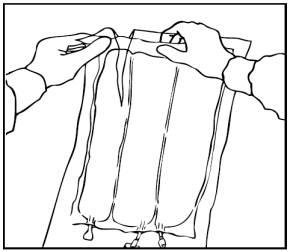
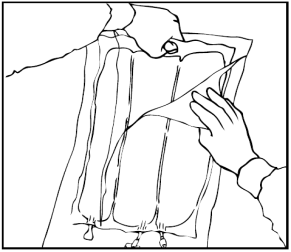
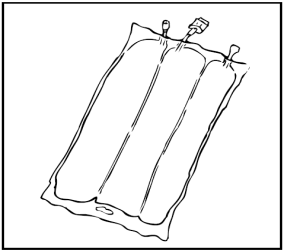
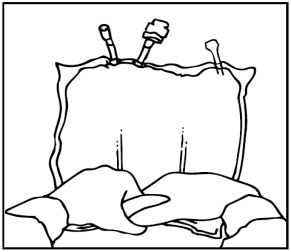
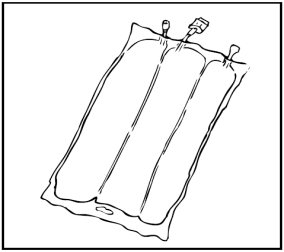
An overview of the various stages of preparation for the administration of OLIMEL
Peripheric N4E is illustrated in Figure 1 .
Opening
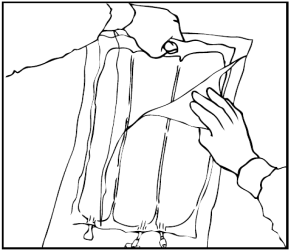
Remove the outer protective wrapper.
Discard the oxygen absorber bag.
Check the integrity of the bag and the non-permanent separation membranes. Use
only if the bag is undamaged, if the non-permanent separation membranes are
intact (i.e. there is no mixing of the contents of the 3 compartments), if the
amino acid solution and the glucose solution are clear, colorless or slightly yellow,
and practically free from visible particles, and if the lipid emulsion is a homogeneous liquid with
a milky appearance.
Mixing of the solutions and the emulsion
Ensure that the product is at room temperature when breaking the non-permanent separation membranes.
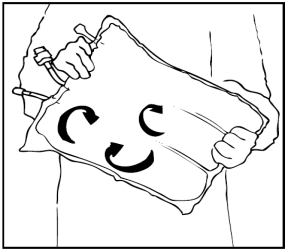
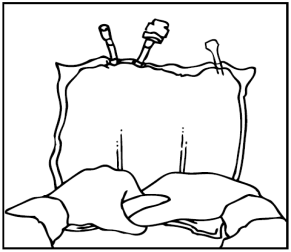
Roll the bag manually on itself, starting from the top (end with loop). The non-permanent
separation membranes will disappear on the side next to the openings. Continue to roll the bag until
the separation membranes are open for about half their length.
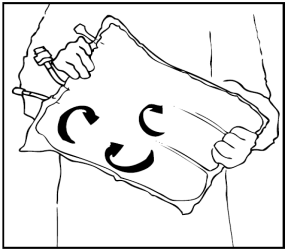
Mix the bag by inverting it at least 3 times.
After reconstitution the mixture is a homogeneous emulsion with a milky appearance.
Additives:
The bag is equipped with sufficient capacity to allow additives, such as vitamins, electrolytes
and trace elements.
Any addition (including vitamins) should be made to the reconstituted mixture (after opening
the non-permanent separation membranes and after mixing the contents of the
three compartments).
Vitamins can also be added to the glucose compartment before the mixture
is reconstituted (before opening the non-permanent separation membranes and before
mixing the three compartments).
When making additions to formulations containing electrolytes, the amount of electrolytes already present in the bag must be considered
Additives must be carried out by qualified personnel under aseptic conditions.

Не уверены, подходит ли вам это лекарство?
Обсудите симптомы и варианты лечения с врачом онлайн.
OLIMEL PERIFERICO N4E can be supplemented with electrolytes, based on the following table:
Value corresponding to the addition of inorganic phosphate
Including the phosphate provided by the lipid emulsion
Trace elements and vitamins:
Stability has been demonstrated with commercially available vitamin and trace element preparations
(containing a maximum of 1 mg of iron).
Compatibility of other additives is available upon request.
When making additions, before peripheral vein administration, measure
the final osmolarity of the mixture.
To make an addition:
- the operation must take place under aseptic conditions.
- Prepare the injection site of the bag.
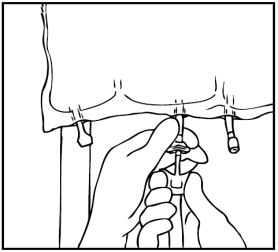
- Puncture the injection site and inject the additives using an injection needle or a reconstitution device.
- Mix the contents of the bag and the additions.
Infusion preparation
The operation must take place under aseptic conditions.
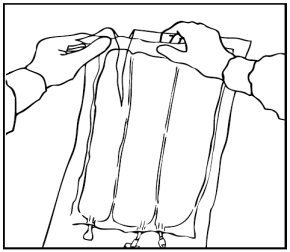
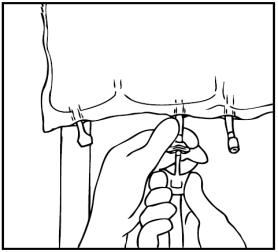
Suspend the bag.
Remove the plastic protection from the administration port.
Firmly insert the infusion set spike into the administration port.
| Per 1,000 mL | |||
| Level included | Further addition maximum | m Maximum total level | |
| Sodium | 21 mmol | 129 mmol | r 150 mmol |
| Potassium | 16 mmol | 134 mmol | a 150 mmol |
| Magnesium | 2.2 mmol | 3.4 mmol | 5.6 mmol |
| Calcium | 2.0 mmol | F 3.0 (1.5(a)) mmol | 5.0 (3.5(a)) mmol |
| Inorganic phosphate | 0 mmol | 8.0 mmol | 8.0 mmol |
| Organic phosphate | 8.5 mmol
| l e 15.0 mmol | 23.5 mmol (b) |
1 2 3
4 5 6
Administration
For single use only.
Administer the product only after breaking the non-permanent separation membranes between the 3 compartments and mixing the contents of the 3 compartments.
Ensure that the final emulsion for infusion does not show evidence of phase separation.
After opening the bag, the contents must be used immediately. Never store
the open bag for a subsequent infusion.
Do not reconnect any partially used bags.
Do not connect the bags in series to avoid the possibility of gas embolism due to gas
contained in the main bag.
Dispose of any unused product, any derived waste, and all necessary devices.
Extravasation
The catheter site must be checked regularly for possible signs of
extravasation.
In case of extravasation, administration must be stopped immediately
while keeping the catheter or cannula inserted for immediate patient treatment. If
possible, perform an aspiration through the inserted catheter or cannula to reduce the
amount of fluid present in the tissues before removing the catheter or cannula. If the
extravasation affects a limb, it should be elevated.
Depending on the extravasated product (including one or more products mixed with OLIMEL
Periferico N4E, if applicable) and the extent or degree of a possible lesion, appropriate specific measures must be taken. Treatment options may include
non-pharmacological, pharmacological and/or surgical intervention. In case of large-scale
extravasation, consult a plastic surgeon within the first 72 hours.
The extravasation site should be monitored at least every 4 hours during the first 24
hours, then once a day.
The infusion should not be restarted in the same peripheral or central vein.
OLIMEL
N5E, Emulsion for Infusion
Read this leaflet carefully before you are given this medicine as it contains important information for you.
- Keep this leaflet. You may need to read it again.
- If you have any questions, ask your doctor or nurse.
- If any side effects occur, including any not listed in this leaflet, tell your doctor or nurse. See section 4.
Contents of this leaflet:
- 7. What OLIMEL N5E emulsion for infusion is and what it is used for
- 8. What you need to know before you are given OLIMEL N5E emulsion for infusion
- 9. How to use OLIMEL N5E, emulsion for infusion
- 10. Possible side effects
- 11. How to store OLIMEL N5E emulsion for infusion
- 12. Contents of the pack and other information
1. What is OLIMEL N5E, emulsion for infusion and what is it used for
OLIMEL N5E is an emulsion for infusion. It is presented in the form of a 3-compartment bag.
One compartment contains a glucose solution with calcium, the second a lipid emulsion and the
third a solution of amino acids with other electrolytes.
OLIMEL N5E is used to provide nutrition to adults and children over two years of age through
a tube into a vein, when normal oral feeding is not suitable.
OLIMEL N5E must be used exclusively under medical supervision.
2. What you need to know before you are given OLIMEL N5E emulsion for infusion
OLIMEL N5E, emulsion for infusion must not be used:
- In premature newborns, infants and children under 2 years of age
- If you are hypersensitive (allergic) to egg proteins, soy seeds, peanuts or corn/corn-derived products (see also the “Warnings and precautions” section below), or to any of the excipients.
- If the use of certain amino acids causes problems for your body.
- If you have particularly high levels of fats in your blood.
- If you suffer from hyperglycemia (too much sugar in the blood)
- If you have an abnormally high concentration of any of the electrolytes (sodium, potassium, magnesium, calcium and/or phosphorus) in your blood.
In all cases, your doctor will decide whether you should receive this medicine based on factors such as age, weight and medical condition, together with the results of tests performed.
Warnings and precautions
Consult your doctor or nurse before you are given OLIMEL N5E.
If total parenteral nutrition solutions are administered to you too quickly, this can cause injury or death.
The infusion must be stopped immediately if you develop signs or symptoms of an abnormal allergic reaction (such as sweating, fever, chills, headache, skin rash or difficulty breathing). This medicine contains soybean oil and egg phospholipids. Soy seeds and egg proteins can cause hypersensitivity reactions. Allergic cross-reactions between soy and peanut proteins have been observed.
Olimel N5E contains glucose derived from corn which may cause hypersensitivity reactions if you are allergic to corn or products derived from corn (see section “OLIMEL N5E, emulsion for infusion must not be used” above)
Difficulty breathing may also be a sign that small particles have formed, blocking blood vessels in the lungs (pulmonary vascular precipitates). If you experience difficulty breathing, report it to your doctor or nurse, who will decide what actions to take.
The antibiotic called ceftriaxone must not be mixed or administered simultaneously with any solution containing calcium (including OLIMEL N5E) that is administered to you via an intravenous drip.
These medicines must not be administered to you even through different infusion lines or different infusion sites.
However, you can take OLIMEL N5E and ceftriaxone in sequence, one after the other, if infusion lines in different sites are used or if the infusion lines are replaced or thoroughly washed with saline solution between infusions to avoid the formation of precipitates (calcium-ceftriaxone salt particles).
Some medicines and diseases can increase the risk of developing infection or sepsis (bacteria in the blood). There is a particular risk of infection or sepsis when a tube (central venous catheter) is inserted into a vein. Your doctor will carefully monitor you for any signs of infection. Patients who require parenteral nutrition (nutrition through a tube placed in a vein) may be at greater risk of developing infections from their medical conditions. The use of aseptic techniques (germ-free) during catheter placement and maintenance and during the preparation of the nutritional formula (total parenteral nutrition) can reduce this risk.
If you are severely malnourished, to the point of receiving nutrition intravenously, your doctor must start treatment slowly. In addition, the doctor must carefully monitor you to prevent sudden changes in your fluid levels, vitamins, electrolytes and minerals.
The balance of water and salt in your body and metabolic disorders will be corrected before starting the infusion. The doctor will monitor your condition while you receive this medicine and may adjust the dose or give you additional nutrients, such as vitamins, electrolytes and trace elements, if they deem it necessary.
The doctor must be informed in case of:
- severe kidney problem. You must inform the doctor if you are on dialysis (artificial kidney) or if you are undergoing another blood purification treatment;
- severe liver problem;
- blood clotting problem;
- inadequate functioning of the adrenal glands (adrenal insufficiency), which are triangular-shaped glands located above the kidneys;
- heart failure;
- lung disease;
- water accumulation in the body (hyperhydration);
- insufficient water in the body (dehydration);
- untreated high blood sugar levels (diabetes mellitus);
- heart attack or stroke secondary to sudden heart failure;
- severe metabolic acidosis (when the blood is too acidic);
- generalized infection (septicemia);
- coma.
To verify the effectiveness and overall safety of administration, your doctor will perform clinical and laboratory tests while you receive this medicine. If this medicine is provided to you for several weeks, your blood will be monitored regularly.
The reduced ability of the body to remove the fats contained in this medicine can cause a “fat overload syndrome” (see section 4 - Possible side effects).
If you experience pain, burning or swelling at the infusion site or leakage of the infusion solution during the infusion, inform your doctor or nurse. The administration will be stopped immediately and restarted in another vein.
If the blood sugar level becomes too high, the doctor will adjust the flow rate of OLIMEL N5E or give you a medicine to control the blood sugar level (insulin).
OLIMEL N5E can only be administered to you through a tube (catheter) into a large vein in the chest (central vein).
Children and adolescents
If the patient is under 18 years of age, particular attention will be paid to providing the correct dosage. Greater precautions will also be taken for the increased sensitivity of children to the risk of infection. Vitamin and trace element supplementation is always required.
Other medicines andOLIMEL N5E
Tell your doctor if you are taking or using, have recently taken or used, or might take or use any other medicine.
The simultaneous assimilation of other medicines is generally not a contraindication. If you are taking other medicines, with or without a prescription, inform your doctor in advance to verify their compatibility.
OLIMEL N5E must not be administered simultaneously with blood through the same infusion set.
OLIMEL N5E contains calcium. It must not be administered together with the antibiotic ceftriaxone or through the same tube, because particles can form. If you use the same device to administer these medicines in succession, the device must be thoroughly washed.
Due to the risk of precipitation, OLIMEL N5E must not be administered through the same infusion line or mixed with the antibiotic ampicillin or the antiepileptic phenytoin.
The olive and soybean oils in OLIMEL N5E contain vitamin K. This vitamin generally does not affect blood-thinning medicines (anticoagulants), such as coumarin. However, inform your doctor if you are taking anticoagulant medicines.
The lipids contained in this emulsion can interfere with the results of some laboratory tests if the blood sample is taken before the lipids have been eliminated from your blood (which are usually eliminated after a period of 5 or 6 hours without receiving them).
OLIMEL N5E contains potassium. Exercise particular caution with patients taking diuretics, ACE inhibitors, angiotensin II receptor antagonists (medicines for treating high blood pressure) or immunosuppressants. These types of medicines can increase potassium levels in the blood.
Pregnancy, breastfeeding and fertility
If you are pregnant, suspect you are pregnant or are planning a pregnancy, or if you are breastfeeding with breast milk, ask your doctor for advice before taking this medicine.
OLIMEL N5E can be considered during pregnancy and breastfeeding if necessary
Driving and operating machinery
Not relevant
3. How to use OLIMEL N5E, emulsion for infusion
Dosage
OLIMEL N5E must only be administered to adults and children over two years of age.
This is an emulsion for infusion, to be administered via a tube (catheter) into a vein in your
chest.
OLIMEL N5E must be at room temperature before use.
OLIMEL N5E is for single use only.
The infusion of 1 bag usually lasts between 12 and 24 hours
Dosage - adults
The doctor will specify a flow rate corresponding to your needs and clinical condition.
The prescription may continue for as long as required, according to your clinical condition.
Dosage - children over two years of age and adolescents
The doctor will decide the dose and for how long the medicine will be administered. This will depend
on age, weight, height, medical conditions and the body's ability to break down and use the
components of OLIMEL N5E.
If you have been given more OLIMEL N5E, emulsion for infusion, than you should
If the dose given is too high or the infusion is too fast, the amino acid content may make your
blood too acidic and symptoms of hypervolemia (increased blood volume) may occur. Blood and urine glucose levels may increase and a
hyperosmolar syndrome (excessive blood viscosity) may develop, and the lipid content may increase the
level of triglycerides in your blood. Receiving an infusion that is too fast or a volume of
OLIMEL N5E that is too large can cause nausea, vomiting, chills, headache, hot flashes,
excessive sweating (hyperhidrosis) and electrolyte disturbances. In such situations the infusion must be
stopped immediately.
In some severe cases, the doctor may temporarily subject you to renal dialysis to help your kidneys
eliminate the excess product.
To prevent such events from happening, the doctor will regularly check your condition and test
your blood parameters.
If you have any doubts about the use of OLIMEL N5E, consult your doctor.
4. Possible side effects
Like all medicines, this medicine can cause side effects, although not everyone gets them.
If you notice any changes in how you feel during or after treatment, tell your doctor or nurse
promptly.
The tests your doctor will perform while you are taking the medicine reduce the risk of side
effects.
The infusion will be stopped immediately if signs or symptoms of an abnormal allergic reaction develop, such as sweating, fever, chills, headache, skin rash or difficulty in
breathing.
With OLIMEL N5E the following side effects have been reported:
Frequency-Common: may affect up to 1 in 10 people
- Fast heart rate (tachycardia).
- Decreased appetite.
- Increased levels of fats in the blood (hypertriglyceridemia).
- Abdominal pain.
- Diarrhea.
- Nausea.
- Increased blood pressure (hypertension).
Frequency - Not known: frequency cannot be estimated based on available data
- Leakage of the infusion into the surrounding tissue (extravasation) which can cause pain, irritation, swelling/edema, redness (erythema)/heat, death of tissue cells (skin necrosis) or blisters/vesicles, inflammation, thickening or constriction of the skin at the infusion site.
The following side effects have been reported with similar parenteral nutrition products:
Frequency- Very rare: may affect up to 1 in 10,000 people
- Reduced ability to remove lipids (fat overload syndrome) associated with a sudden and sharp deterioration in the patient's medical condition. The following symptoms of fat overload syndrome are usually reversible after stopping the infusion of the lipid emulsion:
- Fever
- Reduced red blood cells which can make the skin pale and cause weakness or shortness of breath (anemia).
- Low white blood cell count, which can increase the risk of infection (leukopenia)
- Low platelet count, which can increase the risk of bruising and/or bleeding (thrombocytopenia)
- Blood clotting disorders that impair the blood's ability to clot
- High levels of fats in the blood (hyperlipidemia)
- Fatty infiltration of the liver (hepatomegaly)
- Worsening of liver function
- Manifestations affecting the central nervous system (e.g., coma).
Frequency - Not known: frequency cannot be estimated based on available data
- Allergic reactions.
- Abnormal blood test results for liver function.
- Problems with bile drainage (cholestasis)
- Increased liver size (hepatomegaly).
- Jaundice (icterus).
- Reduced number of platelets (thrombocytopenia).
- Increased levels of nitrogen in the blood (azotemia).
- Elevated liver enzymes
- Formation of small particles that can cause blockage of blood vessels in the lungs (pulmonary vascular precipitates) and cause pulmonary embolism and breathing difficulties (respiratory distress).
Reporting of side effects
If you get any side effects, even those not listed in this leaflet, tell your
doctor or pharmacist. You can also report side effects directly through the
national reporting system at: http://www.agenziafarmaco.gov.it/content/come-
segnalare-una-sospetta-reazione-avversa. By reporting side effects you can help
provide more information on the safety of this medicine.
5. How to store OLIMEL N5E, emulsion for infusion
Keep this medicine out of sight and reach of children.
Do not use this medicine after the expiry date which is stated on the container and on the
outer packaging (MM/YYYY). The expiry date refers to the last day of the month.
Do not freeze.
Store in the outer packaging.
Do not dispose of any medicine in wastewater or household waste. Ask your pharmacist how to
dispose of medicines you no longer use. This will help protect the environment.
6. Contents of the pack and other information
What OLIMEL N5E, emulsion for infusion contains
The active substancesof each bag of the reconstituted emulsion are a solution of L-amino acids at
8.2%(corresponding to 8.2 g/100 mL) (alanine, arginine, glycine, histidine, isoleucine, leucine, lysine
(as lysine acetate), methionine, phenylalanine, proline, serine, threonine, tryptophan, tyrosine, valine,
aspartic acid, glutamic acid) with electrolytes (sodium, potassium, magnesium, phosphate, acetate,
chloride), an emulsion of lipids at20%(corresponding to 20.0 g/100 mL) (purified olive oil and
purified soybean oil) and a solution of glucose at 28.75%(corresponding to 28.75 g/100 mL)
(as glucose monohydrate) with calcium.
The excipients are:
Compartment
Lipid emulsion
Compartment
Amino acid solution
Compartment
Glucose solution
Hydrochloric acid (for
pH adjustment),
water for injections
Appearance of OLIMEL N5E, emulsion for infusion and contents of the pack
OLIMEL N5E is an emulsion for infusion packaged in a three-compartment bag. One
compartment contains a lipid emulsion, another compartment an amino acid solution with
electrolytes and the third compartment a glucose solution with calcium. These
compartments are separated by non-permanent membranes. Before administration, the
contents of the compartments must be mixed by rolling the bag on itself starting
from the top until the membranes open.
Appearance before reconstitution:
Purified egg phosphatide, glycerol,
sodium oleate, sodium hydroxide (for
pH adjustment), water for
injections
Glacial acetic acid (for
pH adjustment), water
for injections
The amino acid and glucose solutions are clear, clear colorless or slightly yellow.
The lipid emulsion is homogeneous with a milky appearance.
Appearance after reconstitution: homogeneous emulsion with a milky appearance
The 3-compartment bag is a multi-layer plastic bag. The material of the inner (contact) layer of the bag is designed to be compatible with the constituents and authorized additives.
To prevent contact with atmospheric oxygen, the bag is packaged in an outer barrier packaging with
oxygen barrier, which contains an oxygen absorber sachet.
Pack sizes:
1,500 mL bag: 1 box with 4 bags
2,000 mL bag: 1 box with 4 bags
2,500 mL bag: 1 box with 2 bags
1 bag of 1,500 mL, 2,000 mL and 2,500 mL
Not all pack sizes may be marketed.
Marketing Authorisation Holder
Baxter S.p.A.
Piazzale dell’Industria 20
00144 Rome
Italy
Manufacturer:
Baxter S.A.,
Boulevard René Branquart, 80,
7860 Lessines
Belgium
This medicinal product is authorised in the member states of the European Economic Community with the following
names:
France, Portugal, Estonia, Poland, Lithuania, Bulgaria, Romania, Latvia, Czech Republic, Belgium,
Spain, Slovak Republic, Netherlands, Luxembourg, Slovenia, Italy, Denmark, Iceland, Sweden,
Norway, Finland, Greece, Cyprus: OLIMEL N5E
Austria: ZentroOLIMEL 3,3 % mit Elektrolyten >
Germany: Olimel 3,3% E
United Kingdom, Ireland, Malta: Triomel 5g/L nitrogen 990 kcal/L with electrolytes
Hungary: Olimel 5 g/L nitrogén elektrolitokkal emulziós infúzió
--------------------------------------------------------------------------------------------------------------
The following information is intended exclusively for physicians or healthcare professionals:
Pharmacotherapeutic category: Solutions for parenteral nutrition/combinations
ATC code: B05 BA10
- C.QUALITATIVE AND QUANTITATIVE COMPOSITION
OLIMEL N5E is presented as a 3-compartment bag.
Each bag contains a glucose solution with calcium, a lipid emulsion and an amino acid solution with other electrolytes:
Content per bag
1.500 mL 2.000 mL 2.500 mL
Glucose 28.75% solution
(corresponding to 28.75 g/100 mL)
600 mL 800 mL 1.000 mL
Amino acid 8.2% solution
(corresponding to 8.2 g/100 mL)
600 mL 800 mL 1.000 mL
20% Lipid emulsion
(corresponding to 20 g/100 mL)
300 mL 400 mL 500 mL
Composition of the reconstituted emulsion after mixing the contents of the three compartments:
Active ingredients1.500 mL2.000 mL2.500 mL
Purified olive oil + purified soybean oil 60.00 g 80.00 g 100.00 g
Alanine 7.14 g 9.52 g 11.90 g
Arginine 4.84 g 6.45 g 8.06 g
Aspartic acid 1.43 g 1.90 g 2.38 g
Glutamic acid 2.47 g 3.29 g 4.11 g
Glycine 3.42 g 4.56 g 5.70 g
Histidine 2.95 g 3.93 g 4.91 g
Isoleucine 2.47 g 3.29 g 4.11 g
Leucine 3.42 g 4.56 g 5.70 g
Lysine
(equivalent to lysine acetate)
6.47 g
(9.13g)
Methionine 2.47 g 3.29 g 4.11 g
Phenylalanine 3.42 g 4.56 g 5.70 g
Proline 2.95 g 3.93 g 4.91 g
Serine 1.95 g 2.60 g 3.25 g
Threonine 2.47 g 3.29 g 4.11 g
Tryptophan 0.82 g 1.10 g 1.37 g
Tyrosine 0.13 g 0.17 g 0.21 g
Valine 3.16 g 4.21 g 5.26 g
Sodium acetate, trihydrate 2.24 g 2.99 g 3.74 g
Sodium glycerophosphate hydrate 5.51 g 7.34 g 9.18 g
Potassium chloride 3.35 g 4.47 g 5.59 g
Magnesium chloride, hexahydrate 1.22 g 1.62 g 2.03 g
Calcium chloride, dihydrate 0.77 g 1.03 g 1.29 g
Anhydrous glucose
(equivalent to glucose monohydrate)
3.88 g
(5.48g)
5.18 g
(7.30g)
172.50 g
(189.75 g)
230.00 g
(253.00 g)
287.50 g
(316.25g)
A mixture of purified olive oil (approximately 80%) and purified soybean oil (approximately 20%) corresponding
to an essential fatty acids / total fatty acids ratio of 20%.
The excipients are:
Compartment
Lipid emulsion
Compartment
Amino acid solution
Compartment
Glucose solution
Hydrochloric acid (for
pH adjustment),
water for injections
Nutritional contribution of the reconstituted emulsion for each pouch size
Purified egg phospholipid, glycerol,
sodium oleate, sodium hydroxide (for
pH adjustment), water for
injections
Glacial acetic acid (for
pH adjustment), water
for injections
| e |
|
|
|
| Lipids | 60 g | 80 g | 100 g |
| g Amino acids | 49.4 g | 65.8 g | 82.3 g |
| Nitrogen | 7.8 g | 10.4 g | 13.0 g |
| A Glucose | 172.5 g | 230.0 g | 287.5 g |
| Energy: Total calories approx. Non-protein calories. Glucose calories | 1490 kcal 1290 kcal 690 kcal | 1980 kcal 1720 kcal 920 kcal | 2480 kcal 2150 kcal 1150 kcal |
Includes calories from purified egg phospholipids
Includes phosphate provided by the lipid emulsion
- D. DOSAGE AND ADMINISTRATION
Dosage
The use of OLIMEL N5E is not recommended in children under 2 years of age due to the inadequate composition
and volume (see sections 4.4, 5.1 and 5.2 of the SmPC).
Do not exceed the maximum daily dose reported below. Due to the static composition
of the multi-compartment pouch, it may not be possible to simultaneously meet
all of the patient's nutritional needs. Clinical situations may occur in which patients
require varying amounts of nutrients compared to the composition of the static pouch. In such
situations, any adjustment of the volume (dose) must take into consideration the effect
resulting from this on the dosage of all other nutrients in OLIMEL N5E. For example, the
pediatric patients may have a requirement greater than 0.2 mmol/kg/day of phosphate. In these
circumstances, healthcare professionals may consider adjusting the volume
(dose) of OLIMEL N5E in order to meet this increased need.
In adults:
The dosage depends on energy expenditure, clinical status, body weight and the patient's ability to
metabolize the constituents of OLIMEL N5E, as well as the additional energy or protein provided orally/enterally, therefore the pouch sizes must be chosen
accordingly.
Average daily requirements are:
- 0.16-0.35 g nitrogen/kg body weight (1-2 g amino acids/kg), depending on the patient's nutritional status and the degree of catabolic stress,
- 20-40 kcal/kg,
- 20-40 mL fluids /kg or 1-1.5 mL per kcal spent.
For OLIMEL N5E the maximum daily dose is defined by the fluid intake, 40 mL/kg,
corresponding to 1.3 g/kg amino acids, 4.6 g/kg glucose, 1.6 g/kg lipids, 1.4 mmol/kg sodium and 1.2
mmol/kg potassium. For a 70 kg patient this would be equivalent to 2800 mL of OLIMEL N5E per
day, which translates to an intake of 92g amino acids, 322 g glucose and 112 g lipids, (i.e. 2,408
non-protein kcal and 2,772 total kcal).
| Lipid calories.(a) Non-protein calories/nitrogen ratio Glucose calories/lipids ratio Lipid calories/total | 600 kcal 165 kcal/g 53/47 40% | 800 kcal 165 kcal/g 53/47 40% | 1000 kcal o 165 kcal/g 53/47 40% |
| Electrolytes: sodium potassium magnesium calcium phosphate (b) acetate chloride | 52.5 mmol 45.0 mmol 6.0 mmol 5.3 mmol 22.5 mmol 55 mmol 68 mmol | 70.0 mmol 60.0 mmol 8.0 mmol 7.0 mmol r 30.0 mmol 73 mmol 90 mmol | c a 87.5 mmol m 75.0 mmol 10.0 mmol 8.8 mmol 37.5 mmol 91 mmol 113 mmol |
| pH. | 6.4 | a 6.4 | 6.4 |
| Osmolarity. |
|
|
|
Normally, the flow rate should be increased gradually during the first hour
then it must be adjusted to take into account the dose to be administered, the volumes to be taken
daily and the duration of the infusion.
For OLIMEL N5E the maximum infusion rate is 2.1 mL/kg/hour, corresponding to 0.07 g/kg/hour
amino acids, 0.24 g/kg/hour glucose and 0.08 g/kg/hour lipids.
In children over two years of age
No studies have been conducted in the pediatric population.
The dosage depends on energy expenditure, clinical status, body weight and the patient's ability to
metabolize the constituents of OLIMEL N5E, as well as additional energy or protein
provided orally/enterally, therefore, the pouch sizes must be chosen accordingly.
In addition, daily fluid, nitrogen and energy needs decrease continuously with age.
2 groups have been considered, age between 2 and 11 years, and age between 12 and 18 years.
For Olimel N5E the limiting factors for the above pediatric groups are the phosphate concentration
for the daily dose (0.2 mmol/kg/day) and the lipid concentration for the rate, resulting in the
following intakes:
| Constituents | From 2 to 11 years | From 12 to 18 years | |||
| Recommendeda | d OLIMEL N5E Max Volume | Recommendeda | OLIMEL N5E Max Volume | ||
| a Maximum daily dose | |||||
| Fluids (mL/kg/d) |
| 13 |
| 13 | |
| Amino acids (g/kg/d) |
| n 0.4 |
| 0.4 | |
| Glucose (g/kg/d) |
| a 1.5 |
| 1.5 | |
| Lipids (g/kg/d) | 0.5 - 3 | 0.5 |
| 0.5 | |
| Total energy (kcal/kg/d) | i l
| 13 |
| 13 | |
| a Maximum hourly rate | |||||
| OLIMEL N5E (mL/kg/h) | 3.3 | 3.3 | |||
| Amino acids(g/kg/h) | t 0.20 | 0.11 | 0.12 | 0.11 | |
| Glucose (g/kg/h) | I 1.2 | 0.38 | 1.2 | 0.38 | |
| Lipids (g/kg/h) | 0.13 | 0.13 | 0.13 | 0.13 | |
a: Values recommended by the 2005 ESPGHAN/ ESPEN Guidelines-
Normally, the flow rate should be increased gradually during the first hour and then
must be adjusted taking into account the dose to be administered, the daily volume
intake and the duration of the infusion.
In general, in young children it is recommended to start the infusion with a low daily dose, and
to increase it gradually up to the maximum dosage (see above).
Method and duration of administration
For single use only.
It is recommended to use the contents immediately after opening the pouch and not
to store it for a subsequent infusion.
After reconstitution, the mixture is homogeneous and has a milky appearance.
For instructions on preparation and handling of the infusion emulsion, see paragraph
- 6.6.
Due to its high osmolarity, OLIMEL N5E can only be administered through a central vein.
The recommended infusion duration for a parenteral nutrition pouch is between 12 and 24 hours.
Treatment with parenteral nutrition may continue for as long as required by the patient's clinical condition.
- E.INCOMPATIBILITIESDo not add any other medicine or substances to any of the constituents of the pouch or to the reconstituted emulsion without first verifying the compatibility and stability of the resulting preparation (in particular the stability of the lipid emulsion).
Incompatibilities may arise, for example, from excessive acidity (low pH) or from an inadequate content of divalent cations (Ca and Mg) which may destabilize the lipid emulsion.
As with any other parenteral nutrition mixture, the calcium/phosphate ratio must be considered. Excessive addition of calcium and phosphate, especially
in the form of mineral salts, can cause the formation of calcium phosphate precipitates.
OLIMEL N5E contains calcium ions which represent a further risk of coagulation in blood or
in anticoagulated or citrate-preserved blood components.
Ceftriaxone must not be mixed or administered concurrently with intravenous solutions
containing calcium, including OLIMEL N5E, through the same infusion line (e.g. via a
Y-connector) due to the risk of ceftriaxone-calcium salt precipitation (see sections
- 4.4 and 4.5 of the SmPC). Ceftriaxone and solutions containing calcium can be administered sequentially one after the other if different infusion lines are used or if the infusion lines have been thoroughly flushed with saline between infusions to avoid the formation of precipitates. Due to the risk of precipitation, Peripheral OLIMEL N5E must not be administered through the same infusion line or mixed with the antibiotic ampicillin or the antiepileptic phenytoin.
Verify compatibility with solutions administered simultaneously through the same
administration set, catheter or cannula.
Do not administer before, concurrently or after a blood transfusion through the same line,
due to the risk of pseudoagglutination.
- F.SPECIAL PRECAUTIONS FOR DISPOSAL AND HANDLINGAn overview of the various stages of preparation for the administration of OLIMEL N5E is illustrated in Figure 1.
Opening
Remove the protective outer wrapper.
Discard the oxygen absorber bag.
Check the integrity of the pouch and the non-permanent separation membranes. Use only if the
pouch is undamaged, if the non-permanent separation membranes are intact (i.e. there is
no mixing of the contents of the 3 compartments), if the amino acid solution and the
glucose solution are clear, colorless or slightly yellow, and practically free of visible particles,
and if the lipid emulsion is a homogeneous liquid with a milky appearance.
Mixing of the solutions and the emulsion
Ensure that the product is at room temperature when breaking the non-permanent
separation membranes.
Roll the pouch manually from top to bottom (end with loop). The
non-permanent separation membranes will disappear on the side next to the openings. Continue
rolling the pouch until the separation membranes are open for about half their
length.
Mix the pouch by inverting it at least 3 times.
After reconstitution the mixture is a homogeneous emulsion with a milky appearance.
Additives:
The pouch is equipped with sufficient capacity to allow for additives, such as vitamins, electrolytes and
trace elements.
Any addition (including vitamins) should be made to the reconstituted mixture (after opening the
non-permanent separation membranes and after mixing the contents of the three
compartments).
Vitamins can also be added to the glucose compartment before the mixture is
reconstituted (before opening the non-permanent separation membranes and before mixing the three compartments).
When making additions to formulations containing electrolytes, the amount of electrolytes already present in the pouch must be considered
Additives must be carried out by qualified personnel under aseptic conditions.
OLIMEL N5E can be supplemented with electrolytes, based on the following table:
Corresponding value for the addition of inorganic phosphate
Including phosphate provided by the lipid emulsion
Trace elements and vitamins:
Stability has been demonstrated with commercially available vitamin and trace element preparations (containing
a maximum of 1 mg of iron).
Compatibility of other additives is available on request.
When making additions, measure the final osmolarity of the mixture before administration into a peripheral vein.
To make an addition:
- the operation must be carried out under aseptic conditions.
- Prepare the injection point of the pouch.
- Puncture the injection point and inject the additives using a needle or a reconstitution device.
- Mix the contents of the pouch and the additives.
Preparation of the infusion
The operation must be carried out under aseptic conditions.
Suspend the pouch.
Remove the plastic protection from the administration port.
Firmly insert the spike of the infusion set into the administration port.
| Per 1,000 mL | ||||||||||||||||||||||||||||||||||||||||||||||||||||||||||||||||||||||||||||||||||||||||||||||||||||||||||||||||||||||||||||||||||||||||||||||||||||||||||||||||||||||||||||||||||||||||||||||||||||||||||||||||||||||||||||||||||||||||||||||||||||||||||||||||||||||||||||||||||||||||||||||||||||||||||||||||||||||||||||||||||||||||||||||||||||||||||||||||||||||||||||||||||||||||||||||||||||||||||||||||||||||||||||||||||||||||||||||||||||||||||||||||||||||||||||||||||||||||||||||||||||||||||||||||||||||||||||||||||||||||||||||||||||||||||||||||||||||||||||||||||||||||||||||||||
| Included level | Further maximum addition | o Maximum total level | ||||||||||||||||||||||||||||||||||||||||||||||||||||||||||||||||||||||||||||||||||||||||||||||||||||||||||||||||||||||||||||||||||||||||||||||||||||||||||||||||||||||||||||||||||||||||||||||||||||||||||||||||||||||||||||||||||||||||||||||||||||||||||||||||||||||||||||||||||||||||||||||||||||||||||||||||||||||||||||||||||||||||||||||||||||||||||||||||||||||||||||||||||||||||||||||||||||||||||||||||||||||||||||||||||||||||||||||||||||||||||||||||||||||||||||||||||||||||||||||||||||||||||||||||||||||||||||||||||||||||||||||||||||||||||||||||||||||||||||||||||||||||||||||||
| sodium | 35 mmol | 115 mmol | 150 mmol | |||||||||||||||||||||||||||||||||||||||||||||||||||||||||||||||||||||||||||||||||||||||||||||||||||||||||||||||||||||||||||||||||||||||||||||||||||||||||||||||||||||||||||||||||||||||||||||||||||||||||||||||||||||||||||||||||||||||||||||||||||||||||||||||||||||||||||||||||||||||||||||||||||||||||||||||||||||||||||||||||||||||||||||||||||||||||||||||||||||||||||||||||||||||||||||||||||||||||||||||||||||||||||||||||||||||||||||||||||||||||||||||||||||||||||||||||||||||||||||||||||||||||||||||||||||||||||||||||||||||||||||||||||||||||||||||||||||||||||||||||||||||||||||||
| potassium | 30 mmol | 120 mmol | c 150 mmol | |||||||||||||||||||||||||||||||||||||||||||||||||||||||||||||||||||||||||||||||||||||||||||||||||||||||||||||||||||||||||||||||||||||||||||||||||||||||||||||||||||||||||||||||||||||||||||||||||||||||||||||||||||||||||||||||||||||||||||||||||||||||||||||||||||||||||||||||||||||||||||||||||||||||||||||||||||||||||||||||||||||||||||||||||||||||||||||||||||||||||||||||||||||||||||||||||||||||||||||||||||||||||||||||||||||||||||||||||||||||||||||||||||||||||||||||||||||||||||||||||||||||||||||||||||||||||||||||||||||||||||||||||||||||||||||||||||||||||||||||||||||||||||||||
      Administration  Уже начали прием и появились вопросы?Обсудите свое состояние и дальнейшие шаги с врачом онлайн. OLIMELN7, Emulsion for infusion Read this leaflet carefully before you are given this medicine as it contains important information for you.
Contents of this leaflet:
1. WHAT IS OLIMEL N7 AND WHAT IS IT USED FOROLIMEL N7 is an emulsion for infusion. It is presented in the form of a 3-compartment bag. 2. What you need to know before you are given OLIMEL N7 emulsion for infusionOLIMEL N7,emulsion for infusion must not be usedin the following cases
In all cases, the doctor will decide whether you should receive this medicine based on factors such as age, Warnings and precautions
To verify the effectiveness and overall safety of administration, the doctor will perform clinical and Children and adolescents Other medicines and OLIMEL N7 Pregnancy, breastfeeding and fertility Driving and using machines 3. How to use OLIMEL N7, emulsion for infusionDosage Dosage - adults Dosage - children over two years of age and adolescents If you have been given more OLIMEL N7, emulsion for infusion than you should 4. Possible side effectsLike all medicines, this medicine, , may cause side effects, although not everyone will experience them. Frequency-Common: may affect up to 1 in 10 people
Frequency - Not known: frequency cannot be estimated based on the available data
The following side effects have been reported with similar parenteral nutrition products: Frequency- Very rare: may affect up to 1 in 10,000 people
Frequency - Not known: frequency cannot be estimated based on the available data
Reporting of side effects 5. How to store OLIMEL N7, emulsion for infusionKeep this medicine out of the sight and reach of children. 6. Contents of the pack and other informationWhat OLIMEL N7, emulsion for infusion contains The excipients are: Appearance of OLIMEL N7, emulsion for infusion and contents of the packs Packs: Marketing Authorisation Holder Manufacturer: This medicinal product is authorised in the member states of the European economic community with the following The following information is intended exclusively for physicians or healthcare professionals:
OLIMEL N7 is presented as a 3-compartment bag. Content per bag mLmL Active ingredients1,000 mL1,500 mL2,000 mL The excipients are:
Includes calories from purified egg phospholipids
Dosage OLIMEL N7. For example, pediatric patients may have a requirement greater than0.2 mmol/kg/day of phosphate. In these circumstances, healthcare professionals may consider adjusting the volume (dose) of OLIMEL N7 in order to meet this increased requirement. In adults:
Normally, the flow rate should be increased gradually during the first hour and then adjusted to account for the dose to be administered, the volumes to be taken daily and the duration of the infusion. In children over two years of age
For single use only.
Due to its high osmolarity, OLIMEL N7 can only be administered through a central vein.
Do not add other medicines or other substances to any of the three constituents of the bag or to the reconstituted emulsion without first verifying the compatibility and stability of the resulting preparation (in particular the stability of the lipid emulsion).
Do not administer before, simultaneously or after a blood transfusion through the same line, due to the risk of pseudoagglutination.
An overview of the various stages of preparation for the administration of OLIMEL N7 is illustrated in Figure 1. Trace elements and vitamins:
Preparation of the infusion
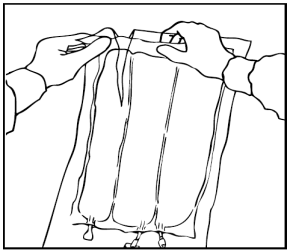 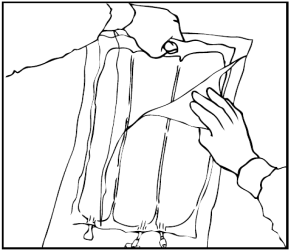 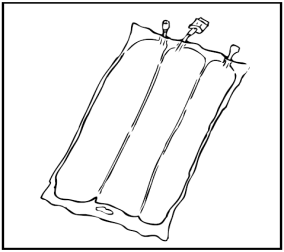 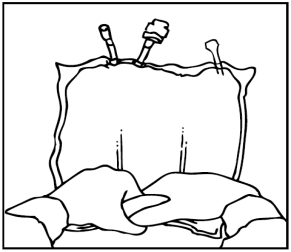 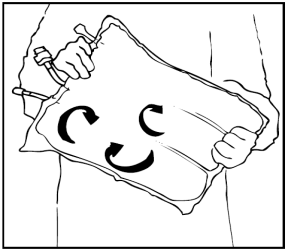 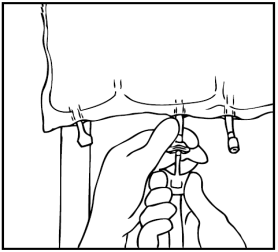 Administration OLIMELN7E, emulsion for infusion Read this leaflet carefully before you are given this medicine as it
Contents of this leaflet:
1. What is OLIMEL N7E, emulsion for infusion and what is it used forOLIMEL is an emulsion for infusion. It is presented in the form of a 3-compartment bag. 2. What you need to know before you are given OLIMEL N7E, emulsion for infusionOLIMEL N7E, emulsion for infusionmust not be used:
In all cases, the doctor will decide whether you should receive this medicine based on factors such as age, Warnings and precautions
To verify the effectiveness and overall safety of administration, the doctor will perform clinical and Children and adolescents Other medicines and OLIMEL N7E Pregnancy, breastfeeding and fertility Driving and using machines 3. How to use OLIMEL N7E, emulsion for infusionDosage Dosage - adults Dosage - children over two years of age and adolescents If you have been given more OLIMEL N7E, emulsion for infusion than you should 4. POSSIBLE SIDE EFFECTSLike all medicines, this medicine can cause side effects, although not everyone will experience them. Frequency-Common: may affect up to 1 in 10 people
The following side effects have been reported with similar parenteral nutrition products: Frequency- Very rare: may affect up to 1 in 10,000 people
Frequency- Not known: frequency cannot be estimated based on available data:
Reporting of side effects 5. How to store OLIMEL N7E emulsion for infusionKeep this medicine out of the sight and reach of children. 6. Package Contents and Other InformationWhat OLIMEL N7E, emulsion for infusion contains The excipients are: Appearance of OLIMEL N7E, emulsion for infusion and contents of the pack Pack sizes: Marketing Authorisation Holder Manufacturer: This medicinal product is authorised in the member states of the European economic community with the following The following information is intended exclusively for physicians or healthcare professionals:
OLIMEL N7E is presented as a 3-compartment bag. Content per bag 1,000 mL 1,500 mL 2,000 mL35% Glucose solution Active ingredients1,000 mL1,500 mL2,000 mL Gli eccipienti sono:
Include calorie da fosfatidi purificati di uovo
Non superare la dose massima giornaliera riportata di seguito. A causa della composizione statica Negli adulti:
Per Olimel N7E la dose quotidiana massima è definita dall'apporto totale calorico, 40 kcal fornite in
Normalmente, la velocità del flusso deve essere aumentata gradualmente durante la prima ora Nei bambini di età superiore a due anni
a: Valori raccomandati dalla Linee Guida 2005 ESPGHAN/ ESPEN
Per la sua alta osmolarità, OLIMEL N7E può essere somministrato solo attraverso una vena centrale.
Le incompatibilità possono derivare, ad esempio, da eccessiva acidità (pH basso) o da contenuto non
Verificare la compatibilità con le soluzioni somministrate contemporaneamente attraverso lo stesso
Una visione di insieme degli vari stadi di preparazione per la somministrazione di OLIMEL N7E viene
Valore corrispondente all'aggiunta del fosfato inorganico Elementi in tracce e vitamine:
Preparation of the infusion 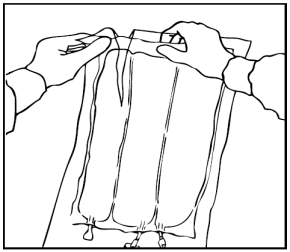 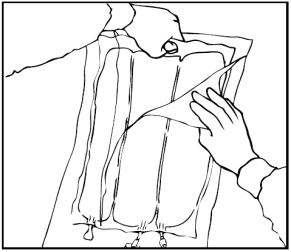 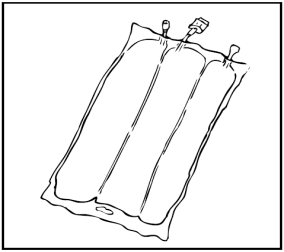 1 2 3 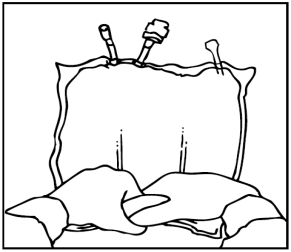 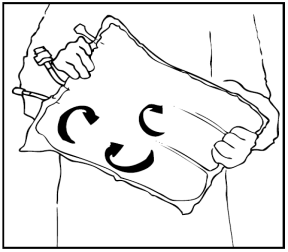 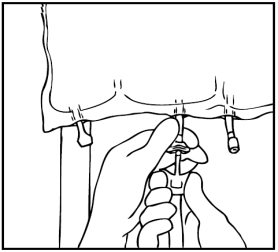 4 5 6 OLIMELN9, emulsion for infusion Read this leaflet carefully before you are given this medicine as it contains important information for you.
Contents of this leaflet:
1. What is OLIMEL N9 emulsion for infusion and what is it used forOLIMEL N9 is an emulsion for infusion. It is presented in the form of a 3-compartment bag. 2. What you need to know before you are given OLIMEL N9 emulsion for infusionOLIMEL N9 emulsion for infusion must not be used in the following cases
In all cases, the doctor will decide whether you should receive this medicine based on factors such as age, Warnings and precautions
To verify the effectiveness and overall safety of administration, the doctor will perform clinical and Children and adolescents Other medicines and OLIMEL N9 Pregnancy, breastfeeding and fertility Driving and using machines 3. How to use OLIMEL N9 emulsion for infusionDosage Dosage - adults Dosage - children over two years of age and adolescents If you have been given more OLIMEL N9, emulsion for infusion than you should 4. Possible side effectsLike all medicines, this medicine can cause side effects, although not everyone gets them. Frequency-Common: may affect up to 1 in 10 people:
The following side effects have been reported with similar parenteral nutrition products: Frequency- Very rare: may affect up to 1 in 10,000 people
Frequency Not known: frequency cannot be estimated based on the available data
Reporting of side effects 5. How to store OLIMEL N9, emulsion for infusionKeep this medicine out of sight and reach of children. 6. Contents of the pack and other informationWhat OLIMEL N9, emulsion for infusion contains The excipients are: Appearance of OLIMEL N9, emulsion for infusion and contents of the pack
Appearance after reconstitution: homogeneous emulsion with a milky appearance Pack sizes: Marketing Authorisation Holder Manufacturer: This medicinal product is authorised in the member states of the European Economic Community with the following The following information is intended exclusively for physicians or healthcare professionals:
Each bag contains a glucose solution, a lipid emulsion and an amino acid solution: Content per bag 1,000 mL 1,500 mL 2,000 mL27.5% Glucose solution Active ingredients1,000 mL1,500 mL2,000 mL Gli eccipienti sono:
Include calorie da fosfatidi purificati di uovo
Non superare la dose massima giornaliera riportata di seguito. A causa della composizione statica Negli adulti:
Per OLIMEL N9 la dose quotidiana massima è definita dall'apporto fluidi degli amminoacidi, 35
Per OLIMEL N9 la velocità d'infusione massima è 1,8 mL/kg/ora, corrispondenti a 0,10 g/kg/ora Nei bambini di età superiore a due anni
a: Valori raccomandati dalla Linee Guida 2005 ESPGHAN/ ESPEN
Per la sua alta osmolarità, OLIMEL N9 può essere somministrato solo attraverso una vena centrale.
Le incompatibilità possono derivare, ad esempio, da eccessiva acidità (pH basso) o da contenuto non
Apertura
Valore corrispondente all'aggiunta del fosfato inorganico Elementi in tracce e vitamine:
Preparazione dell'infusione 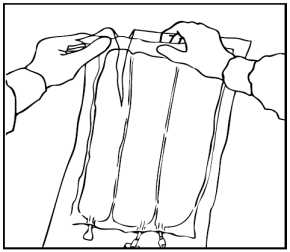 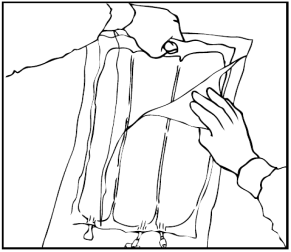 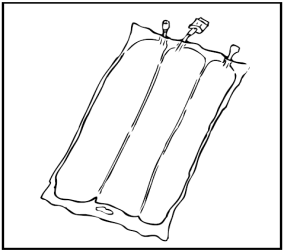 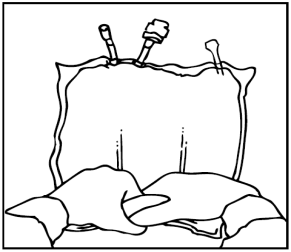 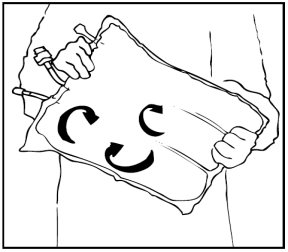 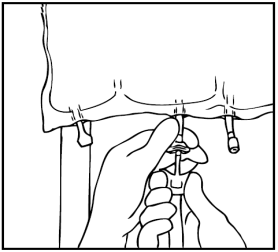 Somministrazione OLIMELN9E emulsion for infusion Read this leaflet carefully before you are given this medicine as it
Contents of this leaflet:
1. What is OLIMEL N9E emulsion for infusion and what is it used forOLIMEL N9E is an emulsion for infusion. It is presented in the form of a 3-compartment bag. 2. What you need to know before you are given OLIMEL N9E emulsion for infusionOLIMEL N9E emulsion for infusion must not be used in the following cases
In all cases, your doctor will decide whether you should receive this medicine based on factors such as age, weight and medical condition, along with the results of tests performed. Warnings and precautions
To verify the effectiveness and overall safety of administration, the doctor will perform clinical and laboratory tests while you receive this medicine. If this medicine is administered to you for several weeks, your blood will be monitored regularly. Children and adolescents Other medicines andOLIMEL N9E Pregnancy, breastfeeding and fertility Driving and operating machinery 3. How to use OLIMEL N9E emulsion for infusionDosage Dosage - adults Dosage - children over two years of age and adolescents If you have been given more OLIMEL N9E emulsion for infusion than you should 4. Possible side effectsLike all medicines, this medicine can cause side effects, although not everyone gets them. Frequency-Common: may affect up to 1 in 10 people
Frequency - Not known: frequency cannot be estimated based on the available data
The following side effects have been reported with similar parenteral nutrition products: Frequency- Very rare: may affect up to 1 in 10,000 people
Frequencynot known: frequency cannot be estimated based on the available data
Reporting of side effects 5. How to store OLIMEL N9E emulsion for infusionKeep this medicine out of sight and reach of children. 6. Contents of the pack and other informationWhat OLIMEL N9E, emulsion for infusion contains The excipients are: Appearance of OLIMEL N9E, emulsion for infusion and contents of the packs Pack sizes: Marketing Authorisation Holder Manufacturer: This medicinal product is authorised in the member states of the European Economic Community with the following The following information is intended exclusively for physicians or healthcare professionals:
Content per bag 1,000 mL 1,500 mL 2,000 mLGlucose 27.5% solution Active ingredients1,000 mL1,500 mL2,000 mL Gli eccipienti sono:
Posology In adults:
For OLIMEL N9E the maximum daily dose is defined by the amino acid intake, 35 mL/kg, In children over 2 years of age
a: Values recommended by the 2005 ESPGHAN/ ESPEN Guidelines
Due to its high osmolarity, OLIMEL N9E can only be administered through a central vein.
Incompatibilities can arise, for example, from excessive acidity (low pH) or from an inappropriate content of divalent cations (Ca and Mg) which can destabilize the lipid emulsion.
Due to the risk of precipitation, OLIMEL N9E must not be administered through the
An overview of the various stages of preparation for the administration of OLIMEL N9E is Trace elements and vitamins:
Preparation of the infusion | ||||||||||||||||||||||||||||||||||||||||||||||||||||||||||||||||||||||||||||||||||||||||||||||||||||||||||||||||||||||||||||||||||||||||||||||||||||||||||||||||||||||||||||||||||||||||||||||||||||||||||||||||||||||||||||||||||||||||||||||||||||||||||||||||||||||||||||||||||||||||||||||||||||||||||||||||||||||||||||||||||||||||||||||||||||||||||||||||||||||||||||||||||||||||||||||||||||||||||||||||||||||||||||||||||||||||||||||||||||||||||||||||||||||||||||||||||||||||||||||||||||||||||||||||||||||||||||||||||||||||||||||||||||||||||||||||||||||||||||||||||||||||||||||||||
| sodium | 35 mmol | 115 mmol | c 150 mmol | |||||||||||||||||||||||||||||||||||||||||||||||||||||||||||||||||||||||||||||||||||||||||||||||||||||||||||||||||||||||||||||||||||||||||||||||||||||||||||||||||||||||||||||||||||||||||||||||||||||||||||||||||||||||||||||||||||||||||||||||||||||||||||||||||||||||||||||||||||||||||||||||||||||||||||||||||||||||||||||||||||||||||||||||||||||||||||||||||||||||||||||||||||||||||||||||||||||||||||||||||||||||||||||||||||||||||||||||||||||||||||||||||||||||||||||||||||||||||||||||||||||||||||||||||||||||||||||||||||||||||||||||||||||||||||||||||||||||||||||||||||||||||||||||
| potassium | 30 mmol | 120 mmol | 150 mmol | |||||||||||||||||||||||||||||||||||||||||||||||||||||||||||||||||||||||||||||||||||||||||||||||||||||||||||||||||||||||||||||||||||||||||||||||||||||||||||||||||||||||||||||||||||||||||||||||||||||||||||||||||||||||||||||||||||||||||||||||||||||||||||||||||||||||||||||||||||||||||||||||||||||||||||||||||||||||||||||||||||||||||||||||||||||||||||||||||||||||||||||||||||||||||||||||||||||||||||||||||||||||||||||||||||||||||||||||||||||||||||||||||||||||||||||||||||||||||||||||||||||||||||||||||||||||||||||||||||||||||||||||||||||||||||||||||||||||||||||||||||||||||||||||
| magnesium | 4.0 mmol | 1.6 mmol | a 5.6 mmol | |||||||||||||||||||||||||||||||||||||||||||||||||||||||||||||||||||||||||||||||||||||||||||||||||||||||||||||||||||||||||||||||||||||||||||||||||||||||||||||||||||||||||||||||||||||||||||||||||||||||||||||||||||||||||||||||||||||||||||||||||||||||||||||||||||||||||||||||||||||||||||||||||||||||||||||||||||||||||||||||||||||||||||||||||||||||||||||||||||||||||||||||||||||||||||||||||||||||||||||||||||||||||||||||||||||||||||||||||||||||||||||||||||||||||||||||||||||||||||||||||||||||||||||||||||||||||||||||||||||||||||||||||||||||||||||||||||||||||||||||||||||||||||||||
| calcium | 3.5 mmol | 1.5 (0.0(a)) mmol | 5.0 (3.5(a)) mmol | |||||||||||||||||||||||||||||||||||||||||||||||||||||||||||||||||||||||||||||||||||||||||||||||||||||||||||||||||||||||||||||||||||||||||||||||||||||||||||||||||||||||||||||||||||||||||||||||||||||||||||||||||||||||||||||||||||||||||||||||||||||||||||||||||||||||||||||||||||||||||||||||||||||||||||||||||||||||||||||||||||||||||||||||||||||||||||||||||||||||||||||||||||||||||||||||||||||||||||||||||||||||||||||||||||||||||||||||||||||||||||||||||||||||||||||||||||||||||||||||||||||||||||||||||||||||||||||||||||||||||||||||||||||||||||||||||||||||||||||||||||||||||||||||
| Inorganic phosphate | 0 mmol | 3.0 mmol | m 3.0 mmol | |||||||||||||||||||||||||||||||||||||||||||||||||||||||||||||||||||||||||||||||||||||||||||||||||||||||||||||||||||||||||||||||||||||||||||||||||||||||||||||||||||||||||||||||||||||||||||||||||||||||||||||||||||||||||||||||||||||||||||||||||||||||||||||||||||||||||||||||||||||||||||||||||||||||||||||||||||||||||||||||||||||||||||||||||||||||||||||||||||||||||||||||||||||||||||||||||||||||||||||||||||||||||||||||||||||||||||||||||||||||||||||||||||||||||||||||||||||||||||||||||||||||||||||||||||||||||||||||||||||||||||||||||||||||||||||||||||||||||||||||||||||||||||||||
| Organic phosphate | 15 mmol ( b) | 10 mmol | 25 mmol ( b) | |||||||||||||||||||||||||||||||||||||||||||||||||||||||||||||||||||||||||||||||||||||||||||||||||||||||||||||||||||||||||||||||||||||||||||||||||||||||||||||||||||||||||||||||||||||||||||||||||||||||||||||||||||||||||||||||||||||||||||||||||||||||||||||||||||||||||||||||||||||||||||||||||||||||||||||||||||||||||||||||||||||||||||||||||||||||||||||||||||||||||||||||||||||||||||||||||||||||||||||||||||||||||||||||||||||||||||||||||||||||||||||||||||||||||||||||||||||||||||||||||||||||||||||||||||||||||||||||||||||||||||||||||||||||||||||||||||||||||||||||||||||||||||||||
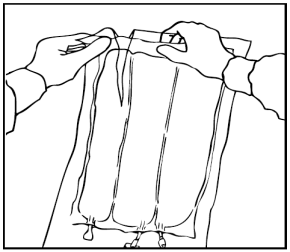
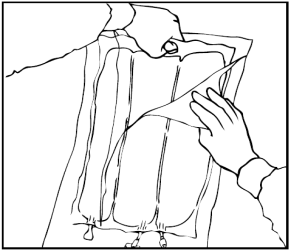
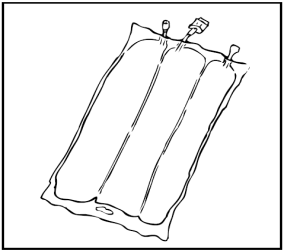
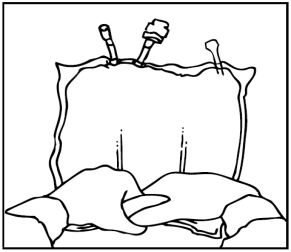
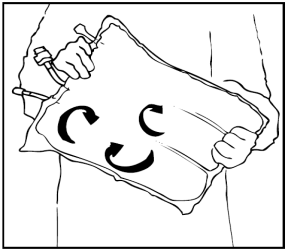
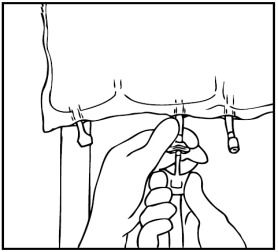
Administration
For single use only.
Administer the product only after breaking the non-permanent separation membranes between the 3
compartments and mixing the contents of the 3 compartments.
Ensure that the final emulsion for infusion does not show evidence of phase separation.
After opening the bag, the contents must be used immediately. Never store the bag
open for a subsequent infusion.
Do not reconnect any partially used bags.
Do not connect the bags in series to avoid the possibility of gas embolism due to gas
contained in the main bag.
Dispose of any unused product, any waste derived from it, and all necessary devices.
Extravasation
The catheter site must be checked regularly for possible signs of extravasation.
In case of extravasation, administration must be stopped immediately while maintaining the
catheter or cannula inserted for immediate patient treatment. If possible, perform
an aspiration through the inserted catheter or cannula to reduce the amount of liquid present
in the tissues before removing the catheter or cannula.
Depending on the extravasated product (including one or more products mixed with OLIMEL N9E, if
applicable) and the extent or degree of a possible lesion, appropriate specific measures must be taken.
Treatment options may include non-
pharmacological, pharmacological and/or surgical intervention. In case of large-scale extravasation, consult a
plastic surgeon within the first 72 hours.
The extravasation site should be monitored at least every 4 hours during the first 24 hours, then
once a day.
The infusion should not be restarted in the same central vein.
OLIMEL
N12 emulsion for infusion
Read this leaflet carefully before you are given this medicine as it contains important information for you.
- Keep this leaflet. You may need to read it again.
- If you have any questions, ask your doctor or nurse.
- If any side effects occur, including those not listed in this leaflet, ask your doctor or nurse. See section 4.
Contents of this leaflet:
- 37. What OLIMEL N12 is and what it is used for
- 38. What you need to know before you are given OLIMEL N12 emulsion for infusion
- 39. How to use OLIMEL N12, emulsion for infusion
- 40. Possible side effects
- 41. How to store OLIMEL N12 emulsion for infusion
- 42. Contents of the pack and other information
1. What is OLIMEL N12 emulsion for infusion and what it is used for
OLIMEL N12 is an emulsion for infusion. It is presented in the form of a 3-compartment bag.
One compartment contains a glucose solution, the second a lipid emulsion and the third an
amino acid solution.
OLIMEL N12 is used to provide nutrition to adults and children over two years of age through
a tube into a vein, when normal oral feeding is not suitable.
OLIMEL N12 must be used exclusively under medical supervision.
2. What you need to know before you are given OLIMEL N12 emulsion for infusion
OLIMEL N12 emulsion for infusion must not be used
- In premature newborns, infants and children under 2 years of age
- If you are allergic to egg proteins, soybean seeds, peanuts or corn/corn-derived products (see also the “Warnings and precautions” section below), or to any of the other ingredients of this medicine (listed in section 6).
- If the use of certain amino acids causes problems for your body.
- If you have particularly high levels of fats in your blood.
- If you suffer from hyperglycemia (too much sugar in the blood).
In all cases, your doctor will decide whether you should receive this medicine based on factors such as age, weight and medical condition, along with the results of tests performed.
Warnings and precautions
Talk to your doctor or nurse before you are given OLIMEL N12.
If you are given total parenteral nutrition solutions too quickly, this can cause injury or death.
The infusion must be stopped immediately if you develop signs or symptoms of an abnormal allergic reaction (such as sweating, fever, chills, headache, skin rash or difficulty breathing). This medicine contains soybean oil and egg phospholipids. Soybean and egg proteins can cause hypersensitivity reactions. Allergic cross-reactions between soy and peanut proteins have been observed.
Olimel N12 contains glucose derived from corn which may cause hypersensitivity reactions if you are allergic to corn or products derived from corn (see section “OLIMEL N12, emulsion for infusion must not be used” above).
Difficulty breathing may also be a sign that small particles have formed, blocking blood vessels in the lungs (pulmonary vascular precipitates). If you experience difficulty breathing, tell your doctor or nurse, who will decide what action to take.
Some medicines and diseases can increase the risk of developing infection or sepsis (bacteria in the blood). There is a particular risk of infection or sepsis when a tube (central venous catheter) is inserted into a vein. Your doctor will carefully monitor you for any signs of infection. Patients who require parenteral nutrition (nutrition through a tube placed in a vein) may be at greater risk of developing infections from their medical conditions. The use of aseptic (germ-free) techniques during catheter placement, and maintenance of the catheter and during the preparation of the nutritional formula (total parenteral nutrition) can reduce this risk.
If you are severely malnourished, to the point of receiving nutrition intravenously, your doctor must start treatment slowly. In addition, the doctor must carefully monitor you to prevent sudden changes in your fluid levels, vitamins, electrolytes and minerals.
The balance of water and salt in your body and disturbances of metabolism will be corrected before starting the infusion. The doctor will monitor your condition while you receive this medicine and may adjust the dose or give you additional nutrients, such as vitamins, electrolytes and trace elements, if they deem it necessary.
Liver disorders including problems with the elimination of bile (cholestasis), fat accumulation (hepatic steatosis), fibrosis, which could lead to liver failure, as well as cholecystitis and cholelithiasis have been reported in patients receiving parenteral nutrition. The cause of these disorders is believed to be due to multiple factors and may differ between patients. If you experience symptoms such as nausea, vomiting, abdominal pain, jaundice of the skin or eyes, consult your doctor to allow identification of possible causative and contributing factors and possible therapeutic and preventive measures.
The doctor must be informed if:
- you have a severe kidney problem. You must tell the doctor if you are on dialysis (artificial kidney) or if you are undergoing another blood purification treatment;
- you have a severe liver problem;
- you have a blood clotting problem;
- your adrenal glands are not functioning properly (adrenal insufficiency), which are triangular glands located above the kidneys;
- you have heart failure;
- you have lung disease;
- you have an accumulation of water in the body (hyperhydration);
- you have insufficient water in the body (dehydration);
- you have high levels of sugar in the blood (diabetes mellitus) that are not being treated;
- you have a heart attack or cardiogenic shock secondary to sudden heart failure;
- you have severe metabolic acidosis (when the blood is too acidic);
- you have a generalized infection (septicemia);
- you are in a coma.
To check the effectiveness and overall safety of the administration, the doctor will perform clinical and laboratory tests while you receive this medicine. If this medicine is given to you for several weeks, your blood will be monitored regularly.
The reduced ability of the body to remove the fats contained in this medicine can cause a “fat overload syndrome” (see section 4 - Possible side effects).
If you experience pain, burning or swelling at the infusion site or leakage of the infusion solution during the infusion, tell your doctor or nurse. The administration will be stopped immediately and restarted in another vein.
If your blood sugar level becomes too high, the doctor will adjust the flow rate of OLIMEL N12 or give you a medicine to control your blood sugar level (insulin).
OLIMEL N12 can be given to you through a tube (catheter) into a large vein in the chest (central vein).
Children and adolescents
If the patient is under 18 years of age, particular attention will be paid to providing the correct dosage. Greater precautions will also be taken for the increased sensitivity of children to the risk of infection. Supplementation with vitamins and trace elements is always required. Pediatric formulations should be used.
Other medicines and OLIMEL N12
Tell your doctor if you are taking or using, have recently taken or used, or might take or use any other medicines.
The simultaneous assimilation of other medicines is generally not a contraindication. If you are taking other medicines, with or without a prescription, inform your doctor in advance to verify their compatibility.
Tell your doctor if you are taking or receiving any of the following:
- insulin
- heparin
OLIMEL N12 must not be administered simultaneously with blood through the same infusion set.
Due to the risk of precipitation, OLIMEL N12 must not be administered through the same infusion line or mixed with the antibiotic ampicillin or the antiepileptic phenytoin.
The olive and soybean oils in OLIMEL N12 contain vitamin K. This vitamin generally does not affect blood-thinning medications (anticoagulants), such as coumarin. However, tell your doctor if you are taking anticoagulant medications.
The lipids contained in this emulsion can interfere with the results of some laboratory tests if the blood sample is taken before the lipids are eliminated from your blood (which are usually eliminated after a period of 5 or 6 hours without receiving them).
Pregnancy and breastfeeding
If you are pregnant, suspect you are pregnant or are planning a pregnancy, or if you are breastfeeding, ask your doctor for advice before taking this medicine.
There is no adequate experience with the use of OLIMEL N12 in pregnant or breastfeeding women.
OLIMEL N12 may be considered during pregnancy and breastfeeding, if necessary. OLIMEL N12 should only be given to pregnant or breastfeeding women after careful evaluation.
Fertility
No adequate data are available
Driving and using machines
Not relevant
3. How to use OLIMEL N12 emulsion for infusion
Dosage
OLIMEL N12 must be administered only to adults and children over two years of age.
This is an emulsion for infusion, to be administered via a tube (catheter) into a vein in your
chest.
OLIMEL N12 must be at room temperature before use.
OLIMEL N12 is for single use only.
The infusion of a bag usually lasts between 12 and 24 hours.
Dosage - adults
The doctor will specify a flow rate corresponding to your needs and clinical condition.
The prescription may continue for as long as required, according to your clinical condition.
Dosage - children over two years of age and adolescents
The doctor will decide the dose and for how long the medicine will be administered. This will depend
on age, weight, height, medical conditions and the body's ability to break down and use the
components of OLIMEL N12.
If you have been given more OLIMEL N12emulsion for infusion than you should
If the dose given is too high or the infusion is too fast, the amino acid content may make your
blood too acidic and symptoms of hypervolemia (increased blood volume) may occur.
Blood and urine glucose levels may increase and a hyperosmolar syndrome (excessive blood viscosity) may develop and the lipid content may increase the
level of triglycerides in your blood. Receiving an infusion that is too fast or a volume of
OLIMEL N12 that is too large can cause nausea, vomiting, chills, headache, hot flashes,
excessive sweating (hyperhidrosis) and electrolyte disturbances. In such situations the infusion must be
stopped immediately.
In some severe cases, the doctor may temporarily subject you to renal dialysis to help your kidneys
eliminate the excess product.
To prevent such events from happening, the doctor will regularly monitor your condition and test
your blood parameters.
If you have any doubts about the use of OLIMEL N12, consult your doctor.
4. Possible side effects
Like all medicines, this medicine can cause side effects, although not everyone will experience them.
If you notice any changes in how you feel, during or after treatment, tell your doctor or nurse promptly.
The tests your doctor will perform while you are taking the medicine reduce the risk of side effects.
The infusion must be stopped immediately in case of development of signs or symptoms of an abnormal
allergic reaction, such as sweating, fever, chills, headache, skin rash or difficulty breathing.
With OLIMEL the following side effects have been reported:
Frequency-Common: may affect up to 1 in 10 people
- Fast heart rate (tachycardia).
- Decreased appetite.
- Increased levels of fats in the blood (hypertriglyceridemia).
- Abdominal pain.
- Diarrhea.
- Nausea.
- Increased blood pressure (hypertension).
Frequency - Not known: the frequency cannot be defined based on the available data
- Leakage of the infusion into the surrounding tissue (extravasation) which can cause pain, irritation, swelling/edema, redness (erythema)/heat, death of tissue cells (skin necrosis) or blisters/vesicles, inflammation, thickening or constriction of the skin at the infusion site
The following side effects have been reported with similar parenteral nutrition products:
Frequency- Very rare: may affect up to 1 in 10,000 people
- Reduced ability to remove lipids (fat overload syndrome) associated with a sudden and sharp deterioration of the patient's medical condition. The following symptoms of fat overload syndrome are usually reversible after discontinuation of the lipid emulsion infusion:
- Fever
- Reduced red blood cells which can make the skin pale and cause weakness or shortness of breath (anemia).
- Low white blood cell count, which can increase the risk of infection (leukopenia)
- Low platelet count, which can increase the risk of bruising and/or bleeding (thrombocytopenia)
- Coagulation disorders that impair the blood's ability to clot
- High levels of fats in the blood (hyperlipidemia)
- Hepatic lipid infiltration (hepatomegaly)
- Deterioration of liver function
- Manifestations involving the central nervous system (e.g., coma).
Frequencynot known: the frequency cannot be established based on the available data
- Allergic reactions.
- Abnormal blood test results for liver function.
- Problems with bile excretion (cholestasis)
- Increased liver size (hepatomegaly)
- Liver disease associated with parenteral nutrition (see "Warnings and precautions" in section 2)
- Jaundice (icterus).
- Reduced number of platelets (thrombocytopenia)
- Increased levels of nitrogen in the blood (azotemia)
- Elevated liver enzymes
- Formation of small particles that can cause blockage of blood vessels in the lungs (pulmonary vascular precipitates) and cause pulmonary embolism and difficulty breathing (respiratory distress).
Reporting of side effects
If you experience any side effects, including those not listed in this leaflet, tell your
doctor or pharmacist. You can also report side effects directly through the
national reporting system at: www.agenziafarmaco.gov.it/content/come-segnalare-
una-sospetta-reazione-avversa . By reporting side effects you can help provide
more information on the safety of this medicine.
5. How to store OLIMEL N12 emulsion for infusion
Keep this medicine out of sight and reach of children.
Do not use this medicine after the expiry date which is stated on the container and on the
outer packaging (MM/YYYY). The expiry date refers to the last day of that
month.
Do not freeze.
Store in the outer packaging.
Do not dispose of any medicine in wastewater or household waste. Ask your pharmacist how to
dispose of medicines you no longer use. This will help protect the environment.
6. Content of the pack and other information
What OLIMEL N12, emulsion for infusion contains
The active substancesof each bag of the reconstituted emulsion are a solution of L-amino acids at
14.2%(corresponding to 14.2 g/100 mL) (alanine, arginine, glycine, histidine, isoleucine, leucine, lysine
(as lysine acetate), methionine, phenylalanine, proline, serine, threonine, tryptophan, tyrosine, valine,
aspartic acid, glutamic acid) (, an emulsion of lipids at17.5%(corresponding to 17.5 g/100
mL) (purified olive oil and purified soybean oil) and a solution of glucose at 27.5%
(corresponding to 27.5 g/100 mL) (as glucose monohydrate).
The otherexcipients are:
Compartment
Lipid emulsion
Compartment
Amino acid solution
Compartment
Glucose solution
Hydrochloric acid (for
pH adjustment),
water for injections
Appearance of OLIMEL N12, emulsion for infusion and contents of the pack
OLIMEL N12 is an emulsion for infusion packaged in a three-compartment bag. One
compartment contains a lipid emulsion, another compartment an amino acid solution and the third compartment a glucose solution. These compartments are
separated by non-permanent membranes. Before administration, the contents of the
compartments must be mixed by rolling the bag on itself starting from the top until
the membranes open.
Appearance before reconstitution:
Purified egg phospholipid, glycerol,
sodium oleate, sodium hydroxide (for
pH adjustment), water for
injections
Glacial acetic acid (for
pH adjustment), water
for injections
The amino acid and glucose solutions are clear, colorless or slightly yellow.
The lipid emulsion is homogeneous with a milky appearance.
Appearance after reconstitution: homogeneous milky emulsion
The 3-compartment bag is a multi-layer plastic bag. The material of the inner layer (of
contact) of the bag is designed to be compatible with the constituents and authorized additives.
Pack sizes:
650 mL bag: 1 box with 10 bags
1000 mL bag: 1 box with 6 bags
1500 mL bag: 1 box with 4 bags
2000 mL bag: 1 box with 4 bags
1 bag of 650 mL, 1000 mL, 1500 mL and 2000 mL
Not all pack sizes may be marketed.
Marketing Authorisation Holder
Baxter S.p.A.
Piazzale dell’Industria 20
00144 Rome
Italy
Manufacturer:
Baxter S.A.,
Boulevard René Branquart, 80
7860 Lessines
Belgium
This medicinal product is authorised in the member states of the European economic community with the following
names:
Belgium, Czech Republic, France, Greece, Italy, Luxembourg, The Netherlands, Slovenia, Spain:
Austria:
Germany:
Denmark, Iceland, Sweden, Norway, Finland, Portugal:
Ireland, Malta, The United Kingdom:
< TRIOMEL 12 g/l nitrogen 950 kcal
--------------------------------------------------------------------------------------------------------------
The following information is intended exclusively for doctors or healthcare professionals:
- K.QUALITATIVE AND QUANTITATIVE COMPOSITIONOLIMEL N12 is presented as a 3-compartment bag. Each bag contains a glucose solution, a lipid emulsion and an amino acid solution:
| Content per bag | ||||
| 650 mL | 1000 mL | m 1500 mL | 2000 mL | |
| Glucose solution 27.5% (corresponding to 27.5 g/100 mL) | 173 mL | 267 mL | r 400 mL | 533 mL |
| Amino acid solution 14.2% (corresponding to 14.2 g/100 mL) | 347 mL | 533 mL | a 800 mL | 1067 mL |
| Lipid emulsion 17.5% (corresponding to 17.5 g/100 mL) | 130 mL | F 200 mL | 300 mL | 400 mL |
Composition of the reconstituted emulsion after mixing the contents of the three compartments:
| Active substances | 650 mL | 1000 mL | 1500 mL | 2000 mL |
| a Purified olive oil + purified soybean oil | 22.75 g | d 35.00 g | 52.50 g | 70.00 g |
| Alanine | 7.14 g | 10.99 g | 16.48 g | 21.97 g |
| Arginine | a 4.84 g | 7.44 g | 11.16 g | 14.88 g |
| Aspartic acid | n 1.43 g | 2.20 g | 3.30 g | 4.39 g |
| Glutamic acid | 2.46 g | 3.79 g | 5.69 g | 7.58 g |
| Glycine | a 3.42 g | 5.26 g | 7.90 g | 10.53 g |
| i Histidine | 2.94 g | 4.53 g | 6.79 g | 9.06 g |
| l Isoleucine | 2.46 g | 3.79 g | 5.69 g | 7.58 g |
| a Leucine | 3.42 g | 5.26 g | 7.90 g | 10.53 g |
| t I Lysine (as lysine acetate) | 3.88 g (5.48 g) | 5.97 g (8.43 g) | 8.96 g (12.64 g) | 11.95 g (16.85 g) |
| Methionine | 2.46 g | 3.79 g | 5.69 g | 7.58 g |
| a Phenylalanine | 3.42 g | 5.26 g | 7.90 g | 10.53 g |
| i Proline | 2.94 g | 4.53 g | 6.79 g | 9.06 g |
| z Serine | 1.95 g | 3.00 g | 4.50 g | 5.99 g |
| n Threonine | 2.46 g | 3.79 g | 5.69 g | 7.58 g |
| Tryptophan | 0.82 g | 1.26 g | 1.90 g | 2.53 g |
| e Tyrosine | 0.13 g | 0.20 g | 0.30 g | 0.39 g |
| g Valine | 3.16 g | 4.86 g | 7.29 g | 9.72 g |
| A Glucose (as glucose monohydrate) | 47.67 g (52.43 g) | 73.33 g (80.67 g) | 110.00 g (121.00 g) | 146.67 g (161.33 g) |
The excipients are:
Compartment
Lipid emulsion
Compartment
Amino acid solution
Compartment
Glucose solution
Hydrochloric acid (for
pH adjustment),
water for injections
Nutritional contribution of the reconstituted emulsion for each bag size:
Purified egg phospholipid, glycerol,
sodium oleate, sodium hydroxide (for
pH adjustment), water for
injections
Glacial acetic acid (for
pH adjustment), water
for injections
| 650 mL | 1000 mL | a 1500 mL | 2000 mL | |
| Lipids | 22.8 g | 35.0 g | F 52.5 g | 70.0 g |
| Amino acids | 49.4 g | 75.9 g | 113.9 g | 151.9 g |
| Nitrogen | 7.8 g | l 12.0 g | 18.0 g | 24.0 g |
| Glucose | 47.7 g | e 73.3 g | 110.0 g | 146.7 g |
| Energy: | ||||
| Total calories approximately | 620 kcal | d 950 kcal | 1420 kcal | 1900 kcal |
| Non-protein calories, | 420 kcal | 640 kcal | 960 kcal | 1280 kcal |
| Glucose calories | a 190 kcal | 290 kcal | 430 kcal | 580 kcal |
| Lipid calories,(a) | n 230 kcal | 350 kcal | 520 kcal | 700 kcal |
| Non-protein calories/nitrogen ratio | a 53 kcal/g | 53 kcal/g | 53 kcal/g | 53 kcal/g |
| Glucose/lipids calories ratio | i 45/55 | 45/55 | 45/55 | 45/55 |
| Lipid calories/total | l 37% | 37% | 37% | 37% |
| Electrolytes: | a | |||
| t Phosphate | 1.7 mmol | 2.6 mmol | 3.9 mmol | 5.2 mmol |
| I Acetate | 35 mmol | 54 mmol | 80 mmol | 107 mmol |
| pH |
|
|
|
|
| a Osmolarity approximately | 1130 mOsm/L | 1130 mOsm/L | 1130 mOsm/L | 1130 mOsm/L |
DOSAGE AND ADMINISTRATION
Dosage
The use of OLIMEL N12 is not recommended in children under 2 years of age due to the composition
and inadequate volume (see paragraphs 4.4, 5.1 and 5.2 of the SmPC).
Do not exceed the maximum daily dose reported below. Due to the static composition
of the multi-compartment bag, it may not be possible to simultaneously meet
all of the patient's nutritional needs. Clinical situations may occur in which patients
require varying amounts of nutrients compared to the composition of the static bag. In such
situations, any adjustment of the volume (dose) must take into consideration the effect
resulting from this on the dosage of all other nutrients in OLIMEL N12. In these
circumstances, healthcare professionals may consider adjusting the volume
(dose) of OLIMEL N12 in order to meet this increased need.
In adults:
The dosage depends on energy expenditure, clinical status, body weight and the patient's ability to
metabolize the constituents of OLIMEL N12, as well as additional energy or protein
provided orally/enterally, therefore the bag formats must be chosen accordingly.
Average daily requirements are:
- 0.16-0.35 g nitrogen/kg body weight (1-2 g of amino acids/kg), depending on the patient's nutritional status and the degree of catabolic stress. Special populations may require up to 0.4 g of nitrogen / kg of body weight (2.5 g of amino acids / kg).
- 20-40 kcal/kg,
- 20-40 mL fluids /kg or 1-1.5 mL per kcal spent.
For OLIMEL N12, the maximum daily dose is defined by the amino acid intake, 26 mL/kg,
corresponding to 2.0 g/kg amino acids, 1.9 g/kg glucose, 0.9 g/kg lipids. For a 70 kg patient
this would be equivalent to 1820 mL of OLIMEL N12 per day, which translates to an intake of 138 g
amino acids, 133 g glucose and 64 g lipids (i.e. 1171 non-protein kcal and 1723 total kcal).
In continuous renal replacement therapy (CRRT):For OLIMEL
N12, the maximum daily dose is defined by amino acid intake, 33 ml/ kg corresponding
to 2.5 g / kg of amino acids, 2.4 g/ kg of glucose, 1.2 g/ kg of lipids. For a 70 kg patient, this
would equate to 2310 ml of OLIMEL N12
per day, resulting in an intake of 175 g of amino acids, 169 g of glucose and 81 g of lipids (i.e.
1486 non-protein kcal and 2187 total kcal).
In patients with pathological obesity: the dosage must be calculated based on ideal body weight (IBW). For OLIMEL N12, the maximum daily dose is defined by amino acid intake,
33 ml/kg of IBW corresponding to 2.5 g/kg of amino acids, 2.4 g/kg of glucose, 1.2 g/kg of lipids. For a
70 kg patient, this would equate to 2310 ml of OLIMEL N12 per day, resulting in
an intake of 175 g of amino acids, 169 g of glucose and 81 g of lipids (i.e. 1486 non-protein kcal and
2187 total kcal).
Normally, the flow rate must be gradually increased during the first hour
then must be adjusted to take into account the dose to be administered, the volumes to be taken
daily and the duration of the infusion.
For OLIMEL N12 the maximum infusion rate is 1.3 mL/kg/hour, corresponding to 0.10 g/kg/hour of
amino acids; 0.10 g/kg/hour of glucose and 0.05 g/kg/hour of lipids.
In children over 2 years of age and adolescents
Studies in the pediatric population have not been conducted.
The dosage depends on energy expenditure, clinical status, body weight and the patient's ability to
metabolize the constituents of OLIMEL N12, as well as additional energy or protein
provided orally/enterally, therefore, the bag formats must be chosen accordingly.
In addition, daily fluid, nitrogen and energy requirements continuously decrease with age.
2 groups were considered, between 2 and 11 years of age, and ages between 12 and 18 years of age.
For Olimel N12 in the 2 to 11 year age group, the amino acid concentration is the
limiting factor for the daily dosage and for the hourly rate.
In the 12 to 18 year age group, the amino acid concentration is the limiting factor for
daily dosage and hourly rate.
The resulting intakes are shown below:
| Constituents | From 2 to 11 years | From 12 to 18 years | |||
| Recommendeda | OLIMEL N12 Max Vol | r a Recommendeda | OLIMEL N12 Max Vol | ||
| Maximum daily dose | |||||
| Fluids (mL/kg/d) |
| 33 | F
| 26 | |
| Amino acids (g/kg/d) |
| 2.5 |
| 2 | |
| Glucose (g/kg/d) | 1.4 – 8.6 | 2.4 | 0.7 – 5.8 | 1.9 | |
| Lipids (g/kg/d) | 0.5 - 3 | 1.2 | l
| 0.9 | |
| Total energy (kcal/kg/d) | 30-75 | e 31.4 | 20-55 | 24.7 | |
| d Maximum hourly rate | |||||
| OLIMEL N12 (mL/kg/h) | 2.6 | 1.6 | |||
| Amino acids (g/kg/h) | 0.20 | 0.20 | 0.12 | 0.12 | |
| Glucose (g/kg/h) | 0.36 | a 0.19 | 0.24 | 0.12 | |
| Lipids (g/kg/h) | 0.13 | 0.09 | 0.13 | 0.06 | |
Normally, the flow rate must be gradually increased during the first hour and then
must be adjusted taking into consideration the dose to be administered, the volume
daily intake and the duration of the infusion.
In general, in young children it is recommended to start the infusion with a low daily dose, and
to gradually increase it to the maximum dosage (see above).
The maximum infusion rate is 2.6 ml/kg/hour in children between 2 and 11 years of age and 1.6
ml/kg/hour in children between 12 and 18 years of age.
Method and duration of administration
For single use only.
It is recommended to use the contents immediately after opening the bag and not
to store it for a subsequent infusion.
After reconstitution, the mixture is homogeneous and has a milky appearance.
For instructions on preparation and handling of the emulsion for infusion, see paragraph
- 6.6 of the Summary of Product Characteristics.
Due to its high osmolarity, OLIMEL N12 must be administered only through a central vein.
The recommended infusion duration for a parenteral nutrition bag is between 12 and 24
hours.
Treatment with parenteral nutrition may continue for as long as required by the patient's clinical conditions.
- G.INCOMPATIBILITIESDo not add any other medicinal product or other substances to any of the bag constituents or to the reconstituted emulsion without first verifying the compatibility and stability of the resulting preparation (in particular the stability of the lipid emulsion).
Incompatibilities may arise, for example, from excessive acidity (low pH) or from an inadequate content of divalent cations (Ca and Mg) that can destabilize the lipid emulsion.
As with any other parenteral nutrition mixture, the calcium/phosphate ratio must be taken into
consideration. Excessive addition of calcium and phosphate, particularly
in the form of mineral salts, can cause the formation of calcium phosphate precipitates.
Due to the risk of precipitation, OLIMEL N12 must not be administered through the same
infusion line or mixed with the antibiotic ampicillin or the antiepileptic phenytoin.
Verify compatibility with solutions administered simultaneously through the same
infusion set, catheter or cannula.
Do not administer before, simultaneously with or after a blood transfusion through the same line,
due to the risk of pseudoagglutination.
- H.SPECIAL PRECAUTIONS FOR DISPOSAL AND HANDLING
An overview of the various stages of preparation for the administration of OLIMEL N12 is
illustrated in Figure 1.
Opening
Remove the outer protective wrapper.
Discard the oxygen absorber bag.
Check the integrity of the bag and the non-permanent separation membranes. Use only if the
bag is not damaged, if the non-permanent separation membranes are intact (i.e. no
mixing of the contents of the 3 compartments), if the amino acid solution and the
glucose solution are clear, colorless or slightly yellow, and practically free of visible particles,
and if the lipid emulsion is a homogeneous liquid with a milky appearance.
Mixing of solutions and emulsion
Ensure that the product is at room temperature when breaking the non-permanent separation membranes.
Roll the bag manually on itself, starting from the top (end with loop). The
non-permanent separation membranes will disappear from the side next to the openings. Continue
to roll the bag until the separation membranes are open for about half their
length.
Mix the bag by inverting it at least 3 times.
After reconstitution the mixture is a homogeneous emulsion with a milky appearance.
Additives:
The bag is equipped with sufficient capacity to allow for additives, such as vitamins, electrolytes and
trace elements.
Any addition (including vitamins) must be made to the reconstituted mixture (after opening the
non-permanent separation membranes and after mixing the contents of the three
compartments).
Vitamins can also be added to the glucose compartment before the mixture is
reconstituted (before opening the non-permanent separation membranes and before mixing the three compartments).
Additives must be made by qualified personnel under aseptic conditions.
The OLIMEL N12 formulation can be supplemented with electrolytes, inorganic/organic phosphate and
commercially available multi-vitamin (such as Cernevit) and multi-
trace element preparations (such as Nutryelt). The maximum total levels of additives listed in the following table are
demonstrated by stability data and should not be considered dosage recommendations.
Supplementation should be dictated by the patient's clinical needs and should not exceed
nutritional guidelines. Electrolytes already present in the bag should be taken
into consideration when reaching the maximum total level.
Compatibility may vary between products from different sources and healthcare professionals are
advised to carry out appropriate checks when mixing OLIMEL N12 with other parenteral solutions.
| Possible additions for 1000 mL of OLIMEL N12 (pediatrics): | |||
| Included level | Maximum further addition | Maximum total level | |
| Sodium | 0 mmol | 150 mmol | 150 mmol |
| Potassium | 0 mmol | 150 mmol | 150 mmol |
| Magnesium | 0 mmol | 5.6 mmol | o 5.6 mmol |
| Calcium | 0 mmol | 5.0 mmol | 5.0 mmol |
| Inorganic phosphate | 0 mmol | 0/10 mmol b | c 0/10 mmol b |
| Organic phosphate | 3 mmol a | 22/12 mmol b | a 25/15 mmol a,b |
| Other additions (trace elements, vitamins, selenium and zinc) c | |||
| Trace elements – Junyelt d | m 1 vial per bag (10mL concentrated solution) | ||
| Vitamins e | 1 vial (lyophilized) | ||
| Selenium | a 60 µg per bag | ||
| Zinc | F 3 mg per bag | ||
| l Possible additions for 1000 mL of OLIMEL N12 (for adults): | |||||
| a t Included level | Maximum further addition | Maximum total level | |||
| Sodium | I 0 mmol | 150 mmol | 150 mmol | ||
| Potassium | 0 mmol | 150 mmol | 150 mmol | ||
| Magnesium | a 0 mmol | 5.6 mmol | 5.6 mmol | ||
| Calcium | i 0 mmol | 5.0 mmol | 5.0 mmol | ||
| Inorganic phosphate | z 0 mmol | 0/10 mmol b | 0/10 mmol b | ||
| Organic phosphate | 3 mmol a | 22/12 mmol b | 25/15 mmol a,b | ||
| n Other additions (trace elements, vitamins, selenium and zinc) c | |||||
| e g Trace elements– Nutryelt d | 2 vials per bag (10mL concentrated solution) | ||||
| Vitamins– Cernevit e | 1 vial (5 mLlyophilized) | ||||
| A Selenium | 500 µg per bag | ||||
| Zinc | 20 mg per bag | ||||
When making additions, measure the final osmolarity of the mixture before administration into a peripheral vein.
To make an addition:
- Operate under aseptic conditions.
- Prepare the injection site of the bag.
- Puncture the injection site and inject the additives using an injection needle or a reconstitution device.
- Mix the contents of the bag and the additives.
Validity After Reconstitution:
Chemical and physical stability during use has been demonstrated for 7 days at 2°C - 8°C, followed by 48 hours
at a temperature not exceeding 30°C.
From a microbiological point of view, the product must be used immediately. If not
used immediately, the storage times and conditions in use before use are
the responsibility of the user and should normally not exceed 24 hours at 2-8 °C, unless
reconstitution has taken place under controlled and validated aseptic conditions.
Validity After Adding Supplements:
For specific mixtures, chemical and physical stability in use has been demonstrated for 7 days at 2°C - 8°C,
followed by 48 hours at a temperature not exceeding 30°C.
From a microbiological point of view, any mixture must be used immediately. Otherwise, the storage times and conditions in use after mixing and before use are
the responsibility of the user and should not normally exceed 24 hours, at 2°C- 8°C, unless
the addition of supplements has taken place under controlled and validated aseptic conditions.
Infusion Preparation
The operation must be carried out under aseptic conditions.
Suspend the bag.
Remove the plastic protection from the administration port.
Firmly insert the spike of the infusion set into the administration port.
Figure 1. Procedure for the administration of OLIMEL
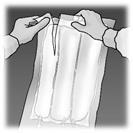
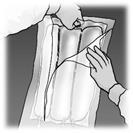
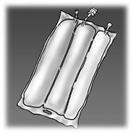
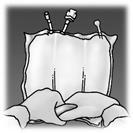

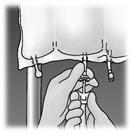
Administration
For single use only
Administer the product only after breaking the non-permanent separation membranes between the 3
compartments and mixing the contents of the 3 compartments.
Ensure that the final emulsion for infusion does not show evidence of phase separation.
After opening the bag, the contents must be used immediately. Never store the bag
open for a subsequent infusion.
Do not reconnect any partially used bags.
Do not connect the bags in series to avoid the possibility of gaseous embolism due to the gas contained
in the main bag.
Dispose of any unused product, any waste derived from it, and all necessary devices.
Extravasation
The catheter site must be checked regularly for possible signs of extravasation.
In case of extravasation, administration must be stopped immediately while maintaining the
catheter or cannula inserted for immediate patient treatment. If possible, perform
aspiration through the inserted catheter or cannula to reduce the amount of fluid present
in the tissues before removing the catheter or cannula.
Depending on the extravasated product (including one or more products mixed with OLIMEL N12, if
applicable) and the extent or degree of a possible lesion, appropriate specific measures must be taken.
Treatment options may include non-
pharmacological, pharmacological and/or surgical intervention. In case of large-scale extravasation, consult the
plastic surgeon within the first 72 hours.
The extravasation site should be monitored at least every 4 hours during the first 24 hours, then
once a day.
The infusion should not be restarted in the same central vein.
OLIMEL
N12E emulsion for infusion
Read this leaflet carefully before you are given this medicine as it
contains important information for you.
- Keep this leaflet. You may need to read it again.
- If you have any questions, ask your doctor or nurse.
- If you get any side effects, see your doctor or nurse. See section 4.
Contents of this leaflet:
- 43. What OLIMEL N12E is and what it is used for
- 44. What you need to know before you are given OLIMEL N12E emulsion for infusion
- 45. How to use OLIMEL N12E, emulsion for infusion
- 46. Possible side effects
- 47. How to store OLIMEL N12E emulsion for infusion
- 48. Contents of the pack and other information
1. What is OLIMEL N12E emulsion for infusion and what is it used for
OLIMEL N12E is an emulsion for infusion. It is presented in the form of a 3-compartment bag.
One compartment contains a glucose solution with calcium, the second a lipid emulsion and the
third a solution of amino acids with other electrolytes.
OLIMEL N12E is used to provide nutrition to adults and children over two years of age through
a tube into a vein, when normal oral feeding is not suitable.
OLIMEL N12E must be used exclusively under medical supervision.
2. What you need to know before you are given OLIMEL N12E emulsion for infusion
OLIMEL N12E emulsion for infusion must not be used
- In premature newborns, infants and children under 2 years of age
- If you are allergic to egg proteins, soybean seeds, peanuts or corn/corn-derived products (see also the “Warnings and precautions” section below), or to any of the other ingredients of this medicine (listed in section 6).
- If the use of certain amino acids causes problems for your body.
- If you have particularly high levels of fats in your blood.
- If you suffer from hyperglycemia (too much sugar in the blood).
- If you have an abnormally high concentration of any of the electrolytes (sodium, potassium, magnesium, calcium and/or phosphorus) in your blood.
In all cases, your doctor will decide whether you should receive this medicine based on factors such as age, weight and medical condition, together with the results of tests performed.
Warnings and precautions
Talk to your doctor or nurse before you are given OLIMEL N12E.
If total parenteral nutrition solutions are given to you too quickly, this can cause injury or death.
The infusion must be stopped immediately if you develop signs or symptoms of an abnormal allergic reaction (such as sweating, fever, chills, headache, skin rash or difficulty breathing). This medicine contains soybean oil and egg phospholipids. Soybean seeds and egg proteins can cause hypersensitivity reactions. Allergic cross-reactions between soybean and peanut proteins have been observed.
Olimel N12E contains glucose derived from corn which may cause hypersensitivity reactions if you are allergic to corn or products derived from corn (see section “OLIMEL N12E, emulsion for infusion must not be used” above).
Difficulty breathing may also be a sign that small particles have formed, blocking blood vessels in the lungs (pulmonary vascular precipitates). If you experience difficulty breathing, tell your doctor or nurse, who will decide what action to take.
The antibiotic called ceftriaxone must not be mixed or given simultaneously with any solution containing calcium (including OLIMEL N12E) that is administered to you via a vein.
These medicines must not be given together even through separate infusion lines or different infusion sites.
However, you may take OLIMEL N12E and ceftriaxone sequentially, one after the other, if different infusion lines are used or if the infusion lines are replaced or thoroughly flushed with saline solution between infusions to avoid the formation of precipitates (calcium-ceftriaxone salt particles).
Some medicines and illnesses can increase the risk of developing infection or sepsis (bacteria in the blood). There is a particular risk of infection or sepsis when a tube (central venous catheter) is inserted into a vein. Your doctor will monitor you closely for any signs of infection. Patients who require parenteral nutrition (nutrition through a tube placed in a vein) may be at increased risk of developing infections from their medical conditions. The use of aseptic techniques (germ-free) during catheter placement and maintenance and during the preparation of the nutritional formula (total parenteral nutrition) can reduce this risk.
If you are severely malnourished, to the point of receiving nutrition intravenously, your doctor must start treatment slowly. In addition, the doctor must monitor you carefully to prevent sudden changes in your fluid levels, vitamins, electrolytes and minerals.
The balance of water and salt in your body and metabolic disorders will be corrected before starting the infusion. The doctor will monitor your condition while you receive this medicine and may adjust the dose or give you additional nutrients, such as vitamins, electrolytes and trace elements, if they deem it necessary.
Liver disorders including problems with the elimination of bile (cholestasis), fat accumulation (hepatic steatosis), fibrosis, which may lead to liver failure, as well as cholecystitis and cholelithiasis have been reported in patients receiving intravenous nutritional therapy. The cause of these disorders is believed to be due to multiple factors and may differ between patients. If you suffer from symptoms such as nausea, vomiting, abdominal pain, jaundice of the skin or eyes, consult your doctor to allow identification of possible causal and contributing factors and possible therapeutic and preventive measures.
The doctor must be informed if:
- you have a severe kidney problem. You must tell the doctor if you are on dialysis (artificial kidney) or if you are undergoing another blood purification treatment;
- you have a severe liver problem;
- you have a blood clotting problem;
- your adrenal glands are not functioning properly (adrenal insufficiency), which are triangular glands located above the kidneys;
- you have heart failure;
- you have a lung disease;
- you have an accumulation of water in the body (hyperhydration);
- you have insufficient water in the body (dehydration);
- you have high levels of sugar in the blood (diabetes mellitus) that are not being treated;
- you have a heart attack or cardiogenic shock secondary to sudden heart failure;
- you have severe metabolic acidosis (when the blood is too acidic);
- you have a generalized infection (septicemia);
- you are in a coma.
To verify the effectiveness and overall safety of administration, the doctor will perform clinical and laboratory tests while you receive this medicine. If this medicine is given to you for several weeks, your blood will be monitored regularly.
The reduced ability of the body to remove the fats contained in this medicine can cause a “fat overload syndrome” (see section 4 - Possible side effects).
If you experience pain, burning or swelling at the infusion site or leakage of the infusion solution during the infusion, tell your doctor or nurse. The administration will be stopped immediately and restarted in another vein.
If your blood sugar level becomes too high, the doctor will adjust the flow rate of OLIMEL N12E or give you a medicine to control your blood sugar level (insulin).
OLIMEL N12E can be given to you through a tube (catheter) into a large vein in the chest (central vein).
Children and adolescents
If the patient is under 18 years of age, particular attention will be paid to providing the correct dosage. Greater precautions will also be taken for the increased sensitivity of children to the risk of infection. Vitamin and trace element supplementation is always required. Pediatric formulations should be used.
Other medicines and OLIMEL N12E
Tell your doctor if you are taking or using, have recently taken or used, or might take or use any other medicine.
The simultaneous assimilation of other medicines is generally not a contraindication. If you are taking other medicines, with or without a prescription, inform your doctor in advance to verify their compatibility.
Tell your doctor if you are taking or receiving any of the following:
- insulin
- heparin
OLIMEL N12E must not be administered simultaneously with blood through the same infusion set.
OLIMEL N12E contains calcium. It must not be administered together with the antibiotic ceftriaxone or through the same tube, because particles can form. If you use the same device to administer these medicines in succession, the device must be thoroughly flushed.
Due to the risk of precipitation, OLIMEL N12E must not be administered through the same infusion line or mixed with the antibiotic ampicillin or the antiepileptic phenytoin.
The olive and soybean oils in OLIMEL N12E contain vitamin K. This vitamin generally does not affect blood-thinning medicines (anticoagulants), such as coumarin. However, tell your doctor if you are taking anticoagulant medicines.
The lipids contained in this emulsion can interfere with the results of some laboratory tests if the blood sample is taken before the lipids are eliminated from your blood (which are usually eliminated after a period of 5 or 6 hours without receiving them).
OLIMEL N12E contains potassium. Take particular care with patients who are taking diuretics, ACE inhibitors, angiotensin II receptor antagonists (medicines for the treatment of hypertension) or immunosuppressants. These types of medicines can increase potassium levels in the blood.
Pregnancy, breastfeeding
If you are pregnant, suspect you are pregnant, are planning a pregnancy, or are breastfeeding, ask your doctor for advice before taking this medicine.
There is no adequate experience with the use of OLIMEL N12E in pregnant or breastfeeding women.
OLIMEL N12E may be considered during pregnancy and breastfeeding if necessary. OLIMEL N12E should only be given to pregnant or breastfeeding women after careful evaluation.
Fertility
No adequate data are available
Driving and operating machinery
Not relevant
3. How to use OLIMEL N12E emulsion for infusion
Dosage
OLIMEL N12E must be administered only to adults and children over two years of age.
This is an emulsion for infusion, to be administered via a tube (catheter) into a vein in your
chest.
OLIMEL N12E must be at room temperature before use.
OLIMEL N12E is for single use only.
The infusion of a bag usually lasts between 12 and 24 hours.
Dosage - adults
The doctor will specify a flow rate corresponding to your needs and clinical condition.
The prescription may continue for as long as required, according to your clinical condition.
Dosage - children over two years of age and adolescents
The doctor will decide the dose and for how long the medicine will be administered. This will depend
on age, weight, height, medical conditions and the body's ability to break down and use the
components of OLIMEL N12E.
If you have been given too much OLIMEL N12Eemulsion for infusion
If the dose given is too high or the infusion is too fast, the amino acid content may make your
blood too acidic and symptoms of hypervolemia (increased circulating blood volume) may occur. Blood and urine glucose levels may increase and a
hyperosmolar syndrome (excessive blood viscosity) may develop, and the lipid content may increase the
level of triglycerides in your blood. Receiving an infusion too quickly or too large a volume of
OLIMEL N12E can cause nausea, vomiting, chills, headache, hot flashes,
excessive sweating (hyperhidrosis) and electrolyte disturbances. In such situations the infusion must be
stopped immediately.
In some severe cases, the doctor may temporarily subject you to renal dialysis to help your kidneys
eliminate the excess product.
To prevent such events from happening, the doctor will regularly monitor your condition and test
your blood parameters.
If you have any doubts about the use of OLIMEL N12E, please consult your doctor.
4. Possible side effects
Like all medicines, this medicine can cause side effects, although not everyone gets them.
If you notice any changes in the way you feel, during or after treatment, tell your
doctor or nurse promptly.
The tests that your doctor will perform while you are taking the medicine reduce the risk of side
effects.
The infusion must be stopped immediately in case of development of signs or symptoms of
allergic reaction, such as sweating, fever, chills, headache, skin rash or difficulty in
breathing.
With OLIMEL the following side effects have been reported:
Frequency-Common: may affect up to 1 in 10 people
- Fast heart rate (tachycardia).
- Decreased appetite.
- Increased levels of fats in the blood (hypertriglyceridaemia).
- Abdominal pain.
- Diarrhoea.
- Nausea.
- Increased blood pressure (hypertension).
Frequency - Not known: frequency cannot be estimated from the available data
- Leakage of the infusion into the surrounding tissue (extravasation) which can cause pain, irritation, swelling/edema, redness (erythema)/heat, death of tissue cells (skin necrosis) or blisters/vesicles, inflammation, thickening or constriction of the skin at the infusion site
The following side effects have been reported with similar parenteral nutrition products:
Frequency- Very rare: may affect up to 1 in 10,000 people
- Reduced ability to remove lipids (fat overload syndrome) associated with a sudden and rapid deterioration of the patient's medical condition. The following symptoms of fat overload syndrome are usually reversible after stopping the infusion of the lipid emulsion:
- Fever
- Reduced red blood cells which can make the skin pale and cause weakness or shortness of breath (anaemia).
- Low white blood cell count, which can increase the risk of infection (leucopenia)
- Low platelet count, which can increase the risk of bruising and/or bleeding (thrombocytopenia)
- Blood clotting disorders that impair the blood's ability to clot
- High levels of fats in the blood (hyperlipidaemia)
- Fatty infiltration of the liver (hepatomegaly)
- Worsening of liver function
- Manifestations involving the central nervous system (e.g., coma).
Frequencynot known: frequency cannot be estimated from the available data
- Allergic reactions.
- Abnormal blood test results for liver function.
- Problems with the elimination of bile (cholestasis)
- Increased liver size (hepatomegaly)
- Liver disease associated with parenteral nutrition (see "Warnings and precautions" in section 2)
- Jaundice (icterus).
- Reduced number of platelets (thrombocytopenia)
- Increased levels of nitrogen in the blood (azotaemia)
- Elevated liver enzymes
- Formation of small particles that can cause blockage of blood vessels in the lungs (pulmonary vascular precipitates) and cause pulmonary embolism and difficulty breathing (respiratory distress).
Reporting of side effects
If you get any side effects, even those not listed in this leaflet, tell your
doctor or pharmacist. You can also report side effects directly through the
national reporting system at: www.agenziafarmaco.gov.it/content/come-segnalare-
una-sospetta-reazione-avversa . By reporting side effects you can help provide
more information on the safety of this medicine.
5. How to store OLIMEL N12E emulsion for infusion
Keep this medicine out of sight and reach of children.
Do not use this medicine after the expiry date which is stated on the container and on the
outer packaging (MM/YYYY). The expiry date refers to the last day of
that month.
Do not freeze.
Store in the outer packaging.
Do not dispose of any medicine in wastewater or household waste. Ask your pharmacist how to
dispose of medicines you no longer use. This will help protect the environment.
6. Contents of the pack and other information
What OLIMEL N12E, emulsion for infusion contains
The active substancesof each bag of the reconstituted emulsion are a solution of L-amino acids at
14.2%(corresponding to 14.2 g/100 mL) (alanine, arginine, glycine, histidine, isoleucine, leucine, lysine
(as lysine acetate), methionine, phenylalanine, proline, serine, threonine, tryptophan, tyrosine, valine,
aspartic acid, glutamic acid) with electrolytes (sodium, potassium, magnesium, phosphate, acetate,
chloride), an emulsion of lipids at17.5%(corresponding to 17.5 g/100 mL) (purified olive oil and
purified soybean oil) and a solution of glucose at 27.5%(corresponding to 27.5 g/100 mL) (as
glucose monohydrate) with calcium.
The other excipients are:
Compartment
Lipid emulsion
Compartment
Amino acid solution and
Compartment
Glucose and
electrolytescalcium
Hydrochloric acid (for
pH adjustment),
water for injections
Appearance of OLIMEL N12E, emulsion for infusion and contents of the pack
OLIMEL N12E is an emulsion for infusion packaged in a three-compartment bag. One
compartment contains a lipid emulsion, another compartment an amino acid solution with electrolytes and the third compartment a glucose solution with calcium. These
Purified egg phosphatide, glycerol,
sodium oleate, sodium hydroxide (for
pH adjustment), water for
injections
Glacial acetic acid (for
pH adjustment), water
for injections
compartments are separated by non-permanent membranes. Before administration, the
contents of the compartments must be mixed by rolling the bag on itself starting
from the top until the membranes open.
Appearance before reconstitution:
The amino acid and glucose solutions are clear, colorless or slightly yellow.
The lipid emulsion is homogeneous with a milky appearance.
Appearance after reconstitution: homogeneous emulsion with a milky appearance
The 3-compartment bag is a multi-layer plastic bag. The material of the inner (contact) layer of the bag is designed to be compatible with the constituents and authorized additives.
Packs:
650 mL bag: 1 box with 10 bags
1000 mL bag: 1 box with 6 bags
1500 mL bag: 1 box with 4 bags
2000 mL bag: 1 box with 4 bags
1 bag of 650 mL, 1000 mL, 1500 mL and 2000 mL
Not all pack sizes may be marketed.
Marketing Authorisation Holder
Baxter S.p.A.
Piazzale dell’Industria 20
00144 Rome
Italy
Manufacturer:
Baxter S.A.,
Boulevard René Branquart, 80
7860 Lessines
Belgium
This medicinal product is authorised in the member states of the European economic community with the following
names:
Belgium, Bulgaria, Croatia, Cyprus, Czech Republic, Estonia, France, Greece, Italy, Latvia, Lithuania,
Luxemburg, The Netherlands, Romania, Slovenia, Slovakia, Spain:
Austria:
Germany:
Denmark, Iceland, Sweden, Norway, Finland, Poland, Portugal:
Ireland, Malta, The United Kingdom:
Hungary:
< Olimel 12 g/l nitrogén elektrolitokkal emulziós infúzió
--------------------------------------------------------------------------------------------------------------
The following information is intended exclusively for physicians or healthcare professionals:
- L.QUALITATIVE AND QUANTITATIVE COMPOSITIONOLIMEL N12E is presented as a 3-compartment bag. Each bag contains a glucose solution with calcium, a lipid emulsion and an amino acid solution with other electrolytes:
| Content per bag | ||||
| 650 mL | 1000 mL | m 1500 mL | 2000 mL | |
| Glucose 27.5% solution (corresponding to 27.5 g/100 mL) | 173 mL | 267 mL | r 400 mL | 533 mL |
| Amino acid 14.2% solution (corresponding to 14.2 g/100 mL) | 347 mL | 533 mL | a 800 mL | 1067 mL |
| Lipid emulsion 17.5% (corresponding to 17.5 g/100 mL) | 130 mL | F 200 mL | 300 mL | 400 mL |
Composition of the reconstituted emulsion after mixing the contents of the three compartments:
| Active ingredients | 650 mL | 1000 mL | 1500 mL | 2000 mL |
| a Purified olive oil + purified soybean oil | 22.75 g | d 35.00 g | 52.50 g | 70.00 g |
| Alanine | 7.14 g | 10.99 g | 16.48 g | 21.97 g |
| Arginine | a 4.84 g | 7.44 g | 11.16 g | 14.88 g |
| Aspartic acid | n 1.43 g | 2.20 g | 3.30 g | 4.39 g |
| Glutamic acid | 2.46 g | 3.79 g | 5.69 g | 7.58 g |
| Glycine | a 3.42 g | 5.26 g | 7.90 g | 10.53 g |
| i Histidine | 2.94 g | 4.53 g | 6.79 g | 9.06 g |
| l Isoleucine | 2.46 g | 3.79 g | 5.69 g | 7.58 g |
| a Leucine | 3.42 g | 5.26 g | 7.90 g | 10.53 g |
| t I Lysine (as lysine acetate) | 3.88 g (5.48 g) | 5.97 g (8.43 g) | 8.96 g (12.64 g) | 11.95 g (16.85 g) |
| Methionine | 2.46 g | 3.79 g | 5.69 g | 7.58 g |
| a Phenylalanine | 3.42 g | 5.26 g | 7.90 g | 10.53 g |
| i Proline | 2.94 g | 4.53 g | 6.79 g | 9.06 g |
| z Serine | 1.95 g | 3.00 g | 4.50 g | 5.99 g |
| n Threonine | 2.46 g | 3.79 g | 5.69 g | 7.58 g |
| Tryptophan | 0.82 g | 1.26 g | 1.90 g | 2.53 g |
| e Tyrosine | 0.13 g | 0.20 g | 0.30 g | 0.39 g |
| g Valine | 3.16 g | 4.86 g | 7.29 g | 9.72 g |
| Sodium acetate, trihydrate | 0.97 g | 1.5 g | 2.24 g | 2.99 g |
| A Sodium glycerophosphate hydrate | 2.39 g | 3.67 g | 5.51 g | 7.34 g |
| Potassium chloride | 1.45 g | 2.24 g | 3.35 g | 4.47 g |
| Magnesium chloride, hexahydrate | 0.53 g | 0.81 g | 1.22 g | 1.62 g |
| Active ingredients | 650 mL | 1000 mL | 1500 mL | 2000 mL |
| Calcium chloride, dihydrate | 0.34 g | 0.52 g | 0.77 g | 1.03 g |
| Glucose (as glucose monohydrate) | 47.67 g (52.43 g) | 73.33 g (80.67 g) | 110.00 g (121.00 g) | o 146.67 g (161.33 g) |
The excipients are:
Compartment
Lipid emulsion
Compartment
Amino acid solution and
Compartment
Glucose and
electrolytescalcium
Hydrochloric acid (for
pH adjustment),
water for injections
Nutritional contribution of the reconstituted emulsion for each bag size:
Purified egg phosphatide, glycerol,
sodium oleate, sodium hydroxide (for
pH adjustment), water for
injections
Glacial acetic acid (for
pH adjustment), water
for injections
| 650 mL | d 1000 mL | 1500 mL | 2000 mL | |
| Lipids | 22.8 g | 35.0 g | 52.5 g | 70.0 g |
| Amino acids | a 49.4 g | 75.9 g | 113.9 g | 151.9 g |
| Nitrogen | n 7.8 g | 12.0 g | 18.0 g | 24.0 g |
| Glucose | 47.7 g | 73.3 g | 110.0 g | 146.7 g |
| Energy: | a | |||
| Total calories | i l 620 kcal | 950 kcal | 1420 kcal | 1900 kcal |
| Non-protein calories, | a 420 kcal | 640 kcal | 960 kcal | 1280 kcal |
| Glucose calories | 190 kcal | 290 kcal | 430 kcal | 580 kcal |
| Lipid calories,(b) | 230 kcal | 350 kcal | 520 kcal | 700 kcal |
| Non-protein calories/nitrogen ratio | 53 kcal/g | 53 kcal/g | 53 kcal/g | 53 kcal/g |
| a Glucose/lipid calories ratio | 45/55 | 45/55 | 45/55 | 45/55 |
| i Lipid calories/total calories | 37% | 37% | 37% | 37% |
| z Electrolytes: | ||||
| Sodium | 22.8 mmol | 35.0 mmol | 52.5 mmol | 70.0 mmol |
| n Potassium | 19.5 mmol | 30.0 mmol | 45.0 mmol | 60.0 mmol |
| e Magnesium | 2.6 mmol | 4.0 mmol | 6.0 mmol | 8.0 mmol |
| g Calcium | 2.3 mmol | 3.5 mmol | 5.3 mmol | 7.0 mmol |
| Phosphate c. | 9.5 mmol | 15.0 mmol | 21.9 mmol | 29.2 mmol |
| Acetate | 46 mmol | 70 mmol | 105 mmol | 140 mmol |
| Chlorides | 30 mmol | 45 mmol | 68 mmol | 90 mmol |
| pH | 6.4 | 6.4 | 6.4 | 6.4 |
DOSAGE AND ADMINISTRATION
Dosage
The use of OLIMEL N12E is not recommended in children under 2 years of age due to the
inappropriate composition and volume (see paragraphs 4.4, 5.1 and 5.2 of the SmPC).
Do not exceed the maximum daily dose reported below. Due to the static composition
of the multi-compartment bag, it may not be possible to simultaneously satisfy
all of the patient's nutritional requirements. Clinical situations may occur in which patients
require varying amounts of nutrients compared to the composition of the static bag. In such
situations, any adjustment of the volume (dose) must take into consideration the effect
resulting from this on the dosage of all other nutrients in OLIMEL N12E. In these
circumstances, healthcare professionals may consider adjusting the volume
(dose) of OLIMEL N12E in order to meet this increased need.
In adults:
The dosage depends on energy expenditure, clinical status, body weight and the patient's ability to
metabolize the constituents of OLIMEL N12E, as well as the additional energy or protein
provided orally/enterally, therefore the bag formats must be chosen accordingly.
Average daily requirements are:
- 0.16-0.35 g nitrogen/kg body weight (1-2 g of amino acids/kg), depending on the patient's nutritional status and the degree of catabolic stress. Special populations may require up to 0.4 g of nitrogen / kg of body weight (2.5 g of amino acids / kg).
- 20-40 kcal/kg,
- 20-40 mL fluids /kg or 1-1.5 mL per kcal spent.
For OLIMEL N12E, the maximum daily dose is defined by the amino acid intake, 26 mL/kg,
corresponding to 2.0 g/kg amino acids, 1.9 g/kg glucose, 0.9 g/kg lipids. For a 70 kg patient
this would be equivalent to 1820 mL of OLIMEL N12E per day, which translates into an intake of
138 g amino acids, 133 g glucose and 64 g lipids (i.e. 1171 non-protein kcal and 1723 total kcal).
In continuous renal replacement therapy (CRRT):For OLIMEL
N12E, the maximum daily dose is defined by the amino acid intake, 33 ml/ kg
corresponding to 2.5 g / kg of amino acids, 2.4 g/ kg of glucose, 1.2 g/ kg of lipids. For a 70 kg patient,
this would equate to 2310 ml of OLIMEL N12E per day, resulting in an intake of 175 g of
amino acids, 169 g of glucose and 81 g of lipids (i.e. 1486 non-protein kcal and 2187 total kcal).
In patients with pathological obesity: the dosage must be calculated based on ideal body weight (IBW). For OLIMEL N12E, the maximum daily dose is defined by the amino acid intake,
33 ml/kg of IBW corresponding to 2.5 g/kg of amino acids, 2.4 g/kg of glucose, 1.2 g/kg of lipids. For a
70 kg patient, this would equate to 2310 ml of OLIMEL N12E per day, resulting in
an intake of 175 g of amino acids, 169 g of glucose and 81 g of lipids (i.e. 1486 non-protein kcal and
2187 total kcal).
| 650 mL | 1000 mL | 1500 mL | 2000 mL | |
| Approximate Osmolarity | 1270 mOsm/L | 1270 mOsm/L | 1270 mOsm/L | 1270 mOsm/L |
Normally, the flow rate must be increased gradually during the first hour
then must be adjusted to take into account the dose to be administered, the volumes to be taken
daily and the duration of the infusion.
For OLIMEL N12E the maximum infusion rate is 1.3 mL/kg/hour, corresponding to 0.10 g/kg/hour of
amino acids; 0.10 g/kg/hour of glucose and 0.05 g/kg/hour of lipids.
In children over 2 years of age and adolescents
No studies have been conducted in the pediatric population.
The dosage depends on energy expenditure, clinical status, body weight and the patient's ability to
metabolize the constituents of OLIMEL N12E, as well as additional energy or protein
provided orally/enterally, therefore the bag formats must be chosen accordingly.
In addition, daily fluid, nitrogen and energy requirements gradually decrease with age.
2 groups were considered, between 2 and 11 years of age, and between 12 and 18 years of age.
For Olimel N12E in the 2 to 11 year age group, amino acid and
magnesium concentrations are the limiting factors for daily dosage. In this age group, the
amino acid concentration is the limiting factor for the hourly rate.
In the 12 to 18 year age group, amino acid and magnesium concentrations are the
limiting factors for daily dosage. In this age group, amino acid concentration is the limiting factor for the hourly rate. The resulting intakes are shown below:
Normally, the flow rate must be increased gradually during the first hour and then must
be adjusted taking into account the dose to be administered, the daily volume
intake and the duration of the infusion.
In general, in young children it is recommended to start the infusion with a low daily dose, and
to increase it gradually up to the maximum dosage (see above).
The maximum infusion rate is 2.6 ml/kg/hour in children between 2 and 11 years of age and 1.6
ml/kg/hour in children between 12 and 18 years of age.
Method and duration of administration
For single use only.
It is recommended to use the contents immediately after opening the bag and not
to store it for a subsequent infusion.
After reconstitution, the mixture is homogeneous and has a milky appearance.
For instructions on the preparation and handling of the infusion emulsion, see paragraph
- 6.6 of the Summary of Product Characteristics.
Due to its high osmolarity, OLIMEL N12E must be administered only through a central vein.
The recommended infusion duration for a parenteral nutrition bag is between 12 and 24
hours.
Treatment with parenteral nutrition may continue for as long as required by the patient's clinical condition.
- H.INCOMPATIBILITIESDo not add any other medicine or substances to any of the bag constituents or to the reconstituted emulsion without first verifying the compatibility and stability of the resulting preparation (in particular the stability of the lipid emulsion).
| Constituents | 2 to 11 years | 12 to 18 years | |||
| Recommendeda | OLIMEL N12E Max Vol | Recommendeda | or OLIMEL N12E Max Vol | ||
| Maximum daily dose | |||||
| Fluids (mL/kg/day) |
| 33 |
| c 26 | |
| Amino acids (g/kg/day) |
| 2.5 |
| 2 | |
| Glucose (g/kg/day) | 1.4 – 8.6 | 2.4 | 0.7 – 5.8 | a 1.9 | |
| Lipids (g/kg/day) | 0.5 - 3 | 1.2 | 0.5 – 2 (up to 3) | 0.9 | |
| Total energy (kcal/kg/day) | 30-75 | 31.4 | m 20-55 | 24.7 | |
| r Maximum hourly rate | |||||
| OLIMEL N12E (mL/kg/h) | 2.6 | a | 1.6 | ||
| Amino acids (g/kg/h) | 0.20 | 0.20 | 0.12 | 0.12 | |
| Glucose (g/kg/h) | 0.36 | 0.19 | F 0.24 | 0.12 | |
| Lipids (g/kg/h) | 0.13 | 0.09 | 0.13 | 0.06 | |
Incompatibilities can arise, for example, from excessive acidity (low pH) or from an inappropriate content of divalent cations (Ca and Mg) which can destabilize the lipid emulsion.
As with any other parenteral nutrition mixture, the calcium/phosphate ratio must be considered.
Excessive addition of calcium and phosphate, especially in the form of mineral salts, can cause the formation of calcium phosphate precipitates.
OLIMEL N12E contains calcium ions which represent a further risk of coagulation in blood
or in blood components anticoagulated or preserved with citrate.
Ceftriaxone must not be mixed or administered concurrently with intravenous solutions
containing calcium, including OLIMEL N12E, through the same infusion line (e.g. via a
Y-connector) due to the risk of ceftriaxone-calcium salt precipitation (see paragraphs
- 4.4 and 4.5 of the SmPC). Ceftriaxone and solutions containing calcium can be administered sequentially if different infusion lines are used or if the infusion lines have been thoroughly flushed with saline between infusions to avoid precipitate formation. Due to the risk of precipitation, OLIMEL N12E must not be administered through the same infusion line or mixed with the antibiotic ampicillin or the antiepileptic phenytoin.
Verify compatibility with solutions administered simultaneously through the same
infusion set, catheter or cannula.
Do not administer before, concurrently or after a blood transfusion through the same line,
due to the risk of pseudoagglutination.
- I.SPECIAL PRECAUTIONS FOR DISPOSAL AND HANDLING
An overview of the various stages of preparation for the administration of OLIMEL N12E is
illustrated in Figure 1.
Opening
Remove the external protective wrapper.
Discard the oxygen absorber bag.
Check the integrity of the bag and the non-permanent separation membranes. Use only if the
bag is undamaged, if the non-permanent separation membranes are intact (i.e. no
mixing of the contents of the 3 compartments), if the amino acid solution and the
glucose solution are clear, colorless or slightly yellow, and practically free of visible particles,
and if the lipid emulsion is a homogeneous liquid with a milky appearance.
Mixing of the solutions and the emulsion
Make sure the product is at room temperature when breaking the non-permanent
separation membranes.
Roll the bag manually on itself, starting from the top (end with loop). The
non-permanent separation membranes will disappear from the side next to the openings. Continue
to roll the bag until the separation membranes are open for about half their
length.
Mix the bag by inverting it at least 3 times.
After reconstitution the mixture is a homogeneous emulsion with a milky appearance.
Additives:
The bag is equipped with sufficient capacity to allow for additives, such as vitamins, electrolytes and
trace elements.
Any addition (including vitamins) should be made to the reconstituted mixture (after opening the
non-permanent separation membranes and after mixing the contents of the three
compartments).
Vitamins can also be added to the glucose compartment before the mixture is
reconstituted (before opening the non-permanent separation membranes and before
mixing the three compartments).
Additives must be made by qualified personnel under aseptic conditions.
The OLIMEL N12E formulation can be supplemented with electrolytes, inorganic/organic phosphate
and with commercially available multi-vitamin (such as Cernevit) and multi-
trace element preparations (such as Nutryelt). The maximum total levels of additives for listed in the following table
have been demonstrated by stability data and should not be considered dosage recommendations. Supplementation should be dictated by the patient's clinical needs and should not
exceed nutritional guidelines. Electrolytes already present in the bag should be taken
into consideration when reaching the total maximum level.
Compatibility may vary between products from different sources and healthcare professionals are
advised to perform appropriate checks when mixing OLIMEL N12E with other parenteral solutions.
| a Possible additions per 1000 mL of OLIMEL N12E (pediatrics): | |||||
| Included level | n Maximum further addition | Maximum total level | |||
| Sodium | 35 mmol | 115 mmol | 150 mmol | ||
| Potassium | 30 mmol | a 120 mmol | 150 mmol | ||
| Magnesium | i l 4.0 mmol | 1.6 mmol | 5.6 mmol | ||
| Calcium | a 3.5 mmol | 1.5 mmol | 5.0 mmol | ||
| Inorganic phosphate | 0 mmol | 0/10 mmol b | 0/10 mmol b | ||
| Organic phosphate | t I 15 mmol a | 10/0 mmol b | 25/15 mmol a,b | ||
| Other additions (trace elements, vitamins, selenium and zinc) c | |||||
| Trace elements – Junyelt d | a 1 vial per bag (10mL concentrated solution) | ||||
| Vitamins e | i 1 vial (lyophilized) | ||||
| Selenium | z 60 µg per bag | ||||
| n Zinc | 3 mg per bag | ||||
When making additions, measure the final osmolarity of the mixture before administration by peripheral vein.
To make an addition:
- Operate under aseptic conditions.
- Prepare the injection point of the bag.
- Puncture the injection point and inject the additives using a needle or a reconstitution device.
- Mix the contents of the bag and the additives.
Chemical and physical stability during use has been demonstrated for 7 days at 2°C - 8°C, followed by 48 hours
at a temperature not exceeding 30°C.
From a microbiological point of view, the product must be used immediately. If not
used immediately, the storage times and conditions during use and before use are the
| Possible additions for 1000 mL of OLIMEL N12E (for adults): | |||||
| Level included | Further maximum addition | a Maximum total level | |||
| Sodium | 35 mmol | 115 mmol | m 150 mmol | ||
| Potassium | 30 mmol | 120 mmol | 150 mmol | ||
| Magnesium | 4.0 mmol | 1.6 mmol | r 5.6 mmol | ||
| Calcium | 3.5 mmol | 1.5 mmol | a 5.0 mmol | ||
| Inorganic phosphate | 0 mmol | 0/10 mmol b | F 0/10 mmol b | ||
| Organic phosphate | 15 mmol a | 10/0 mmol b | 25/15 mmol a,b | ||
| l Other additions (trace elements, vitamins, selenium and zinc) c | |||||
| Trace elements– Nutryelt d | e 2 vials per bag (10mL concentrated solution) | ||||
| Vitamins– Cernevit e | d 1 vial (5 mL lyophilized) | ||||
| Selenium | 500 µg per bag | ||||
| Zinc | a 20 mg per bag | ||||
responsibility of the user and should normally not exceed 24 hours at 2-8 °C, unless
reconstitution has occurred under controlled and validated aseptic conditions.
Validity After Addition of Supplements:
For specific mixtures, chemical and physical stability during use has been demonstrated for 7 days at 2°C - 8°C,
followed by 48 hours at a temperature not exceeding 30°C.
From a microbiological point of view, any mixture must be used immediately. Otherwise, the storage times and conditions during use after mixing and before use are
the responsibility of the user and should not normally exceed 24 hours, at 2°C- 8°C, unless
the addition of supplements has occurred under controlled and validated aseptic conditions.
Infusion Preparation
The operation must be carried out under aseptic conditions.
Suspend the bag.
Remove the plastic protection from the administration point.
Firmly insert the spike of the infusion set into the administration point.
Figure 1. Procedure for administering OLIMEL
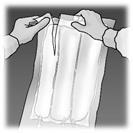
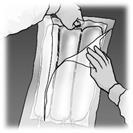
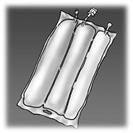
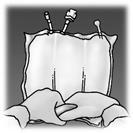

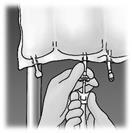
Administration
For single use only
Administer the product only after breaking the non-permanent separation membranes between the 3
compartments and mixing the contents of the 3 compartments.
Ensure that the final emulsion for infusion does not show evidence of phase separation.
After opening the bag, the contents must be used immediately. Never store the bag
open for a subsequent infusion.
Do not reconnect any partially used bags.
Do not connect the bags in series to avoid the possibility of gaseous embolism due to the gas contained
in the main bag.
Dispose of any unused product, any derived waste and all necessary devices.
Extravasation
The catheter site must be checked regularly for possible signs of extravasation.
In case of extravasation, administration must be stopped immediately while maintaining the
catheter or cannula inserted for immediate patient treatment. If possible, perform
aspiration through the inserted catheter or cannula to reduce the amount of fluid present
in the tissues before removing the catheter or cannula.
Depending on the extravasated product (including one or more products mixed with OLIMEL N12E, if
applicable) and the extent or degree of a possible lesion, appropriate specific measures must be taken.
Treatment options may include non-
pharmacological, pharmacological and/or surgical intervention. In case of large-scale extravasation, consult the
plastic surgeon within the first 72 hours.
The extravasation site should be monitored at least every 4 hours during the first 24 hours, then
once a day.
The infusion should not be restarted in the same central vein.
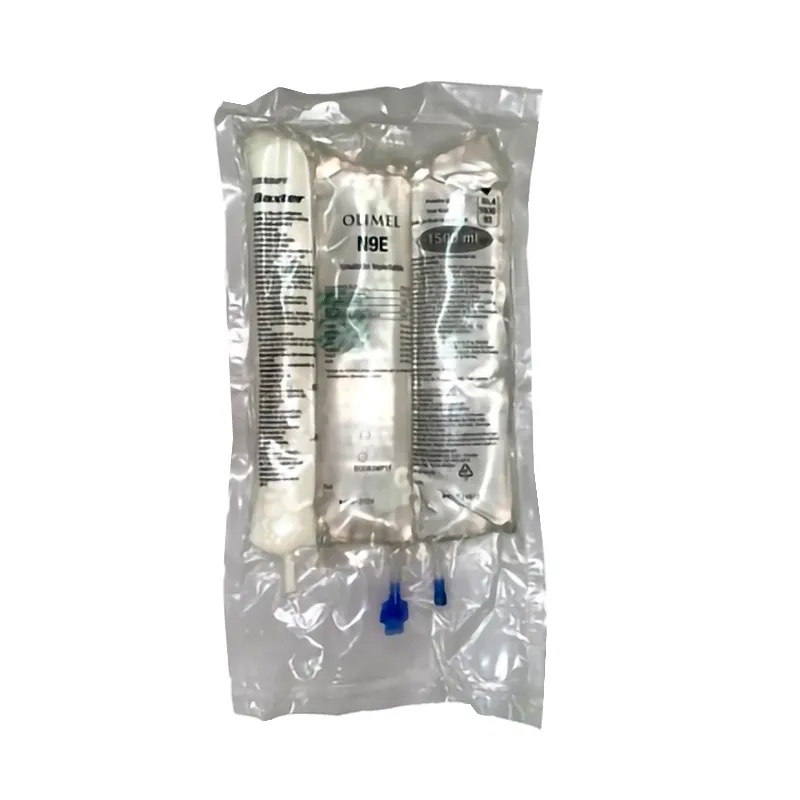
- Страна регистрации
- Форма выпускаEmulsion for intravenous infusion, 1000 ML
- Код АТХB05BA10
- Действующее вещество
- Отпускается по рецептуДа
- Производитель
- Информация на этой странице носит справочный характер и не является медицинской консультацией. Перед началом приема лекарства обязательно проконсультируйтесь с врачом.
- Аналоги OLIMELФорма выпуска: Infusion solution, 10%Действующее вещество: combinationsПроизводитель: B. BRAUN MELSUNGEN AGОтпускается по рецептуФорма выпуска: Infusion solution, 1000 MLДействующее вещество: combinationsПроизводитель: B. BRAUN MELSUNGEN AGОтпускается по рецептуФорма выпуска: Infusion solution, 1000 MLДействующее вещество: combinationsПроизводитель: BAXTER S.P.A.Отпускается по рецепту
Аналоги OLIMEL в других странах
Лекарства с тем же действующим веществом, доступные в других странах.
Аналог OLIMEL в Испания
Аналог OLIMEL в Польша
Аналог OLIMEL в Украина
Врачи онлайн по OLIMEL
Обсудите применение OLIMEL и возможные следующие шаги — по оценке врача.









Получите рецепт на OLIMEL онлайн
Заполните форму за 2 минуты
Расскажите о симптомах, истории болезни и нужном препарате.
Выберите врача или мы назначим
Выберите специалиста или мы подберём ближайшего доступного врача.
Врач рассматривает ваш случай
Обычно в течение 30 минут. Может задать уточняющие вопросы в чате.
Получите в любой аптеке
Электронный рецепт отправляется на вашу почту — действителен по всей Польше.
Часто задаваемые вопросы
OLIMEL требует рецепта в Италия. Вы можете уточнить у врача онлайн, подходит ли это лекарство для вашей ситуации.
Действующее вещество OLIMEL — combinations. Эта информация помогает определить лекарства с тем же составом под другими торговыми названиями.
OLIMEL производится компанией BAXTER S.P.A.. Упаковка и торговое название могут отличаться в зависимости от дистрибьютора.
Врачи, включая Семейные врачи, Психиатры, Дерматологи, Кардиологи, Эндокринологи, Гастроэнтерологи, Пульмонологи, Нефрологи, Ревматологи, Гематологи, Инфекционисты, Аллергологи, Гериатры, Педиатры, Онкологи, могут оценить целесообразность применения OLIMEL с учетом вашей ситуации и местных правил. Вы можете записаться на онлайн-консультацию, чтобы обсудить возможные варианты.
Польша имеет хорошо развитую систему здравоохранения в крупных городах, таких как Варшава, Краков, Вроцлав и Гданьск. Аптеки широко доступны и работают в соответствии с действующим законодательством, обеспечивая доступ к рецептурным препаратам.
Вы можете купить OLIMEL в Варшаве, Кракове, Вроцлаве или Гданьске в любой аптеке при наличии действующего рецепта.
Чтобы получить рецепт, вы можете воспользоваться Oladoctor:
Другие лекарства с тем же действующим веществом (combinations) включают AMIXAL, BASALFLEX, KLINIMIX. Они могут отличаться торговым названием или формой выпуска, но содержат одинаковый терапевтический компонент. Перед изменением лечения рекомендуется проконсультироваться с врачом.
