



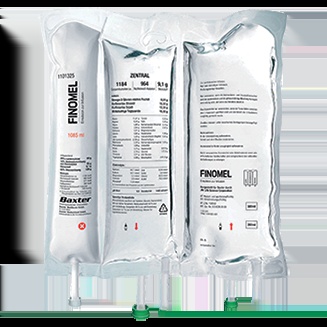
FINOMEL 1085 ML Эмульсия для внутривенного введения

Рассмотрение рецепта онлайн
Врач рассмотрит ваш случай и примет решение о назначении рецепта, если это медицински оправдано.

Поговорите с врачом об этом лекарстве
Обсудите симптомы и возможные дальнейшие шаги на онлайн-консультации.



Инструкция по применению FINOMEL
Содержание инструкции
- Finomel emulsion for infusion
- Finomel is available in a plastic bag with 3 compartments. Each bag contains a
- Finomel Periferico emulsion for infusion
Finomel emulsion for infusion
Read this leaflet carefully before using this medicine as it contains important
information for you.
- Keep this leaflet. You may need to read it again.
- If you have any questions, ask your doctor or nurse.
- This medicine has been prescribed only for you. Do not give it to other people, even if their symptoms are the same as yours, as it could be dangerous.
- If any side effects occur, including those not listed in this leaflet, ask your doctor or nurse. See section 4.
Contents of this leaflet.
- 1. What Finomel is and what it is used for
- 2. What you need to know before using Finomel
- 3. How to use Finomel
- 4. Possible side effects
- 5. How to store Finomel
- 6. Contents of the pack and other information
1. What is Finomel and what is it used for
Finomel contains amino acids (used to build proteins), glucose (carbohydrates), lipids
(fats) and salts (electrolytes).
Finomel is used to nourish adults with a tube into a vein when normal nutrition
by mouth is not suitable.
2. What you need to know before you use Finomel
Do not use Finomel:
- if you are allergic to fish proteins, eggs, soybean seeds, peanuts, or cereals and their derivatives (see also paragraph "Warnings and precautions" below), or to any of the other ingredients of this medicine (listed in paragraph 6).
- if you have high levels of fats in your blood
- if you have severe liver problems
- if you have blood clotting problems
- if you have a disorder in which your body does not process amino acids
- if you have severe kidney problems
- if you have too much sugar in your blood
- if you have an excessively high amount of electrolytes (sodium, potassium, magnesium, calcium and/or phosphorus) in your blood
- if you have problems getting large amounts of fluids into your veins, such as acute pulmonary edema, hyperhydration and decompensated heart problems
- if you have a serious acute health problem such as severe post-traumatic conditions, uncontrolled diabetes mellitus, acute myocardial infarction, stroke, embolism, metabolic acidosis, severe sepsis (bacteria in the blood), hypotonic dehydration and hyperosmolar coma.
In all cases, the doctor will decide whether you should receive this medicine based on factors such as age, weight and
clinical condition, as well as the results of the tests performed.
Warnings and precautions
Talk to your doctor or nurse before using Finomel if you have:
- A severe kidney problem. You should also inform your doctor if you are on dialysis and if you undergo another form of treatment to cleanse the blood
- A severe liver problem
- A blood clotting problem
- Adrenal glands that are not working properly (adrenal insufficiency). The adrenal glands are triangular in shape and are located above the kidneys.
- Heart failure
- Lung disease
- An accumulation of water in the body (hyperhydration)
- Insufficient water in the body (dehydration)
- High blood sugar (diabetes mellitus) that is not being treated
- A heart attack or shock due to a sudden heart attack
- Severe metabolic acidosis (blood is too acidic)
- A severe infection (sepsis) If you develop signs or symptoms of an allergic reaction, such as fever, chills, skin reactions or difficulty breathing, the infusion will be stopped immediately. This medicine contains fish oil, soybean seed oil, egg phospholipid proteins and glucose derived from cereals, which can cause hypersensitivity reactions. Allergic cross-reactions between soybean seed and peanut proteins have been observed. Difficulty breathing may also be a sign of the formation of small particles blocking blood vessels in the lungs (pulmonary vascular precipitates). If you have difficulty breathing, tell your doctor or nurse who will decide what to do.
During the infusion, tell your doctor or nurse if you notice burning, stiffness, swelling or abnormal
skin discoloration at the infusion site. Administration will be stopped immediately
to resume in another vein.
When inserting a tube (central venous catheter) into a vein, there is a particular risk of
infection or sepsis (bacteria or toxins in the blood). The doctor will examine you carefully for
any signs of infection. The use of an "aseptic" ("germ-free") technique in placing and
maintaining the catheter and in preparing the nutritional formulation can reduce the risk of
infection.
Fat overload syndrome has been reported with similar products. The reduced or
limited ability of the body to remove the fats contained in Finomel can lead to a "fat
overload syndrome" (see section 4 - Possible side effects).
If you have severe malnutrition to the point where you need to be fed intravenously, it is
recommended to start parenteral nutrition slowly and cautiously.
Further monitoring tests
Before starting the infusion, the water and electrolyte balance in your
body and metabolic disorders must be corrected. To monitor the effectiveness and safety during
administration, the doctor may perform clinical and laboratory tests while you are
receiving this medicine. The doctor will monitor your condition and may change
the dosage or give you more medicine.
Children and adolescents
There is no experience with the use of Finomel in children and adolescents.
Other medicines and Finomel
Tell your doctor or nurse if you are taking, have recently taken or may take
any other medicine.
Finomel contains calcium. It should not be administered together or in the same tubing with
the antibiotic ceftriaxone because particles can form. If the same device is used to administer these
medicines one after the other, it must be rinsed thoroughly.
The olive and soybean oils present in Finomel contain vitamin K. This usually does not
affect blood-thinning (anticoagulant) medicines such as coumarin. However, if
you are taking anticoagulants, you should tell your doctor.
The lipids contained in this emulsion can interfere with the results of certain laboratory tests if
the blood sample is taken before the lipids have been eliminated (this usually happens after
an interval of 5-6 hours during which no lipids are received).
Pregnancy and breastfeeding
If you are pregnant, suspect or are planning a pregnancy, or if you are breastfeeding with breast
milk, ask your doctor for advice before receiving this medicine. There are no data on the use of
Finomel in pregnant or breastfeeding women. This medicine may be considered for use in
pregnancy or during breastfeeding if the doctor deems it necessary.
Driving and operating machinery
Not applicable as the medicine is administered in hospital.
3. How to use Finomel
Use this medicine following the instructions of your doctor exactly. If you have any doubts, consult your
doctor.
This medicine is administered by intravenous infusion (drip) through a small tube
directly into a vein.
The doctor will decide the specific dose for you based on your weight and how your body is functioning. Finomel
will be administered by a healthcare professional.
Use in children
Safety and efficacy in children and adolescents under 18 years of age have not been established.
If you use more Finomel than you should
It is unlikely that you will receive an excessive amount of FINOMEL as it is a healthcare
professional who administers it to you.
4. Possible side effects
Like all medicines, this medicine can cause side effects, although not everybody gets them.
The following side effects have been reported with an unknown frequency:
- Hypersensitivity reactions (which may give symptoms such as sweating, fever, low blood pressure, skin rashes, urticaria (red and swollen areas), flushing, headache)
- Refeeding syndrome (an illness that develops when being fed after long periods of fasting)
- High blood sugar levels (hyperglycemia)
- Dizziness
- Headache
- Inflammation of the veins (thrombophlebitis)
- Pulmonary embolism
- Difficulty breathing
- Nausea
- Vomiting
- A slight increase in body temperature
- Elevated levels in the blood (plasma) of compounds from the liver
- Fat overload syndrome
- Leakage of the infusion into the surrounding tissues (extravasation)
Reporting of side effects
If you get any side effects, even those not listed in this leaflet, tell your doctor or nurse. You can also report side effects directly through the
national reporting system at: www.agenziafarmaco.gov.it/content/come-segnalare-
una-sospetta-reazione-avversa
By reporting side effects you can help to provide more information on the safety of
this medicine.
5. How to store Finomel
Keep this medicine out of the sight and reach of children.
Store in the outer packaging. Do not freeze.
Do not use this medicine after the expiry date which is stated on the bag label and on the
box after Exp. The expiry date refers to the last day of that month.
Do not use this medicine if you notice visible particles in the solution or if the bag is damaged.
Do not dispose of any medicine in wastewater or household waste. Ask your pharmacist how to
dispose of medicines you no longer use. This will help protect the environment.
6. Contents of the pack and other information
What Finomel contains
- The active ingredients are
g per 1000 ml
Alanine 10.52
Arginine 5.84
Glycine 5.23
Histidine 2.44
Isoleucine 3.05
Leucine 3.71
Lysine (as hydrochloride) 3.68
Methionine 2.03
Phenylalanine 2.84
Proline 3.45
Serine 2.54
Threonine 2.13
Tryptophan 0.91
Tyrosine 0.20
Valine 2.95
Sodium acetate trihydrate 2.85
Potassium chloride 2.28
Calcium chloride dihydrate 0.38
Magnesium sulfate heptahydrate 1.25
Sodium glycerophosphate hydrate 3.01
Zinc sulfate heptahydrate 0.012
Glucose (as monohydrate) 139.5
Soybean oil, purified 11.40
Olive oil, purified 9.50
Medium chain triglycerides 9.50
Fish oil, rich in acids
omega-3
7.60
- The other ingredients are glacial acetic acid, hydrochloric acid, egg phospholipids, glycerol, sodium oleate, all-rac-alpha-tocopherol, sodium hydroxide, water for injections.
Description of the appearance of Finomel and contents of the pack
Glucose and amino acid solutions are transparent and colorless or slightly yellow, free of
particles. The lipid emulsion is white and homogeneous.
After mixing the 3 compartments, the product has the appearance of a white emulsion,
Pack sizes
4x1085 mL
4x1435 mL
4x1820 mL
Marketing authorisation holder and manufacturer
Baxter S.p.A.
Piazzale dell’Industria 20
00144 Rome
Italy
Manufacturer:
Baxter SA
Boulevard René Branquart 80
7860 Lessines
Belgium
This medicinal product is authorised in the Member States of the EEA with the following names:
Austria, Czech Republic, Germany, Greece, Ireland,
Luxembourg, Netherlands, Poland, Spain, United
Kingdom
FINOMEL
Denmark, Finland, Iceland, Norway, Sweden Finomel
France
Belgium, Luxembourg, Netherlands
Fosomel
Omegomel
<------------------------------------------------------------------------------------------------------------------------>
The following information is intended for healthcare professionals only:
- A. QUALITATIVE AND QUANTITATIVE COMPOSITION
Finomel is available in a plastic bag with 3 compartments. Each bag contains a
sterile, pyrogen-free combination of a 42% glucose solution, a 10% amino acid solution with electrolytes and a 20% lipid emulsion.
The table below provides the composition of the reconstituted emulsion after mixing the contents of the 3 compartments.
| Active ingredient | 1085 mL | r 1435 mL | 1820 mL |
| Fish oil, rich in omega-3 fatty acids | 8.24 g | a 10.92 g | 13.84 g |
| Purified olive oil | 10.30 g | F 13.65 g | 17.30 g |
| Purified soybean oil | 12.36 g | 16.38 g | 20.76 g |
| Medium chain triglycerides | 10.30 g | l 13.65 g | 17.30 g |
| Alanine | 11.41 g | e 15.09 g | 19.13 g |
| Arginine | 6.34 g | 8.38 g | 10.63 g |
| Glycine | 5.68 g | d 7.51 g | 9.52 g |
| Histidine | 2.64 g | 3.50 g | 4.44 g |
| Isoleucine | a 3.31 g | 4.37 g | 5.54 g |
| Leucine | n 4.02 g | 5.32 g | 6.75 g |
| Lysine (as lysine hydrochloride) | a 3.20g (3.99 g) | 4.23g (5.29 g) | 5.36g (6.70 g) |
| Methionine | i 2.20 g | 2.92 g | 3.70 g |
| Phenylalanine | l 3.09 g | 4.08 g | 5.17 g |
| Proline | a 3.75 g | 4.96 g | 6.28 g |
| t Serine | 2.76 g | 3.65 g | 4.62 g |
| I Threonine | 2.31 g | 3.06 g | 3.88 g |
| Tryptophan | 0.99 g | 1.31 g | 1.66 g |
| a Tyrosine | 0.22 g | 0.29 g | 0.37 g |
| i Valine | 3.20 g | 4.23 g | 5.36 g |
| z Sodium acetate trihydrate | 3.10 g | 4.10 g | 5.19 g |
| Potassium chloride | 2.47 g | 3.27 g | 4.14 g |
| n Calcium chloride dihydrate | 0.41 g | 0.54 g | 0.68 g |
| e Magnesium sulfate heptahydrate | 1.36 g | 1.80 g | 2.28 g |
| Sodium glycerophosphate hydrate | 3.26 g | 4.32 g | 5.47 g |
| g Zinc sulfate heptahydrate | 0.013 g | 0.017 g | 0.021 g |
| A Glucose (as glucose monohydrate) | 137.8g (151.5 g) | 181.9g (200.0 g) | 231.0g (254.1 g) |
- B. DOSAGE AND ADMINISTRATIONDosageThe dosage must be personalized based on energy expenditure, the patient's clinical condition, body weight and the ability to metabolize the constituents of Finomel, as well as any additional energy or protein provided orally/enterally. Therefore, the size of the bag must be chosen accordingly.
Average daily requirements for adults are:
- In patients with normal nutritional status or with mild catabolic stress: 0.6-0.9 g of amino acids/kg of body weight/day (0.10-0.15 g of nitrogen/kg of body weight/day).
- In patients with moderate or high metabolic stress with or without malnutrition: 0.9-1.6 g of amino acids/kg of body weight/day (0.15-0.25 g of nitrogen/kg of body weight/day).
- In patients with particular conditions (e.g. burns or marked anabolism) the nitrogen requirement may be even higher. The maximum daily dose varies depending on the patient's clinical condition and may change from day to day. The flow rate must be increased gradually during the first hour. The infusion rate must be adjusted taking into account the dose to be administered, the volumes to be taken daily and the duration of the infusion. The recommended infusion duration is between 14 and 24 hours.
The dosage range of 13-31 mL/kg of body weight/day corresponds to 0.7-1.6 g of amino acids/kg of body weight/day (0.11-0.26 g of nitrogen/kg of body weight/day) and 14-33 kcal/kg of body weight/day of total energy (11-27 kcal/kg of body weight/day of non-protein energy).
The maximum flow rate is 0.25 g/kg of body weight/hour for glucose, 0.1 g/kg of body weight/hour for amino acids and 0.15 g/kg of body weight/hour for lipids.
The infusion rate must not exceed 2.0 mL/kg of body weight/hour (corresponding to 0.1 g of amino acids, 0.25 g of glucose and 0.08 g of lipids/kg of body weight/hour).
The recommended maximum daily dose is 35 mL/kg of body weight/day, and will provide 1.8 g of amino acids/kg of body weight/day (corresponding to 0.29 g of nitrogen/kg of body weight/day), 4.5 g of glucose/kg of body weight/day, 1.40 g of lipids/kg of body weight/day and 38 kcal/kg of body weight/day of total energy (corresponding to 30 kcal/kg of body weight/day of non-protein energy).
Paediatric population
No studies have been conducted with Finomel in the paediatric population.
Patients with renal/hepatic impairment
Use with caution in patients with hepatic insufficiency, including cholestasis and/or elevated liver enzymes.
Liver function parameters must be closely monitored.
Method of administration
Intravenous use, infusion into a central vein.
For instructions on reconstituting the medicine before administration, see section E.
Special precautions for disposal and handling.
For information on mixing with other infusions/with blood before or during administration, see section C. Incompatibilities.
- C. INCOMPATIBILITIESThis medicine must not be mixed with other medicines for which compatibility has not been documented. Ceftriaxone must not be mixed or administered concurrently with intravenous solutions containing calcium, including Finomel. Finomel must not be administered simultaneously with blood through the same infusion line.
- D. OVERDOSEIn case of overdose, nausea, vomiting, chills, hyperglycemia and electrolyte disturbances may occur, as well as signs of hypervolemia and acidosis. If this happens, stop the infusion immediately.
If hyperglycemia occurs, it must be treated according to the clinical situation, with appropriate insulin administration and/or by adjusting the infusion rate. In addition, an overdose may cause fluid overload, electrolyte imbalance and hyperosmolarity.
If symptoms persist after stopping the infusion, hemodialysis, hemofiltration or hemodiafiltration may be considered.
- E. SPECIAL PRECAUTIONS FOR DISPOSAL AND HANDLINGOpening:
- Remove the protective outer wrapper.
- Discard the oxygen absorber bag.
- Use only if the bag is undamaged, if the non-permanent separation membranes are intact (i.e. there is no mixing of the contents of the 3 compartments), if the amino acid solution and the glucose solution are clear, colorless or slightly yellow, and practically free of visible particles, and if the lipid emulsion is a homogeneous liquid with a milky appearance.
Mixing of compartments:
- Ensure that the product is at room temperature when breaking the non-permanent separation membranes.
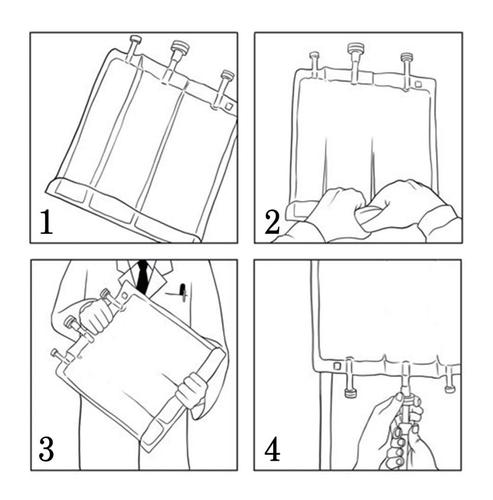
- Manually roll the bag on itself, starting from the top (end with loop). (Figure 1).The non-permanent separation membranes will disappear from the side next to the openings. Continue rolling the bag until the separation membranes are open for about half their length. (Figure 2)
- Mix the bag by inverting it at least 3 times. (Figure 3)
- After reconstitution, the mixture is a homogeneous emulsion with a milky appearance.
After removing the protective cap from the medication access, compatible additives can be added through the same access. (see the sub-paragraph "Addition")
Remove the protective cap from the infusion access and connect the infusion set.
Hang the bag on a suitable support and perform the infusion using standard technique. (Figure 4)
After opening the bag, the contents must be used immediately. Never store the open bag for a subsequent infusion.
Do not reconnect any partially used bags. Do not connect the bags in series to avoid the possibility of gas embolism.
Addition
Before making additions, compatibility must be verified, as the formation of precipitates or destabilization of the lipid emulsion could cause vascular occlusion.
Additions must be made under aseptic conditions.
Finomel can be mixed with the following additives:
- Multivitamin preparations
- Multiple trace element preparations
- Selenium
- Zinc
- Sodium salt
- Potassium salt
- Magnesium salt
- Calcium salt
- Phosphate salt
The table below on indicative compatibilities shows the possible additions of a multi-trace element product such as Nutryelt and a multivitamin product such as Cernevit and generic electrolytes and trace elements in defined quantities. The addition of clinically necessary electrolytes and trace elements must take into account the amounts already included in the initial formulation of the bag.
| g Additive | Total content after addition for all bag sizes of Finomel |
| A Nutryelt (Composition per vial: zinc 153 µmol; copper 4.7 µmol; manganese 1.0 µmol; fluorine 50 µmol; iodine 1.0 µmol; selenium 0.9 µmol; molybdenum 0.21 µmol; chromium 0.19 µmol; iron 18 µmol) | 2 vials/bag |
| Cernevit (Composition per vial: vit. A (as retinol | 2 vials/bag |
| palmitate) 3,500 IU, vit. D3 (cholecalciferol) 220 IU, vit. E (alpha-tocopherol) 11.2 IU, vit. C (ascorbic acid) 125 mg, vit. B1 (thiamine) 3.51 mg, vit. B2 (riboflavin) 4.14 mg, vit. B6 (pyridoxine) 4.53 mg, vit. B12 (cyanocobalamin) 6 µg, vit. B9 (folic acid) 414 µg, vit. B5 (pantothenic acid) 17.25 mg, vit. B8 (biotin) 69 µg, vit. PP (nicotinamide) 46 mg) | c o | |
| Sodium | 138 mmol/L | |
| Potassium | a 138 mmol/L | |
| Magnesium | 5 mmol/L | |
| Calcium | 4.6 mmol/L | |
| Phosphate (organic, as sodium glycerophosphate) O Phosphate (mineral, as potassium phosphate) | m 18.5 mmol/L r 5.5 mmol/L | |
| Selenium | a 7.6 µmol/L | |
| Zinc | 0.31 mmol/L |
Compatibility may vary between products from different sources and healthcare professionals are advised to carry out adequate checks when mixing Finomel with other parenteral solutions.
Mix the contents of the bag thoroughly and visually inspect the mixture. There must be no signs of emulsion separation. The mixture is a homogeneous white milky emulsion.
When making additions, measure the final osmolarity of the mixture.

Не уверены, подходит ли вам это лекарство?
Обсудите симптомы и варианты лечения с врачом онлайн.
Finomel Periferico emulsion for infusion
Read this leaflet carefully before using this medicine as it contains important
information for you.
- Keep this leaflet. You may need to read it again.
- If you have any questions, ask your doctor or nurse.
- This medicine has been prescribed only for you. Do not give it to other people, even if their symptoms are the same as yours, as it could be dangerous.
- If any side effects occur, including those not listed in this leaflet, tell your doctor or nurse. See section 4.
Contents of this leaflet.
- 1. What Finomel Periferico is and what it is used for
- 2. What you need to know before using Finomel Peri
- 3. How to use Finomel Peri
- 4. Possible side effects
- 6. How to store Finomel Peri
- 6. Contents of the pack and other information
2. What is Finomel Periferico and what is it used for?
Finomel contains amino acids (used to build proteins), glucose (carbohydrates), lipids
(fats) and salts (electrolytes).
Finomel Periferico is used to nourish adults with a tube in a vein when normal
nutrition by mouth is not suitable.
4. What you need to know before you use Finomel Peri
Do not use Finomel Peri:
- if you are allergic to fish proteins, eggs, soybean seeds, peanuts, or cereals and their derivatives (see also paragraph "Warnings and precautions" below), or to any of the other ingredients of this medicine (listed in paragraph 6).
- if you have high levels of fats in your blood
- if you have severe liver problems
- if you have blood coagulation problems
- if you have a disorder in which your body does not process amino acids
- if you have severe kidney problems
- if you have too much sugar in your blood
- if you have an excessively high amount of electrolytes (sodium, potassium, magnesium, calcium and/or phosphorus) in your blood
- if you have problems getting large amounts of fluids into your veins, such as acute pulmonary edema, hyperhydration and decompensated heart problems
- if you have a serious acute health problem such as severe post-traumatic conditions, uncontrolled diabetes mellitus, acute myocardial infarction, stroke, embolism, metabolic acidosis, severe sepsis (bacteria in the blood), hypotonic dehydration and hyperosmolar coma.
In all cases, the doctor will decide whether you should receive this medicine based on factors such as age, weight
and clinical condition, as well as the results of the tests performed.
Warnings and precautions
Talk to your doctor or nurse before using Finomel Periferico if you have:
- A severe kidney problem. You should also inform your doctor if you are on dialysis and if you are undergoing another form of treatment to cleanse the blood
- A severe liver problem
- A blood coagulation problem
- Adrenal glands that are not working properly (adrenal insufficiency). The adrenal glands are triangular in shape and are located above the kidneys.
- Heart failure
- Lung disease
- An accumulation of water in the body (hyperhydration)
- Insufficient water in the body (dehydration)
- High blood sugar (diabetes mellitus) that is not being treated
- A heart attack or shock due to a sudden heart attack
- A severe metabolic acidosis (the blood is too acidic)
- A severe infection (sepsis)
If signs or symptoms of an allergic reaction develop, such as fever, chills, skin reactions or
difficulty breathing, the infusion will be stopped immediately. This medicine contains fish oil,
soybean seed oil, egg phosphatide proteins and glucose derived from cereals, which can
cause hypersensitivity reactions. Allergic cross-reactions between soybean seed and peanut proteins have been observed.
Difficulty breathing may also be a sign of the formation of small particles that
block blood vessels in the lungs (pulmonary vascular precipitates). If you have difficulty breathing,
tell your doctor or nurse who will decide what to do.
During the infusion, tell your doctor or nurse if you notice burning, stiffness, swelling or discoloration
of the skin at the infusion site. Administration will be stopped immediately
to resume in another vein.
When inserting a tube (central venous catheter) into a vein, there is a particular risk of
infection or sepsis (bacteria or toxins in the blood). The doctor will carefully examine you for
any signs of infection. The use of an "aseptic" ("germ-free") technique in placing and
maintaining the catheter and in preparing the nutritional formulation can reduce the risk of
infection.
Fat overload syndrome has been reported with similar products. The reduced or
limited ability of the body to remove the fats contained in Finomel Periferico can lead to a
"fat overload syndrome" (see paragraph 4 - Possible side effects).
If you have severe malnutrition to the point where you need to be fed intravenously, it is
recommended to start parenteral nutrition slowly and cautiously.
Further monitoring tests
Before starting the infusion, the water and electrolyte balance in your
body and metabolic disorders must be corrected. To control the effectiveness and safety during
administration, the doctor may perform clinical and laboratory tests while you are
receiving this medicine. The doctor will monitor your condition and may adjust
the dosage or give you more medicine.
Children and adolescents
There is no experience with the use of Finomel Periferico in children and adolescents.
Other medicines and Finomel Peri
Tell your doctor or nurse if you are taking, have recently taken or may take
any other medicine.
Finomel Periferico contains calcium. It should not be administered together or in the same tubing with
the antibiotic ceftriaxone because particles may form. If the same device is used to administer these
medicines one after the other, it must be rinsed thoroughly.
The olive and soybean oils present in Finomel Periferico contain vitamin K. This usually does not affect medicines that thin the blood (anticoagulants) such as coumarin.
However, if you are taking anticoagulants, you should tell your doctor.
The lipids contained in this emulsion can interfere with the results of certain laboratory tests if
the blood sample is taken before the lipids have been eliminated (this usually happens
after an interval of 5-6 hours during which no lipids are received).
Pregnancy and breastfeeding
If you are pregnant, suspect you are pregnant, are planning a pregnancy or are breastfeeding
ask your doctor for advice before receiving this medicine. There is no data on the use of
Finomel Periferico in pregnant or breastfeeding women. The use of
this medicine may be considered during pregnancy or breastfeeding if the doctor deems it necessary.
Driving and operating machinery
Not applicable as the medicine is administered in hospital.
5. How to use Finomel Peri
Use this medicine following the instructions of your doctor exactly. If you have any doubts, consult your
doctor.
This medicine is administered by intravenous infusion (drip) through a small tube
directly into a vein.
The doctor will decide the specific dose for you based on your weight and how your body is functioning. Finomel
Periferico will be administered to you by a healthcare professional.
Use in children
The safety and efficacy in children and adolescents under 18 years of age have not been established.
If you use more Finomel Periferico than you should
It is unlikely that you will receive an excessive amount of Finomel Periferico since it is a
healthcare professional who administers it to you.
4. Possible side effects
Like all medicines, this medicine can cause side effects, although not everybody gets them.
The following side effects have been reported with an unknown frequency:
- Hypersensitivity reactions (which may give symptoms such as sweating, fever, low blood pressure, skin rashes, hives (red and swollen areas), flushing, headache)
- Refeeding syndrome (an illness that develops when you are fed after long periods of fasting)
- High blood sugar levels (hyperglycemia)
- Dizziness
- Headache
- Inflammation of the veins (thrombophlebitis)
- Pulmonary embolism
- Difficulty breathing
- Nausea
- Vomiting
- A slight increase in body temperature
- Elevated levels in the blood (plasma) of compounds from the liver
- Fat overload syndrome
- Leakage of the infusion into the surrounding tissues (extravasation)
Reporting of side effects
If you get any side effect, even if not listed in this leaflet, tell your doctor or nurse. You can also report side effects directly through the
national reporting system at www.agenziafarmaco.gov.it/content/come-segnalare-
una-sospetta-reazione-avversa
By reporting side effects you can help provide more information on the safety of
this medicine.
5. How to store Finomel Periferico
Keep this medicine out of the sight and reach of children.
Store in the outer packaging. Do not freeze.
Do not use this medicine after the expiry date which is stated on the bag label and on the
box after Exp. The expiry date refers to the last day of that month.
Do not use this medicine if you notice visible particles in the solution or if the bag is damaged.
Do not dispose of any medicine in wastewater or household waste. Ask your pharmacist how to
dispose of medicines you no longer use. This will help protect the environment.
6. Contents of the pack and other information
What Finomel Periferico contains
- The active substances are
g per 1000
mL
Alanine 6.52
Arginine 3.62
Glycine 3.24
Histidine 1.51
Isoleucine 1.89
Leucine 2.30
Lysine (as hydrochloride) 2.28
Methionine 1.26
Phenylalanine 1.76
Proline 2.14
Serine 1.58
Threonine 1.32
Tryptophan 0.57
Tyrosine 0.13
Valine 1.83
Sodium acetate trihydrate 1.77
Potassium chloride 1.41
Calcium chloride dihydrate 0.23
Magnesium sulfate heptahydrate 0.78
Sodium glycerophosphate hydrate 1.87
Zinc sulfate heptahydrate 0.007
Glucose (as monohydrate) 77.8
Soybean oil, purified 8.46
Olive oil, purified 7.05
Medium chain triglycerides 7.05
Fish oil, rich in omega- 3 acids
5.64
- The other ingredients are glacial acetic acid, hydrochloric acid, egg phospholipids, glycerol, sodium oleate, all-rac-alpha-tocopherol, sodium hydroxide, water for injections.
Description of the appearance of Finomel Periferico and contents of the pack
Glucose and amino acid solutions are transparent and colourless or slightly yellow, free of
particles. The lipid emulsion is white and homogeneous.
After mixing the 3 compartments, the product appears as a white emulsion,
Pack sizes
4x1085 mL
4x1450 mL
4x2020 mL
Marketing authorisation holder and manufacturer
Baxter S.p.A.
Piazzale dell’Industria 20
00144 Rome
Italy
Manufacturer:
Baxter SA
Boulevard René Branquart 80
7860 Lessines
Belgium
This medicinal product is authorised in the Member States of the EEA with the following names:
Austria, Belgium, Czech Republic, Germany, Greece,
Ireland, Italy, Luxembourg, Netherlands, Poland,
Spain, United Kingdom
FINOMEL PERI
Denmark, Finland, Iceland, Norway, Sweden Finomel Perifer
France
Belgium, Luxembourg, Netherlands
Fosomel Peri
Periomegomel
<------------------------------------------------------------------------------------------------------------------------>
The following information is intended for healthcare professionals only:
- A. QUALITATIVE AND QUANTITATIVE COMPOSITION
Finomel Periferico is available in a 3-compartment plastic bag. Each bag contains a
sterile, pyrogen-free combination of a 13% glucose solution, a 10% amino acid solution with
electrolytes and a 20% lipid emulsion.
The table below provides the composition of the reconstituted emulsion after mixing the
contents of the 3 compartments.
| Active substance | 1085 mL | 1450 mL | 2020 mL |
| Fish oil, rich in omega- 3 acids | 6.12 g | a 8.16 g | 11.40 g |
| Purified olive oil | 7.65 g | F 10.20 g | 14.25 g |
| Purified soybean oil | 9.18 g | 12.24 g | 17.10 g |
| Medium chain triglycerides | 7.65 g | 10.20 g | 14.25 g |
| Alanine | 7.08 g | l 9.46 g | 13.17 g |
| Arginine | 3.93 g | e 5.26 g | 7.31 g |
| Glycine | 3.52 g | 4.71 g | 6.55 g |
| Histidine | 1.64 g | d 2.19 g | 3.05 g |
| Isoleucine | 2.05 g | 2.74 g | 3.82 g |
| Leucine | 2.50 g | 3.34 g | 4.64 g |
| Lysine (as lysine hydrochloride) | a 1.98 g (2.48 g) | 2.65 g (3.31 g) | 3.69 g (4.61 g) |
| Methionine | n 1.37 g | 1.83 g | 2.54 g |
| Phenylalanine | 1.92 g | 2.56 g | 3.56 g |
| Proline | a 2.33 g | 3.11 g | 4.32 g |
| Serine | i 1.71 g | 2.29 g | 3.18 g |
| Threonine | l 1.44 g | 1.92 g | 2.67 g |
| Tryptophan | 0.62 g | 0.82 g | 1.14 g |
| Tyrosine | a 0.14 g | 0.18 g | 0.25 g |
| t Valine | 1.98 g | 2.65 g | 3.69 g |
| I Sodium acetate trihydrate | 1.92 g | 2.57 g | 3.57 g |
| Potassium chloride | 1.53 g | 2.05 g | 2.85 g |
| Calcium chloride dihydrate | 0.25 g | 0.34 g | 0.47 g |
| a Magnesium sulfate heptahydrate | 0.84 g | 1.13 g | 1.57 g |
| i Sodium glycerophosphate hydrate | 2.03 g | 2.71 g | 3.77 g |
| z Zinc sulfate heptahydrate | 0.008 g | 0.011 g | 0.015 g |
| z Glucose anhydrous (as glucose monohydrate) | 76.7 g (84.4 g) | 102.6 g (112.8 g) | 142.9 g (157.2 g) |
- B. POSOLOGY AND METHOD OF ADMINISTRATION
Posology
Dosage must be individualized based on energy expenditure, the patient's clinical condition,
body weight and ability to metabolize the constituents of FINOMEL PERI, as well as any additional
energy or protein provided orally/enterally. Therefore, the bag size must be chosen accordingly.
Average daily requirements for adults are:
- In patients with normal nutritional status or with mild catabolic stress: 0.6-0.9 g of amino acids/kg of body weight/day (0.10-0.15 g of nitrogen/kg of body weight/day).
- In patients with moderate or severe metabolic stress with or without malnutrition: 0.9-1.6 g of amino acids/kg of body weight/day (0.15-0.25 g of nitrogen/kg of body weight/day).
- In patients with specific conditions (e.g. burns or marked anabolism) the nitrogen requirement may be even higher.
The maximum daily dose varies depending on the patient’s clinical condition and may change from
day to day.
The flow rate should be increased gradually during the first hour.
The infusion rate must be adjusted taking into account the dose to be administered, the daily volumes
to be given and the duration of the infusion.
The recommended infusion duration is between 14 and 24 hours.
The dosage range of 20-40 mL/kg of body weight/day corresponds to 0.6-1.3 g of
amino acids/kg of body weight/day (0.10-0.21 g of nitrogen/kg of body weight/day) and 14-27 kcal/kg of
body weight/day of total energy (11-22 kcal/kg of body weight/day of non-protein energy).
The maximum flow rate is 0.25 g/kg of body weight/hour for glucose, 0.1 g/kg of body
weight/hour for amino acids and 0.15 g/kg of body weight/hour for lipids.
The infusion rate should not exceed 3.0 mL/kg of body weight/hour (corresponding to 0.09 g
of amino acids, 0.21 g of glucose and 0.09 g of lipids/kg of body weight/hour).
The maximum recommended daily dose is 40 mL/kg of body weight/day, and will provide 1.3 g of
amino acids/kg of body weight/day (corresponding to 0.21 g of nitrogen/kg of body weight/day), 2.8 g
of glucose/kg of body weight/day, 1.2 g of lipids/kg of body weight/day and 27 kcal/kg of body
weight/day of total energy (corresponding to 22 kcal/kg of body weight/day of non-protein
energy).
Paediatric population
No studies have been performed with Finomel Periferico in the paediatric population
Patients with renal/hepatic impairment
Use with caution in patients with hepatic impairment, including cholestasis and/or elevated liver
enzymes. Liver function parameters must be closely monitored.
Method of administration
For intravenous use, infusion into a peripheral or central vein.
For instructions on reconstituting the medicinal product before administration, see section E.
Special precautions for disposal and handling.
If peripheral veins are used for the infusion, the osmolarity of the solutions must be taken into
account, as thrombophlebitis may occur. The catheter insertion site must be assessed daily for
signs of local thrombophlebitis.
For information on mixing with other infusions/with blood before or during
administration, see section C. Incompatibilities.
- C. INCOMPATIBILITIESThis medicinal product must not be mixed with other medicinal products for which compatibility has not been documented. Ceftriaxone must not be mixed or administered concurrently with intravenous solutions containing calcium, including Finomel Peri. Finomel Periferico must not be administered simultaneously with blood through the same infusion tubing.
- D. OVERDOSEIn case of overdose, nausea, vomiting, chills, hyperglycemia and electrolyte disturbances may occur, as well as signs of hypervolemia and acidosis. If this occurs, stop the infusion immediately.
If hyperglycemia occurs, it must be treated according to the clinical situation, with appropriate
insulin administration and/or adjusting the infusion rate. Overdose can also
cause fluid overload, electrolyte imbalance and hyperosmolarity.
If symptoms persist after stopping the infusion, hemodialysis, hemofiltration or hemodiafiltration may be considered.
- E. SPECIAL PRECAUTIONS FOR DISPOSAL AND HANDLING
Opening:
- Remove the outer protective wrapper.
- Discard the oxygen absorber bag.
- Use only if the bag is undamaged, if the non-permanent separating membranes are intact (i.e. no mixing of the contents of the 3 compartments), if the amino acid solution and the glucose solution are clear, colourless or slightly yellow, and practically free of visible particles, and if the lipid emulsion is a homogeneous liquid with a milky appearance.
Mixing the compartments:
- Ensure that the product is at room temperature when breaking the non-permanent separating membranes.
- Manually roll the bag up from the top (end with loop). (Figure 1)The non-permanent separating membranes will disappear from the side next to the openings. Continue rolling the bag until the separating membranes are open for about half their length. (Figure 2)
- Mix the bag by inverting it at least 3 times. (Figure 3)
- After reconstitution the mixture is a homogeneous emulsion with a milky appearance.
After removing the protective cap from the medication access, compatible components can be added
through the same access. (see sub-paragraph "Addition")
Remove the protective cap from the infusion access and connect the infusion set.
Hang the bag on a suitable support and perform the infusion using standard technique. (Figure 4)
After opening the bag, the contents must be used immediately. Never store an open bag for a subsequent
infusion. Do not reconnect partially used bags. Do not connect bags in series to avoid
the possibility of gas embolism.
Addition
Before making additions, compatibility must be verified, as the formation of
precipitates or destabilization of the lipid emulsion could cause vascular occlusion.
Additions must be made under aseptic conditions.
It is possible to mix Finomel Periferico with the following additives:
- Multivitamin preparations
- Multiple trace element preparations
- Selenium
- Zinc
- Sodium salt
- Potassium salt
- Magnesium salt
- Calcium salt
- Phosphate salt
The table below on indicative compatibilities shows the possible additions of a product with multiple
trace elements such as Nutryelt and of a multivitamin product such as Cernevit and of electrolytes and
generic trace elements in defined quantities. The addition of electrolytes and trace elements clinically
necessary must take into account the quantities already included in the initial formulation of the bag.
| a n Additive | Total content after addition for all sizes of Finomel Peri bags | |
| a Nutryelt (Composition per vial: zinc 153 i µmol; copper 4.7 µmol; manganese 1.0 µmol; fluorine l 50 µmol; iodine 1.0 µmol; selenium 0.9 µmol; molybdenum 0.21 µmol; chromium 0.19 µmol; iron 18 µmol) | 2 vials/bag | |
| a t Cernevit (Composition per vial: vit. A (as retinyl palmitate) 3,500 IU, vit. D3 (cholecalciferol) I 220 IU, vit. E (alpha-tocopherol) 11.2 IU, vit. C (ascorbic acid) 125 mg, vit. B1 (thiamine) 3.51 mg, vit. B2 a (riboflavin) 4.14 mg, vit. B6 (pyridoxine) 4.53 mg, vit. B12 (cyanocobalamin) 6 µg, vit. B9 (folic acid) 414 µg, vit. B5 (pantothenic acid) 17.25 mg, vit. B8 (biotin) 69 µg, vit. PP (nicotinamide) 46 mg) | 2 vials/bag | |
| z Sodium | 138 mmol/L | |
| Potassium | 138 mmol/L | |
| n Magnesium | 5 mmol/L | |
| Calcium | 4.6 mmol/L | |
| e Phosphate (organic, as sodium glycerophosphate) g O Phosphate (mineral, as potassium phosphate) | 18.5 mmol/L 9.2 mmol/L | |
| Selenio | 7.6 µmol/L | |
| A Zinc | 0.31 mmol/L |
Vial volume: 10 mL of concentrated solution
Vial volume: 5 mL of lyophilized powder
Compatibility may vary between products from different sources and healthcare professionals are warned to
perform adequate checks when mixing Finomel Periferico with other parenteral solutions.
Thoroughly mix the contents of the bag and visually inspect the mixture. There must be no
signs of emulsion separation. The mixture is a homogeneous milky white emulsion.
When making additions, especially before administration into a peripheral vein, measure
the final osmolarity of the mixture.

Уже начали прием и появились вопросы?
Обсудите свое состояние и дальнейшие шаги с врачом онлайн.
- Страна регистрации
- Форма выпускаEmulsion for intravenous infusion, 1085 ML
- Код АТХB05BA10
- Действующее вещество
- Отпускается по рецептуДа
- Производитель
- Информация на этой странице носит справочный характер и не является медицинской консультацией. Перед началом приема лекарства обязательно проконсультируйтесь с врачом.
- Аналоги FINOMELФорма выпуска: Infusion solution, 10%Действующее вещество: combinationsПроизводитель: B. BRAUN MELSUNGEN AGОтпускается по рецептуФорма выпуска: Infusion solution, 1000 MLДействующее вещество: combinationsПроизводитель: B. BRAUN MELSUNGEN AGОтпускается по рецептуФорма выпуска: Infusion solution, 1000 MLДействующее вещество: combinationsПроизводитель: BAXTER S.P.A.Отпускается по рецепту
Аналоги FINOMEL в других странах
Лекарства с тем же действующим веществом, доступные в других странах.
Аналог FINOMEL в Испания
Аналог FINOMEL в Польша
Аналог FINOMEL в Украина
Врачи онлайн по FINOMEL
Обсудите применение FINOMEL и возможные следующие шаги — по оценке врача.









Получите рецепт на FINOMEL онлайн
Заполните форму за 2 минуты
Расскажите о симптомах, истории болезни и нужном препарате.
Выберите врача или мы назначим
Выберите специалиста или мы подберём ближайшего доступного врача.
Врач рассматривает ваш случай
Обычно в течение 30 минут. Может задать уточняющие вопросы в чате.
Получите в любой аптеке
Электронный рецепт отправляется на вашу почту — действителен по всей Польше.
Часто задаваемые вопросы
FINOMEL требует рецепта в Италия. Вы можете уточнить у врача онлайн, подходит ли это лекарство для вашей ситуации.
Действующее вещество FINOMEL — combinations. Эта информация помогает определить лекарства с тем же составом под другими торговыми названиями.
FINOMEL производится компанией BAXTER S.P.A.. Упаковка и торговое название могут отличаться в зависимости от дистрибьютора.
Врачи, включая Семейные врачи, Психиатры, Дерматологи, Кардиологи, Эндокринологи, Гастроэнтерологи, Пульмонологи, Нефрологи, Ревматологи, Гематологи, Инфекционисты, Аллергологи, Гериатры, Педиатры, Онкологи, могут оценить целесообразность применения FINOMEL с учетом вашей ситуации и местных правил. Вы можете записаться на онлайн-консультацию, чтобы обсудить возможные варианты.
Польша имеет хорошо развитую систему здравоохранения в крупных городах, таких как Варшава, Краков, Вроцлав и Гданьск. Аптеки широко доступны и работают в соответствии с действующим законодательством, обеспечивая доступ к рецептурным препаратам.
Вы можете купить FINOMEL в Варшаве, Кракове, Вроцлаве или Гданьске в любой аптеке при наличии действующего рецепта.
Чтобы получить рецепт, вы можете воспользоваться Oladoctor:
Другие лекарства с тем же действующим веществом (combinations) включают AMIXAL, BASALFLEX, KLINIMIX. Они могут отличаться торговым названием или формой выпуска, но содержат одинаковый терапевтический компонент. Перед изменением лечения рекомендуется проконсультироваться с врачом.
