



ALGOPIRINA 100 mg /5 Ml Оральная Суспензия

Рассмотрение рецепта онлайн
Врач рассмотрит ваш случай и примет решение о назначении рецепта, если это медицински оправдано.

Поговорите с врачом об этом лекарстве
Обсудите симптомы и возможные дальнейшие шаги на онлайн-консультации.



Инструкция по применению ALGOPIRINA FEBBRE E DOLORE
Содержание инструкции
- ALGOPIRINA FEBBRE E DOLORE
- ALGOPIRINA FEBBRE E DOLORE Bambini 100mg/5ml oral suspension strawberry flavour sugar free
- ALGOPIRINA FEBBRE E DOLORE Bambini 100mg/5ml oral suspension orange flavour sugar free
- Algopirina Febbre e Dolore Bambini 100mg/5ml oral suspension orange flavour without
ALGOPIRINA FEBBRE E DOLORE
200 mg oral suspension in sachet, orange flavour
Ibuprofen
Read this leaflet carefully before taking this medicine as it contains
important information for you.
Always take this medicine exactly as described in this leaflet or as your doctor
or pharmacist has told you to do.
- Keep this leaflet. You may need to read it again.
- If you want more information or advice, ask your pharmacist.
- If any side effects occur, including those not listed in this leaflet, tell your doctor or pharmacist. See section 4.
- See a doctor if you do not feel better or if your symptoms worsen after 3 days.
Contents of this leaflet:
- 1.What Algopirina Febbre e Dolore is and what it is used for
- 2.What you need to know before you take Algopirina Febbre e Dolore
- 3.How to take Algopirina Febbre e Dolore
- 4.Possible side effects
- 5.How to store Algopirina Febbre e Dolore
- 6.Contents of the pack and other information
1. What is Algopirina Febbre e Dolore and what is it used for
Algopirina Febbre e Dolore contains the active ingredient ibuprofen which belongs to a group
of drugs called non-steroidal anti-inflammatory drugs and is indicated in the symptomatic treatment of
fever, including post-vaccination fever, and mild or moderate pain (such as headache,
toothache, sore throat, earache).
2. What you need to know before taking Algopirina Febbre e Dolore
Do not take Algopirina Febbre e Dolore if:
- you are allergic to ibuprofen or to any of the other ingredients of this medicine (listed in section 6);
- you have experienced or had in the past allergic reactions such as shortness of breath, rhinitis (runny nose), swelling of the face, lips and throat (angioedema) or urticaria, especially if associated with nasal polyps and asthma, after taking other analgesics, other antipyretics, acetylsalicylic acid and other non-steroidal anti-inflammatory drugs (NSAIDs);
- you suffer from a lesion of the internal lining tissue (mucosa) of the stomach of the first part of the intestine, in an active phase (active peptic ulcer);
- you suffer from severe impairment of kidney and liver function;
- you suffer from serious heart problems (severe heart failure);
- you suffer from or have suffered from bleeding or perforations of the stomach and/or intestine (gastrointestinal bleeding) or perforation following previous treatments with NSAIDs;
- you suffer from or have suffered from gastric/duodenal ulcers (peptic ulcers) or ongoing or recurrent bleeding (at least two distinct episodes of demonstrated ulceration or bleeding); Page. 1to 23
- you are taking other non-steroidal anti-inflammatory drugs (NSAIDs) at the same time, including those that work by selectively inhibiting the action of an enzyme called COX-2 (see Other medicines and Algopirina Febbre e Dolore);
- you have bleeding in the brain (cerebrovascular bleeding) or other active bleeding;
- you suffer from severe dehydration (caused by vomiting, diarrhea or insufficient fluid intake);
- you suffer from unexplained blood disorders such as low platelets in the blood;
- you are in the last trimester of pregnancy (see Pregnancy and breastfeeding).
Warnings and precautions
Take special care with Algopirina Febbre e Dolore.
Serious skin reactions, including exfoliative dermatitis, erythema multiforme, Stevens-Johnson syndrome, toxic epidermal necrolysis, drug reaction with eosinophilia and systemic symptoms (DRESS), acute generalized exanthematous pustulosis (AGEP) have been reported in association with treatment with ibuprofen.
Stop using Algopirina Febbre e Dolore and contact your doctor immediately if you notice any
symptoms related to these serious skin reactions described in section 4.
Talk to your doctor or pharmacist before taking Algopirina Febbre e Dolore if:
- you suffer from or have suffered from allergies to medicines used to treat fever, pain and inflammation (non-steroidal anti-inflammatory drugs) and if you suffer from difficulty breathing (asthma), seasonal allergies (hay fever), nasal polyps, if you have serious respiratory or chest problems, e.g. chronic obstructive pulmonary disease, swelling of the face, lips and throat (angioedema);
- you are taking other non-steroidal anti-inflammatory drugs (NSAIDs) to lower fever and/or treat inflammation, including those that work by selectively inhibiting the action of an enzyme called COX-2;
- medicines that increase the risk of bleeding or ulcer formation such as corticosteroids taken orally, medicines that prevent blood clotting (anticoagulants such as warfarin), antidepressant medicines and antiplatelet medicines such as aspirin (see “Other medicines and Algopirina Febbre e Dolore”);
- you have suffered from stomach and intestinal disorders (history of ulcer), especially if complicated by bleeding or perforation, as there may be an increased risk of gastrointestinal bleeding and perforations. In these cases, your doctor will advise you to start treatment with the lowest available dose and possibly the concomitant use of medicines that protect the stomach (misoprostol or proton pump inhibitors). This should also be considered if you are taking low doses of aspirin or other medicines that may increase the risk of stomach and intestinal diseases (see section “Other medicines and Algopirina Febbre e Dolore”). During treatment with all NSAIDs, at any time, with or without warning symptoms or a previous history of serious gastrointestinal events, bleeding, ulceration and perforation of the stomach or intestine can occur, which can be fatal. Therefore, inform your doctor of any unusual gastrointestinal symptoms (especially gastrointestinal bleeding) particularly in the early stages of treatment. If gastrointestinal bleeding or ulceration occurs, stop treatment with Algopirina Febbre e Dolore and contact your doctor;
- you suffer from gastrointestinal diseases such as Crohn's disease or ulcerative colitis, inform your doctor because the use of NSAIDs may exacerbate these diseases (see section 4);
- you are taking medicines that may increase the risk of ulcer or bleeding, such as medicines used to treat inflammation and some diseases of the immune system (oral corticosteroids), anticoagulants such as warfarin, medicines that can
have an antiplatelet effect such as aspirin, medicines to treat depression
(selective serotonin reuptake inhibitors) (see section “Other medicines and
Algopirina Febbre e Dolore”);
- you have heart disease (uncontrolled high blood pressure, congestive heart failure, established ischemic heart disease, peripheral arterial disease) or have suffered from reduced blood flow to the brain (stroke), or if you think the child may be at risk for these conditions (for example if they have high blood pressure, if they have high levels of sugar (diabetes) or fat in the blood or if they smoke). Medicines like Algopirina Febbre e Dolore may be associated with a slight increase in the risk of heart attack or reduced blood flow to the brain: the risk is more likely at high doses and with prolonged therapies. Do not exceed the recommended dose or duration of treatment;
- you suffer from or have suffered from high blood pressure and/or serious heart disease (heart failure) because, in association with NSAID therapy, fluid retention, high blood pressure and swelling (edema) have been reported;
- you have an infection - see section “Infections” below.
- you have chickenpox, in which case it is advisable to avoid using Algopirina Febbre e Dolore;
Tell your doctor or pharmacist before taking ibuprofen-based medicines, acetylsalicylic acid,
or other analgesics, antipyretics or NSAIDs.
The use of Algopirina Febbre e Dolore requires adequate precautions, especially if:
- you suffer from or have suffered from asthma because it may worsen breathing difficulties;
- in the presence of coagulation defects, because a reduction in clot formation may occur;
- in the presence of kidney, heart or hypertension diseases: a possible severe reduction in kidney function (especially in subjects with impaired kidney or liver function, heart failure or treated with diuretics), renal toxicity (nephrotoxicity) or fluid retention may occur;
- in the presence of liver diseases, possible liver toxicity may develop;
- if you are dehydrated due to fever, vomiting or diarrhea, the doctor will advise you to restore hydration both before and during treatment to avoid the risk of impaired kidney function.
Anti-inflammatory/pain relieving drugs such as ibuprofen may be associated with a modest
increased risk of heart attack or stroke, especially when administered at high doses.
Do not exceed the recommended dose or duration of treatment.
You should discuss the therapy with your doctor or pharmacist before taking Algopirina Febbre e Dolore
if you have:
- heart problems including heart attack, angina (chest pain) or if you have a history of heart attack, coronary bypass surgery, peripheral arterial disease (poor circulation in the legs or feet due to narrowing or blockage of the arteries) or any type of stroke (including ‘mini-stroke’ or transient ischemic attack);
- high blood pressure, diabetes, high cholesterol, a family history of heart disease or stroke, or if you are a smoker.
Signs of an allergic reaction to this medicine, including
breathing problems, swelling of the face and neck region (angioedema) and chest pain have been reported with ibuprofen.
Immediately stop treatment with Algopirina Febbre e Dolore and contact
your doctor or emergency medical service immediately if you notice any of these
signs.
During prolonged treatments with Algopirina Febbre e Dolore, you must pay particular
attention and immediately inform your doctor if you experience:
- signs or symptoms of lesions (ulcerations) or bleeding of the stomach and intestines (e.g. black and foul-smelling stools, vomiting blood);
- signs and symptoms of liver damage (e.g. hepatitis with jaundice);
- signs and symptoms of kidney damage (e.g. increased urine production, blood in the urine);
- visual disturbances such as blurred or reduced vision, partial or complete blindness (scotomas), altered color perception: in this case, stop treatment immediately and consult an ophthalmologist;
- symptoms such as headache, disorientation, nausea, vomiting, stiff neck and fever, as these may be symptoms due to aseptic meningitis (more frequent if you have systemic lupus erythematosus or other connective tissue diseases).
Skin reactions
Serious skin reactions have been reported in association with treatment with ibuprofen.
Stop taking Algopirina Febbre e Dolore and consult your doctor immediately if you
develop rash, mucous membrane lesions, blisters or other signs of allergy, as
these may be the first signs of a very serious skin reaction. See section 4.
Infections
Algopirina Febbre e Dolore can mask the symptoms of infections such as fever and pain. It is therefore
possible that Algopirina Febbre e Dolore may delay adequate treatment of the infection,
which may increase the risk of complications. This has been observed in pneumonia
caused by bacteria and in bacterial skin infections related to chickenpox. If you take this
medicine while you have an infection and the symptoms of the infection persist or worsen, contact
your doctor immediately.
To reduce the possible side effects listed above, the minimum effective dose should be used
for the shortest time necessary to control the symptoms.
Children and adolescents
Do not give this medicine to children under 12 years of age.
Other medicines and Algopirina Febbre e Dolore
Tell your doctor or pharmacist if you are taking, have recently taken or might
take any other medicines.
Algopirina Febbre e Doloremay affect or be affected by other medicines, particularly
inform your doctor if you are taking:
- other medicines used for the treatment of pain, to lower fever and/or to treat inflammation (non-steroidal anti-inflammatory drugs, NSAIDs including COX-2 inhibitors or acetylsalicylic acid). In this case, such combinations should be avoided as they increase the risk of possible undesirable effects;
- corticosteroids, medicines used to treat inflammation and some diseases of the immune system: they may increase the risk of ulcer formation or gastrointestinal bleeding (see “Warnings and precautions”);
- medicines used to treat infections caused by bacteria (quinolonic antibacterials): they may increase the risk of convulsions;
- medicines that have an anticoagulant effect (i.e. substances that thin the blood preventing the formation of clots, e.g. aspirin/acetylsalicylic acid, warfarin, ticlopidine);
- medicines used for the treatment of depression such as selective serotonin reuptake inhibitors (SSRIs): they increase the risk of gastrointestinal bleeding (see “Warnings and precautions”);
- antidiabetic medicines to treat high blood sugar levels (sulfonylureas): concomitant use may increase the effect of these drugs;
- a medicine to treat infections caused by viruses (ritonavir): increases the concentration of NSAIDs in the blood;
- medicines that modulate the immune response (cyclosporine and tacrolimus): they increase the risk of kidney toxicity;
- a medicine used in the treatment of cancer and rheumatism (e.g. methotrexate);
- a medicine used for mental illness (lithium): increases the risk of toxicity;
- a medicine for termination of pregnancy (mifepristone): do not take NSAIDs in the 8-10 days following the intake of mifepristone;
- a medicine to treat gout (probenecid);
- zidovudine (a drug used in the treatment of AIDS): increases the risk of hemarthrosis (blood deposit in a joint cavity, due to sprain, dislocation or bone fracture) and hematoma formation in patients positive for the HIV virus and affected by a condition known as hemophilia;
- medicines that reduce high blood pressure (ACE inhibitors such as captopril, beta-blockers such as atenolol, angiotensin II receptor antagonists such as losartan) and diuretics;
- potassium-sparing diuretics;
- CYP2C9 inhibitors (e.g. voriconazole, fluconazole) as the concomitant administration of ibuprofen and CYP2C9 inhibitors may slow down the elimination of ibuprofen (a CYP2C9 substrate) resulting in an increased exposure to ibuprofen;
- zidovudine (a drug used in the treatment of HIV/AIDS);
- medicines used to treat heart disease (cardiac glycosides).
In some patients with kidney problems (for example dehydrated patients or elderly patients with
impaired renal function) the simultaneous administration of ACE inhibitors or angiotensin II
antagonists with agents that inhibit the cyclo-oxygenase system (therefore with the same
mechanism as NSAIDs) may lead to a further worsening of renal function, which
includes a possible severe impairment of renal function, generally reversible.
These interactions should be considered in patients taking Algopirina Febbre e
Dolore in conjunction with ACE inhibitors or angiotensin II antagonists. Therefore, the
combination should be administered with caution.
Patients who need to start this concomitant therapy should be adequately
hydrated and their renal function will be closely monitored by the doctor.
All the interactions listed above are to be understood as common to both ibuprofen, acetylsalicylic acid and other analgesics, antipyretics and other non-steroidal anti-inflammatory drugs (NSAIDs).
Experimental data indicate that ibuprofen may inhibit the effects that acetylsalicylic acid at low
doses has on platelet aggregation, when the drugs are administered concurrently.
However, only limited data are available, and there are uncertainties regarding their
application to the clinical situation, therefore no definitive conclusions can be drawn for
the continuous use of ibuprofen; it seems that there are no clinically relevant effects from the
occasional use of ibuprofen.
Algopirina Febbre e Dolore with food and drink
The medicine can be administered both with or without meals.
Possible side effects on the stomach, if present, can be reduced by taking
the medicine on a full stomach.
Pregnancy and breastfeeding
If you are pregnant, suspect you are pregnant or are planning a pregnancy, or if you are
breastfeeding, ask your doctor or pharmacist for advice before taking this
medicine.
Pregnancy
In such circumstances, please keep the following considerations in mind:
- do not take Algopirina Febbre e Dolore if you are pregnant, because the mechanism through which ibuprofen works (inhibition of prostaglandin synthesis) may negatively interfere with a state of pregnancy and/or with the embryo-fetal development;
- do not take Algopirina Febbre e Dolore in the early stages of pregnancy, in fact results of epidemiological studies suggest an increased risk of abortion and cardiac malformation and gastroschisis (a defect during the embryonic development of the abdominal wall which determines the incomplete closure of the muscles and skin of the abdomen and results in the leakage of the viscera) after the use of a prostaglandin synthesis inhibitor. The absolute risk of cardiac malformations increased from less than 1% to about 1.5%. It is believed that the risk increases with the dose and duration of therapy. In animals, the administration of prostaglandin synthesis inhibitors has shown a higher incidence of pre- and post-implantation losses and embryo-fetal mortality. In addition, in animals to whom prostaglandin synthesis inhibitors were administered during the period of organ formation, an increased incidence of various malformations, including cardiovascular ones, was found.
Do not take ibuprofen in the last 3 months of pregnancy, as it may harm the fetus or
cause problems during childbirth. It may cause problems with the kidneys and heart of the fetus. It may
affect your and the baby's tendency to bleed and delay or prolong labor more than
expected. You should not take ibuprofen in the first 6 months of pregnancy, unless
absolutely necessary and under the advice of a doctor. If treatment is needed in that
period or during attempts to conceive, the minimum dose should be used for the
shortest possible time. From the 20th week of pregnancy, ibuprofen can cause problems
to the fetal kidneys, if taken for more than a few days, reducing the levels of amniotic fluid that
surrounds the baby (oligohydramnios) or causing the narrowing of a blood vessel (ductus
arteriosus) in the baby's heart. If treatment is needed for more than a few days, the
doctor may recommend additional monitoring.
Breastfeeding
This medicine passes into breast milk in small amounts. It can be used during
breastfeeding if taken at the recommended doses and for short periods of time.
Fertility
Avoid taking the medicine if you are trying to conceive as it may have an effect
on ovulation. This effect disappears with discontinuation of treatment.
Driving and operating machinery
Algopirina Febbre e Dolore does not alter or negligibly alters the ability to drive vehicles
or operate machinery, if taken for short periods of treatment.
Algopirina Febbre e Dolore contains:
- liquid maltitol: if your doctor has diagnosed you with an intolerance to certain sugars, contact him before taking this medicine.
- sodium: this medicine contains less than 1 mmol (23 mg) of sodium per sachet, i.e. essentially ‘sodium-free’. Algopirina Febbre e Dolore does not contain sugar and is therefore indicated for those patients who need to control their sugar and calorie intake.
3. How to take Algopirina Febbre e Dolore
Take this medicine following exactly what is reported in this leaflet or the instructions of your doctor or pharmacist. If you have doubts, consult your doctor or pharmacist.
The lowest effective dose must be used for the shortest period necessary to relieve the
symptoms. If you have an infection, consult your doctor immediately if the symptoms (for example
fever and pain) persist or worsen (see paragraph 2).
To reduce possible side effects, the minimum effective dose must be used for the shortest
time necessary to control the symptoms (see paragraph 4).
Consult your doctor if you do not notice any improvement or if you notice a worsening of the symptoms after 3
days.
Use in adults and adolescents over 12 years of age
The recommended dose is 1-2 sachets, up to 3-4 times a day.
The interval between doses should not be less than 4-6 hours.
Do not exceed the dose of 1200 mg (6 sachets) in 24 hours.
Use in children and adolescents
Algopirina Febbre e Dolore should not be taken by children under 12 years of age.
Method of administration
If you have stomach problems, you can take the medicine during meals.
If you take more Algopirina Febbre e Dolore than you should
If you have taken more Algopirina Febbre e Dolore than you should or if your child has taken
this medicine by mistake, always contact a doctor or the nearest hospital in order to
receive an opinion on the risk and advice on the actions to be taken.
Symptoms of overdose may include nausea, stomach pain, vomiting (with
possible presence of blood traces), headache, ringing in the ears, confusion and
uncontrolled eye movements.
At high doses, drowsiness, chest pain, palpitations, loss of
consciousness, seizures (especially in children), weakness and dizziness, blood in the
urine, low
levels of potassium in the blood, feeling of coldness in the body and breathing problems have been reported.
Rarely, uncontrolled eye movements (nystagmus), increased levels of
acidic substances in the blood (metabolic acidosis), lowering of body temperature
(hypothermia), effects on the kidneys, bleeding from the stomach and intestines, coma, temporary interruption
of breathing (apnea), diarrhea, reduction of the activity of the nervous system and
respiratory activity can occur.
In addition, it may manifest: disorientation, excited state, fainting, lowering of the
blood pressure (hypotension), decrease or increase of the heartbeats (bradycardia or
tachycardia), lethargy.
In cases of severe poisoning, it is possible that a prolongation of the time that the
blood takes to coagulate (prolongation of prothrombin time (INR)) occurs. If you suffer from asthma,
a worsening of the symptoms of the disease may occur.
If you take significantly high doses, you may experience serious damage to the kidneys and
liver.
Symptoms of overdose may appear within 4-6 hours of taking ibuprofen.
Symptoms of overdose can occur in children who have taken more than 400
mg/kg. The time required to reduce drug concentrations in the blood in case of
taking excessive doses is 1.5-3 hours.
Treatment
There is no specific antidote for ibuprofen overdose. In case of overdose, it is
therefore indicated a symptomatic supportive treatment.
In case of acute overdose, gastric emptying (vomiting or gastric lavage) is all the more
effective the sooner it is implemented; the administration of
alkaline substances and the induction of diuresis may also be useful; taking a substance known as activated charcoal can help reduce drug absorption.
In case of accidental ingestion of an excessive dose of Algopirina Febbre e Dolore, immediately notify
your doctor or go to the nearest hospital.
If you forget to take Algopirina Febbre e Dolore
Do not take a double dose to make up for a missed dose.
If you have any doubts about the use of this medicine, ask your doctor or pharmacist.
4. Possible side effects
Like all medicines, this medicine can cause side effects, although not everyone will experience them.
If you experience any of the following side effects, STOP treatment with Algopirina
Febbre e Dolore and seek immediate medical attention:
- severe skin and mucous membrane alterations characterized by rashes, redness, itching, and blisters (bullous and exfoliative dermatitis including erythema multiforme, Stevens-Johnson syndrome and toxic epidermal necrolysis);
- allergic reactions, even severe, which may include: hives, itching, purpura, swelling of the face, mouth and throat (angioedema), difficulty breathing (bronchospasm or dyspnea), altered heartbeats (tachycardia), low blood pressure (hypotension), anaphylaxis, shock and worsening of asthma;
- aseptic meningitis with symptoms such as disorientation, headache, nausea, vomiting, stiff neck and fever (more frequent if the child suffers from systemic lupus erythematosus or other collagen diseases);
- reddish, non-raised, target-shaped or circular spots on the trunk, often with central blisters, skin peeling, mouth, throat, nose, genital and eye ulcers. These severe skin rashes may be preceded by fever and flu-like symptoms [exfoliative dermatitis, erythema multiforme, Stevens-Johnson syndrome, toxic epidermal necrolysis];
- widespread rash, high body temperature and enlarged lymph nodes (DRESS syndrome);
- widespread, red and scaly rash, with bumps under the skin and blisters, accompanied by fever. The symptoms usually appear at the beginning of treatment (acute generalized exanthematous pustulosis).
Further side effects include:
Uncommon (may affect up to 1 in 100 people):
- headache, dizziness, drowsiness and convulsions;
- stomach pain, nausea and difficulty digesting (dyspepsia);
- skin rashes.
Rare (may affect up to 1 in 1,000 people):
- cystitis, rhinitis;
- depression, insomnia, difficulty concentrating, unstable mood, hearing and vision disturbances
- cerebrovascular hemorrhage;
- dry eyes;
- perception of your heartbeat (palpitations);
- diarrhea, flatulence, dry mouth, constipation and vomiting;
- hair loss (alopecia), skin reaction caused by exposure to sunlight (photosensitivity dermatitis);
- severe kidney diseases including tubular necrosis, glomerulonephritis, appearance of blood in the urine and increased urine production;
- decreased levels of hematocrit.
Very rare (may affect up to 1 in 10,000 people):
- reduction in the number of blood cells (anemia, leukopenia, thrombocytopenia, eosinophilia, pancytopenia, agranulocytosis) - the first signs are: fever, sore throat, superficial mouth ulcers, flu-like symptoms, severe fatigue, nosebleeds and hemorrhages;
- signs or symptoms of ulcers or bleeding in the stomach and intestines, black and foul-smelling stools, vomiting blood;
- lesions with bleeding of the mouth, heartburn (gastritis);
- simultaneous disease of the kidneys and liver (hepatorenal syndrome), death of some liver cells (hepatic necrosis), liver disease (liver failure, hepatic dysfunction, hepatitis, jaundice);
- severe kidney diseases (acute renal failure, papillary necrosis) particularly following long-term treatments, associated with an increase in blood urea concentration and swelling (edema);
- decreased levels of hemoglobin in the blood;
- severe skin infections and soft tissue complications during varicella infection;
- worsening of infections-related inflammation (e.g. necrotizing fasciitis) associated with the use of some non-steroidal anti-inflammatory drugs (NSAIDs). If you develop or worsen signs of an infection, you should immediately contact your doctor to assess whether infectious/antibiotic therapy is necessary.
Frequency not known (the frequency cannot be estimated on the basis of the available data):
- irritability;
- fluid retention and decreased appetite;
- perception of abnormal noises such as ringing, buzzing or hissing (tinnitus);
- severe heart disease (heart failure) and swelling (edema);
- increased blood pressure (hypertension) and reduced blood flow to the body (shock);
- respiratory disorders including asthma, laryngeal obstruction, labored breathing (bronchospasm), temporary cessation of breathing (apnea) and difficulty breathing (dyspnea);
- worsening of inflammatory bowel diseases (colitis and Crohn's disease), inflammation of the pancreas (pancreatitis), inflammation of the duodenum (duodenitis), inflammation of the esophagus (esophagitis);
- a severe skin reaction known as DRESS syndrome may occur. Symptoms of DRESS include: rash, fever, swollen lymph nodes and increased eosinophils (a type of white blood cells);
- a widespread, red and scaly rash, with the formation of pustules under the skin and blisters located mainly in the skin folds, on the trunk and upper limbs accompanied by fever at the beginning of treatment (acute generalized exanthematous pustulosis). Stop using Algopirina Febbre e Dolore if you develop these symptoms and contact your doctor immediately. See also paragraph 2;
- the skin becomes sensitive to light;
- chest pain, which may be a sign of a potentially severe allergic reaction called Kounis syndrome.
The use of ibuprofen, especially at high doses (2400 mg/day), may be associated with a
modest increase in the risk of heart attack (myocardial infarction) or stroke.
Reporting of side effects
If you get any side effects, even those not listed in this leaflet, tell your doctor or pharmacist. You
can also report side effects directly through the national reporting system reported at the address
www.aifa.gov.it/content/segnalazioni-reazioni-avverse. By reporting side effects you can
contribute to providing more information on the safety of this medicine.
5. How to store Algopirina Febbre e Dolore
Keep this medicine out of the sight and reach of children.
Do not use this medicine after the expiry date which is stated on the label after “Exp.”.
The expiry date refers to the last day of that month.
Do not dispose of any medicine in waste water or household waste. Ask your pharmacist how to
dispose of medicines you no longer use. This will help protect the environment.
6. Contents of the pack and other information
What Algopirina Febbre e Dolore contains
The active ingredient is ibuprofen.
Each sachet contains:
Ibuprofen 200 mg
The other ingredients are:
Citric acid monohydrate, sodiumcitrate, acesulfame potassium, xanthan gum, sodiumbenzoate,
orange flavour, liquid maltitol, glycerol, purified water.
Description of the appearance of Algopirina Febbre e Dolore and contents of the pack
Single-dose sachets with a capacity of 10 ml, consisting of a polyester/aluminium/
polyethylene complex.
The package contains the oral suspension in 6 or 12 sachets of 10 ml.
Not all pack sizes may be marketed.
Marketing Authorisation Holder and Manufacturer
Marketing Authorisation Holder
So.Se.PHARM S.r.l.
Via dei Castelli Romani, 22
00071 Pomezia (RM) Italy
Manufacturer
Special Product’s Line S.p.A.
Via Fratta Rotonda Vado Largo, 1
03012 Anagni (FR) Italy
ALGOPIRINA FEBBRE E DOLORE Bambini 100mg/5ml oral suspension strawberry flavour sugar free
sugar

Не уверены, подходит ли вам это лекарство?
Обсудите симптомы и варианты лечения с врачом онлайн.
ALGOPIRINA FEBBRE E DOLORE Bambini 100mg/5ml oral suspension orange flavour sugar free
sugar
Ibuprofen
Generic medicine
Read this leaflet carefully before using this medicine as it contains
important information for you.
Always use this medicine exactly as described in this leaflet or as your doctor or
pharmacist has told you to.
- Keep this leaflet. You may need to read it again.
- If you want more information or advice, ask your pharmacist.
- If your child gets any side effects, including those not listed in this leaflet, tell your doctor or pharmacist. See section 4.
- Talk to your doctor if your child does not get better or if their symptoms worsen after:
- 24 hours in infants aged between 3 and 5 months;
- 3 days in infants and children over 6 months of age and in adolescents.
Contents of this leaflet:
- 1. What Algopirina Febbre e Dolore is and what it is used for
- 2. What you need to know before you use Algopirina Febbre e Dolore
- 3. How to use Algopirina Febbre e Dolore
- 4. Possible side effects
- 5. How to store Algopirina Febbre e Dolore
- 6. Contents of the pack and other information
1. What is Algopirina Febbre e Dolore and what is it used for
Algopirina Febbre e Dolore contains ibuprofen which belongs to a group of drugs called
non-steroidal anti-inflammatory/antirheumatic drugs (NSAIDs) whose action allows to reduce pain,
fever and inflammation.
Algopirina Febbre e Dolore is indicated in children from 3 months to 12 years for the symptomatic
treatment of fever, including post-vaccination fever, and mild or moderate pain (such as
e.g. headache, toothache, sore throat, earache).
2. What you need to know before using Algopirina Febbre e Dolore
Do not use Algopirina Febbre e Dolore if:
- you are allergic to ibuprofen or to any of the other ingredients of this medicine (listed in section 6);
- you have experienced or have had in the past allergic reactions such as wheezing, rhinitis (runny nose), swelling of the face, lips and throat (angioedema) or urticaria, especially if associated with
nasal polyps and asthma, after taking other painkillers, other antipyretics, acetylsalicylic acid
and other non-steroidal anti-inflammatory drugs (NSAIDs);
- you suffer from a severe kidney or liver disease (renal or hepatic insufficiency);
- you suffer from severe heart problems (severe heart failure);
- you suffer or have suffered from bleeding of the stomach and/or intestines (gastrointestinal hemorrhage) or perforation following previous treatments with NSAIDs;
- you suffer or have suffered from gastric/duodenal ulcers (peptic ulcers) or ongoing or recurrent bleeding (at least two distinct episodes of ulceration or bleeding);
- you are simultaneously using other drugs of the same family of non-steroidal anti-inflammatory drugs (NSAIDs), including those that act by selectively inhibiting the action of an enzyme called COX-2 (see section “Other medicines and Algopirina Febbre e Dolore”);
- you have a disease that increases the risk of bleeding;
- in case of unexplained blood disorders;
- you are in a severe state of dehydration, for example you have had severe episodes of vomiting, diarrhea or drink very little;
- you are under 3 months of age or weigh less than 5.6 kg;
- you are in the last trimester of pregnancy (see Pregnancy and breastfeeding).
Warnings and precautions
Severe skin reactions, including
exfoliative dermatitis, erythema multiforme, Stevens-Johnson syndrome, toxic epidermal necrolysis,
drug reaction with eosinophilia and systemic symptoms (DRESS), acute generalized exanthematous pustulosis (AGEP) have been reported in association with treatment with ibuprofen. Stop using Algopirina Febbre e Dolore and contact
your doctor immediately if you notice any of the symptoms related to these severe skin reactions
described in section 4.
Talk to your doctor or pharmacist before using Algopirina Febbre e Dolore if:
- you suffer or have suffered from allergies to medicines used to treat fever, pain and inflammation (non-steroidal anti-inflammatory drugs) and if you suffer from breathing difficulties (asthma), seasonal allergies (hay fever), nasal polyps, if you have severe respiratory or chest problems, e.g. chronic obstructive pulmonary disease, swelling of the face, lips and throat (angioedema);
- you are taking other medicines used to treat pain, to lower fever and/or to cure inflammation non-steroidal anti-inflammatory drugs (NSAIDs), including those that act by selectively inhibiting the action of an enzyme called COX-2 (see “Other medicines and Algopirina Febbre e Dolore”);
- you have suffered from stomach and intestinal disorders (history of ulcer), especially if complicated by bleeding or perforation as there may be an increased risk of gastrointestinal bleeding and perforations. In these cases, your doctor will advise you to start treatment with the lowest available dose and possibly the concomitant use of medicines that protect the stomach (misoprostol or proton pump inhibitors). This should also be considered if you are taking low doses of aspirin or other medicines that may increase the risk of stomach and intestinal diseases (see section “Other medicines and Algopirina Febbre e Dolore”). During treatment with all NSAIDs, at any time, with or without warning symptoms or a previous history of serious gastrointestinal events, bleeding, ulceration and perforation of the stomach or intestines can occur, which may be fatal. Therefore, inform your doctor of any unusual gastrointestinal symptoms (especially gastrointestinal bleeding), particularly in the early stages of treatment.
If bleeding or gastrointestinal ulceration occurs, stop treatment with
Algopirina Febbre e Dolore and contact your doctor;
- you suffer or have suffered from gastrointestinal diseases such as Crohn's disease or ulcerative colitis, inform your doctor because the use of NSAIDs may worsen these diseases (see section 4 “Possible side effects”);
- you are taking medicines that may increase the risk of ulcer or bleeding, such as medicines used to treat inflammation and some diseases of the immune system (oral corticosteroids), anticoagulants such as warfarin, medicines that may have an antiplatelet effect such as aspirin, medicines to treat depression (selective serotonin reuptake inhibitors) (see section “Other medicines and Algopirina Febbre e Dolore”);
- you have heart disease (uncontrolled high blood pressure, congestive heart failure, established ischemic heart disease, peripheral arterial disease) or have suffered from reduced blood flow to the brain (stroke), or if you think the child may be at risk for these conditions (for example if they have high blood pressure, if they have high levels of sugar (diabetes) or fat in the blood or if they smoke). Medicines such as Algopirina Febbre e Dolore may be associated with a slight increase in the risk of heart attack or reduced blood flow to the brain: the risk is more likely at high doses and with prolonged therapies. Do not exceed the recommended dose or duration of treatment;
- you suffer or have suffered from high blood pressure and/or severe heart disease (heart failure) as, in association with NSAID therapy, fluid retention, high blood pressure and swelling (edema) have been reported;
- you have an infection - see section “Infections” below.
- you have chickenpox, as in this case, it is advisable to avoid using Algopirina Febbre e Dolore.
The use of Algopirina Febbre e Dolore requires adequate precautions, especially if the child:
- suffers or has suffered from asthma because it may worsen breathing difficulties;
- suffers from blood clotting problems or hypertension;
- suffers from kidney, heart or liver diseases;
- takes medicines that increase urine production (diuretics), or has undergone major surgery with resulting fluid loss, as in these cases your doctor will advise you to have periodic blood and urine tests performed on the child;
- has undergone major surgery;
- suffers from some congenital diseases that affect blood formation (for example, acute intermittent porphyria);
- is dehydrated due to fever, vomiting or diarrhea, the doctor will advise you to restore hydration both before and during treatment to avoid the risk of impaired kidney function.
Anti-inflammatory/pain relievers such as ibuprofen may be associated with a modest
increase in the risk of heart attack or stroke, especially if administered at high doses.
Do not exceed the recommended dose or duration of treatment.
You should discuss the therapy with your doctor or pharmacist before using Algopirina Febbre e Dolore if
the child has:
- heart problems including heart attack, angina (chest pain) or if they have a history of heart attack, coronary bypass surgery, peripheral artery disease (poor circulation in the legs or feet due to narrowing or blockage of the arteries) or any type of stroke (including ‘mini-stroke’ or transient ischemic attack);
- high blood pressure, diabetes, high cholesterol, a family history of heart disease or stroke, or if they are a smoker.
Signs of an allergic reaction to this medicine, including
breathing problems, swelling of the face and neck region (angioedema) and chest pain have been reported with ibuprofen.
Immediately stop treatment with Algopirina Febbre e Dolore and contact
your doctor or emergency medical service immediately if you notice any of these
signs.
During prolonged treatments with Algopirina Febbre e Dolore, you must pay particular
attention and immediately inform your doctor if you notice:
- signs or symptoms of lesions (ulcerations) or bleeding of the stomach and intestines (e.g. black and foul-smelling stools, vomiting blood);
- signs and symptoms of liver damage (e.g. hepatitis and jaundice);
- signs and symptoms of kidney damage (e.g. increased urine production, blood in the urine);
- visual disturbances blurred or reduced vision, partial or complete blindness (scotomas), altered color perception: in this case, immediately stop treatment and consult an ophthalmologist; frequent or daily headaches despite regular use of headache medications, as these may be caused by overuse of these medications;
- symptoms such as headache, confusion, nausea, vomiting, stiff neck and fever as these may be symptoms due to aseptic meningitis (more frequent if the child suffers from systemic lupus erythematosus or other connective tissue diseases).
Skin reactions
Severe skin reactions have been reported in association with treatment with ibuprofen.
Stop taking Algopirina Febbre e Dolore and consult your doctor immediately if you
develop a rash, lesions of the mucous membranes, blisters or other signs of allergy, as
these may be the first signs of a very serious skin reaction. See section 4.
Infections
Algopirina Febbre e Dolore can mask the symptoms of infections such as fever and pain. It is therefore
possible that Algopirina Febbre e Dolore may delay adequate treatment of the infection,
which could increase the risk of complications. This has been observed in pneumonia
caused by bacteria and in bacterial skin infections related to chickenpox. If you take this
medicine while you have an infection and the symptoms of the infection persist or worsen, contact
your doctor immediately.
To reduce the possible side effects listed above, the minimum effective dose should be used
for the shortest time necessary to control the symptoms.
Children and adolescents
In dehydrated children and adolescents there is a risk of impaired kidney function.
Other medicines and Algopirina Febbre e Dolore
Tell your doctor or pharmacist if you are taking, have recently taken or might
take any other medicines.
Algopirina Febbre e Dolorecan influence or be influenced by other medicines, in particular
tell your doctor or pharmacist if the child is taking:
- other medicines used to treat pain, to lower fever and/or to cure inflammation (non-steroidal anti-inflammatory drugs, NSAIDs including COX-2 inhibitors or acetylsalicylic acid). In this case such associations should be avoided as they increase the risk of possible side effects;
- corticosteroids, medicines used to treat inflammation and some diseases of the immune system: they may increase the risk of ulceration or gastrointestinal bleeding (see “Warnings and precautions”);
- medicines used to treat infections caused by bacteria (quinolone antibiotics): they may increase the risk of seizures;
- medicines that have an anticoagulant effect (i.e. substances that thin the blood preventing the formation of clots, e.g. aspirin/acetylsalicylic acid, warfarin, ticlopidine);
- medicines used to treat depression such as selective serotonin reuptake inhibitors (SSRIs): increase the risk of gastrointestinal bleeding (see “Warnings and precautions”);
- a medicine used to treat seizures (phenytoin);
- antidiabetic medicines to treat high blood sugar levels (sulfonylureas): concomitant use may increase the effect of these drugs;
- a medicine to treat viral infections (ritonavir): increases the concentration of NSAIDs in the blood;
- medicines that modulate the immune response (tacrolimus and cyclosporine): increase the risk of kidney toxicity;
- a medicine used in the treatment of cancer and rheumatism (methotrexate);
- a medicine used for mental illness (lithium): increases the risk of toxicity;
- a medicine for termination of pregnancy (mifepristone): do not take NSAIDs in the 8-12 days following taking mifepristone;
- a medicine to treat gout (probenecid and sulfinpyrazone);
- medicines that lower blood pressure (ACE inhibitors such as captopril, beta-blockers such as atenolol, angiotensin II receptor antagonists such as losartan) and diuretics;
- potassium-sparing diuretics;
- CYP2C9 inhibitors (e.g. voriconazole, fluconazole) as the concomitant administration of ibuprofen and CYP2C9 inhibitors may slow down the elimination of ibuprofen (a CYP2C9 substrate) resulting in increased exposure to ibuprofen;
- medicines used to treat heart disease (cardiac glycosides such as digoxin);
- zidovudine (a drug used in the treatment of HIV/AIDS).
Algopirina Febbre e Dolore with food and drink
The medicine can be administered both with and without meals.
Possible side effects on the stomach, if present, can be reduced by taking
the medicine with a full stomach.
Pregnancy and breastfeeding
If you are pregnant, suspect you are pregnant, or are planning a pregnancy, or if you are breastfeeding
with breast milk, ask your doctor or pharmacist for advice before taking this
medicine.
Pregnancy
It is unlikely that individuals under the age of 12 will become pregnant or breastfeed.
In such circumstances, please consider the following:
- do not take Algopirina Febbre e Dolore if you are pregnant, because the mechanism by which it works (inhibition of prostaglandin synthesis) may negatively interfere with a state of pregnancy and/or with embryo-fetal development;
- do not take Algopirina Febbre e Dolore in the early stages of pregnancy, as epidemiological studies suggest an increased risk of abortion and cardiac malformation and gastroschisis (a defect during embryonic development of the abdominal wall that results in incomplete closure of the abdominal muscles and skin, leading to the protrusion of the viscera) after the use of an inhibitor of prostaglandin synthesis. The absolute risk of cardiac malformations increased from less than 1% to about 1.5%. It is believed that the risk increases with dose and duration of therapy. In animals, the administration of inhibitors of prostaglandin synthesis has shown a higher incidence of pre- and post-implantation losses and embryo-fetal mortality. Furthermore, in animals given inhibitors of prostaglandin synthesis during the organogenesis period, an increased incidence of various malformations, including cardiovascular malformations, has been observed.
Do not take ibuprofen in the last 3 months of pregnancy, as it may harm the fetus or
cause problems during childbirth. It can cause problems with the kidneys and heart of the fetus. It may
affect your and your baby's tendency to bleed and delay or prolong labour more than
expected. You should not take ibuprofen in the first 6 months of pregnancy unless
absolutely necessary and under medical advice. If treatment is needed during that
period or during attempts to conceive, the minimum dose should be used for the
shortest possible time. From the 20th week of pregnancy, ibuprofen can cause kidney problems
to the fetus if taken for more than a few days, reducing the levels of amniotic fluid that
surrounds the baby (oligohydramnios) or causing the narrowing of a blood vessel (ductus
arteriosus) in the baby's heart. If treatment is needed for more than a few days, the
doctor may recommend additional monitoring.
Breastfeeding
This medicine passes into breast milk in small amounts. It can be used during
breastfeeding if taken at the recommended doses and for short periods of time.
Fertility
Avoid taking the medicine if you are trying to conceive as it may have an effect
on ovulation. This effect disappears when treatment is stopped.
Algopirina Febbre e Dolore contains:
- liquid maltitol: if your doctor has diagnosed your child with intolerance to certain sugars, contact them before giving this medicine. It may have a mild laxative effect.
- 4.4 mg of sodium (main component of table salt) per 2.5 ml dose, equivalent to 0.23% of the maximum recommended daily intake with the diet of an adult. Talk to your doctor or pharmacist if your child needs 2 or more 2.5 ml doses per day for a prolonged period, especially if they need to follow a low-sodium diet.
- potassium: this medicine contains 0.75 mg per 2.5 ml dose. To be taken into consideration in case of reduced kidney function or a low-potassium diet.
3. How to take Algopirina Fever and Pain
Take this medicine following exactly the instructions of your doctor or pharmacist. If you have doubts, consult your doctor or pharmacist. The daily dose is structured based on the patient's weight and age. To reduce possible side effects, the minimum effective dose must be used for the shortest time necessary to control the symptoms (see section 4).
Use in children between 3 and 6 months
Limit administration to those weighing more than 5.6 kg.
Use in infants and children between 3 months and 12 years
Oral administration should be done using the measuring syringe provided with the product.
A daily dose of 20-30 mg/kg of body weight, taken 3 times a day at intervals of 6-8 hours, can be administered based on the scheme below (calculate the dose to be administered based on the weight reported in the table and the child's age):
Body weightAgeSingle dose in mlMaximum number of administrations/day
indicative
From 5.6 kg 3 - 6 months 2.5 ml
From 7 kg 6 - 12 months 2.5 ml
From 10 kg 1 - 3 years 5 ml
From 15 kg 4 - 6 years 7.5 ml (5 ml + 2.5 ml)
From 20 kg 7 - 9 years 10 ml
From 28 to 43 Kg 10 - 12 years 15 ml
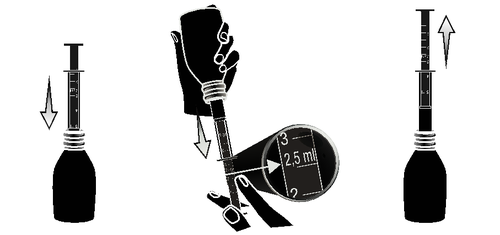
The graduated scale on the body of the syringe highlights the markings for different dosages; in particular, the 2.5 ml mark corresponding to 50 mg of ibuprofen and the 5 ml mark corresponding to 100 mg of ibuprofen.
If the child suffers from stomach upset, administer Algopirina Fever and Pain preferably during meals.
In the case of fever following vaccination, refer to the daily dosage recommended in the scheme above.
The product must be used for short-term treatments.
The lowest effective dose should be used for the shortest period necessary to relieve symptoms. If you have an infection, consult your doctor immediately if the symptoms (e.g. fever and pain) persist or worsen (see section 2).
3 times in 24 hours
In infants and children over 6 months of age and in adolescents: if it is necessary to use the medicine for more than 3 days or if the symptoms worsen, inform your doctor.
In infants between 3 and 5 months: consult your doctor if the symptoms persist for more than 24 hours or if they worsen.
Taking the medicine with a full stomach can reduce gastric discomfort.
Instructions for using the measuring syringe:
- 1- Unscrew the cap by pushing it down and turning it to the left.
- 2- Fully insert the tip of the syringe into the hole in the stopper.
- 3- Shake well.
- 4- Turn the bottle upside down, then, holding the syringe firmly, gently pull the plunger down to draw the suspension into the syringe up to the mark corresponding to the desired dose.
- 5- Put the bottle back in a vertical position and remove the syringe by gently rotating it.
- 6- Insert the tip of the syringe into the child's mouth, and apply slight pressure on the plunger to dispense the suspension. After use, screw the cap back on to close the bottle and wash the syringe with warm water. Let it dry, keeping it out of the sight and reach of children.
If you take more Algopirina Fever and Pain than you should
If you have taken more Algopirina Fever and Pain than you should or if your child has taken this medicine by mistake, always contact a doctor or the nearest hospital to get advice on the risk and what to do.
Symptoms of overdose may include nausea, stomach pain, vomiting (possibly with traces of blood), headache, ringing in the ears, confusion and uncontrolled eye movements.
At high doses, drowsiness, chest pain, palpitations, loss of consciousness, seizures (especially in children), weakness and dizziness, blood in the urine, low levels of potassium in the blood, feeling cold and breathing problems have been reported.
Rarely, it may present with uncontrolled eye movements (nystagmus), increased levels of acidic substances in the blood (metabolic acidosis), lowering of body temperature (hypothermia), effects on the kidneys, bleeding from the stomach and intestines, coma, temporary interruption of breathing (apnea), diarrhea, reduction of the activity of the nervous system and respiratory activity.
In addition, you may experience: disorientation, excitement, fainting, low blood pressure (hypotension), decrease or increase in heart rate (bradycardia or tachycardia), lethargy.
In cases of severe poisoning, a prolongation of the time it takes for the blood to clot (prolongation of the prothrombin time (INR)) may occur. If you suffer from asthma, your symptoms may worsen.
If you take significantly high doses, you may experience serious damage to the kidneys and liver.
Symptoms of overdose may appear within 4-6 hours of taking ibuprofen.
Symptoms of overdose can occur in children who have taken more than 400 mg/kg. The time it takes to reduce drug concentrations in the blood in case of excessive intake is 1.5-3 hours.
Treatment
There is no specific antidote for ibuprofen overdose. In case of overdose, symptomatic and supportive treatment is therefore indicated.
In case of acute overdose, gastric emptying (vomiting or gastric lavage) is all the more effective the earlier it is carried out; the administration of alkaline substances and the induction of diuresis may also be useful; taking a substance known as activated charcoal can help reduce the absorption of the drug.
In case of accidental ingestion of an excessive dose of Algopirina Fever and Pain, immediately notify your doctor or go to the nearest hospital.
If you forget to take Algopirina Fever and Pain
Do not use a double dose to make up for the missed dose.
If you have any questions about using this medicine, ask your doctor or pharmacist.
4. Possible side effects
Like all medicines, this medicine can cause side effects, although not everyone will experience them.
If the child experiences any of the following side effects, STOP treatment with
Algopirina Febbre e Dolore and consult a doctor immediately:
- severe skin and mucous membrane alterations characterized by rashes, redness, itching, and blisters (bullous and exfoliative dermatities including erythema multiforme, Stevens-Johnson syndrome and toxic epidermal necrolysis);
- allergic reactions, even severe, which may include: urticaria, itching, purpura, swelling of the face, mouth and throat (angioedema), difficulty breathing (bronchospasm or dyspnea), altered heartbeats (tachycardia), low blood pressure (hypotension), anaphylaxis, shock and worsening of asthma;
- aseptic meningitis with symptoms such as disorientation, headache, nausea, vomiting, stiff neck and fever (more frequent if the child suffers from systemic lupus erythematosus or other collagen diseases);
- reddish, non-raised, target-shaped or circular spots on the trunk, often with central blisters, skin peeling, mouth, throat, nose, genital and eye ulcers. These severe skin rashes may be preceded by fever and flu-like symptoms [exfoliative dermatitis, erythema multiforme, Stevens-Johnson syndrome, toxic epidermal necrolysis];
Not common (may affect up to 1 in 100 people):
- headache, dizziness, drowsiness and convulsions;
- stomach pain, nausea and difficulty digesting (dyspepsia);
- skin rashes;
- vision disturbances.
Rare (may affect up to 1 in 1,000 people):
- cystitis, rhinitis;
- depression, insomnia, difficulty concentrating, unstable mood, hearing disorders;
- cerebrovascular hemorrhage;
- dry eyes;
- perception of your own heartbeat (palpitations);
- diarrhea, flatulence, dry mouth, constipation and vomiting;
- hair loss (alopecia), the skin becomes sensitive to light;
- severe kidney diseases including tubular necrosis, glomerulonephritis, appearance of blood in the urine and increased urine production;
- decrease in hematocrit levels.
Very rare (may affect up to 1 in 10,000 people):
- reduction in the number of blood cells (anemia, leucopenia, thrombocytopenia, eosinophilia, pancytopenia, agranulocytosis) - the first signs are: fever, sore throat, superficial mouth ulcers, flu-like symptoms, severe fatigue, nosebleeds and hemorrhages;
- signs or symptoms of ulcerations or bleeding of the stomach and intestines, black and foul-smelling stools, vomiting blood;
- lesions with bleeding of the mouth, heartburn (gastritis);
- simultaneous disease of the kidneys and liver (hepatorenal syndrome), death of some liver cells (hepatic necrosis), liver disease (liver failure, hepatic dysfunction, hepatitis, jaundice);
- severe kidney diseases (acute renal failure, papillary necrosis) particularly following long-term treatments, associated with an increase in blood urea concentration and swelling (edema);
- decrease in hemoglobin levels in the blood;
- heart attack (myocardial infarction);
- severe skin infections and soft tissue complications during varicella infection;
- worsening of infections-related inflammations (e.g. necrotizing fasciitis);
- associated with the use of some non-steroidal anti-inflammatory drugs (NSAIDs). If you develop or worsen signs of an infection, you should immediately consult a doctor to assess whether anti-infective/antibiotic therapy is necessary.
Not known (frequency cannot be estimated from available data):
- irritability;
- fluid retention and loss of appetite;
- perception of abnormal noises such as ringing, buzzing or hissing (tinnitus);
- severe heart disease (heart failure) and swelling (edema);
- increased blood pressure (hypertension) and reduced blood flow to the body (shock);
- respiratory disorders including asthma, laryngeal obstruction, labored breathing (bronchospasm), temporary cessation of breathing (apnea) and difficulty breathing (dyspnea);
- worsening of inflammatory bowel diseases (colitis and Crohn's disease), inflammation of the pancreas (pancreatitis), inflammation of the duodenum (duodenitis), inflammation of the esophagus (esophagitis);
- a severe skin reaction known as DRESS syndrome may occur. Symptoms of DRESS include: rash, fever, swollen lymph nodes and increased eosinophils (a type of white blood cells);
- a widespread, red and scaly rash, with the formation of pustules under the skin and blisters located mainly on skin folds, trunk and upper limbs accompanied by fever at the beginning of treatment (acute generalized exanthematous pustulosis). Stop using Algopirina Febbre e Dolore if you develop these symptoms and contact your doctor immediately. See also paragraph 2;
- chest pain, which may be a sign of a potentially severe allergic reaction called Kounis syndrome.
The use of ibuprofen, especially at high doses (2400 mg/day), may be associated with a modest
increased risk of heart attack (myocardial infarction) or stroke.
Reporting of side effects
If you get any side effects, even those not listed in this leaflet, tell your doctor or pharmacist. You can also report side effects directly
through the national reporting system at
https://www.aifa.gov.it/content/segnalazioni-reazioni-avverse. By reporting side effects you can help provide more information on the safety of this medicine.
5. How to store Algopirina Febbre e Dolore
Keep this medicine out of the sight and reach of children.
Do not use this medicine after the expiry date which is stated on the label after “Exp.”.
The expiry date refers to the last day of that month.
The product must be used within 6 months from the first opening.
Do not dispose of any medicine in wastewater or household waste. Ask your pharmacist how
to eliminate medicines that you no longer use. This will help protect the environment.
6. Contents of the pack and other information
What Algopirina Febbre e Dolore contains
The active ingredient is ibuprofen.
Algopirina Febbre e Dolore Bambini 100mg/5ml oral suspension strawberry flavour without
sugar
Each ml of oral suspension contains:
Ibuprofen 20 mg
The other ingredients are:
Citric acid monohydrate, sodium citrate, acesulfame potassium, xanthan gum, sodium benzoate,
strawberry aroma, maltitolsyrup, glycerol, purified water.
Algopirina Febbre e Dolore Bambini 100mg/5ml oral suspension orange flavour without
sugar
Each ml of oral suspension contains:
Ibuprofen 20 mg
The other components are:
Citric acid monohydrate, sodium citrate, acesulfame potassium, xanthan gum, sodium benzoate,
orange flavour, maltitolsyrup, glycerin, purified water.
Description of the appearance of Algopirina Febbre e Dolore and contents of the pack
The pack contains the oral suspension in an amber-coloured bottle of 150 ml with child-resistant closure
and a 5 ml dosing syringe.
Marketing Authorisation Holder and Manufacturer
Holder
So.Se.PHARM S.r.l.
Via dei Castelli Romani, 22
00071 Pomezia (RM) - Italy
Manufacturer
Special Product’s Line S.p.A.
Via Fratta Rotonda Vado Largo, 1
03012 Anagni (FR) - Italy

Уже начали прием и появились вопросы?
Обсудите свое состояние и дальнейшие шаги с врачом онлайн.
- Страна регистрации
- Форма выпускаOral suspension, 100 MG/5 ML
- Код АТХM01AE01
- Действующее вещество
- Отпускается по рецептуНет
- Производитель
- Информация на этой странице носит справочный характер и не является медицинской консультацией. Перед началом приема лекарства обязательно проконсультируйтесь с врачом.
- Аналоги ALGOPIRINA FEBBRE E DOLOREФорма выпуска: Film-coated tablet, 200 MGДействующее вещество: ИбупрофенПроизводитель: AURORA LICENSING SRLОтпускается без рецептаФорма выпуска: Oral suspension, 20 MG/MLДействующее вещество: ИбупрофенПроизводитель: DICOFARM S.P.A.Отпускается без рецептаФорма выпуска: Coated tablet, 200 MGДействующее вещество: ИбупрофенОтпускается без рецепта
Аналоги ALGOPIRINA FEBBRE E DOLORE в других странах
Лекарства с тем же действующим веществом, доступные в других странах.
Аналог ALGOPIRINA FEBBRE E DOLORE в Испания
Аналог ALGOPIRINA FEBBRE E DOLORE в Польша
Аналог ALGOPIRINA FEBBRE E DOLORE в Украина
Врачи онлайн по ALGOPIRINA FEBBRE E DOLORE
Обсудите применение ALGOPIRINA FEBBRE E DOLORE и возможные следующие шаги — по оценке врача.









Получите рецепт на ALGOPIRINA FEBBRE E DOLORE онлайн
Заполните форму за 2 минуты
Расскажите о симптомах, истории болезни и нужном препарате.
Выберите врача или мы назначим
Выберите специалиста или мы подберём ближайшего доступного врача.
Врач рассматривает ваш случай
Обычно в течение 30 минут. Может задать уточняющие вопросы в чате.
Получите в любой аптеке
Электронный рецепт отправляется на вашу почту — действителен по всей Польше.
Часто задаваемые вопросы
ALGOPIRINA FEBBRE E DOLORE не требует рецепта в Италия. Вы можете уточнить у врача онлайн, подходит ли это лекарство для вашей ситуации.
Действующее вещество ALGOPIRINA FEBBRE E DOLORE — Ибупрофен. Эта информация помогает определить лекарства с тем же составом под другими торговыми названиями.
ALGOPIRINA FEBBRE E DOLORE производится компанией SO.SE.PHARM S.R.L. SOCIETA' DI SERVIZIO PER L'INDUSTRIA FARMACEUTICA ED AFFINI. Упаковка и торговое название могут отличаться в зависимости от дистрибьютора.
Врачи, включая Семейные врачи, Психиатры, Дерматологи, Кардиологи, Эндокринологи, Гастроэнтерологи, Пульмонологи, Нефрологи, Ревматологи, Гематологи, Инфекционисты, Аллергологи, Гериатры, Педиатры, Онкологи, могут оценить целесообразность применения ALGOPIRINA FEBBRE E DOLORE с учетом вашей ситуации и местных правил. Вы можете записаться на онлайн-консультацию, чтобы обсудить возможные варианты.
Польша имеет хорошо развитую систему здравоохранения в крупных городах, таких как Варшава, Краков, Вроцлав и Гданьск. Аптеки широко доступны и работают в соответствии с действующим законодательством, обеспечивая доступ к рецептурным препаратам.
Вы можете купить ALGOPIRINA FEBBRE E DOLORE в Варшаве, Кракове, Вроцлаве или Гданьске в любой аптеке при наличии действующего рецепта.
Чтобы получить рецепт, вы можете воспользоваться Oladoctor:
Другие лекарства с тем же действующим веществом (Ибупрофен) включают ABIDOL, ALJIDRIN, ALGOFEN. Они могут отличаться торговым названием или формой выпуска, но содержат одинаковый терапевтический компонент. Перед изменением лечения рекомендуется проконсультироваться с врачом.
