



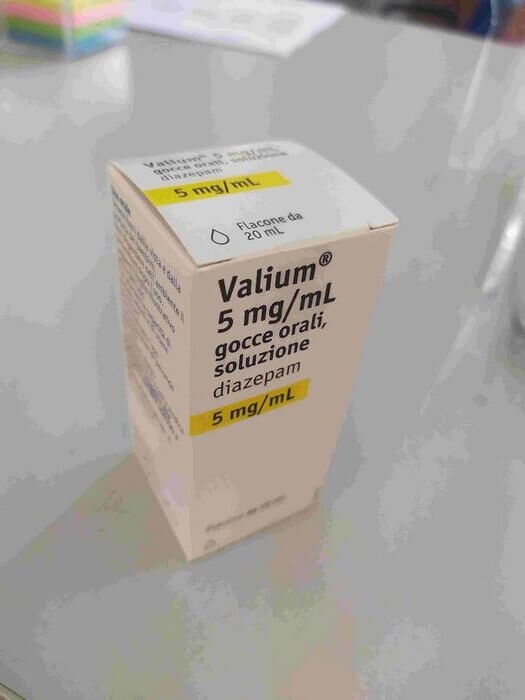
VALIUM 5 mg /Ml Oral Drops, Solution

Запит на рецепт онлайн
Лікар розгляне ваш випадок і визначить, чи є рецепт медично доцільним.

Поговоріть з лікарем про ці ліки
Обговоріть симптоми та можливі подальші кроки під час короткої онлайн-консультації.



Інструкція із застосування VALIUM
Зміст інструкції
Valium 5 mg/mL oral drops, solution
Diazepam
Read this leaflet carefully before using this medicine as it contains important
information for you.
- Keep this leaflet. You may need to read it again.
- If you have any questions, ask your doctor or pharmacist.
- This medicine has been prescribed for you only. Do not pass it on to others, even if they have the same symptoms as you, as it could be harmful.
- If you get any side effects, even those not listed in this leaflet, tell your doctor or pharmacist. See section 4.
Contents of this leaflet:
- 1. What Valium is and what it is used for
- 2. What you need to know before you use Valium
- 3. How to use Valium
- 4. Possible side effects
- 5. How to store Valium
- 6. Contents of the pack and other information
1. What is Valium and what is it used for
Valium contains the active ingredient diazepam, which belongs to the group of anxiolytics derived
from benzodiazepines.
Valium is indicated in adults, and in childrenfrom 2 years of age to treat:
- anxiety, tension and other mental or physical manifestations associated with anxiety. Valium is indicated in adultsto treat:
- insomnia (sleep disorders). Valium should only be used when the disorder is severe, disabling and causes significant distress.
2. What you need to know before using Valium
Do not use Valium
- if you are allergic to diazepam, to medicines similar to Valium (other benzodiazepines) or to any of the other ingredients of this medicine (listed in section 6);
- if you suffer from a muscle disease that can cause weakness and fatigue (myasthenia gravis);
- if you suffer from severe breathing problems (severe respiratory failure);
- if you have severe liver problems (severe, acute or chronic hepatic insufficiency);
- if you suffer from a condition that causes frequent interruptions of breathing during sleep (sleep apnea syndrome). Warnings and precautionsTalk to your doctor or pharmacist before using Valium. Therapy must be carried out under the supervision of a doctor and its duration must be as short as possible. The doctor will determine the dose and duration of treatment most suitable for you. The treatment will be of limited duration and the doctor will explain how to gradually reduce the dose until discontinuation. When Valium is stopped, the symptoms that led to the treatment may reappear. After a few weeks of therapy, the medicine may partially lose its effectiveness in inducing sleep, this effect is called tolerance.
Talk to your doctor if:
- if you have previously abused alcohol or drugs;
- if you are elderly;
- if you are debilitated;
- if you have liver or kidney problems;
- if you have brain diseases, such as those due to arteriosclerosis (due to reduced blood supply);
- if you have heart and breathing problems (cardiorespiratory insufficiency). The use of benzodiazepines can cause physical and psychological dependence on these medicines. This risk increases with the dose and duration of treatment and is more frequent in patients with a history of drug or alcohol abuse. Once physical dependence has developed, abrupt discontinuation of treatment will be accompanied by withdrawal symptoms, such as headache, diarrhea, muscle pain, extreme anxiety, tension, restlessness, confusion and irritability. In severe cases, derealization (feeling of detachment from the external world), depersonalization (feeling of detachment from one's own body), hyperacusis (increased hearing sensitivity), numbness and tingling of the extremities, hypersensitivity to light, noise and physical contact, hallucinations (seeing or hearing things that do not exist) may occur. Once treatment is stopped, insomnia and anxiety may reappear temporarily and in a worsened form. In addition, other disorders may also occur, such as mood changes, anxiety, restlessness or sleep disturbances. Because the risk of withdrawal or rebound symptoms is greater after abrupt discontinuation of treatment, the doctor will explain how to gradually reduce the dose until discontinuation. This medicine can make you forget things that happen while you take it (anterograde amnesia). If you experience the following adverse reactions, the medicine should be discontinued, therefore contact your doctor if you experience:
- restlessness;
- agitation;
- anxiety;
- irritability;
- aggression;
- delirium (erroneous interpretation of reality);
- anger;
- nightmares;
- hallucinations (seeing or hearing things that do not exist);
- psychosis (thought disorders);
- behavioral changes. ChildrenThe doctor will assess the use of Valium in children and will prescribe it only if necessary. The duration of treatment should be as short as possible.
Other medicines and Valium
Tell your doctor or pharmacist if you are taking, have recently taken or might take
any other medicine.
Tell your doctor if you are being treated with:
- antipsychotics, such as clozapine and olanzapine, medicines to treat mental disorders;
- anxiolytics or sedatives, medicines that reduce anxiety or induce sedation;
- antidepressants, such as fluvoxamine, medicines for the treatment of depression;
- hypnotics, medicines that induce sleep;
- antiepileptics, such as carbamazepine and phenytoin, medicines to treat epilepsy (a disease characterized by uncontrolled body movements and loss of consciousness);
- narcotic analgesics (morphine, pethidine and methadone), medicines used to reduce pain;
- anesthetics, such as ketamine, medicines that induce a reduction in pain sensitivity and sedation;
- antihistamines, medicines for the treatment of allergies;
- antifungals (fluconazole, voriconazole and itraconazole) medicines used to treat infections caused by fungi;
- oral contraceptives, medicines used to prevent pregnancy;
- omeprazole, esomeprazole, cimetidine and antacids, medicines to treat stomach disorders;
- disulfiram, used for the treatment of alcohol dependence;
- isoniazid, an antibiotic used to treat tuberculosis;
- diltiazem, used to treat high blood pressure and some heart disorders;
- idelalisib, a medicine used for the therapy of leukemias and lymphomas;
- modafinil and armodafinil, used for narcolepsy, a form of excessive sleepiness;
- rifampicin, an antibiotic;
- metoclopramide, a medicine used for nausea and vomiting;
- levodopa, used to treat Parkinson's disease, a disease that causes tremor, rigidity and slowness of movement;
- theophylline, a medicine used to treat asthma, a disease characterized by constriction and inflammation of the bronchi;
- medicines containing caffeine; The concomitant use of Valium and opioids (potent painkillers, substitute therapy medicines and some medicines for cough) increases the risk of drowsiness, breathing difficulties (respiratory depression) and coma, and is potentially life-threatening. For this reason, concomitant use should be considered only when other therapeutic options are not possible. However, if the doctor prescribes Valium together with opioids, he must limit the dose and duration of concomitant treatment. Tell your doctor about all opioid-based medicines you are taking and carefully follow his recommendations regarding the dose. It may be helpful to inform friends or relatives so that they are aware of the signs and symptoms above. If you experience these symptoms, contact your doctor.
Valium with alcohol
You should not drink alcohol during treatment with Valium.
Valium with food and drink
Food reduces the absorption of Valium.
Avoid drinking grapefruit juice during treatment with Valium as it may increase the
effects of the medicine.
Pregnancy and breastfeeding
If you are pregnant, suspect you may be pregnant or are planning to become pregnant, or if you are breastfeeding
with breast milk, ask your doctor or pharmacist for advice before taking this medicine.
Pregnancy
The safety of Valium in pregnancy has not been established.
Do nottake Valium in the first 3 months of pregnancy. An increased risk of
congenital malformations associated with the use of benzodiazepines during the first trimester of
pregnancy has been reported.
If this medicine is prescribed, irregular heart rate of the fetus may occur during the last period of
pregnancy. In case of administration during
labor and delivery, the newborn may experience hypothermia (low body temperature), poor
suction, hypotonia (reduced muscle tone) and moderate respiratory depression
(slow and ineffective breathing).
In addition, the newborn may have withdrawal symptoms from dependence.
Breastfeeding
Since Valium passes into breast milk, it is recommended to stop breastfeeding during
treatment.
Driving and operating machinery
Valium alters the ability to drive vehicles and operate machinery, as it can cause sedation,
amnesia (a memory disorder), altered concentration and muscle function.
If sleep duration is insufficient, or if alcohol is taken, the likelihood that vigilance is
altered may be increased
Valium oral drops contains ethanol (alcohol), propylene glycol and sodium
This medicine contains 192 mg of alcohol (ethanol) in 50 drops, which is equivalent to 0.24 mL of
ethanol in 2 mL of Valium. The amount in 50 drops of this medicine is equivalent to less than 5
mL of beer or 2 mL of wine.
The small amount of alcohol in this medicine will not produce significant effects.
This medicine contains 1200 mg of propylene glycolper dose of 10 mg (e.g. 25 drops, two
times a day).
If the child is less than 5 years old, talk to your doctor or pharmacist before giving
this medicine, especially if the child is taking other medicines containing
propylene glycol or alcohol.
If you are pregnant or breastfeeding, do not take this medicine unless otherwise
recommended by your doctor. The doctor may perform further checks during therapy.
If you suffer from liver or kidney disease, do not take this medicine unless otherwise
recommended by your doctor. The doctor may perform further checks during therapy.
This medicine contains less than 1 mmol (23 mg) of sodiumper dose of 10 mg, i.e.
essentially ‘sodium-free’.
3. How to use Valium
Use this medicine following exactly the instructions of your doctor or pharmacist. If you have any doubts, consult your doctor or pharmacist.
Anxiety and insomnia
Adults
The recommended dose is from 2 mg (10 drops), two or three times a day to 5 mg (25 drops), one or two times a day.
The maximum dose is 10 mg per day. Do not exceed the maximum dose.
Elderly and debilitated patients
The recommended dose is 2 mg, twice a day.
Hospital treatment of anxiety states
The recommended dose is 10 - 20 mg, three times a day.
Anxiety
Children
From 2 to 12 years: the recommended dose is 1 - 2 mg (5 - 10 drops), three times a day.
The maximum daily dose is 6 mg. Do not exceed the maximum dose.
From 12 to 18 years: the recommended starting dose is 2 mg (10 drops), three times a day. If necessary and if tolerated, it is possible to increase the dose up to a maximum of
10 mg per day. Do not exceed the maximum dose.
Method of use
Hold the bottle in a vertical position with the opening facing downwards to allow the correct dose of medicine to descend. If the liquid does not descend, shake the bottle or turn it over several times and repeat the operation as described above.
Dilute the drops of Valium in water or another beverage. One drop of Valium contains 0.2 mg of diazepam
Duration of treatment
Treatment of insomnia and anxiety should be as short as possible.
The duration of treatment, including a period of gradual withdrawal, varies from a few days to 4 weeks for insomnia and from a few days to 8-12 weeks for anxiety.
In certain cases, the doctor, after re-evaluating your health condition, may decide to extend the treatment duration as indicated above.
Treatment is started with the lowest recommended dose.
Do not exceed the maximum dose.
The doctor will establish the dose and assess the need for any dose reduction if you are elderly or debilitated.
At the beginning of treatment, you will be carefully monitored by the doctor who will prescribe the dose most suitable for your clinical condition.
If you use more Valium than you should
If you use an excessive dose of Valium, contact your doctor or go to hospital immediately.
An excessive dosage of Valium is rarely life-threatening, but can cause drowsiness, ataxia (reduced motor and gait coordination), dysarthria (reduced ability to articulate words) and nystagmus (uncontrolled eye movements).
Mild cases are characterized by obtundation (reduction of the state of consciousness), mental confusion and lethargy (deep sleep and reduced response to stimuli).
In more severe cases, ataxia, hypotension, respiratory depression, coma and death occur. The coma (loss of consciousness), if it occurs, usually lasts for a few hours but can last longer and be cyclical, especially in elderly patients. The depressive respiratory effects associated with benzodiazepines are more severe in patients with respiratory diseases.
Treatment
Your vital functions (heart rate, breathing and brain activity) will be monitored and the symptoms that have arisen will be treated.
If you are conscious, within one hour of taking the drug, vomiting will be induced by gastric lavage or activated charcoal will be administered and, if necessary, under strict monitoring, an antidote (a substance that counteracts the effects of the medicine).
In case of accidental ingestion/intake of an excessive dose of Valium, immediately notify your doctor or go to the nearest hospital.
If you forget to take Valium
Do not take a double dose to make up for a missed dose.
If you stop taking Valium
- Do not stop treatment with Valium abruptly, as withdrawal or rebound symptoms may occur, i.e. a worsening of the symptoms that led to the start of treatment (see section “Warnings and precautions”).
- The dose of Valium must be reduced gradually, consult your doctor before stopping treatment with Valium.
If you have any further questions on the use of this medicine, ask your doctor or pharmacist.
4. Possible side effects
Like all medicines, this medicine can cause side effects, although not everybody gets them.
If you experience:
- restlessness,
- agitation,
- irritability,
- disorientation,
- aggression,
- nervousness,
- hostility,
- anxiety,
- delirium (misinterpretation of reality),
- anger,
- nightmares,
- abnormal dreams,
- hallucinations (seeing or hearing things that do not exist),
- psychosis (thought disorders),
- hyperactivity,
- inappropriate behaviour,
- other behavioural side effects, inform immediatelyyour doctor who will explain how to stoptreatment. These effects are more likely to occur in children and the elderly. In addition, the following may occur:
- ataxia (reduced motor and gait coordination)*,
- dysarthria (reduced ability to articulate words),
- difficulty expressing oneself verbally,
- headache (head pain)*,
- tremors,
- dizziness,
- anterograde amnesia (difficulty memorizing new information),
- confusion*,
- mood and emotional state disorders*,
- reduced alertness*,
- depression,
- changes in sexual desire,
- drowsiness, even during the day*,
- falls and fractures,
- nausea,
- dry mouth,
- increased saliva production,
- constipation,
- other stomach and intestinal disorders,
- diplopia (double vision)*,
- blurred vision,
- hypotension (low blood pressure),
- circulatory depression (condition in which the heart does not pump blood effectively to various parts of the body).
- increased transaminases and alkaline phosphatase (blood tests that indicate liver disorders),
- urinary incontinence (involuntary loss of urine),
- urinary retention (inability to empty the bladder),
- skin reactions,
- vertigo*,
- heart failure (condition in which the heart does not pump blood effectively to various parts of the body), cardiac arrest (cessation of heart activity),
- respiratory depression including respiratory failure (slow and ineffective breathing),
- jaundice (yellowing of the skin and whites of the eyes),
- fatigue*,
- muscle weakness*.
* These side effects may occur at the beginning of therapy and usually disappear with
subsequent administrations.
Reporting of side effects
If you get any side effects, even those not listed in this leaflet, tell your doctor. You can also report side effects directly through the national reporting system at https://www.aifa.gov.it/content/segnalazioni-reazioni-
avverse
By reporting side effects you can help provide more information on the safety of
this medicine.
5. How to store Valium
This medicine does not require any special storage conditions.
Keep this medicine out of the sight and reach of children.
Do not use this medicine after the expiry date that is reported on the package after Scad.
The expiry date indicated refers to the last day of that month.
Do not dispose of any medicine in wastewater or household waste. Ask your pharmacist how
to eliminate medicines that you no longer use. This will help protect the environment.
6. Contents of the pack and other information
What Valium contains
- The active ingredient is diazepam 5 mg.
- The other components are ethanol 96%,glycerol, propylene glycol, saccharin, soluble orange essence, soluble lemon essence, erythrosine (E 127), purified water, sodium hydroxide (salinizing and pH adjuster), hydrochloric acid (pH adjuster).
Description of the appearance of Valium and contents of the pack
Valium presents as a clear solution of red-pink color.
It is available in a glass bottle of 20 mL packaged in a cardboard box.
Marketing Authorisation Holder and Manufacturer
Marketing Authorisation Holder
Atnahs Pharma Netherlands B.V.
Copenhagen Towers, Ørestands Boulevard 108, 5.tv DK-2300, København S
Denmark
Manufacturer
DELPHARM MILANO S.R.L.
Via Carnevale, 1
20054 Segrate (MI) Italy.
Roche S.p.A.
Viale G.B. Stucchi, 110
20900 Monza (MB)
Valium 10 mg/2 mL injectable solution
Diazepam
Read this leaflet carefully before you start to use this medicine as it contains important
information for you.
- Keep this leaflet. You may need to read it again.
- If you have any questions, ask your doctor or pharmacist.
- This medicine has been prescribed for you only. Do not pass it on to others, even if their symptoms are the same as yours, as it could be harmful.
- If you get any side effects, even those not listed in this leaflet, tell your doctor or pharmacist. See section 4.
Contents of this leaflet:
- 1. What Valium is and what it is used for
- 2. What you need to know before you use Valium
- 3. How to use Valium
- 4. Possible side effects
- 5. How to store Valium
- 6. Contents of the pack and other information
1. What is Valium and what is it used for
Valium contains the active ingredient diazepam, which belongs to the group of anxiolytics derived from
benzodiazepines.
Valium is indicated in adultsand in childrenstarting from 6 months of age to treat:
- states of agitationthat include: states of motor excitement (excessive motor activity), paranoia and hallucinations (seeing or hearing things that do not exist);
- status epilepticus, epileptic seizures (sudden and uncontrollable movements) very long or numerous seizures close together);
- muscle spasms(involuntary muscle contraction);
- tetanus(a disease that causes paralysis of the muscles). Valium is also indicated in children over 2 years of ageto treat convulsions (uncontrolled body movements) caused by high fever (febrile seizures).
2. What you need to know before using Valium
Do not use Valium
- if you are allergic to diazepam, to medicines similar to Valium (other benzodiazepines) or to any of the other ingredients of this medicine (listed in section 6);
- if you suffer from a muscle disease that can cause weakness and fatigue (myasthenia gravis);
- if you suffer from severe breathing problems (severe respiratory failure);
- if you have severe liver problems (severe, acute or chronic hepatic insufficiency);
- if you suffer from a condition that causes frequent interruptions of breathing during sleep (sleep apnea syndrome). Warnings and precautions
Consult your doctor or pharmacist before using Valium.
Consult your doctor if:
- if you have previously abused alcohol or drugs;
- if you are elderly;
- if you are debilitated;
- if you have liver or kidney problems;
- if you have brain diseases, such as those due to arteriosclerosis (due to reduced blood supply);
- if you have heart and/or breathing problems (cardiorespiratory failure). The doctor will determine the dose and duration of treatment most suitable for you. Treatment will be of limited duration. The use of Valium for a prolonged period of time may determine a loss of its effectiveness, this effect is called tolerance. If you are treated in an outpatient setting with an injection of Valium, you will be carefully monitored by the doctor for at least one hour after the injection and, if possible, you will not be discharged unless accompanied. In addition, the doctor will recommend that you do not drive vehicles or operate machinery within 12 hours of administration. The use of benzodiazepines can cause physical and psychological dependence on these medicines, which increases with the dose and duration of treatment and is more frequent in patients with a history of drug or alcohol abuse. Once physical dependence has developed, abrupt discontinuation of treatment will be accompanied by withdrawal symptoms, such as headache, diarrhea, muscle pain, extreme anxiety, tension, restlessness, confusion and irritability. In severe cases, derealization (feeling detached from the external world), depersonalization (feeling detached from one's own body), hyperacusis (increased hearing sensitivity), numbness and tingling of the extremities, hypersensitivity to light, noise and physical contact, hallucinations (seeing or hearing things that do not exist) may occur. Once treatment is stopped, insomnia and anxiety may reappear temporarily and in an aggravated form. In addition, other disorders may also occur, such as mood changes, anxiety, restlessness or sleep disturbances. Because the risk of withdrawal or rebound symptoms is greater after abrupt discontinuation of treatment, the doctor will explain how to gradually reduce the dose until discontinuation. If the following adverse reactions occur, the medicine must be discontinued, therefore contact your doctor if you experience:
- restlessness
- agitation
- irritability
- aggression
- anxiety
- delirium (erroneous interpretation of reality)
- anger
- nightmares
- hallucinations (seeing or hearing things that do not exist)
- psychosis (thought disorders)
- behavioral changes ChildrenThe doctor will assess the use of Valium in children and prescribe it only if absolutely necessary. The duration of treatment should be as short as possible.
Other medicines and Valium
Tell your doctor or pharmacist if you are taking, have recently taken or might take
any other medicine.
Tell your doctor if you are being treated with:
- antipsychotics, such as clozapine and olanzapine, medicines for treating mental disorders;
- anxiolytics or sedatives, medicines that reduce anxiety or induce sedation;
- antidepressants, such as fluvoxamine, medicines for the treatment of depression;
- hypnotics, medicines that induce sleep;
- antiepileptics, such as carbamazepine and phenytoin, medicines for treating epilepsy (a disease characterized by uncontrolled body movements and loss of consciousness);
- narcotic analgesics (morphine, pethidine and methadone), medicines used to reduce pain;
- anesthetics, such as ketamine, medicines that induce a reduction in pain sensitivity and sedation;
- antihistamines, medicines for the treatment of allergies.
- antifungals (fluconazole, voriconazole and itraconazole) medicines used to treat infections caused by fungi;
- oral contraceptives, medicines used to prevent pregnancy;
- omeprazole, esomeprazole, cimetidine and antacids, medicines for treating stomach disorders;
- disulfiram, used for the treatment of alcohol dependence;
- isoniazid, an antibiotic used to treat tuberculosis;
- diltiazem, used to treat high blood pressure and some heart disorders;
- idelalisib, a medicine used for the therapy of leukemias and lymphomas;
- modafinil and armodafinil, used for narcolepsy, a form of excessive sleepiness;
- rifampicin, an antibiotic;
- metoclopramide, a medicine used for nausea and vomiting.
- levodopa, used to treat Parkinson's disease, a disease that causes tremor, rigidity and slowness of movements;
- theophylline, a medicine used to treat asthma, a disease characterized by constriction and inflammation of the bronchi
- medicines containing caffeine The concomitant use of Valium and opioids (powerful painkillers, medicines for substitute therapy and some medicines for cough) increases the risk of drowsiness, breathing difficulties (respiratory depression) and coma, and is potentially life-threatening. For this reason, concomitant use should be considered only when other therapeutic options are not possible. However, if the doctor prescribes Valium together with opioids, he must limit the dose and duration of concomitant treatment. Tell your doctor about all opioid-based medicines you are taking and carefully follow his recommendations regarding the dose. It may be helpful to inform friends or relatives so that they are aware of the signs and symptoms above. If you experience these symptoms, contact your doctor.
Valium with alcohol
You must not drink alcohol during treatment with Valium.
Valium with food and drink
Food reduces the absorption of Valium.
Avoid drinking grapefruit juice during treatment with Valium, as it may increase the
effects of the medicine.
Pregnancy and breastfeeding
If you are pregnant, suspect you may be pregnant or are planning a pregnancy, or if you are breastfeeding with
breast milk, ask your doctor or pharmacist for advice before taking this medicine.
Pregnancy
The safety of Valium in pregnancy has not been established.
Do nottake Valium in the first 3 months of pregnancy. An increased risk of
congenital malformations associated with the use of benzodiazepines during the first trimester of
pregnancy has been reported.
If this medicine is prescribed, irregularities in the fetal heart rate may occur during the last period of
pregnancy. In case of administration during
labor and delivery, the newborn may experience hypothermia (low body temperature), poor
suction, hypotonia (reduced muscle tone) and moderate respiratory depression
(slow and ineffective breathing).
In addition, the newborn may have withdrawal symptoms from dependence.
Breastfeeding
Since Valium passes into breast milk, it is recommended to discontinue breastfeeding during treatment.
Driving and operating machinery
Valium alters the ability to drive vehicles and operate machinery, as it can induce sedation,
amnesia (a memory disorder), altered concentration and muscle function.
If the duration of sleep is insufficient, or if alcohol is taken, the probability that vigilance is
altered may be increased
Valium contains benzyl alcohol, ethanol, propylene glycol, sodium benzoate, benzoic acid
This medicine contains 10.1% vol ethanol(alcohol), e.g. up to 160 mg per vial, equivalent to
4 mL of beer, 1.7 mL of wine. The amount of alcohol in this medicine does not appear to have an effect on
adults and adolescents and its effects in children are not evident. Some
effects may occur in young children, for example feeling sleepy. The alcohol in this medicine may alter
the effects of other medicines. Talk to your doctor or pharmacist if you are taking other medicines.
If you are pregnant or breastfeeding, talk to your doctor or pharmacist before taking this
medicine. If you have an alcohol dependence, talk to your doctor before taking this
medicine.
This medicine contains 31.4 mg/2 mL of benzyl alcohol.
Ask your doctor or pharmacist if you have a liver or kidney disease, if you are pregnant
or breastfeeding. This is because large amounts of benzyl alcohol can accumulate in the body and
cause adverse effects (such as metabolic acidosis).
Benzyl alcohol has been associated with the risk of serious adverse effects including respiratory problems
(respiratory distress syndrome) in young children.
Do not use for more than one week in young children (under 3 years of age) unless otherwise
recommended by your doctor or pharmacist.
This medicine contains 5 mg of benzoic acidand 95 mg of sodium benzoateper vial; it may
increase jaundice (yellowing of the skin and eyes) in newborns up to 4 weeks of age.
This medicine contains approximately 1.32 mmol (or approximately 30 mg) of sodiumper 20 mg dose (2 vials).
To be taken into consideration in people with impaired renal function or who are following a low-sodium diet.
This medicine contains 828 mg of glycolper vial
3. How to use Valium
This medicine will be administered to you always following the doctor's instructions exactly.
If you have any doubts, consult your doctor or pharmacist.
The dose and duration of treatment will be established by the doctor who will take into account your clinical
conditions.
If you use more Valium than you should
An excessive dosage of Valium is rarely life-threatening, but can cause drowsiness,
ataxia (reduced motor and gait coordination), dysarthria (reduced ability to articulate
words) and nystagmus (involuntary eye movements).
Mild cases are characterized by obtundation (reduction of consciousness), mental confusion
and lethargy (deep sleep and reduced response to stimuli).
In more severe cases, ataxia, hypotonia, hypotension, respiratory depression, coma and
death occur. Coma (loss of consciousness), if it occurs, usually lasts a few hours but can
persist longer and be cyclical, especially in elderly patients. The depressive respiratory
effects associated with benzodiazepines are more severe in patients with respiratory diseases.
Treatment
Your vital functions (heart rate, breathing and brain activity) will be monitored and
symptoms will be treated.
If necessary, under close monitoring, an antidote (a substance that
counteracts the effects of the medicine) will be administered.
4. Possible side effects
Like all medicines, Valium can cause side effects, although not everybody gets them
If you experience:
- restlessness,
- agitation,
- irritability,
- disorientation,
- aggression,
- nervousness,
- hostility,
- anxiety,
- delirium (misinterpretation of reality),
- anger,
- nightmares,
- abnormal dreams,
- hallucinations (seeing or hearing things that do not exist),
- psychosis (thought disorders),
- hyperactivity,
- inappropriate behavior,
- other behavioral side effects, inform your doctor immediatelybecause it may be necessary to discontinue treatment. These effects occur more frequently in children and the elderly. In addition, the following may occur:
- ataxia (reduced motor and gait coordination)*,
- dysarthria (reduced ability to articulate words)
- difficulty expressing yourself verbally,
- cephalalgia (headache)*,
- tremors,
- dizziness,
- anterograde amnesia (difficulty memorizing new information),
- confusion*,
- mood and emotional state disorders*,
- reduced alertness*,
- depression,
- changes in sexual desire,
- drowsiness*,
- falls and fractures,
- nausea,
- dry mouth,
- increased saliva production,
- constipation,
- other stomach and intestinal disorders,
- diplopia (double vision)*,
- blurred vision,
- hypotension (low blood pressure),
- circulatory depression (a condition in which the heart does not pump blood effectively to various parts of the body),
- increased transaminases and alkaline phosphatase (blood tests that indicate liver disorders),
- urinary incontinence (involuntary loss of urine),
- urinary retention (inability to empty the bladder),
- skin reactions,
- vertigo*,
- heart failure (a condition in which the heart does not pump blood effectively to various parts of the body), cardiac arrest (cessation of heart activity). ✓ especially after rectal administration
- respiratory depression including respiratory failure (slow and ineffective breathing),
- jaundice (yellowing of the skin and whites of the eyes). ✓ after intravenous injection
- venous thrombosis (blockage of a vein),
- phlebitis (inflammation of a vein),
- irritation of the injection site,
- local swelling,
- changes in blood vessels,
- hiccups,
- fatigue*. ✓ after injection into a muscle
- local pain, accompanied by redness and irritation at the injection site. muscle weakness*. * These side effects may occur at the beginning of therapy and usually disappear withsubsequent administrations.Reporting of side effects
If you experience any side effects, including those not listed in this leaflet, please
tell your doctor. You can also report side effects directly through the national reporting system at https://www.aifa.gov.it/content/segnalazioni-reazioni-
avverse
By reporting side effects, you can help provide more information on the safety of
this medicine.
5. How to store Valium
Store at a temperature below 30°C.
Store in the original packaging to protect the medicine from light.
Keep this medicine out of sight and reach of children.
Do not use this medicine after the expiry date which is stated on the label after Exp.
The expiry date refers to the last day of that month.
Do not use this medicine if you notice that the solution is not clear or contains particles.
Do not dispose of any medicine in wastewater or household waste. Ask your pharmacist how
to eliminate medicines that you no longer use. This will help protect the environment.
6. Package Contents and Other Information
What Valium contains
- The active ingredient is diazepam 10 mg
- The other ingredients are benzyl alcohol, ethanol96%, propylene glycol, sodium benzoate, benzoic acid, water for injectable preparations.
Description of the appearance of Valium and package contents
Valium is presented as a clear and colorless injectable solution
It is available in a package containing 5 vials of 10 mg/2 mL.
Marketing Authorisation Holder and Manufacturer
Marketing Authorisation Holder
Atnahs Pharma Netherlands B.V.
Copenhagen Towers, Ørestands Boulevard 108, 5.tv DK-2300, København S
Denmark
Manufacturer
DELPHARM MILANO S.R.L.
Via Carnevale, 1
20090 Segrate (MI)
Roche S.p.A.
Viale G.B. Stucchi 110
20900 Monza (MB)
---------------------------------------------------------------------------------------------------------------------------
The following information is intended exclusively for healthcare professionals
Dosage and Administration
Dosage
Adults
States of agitation: 1-2 vials (10-20 mg) of Valium, 3 times a day intramuscularly or
intravenously, until acute symptoms disappear.
Status epilepticus: initial dose 1-2 vials (10-20 mg) intravenously; in the following hours,
depending on need, 2 vials (20 mg) intramuscularly or by slow intravenous infusion.
Muscle spasms: one vial (10 mg), 1-2 times intramuscularly.
Tetanus: one vial (10 mg) of Valium intravenously cancels the spastic state for about 8 hours.
In elderly patients, the lowest possible effective dose should be used.
These patients should be evaluated, especially at the beginning of treatment, in order to minimize
the dose and/or frequency of administration to prevent overdose due to accumulation.
Paediatric population
The safety and efficacy of Valium in children under 6 months have not been established
| Therapeutic indication | Age | F Dosage |
| States of agitation | >6 months | l 0.04-0.2 mg/kg every 3–4 hours, e up to a maximum of 0.6 mg/kg within an 8-hour period. |
| Status epilepticus | 6 months- 12 years | d 0.3-0.4 mg/kg, to be repeated once after 10 minutes if necessary, up to 10mg. |
| 12-18 years | a n 10 mg, to be repeated once after 10 minutes if necessary | |
| Muscle spasms | >6 months | a 0.1-0.2 mg/kg every 2–4 hours. |
| Tetanus | >6 months | i 0.1-0.2 mg/kg every 2–6 hours, l with dose titration if necessary. |
Febrile convulsions in children over 2 years of age: 0.5 mg /kg up to a maximum of 10mg
(1 vial) for rectal administration; a single administration is generally sufficient.
Benzodiazepines should not be given to children without careful assessment of the
indication and the duration of treatment should be as short as possible.
The dosage must be carefully identified.
Intravenous injection should be performed slowly (approximately 0.5-1 ml = mg
5/minute) and into a large-caliber vessel, preferably in a vein in the bend of the elbow.
Excessively rapid injection or the use of a vessel with a lumen that is too small carries the
risk of thrombophlebitis and can cause apnea.
Route of administration
Intravenous administration
Excessively rapid injection or into a small-caliber vessel can induce
thrombophlebitis and apnea.
Since diazepam is absorbed by infusion bags containing PVC, it is necessary to
consider dosage adjustment if they are used or replacement with PVC-free sets.
Diazepam can be absorbed through plastic bags and infusion sets containing PVC
with a reduction in concentration of 50%.
Absorption increases if the bags are stored for 24 hours or more after preparation, if
placed in a warm environment, or in case of use of a long tube set or slow infusion. If
possible, PVC bags and infusion sets should be avoided for the infusion of
diazepam.
Intra-arterial injection should be avoided as it can induce necrosis.
In most cases, the intramuscular route is preferred.
Intramuscular administration
Within 12-24 hours after the administration of Valium intramuscularly, it is possible to
have an increase in creatine phosphokinase.
In the absence of compatibility studies, Valium should not be mixed with other medicines.
Overdosage
In case of severe depression of the central nervous system, consider the use of
flumazenil, a benzodiazepine antagonist. This should be administered only in
strictly monitored conditions. Flumazenil has a short half-life (about one hour), so
patients to whom it has been administered must be monitored after its effects have worn off.
Flumazenil should be used with extreme caution in the presence of drugs that can lower the
convulsive threshold (e.g. tricyclic antidepressants).

Не впевнені, чи підходить вам цей лікарський засіб?
Обговоріть симптоми та можливі варіанти лікування з лікарем онлайн.

Виникли питання під час прийому ліків?
Обговоріть свої симптоми та лікування з лікарем онлайн.
- Країна реєстрації
- Лікарська формаOral drops, solution, 5MG/ML
- Код АТХN05BA01
- Діюча речовина
- Потрібен рецептТак
- Виробник
- Ця інформація надана лише для ознайомлення і не є медичною порадою. Рішення щодо лікування завжди приймає лікар.
- Альтернативи до VALIUMЛікарська форма: Oral drops, solution, 5 MG/MLДіюча речовина: диазепамВиробник: NEURAXPHARM ITALY S.P.A.Потрібен рецептЛікарська форма: Oral drops, solution, 5 MG/MLДіюча речовина: диазепамВиробник: ABC FARMACEUTICI S.P.A.Потрібен рецептЛікарська форма: Oral drops, solution, 5 MG/MLДіюча речовина: диазепамВиробник: LABORATORI ALTER S.R.L.Потрібен рецепт
Аналоги VALIUM в інших країнах
Препарати з тією самою діючою речовиною, доступні в інших країнах.
Аналог VALIUM у Іспанія
Аналог VALIUM у Польща
Аналог VALIUM у Україна
Лікарі онлайн щодо VALIUM
Застосування, безпека та можливість призначення рецепта — за результатами медичної оцінки.







Отримайте рецепт на VALIUM онлайн
Заповніть форму за 2 хвилини
Розкажіть про симптоми, історію хвороби та потрібний препарат.
Оберіть лікаря або ми призначимо
Оберіть спеціаліста або ми підберемо найближчого доступного лікаря.
Лікар розглядає ваш випадок
Зазвичай протягом 30 хвилин. Може ставити уточнювальні запитання в чаті.
Отримайте в будь-якій аптеці
Електронний рецепт надсилається на вашу пошту — дійсний по всій Польщі.
Часті запитання
VALIUM потребує рецепта в Італія. Ви можете обговорити з лікарем онлайн, чи підходить цей лікарський засіб для вашої ситуації.
Діюча речовина у VALIUM — диазепам. Це допомагає визначити препарати з тим самим складом, але під іншими торговими назвами.
VALIUM виробляється компанією ATNAHS PHARMA NETHERLANDS BV. Назва бренду та упаковка можуть відрізнятися залежно від дистрибʼютора.
Лікарі, зокрема Сімейні лікарі, Психіатри, Дерматологи, Кардіологи, Ендокринологи, Гастроентерологи, Пульмонологи, Нефрологи, Ревматологи, Гематологи, Інфекціоністи, Алергологи, Геріатри, Педіатри, Онкологи, можуть оцінити доцільність застосування VALIUM з урахуванням вашого стану та місцевих правил. Ви можете записатися на онлайн-консультацію, щоб обговорити симптоми та можливі подальші кроки.
Польща має добре розвинену систему охорони здоров'я у великих містах, таких як Варшава, Краків, Вроцлав і Гданськ. Аптеки широко доступні та працюють відповідно до чинного законодавства, забезпечуючи доступ до рецептурних препаратів.
Ви можете придбати VALIUM у Варшаві, Кракові, Вроцлаві або Гданську в будь-якій аптеці за наявності дійсного рецепта.
Щоб отримати рецепт, ви можете скористатися Oladoctor:
Інші препарати з тією самою діючою речовиною (диазепам) включають ANSIOLIN, DIATSEPAM ABK, DIATSEPAM ALTER. Вони можуть відрізнятися торговою назвою або формою випуску, але містять той самий терапевтичний компонент. Перед зміною або початком прийому нового препарату варто проконсультуватися з лікарем.
