



SINEMET 250 mg Tabletki Powlekane

Ocena recepty online
Lekarz przeanalizuje Twój przypadek i zdecyduje, czy wystawienie recepty jest medycznie uzasadnione.

Porozmawiaj z lekarzem o tym leku
Omów swoje objawy i opcje leczenia podczas szybkiej konsultacji online.



Jak stosować SINEMET
Treść ulotki
- SINEMET 250 mg + 25 mg tablets, 100 mg + 25 mg tablets
- SINEMET 200 mg + 50 mg modified-release tablets, 100 mg + 25 mg modified-release tablets
SINEMET 250 mg + 25 mg tablets, 100 mg + 25 mg tablets
levodopa/carbidopa
Read this leaflet carefully before you start taking this medicine as it contains important information for you.
- Keep this leaflet. You may need to read it again.
- If you have any questions, ask your doctor or pharmacist.
- This medicine has been prescribed for you only. Do not pass it on to others, even if their symptoms are the same as yours, as it could be harmful.
- If you get any side effects, even those not listed in this leaflet, tell your doctor or pharmacist. See section 4.
Contents of this leaflet:
- 1. What Sinemet is and what it is used for
- 2. What you need to know before you take Sinemet
- 3. How to take Sinemet
- 4. Possible side effects
- 5. How to store Sinemet
- 6. Contents of the pack and other information
1. What is Sinemet and what is it used for
Sinemet tablets contain the active ingredients carbidopa and levodopa and is used for the treatment of
Parkinson's disease and parkinsonian syndrome.
Sinemet is useful in relieving many symptoms of Parkinson's disease, especially muscle rigidity
and slowing down in the speed of movement execution (bradykinesia); it is useful in the
treatment of tremor, difficulty swallowing (dysphagia), excessive saliva production
(sialorrhea) and difficulty maintaining balance (postural instability).
Therapy with Sinemet, compared to levodopa alone, promotes control of disease symptoms,
variations in therapeutic response and reduction of undesirable effects. These advantages
allow a greater number of patients to obtain adequate relief from the symptoms of
Parkinson's disease.
Sinemet is also indicated for patients with Parkinson's disease and syndrome who are taking
vitamin preparations containing pyridoxine.
What is Parkinson's disease?
It is a disease of the nervous system that causes tremors, rigidity, slowness of movement and difficulty
walking; it is caused by low levels of dopamine, a substance that is normally produced by the
brain and that plays an essential role in the control of muscle movements.
2. What you need to know before taking Sinemet
Do not take Sinemet
- if you are allergic to levodopa and carbidopa or to any of the other ingredients of this medicine (listed in section 6);
- if you suffer from increased pressure in the eye (closed-angle glaucoma);
- if you have recently experienced heart problems (acute phase of myocardial infarction);
- if you have undiagnosed suspicious skin lesions;
- if you suffer from or have suffered from skin cancer (melanoma);
- if you are taking or have taken in the two weeks prior medicines for the treatment of depression and Parkinson's syndrome (monoamine oxidase inhibitors), except low doses of selective monoamine oxidase inhibitors type B (see sections “Warnings and precautions” and “Other medicines and Sinemet”);
- if you are under 18 years of age;
- if you are pregnant or breastfeeding (see section “Pregnancy and breastfeeding”).
Warnings and precautions
Consult your doctor or pharmacist before taking Sinemet. If during treatment with Sinemet
you should experience any unusual signs or symptoms, immediately contact your doctor or
pharmacist.
Inform your doctor before using this medicine:
- if you are currently taking medicines containing levodopa alone. In this case, you should wait at least 12 hours before starting therapy with Sinemet. Sinemet must be administered at a dose that provides approximately 20% of the previous dose of levodopa (see section 3 “How to take Sinemet”). You must absolutely avoid taking additional doses of levodopa, unless prescribed by your doctor;
- if you are currently taking a recommended dose of a selective monoamine oxidase inhibitor type B used for the treatment of Parkinson's disease (e.g. selegiline hydrochloride) (see section 2 “Other medicines and Sinemet”). Because selegiline enhances the effects of levodopa, adverse reactions to levodopa may be amplified, especially if you are in therapy with high doses of levodopa. You will be monitored by your doctor. The addition of selegiline to levodopa therapy can generate involuntary movements and/or agitation. These undesirable effects disappear following a reduction in the dose of levodopa;
- if you have adverse reactions caused by factors external to the nervous system (extrapiramidal) induced by medicines, such as involuntary muscle movements (tardive dyskinesia) and the inability to stand still (akathisia), because in this case treatment with Sinemet is not recommended;
- if you suffer from or have previously suffered from thought disorders, delusions, hallucinations (psychosis);
- if you have previously suffered from severe involuntary movements or psychotic episodes following treatment with levodopa alone. These reactions are thought to be due to an increase in brain dopamine (a substance produced by the body that acts as a messenger in the cells of the nervous system) after the administration of levodopa; consequently, the use of Sinemet may cause a relapse. All patients must be carefully monitored for the development of mental changes, depression with suicidal tendencies, or other serious antisocial behaviors;
- if you have a rapid increase in dopamine levels following the intake of Sinemet, compared to therapy with levodopa alone, as this may lead to early alteration of muscle movement (dyskinesias). These disorders require a reduction in the dose of Sinemet;
- if you suffer from a severe cardiovascular disorder;
- if you suffer from a severe pulmonary disorder or bronchial asthma;
- if you suffer from kidney or liver problems, or if you have endocrine system disorders (an apparatus comprising a set of glands that release hormones into the bloodstream);
- if you have recently had a heart attack (myocardial infarction) and still have heart rhythm disturbances (atrial, nodal or ventricular arrhythmias). In this case, the doctor will need to carefully monitor cardiac function during the initial dose adjustment period;
- if you have previously suffered from lesions to the wall of the stomach or intestine (peptic ulcer). Taking Sinemet, like levodopa, may increase the risk of bleeding (hemorrhage) from the upper gastrointestinal tract;
- if you abruptly stop taking medicines for the treatment of Parkinson's disease; this can in fact determine the appearance of symptoms similar to neuroleptic malignant syndrome, which manifests with muscle rigidity and increased body temperature, mental changes and increased serum creatine phosphokinase (an enzyme present in the blood). The doctor will keep you under close control if the dose of Sinemet is abruptly reduced or discontinued, especially if you are taking antipsychotic medications;
- if you are in a state of excessive drowsiness or if you tend to fall asleep suddenly. In this case, you must not drive, use machinery and must contact your doctor;
- if you have previously suffered from convulsions;
- if you suffer from eye diseases caused by alteration of the internal pressure of the eye (open-angle chronic glaucoma). You may still take Sinemet, provided that the intraocular pressure is well compensated and the doctor carefully monitors changes in it during therapy. As with levodopa, in case of prolonged treatments, it is advisable to undergo periodic blood tests and liver, kidney and cardiovascular function tests.
It is recommended that patients and healthcare professionals frequently and regularly
monitor for the prevention of skin cancers (melanomas) when using Sinemet for any
indication. Some studies have shown that patients with Parkinson's disease are at higher risk
of developing melanoma (from 2 to about 6 times higher) compared to the general population. It is
not clear whether the increased risk observed is due to Parkinson's disease or other factors, such as the use
of medicines to treat the disease itself. For these reasons, it is recommended to undergo periodic
skin visits by qualified personnel (e.g. dermatologists).
Inform your doctor if you or a family member/caregiver notice the development of symptoms
similar to addiction that determine a desire for high doses of Sinemet and other medicines
used for the treatment of Parkinson's disease.
Inform your doctor if you or a family member/caregiver notice the development of urges or
desires to behave in ways that are unusual for you and you cannot resist the impulse or temptation
to perform certain activities that could harm yourself or others. These behaviors
are called impulse control disorders and may include gambling addiction,
excessive eating or spending, an abnormal, exaggerated sexual desire or an increase in sexual thoughts or feelings. The doctor may need to re-evaluate,
modify or discontinue treatment.
It is possible that during treatment with Sinemet there may be alteration in the results of some laboratory tests:
- increase in some substances in the blood (liver transaminases, LDH, bilirubin, alkaline phosphatase, nitrogen, creatinine and uric acid);
- positivity to the Coombs test (a test used to detect the presence of certain types of antibodies in the blood);
- decrease in hemoglobin and hematocrit (which can induce anemia), increase in blood sugar (hyperglycemia) and white blood cells, and the presence of blood and bacteria in the urine. Hemolytic anemia (red blood cell breakdown) is extremely rare.
If you experience any unusual signs or symptoms during treatment with Sinemet, consult
your doctor or pharmacist immediately.
Children and adolescents
The use of Sinemet is not recommended in children and adolescents under 18 years of age, due to
the lack of data on safety and efficacy in infants and children.
Other medicines and Sinemet
Tell your doctor or pharmacist if you are taking, have recently taken or might take
any other medicine.
You should be particularly careful when taking Sinemet together with the following medicines:
- antihypertensive medicines, used to treat high blood pressure: concomitant administration with Sinemet may induce a lowering of blood pressure when suddenly moving from a sitting or lying position to an upright position (symptomatic postural hypotension). Before starting treatment with Sinemet, consult your doctor for a possible dose adjustment;
- medicines used to treat depression: rarely, adverse effects have been observed, including high blood pressure and involuntary muscle movements (dyskinesia) during concomitant treatment with Sinemet and some medicines used to treat depression (tricyclic antidepressants). If you are taking monoamine oxidase inhibitors, see “Do not take Sinemet”;
- medicines containing iron (e.g. ferrous sulfate or ferrous gluconate): induce a reduction in the absorption and efficacy of carbidopa and/or levodopa (the active ingredients of Sinemet);
- antipsychotic medicines such as phenothiazines and butyrophenones, used to treat psychosis: the therapeutic effects of levodopa may be reduced by these medicines;
- medicines such as phenytoin, used to treat epilepsy and papaverine, used to relax muscles: the therapeutic effects of levodopa may be canceled by these medicines. If you are taking antipsychotics, phenytoin or papaverine in conjunction with Sinemet, your doctor will need to monitor you carefully for any loss of therapeutic response;
- medicines containing agents that reduce dopamine stores in the body, such as reserpine, used to treat hypertension and tetrabenazine, used to treat spasms and involuntary muscle movements, or with other medicines known to deplete monoamine stores, such as adrenaline and noradrenaline: the use of Sinemet is not recommended with these medicines;
- medicines containing selegiline, used to treat Parkinson's disease, depression and senile dementia: concomitant therapy with selegiline and carbidopa-levodopa can cause severe drop in blood pressure not attributable to carbidopa-levodopa alone (see section 2 “Warnings and precautions”);
- monoamine oxidase inhibitors, used to treat depression and Parkinson's disease (except low doses of selective monoamine oxidase inhibitors type B): you must not take these medicines at the same time as Sinemet and must stop therapy with these inhibitors at least two weeks before starting therapy with Sinemet.
Sinemet with food and drink
The absorption of Sinemet may be reduced in some patients who consume high amounts of
protein in their diet. Consult your doctor if your diet contains high amounts of protein.
Pregnancy and breastfeeding
If you are pregnant, suspect you are pregnant or are planning a pregnancy, or if you are breastfeeding
with breast milk, ask your doctor or pharmacist for advice before taking this medicine.
Do not use Sinemet if you are pregnant, suspect you are pregnant or are breastfeeding with breast milk.
Driving and operating machinery
Treatment with Sinemet may cause drowsiness (excessive somnolence) and sudden sleep attacks.
For this reason, you must refrain from driving or undertaking any activity in which
altered attention could expose yourself or others to the risk of serious harm or death (e.g.
the use of machinery) until such recurrent episodes and drowsiness have resolved.
3. How to take Sinemet
Take this medicine always exactly as your doctor or pharmacist has told you. If
you have doubts, ask your doctor or pharmacist.
The optimal dose must be established according to your needs and the doctor's instructions; this may
require an adjustment of both the dose and the frequency of administration.
The doctor will monitor the response to treatment.
Usually the fully effective dose is reached within 7 days.
The tablets in the two dosages (250 mg +25 mg and 100 mg +25 mg) can be administered
separately or jointly as needed, to achieve the optimal dose.
Do not use the tablet if it is broken during removal from the blister. The pieces of the broken tablet
must be discarded (see “How to store Sinemet”) and another one must be taken from the
package.
Taking a partial dose may worsen symptoms.
SINEMET 250 mg + 25 mg tablets
The tablet can be divided into equal doses.
The recommended initial dose is half a tablet one or two times a day, increasing, if
necessary, half a tablet per day or on alternate days until an optimal response is obtained.
The maximum recommended daily dose corresponds to 8 tablets.
Do not exceed the maximum recommended daily dose.
SINEMET 100 mg + 25 mg tablets
The score line is to facilitate breaking it in order to swallow the tablet more easily and not
to divide it into equal doses.
The recommended initial dose is one tablet three times a day. The dosage may be increased
by one tablet per day, or on alternate days, as needed, to obtain an effective response.
The maximum recommended daily dose is 8 tablets.
Do not exceed the maximum recommended daily dose.
If you have previously been treated with levodopa alone
Treatment with levodopa must be stopped at least 12 hours before starting therapy with
Sinemet.
If you have taken less than 1,500 mg of levodopa per day:
Treatment should begin with Sinemet 100 mg + 25 mg tablets.
The recommended initial dose is one tablet three or four times a day.
If you have taken more than 1,500 mg of levodopa per day:
Treatment should begin with Sinemet 250 mg + 25 mg tablets.
The recommended initial dose is one tablet three or four times a day.
Maintenance therapy
The recommended dose for maintenance therapy, in most cases, may vary from 3 to
6 tablets per day.
Do not take more than 8 tablets per day, as there is no benefit to increasing the dose
of carbidopa beyond that provided by 8 tablets.
If you take more Sinemet than you should
In case of accidental ingestion/taking of an excessive dose of Sinemet, immediately inform
your doctor or pharmacist or go to the nearest hospital.
Treatment methods in case of taking an excessive dose of Sinemet
Rescue procedures include the need to perform, together with an immediate gastric
lavage, also an appropriate supportive therapy. Intravenous administration of fluids must
be carried out with caution and the airways must be kept clear. An
electrocardiogram must be performed and the patient must be carefully monitored for the possible development
of heart rhythm disturbances (arrhythmias) and, if necessary, appropriate
antiarrhythmic therapy must be administered. Furthermore, the possibility that the patient may have taken other
medicines together with Sinemet should be considered. To date, no experience has been reported on the effectiveness of
dialysis in overdose. Pyridoxine has no effect in counteracting the action of Sinemet.
If you forget to take Sinemet
Do not take a double dose to make up for the missed tablet.
If you have forgotten to take a tablet, take it as soon as you remember. If it is almost time to take the next
tablet, do not take the forgotten tablet, but continue
according to the usual dosage schedule.
If you stop taking Sinemet
If your dose of Sinemet is reduced abruptly or stopped, your doctor will keep you under regular
observation, especially if you are taking antipsychotic medications. Abrupt discontinuation of
medicines for the treatment of Parkinson's disease may cause the appearance of symptoms similar to
the neuroleptic malignant syndrome which manifests with muscle rigidity, fever, delirium and increased
serum creatine phosphokinase.
If you have any doubts about the use of this medicine, ask your doctor or pharmacist.
4. Possible side effects
Like all medicines, this medicine can cause side effects, although not everyone will experience them.
Side effects that can be frequently observed in patients treated with
Sinemet are due to the activity of dopamine in the brain. These effects can usually be
reduced by reducing the dose.
The most common side effects are:
- random and continuous movements (chorea), abnormal muscle contractions (dystonia) and other involuntary movements (dyskinesia);
- feeling unwell (nausea);
- alterations in muscle contraction (muscle spasms) and forced and involuntary closure of the eyelids (blepharospasm). The presence of these symptoms suggests a reduction in the dose.
Other side effects reported in clinical studies or during the actual marketing of
Sinemet are:
- a desire for high doses of Sinemet in excess of what is needed to control motor symptoms, known as dopaminergic dysregulation syndrome, with an unknown frequency (the frequency cannot be defined based on available data). Some patients experience severe involuntary abnormal movements (dyskinesias), mood changes or other side effects after taking high doses of Sinemet;
- loss of consciousness (syncope), chest pain, anorexia;
- urinary tract infections (very common frequency);
- alterations in heartbeat and/or palpitations, episodes of low blood pressure related to posture (orthostatic hypotension), hypertension, venous inflammation (phlebitis);
- vomiting, blood loss from the stomach and/or intestines (gastrointestinal bleeding), duodenal ulcer, dark saliva, diarrhea;
- decrease in some types of white blood cells (leukopenia, agranulocytosis), platelets (thrombocytopenia), and red blood cells (hemolytic and non-hemolytic anemia);
- allergic phenomena such as inflammatory reactions and skin swelling (angioedema), urticaria, itching, Henoch-Schönlein purpura which manifests with joint lesions and pain;
- neuroleptic malignant syndrome which manifests with muscle rigidity, high body temperature and mental disorders (see section “Warnings and precautions”), difficulty in movements (bradykinesia and the on-off phenomenon), dizziness, drowsiness (excessive torpor), including very rarely excessive daytime sleepiness and episodes of sudden sleep attacks;
- alterations in the sensitivity of the limbs or other parts of the body (paresthesia);
- mental disorders, such as thought forms that deviate from reality (paranoid ideation) and psychotic episodes including delirium, depression with or without suicidal tendencies, dementia, disturbances in dream activity (altered dreams), agitation and confusion;
- breathing problems (dyspnea);
- hair loss (alopecia), skin rashes, dark sweat;
- dark urine;
- inability to resist the urge or temptation to perform actions that could be harmful to oneself or others, which may include:
- a strong urge to gamble excessively, despite serious personal or family consequences;
- altered or increased sexual desire that causes significant concern to her or others;
- compulsive shopping or excessive spending;
- compulsive eating (eating large amounts of food in a short time) or bulimia (eating more food than normal and more than is needed to satisfy your hunger). Rarely, seizures have been observed, however, it has not been definitively proven that seizures are caused by Sinemet.
Inform your doctor if any of these behaviors occur, so that they can decide how
to intervene to manage or reduce the symptoms.
Therapy with Sinemet (and with similar drugs) can cause changes in some laboratory tests:
- increase in some substances in the blood (liver transaminases, LDH, bilirubin, alkaline phosphatase, nitrogen, creatinine and uric acid);
- positivity to the Coombs test (a test used to detect the presence of certain types of antibodies in the blood);
- decrease in hemoglobin and hematocrit (which can induce anemia), increase in blood sugar (hyperglycemia) and white blood cells, and presence of blood and bacteria in the urine;
- false positive for the presence of certain substances in the urine (ketone bodies) if a strip test is used for the determination of ketonuria. This reaction is not altered by boiling the urine sample. False negative tests may occur when glucose oxidase methods are used to search for glucose in the urine.
Other side effects have been observed during the use of medicines containing levodopa or with
combination medicines levodopa/carbidopa and may be potential side effects of
Sinemet:
- difficulty digesting (dyspepsia), dry mouth, alterations in taste, excessive production of saliva (sialorrhea), difficulty swallowing (dysphagia), involuntary contraction of the muscles of chewing that induces excessive rubbing of the teeth (bruxism), hiccups, abdominal discomfort and pain, constipation, flatulence, burning sensation on the tongue;
- weight loss or gain, edema;
- muscle weakness (asthenia), decreased mental acuity, disorientation, loss of muscle coordination (ataxia), numbness, increased hand tremor, muscle cramps, abnormal contractions of the jaw muscles (trismus), activation of a pre-existing Horner's syndrome (an eye disorder) which manifests with the onset of lesions and difficulty in eye movement, insomnia, agitation and anxiety, euphoria, tendency to fall, alteration of gait;
- hot flashes, increased sweating;
- double vision (diplopia), blurred vision, dilated pupils, fixed eye position (oculogyric crisis);
- urinary retention, incontinence, persistent, abnormal and painful erections (priapism);
- weakness, fainting, fatigue, headache, alteration of the normal tone of voice (hoarseness), malaise, hot flashes, feeling of excitement, irregular breathing rate, skin tumors (malignant melanoma) (see section 2 “Do not take Sinemet”).
Reporting of side effects
If you experience any side effects, including those not listed in this leaflet, tell your
doctor or pharmacist. You can also report side effects directly through
https://www.aifa.gov.it/content/segnalazioni-reazioni-avverse.
By reporting side effects you can help provide more information on the safety of
this medicine.
5. How to store Sinemet
Keep this medicine out of the sight and reach of children.
Store in the original packaging to protect the medicine from light.
Do not use this medicine after the expiry date which is stated on the pack after “Exp.”. The expiry
date refers to the last day of that month.
The expiry date indicated refers to the medicine in intact packaging, correctly
stored.
Do not dispose of any medicine in wastewater or household waste. Ask your pharmacist how to
dispose of medicines you no longer use. This will help protect the environment.
6. Contents of the pack and other information
What Sinemet contains
The active ingredients of Sinemet tablets are: levodopa and carbidopa.
Each Sinemet 100 mg + 25 mg tablet contains: 100 mg of levodopa and 27 mg of carbidopa
hydrate, equivalent to 25 mg of anhydrous carbidopa.
The other ingredients are: microcrystalline cellulose, pregelatinized starch, corn starch, magnesium
stearate, quinoline yellow (E104).
Each Sinemet 250 mg + 25 mg tablet contains: 250 mg of levodopa and 27 mg of carbidopa
hydrate, equivalent to 25 mg of anhydrous carbidopa.
The other ingredients are: microcrystalline cellulose, pregelatinized starch, corn starch, magnesium
stearate, (E132) indigotine.
Description of the appearance of Sinemet and contents of the pack
Sinemet is presented in tablet form. The tablets are packaged in opaque blisters.
Each pack of Sinemet 250 mg + 25 mg contains 50 tablets.
Each pack of Sinemet 100 mg + 25 mg contains 50 tablets.
Marketing Authorisation Holder and Manufacturer
Marketing Authorisation Holder
Organon Italia S.r.l.
Piazza Carlo Magno, 21
00162 Rome
Manufacturer
Merck Sharp & Dohme B.V.
Waarderweg 39, 2031 BN – Haarlem, Netherlands
SINEMET 200 mg + 50 mg modified-release tablets, 100 mg + 25 mg modified-release tablets
levodopa/carbidopa
Read this leaflet carefully before you start taking this medicine as it contains important information for you.
- Keep this leaflet. You may need to read it again.
- If you have any questions, ask your doctor or pharmacist.
- This medicine has been prescribed for you only. Do not pass it on to others, even if their symptoms are the same as yours, as it could be harmful.
- If you get any side effects, even those not listed in this leaflet, tell your doctor or pharmacist. See section 4.
Contents of this leaflet:
- 1. What Sinemet is and what it is used for
- 2. What you need to know before you take Sinemet
- 3. How to take Sinemet
- 4. Possible side effects
- 5. How to store Sinemet
- 6. Contents of the pack and other information
1. What is Sinemet and what is it used for
Sinemet modified-release tablets contain the active ingredients levodopa and carbidopa and is used
for the treatment of Parkinson's disease and in particular to reduce the complications of the advanced stage of the disease, such as muscle stiffness ("off" phases), in patients already treated with
combinations of levodopa/decarboxylase inhibitors (e.g. carbidopa) or with levodopa alone, who
have experienced fluctuations in motor symptoms. Fluctuations in motor symptoms are
represented by the alternation, during the day, of the improvement of motor symptoms related to
treatment ("on" phase), and the reappearance of symptoms when the effect of therapy ends ("off"
phase).
Limited data are available on the use of Sinemet modified-release tablets in patients not
previously treated with medicines based on levodopa alone.
What is Parkinson's disease?
It is a disease of the nervous system that causes tremors, rigidity, slowness of movements and difficulty walking; it is caused by low levels of dopamine, a substance that is normally produced by the
brain and that plays an essential role in the control of muscle movements.
2. What you need to know before taking Sinemet modified-release
Do not take Sinemet
- if you are allergic to levodopa and carbidopa or to any of the other ingredients of this medicine (listed in section 6);
- if you cannot use medicines that act on the central nervous system (sympathomimetic agents);
- if you suffer from increased pressure in the eye (closed-angle glaucoma);
- if you have recently suffered from heart problems (acute phase of myocardial infarction);
- if you are taking medicines for the treatment of Parkinson's disease called monoamine oxidase type A (MAO-A) inhibitors, except for low doses of selective monoamine oxidase type B inhibitors (see “Warnings and precautions” and “Other medicines and Sinemet”). Stop therapy with MAO-A inhibitors at least two weeks before starting treatment with Sinemet;
- if you have undiagnosed suspicious skin lesions;
- if you suffer from or have suffered from skin cancer (melanoma);
- if you are under 18 years of age;
- if you are pregnant or breastfeeding (see “Pregnancy and breastfeeding”).
Warnings and precautions
Consult your doctor or pharmacist before taking Sinemet. If during treatment with Sinemet you
should experience any unusual signs or symptoms, contact your doctor or
pharmacist immediately.
Inform your doctor before using this medicine:
- if you are currently taking medicines containing levodopa alone. In this case, you should wait at least 8 hours before starting therapy with Sinemet modified-release tablets (at least 12 hours if you are taking slow-release levodopa);
- if you are currently taking a recommended dose of a selective monoamine oxidase type B inhibitor used for the treatment of Parkinson's disease (e.g. selegiline hydrochloride) (see section 2 “Other medicines and Sinemet”). Because selegiline enhances the effects of levodopa, adverse reactions to levodopa may be amplified, especially if you are in therapy with high doses of levodopa. You will be monitored by your doctor. The addition of selegiline to levodopa therapy can generate involuntary movements and/or agitation. These undesirable effects disappear following a reduction in the dose of levodopa;
- if you suffer from alterations in muscle movement during the morning (morning dyskinesia). The therapeutic effect of Sinemet modified-release tablets may, in this case, be slowed down compared to the Sinemet tablet formulation. The incidence of dyskinesia in patients with severe motor fluctuations is slightly higher during treatment with Sinemet modified-release tablets compared to Sinemet tablets (16.5% versus 12.2%). Because the function of carbidopa is to ensure that a higher concentration of levodopa reaches the brain in order to form more dopamine, if you are taking medicines containing levodopa alone together with Sinemet, you may develop dyskinesia. In such cases, a dose reduction may be necessary;
- if you have suffered in the past from severe involuntary movements or psychotic episodes following treatment with levodopa alone, or in association with decarboxylase inhibitors (e.g. carbidopa). As with levodopa, Sinemet can cause involuntary movements and mental disorders, therefore your doctor will monitor you during the initial period of therapy with Sinemet. These reactions are thought to be due to an increase in brain dopamine (a substance produced by the body that acts as a messenger in the cells of the nervous system), after the administration of levodopa; consequently, the use of Sinemet can cause a relapse. In these cases, a dose reduction may be necessary;
- You will be carefully monitored for the possible development of depression and concomitant suicidal tendency, especially if you suffer from or have suffered in the past from psychotic episodes;
- if you suffer from a severe cardiovascular disorder;
- if you suffer from a severe pulmonary disorder or bronchial asthma;
- if you suffer from kidney or liver problems, or if you have endocrine disorders (a system comprising a set of glands that release hormones into the bloodstream);
- if you have previously suffered from lesions to the wall of the stomach or intestine (peptic ulcer);
- if you have previously suffered from convulsions;
- if you have recently had a heart attack (myocardial infarction) and still have alterations in heart rhythm (atrial, nodal or ventricular arrhythmias). In this case, the doctor will have to carefully monitor cardiac function during the initial dose adjustment period;
- if you suffer from eye diseases caused by alteration of the pressure inside the eye (open-angle chronic glaucoma). You may still take Sinemet, provided that the internal eye pressure is well compensated and the doctor carefully monitors variations in it during therapy;
- if you abruptly stop taking medicines for the treatment of Parkinson's disease; this can in fact determine the appearance of symptoms similar to neuroleptic malignant syndrome, which manifests with muscle rigidity and increased body temperature, mental alterations and increased serum creatine phosphokinase (an enzyme present in the blood). The doctor will keep you under strict control if the dose of carbidopa-levodopa is abruptly reduced or stopped, especially if you are taking antipsychotic drugs;
- if you suffer from a hereditary disorder characterized by sudden involuntary and uncoordinated movements (Huntington's chorea). In this case Sinemet is not recommended.
Treatment with levodopa-carbidopa, the active ingredients contained in Sinemet, has been associated with
drowsiness and episodes of sudden sleep attacks. Very rarely, sudden sleep attacks have been reported
during daily activities, in some cases without awareness and without warning signs. If you experience
episodes of drowsiness and/or a sudden sleep attack, do not drive and do not
use machinery. The doctor may consider a reduction in dosage or discontinuation of
therapy.
During the treatment period, it is advisable to undergo periodic blood tests and liver, kidney and
cardiovascular function tests.
It is recommended that patients and healthcare professionals frequently and regularly
monitor for the prevention of skin cancers (melanomas) when using Sinemet for any
indication. Some studies have shown that patients with Parkinson's disease are at higher risk
of developing melanoma (from 2 to about 6 times higher) compared to the general population. It is
not clear whether the increased risk observed is due to Parkinson's disease or other factors, such as the use
of medicines to treat the disease itself. For these reasons, it is recommended to undergo periodic skin
visits with qualified personnel (e.g. dermatologists).
Inform your doctor if you or a family member/person who cares for you notices the development of symptoms
similar to addiction that determine a desire for high doses of Sinemet and other medicines
used for the treatment of Parkinson's disease.
Inform your doctor if you or a family member/person who cares for you notices the development of urges or
desires to behave in ways that are unusual for you and cannot resist the impulse or temptation
to perform certain activities that could harm yourself or others. These behaviors
are called impulse control disorders and may include gambling addiction,
excessive eating or spending excessively, an abnormal, exaggerated sexual desire or an increase in sexual thoughts or feelings. The doctor may need to reassess,
modify or discontinue treatment.
It is possible that during treatment with Sinemet there will be alterations in
the results of some laboratory tests:
- increase in some substances in the blood (liver transaminases, LDH, bilirubin, alkaline phosphatase, nitrogen);
- positivity to the Coombs test (a test used to detect the presence of certain types of antibodies in the blood);
- false positive for ketone bodies in the urine if a strip test is used for the determination of ketonuria. This reaction is not altered by boiling the urine sample;
- false negative in the glucosuria test using glucose oxidase methods.
If during treatment with SINEMET you experience any unusual signs or symptoms, consult
your doctor or pharmacist immediately.
Children and adolescents
The use of Sinemet is not recommended in children and adolescents under 18 years of age, due to
the lack of data on safety and efficacy in infants and children.
Other medicines and Sinemet
Tell your doctor or pharmacist if you are taking, have recently taken or might take
any other medicines.
You should be particularly careful when taking Sinemet together with the following medicines:
- antihypertensive medicines, used to treat high blood pressure: concomitant administration with Sinemet may induce a lowering of blood pressure when abruptly changing from a sitting or lying position to an upright position (symptomatic postural hypotension). Before starting treatment with Sinemet, consult your doctor for a possible adjustment of the dose;
- medicines used to treat depression: adverse effects, including high blood pressure and involuntary muscle movements (dyskinesia), have been rarely observed during concomitant treatment with Sinemet and some medicines used to treat depression (tricyclic antidepressants). If you are taking monoamine oxidase inhibitors, consult the section “Do not take Sinemet”;
- medicines that act on the central nervous system (anticholinergics): these medicines can interfere with the absorption of Sinemet and therefore with its response to therapy;
- medicines containing iron (e.g. ferrous sulfate or ferrous gluconate): induce a reduction in absorption and therefore in the effectiveness of carbidopa and/or levodopa (the active ingredients of Sinemet);
- medicines antagonistic to dopamine receptors, such as phenothiazines, butyrophenones and risperidone, used for the treatment of psychosis and isoniazid, used for the treatment of tuberculosis: the therapeutic effects of levodopa may be reduced by these medicines;
- medicines such as phenytoin, used for the treatment of epilepsy and papaverine, used to relax muscles: the therapeutic effects of levodopa may be canceled by these medicines. If you are taking antipsychotics, phenytoin or papaverine in conjunction with Sinemet, your doctor will need to monitor you carefully for any loss of therapeutic response;
- medicines containing selegiline, used for the treatment of Parkinson's disease, depression and senile dementia: concomitant therapy with selegiline and carbidopa-levodopa can cause a severe drop in blood pressure not attributable to carbidopa-levodopa alone (see section 2 “Warnings and precautions”);
- antacids, used to relieve heartburn (the main symptom of gastroesophageal reflux disease): the effect of the concomitant administration of these medicines and Sinemet on the absorption and effectiveness of levodopa is unknown.
Sinemet with food and drink
The absorption of Sinemet may be reduced in some patients who take high amounts of
protein with their diet. Consult your doctor if your diet contains high amounts of protein.
Pregnancy and breastfeeding
If you are pregnant, suspect you are pregnant or are planning to become pregnant, or if you are breastfeeding
with breast milk, ask your doctor or pharmacist for advice before using this medicine.
There is insufficient data on the use of Sinemet in pregnancy. Since Sinemet has been shown
to be harmful in studies conducted on animals (skeletal and visceral malformations in rabbits) and it is
not known whether carbidopa and levodopa are excreted in breast milk, do not use Sinemet if you are
pregnant or breastfeeding.
Driving and using machines
Treatment with Sinemet can cause drowsiness (excessive sleepiness) and episodes of sudden sleep
attack. For this reason, you must refrain from driving or undertaking any activity in which
altered attention could expose yourself or others to the risk of serious harm or death (e.g.
the use of machinery) until such recurrent episodes and drowsiness have resolved.
3. How to take Sinemet
Take this medicine following exactly the instructions of your doctor or pharmacist. If you
have any doubts, ask your doctor or pharmacist.
Swallow the Sinemet tablet whole, do not chew it, do not crush it in order not to alter the
properties of the modified-release tablet.
During the initial dose adjustment period, inform your doctor if you should experience the
appearance or worsening of nausea or abnormal involuntary movements
(including dyskinesia, chorea and dystonia).
During treatment with Sinemet, you can continue to take medicines for the treatment of
Parkinson's disease, with the exception of levodopa alone, although it may be necessary to modify
the dose.
You can take Sinemet together with vitamin preparations containing pyridoxine (e.g. vitamin B6),
because carbidopa prevents the antagonistic effect of pyridoxine on levodopa.
Initial Dosage
If you have never been treated with levodopa
Sinemet 100 mg + 25 mg modified-release is mainly indicated for use in patients in the
early stages of the disease, not previously treated with levodopa, or to facilitate dose adjustment
in patients taking Sinemet 200 mg + 50 mg modified-release.
If appropriate, therapy with levodopa can also be started with Sinemet 200 mg + 50 mg
modified-release. The initial dose should not exceed 600 mg per day of levodopa and should not be
taken at intervals of less than 6 hours.
Sinemet 200 mg + 50 mg modified-release: the recommended dose is one tablet two or three
times a day.
Sinemet 100 mg + 25 mg modified-release: the recommended dose is one tablet twice a
day. If your doctor deems it necessary, the dose may be increased from one to four tablets
twice a day.
If you are currently being treated with the conventional levodopa/decarboxylase inhibitor
combination
You need to take a dose of Sinemet 200 mg + 50 mg modified-release that provides approximately
10% more levodopa than you were previously taking. This dose can be
increased up to 30% more levodopa per day, depending on your clinical response.
Respect an interval of 4-8 hours between doses of Sinemet 200 mg + 50 mg modified-release, during
waking hours.
The following table is provided to help you switch from conventional levodopa/carbidopa combinations to Sinemet 200 mg + 50 mg modified-release.
| e Levodopa/Decarboxylase Inhibitor total daily dose in levodopa*(mg) | Sinemet 200 mg + 50 mg modified-release recommended dose |
| g 300-400 | 1 tablet of 200 mg + 50 mg twice a day |
| A 500-600 | 1 tablet of 200 mg + 50 mg and 1 tablet of 100 mg + 25 mg twice a day or 1 tablet of 200 mg + 50 mg three times a day |
*For dosages not included in the table, see the paragraph “If you are currently being treated with the conventional levodopa/decarboxylase inhibitor combination”.
Sinemet 100 mg + 25 mg modified-release is available to achieve the optimal dose
and to comply with the dosing schedule above.
If you are currently undergoing therapy with levodopa alone
You must stop treatment with levodopa at least 8 hours before starting therapy with Sinemet
200 mg + 50 mg modified-release.
The recommended initial dose for patients with mild to moderate Parkinson's disease is one tablet twice a day of Sinemet 200 mg + 50 mg modified-release.
D
Once therapy has started, the dose and timing of administration can be modified
based on the therapeutic response. Most patients have been adequately treated with
administrations of 2-8 tablets of Sinemet 200 mg + 50 mg modified-release per day,
administered at intervals of 4-12 hours during the day. Therapies with higher doses (up to 12 tablets) at shorter time intervals (less than
4 hours) have been evaluated, but are generally not recommended. If the dose of Sinemet 200 mg + 50 mg modified-release is administered at
intervals of less than 4 hours or divided into unequal doses, it is recommended that the lower dose be
taken at the end of the day. Compared to the response usually obtained, after the administration
of the first daily dose of Sinemet modified-release tablets, in some patients the pharmacological activity
may also manifest with a delay of one hour.
Dose adjustments should be made at time intervals of at least three days.
Maintenance Therapy
Due to the nature of Parkinson's disease, your doctor will subject you to regular check-ups,
modifying the dose if necessary.
Additional treatment with other antiparkinsonian medicines
Treatment with Sinemet in conjunction with anticholinergic, dopamine agonist and
amantadine medicines, may require a dose adjustment.
If you take more Sinemet modified-release than you should
In case of accidental ingestion/taking of an excessive dose of Sinemet, immediately warn
your doctor or go to the nearest hospital.
Treatment method in case of an overdose of Sinemet
I,S,
;
’’S.
An electrocardiogram must be performed and the patient must be carefully
monitored for the possible development of heart rhythm disturbances (arrhythmias) and, if necessary, appropriate antiarrhythmic therapy must be administered. Furthermore, the possibility that the patient
| 700-800 | A total of 5 tablets divided into three or more administrations, e.g.: o Morning: 1 tablet of 200 mg + 50 mg and 1 tablet of 100 mg + 25 mg c Afternoon: 1 tablet of 200 mg + 50 mg and 1 tablet of 100 mg + 25 mg Evening: 1 tablet of 200 mg + 50 mg |
| 900-1.000 | a A total of 5 tablets divided into three or more m administrations, e.g.: Morning: 2 tablets of 200 mg + 50 mg Afternoon: 2 tablets of 200 mg + 50 mg Evening: 1 tablet of 200 mg + 50 mg |
may have taken other medicines together with Sinemet. To date, no experience has been reported
on the effectiveness of dialysis in overdose.
If you forget to take Sinemet
Do not take a double dose to make up for the missed tablet.
If you have forgotten to take a tablet, take it as soon as you remember. If it is almost time to take the next tablet, do not take the forgotten tablet, but continue
according to the usual dosing schedule.
If you stop taking Sinemet
If your dose of Sinemet is reduced abruptly or stopped, your doctor will keep you under regular
observation, especially if you are taking antipsychotic medicines.
If you need to undergo surgery requiring general anesthesia, stop taking Sinemet until you are able to resume
oral therapy.
If you have any doubts about the use of this medicine, consult your doctor or pharmacist.
4. Possible side effects
Like all medicines, this medicine can cause side effects, although not everyone will experience them.
In studies conducted on patients with moderate or severe motor symptom fluctuations,
Sinemet did not cause the onset of side effects specific to the modified-release formulation.
The most frequently reported side effect was dyskinesia, which manifests with
abnormal involuntary movements.
Other side effects reported in clinical studies or during the actual marketing of
Sinemet are:
- a desire for high doses of Sinemet in excess of what is needed to control motor symptoms, known as dopaminergic dysregulation syndrome, with frequency unknown (the frequency cannot be defined based on available data). Some patients experience severe involuntary abnormal movements (dyskinesias), mood changes, or other side effects after taking high doses of Sinemet:
- nausea;
- hallucinations, confusion, dizziness;
- random, continuous, and involuntary movements (chorea);
- dry mouth;
- dream activity disturbances (altered dreams);
- abnormal muscle contractions (dystonia);
- drowsiness (excessive torpor), including very rarely excessive daytime sleepiness and episodes of sudden sleep attacks, insomnia;
- depression;
- reduced muscle strength (asthenia);
- vomiting;
- anorexia;
- chest pain;
- loss of consciousness (syncope);
- urinary tract infections (very common frequency);
- palpitations, lowering of blood pressure related to posture (orthostatic hypotension);
- constipation, diarrhea, difficulty digesting food (dyspepsia), gastrointestinal pain, dark saliva;
- allergic reactions such as inflammatory reactions and skin swelling (angioedema), urticaria, itching;
- weight loss;
- neuroleptic malignant syndrome, which manifests with muscle rigidity, high body temperature, and mental disorders (see section “Warnings and precautions”);
- agitation, anxiety, decreased mental acuity;
- altered sensation of the limbs or other parts of the body (paresthesia);
- disorientation;
- fatigue;
- headache;
- disorders caused by factors external to the nervous system (extrapyramidal disorders) and of movement, tendency to fall, gait disturbances;
- muscle cramps;
- sudden changes in the symptoms of Parkinson's disease ("on-off" symptoms);
- psychotic episodes including delusions and forms of thought that deviate from reality (paranoid ideation);
- breathing problems (dyspnea);
- hot flashes, hair loss (alopecia), skin rash, dark sweat;
- blurred vision;
- dark urine;
- inability to resist the urge or temptation to perform actions that could be harmful to oneself or others, which may include:
- a strong urge to gamble excessively, despite serious personal or family consequences;
- altered or increased sexual desire that causes significant concern to you or others;
- compulsive shopping or excessive spending;
- compulsive eating (eating large amounts of food in a short period of time) or bulimia (eating more food than normal and more than is needed to satisfy your hunger).
Convulsions have been observed, however, it has not been definitively proven that convulsions are
caused by Sinemet.
Inform your doctor if you experience any of these behaviors, so they can decide how
to intervene to manage or reduce the symptoms.
Therapy with Sinemet (and with similar drugs) can cause changes in some laboratory tests:
- increase in certain substances in the blood (liver transaminases, LDH, bilirubin, alkaline phosphatase, nitrogen, creatinine, and uric acid);
- positivity to the Coombs test (a test used to detect the presence of certain types of antibodies in the blood);
- decrease in hemoglobin and hematocrit (which can induce anemia), increase in blood sugar (hyperglycemia) and white blood cells, and presence of blood and bacteria in the urine;
- false positive for the presence of certain substances in the urine (ketone bodies) if a strip test is used for the determination of ketonuria. This reaction is not altered by boiling the urine sample. False negative tests may occur when glucose oxidase methods are used to search for glucose in the urine. Other side effects have been found during the use of medicines containing levodopa or with combination medicines levodopa/carbidopa and could be potential side effects of Sinemet:
- heart disorders, increased blood pressure, inflammation of the veins (phlebitis);
- bitter mouth, excessive production of saliva (sialorrhea), difficulty swallowing (dysphagia), involuntary contraction of the muscles of chewing that induces excessive rubbing of the teeth (bruxism), hiccups, gastrointestinal bleeding, flatulence, burning sensation on the tongue, development of lesions on the intestinal wall (duodenal ulcer);
- decreased white blood cells (leukopenia and agranulocytosis), red blood cells (hemolytic and non-hemolytic anemia) and platelets (thrombocytopenia);
- loss of muscle coordination (ataxia), numbness, increased hand tremor, contractions and relaxation of one or more muscles (muscle spasm), forced and involuntary closure of the eyelids (blepharospasm), abnormal contractions of the jaw muscles (trismus), activation of a pre-existing Horner's syndrome (an eye disorder) which manifests with the onset of lesions and difficulty in eye movement);
- euphoria, dementia;
- depression with suicidal tendencies;
- increased sweating;
- double vision (diplopia), dilated pupils, assumption of a fixed position of the eyes (oculogyric crisis);
- urinary retention, urinary incontinence, dark urine, persistent, abnormal, and painful erections (priapism);
- weight gain, edema, weakness, fainting, alteration of the normal tone of voice (hoarseness), malaise, hot flashes, irregular breathing rate, skin tumors (malignant melanoma) (see section 2 “Do not take Sinemet”), Schönlein-Henoch purpura which manifests with lesions and joint pain;
- convulsions, although a causal link with levodopa or with levodopa/carbidopa associations has not been demonstrated.
Reporting of side effects
If you experience any side effects, including those not listed in this leaflet, tell your
doctor or pharmacist. You can also report side effects directly through the
national reporting system at www.agenziafarmaco.gov.it/content/come-segnalare-
una-sospetta-reazione-avversa.
By reporting side effects, you can help provide more information on the safety of
this medicine.
5. How to store Sinemet
Keep this medicine out of sight and reach of children.
Store in the original packaging to protect the medicine from light.
Do not use this medicine after the expiry date which is stated on the pack after “Exp.”. The expiry
date refers to the last day of that month.
The expiry date indicated refers to the medicine in intact packaging, correctly
stored.
Do not dispose of any medicine in wastewater or household waste. Ask your pharmacist how to
dispose of medicines you no longer use. This will help protect the environment.
6. Contents of the pack and other information
What Sinemet contains
The active ingredients of Sinemet are: levodopa and carbidopa.
Each Sinemet 100 mg + 25 mg tablet contains: 100 mg of levodopa and 27 mg of carbidopa
hydrate, equivalent to 25 mg of anhydrous carbidopa.
The other ingredients are: E172 red iron oxide, hydroxypropylcellulose, polyvinyl acetate copolymer with crotonic acid, magnesium stearate.
Each Sinemet 200 mg + 50 mg tablet contains: 200 mg of levodopa and 54 mg of carbidopa
hydrate, equivalent to 50 mg of anhydrous carbidopa.
The other ingredients are: E172 red iron oxide, hydroxypropylcellulose, polyvinyl acetate copolymer with crotonic acid, magnesium stearate, E104 quinoline yellow on hydrated aluminum.
Description of the appearance of Sinemet and contents of the pack
Sinemet is presented in the form of tablets. The tablets are packaged in aluminum/aluminum blisters.
Each pack of Sinemet 200 mg + 50 mg contains 30 modified-release tablets.
Each pack of Sinemet 100 mg + 25 mg contains 50 modified-release tablets.
Marketing Authorisation Holder and Manufacturer
Marketing Authorisation Holder
Organon Italia S.r.l.
Piazza Carlo Magno, 21
00162 Rome
Manufacturers
Merck Sharp & Dohme B.V.
Waarderweg 39, 2031 BN – Haarlem, Netherlands

Nie jesteś pewien, czy ten lek jest odpowiedni dla ciebie?
Omów swoje objawy i leczenie z lekarzem online.

Zacząłeś przyjmować lek i masz pytania?
Omów swoje objawy i leczenie z lekarzem online.
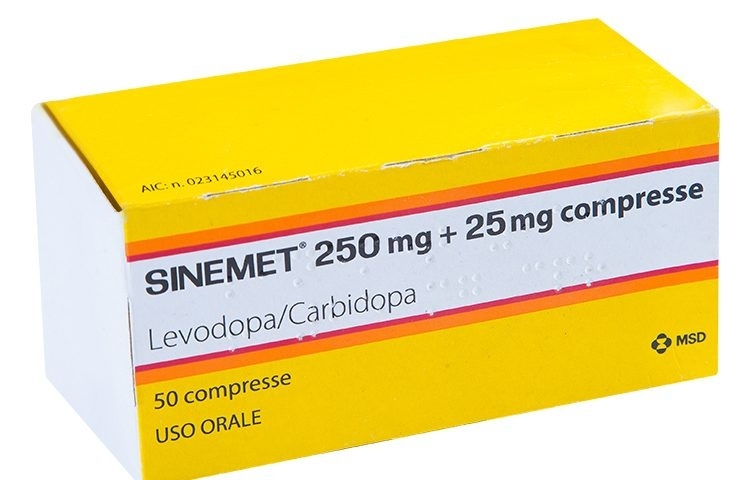
- Kraj rejestracji
- Postać farmaceutycznaCoated tablet, 250 MG
- Kod ATCN04BA02
- Substancja czynna
- Wymaga receptyTak
- Producent
- Te treści mają charakter wyłącznie informacyjny i nie zastępują konsultacji lekarskiej.
- Zamienniki SINEMETPostać farmaceutyczna: Intestinal gel, 20MG/ML + 5MG/MLSubstancja czynna: levodopa and decarboxylase inhibitorProducent: ABBVIE S.R.L.Wymaga receptyPostać farmaceutyczna: Extended-release tablet, 100/25MGSubstancja czynna: levodopa and decarboxylase inhibitorProducent: SANDOZ S.P.A.Wymaga receptyPostać farmaceutyczna: Tablet, <100 mg/25 mgSubstancja czynna: levodopa and decarboxylase inhibitorProducent: DOC GENERICI SRLWymaga recepty
Odpowiedniki SINEMET w innych krajach
Leki z tą samą substancją czynną dostępne w innych krajach.
Odpowiednik SINEMET w Hiszpania
Odpowiednik SINEMET w Polska
Odpowiednik SINEMET w Ukraina
Lekarze online w sprawie SINEMET
Omów stosowanie SINEMET, bezpieczeństwo i ocenę zasadności recepty zgodnie z obowiązującymi przepisami.



Uzyskaj receptę na SINEMET online
Wypełnij 2-minutowy formularz
Opisz swoje objawy, historię choroby i lek, o który prosisz.
Wybierz lekarza lub pozwól nam przydzielić
Wybierz specjalistę lub dopasujemy Cię do najbliższego dostępnego lekarza.
Lekarz analizuje Twój przypadek
Zazwyczaj w ciągu 30 minut. Może zadawać dodatkowe pytania przez czat.
Odbierz w dowolnej aptece
Recepta elektroniczna wysłana na Twój e-mail — ważna w całej Polsce.
Często zadawane pytania
SINEMET wymaga recepty w Włochy. Możesz skonsultować się z lekarzem online, aby sprawdzić, czy ten lek może być odpowiedni w Twojej sytuacji.
Substancją czynną w SINEMET jest levodopa and decarboxylase inhibitor. Informacja ta pomaga rozpoznać leki o tym samym składzie, ale pod różnymi nazwami handlowymi.
SINEMET jest produkowany przez ORGANON ITALIA S.R.L.. Nazwy handlowe i opakowania mogą się różnić w zależności od dystrybutora.
Lekarze, tacy jak Lekarze rodzinni, Psychiatrzy, Dermatolodzy, Kardiolodzy, Endokrynolodzy, Gastroenterolodzy, Pulmonolodzy, Nefrolodzy, Reumatolodzy, Hematolodzy, Zakaźnicy, Alergolodzy, Geriatrzy, Pediatrzy, Onkolodzy, mogą ocenić, czy stosowanie SINEMET jest odpowiednie w Twoim przypadku, w zależności od sytuacji klinicznej i lokalnych przepisów. Możesz umówić konsultację online, aby omówić objawy i możliwe dalsze kroki.
Polska posiada dobrze rozwiniętą infrastrukturę ochrony zdrowia w dużych miastach, takich jak Warszawa, Kraków, Wrocław i Gdańsk. Apteki są łatwo dostępne i działają zgodnie z obowiązującymi przepisami, zapewniając dostęp do leków na receptę.
Możesz kupić SINEMET w Warszawie, Krakowie, Wrocławiu lub Gdańsku w każdej aptece, posiadając ważną receptę.
Aby uzyskać receptę, możesz skorzystać z Oladoctor:
Inne leki zawierające tę samą substancję czynną (levodopa and decarboxylase inhibitor) to m.in. DUODOPA, LEVODOPA KARBIDOPA EXAL, LEVODOPA E KARBIDOPA DOK. Mogą one różnić się nazwą handlową lub postacią, ale zawierają ten sam składnik terapeutyczny. Przed zmianą lub rozpoczęciem nowego leku skonsultuj się z lekarzem.
