



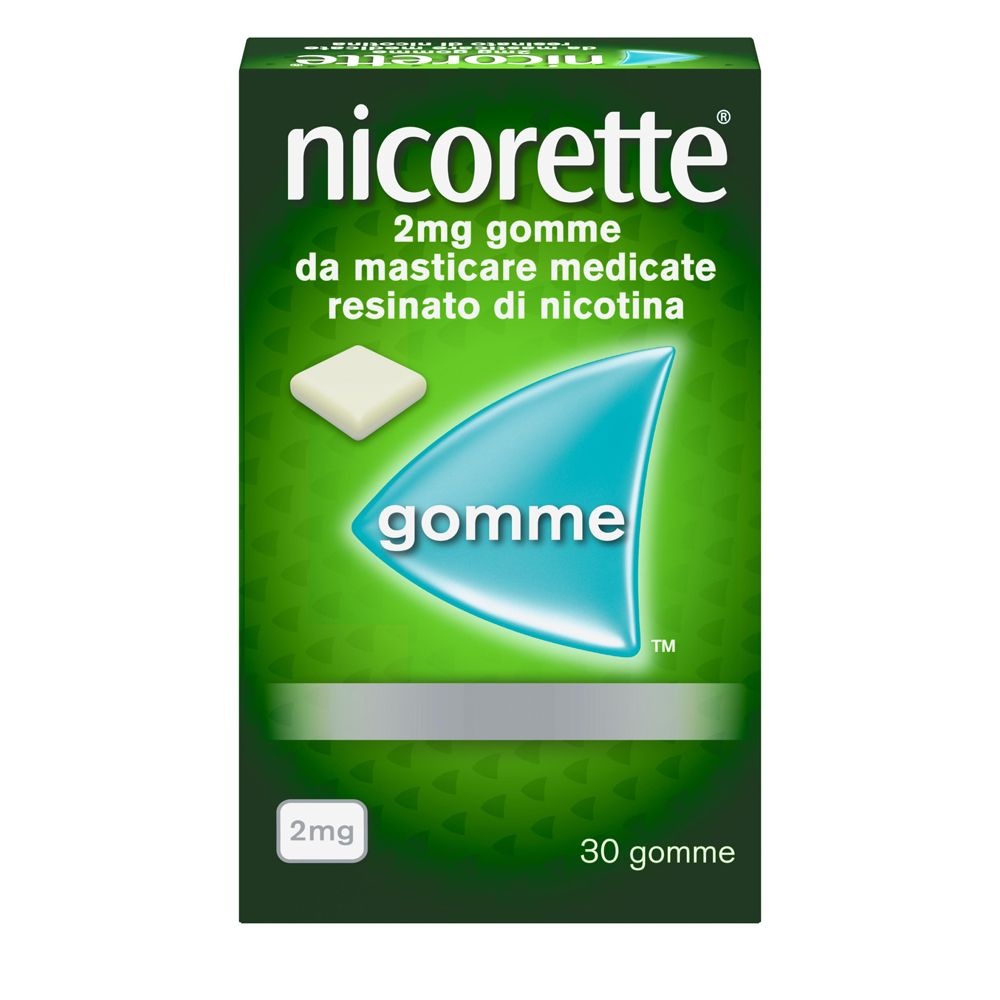
NICORETTE 2 mg Guma Do Żucia O Działaniu Leczniczym

Ocena recepty online
Lekarz przeanalizuje Twój przypadek i zdecyduje, czy wystawienie recepty jest medycznie uzasadnione.

Porozmawiaj z lekarzem o tym leku
Omów swoje objawy i opcje leczenia podczas szybkiej konsultacji online.



Jak stosować NIKORETTE
Treść ulotki
- NICORETTE 2 mg medicated chewing gums, 4 mg medicated chewing gums
- NICORETTE 10 mg/16 h translucent transdermal patches, 15 mg/16 h translucent transdermal patches
- NICORETTE 10 mg inhalation solution
NICORETTE 2 mg medicated chewing gums, 4 mg medicated chewing gums
NICORETTE 2 mg medicated chewing gums strong mint flavour
NICORETTE 4 mg medicated chewing gums strong mint flavour
Nicotine
Read this leaflet carefully before using this medicine as it contains important
information for you.
Always use this medicine exactly as described in this leaflet or as your doctor or pharmacist has told you.
- Keep this leaflet. You may need to read it again.
- If you want more information or advice, ask your pharmacist.
- If any side effects occur, including those not listed in this leaflet, tell your doctor or pharmacist. See section 4.
- See a doctor if you do not feel better or if your symptoms worsen after 12 months of treatment.
Contents of this leaflet:
- 1. What NICORETTE is and what it is used for
- 2. What you need to know before you use NICORETTE
- 3. How to use NICORETTE
- 4. Possible side effects
- 5. How to store NICORETTE
- 6. Contents of the pack and other information
1. What is NICORETTE and what is it used for
NICORETTE is a chewing gum, which contains nicotine and can help you quit smoking if you have decided to quit. This type of treatment is called nicotine replacement therapy (NRT).
Consult your doctor if you do not feel better or feel worse after 12 months of treatment.
2. What you need to know before you use NICORETTE
Do not use NICORETTE if:
- you are allergic to the active ingredient or to any of the other ingredients of this medicine (listed in section 6);
- you are not a smoker;
- you have recently had a heart attack or stroke;
- you have chest pain that occurs even when you are at rest (unstable or worsening angina, Prinzmetal's angina);
- you have a heart condition that affects your heart rate or rhythm (severe cardiac arrhythmia);
- you are pregnant;
- you are breastfeeding:
- you are under the age of 18 years.
Warnings and precautions
Consult your doctor or pharmacist before using NICORETTE if:
- you suffer from high blood pressure that is not controlled by medication;
- you have serious heart disease (e.g. peripheral occlusive arterial disease, cerebrovascular disease, heart failure) or blood vessels (vasospasms);
- you have severe kidney disease;
- you have liver disease (moderate or severe hepatic insufficiency);
- you have diabetes;
- your thyroid is overactive (uncontrolled hyperthyroidism);
- you have a tumor of the adrenal gland (pheochromocytoma);
- you have a stomach or duodenal ulcer;
- you have inflammation of the esophagus (esophagitis).
Be careful: if you have dentures, you may have difficulty chewing NICORETTE. The gums may stick to dentures and, in rare cases, damage them.
Other medicines and NICORETTE
Tell your doctor or pharmacist if you are taking, have recently taken or might take any other medicines. This is particularly important if you are taking:
- theophylline or isoprenaline, medicines used to treat asthma;
- tacrine, a medicine used for Alzheimer's disease;
- clozapine and olanzapine, medicines used for schizophrenia;
- imipramine, clomipramine and fluvoxamine, medicines used for depression;
- flecainide, a medicine used for heart problems;
- adenosine, a medicine used to dilate blood vessels;
- pentazocine, a medicine used for severe pain;
- paracetamol, a medicine used for fever and pain;
- oxazepam, a medicine used for anxiety;
- propranolol, a medicine used for example in heart disease;
- insulin, a medicine used for diabetes;
- prazosin, a medicine used for urinary incontinence;
- labetalol, a medicine used for heart rhythm problems;
- phenylephrine, a vasoconstrictor medicine, used to dilate pupils or as a nasal decongestant;
- phenacetin, a medicine used for fever and pain;
- preparations containing caffeine;
- ropinirole, a medicine used in Parkinson's disease;
- glutethimide, a medicine used for insomnia;
- propoxyphene, a medicine used for pain;
- medicines called adrenergic agonists or blockers, used for example to treat high blood pressure, asthma or heart disease;
- medicines containing cortisone.
Pregnancy and breastfeeding
If you are pregnant, suspect you may be pregnant or are planning a pregnancy, or if you are breastfeeding, ask your doctor or pharmacist for advice before taking this medicine.
Nicotine reaches the fetus and can cause harm. It is advisable to quit smoking.
Consult your doctor to find out how to proceed. Do not use NICORETTE during pregnancy unless specifically indicated by your doctor.
Avoid using NICORETTE during breastfeeding, as nicotine passes into breast milk and can cause problems for the baby. If you are breastfeeding, do not use NICORETTE unless specifically indicated by your doctor.
Driving and using machines
NICORETTE does not impair the ability to drive or operate machinery
NICORETTE 2 mg medicated chewing gumcontains 202.4 mg of sorbitol.
NICORETTE 4 mg medicated chewing gumcontains 197 mg of sorbitol.
Sorbitol is a source of fructose. If your doctor has told you that you are intolerant to certain sugars, or if you have a diagnosis of hereditary fructose intolerance, a rare genetic disease in which patients cannot transform fructose, talk to your doctor before taking this medicine.
NICORETTE medicated chewing gumcontains flavors with cinnamal, cinnamyl alcohol,
citral, citronellol, eugenol, geraniol, isoeugenol, limonene, linalool. These substances may
cause allergic reactions.
NICORETTE medicated chewing gumcontains flavors which in turn contain ethanol.
This medicine contains 0.616 mg of alcohol (ethanol) per gum, equivalent to less than 0.0154 ml of
beer or 0.00616 ml of wine. The small amount of alcohol in this medicine will not produce significant effects.
NICORETTE 2 mg medicated chewing gum strong mint flavorcontains 171 mg of sodium
(main component of table salt) per maximum daily dose. This is equivalent to 8.55%
of the recommended maximum daily intake with the diet of an adult.
NICORETTE 4 mg medicated chewing gum strong mint flavorcontains 195.2 mg of sodium
(main component of table salt) per maximum daily dose. This is equivalent to 9.76%
of the recommended maximum daily intake with the diet of an adult.
3. How to use NICORETTE
Use this medicine following the instructions provided in this leaflet or as directed by your doctor or pharmacist. If you have any doubts, consult your doctor or pharmacist.
Chew one gum whenever you feel the urge to smoke.
Normally, 10 gums of 2 mg per day are sufficient.
If 15 gums of 2 mg per day are not enough, if you are a heavy smoker (more than 20 cigarettes per day), use 1 NICORETTE 4 mg gum or 2 NICORETTE 2 mg gums simultaneously.
Do not use more than 15 NICORETTE 4 mg gums per day.
The recommended duration of treatment is 3 months.After this period, you should gradually reduce the number of gums used daily. When you are using 1-2 gums, it is recommended to try to stop using NICORETTE completely. However, it is advisable to keep some extra gums available, in case of a sudden return of the desire to smoke.
Do not use this medicine regularly for more than 12 months. Do not exceed the recommended doses.
Method of use
Chew the gum very slowly for at least 30 minutes, interrupting the chewing periodically. Chewing too quickly can cause nicotine to be absorbed too quickly.
Use in children and adolescents under 18 years of age
The safety and efficacy in children and adolescents under 18 years of age have not yet been established.
If you use more NICORETTE than you should
If you are an occasional smoker or smoke few cigarettes a day, or if you chew NICORETTE while taking other forms of nicotine (inhalation solution, patches), nicotine overdose may occur. In this case, stop treatment immediately and contact your doctor or go to the nearest hospital. Nicotine doses that are tolerated by adult smokers during treatment can cause serious poisoning symptoms in small children, some of which may be fatal.
Symptoms of overdose are: feeling unwell (nausea), vomiting, excessive salivation, abdominal pain, diarrhea, sweating, headache, dizziness, hearing impairment, evident weakness, low blood pressure, weak or irregular pulse, breathing problems, prostration, collapse and convulsions.
If you have any doubts about the use of this medicine, consult your doctor or pharmacist.
4. Possible side effects
Like all medicines, this medicine can cause side effects, although not everybody gets them.
Inform your doctor if you experience any of the following during therapy with NICORETTE:
Common side effects(may affect up to 1 in 10 people)
- increased salivation, dry mouth, burning or inflammation of the mouth (stomatitis), cough, hiccups, throat irritation;
- headache, altered taste (dysgeusia), altered sensation (paresthesia);
- abdominal pain, indigestion (dyspepsia), presence of intestinal gas (flatulence), nausea, vomiting, diarrhea;
- fatigue.
Uncommon side effects(may affect up to 1 in 100 people)
- sweating, itching, appearance of skin lesions (skin rashes, urticaria);
- difficulty breathing (bronchospasm, dyspnea, tightness in the throat), altered voice (dysphonia), feeling of nasal congestion (nasal congestion), sore throat, sneezing;
- perception of heartbeat (palpitations) or fast heartbeat (tachycardia);
- belching, inflammation of the tongue (glossitis), blisters and peeling of the oral mucosa, altered oral sensation (paresthesia), jaw pain;
- abnormal dreams;
- discomfort, fatigue (asthenia), chest pain and discomfort;
- redness, increased blood pressure.
Rare side effects(may affect up to 1 in 1000 people)
- difficulty swallowing, decreased oral sensation (hypoesthesia), nausea;
Side effects of unknown frequency(frequency cannot be estimated based on available clinical data)
- redness of the skin (erythema), swelling of the face, eyes, lips, throat (angioedema) with difficulty breathing, possible signs of severe allergic reactions (anaphylactic reaction);
- irritation of the mouth, dry throat, feeling of thirst, stomach and intestinal disorders, lip pain;
- blurred vision, increased tearing;
- anxiety, depression, muscle tension.
Side effects due to smoking cessation
Symptoms such as mood changes, insomnia, irritability, frustration, anger, anxiety, difficulty
concentrating, restlessness or impatience, decreased heart rate (bradycardia), increased
appetite or body weight, intense craving for smoking, dizziness and headache, painful ulcers in the
oral cavity may be related to nicotine withdrawal.
Reporting of side effects
If you get any side effects, even those not listed in this leaflet, tell your
doctor or pharmacist. You can also report side effects directly through the national reporting system at https://www.aifa.gov.it/content/segnalazioni-reazioni-avverse . .
By reporting side effects you can help provide more information on the safety of
this medicine.
5. How to store NICORETTE
Keep this medicine out of the sight and reach of children.
Store at a temperature below 25° C.
Do not use this medicine after the expiry date which is stated on the packaging. The expiry date refers to the last day of that month.
Do not dispose of any medicine in waste water or household waste. Ask your pharmacist how to
dispose of medicines you no longer use. This will help protect the environment.
6. Contents of the pack and other information
What NICORETTE contains
The active ingredient is: nicotine.
NICORETTE 2 mg chewing gums
medicatedOne 2 mg gum contains:
- active ingredient: 10 mg of nicotinic resin complex containing 20% nicotine, corresponding to 2 mg of nicotine;
- other ingredients are: anhydrous sodium carbonate, sodium bicarbonate, chewing gum base, sorbitol powder, 70% sorbitol solution, mint and fruit flavourings (contain traces of ethanol, cinnamal, cinnamyl alcohol, citral, citronellol, eugenol, geraniol, isoeugenol, limonene, linalool), 85% glycerol solution.
NICORETTE 4 mg chewing gums medicated
One gum contains:
- active ingredient: 20 mg of nicotinic resin complex containing 20% nicotine, corresponding to 4 mg of nicotine.
- other ingredients are: anhydrous sodium carbonate, chewing gum base, sorbitol powder, 70% sorbitol solution, mint and fruit flavourings (contain traces of ethanol, cinnamal, cinnamyl alcohol, citral, citronellol, eugenol, geraniol, isoeugenol, limonene, linalool), 85% glycerol solution, quinoline yellow (E 104).
NICORETTE 2 mg chewing gums medicated strong mint flavour
One 2 mg gum contains:
- active ingredient: 10 mg of nicotinic resin complex containing 20% nicotine, corresponding to 2 mg of nicotine;
- other ingredients are: chewing gum base, xylitol, peppermint oil, acesulfame potassium, sodium carbonate, sodium bicarbonate, levomenthol, magnesium oxide, pregelatinized starch, titanium dioxide, carnauba wax, hypromellose, sucralose, polysorbate 80, peppermint.
NICORETTE 4 mg chewing gums medicated strong mint flavour
One gum contains:
- active ingredient: 20 mg of nicotinic resin complex containing 20% nicotine, corresponding to 4 mg of nicotine.
- other ingredients are: chewing gum base, xylitol, peppermint oil, acesulfame potassium, sodium carbonate, levomenthol, magnesium oxide, pregelatinized starch, titanium dioxide, carnauba wax, quinoline yellow (E 104), hypromellose, sucralose, polysorbate 80, peppermint.
Description of the appearance of NICORETTE and contents of the pack
NICORETTE is available in packs of 30 or 105 gums.
Marketing authorisation holder
McNeil AB - Norrbroplatsen, 2, SE-251-09, Helsingborg - Sweden
Representative for Italy: Johnson & Johnson S.p.A.
Via Ardeatina, Km 23,500 - 00071, Santa Palomba, Pomezia (Rome) - Italy
Manufacturer
McNeil AB - Norrbroplatsen, 2, SE-251-09, Helsingborg – Sweden
NICORETTE 10 mg/16 h translucent transdermal patches, 15 mg/16 h translucent transdermal patches
Nicotine
Read this leaflet carefully before you start using this medicine as it contains important
information for you.
Always use this medicine exactly as described in this leaflet, or as your doctor or pharmacist
has told you to do.
- Keep this leaflet. You may need to read it again.
- If you want any further information or advice, ask your pharmacist.
- If you get any side effects, even those not listed in this leaflet, tell your doctor or pharmacist. See section 4.
- Talk to your doctor if you have not stopped smoking after 12 weeks of treatment.
Contents of this leaflet:
- 1. What NICORETTE is and what it is used for
- 2. What you need to know before you use NICORETTE
- 3. How to use NICORETTE
- 4. Possible side effects
- 5. How to store NICORETTE
- 6. Contents of the pack and other information
1. What is NICORETTE and what is it used for
NICORETTE is a patch, which contains nicotine and can help you quit smoking if you have decided to
quit. This type of treatment is called nicotine replacement therapy (NRT).
NICORETTE relieves nicotine withdrawal symptoms, including the urge to smoke, which you experience when
you want to quit smoking.
When you suddenly stop smoking, your body no longer receives the nicotine previously provided
by tobacco; this lack causes various unpleasant sensations, called withdrawal symptoms.
Using NICORETTE can prevent or reduce these unpleasant sensations and the urge to
smoke, because it continues to provide the body with a small amount of nicotine for a short period of
time. NICORETTE is not harmful to your health like tobacco, because it does not contain tar,
carbon monoxide or other toxic agents of cigarette smoke.
Smokers of more than 10 cigarettes a day who have difficulty controlling the urge to smoke or who have not
been able to quit smoking with the sole use of Nicorette transdermal patches can combine
the latter with Nicorette 2 mg chewing gums (all flavors) or Nicoretteicy 2mg lozenges,.
To improve the chances of helping to quit smoking, combine treatment with NICORETTE with a
counseling and support therapy.
2. What you need to know before using NICORETTE
Do not use NICORETTE:
- if you are allergic to the active ingredient or any of the other ingredients of this medicine (listed in section 6);
- if you have recently had a heart attack or stroke;
- if you have heart disease or suffer from high blood pressure;
- if you have an abnormal heart rate or rhythm;
- if you have or have had problems with blood circulation;
- if you have skin disorders, for example lesions, on the skin where you want to apply the patch;
- in children and adolescents under 18 years of age. Do not use NICORETTE if you are not a smoker or if you are an occasional smoker.
Warnings and precautions
Talk to your doctor or pharmacist before using NICORETTE if:
- you have severe kidney disease;
- you have liver disease (moderate or severe hepatic impairment);
- you have diabetes mellitus;
- you have an overactive thyroid gland;
- you have a tumor of the adrenal gland (pheochromocytoma);
- you have an ulcer in the stomach or duodenum;
- you have inflammation of the esophagus (esophagitis).
Pay attention:
- if you need to have a Magnetic Resonance Imaging (MRI) scan, you must remove the patch before the examination to avoid the risk of skin burns;
- STOP TREATMENT WITH NICORETTE if skin lesions appear, which are severe or persistent.
Combination therapy
For warnings and precautions for the oral form chosen for combination therapy
(Nicoretteicy 2mg lozenges or Nicorette 2mg chewing gums), refer to the information on
that pharmaceutical form.
Children and adolescents under 18 years of age
Do not use NICORETTE in children and adolescents under 18 years of age.
Other medicines and NICORETTE
Tell your doctor or pharmacist if you are taking, have recently taken or might take any
other medicines. This is particularly important if you are taking:
- Theophylline or isoprenaline, medicines used to treat asthma;
- tacrine, a medicine used for Alzheimer's disease;
- clozapine and olanzapine, medicines used for schizophrenia;
- imipramine, clomipramine and fluvoxamine, medicines used for depression;
- flecainide, a medicine used for heart problems;
- adenosine, a medicine used to dilate blood vessels;
- pentazocine, a medicine used for severe pain;
- paracetamol, a medicine used for fever and pain;
- oxazepam, a medicine used for anxiety;
- insulin, a medicine used for diabetes;
- prazosin, a medicine used for urinary incontinence;
- labetalol, a medicine used for heart rhythm problems;
- phenylephrine, a vasoconstrictor medicine used to dilate pupils or as a nasal decongestant;
- phenacetin, a medicine used for fever and pain;
- preparations containing caffeine;
- ropinirole, a medicine used for Parkinson's disease;
- glutethimide, a medicine used for insomnia;
- propoxyphene, a medicine used for pain;
- medicines called agonists or adrenergic blockers, used for example to treat high blood pressure, asthma or heart disease;
- medicines containing cortisone.
Pregnancy and breastfeeding
During pregnancy, it is very important to stop smoking, because smoking can harm your
baby. It is best to stop smoking without using medicines containing nicotine. If this is not possible,
you can use NICORETTE but only after consulting your doctor.
If you are breastfeeding, avoid using NICORETTE, as nicotine passes into breast milk and can
cause problems for the baby. If you cannot stop smoking without using medicines containing
nicotine, you can use NICORETTE but only after consulting your doctor.
Consult your doctor for advice on how to proceed. Do not use NICORETTE during pregnancy unless specifically
indicated by your doctor.
If you are breastfeeding, do not use NICORETTE unless specifically indicated by your doctor.
Driving and using machines
NICORETTE does not impair the ability to drive or operate machinery.
3. How to use NICORETTE
Use this medicine following exactly as described in this leaflet or as instructed by your doctor or pharmacist. If you have any doubts, ask your doctor or pharmacist.
You must completely stop smoking during treatment with NICORETTE.
Use 1 patch of 15mg per day for 8 weeks. Continue treatment with 1 patch of 10 mg per day for another 4 weeks. Subsequently, stop using NICORETTE.
Treatment with NICORETTE patches should not exceed 12 weeks (3 months). In some cases, a longer treatment period may be necessary to avoid restarting smoking.
Do not use this medicine regularly for more than 6 months. Do not exceed the recommended doses.
Method of use
Apply the patch in the morning when you wake up, on clean, dry, intact skin free of hair, for example on the hip, upper arm or chest; press with the palm of your hand for 10-20 seconds. Do not touch the adhesive part with your fingers. Remove the patch in the evening before going to sleep.
Change the skin surface on which you apply the patch every day; avoid applying it consecutively to the same area.
Combination therapy
If you smoke more than 10 cigarettes a day and have difficulty controlling the urge to smoke, or have not been able to quit smoking with Nicorette transdermal patches alone, the combination therapy of transdermal patches with an oral form containing nicotine (Nicoretteicy 2mg lozenges or Nicorette 2mg chewing gums) provides a better chance of quitting smoking compared to patches alone.
The box below details the recommended procedure for the combined use of Nicorette transdermal patches with oral forms:
| Nicorette transdermal patches | Period | Nicorette 2 mg chewing gums | Nicoretteicy 2 mg lozenges |
*The maximum recommended dose for oral forms is 15 pieces per day. Do not exceed the maximum recommended daily dose.
When daily use is reduced to 1-2 gums/lozenges, use must be discontinued.
Use in children and adolescents under 18 years of age
Do not use NICORETTE in children and adolescents under 18 years of age.
If you use more NICORETTE than you should
If a child uses NICORETTE, or if you use too many NICORETTE patches and/or if you are an occasional smoker or smoke few cigarettes a day, if you do not adhere to the recommended doses for combination therapy, nicotine overdose may occur. In this case, remove the patch and rinse the part of the body where you applied it with water; contact your doctor immediately or go to the nearest hospital. Nicotine doses that are tolerated by adult smokers during treatment can cause serious poisoning symptoms in small children, some of which may be fatal.
Symptoms of overdose are: nausea, vomiting, excessive salivation, stomach and intestinal disorders, diarrhea, sweating, headache, dizziness, hearing impairment, weakness even very marked, breathing problems, low blood pressure, weak or irregular pulse, convulsions and cardiac collapse.
If you have any doubts about the use of this medicine, ask your doctor or pharmacist.
4. Possible side effects
Like all medicines, this medicine can cause side effects, although not everybody gets them.
| medicated | ||||
| Step 1 | 1 patch Nicorette 15 mg/16h per day | First 6 weeks | 5-6 gums per day*. Gradual reduction starting from week 7. | 5-6* lozenges per day Gradual reduction starting from week 7. |
| Step 2 | 1 patch Nicorette 10 mg/16h per day | Following 4 weeks | 1 gum when you experience the urge to smoke continuing to reduce gradually. . Treatment should be stopped when d daily consumption has been reduced to 1-2 gums. | 1 lozenge when you experience the r urge to smoke, a continuing to F reduce gradually. l Treatment should e be stopped when daily consumption has been reduced to 1-2 lozenges. |
Inform your doctor if you experience the following during therapy with NICORETTE:
Very common side effects(may affect more than 1 in 10 people)
- itching.
Common side effects(may affect up to 1 in 10 people)
- headache, dizziness, difficulty sleeping (insomnia);
- nausea, vomiting;
- appearance of skin lesions, for example, changes in color in patches or widespread (rashes, hives).
Uncommon side effects(may affect up to 1 in 100 people)
- increased sweating;
- altered sensitivity (paresthesia);
- difficulty breathing (dyspnea);
- reaction at the site where you applied the patch;
- allergic reactions (hypersensitivity);
- abnormal dreams;
- discomfort, fatigue, tiredness (asthenia), chest pain and discomfort, muscle pain;
- palpitations or fast heartbeat (tachycardia);
- redness, increased blood pressure.
Other side effects
- redness of the skin (erythema), swelling (angioedema) of the face, eyes, lips, throat with difficulty breathing, possible signs of severe allergic reactions (anaphylactic reaction);
- stomach and intestinal disorders;
- pain in the legs and arms.
For side effects specific to the oral form chosen for combination therapy (Nicoretteicy
2mg lozenges or Nicorette 2mg chewing gums), refer to the product information for that
pharmaceutical form.
Side effects due to stopping smoking
Symptoms such as mood changes, insomnia, irritability, frustration, anger, anxiety, difficulty
concentrating, restlessness or impatience, decreased heart rate (bradycardia), increased
appetite or body weight, dizziness and headache, painful ulcers in the mouth, may be
related to nicotine withdrawal.
Reporting of side effects
If you get any side effects, even those not listed in this leaflet, tell your
doctor or pharmacist. You can also report side effects directly through the national reporting system at https://www.aifa.gov.it/content/segnalazioni-reazioni-avverse.
By reporting side effects you can help provide more information on the safety of
this medicine.
5. How to store NICORETTE
Keep this medicine out of the sight and reach of children.
Store at a temperature below 25° C.
Do not use this medicine after the expiry date which is stated on the packaging. The expiry date refers to the last day of that month.
Do not dispose of any medicine in wastewater or household waste. Ask your pharmacist how to
dispose of medicines you no longer use. This will help protect the environment.
6. Contents of the pack and other information
What NICORETTE contains
The active ingredient is: nicotine.
1 NICORETTE 10 mg/16 h patch contains: 15.8 mg of nicotine.
1 NICORETTE 15 mg/16 h patch contains: 23.6 mg of nicotine.
The other ingredients are:
Nicotine matrix: medium chain triglycerides, basic butyl methacrylate copolymer,
polyester film (PET),
Acrylic matrix: acrylic adhesive solution, potassium hydroxide, sodium croscarmellose, aluminum
acetylacetonate, polyester film (PET).
Description of the appearance of NICORETTE and contents of the pack
NICORETTE 10 mg/16 h is available in packs of 7 semi-transparent transdermal patches, each with a
surface area of 9 cm2.
NICORETTE 15 mg/16 h is available in packs of 7 semi-transparent transdermal patches, each with a
surface area of 13.5 cm2.
Marketing Authorisation Holder
McNeil AB - Norrbroplatsen, 2, SE-251-09, Helsingborg - Sweden
Representative for Italy: Johnson & Johnson S.p.A.
Via Ardeatina, Km 23,500 - 00071, Santa Palomba, Pomezia (Rome) - Italy
Manufacturer
LTS Lohmann Therapie-Systeme AG (LTS), D-56626 Andernach - Germany

Nie jesteś pewien, czy ten lek jest odpowiedni dla ciebie?
Omów swoje objawy i leczenie z lekarzem online.
NICORETTE 10 mg inhalation solution
NICORETTE 15 mg inhalation solution
Nicotine
Read this leaflet carefully before you start using this medicine as it contains important
information for you.
Always use this medicine exactly as described in this leaflet or as your doctor or pharmacist
has told you to do.
- Keep this leaflet. You may need to read it again.
- If you want more information or advice, ask your pharmacist.
- If any side effects occur, including those not listed in this leaflet, tell your doctor or pharmacist. See section 4.
- Talk to your doctor if you do not feel better or if you feel worse after 6 months of treatment.
Contents of this leaflet:
- 1. What NICORETTE is and what it is used for
- 2. What you need to know before you use NICORETTE
- 3. How to use NICORETTE
- 4. Possible side effects
- 5. How to store NICORETTE
- 6. Contents of the pack and other information
1. What is NICORETTE and what is it used for
NICORETTE is a nicotine replacement therapy (NRT), used to relieve nicotine withdrawal symptoms, including the urge to smoke.
2. What you need to know before you use NICORETTE
Do not use NICORETTE if:
- you are allergic to the active ingredient, menthol or any of the other ingredients of this medicine (listed in section 6);
- you have recently had a heart attack (within 3 months) or a stroke;
- you have chest pain that occurs even when at rest (unstable or aggravated angina, Prinzmetal's angina);
- you have a heart condition that affects your heart rate or rhythm (severe cardiac arrhythmia);
- you are pregnant (see Pregnancy and breastfeeding);
- you are breastfeeding (see Pregnancy and breastfeeding);
- you are under 18 years of age;
- you are not a smoker.
Warnings and precautions
Talk to your doctor or pharmacist before using NICORETTE if:
- you suffer from high blood pressure that is not controlled by medication;
- you have a stomach or duodenal ulcer or inflammation of the esophagus (esophagitis);
- you have serious heart disease (e.g. peripheral occlusive arterial disease, cerebrovascular diseases, heart failure) or blood vessel disease (vasospasm);
- you have liver disease (moderate or severe hepatic insufficiency);
- you have kidney disease (severe renal insufficiency) or are undergoing dialysis (artificial kidney treatment);
- you have long-lasting throat problems or difficulty breathing (bronchospasm);
- your thyroid is overactive;
- you have a tumor of the adrenal gland (pheochromocytoma);
- you have diabetes; in this case, measure your blood sugar levels more frequently.
Other medicines and NICORETTE
Tell your doctor or pharmacist if you are taking, have recently taken or might take any other medicines. This is particularly important if you are taking:
- theophylline or isoprenaline, medicines used to treat asthma;
- imipramine, a medicine used to treat depression;
- adenosine, a medicine used to dilate blood vessels;
- pentazocine, a medicine used for severe pain;
- paracetamol, a medicine used to treat fever and pain;
- oxazepam, a medicine used to treat anxiety;
- propranolol, a medicine used for example in heart disease;
- insulin, a medicine used in diabetes;
- prazosin, a medicine used for urinary incontinence;
- labetalol, a medicine used for heart rhythm problems;
- phenylephrine, a vasoconstrictor medicine, used to dilate pupils or as a nasal decongestant;
- caffeine-containing preparations;
If you are being treated with these medicines, consult your doctor because a decrease in the dose may be necessary when stopping smoking.
Pregnancy and breastfeeding
If you are pregnant, suspect you are pregnant or are planning a pregnancy, or if you are breastfeeding, ask your doctor or pharmacist for advice before taking this medicine.
Nicotine reaches the fetus and can cause harm. It is recommended to stop smoking.
Consult your doctor to find out how to proceed. Do not use NICORETTE during pregnancy unless specifically indicated by your doctor.
During breastfeeding, avoid using NICORETTE, as nicotine passes into breast milk and can cause problems for the baby. If you are breastfeeding, do not use NICORETTE unless specifically indicated by your doctor.
Driving and using machines
NICORETTE does not impair the ability to drive or operate machinery.
3. How to use NICORETTE
Use this medicine following the instructions provided in this leaflet or as directed by your doctor or pharmacist. If you have doubts, consult your doctor or pharmacist.
I How to assemble the inhaler
- 1. Remove the mouthpiece and the sealed blister pack from the packaging.
- 2. Rotate the two sections of the mouthpiece until the marked lines align. Carefully open the inhaler mouthpiece, separating it into its two constituent parts. Remove the aluminum foil from the blister pack.
- 3. Remove a sealed cartridge containing a nicotine filter from the blister pack and insert it into the lower part of the mouthpiece. Push the cartridge until the seal breaks.
- 4. Reassemble the two parts of the mouthpiece. Push the two parts together until the cartridge seal breaks.
- 5. Rotate the two parts to close the mouthpiece.

I
How to use the inhaler
- 1. You can use the inhaler by inhaling both deeply and shallowly. Choose the method that suits you best. In both cases, your body will receive the amount of nicotine needed to relieve withdrawal symptoms. If relief from cravings is insufficient, increase the frequency and/or depth of inhalations. You may notice that it takes more effort to inhale than when smoking a cigarette, but the amount of nicotine absorbed through the lining of the mouth is the same as that obtained from deep or shallow inhalations of NICORETTE.
- 2. It is up to you to decide how many inhalations (puffs) to take, how often, and for how long. One NICORETTE 10 mg cartridge is roughly equivalent to 3-4 cigarettes, and one NICORETTE 15 mg cartridge is roughly equivalent to 7-8 cigarettes; the highest blood nicotine concentration can be reached after approximately 20 minutes of continuous inhalation of NICORETTE.
- 3. Once the cartridge is empty, it must be replaced. Most people use between 6 and 12 NICORETTE 10 mg cartridges per day or between 3 and 6 NICORETTE 15 mg cartridges.
I How to change the cartridge
- 1. Open the mouthpiece as indicated in step 2 of “How to assemble the inhaler”. Remove and discard the cartridge.
- 2. Insert a new cartridge into the inhaler as indicated in steps 3 and 4 of “How to assemble the inhaler”.
I Temperature of use
NICORETTE works well at room temperature. In cold environments, you may need to increase the number of inhalations to get the same amount of nicotine as when using NICORETTE at room temperature. Do not use this medicine below 15°C.
I Dosage
Below is information on the dosage of NICORETTE, indicating the number of cartridges you can use each day and how long you can continue to use the inhaler.
I Use in children and adolescents under 18 years of age
The safety and efficacy in children and adolescents under 18 years of age have not yet been established.
I Adults and the elderly
| Daily dose | |
| a Adults and the elderly | 6 to 12 NICORETTE 10 mg containers or 3 to 6 NICORETTE 15 mg containers |
| i Use NICORETTE whenever you have a craving to smoke or when other withdrawal symptoms appear. z DO NOT EXCEED THE RECOMMENDED DOSES. | |
I Duration
During treatment with NICORETTE, you must completely stop smoking. Use the inhaler to relieve symptoms due to smoking withdrawal. When you no longer have symptoms, stop using the inhaler.
The recommended duration of treatment is 3 months. After this period, you should gradually reduce the daily dose over the next 6-8 weeks.
The medicine should not be used for more than 6 months.
Consult the following table for the treatment schedule.
Preparation 12 weeks 6-8 weeks Step timing Step 1 Step 2 Step 3
Step 1: Choose a date and quit smoking.
Step 2: Use the inhaler for 12 weeks (3 months) to relieve withdrawal symptoms.
Step 3: Start gradually reducing the number of cartridges used. This period lasts approximately 6-8 weeks. After 6-8 weeks, the number of cartridges used in a day should be as low as possible. DO NOT USE NICORETTE FOR MORE THAN 6 MONTHS.
If you use more NICORETTE than you should
If you use excessive doses of NICORETTE and/or take nicotine in other forms simultaneously to quit smoking during treatment with NICORETTE, if you are an occasional smoker or smoke few cigarettes a day, you may experience nicotine overdose. In this case, immediately stop treatment and contact your doctor or go to the nearest hospital. Nicotine doses that are tolerated by adult smokers during treatment can cause serious poisoning symptoms in small children, some of which may be fatal. Suspected nicotine poisoning in a child should be considered a medical emergency and treated immediately.
Symptoms of overdose are: feeling unwell (nausea), vomiting, excessive salivation, abdominal pain, diarrhea, sweating, headache, dizziness, hearing disturbances, pronounced weakness, low blood pressure, weak or irregular pulse, breathing problems, prostration, seizures, and heart collapse.
If you have any doubts about using this medicine, contact your doctor or pharmacist.
4. Possible side effects
Like all medicines, this medicine can cause side effects, although not everybody gets them.
Inform your doctor if you experience any of the following during treatment with NICORETTE:
Common side effects(may affect up to 1 in 10 people)
- increased salivation, dry mouth, burning or inflammation of the mouth (stomatitis), painful ulcers in the mouth, cough, hiccups, throat irritation;
- feeling of nasal congestion, inflammation of the sinuses (sinusitis);
- headache, altered taste (dysgeusia), altered sensation (paresthesia);
- abdominal pain, indigestion (dyspepsia), presence of intestinal gas (flatulence), nausea, vomiting, diarrhea;
- fatigue, allergic reactions (hypersensitivity).
Uncommon side effects(may affect up to 1 in 100 people)
- difficulty breathing (bronchospasm, dyspnea), altered voice, pain and tension in the throat, sneezing;
- perception of heartbeat (palpitations) or fast heartbeat (tachycardia);
- belching, inflammation of the tongue (glossitis), blisters on the oral mucosa, altered sensation of the mouth (paresthesia);
- abnormal dreams;
- malaise, fatigue (asthenia), chest pain and discomfort;
- sweating, itching, appearance of skin lesions (skin rashes, urticaria);
- flushing, increased blood pressure.
Rare side effects(may affect up to 1 in 1000 people)
- difficulty swallowing, decreased sensation of the mouth (hypoesthesia), nausea.
Side effects of unknown frequency(frequency cannot be estimated based on available clinical data)
- redness of the skin (erythema), swelling of the face, eyes, lips, throat (angioedema) with difficulty breathing, possible signs of severe allergic reactions (anaphylactic reaction);
- dry throat, stomach and intestinal disorders, lip pain;
- blurred vision, increased tearing;
- nicotine dependence.
Side effects due to stopping smoking
Some side effects that appear during treatment with NICORETTE are due to
stopping smoking.
Symptoms such as mood changes, insomnia, irritability, frustration, anger, anxiety, difficulty
concentrating, restlessness or impatience, decreased heart rate (bradycardia), increased
appetite or body weight, dizziness and headache, painful ulcers in the mouth, may be
related to nicotine withdrawal.
Reporting of side effects
If you get any side effects, even those not listed in this leaflet, tell your
doctor or pharmacist. You can also report side effects directly through the national
reporting system at http://www.aifa.gov.it/content/segnalazioni-reazioni-avverse.
By reporting side effects you can help provide more information on the safety of this
medicine.
5. How to store NICORETTE
Keep this medicine out of sight and reach of children.
Store the NICORETTE cartridges at a temperature below 25° C. Store the plastic mouthpiece
in the box for subsequent uses.
Do not use this medicine after the expiry date which is reported on the packaging. The expiry date refers to
the last day of that month.
Do not dispose of any medicine in wastewater or household waste. Ask your pharmacist how to
dispose of medicines you no longer use. This will help protect the environment.
6. Contents of the pack and other information
What NICORETTE contains
The active ingredient is: nicotine.
Each 10 - 15 mg container contains: 10 – 15 mg of nicotine.
The other ingredients are: levomenthol, porous filter.
Description of the appearance of NICORETTE and contents of the pack
NICORETTE consists of a white plastic mouthpiece into which a cartridge containing
10 mg or 15 mg of nicotine is inserted. The cartridge also contains levomenthol to give the nicotine a slight
mint flavour.
NICORETTE 10 mg inhalation solution is available in packs containing:
- 6 cartridges (each containing a nicotine filter) packaged in 1 blister, and 1 mouthpiece;
- 42 cartridges (each containing a nicotine filter) packaged in 7 blisters (each containing 6 cartridges), and 1 mouthpiece.
NICORETTE 15 mg inhalation solution is available in packs containing:
- 4 cartridges (each containing a nicotine filter) packaged in 1 blister, and 1 mouthpiece;
- 20 cartridges (each containing a nicotine filter) packaged in 5 blisters (each containing 4 cartridges), and 1 mouthpiece.
Marketing Authorisation Holder
McNeil AB - Norrbroplatsen, 2, SE-251-09, Helsingborg - Sweden
Representative for Italy: Johnson & Johnson S.p.A.
Via Ardeatina, Km 23,500 - 00071, Santa Palomba, Pomezia (Rome) - Italy
Manufacturer
McNeil AB - Norrbroplatsen, 2, SE-251-09, Helsingborg - Sweden

Zacząłeś przyjmować lek i masz pytania?
Omów swoje objawy i leczenie z lekarzem online.
- Kraj rejestracji
- Postać farmaceutycznaMedicated chewing gum, 2 MG
- Kod ATCN07BA01
- Substancja czynna
- Wymaga receptyNie
- Producent
- Te treści mają charakter wyłącznie informacyjny i nie zastępują konsultacji lekarskiej.
- Zamienniki NIKORETTEPostać farmaceutyczna: Transdermal patch, 7 mg/24 hoursSubstancja czynna: nicotineProducent: PERRIGO ITALIA S.R.L.Bez recepty
Odpowiedniki NIKORETTE w innych krajach
Leki z tą samą substancją czynną dostępne w innych krajach.
Odpowiednik NIKORETTE w Hiszpania
Odpowiednik NIKORETTE w Polska
Odpowiednik NIKORETTE w Ukraina
Lekarze online w sprawie NIKORETTE
Omów stosowanie NIKORETTE, bezpieczeństwo i ocenę zasadności recepty zgodnie z obowiązującymi przepisami.









Uzyskaj receptę na NIKORETTE online
Wypełnij 2-minutowy formularz
Opisz swoje objawy, historię choroby i lek, o który prosisz.
Wybierz lekarza lub pozwól nam przydzielić
Wybierz specjalistę lub dopasujemy Cię do najbliższego dostępnego lekarza.
Lekarz analizuje Twój przypadek
Zazwyczaj w ciągu 30 minut. Może zadawać dodatkowe pytania przez czat.
Odbierz w dowolnej aptece
Recepta elektroniczna wysłana na Twój e-mail — ważna w całej Polsce.
Często zadawane pytania
NIKORETTE nie wymaga recepty w Włochy. Możesz skonsultować się z lekarzem online, aby sprawdzić, czy ten lek może być odpowiedni w Twojej sytuacji.
Substancją czynną w NIKORETTE jest nicotine. Informacja ta pomaga rozpoznać leki o tym samym składzie, ale pod różnymi nazwami handlowymi.
NIKORETTE jest produkowany przez MCNEIL AB. Nazwy handlowe i opakowania mogą się różnić w zależności od dystrybutora.
Lekarze, tacy jak Lekarze rodzinni, Psychiatrzy, Dermatolodzy, Kardiolodzy, Endokrynolodzy, Gastroenterolodzy, Pulmonolodzy, Nefrolodzy, Reumatolodzy, Hematolodzy, Zakaźnicy, Alergolodzy, Geriatrzy, Pediatrzy, Onkolodzy, mogą ocenić, czy stosowanie NIKORETTE jest odpowiednie w Twoim przypadku, w zależności od sytuacji klinicznej i lokalnych przepisów. Możesz umówić konsultację online, aby omówić objawy i możliwe dalsze kroki.
Polska posiada dobrze rozwiniętą infrastrukturę ochrony zdrowia w dużych miastach, takich jak Warszawa, Kraków, Wrocław i Gdańsk. Apteki są łatwo dostępne i działają zgodnie z obowiązującymi przepisami, zapewniając dostęp do leków na receptę.
Możesz kupić NIKORETTE w Warszawie, Krakowie, Wrocławiu lub Gdańsku w każdej aptece, posiadając ważną receptę.
Aby uzyskać receptę, możesz skorzystać z Oladoctor:
Inne leki zawierające tę samą substancję czynną (nicotine) to m.in. NIKORETTEIKY, NIKORETTEQUIKK, NIQUITIN. Mogą one różnić się nazwą handlową lub postacią, ale zawierają ten sam składnik terapeutyczny. Przed zmianą lub rozpoczęciem nowego leku skonsultuj się z lekarzem.
