



DAPAGUT 33.1 mg/ml Krople doustne, roztwór

Ocena recepty online
Lekarz przeanalizuje Twój przypadek i zdecyduje, czy wystawienie recepty jest medycznie uzasadnione.

Porozmawiaj z lekarzem o tym leku
Omów swoje objawy i opcje leczenia podczas szybkiej konsultacji online.



Jak stosować DAPAGUT
Treść ulotki
Dapagut 33,1mg/ml, oral drops, solution
Paroxetine (as mesylate)
Read this leaflet carefully before you start to take this medicine because
it contains important information for you.
- Keep this leaflet. You may need to read it again.
- If you have any questions, ask your doctor or pharmacist.
- This medicine has been prescribed for you only. Do not pass it on to others, even if their symptoms are the same as yours, as it could be harmful.
- If you get any side effects, even those not listed in this leaflet, tell your doctor or pharmacist. See section 4.4
Contents of this leaflet:
- 1. What Dapagut is and what it is used for
- 2. What you need to know before you take Dapagut
- 3. How to take Dapagut
- 4. Possible side effects
- 5. How to store Dapagut
- 6. Contents of the pack and other information
1. What is Dapagut and what is it used for
Paroxetine belongs to the group of drugs known as selective serotonin reuptake inhibitors (SSRIs) - antidepressants.
Dapagut is used in the treatment of:
- Depression (major depressive episode)
- Obsessive compulsive disorder (repetitive obsessive thoughts and/or actions)
- Panic disorder with or without agoraphobia (e.g. strong fear of leaving the house, entering shops, or fear of public places)
- Social anxiety disorder/social phobia (strong fear or desire to avoid daily social interaction situations)
- Generalized anxiety disorder (generalized feeling of strong anxiety or nervousness)
- Post-Traumatic Stress Disorder (state of anxiety caused by reliving traumatic events)
2. Cosa deve sapere prima di prendere Dapagut
Non prenda Dapagut
- se è allergicto paroxetine or to any of the other ingredientsof this medicine (listed in section 6)
- if you are taking certain medicines used to treat depression or Parkinson's disease (defined as monoamine oxidase inhibitors (MAOIs)).
- You can only start taking paroxetine if at least 14 days have passed since stopping the use of irreversibleMAOIs (such as isocarboxazidand phenelzine).
- If you are taking a reversibleMAOI (such as moclobemide, linezolid,methylthioninium chloride(methylene blue)), you must wait at least 24 hours before starting to take paroxetine.
- Conversely, you must wait at least 7 days after stopping paroxetine, before starting to take an MAOI.
- if you are taking a certain medicine (thioridazine) used to treat severe mental illnesses, such as psychoses. Paroxetine may increase blood levels of thioridazine, resulting in an increased risk of side effects caused by the latter. One of the possible side effects is irregular heartbeat (severe ventricular arrhythmia) and sudden death (see also section 2, “Other medicines and Dapagut”).
- if you are taking a certain antipsychotic medicine (pimozide). Paroxetine may increase blood levels of pimozide, resulting in an increased risk of developing any of the side effects associated with the latter (see section 2, “Other medicines and Dapagut”).
Warnings and precautions
Talk to your doctor or pharmacist before taking Dapagut:
- if you are taking certain medicines used to treat depression or Parkinson's disease (MAOIs). You must not take paroxetineat the same time.Your doctor will tell you when to start treatment with paroxetine, once you have finished taking these MAOIs (see section 2, “Do not take Dapagut” and section 2, “Other medicines and Dapagut”).
- if you experience restlessness, hyperactivity or inability to sit or staystill(akathisia). This is more likely to happen within the first few weeks of treatment. If you experience these symptoms, do not hesitate to contact your doctor. In fact, in such cases, increasing the dose could be harmful.
- if you experience a certain syndrome (serotonin syndrome). This syndrome is characterized by a combination of symptoms, such as: (extreme) agitation, confusion, irritability, seeing things that are not there (hallucinations), sweating, tremors or chills, exaggerated reflexes, sudden onset of muscle spasms (myoclonus), increased body temperature or soreness (see section 2, “Other medicines and Dapagut”). If any of these symptoms occur simultaneously, contact your doctor immediately and stop treatment with paroxetine.
- if you have experienced (periods of) extreme euphoria or overexcitement, resulting in unusual behavior (mania). If a manic phase occurs, treatment with paroxetine should be discontinued.
- if you have liver problemsor severe kidney problems.Dosage adjustment by your doctor is necessary.
- if you have diabetes. Treatment with paroxetine may alter blood sugar levels (glycemia), so close monitoring is required. It may be necessary to adjust the dose of insulin and/or other oral antidiabetic medicines.
- if you suffer or have suffered in the past from epilepsy or seizures. Paroxetine can cause seizures (convulsions), so particular caution is required from your doctor. If you experience seizures (convulsions) you should contact your doctor immediately. It may be necessary to stop treatment with paroxetine.
- if you have undergone electroconvulsive therapy (ECT). Clinical experience with the concomitant administration of paroxetine with ECT is limited, so particular caution is required from your doctor.
- if you suffer or have suffered from elevated intraocular pressure(glaucoma). Paroxetine can cause excessive dilation of the pupils (mydriasis), resulting in a possible increase in pressure inside the eyeball. Your doctor must exercise particular caution.
- if you have cardiovascular diseases. The safety of using paroxetine has not been studied in patients with these conditions, so special precautions are necessary from your doctor.
- if you are an elderly patient, use other medicinesor have liver problems(cirrhosis), as a result of which you are at high risk of a decrease in blood sodium levels. Paroxetine may further lower blood sodium levels, resulting in a feeling of weakness and fatigue. If this happens, consult your doctor.
- if you experience an increase in bleeding tendencyor are taking medicines that can increase the risk of bleeding, or if you are pregnant (see “Pregnancy, breastfeeding and fertility”). Examples in this sense are some medicines that are used to thin the blood (anticoagulants), some medicines used to treat severe mental illnesses or nausea and vomiting (phenothiazines), certain medicines used to treat schizophrenia (clozapine), acetylsalicylic acid and some medicines that fight pain and inflammation (NSAIDs, such as ibuprofen or COX-2 inhibitors). Paroxetine can cause abnormal bleeding, so particular caution is required from your doctor (see section 2, “Other medicines and Dapagut”).
- if you have impaired vision. Your doctor will tell you that it is best not to take this medicine on your own if you have impaired vision. You are asked to ask your caregiver or a friend to count the drops you need.
- if you want to stop taking paroxetine. You may experience withdrawal symptoms, especially if stopped abruptly (see section 3, “If you stop taking Dapagut”). Consult your doctor before stopping treatment with paroxetine.
Suicidal thoughts and worsening of your depression or anxiety.
If you are depressed and/or suffer from anxiety disorders, you may sometimes have self-harming or suicidal thoughts. These thoughts may be more frequent the first time you start taking antidepressants, as all these medicines take time to work, usually about two weeks but sometimes longer.
You may be more likely to have these kinds of thoughts if:
- you have had previous suicidal or self-harming thoughts.
- you are a young adult. Information from clinical studies has shown an increased risk of suicidal behavior in adults under 25 years of age with psychiatric disorders and treated with antidepressants.
At any time you have self-harming or suicidal thoughts, contact your
doctor or go directly to the hospital.
You may find it helpful to tell a friend or relative that you are suffering from depression or anxietyand ask them to read this leaflet. You can ask them to tell you if they think your depression or anxiety is getting worse, or if they are worried about changes in your behavior.
Medicines such as Dapagut (so-called selective serotonin reuptake inhibitors (SSRIs) and serotonin-noradrenaline (SNRIs)) can cause
symptoms of sexual dysfunction (see section 4). In some cases, persistence of these symptoms has been observed after discontinuation of treatment.
Children and adolescents
Paroxetine should not normally be used for the treatment of children and
adolescents under 18 years of age. These patients, in fact, in case of taking
medicines belonging to this group, present an increased risk of
side effects such as suicide attempts, suicidal thoughts and hostile attitudes (predominantly aggression, oppositional behavior and anger). Despite
the above, your doctor may decide to prescribe paroxetine to
patients under 18 years of age if he/she deems it strictly necessary. If your
doctor has prescribed paroxetine to a patient under 18 years of age and
you wish to have more information, do not hesitate to contact him/her again. You must inform
your doctor if any of the above symptoms occur or worsen
during the taking of paroxetine by a patient under 18
years of age. Furthermore, the effects on long-term safety of paroxetine relating to
growth, maturation and cognitive and behavioral development in this
age group have not yet been demonstrated.
Other medicines and Dapagut
Tell your doctor or pharmacistif you are taking, have recently taken or
may take any other medicines.
Some medicines may affect the effects of paroxetine, or paroxetine
may affect their effects. Paroxetine may interact with:
- medicines used to treat depression or Parkinson's disease (MAOIssuch as moclobemideor isocarboxazid), some food supplements (L-tryptophan), some medicines used to treat
migraine (triptans,such as sumatriptan, almotriptan), some painkillers
(tramadol, buprenorphine, pethidine), a medicine used to treat
infections (linezolid), a preoperative visualization agent (methylene
blue),other selective serotonin reuptake inhibitors
(SSRIs,such as fluoxetine, sertraline), some medicines used to treat
certain psychiatric conditions (lithium, risperidone), a certain medicine
used to treat chronic pain or in anesthesia (fentanyl) and
St. John's wort or Hypericum perforatum, a natural remedy
for depression. The concomitant use of these medicines can lead to
the onset of a serotonin syndrome(see section 2, “Do not
take Dapagut” and section 2, “Warnings and precautions”). - Buprenorphinecombined with naloxonein opioid substitution treatment.
- a specific medicine used to treat psychosis (pimozide). Studies investigating the concomitant use of paroxetine and pimozide have shown that, in cases of concomitant intake, paroxetine can determine an increase in blood levels of pimozide. Since pimozide can cause serious side effects, such as irregular heartbeat, you must not take paroxetine together with pimozide (see section 2, “Do not take Dapagut”).
- enzyme inhibitors, such as some medicines used to treat depression (clomipramine). It is likely that your doctor will decide to prescribe a lower dose than usual. If you are about to take paroxetine together with enzyme inducers (such as carbamazepine,rifampicin, phenobarbital and phenytoin) a lower starting dose is usually not necessary and the doctor will adjust the subsequent doses based on the effects of the medicine.
- muscle relaxants used in anesthesia such as mivacurium and succinylcholinemay have their relaxing action prolonged due to an interaction with paroxetine.
- the combination of some medicines used in the treatment of Human Immunodeficiency Virus (HIV) infection (fosamprenavirand ritonavir).
- a certain medicine, used to treat Parkinson's disease (procyclidine). It can determine a potentiation of efficacy, as well as side effects, of procyclidine. If you experience side effects, such as dry mouth, blurred vision, constipation and problems with bladder emptying (urinary retention), you may need to consult your doctor, for a possible reduction of the procyclidine dose.
propafenone), a specific drug used in the treatment of chest pain (angina pectoris) and high blood pressure ( metoprolol), a specific drug used in the treatment of high cholesterol ( pravastatin) and finally some drugs useful in the treatment of serious mental illnesses, or nausea and vomiting ( phenothiazines). An enhancement of the effectiveness and undesirable effects of these drugs may occur. Paroxetine and tioridazinemust not be taken together, due to the risk of serious side effects, such as irregular heartbeat and sudden death (see paragraph 2, “Do not take Dapagut”).
- some drugs that prevent blood clotting ( anticoagulants, such as acenocoumarol, fenprocoumone). The effectiveness and undesirable effects of these drugs may be enhanced and the risk of bleeding may increase. In these cases, closer monitoring by your doctor is required and an adjustment of the dose of anticoagulants may be necessary (see paragraph 2, “Warnings and precautions”).
- a specific drug used in the treatment of breast cancer or fertility problems ( tamoxifen).
- drugs that increase the risk of bleeding. Examples of these are: some drugs useful in the treatment of serious mental illnesses or nausea and vomiting ( phenothiazines, such as chlorpromazine, perphenazine), a specific drug used in the treatment of schizophrenia ( clozapine), certain drugs used in the treatment of depression ( tricyclicantidepressants), acetylsalicylic acid, drugs that fight pain and inflammation (NSAIDs, such as ibuprofenor COX-2 inhibitors, such as rofecoxib, celecoxib) (see paragraph 2, “Warnings and precautions”).
- Drugs used to reduce the amount of acid in the stomach (such as cimetidine, omeprazole).
Dapagut with food, drinks and alcohol
The simultaneous intake of alcoholand paroxetine should be avoided.
Pregnancy, breastfeeding and fertility
If you are pregnant or breastfeeding, if you suspect or are planning a pregnancy, ask your doctor or pharmacist for advice before taking this medicine. There is not enough data available to determine the safety and effectiveness of paroxetine use during pregnancy. Some studies have suggested an increased risk of heart defects in children whose mothers had taken paroxetine in the first months of pregnancy. In agreement with your doctor, you may decide that the best thing would be to switch to another therapy or gradually stop taking paroxetine during pregnancy. However, taking into account your condition, your doctor may suggest, as the most appropriate choice for you, to continue taking paroxetine.
Be sure to inform your midwife and/or doctor that you are taking paroxetine.If you take Dapagut near the end of pregnancy, there may be an increased risk of heavy vaginal bleeding shortly after delivery, especially if you suffer from bleeding disorders (tendency to bleed). Inform your doctor or midwife/obstetrician that you are taking Dapagut, so that they can advise you on what to do. When drugs such as paroxetine are taken during pregnancy, especially in the last months, the risk of persistent pulmonary hypertension of the newborn (PPHN) may increase in children, resulting in accelerated breathing and bluish skin discoloration. This symptomatology usually manifests within the first 24 hours after birth. If this happens to your baby, contact your midwife and/or doctor immediately. If you have taken paroxetine in the last 3 months of pregnancy, the newborn may also present some symptoms that usually appear within the first 24 hours after birth. The symptoms include difficulty falling asleep and feeding, difficulty breathing, cyanosis or unstable body temperature, feeling unwell (vomiting), constant crying, muscle stiffness or weakness, lethargy, tremors, nervousness or seizures. If your baby presents any of these symptoms at birth and you are concerned, ask your doctor or midwife for advice.
Paroxetine is excreted in breast milk in small amounts. If you are taking paroxetine, consult your doctor before starting breastfeeding. In agreement with your doctor, you may decide that you can breastfeed while using paroxetine.
Paroxetine, in studies on animals, has been shown to reduce sperm quality. Theoretically, this could affect fertility, but the impact on human fertility has not yet been observed.
Driving and using machines
There is no evidence that paroxetine affects the ability to drive or operate machinery. However, this medicine may cause undesirable effects (such as blurred vision, dizziness, drowsiness or confusion). If you experience any side effect, do not drive or operate machinery, or perform any other activity that requires attention and concentration. This means that, before performing these activities, you must observe your reaction to paroxetine.
Dapagut contains ethanol (alcohol), propylene glycol and sodium
This medicine contains 67 mg of alcohol (ethanol) in every 20 drops, which is equivalent to 111 mg/ml (11% w/v). The amount in 20 drops is equivalent to less than 2 ml of beer or 1 ml of wine. The small amount of alcohol in this medicine will not have noticeable effects.
This medicine contains 490 mg of propylene glycol in every 20 drops, which is equivalent to 811 mg/ml.
This medicine contains less than 1 mmol of sodium (23 mg) per ml, i.e. essentially “sodium-free”.
3. How to take Dapagut
Take this medicine always exactly as your doctor or pharmacist has told you.
If you have doubts, ask your doctor or pharmacist.
Paroxetine should preferably be taken in the morning with food.
Take paroxetine with water, not with other liquids.
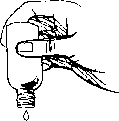
Paroxetine can be administered using a dropper (including doses from 10 to 30
mg) or a syringe (including doses from 40 to 60 mg).
If your doctor advises you to use the dropper, pour the
necessary amount of drops into a glass of water (200 ml),
mix well and drink the entire contents of the glass.
In order to avoid errors in counting 40 drops or more, your doctor may
consider prescribing you tablets instead or
using the oral syringe for administering the solution (the dose is
expressed in ml).
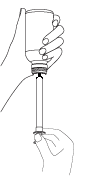
If your doctor advises you to use an oral syringe, insert the
tip of the syringe into the plastic dropper on the bottle, turn the
bottle upside down and draw the prescribed amount of ml into the syringe. Pour the
contents of the syringe into a glass of water (200 ml), mix
well and drink the entire contents of the glass.
After each use, rinse the oral syringe with water and let it
air dry.
The recommended dose is:
- Major depressive episodeThe recommended daily dose is 20 mg (20 drops). In general, improvement in patients begins after one week, but may become evident later (e.g. in the second week). If there is an inadequate response, your doctor may gradually increase the dosage, with gradual increases of 10 mg (10 drops), up to a maximum of 50 mg (1.5 ml) per day. Your doctor will tell you how long you will need to continue taking the drops. This may last for more than 6 months.
- Obsessive-compulsive disorder (OCD)The recommended daily dose is 40 mg (1.2 ml), with a starting dose of 20 mg (20 drops) per day. If there is an inadequate response, your doctor may gradually increase the dosage, with gradual increases of 10 mg (10 drops), up to a maximum of 60 mg (1.8 ml) per day. Your doctor will tell you how long you will need to continue taking the drops. This may last for several months or longer.
- Panic disorder with or without agoraphobiaThe recommended daily dose is 40 mg (1.2 ml), with a starting dose of 10 mg (10 drops) per day. If there is an inadequate response, your doctor may gradually increase the dosage, with gradual increases of 10 mg (10 drops), up to a maximum of 60 mg (1.8 ml) per day. A low initial dosage is recommended to avoid potential worsening of panic symptoms at the beginning of treatment. Your doctor will tell you how long you will need to continue taking the drops. This may last for several months or longer.
- Social anxiety disorder/social phobiaThe recommended daily dose is 20 mg (20 drops). If there is an inadequate response, your doctor may gradually increase the dosage, with gradual increases of 10 mg (10 drops), up to a maximum of 50 mg (1.5 ml) per day. Your doctor will tell you how long you will need to continue taking the drops. This may last for a long period, during which the treatment will be evaluated periodically.
- Generalized anxiety disorderThe recommended daily dose is 20 mg (20 drops). If there is an inadequate response, your doctor may gradually increase the dosage, with gradual increases of 10 mg (10 drops), up to a maximum of 50 mg (1.5 ml) per day. Your doctor will tell you how long you will need to continue taking the drops. This may last for a long period, during which the treatment will be evaluated periodically.
- Post-traumatic stress disorderThe recommended daily dose is 20 mg (20 drops). If there is an inadequate response, your doctor may gradually increase the dosage, with gradual increases of 10 mg (10 drops), up to a maximum of 50 mg (1.5 ml) per day. Your doctor will tell you how long you will need to continue taking the drops. This may last for a long period, during which the treatment will be evaluated periodically.
Elderly
The recommended starting dose for elderly patients is the same as the starting dose
used in adults, but the maximum daily dose should not exceed 40 mg
(1.2 ml).
Use in children and adolescents
Paroxetine should not be taken by children and adolescents under the age of
18 years (see section 2, “Children and adolescents”).
Patients with impaired hepatic or renal function
If you have liver problems or severe kidney disease, a dosage adjustment is
necessary.
Duration of treatment
Your doctor will tell you how long you will need to take paroxetine.
Depending on your condition, you may need to take paroxetine for
a long period. You must continue to take paroxetine for some
time, even after the symptoms have disappeared, to be sure that they do not
recur. Never stop treatment with paroxetine without consulting your doctor.Abrupt discontinuation of treatment with paroxetine
may cause withdrawal symptoms, so the dosage should be reduced
gradually (see section 3, “If you stop taking Dapagut”).
If you take more Dapagutthan you should
Never take a number of drops greater than that prescribed by
your doctor. If you have taken more medicine than you have been prescribed, contact
your doctor immediately or go immediately to the nearest hospital.
in addition to the known side effects (see section 4, “Possible side effects”) you may experience the following symptoms: fever, and involuntary muscle contractions.
If you forget to take Dapagut
Do not take a double dose of paroxetine to make up for the missed dose. Skip the missed dose and take the next dose at the usual time. If in doubt, always consult your doctor.
If you stop taking Dapagut
Never stop treatment with Dapagut before consulting
your doctor and never stop treatment abruptly, as this may
cause withdrawal symptoms. The symptoms that may occur once treatment with paroxetine is stopped include: dizziness, sensory disturbances (feeling of tingling, or burning, sensation of electric shock, or ringing, whistling, buzzing, or other unpleasant persistent sounds in the ear (tinnitus)), anxiety, sleep disturbances (including vivid dreams or nightmares) and headache.
Less common effects include: agitation, nausea, tremor, confusion,
sweating, emotional instability, visual disturbances, strong and accelerated
perception of heartbeat (palpitations), diarrhea and irritability (see
also section 4, “Possible side effects”).
These symptoms usually appear in the first few days after stopping
treatment, but may also occur in patients who have forgotten to
take a dose. Withdrawal symptoms usually disappear within two
weeks, but in some patients they may be more severe or
persist for a longer period (2-3 months or longer). If, in agreement with
your doctor, you have decided to stop treatment with paroxetine, the
daily dosage should be reduced gradually over several weeks or months
(starting with gradual reductions of 10 mg per week). You should always consult
your doctor before reducing the dosage.
If you have any doubts about the use of this medicine, ask your doctor or
pharmacist.
4. Possible side effects
Like all medicines, this medicine can cause side effects,
although not everybody gets them.
Contact your doctor or go to hospital as soon as you notice any of the following
side effects during treatment.
Side effects uncommon(may affect up to 1 in 100 people)
- Abnormal bleeding, in particular skin bruising (ecchymosis and gynaecological bleeding).
Side effects rare(may affect up to 1 in 1000 people)
- Convulsions, epileptic seizures
- Restlessness and hyperactivity accompanied by inability to sit still or remain immobile (akathisia)
- Low levels of sodium in the blood (hyponatraemia), mainly in elderly patients.
Side effects very rare(may affect up to 1 in 10000 people)
- Allergic reactions, which can be severewith the use of paroxetine ,accompanied by progressively increasing itching and painful skin rash (urticaria) or a severe reaction resulting in swelling of skin, throat or tongue, difficulty breathing and/or itching (angioedema). If you develop a red, granular skin rash, swelling of the eyelids, face, lips, mouth or tongue, if you feel itchy or have difficulty breathing (shortness of breath) or swallowing and if you feel weak or dizzy with resulting collapse or loss of consciousness
- The so-called serotonin syndrome (whose symptoms may include agitation, confusion, sweating, seeing things that are not actually there (hallucinations), hyperreflexia, sudden onset of muscle spasms (myoclonus), chills, tremor and increased heart rate (tachycardia))
- Sudden increase in eye pressure (acute glaucoma).
Side effects not known(frequency cannot be estimated on the basis of
available data)
- Aggression, cases of self-harming or suicidal thoughts/behaviour have been reported during therapy with paroxetine or immediately after stopping treatment. However, such symptoms may be due to the underlying condition.
- Heavy vaginal bleeding shortly after delivery (postpartum haemorrhage), see “Pregnancy, breastfeeding and fertility” in section 2 for further information.
Other side effects
Side effects very common(may affect more than 1 in 10 people)
- Feeling unwell (nausea)
- Sexual dysfunction, such as problems with ejaculation, decreased libido, erectile dysfunction and inability to reach orgasm.
Side effects common(may affect up to 1 in 10 people)
- Increased blood cholesterol levels, loss of appetite
- Drowsiness, inability to sleep (insomnia), agitation, abnormal dreams (including nightmares)
- Dizziness, feeling insecure (tremors), headache, loss of concentration
- Blurred vision
- Yawning
- Constipation, diarrhoea, vomiting, dry mouth
- Sweating
- Weight gain, feeling generally tired with loss of muscle strength (asthenia).
Side effects uncommon(may affect up to 1 in 100 people)
- Reduction in the number of white blood cells
- If you are a diabetic patient while taking paroxetine you may have a loss of control of blood sugar levels. Consult your doctor for adjustment of insulin or diabetes medication dosage
- Confusion, seeing things that are not actually there (hallucinations)
- Involuntary movements of the body or face (extrapyramidal disorders)
- Pupil dilation (mydriasis)
- Increased heart rate (sinus tachycardia)
- Feeling dizzy or fainting, especially when getting up quickly from a sitting or lying position (postural hypotension)
- Skin rash, itching
- Problems with bladder emptying (urinary retention) and involuntary and uncontrolled leakage of urine (urinary incontinence).
Side effects rare(may affect up to 1 in 1000 people)
- (Periods of) extreme euphoria or excitement, resulting in unusual behaviour (mania, manic episodes), anxiety, panic attacks, depersonalisation
- Irresistible urge to move the legs (restless legs syndrome)
- Slowing of the heart rate (bradycardia)
- Increased liver enzymes
- Muscle pain (myalgia), joint pain (arthralgia)
- Increased blood concentration of the hormone prolactin (hyperprolactinaemia), which can cause abnormal milk production (galactorrhoea) in both men and women and menstrual disorders (including heavy or irregular periods, bleeding between periods and absence or delay).
Side effects very rare(may affect up to 1 in 10000 people)
- Decreased platelets in the blood, with increased risk of bleeding or bruising (thrombocytopenia)
- Fluid retention and low blood levels of sodium as a consequence of inappropriate secretion of the antidiuretic hormone syndrome (SIADH)
- Gastrointestinal bleeding
- Liver disorders, such as inflammation (hepatitis), sometimes associated with jaundice and/or liver failure
- Severe skin reactions (including erythema multiforme, Stevens-Johnson syndrome and toxic epidermal necrolysis), sensitivity to sunlight (photosensitivity reactions)
- Painful erection (priapism)
- Swelling of arms and/or legs (peripheral oedema).
Side effects not known(frequency cannot be estimated on the basis of
available data)
- Teeth grinding
- Ringing, whistling, hissing, tingling or other persistent noises in the ear (tinnitus)
- Inflammation of the colon (causing diarrhoea) An increased risk of bone fractures has been observed in patients taking this type of medicine.
Withdrawal symptoms observed after stopping treatment
with paroxetine
Common: dizziness, sensory disturbances, sleep disturbances, anxiety and headache
Uncommon: agitation, nausea, sweating, tremor, confusion, emotional instability,
visual disturbances, palpitations, diarrhoea and irritability.
Generally, these events are mild and self-limiting. Never stop
treatment with paroxetine without first consulting your doctor and do not
stop treatment abruptly, as withdrawal symptoms may occur (see section 3, “If you stop taking Dapagut”).
Additional side effects in children and adolescents
In cases of administration of paroxetine to children and adolescents under
the age of 18, more than 1 in 100, but less than 1 in 10 children/adolescents has
experienced one of the following side effects: emotional lability (including
crying and mood swings), self-harming behaviour, suicide attempts and suicidal ideation, hostile or antagonistic behaviour, loss of
appetite, chills, abnormal sweating, hyperactivity, agitation, nausea, abdominal pain and nervousness.
Reporting of side effects
If you get any side effects, talk to your doctor or pharmacist. This includes any side effects not listed in
this leaflet. You can also report side effects directly through the national reporting
system at https://www.aifa.gov.it/content/segnalazioni-reazioni-avverse .
By reporting side effects you can help provide more
information on the safety of this medicine.
5. How to store Dapagut
Keep this medicine out of the sight and reach of children.
Do not use this medicine after the expiry date which is stated on the
packaging after the wording ‘EXP’.
The expiry date refers to the last day of that month.
This medicine does not require any particular storage conditions.
Once opened, the solution must be used within 56 days.
Do not dispose of any medicine in wastewater or household waste. Ask your
pharmacist how to dispose of medicines you no longer use. This will help to
protect the environment.
6. Package contents and other information
What Dapagut contains
- The active ingredient is paroxetine (as mesylate). 1 ml contains 33.1 mg of paroxetine (as mesylate). 1 drop contains 1 mg of paroxetine (as mesylate).
- The other ingredients are: Sodium Saccharin (E954) Acesulfame Potassium (E950) Mint Flavor (peppermint oil, menthol, eucalyptus oil, ethanol, water). Polysorbate 80 (E433) Ethanol (114 mg/ml) Propylene Glycol (E1520)
Description of the appearance of Dapagut and package contents
Dapagut is presented as a clear solution, with a color ranging from reddish
light to light brown, packaged in amber glass bottles of 20 ml,
containing at least 18.5 ml of solution.
The bottle is inserted in a cardboard box and is equipped with a plastic dropper and a child-resistant closure. An oral syringe may be included.
Not all pack sizes may be marketed.
Marketing Authorisation Holder and Manufacturer
Marketing Authorisation Holder:
Aziende Chimiche Riunite Angelini Francesco - A.C.R.A.F. S.p.A.
Viale Amelia 70 - 00181 Roma
Manufacturers:
- Synthon BV, Microweg 22 - 6545 CM Nijmegen - Netherlands
- Synthon Hispania S.L., Castello1 Poligono Las Salinas, 08830 Saint Boi de Llobregat, Spain
This medicinal product is authorised in the Member States of the European Economic
Area with the following denominations:
Austria:
Ennos 33.1mg/ml, Solution for oral use
Germany:
Paroxetin- Hormosan 33.1 mg/ml
Italy:
Dapagut 33,1mg/ml, oral drops, solution
Netherlands:
Parmite drops/drink 33,1 mg/ml
Spain:
Daparox 33.1mg/ml, oral drops in solution

Nie jesteś pewien, czy ten lek jest odpowiedni dla ciebie?
Omów swoje objawy i leczenie z lekarzem online.

Zacząłeś przyjmować lek i masz pytania?
Omów swoje objawy i leczenie z lekarzem online.
- Kraj rejestracji
- Postać farmaceutycznaOral drops, solution, 33,1 MG/ML
- Kod ATCN06AB05
- Substancja czynna
- Wymaga receptyTak
- Producent
- Te treści mają charakter wyłącznie informacyjny i nie zastępują konsultacji lekarskiej.
- Zamienniki DAPAGUTPostać farmaceutyczna: Oral drops, solution, 10 MG/MLSubstancja czynna: paroxetineProducent: LABORATORIO FARMACEUTICO C.T. S.R.L.Wymaga receptyPostać farmaceutyczna: Film-coated tablet, 20 MGSubstancja czynna: paroxetineWymaga receptyPostać farmaceutyczna: Oral drops, solution, 10 MG/MLSubstancja czynna: paroxetineProducent: ITALFARMACO S.P.A.Wymaga recepty
Odpowiedniki DAPAGUT w innych krajach
Leki z tą samą substancją czynną dostępne w innych krajach.
Odpowiednik DAPAGUT w Hiszpania
Odpowiednik DAPAGUT w Polska
Odpowiednik DAPAGUT w Ukraina
Lekarze online w sprawie DAPAGUT
Omów stosowanie DAPAGUT, bezpieczeństwo i ocenę zasadności recepty zgodnie z obowiązującymi przepisami.







Uzyskaj receptę na DAPAGUT online
Wypełnij 2-minutowy formularz
Opisz swoje objawy, historię choroby i lek, o który prosisz.
Wybierz lekarza lub pozwól nam przydzielić
Wybierz specjalistę lub dopasujemy Cię do najbliższego dostępnego lekarza.
Lekarz analizuje Twój przypadek
Zazwyczaj w ciągu 30 minut. Może zadawać dodatkowe pytania przez czat.
Odbierz w dowolnej aptece
Recepta elektroniczna wysłana na Twój e-mail — ważna w całej Polsce.
Często zadawane pytania
DAPAGUT wymaga recepty w Włochy. Możesz skonsultować się z lekarzem online, aby sprawdzić, czy ten lek może być odpowiedni w Twojej sytuacji.
Substancją czynną w DAPAGUT jest paroxetine. Informacja ta pomaga rozpoznać leki o tym samym składzie, ale pod różnymi nazwami handlowymi.
DAPAGUT jest produkowany przez AZIENDE CHIMICHE RIUNITE ANGELINI FRANCESCO A.C.R.A.F. S.P.A.. Nazwy handlowe i opakowania mogą się różnić w zależności od dystrybutora.
Lekarze, tacy jak Lekarze rodzinni, Psychiatrzy, Dermatolodzy, Kardiolodzy, Endokrynolodzy, Gastroenterolodzy, Pulmonolodzy, Nefrolodzy, Reumatolodzy, Hematolodzy, Zakaźnicy, Alergolodzy, Geriatrzy, Pediatrzy, Onkolodzy, mogą ocenić, czy stosowanie DAPAGUT jest odpowiednie w Twoim przypadku, w zależności od sytuacji klinicznej i lokalnych przepisów. Możesz umówić konsultację online, aby omówić objawy i możliwe dalsze kroki.
Polska posiada dobrze rozwiniętą infrastrukturę ochrony zdrowia w dużych miastach, takich jak Warszawa, Kraków, Wrocław i Gdańsk. Apteki są łatwo dostępne i działają zgodnie z obowiązującymi przepisami, zapewniając dostęp do leków na receptę.
Możesz kupić DAPAGUT w Warszawie, Krakowie, Wrocławiu lub Gdańsku w każdej aptece, posiadając ważną receptę.
Aby uzyskać receptę, możesz skorzystać z Oladoctor:
Inne leki zawierające tę samą substancję czynną (paroxetine) to m.in. ARTSINKA, DAPAROX, DROPAXIN. Mogą one różnić się nazwą handlową lub postacią, ale zawierają ten sam składnik terapeutyczny. Przed zmianą lub rozpoczęciem nowego leku skonsultuj się z lekarzem.
