



DABIKASTE 75 mg Kapsułki Twarde

Ocena recepty online
Lekarz przeanalizuje Twój przypadek i zdecyduje, czy wystawienie recepty jest medycznie uzasadnione.

Porozmawiaj z lekarzem o tym leku
Omów swoje objawy i opcje leczenia podczas szybkiej konsultacji online.



Jak stosować DABIKASTE
Treść ulotki
Dabikaste 75 mg hard capsules
dabigatran etexilate
generic medicine
Read this leaflet carefully before taking this medicine because it contains important
information for you.
- Keep this leaflet. You may need to read it again.
- If you have any questions, ask your doctor or pharmacist.
- This medicine has been prescribed for you only. Do not pass it on to others, even if they have the same symptoms as you, as it may be harmful.
- If you get any side effects, even those not listed in this leaflet, tell your doctor or pharmacist. See section 4.
Contents of this leaflet:
- 1. What Dabikaste is and what it is used for
- 2. What you need to know before you take Dabikaste
- 3. How to take Dabikaste
- 4. Possible side effects
- 5. How to store Dabikaste
- 6. Contents of the pack and other information
1. What is Dabikaste and what is it used for
Dabikaste contains the active ingredient dabigatran etexilate and belongs to a group of medicines called
anticoagulants. It blocks the action of a substance present in the body involved in the formation of
blood clots.
Dabikaste is used in adults for:
- preventing the formation of blood clots in the veins following surgery for knee or hip replacement. Dabikaste is used in children for:
- treating blood clots and preventing the formation of new blood clots.
2. What you need to know before taking Dabikaste
Do not take Dabikaste
- if you are allergic to dabigatran etexilate or to any of the other ingredients of this medicine (listed in section 6).
- if your kidney function is severely reduced.
- if you have ongoing bleeding.
- if you have injuries to an organ that increase the risk of serious bleeding (e.g. stomach ulcer, injuries or bleeding in the brain, recent surgery to the brain or eyes).
- if you have an increased tendency to bleed. This may be congenital, due to an unknown cause or due to other medicines.
- if you are taking medicines to prevent blood clots from forming (e.g. warfarin, rivaroxaban, apixaban or heparin), except when you are switching from one anticoagulant treatment to another, when a venous or arterial catheter is placed and you are taking heparin
through this to keep it open or when your heartbeat is restored to normal
with a procedure called catheter ablation for atrial fibrillation.
- if you have severely reduced liver function or a liver disease that may in some way cause death.
- if you are taking ketoconazole or itraconazole orally, medicines for the treatment of fungal infections.
- if you are taking oral cyclosporine, a medicine for the prevention of rejection episodes after organ transplantation.
- if you are taking dronedarone, a medicine used to treat abnormal heartbeat.
- if you are taking a combination product containing glecaprevir and pibrentasvir, an antiviral medicine used to treat hepatitis C
- if you have had an artificial heart valve implanted that requires permanent use of anticoagulants.
Warnings and precautions
Talk to your doctor before taking Dabikaste. You may also need to talk to your doctor during
treatment with Dabikaste if you experience symptoms or if you need to undergo surgery.
Tell your doctorif you suffer from or have suffered from any medical condition or illness, in particular one of
those included in the following list:
- if you have an increased risk of bleeding such as:
- if you have had recent bleeding.
- if you have undergone surgical removal of tissue (biopsy) in the previous month.
- if you have experienced serious injuries (e.g. bone fracture, head injury or any injury that required surgery).
- if you suffer from inflammation of the esophagus or stomach.
- if you have problems with stomach acid reflux into the esophagus.
- if you are taking medicines that may increase the risk of bleeding. See section “Other medicines and Dabikaste” below.
- if you are taking anti-inflammatory medicines such as diclofenac, ibuprofen, piroxicam.
- if you suffer from a heart infection (bacterial endocarditis).
- if you are aware that your kidney function is reduced or you suffer from dehydration (symptoms include feeling thirsty and passing a reduced amount of dark (concentrated)/frothy urine).
- if you are over 75 years old.
- if you are an adult patient and weigh 50 kg or less.
- for use in children only: if the child has an infection around the brain or inside it.
- if you have had a heart attack or if you have been diagnosed with conditions that increase the risk of developing a heart attack.
- if you suffer from a liver disease, associated with changes in blood tests. In this case, the use of Dabikaste is not recommended.
Pay particular attention with Dabikaste
- if you need to undergo surgery: In this case, Dabikaste will need to be temporarily stopped due to the increased risk of bleeding during and shortly after the operation. It is very important to take Dabikaste before and after the operation exactly at the time told to you by your doctor.
- if an operation involves the presence of a catheter or an injection into the spine (e.g. for epidural or spinal anesthesia or for pain relief):
- It is very important to take Dabikaste before and after the operation exactly at the time told to you by your doctor.
- immediately inform your doctor if you experience numbness or weakness in your legs or
problems with your bowels or bladder after the anesthesia has ended, because urgent care
is needed.
- if you fall or injure yourself during treatment, especially if you hit your head. Seek medical attention immediately. Your doctor may consider it necessary to examine you because you may be at high risk of bleeding.
- if you know you have a condition called antiphospholipid syndrome (an immune system disorder that increases the risk of blood clots), tell your doctor, who will decide if you need to change your therapy.
Other medicines and Dabikaste
Tell your doctor or pharmacist if you are taking, have recently taken or might take any
other medicines. In particular, you must tell your doctor before taking Dabikaste if you are
taking any of the medicines listed below:
- Medicines that reduce blood clotting (e.g. warfarin, phenprocoumon, heparin, clopidogrel, prasugrel, ticagrelor, rivaroxaban, acetylsalicylic acid)
- Medicines for treating fungal infections (e.g. ketoconazole, itraconazole) unless they are only applied to the skin
- Medicines for treating altered heartbeat (e.g. amiodarone, dronedarone, quinidine, verapamil). If you are taking medicines containing amiodarone, quinidine or verapamil, your doctor will tell you to use a reduced dose of Dabikaste. See also section 3.
- Medicines to prevent rejection episodes after organ transplantation (e.g. tacrolimus, cyclosporine)
- A combination product containing glecaprevir and pibrentasvir (an antiviral medicine used to treat hepatitis C)
- Anti-inflammatory and pain-relieving medicines (e.g. acetylsalicylic acid, ibuprofen, diclofenac)
- St. John's Wort, a herbal medicine for the treatment of depression
- Antidepressant medicines called selective serotonin reuptake inhibitors or serotonin-noradrenaline reuptake inhibitors
- Rifampicin or clarithromycin (two antibiotics)
- Antiviral medicines for AIDS (e.g. ritonavir)
- Medicines for the treatment of epilepsy (e.g. carbamazepine, phenytoin)
Pregnancy and breastfeeding
The effects of Dabikaste on pregnancy and the fetus are unknown. You should not take Dabikaste if you are
pregnant unless your doctor tells you it is safe to do so. If you are a woman of childbearing potential, you should avoid
pregnancy during treatment with Dabikaste.
You should not breastfeed during treatment with Dabikaste.
Driving and using machines
Dabikaste has no known effects on the ability to drive and operate machines.
Dabikaste contains sodium
This medicine contains less than 1 mmol (23 mg) of sodium per capsule, i.e. essentially ‘sodium-free’.
3. How to take Dabikaste
Dabikaste can be used in adults and children aged 8 years and over who are able to
swallow the capsules whole. For the treatment of children under 8 years of age, other dosage forms appropriate for the age are available.
Take this medicine following the instructions of your doctor exactly. If you have any doubts, consult your
doctor.
Take Dabikaste as recommended for the following conditions:
Prevention of blood clot formation after knee or hip replacement surgery
The recommended dose is 220 mg once daily(taken as 2 capsules of 110 mg).
If your kidney function is reducedby more than half or if you are 75 years of age or older, the recommended dose is
150 mg once daily(taken as 2 capsules of 75 mg).
If you are taking medicines containing amiodarone, quinidine or verapamil, the recommended dose is 150
mg once daily(taken as 2 capsules of 75 mg).
If you are taking medicines containing verapamil and your kidney function is decreasedby more than
half, you must take a reduced dose of Dabikaste of 75 mgbecause the risk of bleeding may
increase.
For both procedures, treatment should not be started in case of bleeding at the surgical site. If treatment cannot be started until the day after surgery,
administration should begin with a dose of 2 capsules once daily.
After knee replacement surgery
You must start treatment with Dabikaste within 1-4 hours after the end of surgery,
taking a single capsule. Subsequently, you must take two capsules once daily for a
total of 10 days.
After hip replacement surgery
You must start treatment with Dabikaste within 1-4 hours after the end of surgery,
taking a single capsule. Subsequently, you must take two capsules once daily for a
total of 28-35 days.
Treatment of blood clots and prevention of re-formation of blood clots in children
Dabikaste must be taken twice daily, one dose in the morning and one in the evening, approximately at the same
time each day. The administration interval should be as close as possible to 12 hours.
The recommended dose depends on the patient's age and weight. The doctor will determine the correct dose. The doctor
may adjust the dose during treatment. Continue to use all other medicines, unless
your doctor tells you to stop taking any of them.
Single dose of Dabikaste in milligrams (mg) per weight in kilograms (kg) and age in years of the patient to
be administered twice daily:
Age in years
300 mg
two capsules of 150 mg
or
four capsules of 75 mg
260 mg
one capsule of 110 mg plus one of 150 mg
or
one capsule of 110 mg plus two of 75 mg
220 mg
two capsules of 110 mg
185 mg
one capsule of 75 mg plus one of 110 mg
150 mg
one capsule of 150 mg
Weight [kg]
or
two capsules of 75 mg
One capsule of 110 mg
One
capsule
of
75 mg
This means that dosage recommendations cannot be formulated.
How to take Dabikaste
The Dabikaste capsules can be taken with or without food. The capsule must be swallowed whole
with a glass of water to ensure release at the gastric level. Do not break, chew or remove the
granules from the capsule as it may increase the risk of bleeding.
Instructions for opening the blisters
The following images illustrate how to remove the Dabikaste capsules from the blister
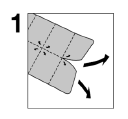
Separate a unit from the blister from the entire blister along the perforated line
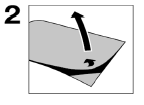
Lift the aluminum foil located on the back and remove the capsule.
- Do not push the capsules through the aluminum foil of the blister.
- The aluminum foil of the blister should only be lifted when it is necessary to remove a capsule
Changing anticoagulant treatment
Do not change your anticoagulant treatment without receiving specific instructions from
your doctor.
If you take more Dabikaste than you should
Taking too much Dabikaste increases the risk of bleeding. Seek immediate medical attention if you have taken an excessive number of Dabikaste capsules. Specific treatment options are
available.
If you forget to take Dabikaste
Prevention of blood clot formation after knee or hip replacement surgery
It is recommended to continue with the remaining daily doses of Dabikaste at the same time the next day.
Do not take a double dose to make up for a missed dose.
Treatment of blood clots and prevention of re-formation of blood clots in children
The forgotten dose can still be taken up to 6 hours before taking the next dose.
If less than 6 hours remain until the next dose, the forgotten dose should be skipped. Do not take a double dose to make up for a missed dose.
If you stop taking Dabikaste
Take Dabikaste exactly as prescribed. Do not stop taking Dabikaste without first talking to
your doctor because the risk of developing a blood clot may be higher if you stop the
treatment too soon. Contact your doctor if you experience stomach problems after taking Dabikaste.
If you have any doubts about the use of this medicine, ask your doctor or pharmacist.
4. Possible side effects
Like all medicines, this medicine can cause side effects, although not everybody gets them.
Dabikaste acts on the blood coagulation system, therefore most of the side effects are related to signs such as bruises or bleeding. Major or severe bleeding events may occur, which constitute the most serious side effects, and which, regardless of location, can be disabling, life-threatening or even lead to death. In some cases, these bleedings may not be obvious.
If you experience any bleeding that does not resolve spontaneously or if you experience symptoms of excessive bleeding (exceptional weakness, feeling of fatigue, paleness, dizziness, headache or unexplained swelling) consult your doctor immediately. The doctor may decide to subject you to a thorough check-up or change the treatment.
Immediately inform your doctor if you experience a severe allergic reaction that causes difficulty breathing or dizziness.
The possible side effects are listed below, grouped by how frequently they occur.
Prevention of blood clot formation after knee or hip replacement surgery
Common (may affect up to 1 in 10 people):
- Reduction in the amount of hemoglobin in the blood (the substance contained in red blood cells)
- Abnormal liver function test results
Not common (may affect up to 1 in 100 people):
- Bleeding that may occur from the nose, at the level of the stomach or intestine, from penis/vagina or from the urinary tract (including the presence of blood in the urine which colors it pink or red), from hemorrhoids, from the rectum, under the skin, in a joint, from a wound or following it, after a surgical intervention
- Formation of a hematoma or hematoma that occurs after an operation
- Presence of blood in the stool, detected by laboratory examination
- Reduction in the number of red blood cells in the blood
- Reduction in the proportion of blood cells
- Allergic reaction
- Vomiting
- Frequent diarrhea with soft or liquid stools
- Feeling unwell
- Secretion from the wound (exudation of liquid from the surgical wound)
- Increased liver enzymes
- Yellowing of the skin or the white part of the eyes, caused by problems with the liver or blood
Rare (may affect up to 1 in 1,000 people):
- Bleeding
- Bleeding that may occur in the brain, from a surgical incision, from the injection site or from the site of catheter insertion into a vein
- Secretion stained with blood from the site of catheter insertion into a vein
- Coughing up blood or sputum stained with blood
- Reduction in the number of platelets in the blood
- Reduction in the number of red blood cells in the blood after an operation
- Severe allergic reaction that causes difficulty breathing or dizziness
- Severe allergic reaction that causes swelling of the face or throat
- Noticeable skin rash due to the presence of nodules, dark red, swollen, itchy caused by an allergic reaction
- Sudden change in the skin that modifies its color and appearance
- Itching
- Ulcer of the stomach or intestine (including ulcer of the esophagus)
- Inflammation of the esophagus and stomach
- Reflux of gastric juices into the esophagus
- Pain in the abdomen or stomach
- Indigestion
- Difficulty swallowing
- Fluid leaking from a wound
- Fluid leaking from a wound after an operation
Not known (frequency cannot be estimated based on available data):
- Difficulty breathing or wheezing
- Reduction in the number or even absence of white blood cells (which help fight infections)
- Hair loss Treatment of blood clots and prevention of the formation of new blood clots in children
Common (may affect up to 1 in 10 people):
- Reduction in the number of red blood cells in the blood
- Reduction in the number of platelets in the blood
- Noticeable skin rash due to the presence of nodules, dark red, swollen, itchy caused by an allergic reaction
- Sudden change in the skin that modifies its color and appearance
- Formation of a hematoma
- Nose bleeding
- Reflux of gastric juices into the esophagus
- Vomiting
- Feeling unwell
- Diarrhea with soft or liquid stools
- Indigestion
- Hair loss
- Increased liver enzymes
Not common (may affect up to 1 in 100 people):
- Reduction in the number of white blood cells (which help fight infections)
- Bleeding that may occur at the level of the stomach or intestine, from the brain, from the rectum, from penis/vagina or from the urinary tract (including the presence of blood in the urine which colors it pink or red) or under the skin
- Reduction in the amount of hemoglobin in the blood (the substance contained in red blood cells)
- Reduction in the proportion of blood cells
- Itching
- Coughing up blood or sputum stained with blood
- Pain in the abdomen or stomach
- Inflammation of the esophagus and stomach
- Allergic reaction
- Difficulty swallowing
- Yellowing of the skin or the white part of the eyes, caused by problems with the liver or blood
Not known (frequency cannot be estimated based on available data):
- Absence of white blood cells (which help fight infections)
- Severe allergic reaction that causes difficulty breathing or dizziness
- Severe allergic reaction that causes swelling of the face or throat
- Difficulty breathing or wheezing
- Bleeding
- Bleeding that may occur in a joint or from a wound, from a surgical incision, from the injection site or from the site of catheter insertion into a vein
- Bleeding that may occur from hemorrhoids
- Ulcer of the stomach or intestine (including ulcer of the esophagus)
- Abnormal liver function test results
Reporting of side effects
If you get any side effects, even those not listed in this leaflet, tell your doctor or pharmacist. You can also report side effects directly through the national reporting system at http://www.agenziafarmaco.gov.it/content/come-segnalare-una-
sospetta-reazione-avversa .
By reporting side effects you can help provide more information on the safety of this medicine.
5. How to store Dabikaste
Keep this medicine out of the sight and reach of children.
Do not use this medicine after the expiry date which is stated on the package or blister after Exp. The
expiry date refers to the last day of that month.
Blister: This medicine does not require any special storage conditions. Do not put the
capsules in pillboxes or dispensers, unless they can be stored in the original
packaging.
Do not dispose of any medicine in wastewater or household waste. Ask your pharmacist how to dispose of
medicines you no longer use. This will help protect the environment.
6. Package contents and other information What Dabikaste contains
- The active ingredient is dabigatran, which can be administered in the form of dabigatran etexilate (as mesylate) 75 mg.
- The other ingredients are microcrystalline cellulose, sodium croscarmellose, crospovidone, tartaric acid granules, hydroxypropylcellulose, mannitol, talc and magnesium stearate.
- The capsule shell contains red iron oxide (E-172), titanium dioxide (E-171) and hypromellose.
- The black printing ink contains shellac, propylene glycol, strong ammonia solution, black iron oxide (E-172) and potassium hydroxide.
Description of the appearance of Dabikaste and package contents
Dabikaste 75 mg hard capsules
Dabikaste 75 mg hard capsules are opaque, pink capsules with “DA75” printed on them.
Dabikaste 75 mg hard capsules are available in packs containing 10, 30, 60 capsules in blisters of
aluminium divisible for single doses with a desiccant.
Not all pack sizes may be marketed.
Marketing authorisation holder
Glenmark Arzneimittel GmbH, Industriestr. 31, 82194 Gröbenzell, Germany
Manufacturer
TOWA Pharmaceutical Europe, S.L., C/ de Sant Martí, 75-97, 08107, Martorelles, Barcelona, Spain
Pharmadox Healthcare Ltd., KW20A Kordin Industrial Park Paola, PLA3000, Malta
This medicinal product is authorised in the Member States of the European Economic Area under the following
names:
Portugal: Dabikaste 75 mg, capsules
Italy: Dabikaste 75 mg hard capsules
Dabikaste 110 mg hard capsules
dabigatran etexilate
equivalent medicine
Read this leaflet carefully before you start taking this medicine as it contains important
information for you.
- Keep this leaflet. You may need to read it again.
- If you have any questions, ask your doctor or pharmacist.
- This medicine has been prescribed for you only. Do not pass it on to others, even if their symptoms are the same as yours, as it may be harmful.
- If you get any side effects, even those not listed in this leaflet, tell your doctor or pharmacist. See section 4.
Contents of this leaflet:
- 1. What Dabikaste is and what it is used for
- 2. What you need to know before you take Dabikaste
- 3. How to take Dabikaste
- 4. Possible side effects
- 5. How to store Dabikaste
- 6. Contents of the pack and other information
1. What is Dabikaste and what is it used for
Dabikaste contains the active substance dabigatran etexilate and belongs to a group of medicines called
anticoagulants. It blocks the action of a substance present in the body involved in the formation of
blood clots.
Dabikaste is used in adults for:
- preventing the formation of blood clots in the veins following surgery for knee or hip replacement.
- preventing blood clots in the brain (stroke) and in other blood vessels of the body if you have a type of heart rhythm disturbance called non-valvular atrial fibrillation and at least one further risk factor.
- treating blood clots in the veins of the legs and lungs and preventing blood clots from reforming in the veins of the legs and lungs.
Dabikaste is used in children for:
- treating blood clots and preventing the formation of new blood clots.
2. What you need to know before taking Dabikaste
Do not take Dabikaste
- if you are allergic to dabigatran etexilate or to any of the other ingredients of this medicine (listed in section 6).
- if your kidney function is severely impaired.
- if you have ongoing bleeding.
- if you have injuries to an organ that increase the risk of serious bleeding (e.g. stomach ulcer, injuries or bleeding in the brain, recent surgery to the brain or eyes).
- if you have an increased tendency to bleed. This can be congenital, due to an unknown cause or due to other medicines.
- if you are taking medicines to prevent the formation of blood clots (e.g. warfarin, rivaroxaban, apixaban or heparin), except when you are switching from one anticoagulant treatment to another, when a venous or arterial catheter is placed and you are receiving heparin through it to keep it open, or when your heartbeat is restored to normal with a procedure called transcatheter ablation for atrial fibrillation.
- if you have severely impaired liver function or a liver disease that could in any way cause death.
- if you are taking ketoconazole or itraconazole orally, medicines for the treatment of fungal infections.
- if you are taking oral cyclosporine, a medicine for the prevention of rejection episodes after organ transplantation.
- if you are taking dronedarone, a medicine used to treat abnormal heartbeat.
- if you are taking a combination product based on glecaprevir and pibrentasvir, an antiviral medicine used to treat hepatitis C
- if you have had an artificial heart valve implanted that requires the permanent use of anticoagulants.
Warnings and precautions
Talk to your doctor before taking Dabikaste. You may also need to talk to your doctor during the
treatment with Dabikaste if you experience symptoms or if you need to undergo surgery.
Tell your doctorif you suffer from or have suffered from any medical condition or illness, in particular one of
those included in the following list:
- if you have an increased risk of bleeding such as:
- if you have had recent bleeding.
- if you have undergone surgical removal of tissue (biopsy) in the previous month.
- if you have experienced serious injuries (e.g. bone fracture, head injury or any injury that required surgery).
- if you suffer from inflammation of the esophagus or stomach.
- if you have problems with stomach acid reflux into the esophagus.
- if you are taking medicines that can increase the risk of bleeding. See section “Other medicines and Dabikaste” below.
- if you are taking anti-inflammatory medicines such as diclofenac, ibuprofen, piroxicam.
- if you suffer from a heart infection (bacterial endocarditis).
- if you are aware that your kidney function is reduced or you suffer from dehydration (symptoms include feeling thirsty and passing small amounts of dark (concentrated)/frothy urine).
- if you are over 75 years old.
- if you are an adult patient and weigh 50 kg or less.
- only for use in children: if the child has an infection around or inside the brain.
- if you have had a heart attack or if you have been diagnosed with conditions that increase the risk of developing a heart attack.
- if you suffer from a liver disease, associated with changes in blood test results. In this case, the use of Dabikaste is not recommended.
Pay particular attention with Dabikaste
- if you need to undergo surgery:
In this case, Dabikaste will need to be temporarily stopped due to the increased
risk of bleeding during and shortly after the operation. It is very important to take Dabikaste
before and after the operation exactly at the time told to you by your doctor.
- if an operation involves the presence of a catheter or an injection into the spine (e.g. for epidural or spinal anesthesia or for pain relief):
- It is very important to take Dabikaste before and after the operation exactly at the time told to you by your doctor.
- immediately inform your doctor if you experience numbness or weakness in your legs or problems with your bowels or bladder after the anesthesia has worn off, because urgent care is needed.
- if you fall or get injured during treatment, especially if you hit your head. Seek medical attention immediately. Your doctor may need to examine you because you may be at high risk of bleeding.
- if you know you have a condition called antiphospholipid syndrome (an immune system disorder that increases the risk of blood clots), tell your doctor, who will decide whether it is necessary to change the therapy.
Other medicines and Dabikaste
Tell your doctor or pharmacist if you are taking, have recently taken or might take any
other medicines. In particular, you must tell your doctor before taking Dabikaste if you
are taking any of the medicines listed below:
- Medicines that reduce blood clotting (e.g. warfarin, phenprocoumon, heparin, clopidogrel, prasugrel, ticagrelor, rivaroxaban, acetylsalicylic acid)
- Medicines for treating fungal infections (e.g. ketoconazole, itraconazole) unless they are only applied to the skin
- Medicines for treating altered heartbeat (e.g. amiodarone, dronedarone, quinidine, verapamil). If you are taking medicines containing amiodarone, quinidine or verapamil, your doctor may tell you to use a reduced dose of Dabikaste based on the condition for which Dabikaste has been prescribed to you. See section 3.
- Medicines for preventing rejection episodes after organ transplantation (e.g. tacrolimus, cyclosporine)
- A combination product based on glecaprevir and pibrentasvir (an antiviral medicine used to treat hepatitis C)
- Anti-inflammatory and pain-relieving medicines (e.g. acetylsalicylic acid, ibuprofen, diclofenac)
- St. John's Wort, a herbal medicine for treating depression
- Antidepressant medicines called selective serotonin reuptake inhibitors or serotonin-norepinephrine reuptake inhibitors
- Rifampicin or clarithromycin (two antibiotics)
- Antiviral medicines for AIDS (e.g. ritonavir)
- Some medicines for treating epilepsy (e.g. carbamazepine, phenytoin)
Pregnancy and breastfeeding
The effects of Dabikaste on pregnancy and the fetus are unknown. You should not take Dabikaste if you are
pregnant unless your doctor tells you it is safe to do so. If you are a woman of childbearing potential, you should avoid
pregnancy during treatment with Dabikaste.
You should not breastfeed during treatment with Dabikaste 110 mg hard capsules.
Driving and using machines
Dabikaste has no known effects on the ability to drive and operate machines.
Dabikaste contains sodium
This medicine contains less than 1 mmol (23 mg) of sodium per capsule, i.e. essentially ‘sodium-free’.
3. How to take Dabikaste
Dabikaste capsules can be used in adults and children aged 8 years and older who are able to swallow the capsules whole. For the treatment of children under 8 years of age, other age-appropriate dosage forms are available.
Take this medicine following the instructions of your doctor exactly. If you have any doubts, consult your doctor.
Take Dabikaste as recommended for the following conditions:
Prevention of blood clot formation after knee or hip replacement surgery
The recommended dose is 220 mg once a day(taken as 2 capsules of 110 mg).
If your kidney function is reducedby more than half or if you are 75 years of age or older, the recommended dose is
150 mg once a day(taken as 2 capsules of 75 mg).
If you are taking medicines containing amiodarone, quinidine or verapamil, the recommended dose is 150
mg once a day(taken as 2 capsules of 75 mg).
If you are taking medicines containing verapamil and your kidney function has decreasedby more than
half, you should take a reduced dose of Dabikaste of 75 mgbecause the risk of bleeding may
increase.
For both procedures, treatment should not be started in case of bleeding at the surgical site. If treatment cannot be started until the day after surgery,
administration should begin with a dose of 2 capsules once a day.
After knee replacement surgery
You should start treatment with Dabikaste within 1-4 hours after the end of surgery,
taking a single capsule. Subsequently, you should take two capsules, once a day, for a
total of 10 days.
After hip replacement surgery
You should start treatment with Dabikaste within 1-4 hours after the end of surgery,
taking a single capsule. Subsequently, you should take two capsules, once a day, for a
total of 28-35 days.
Prevention of blockage of blood vessels in the brain or the rest of the body due to the formation of
blood clots developed following an irregular heartbeat and treatment of blood clots in the
veins of the legs and lungs including prevention of re-formation of blood clots in the veins
of the legs and lungs
The recommended dose is 300 mg taken as one 150 mg capsule twice a day.
If you are 80 years of age or older, the recommended dose is 220 mg of Dabikaste taken as one 110 mg capsule twice
a day.
If you are taking medicines containing verapamil, you should take a reduced dose of Dabikaste of 220
mg taken as one 110 mg capsule twice a day, because the risk of bleeding may
increase.
If you are potentially at increased risk of bleeding, your doctor may decide to
prescribe you a dose of 220 mg of Dabikaste taken as one 110 mg capsule twice a day.
You can continue to take Dabikaste if your heartbeat needs to be restored to normal
with a procedure called cardioversion. Take Dabikaste according to your doctor’s instructions.
If you have had a medical device (stent) inserted into a blood vessel to keep it open as part of
a procedure called percutaneous coronary intervention with stent, you may be treated with Dabikaste after
your doctor has determined that normal blood coagulation control has been achieved.
Take Dabikaste according to your doctor’s instructions.
Treatment of blood clots and prevention of re-formation of blood clots in children
Dabikaste should be taken twice a day, one dose in the morning and one in the evening, approximately at the same
time each day. The administration interval should be as close as possible to 12 hours.
The recommended dose depends on the age and weight of the patient. The doctor will determine the correct dose. The doctor
may adjust the dose during treatment. Continue to use all other medicines, unless
your doctor tells you to stop taking any of them.
Single dose of Dabikaste in milligrams (mg) per weight in kilograms (kg) and age in years of the patient to
be administered twice a day:
Age in years
300 mg
two 150 mg capsules
or
four 75 mg capsules
260 mg
one 110 mg capsule plus one 150 mg capsule
or
one 110 mg capsule plus two 75 mg capsules
220 mg
two 110 mg capsules
185 mg
one 75 mg capsule plus one 110 mg capsule
150 mg
one 150 mg capsule
Weight [kg]
or
two 75 mg capsules
One capsule of 110 mg
One
capsule
of
75 mg
Means that dosage recommendations cannot be formulated.
How to take Dabikaste
Dabikaste capsules can be taken with or without food. The capsule must be swallowed whole
with a glass of water, to ensure release at the gastric level. Do not break, chew or remove the
granules from the capsule as it may increase the risk of bleeding.
Instructions for opening the blisters
The following images illustrate how to remove the Dabikaste capsules from the blister
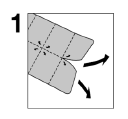
Separate one unit of the blister from the whole blister along the perforated line
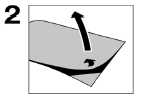
Lift the aluminum foil on the back and remove the capsule.
- Do not push the capsules through the aluminum foil of the blister.
- The aluminum foil of the blister should only be lifted when it is necessary to remove a capsule.
Changing anticoagulant treatment
Do not change your anticoagulant treatment without receiving specific instructions from
your doctor.
If you take more Dabikaste than you should
Taking too much Dabikaste increases the risk of bleeding. Seek immediate medical attention if you have taken an excessive number of Dabikaste capsules. Specific treatment options are
available.
If you forget to take Dabikaste
Prevention of blood clot formation after knee or hip replacement surgery
It is recommended to continue with the remaining daily doses of Dabikaste at the same time of day
next day. Do not take a double dose to make up for the missed dose.
Prevention of blockage of blood vessels in the brain or the rest of the body due to the formation of
blood clots developed following an irregular heartbeat and treatment of blood clots in the
veins of the legs and lungs including prevention of re-formation of blood clots in the veins
of the legs and lungs
Treatment of blood clots and prevention of re-formation of blood clots in children
The forgotten dose can still be taken up to 6 hours before taking the next dose.
If less than 6 hours remain until the next dose, the forgotten dose should be skipped. Do not take a dose
double to make up for the missed dose.
If you stop taking Dabikaste
Take Dabikaste exactly as prescribed. Do not stop taking Dabikaste without talking to
your doctor first because the risk of developing a blood clot may be higher if you stop
treatment too soon. Contact your doctor if you experience stomach problems after taking
Dabikaste.
If you have any doubts about the use of this medicine, ask your doctor or pharmacist.
4. Possible side effects
Like all medicines, this medicine can cause side effects, although not everyone will experience them.
Dabikaste acts on the blood coagulation system, therefore most of the side effects are related to signs such as bruises or bleeding. Major or severe bleeding events may occur, which constitute the most serious side effects, and which, regardless of location, may be disabling, life-threatening or even lead to death. In some cases, these bleedings may not be obvious.
If you experience any bleeding that does not resolve spontaneously or if you experience symptoms of excessive bleeding (exceptional weakness, feeling of fatigue, pallor, dizziness, headache or unexplained swelling) consult your doctor immediately. The doctor may decide to subject you to a thorough check-up or change the treatment.
Immediately inform your doctor if you experience a serious allergic reaction causing difficulty breathing or dizziness.
Possible side effects are listed below, grouped by how frequently they occur.
Prevention of blood clot formation after knee or hip replacement surgery
Common (may affect up to 1 in 10 people):
- Reduction in the amount of hemoglobin in the blood (the substance contained in red blood cells)
- Abnormal liver function test results
Uncommon (may affect up to 1 in 100 people):
- Bleeding that may occur from the nose, at the level of the stomach or intestines, from penis/vagina or from the urinary tract (including the presence of blood in the urine which colors it pink or red), from hemorrhoids, from the rectum, under the skin, in a joint, from a wound or following it, after a surgical operation
- Formation of a hematoma or hematoma that occurs after an operation
- Presence of blood in the stool, detected by laboratory examination
- Reduction in the number of red blood cells in the blood
- Reduction in the proportion of blood cells
- Allergic reaction
- Vomiting
- Diarrhea with loose or liquid stools
- Feeling unwell
- Secretion from the wound (exudation of liquid from the surgical wound)
- Increased liver enzymes
- Yellowing of the skin or the white of the eyes, caused by problems with the liver or blood Rare (may affect up to 1 in 1,000 people):
- Bleeding
- Bleeding that may occur in the brain, from a surgical incision, from the injection site or from the site of catheter insertion into a vein
- Bloody secretion from the site of catheter insertion into a vein
- Coughing up blood or blood-streaked sputum
- Reduction in the number of platelets in the blood
- Reduction in the number of red blood cells in the blood after an operation
- Severe allergic reaction causing difficulty breathing or dizziness
- Severe allergic reaction causing swelling of the face or throat
- Noticeable skin rash with nodules, dark red, swollen, itchy caused by an allergic reaction
- Sudden change in the skin that modifies its color and appearance
- Itching
- Ulcer of the stomach or intestine (including esophageal ulcer)
- Inflammation of the esophagus and stomach
- Reflux of gastric juices into the esophagus
- Pain in the abdomen or stomach
- Indigestion
- Difficulty swallowing
- Fluid leaking from a wound
- Fluid leaking from a wound after an operation Not known (frequency cannot be estimated based on available data):
- Difficulty breathing or wheezing
- Reduction in the number or even absence of white blood cells (which help to fight infections)
- Hair loss
Prevention of blockage of blood vessels in the brain or the rest of the body due to the formation of
blood clots developed following an altered heartbeat
Common (may affect up to 1 in 10 people):
- Bleeding that may occur from the nose, at the level of the stomach or intestines, from penis/vagina or from the urinary tract (including the presence of blood in the urine which colors it pink or red), or under the skin
- Reduction in the number of red blood cells in the blood
- Pain in the abdomen or stomach
- Indigestion
- Diarrhea with loose or liquid stools
- Feeling unwell
Uncommon (may affect up to 1 in 100 people):
- Bleeding
- Bleeding that may occur from hemorrhoids, from the rectum or in the brain
- Formation of a hematoma
- Coughing up blood or blood-streaked sputum
- Reduction in the number of platelets in the blood
- Reduction in the amount of hemoglobin in the blood (the substance contained in red blood cells)
- Allergic reaction
- Sudden change in the skin that modifies its color and appearance
- Itching
- Ulcer of the stomach or intestine (including esophageal ulcer)
- Inflammation of the esophagus and stomach
- Reflux of gastric juices into the esophagus
- Vomiting
- Difficulty swallowing
- Abnormal liver function test results Raro (may affect up to 1 in 1,000 people):
- Bleeding that may occur in a joint, from a surgical incision, from a wound, from the injection site or from the site of catheter insertion into a vein
- Severe allergic reaction causing difficulty breathing or dizziness
- Severe allergic reaction causing swelling of the face or throat
- Noticeable skin rash with nodules, dark red, swollen, itchy caused by an allergic reaction
- Reduction in the proportion of blood cells
- Increased liver enzymes
- Yellowing of the skin or the white of the eyes, caused by problems with the liver or blood
Not known (frequency cannot be estimated based on available data):
- Difficulty breathing or wheezing
- Reduction in the number or even absence of white blood cells (which help to fight infections)
- Hair loss In a clinical study, the percentage of heart attacks was higher with Dabikaste than with warfarin. The overall incidence was low.
Treatment of blood clots in the veins of the legs and lungs including prevention of
reformation of blood clots in the veins of the legs and/or lungs
Common (may affect up to 1 in 10 people):
- Bleeding that may occur from the nose, at the level of the stomach or intestines, from the rectum, from penis/vagina or from the urinary tract (including the presence of blood in the urine which colors it pink or
red) or under the skin
- Indigestion
Uncommon (may affect up to 1 in 100 people):
- Bleeding
- Bleeding that may occur in a joint or from a wound
- Bleeding that may occur from hemorrhoids
- Reduction in the number of red blood cells in the blood
- Formation of a hematoma
- Coughing up blood or blood-streaked sputum
- Allergic reaction
- Sudden change in the skin that modifies its color and appearance
- Itching
- Ulcer of the stomach or intestine
- Inflammation of the esophagus and stomach
- Reflux of gastric juices into the esophagus
- Feeling unwell
- Vomiting
- Pain in the abdomen or stomach
- Diarrhea with loose or liquid stools
- Abnormal liver function test results
- Increased liver enzymes Raro (may affect up to 1 in 1,000 people):
- Bleeding that may occur from a surgical incision or from the injection site or from the site of catheter insertion into a vein or from the brain
- Reduction in the number of platelets in the blood
- Severe allergic reaction causing difficulty breathing or dizziness
- Severe allergic reaction causing swelling of the face or throat
- Noticeable skin rash with nodules, dark red, swollen, itchy caused by an allergic reaction
- Difficulty swallowing
Not known (frequency cannot be estimated based on available data):
- Difficulty breathing or wheezing
- Reduction in the amount of hemoglobin in the blood (the substance contained in red blood cells)
- Reduction in the proportion of blood cells
- Reduction in the number or even absence of white blood cells (which help to fight infections)
- Yellowing of the skin or the white of the eyes, caused by problems with the liver or blood
- Hair loss
In the clinical study program, the percentage of heart attacks was higher with Dabikaste than with
warfarin. The overall incidence was low. In patients treated with dabigatran, no imbalance in the incidence of heart attacks was observed compared to patients treated with placebo.
Treatment of blood clots and prevention of re-formation of blood clots in children
Common (may affect up to 1 in 10 people):
- Reduction in the number of red blood cells in the blood
- Reduction in the number of platelets in the blood
- Noticeable skin rash with nodules, dark red, swollen, itchy caused by an allergic reaction
- Sudden change in the skin that modifies its color and appearance
- Formation of a hematoma
- Bleeding from the nose
- Reflux of gastric juices into the esophagus
- Vomiting
- Feeling unwell
- Diarrhea with loose or liquid stools
- Indigestion
- Hair loss
- Increased liver enzymes
Uncommon (may affect up to 1 in 100 people):
- Reduction in the number of white blood cells (which help to fight infections)
- Bleeding that may occur at the level of the stomach or intestines, in the brain, from the rectum, from penis/vagina or from the urinary tract (including the presence of blood in the urine which colors it pink or red) or under the skin
- Reduction in the amount of hemoglobin in the blood (the substance contained in red blood cells)
- Reduction in the proportion of blood cells
- Itching
- Coughing up blood or blood-streaked sputum
- Pain in the abdomen or stomach
- Inflammation of the esophagus and stomach
- Allergic reaction
- Difficulty swallowing
- Yellowing of the skin or the white of the eyes, caused by problems with the liver or blood
Not known (frequency cannot be estimated based on available data):
- Absence of white blood cells (which help to fight infections)
- Severe allergic reaction causing difficulty breathing or dizziness
- Severe allergic reaction causing swelling of the face or throat
- Difficulty breathing or wheezing
- Bleeding
- Bleeding that may occur in a joint or from a wound, from a surgical incision, from the injection site or from the site of catheter insertion into a vein
- Bleeding that may occur from hemorrhoids
- Ulcer of the stomach or intestine (including esophageal ulcer)
- Abnormal liver function test results
Reporting of side effects
If you experience any side effects, including those not listed in this leaflet, please inform your
doctor or pharmacist. You can also report side effects directly through the national reporting system at http://www.agenziafarmaco.gov.it/content/come-segnalare-una-
sospetta-reazione-avversa .
By reporting side effects you can help provide more information on the safety of
this medicine.
5. How to store Dabikaste
Keep this medicine out of the sight and reach of children.
Do not use this medicine after the expiry date that is stated on the package or blister after Exp. The
expiry date refers to the last day of that month.
Blister: This medicine does not require any special storage conditions. Do not put the
capsules in pillboxes or dispensers, unless they can be stored in the original
packaging.
Do not dispose of any medicine in wastewater or household waste. Ask your pharmacist how to dispose of
medicines you no longer use. This will help protect the environment.
6. Package contents and other information What Dabikaste contains
- The active ingredient is dabigatran, which can be administered in the form of dabigatran etexilate (as mesylate) 10 mg.
- The other ingredients are microcrystalline cellulose, sodium croscarmellose, crospovidone, tartaric acid granules, hydroxypropylcellulose, mannitol, talc and magnesium stearate.
- The capsule shell contains red iron oxide (E-172), titanium dioxide (E-171) and hypromellose.
- The black printing ink contains shellac, propylene glycol, strong ammonia solution, black iron oxide (E-172) and potassium hydroxide.
Description of the appearance of Dabikaste and package contents
Dabikaste 110 mg hard capsules
Dabikaste 110 mg hard capsules are opaque, pink capsules with “DA110” printed on them.
Dabikaste 110 mg hard capsules are available in packs containing 10, 30, 60 hard capsules, a
multipack containing 3 packs of 60 hard capsules (180 hard capsules) and a multipack
containing 2 packs of 50 hard capsules (100 hard capsules) in divisible aluminum blisters
for single doses with desiccant
Not all pack sizes may be marketed.
Marketing authorization holder
Glenmark Arzneimittel GmbH, Industriestr. 31, 82194 Gröbenzell, Germany
Manufacturer
TOWA Pharmaceutical Europe, S.L., C/ de Sant Martí, 75-97, 08107, Martorelles, Barcelona, Spain
Pharmadox Healthcare Ltd., KW20A Kordin Industrial Park Paola, PLA3000, Malta
This medicinal product is authorized in the Member States of the European Economic Area with the following
names:
Portugal: Dabikaste 110 mg, capsules
Italy: Dabikaste 110 mg hard capsules

Nie jesteś pewien, czy ten lek jest odpowiedni dla ciebie?
Omów swoje objawy i leczenie z lekarzem online.
Dabikaste 150 mg hard capsules
dabigatran etexilate
generic medicine
Read this leaflet carefully before taking this medicine as it contains important
information for you.
- Keep this leaflet. You may need to read it again.
- If you have any questions, ask your doctor or pharmacist.
- This medicine has been prescribed for you only. Do not pass it on to others, even if they have the same symptoms as you, as it may be harmful.
- If you get any side effects, even those not listed in this leaflet, tell your doctor or pharmacist. See section 4.
Contents of this leaflet:
- 1. What Dabikaste is and what it is used for
- 2. What you need to know before you take Dabikaste
- 3. How to take Dabikaste
- 4. Possible side effects
- 5. How to store Dabikaste
- 6. Contents of the pack and other information
1. What is Dabikaste and what is it used for
Dabikaste contains the active substance dabigatran etexilate and belongs to a group of medicines called
anticoagulants. It blocks the action of a substance present in the body involved in the formation of
blood clots.
Dabikaste is used in adults for:
- preventing blood clots in the brain (stroke) and in other blood vessels of the body if you have a type of heart rhythm disorder called non-valvular atrial fibrillation and at least one additional risk factor.
- treating blood clots in the veins of the legs and lungs and preventing blood clots from reforming in the veins of the legs and lungs.
Dabikaste is used in children for:
- treating blood clots and preventing the formation of new blood clots.
2. What you need to know before taking Dabikaste
Do not take Dabikaste
- if you are allergic to dabigatran etexilate or to any of the other ingredients of this medicine (listed in section 6).
- if your kidney function is severely reduced.
- if you have ongoing bleeding.
- if you have injuries to an organ that increase the risk of serious bleeding (e.g. stomach ulcer, injuries or bleeding in the brain, recent surgery to the brain or eyes).
- if you have an increased tendency to bleed. This may be congenital, due to an unknown cause or due to other medicines.
- if you are taking medicines to prevent the formation of blood clots (e.g. warfarin, rivaroxaban, apixaban or heparin), except when you are switching from one anticoagulant treatment to another, when a venous or arterial catheter is placed and you are receiving heparin through it to keep it open, or when your heartbeat is restored to normal with a procedure called transcatheter ablation for atrial fibrillation.
- if you have severely reduced liver function or a liver disease that could in some way cause death.
- if you are taking ketoconazole or itraconazole orally, medicines for the treatment of fungal infections.
- if you are taking oral cyclosporine, a medicine to prevent rejection episodes after organ transplantation.
- if you are taking dronedarone, a medicine used to treat abnormal heartbeat.
- if you are taking a combination product based on glecaprevir and pibrentasvir, an antiviral medicine used to treat hepatitis C
- if you have had an artificial heart valve implanted that requires permanent use of anticoagulants.
Warnings and precautions
Talk to your doctor before taking Dabikaste. You may also need to talk to your doctor during the
treatment with Dabikaste if you experience symptoms or if you need to undergo surgery.
Tell your doctorif you suffer from or have suffered from any medical condition or illness, in particular one of
those included in the following list:
- if you have an increased risk of bleeding such as:
- if you have had recent bleeding.
- if you have undergone surgical removal of tissue (biopsy) in the previous month.
- if you have experienced serious injuries (e.g. bone fracture, head injury or any injury that required surgery).
- if you suffer from inflammation of the esophagus or stomach.
- if you have problems with stomach acid reflux into the esophagus.
- if you are taking medicines that may increase the risk of bleeding. See section “Other medicines and Dabikaste” below.
- if you are taking anti-inflammatory medicines such as diclofenac, ibuprofen, piroxicam.
- if you suffer from a heart infection (bacterial endocarditis).
- if you are aware that your kidney function is reduced or you suffer from dehydration (symptoms include feeling thirsty and passing small amounts of dark (concentrated)/foamy urine).
- if you are over 75 years of age.
- if you are an adult patient and weigh 50 kg or less.
- for use in children only: if the child has an infection around or inside the brain.
- if you have had a heart attack or if you have been diagnosed with conditions that increase the risk of developing a heart attack.
- if you suffer from a liver disease, associated with changes in blood tests. In this case, the use of Dabikaste is not recommended.
Pay particular attention with Dabikaste
- if you need to undergo surgery:
In this case, Dabikaste will need to be temporarily stopped due to the increased risk
of bleeding during and shortly after the operation. It is very important to take Dabikaste before and
after the operation exactly at the time told to you by your doctor.
- if an operation involves the presence of a catheter or an injection into the spine (e.g. for epidural or spinal anesthesia or for pain relief):
- It is very important to take Dabikaste before and after the operation exactly at the time told to you by your doctor.
- immediately inform your doctor if you experience numbness or weakness in your legs or problems with your bowels or bladder after the anesthesia has ended, because urgent care is needed.
- if you fall or get injured during treatment, especially if you hit your head. Seek medical attention immediately. Your doctor may need to examine you because you may be at high risk of bleeding.
- if you know you have a condition called antiphospholipid syndrome (an immune system disorder that increases the risk of blood clots), tell your doctor, who will decide if you need to change your therapy.
Other medicines and Dabikaste
Tell your doctor or pharmacist if you are taking, have recently taken or might take any
other medicines. In particular, you must tell your doctor before taking Dabikaste if you
are taking any of the medicines listed below:
- Medicines that reduce blood clotting (e.g. warfarin, phenprocoumon, heparin, clopidogrel, prasugrel, ticagrelor, rivaroxaban, acetylsalicylic acid)
- Medicines for treating fungal infections (e.g. ketoconazole, itraconazole) unless they are only applied to the skin
- Medicines for treating altered heartbeat (e.g. amiodarone, dronedarone, quinidine, verapamil). If you are taking medicines containing verapamil, your doctor may tell you to use a reduced dose of Dabikaste. See section 3.
- Medicines to prevent rejection episodes after organ transplantation (e.g. tacrolimus, cyclosporine)
- A combination product based on glecaprevir and pibrentasvir (an antiviral medicine used to treat hepatitis C)
- Anti-inflammatory and pain-relieving medicines (e.g. acetylsalicylic acid, ibuprofen, diclofenac)
- St. John's Wort, a herbal medicine for the treatment of depression
- Antidepressant medicines called selective serotonin reuptake inhibitors or serotonin-norepinephrine reuptake inhibitors
- Rifampicin or clarithromycin (two antibiotics)
- Antiviral medicines for AIDS (e.g. ritonavir)
- Some medicines for the treatment of epilepsy (e.g. carbamazepine, phenytoin)
Pregnancy and breastfeeding
The effects of Dabikaste on pregnancy and the fetus are unknown. Do not take Dabikaste if you are
pregnant unless your doctor tells you it is safe to do so. If you are a woman of childbearing potential, you should avoid
pregnancy during treatment with Dabikaste.
Do not breastfeed during treatment with Dabikaste.
Driving and using machines
Dabikaste has no known effects on the ability to drive vehicles and use machines.
Dabikaste contains sodium
This medicine contains less than 1 mmol (23 mg) of sodium per capsule, i.e. essentially ‘sodium-free’.
3. How to take Dabikaste
Dabikaste capsules can be used in adults and children aged 8 years and older who are able to swallow the capsules whole. For the treatment of children under 8 years of age, other age-appropriate dosage forms are available.
Take this medicine following the instructions of your doctor exactly. If you have any doubts, consult your
doctor.
Take Dabikaste as recommended for the following conditions:
Prevention of blockage of blood vessels in the brain or the rest of the body due to the formation of
blood clots developed following an altered heartbeat and treatment of blood clots in the
legs and lungs including prevention of re-formation of blood clots in the legs and lungs
The recommended dose is 300 mg taken as one 150 mg capsule twice a day
If you are 80 years or older, the recommended dose is 220 mg taken as one 110 mg capsule twice
a day.
If you are taking medicines containing verapamil, you must take a reduced dose of Dabikaste of 220
mg taken as one 110 mg capsule twice a day, because the risk of bleeding may
increase.
If you are potentially at increased risk of bleeding, your doctor may decide to
prescribe you a dose of 220 mg of Dabikaste taken as one 110 mg capsule twice a day.
.
You can continue to take Dabikaste if your heartbeat needs to be restored to normal
with a procedure called cardioversion or with a procedure called catheter ablation for
atrial fibrillation. Take Dabikaste according to your doctor’s instructions.
If you have had a medical device (stent) inserted into a blood vessel to keep it open as part of
a procedure called percutaneous coronary intervention with stent, you can be treated with Dabikaste after
your doctor has determined that normal blood coagulation control has been achieved.
Take Dabikaste according to your doctor’s instructions.
Treatment of blood clots and prevention of re-formation of blood clots in children
Dabikaste must be taken twice a day, one dose in the morning and one in the evening, approximately at the same
time each day. The administration interval should be as close as possible to 12 hours.
The recommended dose depends on the patient’s age and weight. The doctor will establish the correct dose. The doctor
may adjust the dose during treatment. Continue to use all other medicines, unless
your doctor tells you to stop taking any of them.
Single dose of Dabikaste in milligrams (mg) per weight in kilograms (kg) and age in years of the patient to
be administered twice a day:
Age in years
300 mg
two 150 mg capsules
or
four 75 mg capsules
260 mg
one 110 mg capsule plus one 150 mg capsule
or
one 110 mg capsule plus two 75 mg capsules
220 mg
two 110 mg capsules
185 mg
one 75 mg capsule plus one 110 mg capsule
150 mg
one 150 mg capsule
Weight [kg]
or
two 75 mg capsules
One capsule of 110 mg
One
capsule
of
75 mg
Means that dosage recommendations cannot be formulated.
How to take Dabikaste
Dabikaste capsules can be taken with or without food. The capsule must be swallowed whole with
a glass of water, to ensure release at the gastric level. Do not break, chew, or remove the granules
from the capsule as it may increase the risk of bleeding.
Instructions for opening the blisters
The following images illustrate how to remove Dabikaste capsules from the blister
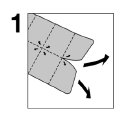
Separate one unit of the blister from the whole blister along the perforated line
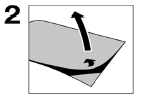
Lift the aluminum foil located on the back and remove the capsule.
- Do not push the capsules through the aluminum foil of the blister.
- The aluminum foil of the blister should only be lifted when it is necessary to remove a capsule.
Changing anticoagulant treatment
Do not change your anticoagulant treatment without receiving specific instructions from
your doctor.
If you take more Dabikaste than you should
Taking too much Dabikaste increases the risk of bleeding. Seek immediate medical attention if you have taken an excessive number of Dabikaste capsules. Specific treatment options are
available.
If you forget to take Dabikaste
The forgotten dose can still be taken up to 6 hours before taking the next dose.
If less than 6 hours remain until the next dose, the forgotten dose should be skipped. Do not take a double dose to make up for a missed dose.
If you stop taking Dabikaste
Take Dabikaste exactly as prescribed. Do not stop taking Dabikaste without first talking to
your doctor because the risk of developing a blood clot may be higher if you stop the
treatment too soon. Contact your doctor if you experience stomach problems after taking Dabikaste.
If you have any questions about the use of this medicine, ask your doctor or pharmacist.
4. Possible side effects
Like all medicines, this medicine can cause side effects, although not everyone gets them.
Dabikaste acts on the blood coagulation system, therefore most of the side effects are related to signs such as bruises or bleeding. Major or serious bleeding events may occur, which constitute the most serious side effects, and which, regardless of location, may be disabling, life-threatening or even lead to death. In some cases, these bleedings may not be evident.
If you experience any bleeding that does not resolve spontaneously or if you experience symptoms of excessive bleeding (exceptional weakness, feeling of fatigue, pallor, dizziness, headache or unexplained swelling) consult your doctor immediately. The doctor may decide to subject you to a thorough check-up or change the treatment.
Immediately inform your doctor if you experience a serious allergic reaction that causes difficulty breathing or dizziness.
Possible side effects are listed below, grouped by how often they occur.
Prevention of blockage of blood vessels in the brain or the rest of the body due to the formation of blood clots developed following an altered heartbeat
Common (may affect up to 1 in 10 people):
- Bleeding that may occur from the nose, at the level of the stomach or intestine, from penis/vagina or from the urinary tract (including the presence of blood in the urine which colors it pink or red), or under the skin
- Decrease in the number of red blood cells in the blood
- Abdominal or stomach pain
- Indigestion
- Frequent diarrhea with soft or liquid stools
- Feeling unwell
Not common (may affect up to 1 in 100 people):
- Bleeding
- Bleeding that may occur from hemorrhoids, from the rectum or in the brain
- Bruising
- Coughing up blood or sputum stained with blood
- Decrease in the number of platelets in the blood
- Decrease in the amount of hemoglobin present in the blood (the substance contained in red blood cells)
- Allergic reaction
- Sudden change in the skin that alters its color and appearance
- Itching
- Ulcer of the stomach or intestine (including ulcer of the esophagus)
- Inflammation of the esophagus and stomach
- Reflux of gastric juices into the esophagus
- Vomiting
- Difficulty swallowing
- Abnormal results of liver function tests
Rare (may affect up to 1 in 1,000 people):
- Bleeding that may occur in a joint, from a surgical incision, from a wound, from the injection site or from the site of catheter insertion into a vein
- Severe allergic reaction that causes difficulty breathing or dizziness
- Severe allergic reaction that causes swelling of the face or throat
- Significant skin rash due to the presence of nodules, dark red, swollen, itchy caused by an allergic reaction
- Decrease in the proportion of blood cells
- Increase in liver enzymes
- Yellowing of the skin or the whites of the eyes, caused by problems with the liver or blood Not known (frequency cannot be estimated based on available data):
- Difficulty breathing or wheezing
- Decrease in the number or even absence of white blood cells (which help fight infections)
- Hair loss
In a clinical study, the percentage of heart attacks was higher with Dabikaste than with warfarin.
The overall incidence was low.
Treatment of blood clots in the veins of the legs and lungs including prevention of the reformation of blood clots in the veins of the legs and/or lungs
Common (may affect up to 1 in 10 people):
- Bleeding that may occur from the nose, at the level of the stomach or intestine, from the rectum, from penis/vagina or from the urinary tract (including the presence of blood in the urine which colors it pink or
red) or under the skin
- Indigestion
Not common (may affect up to 1 in 100 people):
- Bleeding
- Bleeding that may occur in a joint or from a wound
- Bleeding that may occur from hemorrhoids
- Decrease in the number of red blood cells in the blood
- Bruising
- Coughing up blood or sputum stained with blood
- Allergic reaction
- Sudden change in the skin that alters its color and appearance
- Itching
- Ulcer of the stomach or intestine
- Inflammation of the esophagus and stomach
- Reflux of gastric juices into the esophagus
- Feeling unwell
- Vomiting
- Abdominal or stomach pain
- Diarrhea with soft or liquid stools
- Abnormal results of liver function tests
- Increase in liver enzymes
Rare (may affect up to 1 in 1,000 people):
- Bleeding that may occur from a surgical incision or from the injection site or from the site of catheter insertion into a vein or from the brain
- Decrease in the number of platelets in the blood
- Severe allergic reaction that causes difficulty breathing or dizziness
- Severe allergic reaction that causes swelling of the face or throat
- Significant skin rash due to the presence of nodules, dark red, swollen, itchy caused by an allergic reaction
- Difficulty swallowing
Not known (frequency cannot be estimated based on available data):
- Difficulty breathing or wheezing
- Decrease in the amount of hemoglobin present in the blood (the substance contained in red blood cells)
- Decrease in the number of blood cells
- Decrease in the number or even absence of white blood cells (which help fight infections)
- Yellowing of the skin or the whites of the eyes, caused by problems with the liver or blood
- Hair loss
In the clinical study program, the percentage of heart attacks was higher with Dabikaste than with
warfarin. The overall incidence was low. In patients treated with dabigatran, no imbalance in the incidence of heart attacks was observed compared to patients treated with placebo.
Treatment of blood clots and prevention of the reformation of blood clots in children
Common (may affect up to 1 in 10 people):
- Decrease in the number of red blood cells in the blood
- Decrease in the number of platelets in the blood
- Significant skin rash due to the presence of nodules, dark red, swollen, itchy caused by
an allergic reaction
- Sudden change in the skin that alters its color and appearance
- Bruising
- Bleeding from the nose
- Reflux of gastric juices into the esophagus
- Vomiting
- Feeling unwell
- Diarrhea with soft or liquid stools
- Indigestion
- Hair loss
- Increase in liver enzymes
Not common (may affect up to 1 in 100 people):
- Decrease in the number of white blood cells (which help fight infections)
- Bleeding that may occur at the level of the stomach or intestine, from the brain, from the rectum, from penis/vagina or from the urinary tract (including the presence of blood in the urine which colors it pink or red) or under the skin
- Decrease in the amount of hemoglobin present in the blood (the substance contained in red blood cells)
- Decrease in the proportion of blood cells
- Itching
- Coughing up blood or sputum stained with blood
- Abdominal or stomach pain
- Inflammation of the esophagus and stomach
- Allergic reaction
- Difficulty swallowing
- Yellowing of the skin or the whites of the eyes, caused by problems with the liver or blood
Not known (frequency cannot be estimated based on available data):
- Absence of white blood cells (which help fight infections)
- Severe allergic reaction that causes difficulty breathing or dizziness
- Severe allergic reaction that causes swelling of the face or throat
- Difficulty breathing or wheezing
- Bleeding
- Bleeding that may occur in a joint or from a wound, from a surgical incision, from the injection site or from the site of catheter insertion into a vein
- Bleeding that may occur from hemorrhoids
- Ulcer of the stomach or intestine (including ulcer of the esophagus)
- Abnormal results of liver function tests
Reporting of side effects
If you get any side effects, talk to your doctor or pharmacist. This includes any possible side effects not listed in this leaflet. You can also report side effects directly through the national reporting system at http://www.agenziafarmaco.gov.it/content/come-segnalare-una-
sospetta-reazione-avversa .
By reporting side effects you can help provide more information on the safety of
this medicine.
By reporting side effects you can help provide more information on the safety of this
medicine.
5. How to store Dabikaste
Keep this medicine out of the sight and reach of children.
Do not use this medicine after the expiry date which is stated on the package or blister after Exp. The
expiry date refers to the last day of that month.
Blister: This medicine does not require any special storage conditions. Do not put the capsules
in pillboxes or dispensers, unless they can be stored in the original packaging.
Do not dispose of any medicine in wastewater or household waste. Ask your pharmacist how to dispose of the
medicines you no longer use. This will help protect the environment.
6. Package contents and other information What Dabikaste contains
- The active ingredient is dabigatran, which can be administered in the form of dabigatran etexilate (as mesylate) 150 mg
- The other ingredients are microcrystalline cellulose, sodium croscarmellose, crospovidone, tartaric acid granules, hydroxypropylcellulose, mannitol, talc and magnesium stearate.
- The capsule shell contains red iron oxide (E-172), titanium dioxide (E-171) and hypromellose.
- The black printing ink contains shellac, propylene glycol, strong ammonia solution, black iron oxide (E-172) and potassium hydroxide.
Description of the appearance of Dabikaste and package contents
Dabikaste 150 mg hard capsules
Dabikaste 150 mg hard capsules are opaque, pink capsules with “DA150” printed on them.
Dabikaste 150 mg hard capsules are available in packs containing 10, 30, 60 hard capsules, a
multipack containing 3 packs of 60 hard capsules (180 hard capsules) and a multipack
containing 2 packs of 50 hard capsules (100 hard capsules) in unit-dose divisible aluminum blisters with a
desiccant
Not all pack sizes may be marketed.
Marketing authorization holder
Glenmark Arzneimittel GmbH, Industriestr. 31, 82194 Gröbenzell, Germany
Manufacturer
TOWA Pharmaceutical Europe, S.L., C/ de Sant Martí, 75-97, 08107, Martorelles, Barcelona, Spain
Pharmadox Healthcare Ltd., KW20A Kordin Industrial Park Paola, PLA3000, Malta
This medicinal product is authorised in the Member States of the European Economic Area under the following
names:
Portugal: Dabikaste 150 mg, capsules
Italy: Dabikaste 150 mg hard capsules

Zacząłeś przyjmować lek i masz pytania?
Omów swoje objawy i leczenie z lekarzem online.
- Kraj rejestracji
- Postać farmaceutycznaHard capsule, 75 MG
- Kod ATCB01AE07
- Substancja czynna
- Wymaga receptyTak
- Producent
- Te treści mają charakter wyłącznie informacyjny i nie zastępują konsultacji lekarskiej.
- Zamienniki DABIKASTEPostać farmaceutyczna: Hard capsule, 75 MGSubstancja czynna: dabigatran etexilateProducent: PHARMATHEN S.A.Wymaga receptyPostać farmaceutyczna: Hard capsule, 75 MGSubstancja czynna: dabigatran etexilateProducent: ADAMED S.R.L.Wymaga receptyPostać farmaceutyczna: Hard capsule, 75 mgSubstancja czynna: dabigatran etexilateProducent: ACCORD HEALTHCARE, S.L.U.Wymaga recepty
Odpowiedniki DABIKASTE w innych krajach
Leki z tą samą substancją czynną dostępne w innych krajach.
Odpowiednik DABIKASTE w Hiszpania
Odpowiednik DABIKASTE w Polska
Odpowiednik DABIKASTE w Ukraina
Lekarze online w sprawie DABIKASTE
Omów stosowanie DABIKASTE, bezpieczeństwo i ocenę zasadności recepty zgodnie z obowiązującymi przepisami.









Uzyskaj receptę na DABIKASTE online
Wypełnij 2-minutowy formularz
Opisz swoje objawy, historię choroby i lek, o który prosisz.
Wybierz lekarza lub pozwól nam przydzielić
Wybierz specjalistę lub dopasujemy Cię do najbliższego dostępnego lekarza.
Lekarz analizuje Twój przypadek
Zazwyczaj w ciągu 30 minut. Może zadawać dodatkowe pytania przez czat.
Odbierz w dowolnej aptece
Recepta elektroniczna wysłana na Twój e-mail — ważna w całej Polsce.
Często zadawane pytania
DABIKASTE wymaga recepty w Włochy. Możesz skonsultować się z lekarzem online, aby sprawdzić, czy ten lek może być odpowiedni w Twojej sytuacji.
Substancją czynną w DABIKASTE jest dabigatran etexilate. Informacja ta pomaga rozpoznać leki o tym samym składzie, ale pod różnymi nazwami handlowymi.
DABIKASTE jest produkowany przez GLENMARK ARZNEIMITTEL GMBH. Nazwy handlowe i opakowania mogą się różnić w zależności od dystrybutora.
Lekarze, tacy jak Lekarze rodzinni, Psychiatrzy, Dermatolodzy, Kardiolodzy, Endokrynolodzy, Gastroenterolodzy, Pulmonolodzy, Nefrolodzy, Reumatolodzy, Hematolodzy, Zakaźnicy, Alergolodzy, Geriatrzy, Pediatrzy, Onkolodzy, mogą ocenić, czy stosowanie DABIKASTE jest odpowiednie w Twoim przypadku, w zależności od sytuacji klinicznej i lokalnych przepisów. Możesz umówić konsultację online, aby omówić objawy i możliwe dalsze kroki.
Polska posiada dobrze rozwiniętą infrastrukturę ochrony zdrowia w dużych miastach, takich jak Warszawa, Kraków, Wrocław i Gdańsk. Apteki są łatwo dostępne i działają zgodnie z obowiązującymi przepisami, zapewniając dostęp do leków na receptę.
Możesz kupić DABIKASTE w Warszawie, Krakowie, Wrocławiu lub Gdańsku w każdej aptece, posiadając ważną receptę.
Aby uzyskać receptę, możesz skorzystać z Oladoctor:
Inne leki zawierające tę samą substancję czynną (dabigatran etexilate) to m.in. ANDABRA, BIJETRA, DABIGATRAN ETEXILATO AKKORD. Mogą one różnić się nazwą handlową lub postacią, ale zawierają ten sam składnik terapeutyczny. Przed zmianą lub rozpoczęciem nowego leku skonsultuj się z lekarzem.
