



APOFIN 50 mg /5 Ml Roztwór Do Infuzji

Ocena recepty online
Lekarz przeanalizuje Twój przypadek i zdecyduje, czy wystawienie recepty jest medycznie uzasadnione.

Porozmawiaj z lekarzem o tym leku
Omów swoje objawy i opcje leczenia podczas szybkiej konsultacji online.



Jak stosować APOFIN
Treść ulotki
- APOFIN 30 mg/3 ml injectable solution for subcutaneous use
- APOFIN 50 mg/5 ml injectable solution for subcutaneous infusion
APOFIN 30 mg/3 ml injectable solution for subcutaneous use
Apomorphine
Read this leaflet carefully before you start to use this medicine because it contains
important information for you.
- Keep this leaflet. You may need to read it again.
- If you have any questions, ask your doctor.
- This medicine has been prescribed for you only. Do not pass it on to others, even if their symptoms are the same as yours, as it could be harmful.
- If you get any side effects, even those not listed in this leaflet, tell your doctor or pharmacist. See section 4.
Contents of this leaflet:
- 1. What APOFIN is and what it is used for
- 2. What you need to know before you use APOFIN
- 3. How to use APOFIN
- 4. Possible side effects
- 5. How to store APOFIN
- 6. Contents of the pack and other information
1. What is APOFIN and what is it used for
APOFIN contains apomorphine which belongs to a group of medicines known as dopaminergic agonists and is used for the treatment of Parkinson's Disease.
APOFIN is indicated for the “as needed” treatment of severe movement difficulties that do not respond to treatment with levodopa and with other dopamine agonists (other medicines used for the treatment of Parkinson's Disease), in patients affected by Parkinson's Disease (the “on-off” phenomenon).
2. What you need to know before taking APOFIN
Do not take APOFIN
- if you are allergic to apomorphine, morphine or its derivatives or to any of the other ingredients of this medicine (listed in section 6);
- if you suffer from severe breathing problems and of the brain (respiratory depression and of the central nervous system);
- if you suffer from mental disorders (mental confusion, visual hallucinations, acute and chronic psychoses);
- if you suffer from severe movement disorders (severe dyskinesias) or reduced muscle tone (hypotonia) after treatment with levodopa;
- if you suffer from dementia (a disease characterized by memory loss, inability to express yourself correctly with words and loss of orientation in time and space);
- if you have liver problems (hepatic insufficiency);
- if you are pregnant or breastfeeding.
- if you are taking ondansetron (a medicine to treat nausea and vomiting)
Warnings and precautions
Before using APOFIN, the doctor will perform an ECG (electrocardiogram) and ask you to
list all other medicines you are taking. He/she will repeat this ECG in the first few days of treatment and at
any time the doctor deems necessary. The doctor may also ask you questions about any
other illnesses you suffer from, particularly heart disease. Some of these questions and some examinations
may be repeated at each medical visit. If you develop heart symptoms, e.g. palpitations,
fainting or near-fainting, immediately inform your doctor. You should also inform the doctor
if you develop diarrhea or start a new treatment.
Consult your doctor before taking APOFIN:
- if you suffer from a disease of the glands that produce hormones;
- if you suffer from a disease of the kidneys, lungs, heart and blood circulation. In these cases, the doctor will subject you to periodic checks to assess your condition;
- if you frequently suffer from nausea and vomiting;
- if you are elderly or debilitated;
- if you have suffered from orthostatic hypotension (lowering of blood pressure when moving from a sitting to a standing position) following the administration of other drugs used in the treatment of Parkinson's Disease (dopamine agonists);
- if you or someone in your family is known to have an abnormality of the heartbeat known as long QT syndrome;
- if you or someone in your family/or the patient's caregiver notices that you are developing urges or desires to behave in ways that are unusual for you or you cannot resist the urge or temptation to perform certain activities that could harm yourself or others. These are called impulse control disorders and may include behaviors such as gambling addiction, overeating, or excessive spending, an abnormal, exaggerated sexual desire or an increase in sexual thoughts or feelings. The doctor may need to adjust or discontinue the dose;
- if you are also taking other drugs orally for the treatment of Parkinson's Disease, because unusual side effects or signs of potentiation of the effects of APOFIN may occur. The doctor will assess whether to reduce the dose or discontinue treatment.
Some patients develop addiction-like symptoms that lead to a desire for large doses of
APOFIN and other medicines used for the treatment of Parkinson's Disease.
Other medicines and APOFIN
Tell your doctor if you are taking, have recently taken or might take any other
medicinal products, in particular:
- drugs that act on brain activities such as reserpine, tetrabenazine, metoclopramide, neuroleptics (phenothiazines, thioxanthenes, butyrophenones), amphetamines and papaverine. Such drugs should not be administered simultaneously with APOFIN. If the administration of one of these drugs is considered essential, the doctor must carefully assess the onset of unusual side effects or signs of possible interactions;
- drugs known to have an effect on the heartbeat. This includes drugs used for heart rhythm problems (such as quinidine and amiodarone), to treat depression (including tricyclic antidepressants such as amitriptyline and imipramine) and to treat bacterial infections (antibiotics such as erythromycin, azithromycin and clarithromycin) and domperidone (a drug used to treat vomiting and digestive problems).
- if you are taking ondansetron (a medicine to treat nausea and vomiting), as this may result in a severe decrease in blood pressure and loss of consciousness.
Pregnancy and breastfeeding
Do not use APOFIN if you are pregnant, suspect you are pregnant or are breastfeeding.
Driving and using machines
APOFIN can alter the ability to drive vehicles and use machinery.
Apomorphine can cause drowsiness and neuropsychiatric disorders (mental confusion, visual hallucinations). For this reason, driving or undertaking any activity in which altered attention could expose you or others to the risk of serious harm or death (e.g. the use of
machinery) is not recommended.
APOFIN contains sodium metabisulfite
Rarely it may cause severe allergic reactions and shortness of breath with wheezing (bronchospasm).
3. How to use APOFIN
Before using APOFIN, the doctor will ensure that you tolerate this medicine and a drug
antiemetic that you will have to take at the same time.
Use this medicine following exactly the instructions of the doctor. If you have doubts, consult the
doctor.
APOFIN must be administered through an injection under the skin (preferably in the abdominal wall) by means of intermittent “as needed” administrations.
The recommended dose is a subcutaneous injection of 1 mg (or 20 g/kg); if this initial dose proves insufficient, gradual increases of the dose of 1 mg are recommended until an
adequate therapeutic response (unlocking effect) is obtained.
The dosage will be established by the doctor based on your needs in relation to your motor response.
The commonly used dose range is from 3 mg to 30 mg per day, divided into several
administrations throughout the day. The frequency of administration can vary from 1 to 10
daily injections.
Normally, the effective dosage remains unchanged from one injection to the next (See paragraph “Instructions
for use”).
The administration of domperidone is useful to prevent the onset of nausea and vomiting; generally
it should be started 3-4 days before the start of therapy with APOFIN at a dosage of 20 mg 3 times a
day. Both the quantity and the duration of treatment with domperidone may be modified by the
doctor according to your personal needs.
PRESENTATION
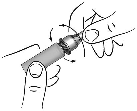
FIRST USE OF APOFIN
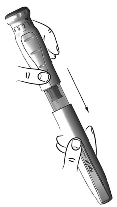

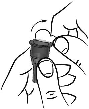
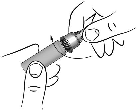
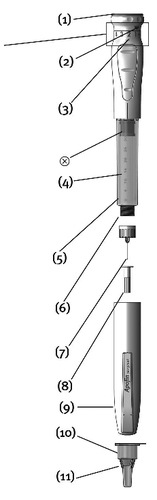
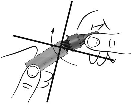
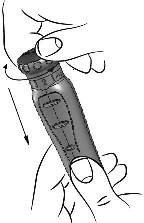
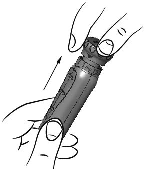

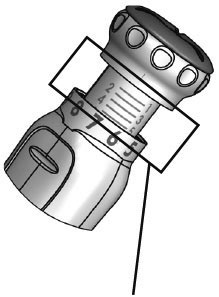
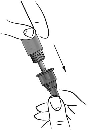
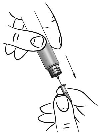
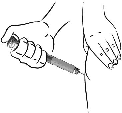
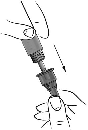

If you use more APOFIN than you should
In case of ingestion/accidental intake of an excessive dose of APOFIN, immediately warn the
doctor or go to the nearest hospital. A higher dosage may cause breathing difficulties and
slowing of the heartbeat.
If you forget to use APOFIN
Do not use a double dose to make up for the missed dose.
If you stop using APOFIN
Contact your doctor before stopping treatment and discuss with him whether this is appropriate or not.
If you have any doubts about the use of this medicine, ask your doctor or pharmacist.
4. Possible side effects
Like all medicines, this medicine can cause side effects, although not everybody gets them.
Possible side effects are listed below according to their frequency:
Very common (may affect more than 1 in 10 people)
- hallucinations (seeing, hearing or perceiving things that are not there).
Rare (may affect up to 1 in 1,000 people)
- low blood pressure when moving from a sitting or lying position to standing (orthostatic hypotension), usually transient and presumably related to stopping domperidone (a medicine used to treat nausea and vomiting).
Not known (frequency cannot be estimated from the available data)
- movement disorders (dyskinesia). Your doctor may stop the treatment;
- drowsiness, which tends to disappear in the first weeks of treatment;
- itching, nodules under the skin at the injection site, skin irritation (localized erythema), localized inflammatory reactions, inflammation of the subcutaneous fatty tissue (panniculitis), necrotic ulcerations at the injection site;
- nausea and vomiting, usually due to not taking domperidone (see section 3 How to use APOFIN);
- increased white blood cells (eosinophilia);
- decrease in red blood cells, caused by an autoimmune disease (autoimmune hemolytic anemia) and alteration of the results of some laboratory tests (positive Coombs test). Your doctor will ask you to undergo checks with a specialist/laboratory tests at the beginning of treatment and subsequently at periodic intervals. He/she may also reduce your dose or stop treatment with APOFIN and/or other medicines used to treat Parkinson's disease;
- confusional state and feeling of seeing things that do not actually exist (visual hallucinations). Your doctor will ask you to undergo checks and may reduce your dose of APOFIN and/or other medicines used to treat Parkinson's disease;
- fainting;
- inability to resist the urge to perform actions that could be harmful, which may include:
- strong urge to gamble excessively, despite serious personal or family consequences
- altered or increased sexual interest and behaviour that causes significant distress to you or others, for example, increased sexual desire
- compulsive eating (eating large amounts of food in a short period of time) or bulimia (eating more food than normal and more than is needed to satisfy your hunger); compulsive shopping or excessive spending;
- aggression, agitation;
- headache.
- peripheral edema (swelling of the legs and arms);
- transient sedation: may occur at the beginning of therapy and usually resolves in the first few weeks.
Tell your doctor if you experience any of these behaviours, so he/she can decide
how to intervene to manage or reduce these symptoms.
Reporting of side effects
If you get any side effects, talk to your doctor or pharmacist. You can also report side effects directly through the national reporting system at https://www.aifa.gov.it/content/segnalazioni-reazioni-avverse . By reporting side effects you can help provide more information on the safety of this medicine.
5. How to store APOFIN
Keep this medicine out of the sight and reach of children.
Store at a temperature below 25°C.
Keep the vial in the outer packaging to protect the medicine from light.
APOFIN must be used within 30 days of the first injection.
Like other precision instruments, APOFIN must be stored carefully.
APOFIN must be protected from dust and shielded from extreme temperatures. When not in use,
ensure that the special cap is inserted onto the pen (Stylo).
Following an accidental drop, it is important to verify the proper functioning of APOFIN and the absence
of any possible drug leakage.
It is important that someone close to the patient is able to use APOFIN in case the patient
is unable to perform the injection themselves.
Strictly follow the instructions for use of APOFIN.
Do not use this medicine after the expiry date which is stated on the pack after Exp.
The expiry date refers to the last day of that month.
Do not dispose of any medicine in wastewater or household waste. Ask your pharmacist how to dispose of
medicines you no longer use. This will help protect the environment.
6. Contents of the pack and other information
What APOFIN contains
- The active ingredient is apomorphine
- The other components are sodium metabisulfitehydrochloric acid, water for injections
Description of the appearance of APOFIN and contents of the pack
APOFIN is presented as an auto-injector pen with a pre-filled glass cartridge. It is available in
packs of 1 pen and 5 pre-filled 3 ml pens.
Not all pack sizes may be marketed.
Marketing authorisation holder and manufacturer
CHIESI ITALIA S.p.A. - Via Giacomo Chiesi, 1 - 43122 Parma
Manufacturer
Manufacturer: Laboratories AGUETTANT - 1 Rue A. Fleming - Lyon – France
APOFIN 50 mg/5 ml injectable solution for subcutaneous infusion
Apomorphine
Read this leaflet carefully before you start to use this medicine because it contains important
information for you.
- Keep this leaflet. You may need to read it again.
- If you have any questions, ask your doctor.
- This medicine has been prescribed for you only. Do not pass it on to others, even if they have the same symptoms as you, as it may be harmful.
- If you get any side effects, even those not listed in this leaflet, tell your doctor or pharmacist. See section 4.
Contents of this leaflet:
- 1. What APOFIN is and what it is used for
- 2. What you need to know before you use APOFIN
- 3. How to use APOFIN
- 4. Possible side effects
- 5. How to store APOFIN
- 6. Contents of the pack and other information
1. What APOFIN is and what it is used for
APOFIN contains apomorphine which belongs to a group of medicines known as dopaminergic agonists
and is used for the treatment of Parkinson's Disease.
APOFIN, administered via subcutaneous infusion, is indicated in the treatment of severe movement difficulties
(which occur multiple times during the day):
- that do not respond to treatment with Levodopa and with oral dopamine agonists (other medicines used for the treatment of Parkinson's Disease);
- or that respond partially to subcutaneous injections of apomorphine ‘as needed’;
- or when frequent daily injections are required to control movement disorders in patients with advanced Parkinson's Disease.
2. What you need to know before you take APOFIN
Do not take APOFIN
- if you are allergic to apomorphine, morphine or its derivatives, or to any of the other ingredients of this medicine (listed in section 6);
- if you suffer from severe breathing problems and of the brain (respiratory depression and of the central nervous system);
- if you suffer from mental disorders (mental confusion, visual hallucinations, acute and chronic psychoses);
- if you suffer from severe movement difficulties (severe dyskinesias) or reduced muscle tone (hypotonia) after treatment with levodopa;
- if you suffer from dementia (a disease characterized by memory loss, inability to express yourself correctly with words, loss of orientation in time and space);
- if you have liver problems (hepatic insufficiency);
- if you are pregnant, suspect you are pregnant or are breastfeeding.
- if you are taking ondansetron (a medicine to treat nausea and vomiting)
Warnings and precautions
Before using APOFIN, the doctor will perform an ECG (electrocardiogram) and ask you to list
all other medicines you are taking. He/she will repeat this ECG in the first few days of treatment and at any
time the doctor deems necessary. The doctor may also ask you questions about any other illnesses you
suffer from, particularly heart disease. Some of these questions and some tests may be
repeated at each medical visit. If you develop heart symptoms, e.g. palpitations, fainting or near-fainting,
immediately inform your doctor. You should also inform your doctor if you develop diarrhea or start a
new treatment.
Consult your doctor before taking APOFIN:
- if you are elderly or debilitated;
- if you suffer from a disease of the glands that produce hormones, of the kidneys, lungs, heart and circulatory system. In these cases, the doctor will subject you to periodic checks to assess your condition;
- if you frequently suffer from nausea and vomiting;
- if you have suffered from orthostatic hypotension (lowering of blood pressure when moving from a sitting to a standing position) following the use of other drugs used in the treatment of Parkinson's Disease (dopamine agonists);
- if you or someone in your family is known to have an abnormality of the heartbeat known as long QT syndrome;
- if you or someone in your family/or who cares for the patient notices that you are developing urges or desires to behave in ways that are unusual for you or you cannot resist the urge or temptation to perform certain activities that could harm yourself or others. These are called impulse control disorders and may include behaviors such as gambling addiction, overeating, or spending excessively, an abnormal, exaggerated sexual desire, or an increase in sexual thoughts or feelings. Your doctor may need to adjust or discontinue the dose;
- if you are taking other medicines orally used in the treatment of Parkinson's Disease because unusual side effects or signs of potentiation of the effects of APOFIN may occur.
IN ALL THESE CASES CONSULT YOUR DOCTOR WHO MAY NEED TO MODIFY THE
THERAPY.
Some patients develop addiction-like symptoms that lead to a desire for large doses of APOFIN
and other medicines used for the treatment of Parkinson's Disease.
Other medicines and APOFIN
Tell your doctor if you are taking, have recently taken or might take any other medicines,
especially:
- drugs that act on brain activities such as reserpine, tetrabenazine, metoclopramide, neuroleptics (phenothiazines, thioxanthenes, butyrophenones), amphetamines and papaverine. These drugs, in fact, must not be administered simultaneously with APOFIN. If the administration of one of these drugs is considered essential, the doctor must carefully assess the onset of unusual side effects or signs of possible interactions;
- known to have an effect on the heartbeat. This includes medicines used for heart rhythm problems (such as quinidine and amiodarone), to treat depression (including tricyclic antidepressants such as amitriptyline and imipramine), to treat bacterial infections (antibiotics such as erythromycin, azithromycin and clarithromycin) and domperidone (a drug used to treat vomiting and digestive difficulties).
- if you are taking ondansetron (a medicine to treat nausea and vomiting), as this may result in a severe drop in blood pressure and loss of consciousness.
Pregnancy and breastfeeding
Do not use APOFIN if you are pregnant, suspect you are pregnant or are breastfeeding.
Driving and using machines
APOFIN can alter the ability to drive vehicles and use machinery.
Apomorphine can cause drowsiness and neuropsychiatric disorders (mental confusion, visual hallucinations).
For this reason, driving vehicles or undertaking any activity in which altered
attention could expose you or others to the risk of serious harm or death (e.g. the use of machinery) is not recommended.
APOFIN contains benzyl alcohol, sodium metabisulfite and methyl parahydroxybenzoate
APOFIN contains 10 mg per ml of benzyl alcohol. It should not be given to premature babies or newborns.
It can cause toxic and allergic reactions in children up to 3 years of age.
APOFIN contains sodium metabisulfite: rarely it can cause severe allergic reactions and bronchospasm
(severe difficulty breathing).
APOFIN contains methyl parahydroxybenzoate: may cause allergic reactions (even delayed) and,
exceptionally, bronchospasm.
3. How to take APOFIN
Before using APOFIN, the doctor will ensure that you tolerate this medicine and an antiemetic drug
which you will have to take at the same time.
Use this medicine following exactly the instructions of the doctor. If you have doubts, consult your doctor.
The vials of apomorphine must be administered by an infusion under the skin of the abdominal wall
(stomach), which is performed with a programmable device (programmable mini-pump),
which makes it possible to adjust the quantity and intervals of administration of the dose chosen by the doctor.
The dose will be established by the doctor based on your needs: for this reason, a short hospital stay
with specialist supervision is recommended.
Treatment is generally started with a dose of 1 mg per hour; this dose may be increased based on
your response but must not exceed 100 mg per day. Usually it will be administered when you are awake,
although in particular cases it may be extended up to 24 hours a day.
You or the person who cares for you will be shown how to change the insertion site of the needle in the
stomach, which must be changed every 12 hours. Alternatively, you should contact a healthcare professional to
do it for you.
WARNING: the vials must not be used for other routes of administration (i.e. injected
into a muscle or directly into a vein) nor for a single injection under the skin.
The doctor will monitor during treatment for the onset of side effects or the need for
readjustments of the hourly dosage.
The administration of domperidone is useful to prevent the onset of nausea and vomiting; generally it should
be started 3-4 days before the start of therapy with APOFIN at a dosage of 20 mg 3 times a day. Both the
quantity and the duration of treatment with domperidone may be modified by the doctor according to
your personal needs.
If you take more APOFIN than you should
In case of accidental ingestion/administration of an excessive dose of APOFIN, immediately inform
the doctor or go to the nearest hospital.
A higher dosage may cause difficulty breathing and slowing of the heartbeat.
If you forget to take APOFIN
Do not take a double dose to make up for a missed dose.
If you stop taking APOFIN
Contact your doctor before stopping treatment and discuss with him whether this is appropriate or not.
If you have any doubts about the use of this medicine, ask your doctor or pharmacist.
4. Possible side effects
Like all medicines, this medicine can cause side effects, although not everybody gets them.
Possible side effects are listed below according to their frequency:
Very common (may affect more than 1 in 10 people)
- hallucinations (seeing, hearing or feeling things that are not there).
Rare (may affect up to 1 in 1,000 people)
- low blood pressure when standing up from a sitting or lying position (orthostatic hypotension), usually temporary and presumably related to stopping domperidone (a medicine used to treat nausea and vomiting).
Not known (frequency cannot be estimated from available data)
- movement disorders (dyskinesia). Your doctor may stop treatment;
- drowsiness, which tends to disappear in the first weeks of treatment;
- lumps under the skin at the injection site, skin irritation (localized erythema), localized inflammatory reactions, inflammation of the subcutaneous fatty tissue (panniculitis), necrotic ulcerations at the injection site. To reduce inflammatory reactions, it is recommended to change the injection site every 12 hours;
- increased white blood cells (eosinophilia);
- decrease in red blood cells caused by an autoimmune disease (autoimmune hemolytic anemia) and changes in the results of some laboratory tests (positive Coombs test). In this case, your doctor may reduce or stop treatment;
- confusion and feeling of seeing things that are not actually there (visual hallucinations). In these cases, your doctor will assess your condition and may reduce treatment;
- fainting;
- inability to resist the urge to perform actions that could be harmful, which may include:
- a strong urge to gamble excessively, despite serious personal or family consequences;
- altered or increased sexual interest and behaviour that causes significant concern to you or others, for example, increased sexual desire;
- compulsive eating (eating large amounts of food in a short period of time) or bulimia (eating more food than normal and more than is needed to satisfy your hunger), compulsive shopping or overspending;
- aggression, agitation;
- headache;
- peripheral edema (swelling of the legs and arms);
- transient sedation: may occur at the beginning of therapy and usually resolves in the first few weeks.
Tell your doctor if you experience any of these behaviours, so they can decide how to intervene
to manage or reduce these symptoms.
Reporting of side effects
If you get any side effects, talk to your doctor or pharmacist. This includes any possible side effects not listed
in this leaflet. You can also report side effects directly through the national reporting system at
https://www.aifa.gov.it/content/segnalazioni-reazioni-avverse . By reporting side effects you can help provide
more information on the safety of this medicine.
5. How to store APOFIN
Keep this medicine out of the sight and reach of children.
Store at a temperature below 25°C.
Keep the vial in the outer packaging to protect the medicine from light.
The solution must be used within 24 hours of opening.
Do not use this medicine after the expiry date which is stated on the pack after Exp.
The expiry date refers to the last day of that month.
Do not dispose of any medicine in waste water or household waste. Ask your pharmacist how to dispose of
medicines you no longer use. This will help protect the environment.
6. Contents of the pack and other information
What APOFIN contains
- The active ingredient is apomorphine
- The other ingredients are benzyl alcohol, sodium metabisulfite, methylparaben(see section 2. APOFIN contains benzyl alcohol, sodium metabisulfite and methylparaben), sodium edetate, hydrochloric acid, water for injections.
Description of the appearance of APOFIN and contents of the pack
APOFIN is presented as an injectable solution for subcutaneous infusion, contained in yellow glass vials.
It is available in packs of 5 vials of 5 ml.
Marketing authorisation holder and manufacturer
CHIESI ITALIA S.p.A., Via Giacomo Chiesi, 1- 43122 Parma
Manufacturer
ALFASIGMA S.p.A. - Via Enrico Fermi 1 - Alanno - Pescara

Nie jesteś pewien, czy ten lek jest odpowiedni dla ciebie?
Omów swoje objawy i leczenie z lekarzem online.

Zacząłeś przyjmować lek i masz pytania?
Omów swoje objawy i leczenie z lekarzem online.
- Kraj rejestracji
- Postać farmaceutycznaInfusion solution, 50 MG/5 ML
- Kod ATCN04BC07
- Substancja czynna
- Wymaga receptyTak
- Producent
- Te treści mają charakter wyłącznie informacyjny i nie zastępują konsultacji lekarskiej.
- Zamienniki APOFINPostać farmaceutyczna: Sublingual film, 10 mgSubstancja czynna: apomorphineProducent: BIAL -PORTELA & CA ,SAWymaga receptyPostać farmaceutyczna: Tablet, 1 MGSubstancja czynna: cabergolineProducent: PFIZER ITALIA S.R.L.Wymaga receptyPostać farmaceutyczna: Coated tablet, 0.088 MGSubstancja czynna: pramipexoleProducent: BOEHRINGER INGELHEIM INTERNATIONAL GMBHWymaga recepty
Odpowiedniki APOFIN w innych krajach
Leki z tą samą substancją czynną dostępne w innych krajach.
Odpowiednik APOFIN w Hiszpania
Odpowiednik APOFIN w Polska
Odpowiednik APOFIN w Ukraina
Lekarze online w sprawie APOFIN
Omów stosowanie APOFIN, bezpieczeństwo i ocenę zasadności recepty zgodnie z obowiązującymi przepisami.



Uzyskaj receptę na APOFIN online
Wypełnij 2-minutowy formularz
Opisz swoje objawy, historię choroby i lek, o który prosisz.
Wybierz lekarza lub pozwól nam przydzielić
Wybierz specjalistę lub dopasujemy Cię do najbliższego dostępnego lekarza.
Lekarz analizuje Twój przypadek
Zazwyczaj w ciągu 30 minut. Może zadawać dodatkowe pytania przez czat.
Odbierz w dowolnej aptece
Recepta elektroniczna wysłana na Twój e-mail — ważna w całej Polsce.
Często zadawane pytania
APOFIN wymaga recepty w Włochy. Możesz skonsultować się z lekarzem online, aby sprawdzić, czy ten lek może być odpowiedni w Twojej sytuacji.
Substancją czynną w APOFIN jest apomorphine. Informacja ta pomaga rozpoznać leki o tym samym składzie, ale pod różnymi nazwami handlowymi.
APOFIN jest produkowany przez CHIESI ITALIA S.P.A. Nazwy handlowe i opakowania mogą się różnić w zależności od dystrybutora.
Lekarze, tacy jak Lekarze rodzinni, Psychiatrzy, Dermatolodzy, Kardiolodzy, Endokrynolodzy, Gastroenterolodzy, Pulmonolodzy, Nefrolodzy, Reumatolodzy, Hematolodzy, Zakaźnicy, Alergolodzy, Geriatrzy, Pediatrzy, Onkolodzy, mogą ocenić, czy stosowanie APOFIN jest odpowiednie w Twoim przypadku, w zależności od sytuacji klinicznej i lokalnych przepisów. Możesz umówić konsultację online, aby omówić objawy i możliwe dalsze kroki.
Polska posiada dobrze rozwiniętą infrastrukturę ochrony zdrowia w dużych miastach, takich jak Warszawa, Kraków, Wrocław i Gdańsk. Apteki są łatwo dostępne i działają zgodnie z obowiązującymi przepisami, zapewniając dostęp do leków na receptę.
Możesz kupić APOFIN w Warszawie, Krakowie, Wrocławiu lub Gdańsku w każdej aptece, posiadając ważną receptę.
Aby uzyskać receptę, możesz skorzystać z Oladoctor:
Inne leki zawierające tę samą substancję czynną (apomorphine) to m.in. KYNMOBI, KABASER, MIRAPEXIN. Mogą one różnić się nazwą handlową lub postacią, ale zawierają ten sam składnik terapeutyczny. Przed zmianą lub rozpoczęciem nowego leku skonsultuj się z lekarzem.
