



ZYVOXID 2 mg /Ml Infusion Solution

Запит на рецепт онлайн
Лікар розгляне ваш випадок і визначить, чи є рецепт медично доцільним.

Поговоріть з лікарем про ці ліки
Обговоріть симптоми та можливі подальші кроки під час короткої онлайн-консультації.



Інструкція із застосування TSYVOXID
Зміст інструкції
- ZYVOXID 2mg/ml solution for infusion
- Zyvoxid 100 mg/5 ml granules for oral suspension
- Zyvoxid 600 mg film-coated tablets
ZYVOXID 2mg/ml solution for infusion
Linezolid
Read this leaflet carefully before you start to use this medicine as it contains important information for you.
- Keep this leaflet. You may need to read it again.
- If you have any questions, ask your doctor, pharmacist or nurse.
- If you get any side effects, even those not listed in this leaflet, tell your doctor, pharmacist or nurse. See section 4.
Contents of this leaflet:
- 1. What Zyvoxid is and what it is used for
- 2. What you need to know before you use Zyvoxid
- 3. How to use Zyvoxid
- 4. Possible side effects
- 5. How to store Zyvoxid
- 6. Contents of the pack and other information
1. What is Zyvoxid and what is it used for
Zyvoxid is an antibiotic of the oxazolidinone class, which works by blocking the growth of
certain bacteria (germs) that cause infections. It is used to treat pneumonia and some infections
of the skin or under the skin. The doctor will decide if Zyvoxid is suitable for treating your type of infection.
2. What you need to know before you take Zyvoxid
Do not take Zyvoxid:
- if you are allergic to linezolid or any of the other ingredients of this medicine (listed in section 6).
- if you are taking or have taken within the last 2 weeks any of the medicines called monoamine oxidase inhibitors (MAOIs, for example phenelzine, isocarboxazide, selegiline, moclobemide). These medicines are generally used to treat depression or Parkinson's disease.
- if you are breastfeeding. Zyvoxid passes into breast milk and can have effects on the baby.
Warnings and precautions
Talk to your doctor, pharmacist or nurse before taking Zyvoxid.
Zyvoxid may not be suitable for you if you answer yesto any of the following questions. In this case
tell your doctor, who will need to check your general health and blood pressure before and
during treatment, or who may decide that alternative therapy is better for you.
Ask your doctor if you have any doubts whether these categories apply to you.
- Do you have high blood pressure, whether or not you are taking medicines for this condition?
- Have you been diagnosed with hyperthyroidism (overactive thyroid)?
- Do you have a tumor of the adrenal glands (pheochromocytoma) or a carcinoid syndrome (caused by tumors of the hormonal system with symptoms of diarrhea, skin flushing, wheezing)?
- Do you suffer from manic depression, schizoaffective disorder, mental confusion or any other mental disorder?
- Do you have a history of hyponatremia (low sodium levels in the blood) or are you taking medicines that lower sodium levels in the blood, such as some diuretics (also called “medicines that increase the amount of urine produced”) such as hydrochlorothiazide?
- Are you taking opioids?
The use of some medicines, including antidepressants and opioids, together with Zyvoxid can lead to
the development of serotonin syndrome, a potentially life-threatening condition (see section 2
“Other medicines and Zyvoxid” and section 4).
Be particularly careful with Zyvoxid
Tell your doctor before taking this medicine if:
- you are elderly
- you are easily prone to bruising and bleeding
- you are anemic (have few red blood cells)
- you are prone to infections
- you have a history of seizures
- you have liver or kidney problems, especially if you are on dialysis
- you have diarrhea
Tell your doctor immediately if you experience:
- visual disturbances such as blurred vision, changes in color vision, difficulty seeing details, or if the field of vision narrows.
- loss of sensation in the arms or legs or tingling or numbness in the arms or legs.
- during the period you are taking antibiotics, or after you have finished antibiotic therapy, including Zyvoxid, you may develop diarrhea. If the diarrhea becomes severe or persistent or if you notice blood or mucus in your stool, you should immediately stop taking Zyvoxid and consult your doctor. In these conditions, you should not take medicines that stop or slow down bowel movements.
- recurrent nausea or vomiting, abdominal pain or rapid breathing.
- unexplained muscle pain, tenderness or weakness and/or dark urine. These may be signs of a serious condition called rhabdomyolysis (muscle breakdown), which can lead to kidney damage.
- feeling unwell with muscle weakness, headache, confusion and memory problems, which may indicate hyponatremia (low sodium levels in the blood).
Other medicines and Zyvoxid
There is a risk that Zyvoxid may sometimes interact with other medicines causing unwanted effects
such as changes in blood pressure, temperature or heart rate.
Tell your doctor or pharmacist if you are taking or have recently taken any other
medicines.
Tell your doctor if you are taking or have taken within the last 2 weeksthe following
medicines, because Zyvoxid must notbe taken if you are already taking these medicines or if you have
taken them recently (see also section 2 above “Do not take Zyvoxid”).
- monoamine oxidase inhibitors (MAOIs, for example phenelzine, isocarboxazide, selegiline, moclobemide). These medicines are generally used to treat depression or Parkinson's disease.
Also tell your doctor if you are taking the following medicines. The doctor may decide to
give you Zyvoxid anyway, but will need to check your general health and blood pressure
before and during treatment. In other cases, the doctor may decide that another treatment is better
for you.
- Decongestants, cold or flu remedies containing pseudoephedrine or phenylpropanolamine.
- Some medicines used to treat asthma such as salbutamol, terbutaline, fenoterol.
- Some antidepressants such as tricyclics or SSRIs (selective serotonin reuptake inhibitors). There are many of these, including amitriptyline, citalopram, clomipramine, dosulepine, doxepin, fluoxetine, fluvoxamine, imipramine, lofepramine, paroxetine, sertraline.
- Medicines used to treat migraine such as sumatriptan and zolmitriptan.
- Medicines used to treat severe and sudden allergic reactions such as adrenaline (epinephrine).
- Medicines that raise blood pressure, such as norepinephrine (noradrenaline), dopamine and dobutamine.
- Opioids, for example pethidine, used to treat moderate to severe pain.
- Medicines used to treat anxiety disorders, such as buspirone
- Medicines that block blood clotting, such as warfarin.
- An antibiotic called rifampicin
Zyvoxid with food, drinks and alcohol
- Zyvoxid can be given before, during or after meals.
- Avoid eating large amounts of aged cheeses, yeast extracts or soy products, such as soy sauce, and drinking alcohol, especially draft beer and wine. This is because Zyvoxid can react with a substance called tyramine which is naturally present in some foods. This interaction can cause an increase in blood pressure.
- If you experience a throbbing headache after eating or drinking, tell your doctor, pharmacist or nurse immediately.
Pregnancy, breastfeeding and fertility
The effect of Zyvoxid on pregnant women is not known. Therefore, the medicine should not
be taken during pregnancy unless expressly indicated by your doctor. If you are pregnant, suspect
or are planning a pregnancy, or if you are breastfeeding, ask
your doctor or pharmacist for advice before taking this medicine.
While taking Zyvoxid, you should not breastfeed, as the medicine passes into breast milk and can
have an effect on the baby.
Driving and using machines
Zyvoxid may cause mild dizziness or cause vision problems. In this case, do not drive
vehicles and do not use machines. Remember that if you do not feel well, your ability to drive vehicles and
operate machinery may be impaired.
Zyvoxid contains
Glucose
1 ml of Zyvoxid solution contains 45.7 mg of glucose (13.7 g of glucose in one bag).
Tell your doctor if you are diabetic.
Sodium
1 ml of Zyvoxid solution contains 0.38 mg of sodium (the main component of table salt) (114
mg of sodium in one bag). The sodium in one bag is equivalent to 5.7% of the recommended daily
sodium intake with a diet for an adult.
Tell your doctor or nurse if you need to follow a low-sodium diet.
3. How to take Zyvoxid
Adults
Take this medicine following exactly the instructions given in this leaflet or as directed by your doctor, pharmacist or nurse. If you have any doubts, ask your doctor, pharmacist or nurse.
This medicine will be administered to you via slow infusion (drip) into a vein by a doctor or healthcare professional. The recommended dose for adults (over 18 years of age) is 300 ml (600 mg of linezolid) twice daily, which is administered directly into the bloodstream via slow intravenous infusion, for a period of time ranging from 30 to 120 minutes.
If you are undergoing renal dialysis, you must take Zyvoxid after dialysis.
A treatment cycle generally lasts from 10 to 14 days, but may last up to 28 days. The safety and efficacy of this medicine for periods longer than 28 days have not been established.
Your doctor will decide how long the treatment should last.
While taking Zyvoxid, your doctor must regularly perform blood tests to check the number of blood cells.
If you take Zyvoxid for a period longer than 28 days, your doctor must check your eyesight.
Use in children and adolescents
Zyvoxid is not normally used to treat children and adolescents (under 18 years of age).
If you take more Zyvoxid than you should
If you believe that you have been given an excessive amount of Zyvoxid, inform your doctor or nurse immediately.
If you forget to take Zyvoxid
Since this medicine will be administered with careful monitoring, it is very unlikely that you will miss a dose. If you think that a dose has been missed, inform your doctor or nurse immediately. Do not take a double dose to make up for the missed dose.
4. Possible side effects
Like all medicines, this medicine can cause side effects, although not everybody gets them.
Tell your doctor, nurse or pharmacist immediatelyif you notice any of these side effects during treatment with Zyvoxid:
The serious side effects (frequency indicated in brackets) of Zyvoxid are:
- severe skin reactions (uncommon), swelling, especially on the face and neck (uncommon), shortness of breath and/or difficulty breathing (rare). These may be signs of an allergic reaction and you may need to stop treatment with Zyvoxid. Reactions
skin conditions such as raised, purplish rash due to inflammation of blood vessels
(rare), skin ulceration and peeling (dermatitis) (uncommon), rash (common),
itching (common).
- vision disturbances (uncommon) such as blurred vision (uncommon), changes in colour vision (not known), difficulty seeing details (not known) or if the field of vision narrows (rare).
- severe diarrhoea containing blood and/or mucus (antibiotic-associated colitis, including pseudomembranous colitis), which in rare cases can cause complications that could be life-threatening (uncommon).
- recurring nausea or vomiting, abdominal pain or rapid breathing (rare).
- seizures or convulsions have been reported with Zyvoxid (uncommon).
- Serotonin Syndrome (not known): if you experience agitation, confusion, delirium, rigidity, tremor, lack of coordination, seizures, fast heartbeat, severe breathing problems and diarrhoea (suggestive of Serotonin Syndrome) while also taking antidepressant medicines called SSRIs or opioids (see section 2), you should inform your doctor.
- unexplained bleeding or bruising, probably due to changes in the number of certain blood cells that can affect blood clotting or lead to anaemia (common).
- changes in the number of certain blood cells that can affect the ability to fight infections (uncommon) some signs of infection include: fever (common), sore throat (uncommon), mouth ulcers (uncommon) and fatigue (uncommon).
- rhabdomyolysis (rare): signs and symptoms include unexplained muscle pain, tenderness or weakness and/or dark urine. These can be signs of a serious condition called rhabdomyolysis (muscle breakdown), which can lead to kidney damage.
- inflammation of the pancreas (uncommon).
- seizures (uncommon).
- transient ischaemic attacks (temporary disruption of blood flow to the brain causing short-lived symptoms such as vision loss, weakness in the legs and arms, difficulty articulating speech and loss of consciousness) (uncommon).
- ringing in the ears (tinnitus) (uncommon).
Numbness, tingling or blurred vision have been reported by patients to whom
Zyvoxid has been administered for more than 28 days. If you have vision problems, consult your doctor as
soon as possible.
Other side effects include:
Common (may affect up to 1 in 10 people):
- Fungal infections, especially vaginal or oral candidiasis
- Headache
- Metallic taste in the mouth
- Diarrhoea, nausea or vomiting
- Changes in some blood test results, including values to check proteins, salts or enzymes that measure kidney or liver function or blood sugar levels
- Difficulty falling asleep
- Increased blood pressure
- Anaemia (low red blood cells)
- Dizziness
- Localized or general abdominal pain
- Constipation
- Indigestion
- Localized pain
- Reduced platelets
Uncommon (may affect up to 1 in 100 people):
- Inflammation of the vagina or genitals in women
- Sensations such as tingling or numbness
- Swelling, pain or discoloration of the tongue
- Dry mouth
- Pain at the site of infusion
- Inflammation of the veins (including the part where the infusion was performed)
- Need to urinate more frequently
- Chills
- Feeling thirsty
- Increased sweating
- Hyponatremia (low sodium levels in the blood)
- Kidney failure
- Abdominal bloating
- Pain at the injection site
- Increased creatinine
- Stomach ache
- Changes in heart rate (e.g. increased frequency)
- Reduced number of blood cells
- Weakness and/or sensory changes
Rare (may affect up to 1 in 1,000 people):
- Superficial tooth discoloration, removable with professional dental cleaning (manual removal)
The following side effects have also been reported (frequency not known: the frequency cannot
be defined based on available data):
- Alopecia (hair loss)
Reporting of side effects
If you get any side effects, talk to your doctor, pharmacist or nurse. This includes any side effects not
listed in this leaflet. You can also report side effects directly to
adverse.
By reporting side effects you can help provide more information on the safety of
this medicine.
5. How to store Zyvoxid
Keep this medicine out of the sight and reach of children.
Do not use this medicine after the expiry date which is stated on the pack, on the bags and on the
blister after “EXP”.
The expiry date refers to the last day of that month.
Hospital staff must verify that Zyvoxid solution is not used after the expiry
date printed on the bag and that it is administered immediately after opening. They will also
carry out a visual inspection of the solution before use and only a
clear solution, without particles, can be used. The authorized personnel will also
check that the solution is
stored correctly in the packaging and inside the special envelope, to protect it from
light and keep it out of the sight and reach of children, for the necessary time.
After opening:
From a microbiological point of view, the product must be used immediately, unless the opening method precludes the risk of contamination. If not used
immediately, the storage times and conditions are the responsibility of the user.
Do not dispose of any medicine in the wastewater or household waste. Ask your pharmacist how to
dispose of medicines you no longer use. This will help protect the environment.
6. Contents of the pack and other information
What Zyvoxid contains
- The active substance is linezolid. 1 ml of solution contains 2 mg of linezolid. Each 300 ml infusion bag contains 600 mg of linezolid.
- The other ingredients are glucose monohydrate (a type of sugar, see section 2 “Zyvoxid contains glucose”), disodium citrate (E331) (see section 2 “Zyvoxid contains sodium”), anhydrous citric acid (E330), hydrochloric acid (E507) or sodium hydroxide (E524), and water for injections.
Description of the appearance of Zyvoxid and contents of the pack
Zyvoxidis presented as a crystalline solution in single infusion bags that
each contain 300 ml of solution.
The bags are contained in packs containing 1, 2, 5, 10, 20 or 25 bags.
Not all pack sizes may be marketed.
Marketing Authorisation Holder
Pfizer Italia S.r.l. - Via Isonzo, 71 - 04100 Latina
Manufacturer
HP Halden Pharma AS: Svinesundveien 80, 1788 Halden, Norway
This medicinal product is authorised in the Member States of the European Economic Area and in the
United Kingdom (Northern Ireland) under the following denominations:
Austria Zyvoxid
Belgium Zyvoxid
Cyprus Zyvoxid
Czech Republic Zyvoxid
Denmark Zyvoxid
Estonia Zyvoxid
Finland Zyvoxid
France Zyvoxid
Germany Zyvoxid
Greece Zyvoxid
Iceland Zyvoxid
Ireland Zyvox
Italy Zyvoxid
Latvia Zyvoxid
Lithuania Zyvoxid
Luxembourg Zyvoxid
Malta Zyvox
Netherlands Zyvoxid
Norway Zyvoxid
Poland Zyvoxid
Portugal Zyvoxid
Slovakia Zyvoxid
Slovenia Zyvoxid
Spain Zyvoxid
Sweden Zyvoxid
United Kingdom (Northern Ireland) Zyvox
The following information is intended exclusively for physicians or healthcare professionals:
Zyvoxid 2 mg/ml solution for infusion
Linezolid
IMPORTANT: Refer to the Summary of Product Characteristics before prescribing.
Linezolid is not active in infections caused by Gram-negative pathogens. When Gram-negative pathogens are suspected or confirmed to be present in coinfections, appropriate concomitant therapy against Gram-negative pathogens should be initiated.
Description
Ready-to-use, single-use infusion bags, in latex-free, multilayer polyolefin film ( Excel or Freeflex) sealed inside a laminate sheet.
The bags contain 300 ml of solution and are packaged in a carton. Each carton
contains 1, 2, 5, 10*, 20 or 25 infusion bags.
Note:
*Only 10-bag cartons are currently marketed.
Zyvoxid 2mg/ml solution for infusion contains linezolid 2mg/ml in an isotonic, transparent, and ranging from colourless to yellow solution. The excipients are: glucose monohydrate, disodium citrate (E331), anhydrous citric acid (E330), hydrochloric acid (E507) or sodium hydroxide (E524), water for injections.
Posology and method of administration
Treatment with linezolid should only be initiated in a hospital setting and after
consultation with a qualified specialist, such as a microbiologist or infectious disease specialist.
Patients initiating treatment with the parenteral formulation may subsequently
switch to oral formulations if clinically appropriate. In such circumstances no
dose adjustment is required as the oral bioavailability of linezolid is approximately 100%.
The solution for infusion should be administered over a period of 30 to 120 minutes.
The recommended dosage of linezolid should be administered intravenously twice daily.
Recommended dosage and treatment duration in adults
The duration of treatment depends on the pathogen, the site of infection and its severity,
as well as the patient's clinical response.
The following recommendations on therapy duration reflect those adopted in clinical trials.
Shorter treatment regimens may be appropriate for some types of infection but have not
been evaluated in clinical trials.
The maximum duration of treatment is 28 days. The safety and efficacy of linezolid
administered for periods longer than 28 days have not been established.
No dosage increase or extension of the treatment duration is required for infections
associated with concomitant bacteraemia.
The recommended dosage for the solution for infusion and for the tablets or granules for
oral suspension is identical and is as follows:
| Infections | Dosage | or Duration of treatment |
| Nosocomial pneumonia | 600 mg twice daily | c a 10-14 consecutive days |
| Community-acquired pneumonia | ||
| Complicated skin and soft tissue infections | 600 mg twice daily |
Paediatric population:The safety and efficacy of linezolid in children (<18 years) have not
been established. Available data at present are reported in sections 4.8, 5.1 and 5.2 of the SmPC but
no recommendation on dosage can be made.
Elderly:no dose adjustment is required.
Renal impairment:no dose adjustment is required.
Severe renal impairment(i.e. creatinine clearance < 30 ml/min): no dose
adjustment is required. As the clinical significance of increased exposure (up to 10-fold) to the
two main linezolid metabolites in patients with severe renal impairment is unknown,
linezolid should be used with particular caution in these patients and only when the expected benefit
is considered to outweigh the theoretical risk.
As approximately 30% of a linezolid dose is removed in 3 hours of haemodialysis, linezolid should
be administered after dialysis in patients undergoing this treatment. The main metabolites of linezolid are eliminated to some extent by haemodialysis, but the concentrations
of these metabolites remain substantially higher after dialysis compared to those
observed in patients with normal or mild to moderate renal function. Linezolid should, therefore, be used with particular caution in patients with severe renal impairment undergoing dialysis, and only when the expected benefit outweighs the risk.
There are currently no data on the administration of linezolid in patients undergoing continuous ambulatory peritoneal dialysis (CAPD) or alternative treatments for renal failure
(other than haemodialysis).
Hepatic impairment:Patients with mild to moderate hepatic insufficiency (i.e. Child-Pugh class A or
B): no dose adjustment is required.
Severe hepatic impairment(i.e. Child-Pugh class C): As linezolid is metabolised by a non-enzymatic process, an alteration in hepatic function should not significantly alter its metabolism, therefore no dose adjustment is recommended. However, clinical data are limited and it is recommended to use linezolid in such
patients only when the expected benefits outweigh the theoretical risks (see sections 4.4 and 5.2).
Contraindications
Patients with hypersensitivity to linezolid or to any of the excipients.
Linezolid must not be used in patients being treated with medicines that inhibit the
monoamine oxidase A or B enzymes (e.g. phenelzine, isocarboxazide, selegiline, moclobemide) or within
two weeks of discontinuing such medicines.
Linezolid must not be administered to patients who present with the following clinical conditions
or who are taking the following types of concomitant medicines unless facilities are available for
close observation of the patient and monitoring of blood pressure:
- Patients with uncontrolled hypertension, pheochromocytoma, carcinoid, thyrotoxicosis, bipolar disorder, schizoaffective disorders, acute confusional states.
- Patients taking the following medicines: serotonin re-uptake inhibitors, tricyclic antidepressants, serotonin 5HT receptor agonists (triptans), direct or indirect sympathomimetics (including adrenergic bronchodilators, pseudoephedrine and phenylpropanolamine), vasopressor substances (e.g. adrenaline, noradrenaline), dopaminergic substances (e.g. dopamine), dobutamine, pethidine or buspirone.
Breast-feeding must be discontinued before or during administration (see section 4.6
of the SmPC).
Special warnings and precautions for use
Myelosuppression
Cases of myelosuppression (including anemia, leucopenia, pancytopenia and thrombocytopenia) have been reported in patients treated with linezolid. In cases with a known outcome, it has been observed that altered hematological parameters returned towards pre-treatment values once linezolid was discontinued. The risk of these effects appears to be related to the duration of treatment. Elderly patients treated with linezolid may be at greater risk of developing blood dyscrasias compared to younger patients. Thrombocytopenia may occur more commonly in patients with severe renal insufficiency, whether on dialysis or not, and in patients with moderate or severe hepatic insufficiency. Therefore, careful monitoring of blood cell counts is recommended in patients with pre-existing anemia, granulocytopenia or thrombocytopenia; in patients receiving concomitant medications that may decrease hemoglobin levels, depress blood cell counts or exert adverse effects on platelet count or function; in patients with severe renal insufficiency or moderate or severe hepatic insufficiency; in patients receiving linezolid for more than 10 – 14 days. In such patients, linezolid should be administered only when accurate monitoring of hemoglobin levels is possible or blood cell counts and platelets can be performed.
If significant myelosuppression occurs during treatment with linezolid, administration should be discontinued, unless continuation of therapy is considered absolutely necessary; in such cases, intensive monitoring of blood cell counts and appropriate treatment measures must be undertaken.
Complete, weekly monitoring of blood cell counts (including hemoglobin levels, platelets and total and differential white blood cell count) is also recommended in patients receiving linezolid, regardless of baseline values.
In studies for compassionate use, a higher incidence of severe anemia cases has been reported in patients treated with linezolid for periods longer than the maximum recommended duration of 28 days. In these patients, the need for blood transfusion was more frequent. Cases of anemia requiring transfusion have also been reported in post-marketing experience, with a higher incidence in patients undergoing linezolid therapy for more than 28 days.
Cases of sideroblastic anemia have been reported in post-marketing experience. In cases where the time of onset was known, most patients had received linezolid treatment for more than 28 days. Most patients showed complete or partial recovery after discontinuation of linezolid therapy, with or without treatment of anemia.
Imbalance in mortality rate in a clinical study on patients with bloodstream infections from Gram-positive bacteria related to the catheter
In an open-label clinical study conducted on critically ill patients with intravascular catheter infections, a higher mortality rate was observed in patients treated with linezolid compared to those treated with vancomycin, dicloxacillin or oxacillin [78/363 (21.5%) versus58/363 (16.0%)].
The main factor influencing the mortality rate was the level of severity of the Gram-positive infection at baseline. Mortality was similar in patients with infections caused exclusively by Gram-positive bacteria (odds ratio 0.96; 95% confidence interval: 0.58-1.59), but was significantly higher (p=0.0162) in the linezolid treatment group in patients who presented any other pathogen or no pathogen at baseline (odds ratio 2.48; 95% confidence interval: 1.38-4.46). The biggest difference occurred during treatment and within 7 days of discontinuation of therapy. A greater number of patients in the linezolid treatment group contracted infections from Gram-negative pathogens during the study and patients died from Gram-negative pathogen infections and polymicrobial infections.
Therefore, in complicated skin and soft tissue infections, linezolid should be used in patients with concomitant infections from Gram-negative pathogens, ascertained or suspected, only when no other therapeutic alternatives are available. In these circumstances, treatment against Gram-negative pathogens should be started simultaneously.
Antibiotic-associated diarrhea and colitis
Diarrhea associated with antibiotics and colitis associated with antibiotics, including pseudomembranous colitis and Clostridium difficile-associated diarrhea, have been reported with the use of almost all antibiotics, including linezolid, the severity of which can range from mild diarrhea to fatal colitis. It is therefore important to consider this diagnosis in patients who develop severe diarrhea during or after treatment with linezolid. If antibiotic-associated diarrhea or antibiotic-associated colitis is suspected or confirmed, the ongoing treatment with antibacterial agents, including linezolid, should be discontinued and appropriate therapeutic measures should be initiated immediately. Antiperistaltics are contraindicated in this situation.
Lactic acidosis
Cases of lactic acidosis have been reported with the use of linezolid. Patients who develop signs and symptoms of metabolic acidosis during linezolid therapy - including recurrent nausea or vomiting, abdominal pain, low bicarbonate levels or hyperventilation - should receive immediate medical attention. If lactic acidosis occurs, the benefits of continuing linezolid therapy versus the potential risks should be evaluated.
Mitochondrial dysfunction
Linezolid inhibits mitochondrial protein synthesis. Consequently, adverse events such as lactic acidosis, anemia and neuropathy (optic and peripheral) may occur; these events are more common when the medicine is used for more than 28 days.
Serotonin syndrome
Spontaneous reports of serotonin syndrome associated with the concomitant administration of linezolid and serotonergic drugs, including selective serotonin reuptake inhibitors (SSRIs) and opioids, have been reported (see section 4.5 of the SmPC). The concomitant administration of linezolid and serotonergic drugs is therefore contraindicated (see section 4.3 of the SmPC), except in cases where the concomitant administration of linezolid and serotonergic drugs is essential.
In such cases, patients should be closely monitored for any signs and symptoms of serotonin syndrome, such as altered cognitive function, hyperpyrexia, hyperreflexia and lack of coordination. If these signs and symptoms occur, the doctor must evaluate the discontinuation of one or both concomitant treatments; if the serotonergic medicine is discontinued, withdrawal symptoms may occur.
Rhabdomyolysis
Cases of rhabdomyolysis have been reported with the use of linezolid. Linezolid should be used with caution in patients with predisposing factors for rhabdomyolysis. If signs or symptoms of rhabdomyolysis are observed, linezolid should be discontinued and appropriate therapy initiated.
Hyponatremia and SIADH
Hyponatremia and/or syndrome of inappropriate antidiuretic hormone secretion (SIADH) have been observed in some patients treated with linezolid. Regular monitoring of serum sodium levels is recommended in patients at risk of hyponatremia, such as elderly patients or patients taking medications that may lower sodium levels in the blood (e.g. thiazide diuretics such as hydrochlorothiazide).
Peripheral and optic neuropathy
Peripheral neuropathy, as well as optic neuropathy and optic neuritis, sometimes progressing to vision loss, have been reported in patients treated with linezolid. These cases occurred primarily in patients treated for periods longer than the maximum recommended duration of 28 days.
All patients should be advised to report symptoms of visual disturbances, such as changes in visual acuity, alterations in color vision, blurred vision or visual field defects. In these cases, prompt examination and, if necessary, referral to an ophthalmologist are recommended. In cases of taking linezolid for periods longer than the maximum recommended duration of 28 days, regular checks of visual function should be performed in all patients.
If peripheral or optic neuropathy occurs, the continuation of therapy with linezolid in these patients should be evaluated considering the potential risks.
The risk of neuropathy may increase when linezolid is used in patients who are taking or have recently taken antimycobacterial drugs for the treatment of tuberculosis.
Seizures
Cases of seizures have been reported in patients treated with Zyvoxid. In most cases, a positive history of seizures or risk factors for seizures has been reported.
In the presence of a positive history of seizures, patients should be advised to inform their treating physician.
Monoamine oxidase inhibitors
Linezolid is a reversible, non-selective inhibitor of monoamine oxidases (MAOIs); however, at the doses used for antibacterial therapy, it does not exert an antidepressant effect. Very limited data are available from drug interaction studies and on the safety of linezolid administered to patients with pre-existing clinical conditions and/or undergoing concomitant pharmacological therapies that may entail a risk due to the inhibition of MAOs. The use of linezolid is therefore not recommended in these circumstances, unless close surveillance and monitoring of the patient are possible.
Use with tyramine-rich foods
Patients should be advised not to consume large amounts of tyramine-rich foods.
Superinfections
Clinical studies have not evaluated the effects of linezolid therapy on the normal flora.
The use of antibiotics can sometimes cause an overgrowth of non-susceptible microorganisms. For example, about 3% of patients treated with the recommended dose of linezolid experienced the onset of drug-related candidiasis during clinical studies. If a superinfection occurs during therapy, appropriate measures should be taken.
Special populations
Linezolid should be used with particular caution in patients with severe renal insufficiency and only when the expected benefit outweighs the theoretical risks (see sections 4.2 and 5.2 of the SmPC).
Linezolid should be administered to patients with severe hepatic insufficiency only when the expected benefit outweighs the theoretical risk.
Impairment of fertility
Linezolid reversibly reduced fertility and induced morphological abnormalities of sperm in adult male rats at exposure levels equivalent to those expected in humans; possible effects of linezolid on the male reproductive system in humans are unknown.
Clinical studies
The safety and efficacy of linezolid administered for periods longer than 28 days have not been determined.
Controlled studies did not include patients with diabetic foot lesions, pressure ulcers, or ischemic lesions, severe burns or gangrene. Therefore, experience with the use of linezolid in the treatment of these lesions is limited.
Excipients
Glucose
Each ml of solution contains 45.7 mg (i.e. 13.7 g/300 ml) of glucose. This must be taken into account in patients with diabetes mellitus or other conditions associated with glucose intolerance.
Sodium
Each ml of solution also contains 0.38 mg (114 mg/300 ml) of sodium, equivalent to 0.02% of the recommended daily intake (RDI) by the WHO with the diet of an adult, corresponding to 2 g. The sodium content should be taken into consideration in patients following a sodium-controlled diet.
Zyvoxid solution for infusion may be further prepared for administration with solutions containing sodium (see sections 4.2, 6.2 and 6.6) and this must be taken into consideration regarding the total amount of sodium from all sources that will be administered to the patient.
Interactions
Monoamine Oxidase Inhibitors
Linezolid is a reversible, non-selective inhibitor of monoamine oxidases (MAOIs). Very limited data are available from both drug interaction studies and the safety of linezolid administered to patients undergoing concomitant therapy with medicinal products that may carry a risk of MAO inhibition. The use of linezolid is therefore not recommended in these circumstances unless close surveillance and careful monitoring of the recipient are possible.
Potential interactions producing increases in blood pressure
In healthy volunteers with normal blood pressure, linezolid potentiated the blood pressure increase induced by pseudoephedrine and phenylpropanolamine hydrochloride. Concomitant administration of linezolid with pseudoephedrine and phenylpropanolamine induced mean increases in systolic blood pressure of approximately 30-40 mmHg, compared to increases of 11-15 mmHg with linezolid alone, 14-18 mmHg with pseudoephedrine or phenylpropanolamine alone, and 8-11 mmHg with placebo. No analogous studies have been conducted in hypertensive subjects. It is recommended to carefully titrate the dosage of medicinal products with vasopressor action, including dopaminergic substances, in order to achieve the desired response when administered concomitantly with linezolid.
Potential serotonergic interactions
The potential drug-drug interaction with dextromethorphan has been studied in healthy volunteers. Subjects were treated with dextromethorphan (two 20 mg doses with a 4-hour interval), with or without linezolid. In normal subjects treated with linezolid and dextromethorphan, no effect of the serotonergic syndrome (confusion, delirium, agitation, tremors, erythema, diaphoresis and hyperpyrexia) was observed.
Post-marketing experience: one report of a patient who manifested effects similar to those of the serotonergic syndrome during concomitant use of linezolid and dextromethorphan has been reported, which resolved with discontinuation of both treatments.
In clinical experience with the concomitant use of linezolid and serotonergic medicinal products, including antidepressants belonging to the selective serotonin re-uptake inhibitor (SSRI) class and opioids, cases of serotonergic syndrome have been reported. Concomitant administration is therefore contraindicated (see section 4.3 of the SmPC), but the management of patients for whom treatment with linezolid and serotonergic medicinal products is essential is described in the Special warnings and precautions for use section.
Use with tyramine-rich foods
Subjects treated with linezolid and less than 100 mg of tyramine did not exhibit any significant pressor response. This indicates that it is only necessary to avoid ingesting excessive amounts of foods and beverages with a high tyramine content (e.g., aged cheese, yeast extracts, non-distilled alcoholic beverages and fermented soy products such as soy sauce).
Medicinal products metabolised by cytochrome P450
Linezolid is not metabolised to a detectable extent by the cytochrome P450 (CYP) enzyme system and does not inhibit any of the clinically significant human CYP isoforms (1A2, 2C9, 2C19, 2D6, 2E1 and 3A4). Similarly, linezolid does not induce P450 isoenzymes in rats. No CYP450-induced drug interactions with linezolid are therefore expected.
Rifampicin
The effect of rifampicin on the pharmacokinetics of linezolid has been studied in sixteen healthy adult male volunteers who were administered linezolid 600 mg twice daily for 2.5 days with and without rifampicin 600 mg once daily for 8 days. Rifampicin lowered the Cmax and AUC of linezolid by 21% on average 90% CI, 15, 27 and 32% on average 90% CI, 27, 37 , respectively. The mechanism of this interaction and its clinical significance are unknown.
Warfarin
When warfarin was co-administered with linezolid therapy, in steady-state conditions, a 10% reduction in the mean maximum INR (International Normalized Ratio) was observed during concomitant administration, with a 5% reduction in the AUC INR. The clinical significance of these findings, if any, cannot be defined, as the data of patients treated with warfarin and linezolid are insufficient.
Fertility, pregnancy and lactation
Pregnancy
Limited data are available on the use of linezolid in pregnant women. Studies conducted on animals have shown toxic effects on reproduction. A potential risk to humans exists.
Zyvoxid should not be used during pregnancy unless strictly necessary, i.e. only when the expected benefits outweigh the theoretical risk.
Lactation
Data in animals indicate that linezolid and its metabolites may pass into breast milk and, consequently, breast-feeding should be discontinued before and during administration.
Fertility
In studies conducted on animals, linezolid caused a reduction in fertility.
Effect on ability to drive and operate machinery
Patients should be informed about the potential occurrence of dizziness or impairment of vision during treatment with Zyvoxid, and should therefore be warned not to drive or operate machinery if any of these symptoms occur.
Undesirable effects
The following table lists adverse reactions with frequency based on all pooled data, obtained from clinical studies in which over 6,000 adult patients were enrolled, who were treated for up to 28 days with the recommended doses of linezolid. The most commonly reported were diarrhoea (8.9%), nausea (6.9%), vomiting (4.3%) and headache (4.2%).
The drug-related adverse events most commonly reported that caused discontinuation of treatment were headache, diarrhoea, nausea and vomiting. Approximately 3% of patients discontinued treatment following the onset of a drug-related adverse event.
Additional adverse reactions reported during post-marketing experience are included in the table.
The following undesirable effects have been observed and reported during treatment with linezolid at the following frequencies: Very common (≥1/10); common (≥1/100 and <1/10); uncommon (≥1/1,000 and <1/100); rare (≥1/10,000 and <1/1,000); very rare (<1/10,000); not known (frequency cannot be estimated from the available data).
| Classification by system and organ | Common (≥1/100 and <1/10) | Uncommon (≥1/1,000 and <1/100) | Rare (≥1/10,000 and <1/1,000) | Very rare (<1/10,000) | Not known (frequency cannot be defined on the basis of available data) |
| Infections and infestations | Candida infections, oral candidiasis, vaginal candidiasis, fungal infections | Antibiotic-associated colitis, including pseudomembranous colitis*, vaginitis | |||
| Blood and lymphatic system disorders | Thrombocytopenia*, anaemia*† | Pancytopenia*, leucopenia*, neutropenia, eosinophilia | Sideroblastic anaemia* | Myelosuppression* | |
| Immune system disorders | Anaphylaxis | ||||
| Metabolism and nutrition disorders | Hyponatraemia | Lactic acidosis* | |||
| Psychiatric disorders | Insomnia | ||||
| Nervous system disorders | Headache, altered | Convulsions*, peripheral neuropathy*, paresthesia | Serotonin syndrome** |
| Classification by system and organ | Common (≥1/100 and <1/10) | Uncommon (≥1/1,000 and <1/100) | Rare (≥1/10,000 and <1/1,000) | Very rare (<1/10,000) | Not known (frequency cannot be defined on the basis of available data) |
| taste (metallic taste), dizziness | |||||
| Eye disorders | Optic neuropathy*, blurred vision* | Visual field defect alterations* | Optic neuritis*, vision loss*, visual acuity alterations*, colour vision alterations* | ||
| Ear and labyrinth disorders | Tinnitus | ||||
| Cardiac disorders | Arrhythmia (tachycardia) | ||||
| Vascular disorders | Hypertension | Transient ischaemic attacks, phlebitis, thrombophlebitis | |||
| Gastrointestinal disorders | Diarrhoea, nausea, vomiting, localised or generalised abdominal pain, constipation, dyspepsia | Pancreatitis, gastritis, abdominal distension, dry mouth, glossitis, loose stools, stomatitis, diseases of the tongue | Superficial discoloration of teeth | ||
| Hepatobiliary disorders | Alteration of liver function tests; increased AST, ALT or alkaline phosphatase | Increased total bilirubin | |||
| Skin and subcutaneous tissue disorders | Pruritus, rash | Angioedema, urticaria, bullous dermatitis, dermatitis, diaphoresis | Toxic epidermal necrosis#, Stevens- Johnson syndrome#, hypersensitivity vasculitis | Alopecia |
| Classification by system and organ | Common (≥1/100 and <1/10) | Uncommon (≥1/1,000 and <1/100) | Rare (≥1/10,000 and <1/1,000) | Very rare (<1/10,000) | Not known (frequency cannot be defined on the basis of available data) |
| Musculoskeletal and connective tissue disorders | Rhabdomyolysis* | ||||
| Renal and urinary disorders | Increased azotaemia | Renal insufficiency, increased creatinine, polyuria | |||
| Reproductive system and breast disorders | Vulvovaginal disorders | ||||
| General disorders and administration site conditions | Fever, localised pain | Chills, fatigue, injection site pain, increased thirst | |||
| Laboratory tests | Haematological Increased LDH, creatine kinase, lipase, amylase or fasting glucose. Decreased total proteins, albumin, sodium or calcium. Increased or decreased potassium or bicarbonate Haematology Increased neutrophils or eosinophils. Decreased haemoglobin, haematocrit or red blood cells. Increased or decreased platelets or white blood cells | Haematological Increased sodium or calcium. Decreased fasting glucose. Increased or decreased chloride. Haematology Increased reticulocytes. Decreased neutrophils. |
* See section Special warnings and precautions for use
** See sections Contraindications and Interactions
Estimated ADR frequency using “The rule of 3”
† See information below
The following adverse reactions to linezolid have been considered serious in rare cases: localised abdominal pain, transient ischaemic attacks and hypertension.
†During controlled clinical studies in which linezolid was administered for up to 28 days of treatment, reported cases of anaemia were 2.0% of patients. During a compassionate use programme in patients with potentially life-threatening infections and concomitant underlying diseases, the percentage of patients who developed anaemia during treatment with linezolid for ≤ 28 days was 2.5% (33/1,326), compared to 12.3% (53/430) in cases where therapy was >28 days. The percentage of cases in which serious drug-related anaemia requiring blood transfusion was reported was 9% (3/33) in patients treated for ≤ 28 days and 15% (8/53) in those treated for > 28 days.
Paediatric population
Safety data from clinical studies conducted in over 500 paediatric patients (from birth to 17 years) do not indicate that the safety profile of linezolid for paediatric patients differs from that of adults.
Reporting of suspected adverse reactions
Reporting of suspected adverse reactions that occur after authorisation of the medicinal product is important as it allows continuous monitoring of the benefit/risk balance of the medicinal product. Healthcare professionals are requested to report any suspected adverse reactions through
Overdosage
No specific antidote is known.
No cases of overdosage have been reported. The following information may be useful, however:
Supportive treatment together with maintenance of glomerular filtration is recommended.
Approximately 30% of a linezolid dose is removed in 3 hours of haemodialysis, but no data are available on the removal of linezolid by peritoneal dialysis or haemoperfusion.
Instructions for use and handling
For single use only. Remove the protective packaging only at the time of use, then
check for any leaks by firmly squeezing the bag. If the bag has leaks,
discard it, as sterility may be compromised. The solution must be visually inspected
before use and only the clear, particle-free solution must be used. Do not use these
bags in serial connections. Any unused solution must be discarded. Do not reconnect
partially used bags.
Zyvoxid solution for infusion is compatible with the following solutions: glucose 5% for
intravenous infusion, sodium chloride 0.9% for intravenous infusion, Ringer lactate solution for
injection (Hartmann's solution for injection).
Incompatibilities
No additives should be added to this solution. If linezolid is to be administered
in combination with another drug, each drug must be administered separately in
accordance with their respective instructions for use. Similarly, if the same intravenous line is to be used for the sequential infusion of
different drugs, that line must be flushed with a
compatible infusion solution, before and after the administration of linezolid.
Zyvoxid solution for infusion is physically incompatible with the following substances: amphotericin
B, chlorpromazine hydrochloride, diazepam, pentamidine isethionate, erythromycin lactobionate, phenytoin
sodium and sulfamethoxazole/trimethoprim. It is also chemically incompatible with sodium ceftriaxone.
Shelf life
Before opening: 3 years
After opening: From a microbiological point of view, the product must be used
immediately, unless the method of opening precludes the risk of
contamination. If not used immediately, the storage times and conditions
are the responsibility of the user.
Special precautions for storage
Store in the original packaging (wrap and box) until the time of use.
Zyvoxid 100 mg/5 ml granules for oral suspension
Linezolid
Read this leaflet carefully before you start taking this medicine as it contains
important information for you.
- Keep this leaflet. You may need to read it again.
- If you have any questions, ask your doctor, pharmacist or nurse.
- This medicine has been prescribed for you only. Do not pass it on to others, even if their symptoms are the same as yours, as it could be harmful.
- If you get any side effects, even those not listed in this leaflet, tell your doctor, pharmacist or nurse. See section 4.
Contents of this leaflet
- 1. What Zyvoxid is and what it is used for
- 2. What you need to know before you take Zyvoxid
- 3. How to take Zyvoxid
- 4. Possible side effects
- 5. How to store Zyvoxid
- 6. Contents of the pack and other information
1. Cos’è Zyvoxid e a cosa serve
Zyvoxid is an antibiotic of the oxazolidinone class, which works by blocking the growth of
certain bacteria (germs) that cause infections. It is used to treat pneumonia and some infections
of the skin or under the skin. The doctor will decide if Zyvoxid is suitable for treating your type of infection.
2. Cosa deve sapere prima di prendere Zyvoxid
Do not take Zyvoxid
- if you are allergic to linezolid or any of the other ingredients of this medicine (listed in section 6).
- if you are taking or have taken within the last 2 weeks any of the medicines called monoamine oxidase inhibitors (MAOIs, for example phenelzine, isocarboxazide, selegiline, moclobemide). These medicines are generally used to treat depression or Parkinson's disease;
- if you are breastfeeding. Zyvoxid passes into breast milk and may have an effect on the baby.
Warnings and precautions
Talk to your doctor, pharmacist or nurse before taking Zyvoxid.
Zyvoxid may not be suitable for you if you answer yesto any of the following questions. In this case
tell your doctor, who will need to check your general health and blood pressure before and
during treatment, or who may decide that alternative therapy is better for you.
Ask your doctor if you have any doubts whether these categories apply to you.
- Do you have high blood pressure, whether or not you are taking medication for this condition?
- Have you been diagnosed with hyperthyroidism (overactive thyroid)?
- Do you have a tumor of the adrenal glands (pheochromocytoma) or a carcinoid syndrome (caused by tumors of the hormonal system with symptoms of diarrhea, skin flushing, wheezing)?
- Do you suffer from manic depression, schizoaffective disorder, mental confusion, or any other mental disorder?
- Do you have a history of hyponatremia (low sodium levels in the blood) or are you taking medicines that lower sodium levels in the blood, e.g. some diuretics (also called “medicines that increase the amount of urine produced”) such as hydrochlorothiazide?
- Are you taking opioids?
The use of certain medicines, including antidepressants and opioids, together with Zyvoxid can lead to
the development of serotonin syndrome, a potentially life-threatening condition (see section 2
“Other medicines and Zyvoxid” and section 4).
Be particularly careful with Zyvoxid
Tell your doctor before you are given this medicine if:
- you are elderly
- you are easily prone to bruising and bleeding
- you are anemic (have few red blood cells)
- you are prone to infections
- you have a history of seizures
- you have liver or kidney problems, especially if you are on dialysis
- you have diarrhea
Tell your doctor immediately if you experience any of the following during treatment:
- vision problems such as blurred vision, changes in color vision, difficulty seeing details, or if the field of vision narrows.
- loss of sensation in the arms or legs or a feeling of tingling or pins and needles in the arms or legs.
- during the period when you take antibiotics, or after you have finished antibiotic therapy, including Zyvoxid, you may develop diarrhea. If the diarrhea becomes severe or persistent or if you notice blood or mucus in your stool, you should stop taking Zyvoxid immediately and consult your doctor. In these conditions, you should not take medicines that stop or slow down bowel movements.
- recurring nausea or vomiting, abdominal pain, or rapid breathing.
- unexplained muscle pain, tenderness, or weakness and/or dark urine. These may be signs of a serious condition called rhabdomyolysis (muscle breakdown), which can lead to kidney damage.
- feeling unwell with muscle weakness, headache, confusion, and memory problems, which may indicate hyponatremia (low sodium levels in the blood).
Other medicines and Zyvoxid
There is a risk that Zyvoxid may sometimes interact with other medicines causing undesirable effects
such as changes in blood pressure, temperature, or heart rate.
Tell your doctor or pharmacist if you are taking or have recently taken any other
medicines.
Tell your doctor if you are taking or have taken within the last 2 weeksthe following
medicines, because Zyvoxid must notbe taken if you are already taking these medicines or if you have
taken them recently (see also section 2 above “Do not take Zyvoxid”).
- monoamine oxidase inhibitors (MAOIs, for example phenelzine, isocarboxazide, selegiline, moclobemide). These medicines are generally used to treat depression or Parkinson's disease.
Also tell your doctor if you are taking the following medicines. The doctor may decide to
give you Zyvoxid anyway, but will need to check your general health and blood pressure
before and during treatment. In other cases, the doctor may decide that another treatment is better
for you.
- Decongestants, cold and flu remedies containing pseudoephedrine or phenylpropanolamine.
- Some medicines used to treat asthma such as salbutamol, terbutaline, fenoterol.
- Some antidepressants such as tricyclics or SSRIs (selective serotonin reuptake inhibitors). There are many of these, including amitriptyline, citalopram, clomipramine, dosulepin, doxepin, fluoxetine, fluvoxamine, imipramine, lofepramine, paroxetine, sertraline.
- Medicines used to treat migraine such as sumatriptan and zolmitriptan.
- Medicines used to treat severe and sudden allergic reactions such as adrenaline (epinephrine).
- Medicines that raise blood pressure, such as noradrenaline (norepinephrine), dopamine and dobutamine.
- Opioids, for example pethidine, used to treat moderate to severe pain.
- Medicines used to treat anxiety disorders, such as buspirone.
- Medicines that block blood clotting, such as warfarin.
- An antibiotic called rifampicin.
Zyvoxid with food, drinks and alcohol
- You can take Zyvoxid before, during or after meals.
- Avoid eating large amounts of aged cheeses, yeast extracts or soy products, e.g. soy sauce, and drinking alcohol, especially draft beer and wine. This is because Zyvoxid can react with a substance called tyramine which is naturally present in some foods. This interaction can cause an increase in blood pressure.
- If you develop a throbbing headache after eating or drinking, tell your doctor, pharmacist or nurse immediately.
Pregnancy, breastfeeding and fertility
The effect of Zyvoxid on pregnant women is not known. Therefore, the medicine should not
be taken during pregnancy unless expressly indicated by the doctor. If you are pregnant, if you suspect or are planning a pregnancy, or if you are breastfeeding, ask
your doctor or pharmacist for advice before taking this medicine.
While taking Zyvoxid you should not breastfeed, because the medicine passes into breast milk and may
have an effect on the baby.
Driving and using machines
Zyvoxid may cause mild dizziness or cause vision problems. In this case, do not drive
vehicles and do not use machines. Remember that if you do not feel well, your ability to drive vehicles and
operate machinery may be impaired.
Zyvoxid contains
Aspartame
This medicine, in suspension form, contains 210 mg of aspartame in each
dose, which is equivalent to 35 mg/5 ml. Aspartame is a source of phenylalanine. Phenylalanine may
be harmful if you have phenylketonuria, a rare genetic disorder that causes phenylalanine to accumulate because the body cannot process it properly.
Saccharose, sorbitol, mannitol and fructose
This medicine contains saccharose, mannitol, sorbitol and fructose.
This medicine, in suspension form, contains no more than 100.8 mg of fructose in
each dose, which is equivalent to 16.8 mg/5 ml.
This medicine, in suspension form, contains no more than 262.8 mg of sorbitol in
each dose, which is equivalent to 43.8 mg/5 ml. Sorbitol is a source of fructose.
If your doctor has told you that you (or your child) are intolerant to certain sugars, or if you have a diagnosis of
hereditary fructose intolerance, a rare genetic disorder in which patients cannot
metabolize fructose, talk to your doctor before you (or your child) take this medicine.
Fructose can damage teeth when used frequently or for prolonged periods (e.g. for 2
or more weeks).
Sodium
Reconstituted in suspension, this medicine contains 68.43 mg of sodium (main component
of table salt) in each dose, which is equivalent to 11.4 mg of sodium per 5 ml. The amount of
sodium per dose is equivalent to 3.4% of the recommended daily intake of sodium
with the diet of an adult. This should be taken into account in patients who are following
a sodium-controlled diet.
Sodium benzoate
This medicine, in suspension form, contains 60 mg of sodium benzoate in each
dose, which is equivalent to 10 mg/5 ml. Sodium benzoate can increase the levels of a substance
called bilirubin. High levels of bilirubin can lead to jaundice (yellowing of the skin and
eyes) as well as brain damage (encephalopathy) in newborns (up to 4 weeks of age).
Alcohol (ethanol)
This medicine, in suspension form, contains no more than 6 mg of alcohol (ethanol) in
each dose, which is equivalent to 1 mg/5 ml (0.02% v/v). The amount of alcohol in each dose is
equivalent to less than 0.15 ml of beer or 0.06 ml of wine.
The small amount of alcohol in this medicine will not produce significant effects.
3. How to take Zyvoxid
Adults
Take this medicine following exactly what is stated in this leaflet or as instructed by your doctor, pharmacist or nurse. If you have any doubts, consult your doctor, pharmacist or nurse.
Zyvoxid is available as granules, which will be reconstituted exclusively by a healthcare professional into a ready-to-use suspension.
The recommended dose of Zyvoxid suspension is six 5 ml tablespoons (linezolid 600 mg) twice a day (every 12 hours).
Before use, gently invert the bottle several times. DO NOT SHAKE.
If you are on renal dialysis, you should take Zyvoxid after dialysis.
A treatment cycle generally lasts from 10 to 14 days, but may last up to 28 days. The safety and efficacy of this medicine for periods longer than 28 days have not been established.
Your doctor will decide how long the treatment should last.
While taking Zyvoxid, your doctor must regularly perform blood tests to check the number of blood cells.
If you take Zyvoxid for a period longer than 28 days, your doctor should check your vision.
Use in children and adolescents
Zyvoxid is not normally used to treat children and adolescents (under 18 years of age).
If you take more Zyvoxid than you should
Inform your doctor or pharmacist immediately.
If you forget to take Zyvoxid
Take the forgotten dose as soon as you remember. Take the next dose 12 hours later and continue to take the medicine every 12 hours. Do not take a double dose to make up for a missed dose.
If you stop taking Zyvoxid
If your doctor does not explicitly tell you to stop treatment, it is important to continue taking Zyvoxid.
If you stop treatment and the original symptoms reappear, inform your doctor or pharmacist immediately.
If you have any doubts about using this medicine, ask your doctor, pharmacist or nurse.
4. Possible side effects
Like all medicines, this medicine can cause side effects, although not everyone will experience them.
Immediately inform your doctor, nurse or pharmacistif you notice any of these side effects during treatment with Zyvoxid:
The serious side effects (frequency indicated in parentheses) of Zyvoxid are:
- severe skin reactions (uncommon) swelling, especially on the face and neck (uncommon) shortness of breath and/or difficulty breathing (rare). These may be signs of an allergic reaction and it may be necessary to stop treatment with Zyvoxid. Skin reactions such as raised, purplish rash due to inflammation of the blood vessels (rare), skin ulceration and peeling (dermatitis) (uncommon), rash (common), itching (common).
- visual disturbances (uncommon) such as blurred vision (uncommon), changes in color vision (not known), difficulty seeing details (not known), or if the field of vision narrows (rare).
- severe diarrhea containing blood and/or mucus (antibiotic-associated colitis, including pseudomembranous colitis), which in rare cases can cause complications that may be life-threatening (uncommon).
- recurrent nausea or vomiting, abdominal pain or rapid breathing (rare).
- seizures or convulsions have been reported with Zyvoxid (uncommon).
- Serotonin Syndrome (not known): If you experience agitation, confusion, delirium, rigidity, tremor, lack of coordination, seizures, rapid heartbeat, severe breathing problems and diarrhea (suggestive of serotonin syndrome) while also taking antidepressant medications called SSRIs or opioids (see section 2), you should inform your doctor.
- unexplained bleeding or bruising probably due to changes in the number of certain blood cells that can affect coagulation or lead to anemia (common).
- changes in the number of certain blood cells that can affect the ability to fight infections (uncommon) some signs of infection include: fever (common), sore throat (uncommon), mouth ulcers (uncommon) and fatigue (uncommon).
- rhabdomyolysis (rare): signs and symptoms include unexplained muscle pain, tenderness or weakness and/or dark urine. These may be signs of a serious condition called rhabdomyolysis (muscle breakdown), which can lead to kidney damage.
- inflammation of the pancreas (uncommon).
- convulsions (uncommon).
- transient ischemic attacks (temporary disruption of blood flow to the brain causing short-term symptoms such as vision loss, weakness in the legs and arms, difficulty articulating speech and loss of consciousness) (uncommon).
- ringing in the ears (tinnitus) (uncommon).
Numbness, tingling or blurred vision have been reported by patients to whom Zyvoxid has been administered for more than 28 days. If you have vision problems, consult your doctor as soon as possible.
Other side effects include:
Common (may affect up to 1 in 10 people):
- Fungal infections, especially vaginal or oral candidiasis
- Headache
- Metallic taste in the mouth
- Diarrhea, nausea or vomiting
- Changes in some blood test results, including values to check proteins, salts or enzymes that measure kidney or liver function or blood sugar levels
- Difficulty falling asleep
- Increased blood pressure
- Anemia (low red blood cells)
- Dizziness
- Localized or general abdominal pain
- Constipation
- Indigestion
- Localized pain
- Reduced platelets
Uncommon (may affect up to 1 in 100 people):
- Inflammation of the vagina or genitals in women
- Sensations such as tingling or numbness
- Swelling, pain or discoloration of the tongue
- Dry mouth
- Need to urinate more frequently
- Chills
- Feeling of thirst
- Increased sweating
- Hyponatremia (low sodium levels in the blood)
- Kidney failure
- Abdominal bloating
- Increased creatinine
- Stomach ache
- Changes in heart rate (e.g. increased rate)
- Reduced number of blood cells
- Weakness and/or sensory changes
Rare (may affect up to 1 in 1,000 people):
- Superficial discoloration of teeth, removable with professional dental cleaning (manual removal)
The following side effects have also been reported (Not known: frequency cannot be defined on the basis of available data):
- Alopecia (hair loss)
Reporting of side effects
If you experience any side effects, including those not listed in this leaflet, tell your doctor or pharmacist. You can also report side effects directly through the Italian Medicines Agency website: https://www.aifa.gov.it/content/segnalazioni-reazioni-avverse.
By reporting side effects, you can help provide more information on the safety of this medicine.
5. How to store Zyvoxid
Keep this medicine out of sight and reach of children.
Store the bottle in the original packaging to protect it from light.
Do not use this medicine after the expiry date which is stated on the packaging after “EXP”. The
expiry date refers to the last day of that month.
Any unused suspension remaining must be discarded within 21 days of reconstitution.
Do not dispose of any medicine in wastewater or household waste. Ask your pharmacist how to
dispose of medicines you no longer use. These precautions will help protect the environment.
6. Package contents and other information
What Zyvoxid contains
- The active ingredient of this medicine is linezolid. After reconstitution, 5 ml of suspension contains 100 mg of linezolid.
- The other ingredients are sucrose, mannitol, microcrystalline cellulose (E460), sodium carboxymethylcellulose (E466), aspartame, colloidal anhydrous silica (E 551), sodium citrate, xanthan gum, sodium benzoate, anhydrous citric acid, sodium chloride, ethanol and sweeteners (fructose, maltodextrin (derived from corn), monoammonium glycyrrhizinate, sorbitol). The flavourings are orange flavour, peppermint flavour, vanilla flavour and orange cream flavour (see section 2 “Zyvoxid contains aspartame; sucrose, sorbitol, mannitol and fructose; sodium; sodium benzoate and alcohol (ethanol)”).
Description of Zyvoxid and package contents
Zyvoxid oral suspension granules are dispensed in an amber glass bottle containing
granules/powder of a colour ranging from white to yellow-orange, which may contain clumps of colour
ranging from white to yellow-orange or from white to yellow-orange-brown. The reconstituted liquid with
orange flavour (suspension) appears from white to yellow-orange in colour (suspension) after reconstitution
with water. Each bottle is packaged in a carton together with a measuring spoon of 2.5
ml/5 ml.
Marketing Authorisation Holder
Pfizer Italia S.r.l. - Via Isonzo, 71 - 04100 Latina
Manufacturer
Pfizer Service Company BV, Hoge Wei 10, 1930 Zaventem, Belgium
This medicinal product is authorised in the Member States of the European Economic Area and in the United
Kingdom (Northern Ireland) under the following denominations:
Austria Zyvoxid
Belgium Zyvoxid
Cyprus Zyvoxid
Czech Republic Zyvoxid
Denmark Zyvoxid
Estonia Zyvoxid
Finland Zyvoxid
France Zyvoxid
Germany Zyvoxid
Greece Zyvoxid
Iceland Zyvoxid
Ireland Zyvox
Italy Zyvoxid
Latvia Zyvoxid
Lithuania Zyvoxid
Luxembourg Zyvoxid
Malta Zyvox
Netherlands Zyvoxid
Norway Zyvoxid
Poland Zyvoxid
Portugal Zyvoxid
Slovakia Zyvoxid
Slovenia Zyvoxid
Spain Zyvoxid
Sweden Zyvoxid
United Kingdom (Northern Ireland) Zyvox
The following information is intended exclusively for doctors or healthcare professionals:
Instructions for preparing the oral suspension:
Linezolid is presented in granules, which will be reconstituted exclusively by a healthcare professional.
Dissolve the granules and reconstitute with 123 ml of water in two approximately equal aliquots
to obtain 150 ml of oral suspension. The suspension must be shaken vigorously between
each addition of water. The appearance after reconstitution is a suspension of colour ranging from white to
yellow-orange.
Before use, gently turn the bottle upside down several times. DO NOT SHAKE.
The usual dose of Zyvoxid suspension is six 5 ml spoonfuls (600 mg of linezolid) twice a day
(every 12 hours).
Unused medicine or waste material from this medicine should be disposed of in accordance with
current local regulations.
See also section 3 above “How to take Zyvoxid”.

Не впевнені, чи підходить вам цей лікарський засіб?
Обговоріть симптоми та можливі варіанти лікування з лікарем онлайн.
Zyvoxid 600 mg film-coated tablets
Linezolid
Read this leaflet carefully before you start taking this medicine as it contains important information for you.
- Keep this leaflet. You may need to read it again.
- If you have any questions, ask your doctor, pharmacist or nurse.
- This medicine has been prescribed for you only. Do not pass it on to others, even if their symptoms are the same as yours, as it may be harmful.
- If you get any side effects, even those not listed in this leaflet, tell your doctor, pharmacist or nurse. See section 4.
Contents of this leaflet
- 1. What Zyvoxid is and what it is used for
- 2. What you need to know before you take Zyvoxid
- 3. How to take Zyvoxid
- 4. Possible side effects
- 5. How to store Zyvoxid
- 6. Contents of the pack and other information
1. What is Zyvoxid and what is it used for
Zyvoxid is an antibiotic belonging to the oxazolidinone class, which works by blocking the growth of
certain bacteria (germs) that cause infections. It is used to treat pneumonia and some skin or under-the-skin infections. The doctor will decide if Zyvoxid is suitable for treating your type of infection.
2. What you need to know before you take Zyvoxid
Do not take Zyvoxid
- if you are allergic to linezolid or any of the other ingredients of this medicine (listed in section 6);
- if you are taking or have taken within the last 2 weeks any of the medicines called monoamine oxidase inhibitors (MAOIs, for example phenelzine, isocarboxazide, selegiline, moclobemide). These medicines are generally used to treat depression or Parkinson's disease;
- if you are breastfeeding. Zyvoxid passes into breast milk and may have effects on the baby.
Warnings and precautions
Talk to your doctor, pharmacist or nurse before taking Zyvoxid.
Zyvoxid may not be suitable for you if you answer yesto any of the following questions. In this case
tell your doctor, who will need to check your general health and blood pressure before and
during treatment, or who may decide that alternative therapy is better for you.
Ask your doctor if you have any doubts about whether these categories apply to you.
- Do you have high blood pressure, whether or not you are taking medication for this condition?
- Have you been diagnosed with hyperthyroidism (overactive thyroid)?
- Do you have a tumor of the adrenal glands (pheochromocytoma) or carcinoid syndrome (caused by tumors of the hormonal system with symptoms of diarrhea, skin flushing, wheezing)?
- Do you suffer from manic depression, schizoaffective disorder, mental confusion or any other mental disorder?
- Do you have a history of hyponatremia (low sodium levels in the blood) or are you taking medicines that lower sodium levels in the blood, e.g. some diuretics (also called “medicines that increase the amount of urine produced”) such as hydrochlorothiazide?
- Are you taking opioids?
The use of some medicines, including antidepressants and opioids, together with Zyvoxid can lead to
the development of serotonin syndrome, a potentially life-threatening condition (see section 2
“Other medicines and Zyvoxid” and section 4).
Be particularly careful with Zyvoxid
Tell your doctor before taking this medicine if:
- you are elderly
- you are easily prone to bruising and bleeding
- you are anemic (have few red blood cells)
- you are prone to infections
- you have a history of seizures
- you have liver or kidney problems, especially if you are on dialysis
- you have diarrhea
Tell your doctor immediately if you experience any of the following during treatment:
- vision problems such as blurred vision, changes in color vision, difficulty seeing details, or narrowing of the field of vision.
- loss of sensation in the arms or legs or tingling or numbness in the arms or legs.
- during the period when you are taking antibiotics, or after you have finished antibiotic therapy, including Zyvoxid, you may develop diarrhea. If the diarrhea becomes severe or persistent or if you notice blood or mucus in your stools, you should stop taking Zyvoxid immediately and consult your doctor. In these conditions, you should not take medicines that stop or slow down bowel movements.
- recurring nausea or vomiting, abdominal pain, or rapid breathing.
- Unexplained muscle pain, tenderness or weakness and/or dark urine. These can be signs of a serious condition called rhabdomyolysis (muscle breakdown), which can lead to kidney damage.
- feeling unwell with muscle weakness, headache, confusion and memory problems, which may indicate hyponatremia (low sodium levels in the blood).
Other medicines and Zyvoxid
There is a risk that Zyvoxid may sometimes interact with other medicines causing unwanted effects
such as changes in blood pressure, temperature or heart rate.
Tell your doctor or pharmacist if you are taking or have recently taken any other
medicines.
Tell your doctor if you are taking or have taken within the last 2 weeksthe following
medicines, as Zyvoxid must notbe taken if you are already taking these medicines or if you have
taken them recently (see also section 2 above “Do not take Zyvoxid”).
- monoamine oxidase inhibitors (MAOIs, for example phenelzine, isocarboxazide, selegiline, moclobemide). These medicines are generally used to treat depression or Parkinson's disease
Also tell your doctor if you are taking the following medicines. The doctor may decide to
give you Zyvoxid anyway, but will need to check your general health and blood pressure
before and during treatment. In other cases, the doctor may decide that another treatment is better
for you.
- Decongestants, cold and flu remedies containing pseudoephedrine or phenylpropanolamine.
- Some medicines used to treat asthma such as salbutamol, terbutaline, fenoterol.
- Some antidepressants such as tricyclics or SSRIs (selective serotonin reuptake inhibitors). There are many of these, including amitriptyline, citalopram, clomipramine, dosulepin, doxepin, fluoxetine, fluvoxamine, imipramine, lofepramine, paroxetine, sertraline.
- Medicines used to treat migraine such as sumatriptan and zolmitriptan.
- Medicines used to treat severe and sudden allergic reactions such as adrenaline (epinephrine).
- Medicines that raise blood pressure, such as norepinephrine (noradrenaline), dopamine and dobutamine.
- Opioids, for example pethidine, used to treat moderate to severe pain.
- Medicines used to treat anxiety disorders, such as buspirone
- Medicines that prevent blood clotting, such as warfarin
- An antibiotic called rifampicin
Zyvoxid with food, drinks and alcohol
- You can take Zyvoxid before, during or after meals.
- Avoid eating large amounts of aged cheeses, yeast extracts or soy products, e.g. soy sauce, and drinking alcohol, especially draft beers and wine. This is because Zyvoxid can react with a substance called tyramine which is naturally present in some foods. This interaction can cause an increase in blood pressure.
- If you experience a throbbing headache after eating or drinking, tell your doctor, pharmacist or nurse immediately.
Pregnancy, breastfeeding and fertility
The effect of Zyvoxid on pregnant women is not known. Therefore, the medicine should not
be taken during pregnancy unless expressly indicated by the doctor. If you are pregnant, suspect you are pregnant or are planning a pregnancy, or if you are breastfeeding, ask
your doctor or pharmacist for advice before taking this medicine.
Do not breastfeed while taking Zyvoxid, as the medicine passes into breast milk and may have
effects on the baby.
Driving and using machines
Zyvoxid may cause mild dizziness or vision problems. If this happens, do not drive
vehicles and do not use machines. Remember that if you do not feel well, your ability to drive vehicles and
operate machines may be impaired.
Zyvoxid contains sodium
Zyvoxid contains less than 1 mmol (23 mg) of sodium per 600 mg tablet, i.e. it is essentially
“sodium-free”.
3. How to take Zyvoxid
Adults
Take this medicine following exactly what is reported in this leaflet or the instructions of your doctor, pharmacist or nurse. If you have doubts, consult your doctor, pharmacist or nurse.
The recommended dose is one film-coated tablet (linezolid 600 mg) twice a day (every 12 hours). Swallow the film-coated tablet whole with a little water.
If you are undergoing renal dialysis, you must take Zyvoxid after dialysis.
A treatment cycle generally lasts from 10 to 14 days, but may last up to 28 days. The safety and efficacy of this medicine for periods longer than 28 days have not been established.
Your doctor will decide how long the treatment should last.
While taking Zyvoxid, your doctor must regularly perform blood tests to check the number of blood cells.
If you take Zyvoxid for a period longer than 28 days, your doctor must check your eyesight.
Use in children and adolescents
Zyvoxid is not normally used to treat children and adolescents (under 18 years of age).
If you take more Zyvoxid than you should
Inform your doctor or pharmacist immediately.
If you forget to take Zyvoxid
Take the forgotten tablet as soon as you remember. Take the next film-coated tablet 12 hours later and continue to take the film-coated tablets every 12 hours. Do not take a double dose to make up for the forgotten film-coated tablet.
If you stop taking Zyvoxid
If your doctor does not expressly indicate that you stop treatment, it is important to continue taking Zyvoxid.
If you stop treatment and the original symptoms reappear, inform your doctor or pharmacist immediately.
If you have any doubts about the use of this medicine, consult your doctor, pharmacist or nurse.
4. Possible side effects
Like all medicines, this medicine can cause side effects, although not everybody gets them.
Tell your doctor, nurse or pharmacist immediatelyif you notice any of these side effects during treatment with Zyvoxid:
The serious side effects (frequency indicated in brackets) of Zyvoxid are:
- Severe skin reactions (uncommon) swelling, especially on the face and neck (uncommon), shortness of breath and/or difficulty breathing (rare). These may be signs of an allergic reaction and it may be necessary to stop treatment with Zyvoxid. Skin reactions such as raised purplish rash due to inflammation of the blood vessels (rare),
skin ulceration and scaling (dermatitis) (uncommon), rash (common), itching
(common).
- visual disturbances (uncommon) such as blurred vision (uncommon), changes in color vision (not known), difficulty seeing details (not known), or if the field of vision narrows (rare).
- severe diarrhea containing blood and/or mucus (antibiotic-associated colitis, including pseudomembranous colitis), which in rare cases can cause complications that can be life-threatening (uncommon).
- recurring nausea or vomiting, abdominal pain or rapid breathing (rare).
- seizures or convulsions have been reported with Zyvoxid (uncommon).
- Serotonin syndrome (not known): if you experience agitation, confusion, delirium, rigidity, tremor, lack of coordination, convulsions, fast heartbeat, severe breathing problems and diarrhea (suggestive of serotonin syndrome) while also taking antidepressant medicines called SSRIs or opioids (see section 2), you should tell your doctor.
- unexplained bleeding or bruising, probably due to changes in the number of certain blood cells that can affect coagulation or lead to anemia (common).
- changes in the number of certain blood cells that can affect the ability to fight infections (uncommon) some signs of infection include: fever (common), sore throat (uncommon), mouth ulcers (uncommon) and fatigue (uncommon).
- rhabdomyolysis (rare): signs and symptoms include unexplained muscle pain, tenderness or weakness and/or dark urine. These may be signs of a serious condition called rhabdomyolysis (muscle breakdown), which can lead to kidney damage.
- inflammation of the pancreas (uncommon).
- convulsions (uncommon).
- transient ischemic attacks (temporary interruption of blood flow to the brain causing short-term symptoms such as vision loss, weakness in the legs and arms, difficulty articulating speech and loss of consciousness) (uncommon).
- ringing in the ears (tinnitus) (uncommon).
Numbness, tingling or blurred vision have been reported by patients to whom
Zyvoxid has been administered for more than 28 days. If you have vision problems, consult your doctor as
soon as possible.
Other side effects include:
Common (may affect up to 1 in 10 people):
- Fungal infections, especially vaginal or oral candidiasis
- Headache
- Metallic taste in the mouth
- Diarrhea, nausea or vomiting
- Changes in some blood test results, including values to check proteins, salts or enzymes that measure kidney or liver function, or blood sugar levels
- Difficulty falling asleep
- Increased blood pressure
- Anemia (low red blood cells)
- Dizziness
- Localized or general abdominal pain
- Constipation
- Indigestion
- Localized pain
- Reduced platelets
Uncommon (may affect up to 1 in 100 people):
- Inflammation of the vagina or genitals in women
- Sensations such as tingling or numbness
- Swelling, pain or discoloration of the tongue
- Dry mouth
- Need to urinate more frequently
- Chills
- Feeling of thirst
- Increased sweating
- Hyponatremia (low sodium levels in the blood)
- Kidney failure
- Abdominal bloating
- Increased creatinine
- Stomach ache
- Changes in heart rate (e.g. increased frequency)
- Reduced number of blood cells
- Weakness and/or sensory changes
Rare (may affect up to 1 in 1,000)
- Superficial tooth discoloration, removable with professional dental cleaning (manual removal)
The following side effects have also been reported (frequency not known: the frequency cannot
be defined based on available data):
- Alopecia (hair loss)
Reporting of side effects
If you get any side effects, talk to your doctor or pharmacist. This includes any side effects not listed
in this leaflet. You can also report side effects directly through the Italian Medicines Agency website: https://www.aifa.gov.it/content/segnalazioni-reazioni-avverse.
By reporting side effects you can help provide more information on the safety of
this medicine.
5. How to store Zyvoxid
Keep this medicine out of the sight and reach of children.
Do not use this medicine after the expiry date which is stated on the packaging or blister after
“EXP”. The expiry date refers to the last day of that month. This medicine does not
require any particular storage conditions.
Do not dispose of any medicine in wastewater or household waste. Ask your pharmacist how to
dispose of medicines you no longer use. This will help protect the environment.
6. Package Contents and Other Information
What Zyvoxid contains
- The active ingredient of this medicine is called linezolid. Each film-coated tablet contains 600 mg of linezolid
- The other ingredients are corn starch (derived from corn), microcrystalline cellulose (E 460), hydroxypropylcellulose (E463), sodium carboxymethylcellulose (type A) (see section 2 “Zyvoxid contains sodium”) and magnesium stearate (E 572). The film coatingcontains: hypromellose (E464), titanium dioxide (E171), macrogol 400, and carnauba wax (E 903).
Description of the appearance of Zyvoxid and package contents
Zyvoxid 600 mg film-coated tablets are ovoid, white tablets, with the inscription
“ZYV” on one side and “600” on the other.
Zyvoxid film-coated tablets are available in blisters of 10 tablets packaged in a
carton. Each carton contains 10, 20, 30, 50, 60 or 100 film-coated tablets. It is also available
in a white HDPE bottle with a polypropylene screw cap containing 10, 14, 20, 24,
30, 50, 60 or 100 (for hospital use only) film-coated tablets.
Not all pack sizes may be marketed.
Marketing Authorisation Holder
Pfizer Italia S.r.l. – Via Isonzo 71 04100 Latina
Manufacturer
Pfizer Service Company BVBA, Hoge Wei 10, 1930 Zaventem, Belgium
or
Pfizer Manufacturing Deutschland GmbH, Betriebsstätte Freiburg, Mooswaldallee 1, D-79090 Freiburg,
Germany
This medicinal product is authorised in the Member States of the European Economic Area and in the United
Kingdom (Northern Ireland) under the following names:
Austria Zyvoxid
Belgium Zyvoxid
Cyprus Zyvoxid
Czech Republic Zyvoxid
Denmark Zyvoxid
Estonia Zyvoxid
Finland Zyvoxid
France Zyvoxid
Germany Zyvoxid
Greece Zyvoxid
Iceland Zyvoxid
Ireland Zyvox
Italy Zyvoxid
Latvia Zyvoxid
Lithuania Zyvoxid
Luxembourg Zyvoxid
Malta Zyvox
Netherlands Zyvoxid
Norway Zyvoxid
Poland Zyvoxid
Portugal Zyvoxid
Slovakia Zyvoxid
Slovenia Zyvoxid
Spain Zyvoxid
Sweden Zyvoxid
United Kingdom (Northern Ireland) Zyvox

Виникли питання під час прийому ліків?
Обговоріть свої симптоми та лікування з лікарем онлайн.
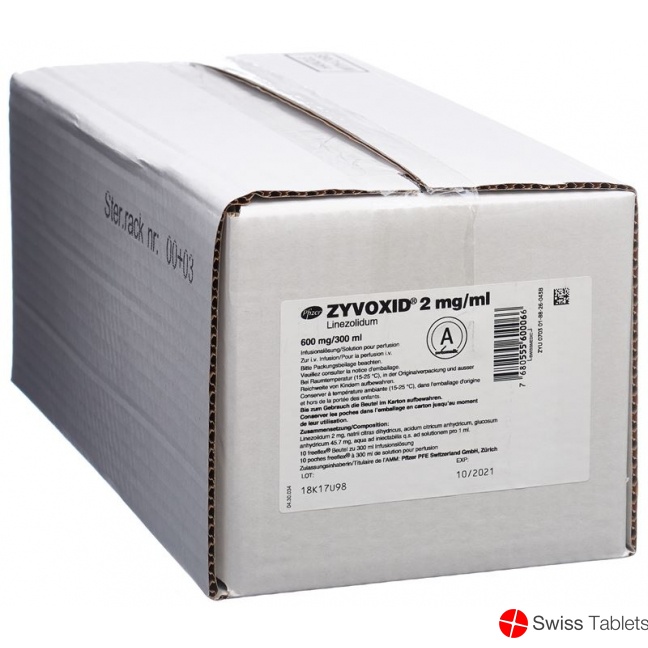
- Країна реєстрації
- Лікарська формаInfusion solution, 2 MG/ML
- Код АТХJ01XX08
- Діюча речовина
- Потрібен рецептТак
- Виробник
- Ця інформація надана лише для ознайомлення і не є медичною порадою. Рішення щодо лікування завжди приймає лікар.
- Альтернативи до TSYVOXIDЛікарська форма: Film-coated tablet, 600 MGДіюча речовина: ЛинезолидВиробник: AUROBINDO PHARMA (ITALIA) S.R.L.Потрібен рецептЛікарська форма: Infusion solution, 2MG/MLДіюча речовина: ЛинезолидВиробник: Eugia Pharma (Malta) LimitedПотрібен рецептЛікарська форма: Infusion solution, 2 MG/MLДіюча речовина: ЛинезолидВиробник: HIKMA FARMACEUTICA (PORTUGAL) S.A.Потрібен рецепт
Аналоги TSYVOXID в інших країнах
Препарати з тією самою діючою речовиною, доступні в інших країнах.
Аналог TSYVOXID у Іспанія
Аналог TSYVOXID у Польща
Аналог TSYVOXID у Україна
Лікарі онлайн щодо TSYVOXID
Застосування, безпека та можливість призначення рецепта — за результатами медичної оцінки.









Отримайте рецепт на TSYVOXID онлайн
Заповніть форму за 2 хвилини
Розкажіть про симптоми, історію хвороби та потрібний препарат.
Оберіть лікаря або ми призначимо
Оберіть спеціаліста або ми підберемо найближчого доступного лікаря.
Лікар розглядає ваш випадок
Зазвичай протягом 30 хвилин. Може ставити уточнювальні запитання в чаті.
Отримайте в будь-якій аптеці
Електронний рецепт надсилається на вашу пошту — дійсний по всій Польщі.
Часті запитання
TSYVOXID потребує рецепта в Італія. Ви можете обговорити з лікарем онлайн, чи підходить цей лікарський засіб для вашої ситуації.
Діюча речовина у TSYVOXID — Линезолид. Це допомагає визначити препарати з тим самим складом, але під іншими торговими назвами.
TSYVOXID виробляється компанією PFIZER ITALIA S.R.L.. Назва бренду та упаковка можуть відрізнятися залежно від дистрибʼютора.
Лікарі, зокрема Сімейні лікарі, Психіатри, Дерматологи, Кардіологи, Ендокринологи, Гастроентерологи, Пульмонологи, Нефрологи, Ревматологи, Гематологи, Інфекціоністи, Алергологи, Геріатри, Педіатри, Онкологи, можуть оцінити доцільність застосування TSYVOXID з урахуванням вашого стану та місцевих правил. Ви можете записатися на онлайн-консультацію, щоб обговорити симптоми та можливі подальші кроки.
Польща має добре розвинену систему охорони здоров'я у великих містах, таких як Варшава, Краків, Вроцлав і Гданськ. Аптеки широко доступні та працюють відповідно до чинного законодавства, забезпечуючи доступ до рецептурних препаратів.
Ви можете придбати TSYVOXID у Варшаві, Кракові, Вроцлаві або Гданську в будь-якій аптеці за наявності дійсного рецепта.
Щоб отримати рецепт, ви можете скористатися Oladoctor:
Інші препарати з тією самою діючою речовиною (Линезолид) включають LINETSOLID AUROBINDO ITALIA, LINETSOLID AUROBINDO, LINETSOLID IKMA. Вони можуть відрізнятися торговою назвою або формою випуску, але містять той самий терапевтичний компонент. Перед зміною або початком прийому нового препарату варто проконсультуватися з лікарем.
