



VOLTAREN 50 mg Enteric-Coated Tablet

Запит на рецепт онлайн
Лікар розгляне ваш випадок і визначить, чи є рецепт медично доцільним.

Поговоріть з лікарем про ці ліки
Обговоріть симптоми та можливі подальші кроки під час короткої онлайн-консультації.



Інструкція із застосування VOLTAREN
Зміст інструкції
- Voltaren 50 mg soluble tablets
- Voltaren 50 mg gastro-resistant tablets
- Voltaren 100 mg prolonged-release tablets, 75 mg prolonged-release tablets
- Voltaren 75 mg/3 ml injectable solution for intramuscular use
- Voltaren 100 mg suppositories
Voltaren 50 mg soluble tablets
diclofenac sodium
Read this leaflet carefully before taking this medicine as it contains important
information for you.
- Keep this leaflet. You may need to read it again.
- If you have any questions, ask your doctor or pharmacist.
- This medicine has been prescribed for you only. Do not pass it on to others, even if they have the same symptoms as you, as it could be harmful.
- If you get any side effects, even those not listed in this leaflet, tell your doctor or pharmacist. See section 4.
Contents of this leaflet:
- 1. What Voltaren is and what it is used for
- 2. What you need to know before you take Voltaren
- 3. How to take Voltaren
- 4. Possible side effects
- 5. How to store Voltaren
- 6. Contents of the pack and other information
1. What is Voltaren and what is it used for?
Voltaren contains the active ingredient diclofenac sodium, which belongs to the class of non-steroidal anti-inflammatory drugs (NSAIDs). Diclofenac sodium is used to reduce pain and inflammation.
Voltaren is used for the short-term treatment of:
- painful conditions accompanied by inflammation, after surgery and trauma
- pain associated with the menstrual cycle
2. What you need to know before taking Voltaren
Do not take Voltaren
- if you are allergic (hypersensitive) to diclofenac or any of the other ingredients of this medicine listed at the end of this leaflet
- if you have ever had an allergic reaction after taking medicines to treat inflammation, pain or to lower fever, such as acetylsalicylic acid (aspirin), diclofenac or ibuprofen. Reactions can include: asthma, runny nose, skin redness, swelling of the face, lips, tongue, throat and/or extremities (signs of angioedema), chest pain. If you think you may be allergic, ask your doctor for advice.
- if you have an ulcer, bleeding or perforation of the stomach or intestine
- if you have ongoing bleeding or if you have a predisposition to bleeding
- if you have had bleeding (hemorrhage) of the stomach or intestine or perforation after previous treatments with NSAIDs
- if you have had recurrent gastric or duodenal hemorrhage/ulcer (two or more distinct episodes of demonstrated ulceration or bleeding)
- if you have had liver problems
- if you have severe liver problems (hepatic insufficiency)
- if you have severe kidney problems (renal insufficiency)
- if you suffer from confirmed heart disease and/or cerebral vasculopathy, e.g. have had a heart attack, stroke, mini-stroke (TIA) or blockage of blood vessels leading to the heart or brain or surgery to eliminate or prevent such blockages
- if you have an abnormality in the production of blood cells
- if you are taking high doses of medicines that increase urine production (diuretics) (see “Other medicines and Voltaren”)
- if you are in the third trimester of pregnancy (see paragraph “Pregnancy, breastfeeding and fertility”)
- if you are breastfeeding with breast milk (see paragraph “Pregnancy, breastfeeding and fertility”)
- if the patient is less than 14 years old.
Warnings and precautions
Talk to your doctor or pharmacist before taking Voltaren.
Before taking Voltaren make sure your doctor is aware of:
- if you smoke
- if you suffer from diabetes
- if you suffer from angina, blood clots, high blood pressure, increased cholesterol or increased triglycerides
- if you have asthma
- if you have seasonal allergies (allergic rhinitis), swelling of the nasal mucosa (e.g. nasal polyps)
- if you have chronic obstructive pulmonary diseases or chronic respiratory tract infections
- if you have liver problems (e.g. hepatic insufficiency, hepatitis)
- if you have hepatic porphyria
- if you have ulcerative colitis or Crohn's disease because these conditions may worsen
- if you have kidney problems (e.g. renal insufficiency)
- if you are using medicines that increase urine production (diuretics) or other medicines that can affect kidney function
- if you have a reduced volume of body fluids (for example before or after major surgery)
- if you are going to undergo or have undergone major surgery
- if you have blood coagulation defects (hemostasis defects)
- if you have or have had high blood pressure, heart or brain problems (e.g. congestive heart failure, confirmed heart disease, peripheral arterial disease and/or strokes or if you have ever had problems with the stomach or intestine (e.g. ulcer) or if you have had ulcers of the stomach or intestine, bleeding or perforation
- if you are taking medicines that can increase the risk of bleeding, ulcerations and perforations such as acetylsalicylic acid (e.g. aspirin) or other NSAIDs, corticosteroids given orally, by injection or rectally (e.g. cortisone), anticoagulants (e.g. warfarin), selective serotonin reuptake inhibitors (antidepressants) (see paragraph “Other medicines and Voltaren”).
- Tell your doctor if you have recently undergone or are about to undergo surgery on the stomach or intestinal tract before taking Voltaren, as Voltaren can sometimes worsen wound healing in the intestine following surgery.
Tell your doctor if you develop during treatment with Voltaren:
- skin reactions even severe, because very rarely severe skin reactions have been reported that can also be fatal (see paragraph 4 “Side effects”)
- fluid retention and swelling from fluid accumulation (edema)
- any sign of an allergic reaction
- signs and symptoms of liver problems or if liver function parameters are not normal (visible from blood tests)
- unusual symptoms in the stomach and intestine especially at the beginning of treatment with Voltaren, as they may be signs of gastrointestinal bleeding or ulceration
- signs and symptoms typical of serious atherothrombotic events such as chest pain, shortness of breath, weakness and difficulty speaking.
In these cases, the doctor will assess whether to continue or discontinue treatment with Voltaren.
Also pay particular attention:
- At any time during treatment with NSAIDs, including diclofenac, as gastrointestinal bleeding, ulcers or perforations can occur, which can also be fatal. The doctor will prescribe you the lowest effective dose of diclofenac to reduce the risk of gastrointestinal toxicity and may also prescribe you medicines (e.g. misoprostol or proton pump inhibitors) to protect the gastrointestinal mucosa.
- If you are elderly, especially if you are frail and underweight, the doctor will prescribe you a low dose of Voltaren
- Side effects can be reduced by using the lowest effective dose for the shortest possible time (see paragraph 3 “How to take Voltaren”)
- Avoid the use of diclofenac during treatment with other NSAIDs administered orally, by injection and rectally, including selective cyclooxygenase-2 inhibitors, as it increases the possibility that you have side effects
- Voltaren can mask the signs and symptoms of an infection.
- Medicines like Voltaren may be associated with a small increased risk of heart attack (myocardial infarction) or stroke. Any risk is more likely with high doses or prolonged treatment.
The doctor will keep you under close control and periodically reassess the need for treatment with Voltaren. In addition, the doctor may have you undergo periodic tests to assess your condition during treatment with Voltaren.
Children and adolescents
Voltaren should not be used in children and adolescents under 14 years of age.
Elderly patients
Elderly patients are more likely to experience adverse reactions, especially bleeding in the stomach or intestine and perforation which are generally more serious and can be fatal.
If you are elderly, especially if you are frail and underweight, the doctor will prescribe you a low dose of Voltaren.
As a precaution, the doctor may check your kidney function and prescribe you medicines that act by protecting the gastrointestinal mucosa such as misoprostol or proton pump inhibitors.
Tell your doctor of any unusual symptoms in the stomach and intestine especially at the beginning of treatment with this medicine.
Other medicines and Voltaren
Tell your doctor or pharmacist if you are taking, have recently taken or might take any other medicines.
The concentration in the blood of the following medicines can increase when they are used together with Voltaren:
- lithium
- digoxin
- methotrexate
- phenytoin. The doctor will have you undergo tests to assess the concentrations in the blood of these medicines.
The effect of some medicines used to lower blood pressure, such as:
- medicines that increase urine production (diuretics)
- beta-blockers
- angiotensin-converting enzyme (ACE) inhibitors may decrease when these are used together with Voltaren.
The doctor will keep you under control and carefully assess the administration of these medicines with Voltaren, especially if you are elderly.
Pay particular attention and tell your doctor if you need to take Voltaren and are already taking one or more of the medicines listed below.
The doctor will keep you under control and have you undergo tests.
- medicines to lower blood pressure or ACE inhibitors and angiotensin II receptor antagonists, if you have kidney problems or diuretic medicines called potassium-sparing diuretics (e.g. spironolactone)
- other anti-inflammatory medicines (non-steroidal anti-inflammatory drugs and corticosteroids)
- medicines to thin the blood (anticoagulants or antiplatelet agents)
- selective serotonin reuptake inhibitors (antidepressants)
- medicines for diabetes
- cyclosporine and tacrolimus (immunosuppressants used to modify the body's immune response)
- trimethoprim (an antibiotic)
- medicines to fight bacterial infections of the quinolone class
- cholestyramine and colestipol, because they can delay or reduce the absorption of diclofenac. The doctor will tell you when to take these medicines, usually diclofenac must be taken 1 hour before or 4-6 hours after taking cholestyramine and colestipol
- rifampicin (an antibiotic used to treat bacterial infections) because it can reduce the absorption of diclofenac other medicines that can increase the concentration in the blood of diclofenac e.g. sulfinpyrazone (a medicine used to treat gout) and voriconazole (a medicine used to treat fungal infections).
Pregnancy, breastfeeding and fertility
If you are pregnant, suspect you are pregnant or are planning a pregnancy, or if you are breastfeeding, ask your doctor or pharmacist for advice before taking this medicine.
Pregnancy
Voltaren should not be used during the first and second trimester of pregnancy unless absolutely necessary.
If you want to become pregnant or are in the first or second trimester of pregnancy and need to use Voltaren, the doctor will prescribe you the lowest dose of diclofenac for the shortest possible time.
Do not take Voltaren in the last 3 months of pregnancy, as it may harm the fetus or cause problems during childbirth. It can cause problems with the kidneys and heart of the fetus. It may affect your and your baby's tendency to bleed and delay or prolong labor more than expected. You should not take Voltaren in the first 6 months of pregnancy unless absolutely necessary and under medical advice. If treatment is needed in this period or during attempts to conceive, the minimum dose should be used for the shortest possible time. From the twentieth week of pregnancy, Voltaren can cause kidney problems in the fetus, if taken for more than a few days, reducing the levels of amniotic fluid surrounding the baby (oligohydramnios) or a narrowing of a blood vessel (ductus arteriosus) in the baby's heart. If treatment is needed for more than a few days, the doctor may recommend additional monitoring.
Breastfeeding
Voltaren should not be used during breastfeeding to avoid adverse effects on the newborn.
Fertility
As with other NSAIDs, Voltaren is not recommended in women who are planning a pregnancy because this medicine can alter a woman's fertility. The doctor will assess the need to discontinue treatment with Voltaren if you have difficulty getting pregnant or need to undergo fertility tests.
Driving and using machines
Voltaren can cause visual disturbances, dizziness, vertigo, drowsiness or other disturbances that can affect your ability to drive vehicles and use machines.
If you experience these symptoms, avoid driving a vehicle or using machines.
Voltaren contains hydrogenated castor oil
The soluble tablets contain hydrogenated castor oil, which can cause stomach upset and diarrhea.
This medicine contains less than 1 mmol (23 mg) of sodium per soluble tablet, i.e. essentially ‘sodium-free’.
3. How to take Voltaren
Take this medicine following exactly the instructions of your doctor or pharmacist. If you have
any doubts, consult your doctor or pharmacist.
- Dissolve the Voltaren soluble tablets in a glass of water and mix well.
- Drink the solution only after the tablet has completely dissolved.
- After drinking the solution, a small amount of medicine may remain at the bottom of the glass, add a little more water and drink it.
The soluble tablets must not be crushed, divided or chewed.
Use in adults
The recommended initial dose is 2-3 tablets per day.
In mild cases, the recommended dose is 2 tablets per day.
The dose should be divided into 2-3 administrations throughout the day.
Your doctor will tell you how much Voltaren to take and for how long.
Treatment of pain associated with the menstrual cycle (dysmenorrhea)
The recommended dose is 1-3 tablets per day, but it must be adjusted to each patient.
Your doctor will initially prescribe 1-2 tablets per day and if necessary will tell you to increase the dose
during subsequent menstrual cycles, up to a maximum of 3 tablets per day.
Start treatment when the first symptoms appear and continue for a few days according to your
symptoms.
Use in children and adolescents
Voltaren should not be used in children and adolescents under 14 years of age.
Use in the elderly
In the elderly, it may be necessary to reduce the dose of diclofenac. Your doctor will tell you how much Voltaren you should
take.
If you take more Voltarenthan you should
In case of accidental ingestion of an excessive dose of Voltaren, immediately inform your doctor or
go to the nearest hospital.
If you take an excessive dose of Voltaren you may experience vomiting, bleeding from the stomach and
intestines, diarrhea, dizziness, ringing or buzzing in the ears, or convulsions. In more severe cases, you may
also experience serious damage to the kidneys and liver.
The doctor will treat acute poisoning from non-steroidal anti-inflammatory drugs, including diclofenac, based on
the symptoms you present.
If you forget to take Voltaren
Do not take a double dose to make up for a missed dose.
If you have any doubts about the use of this medicine, consult your doctor or pharmacist.
4. Possible side effects
Like all medicines, this medicine can cause side effects, although not everybody gets them.
Some side effects can be serious.
Stop taking Voltaren and tell your doctor immediately if you notice:
- Mild abdominal cramps and tenderness that occur shortly after starting treatment with Voltaren, followed by rectal bleeding or bloody diarrhea usually within 24 hours of the abdominal pain appearing (frequency not known, cannot be estimated from the available data).
Common side effects (may affect up to 1 in 10 people)
- headache, dizziness
- vertigo
- nausea, vomiting
- diarrhea, passing gas (flatulence)
- problems with digestion (dyspepsia), abdominal pain
- loss of appetite
- abnormal values in blood tests (increased levels of certain liver enzymes: transaminases)
- skin rash
Uncommon side effects (may affect up to 1 in 100 people)
- feeling your heartbeat (palpitations), chest pain, heart problems (heart failure), heart attack
Rare side effects (may affect up to 1 in 1,000 people)
- allergic reactions, severe allergic reactions with rapid onset (anaphylaxis) including low blood pressure and collapse (shock)
- drowsiness
- asthma, difficulty breathing (dyspnea)
- inflammation of the stomach (gastritis), bleeding from the stomach or intestines, vomiting blood, stomach or intestinal ulcer with or without bleeding and perforation
- blood in the stools
- inflammation of the liver (hepatitis), yellowing of the skin, mucous membranes and eyes (jaundice), liver disorders
- urticaria
- edema (swelling from fluid retention). If you experience any of these effects, tell your doctor immediately.
Very rare side effects (may affect up to 1 in 10,000 people)
- abnormal values in blood tests or low number of platelets (thrombocytopenia) or reduced number of white blood cells (leukopenia) or reduced number of red blood cells (anemia, including hemolytic and aplastic anemia) or low number of granulocytes (agranulocytosis)
- abnormal values in urine tests
o presence of blood in the urine (hematuria)
o presence of protein in the urine (proteinuria)
- allergic reaction with rapid swelling of the skin and mucous membranes (angioedema) including swelling of the face
- disorientation, depression, insomnia, nightmares, irritability, severe mental changes (psychotic reactions)
- memory impairment, convulsions, anxiety, tremors
- tingling (paresthesia)
- altered taste
- inflammation of the membranes covering the brain (aseptic meningitis), stroke
- vision disturbances, blurred vision, double vision
- ringing or buzzing in the ears, worsening of hearing
- high blood pressure, inflammation of blood vessels (vasculitis)
- pneumonia
- inflammation of the colon (colitis) including colitis accompanied by bleeding and worsening of ulcerative colitis or Crohn's disease
- constipation
- inflammation of the mouth lining (stomatitis) including stomatitis with ulcers, inflammation of the tongue (glossitis)
- problems with the esophagus, narrowing of the intestine
- inflammation of the pancreas (pancreatitis)
- very severe and sudden form of hepatitis (fulminant hepatitis), liver necrosis, impaired liver function (liver failure)
- skin reactions ranging from mild (blistering eruptions, eczema, erythema), to potentially fatal (multiforme erythema, Stevens-Johnson syndrome, toxic epidermal necrolysis (Lyell's syndrome), exfoliative dermatitis)
- appearance of reddish-brown spots on the skin (purpura), also as an allergic reaction
- itching
- hair loss
- skin sensitivity to sunlight
- kidney problems such as acute renal failure, nephrotic syndrome, interstitial nephritis, renal papillary necrosis.
Side effects with unknown frequency
- chest pain, which may be a sign of a potentially serious allergic reaction called Kounis syndrome
Medicines like Voltaren may be associated with a modest increase in the risk of heart attack (myocardial infarction) or stroke (see above “Warnings and precautions”).
Reporting of side effects
If you get any side effects, even those not listed in this leaflet, tell your
doctor or pharmacist. You can also report side effects directly through the national
reporting system at https://www.aifa.gov.it/content/segnalazioni-reazioni-avverse
By reporting side effects you can help provide more information on the safety of
this medicine.
5. How to store Voltaren
Store at a temperature below 25°C.
Keep the blister in the outer packaging to protect the medicine from moisture.
Keep this medicine out of sight and reach of children.
Do not use this medicine after the expiry date which is reported on the packaging after Scad.. The date
of expiry refers to the last day of that month.
Do not dispose of any medicine in wastewater or household waste. Ask your pharmacist how
to eliminate medicines that you no longer use. This will help protect the environment.
6. Contents of the pack and other information
What Voltaren contains
- The active ingredient is diclofenac sodium. Each soluble tablet contains 46.5 mg of diclofenac, which corresponds to 50 mg of diclofenac sodium.
- The other ingredients are: microcrystalline cellulose, sodium carboxymethylamide A, sodium carmellose, anhydrous colloidal silica, hydrogenated castor oil, talc.
Description of the appearance of Voltaren and contents of the pack
Each pack contains 10 soluble tablets for oral use.
Marketing Authorisation Holder
Novartis Farma S.p.A.
Viale Luigi Sturzo 43
20154 Milano MI
Italy
Manufacturer
Novartis Farma S.p.A
Via Provinciale Schito 131
80058 Torre Annunziata NA
Italy
Novartis Farma S.p.A.
Viale Luigi Sturzo 43
20154 Milano MI
Italy
Voltaren 50 mg gastro-resistant tablets
diclofenac sodium
Read this leaflet carefully before taking this medicine as it contains important information for you.
- Keep this leaflet. You may need to read it again.
- If you have any questions, ask your doctor or pharmacist.
- This medicine has been prescribed for you only. Do not pass it on to others, even if their symptoms are the same as yours, as it could be harmful.
- If you get any side effects, even those not listed in this leaflet, tell your doctor or pharmacist. See section 4.
Contents of this leaflet:
- 1. What Voltaren is and what it is used for
- 2. What you need to know before you take Voltaren
- 3. How to take Voltaren
- 4. Possible side effects
- 5. How to store Voltaren
- 6. Contents of the pack and other information
1. What Voltaren is and what it is used for
Voltaren contains the active ingredient diclofenac sodium, which belongs to the class of non-steroidal anti-inflammatory drugs (NSAIDs). Diclofenac sodium is used to reduce pain and inflammation.
Voltaren is used to treat:
- joint diseases such as rheumatoid arthritis, ankylosing spondylitis and osteoarthritis
- diseases characterized by pain and inflammation affecting the tissues surrounding the joints such as tendons and ligaments (extra-articular rheumatism)
- pain due to non-rheumatic inflammation or due to trauma
- pain associated with the menstrual cycle
2. What you need to know before taking Voltaren
Do not take Voltaren
- if you are allergic (hypersensitive) to diclofenac or to any of the other ingredients of this medicine (listed in section 6)
- if you have ever had an allergic reaction after taking medicines to treat inflammation, pain or to lower fever, such as acetylsalicylic acid (aspirin), diclofenac or ibuprofen. Reactions can include: asthma, runny nose, skin redness, swelling of the face, lips,
tongue, throat and/or extremities (signs of angioedema), chest pain. If you think you may
be allergic, ask your doctor for advice
- if you have an ulcer, bleeding or perforation of the stomach or intestine
- if you have ongoing bleeding or if you have a predisposition to bleeding
- if you have had bleeding (hemorrhage) of the stomach or intestine or perforation after previous treatments with NSAIDs
- if you have had recurrent gastric or duodenal hemorrhage/ulcer (two or more distinct episodes of demonstrated ulceration or bleeding)
- if you have had liver problems
- if you have severe liver problems (hepatic insufficiency)
- if you have severe kidney problems (renal insufficiency)
- if you suffer from confirmed heart disease and/or cerebrovascular disease, e.g. have had a heart attack, stroke, mini-stroke (TIA) or blockage of blood vessels leading to the heart or brain or surgery to remove or prevent such blockages
- if you have an abnormality in the production of blood cells
- if you are taking high doses of medicines that increase urine production (diuretics) (see “Other medicines and Voltaren”)
- if you are in the third trimester of pregnancy (see section “Pregnancy, breastfeeding and fertility”)
- if you are breastfeeding with breast milk (see section “Pregnancy, breastfeeding and fertility”)
- if the patient is less than 14 years old.
Warnings and precautions
Talk to your doctor or pharmacist before taking Voltaren.
Before taking Voltaren make sure your doctor is aware:
- if you smoke
- if you suffer from diabetes
- if you suffer from angina, blood clots, high blood pressure, increased cholesterol or increased triglycerides
- if you have asthma
- if you have seasonal allergic rhinitis (allergic rhinitis), nasal mucosal swelling (e.g. nasal polyps)
- if you have chronic obstructive pulmonary diseases or chronic respiratory tract infections
- if you have liver problems (e.g. hepatic insufficiency, hepatitis)
- if you have hepatic porphyria
- if you have ulcerative colitis or Crohn's disease because these conditions may worsen
- if you have kidney problems (e.g. renal insufficiency)
- if you are using medicines that increase urine production (diuretics) or other medicines that can affect kidney function
- if you have a reduced volume of body fluids (for example before or after major surgery)
- if you are about to undergo or have undergone major surgery
- if you have blood coagulation defects (hemostasis defects)
- if you have or have had high blood pressure, heart or brain problems (e.g. congestive heart failure, confirmed heart disease, peripheral arterial disease and/or stroke
- if you have or have ever had problems with the stomach or intestines (e.g. ulcer) or if you have had ulcerations of the stomach or intestine, bleeding or perforation
- if you are taking medicines that can increase the risk of bleeding, ulcerations and perforations such as acetylsalicylic acid (e.g. aspirin) or other NSAIDs, corticosteroids given orally, by injection or rectally (e.g. cortisone), anticoagulants (e.g. warfarin), selective serotonin reuptake inhibitors (antidepressants) (see section “Other medicines and Voltaren”).
- Tell your doctor if you have recently undergone or are about to undergo stomach or intestinal surgery before taking Voltaren, as Voltaren may sometimes worsen wound healing in the intestine following surgery.
Tell your doctor if you develop during treatment with Voltaren:
- skin reactions even severe, because very rarely severe skin reactions have been reported that can also be fatal (see section 4 “Side effects”)
- fluid retention and swelling from fluid accumulation (edema)
- any sign of an allergic reaction
- signs and symptoms of liver problems or if liver function parameters are not normal (visible from blood tests)
- unusual symptoms in the stomach and intestines, especially at the beginning of treatment with Voltaren, as these may be signs of gastrointestinal bleeding or ulceration
- signs and symptoms typical of serious atherothrombotic events such as chest pain, shortness of breath, weakness and difficulty speaking.
In these cases, the doctor will evaluate whether to continue or stop treatment with Voltaren.
Also pay particular attention:
- At any time during treatment with NSAIDs, including diclofenac, as gastrointestinal bleeding, ulcerations or perforations can occur, which can also be fatal. The doctor will prescribe you the lowest effective dose of diclofenac to reduce the risk of gastrointestinal toxicity and may also prescribe you medicines (e.g. misoprostol or proton pump inhibitors) to protect the gastrointestinal mucosa.
- If you are elderly, especially if you are frail and underweight, the doctor will prescribe you a low dose of Voltaren
- Side effects can be reduced by using the lowest effective dose for the shortest possible time (see section 3 “How to take Voltaren”)
- Avoid the use of diclofenac during treatment with other NSAIDs administered orally, by injection and rectally, including selective cyclooxygenase-2 inhibitors, as it increases the likelihood that you will have side effects
- Voltaren can mask the signs and symptoms of an infection.
- Medicines like Voltaren may be associated with a small increased risk of heart attack (myocardial infarction) or stroke. Any risk is more likely with high doses or prolonged treatment.
The doctor will keep you under close control and periodically re-evaluate the need for treatment with
Voltaren. In addition, the doctor may have you undergo periodic tests to assess your condition during
treatment with Voltaren.
Children and adolescents
Voltaren should not be used in children and adolescents under 14 years of age.
Elderly patients
Elderly patients are more likely to experience adverse reactions, especially
bleeding in the stomach or intestines and perforation which are generally more serious and can be
fatal.
If you are elderly, especially if you are frail and underweight, the doctor will prescribe you a low dose of
Voltaren.
As a precaution, the doctor may have you undergo a check of kidney function and prescribe you
medicines that act by protecting the gastrointestinal mucosa such as misoprostol or
proton pump inhibitors.
Tell the doctor of any unusual symptoms in the stomach and intestines, especially at the beginning of
treatment with this medicine.
Other medicines and Voltaren
Tell your doctor or pharmacist if you are taking, have recently taken or might take
any other medicines.
The concentration in the blood of the following medicines may increase when they are used together with
Voltaren:
- lithium
- digoxin
- methotrexate
- phenytoin. The doctor will have you undergo checks to assess the concentrations of these medicines in the blood.
The effect of some medicines used to lower blood pressure, such as:
- medicines that increase urine production (diuretics)
- beta-blockers
- angiotensin-converting enzyme (ACE) inhibitors may decrease when these are used together with Voltaren.
The doctor will keep you under control and carefully evaluate the administration of these medicines with
Voltaren, especially if you are elderly.
Pay particular attention and tell your doctor if you need to take Voltaren and are already taking one or
more of the medicines listed below.
The doctor will keep you under control and have you undergo tests.
- medicines to lower blood pressure
- ACE inhibitors and angiotensin II receptor antagonists, if you have kidney problems
- diuretic medicines called potassium-sparing (e.g. spironolactone)
- other anti-inflammatory medicines (non-steroidal anti-inflammatory drugs and corticosteroids)
- medicines to thin the blood (anticoagulants or antiplatelet agents)
- selective serotonin reuptake inhibitors (antidepressants)
- medicines for diabetes
- cyclosporine and tacrolimus (immunosuppressants used to modify the body's immune response)
- trimethoprim (an antibiotic)
- medicines to fight bacterial infections of the quinolone class
- cholestyramine and colestipol, because they can delay or reduce the absorption of diclofenac. The doctor will tell you when to take these medicines, usually diclofenac must be taken 1 hour before or 4-6 hours after taking cholestyramine and colestipol
- rifampicin (an antibiotic used to treat bacterial infections) because it can reduce the absorption of diclofenac
- other medicines that can increase the concentration of diclofenac in the blood e.g. sulfinpyrazone (a medicine used for the treatment of gout) and voriconazole (a medicine used for the treatment of fungal infections).
Pregnancy, breastfeeding and fertility
If you are pregnant, suspect you are pregnant or are planning a pregnancy, or if you are breastfeeding
ask your doctor or pharmacist for advice before taking this medicine.
Pregnancy
Voltaren should not be used during the first and second trimester of pregnancy unless in cases of
real need. If you want to become pregnant or are in the first or second trimester of pregnancy and need
to use Voltaren, the doctor will prescribe you the lowest dose of diclofenac for the shortest possible time.
Do not take Voltaren in the last 3 months of pregnancy, as it may harm the fetus or cause
problems during childbirth. It can cause problems with the kidneys and heart of the fetus. It may affect
your and the baby's tendency to bleed and delay or prolong labor more than expected. You should not take Voltaren in the first 6 months of pregnancy unless absolutely necessary and under
medical advice. Where treatment is necessary in this period or during attempts to
conceive, the minimum dose should be used for the shortest possible time. From the twentieth
week of pregnancy, Voltaren can cause kidney problems in the fetus, if taken for more than a few
days, thus reducing the levels of amniotic fluid surrounding the baby (oligohydramnios) or a
narrowing of a blood vessel (ductus arteriosus) in the baby's heart. Where treatment is necessary for more than a few
days, the doctor may advise additional monitoring.
Breastfeeding
Voltaren should not be used during breastfeeding to avoid adverse effects on the newborn.
Fertility
As with other NSAIDs, Voltaren is not recommended in women who are planning a pregnancy
because this medicine can alter a woman's fertility. The doctor will assess the need to
discontinue treatment with Voltaren if you have difficulty getting pregnant or need to undergo fertility tests.
Driving and using machines
Voltaren can cause visual disturbances, dizziness, vertigo, drowsiness or other disturbances that can
affect the ability to drive vehicles and use machinery.
If you experience these symptoms, avoid driving a vehicle or using machinery.
Voltarencontains lactose and hydrogenated polyoxyl castor oil
The gastro-resistant tablets contain lactose, if your doctor has diagnosed you with intolerance to
some sugars, contact him before taking this medicine.
The gastro-resistant tablets contain hydrogenated polyoxyl castor oil, which can cause
stomach upset and diarrhea.
3. How to take Voltaren
Take this medicine following exactly the instructions of your doctor or pharmacist. If you have
doubts, consult your doctor or pharmacist.
Voltaren tablets must be taken whole with some liquid, they must not be
crushed, divided or chewed.
Use in adults
Initial therapy: the recommended dose is 100-150 mg per day.
In mild cases and for prolonged therapy, the recommended dose is 75-100 mg per day.
The dose should be divided into 2-3 administrations throughout the day.
Your doctor will tell you how much Voltaren to take and for how long.
Treatment of pain associated with the menstrual cycle (dysmenorrhea)
The recommended dose is 50-150 mg per day, but it must be adjusted to each patient.
Your doctor will initially prescribe 50-100 mg per day and if necessary will tell you to increase the dose
during subsequent menstrual cycles, up to a maximum of 150 mg per day.
Start treatment when the first symptoms appear and continue for a few days according to your
symptoms.
Treatment of night-time pain and morning stiffness
Voltaren is also available in suppositories. In addition to Voltaren tablets taken during the day, you can
use a suppository before going to bed.
Do not exceed the maximum dose of 150 mg per day.
Use in children and adolescents
Voltaren should not be used in children and adolescents under 14 years of age.
Use in the elderly
In the elderly, it may be necessary to reduce the dose of diclofenac. Your doctor will tell you how much Voltaren you should
take.
If you take more Voltarenthan you should
In case of accidental ingestion of an excessive dose of Voltaren, immediately inform your doctor or
go to the nearest hospital.
If you take an excessive dose of Voltaren, you may experience vomiting, bleeding from the stomach and
intestines, diarrhea, dizziness, ringing or buzzing in the ears, or convulsions. In more severe cases, you may
also experience serious damage to the kidneys and liver.
The doctor will treat acute poisoning from non-steroidal anti-inflammatory drugs, including diclofenac, based on
the symptoms you present.
If you forget to take Voltaren
Do not take a double dose to make up for a missed dose.
If you have any doubts about the use of this medicine, consult your doctor or pharmacist.
4. Possible side effects
Like all medicines, this medicine can cause side effects, although not everybody gets them.
Some side effects may be serious.
Stop taking Voltaren and tell your doctor immediately if you notice:
- Mild abdominal cramps and tenderness that occur shortly after starting treatment with Voltaren, followed by rectal bleeding or bloody diarrhea usually within 24 hours of the abdominal pain appearing (frequency not known, cannot be estimated from the available data).
Common side effects (may affect up to 1 in 10 people)
- headache, dizziness
- vertigo
- nausea, vomiting
- diarrhoea, passing gas (flatulence)
- problems with digestion (dyspepsia), abdominal pain
- loss of appetite
- abnormal values in blood tests (increase of some liver enzymes: transaminases)
- skin rash
Uncommon side effects (may affect up to 1 in 100 people)
- feeling your heartbeat (palpitations), chest pain, heart problems (heart failure), heart attack
Rare side effects (may affect up to 1 in 1,000 people)
- allergic reactions, severe allergic reactions with rapid onset (anaphylaxis) including low blood pressure and collapse (shock)
- drowsiness
- asthma, difficulty breathing (dyspnoea)
- inflammation of the stomach (gastritis), bleeding from the stomach or intestines, vomiting blood, stomach or intestinal ulcer with or without bleeding and perforation
- blood in the stools
- inflammation of the liver (hepatitis), yellowing of the skin, mucous membranes and the whites of the eyes (jaundice), liver disorders
- urticaria
- oedema (swelling due to fluid retention). If you experience any of these effects, tell your doctor immediately.
Very rare side effects (may affect up to 1 in 10,000 people)
- abnormal values in blood tests or low number of platelets (thrombocytopenia) or reduced number of white blood cells (leucopenia) or reduced number of red blood cells (anaemia, including haemolytic and aplastic anaemia) or low number of granulocytes (agranulocytosis)
- abnormal values in urine tests or presence of blood in urine (haematuria) or presence of protein in urine (proteinuria)
- allergic reaction with rapid swelling of the skin and mucous membranes (angioedema) including swelling of the face
- disorientation, depression, insomnia, nightmares, irritability, severe mental changes (psychotic reactions)
- impaired memory, convulsions, anxiety, tremors
- tingling (paresthesia)
- altered taste
- inflammation of the membranes surrounding the brain (aseptic meningitis), stroke
- vision disorders, blurred vision, double vision
- ringing or buzzing in the ears, worsening of hearing
- high blood pressure, inflammation of blood vessels (vasculitis)
- pneumonia
- inflammation of the colon (colitis) including colitis accompanied by bleeding and worsening of ulcerative colitis or Crohn’s disease
- constipation
- inflammation of the mouth’s mucous membrane (stomatitis) including stomatitis with ulcers, inflammation of the tongue (glossitis)
- problems with the oesophagus, narrowing of the intestine
- inflammation of the pancreas (pancreatitis)
- very severe and sudden form of hepatitis (fulminant hepatitis), liver necrosis, impaired liver function (liver failure)
- skin reactions ranging from mild (blistering eruptions, eczema, erythema), to potentially fatal (erythema multiforme, Stevens-Johnson syndrome, toxic epidermal necrolysis (Lyell’s syndrome), exfoliative dermatitis)
- appearance of reddish-brown spots on the skin (purpura), also as an allergic reaction
- itching
- hair loss
- skin sensitivity to sunlight
- kidney problems such as acute renal failure, nephrotic syndrome, interstitial nephritis, renal papillary necrosis.
Side effects with unknown frequency
- chest pain, which may be a sign of a potentially serious allergic reaction called Kounis syndrome
Medicines like Voltaren may be associated with a modest increase in the risk of heart attack (myocardial infarction) or stroke (see above “Warnings and precautions”).
Reporting of side effects
If you get any side effects, talk to your doctor or pharmacist. This includes any possible side effects not listed in this leaflet. You can also report side effects directly through the national reporting system at https://www.aifa.gov.it/content/segnalazioni-reazioni-avverse. By reporting side effects you can help provide more information on the safety of this medicine.
5. How to store Voltaren
Store at a temperature below 30°C.
Keep this medicine out of sight and reach of children.
Do not use this medicine after the expiry date which is reported on the packaging after Scad.. The expiry
date refers to the last day of that month.
Do not dispose of any medicine in wastewater or household waste. Ask your pharmacist how to
dispose of medicines you no longer use. This will help protect the environment.
6. Contents of the pack and other information
What Voltaren contains
- The active ingredient is diclofenac sodium. Each tablet contains 50 mg of diclofenac sodium.
- The other ingredients are: corn starch, magnesium stearate, anhydrous colloidal silica, lactosemonohydrate, microcrystalline cellulose, povidone, sodium carboxymethylamide A, talc, hypromellosa, hydrogenated polyoxyl castor oil, red iron oxide, yellow iron oxide, titanium dioxide, polyacrylate dispersion 30 percent copolymer, macrogols, silicone anti-foaming emulsion.
Description of the appearance of Voltarenand contents of the pack
Each pack contains 30 gastro-resistant tablets for oral use.
Marketing Authorisation Holder
Novartis Farma S.p.A.
Viale Luigi Sturzo 43
20154 Milano MI
Italy
Manufacturer
Novartis Farma S.p.A
Via Provinciale Schito 131
80058 Torre Annunziata - NA
Italy
Novartis Farma S.p.A.
Viale Luigi Sturzo 43
20154 Milano MI
Italy
Novartis Pharma GmbH
Roonstrasse 25
90429 Nuremberg
Germany
Novartis Farmacéutica S.A.
Gran Via de les Corts Catalanes, 764
08013 Barcelona
Spain

Не впевнені, чи підходить вам цей лікарський засіб?
Обговоріть симптоми та можливі варіанти лікування з лікарем онлайн.
Voltaren 100 mg prolonged-release tablets, 75 mg prolonged-release tablets
diclofenac sodium
Read this leaflet carefully before you start taking this medicine as it contains important
information for you.
- Keep this leaflet. You may need to read it again.
- If you have any questions, ask your doctor or pharmacist.
- This medicine has been prescribed for you only. Do not pass it on to others, even if their symptoms are the same as yours, as it could be harmful.
- If you get any side effects, even those not listed in this leaflet, tell your doctor or pharmacist. See section 4.
Contents of this leaflet:
- 1. What Voltaren is and what it is used for
- 2. What you need to know before you take Voltaren
- 3. How to take Voltaren
- 4. Possible side effects
- 5. How to store Voltaren
- 6. Contents of the pack and other information
1. What Voltaren is and what it is used for
Voltaren contains the active ingredient diclofenac sodium, which belongs to the class of non-steroidal anti-inflammatory drugs (NSAIDs). Diclofenac sodium is used to reduce pain and inflammation.
Voltaren is used to treat:
- joint diseases such as rheumatoid arthritis, ankylosing spondylitis and osteoarthritis
- diseases characterized by pain and inflammation affecting the tissues surrounding the joints such as tendons and ligaments (extra-articular rheumatism)
- pain due to non-rheumatic inflammation or due to trauma
- pain associated with the menstrual cycle
2. Cosa deve sapere prima di prendere Voltaren
Non prenda Voltaren
- se è allergico (ipersensibile) al diclofenac o ad uno qualsiasi degli altri componenti di questo medicinale elencati alla fine di questo foglio
- se ha mai avuto una reazione allergica dopo aver assunto medicinali per trattare infiammazione, dolore o abbassare la febbre, come acido acetilsalicilico (aspirina), diclofenac o ibuprofene. Le reazioni possono includere: asma, naso che cola, rossore cutaneo, gonfiore del viso, delle labbra,
della lingua, della gola e/o delle estremità (signs of angioedema), dolore toracico. Se ritiene di poter
essere allergico, chieda consiglio al medico.
- se ha un’ulcera, un sanguinamento o perforazione dello stomaco o dell’intestino
- se ha dei sanguinamenti in corso o se ha una predisposizione ai sanguinamenti
- se ha avuto sanguinamenti (emorragia) dello stomaco o dell’intestino o perforazione dopo precedenti trattamenti con FANS
- se ha avuto emorragia/ulcera allo stomaco o del duodeno ricorrente (due o più episodi distinti di dimostrata ulcerazione o sanguinamento)
- se ha avuto problemi al fegato
- se ha gravi problemi al fegato (insufficienza epatica)
- se ha gravi problemi ai reni (insufficienza renale)
- se soffre di una cardiopatia conclamata e/o di una vasculopatia cerebrale, ad es. ha avuto un attacco cardiaco, un ictus, un mini-ictus (TIA) o un’ostruzione dei vasi sanguigni diretti al cuore o al cervello o un intervento chirurgico per eliminare o evitare tali ostruzioni
- se ha un’alterazione nella produzione delle cellule del sangue
- se sta prendendo alte dosi di medicinali che aumentano la produzione di urina (diuretici) (vedere “Altri medicinali e Voltaren”)
- se è nel terzo trimestre di gravidanza (vedere paragrafo “Gravidanza, allattamento e fertilità”)
- se sta allattando con latte materno (vedere paragrafo “Gravidanza, allattamento e fertilità”)
- se il paziente ha meno di 14 anni.
Avvertenze e precauzioni
Si rivolga al medico o al farmacista prima di prendere Voltaren.
Prima di assumere Voltaren si assicuri che il suo medico sia al corrente:
- se fuma
- se soffre di diabete
- se soffre di angina, coaguli ematici, pressione del sangue elevata, colesterolo aumentato o trigliceridi aumentati
- se ha l’asma
- se ha raffreddore stagionale su base allergica (rinite allergica), rigonfiamento della mucosa nasale (per es. polipi nasali)
- se ha malattie polmonari ostruttive croniche o infezioni croniche del tratto respiratorio
- se ha problemi al fegato (ad es. insufficienza epatica, epatite)
- se ha la porfiria epatica
- se ha la colite ulcerosa o il morbo di Crohn perché queste condizioni potrebbero peggiorare
- se ha problemi ai reni (ad es. insufficienza renale)
- se sta usando medicinali che aumentano la produzione di urina (diuretici) o altri medicinali che possono influire sul funzionamento dei reni
- se ha un ridotto volume dei liquidi corporei (ad esempio prima o dopo interventi chirurgici maggiori)
- se deve sottoporsi o si è sottoposto a interventi chirurgici importanti
- se ha difetti di coagulazione del sangue (difetti di emostasi)
- se ha o ha avuto pressione del sangue elevata, problemi al cuore o al cervello (ad es. insufficienza cardiaca congestizia, cardiopatia accertata, malattia arteriosa periferica e/o ictus) o se ha o ha mai avuto problemi allo stomaco o all’intestino (ad esempio ulcera) o se ha avuto ulcerazioni dello stomaco o dell’intestino, sanguinamento o perforazione
- se sta assumendo medicinali che possono aumentare il rischio di sanguinamenti, ulcerazioni e perforazioni come acido acetilsalicilico (ad esempio aspirina) o altri FANS, corticosteroidi somministrati per bocca, per iniezione o per via rettale (ad esempio cortisone), anticoagulanti (ad esempio warfarin), inibitori selettivi della ricaptazione della serotonina (antidepressivi) (vedere paragrafo “Altri medicinali e Voltaren”).
- Informi il medico se di recente è stato sottoposto o è in procinto di sottoporsi a un intervento chirurgico allo stomaco o al tratto intestinale prima di assumere Voltaren, in quanto Voltaren può talvolta peggiorare la guarigione della ferita nell’intestino a seguito di un intervento chirurgico.
Informi il medico se durante il trattamento con Voltaren sviluppa:
- reazioni sulla pelle anche gravi, perché sono state riportate molto raramente gravi reazioni della pelle che possono essere anche mortali (vedere paragrafo 4 “Effetti indesiderati”)
- ritenzione di liquidi e gonfiore da accumulo di liquidi (edema)
- qualsiasi segno di reazione allergica
- segni e sintomi di problemi al fegato o se i parametri della funzione del fegato non sono nella norma (visibile dagli esami del sangue)
- sintomi insoliti allo stomaco e all’intestino soprattutto all’inizio del trattamento con Voltaren, poiché potrebbero essere segni di emorragia o ulcerazione gastrointestinale
- segni e sintomi tipici di eventi aterotrombotici gravi come dolore al torace, fiato corto, debolezza e difficoltà a parlare.
In questi casi, il medico valuterà se continuare o interrompere il trattamento con Voltaren.
Inoltre faccia particolare attenzione:
- In qualsiasi momento durante il trattamento con FANS, tra cui il diclofenac, poiché si possono verificare sanguinamenti del tratto gastrointestinale, ulcerazioni o perforazioni, che possono anche causare la morte. Il medico le prescriverà la dose efficace più bassa di diclofenac per ridurre il rischio di tossicità gastrointestinale e potrebbe anche prescriverle dei medicinali (ad esempio misoprostolo o inibitori di pompa protonica) per proteggere la mucosa gastrointestinale.
- Se è anziano, in particolare se è debole e sottopeso, il medico le prescriverà un basso dosaggio di Voltaren
- Gli effetti indesiderati possono essere ridotti usando la dose efficace più bassa per il minor tempo possibile (vedere paragrafo 3 “Come prendere Voltaren”)
- Eviti l’uso di diclofenac durante il trattamento con altri FANS somministrati per bocca, per iniezione e per via rettale, inclusi gli inibitori selettivi della ciclo ossigenasi-2, perché esso aumenta la possibilità che lei abbia effetti indesiderati
- Voltaren può nascondere i segni e i sintomi di un’infezione.
- I medicinali come Voltaren possono essere associati con un piccolo aumento del rischio di attacco cardiaco (infarto del miocardio) o ictus. Qualsiasi rischio è più probabile con dosi elevate o trattamento prolungato.
Il medico la terrà sotto stretto controllo e rivaluterà periodicamente la necessità del trattamento con
Voltaren. Inoltre, il medico le potrà far fare degli esami periodici per valutare la sua condizione durante
il trattamento con Voltaren.
Bambini e adolescenti
Voltaren non deve essere usato nei bambini e negli adolescenti sotto i 14 anni di età.
Pazienti anziani
I pazienti anziani hanno una maggiore probabilità di manifestare delle reazioni avverse, soprattutto
sanguinamento allo stomaco o all’intestino e perforazione che in genere sono più gravi e possono essere
mortali.
Se è anziano, in particolare se è debole e sottopeso, il medico le prescriverà un basso dosaggio di
Voltaren.
Per precauzione, il medico potrebbe farle fare un controllo della funzione dei reni e prescriverle dei
medicinali che agiscono proteggendo la mucosa gastrointestinale come ad esempio misoprostolo o
inibitori di pompa protonica.
Informi il medico di qualsiasi sintomo insolito allo stomaco e all’intestino soprattutto all’inizio del
trattamento con questo medicinale.
Altri medicinali e Voltaren
Informi il medico o il farmacista se sta assumendo, ha recentemente assunto o potrebbe assumere
qualsiasi altro medicinale.
La concentrazione nel sangue dei seguenti medicinali può aumentare quando sono usati insieme a
Voltaren:
- litio
- digossina
- metotrexate
- fenitoina. Il medico le farà fare dei controlli per valutare le concentrazioni nel sangue di questi medicinali.
L’effetto di alcuni medicinali utilizzati per abbassare la pressione del sangue, come ad esempio:
- medicinali che aumentano la produzione di urina (diuretici)
- betabloccanti
- inibitori dell’enzima di conversione dell’angiotensina (ACE-inibitori) può diminuire quando questi sono usati insieme a Voltaren.
Il medico la terrà sotto controllo e valuterà con attenzione la somministrazione di questi medicinali con
Voltaren, in particolare se lei è anziano.
Faccia particolare attenzione e informi il medico se deve prendere Voltaren e sta già prendendo uno o
più dei medicinali elencati di seguito.
Il medico la terrà sotto controllo e le farà fare degli esami.
- medicinali per abbassare la pressione o ACE-inibitori e antagonisti dell’angiotensina II, se ha problemi ai reni o medicinali diuretici detti risparmiatori di potassio (es. spironolattone)
- altri medicinali antiinfiammatori (antiinfiammatori non steroidei e corticosteroidi)
- medicinali per fluidificare il sangue (anticoagulanti o antiaggreganti)
- inibitori della ricaptazione della serotonina (antidepressivi)
- medicinali per il diabete
- ciclosporina e tacrolimus (immunosoppressori usati per modificare la risposta del sistema immunitario dell’organismo)
- trimetoprim (un antibiotico)
- medicinali per combattere le infezioni batteriche della classe dei chinoloni
- colestipolo e colestiramina, perché possono ritardare o ridurre l’assorbimento del diclofenac. Il medico le dirà quando prendere questi medicinali, in genere diclofenac deve essere preso 1 ora prima o 4-6 ore dopo aver preso colestipolo e colestiramina
- rifampicina (un antibiotico utilizzato per trattare le infezioni batteriche) perché può ridurre l’assorbimento di diclofenac
- altri medicinali che possono aumentare la concentrazione nel sangue di diclofenac ad es. sulfinpirazone (un medicinale usato per il trattamento della gotta) e voriconazolo (un medicinale usato per il trattamento di infezioni micotiche).
Gravidanza, allattamento e fertilità
Se è in corso una gravidanza, se sospetta o sta pianificando una gravidanza, o se sta allattando con latte
materno chieda consiglio al medico o al farmacista prima di prendere questo medicinale.
Gravidanza
Voltaren non deve essere usato durante il primo e il secondo trimestre di gravidanza salvo in casi di
effettiva necessità. Se desidera rimanere incinta o è nel primo o secondo trimestre di gravidanza e deve
usare Voltaren, il medico le prescriverà la dose più bassa di diclofenac per il più breve tempo possibile.
Non prenda Voltaren negli ultimi 3 mesi di gravidanza, in quanto potrebbe nuocere al feto o causare
problemi durante il parto. Può causare problemi ai reni e al cuore del feto. Potrebbe influire sulla
tendenza sua e del bambino al sanguinamento e ritardare o prolungare più del previsto il travaglio. Non
dovrebbe assumere Voltaren nei primi 6 mesi di gravidanza, se non assolutamente necessario e sotto
consiglio del medico. Laddove necessiti del trattamento in tale periodo o durante i tentativi di
concepimento, dovrebbe essere utilizzata la dose minima per il minor tempo possibile. Dalla ventesima
settimana di gravidanza, Voltaren può causare problemi renali al feto, se assunto per più di qualche
giorno, riducendo così i livelli di liquido amniotico che circonda il bambino (oligoidramnios) o un
restringimento di un vaso sanguigno (dotto arterioso) nel cuore del bambino. Laddove necessiti del
trattamento per più di qualche giorno, il medico potrebbe consigliare un monitoraggio aggiuntivo.
Allattamento
Voltaren non deve essere usato durante l’allattamento per evitare effetti negativi sul neonato.
Fertilità
Come per altri FANS, Voltaren non è raccomandato nelle donne che stanno pianificando una gravidanza
perché questo medicinale può alterare la fertilità della donna. Il medico valuterà la necessità di
interrompere il trattamento con Voltaren se ha difficoltà a rimanere incinta o deve fare degli esami per
la fertilità.
Guida di veicoli e utilizzo di macchinari
Voltaren può causare disturbi della visione, capogiri, vertigini, sonnolenza o altri disturbi che possono
influenzare la capacità di guidare veicoli e usare macchinari.
Se presenta questi sintomi eviti di guidare un veicolo o di usare macchinari.
Voltarencontiene saccarosio
Le compresse a rilascio prolungato contengono saccarosio, se il medico le ha diagnosticato una
intolleranza ad alcuni zuccheri, lo contatti prima di prendere questo medicinale.
3. How to take Voltaren
Take this medicine following exactly the instructions of your doctor or pharmacist. If you have
any doubts, consult your doctor or pharmacist.
The prolonged-release tablets of Voltaren must be swallowed whole with some liquid,
preferably during meals. The prolonged-release tablets must not be crushed,
divided or chewed.
Use in adults
The recommended initial dose is 100-150 mg per day (1 prolonged-release tablet of 100 mg or 2
prolonged-release tablets of 75 mg).
In mild cases and for prolonged therapy, the recommended dose is 75-100 mg per day.
Your doctor will tell you how much Voltaren to take and for how long.
If the symptoms are more intense at night or in the morning, take the Voltaren prolonged-release tablets
preferably in the evening.
Use in children and adolescents
Voltaren should not be used in children and adolescents under 14 years of age.
Use in the elderly
In the elderly, it may be necessary to reduce the dose of diclofenac. Your doctor will tell you how much Voltaren you should
take.
If you take more Voltarenthan you should
In case of accidental ingestion of an excessive dose of Voltaren, immediately inform your doctor or
go to the nearest hospital.
If you take an excessive dose of Voltaren, you may experience vomiting, bleeding from the stomach and
intestines, diarrhea, dizziness, ringing or buzzing in the ears, or convulsions. In more severe cases, you may
also experience serious damage to the kidneys and liver.
The doctor will treat acute poisoning from non-steroidal anti-inflammatory drugs, including diclofenac, based on
the symptoms you present.
If you forget to take Voltaren
Do not take a double dose to make up for a missed dose.
If you have any doubts about the use of this medicine, consult your doctor or pharmacist.
4. Possible side effects
Like all medicines, this medicine can cause side effects, although not everybody gets them.
Some side effects can be serious.
Stop taking Voltaren and tell your doctor immediately if you notice:
- Mild abdominal cramps and tenderness that occur shortly after starting treatment with Voltaren, followed by rectal bleeding or bloody diarrhea usually within 24 hours of the abdominal pain appearing (frequency not known, cannot be estimated from available data).
Common side effects (may affect up to 1 in 10 people)
- headache, dizziness
- vertigo
- nausea, vomiting
- diarrhoea, passing gas (flatulence)
- problems with digestion (dyspepsia), abdominal pain
- reduced appetite
- abnormal values in blood tests (increased levels of certain liver enzymes: transaminases)
- skin rash
Uncommon side effects (may affect up to 1 in 100 people)
- feeling your heartbeat (palpitations), chest pain, heart problems (heart failure), heart attack
Rare side effects (may affect up to 1 in 1,000 people)
- allergic reactions, severe allergic reactions with rapid onset (anaphylaxis) including low blood pressure and collapse (shock)
- drowsiness
- asthma, difficulty breathing (dyspnoea)
- inflammation of the stomach (gastritis), bleeding from the stomach or intestines, vomiting blood, stomach or intestinal ulcer with or without bleeding and perforation
- blood in the stools
- inflammation of the liver (hepatitis), yellowing of the skin, mucous membranes and eyes (jaundice), liver disorders
- urticaria
- oedema (swelling due to fluid retention). If you experience any of these effects, tell your doctor immediately.
Very rare side effects (may affect up to 1 in 10,000 people)
- abnormal values in blood tests or low number of platelets (thrombocytopenia) or reduced number of white blood cells (leucopenia) or reduced number of red blood cells (anaemia, including haemolytic and aplastic anaemia) or low number of granulocytes (agranulocytosis)
- abnormal values in urine tests or presence of blood in the urine (haematuria) or presence of protein in the urine (proteinuria)
- allergic reaction with rapid swelling of the skin and mucous membranes (angioedema) including swelling of the face
- disorientation, depression, insomnia, nightmares, irritability, severe mental changes (psychotic reactions)
- memory impairment, convulsions, anxiety, tremors
- tingling (paresthesia)
- altered taste
- inflammation of the membranes surrounding the brain (aseptic meningitis), stroke
- vision disturbances, blurred vision, double vision
- ringing or buzzing in the ears, worsening of hearing
- high blood pressure, inflammation of blood vessels (vasculitis)
- pneumonia
- inflammation of the colon (colitis) including colitis accompanied by bleeding and worsening of ulcerative colitis or Crohn's disease
- constipation
- inflammation of the mouth lining (stomatitis) including stomatitis with ulcers, inflammation of the tongue (glossitis)
- problems with the oesophagus, narrowing of the intestine
- inflammation of the pancreas (pancreatitis)
- very severe and sudden form of hepatitis (fulminant hepatitis), liver necrosis, impaired liver function (liver failure)
- skin reactions ranging from mild (blistering eruptions, eczema, erythema), to potentially fatal (erythema multiforme, Stevens-Johnson syndrome, toxic epidermal necrolysis (Lyell's syndrome), exfoliative dermatitis)
- appearance of reddish-brown spots on the skin (purpura), also as an allergic reaction
- itching
- hair loss
- skin sensitivity to sunlight
- kidney problems such as acute renal failure, nephrotic syndrome, interstitial nephritis, renal papillary necrosis.
Side effects with unknown frequency
- chest pain, which may be a sign of a potentially serious allergic reaction called Kounis syndrome
Medicines like Voltaren may be associated with a modest increase in the risk of heart attack (myocardial infarction) or stroke (see above “Warnings and precautions”).
Reporting of side effects
If you get any side effects, even those not listed in this leaflet, tell your doctor or pharmacist. You can also report side effects directly through the national reporting system at https://www.aifa.gov.it/content/segnalazioni-reazioni-avverse .
By reporting side effects you can help provide more information on the safety of this medicine.
5. How to store Voltaren
Voltaren 100 mg prolonged-release tablets
This medicine does not require any particular storage conditions
Voltaren 75 mg prolonged-release tablets
Store at a temperature below 30°C. Keep the blister in the outer packaging to protect the
medicine from moisture.
Keep this medicine out of the sight and reach of children.
Do not use this medicine after the expiry date which is stated on the packaging after Exp.. The date
of expiry refers to the last day of that month.
Do not dispose of any medicine in the wastewater or household waste. Ask your pharmacist how
to eliminate medicines that you no longer use. This will help protect the environment.
6. Contents of the pack and other information
What Voltaren contains
Voltaren 100 mg prolonged-release tablets
- The active ingredient is diclofenac sodium. Each prolonged-release tablet contains 100 mg of diclofenac sodium.
- The other ingredients are: anhydrous colloidal silica, cetyl alcohol, magnesium stearate, povidone, sucrose, hypromellose, red iron oxide, polysorbate 80, talc, titanium dioxide.
Voltaren 75 mg prolonged-release tablets
- The active ingredient is diclofenac sodium. Each prolonged-release tablet contains 75 mg of diclofenac sodium.
- The other ingredients are: sucrose, anhydrous colloidal silica, povidone, magnesium stearate, cetyl alcohol, hypromellose, polysorbate 80, titanium dioxide, red iron oxide, talc.
Description of the appearance of Voltarenand contents of the pack
Each pack contains 21 prolonged-release tablets for oral use of 100 mg.
Each pack contains 30 prolonged-release tablets for oral use of 75 mg.
Marketing Authorisation Holder
Novartis Farma S.p.A.
Viale Luigi Sturzo 43
20154 Milan MI
Italy
Manufacturer
Novartis Farma S.p.A
Via Provinciale Schito 131
80058 Torre Annunziata - NA
Italy
Novartis Farma S.p.A.
Viale Luigi Sturzo 43
20154 Milan MI
Italy
Novartis Pharma GmbH
Roonstrasse 25
90429 Nuremberg
Germany
Novartis Farmacéutica S.A.
Gran Via de les Corts Catalanes, 764
08013 Barcelona
Spain
Voltaren 75 mg/3 ml injectable solution for intramuscular use
diclofenac sodium
Read this leaflet carefully before you start to use this medicine because it contains important
information for you.
- Keep this leaflet. You may need to read it again.
- If you have any questions, ask your doctor or pharmacist.
- This medicine has been prescribed for you only. Do not pass it on to others, even if their symptoms are the same as yours, as it may be harmful.
- If you get any side effects, even those not listed in this leaflet, tell your doctor or pharmacist. See section 4.
Contents of this leaflet:
- 1. What Voltaren is and what it is used for
- 2. What you need to know before you use Voltaren
- 3. How to use Voltaren
- 4. Possible side effects
- 5. How to store Voltaren
- 6. Contents of the pack and other information
1. What is Voltaren and what is it used for?
Voltaren contains the active ingredient diclofenac sodium, which belongs to the class of non-steroidal anti-inflammatory drugs (NSAIDs). Diclofenac sodium is used to reduce pain and inflammation.
Voltaren is used to treat episodes of acute pain in cases of:
- inflammation of the muscles, joints and bones
- spasms of smooth muscle
2. What you need to know before taking Voltaren
Do not take Voltaren
- if you are allergic (hypersensitive) to diclofenac, sodium metabisulfite (or other sulfites) or to any of the other ingredients of this medicine (listed in section 6).
- if you have ever had an allergic reaction after taking medicines to treat inflammation, pain or to lower fever, such as acetylsalicylic acid (aspirin), diclofenac or ibuprofen. Reactions may include: asthma, runny nose, skin redness, swelling of the face, lips, tongue, throat and/or extremities (signs of angioedema), chest pain. If you think you may be allergic, ask your doctor for advice.
- if you have an ulcer, bleeding or perforation of the stomach or intestine
- if you have ongoing bleeding or if you have a predisposition to bleeding
- if you have had bleeding (hemorrhage) of the stomach or intestine or perforation after previous treatments with NSAIDs
- if you have had recurrent gastric or duodenal hemorrhage/ulcer (two or more distinct episodes of demonstrated ulceration or bleeding)
- if you have had liver problems
- if you have severe liver problems (hepatic insufficiency)
- if you have severe kidney problems (renal insufficiency)
- if you suffer from confirmed heart disease and/or cerebrovascular disease, e.g. have had a heart attack, stroke, mini-stroke (TIA) or blockage of blood vessels leading to the heart or brain or surgery to eliminate or prevent such blockages
- if you have an abnormality in the production of blood cells
- if you are taking high doses of medicines that increase urine production (diuretics) (see “Other medicines and Voltaren”)
- if you are in the third trimester of pregnancy (see section “Pregnancy, breastfeeding and fertility”)
- if you are breastfeeding with breast milk (see section “Pregnancy, breastfeeding and fertility”)
- if the patient is a child or adolescent.
Warnings and precautions
Talk to your doctor or pharmacist before taking Voltaren.
Before taking Voltaren, make sure your doctor is aware of:
- if you smoke
- if you suffer from diabetes
- if you suffer from angina, blood clots, high blood pressure, high cholesterol or high triglycerides
- if you have asthma
- if you have seasonal allergic rhinitis (allergic rhinitis), swelling of the nasal mucosa (e.g. nasal polyps)
- if you have chronic obstructive pulmonary diseases or chronic respiratory tract infections
- if you have liver problems (e.g. hepatic insufficiency, hepatitis)
- if you have hepatic porphyria
- if you have ulcerative colitis or Crohn's disease because these conditions may worsen
- if you have kidney problems (e.g. renal insufficiency)
- if you are using medicines that increase urine production (diuretics) or other medicines that can affect kidney function
- if you have a reduced volume of body fluids (for example before or after major surgery)
- if you are going to undergo or have undergone major surgery
- if you have blood coagulation defects (hemostasis defects)
- if you have or have had high blood pressure, heart or brain problems (e.g. congestive heart failure, confirmed heart disease, peripheral arterial disease and/or stroke if you have or have ever had problems with the stomach or intestine (e.g. ulcer) or if you have had ulcerations of the stomach or intestine, bleeding or perforation
- if you are taking medicines that can increase the risk of bleeding, ulcerations and perforations such as acetylsalicylic acid (e.g. aspirin) or other NSAIDs, corticosteroids administered orally, by injection or rectally (e.g. cortisone), anticoagulants (e.g. warfarin), selective serotonin reuptake inhibitors (antidepressants) (see section “Other medicines and Voltaren”).
- Tell your doctor if you have recently undergone or are about to undergo surgery on the stomach or intestinal tract before taking Voltaren, as Voltaren may sometimes worsen wound healing in the intestine following surgery.
Tell your doctor if you develop during treatment with Voltaren:
- skin reactions even severe, because very rare severe skin reactions have been reported that can also be fatal (see section 4 “Side effects”)
- fluid retention and swelling from fluid accumulation (edema)
- any sign of an allergic reaction
- signs and symptoms of liver problems or if liver function parameters are not normal (visible from blood tests)
- unusual symptoms in the stomach and intestines, especially at the beginning of treatment with Voltaren, as these may be signs of gastrointestinal bleeding or ulceration
- signs and symptoms typical of serious atherothrombotic events such as chest pain, shortness of breath, weakness and difficulty speaking.
In these cases, the doctor will assess whether to continue or stop treatment with Voltaren.
In addition, be particularly careful:
- At any time during treatment with NSAIDs, including diclofenac, as gastrointestinal bleeding, ulcerations or perforations may occur, which may also be fatal. The doctor will prescribe the most effective dose of diclofenac to reduce the risk of gastrointestinal toxicity and may also prescribe you medicines (e.g. misoprostol or proton pump inhibitors) to protect the gastrointestinal mucosa.
- If you are elderly, especially if you are frail and underweight, the doctor will prescribe you a low dose of Voltaren
- Side effects can be reduced by using the lowest effective dose for the shortest possible time (see section 3 “How to take Voltaren”)
- Avoid the use of diclofenac during treatment with other NSAIDs administered orally, by injection and rectally, including cyclooxygenase-2 selective inhibitors, as it increases the possibility of you having adverse effects
- Voltaren may mask the signs and symptoms of an infection.
- Medicines like Voltaren may be associated with a small increased risk of heart attack (myocardial infarction) or stroke. Any risk is more likely with high doses or prolonged treatment.
- Injection site reactions have been reported after intramuscular administration (a technique used to deliver the medicine deep into the muscles) of Voltaren, including pain at the injection site, redness, swelling/hardening, ulcer, sometimes with bruising or pus collection, and damage to the skin and tissue under the skin (especially after improper administration into adipose tissue) - a phenomenon known as Nicolau syndrome.
The doctor will keep you under close control and periodically reassess the need for treatment with Voltaren. In addition, the doctor may have you undergo periodic tests to assess your condition during treatment with Voltaren.
Children and adolescents
Voltaren should not be used in children and adolescents.
Elderly patients
Elderly patients are more likely to experience adverse reactions, especially bleeding in the stomach or intestine and perforation which are generally more severe and can be fatal.
If you are elderly, especially if you are frail and underweight, the doctor will prescribe you a low dose of Voltaren.
As a precaution, the doctor may have a check of your kidney function and prescribe you medicines that act by protecting the gastrointestinal mucosa such as misoprostol or proton pump inhibitors.
Tell your doctor of any unusual symptoms in the stomach and intestines, especially at the beginning of treatment with this medicine.
Other medicines and Voltaren
Tell your doctor or pharmacist if you are taking, have recently taken or might take any other medicines.
The concentration in the blood of the following medicines may increase when they are used together with Voltaren:
- lithium
- digoxin
- methotrexate
- phenytoin. The doctor will have you undergo tests to assess the concentrations in the blood of these medicines.
The effect of some medicines used to lower blood pressure, such as:
o medicines that increase urine production (diuretics)
o beta-blockers
o angiotensin-converting enzyme (ACE) inhibitors
may decrease when these are used together with Voltaren.
The doctor will keep you under control and carefully assess the administration of these medicines with Voltaren, especially if you are elderly.
Be particularly careful and tell your doctor if you need to take Voltaren and are already taking one or more of the medicines listed below.
The doctor will keep you under control and have you undergo tests.
- medicines to lower blood pressure or ACE inhibitors and angiotensin II receptor antagonists, if you have kidney problems or diuretic medicines that are potassium-sparing (e.g. spironolactone)
- other anti-inflammatory medicines (non-steroidal anti-inflammatory drugs and corticosteroids)
- medicines to thin the blood (anticoagulants or antiplatelet agents)
- selective serotonin reuptake inhibitors (antidepressants)
- medicines for diabetes
- cyclosporine and tacrolimus (immunosuppressants used to modify the body's immune response)
- trimethoprim (an antibiotic)
- antibacterial medicines of the quinolone class
- cholestyramine and colestipol, because they can delay or reduce the absorption of diclofenac. The doctor will tell you when to take these medicines, generally diclofenac must be taken 1 hour before or 4-6 hours after taking cholestyramine and colestipol
- rifampicin (an antibiotic used to treat bacterial infections) because it can reduce the absorption of diclofenac
- other medicines that can increase the concentration of diclofenac in the blood, e.g. sulfinpyrazone (a medicine used for the treatment of gout) and voriconazole (a medicine used for the treatment of fungal infections).
Pregnancy, breastfeeding and fertility
If you are pregnant, suspect you are pregnant or are planning to become pregnant, or if you are breastfeeding, ask your doctor or pharmacist for advice before taking this medicine.
Pregnancy
Voltaren should not be used during the first and second trimester of pregnancy unless absolutely necessary.
If you wish to become pregnant or are in the first or second trimester of pregnancy and need to use Voltaren, the doctor will prescribe you the lowest dose of diclofenac for the shortest possible time.
Do not take Voltaren in the last 3 months of pregnancy, as it may harm the fetus or cause problems during childbirth. It can cause problems with the kidneys and heart of the fetus. It may affect your and the baby's tendency to bleed and delay or prolong labor more than expected. You should not take Voltaren in the first 6 months of pregnancy unless absolutely necessary and under medical advice. If treatment is necessary in that period or during attempts to conceive, the minimum dose should be used for the shortest possible time. From the twentieth week of pregnancy, Voltaren can cause kidney problems in the fetus, if taken for more than a few days, reducing the levels of amniotic fluid surrounding the baby (oligohydramnios) or a narrowing of a blood vessel (ductus arteriosus) in the baby's heart. If treatment is needed for more than a few days, the doctor may recommend additional monitoring.
Breastfeeding
Voltaren should not be used during breastfeeding to avoid adverse effects on the newborn.
Fertility
As with other NSAIDs, Voltaren is not recommended in women planning to become pregnant because this medicine can alter a woman's fertility. The doctor will assess the need to discontinue treatment with Voltaren if you have difficulty becoming pregnant or need to undergo fertility tests.
Driving and using machines
Voltaren can cause visual disturbances, dizziness, vertigo, drowsiness or other disturbances that may affect the ability to drive vehicles and use machines.
If you experience these symptoms, avoid driving a vehicle or using machines.
Voltarencontains sodium metabisulfite, benzyl alcohol and propylene glycol
The injectable solution contains sodium metabisulfite which rarely can cause serious hypersensitivity reactions and bronchospasm.
The injectable solution contains 120 mg of benzyl alcohol, which can cause allergic reactions.
Ask your doctor or pharmacist if you are pregnant, or if you have a liver or kidney disease.
This is because large amounts of benzyl alcohol can accumulate in the body and cause adverse effects (such as metabolic acidosis).
This medicine contains 600 mg of propylene glycol per vial. If you are pregnant or suffer from liver or kidney disease, do not take this medicine unless otherwise recommended by your doctor. The doctor may perform further checks during therapy.
This medicine contains less than 1 mmol (23 mg) of sodium per vial, which is essentially ‘sodium-free’.
3. How to take Voltaren
Take this medicine following exactly the instructions of your doctor or pharmacist. If you have
any doubts, consult your doctor or pharmacist.
How to inject Voltaren
Voltaren injections must be performed respecting the rules of sterilization and asepsis.
Voltaren must be injected into the muscle.
Inject the contents of one vial deep into the upper and lateral part of the buttock.
An appropriate injection technique must be used and a needle of adequate length must be chosen
(considering the thickness of the fat in the patient's gluteus) in order to avoid unintentional
subcutaneous administration of the drug.
If you need to use two vials of Voltaren, do not inject the contents of the two vials into the same buttock
(inject one vial into each buttock).
Use in adults
Voltaren injectable solution for intramuscular use should not be used for more than two days.
If necessary, you can continue treatment with Voltaren tablets or suppositories.
The recommended dose is 1 vial of 75 mg per day, injected into the muscle.
Exceptionally, in severe cases (e.g. colic), 2 vials of 75 mg per day may be administered. The
contents of the two vials must not be injected into the same buttock (inject one vial into each
buttock).
Your doctor will tell you how much Voltaren to take and for how long.
The doctor may also associate Voltaren tablets or suppositories with injection therapy up to a maximum daily dose of 150 mg.
How to open the Voltaren vial:
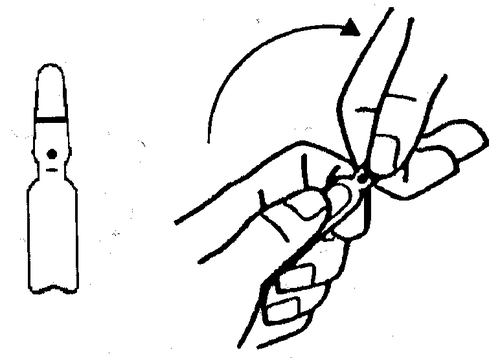
- Take the vial as shown in the drawing, with the colored dot facing upwards
- Break the vial with a quick movement
Use in children and adolescents
Voltaren must not be used in children and adolescents.
Use in the elderly
In the elderly, it may be necessary to reduce the dose of diclofenac. Your doctor will tell you how much Voltaren you should
take.
If you take more Voltarenthan you should
In case of accidental ingestion of an excessive dose of Voltaren, inform your doctor immediately or
go to the nearest hospital.
If you take an excessive dose of Voltaren, you may experience vomiting, bleeding from the stomach and
intestines, diarrhea, dizziness, ringing or buzzing in the ears, or convulsions. In more severe cases, serious
damage to the kidneys and liver may also occur.
The doctor will treat acute poisoning from non-steroidal anti-inflammatory drugs, including diclofenac, based on
the symptoms you present.
If you forget to take Voltaren
Do not take a double dose to make up for a missed dose.
If you have any doubts about the use of this medicine, consult your doctor or pharmacist.
4. Possible side effects
Like all medicines, this medicine can cause side effects, although not everybody gets them.
Some side effects can be serious.
Stop taking Voltaren and tell your doctor immediately if you notice:
- Mild stomach cramps and tenderness that occur shortly after starting treatment with Voltaren, followed by rectal bleeding or bloody diarrhoea usually within 24 hours of the abdominal pain appearing (frequency not known, cannot be estimated from the available data).
Common side effects (may affect up to 1 in 10 people)
- headache, dizziness
- vertigo
- nausea, vomiting
- diarrhoea, passing gas (flatulence)
- problems with digestion (dyspepsia), abdominal pain
- loss of appetite
- abnormal values in blood tests (increased levels of some liver enzymes: transaminases)
- skin rash
- reactions, pain or hardening at the injection site.
Uncommon side effects (may affect up to 1 in 100 people)
- feeling your heartbeat (palpitations), chest pain, heart problems (heart failure), heart attack
Rare side effects (may affect up to 1 in 1,000 people)
- allergic reactions, severe allergic reactions with rapid onset (anaphylaxis) including low blood pressure and collapse (shock)
- drowsiness
- asthma, difficulty breathing (dyspnoea)
- inflammation of the stomach (gastritis), bleeding from the stomach or intestines, vomiting blood, stomach or intestinal ulcer with or without bleeding and perforation
- blood in the stools
- inflammation of the liver (hepatitis), yellowing of the skin, mucous membranes and whites of the eyes (jaundice), liver disorders
- urticaria
- oedema (swelling due to fluid retention)
- tissue damage at the injection site.
If you experience any of these effects, tell your doctor immediately.
Very rare side effects (may affect up to 1 in 10,000 people)
- abnormal values in blood tests or low number of platelets (thrombocytopenia) or reduced number of white blood cells (leucopenia) or reduced number of red blood cells (anaemia, including haemolytic and aplastic anaemia) or low number of granulocytes (agranulocytosis)
- abnormal values in urine tests or presence of blood in the urine (haematuria) or presence of protein in the urine (proteinuria)
- allergic reaction with rapid swelling of the skin and mucous membranes (angioedema) including swelling of the face
- disorientation, depression, insomnia, nightmares, irritability, severe mental changes (psychotic reactions)
- memory impairment, convulsions, anxiety, tremors
- tingling (paresthesia)
- altered taste
- inflammation of the membranes surrounding the brain (aseptic meningitis), stroke
- vision disturbances, blurred vision, double vision
- ringing or buzzing in the ears, worsening of hearing
- high blood pressure, inflammation of blood vessels (vasculitis)
- pneumonia
- inflammation of the colon (colitis) including colitis accompanied by bleeding and worsening of ulcerative colitis or Crohn’s disease
- constipation
- inflammation of the mouth lining (stomatitis) including stomatitis with ulcers, inflammation of the tongue (glossitis)
- problems with the oesophagus, narrowing of the intestine
- inflammation of the pancreas (pancreatitis)
- very severe and sudden form of hepatitis (fulminant hepatitis), liver necrosis, impaired liver function (liver failure)
- skin reactions ranging from mild (blistering eruptions, eczema, erythema), to potentially fatal (erythema multiforme, Stevens-Johnson syndrome, toxic epidermal necrolysis (Lyell’s syndrome), exfoliative dermatitis)
- appearance of reddish-brown spots on the skin (purpura), also as an allergic reaction
- itching
- hair loss
- skin sensitivity to sunlight
- kidney problems such as acute renal failure, nephrotic syndrome, interstitial nephritis, renal papillary necrosis.
- formation of pus in the tissue (abscess) at the injection site.
Side effects with unknown frequency
- chest pain, which may be a sign of a potentially serious allergic reaction called Kounis syndrome.
- Reactions at the injection site, including pain, redness, swelling, hard nodule, ulcers and bruising. These reactions may worsen with blackening and death of the skin and underlying tissues surrounding the injection site, which then heal with scarring, this condition is called Nicolau syndrome. Medicines like Voltaren may be associated with a modest increase in the risk of heart attack (myocardial infarction) or stroke (see above “Warnings and precautions”).
Reporting of side effects
If you get any side effects, even those not listed in this leaflet, tell your
doctor or pharmacist. You can also report side effects directly through the national
reporting system at https://www.aifa.gov.it/content/segnalazioni-reazioni-avverse.
By reporting side effects you can help provide more information on the safety of
this medicine.
5. How to store Voltaren
Store at a temperature below 30°C. Keep the vials in the outer packaging to protect the
medicine from light.
Keep this medicine out of sight and reach of children.
Do not use this medicine after the expiry date that is reported on the packaging after Expiry. The expiry
date refers to the last day of that month.
Do not dispose of any medicine in wastewater or household waste. Ask your pharmacist how
to dispose of medicines you no longer use. This will help protect the environment.
6. Contents of the pack and other information
What Voltaren contains
- The active ingredient is diclofenac sodium. Each vial contains 75 mg of diclofenac sodium.
- The other ingredients are mannitol, sodium metabisulfite, benzyl alcohol, propylene glycol, sodium hydroxide, water for injections.
Description of the appearance of Voltarenand contents of the pack
Each pack contains 5 vials of Voltaren 75 mg/3 ml injectable solution for intramuscular use.
Marketing Authorisation Holder
Novartis Farma S.p.A.
Viale Luigi Sturzo 43
20154 Milano MI
Italy
Manufacturer
Novartis Farma S.p.A.
Via Provinciale Schito 131
80058 Torre Annunziata - NA
Italy
Novartis Farma S.p.A.
Viale Luigi Sturzo 43
20154 Milano MI
Italy

Виникли питання під час прийому ліків?
Обговоріть свої симптоми та лікування з лікарем онлайн.
Voltaren 100 mg suppositories
diclofenac sodium
Read this leaflet carefully before you start to take this medicine as it contains important
information for you.
- Keep this leaflet. You may need to read it again.
- If you have any questions, ask your doctor or pharmacist.
- This medicine has been prescribed for you only. Do not pass it on to others, even if their symptoms are the same as yours, as it may be harmful.
- If you get any side effects, even those not listed in this leaflet, tell your doctor or pharmacist. See section 4.
Contents of this leaflet:
- 1. What Voltaren is and what it is used for
- 2. What you need to know before you take Voltaren
- 3. How to take Voltaren
- 4. Possible side effects
- 5. How to store Voltaren
- 6. Contents of the pack and other information
1. What Voltaren is and what it is used for
Voltaren contains the active ingredient diclofenac sodium, which belongs to the class of non-steroidal anti-inflammatory drugs (NSAIDs). Diclofenac sodium is used to reduce pain and inflammation.
Voltaren is used to treat:
- joint diseases such as rheumatoid arthritis, ankylosing spondylitis and osteoarthritis
- diseases characterized by pain and inflammation affecting the tissues surrounding the joints such as tendons and ligaments (extra-articular rheumatism)
- pain due to non-rheumatic inflammation or due to trauma
- pain associated with the menstrual cycle
2. Cosa deve sapere prima di prendere Voltaren
Non prenda Voltaren
- se è allergico (ipersensibile) al diclofenac o ad uno qualsiasi degli altri componenti di questo medicinale (elencati al paragrafo 6)
- se ha mai avuto una reazione allergica dopo aver assunto medicinali per trattare infiammazione, dolore o abbassare la febbre, come acido acetilsalicilico (aspirina), diclofenac o ibuprofene. Le reazioni possono includere: asma, naso che cola, rossore cutaneo, gonfiore del viso, delle labbra,
della lingua, della gola e/o delle estremità (signs of angioedema), dolore toracico. If you believe you may be allergic, ask your doctor for advice.
if you have an ulcer, bleeding or perforation of the stomach or intestine
- if you have ongoing bleeding or if you have a predisposition to bleeding
- if you have had bleeding (hemorrhage) of the stomach or intestine or perforation after previous treatments with NSAIDs
- if you have had recurrent bleeding/ulcer in the stomach or duodenum (two or more distinct episodes of demonstrated ulceration or bleeding)
- if you have had liver problems
- if you have severe liver problems (hepatic insufficiency)
- if you have severe kidney problems (renal insufficiency)
- if you suffer from confirmed heart disease and/or cerebrovascular disease, e.g. have had a heart attack, stroke, mini-stroke (TIA) or blockage of blood vessels leading to the heart or brain or surgery to remove or prevent such blockages
- if you have an alteration in the production of blood cells
- if you are taking high doses of medicines that increase urine production (diuretics) (see “Other medicines and Voltaren”)
- if you are in the third trimester of pregnancy (see paragraph “Pregnancy, breastfeeding and fertility”)
- if you are breastfeeding (see paragraph “Pregnancy, breastfeeding and fertility”)
- if you have hemorrhoids or have recently had inflammation of the rectum (proctitis)
- if the patient is a child or adolescent.
Warnings and precautions
Talk to your doctor or pharmacist before taking Voltaren.
Before taking Voltaren make sure your doctor is aware of:
- if you smoke
- if you suffer from diabetes
- if you suffer from angina, blood clots, high blood pressure, increased cholesterol or increased triglycerides
- if you have asthma
- if you have seasonal allergic rhinitis (allergic rhinitis), swelling of the nasal mucosa (e.g. nasal polyps)
- if you have chronic obstructive pulmonary diseases or chronic respiratory tract infections
- if you have liver problems (e.g. hepatic insufficiency, hepatitis)
- if you have hepatic porphyria
- if you have ulcerative colitis or Crohn's disease because these conditions may worsen
- if you have kidney problems (e.g. renal insufficiency)
- if you are using medicines that increase urine production (diuretics) or other medicines that can affect kidney function
- if you have a reduced volume of body fluids (for example before or after major surgery)
- if you are going to undergo or have undergone major surgery
- if you have blood coagulation defects (hemostasis defects)
- if you have or have had high blood pressure, heart or brain problems (e.g. congestive heart failure, confirmed heart disease, peripheral arterial disease and/or strokes or have ever had problems with the stomach or intestine (e.g. ulcer) or if you have had ulcerations of the stomach or intestine, bleeding or perforation
- if you are taking medicines that can increase the risk of bleeding, ulcerations and perforations such as acetylsalicylic acid (e.g. aspirin) or other NSAIDs, corticosteroids administered orally, by injection or rectally (e.g. cortisone), anticoagulants (e.g. warfarin), selective serotonin reuptake inhibitors (antidepressants) (see paragraph “Other medicines and Voltaren”).
- Tell your doctor if you have recently undergone or are about to undergo stomach or intestinal surgery before taking Voltaren, as Voltaren can sometimes worsen wound healing in the intestine following surgery.
Tell your doctor if you develop during treatment with Voltaren:
- skin reactions, even severe, because very rare severe skin reactions have been reported that can also be fatal (see paragraph 4 “Undesirable effects”)
- fluid retention and swelling from fluid accumulation (edema)
- any sign of an allergic reaction
- signs and symptoms of liver problems or if liver function parameters are not normal (visible from blood tests)
- unusual symptoms in the stomach and intestines, especially at the beginning of treatment with Voltaren, as these may be signs of gastrointestinal bleeding or ulceration
- signs and symptoms typical of serious atherothrombotic events such as chest pain, shortness of breath, weakness and difficulty speaking.
In these cases, the doctor will assess whether to continue or stop treatment with Voltaren.
Also pay particular attention:
- At any time during treatment with NSAIDs, including diclofenac, as gastrointestinal bleeding, ulcerations or perforations may occur, which can also be fatal. The doctor will prescribe the lowest effective dose of diclofenac to reduce the risk of gastrointestinal toxicity and may also prescribe you medicines (e.g. misoprostol or proton pump inhibitors) to protect the gastrointestinal mucosa.
- If you are elderly, especially if you are frail and underweight, the doctor will prescribe a low dose of Voltaren
- Adverse effects can be reduced by using the lowest effective dose for the shortest possible time (see paragraph 3 “How to take Voltaren”)
- Avoid the use of diclofenac during treatment with other NSAIDs administered orally, by injection and rectally, including selective cyclooxygenase-2 inhibitors, as it increases the possibility of you having adverse effects
- Voltaren can mask the signs and symptoms of an infection.
Medicines such as Voltaren may be associated with a small increased risk of heart attack (myocardial infarction) or stroke. Any risk is more likely with high doses or prolonged treatment.
The doctor will keep you under close control and periodically reassess the need for treatment with
Voltaren. In addition, the doctor may have you undergo periodic tests to assess your condition during
treatment with Voltaren.
Children and adolescents
Voltaren should not be used in children and adolescents.
Elderly patients
Elderly patients are more likely to experience adverse reactions, especially bleeding in the stomach or intestine and perforation which are generally more serious and can be
fatal.
If you are elderly, especially if you are frail and underweight, the doctor will prescribe a low dose of
Voltaren.
As a precaution, the doctor may have a check of your kidney function and prescribe you medicines that act by protecting the gastrointestinal mucosa such as misoprostol or
proton pump inhibitors.
Tell the doctor of any unusual symptoms in the stomach and intestines, especially at the beginning of
treatment with this medicine.
Other medicines and Voltaren
Tell your doctor or pharmacist if you are taking, have recently taken or might take
any other medicine.
The concentration in the blood of the following medicines may increase when they are used together with
Voltaren:
- lithium
- digoxin
- methotrexate
- phenytoin. The doctor will have you undergo tests to assess the concentrations of these medicines in the blood.
The effect of some medicines used to lower blood pressure, such as:
- medicines that increase urine production (diuretics)
- betablockers
- angiotensin converting enzyme (ACE) inhibitors may decrease when these are used together with Voltaren.
The doctor will keep you under control and carefully assess the administration of these medicines with
Voltaren, especially if you are elderly.
Pay particular attention and tell your doctor if you need to take Voltaren and are already taking one or
more of the medicines listed below.
The doctor will keep you under control and have you undergo tests.
- medicines to lower blood pressure or ACE inhibitors and angiotensin II antagonists, if you have kidney problems or diuretic medicines called potassium-sparing (e.g. spironolactone)
- other anti-inflammatory medicines (non-steroidal anti-inflammatory drugs and corticosteroids)
- medicines to thin the blood (anticoagulants or antiplatelet agents)
- selective serotonin reuptake inhibitors (antidepressants)
- medicines for diabetes
- cyclosporine and tacrolimus (immunosuppressants used to modify the body's immune response)
- trimethoprim (an antibiotic)
- medicines to fight bacterial infections of the quinolone class
- cholestyramine and colestipol, because they can delay or reduce the absorption of diclofenac. The doctor will tell you when to take these medicines, usually diclofenac must be taken 1 hour before or 4-6 hours after taking cholestyramine and colestipol
- rifampicin (an antibiotic used to treat bacterial infections) because it can reduce the absorption of diclofenac
- other medicines that can increase the concentration of diclofenac in the blood e.g. sulfinpyrazone (a medicine used to treat gout) and voriconazole (a medicine used to treat fungal infections).
Pregnancy, breastfeeding and fertility
If you are pregnant, suspect you are pregnant or are planning a pregnancy, or if you are breastfeeding
ask your doctor or pharmacist before taking this medicine.
Pregnancy
Voltaren should not be used during the first and second trimester of pregnancy unless in cases of
actual necessity. If you want to become pregnant or are in the first or second trimester of pregnancy and need
to use Voltaren, the doctor will prescribe the lowest dose of diclofenac for the shortest possible time.
Do not take Voltaren in the last 3 months of pregnancy, as it may harm the fetus or cause
problems during childbirth. It can cause problems with the kidneys and heart of the fetus. It may affect
your and the baby's tendency to bleed and delay or prolong labor more than expected. You should not take Voltaren in the first 6 months of pregnancy, unless absolutely necessary and under
medical advice. Where treatment is needed in this period or during attempts to
conceive, the minimum dose should be used for the shortest possible time. From the twentieth
week of pregnancy, Voltaren can cause kidney problems in the fetus, if taken for more than a few
days, reducing the levels of amniotic fluid surrounding the baby (oligohydramnios) or a
narrowing of a blood vessel (ductus arteriosus) in the baby's heart. Where treatment is
needed for more than a few days, the doctor may advise additional monitoring.
Breastfeeding
Voltaren should not be used during breastfeeding to avoid adverse effects on the newborn.
Fertility
As with other NSAIDs, Voltaren is not recommended in women planning a pregnancy
because this medicine can alter a woman's fertility. The doctor will assess the need to
discontinue treatment with Voltaren if you have difficulty getting pregnant or need to have fertility tests.
Driving and using machines
Voltaren can cause visual disturbances, dizziness, vertigo, drowsiness or other disturbances that can
affect the ability to drive and use machines.
If you experience these symptoms, avoid driving a vehicle or using machines.
3. How to take Voltaren
Take this medicine following exactly the instructions of your doctor or pharmacist. If you have
any doubts, consult your doctor or pharmacist.
Use the suppositories only after evacuating your bowels and insert them well into the rectum. The suppositories must not
be crushed or divided. In all cases where it is necessary to administer a dose less than 100 mg,
your doctor will tell you to take other pharmaceutical forms of Voltaren (50 mg gastro-resistant tablets,
50 mg soluble tablets or 75 mg prolonged-release tablets).
Do not ingest the suppositories, they are only for rectal use.
Use in adults
The recommended initial dose is 100-150 mg per day.
In mild cases and for prolonged therapy, the recommended dose is 75-100 mg per day.
The dose should be divided into 2-3 administrations throughout the day.
Your doctor will tell you how much Voltaren to take and for how long.
Treatment of pain associated with the menstrual cycle (dysmenorrhea)
The recommended dose is 50-150 mg per day, but must be adjusted to each patient.
Your doctor will initially prescribe 50-100 mg per day and, if necessary, will tell you to increase the dose
during subsequent menstrual cycles, up to a maximum of 150 mg per day.
Start treatment when the first symptoms appear and continue for a few days according to your
symptoms.
Treatment of night-time pain and morning stiffness
Voltaren is also available in tablets. You can take Voltaren tablets during the day and use
a Voltaren suppository before going to bed.
Do not exceed the maximum dose of 150 mg per day.
Use in children and adolescents
Voltaren must not be used in children and adolescents.
Use in the elderly
In the elderly, it may be necessary to reduce the dose of diclofenac. Your doctor will tell you how much Voltaren you should
take.
If you take more Voltarenthan you should
In case of accidental ingestion of an excessive dose of Voltaren, immediately inform your doctor or
go to the nearest hospital.
If you take an excessive dose of Voltaren, you may experience vomiting, bleeding from the stomach and
intestines, diarrhea, dizziness, ringing or buzzing in the ears, or convulsions. In more severe cases, you may
also experience serious damage to the kidneys and liver.
The doctor will treat acute poisoning from non-steroidal anti-inflammatory drugs, including diclofenac, according to the
symptoms you present.
If you forget to take Voltaren
Do not take a double dose to make up for a missed dose.
If you have any doubts about the use of this medicine, consult your doctor or pharmacist.
4. Possible side effects
Like all medicines, this medicine can cause side effects, although not everybody gets them.
Some side effects can be serious.
Stop taking Voltaren and tell your doctor immediately if you notice:
- Mild abdominal cramps and tenderness that occur shortly after starting treatment with Voltaren, followed by rectal bleeding or bloody diarrhoea usually within 24 hours of the abdominal pain appearing (frequency not known, cannot be estimated from available data).
Common side effects (may affect up to 1 in 10 people)
- headache, dizziness
- vertigo
- nausea, vomiting
- diarrhoea, passing gas (flatulence)
- problems with digestion (dyspepsia), abdominal pain
- reduced appetite
- abnormal values in blood tests (increased levels of certain liver enzymes: transaminases)
- skin rash
- irritation at the suppository application site
Uncommon side effects (may affect up to 1 in 100 people)
- feeling your heartbeat (palpitations), chest pain, heart problems (heart failure), heart attack
Rare side effects (may affect up to 1 in 1,000 people)
- allergic reactions, rapid onset of severe allergic reactions (anaphylaxis) including low blood pressure and collapse (shock)
- drowsiness
- asthma, difficulty breathing (dyspnoea)
- inflammation of the stomach (gastritis), bleeding from the stomach or intestines, vomiting blood, stomach or intestinal ulcer with or without bleeding and perforation
- blood in the stools
- inflammation of the liver (hepatitis), yellowing of the skin, mucous membranes and eyes (jaundice), liver disorders
- urticaria
- oedema (swelling from fluid retention).
If you experience any of these effects, tell your doctor immediately.
Very rare side effects (may affect up to 1 in 10,000 people)
- abnormal values in blood tests or low number of platelets (thrombocytopenia) or reduced number of white blood cells (leucopenia) or reduced number of red blood cells (anaemia, including haemolytic and aplastic anaemia) or low number of granulocytes (agranulocytosis)
- abnormal values in urine tests or presence of blood in the urine (haematuria) or presence of protein in the urine (proteinuria)
- allergic reaction with rapid swelling of the skin and mucous membranes (angioedema) including facial swelling
- disorientation, depression, insomnia, nightmares, irritability, severe mental changes (psychotic reactions)
- memory impairment, convulsions, anxiety, tremors
- tingling (paresthesia)
- altered taste
- inflammation of the membranes surrounding the brain (aseptic meningitis), stroke
- vision disturbances, blurred vision, double vision
- ringing or buzzing in the ears, worsening of hearing
- high blood pressure, inflammation of blood vessels (vasculitis)
- pneumonia
- inflammation of the colon (colitis) including colitis accompanied by bleeding and worsening of ulcerative colitis or Crohn's disease
- constipation
- inflammation of the mouth lining (stomatitis) including stomatitis with ulcers, inflammation of the tongue (glossitis)
- problems with the oesophagus, narrowing of the intestine
- inflammation of the pancreas (pancreatitis)
- very severe and sudden form of hepatitis (fulminant hepatitis), liver necrosis, impaired liver function (liver failure)
- skin reactions ranging from mild (blistering eruptions, eczema, erythema), to potentially fatal (erythema multiforme, Stevens-Johnson syndrome, toxic epidermal necrolysis (Lyell's syndrome), exfoliative dermatitis)
- appearance of reddish-brown spots on the skin (purpura), also as an allergic reaction
- itching
- hair loss
- skin sensitivity to sunlight
- kidney problems such as acute renal failure, nephrotic syndrome, interstitial nephritis, renal papillary necrosis.
If you experience any of these effects, tell your doctor immediately.
Side effects with unknown frequency (frequency cannot be estimated on the basis of the available data)
- inflammation of the rectum (proctitis)
- haemorrhoids.
Side effects with unknown frequency
- chest pain, which may be a sign of a potentially serious allergic reaction called Kounis syndrome
Medicines like Voltaren may be associated with a modest increase in the risk of heart attack (myocardial infarction) or stroke (see above “Warnings and precautions”).
Reporting of side effects
If you get any side effects, even those not listed in this leaflet, tell your doctor or pharmacist. You can also report side effects directly through the national reporting system at https://www.aifa.gov.it/content/segnalazioni-reazioni-avverse.
By reporting side effects you can help provide more information on the safety of this medicine.
5. How to store Voltaren
Store at a temperature below 30°C.
Keep this medicine out of sight and reach of children.
Do not use this medicine after the expiry date which is reported on the packaging after Expiry. The date
of expiry refers to the last day of that month.
Do not dispose of any medicine in wastewater or household waste. Ask your pharmacist how to
dispose of medicines you no longer use. This will help protect the environment.
6. Contents of the pack and other information
What Voltaren contains
- The active ingredient is diclofenac sodium. Each suppository contains 100 mg of diclofenac sodium.
- The other ingredients are solid semi-synthetic glycerides.
Description of the appearance of Voltarenand contents of the pack
Each pack contains 10 rectal suppositories of 100 mg.
Marketing Authorisation Holder
Novartis Farma S.p.A.
Viale Luigi Sturzo 43
20154 Milano MI
Italy
Manufacturer
Novartis Farma S.p.A
Via Provinciale Schito 131
80058 Torre Annunziata - NA
Italy
Novartis Farma S.p.A.
Viale Luigi Sturzo 43
20154 Milano MI
Italy

- Країна реєстрації
- Лікарська формаEnteric-coated tablet, 50MG
- Код АТХM01AB05
- Діюча речовина
- Потрібен рецептТак
- Виробник
- Ця інформація надана лише для ознайомлення і не є медичною порадою. Рішення щодо лікування завжди приймає лікар.
- Альтернативи до VOLTARENЛікарська форма: Hard capsule with prolonged release, 75 MGДіюча речовина: ДиклофенакВиробник: FARMA GROUP S.R.L.Потрібен рецептЛікарська форма: Modified-release hard capsule, 75 MGДіюча речовина: ДиклофенакВиробник: MORGANCEUTICAL S.R.L.Потрібен рецептЛікарська форма: Tablet, 50 MGДіюча речовина: ДиклофенакВиробник: ALFASIGMA S.P.A.Потрібен рецепт
Аналоги VOLTAREN в інших країнах
Препарати з тією самою діючою речовиною, доступні в інших країнах.
Аналог VOLTAREN у Польща
Аналог VOLTAREN у Україна
Аналог VOLTAREN у Іспанія
Лікарі онлайн щодо VOLTAREN
Застосування, безпека та можливість призначення рецепта — за результатами медичної оцінки.









Отримайте рецепт на VOLTAREN онлайн
Заповніть форму за 2 хвилини
Розкажіть про симптоми, історію хвороби та потрібний препарат.
Оберіть лікаря або ми призначимо
Оберіть спеціаліста або ми підберемо найближчого доступного лікаря.
Лікар розглядає ваш випадок
Зазвичай протягом 30 хвилин. Може ставити уточнювальні запитання в чаті.
Отримайте в будь-якій аптеці
Електронний рецепт надсилається на вашу пошту — дійсний по всій Польщі.
Часті запитання
VOLTAREN потребує рецепта в Італія. Ви можете обговорити з лікарем онлайн, чи підходить цей лікарський засіб для вашої ситуації.
Діюча речовина у VOLTAREN — Диклофенак. Це допомагає визначити препарати з тим самим складом, але під іншими торговими назвами.
VOLTAREN виробляється компанією NOVARTIS FARMA S.P.A.. Назва бренду та упаковка можуть відрізнятися залежно від дистрибʼютора.
Лікарі, зокрема Сімейні лікарі, Психіатри, Дерматологи, Кардіологи, Ендокринологи, Гастроентерологи, Пульмонологи, Нефрологи, Ревматологи, Гематологи, Інфекціоністи, Алергологи, Геріатри, Педіатри, Онкологи, можуть оцінити доцільність застосування VOLTAREN з урахуванням вашого стану та місцевих правил. Ви можете записатися на онлайн-консультацію, щоб обговорити симптоми та можливі подальші кроки.
Польща має добре розвинену систему охорони здоров'я у великих містах, таких як Варшава, Краків, Вроцлав і Гданськ. Аптеки широко доступні та працюють відповідно до чинного законодавства, забезпечуючи доступ до рецептурних препаратів.
Ви можете придбати VOLTAREN у Варшаві, Кракові, Вроцлаві або Гданську в будь-якій аптеці за наявності дійсного рецепта.
Щоб отримати рецепт, ви можете скористатися Oladoctor:
Інші препарати з тією самою діючою речовиною (Диклофенак) включають DEALJIK, DEFLAMAT, DIKLOFENAK ALFASIGMA. Вони можуть відрізнятися торговою назвою або формою випуску, але містять той самий терапевтичний компонент. Перед зміною або початком прийому нового препарату варто проконсультуватися з лікарем.
