



VFEND 50 mg Film-Coated Tablets

Запит на рецепт онлайн
Лікар розгляне ваш випадок і визначить, чи є рецепт медично доцільним.

Поговоріть з лікарем про ці ліки
Обговоріть симптоми та можливі подальші кроки під час короткої онлайн-консультації.



Інструкція із застосування VFEND
Зміст інструкції
- VFEND 50 mg film-coated tablets, 200 mg film-coated tablets
- VFEND 200 mg powder for solution for infusion
- VFEND 40 mg/ml powder for oral suspension
VFEND 50 mg film-coated tablets, 200 mg film-coated tablets
voriconazole
Read this leaflet carefully before you start taking this medicine as it contains
important information for you.
- Keep this leaflet. You may need to read it again.
- If you have any questions, ask your doctor, pharmacist or nurse.
- This medicine has been prescribed for you only. Do not pass it on to others, even if their symptoms are the same as yours, as it could be harmful.
- If you get any side effects, even those not listed in this leaflet, tell your doctor, pharmacist or nurse. See section 4.
Contents of this leaflet
- 1. What VFEND is and what it is used for
- 2. What you need to know before you take VFEND
- 3. How to take VFEND
- 4. Possible side effects
- 5. How to store VFEND
- 6. Contents of the pack and other information
1. What VFEND is and what it is used for
VFEND contains the active ingredient voriconazole. VFEND is an antifungal medicine. It works
by stopping the growth or killing fungi that cause infections.
It is used for the treatment of patients (adults and children over 2 years of age) with:
- invasive aspergillosis (a type of fungal infection caused by Aspergillusspecies),
- candidemia (another type of fungal infection caused by Candidaspecies) in non-neutropenic patients (patients who do not have an unusually low white blood cell count),
- serious and invasive infections caused by Candidaspecies, when the fungus is resistant to fluconazole (another antifungal medicine),
- serious fungal infections caused by Scedosporiumand Fusariumspecies (two different types of fungi).
VFEND is indicated for patients with worsening fungal infections and potentially life-threatening.
Prevention of fungal infections in patients undergoing high-risk bone marrow transplantation.
This product should only be used under medical supervision.
2. What you need to know before taking VFEND
Do not take VFEND
if you are allergic to voriconazole or any of the other ingredients of this medicine (listed
in section 6).
It is very important to tell your doctor or pharmacist if you are taking or have taken any other
medicines, including over-the-counter medicines or herbal medicines.
The medicines included in the list below should not be used during
treatment with VFEND:
- Terfenadine (for allergies)
- Astemizole (for allergies)
- Cisapride (for stomach problems)
- Pimozide (for the treatment of mental illnesses)
- Quinidine (for irregular heartbeat)
- Ivabradine (for symptoms of chronic heart failure)
- Rifampicin (for the treatment of tuberculosis)
- Efavirenz (for the treatment of AIDS) in doses of 400 mg or more once a day
- Carbamazepine (for the treatment of seizures)
- Phenobarbital (for severe insomnia and seizures)
- Ergot alkaloids (e.g., ergotamine, dihydroergotamine; for migraine)
- Sirolimus (for patients who have undergone transplantation)
- Ritonavir (for the treatment of AIDS) in doses of 400 mg and over, twice a day
- St. John's Wort (hypericum - herbal medicinal product)
- Naloxegol (for the treatment of constipation specifically caused by pain medications, called opioids [e.g. morphine, oxycodone, fentanyl, tramadol, codeine])
- Tolvaptan (for the treatment of hyponatremia, i.e. low sodium levels in the blood, or to slow the decline of kidney function in patients with polycystic kidney disease)
- Lurasidone (for the treatment of depression)
- Finerenone (for the treatment of chronic kidney disease)
- Venetoclax (for the treatment of patients with chronic lymphocytic leukemia-CLL)
Warnings and precautions
Talk to your doctor, pharmacist or nurse before taking VFEND if:
- you have had an allergic reaction to other azoles.
- you have or have had a liver disease. If you have liver problems, your doctor may prescribe a lower dose of VFEND. Your doctor will need to check your liver function during treatment with VFEND by taking blood tests.
- you know you have heart disease, an irregular heartbeat, a slowed heartbeat or an abnormality on an electrocardiogram (ECG) called “long QT syndrome”.
You should avoid any exposure to the sun and sunlight during treatment. It is important to cover
skin areas exposed to the sun and use sunscreens with a high protection factor (SPF), as increased
skin sensitivity to UV rays from the sun can occur. This can be further
increased by other medicines that make the skin sensitive to sunlight, such as methotrexate. These
precautions also apply to children.
During treatment with VFEND:
- immediately inform your doctor if you develop
- sunburn
- severe skin reaction or blisters
- bone pain
If you develop any of the skin conditions described above, your doctor may refer you to a
dermatologist, who after consultation may decide that it is important to have you undergo regular
visits. With long-term use of VFEND, there is a small risk of developing skin cancer.
If you develop signs of “adrenal insufficiency”, in which the adrenal glands do not produce
enough of certain steroid hormones such as cortisol, which can cause symptoms such as
chronic or persistent fatigue, muscle weakness, loss of appetite, weight loss, abdominal pain, inform your doctor.
Tell your doctor if you develop signs of “Cushing’s syndrome” in which the body produces excessive amounts of the hormone cortisol, which can cause symptoms such as weight gain, fat accumulation
between the shoulders, a rounded face, darkening of the skin of the abdomen, thinning of legs,
breasts and arms, thinning of the skin, easy bruising, increased blood sugar, excessive hair growth on the body, excessive sweating.
Your doctor will need to check your liver and kidney function by taking blood tests.
Children and adolescents
VFEND should not be given to children under 2 years of age.
Other medicines and VFEND
Tell your doctor or pharmacist if you are taking, have recently taken or might take
any other medicines, including over-the-counter medicines.
Some medicines, when taken at the same time as VFEND, can change the activity of
VFEND or VFEND can change the activity of these medicines.
Tell your doctor if you are taking the following medicine because, if possible, concomitant treatment with VFEND should be avoided:
- Ritonavir (for the treatment of AIDS) in doses of 100 mg twice a day
- Glasdegib (for the treatment of cancer): if you need to use both medicines, your doctor will often check your heart rate
Tell your doctor if you are taking any of these medicines because, if possible, concomitant treatment
with VFEND should be avoided and a dose adjustment of
voriconazole may be necessary:
- Rifabutin (for the treatment of tuberculosis). If you are already being treated with rifabutin, your blood cell count and side effects to rifabutin should be monitored.
- Phenytoin (for the treatment of epilepsy). If you are already being treated with phenytoin, phenytoin levels in the blood should be monitored during treatment with VFEND and the dose you are taking may be adjusted.
Tell your doctor if you are taking any of these medicines because a dose adjustment or monitoring of the dose may be necessary to ensure that these medicines and/or VFEND
continue to have the desired effect:
- Warfarin and other anticoagulants (e.g., phenprocoumon, acenocoumarol) (to slow down blood clotting)
- Cyclosporine (for patients who have undergone transplantation)
- Tacrolimus (for patients who have undergone transplantation)
- Sulfonylureas (e.g., tolbutamide, glipizide and gliburide) (for diabetes)
- Statins (e.g., atorvastatin, simvastatin) (to reduce cholesterol)
- Benzodiazepines (e.g., midazolam, triazolam) (for severe insomnia and stress)
- Omeprazole (for the treatment of ulcers)
- Oral contraceptives (if you take VFEND while taking oral contraceptives, side effects such as nausea and menstrual disorders may occur)
- Vinca alkaloids (e.g., vincristine and vinblastine) (for the treatment of cancer)
- Tyrosine kinase inhibitors (e.g. axitinib, bosutinib, cabozantinib, ceritinib, cobimetinib, dabrafenib, dasatinib, nilotinib, sunitinib, ibrutinib, ribociclib) (for the treatment of cancer)
- Tretinoin (for the treatment of leukemia)
- Indinavir and other AIDS protease inhibitors (for the treatment of AIDS)
- Non-nucleoside reverse transcriptase inhibitors (e.g., efavirenz, delavirdine, nevirapine) (for the treatment of AIDS) (some doses of efavirenz CANNOT be taken with VFEND)
- Methadone (for the treatment of heroin addiction)
- Alfentanil and fentanyl and other short-acting opioids such as sufentanil (pain relievers used for surgical techniques)
- Oxycodone and other long-acting opioids such as hydrocodone (used for the treatment of moderate to severe pain)
- Non-steroidal anti-inflammatory drugs (e.g., ibuprofen, diclofenac) (used for the treatment of pain and inflammation)
- Fluconazole (used to treat fungal infections)
- Everolimus (used for the treatment of advanced kidney cancer and in patients who have undergone transplantation)
- Letermovir (used to prevent cytomegalovirus (CMV) disease following bone marrow transplantation)
- Flucloxacillin (antibiotic indicated in bacterial infections)
Pregnancy and breastfeeding
VFEND should not be taken during pregnancy unless your doctor has decided so.
Women of childbearing potential should use adequate contraception. Contact your
doctor immediately if you become pregnant during treatment with VFEND.
If you are pregnant, suspect you are pregnant or are planning a pregnancy, or if you are breastfeeding, ask your doctor or pharmacist for advice before taking this medicine.
Driving and using machines
VFEND can cause blurred vision or a bothersome sensitivity to light. If this happens, you
should not drive and should not use tools or machinery. Contact your doctor in these cases.
VFEND contains lactose
If your doctor has told you that you have an intolerance to some sugars, contact your doctor before taking
VFEND.
VFEND contains sodium
This medicine contains less than 1 mmol (23 mg) of sodium per 50 mg tablet, which is
essentially ‘sodium-free’.
This medicine contains less than 1 mmol (23 mg) of sodium per 200 mg tablet, which is
essentially ‘sodium-free’.
3. How to take VFEND
Take this medicine following exactly the instructions of your doctor. If you have any doubts, ask your
doctor or pharmacist.
The doctor will establish the appropriate dose for you based on your weight and the type of infection diagnosed.
The recommended dose for adults (including elderly patients) is as follows:
| Tablets | ||
| Patients weighing 40 kg or more | Patients weighing less than 40 kg | |
| Dose for the first 24 hours (Loading dose) | 400 mg every 12 hours for the first 24 hours | or 200 mg every 12 hours for the first 24 hours |
| Dose after the first 24 hours (Maintenance dose) | 200 mg twice a day | c 100 mg twice a day |
Based on the response to treatment, the doctor may increase the daily dose to 300 mg twice a day.
If you have mild to moderate cirrhosis, the doctor may decide to reduce the dose.
Use in children and adolescents
The recommended dose in children and adolescents is as follows:
| Tablets | ||
| Children aged between 2 and less than 12 years and adolescents aged between 12 and 14 years and weighing less than 50 kg | F Adolescents aged between 12 and 14 years and weighing 50 kg or more; all adolescents over 14 years of age | |
| Dose for the first 24 hours (Loading dose) | e d Treatment will be started as an infusion | 400 mg every 12 hours for the first 24 hours |
| Dose after the first 24 hours (Maintenance dose) | a 9 mg/kg twice a day (the maximum dose is 350 mg twice a day) | 200 mg twice a day |
Based on the response to treatment, the doctor may increase or decrease the daily dose.
- The tablets must be administered only if the child is able to swallow the tablets.
Take the tablets at least one hour before or one hour after meals. Swallow the tablet whole with a
little water.
If you or your child are taking VFEND to prevent fungal infections, your
doctor may decide to stop administering VFEND if you or your child should
develop adverse effects related to treatment.
If you take more VFEND than you should
If you take a number of tablets greater than those prescribed to you (or if another person
takes your tablets) contact your doctor or go to the nearest emergency room. Bring with you the
package of VFEND tablets. Abnormal light intolerance may occur if you take
more VFEND than you should.
If you forget to take VFEND
It is important to take VFEND tablets regularly every day at the same time. If you
forget to take a dose, take the next dose at the right time. Do not take a double dose
to make up for missed doses.
If you stop taking VFEND
It has been shown that taking doses at the right time can significantly increase
the effectiveness of your medicine. Therefore, unless your doctor has told you to stop the
treatment, it is important to continue taking VFEND correctly, as described above.
Continue taking VFEND until your doctor tells you to stop the treatment. Do not
stop treatment prematurely because the infection may not heal. Patients with a
weakened immune system or those with infections that are difficult to treat may require
long-term treatment to prevent the infection from returning.
When treatment with VFEND is stopped at the request of the doctor, no
effect should occur.
If you have any doubts about the use of this medicine, ask your doctor, pharmacist or
nurse.
4. Possible side effects
Like all medicines, this medicine can cause side effects, although not everyone will experience them.
If side effects occur, most will likely be mild and
transient. However, some may be serious and require medical attention.
Serious side effects - Stop taking VFEND and consult your doctor immediately
- Skin rash
- Jaundice, changes in liver function tests
- Pancreatitis
Other side effects
Very common: may affect more than 1 in 10 people
- Impaired vision (changes in vision including blurred vision, altered color vision, abnormal intolerance to visual perception of light, color blindness, eye disease, halo vision, night blindness, oscillating vision, seeing sparks, visual aura, reduced visual acuity, visual brightness, partial loss of visual field, spots in front of the eyes)
- Fever
- Skin rashes
- Nausea, vomiting, diarrhea
- Headache
- Swelling of the extremities
- Stomach pain
- Difficulty breathing
- Elevated liver enzymes
Common: may affect up to 1 in 10 people
- Inflammation of the paranasal sinuses, inflammation of the gums, chills, fatigue
- Reduction, even severe, in the number of certain types of red blood cells (sometimes immune-related) and/or white blood cells (sometimes with fever), reduction in the number of blood cells (called platelets) that help blood clotting
- Low blood sugar levels, low potassium levels in the blood, low sodium levels in the blood
- Anxiety, depression, confusion, agitation, sleep disorders, hallucinations
- Convulsions, tremor or uncontrolled muscle movements, tingling or abnormal skin sensations, increased muscle tone, drowsiness, dizziness
- Bleeding in the eye
- Heart rhythm problems including very fast heartbeat, very slow heartbeat, fainting
- Low blood pressure, inflammation of a vein (which may be associated with the formation of a blood clot)
- Acute difficulty breathing, chest pain, swelling of the face (mouth, lips and around the eyes), fluid accumulation in the lungs
- Constipation, indigestion, inflammation of the lips
- Jaundice, inflammation of the liver and liver damage
- Skin rash that may involve blistering and severe skin peeling, characterized by a flat and reddened area of skin with confluent small bumps, skin redness
- Itching
- Hair loss
- Back pain
- Kidney failure, blood in the urine, changes in kidney function tests
- Sunburn or severe skin reaction following exposure to light or the sun
- Skin cancer
Uncommon: may affect up to 1 in 100 people
- Flu-like symptoms, irritation and inflammation of the gastrointestinal tract, inflammation of the gastrointestinal tract that can cause antibiotic-associated diarrhea, inflammation of the lymphatic vessels
- Inflammation of the thin tissue lining the inner wall of the abdomen and covering the abdominal organ
- Enlarged lymph nodes (sometimes painful), bone marrow failure, increased eosinophils
- Reduced function of the adrenal glands, reduced activity of the thyroid gland
- Changes in brain function, Parkinson's-like symptoms, nerve damage resulting in numbness, pain, tingling or burning in the hands or feet
- Problems with balance and coordination
- Brain edema
- Double vision, serious eye conditions including: pain and inflammation of the eyes and eyelids, abnormal eye movement, damage to the optic nerve with impaired vision, swelling of the optic disc
- Reduced sensitivity to touch
- Changes in taste
- Hearing disorders, ringing in the ears, vertigo
- Inflammation of some internal organs - pancreas and duodenum, swelling and inflammation of the tongue
- Enlargement of the liver, liver failure, gallbladder diseases, gallstones
- Inflammation of the joints, inflammation of the superficial veins (which may be associated with the formation of blood clots)
- Inflammation of the kidneys, presence of protein in the urine, kidney damage
- Very fast heart rate or missed beats, sometimes with irregular electrical impulses
- Altered electrocardiogram (ECG)
- Increased cholesterol, increased urea in the blood
- Allergic skin reactions (sometimes severe) including a potentially life-threatening skin condition causing blisters and painful sores on the skin and mucous membranes, especially in the mouth, skin inflammation, hives, redness and irritation of the skin, skin discoloration (red or purple) which may be caused by a low platelet count, eczema
- Infusion site reaction
- Allergic reactions or exaggerated immune response
- Inflammation of the tissues surrounding the bones
Rare: may affect up to 1 in 1000 people
- Hyperactive thyroid gland
- Deterioration of brain function as a serious complication of liver disease
- Loss of a large portion of the optic nerve fibers, corneal opacity, involuntary eye movement
- Blistering photosensitivity
- Disorder in which the body's immune system attacks a part of the peripheral nervous system
- Heart rhythm or conduction problems (sometimes fatal)
- Potentially life-threatening allergic reaction
- Disorders of the blood coagulation system
- Allergic skin reactions (sometimes severe), including rapid swelling (edema) of the dermis, subcutaneous tissue, mucosa and submucosal tissues, itchy or painful patches of thickened and reddened skin with silvery scales, skin irritation and mucous membranes, a potentially life-threatening skin condition causing large portions of the epidermis (the outer layer of skin) to detach from the underlying skin layers
- Small patches of dry, scaly skin, sometimes thick with bumps or ‘horns’
Side effects with unknown frequency:
- Freckles and pigmented spots
Other significant side effects, whose frequency is unknown but which should be reported
immediately to the doctor are:
- Red, scaly or ring-shaped skin lesions which may be symptoms of an autoimmune disease called systemic lupus erythematosus
Since VFEND has been shown to have effects on the liver and kidneys, the doctor will need to monitor
liver and kidney function by performing blood tests. Tell your doctor if you have stomach pain
or if your stools have a different consistency than usual.
Cases of skin cancer have been reported in patients treated with VFEND for prolonged periods.
Sunburn or a severe skin reaction following exposure to light or the sun has been
reported more frequently in children. If you or your child develop skin disorders, your
doctor may have you or your child visit a dermatologist who can decide if it is important for you or
your child to continue regular visits with the dermatologist. Elevated liver enzymes have also
been observed more frequently in children.
If any of these side effects persist or are bothersome, tell your doctor.
Reporting side effects
If you experience any side effects, including those not listed in this leaflet, please tell
your doctor, pharmacist or nurse. You can also report side effects directly
through the national reporting system detailed in Annex V. By reporting side effects you can contribute to providing more information on the safety of this medicine.
5. How to store VFEND
Keep this medicine out of the sight and reach of children.
Do not use this medicine after the expiry date which is stated on the label. The expiry date
refers to the last day of that month.
This medicine does not require any particular storage conditions.
Do not dispose of any medicine in wastewater or household waste. Ask your pharmacist how
to dispose of medicines you no longer use. This will help protect the environment.
6. Package contents and other information
What VFEND contains
- The active ingredient is voriconazole. Each tablet contains 50 mg of voriconazole (VFEND 50 mg film-coated tablets) or 200 mg of voriconazole (VFEND 200 mg film-coated tablets).
- The excipients are: lactose monohydrate, pregelatinized starch, sodium croscarmellose, povidone and magnesium stearate, which constitute the inner part of the tablet, and hypromellose, titanium dioxide (E171), lactose monohydrate and glycerol triacetate, which constitute the film coating of the tablet (see paragraph 2, VFEND 50 mg film-coated tablets or VFEND 200 mg film-coated tablets contains lactose and sodium).
Description of VFEND and package contents
VFEND 50 mg film-coated tablets are presented as film-coated tablets, from
white to off-white and round in shape with Pfizer imprinted on one side and VOR50 on the other.
VFEND 200 mg film-coated tablets are presented as film-coated tablets,
from white to off-white and capsule-shaped with Pfizer imprinted on one side and VOR200 on the other.
VFEND 50 mg film-coated tablets and VFEND 200 mg film-coated tablets are
available in packs of 2, 10, 14, 20, 28, 30, 50, 56 and 100 tablets.
Not all pack sizes may be marketed.
Marketing Authorisation Holder
Pfizer Europe MA EEIG, Boulevard de la Plaine 17, 1050 Brussels, Belgium.
Manufacturer:
R-Pharm Germany GmbH
Heinrich-Mack-Str. 35, 89257 Illertissen
Germany
Pfizer Italia S.r.l.
Località Marino del Tronto
63100 Ascoli Piceno (AP)
Italy
For further information on this medicinal product, contact the local representative of the marketing
authorisation holder:
België /Belgique/Belgien/
Luxembourg/Luxemburg
Pfizer NV/SA
Tél/Tel: +32 (0)2 554 62 11
Lietuva
Pfizer Luxembourg SARL
Filialas Lietuvoje
Tel. +3705 2514000
България
Пфайзер Люксембург САРЛ, Клон България
Тел.: +359 2 970 4333
Magyarország
Pfizer Kft.
Tel. + 36 1 488 37 00
Česká republika
Pfizer, spol. s.r.o.
Tel: +420-283-004-111
Malta
Vivian Corporation Ltd.
Tel : +356 21344610
Danmark
Pfizer ApS
Tlf.: +45 44 20 11 00
Nederland
Pfizer bv
Tel: +31 (0) 800 63 34 636
Deutschland
PFIZER PHARMA GmbH
Tel: +49 (0)30 550055-51000
Norge
Pfizer AS
Tlf: +47 67 52 61 00
Eesti
Pfizer Luxembourg SARL Eesti filiaal
Tel: +372 666 7500
Österreich
Pfizer Corporation Austria Ges.m.b.H.
Tel: +43 (0)1 521 15-0
Polska
Pfizer Polska Sp. z o.o.,
Tel.: +48 22 335 61 00
Ελλάδα
Pfizer ΕΛΛΑΣ A.E.
Τηλ.: +30 210 6785 800
España
Pfizer, S.L.
Tel: +34 91 490 99 00
Portugal
Laboratórios Pfizer, Lda.
Tel: + 351 214 235 500
France
Pfizer
Tél: +33 (0)1 58 07 34 40
România
Pfizer România S.R.L
Tel: +40 (0)21 207 28 00
Hrvatska
Pfizer Croatia d.o.o.
Tel: + 385 1 3908 777
Slovenija
Pfizer Luxembourg SARL
Pfizer, podružnica za svetovanje s področja
farmacevtske dejavnosti, Ljubljana
Tel: + 386 (0)152 11 400
Ireland
Pfizer Healthcare Ireland Unlimited Company
Tel: 1800 633 363 (toll free)
+44 (0)1304 616161
Slovenská republika
Pfizer Luxembourg SARL, organizačná zložka
Tel: +421-2-3355 5500
Ísland
Icepharma hf.,
Sími: + 354 540 8000
Suomi/Finland
Pfizer Oy
Puh/Tel: +358(0)9 43 00 40
Italia
Pfizer S.r.l.
Tel: +39 06 33 18 21
Sverige
Pfizer AB
Tel: +46 (0)8 5505 2000
Kύπρος
Pfizer ΕΛΛΑΣ A.E. (Cyprus Branch)
Τηλ: +357 22 817690
Latvija
Pfizer Luxembourg SARL
Filiāle Latvijā
Tel: +371 670 35 775
More detailed information on this medicinal product is available on the website of the European
Medicines Agency, https://www.ema.europa.eu .
VFEND 200 mg powder for solution for infusion
voriconazole
Read this leaflet carefully before you start to take this medicine because it contains important information for you.
- Keep this leaflet. You may need to read it again.
- If you have any questions, ask your doctor, pharmacist or nurse.
- This medicine has been prescribed for you only. Do not pass it on to others, even if their symptoms are the same as yours, as it could be harmful.
- If you get any side effects, even those not listed in this leaflet, tell your doctor, pharmacist or nurse. See section 4.
Contents of this leaflet:
- 1. What VFEND is and what it is used for
- 2. What you need to know before you take VFEND
- 3. How to use VFEND
- 4. Possible side effects
- 5. How to store VFEND
- 6. Contents of the pack and other information
1. What VFEND is and what it is used for
VFEND contains the active substance voriconazole. VFEND is an antifungal medicine. It works
by stopping the growth or killing fungi that cause infections.
It is used for the treatment of patients (adults and children over 2 years of age) suffering from:
- invasive aspergillosis (a type of fungal infection caused by species of Aspergillus),
- candidemia (another type of fungal infection caused by species of Candida) in non-neutropenic patients (patients who do not have an unusually low white blood cell count),
- serious and invasive infections caused by species of Candida, when the fungus is resistant to fluconazole (another antifungal medicine),
- serious fungal infections caused by species of Scedosporiumand Fusarium(two different species of fungi).
VFEND is indicated for patients with worsening fungal infections and undergoing bone marrow
transplant at high risk.
Prevention of fungal infections in patients undergoing bone marrow transplant at high risk.
This product must be used only under medical supervision.
2. What you need to know before taking VFEND
Do not take VFEND
if you are allergic to the active ingredient voriconazole or to sodium sulfobutylether beta-cyclodextrin (listed
in section 6).
It is very important that you inform your doctor or pharmacist if you are taking or have taken other
medicines, even those without a prescription, or herbal medicines.
The medicines included in the list below should not be used during
treatment with VFEND:
- Terfenadine (for allergies)
- Astemizole (for allergies)
- Cisapride (for stomach problems)
- Pimozide (for the treatment of mental illnesses)
- Quinidine (for irregular heartbeat)
- Ivabradine (for symptoms of chronic heart failure)
- Rifampicin (for the treatment of tuberculosis)
- Efavirenz (for the treatment of AIDS) in doses equal to or greater than 400 mg once a day
- Carbamazepine (for the treatment of seizures)
- Phenobarbital (for severe insomnia and seizures)
- Ergot alkaloids (e.g., ergotamine, dihydroergotamine; for migraine)
- Sirolimus (for patients undergoing transplantation)
- Ritonavir (for the treatment of AIDS) in doses of 400 mg and over, twice a day
- St. John's Wort (hypericum - herbal medicinal product)
- Naloxegol (for the treatment of constipation specifically caused by pain medications, called opioids [e.g. morphine, oxycodone, fentanyl, tramadol, codeine])
- Tolvaptan (for the treatment of hyponatremia, i.e. low levels of sodium in the blood, or to slow the decline of kidney function in patients with polycystic kidney disease)
- Lurasidone (for the treatment of depression)
- Finerenone (for the treatment of chronic kidney disease)
- Venetoclax (for the treatment of patients with chronic lymphocytic leukemia-CLL)
Warnings and precautions
Consult your doctor, pharmacist or nurse before taking VFEND if:
- you have had an allergic reaction to other azoles.
- you suffer from or have suffered from a liver disease. If you have liver problems, your doctor may prescribe a lower dose of VFEND. The doctor will need to check liver function during treatment with VFEND by performing blood tests.
- you know you have heart disease, an irregular heartbeat, a slowed heartbeat or an abnormality in your electrocardiogram (ECG) called “long QT syndrome”.
You must avoid any exposure to the sun and sunlight during treatment. It is important to cover
skin areas exposed to the sun and use sunscreens with a high protection factor (SPF), as increased
skin sensitivity to the sun's UV rays can occur. This can be further
increased by other medicines that sensitize the skin to sunlight, such as methotrexate. These
precautions also apply to children.
During treatment with VFEND:
- immediately inform your doctor if you develop
- sunburn
- severe skin reaction or blisters
- bone pain
If you develop any of the skin conditions described above, your doctor may refer you to a
dermatologist, who after consultation may decide that it is important to have you undergo regular visits.
With long-term use of VFEND, there is a small risk of developing skin cancer.
If you develop signs of “adrenal insufficiency”, in which the adrenal glands do not produce
adequate amounts of certain steroid hormones such as cortisol, which can cause symptoms such as
chronic or persistent fatigue, muscle weakness, loss of appetite, weight loss, abdominal pain, inform your doctor.
Inform your doctor if you develop signs of “Cushing's syndrome” in which the body produces excessive amounts of the hormone cortisol, which can cause symptoms such as weight gain, fat accumulation
between the shoulders, a rounded face, darkening of the skin of the abdomen, thinning of legs,
breasts and arms, thinning of the skin, easy bruising, increased blood sugar, excessive hair growth on the body, excessive sweating.
The doctor will need to check liver and kidney function by performing blood tests.
Children and adolescents
VFEND should not be given to children under 2 years of age.
Other medicines and VFEND
Tell your doctor or pharmacist if you are taking, have recently taken or might take
any other medicines, even those without a prescription.
Some medicines, when taken at the same time as VFEND, can change the activity of
VFEND or VFEND can change the activity of these medicines.
Tell your doctor if you are taking the following medicine because, if possible, concomitant treatment with VFEND should be avoided:
- Ritonavir (for the treatment of AIDS) in doses of 100 mg twice a day
- Glasdegib (for the treatment of cancer): if you need to use both drugs, your doctor will often check your heart rate
Tell your doctor if you are taking any of these medicines because, if possible, concomitant treatment
with VFEND should be avoided and the dose of
voriconazole may need to be adjusted:
- Rifabutin (for the treatment of tuberculosis). If you are already being treated with rifabutin, blood cell counts and side effects to rifabutin should be monitored.
- Phenytoin (for the treatment of epilepsy). If you are already being treated with phenytoin, phenytoin concentrations in the blood should be monitored during treatment with VFEND and the dose you are taking may be adjusted.
Tell your doctor if you are taking any of these medicines because a dose adjustment or monitoring of the dose may be necessary to ensure that these medicines and/or VFEND
continue to have the desired effect:
- Warfarin and other anticoagulants (e.g., phenprocoumon, acenocoumarol) (to slow blood clotting)
- Cyclosporine (for patients undergoing transplantation)
- Tacrolimus (for patients undergoing transplantation)
- Sulfonylureas (e.g., tolbutamide, glipizide and gliburide) (for diabetes)
- Statins (e.g., atorvastatin, simvastatin) (to lower cholesterol)
- Benzodiazepines (e.g., midazolam, triazolam) (for severe insomnia and stress)
- Omeprazole (for the treatment of ulcers)
- Oral contraceptives (if you take VFEND while taking oral contraceptives, side effects such as nausea and menstrual disorders may occur)
- Vinca alkaloids (e.g., vincristine and vinblastine) (for the treatment of cancer)
- Tyrosine kinase inhibitors (e.g. axitinib, bosutinib, cabozantinib, ceritinib, cobimetinib, dabrafenib, dasatinib, nilotinib, sunitinib, ibrutinib, ribociclib) (for the treatment of cancer)
- Tretinoin (for the treatment of leukemia)
- Indinavir and other AIDS protease inhibitors (for the treatment of AIDS)
- Non-nucleoside reverse transcriptase inhibitors (e.g., efavirenz, delavirdine, nevirapine) (for the treatment of AIDS) (some doses of efavirenz CANNOT be taken with VFEND)
- Methadone (for the treatment of heroin addiction)
- Alfentanil and fentanyl and other short-acting opioids such as sufentanil (pain relievers used for surgical techniques)
- Oxycodone and other long-acting opioids such as hydrocodone (used for the treatment of moderate to severe pain)
- Non-Steroidal Anti-Inflammatory Drugs (e.g., ibuprofen, diclofenac) (used for the treatment of pain and inflammation)
- Fluconazole (used to treat fungal infections)
- Everolimus (used for the treatment of advanced kidney cancer and in patients undergoing transplantation)
- Letermovir (used to prevent cytomegalovirus (CMV) disease following bone marrow transplantation)
- Ivacaftor: used for the treatment of cystic fibrosis
- Flucloxacillin (antibiotic indicated in bacterial infections)
Pregnancy and breastfeeding
VFEND should not be used during pregnancy unless decided by your doctor.
Women of childbearing potential must use adequate contraception. Contact your
doctor immediately if you become pregnant during treatment with VFEND.
If you are pregnant, suspect you may be pregnant or are planning a pregnancy, or if you are breastfeeding, ask your doctor or pharmacist for advice before taking this medicine.
Driving and using machines
VFEND can cause blurred vision or a bothersome sensitivity to light. If this happens, you should not
drive and should not use tools or machinery. Contact your doctor in these cases.
VFEND contains sodium
This medicine contains 221 mg of sodium (the main component of table salt) per
vial. This is equivalent to 11% of the maximum recommended daily intake of
salt with the diet of
an adult.
VFEND contains cyclodextrin
This medicine contains 3,200 mg of cyclodextrins per vial equivalent to 160 mg/ml when
reconstituted in 20 ml. If you have kidney problems, talk to your doctor before taking this
medicine.
3. How to take VFEND
Take this medicine exactly as your doctor has told you. If you have any doubts, ask your doctor.
Your doctor will determine the appropriate dose for you based on your weight and the type of infection diagnosed.
Your doctor may adjust the dose based on your condition.
The recommended dose for adults (including elderly patients) is as follows:
| Intravenous | |
| Dose for the first 24 hours (Loading dose) | or 6 mg/kg every 12 hours for the first 24 hours |
| Dose after the first 24 hours (Maintenance dose) | c 4 mg/kg twice a day |
Based on the response to treatment, your doctor may decrease the dose to 3 mg/kg twice a day.
If you have mild to moderate cirrhosis, your doctor may decide to reduce the dose.
Use in children and adolescents
The recommended dose in children and adolescents is as follows:
| a Intravenous | ||
| Children aged 2 years and less than 12 years and adolescents aged l between 12 and 14 years and weighing e less than 50 kg | Adolescents aged between 12 and 14 years and weighing at least 50 kg; all adolescents over 14 years of age | |
| Dose for the first 24 hours (Loading dose) | d 9 mg/kg every 12 hours for the first 24 hours | 6 mg/kg every 12 hours for the first 24 hours |
| Dose after the first 24 hours (Maintenance dose) | 8 mg/kg twice a day | 4 mg/kg twice a day |
Based on the response to treatment, your doctor may increase or decrease the daily dose.
VFEND powder for solution for intravenous infusion will be reconstituted and diluted by the pharmacist or
hospital nurse to obtain the correct concentration. (For further information
The medicine will be administered to you by intravenous infusion (into a vein) at a maximum infusion rate of
3 mg/kg/hr over 1-3 hours.
If you or your child are taking VFEND to prevent fungal infections, your doctor
may decide to stop administering VFEND if you or your child should develop
adverse effects related to treatment.
If you forget to take VFEND
Because this medicine will be administered under medical supervision, it is unlikely that a dose will be missed.
However, if you think a dose has been missed, tell your doctor or pharmacist.
If you stop taking VFEND
Treatment with VFEND must continue until your doctor decides; however, the duration of
treatment with VFEND powder for solution for intravenous infusion should not exceed 6 months.
Patients with a weakened immune system or those with infections that are difficult to treat
may require long-term treatment to prevent the infection from returning. When your
condition improves, you may be switched from intravenous treatment to tablets.
When treatment with VFEND is stopped at the request of the doctor, no
effect should occur.
If you have any questions about using this medicine, ask your doctor, pharmacist or
nurse.
4. Possible side effects
Like all medicines, this medicine can cause side effects, although not everybody gets them.
If side effects occur, most will likely be mild and
transient. However, some may be serious and require medical attention.
Serious side effects - Stop taking VFEND and consult your doctor immediately
- Skin rash
- Jaundice, changes in liver function tests
- Pancreatitis
Other side effects
Very common: may affect more than 1 in 10 people
- Impaired vision (changes in vision including blurred vision, altered color vision, abnormal intolerance to visual perception of light, color blindness, eye disease, halo vision, night blindness, oscillating vision, seeing sparks, visual aura, reduced visual acuity, visual brightness, partial loss of visual field, spots in front of the eyes)
- Fever
- Skin rashes
- Nausea, vomiting, diarrhea
- Headache
- Swelling of the extremities
- Stomach pain
- Difficulty breathing
- Elevated liver enzymes
Common: may affect up to 1 in 10 people
- Inflammation of the sinuses, inflammation of the gums, chills, fatigue
- Reduction, even severe, in the number of some types of red blood cells (sometimes immune-related) and/or white blood cells (sometimes with fever), reduction in the number of blood cells (called platelets) that help blood clotting
- Low blood sugar levels, low potassium levels in the blood, low sodium levels in the blood
- Anxiety, depression, confusion, agitation, sleep disorders, hallucinations
- Convulsions, tremor or uncontrolled muscle movements, tingling or abnormal skin sensations, increased muscle tone, drowsiness, dizziness
- Bleeding in the eye
- Heart rhythm problems including very fast heartbeat, very slow heartbeat, fainting
- Low blood pressure, inflammation of a vein (which may be associated with the formation of a blood clot)
- Acute difficulty breathing, chest pain, swelling of the face (mouth, lips and around the eyes), fluid accumulation in the lungs
- Constipation, indigestion, inflammation of the lips
- Jaundice, inflammation of the liver and liver damage
- Skin rash that may involve blistering and severe skin peeling, characterized by a flat and reddened area of skin with small bumps
confluent, skin redness
- Itching
- Hair loss
- Back pain
- Kidney failure, blood in the urine, changes in kidney function tests
- Sunburn or severe skin reaction following exposure to light or sun
- Skin cancer
Not common: may affect up to 1 in 100 people
- Flu-like symptoms, irritation and inflammation of the gastrointestinal tract, inflammation of the gastrointestinal tract that can cause antibiotic-associated diarrhea, inflammation of the lymphatic vessels
- Inflammation of the thin tissue lining the inner wall of the abdomen and covering the abdominal organ
- Swollen lymph nodes (sometimes painful), bone marrow failure, increased eosinophils
- Reduced function of the adrenal glands, reduced activity of the thyroid gland
- Changes in brain function, Parkinson's-like symptoms, nerve damage resulting in numbness, pain, tingling or burning in the hands or feet
- Problems with balance and coordination
- Brain edema
- Double vision, serious eye conditions including: eye and eyelid pain and inflammation, abnormal eye movement, damage to the optic nerve with impaired vision, swelling of the optic disc
- Reduced sensitivity to touch
- Changes in taste
- Hearing disorders, ringing in the ears, vertigo
- Inflammation of some internal organs, pancreas and duodenum, swelling and inflammation of the tongue
- Enlarged liver, liver failure, gallbladder diseases, gallstones
- Inflammation of the joints, inflammation of the subcutaneous veins (which may be associated with the formation of blood clots)
- Kidney inflammation, presence of protein in the urine, kidney damage
- Very fast heart rate or missed beats, sometimes with irregular electrical impulses
- Altered electrocardiogram (ECG)
- Increased cholesterol, increased blood urea
- Allergic skin reactions (sometimes severe) including a potentially life-threatening skin condition causing blisters and painful sores on the skin and mucous membranes, especially in the mouth, skin inflammation, hives, redness and irritation of the skin, changes in skin color that may be caused by a low platelet count, eczema
- Infusion site reaction
- Allergic reactions or exaggerated immune response
- Inflammation of the tissues surrounding the bones
Rare: may affect up to 1 in 1000 people
- Hyperactive thyroid gland
- Deterioration of brain function, serious complication of liver disease
- Loss of a large portion of the optic nerve fibers, corneal opacity, involuntary eye movement
- Blistering photosensitivity
- Disorder in which the body's immune system attacks part of the peripheral nervous system
- Heart rhythm or conduction problems (sometimes fatal)
- Potentially life-threatening allergic reaction
- Disorders of the blood coagulation system
- Allergic skin reactions (sometimes severe), including rapid swelling (edema) of the dermis, subcutaneous tissue, mucosa and submucosal tissues, itchy or painful patches of thickened and reddened skin with silvery scales, skin irritation and mucous membranes, a potentially life-threatening skin condition that causes large portions of the epidermis (the outer layer of skin) to detach from the underlying skin layers
- Small patches of dry, scaly skin, sometimes thick with bumps or ‘horns’
Side effects with unknown frequency:
- Freckles and pigmented spots
Other significant side effects, whose frequency is unknown but which should be reported
immediately to the doctor are:
- Red, scaly or ring-shaped skin lesions that may be symptoms of an autoimmune disease called systemic lupus erythematosus
The onset of reactions (including skin redness, fever, sweating, increased heart rate
and shortness of breath) during the infusion of VFEND is not common. If one or more of these reactions occur,
your doctor may decide to stop the infusion.
Because VFEND has been shown to have effects on the liver and kidneys, your doctor will need to monitor the
function of the liver and kidneys by performing blood tests. Tell your doctor if you have stomach pain
or if your stools have a different consistency than usual.
Cases of skin cancer have been reported in patients treated with VFEND for prolonged periods.
Sunburn or severe skin reaction following exposure to light or sun has been
reported more frequently in children. If you or your child develops skin disorders, your
doctor may have you/him/her visit a dermatologist who can decide whether it is important for you or
your child to continue regular visits with the dermatologist. Elevated liver enzymes have also
been observed more frequently in children.
If any of these side effects persist or are bothersome, tell your doctor.
Reporting of side effects
If you get any side effects, talk to your doctor, pharmacist or nurse. This includes any side effects not listed in this leaflet. You can also report side effects directly
through the national reporting system listed in Annex V. By reporting side effects you can help provide more information on the safety of this medicine.
5. How to store VFEND
Keep this medicine out of the sight and reach of children.
Do not use this medicine after the expiry date which is stated on the label. The expiry date
refers to the last day of that month.
Once reconstituted, VFEND must be used immediately, but if necessary it can be
stored for up to 24 hours at a temperature between 2°C and 8°C (in a refrigerator). The solution of
reconstituted VFEND must be diluted with a compatible diluent for intravenous infusion before
administration. (For further information, please consult the final paragraph of the package
leaflet).
Do not dispose of any medicine in wastewater or household waste. Ask your pharmacist how to
dispose of medicines you no longer use. This will help protect the environment.
6. Contents of the pack and other information
What VFEND contains
- The active ingredient is voriconazole.
- The other component is sulfobutylether beta cyclodextrin sodium (see section 2, VFEND 200 mg powder for solution for infusion contains cyclodextrin and sodium).
Each vial contains 200 mg of voriconazole, equivalent to a 10 mg/ml solution, when
reconstituted as recommended by the pharmacist or the hospital nurse (see the information
Description of the appearance of VFEND and contents of the pack
VFEND is packaged in single-use glass vials containing a powder for solution for
intravenous infusion.
Marketing Authorisation Holder
Pfizer Europe MA EEIG, Boulevard de la Plaine 17, 1050 Brussels, Belgium.
Manufacturer
Fareva Amboise, Zone Industrielle, 29 route des Industries, 37530 Pocé-sur-Cisse, France
For further information on this medicinal product, contact the local representative of the marketing
authorisation holder:
België /Belgique/Belgien/
Luxembourg/Luxemburg
Pfizer NV/SA
Tél/Tel: +32 (0)2 554 62 11
Lietuva
Pfizer Luxembourg SARL
Filialas Lietuvoje
Tel. +3705 2514000
България
Пфайзер Люксембург САРЛ, Клон България
Тел.: +359 2 970 4333
Magyarország
Pfizer Kft.
Tel. + 36 1 488 37 00
Česká republika
Pfizer, spol. s.r.o.
Tel: +420-283-004-111
Malta
Vivian Corporation Ltd.
Tel : +356 21344610
Danmark
Pfizer ApS
Tlf.: +45 44 20 11 00
Nederland
Pfizer bv
Tel: +31 (0) 800 63 34 636
Deutschland
PFIZER PHARMA GmbH
Tel: +49 (0)30 550055-51000
Norge
Pfizer AS
Tlf: +47 67 52 61 00
Eesti
Pfizer Luxembourg SARL Eesti filiaal
Tel: +372 666 7500
Österreich
Pfizer Corporation Austria Ges.m.b.H.
Tel: +43 (0)1 521 15-0
Polska
Pfizer Polska Sp. z o.o.,
Tel.: +48 22 335 61 00
Ελλάδα
Pfizer ΕΛΛΑΣ A.E.
Τηλ.: +30 210 6785 800
España
Pfizer, S.L.
Tel: +34 91 490 99 00
Portugal
Laboratórios Pfizer, Lda.
Tel: + 351 214 235 500
France
Pfizer
Tél: +33 (0)1 58 07 34 40
România
Pfizer România S.R.L
Tel: +40 (0)21 207 28 00
Hrvatska
Pfizer Croatia d.o.o.
Tel: + 385 1 3908 777
Slovenija
Pfizer Luxembourg SARL
Pfizer, podružnica za svetovanje s področja
farmacevtske dejavnosti, Ljubljana
Tel: + 386 (0)152 11 400
Ireland
Pfizer Healthcare Ireland Unlimited Company
Tel: 1800 633 363 (toll free)
+44 (0)1304 616161
Slovenská republika
Pfizer Luxembourg SARL, organizačná zložka
Tel: +421-2-3355 5500
Ísland
Icepharma hf.,
Sími: + 354 540 8000
Suomi/Finland
Pfizer Oy
Puh/Tel: +358(0)9 43 00 40
Italia
Pfizer S.r.l.
Tel: +39 06 33 18 21
Sverige
Pfizer AB
Tel: +46 (0)8 5505 2000
Kύπρος
Pfizer ΕΛΛΑΣ A.E. (Cyprus Branch)
Τηλ: +357 22 817690
Latvija
Pfizer Luxembourg SARL
Filiāle Latvijā
Tel: +371 670 35 775
More detailed information on this medicinal product is available on the website of the European
Medicines Agency, https://www.ema.europa.eu .
---------------------------------------------------------------------------------------------------------------------------
The following information is intended exclusively for medical professionals and healthcare professionals:
Information on Reconstitution and Dilution
- VFEND powder for solution for intravenous infusion must initially be reconstituted with 19 ml of water for injections or with 19 ml of a sodium chloride 9 mg/ml (0.9%) solution for infusion to obtain a drawable volume of 20 ml of a clear concentrate containing 10 mg/ml of voriconazole.
- Do not use the VFEND vial if the internal vacuum pressure does not draw the diluent into the vial itself.
- It is recommended to use a standard 20 ml syringe (non-automatic) to ensure the administration of the exact amount of water for injections (19.0 ml) or sodium chloride 9 mg/ml (0.9%) solution for infusion.
- The required volume of reconstituted concentrate is then added to one of the compatible infusion solutions listed below to obtain a VFEND solution containing 0.5-5 mg/ml of voriconazole.
- This medicinal product is for single use only; unused solution must be discarded and only clear solutions free of particles must be used.
- The product must not be administered as a bolus.
- For information on product storage, please refer to Section 5 “How to store VFEND”.
Required volumes of VFEND Concentrate 10 mg/ml
| Body Weight (kg) | F Volume of VFEND Concentrate (10 mg/ml) needed for: | ||||
| Dose of 3 mg/kg (number of vials) | Dose of 4 mg/kg (number of vials) | Dose of 6 mg/kg (number of vials) | Dose of 8 mg/kg (number of vials) | Dose of 9 mg/kg (number of vials) | |
| 10 | 4.0 ml (1) | 8.0 ml (1) | 9.0 ml (1) | ||
| 15 | 6.0 ml (1) | 12.0 ml (1) | 13.5 ml (1) | ||
| 20 | 8.0 ml (1) | d | 16.0 ml (1) | 18.0 ml (1) | |
| 25 | 10.0 ml (1) | 20.0 ml (1) | 22.5 ml (2) | ||
| 30 | 9.0 ml (1) | 12.0 ml (1) | 18.0 ml (1) | 24.0 ml (2) | 27.0 ml (2) |
| 35 | 10.5 ml (1) | 14.0 ml (1) | a 21.0 ml (2) | 28.0 ml (2) | 31.5 ml (2) |
| 40 | 12.0 ml (1) | 16.0 ml (1) | 24.0 ml (2) | 32.0 ml (2) | 36.0 ml (2) |
| 45 | 13.5 ml (1) | 18.0 ml (1) | n 27.0 ml (2) | 36.0 ml (2) | 40.5 ml (3) |
| 50 | 15.0 ml (1) | 20.0 ml (1) | 30.0 ml (2) | 40.0 ml (2) | 45.0 ml (3) |
| 55 | 16.5 ml (1) | 22.0 ml (2) | a 33.0 ml (2) | 44.0 ml (3) | 49.5 ml (3) |
| 60 | 18.0 ml (1) | 24.0 ml (2) | i 36.0 ml (2) | 48.0 ml (3) | 54.0 ml (3) |
| 65 | 19.5 ml (1) | l 26.0 ml (2) | 39.0 ml (2) | 52.0 ml (3) | 58.5 ml (3) |
| 70 | 21.0 ml (2) | 28.0 ml (2) | 42.0 ml (3) | ||
| 75 | 22.5 ml (2) | a 30.0 ml (2) | 45.0 ml (3) | ||
| 80 | 24.0 ml (2) | t 32.0 ml (2) | 48.0 ml (3) | ||
| 85 | 25.5 ml (2) | 34.0 ml (2) | 51.0 ml (3) | ||
| 90 | 27.0 ml (2) | I 36.0 ml (2) | 54.0 ml (3) | ||
| 95 | 28.5 ml (2) | 38.0 ml (2) | 57.0 ml (3) | ||
| 100 | 30.0 ml (2) | a 40.0 ml (2) | 60.0 ml (3) | ||
VFEND is a sterile, lyophilized powder for single dose use without preservatives. Therefore, from a
microbiological point of view, the reconstituted solution must be used immediately.
If not used immediately, the storage conditions before and after opening the
pack are the responsibility of the healthcare professional and the product must not be used after
24 hours from opening the pack stored at a temperature of 2-8°C, unless the
reconstitution has been carried out under controlled and validated aseptic conditions.
Compatible diluents:
The reconstituted solution can be diluted with:
Sodium Chloride 9 mg/ml (0.9%) Solution for Injection
Sodium Lactate Compound Solution for Intravenous Infusion
Glucose 5% and Ringer Lactate for Intravenous Infusion
Glucose 5% and Sodium Chloride 0.45% for Intravenous Infusion
Glucose 5% for Intravenous Infusion
Glucose 5% in 20 mEq of Potassium Chloride for Intravenous Infusion
Sodium Chloride 0.45% for Intravenous Infusion
Glucose 5% and Sodium Chloride 0.9% for Intravenous Infusion
The compatibility of VFEND with diluents other than those listed above (or listed in the
“Incompatibilities” section) is not known.
Incompatibilities:
VFEND must not be administered in the same line or cannula together with other drugs for
intravenous infusion, including parenteral nutrition (e.g., Aminofusina 10% Plus).
The infusion of blood derivatives must not be carried out simultaneously with the administration of
VFEND.
The infusion of total parenteral nutrition can be carried out simultaneously with the
administration of VFEND, but not via the same infusion route.
VFEND must not be diluted with Sodium Bicarbonate 4.2% Infusion.

Не впевнені, чи підходить вам цей лікарський засіб?
Обговоріть симптоми та можливі варіанти лікування з лікарем онлайн.
VFEND 40 mg/ml powder for oral suspension
voriconazole
Read this leaflet carefully before you start to take this medicine as it contains important information for you.
- Keep this leaflet. You may need to read it again.
- If you have any questions, ask your doctor, pharmacist or nurse.
- This medicine has been prescribed for you only. Do not pass it on to others, even if their symptoms are the same as yours, as it could be harmful.
- If you get any side effects, even those not listed in this leaflet, tell your doctor, pharmacist or nurse. See section 4.
Contents of this leaflet:
- 1. What VFEND is and what it is used for
- 2. What you need to know before you take VFEND
- 3. How to take VFEND
- 4. Possible side effects
- 5. How to store VFEND
- 6. Contents of the pack and other information
1. What VFEND is and what it is used for
VFEND contains the active substance voriconazole. VFEND is an antifungal medicine. It works
by stopping the growth or killing fungi that cause infections.
It is used for the treatment of patients (adults and children over 2 years of age) suffering from:
- invasive aspergillosis (a type of fungal infection caused by Aspergillusspecies),
- candidemia (another type of fungal infection caused by Candidaspecies) in non-neutropenic patients (patients who do not have an unusually low white blood cell count),
- serious and invasive infections caused by Candidaspecies, when the fungus is resistant to fluconazole (another antifungal medicine),
- serious fungal infections caused by Scedosporiumand Fusariumspecies (two different types of fungi).
VFEND is indicated for patients with worsening fungal infections, potentially life-threatening.
Prevention of fungal infections in patients undergoing high-risk bone marrow transplantation.
This product should only be used under medical supervision.
2. What you need to know before you take VFEND
Do not take VFEND
if you are allergic to voriconazole or any of the other ingredients of this medicine (listed in section 6).
It is very important that you tell your doctor or pharmacist if you are taking or have taken other medicines, even those without a prescription, or herbal medicines.
The medicines included in the list below should not be used during treatment with VFEND:
- Terfenadine (for allergies)
- Astemizole (for allergies)
- Cisapride (for stomach problems)
- Pimozide (for the treatment of mental illnesses)
- Quinidine (for irregular heartbeat)
- Ivabradine (for symptoms of chronic heart failure)
- Rifampicin (for the treatment of tuberculosis)
- Efavirenz (for the treatment of AIDS) in doses of 400 mg or more once a day
- Carbamazepine (for the treatment of seizures)
- Phenobarbital (for severe insomnia and seizures)
- Ergot alkaloids (e.g., ergotamine, dihydroergotamine; for migraine)
- Sirolimus (for patients who have undergone transplantation)
- Ritonavir (for the treatment of AIDS) in doses of 400 mg and over, twice a day
- St John's Wort (hypericum - herbal medicinal product)
- Naloxegol (for the treatment of constipation specifically caused by pain medications called opioids [e.g. morphine, oxycodone, fentanyl, tramadol, codeine])
- Tolvaptan (for the treatment of hyponatremia, i.e. low levels of sodium in the blood, or to slow the decline in kidney function in patients with polycystic kidney disease)
- Lurasidone (for the treatment of depression)
- Finerenone (for the treatment of chronic kidney disease)
- Venetoclax (for the treatment of patients with chronic lymphocytic leukemia - CLL)
Warnings and precautions
Talk to your doctor, pharmacist or nurse before taking VFEND if:
- you have had an allergic reaction to other azoles.
- you suffer from or have suffered from a liver disease. If you have liver problems, your doctor may prescribe a lower dose of VFEND. Your doctor will need to check your liver function during treatment with VFEND by taking blood tests.
- you know you have heart disease, an irregular heartbeat, a slowed heartbeat or an abnormality on an electrocardiogram (ECG) called “long QT syndrome”.
You must avoid any exposure to the sun and sunlight during treatment. It is important to cover skin areas exposed to the sun and use sunscreens with a high protection factor (SPF), as increased skin sensitivity to UV rays from the sun can occur. This can be further increased by other medicines that make the skin sensitive to sunlight, such as methotrexate. These precautions also apply to children.
During treatment with VFEND:
- immediately inform your doctor if you develop
- sunburn
- severe skin reaction or blisters
- bone pain.
If you develop any of the skin conditions described above, your doctor may refer you to a dermatologist, who after consultation may decide that it is important to have you undergo regular check-ups. With long-term use of VFEND, there is a small risk of developing skin cancer.
If you develop signs of “adrenal insufficiency”, in which the adrenal glands do not produce enough steroid hormones such as cortisol, which can cause symptoms such as chronic or persistent fatigue, muscle weakness, loss of appetite, weight loss, abdominal pain, inform your doctor.
Tell your doctor if you develop signs of “Cushing's syndrome” in which the body produces excessive amounts of the hormone cortisol, which can cause symptoms such as weight gain, fat accumulation between the shoulders, a rounded face, darkening of the skin of the abdomen, thinning of legs, breasts and arms, thinning of the skin, easy bruising, increased blood sugar, excessive hair growth on the body, excessive sweating.
Your doctor will need to check your liver and kidney function by taking blood tests.
Children and adolescents
VFEND should not be given to children under 2 years of age.
Other medicines and VFEND:
Tell your doctor or pharmacist if you are taking, have recently taken or might take any other medicines, including those without a prescription.
Some medicines, when taken at the same time as VFEND, can change the activity of VFEND or VFEND can change the activity of these medicines.
Tell your doctor if you are taking the following medicine because, if possible, concomitant treatment with VFEND should be avoided:
- Ritonavir (for the treatment of AIDS) in doses of 100 mg twice a day
- Glasdegib (for the treatment of cancer): if you need to use both medicines, your doctor will often check your heart rhythm
Tell your doctor if you are taking one of these medicines because, if possible, concomitant treatment with VFEND should be avoided and the dose of voriconazole may need to be adjusted:
- Rifabutin (for the treatment of tuberculosis). If you are already being treated with rifabutin, the blood cell count and side effects to rifabutin should be monitored.
- Phenytoin (for the treatment of epilepsy). If you are already being treated with phenytoin, phenytoin levels in the blood should be monitored during treatment with VFEND and the dose you are taking may be adjusted.
Tell your doctor if you are taking one of these medicines because a dose adjustment or monitoring of the dose may be necessary to ensure that these medicines and/or VFEND continue to have the desired effect:
- Warfarin and other anticoagulants (e.g., phenprocoumon, acenocoumarol) (to slow down the blood clotting process)
- Cyclosporine (for patients who have undergone transplantation)
- Tacrolimus (for patients who have undergone transplantation)
- Sulfonylureas (e.g., tolbutamide, glipizide and gliburide) (for diabetes)
- Statins (e.g., atorvastatin, simvastatin) (to reduce cholesterol)
- Benzodiazepines (e.g., midazolam, triazolam) (for severe insomnia and stress)
- Omeprazole (for the treatment of ulcers)
- Oral contraceptives (if you take VFEND while taking oral contraceptives, side effects such as nausea and menstrual disorders may occur)
- Vinca alkaloids (e.g., vincristine and vinblastine) (for the treatment of cancer)
- Tyrosine kinase inhibitors (e.g. axitinib, bosutinib, cabozantinib, ceritinib, cobimetinib, dabrafenib, dasatinib, nilotinib, sunitinib, ibrutinib, ribociclib) (for the treatment of cancer)
- Tretinoin (for the treatment of leukemia)
- Indinavir and other AIDS protease inhibitors (for the treatment of AIDS)
- Non-nucleoside reverse transcriptase inhibitors (e.g., efavirenz, delavirdine, nevirapine) (for the treatment of AIDS) (some doses of efavirenz CANNOT be taken together with VFEND)
- Methadone (for the treatment of heroin addiction)
- Alfentanil and fentanyl and other short-acting opioids such as sufentanil (pain relievers used for surgical techniques)
- Oxycodone and other long-acting opioids such as hydrocodone (used for the treatment of moderate to severe pain)
- Non-Steroidal Anti-Inflammatory Drugs (e.g., ibuprofen, diclofenac) (used for the treatment of pain and inflammation)
- Fluconazole (used to treat fungal infections)
- Everolimus (used to treat advanced kidney cancer and patients who have undergone transplantation)
- Letermovir (used to prevent cytomegalovirus (CMV) disease following bone marrow transplantation)
- Ivacaftor: used to treat cystic fibrosis
- Flucloxacillin (antibiotic indicated in bacterial infections)
Pregnancy and breastfeeding
VFEND should not be taken during pregnancy unless decided by your doctor.
Women of childbearing potential should use adequate contraception. Contact your doctor immediately if you become pregnant during treatment with VFEND.
If you are pregnant, suspect you may be pregnant or are planning to become pregnant, or if you are breastfeeding, ask your doctor or pharmacist for advice before taking this medicine.
Driving and using machines
VFEND can cause blurred vision or a bothersome sensitivity to light. If this happens, you should not drive and should not use tools or machinery. Contact your doctor in these cases.
VFEND contains sucrose
This medicine contains 0.54 g of sucrose per ml of suspension. If your doctor has diagnosed you with an intolerance to certain sugars, contact him before taking VFEND. To be considered in people with diabetes mellitus. It may be harmful to your teeth.
VFEND contains sodium
This medicine contains less than 1 mmol (23 mg) of sodium per 5 ml of suspension, i.e. essentially ‘sodium-free’.
VFEND contains benzoate/sodium benzoate
This medicine contains 12 mg of benzoate (E211) in each 5 ml dose.
3. How to take VFEND
Take this medicine following exactly the instructions of your doctor. If you have any doubts, ask your doctor or pharmacist.
The doctor will establish the appropriate dose for you based on your weight and the type of infection diagnosed.
The recommended dose for adults (including elderly patients) is as follows:
| Oral Suspension | ||
| Patients weighing 40 kg or more | Patients weighing less than 40 kg | |
| Dose for the first 24 hours (Loading dose) | 10 ml (400 mg) every 12 hours for the first 24 hours | or 5 ml (200 mg) every 12 hours for the first 24 hours |
| Dose after the first 24 hours (Maintenance dose) | 5 ml (200 mg) twice a day | 2.5 ml (100 mg) twice a day |
Based on the response to treatment, the doctor may increase the daily dose to 7.5 ml (300 mg) twice a day.
If you have mild to moderate cirrhosis, your doctor may decide to reduce the dose.
Use in children and adolescents
The recommended dose in children and adolescents is as follows:
| Oral Suspension | ||
| Children between 2 and less than 12 years of age and adolescents between 12 and 14 years of age and weighing less than 50 kg | Adolescents between 12 and 14 years of age weighing 50 kg or more; all adolescents over 14 years of age | |
| Dose for the first 24 hours (Loading dose) | Treatment will be started as infusion | 10 ml (400 mg) every 12 hours for the first 24 hours |
| Dose after the first 24 hours (Maintenance dose) | 0.225 ml/kg (9 mg/kg) twice a day [the maximum dose is 8.75 ml (350 mg) twice a day] | 5 ml (200 mg) twice a day |
Based on the response to treatment, the doctor may increase or decrease the daily dose.
Take the suspension at least one hour before or two hours after meals.
If you or your child are taking VFEND to prevent fungal infections, your doctor may have you stop VFEND if you or your child develops side effects
related to treatment.
VFEND suspension should not be mixed with other medicines. The suspension should not
be further diluted with water or other liquids.
Instructions for reconstituting the suspension:
It is recommended that the reconstitution of VFEND suspension be carried out by the pharmacist
before delivering the medicine.
VFEND suspension is reconstituted if it is in liquid form. If it looks like a dry powder, the oral suspension must be reconstituted according to the instructions below:
- 1. Shake the bottle to make the powder fully available.
- 2. Remove the cap.
- 3. Add 2 measuring spoons (the measuring spoon is included in the package) of water (46 ml in total) into the bottle. Fill the measuring spoon up to the mark and then pour the water into the bottle. You must always add a total of 46 ml of water, regardless of the dose you will take.
- 4. Replace the cap and shake the bottle vigorously for about 1 minute. After reconstitution, the total volume of the suspension should be 75 ml.
- 5. Remove the cap. Press the bottle adapter into the neck of the bottle itself (as shown in the figure below). The adapter is used to fill the syringe with the medicine contained in the bottle. Replace the bottle cap.
- 6. Write the expiration date of the reconstituted suspension on the bottle label (the shelf life of the reconstituted suspension is 14 days). Unused suspension should be discarded after 14 days of reconstitution.
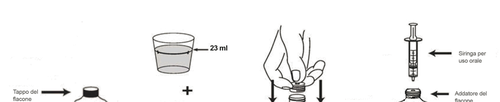
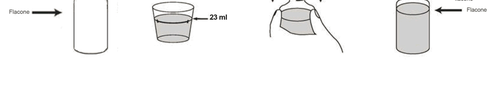
Instructions for use:
The pharmacist will advise you on how to measure the medicine using the multi-dose syringe included in the
package. Before using VFEND suspension, read the instructions below.
- 1. Shake the closed bottle containing the reconstituted suspension for about 10 seconds each time before use. Remove the cap.
- 2. When the bottle is in a vertical position, on a flat surface, insert the tip of the syringe into the adapter.
- 3. Turn the bottle upside down, keeping the syringe in the same position. Slowly pull the plunger of the syringe up to the mark indicating the dose to be taken.
- 4. If large bubbles are seen, push the plunger of the syringe back in slowly once more. This will push the medicine back into the bottle. Repeat step 3 again.
- 5. Return the bottle to a vertical position, keeping the syringe in the same position. Remove the syringe from the bottle.
- 6. Insert the tip of the syringe into your mouth. Position the tip of the syringe towards the inside of your cheek. Push the plunger of the syringe SLOWLY. Do not let the medicine out quickly. If the medicine is to be administered to a child, make sure the child is sitting or being held in an upright position before administering.
- 7. Replace the bottle cap leaving the adapter inserted. Rinse the syringe following these instructions:
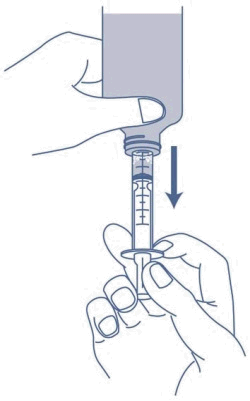
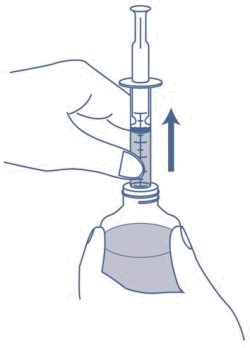
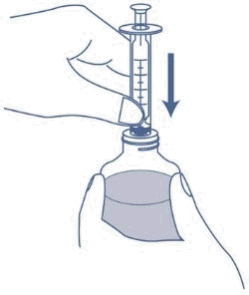
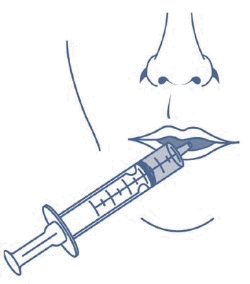
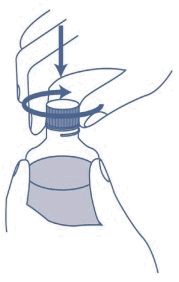
1 2 3 / 4 5 6
Washing and storing the syringe:
- 1. The syringe must be rinsed every time it is used. Remove the plunger from the syringe and rinse both components with warm soapy water. Then rinse with water.
- 2. Dry the two components. Insert the plunger back into the syringe. Store it in a dry and safe place together with the medicine.
If you take more VFEND than you should
If you take a larger amount of suspension than you have been prescribed (or if another person
takes your suspension) contact your doctor or go to the nearest emergency room. Bring the
package of VFEND suspension with you. Abnormal light intolerance may occur if you take
more VFEND than you should.
If you forget to take VFEND
It is important to take VFEND suspension regularly every day at the same time. If you
forget to take a dose, take the next dose at the correct time. Do not take a double dose
to make up for missed doses.
If you stop taking VFEND
It has been shown that taking doses at the right time can greatly increase
the effectiveness of your medicine. Therefore, unless your doctor has told you to stop
treatment, it is important to continue taking VFEND correctly, as described above.
Continue taking VFEND until your doctor tells you to stop treatment. Do not
stop treatment prematurely because the infection may not heal. Patients with a
weakened immune system or those with infections that are difficult to cure may require
long-term treatment to prevent the infection from returning.
When treatment with VFEND is stopped at the doctor's request, no
effects should occur.
If you have any doubts about using this medicine, ask your doctor, pharmacist or
nurse.
4. Possible side effects
Like all medicines, this medicine can cause side effects, although not everyone will experience them.
If side effects occur, most will likely be mild and
transient. However, some may be serious and require medical attention.
Serious side effects - Stop taking VFEND and consult your doctor immediately
- Skin rash
- Jaundice, changes in liver function tests
- Pancreatitis
Other side effects
Very common: may affect more than 1 in 10 people
- Impaired vision (changes in vision including blurred vision, altered color vision, abnormal intolerance to visual perception of light, color blindness, eye disease, halo vision, night blindness, oscillating vision, seeing sparks, visual aura, reduced visual acuity, visual brightness, partial loss of visual field, spots in front of the eyes)
- Fever
- Skin rashes
- Nausea, vomiting, diarrhea
- Headache
- Swelling of the extremities
- Stomach pain
- Difficulty breathing
- Elevated liver enzymes
Common: may affect up to 1 in 10 people
- Inflammation of the sinuses, inflammation of the gums, chills, fatigue
- Reduction, even severe, in the number of certain types of red blood cells (sometimes immune-related) and/or white blood cells (sometimes with fever), reduction in the number of blood cells (called platelets) that help blood clotting
- Low blood sugar levels, low potassium levels in the blood, low sodium levels in the blood
- Anxiety, depression, confusion, agitation, sleep disorders, hallucinations
- Convulsions, tremor or uncontrolled muscle movements, tingling or abnormal skin sensations, increased muscle tone, drowsiness, dizziness
- Bleeding in the eye
- Heart rhythm problems including very fast heartbeat, very slow heartbeat, fainting
- Low blood pressure, inflammation of a vein (which may be associated with the formation of a blood clot)
- Acute difficulty breathing, chest pain, swelling of the face (mouth, lips and around the eyes), fluid accumulation in the lungs
- Constipation, indigestion, inflammation of the lips
- Jaundice, inflammation of the liver and liver damage
- Skin rash that may involve blistering and severe skin peeling, characterized by a flat and reddened area of skin with small confluent bumps, skin redness
- Itching
- Hair loss
- Back pain
- Kidney failure, blood in the urine, changes in kidney function tests
- Sunburn or severe skin reaction following exposure to light or the sun
- Skin cancer
Uncommon: may affect up to 1 in 100 people
- Flu-like symptoms, irritation and inflammation of the gastrointestinal tract, inflammation of the gastrointestinal tract that can cause antibiotic-associated diarrhea, inflammation of the lymphatic vessels
- Inflammation of the thin tissue lining the inner wall of the abdomen and covering the abdominal organ
- Enlarged lymph nodes (sometimes painful), bone marrow failure, increased eosinophils
- Reduced function of the adrenal glands, reduced activity of the thyroid gland
- Changes in brain function, Parkinson's-like symptoms, nerve damage resulting in numbness, pain, tingling or burning in the hands or feet
- Problems with balance and coordination
- Brain edema
- Double vision, serious eye conditions including: pain and inflammation of the eyes and eyelids, abnormal eye movement, damage to the optic nerve with impaired vision, swelling of the optic disc
- Reduced sensitivity to touch
- Altered taste
- Hearing disorders, ringing in the ears, vertigo
- Inflammation of some internal organs, pancreas and duodenum, swelling and inflammation of the tongue
- Enlargement of the liver, liver failure, gallbladder diseases, gallstones
- Inflammation of the joints, inflammation of the superficial veins (which may be associated with the formation of blood clots)
- Inflammation of the kidneys, presence of protein in the urine, kidney damage
- Very fast heart rate or skipped beats, sometimes with irregular electrical impulses
- Altered electrocardiogram (ECG)
- Increased cholesterol, increased urea in the blood
- Allergic skin reactions (sometimes severe) including a potentially life-threatening skin condition causing blisters and painful sores on the skin and mucous membranes, especially in the mouth, skin inflammation, hives, redness and irritation of the skin, change in skin color that may be caused by a low platelet count, eczema
- Infusion reaction
- Allergic reactions or exaggerated immune response
- Inflammation of the tissues surrounding the bones
Rare: may affect up to 1 in 1000 people
- Hyperactive thyroid gland
- Deterioration of brain function, serious complication of liver disease
- Loss of much of the optic nerve fibers, corneal opacity, involuntary eye movement
- Blistering photosensitivity
- Disorder in which the body's immune system attacks a part of the peripheral nervous system
- Heart rhythm or conduction problems (sometimes fatal)
- Potentially life-threatening allergic reaction
- Disorders of the blood coagulation system
- Allergic skin reactions (sometimes severe), including rapid swelling (edema) of the dermis, subcutaneous tissue, mucous membranes and submucosal tissues, itchy or painful patches of thickened and reddened skin with silvery scales, skin irritation and mucous membranes, a potentially life-threatening skin condition causing the detachment of large portions of the epidermis (the outer layer of skin) from the underlying skin layers
- Small patches of dry, scaly skin, sometimes thick with bumps or ‘horns’
Side effects with unknown frequency:
- Freckles and pigmented spots
Other significant side effects, whose frequency is unknown but which should be reported
immediately to the doctor are:
- Red, scaly or ring-shaped skin lesions that may be symptoms of an autoimmune disease called systemic lupus erythematosus
Since VFEND has been shown to have effects on the liver and kidneys, the doctor will need to check the
function of the liver and kidneys by performing blood tests. Tell your doctor if you have stomach pain
or if your stools have a different consistency than usual.
Cases of skin cancer have been reported in patients treated with VFEND for prolonged periods.
Sunburn or a severe skin reaction following exposure to light or the sun has been
reported more frequently in children. If you or your child develops skin disorders, your
doctor may have you or your child visit a dermatologist who can decide if it is important for you or
your child to continue regular visits with the dermatologist. Elevated liver enzymes have also
been observed more frequently in children.
If any of these side effects persist or are bothersome, tell your doctor.
Reporting side effects
If you experience any side effects, including those not listed in this leaflet, please tell
your doctor or pharmacist or nurse. You can also report side effects directly
through the national reporting system listed in Annex V. By reporting side effects you can contribute to providing more information on the safety of this medicine.
5. How to store VFEND
Keep this medicine out of the sight and reach of children.
Do not use this medicine after the expiry date which is stated on the label. The expiry date
refers to the last day of that month.
Oral suspension powder: store at a temperature between 2°C and 8°C (in a refrigerator) before
reconstitution.
Reconstituted suspension:
Store at a temperature not exceeding 30°C.
Do not refrigerate or freeze.
Store in the original package.
Keep the container tightly closed.
Any unused suspension should be discarded after 14 days from reconstitution.
Do not dispose of any medicine in wastewater or household waste. Ask your pharmacist how to
dispose of medicines you no longer use. This will help protect the environment.
6. Package contents and other information
What VFEND contains
- The active ingredient is voriconazole. Each vial contains 45 g of powder corresponding to 70 ml of suspension after reconstitution with water as recommended. Each ml of reconstituted suspension contains 40 mg of voriconazole (see Paragraph 3. “How to take VFEND”).
- The other ingredients are: sucrose, colloidal silicon dioxide, titanium dioxide, xanthan gum, sodium citrate, sodium benzoate, citric acid, natural orange flavour (see paragraph 2, VFEND 40 mg/ml powder for oral suspension contains sucrose, sodium benzoate (sodium benzoate) and sodium).
Description of VFEND and package contents
VFEND is presented as a white to off-white oral suspension powder that, after
reconstitution with water, corresponds to a white to off-white suspension with an orange flavour.
Marketing Authorisation Holder:
Pfizer Europe MA EEIG, Boulevard de la Plaine 17, 1050 Brussels, Belgium.
Manufacturer
Fareva Amboise, Zone Industrielle, 29 route des Industries, 37530 Pfocé-sur-Cisse, France.
For further information on this medicinal product, contact the local representative of the marketing
authorisation holder:
België /Belgique/Belgien/
Luxembourg/Luxemburg
Pfizer NV/SA
Tél/Tel: +32 (0)2 554 62 11
Lietuva
Pfizer Luxembourg SARL
Filialas Lietuvoje
Tel. +3705 2514000
България
Пфайзер Люксембург САРЛ, Клон България
Тел.: +359 2 970 4333
Magyarország
Pfizer Kft.
Tel. + 36 1 488 37 00
Česká republika
Pfizer, spol. s.r.o.
Tel: +420-283-004-111
Malta
Vivian Corporation Ltd.
Tel : +356 21344610
Danmark
Pfizer ApS
Tlf.: +45 44 20 11 00
Nederland
Pfizer bv
Tel: +31 (0) 800 63 34 636
Deutschland
PFIZER PHARMA GmbH
Tel: +49 (0)30 550055-51000
Norge
Pfizer AS
Tlf: +47 67 52 61 00
Eesti
Pfizer Luxembourg SARL Eesti filiaal
Tel: +372 666 7500
Österreich
Pfizer Corporation Austria Ges.m.b.H.
Tel: +43 (0)1 521 15-0
Polska
Pfizer Polska Sp. z o.o.,
Tel.: +48 22 335 61 00
Ελλάδα
Pfizer ΕΛΛΑΣ A.E.
Τηλ.: +30 210 6785 800
España
Pfizer, S.L.
Tel: +34 91 490 99 00
Portugal
Laboratórios Pfizer, Lda.
Tel: + 351 214 235 500
France
Pfizer
Tél: +33 (0)1 58 07 34 40
România
Pfizer România S.R.L
Tel: +40 (0)21 207 28 00
Hrvatska
Pfizer Croatia d.o.o.
Tel: + 385 1 3908 777
Slovenija
Pfizer Luxembourg SARL
Pfizer, podružnica za svetovanje s področja
farmacevtske dejavnosti, Ljubljana
Tel: + 386 (0)152 11 400
Ireland
Pfizer Healthcare Ireland Unlimited Company
Tel: 1800 633 363 (toll free)
+44 (0)1304 616161
Slovenská republika
Pfizer Luxembourg SARL, organizačná zložka
Tel: +421-2-3355 5500
Ísland
Icepharma hf.,
Sími: + 354 540 8000
Suomi/Finland
Pfizer Oy
Puh/Tel: +358(0)9 43 00 40
Italia
Pfizer S.r.l.
Tel: +39 06 33 18 21
Sverige
Pfizer AB
Tel: +46 (0)8 5505 2000
Kύπρος
Pfizer ΕΛΛΑΣ Α.Ε. (Cyprus Branch)
Τηλ: +357 22 817690
Latvija
Pfizer Luxembourg SARL
Filiāle Latvijā
Tel: +371 670 35 775
More detailed information on this medicinal product is available on the website of the European
Medicines Agency, https://www.ema.europa.eu .

Виникли питання під час прийому ліків?
Обговоріть свої симптоми та лікування з лікарем онлайн.
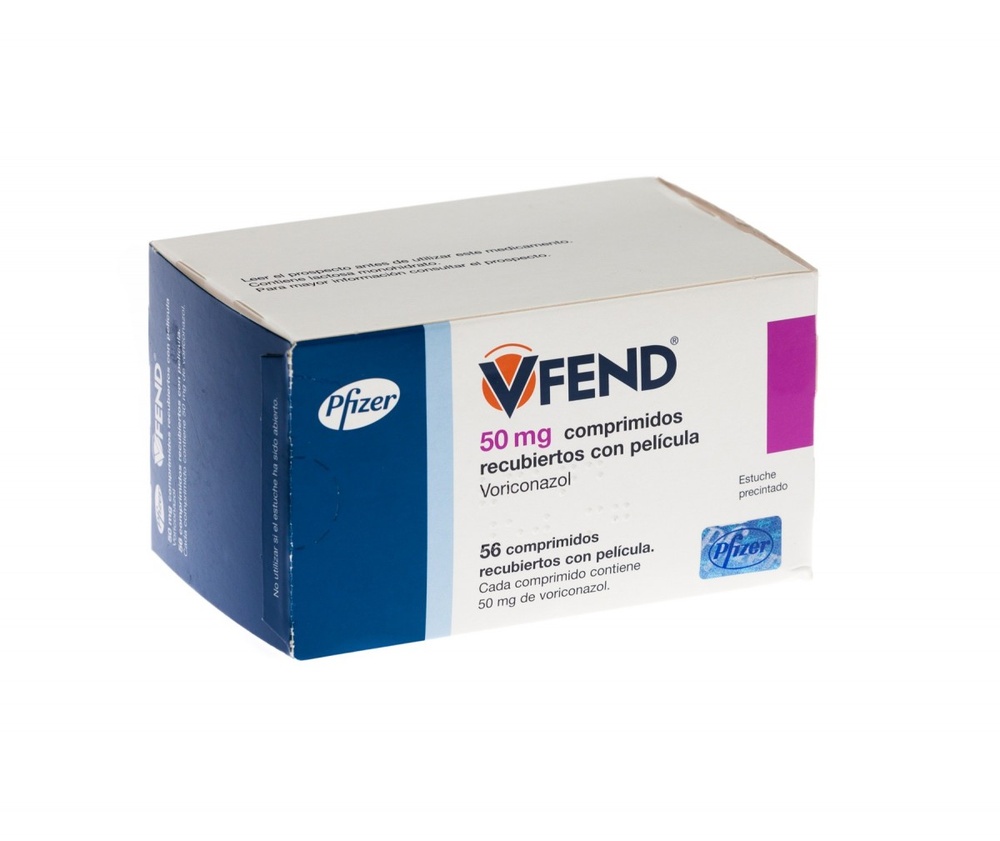
- Країна реєстрації
- Лікарська формаFilm-coated tablet, 50 MG
- Код АТХJ02AC03
- Діюча речовина
- Потрібен рецептТак
- Виробник
- Ця інформація надана лише для ознайомлення і не є медичною порадою. Рішення щодо лікування завжди приймає лікар.
- Альтернативи до VFENDЛікарська форма: Film-coated tablet, 50 MGДіюча речовина: ВориконазолВиробник: ACCORD HEALTHCARE, S.L.U.Потрібен рецептЛікарська форма: Film-coated tablet, 50 MGДіюча речовина: ВориконазолВиробник: AUROBINDO PHARMA (ITALIA) S.R.L.Потрібен рецептЛікарська форма: Powder for intravenous infusion solution, 200 MGДіюча речовина: ВориконазолВиробник: HAMELN PHARMA GMBHПотрібен рецепт
Аналоги VFEND в інших країнах
Препарати з тією самою діючою речовиною, доступні в інших країнах.
Аналог VFEND у Іспанія
Аналог VFEND у Польща
Аналог VFEND у Україна
Лікарі онлайн щодо VFEND
Застосування, безпека та можливість призначення рецепта — за результатами медичної оцінки.









Отримайте рецепт на VFEND онлайн
Заповніть форму за 2 хвилини
Розкажіть про симптоми, історію хвороби та потрібний препарат.
Оберіть лікаря або ми призначимо
Оберіть спеціаліста або ми підберемо найближчого доступного лікаря.
Лікар розглядає ваш випадок
Зазвичай протягом 30 хвилин. Може ставити уточнювальні запитання в чаті.
Отримайте в будь-якій аптеці
Електронний рецепт надсилається на вашу пошту — дійсний по всій Польщі.
Часті запитання
VFEND потребує рецепта в Італія. Ви можете обговорити з лікарем онлайн, чи підходить цей лікарський засіб для вашої ситуації.
Діюча речовина у VFEND — Вориконазол. Це допомагає визначити препарати з тим самим складом, але під іншими торговими назвами.
VFEND виробляється компанією PFIZER EUROPE MA EEIG. Назва бренду та упаковка можуть відрізнятися залежно від дистрибʼютора.
Лікарі, зокрема Сімейні лікарі, Психіатри, Дерматологи, Кардіологи, Ендокринологи, Гастроентерологи, Пульмонологи, Нефрологи, Ревматологи, Гематологи, Інфекціоністи, Алергологи, Геріатри, Педіатри, Онкологи, можуть оцінити доцільність застосування VFEND з урахуванням вашого стану та місцевих правил. Ви можете записатися на онлайн-консультацію, щоб обговорити симптоми та можливі подальші кроки.
Польща має добре розвинену систему охорони здоров'я у великих містах, таких як Варшава, Краків, Вроцлав і Гданськ. Аптеки широко доступні та працюють відповідно до чинного законодавства, забезпечуючи доступ до рецептурних препаратів.
Ви можете придбати VFEND у Варшаві, Кракові, Вроцлаві або Гданську в будь-якій аптеці за наявності дійсного рецепта.
Щоб отримати рецепт, ви можете скористатися Oladoctor:
Інші препарати з тією самою діючою речовиною (Вориконазол) включають VORIKONATSOLO AKKORD, VORIKONATSOLO AUROBINDO, VORIKONATSOLO AMELN. Вони можуть відрізнятися торговою назвою або формою випуску, але містять той самий терапевтичний компонент. Перед зміною або початком прийому нового препарату варто проконсультуватися з лікарем.
