



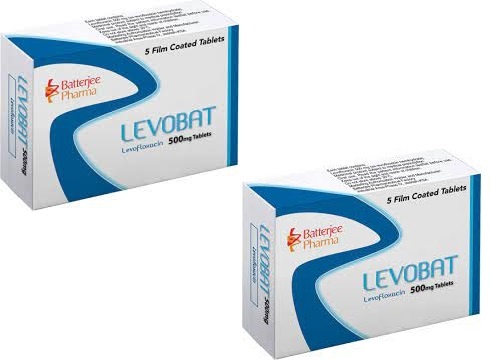
LEVOBAT 250 mg Film-Coated Tablets

Запит на рецепт онлайн
Лікар розгляне ваш випадок і визначить, чи є рецепт медично доцільним.

Поговоріть з лікарем про ці ліки
Обговоріть симптоми та можливі подальші кроки під час короткої онлайн-консультації.



Інструкція із застосування LEVOBAT
Зміст інструкції
LEVOBAT 250 mg film-coated tablets, 500 mg film-coated tablets
Generic medicine
Levofloxacin
Read this leaflet carefully before you start taking this medicine as it contains important information for you.
- Keep this leaflet. You may need to read it again.
- If you have any questions, ask your doctor or pharmacist.
- This medicine has been prescribed for you only. Do not pass it on to others, even if their symptoms are the same as yours, as it could be harmful.
- If you get any side effects, even those not listed in this leaflet, tell your doctor or pharmacist.
Contents of this leaflet:
- 1. What LEVOBAT tablets are and what they are used for
- 2. What you need to know before you take LEVOBAT tablets
- 3. How to take LEVOBAT tablets
- 4. Possible side effects
- 5. How to store LEVOBAT tablets
- 6. Contents of the pack and other information
1. WHAT IS LEVOBAT TABLETS AND WHAT IT IS USED FOR
LEVOBAT tablets contains the active substance called levofloxacin. This medicine
belongs to a group of medicines called antibiotics. Levofloxacin is a “quinolone” antibiotic.
This medicine works by killing the bacteria that cause infections
in the body.
LEVOBAT tablets can be used for the treatment of infections:
- of the sinuses
- of the lungs, in patients with chronic respiratory problems or pneumonia
- of the urinary tract, including kidneys and bladder
- of the prostate, where an infection may develop that is persistent
- of the skin and subcutaneous tissue, including muscles. These are sometimes called “soft tissues”. In some special situations, LEVOBAT tablets can be used to reduce the likelihood of contracting a lung disease called anthrax or the worsening of the disease after exposure to the bacterium that causes anthrax.
2. WHAT YOU NEED TO KNOW BEFORE TAKING LEVOBAT TABLETS
Do not take this medicine and tell your doctor if:
- you are allergic (hypersensitive) to levofloxacin, to any other type of quinolone antibiotic such as moxifloxacin, ciprofloxacin or ofloxacin or to any of the other ingredients of this medicine (listed in section 6). The signs of an allergic reaction include: skin rash, difficulty swallowing or breathing, swelling of the lips, face, throat or tongue
- you have had epilepsy
- you have had problems with your tendons, such as tendinitis, related to treatment with a “quinolone antibiotic”. Tendons are fibrous structures that connect muscles to the skeleton
- you are a child or adolescent during the growth period
- you are pregnant, may become pregnant or think you might be pregnant
- you are breastfeeding.
Do not take this medicine if the above applies to you in any way. If you have any doubts, ask your doctor, nurse or pharmacist before taking LEVOBAT.
Warnings and precautions
Before taking this medicine
Do not take antibacterial medicines based on quinolones/fluoroquinolones, including LEVOBAT,
if you have previously experienced any serious adverse reaction during treatment with a quinolone or
fluoroquinolone. In this case, inform your doctor as soon as possible.
Talk to your doctor or pharmacist before taking this medicine if:
- you are 60 years old or older
- you are taking corticosteroids, sometimes called steroids (see “Other medicines and LEVOBAT”)
- you have had seizures
- you have suffered brain damage following a stroke or other brain damage
- you have kidney problems
- you suffer from a disease known as “glucose-6-phosphate dehydrogenase deficiency”. Taking this medicine makes it more likely to develop serious blood problems
- you have suffered from mental health problems
- you have had heart problems: you should exercise caution when using this type of medicine if you were born with or have a family history of prolonged QT interval (seen on an electrocardiogram, the electrical trace of the heart), have an electrolyte imbalance in the blood (especially low levels of potassium or magnesium in the blood), have a very slow heart rate (called “bradycardia”), have a weak heart (heart failure), have had a heart attack (myocardial infarction), are a woman or elderly, or are taking other medicines that can alter the electrocardiogram (see section “Taking other medicines”).
- you have diabetes
- you have had liver problems
- you have myasthenia gravis
- you have been diagnosed with an enlargement or “bulging” of a large blood vessel (aortic aneurysm or peripheral aneurysm of a large blood vessel).
- if you have previously experienced episodes of aortic dissection (a tear in the wall of the aorta).
- if you have a family history of aortic aneurysm, aortic dissection or other risk factors or predisposing conditions (e.g. connective tissue diseases such as Marfan syndrome, vascular Ehlers-Danlos syndrome, or if you suffer from vascular diseases such as Takayasu arteritis, giant cell arteritis, Behcet's syndrome, high blood pressure or known atherosclerosis).
If you experience sudden abdominal, chest or back pain, go to the emergency room immediately.
If you have any doubts that the above may apply to you in any way, talk to your doctor or
pharmacist before taking LEVOBAT.
When taking this medicine
Rarely, pain and swelling in the joints and inflammation or rupture of the
tendons can occur. The risk is greater if you are elderly (over 60 years of age), if you have received an organ
transplant, if you have kidney problems or if you are being treated with corticosteroids. Inflammation and
tendon rupture can occur within the first 48 hours of treatment and up to several months after
stopping LEVOBAT therapy. At the first signs of pain or inflammation in a tendon (for
example in the ankle, wrist, elbow, shoulder or knee), stop treatment with
LEVOBAT, see a doctor and rest the painful part. Avoid any unnecessary movement, as the risk of tendon rupture could increase.
Rarely, symptoms of nerve damage (neuropathy) such as pain, burning, tingling, numbness and/or weakness, particularly in the feet and legs or hands and
arms can occur. In this case, stop treatment with LEVOBAT and inform your doctor immediately,
to prevent nerve damage from becoming permanent.
Serious, prolonged, disabling and potentially irreversible adverse effects
Antibacterial medicines based on fluoroquinolones/quinolones, including LEVOBAT, have been
associated with very rare but serious adverse effects, some of which are prolonged (lasting months or
years), disabling or potentially irreversible. These include pain in the tendons, muscles and
joints of arms and legs, difficulty walking, abnormal sensations such as prickling, tingling, itching, numbness or burning (paresthesia), disorders of the sense organs such as
impaired vision, taste, smell and hearing, depression, impaired
memory, severe fatigue and severe sleep disturbances.
If you experience any of these adverse effects after taking LEVOBAT, contact
your doctor immediately before continuing treatment. The doctor will decide with you whether to
continue treatment and will also consider the use of an antibiotic from another
class.
Other medicines and LEVOBAT
Tell your doctor or pharmacist if you are taking or have recently taken or might take
any other medicines. This is because LEVOBAT can affect the mechanism of action of other
medicines. Also, some medicines can affect the mechanism of action of LEVOBAT.
In particular, tell your doctor if you are taking any of the following medicines.
This is because taking them at the same time as LEVOBAT may increase the possibility
that you experience adverse effects:
- corticosteroids, sometimes called steroids - used to treat inflammation. The possibility that you develop tendon inflammation and/or rupture is greater.
- warfarin - used to thin the blood. The possibility that you experience bleeding is greater. Your doctor may ask you to have regular blood tests to check your blood clotting.
- theophylline - used for breathing problems. The possibility that you have a seizure is greater if you take theophylline in combination with LEVOBAT.
- non-steroidal anti-inflammatory drugs (NSAIDs) - used for pain and inflammation such as aspirin, ibuprofen, fenbufen, ketoprofen and indometacin. The possibility that you have a seizure if taken in combination with LEVOBAT is greater.
- cyclosporine - used for organ transplants. The possibility that you experience the typical adverse effects of cyclosporine is greater.
- medicines known for their effects on the heartbeat. These include medicines used to treat irregular heartbeat (antiarrhythmics such as quinidine, hydroquinidine, disopyramide, sotalol, dofetilide, ibutilide and amiodarone), for depression (tricyclic antidepressants such as amitriptyline and imipramine), for psychiatric disorders (antipsychotics) and for bacterial infections (macrolide antibiotics such as erythromycin, azithromycin and clarithromycin),
- probenecid - used to treat gout and cimetidine - used for ulcers and heartburn. Particular care must be taken when using any of these medicines in combination with LEVOBAT. If you have kidney problems, your doctor may prescribe you a lower dose.
Do not take LEVOBAT tablets at the same time as the following medicines. This is because
the mechanism of action of LEVOBAT tablets could be affected:
- iron salts in tablets (for anemia), zinc supplements, antacids containing magnesium or aluminum (for acidity or heartburn), didanosine or sucralfate (for stomach ulcers). See section 3 “If you are taking iron salts in tablets, zinc supplements, antacids, didanosine or sucralfate”
Urine tests for opiates
In patients taking LEVOBAT, urine tests may give “false-positive” results
for strong painkillers called ‘opiates’. If your doctor deems it necessary to have urine tests done, inform them that you are taking LEVOBAT.
Tuberculosis tests
This medicine can cause “false negative” results in some tests used in the laboratory to
detect the bacterium that causes tuberculosis.
Pregnancy and breastfeeding
Do not take this medicine if:
- you are pregnant, may become pregnant or think you might be pregnant
- you are breastfeeding or plan to breastfeed
Driving and operating machinery
Some adverse effects can occur after taking this medicine
including dizziness, drowsiness, a subjective sensation of movement (vertigo) or visual disturbances.
Some of these adverse effects may impair your ability to concentrate and your reaction speed. If this happens, do not drive vehicles or perform activities that require a high level of
attention.
3. HOW TO TAKE LEVOBAT TABLETS
Take this medicine following exactly the instructions of your doctor. If you have doubts
consult your doctor or pharmacist.
Taking this medicine
- take this medicine by mouth
- swallow the tablets whole with some water
- the tablets can be taken with or without food
Protect your skin from sunlight
Do not expose yourself to direct sunlight during treatment with this medicine and for 2 days
after the end of treatment. This is because your skin will become much more sensitive to the sun and may
burn, itch or severe lesions may occur, if you do not observe the following precautions:
- make sure to use a sunscreen with a high protection factor
- always wear a hat and clothing that covers your arms and legs
- avoid sunbeds
If you are already taking iron salts in tablets, zinc supplements, antacids, didanosine or
sucralfate
- Do not take these medicines at the same time as LEVOBAT. Take the prescribed dose of these medicines at least 2 hours before or after taking LEVOBAT tablets.
How much medicine to take
- The doctor will decide how much LEVOBAT tablets you should take
- The dose will depend on the type of infections you have contracted and the location of the infection in the body
- The duration of treatment will depend on the severity of the infection
- If you feel that the effect of the medicine is too weak or too strong, do not change the dosage yourself but consult your doctor
Adults and the elderly
Sinus infections
- two LEVOBAT 250 mg tablets once a day
- or, one LEVOBAT 500 mg tablet once a day Lung infections, in patients with chronic respiratory problems
- two LEVOBAT 250 mg tablets once a day
- or, one LEVOBAT 500 mg tablet once a day Pneumonia
- two LEVOBAT 250 mg tablets one or two times a day
- or, one LEVOBAT 500 mg tablet one or two times a day Urinary tract infections including kidneys or bladder
- one or two LEVOBAT 250 mg tablets once a day
- or, half or one LEVOBAT 500 mg tablet once a day Prostate infections
- two LEVOBAT 250 mg tablets once a day
- or, one LEVOBAT 500 mg tablet once a day Skin and subcutaneous tissue infections, including muscles
- two LEVOBAT 250 mg tablets one or two times a day
- or, one LEVOBAT 500 mg tablet one or two times a day
Adults and elderly with kidney problems
Your doctor may need to reduce the dosage.
Children and adolescents
This medicine should not be given to children or adolescents.
If you take more LEVOBAT tablets than you should
If you accidentally take more tablets than you should, immediately inform your doctor or
seek medical advice elsewhere. Bring the package of the medicine with you. This will allow the
doctor to know what you have taken. The following side effects may occur: seizures (epileptic fit), confusion, dizziness, feeling of fainting, tremor and
heart problems – which can lead to irregular heartbeat and a feeling of unwellness
(nausea) or heartburn.
If you forget to take LEVOBAT tablets
If you forget to take a dose, take it as soon as you remember unless it is time to
take the next dose. Do not take a double dose to make up for the missed dose.
If you stop taking LEVOBAT tablets
Do not stop taking LEVOBAT just because you feel better. It is important that you complete
the cycle of tablets prescribed by your doctor. If you stop taking the tablets too early, the
infection may recur and your condition may worsen or bacteria
may develop resistance to the medicine.
If you have any doubts about the use of this medicine, consult your doctor or pharmacist.
4. POSSIBLE SIDE EFFECTS
Like all medicines, this medicine can cause side effects, although not everyone gets them.
Usually, these effects are mild to moderate and often disappear after a short time.
Stop taking LEVOBAT and seek immediate medical attention or go to hospital if you
notice the following side effect:
Very rare(may affect up to 1 in 10,000 people)
- you have an allergic reaction. The signs can include: skin rash, difficulty swallowing or difficulty breathing, swelling of the lips, face, throat or tongue.
Stop taking LEVOBAT and seek immediate medical attention if you notice any of the
following side effects – you may need to receive urgent medical treatment:
Rare(may affect up to 1 in 1,000 people)
- watery diarrhoea with possible blood, sometimes accompanied by stomach cramps and high fever. This may be a sign of a serious intestinal problem.
- pain and inflammation of tendons or ligaments which may rupture in some cases. The Achilles tendon is most often affected.
- convulsions
Very rare(may affect up to 1 in 10,000 people)
- burning, tingling, pain or numbness. These signs may indicate a disease called “neuropathy”
Other:
- severe skin rash that may include blisters or peeling of the skin around the lips, eyes, mouth, nose and genitals
- loss of appetite, yellowing of the skin and eyes, dark urine, itching or stomach pain. These may be signs of liver problems which can include fatal liver failure (liver failure that can cause death).
If your vision becomes blurred or if you experience any discomfort in your eyes while taking
LEVOBAT, consult an ophthalmologist immediately.
Tell your doctor if any of the following side effects worsen or last for more than
a few days:
Common(may affect up to 1 in 10 people)
- difficulty sleeping
- headache, dizziness
- feeling unwell (nausea, vomiting) and diarrhoea
- increased levels of liver enzymes in the blood
Uncommon(may affect up to 1 in 100 people)
- changes in the number of other bacteria or fungi, infections from a fungus called Candida, which may require the start of treatment
- changes in the number of white blood cells shown in some blood tests (leukopenia, eosinophilia)
- feeling of stress (anxiety), feeling of confusion, feeling of nervousness, drowsiness, tremor, dizziness
- shortness of breath (dyspnea)
- change in the taste of things, loss of appetite, stomach upset or indigestion (dyspepsia), pain in the stomach area, feeling of bloating (flatulence), constipation
- itching and rash, severe itching or hives, excessive sweating (hyperhidrosis)
- joint pain or muscle pain
- blood tests may show abnormal results due to liver (increased bilirubin) or kidney (increased creatinine) problems
- general weakness
Rare(may affect up to 1 in 1,000 people)
- bruising and easy bleeding due to a reduction in the number of platelets in the blood (thrombocytopenia)
- low number of white blood cells (neutropenia)
- exaggerated immune response (hypersensitivity)
- low blood sugar levels (hypoglycemia). This is important for those who suffer from diabetes
- seeing or hearing things that do not exist (hallucinations, paranoia), changes in opinion and second thoughts (psychotic reactions) with the possibility of developing suicidal thoughts or acts
- feeling of depression, mental problems, feeling of restlessness (agitation), abnormal dreams or nightmares
- feeling of tingling in the hands and feet (paresthesia)
- hearing problems (tinnitus) or vision problems (blurred vision)
- unusually fast heartbeat (tachycardia) or low blood pressure (hypotension)
- muscle weakness. This is important for patients who suffer from myasthenia gravis (a rare disease of the nervous system)
- changes in kidney function and occasional kidney failure which may be caused by an allergic reaction to the kidneys called interstitial nephritis
- fever
Other side effects include:
- decreased red blood cells (anemia). This can lead to paleness or yellowish skin due to damage to red blood cells and a decrease in the number of all types of cells in the blood (pancytopenia)
- fever, sore throat and a general feeling of unwellness that does not go away. This may be due to a decrease in the number of white blood cells in the blood (agranulocytosis)
- lack of blood flow ( anaphylactic shock)
- increased blood sugar levels (hyperglycemia) or decreased blood sugar levels leading to coma (hypoglycemic coma). This is important for those who suffer from diabetes
- change in the smell of things, loss of smell or taste (parosmia, anosmia, ageusia) difficulty moving and walking (dyskinesia, extrapyramidal disorders)
- temporary loss of consciousness or posture (syncope)
- temporary loss of vision
- worsening or loss of hearing
- unusually fast heartbeat, irregular heartbeat with life-threatening including cardiac arrest, changes in the heartbeat (called “prolongation of the QT interval” seen on the electrocardiogram, heart electrical activity)
- difficulty breathing or wheezing (bronchospasm)
- allergic reactions to the lungs
- pancreatitis
- inflammation of the liver (hepatitis)
- increased sensitivity of the skin to the sun or ultraviolet rays (photosensitivity)
- inflammation of the blood vessels throughout the body due to an allergic reaction (vasculitis)
- inflammation of the inner tissues of the mouth (stomatitis)
- muscle breakdown and destruction of muscles (rhabdomyolysis)
- redness and swelling of the joints (arthritis)
- pain, including back pain, chest pain and limb pain
- attacks of porphyria in patients who already suffer from porphyria (a very rare metabolic disease)
- persistent headache with or without blurred vision (benign intracranial hypertension)
Very rare cases of prolonged (lasting months or years) or permanent adverse drug reactions, such as tendon inflammation, tendon rupture, joint pain, arm or leg pain, difficulty walking, abnormal sensations such as tingling, prickling, itching, burning, numbness or pain (neuropathy), depression, fatigue, sleep disorders, impaired memory and altered hearing, vision, taste and smell, have been associated with the use of antibiotics of the quinolone and fluoroquinolone type, in some cases independently of pre-existing risk factors.
Reporting of side effects
If you experience any side effect, including those not listed in this leaflet, please
tell your doctor or pharmacist. You can also report side effects directly through the national
reporting system at
www.agenziafarmaco.gov.it/content/come-segnalare-una-sospetta-reazione-avversa.
By reporting side effects you can help provide more information on the
safety of this medicine.
5. HOW TO STORE LEVOBAT TABLETS
Keep this medicine out of the sight and reach of children.
This medicine does not require any particular storage conditions but it is best
to store LEVOBAT tablets in the blister and in the original box and in a dry place.
Do not use this medicine after the expiry date which is reported on the box and on the foil
after Exp. The expiry date refers to the last day of that month.
Do not dispose of any medicine in the wastewater or household waste. Ask your pharmacist how
to eliminate medicines that you no longer use. This will help to protect the environment.
6. CONTENTS OF THE PACK AND OTHER INFORMATION
What LEVOBAT tablets contain
The active ingredient is levofloxacin. Each LEVOBAT 250 mg tablet contains 250
mg of levofloxacin and each LEVOBAT 500 mg tablet contains 500 mg of
levofloxacin.
The other ingredients are:
- For the tablet core: crospovidone, hypromellose, microcrystalline cellulose and sodium stearylfumarate
- For the coating: hypromellose, titanium dioxide (E171), talc, macrogol, yellow iron oxide (E172) and red iron oxide (E172).
Description of the appearance of LEVOBAT tablets and contents of the pack
Film-coated tablets, for oral use. The tablets are oblong and have a fracture line
of pale yellow-white to reddish-white color.
For LEVOBAT 250 mg, the tablets are available in packs of 5 tablets.
For LEVOBAT 500 mg, the tablets are available in packs of 5 tablets.
Not all pack sizes may be marketed.
Marketing Authorisation Holder
Dymalife Pharmaceutical S.r.L.Via Bagnulo, 95 Piano di Sorrento 80063 (NA)
Manufacturers
DOPPEL FARMACEUTICI SRL
Via Volturno, 48 – 20089 Quinto dè Stampi – Rozzano (MI)
DOPPEL FARMACEUTICI SRL
Vai Martiri delle Foibe,1 – 29016 Cortemaggiore (PC)
If you require further information or have any doubts, please ask your doctor or pharmacist.

Не впевнені, чи підходить вам цей лікарський засіб?
Обговоріть симптоми та можливі варіанти лікування з лікарем онлайн.

Виникли питання під час прийому ліків?
Обговоріть свої симптоми та лікування з лікарем онлайн.
- Країна реєстрації
- Лікарська формаFilm-coated tablet, 250 MG
- Код АТХJ01MA12
- Діюча речовина
- Потрібен рецептТак
- Виробник
- Ця інформація надана лише для ознайомлення і не є медичною порадою. Рішення щодо лікування завжди приймає лікар.
- Альтернативи до LEVOBATЛікарська форма: Film-coated tablet, 250 MGДіюча речовина: левофлоксацинаВиробник: KONPHARMA S.R.L.Потрібен рецептЛікарська форма: Film-coated tablet, 500 MGДіюча речовина: левофлоксацинаВиробник: EURO-PHARMA S.R.L.Потрібен рецептЛікарська форма: Film-coated tablet, 250 MGДіюча речовина: левофлоксацинаВиробник: I.B.N. SAVIO S.R.LПотрібен рецепт
Аналоги LEVOBAT в інших країнах
Препарати з тією самою діючою речовиною, доступні в інших країнах.
Аналог LEVOBAT у Іспанія
Аналог LEVOBAT у Польща
Аналог LEVOBAT у Україна
Лікарі онлайн щодо LEVOBAT
Застосування, безпека та можливість призначення рецепта — за результатами медичної оцінки.









Отримайте рецепт на LEVOBAT онлайн
Заповніть форму за 2 хвилини
Розкажіть про симптоми, історію хвороби та потрібний препарат.
Оберіть лікаря або ми призначимо
Оберіть спеціаліста або ми підберемо найближчого доступного лікаря.
Лікар розглядає ваш випадок
Зазвичай протягом 30 хвилин. Може ставити уточнювальні запитання в чаті.
Отримайте в будь-якій аптеці
Електронний рецепт надсилається на вашу пошту — дійсний по всій Польщі.
Часті запитання
LEVOBAT потребує рецепта в Італія. Ви можете обговорити з лікарем онлайн, чи підходить цей лікарський засіб для вашої ситуації.
Діюча речовина у LEVOBAT — левофлоксацина. Це допомагає визначити препарати з тим самим складом, але під іншими торговими назвами.
LEVOBAT виробляється компанією DYMALIFE PHARMACEUTICAL S.R.L.. Назва бренду та упаковка можуть відрізнятися залежно від дистрибʼютора.
Лікарі, зокрема Сімейні лікарі, Психіатри, Дерматологи, Кардіологи, Ендокринологи, Гастроентерологи, Пульмонологи, Нефрологи, Ревматологи, Гематологи, Інфекціоністи, Алергологи, Геріатри, Педіатри, Онкологи, можуть оцінити доцільність застосування LEVOBAT з урахуванням вашого стану та місцевих правил. Ви можете записатися на онлайн-консультацію, щоб обговорити симптоми та можливі подальші кроки.
Польща має добре розвинену систему охорони здоров'я у великих містах, таких як Варшава, Краків, Вроцлав і Гданськ. Аптеки широко доступні та працюють відповідно до чинного законодавства, забезпечуючи доступ до рецептурних препаратів.
Ви можете придбати LEVOBAT у Варшаві, Кракові, Вроцлаві або Гданську в будь-якій аптеці за наявності дійсного рецепта.
Щоб отримати рецепт, ви можете скористатися Oladoctor:
Інші препарати з тією самою діючою речовиною (левофлоксацина) включають AJILEV, ALLGRAM, ALVAND. Вони можуть відрізнятися торговою назвою або формою випуску, але містять той самий терапевтичний компонент. Перед зміною або початком прийому нового препарату варто проконсультуватися з лікарем.
