



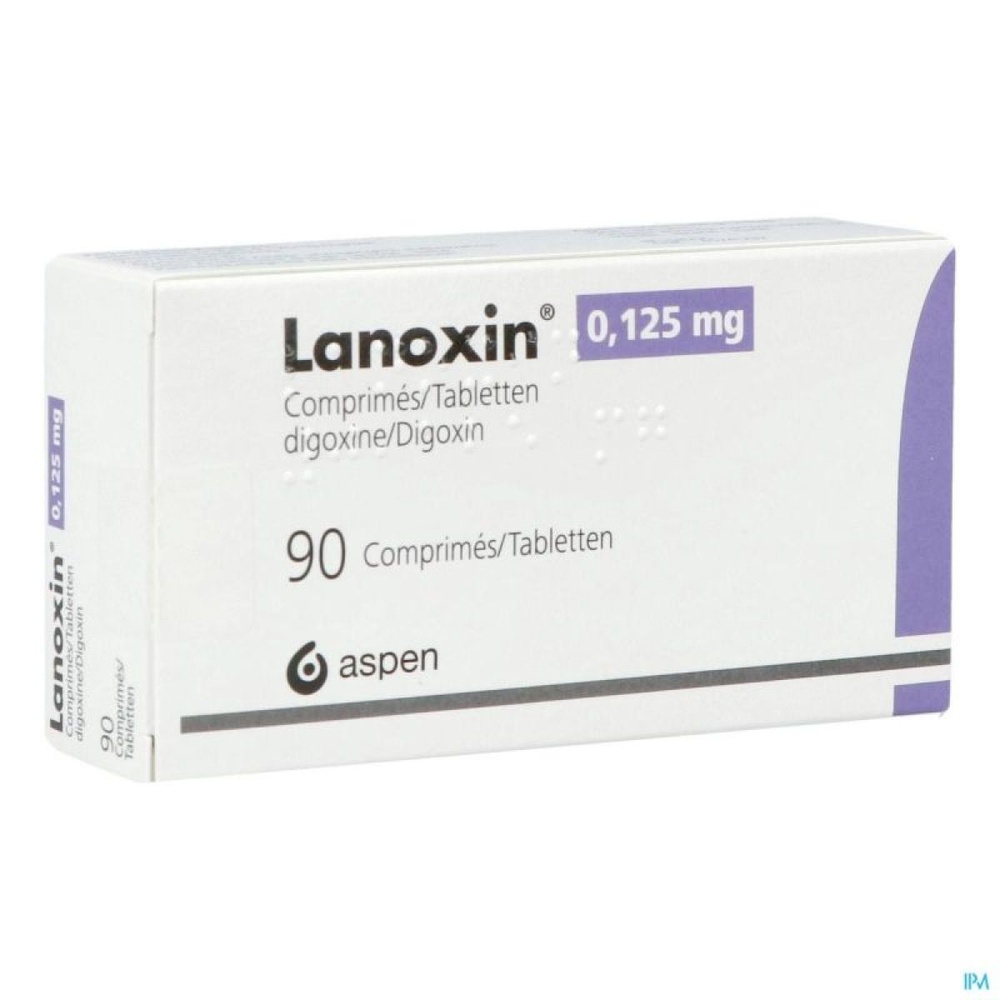
LANOXIN 0.250 mg Coated tablet

Запит на рецепт онлайн
Лікар розгляне ваш випадок і визначить, чи є рецепт медично доцільним.

Поговоріть з лікарем про ці ліки
Обговоріть симптоми та можливі подальші кроки під час короткої онлайн-консультації.



Інструкція із застосування LANOXIN
Зміст інструкції
- LANOXIN 0.0625 mg Tablets, 0.125 mg Tablets, 0.250 mg Tablets
- LANOXIN 0,5 mg/2 ml Injectable Solution
- LANOXIN Injectable Solution can be administered undiluted or diluted with a volume
- LANOXIN 0.05 mg/ml Syrup
LANOXIN 0.0625 mg Tablets, 0.125 mg Tablets, 0.250 mg Tablets
digoxin
Read this leaflet carefully before you start taking this medicine as it contains important information for you.
- Keep this leaflet. You may need to read it again.
- If you have any questions, ask your doctor or pharmacist.
- This medicine has been prescribed for you only. Do not pass it on to others, even if their symptoms are the same as yours, as it could be harmful.
- If you get any side effects, even those not listed in this leaflet, tell your doctor or pharmacist. See section 4.
Contents of this leaflet:
- 1. What LANOXIN is and what it is used for
- 2. What you need to know before you take LANOXIN
- 3. How to take LANOXIN
- 4. Possible side effects
- 5. How to store LANOXIN
- 6. Contents of the pack and other information
1. What LANOXIN is and what it is used for
LANOXIN contains the active ingredient digoxin, which belongs to a group of medicines called
digitalis glycosides. These medicines work by decreasing the frequency and increasing the force of the
heart.
LANOXIN is indicated in:
- Treatment of chronic heart failure with a predominant abnormality of heart contraction (systolic abnormality). Its effects are more evident if you experience an increase in the volume of the ventricles (lower chambers of the heart). Digoxin is particularly indicated when heart failure is accompanied by an irregular heart rhythm (atrial fibrillation).
- Treatment of some alterations of the heart rhythm, such as chronic atrial fibrillation and flutter, in order to lower the ventricular response rate.
See your doctor if you do not feel better or if you feel worse.
2. What you need to know before taking LANOXIN
Do not take LANOXIN
- if you are allergic to digoxin, to other cardiac glycosides or to any of the other components of this medicine (listed in section 6).
- if you experience complete intermittent heart block (complete and inconsistent blockage of the transmission of the stimulus from the chambers of the heart from which blood enters, the atria, to the chambers that carry blood out of the heart, the ventricles) or second-degree atrioventricular block (failure of transmission to the ventricles of some beats), especially if you have a clinical history of Stokes-Adams attacks (lowering of blood pressure with loss of consciousness for a few seconds).
- if you experience arrhythmias (alterations in the rhythm of the heartbeat) caused by glycoside cardioactive poisoning (medicines that increase the force of heart contraction).
- if you experience supraventricular arrhythmias (the heart beats too fast or too slowly or with a completely irregular rhythm), such as in Wolff-Parkinson-White Syndrome (a disease that can cause frequent palpitations and tachycardia).
- if you experience an increased heart rate (ventricular tachycardia) or an abnormal heart rhythm originating from the ventricles (ventricular fibrillation).
- if you suffer from thickening of the heart walls (obstructive hypertrophic cardiomyopathy), unless you also suffer from atrial fibrillation or heart failure, but even in this case, great caution is necessary when using digoxin.
Warnings and precautions
Consult your doctor or pharmacist before taking LANOXIN.
Poisoning with LANOXIN can cause irregular heartbeats. This effect can resemble
those for which the medicine is indicated.
Many of the benefits of LANOXIN in the treatment of irregular heartbeats (arrhythmias) are due to the
fact that this medicine slows down the transmission of the electrical impulse in the heart. If this type of
slowing already exists, the doctor must consider that your conditions may worsen with
therapy with LANOXIN.
If you have recently had a heart attack (myocardial infarction). The doctor will assess whether the use of
digoxin and medicines with the same action could, in this case, increase the demand for
oxygen from the heart which, being damaged due to the infarction, cannot
meet this demand, thus increasing the risk of ischemia (mechanism at the base
of the infarction).
Tell your doctor if:
- you have low levels of potassium (hypokalemia), magnesium (hypomagnesemia), or blood oxygen (hypoxia), as these conditions increase the heart's sensitivity to medicines that belong to the same group as digoxin (cardiac glycosides);
- you have high levels of calcium in the blood (hypercalcemia) as they increase the heart's sensitivity to medicines that belong to the same group as digoxin;
- you suffer from beriberi heart disease, due to a lack of vit. B1 because if the deficiency is not treated simultaneously, it may not respond adequately to digoxin;
- you have breathing problems as they increase the heart's sensitivity to medicines that belong to the same group as digoxin;
- you have thyroid problems, in this case your doctor may need to adjust the dose of digoxin.
- you have malabsorption syndrome (reduced intestinal absorption) or gastrointestinal reconstructions (previous surgeries on the intestine), your doctor may need to increase the doses of digoxin;
- you have heart failure associated with cardiac amyloidosis (accumulation of a protein called amyloid in the heart muscle), as in this case treatment with digoxin should generally be avoided, unless strictly necessary and no other drug can be used to control heart rate in case of atrial fibrillation;
- you have myocarditis (inflammation of the heart muscle), as digoxin can rarely trigger a partial closure of the arteries and therefore should be avoided;
- you experience constrictive pericarditis (inflammation and hardening of the pericardium, the outer membrane that surrounds the heart), as digoxin should not be used unless it is used to control ventricular rate during atrial fibrillation or to improve systolic dysfunction;
- you are taking diuretics (medicines that facilitate urine production and help reduce the amount of water in the body) alone or together with an ACE inhibitor (used mainly for the treatment of blood pressure). Do not stop taking digoxin tablets without talking to your doctor.
Tell your doctor if you are undergoing an electrocardiogram under
stress because digoxin can affect the exam.
The doctor will carefully assess the dose of digoxin to be prescribed if you are an elderly patient or in case
of kidney problems.
The doctor will periodically subject you to tests to check blood electrolytes and kidney function.
If you have taken cardiac glycosides (medicines for the treatment of heart failure and some irregular heartbeats) in the previous two weeks, the doctor will
re-examine the dose recommendations and may advise reducing the dose.
Other medicines and LANOXIN
Tell your doctor or pharmacist if you are taking, have recently taken or might take
any other medicine. Some medicines can affect the effect of LANOXIN.
In particular, tell your doctor if you are taking the following medicines:
- Medicines used to treat high blood pressure (antihypertensives), e.g. prazosin, telmisartan, verapamil, felodipine and tiapamil
- Epoprostenol (used to lower increased pulmonary circulation pressure) (transient effect)
- Medicines used to treat irregular heartbeats (antiarrhythmics), e.g. amiodarone, flecainide, propafenone, quinidine, dronedarone
- Diuretic medicines, e.g. spironolactone, tolvaptan, conivaptan hydrochlorothiazide
- Medicines used to treat depression, e.g. Nefazodone
- Flibanserin (used for low sexual desire in premenopausal women)
- St. John's Wort (Hypericum Perforatum), used to treat depression
- Medicines used to treat anxiety (antipsychotics), e.g. lithium, alprazolam
- Corticosteroid medicines (used as anti-inflammatory drugs and to suppress the immune system)
- Medicines used to treat stomach problems, including indigestion, diarrhea and vomiting, e.g. carbenoxolone, propantheline, metoclopramide, bulk laxatives, antacids, kaolin-pectin
- Calcium
- Antibiotics e.g. erythromycin, clarithromycin, tetracyclines, gentamicin, trimethoprim, neomycin, rifampicin
- Penicillamines (used to treat rheumatoid arthritis)
- Medicines used to treat fungal infections (itraconazole, isavuconazole and posaconazole)
- Mirabegron (medicine used for the treatment of overactive bladder)
- Ivacaftor (for the treatment of cystic fibrosis)
- Medicines used to treat malaria (antimalarials), e.g. quinine
- Cyclosporine (medicine used to prevent rejection following organ transplants)
- Medicines used to treat infections, e.g. indometacin, sulfasalazine
- Medicines used to treat heart disorders, e.g. carvedilol, ranolazine, nifedipine, diltiazem
- Medicines used to treat epilepsy, e.g. phenytoin
- Medicines used to treat diabetes, e.g. acarbose or canagliflozin
- Medicines used to treat tumors (e.g. lapatinib, vandetanib, vemurafenib, osimertinib)
- Medicines used to lower blood cholesterol e.g. atorvastatin, cholestyramine
- Medicines used to treat asthma, e.g. salbutamol
- Adrenaline and dopamine
- Medicines used to treat viral infections (e.g. ritonavir/regimens containing ritonavir, telaprevir, simeprevir, velpatasvir, daclatasvir)
- Medicines used to reduce platelet aggregation, preventing blood clots, e.g. ticagrelor
- Suxamethonium (general anesthetic)
- Medicine against depression and used to quit smoking (bupropion)
- Enteral nutritional supplement (administration of some nutrients directly into the stomach or intestine using special probes when the patient does not feed adequately)
- If you have heart failure and are taking senna glycosides (medicines that increase the amount of stool to help you have bowel movements) together with LANOXIN, you may have a moderate increase in the risk of digoxin toxicity
- Venetoclax (used to treat patients with chronic lymphocytic leukemia)
- Proton pump inhibitors (PPIs) (used to relieve symptoms of acid reflux, or gastroesophageal reflux disease).
Beta-blocker medicines, which slow down the heart rate and the work of the heart: digoxin can
increase the time of transmission of the stimulus to the ventricles. Medicines that modify the tone of
the kidney blood vessels can alter the mechanism of blood purification by the kidneys.
Angiotensin-converting enzyme (ACE) inhibitors, angiotensin receptor blockers (ARBs), antihypertensives, non-steroidal anti-inflammatory drugs (NSAIDs) and
cyclooxygenase-2 inhibitors (pain relievers) have not significantly altered the
pharmacokinetics (absorption to elimination) of digoxin. However, these medicines
can alter kidney function in some patients, which results in a secondary increase
increase due to reduced renal elimination of digoxin levels.
Pregnancy, breastfeeding and fertility
If you are pregnant, suspect or are planning a pregnancy, or if you are breastfeeding with breast milk, ask your doctor or pharmacist before taking this medicine.
Pregnancy
The use of LANOXIN during pregnancy is not contraindicated; however, your doctor may consider
necessary to adjust the dose during pregnancy.
The doctor will assess the benefits of LANOXIN therapy for you against the risks to the fetus.
Breastfeeding
Breastfeeding is not contraindicated.
Newborns and premature babies
The doctor may need to adjust the dose of LANOXIN in newborns and premature babies.
Driving and operating machinery
If you experience visual disturbances and nervous system disorders, you should be cautious before driving
vehicles and using machinery.
LANOXIN tablets contain lactose;if your doctor has diagnosed you with intolerance to some
sugars, contact him before taking this medicine.
3. How to take LANOXIN
Take this medicine following exactly the instructions of your doctor. If you have any doubts, consult your
doctor.
The doctor will assess the dose of digoxin suitable for you based on your age, weight and kidney function.
If you take more LANOXIN than you should
In case of accidental ingestion/intake of an excessive dose of LANOXIN, immediately inform your
doctor or go to the nearest hospital.
If you take more LANOXIN than you should, you may experience symptoms similar to those described in the
“Possible side effects” paragraph, but these may be more frequent and more severe.
Adults
Effects on the heart
If you take more LANOXIN than you should, the most common symptoms are heart problems, such as
irregular heartbeat and alterations in heart tests.
If you have recently taken more LANOXIN than you should in high doses, this can lead to an
increase in potassium levels in the blood, which can contribute to the onset of irregular heartbeat.
Other effects
If you take more LANOXIN than you should, you may also commonly experience gastrointestinal disorders
and disorders affecting the nervous system. The symptoms may be: anorexia, nausea and vomiting, dizziness,
nervous system disorders, fatigue, malaise, visual disturbances. Gastrointestinal disorders
may precede heart problems. If you experience long-term toxicity, you may mainly have
general symptoms such as malaise and weakness.
Children
Most of the symptoms in children appear during or immediately after the initial phase
of treatment with LANOXIN.
Effects on the heart
Children may experience the same effects on the heart as adults
Other effects
Other frequent effects are similar to those observed in adults. However, nausea and vomiting are not
common in newborns and younger children. The symptoms may be: weight loss in older children, insufficient
growth in newborns, reduced blood flow in the mesenteric artery (intestine artery) with abdominal pain, drowsiness and behavioral disturbances including psychotic episodes.
Treatment
If you have recently taken more LANOXIN than you should, your doctor may need to perform gastric
lavage.
If you have ingested high doses of LANOXIN, you may need to be treated with high doses of activated charcoal.
If you have any doubts about the use of this medicine, ask your doctor or pharmacist.
4. Possible side effects
Like all medicines, this medicine can cause side effects, although not everybody gets them.
In general, the side effects of digossina are dose-dependent and occur at doses higher
than those needed to achieve a therapeutic effect.
The side effects are listed below in order of frequency. Side effects reported
after marketing authorisation have been classified as rare or very rare (including isolated cases).
Common (may affect up to 1 in 10 people)
- disorders of the central nervous system, dizziness
- visual disturbances (blurred or yellow vision)
- arrhythmia (irregular heartbeat), changes in electrocardiogram (conduction disturbances, bigeminy, trigeminy, prolongation of the PR interval, sinus bradycardia)
- heart block (a disturbance in the conduction of electrical impulses in the heart)
- nausea, vomiting, diarrhoea
- skin rashes of a urticarial or scarlatiniform nature (appearance of raised and reddened patches on the skin), which may be accompanied by marked eosinophilia (increased eosinophils, a type of white blood cell) in the blood
Uncommon (may affect up to 1 in 100 people)
- depression
Very rare (may affect up to 1 in 10,000 people)
- thrombocytopenia (reduced platelets)
- anorexia
- psychosis (altered mental state), apathy (state of indifference), confusion
- headache
- changes in heart rate and rhythm (supraventricular tachyarrhythmia, atrial tachycardia (with or without block), junctional tachycardia (of the atrioventricular junction), ventricular arrhythmia, premature ventricular contraction), changes in electrocardiogram (ST segment depression)
- intestinal ischemia (decreased blood supply to the intestine), intestinal necrosis (death of intestinal tissue)
- gynecomastia (increase in breast volume) may occur with long-term administration
- fatigue, malaise, weakness
Not known: frequency cannot be estimated from available data
- abdominal pain.
Reporting of side effects
If you get any side effects, talk to your doctor, pharmacist or nurse. This includes any possible side effects not listed in this leaflet. You can also report side effects directly
through the national reporting system at www.aifa.gov.it/content/segnalazioni-
reazioni-avverse .
By reporting side effects you can help provide more information on the safety of
this medicine.
5. How to store LANOXIN
Keep this medicine out of the sight and reach of children.
Do not use this medicine after the expiry date which is stated on the packaging after Scad.
The expiry date refers to the product in intact packaging, correctly stored.
Store in the original packaging to protect the medicine from moisture.
Do not store at a temperature above 30°C.
Do not dispose of any medicine in wastewater or household waste. Ask your pharmacist how
to eliminate medicines that you no longer use. This will help protect the environment.
6. Contents of the pack and other information
What LANOXIN contains
LANOXIN 0.0625 mg Tablets
- The active ingredient is digoxin. One tablet contains 0.0625 mg of digoxin.
- The other ingredients are: lactose, corn starch, rice starch, modified corn starch, povidone, indigo carmine (E132), magnesium stearate.
LANOXIN 0.125 mg Tablets
- The active ingredient is digoxin. One tablet contains 0.125 mg of digoxin.
- The other ingredients are: lactose, corn starch, rice starch, modified corn starch, magnesium stearate.
LANOXIN 0.250 mg Tablets
- The active ingredient is digoxin. One tablet contains 0.250 mg of digoxin.
- The other ingredients are: lactose, corn starch, rice starch, modified corn starch, magnesium stearate.
Description of the appearance of LANOXIN and contents of the pack
Blisters of 30 tablets of 0.0625 mg, 0.125 mg and 0.250 mg.
Marketing Authorisation Holder
Aspen Pharma Trading Limited, 3016 Lake Drive, Citywest Business Campus, Dublin 24, Ireland
Tel: +39 0687 502 429
Manufacturer
Aspen Bad Oldesloe GmbH, Industriestrasse 32-36, D23843 Bad Oldesloe, Germany
LANOXIN 0,5 mg/2 ml Injectable Solution
digoxin
Read this leaflet carefully before you start to use this medicine because it contains important information for you.
- Keep this leaflet. You may need to read it again.
- If you have any questions, ask your doctor or pharmacist.
- This medicine has been prescribed for you only. Do not pass it on to others, even if they have the same symptoms as you, as it may be harmful.
- If you get any side effects, even those not listed in this leaflet, tell your doctor or pharmacist. See section 4.
Contents of this leaflet:
- 1. What LANOXIN is and what it is used for
- 2. What you need to know before you use LANOXIN
- 3. How to use LANOXIN
- 4. Possible side effects
- 5. How to store LANOXIN
- 6. Contents of the pack and other information
1. What is LANOXIN and what is it used for
LANOXIN contains the active ingredient digoxin which belongs to the group of medicines
called digitalis glycosides. These medicines work by decreasing the heart rate and
increasing the force of the heart.
LANOXIN is indicated in:
- Treatment of chronic heart failure with predominant contraction abnormality of the heart (systolic abnormality). Its effects are more evident if you experience an increase in the volume of the ventricles (lower chambers of the heart). Digoxin is particularly indicated when heart failure is accompanied by an irregular heartbeat (atrial fibrillation).
- Treatment of some alterations of the heartbeat, such as chronic atrial fibrillation and flutter, in order to lower the ventricular response rate.
See your doctor if you do not feel better or if you feel worse.
2. What you need to know before taking LANOXIN
Do not take LANOXIN
- if you are allergic to digoxin, to other digitalis glycosides or to any of the other ingredients of this medicine (listed in section 6).
- if you experience complete intermittent heart block (complete and inconsistent blockage of the transmission of the stimulus from the chambers of the heart from which blood enters, the atria, to the chambers that carry blood out of the heart, the ventricles) or second-degree atrioventricular block
(failure of transmission to the ventricles of some beats), especially if
you have a history of Stokes-Adams attacks (lowering of blood
pressure with loss of consciousness for a few seconds).
- if you experience arrhythmias (alterations in the rhythm of the heartbeat) caused by glycosidic cardioactive intoxication (medicines that increase the force of heart contraction).
- if you experience supraventricular arrhythmias (the heart beats too fast or too slowly or with a completely irregular rhythm), such as in Wolff- Parkinson-White Syndrome (a disease that can cause frequent palpitations and tachycardia).
- if you experience an increased heart rate (ventricular tachycardia) or an abnormal heart rhythm originating from the ventricles (ventricular fibrillation).
- if you suffer from thickening of the heart walls (obstructive hypertrophic cardiomyopathy), unless you also suffer from atrial fibrillation or heart failure, but even in this case, great caution is necessary when using digoxin.
Warnings and precautions
Talk to your doctor or pharmacist before taking LANOXIN.
Intoxication with LANOXIN can cause irregular heartbeats. This effect can
resemble those for which the medicine is indicated.
Many of the benefits of LANOXIN in the treatment of irregular heartbeats (arrhythmias) are
due to the fact that this medicine slows down the transmission of the electrical impulse in the heart.
If this type of slowing already exists, the doctor must consider that your conditions
may worsen with LANOXIN therapy.
If you have recently had a heart attack (myocardial infarction). The doctor will assess whether
the use of digoxin and medicines with the same action may, in this case, increase
the heart's oxygen demand, which, however, being damaged due to
the infarction, cannot meet this demand, thus increasing the risk of ischemia
(the mechanism underlying the infarction).
Tell your doctor if:
- you have low levels of potassium (hypokalemia), magnesium (hypomagnesemia), or blood oxygen (hypoxia), as these conditions increase the heart's sensitivity to medicines that belong to the same group as digoxin (cardiac glycosides);
- you have high levels of calcium in the blood (hypercalcemia) as they increase the heart's sensitivity to medicines that belong to the same group as digoxin;
- you suffer from beri-beri heart disease, due to a lack of vit. B1 because if the deficiency is not treated simultaneously, it may not respond adequately to digoxin;
- you have breathing problems as they increase the heart's sensitivity to medicines that belong to the same group as digoxin;
- you have thyroid problems, in this case your doctor may need to adjust the dose of digoxin;
- you have malabsorption syndrome (reduced intestinal absorption) or gastrointestinal reconstructions (previous surgeries on the intestine), your doctor may need to increase the doses of digoxin;
- you present heart failure associated with cardiac amyloidosis (accumulation of a protein called amyloid in the heart muscle), as in this case treatment with digoxin should generally be avoided, unless strictly necessary and no other drug can be used to control the heart rate in case of atrial fibrillation;
- you have myocarditis (inflammation of the heart muscle), as digoxin can rarely trigger a partial closure of the arteries and therefore should be avoided;
- you experience constrictive pericarditis (inflammation and hardening of the pericardium, the outer membrane that surrounds the heart), as digoxin should not be used unless it is used to control ventricular rate during atrial fibrillation or to improve systolic dysfunction;
- you are taking diuretics (medicines that facilitate urine production and help reduce the amount of water in the body) alone or together with an ACE inhibitor (used mainly for the treatment of blood pressure). Do not stop taking digoxin without talking to your doctor.
Tell your doctor if you are undergoing an
exercise electrocardiogram because digoxin can affect the test.
The doctor will carefully assess the dose of digoxin to be prescribed if you are an elderly patient or
in case of kidney problems.
The doctor will periodically subject you to tests to check blood electrolytes and
kidney function.
If you have taken cardiac glycosides (medicines for the treatment
of heart failure and some irregular heartbeats) in the previous two weeks,
the doctor will have to re-examine the dose recommendations and may advise reducing
the dose.
For those who play sports
The use of medicines containing ethyl alcohol may result in positive doping tests in
relation to the blood alcohol concentration limits indicated by some sports federations.
Other medicines and LANOXIN
Tell your doctor or pharmacist if you are taking, have recently taken or might
take any other medicines. Some medicines can affect the effect of
LANOXIN.
In particular, tell your doctor if you are taking the following medicines:
- Medicines used to treat high blood pressure (antihypertensives), e.g. prazosin, telmisartan, verapamil, felodipine and tiapamil
- Epoprostenol (used to lower increased pulmonary circulation pressure) (transient effect)
- Medicines used to treat irregular heartbeats (antiarrhythmics), e.g. amiodarone, flecainide, propafenone, quinidine, dronedarone
- Diuretic medicines, e.g. spironolactone, tolvaptan, conivaptan hydrochlorothiazide
- Medicines used to treat depression, e.g. nefazodone
- Flibanserin (used for low sexual desire in women not yet in menopause)
- St John's Wort ( Hypericum Perforatum), used to treat depression
- Medicines used to treat anxiety (antipsychotics), e.g. lithium, alprazolam
- Corticosteroid medicines (used as anti-inflammatory drugs and to suppress the immune system)
- Medicines used to treat stomach problems, including indigestion, diarrhea and vomiting, e.g. carbenoxolone, propantheline, metoclopramide, bulk laxatives, antacids, kaolin-pectin
- Calcium
- Antibiotics e.g. erythromycin, clarithromycin, tetracyclines, gentamicin, trimethoprim, neomycin, rifampicin
- Penicillamines (used to treat rheumatoid arthritis)
- Medicines used to treat fungal infections (itraconazole, isavuconazole and posaconazole )
- Mirabegron (medicine used for the treatment of overactive bladder)
- Ivacaftor (for the treatment of cystic fibrosis)
- Medicines used to treat malaria (antimalarials), e.g. quinine
- Cyclosporine (medicine used to prevent rejection following organ transplants)
- Medicines used to treat infections, e.g. indometacin, sulfasalazine
- Medicines used to treat heart disorders, e.g. carvedilol, ranolazine, nifedipine, diltiazem
- Medicines used to treat epilepsy, e.g. phenytoin
- Medicines used to treat diabetes, e.g. acarbose or canagliflozin
- Medicines used to treat tumors (e.g. lapatinib, vandetanib, vemurafenib, osimertinib)
- Medicines used to lower blood cholesterol e.g. atorvastatin, cholestiramine
- Medicines used to treat asthma, e.g. salbutamol
- Adrenaline and dopamine
- Medicines used to treat viral infections (e.g. ritonavir/regimens containing ritonavir, taleprevir, simeprevir, velpatasvir, daclatasvir)
- Medicines used to reduce platelet aggregation, preventing blood clots from forming, e.g. ticagrelor
- Suxamethonium (general anesthetic) medicine against depression and used to quit smoking (bupropion)
- Enteral nutritional supplement (administration of some nutrients directly into the stomach or intestine using special probes when the patient does not feed adequately)
- If you have heart failure and are taking senna glycosides (medicines that increase the amount of stool to help you have bowel movements) together with LANOXIN, you may have a moderate increase in the risk of digoxin toxicity
- Venetoclax (used to treat patients with chronic lymphocytic leukemia)
- Proton pump inhibitors (PPIs) (used to relieve symptoms of heartburn, or gastroesophageal reflux disease).
Beta-blocker medicines, which slow down the heart rate and the heart's work: the
digoxin can increase the time of transmission of the stimulus to the ventricles. Medicines that
modify the tone of the kidney blood vessels can alter the mechanism of blood purification
by the kidneys.
Angiotensin-converting enzyme (ACE) inhibitors, angiotensin receptor blockers (ARBs), antihypertensive drugs, non-steroidal anti-inflammatory drugs (NSAIDs) and cyclooxygenase-2 inhibitors (pain relievers) have not significantly altered the pharmacokinetics (absorption to elimination) of digoxin.
However, these medicines can alter kidney function in some patients, which results in a secondary increase in increased reduction in renal elimination of digoxin levels.
Pregnancy, breastfeeding and fertility
If you are pregnant, suspect or are planning a pregnancy, or if you are breastfeeding
with breast milk, ask your doctor or pharmacist before taking this
medicine.
Pregnancy
The use of LANOXIN during pregnancy is not contraindicated; however, your doctor
may consider it necessary to adjust the dose during pregnancy.
The doctor will assess the benefits of LANOXIN therapy for you compared to the risks to the fetus
Breastfeeding
Breastfeeding is not contraindicated.
Newborns and premature babies
The doctor may need to adjust the dose of LANOXIN in newborns and premature babies.
Driving and operating machinery
If you experience vision and nervous system disturbances, you should be cautious before
driving vehicles and using machinery.
LANOXIN contains ethanol
This medicine contains 10 vol% ethanol (alcohol), e.g. up to 176 mg per dose, equivalent
to 5 ml of beer, 2 ml of wine per dose.
It may be harmful to alcoholics.
To be taken into consideration in pregnant or breastfeeding women, children and
high-risk groups such as people with liver disease or epilepsy.
3. How to take LANOXIN
Take this medicine following exactly the instructions of your doctor. If you have doubts
consult your doctor.
The doctor will assess the dose of digoxin suitable for you based on your age, weight and kidney
function.
If you take more LANOXIN than you should
In case of accidental ingestion/intake of an excessive dose of LANOXIN, immediately inform
your doctor or go to the nearest hospital.
If you take more LANOXIN than you should, you may experience symptoms similar to those described in the
“Possible side effects” paragraph, but these may be more frequent and more severe.
Adults
Effects on the heart
If you take more LANOXIN than you should, the most common symptoms are heart problems,
such as
irregular heartbeat and changes in heart tests.
If you have recently taken more LANOXIN than you should in high doses, this can lead to
an increase in potassium levels in the blood, which can contribute to the onset of irregular
heartbeats.
Other effects
If you take more LANOXIN than you should, you may also commonly experience gastrointestinal
disorders and disorders affecting the nervous system. The symptoms may be: anorexia,
nausea and vomiting, dizziness, nervous system disorders, fatigue, malaise, visual disturbances. Gastrointestinal
disorders may precede heart problems. If you experience long-term toxicity, you may mainly have
general symptoms such as malaise and weakness.
Children
Most symptoms in children occur during or immediately after the initial phase of
treatment with LANOXIN.
Effects on the heart
Children may experience the same effects on the heart as adults.
Other effects
Other frequent effects are similar to those observed in adults. However, nausea and vomiting are not
common in infants and young children. Symptoms may include: weight loss in older children, insufficient
growth in infants, reduced blood flow in the mesenteric artery (intestine artery) with abdominal
pain, drowsiness and behavioral disturbances including psychotic episodes.
Treatment
If you have recently taken more LANOXIN than you should, your doctor may need to perform a
gastric lavage.
If you have ingested high doses of LANOXIN, you may need to be treated with high-dose
activated charcoal.
If you have any doubts about the use of this medicine, consult your doctor or pharmacist.
4. Possible side effects
Like all medicines, this medicine can cause side effects, although not everybody gets them.
In general, the side effects of digossina are dose-dependent and occur at doses
higher than those necessary to achieve a therapeutic effect.
The side effects are listed below in order of frequency. Side effects
reported after marketing authorisation have been classified as rare or very rare
(including isolated cases).
Common (may affect up to 1 in 10 people)
- central nervous system disorders, dizziness
- visual disturbances (blurred or yellow vision)
- arrhythmia (irregular heartbeat), changes in the electrocardiogram (conduction disturbances, bigeminy, trigeminy, prolongation of the PR interval, sinus bradycardia)
- heart block (a disturbance in the conduction of electrical impulses in the heart)
- nausea, vomiting, diarrhoea
- urticarial or scarlatiniform skin rashes (appearance of raised and reddened patches on the skin), which may be accompanied by marked eosinophilia (increased eosinophils, a type of white blood cell) in the blood
Uncommon (may affect up to 1 in 100 people)
- depression
Very rare (may affect up to 1 in 10,000 people)
- thrombocytopenia (reduced platelets)
- anorexia
- psychosis (altered mental state), apathy (state of indifference), confusion
- headache
- changes in heart rate and rhythm (supraventricular tachycardia, atrial tachycardia (with or without block), junctional tachycardia (of the atrioventricular junction), ventricular arrhythmia, premature ventricular contraction), changes in the electrocardiogram (ST segment depression)
- intestinal ischemia (decreased blood supply to the intestine), intestinal necrosis (death of intestinal tissue)
- gynecomastia (increase in breast volume) may occur with long-term administration
- fatigue, malaise, weakness
Not known: frequency cannot be estimated based on available data
- abdominal pain.
Reporting of side effects
If you get any side effects, talk to your doctor, pharmacist or nurse. This includes any side effects not listed in this leaflet.
You can also report side effects directly through the national reporting system at
www.aifa.gov.it/content/segnalazioni-reazioni-avverse .
By reporting side effects you can help provide more information on the
safety of this medicine.
5. How to store LANOXIN
Keep this medicine out of the sight and reach of children.
Do not use this medicine after the expiry date which is stated on the packaging after Scad.
The expiry date refers to the product in intact packaging, correctly
stored.
Store in the original packaging to protect the medicine from light.
Do not dispose of any medicine in wastewater or household waste. Ask your pharmacist
how to dispose of medicines you no longer use. This will help protect the environment.
6. Contents of the pack and other information
What LANOXIN contains
- The active ingredient is digoxin. One 2 ml vial contains 0.5 mg of digoxin.
- The other ingredients are: ethyl alcohol, propylene glycol, citric acid, disodium phosphate, water for injections.
Description of the appearance of LANOXIN and contents of the pack
Pack of 6 vials of 0.5 mg/2 ml injectable solution.
Marketing Authorisation Holder
Aspen Pharma Trading Limited, 3016 Lake Drive, Citywest Business Campus, Dublin 24,
Ireland
Tel: +39 0687 502 429
Manufacturer
Cenexi, Fontenay Sous Bois, 52 rue Marcel et Jacques Gaucher, Fontenay-Sous Bois, 94120,
France
The following information is intended exclusively for doctors or healthcare professionals
The difference in the fraction of drug that reaches the circulation to be used
by the body between LANOXIN Injectable and oral formulations must be considered
when switching from one formulation to another. For example, if you switch from the oral
formulation to the intravenous formulation, the dose should be reduced by approximately 33%.
Intramuscular administration is painful and is associated with muscle necrosis.
This route of administration cannot be recommended.
Monitoring
Serum digoxin concentrations can be expressed in Conventional Units of
nanograms/ml or SI units of nanomoles/l. To convert nanograms/ml to nanomoles/l,
you must multiply nanograms/ml by 1.28.
Serum digoxin concentrations can be determined by radioimmunoassays.
The blood sample should be taken 6 or more hours after the last administration of
digoxin.
There are no strict guidelines on the range of serum concentrations that are most
effective. Various analyses performed subsequently of patients with heart failure in the
Digitalis Investigation Group study have shown that at low serum digoxin concentrations (0.5-0.9 nanograms/ml) the use of digoxin was associated with reductions in
mortality and hospitalizations. Patients with higher serum digoxin levels (>1
nanogram/ml) had a higher rate of illness and mortality, although at
these concentrations digoxin reduces hospitalizations for heart failure. Therefore,
the optimal minimum serum digoxin level may be from 0.5 nanograms/ml (0.64
nanomoles/l) to 1.0 nanograms/ml (1.28 nanomoles/l).
Digoxin toxicity is most commonly associated with serum digoxin concentrations
greater than 2 nanograms/ml. However, toxicity can occur with
lower serum digoxin concentrations.
When deciding whether your symptoms are due to digoxin, assessing the
clinical status together with assessing serum potassium levels and thyroid function
(see section “If you take more Lanoxin than you should”) is important.
Other glycosides, including substances derived from digoxin, can interfere with available assay methods and values should always be assessed with caution
when they do not appear to be compatible with the patient's clinical status.
Regarding the use of the syrup formulation in paediatrics, see also the
section “Warnings and Precautions”.
Adults and children over 10 years
Rapid oral digitalisation:
If clinically appropriate, rapid digitalisation can be achieved in several ways,
such as: 0.75-1.5 mg in a single dose.
When less urgency is required or there is a greater risk of toxicity (e.g. if the patient
is elderly), it is advisable to administer the total dose required for rapid oral digitalisation
in divided doses (the same dosage divided into multiple doses) at intervals of six hours,
starting therapy with a first dose equal to half of the total dose. Clinical response should
be checked before each further administration (see section “Warnings and
Precautions”).
Slow oral digitalisation:
If the patient to whom you prescribe digoxin belongs to particular categories, for example if
they suffer from mild heart failure, digitalisation can be achieved more slowly
with doses of 0.25-0.75 mg per day, for one week, followed by an appropriate maintenance dose. Clinical response should be seen within a week.
The dosage of 0.25–0.75 mg per day is valid if they are under 70 years of age and/or with good
renal function, while the dosage for slow oral digitalisation if they are over
70 years of age and/or with renal insufficiency is 0.125 mg per day.
The choice between slow or rapid oral administration depends on your clinical situation and
the severity of your condition.
Parenteral loading dose
To be used if the patient has not received cardiac glycosides within the previous two weeks.
The total intravenous loading dose of digoxin is between 0.5 and 1.0 mg, based on
age, lean body mass and renal function. The total loading dose should be administered in divided doses, with approximately half of the total dose administered as
the first dose and further fractions at intervals of four to eight hours. The patient's clinical response should be assessed before administering each additional dose. Each dose should
be administered by intravenous infusion over 10-20 minutes (see Dilution of
Lanoxin Injectable Solution).
Maintenance dose:
The maintenance dose must be calculated based on the percentage of the digitalisation dose eliminated daily. The following formula is widely used in
clinical practice:
Maintenance dose = digitalisation dose x 14 + Ccr/5
100
Ccr is the creatinine clearance corrected for 70 kg of body weight or 1.73 m² of body surface
area.
If only serum creatinine (Scr) is available, Ccr (corrected for 70 kg of body weight) can
be calculated in men as follows:
Ccr = (140-age)____
Scr (in mg/100 ml)
Note: where serum creatinine values are obtained in micromoles/l, these must be
converted to mg/100 ml (mg%) as follows:
Scr (mg/100 ml) = Scr (micromoles/l) x 113,12 = Scr(micromoles/l)
10 000 88,4
Where 113.12 is the molecular weight of creatinine.
For women, this result must be multiplied by 0.85.
Note: These formulas cannot be used to calculate creatinine clearance in children.
In practice, most patients with heart failure will be maintained on 0.125-
0.25 mg of digoxin per day; however, for those who exhibit increased sensitivity
to the adverse effects of digoxin, a dosage of 0.0625 mg per day (or less) may
be sufficient.
Conversely, some patients may require a higher dose.
- Infants, children and children up to 10 years (if cardiac glycosides have not been administered in the two weeks preceding) If cardiac glycosides have been administered in the two weeks preceding the start of digoxin therapy, it should be expected that the optimal loading dose of digoxin will be lower than that recommended below.
In newborns, especially premature infants, renal clearance of digoxin is reduced and appropriate dose reductions beyond those recommended in the general dosing instructions must be implemented.
After the first neonatal period, children generally require doses proportionally
higher than adults based on weight and body surface area, as indicated in the following table.
Children over 10 years of age require, based on their body weight, the dosages
of adults.
Parenteral loading dose:
The intravenous loading dose in the groups indicated below must be done in accordance with
the following dosages:
The loading dose must be administered in multiple doses with approximately half of the total dose
administered as the first dose and further fractions of the total dose administered at
intervals of 4-8 hours, checking the clinical response before administering each subsequent dose. Each dose must be administered by intravenous infusion (see
section “Dilution”) over a period of 10-20 minutes.
Oral loading dose:
Oral digitalisation must be done in accordance with the following dosages:
| Premature infants < 1.5 kg Premature infants from 1.5 to 2.5 kg Term newborns - up to 2 years from 2 to 5 years from 5 to 10 years | o mg/kg/24 hours 0.020 c 0.030 0.035 a 0.035 0.025 |
| Premature infants < 1.5 kg Premature infants from 1.5 to 2.5 d kg Term newborns - up to 2 years from 2 to 5 years a from 5 to 10 years | l mg/kg/24 hours e 0.025 0.030 0.045 0.035 0.025 |
The loading dose must be administered in divided doses with approximately half of the total dose
administered as the first dose and further fractions of the total dose administered at
intervals of 4-8 hours, checking the clinical response before administering each dose
subsequently.
Maintenance:
The maintenance dose must be administered in accordance with the following dosage:
Premature infants:
Daily dose = 20% of the loading dose in 24 hours (intravenous or oral)
Term newborns and children up to 10 years;
Daily dose = 25% of the loading dose in 24 hours (intravenous or oral)
These dosage schemes should be considered as guidelines and careful clinical observation and careful monitoring of serum digoxin levels (see section
“Monitoring”) should be used as a starting point for modifying the dosage in
these pediatric patient groups.
- Elderly The tendency to reduced renal function and reduced lean body mass in the elderly influences the absorption, distribution, metabolism and elimination of digoxin, so high serum digoxin levels with associated toxicity can manifest quite quickly, unless lower doses of digoxin are used than those used in non-elderly patients. Serum digoxin levels should be checked regularly, and hypokalemia should be avoided.
- Dosage recommendations in specific patient groups See section “Warnings and precautions”.
Dilution of LANOXIN Injectable Solution:

Не впевнені, чи підходить вам цей лікарський засіб?
Обговоріть симптоми та можливі варіанти лікування з лікарем онлайн.
LANOXIN Injectable Solution can be administered undiluted or diluted with a volume
of diluent equal to, or greater than, 4 times the volume of LANOXIN. The use of a diluent
volume less than 4 times the volume of LANOXIN may result in digoxin precipitation.
LANOXIN Injectable Solution, 250 micrograms per ml, when diluted in a ratio of 1:250
(e.g., a 2 ml vial containing 500 micrograms added to 500 ml of infusion
solution) is compatible with the following infusion solutions and stable for up to 48 hours at
room temperature (20-25°C):
- Intravenous infusion solution of Sodium Chloride 0.9% w/v, B.P.;
- Intravenous infusion solution of Sodium Chloride (0.18% w/v) and Glucose (4% w/v), B.P.;
- Intravenous infusion solution of Glucose 5% w/v, B.P. Dilution must be carried out under aseptic conditions, or immediately before use. Unused solution must be discarded. Rapid intravenous injection can cause arterial constriction, reducing the diameter of the arteries, leading to hypertension and/or decreased blood supply to the coronary arteries. Therefore, slow intravenous administration is important in cases of hypertensive heart failure and acute myocardial infarction.
LANOXIN 0.05 mg/ml Syrup
digoxin
Read this leaflet carefully before taking this medicine as it contains important information for you.
- Keep this leaflet. You may need to read it again.
- If you have any questions, ask your doctor or pharmacist.
- This medicine has been prescribed for you only. Do not pass it on to others, even if they have the same symptoms as you, as it could be harmful.
- If you get any side effects, even those not listed in this leaflet, tell your doctor or pharmacist. See section 4.
Contents of this leaflet:
- 1. What LANOXIN is and what it is used for
- 2. What you need to know before you take LANOXIN
- 3. How to take LANOXIN
- 4. Possible side effects
- 5. How to store LANOXIN
- 6. Contents of the pack and other information
1. What is LANOXIN and what is it used for
LANOXIN contains the active ingredient digoxina, which belongs to the group of medicines
called digitalis glycosides. These medicines work by decreasing the heart rate and
increasing the force of the heart.
LANOXIN is indicated in:
- Treatment of chronic heart failure with predominant abnormality of heart contraction (systolic abnormality). Its effects are more evident if you experience an increase in the volume of the ventricles (lower chambers of the heart). Digoxin is particularly indicated when heart failure is accompanied by an irregular heartbeat (atrial fibrillation).
- Treatment of some heart rhythm disturbances, such as chronic atrial fibrillation and flutter, in order to lower the ventricular response rate.
See your doctor if you do not feel better or if you feel worse.
2. What you need to know before taking LANOXIN
Do not take LANOXIN
- if you are allergic to digoxin, to other digitalis glycosides or to any of the other ingredients of this medicine (listed in section 6).
- if you experience complete intermittent heart block (complete and inconsistent blockage of the transmission of the stimulus from the chambers of the heart from which blood enters, the atria, to the chambers that carry blood out of the heart, the ventricles) or a second-degree atrioventricular block (failure of transmission to the ventricles of some beats), especially if
you have a clinical history of Stokes-Adams attacks (lowering of blood
pressure with loss of consciousness for a few seconds).
- if you experience arrhythmias (alterations in the rhythm of the heartbeat) caused by glycoside cardioactive intoxication (medicines that increase the force of heart contraction).
- if you experience supraventricular arrhythmias (the heart beats too fast or too slowly or with a completely irregular rhythm), such as in Wolff-Parkinson-White Syndrome (a disease that can cause frequent palpitations and tachycardia).
- if you experience an increased heart rate (ventricular tachycardia) or an abnormal heart rhythm originating from the ventricles (ventricular fibrillation).
- if you suffer from an increase in the thickness of the heart walls (obstructive hypertrophic cardiomyopathy), unless you also suffer from atrial fibrillation or heart failure, but even in this case, great caution is necessary when using digoxin.
- if you are pregnant, (see section “Pregnancy, breastfeeding and fertility”),
- if you suffer from liver problems, if you suffer from alcoholism and if you have lesions or brain diseases, due to the content of ethyl alcohol (see section “Other medicines and LANOXIN”).
Warnings and precautions
Talk to your doctor or pharmacist before taking LANOXIN.
Intoxication with LANOXIN can cause irregular heartbeats. This effect can
resemble those for which the medicine is indicated.
Many of the benefits of LANOXIN in the treatment of irregular heartbeats (arrhythmias) are
due to the fact that this medicine slows down the transmission of the electrical impulse in the heart.
If this type of slowing already exists, the doctor must consider that your conditions
may worsen with LANOXIN therapy.
If you have recently had a heart attack (myocardial infarction). The doctor will assess whether
the use of digoxin and medicines with the same action may, in this case, increase
the heart's demand for oxygen, which, being damaged due to
infarction, cannot meet this demand, thus increasing the risk of ischemia
(the mechanism underlying infarction).
Tell your doctor if:
- you have low levels of potassium (hypokalemia), magnesium (hypomagnesemia), or blood oxygen (hypoxia), as these conditions increase the heart's sensitivity to medicines belonging to the same group as digoxin (cardiac glycosides);
- you have high levels of calcium in the blood (hypercalcemia) as they increase the heart's sensitivity to medicines belonging to the same group as digoxin;
- you suffer from beriberi heart disease, due to a lack of vitamin B1 because if the deficiency is not treated simultaneously, it may not respond adequately to digoxin;
- you have respiratory problems as they increase the heart's sensitivity to medicines belonging to the same group as digoxin;
- you have thyroid problems, in this case your doctor may need to adjust the dose of digoxin.
- you have malabsorption syndrome (reduced intestinal absorption) or gastrointestinal reconstructions (previous surgeries on the intestine), your doctor may need to increase the doses of digoxin;
- you have heart failure associated with cardiac amyloidosis (accumulation of a protein called amyloid in the heart muscle), as in this case treatment
with digoxin should generally be avoided, unless strictly necessary and no
other drug can be used to control heart rate in case of
atrial fibrillation.
- you have myocarditis (inflammation of the heart muscle), as digoxin can rarely trigger a partial closure of the arteries and therefore should be avoided.
- you experience constrictive pericarditis (inflammation and hardening of the pericardium, the outer membrane that surrounds the heart), as digoxin should not be used unless it is used to control ventricular rate during atrial fibrillation or to improve systolic dysfunction
- you are taking diuretics (medicines that facilitate urine production and help reduce the amount of water in the body) alone or together with an ACE inhibitor (used mainly for the treatment of blood pressure). Do not stop taking digoxin without talking to your doctor.
Tell your doctor that you are being treated with digoxin if you need to undergo an
exercise electrocardiogram because digoxin can affect the examination.
The doctor will carefully assess the dose of digoxin to prescribe if you are an elderly patient or
in case of kidney problems.
The doctor will periodically subject you to tests to check blood electrolytes and
renal function.
If you have taken cardiac glycosides (medicines for the treatment
of heart failure and some irregular heartbeats) in the previous two weeks,
the doctor will need to re-examine the dose recommendations and may advise reducing
the dose.
The content of alcoholin LANOXIN can alter or enhance the effects of other medicines.
100 ml of LANOXIN contain 10.5 ml of 96% ethyl alcohol.
1 ml of LANOXIN contains 0.105 ml of 96% ethyl alcohol: the maximum single
dose used in adults and children over 10 years of age in rapid oral digitalization
corresponds to 2.52 g of alcohol.
In the case of rapid oral digitalization in children over 10 years of age, the administration
of LANOXIN involves the patient taking daily doses of alcohol greater than
3 g total. In the case of rapid oral digitalization in children under 10 years of age, the
administration of LANOXIN instead involves the child taking daily doses of alcohol
less than 3 g.
For those who play sports
The use of medicines containing ethyl alcohol can result in positivity to doping tests in
relation to the blood alcohol concentration limits indicated by some sports federations.
Other medicines and LANOXIN
Tell your doctor or pharmacist if you are taking, have recently taken or may
take any other medicine. Some medicines can affect the effect of
LANOXIN.
In particular, tell your doctor if you are taking the following medicines:
- Medicines used to treat high blood pressure (antihypertensives), e.g. prazosin, telmisartan, verapamil, felodipine and tiapamil
- Epoprostenol (used to lower increased pulmonary circulation pressure) (transient effect)
- Medicines used to treat irregular heartbeats (antiarrhythmics), e.g. amiodarone, flecainide, propafenone, quinidine, dronedarone
- Diuretic medicines, e.g. spironolactone, tolvaptan, conivaptan hydrochlorothiazide
- Medicines used to treat depression, e.g. Nefazodone
- Flibanserin (used for low sexual desire in women not yet in menopause)
- St. John's Wort (Hypericum Perforatum), used to treat depression
- Medicines used to treat anxiety (antipsychotics), e.g. lithium, alprazolam
- Corticosteroid medicines (used as anti-inflammatory drugs and to suppress the immune system)
- Medicines used to treat stomach problems, including indigestion, diarrhea and vomiting, e.g. carbenoxolone, propantheline, metoclopramide, bulk laxatives, antacids, kaolin-pectin
- Calcium
- Antibiotics e.g. erythromycin, clarithromycin, tetracyclines, gentamicin, trimethoprim, neomycin, rifampicin
- Penicillamines (used to treat rheumatoid arthritis)
- Medicines used to treat fungal infections (itraconazole, isavuconazole and posaconazole)
- Mirabegron (medicine used for the treatment of overactive bladder)
- Ivacaftor (for the treatment of cystic fibrosis)
- Medicines used to treat malaria (antimalarials), e.g. quinine
- Cyclosporine (medicine used to prevent rejection following organ transplants)
- Medicines used to treat infections, e.g. indometacin, sulfasalazine
- Medicines used to treat heart disorders, e.g. carvedilol, ranolazine, nifedipine, diltiazem
- Medicines used to treat epilepsy, e.g. phenytoin
- Medicines used to treat diabetes, e.g. acarbose or canagliflozin
- Medicines used to treat tumors (e.g. lapatinib, vandetanib, vemurafenib, osimertinib)
- Medicines used to lower blood cholesterol e.g. atorvastatin, colestyramine
- Medicines used to treat asthma, e.g. salbutamol
- Adrenaline and dopamine
- Medicines used to treat viral infections (e.g. ritonavir/regimens containing ritonavir, talaprevir, simeprevir, velpatasvir, daclatasvir)
- Medicines used to reduce platelet aggregation, preventing the formation of blood clots, e.g. ticagrelor
- Suxamethonium (general anesthetic)
- Medicine against depression and used to quit smoking (bupropion)
- Enteral nutritional supplement (administration of some nutrients directly into the stomach or intestine using special probes when the patient does not feed adequately)
- If you have heart failure and are taking senna glycosides (medicines that increase the amount of stool to help you have bowel movements) together with LANOXIN, you may have a moderate increase in the risk of digoxin toxicity.
- Venetoclax (used to treat patients with chronic lymphocytic leukemia)
- Proton pump inhibitors (PPIs) (used to relieve symptoms of acid reflux, or gastroesophageal reflux disease).
Beta-blocker medicines, which slow down the heart rate and the heart's work: the
digoxin can increase the time of transmission of the stimulus to the ventricles. Medicines that
modify the tone of the blood vessels of the kidneys can alter the mechanism of purification
of the blood by the kidneys.
Angiotensin converting enzyme (ACE) inhibitors, angiotensin receptor blockers (ARBs), antihypertensives, non-steroidal anti-inflammatory drugs (NSAIDs) and cyclooxygenase-2 inhibitors (pain relievers) have not significantly altered the pharmacokinetics (absorption to elimination) of digoxin.
However, these medicines can alter renal function in some patients, which results as a secondary increase in reduced renal elimination of digoxin levels.
Pregnancy, breastfeeding and fertility
If you are pregnant, suspect or are planning a pregnancy, or if you are breastfeeding
ask your doctor or pharmacist before taking this
medicine.
Pregnancy
The use of LANOXIN is contraindicated during pregnancy (see section “Do not take
LANOXIN”).
Breastfeeding
Breastfeeding is not contraindicated.
Newborns and premature babies
The doctor may need to adjust the dose of LANOXIN in newborns and premature babies.
Driving and using machines
If you experience visual disturbances and nervous system disorders, you should take caution before
driving vehicles and using machinery.
Due to the presence of ethyl alcohol, LANOXIN can reduce driving and machinery ability.
LANOXIN contains methyl parahydroxybenzoate; it may cause allergic reactions (even
delayed).
LANOXIN contains ethyl alcohol
The alcohol content in LANOXIN can alter or enhance the effects of other medicines.
100 ml of LANOXIN contain 10.5 ml of 96% ethyl alcohol.
1 ml of LANOXIN contains 0.105 ml of 96% ethyl alcohol: the maximum single
dose used in adults and children over 10 years of age in rapid oral digitalization
corresponds to 2.52 g of alcohol.
In the case of rapid oral digitalization in children over 10 years of age, the administration
of LANOXIN involves the patient taking daily doses of alcohol greater than
3 g total. In the case of rapid oral digitalization in children under 10 years of age, the
administration of LANOXIN instead involves the child taking daily doses of alcohol
less than 3 g.
Attention is therefore drawn to the prescribing doctor on the need to carefully evaluate, in light of the individual clinical picture, the risk/benefit balance of
rapid oral digitalization against the potential negative effects related to the presence of alcohol
in the formulation.
LANOXIN contains hydrogenated glucose syrup
If your doctor has diagnosed you with intolerance to certain sugars, contact him before
taking this medicine.
3. How to take LANOXIN
Take this medicine following exactly the instructions of your doctor. If you have any doubts
consult your doctor.
The doctor will assess the dose of digossina suitable for you based on your age, weight and kidney
function.
To measure the doses of LANOXIN (0.05 mg/1ml) use the graduated dropper provided.
Do not dilute LANOXIN.
Instructions for use:
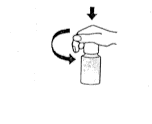
TO OPEN
Press and simultaneously
turn.
TO CLOSE
Screw tightly.
If you take more LANOXIN than you should
In case of ingestion/accidental intake of an excessive dose of LANOXIN, immediately inform
your doctor or go to the nearest hospital.
If you take more LANOXIN than you should, you may experience symptoms similar to those described in the
“Possible side effects” paragraph, but these may be more frequent and more severe.
Adults
Effects on the heart
If you take more LANOXIN than you should, the most common symptoms are heart problems,
such as
irregular heartbeat and changes in heart tests.
If you have recently taken more LANOXIN than you should in high doses, this can lead to
an increase in potassium levels in the blood, which can contribute to the onset of irregular
heartbeats.
Other effects
If you take more LANOXIN than you should, you may also commonly experience gastrointestinal
disorders and disorders affecting the nervous system. Symptoms may include: anorexia,
nausea and vomiting, dizziness, nervous system disorders, fatigue, malaise, visual disturbances. Gastrointestinal
disorders may precede heart problems. If you experience long-term toxicity, you may primarily have
general symptoms such as malaise and weakness.
Children
Most symptoms in children occur during or immediately after the initial phase of
treatment with LANOXIN.
Effects on the heart
Children may experience the same effects on the heart as adults.
Other effects
Other frequent effects are similar to those observed in adults. However, nausea and vomiting are not
common in newborns and young children. Symptoms may include: weight loss in older children, insufficient
growth in newborns, reduced blood flow in the mesenteric artery (intestine artery) with abdominal pain, drowsiness and
behavioral disorders including psychotic episodes.
Treatment
If you have recently taken more LANOXIN than you should, your doctor may need to perform a
gastric lavage.
If you have ingested high doses of LANOXIN, you may need to be treated with high doses of
activated charcoal.
If you have any doubts about the use of this medicine, consult your doctor or pharmacist.
4. Possible side effects
Like all medicines, this medicine can cause side effects, although not everybody gets them.
In general, the side effects of digossina are dose-dependent and occur at doses
higher than those necessary to achieve a therapeutic effect.
The side effects are listed below in order of frequency. Side effects
reported after marketing authorisation have been classified as rare or very rare
(including isolated cases).
Common (may affect up to 1 in 10 people)
- central nervous system disorders, dizziness
- visual disturbances (blurred or yellow vision)
- arrhythmia (irregular heartbeat), changes in electrocardiogram (conduction disturbances, bigeminy, trigeminy, prolongation of the PR interval, sinus bradycardia)
- heart block (a disturbance in the conduction of electrical impulses in the heart)
- nausea, vomiting, diarrhoea
- urticarial or scarlatiniform skin rashes (appearance of raised and reddened patches on the skin), which may be accompanied by marked eosinophilia (increased eosinophils, a type of white blood cell) in the blood
Uncommon (may affect up to 1 in 100 people)
- depression
Very rare (may affect up to 1 in 10,000 people)
- thrombocytopenia (decreased platelets)
- anorexia
- psychosis (altered mental state), apathy (state of indifference), confusion
- headache
- changes in heart rate and rhythm (supraventricular tachycardia, atrial tachycardia (with or without block), junctional tachycardia (of the atrioventricular junction), ventricular arrhythmia, premature ventricular contraction), changes in electrocardiogram (ST segment depression)
- intestinal ischemia (decreased blood supply to the intestine), intestinal necrosis (death of intestinal tissues)
- gynecomastia (increase in breast volume) may occur with long-term administration
- fatigue, malaise, weakness
Not known: frequency cannot be estimated from available data
- abdominal pain.
Reporting of side effects
If you get any side effects, talk to your doctor, pharmacist or nurse. You can also report side
effects directly through the national reporting system at
www.aifa.gov.it/content/segnalazioni-reazioni-avverse .
By reporting side effects you can help provide more information on the
safety of this medicine.
5. How to store LANOXIN
Keep this medicine out of the sight and reach of children.
Do not use this medicine after the expiry date which is stated on the packaging after Scad.
The expiry date refers to the product in intact packaging, correctly
stored.
Store in the original packaging to protect the medicine from light.
Do not store at a temperature above 25°C.
Do not dispose of any medicine in wastewater or household waste. Ask your pharmacist
how to dispose of medicines you no longer use. This will help protect the environment.
6. Contents of the pack and other information
What LANOXIN contains
- The active ingredient is digoxin. 100 ml contain 5 mg of digoxin.
- The other ingredients are: disodium phosphate, citric acid, methylparaben, hydrogenated glucose syrup, quinoline yellow (E104), lime flavour, ethyl alcohol, propylene glycol, purified water.
Description of the appearance of LANOXIN and contents of the pack
Bottle of 60 ml of syrup at 0.05 mg/ml.
Marketing Authorisation Holder
Aspen Pharma Trading Limited, 3016 Lake Drive, Citywest Business Campus, Dublin 24, Ireland
Tel: +39 0687 502 429
Manufacturer
Aspen Bad Oldesloe GmbH,Industriestrasse 32-36, D23843 Bad Oldesloe, Germany

Виникли питання під час прийому ліків?
Обговоріть свої симптоми та лікування з лікарем онлайн.
- Країна реєстрації
- Лікарська формаCoated tablet, 0.250 MG
- Код АТХC01AA05
- Діюча речовина
- Потрібен рецептТак
- Виробник
- Ця інформація надана лише для ознайомлення і не є медичною порадою. Рішення щодо лікування завжди приймає лікар.
- Альтернативи до LANOXINЛікарська форма: Infusion solution, 30 MGДіюча речовина: АденозинВиробник: SANOFI S.R.L.Потрібен рецептЛікарська форма: Injectable solution, 6 MG/2 MLДіюча речовина: АденозинВиробник: HIKMA FARMACEUTICA (PORTUGAL) S.A.Потрібен рецептЛікарська форма: Transdermal patch, 5 MG/24 HДіюча речовина: глицерил тринитратВиробник: Merus Labs Luxco II S.a.r.l.Потрібен рецепт
Аналоги LANOXIN в інших країнах
Препарати з тією самою діючою речовиною, доступні в інших країнах.
Аналог LANOXIN у Польща
Аналог LANOXIN у Україна
Аналог LANOXIN у Іспанія
Лікарі онлайн щодо LANOXIN
Застосування, безпека та можливість призначення рецепта — за результатами медичної оцінки.
Отримайте рецепт на LANOXIN онлайн
Заповніть форму за 2 хвилини
Розкажіть про симптоми, історію хвороби та потрібний препарат.
Оберіть лікаря або ми призначимо
Оберіть спеціаліста або ми підберемо найближчого доступного лікаря.
Лікар розглядає ваш випадок
Зазвичай протягом 30 хвилин. Може ставити уточнювальні запитання в чаті.
Отримайте в будь-якій аптеці
Електронний рецепт надсилається на вашу пошту — дійсний по всій Польщі.
Часті запитання
LANOXIN потребує рецепта в Італія. Ви можете обговорити з лікарем онлайн, чи підходить цей лікарський засіб для вашої ситуації.
Діюча речовина у LANOXIN — дигоксин. Це допомагає визначити препарати з тим самим складом, але під іншими торговими назвами.
LANOXIN виробляється компанією ASPEN PHARMA TRADING LIMITED. Назва бренду та упаковка можуть відрізнятися залежно від дистрибʼютора.
Лікарі, зокрема Сімейні лікарі, Психіатри, Дерматологи, Кардіологи, Ендокринологи, Гастроентерологи, Пульмонологи, Нефрологи, Ревматологи, Гематологи, Інфекціоністи, Алергологи, Геріатри, Педіатри, Онкологи, можуть оцінити доцільність застосування LANOXIN з урахуванням вашого стану та місцевих правил. Ви можете записатися на онлайн-консультацію, щоб обговорити симптоми та можливі подальші кроки.
Польща має добре розвинену систему охорони здоров'я у великих містах, таких як Варшава, Краків, Вроцлав і Гданськ. Аптеки широко доступні та працюють відповідно до чинного законодавства, забезпечуючи доступ до рецептурних препаратів.
Ви можете придбати LANOXIN у Варшаві, Кракові, Вроцлаві або Гданську в будь-якій аптеці за наявності дійсного рецепта.
Щоб отримати рецепт, ви можете скористатися Oladoctor:
Інші препарати з тією самою діючою речовиною (дигоксин) включають ADENOSKAN, ADENOSINA IKMA, ADESITRIN. Вони можуть відрізнятися торговою назвою або формою випуску, але містять той самий терапевтичний компонент. Перед зміною або початком прийому нового препарату варто проконсультуватися з лікарем.
