



INSUMAN 30 - 100 IU/mL Injectable suspension

Запит на рецепт онлайн
Лікар розгляне ваш випадок і визначить, чи є рецепт медично доцільним.

Поговоріть з лікарем про ці ліки
Обговоріть симптоми та можливі подальші кроки під час короткої онлайн-консультації.



Інструкція із застосування INSUMAN
Зміст інструкції
- Insuman Rapid 100 IU/ml injectable solution in a vial
- Insuman Rapid 40 UI/ml injectable solution in a vial
- Insuman Rapid 100 IU/ml injectable solution in a cartridge
- Insuman Rapid SoloStar 100 UI/ml solution for injection in a pre-filled pen
- Insuman Basal 100 IU/ml injectable suspension in a vial
- Insuman Basal 40 UI/ml injectable suspension in a vial
- Insuman Basal 100 IU/ml injectable suspension in a cartridge
- Insuman Basal SoloStar 100 IU/ml injectable suspension in a pre-filled pen
- Insuman Comb 15 100 IU/ml injectable suspension in a vial
- Insuman Comb 15 100 IU/ml injectable suspension in a cartridge
- Insuman Comb 15 SoloStar 100 UI/ml injectable suspension in a pre-filled pen
- Insuman Comb 25 100 IU/ml injectable suspension in a vial
- Insuman Comb 25 40 UI/ml injectable suspension in a vial
- Insuman Comb 25 100 UI/ml injectable suspension in a cartridge
- Insuman Comb 25 SoloStar 100 IU/ml injectable suspension in a pre-filled pen
- Insuman Comb 30 100 IU/ml injectable suspension in a vial
- Insuman Comb 30 100 IU/ml injectable suspension in a cartridge
- Insuman Comb 30 SoloStar 100 IU/ml injectable suspension in a pre-filled pen
- Insuman Comb 50 100 IU/ml injectable suspension in a vial
- Insuman Comb 50 40 UI/ml injectable suspension in a vial
- Insuman Comb 50 100 IU/ml injectable suspension in a cartridge
- Insuman Comb 50 SoloStar 100 UI/ml injectable suspension in a pre-filled pen
- Insuman Infusat 100 IU/ml injectable solution in a vial
- Insuman implantable 400 IU/ml infusion solution
221
Insuman Rapid 100 IU/ml injectable solution in a vial
Human insulin
Read this leaflet carefully before you start using this medicine as it contains important
information for you.
- Keep this leaflet. You may need to read it again.
- If you have any questions, ask your doctor, pharmacist or nurse.
- This medicine has been prescribed for you only. Do not pass it on to others, even if their symptoms are the same as yours, as it could be harmful.
- If you get any side effects, even those not listed in this leaflet, tell your doctor, pharmacist or nurse. See section 4.
Contents of this leaflet:
- 1. What Insuman Rapid is and what it is used for
- 2. What you need to know before you use Insuman Rapid
- 3. How to use Insuman Rapid
- 4. Possible side effects
- 5. How to store Insuman Rapid
- 6. Contents of the pack and other information
1. What is Insuman Rapid and what is it used for
Insuman Rapid contains the active substance human insulin, which is produced by a biotechnological process and is identical to the insulin found in our body.
Insuman Rapid is a short-acting insulin solution with a short duration of action.
Insuman Rapid is used to lower high blood sugar levels in patients with
diabetes mellitus who require insulin supplementation. Diabetes mellitus is a disease in which the body
does not produce enough insulin to control blood sugar levels. Insuman Rapid can also be
used for the treatment of hyperglycemic coma (coma caused by excessively high blood sugar levels) and ketoacidosis (build-up of acids in the blood because the body is using fats instead of sugar) as well as for blood sugar control before, during and after
surgery.
2. What you need to know before using Insuman Rapid
Do not use Insuman Rapid
If you are allergic (hypersensitive) to insulin or to any of the other ingredients of this medicine
(listed in section 6).
Warnings and precautions
Talk to your doctor, pharmacist or nurse before using Insuman Rapid.
Follow strictly the instructions given to you by your doctor regarding the dose, the checks to be performed (on blood
and urine), diet and physical activity (work and exercise).
Tell your doctor if you are allergic to this medicine or to animal insulins.
222
Special patient groups
If you have problems with your liver or kidneys, or if you are elderly, consult your doctor because you may need a lower
dose.
Changes in the skin at the injection site:
The injection site must be rotated to prevent changes in the skin, such as the appearance of nodules
under the skin. Insulin may not work as well as it should if you inject into an area with
nodules (see section How to use Insuman Rapid). If you are currently injecting into an area with
nodules, talk to your doctor before starting to inject into another area. Your doctor may
ask you to check your blood sugar more carefully and adjust the dose of insulin or other medicines
for diabetes.
Travel
Before starting a trip, consult your doctor. You may need to discuss the following aspects:
- availability of insulin in the destination country,
- sufficient supplies of insulin, syringes, etc.,
- correct storage of insulin during the trip,
- interval between meals and insulin administration during the trip,
- possible effects of the time zone change,
- possible risks of contracting new diseases in the countries visited.
- what to do in emergency situations if you do not feel well or become ill.
Illnesses and injuries
In the following situations, diabetes control may require close attention:
- If you are ill or have serious injuries, there is a risk that your blood sugar level will rise (hyperglycemia).
- If you do not eat enough, there is a risk that your blood sugar level will drop (hypoglycemia). In most cases, medical intervention is necessary. Contact your doctor quickly.
Also, if you suffer from type 1 diabetes (insulin-dependent diabetes mellitus), do not stop treatment with
insulin or carbohydrate intake. It is necessary to inform people close to you of your
need for insulin.
Some patients with long-lasting type 2 diabetes mellitus and heart disease or with a history of stroke,
treated with pioglitazone and insulin have developed heart failure. Inform your doctor as soon as possible
if you have signs of heart failure such as unusually short breath or rapid weight gain or
localized swelling (edema).
Other medicines and Insuman Rapid
Some medicines can cause changes in blood sugar levels (reduction or increase
or both depending on the situation). In any case, an optimization of the insulin dose is necessary to
avoid blood sugar levels that are too low or too high. Be careful when starting or
stopping another medicine.
Tell your doctor or pharmacist if you are taking, have recently taken or might take any
other medicine. Before taking a medicine, ask your doctor if it can affect blood sugar and if
countermeasures are necessary.
Medicines that can cause a decrease in blood sugar levels (hypoglycemia)
include:
- all other medicines used to treat diabetes,
- angiotensin converting enzyme (ACE) inhibitors (used to treat some heart conditions or high blood pressure),
- disopyramide (used to treat some heart conditions), 223
- fluoxetine (used to treat depression),
- fibrates (used to lower high levels of fats in the blood),
- monoamine oxidase inhibitors (MAO) (used to treat depression),
- pentoxifylline, propoxyphene, salicylates (such as aspirin, used to relieve pain and lower fever),
- sulfonamide antibiotics.
Medicines that can cause an increase in blood sugar levels (hyperglycemia) include:
- corticosteroids (such as "cortisone", used to treat inflammation),
- danazol (a medicine that affects ovulation),
- diazoxide (used to treat high blood pressure),
- diuretics (used to treat high blood pressure or excessive fluid retention),
- glucagon (pancreatic hormone used to treat severe hypoglycemia, i.e. low blood sugar levels),
- isoniazid (used to treat tuberculosis),
- estrogens and progestogens (such as in the birth control pill used for contraception),
- phenothiazine derivatives (used to treat psychiatric disorders),
- somatropin (growth hormone),
- sympathomimetic medicines (such as epinephrine [adrenaline], salbutamol, terbutaline used to treat asthma),
- thyroid hormones (used to treat thyroid disorders),
- protease inhibitors (used to treat HIV),
- atypical antipsychotic medicines (such as olanzapine and clozapine).
Blood sugar levels may decrease or increase if you take:
- beta-blockers (used to treat high blood pressure),
- clonidine (used to treat high blood pressure),
- lithium salts (used to treat psychiatric disorders). Pentamidine (used to treat some infections caused by parasites) can cause hypoglycemia, sometimes followed by hyperglycemia.
Beta-blockers as well as other sympatholytic medicines (such as clonidine, guanethidine and reserpine) can
reduce or completely cancel the warning signs that help you recognize hypoglycemia.
If you are not sure if you are taking one of these medicines, ask your doctor or pharmacist.
Insuman Rapid with alcohol
Blood sugar levels may decrease or increase if you drink alcohol.
Pregnancy and breastfeeding
If you are pregnant, suspect you may be pregnant, or are planning a pregnancy, ask your doctor or pharmacist for advice before using this medicine.
Inform your doctor if you are planning a pregnancy or if you are already pregnant. It may be
necessary to adjust the dose of insulin during pregnancy and after delivery. It is important to control
diabetes carefully and prevent hypoglycemia for the health of the baby. However, there is no experience with
the use of Insuman Rapid in pregnancy.
If you are breastfeeding, consult your doctor, as adjustments to the insulin dose and
diet may be necessary.
Driving and using machines
The ability to concentrate or react may be reduced in case of:
224
- hypoglycemia (low blood sugar levels),
- hyperglycemia (high blood sugar levels),
- vision problems. Take into account the possibility that this may occur in all situations where it could pose a risk to yourself and others (such as driving a car or using machinery). Ask your doctor for advice on whether you should drive if:
- you have frequent hypoglycemic attacks,
- the typical signs that help you identify hypoglycemia are reduced or absent.
Important information about some ingredients of Insuman Rapid
This medicine contains less than 1 mmol (23 mg) of sodium per dose, i.e. it is essentially ‘sodium-free’.
3. How to use Insuman Rapid
Dose
Use this medicine following exactly the instructions of your doctor. If you have any doubts, consult your doctor or pharmacist.
Based on your lifestyle and the results of blood sugar tests (glycaemia), your doctor will:
- establish the daily amount of Insuman Rapid you need,
- inform you of when you should check your blood sugar and, if necessary, when to perform urine tests,
- inform you if a lower or higher dose of Insuman Rapid is needed.
Many factors can influence your blood sugar levels. It is advisable that you are aware of these factors so that you can act appropriately in case of changes in blood sugar levels and thus avoid them becoming too high or too low. For further information, see the section at the end of this leaflet.
Frequency of administration
Insuman Rapid is injected subcutaneously 15 - 20 minutes before a meal.
Method of administration
Insuman Rapid is a solution for subcutaneous injection or, in exceptional cases, intravenously (into a blood vessel).
Your doctor will tell you which area of the skin you should inject the insulin into. For each injection, change the injection site within the chosen area of skin.
The administration of insulin intravenously, for example for the treatment of severe hyperglycaemia or ketoacidosis, requires experience and special safety precautions. For these reasons, this must be done in a hospital or a similar facility.
Do not use Insuman Rapid in insulin pumps - special insulin preparations are available for use with such devices. Also, do not use it in peristaltic pumps with silicone tubing.
How to handle the vials
Insuman Rapid contains 100 IU of insulin per ml. Only syringes suitable for this concentration (100 IU per ml) must be used. Injection syringes must not contain any other medicines or their residues (such as traces of heparin).
Before drawing up the insulin for the first time, you must remove the tear-off safety cap from the vial.
225
Insuman Rapid must only be used if the solution is clear, colourless, without visible solid particles and has a watery consistency.
Do not shake the vial vigorously as this may cause foaming. Foam may interfere with the correct measurement of the dose.
Special precautions before the injection
Air bubbles must be removed before the injection. Make sure that neither alcohol nor other disinfectants or other substances contaminate the insulin. Do not mix the insulin with other medicines, except for the human insulin formulations listed below.
Insuman Rapid can be mixed with all human insulin formulations, EXCEPT those specifically intended for use in insulin pumps. Also, do not mix with animal insulins or insulin analogues.
Your doctor will tell you if it is necessary to mix human insulins. If a mixture is necessary, draw up Insuman Rapid into the injection syringe before the other insulin. Proceed with the injection immediately after mixing. Do not mix insulins of different concentrations (e.g. 100 IU per ml and 40 IU per ml).
If you use more Insuman Rapid than you should
- If you have injected too high a dose of Insuman Rapid, your blood sugar levels may become too low (hypoglycaemia). Check your blood sugar frequently. In general, to prevent hypoglycaemia, you should eat more substantial meals and check your blood sugar. For information on treating hypoglycaemia, see the section at the end of this leaflet.
If you forget to use Insuman Rapid
- If you have forgotten a dose of Insuman Rapidor have not injected enough insulin, your blood sugar levels may become too high (hyperglycaemia). Check your blood sugar frequently. For information on treating hyperglycaemia, see the section at the end of this leaflet.
- Do not take a double dose to make up for a missed dose.
If you stop treatment with Insuman Rapid
This can lead to severe hyperglycaemia (very high blood sugar levels) and ketoacidosis (build-up of acid in the blood because the body is metabolising fat instead of sugar). Do not stop Insuman Rapid without consulting a doctor who will tell you what you need to do.
If you have any questions about using this medicine, ask your doctor, pharmacist or nurse.
Swapping insulins
You should always check the insulin label before each injection to avoid swapping between Insuman Rapid and other insulins.
4. Possible side effects
Like all medicines, this medicine can cause side effects, although not everybody gets them.
More serious side effects
Side effects reported uncommonly(may affect up to 1 in 100 people)
- Severe allergic reactions with low blood pressure(shock)
226
Side effects reported with unknown frequency(cannot be estimated from the available data)
- The most frequent side effect is hypoglycemia(low blood sugar levels). Severe hypoglycemic episodes can cause heart attack or brain damage and can be life-threatening. For further information on the side effects of low blood sugar levels or high blood sugar levels see the box at the end of this leaflet.
- Severe, widespread allergic reactions to insulinmay occur, which could be life-threatening. Such reactions to insulin or excipients can cause widespread skin reactions (rashes and itching all over the body), severe swelling of the skin or mucous membranes (angioedema), shortness of breath, low blood pressure with rapid heartbeat and sweating
Other side effects
Side effects reported commonly(may affect up to 1 in 10 people)
- Edema Treatment with insulin can lead to temporary increased fluid retention in the body with swelling in the calf and ankle areas.
- Reactions at the injection site
Side effects reported uncommonly
- Urticaria at the injection site (itchy rash)
Side effects reported with unknown frequency
- Sodium retention
- Eye reactions A marked change (improvement or worsening) in blood sugar levels can temporarily disturb vision. If you suffer from proliferative retinopathy (an eye disease associated with diabetes), severe hypoglycemic episodes can cause temporary loss of vision.
- Skin changes at the injection site: If you inject insulin too often into the same place, the fatty tissue may become thinner (lipoatrophy) or thicker (lipohypertrophy). Lumps under the skin can also be caused by the accumulation of a protein called amyloid (cutaneous amyloidosis: it is not known how often this occurs). Insulin may not work as well if you inject into an area with lumps. Change the injection site with each injection to prevent these skin changes.
- Skin and allergic reactions Other mild reactions may occur at the injection site (such as redness at the injection site, unusually intense pain at the injection site, itching, swelling at the injection site or inflammation at the injection site). These disturbances can spread around the injection site. Most minor reactions to insulin resolve within a few days or within a few weeks.
- Anti-insulin antibodies Treatment with insulin can lead to the formation of anti-insulin antibodies (substances that act against insulin). Only rarely does the presence of such antibodies necessitate an adjustment of the insulin dose.
Reporting of side effects
If you get any side effects, even those not listed in this leaflet, tell your
doctor, pharmacist or nurse. You can also report side effects directly through the
national reporting system listed in Annex V.
By reporting side effects you can help provide more information on the safety of
this medicine.
5. How to store Insuman Rapid
Keep this medicine out of the sight and reach of children.
227
Do not use this medicine after the expiry date which is stated on the pack and on the vial label after “Scad”/“Exp”. The expiry date refers to the last day of that month.
Unused vials
Store in a refrigerator (2°C - 8°C). Do not freeze. Do not place Insuman Rapid in direct contact with the
freezer compartment or with refrigerant packs. Store the vial in the outer packaging to
protect the medicine from light.
Opened vials
Once opened, the vial can be stored for a maximum of 4 weeks at a temperature not
exceeding 25°C, protected from a direct source of heat (e.g. radiator) or from direct light (direct sunlight or lamp) in the outer packaging. Do not use the vial after this period. It is recommended to
write the date of first use on the label itself.
Do not dispose of any medicine in wastewater or household waste. Ask your pharmacist how to eliminate the
medicines you no longer use. This will help protect the environment.
6. Content of the pack and other information
What Insuman Rapid contains
- The active substance is human insulin. 1 ml of Insuman Rapid contains 100 IU (International Units) of the active substance human insulin.
- The other ingredients are: metacresol, dihydrate sodium dihydrogen phosphate, glycerol, sodium hydroxide (see section 2 in “Important information about certain components of Insuman Rapid”), hydrochloric acid (for pH adjustment), water for injections.
Description of the appearance of Insuman Rapid and contents of the pack
Insuman Rapid is a clear, colourless, injectable solution, similar in appearance to water and free from visible
solid particles.
Insuman Rapid is supplied in vials containing 5 ml of injectable solution (equivalent to 500 IU) or 10
ml of injectable solution (equivalent to 1000 IU). Packs of 1 and 5 vials of 5 ml or
10 ml are available. Not all pack sizes may be marketed.
Marketing Authorisation Holder and Manufacturer
Sanofi-Aventis Deutschland GmbH
D-65926 Frankfurt am Main
Germany
For further information on this medicine, contact the local representative of the Marketing Authorisation
Holder:
België/Belgique/Belgien
Sanofi Belgium
Tél/Tel: +32 (0)2 710 54 00
Lietuva
Swixx Biopharma UAB
Tel: +370 5 236 91 40
България
Swixx Biopharma EOOD
Тел.: +359 (0)2 4942 480
Luxembourg/Luxemburg
Sanofi Belgium
Tél/Tel: +32 (0)2 710 54 00 (Belgique/Belgien)
Česká republika
sanofi-aventis, s.r.o.
Tel: +420 233 086 111
Magyarország
SANOFI-AVENTIS Zrt.
Tel.: +36 1 505 0050
228
Danmark
sanofi A/S
Tlf: +45 45 16 70 00
Malta
Sanofi S.r.l.
Tel: +39 02 39394275
Deutschland
Sanofi-Aventis Deutschland GmbH
Tel: 0800 52 52 010
Tel. aus dem Asland: +49 69 305 21 131
Nederland
Sanofi B.V.
Tel: + +31 20 245 4000
Eesti
Swixx Biopharma OÜ
Tel: +372 640 10 30
Norge
sanofi-aventis Norge AS
Tlf: +47 67 10 71 00
Ελλάδα
Sanofi-Aventis AEBE
Τηλ: +30 210 900 16 00
Österreich
sanofi-aventis GmbH
Tel: +43 1 80 185 – 0
España
sanofi-aventis, S.A.
Tel: +34 93 485 94 00
Polska
sanofi-aventis Sp. z o.o.
Tel.: +48 22 280 00 00
France
Sanofi Winthrop Industrie
Tél: 0 800 222 555
Appel depuis l’étranger : +33 1 57 63 23 23
Portugal
Sanofi - Produtos Farmacêuticos, Lda.
Tel: +351 21 35 89 400
Hrvatska
Swixx Biopharma d.o.o.
Tel: +385 1 2078 500
România
Sanofi Romania SRL
Tel: +40 (0) 21 317 31 36
Ireland
sanofi-aventis Ireland Ltd. T/A SANOFI
Tel: +353 (0) 1 403 56 00
Slovenija
Swixx Biopharma d.o.o.
Tel: +386 1 235 51 00
Ísland
Vistor hf.
Sími: +354 535 7000
Slovenská republika
Swixx Biopharma s.r.o.
Tel: +421 2 208 33 600
Italia
Sanofi S.r.l.
Tel: 800 13 12 12 (technical questions)
800 536389 (other questions)
Suomi/Finland
Sanofi Oy
Puh/Tel: +358 (0) 201 200 300
Κύπρος
C.A. Papaellinas Ltd.
Τηλ: +357 22 741741
Sverige
Sanofi AB
Tel: +46 (0)8 634 50 00
Latvija
Swixx Biopharma SIA
Tel: +371 6 616 47 50
United Kingdom (Northern Ireland)
sanofi-aventis Ireland Ltd. T/A SANOFI
Tel: +44 (0) 800 035 2525
229
Other sources of information
More detailed information on this medicine is available on the website of the European Medicines
Agency: http://www.ema.europa.eu/
HYPERGLYCEMIA AND HYPOGLYCEMIA
Always carry some sugar with you (at least 20 grams).
Carry information indicating that you have diabetes.
HYPERGLYCEMIA (high blood sugar levels)
If your blood sugar levels are too high (hyperglycemia),you may not have injected
enough insulin.
Why does hyperglycemia occur?
Examples include:
- you did not inject insulin or administered an insufficient amount, or when the insulin becomes less effective (e.g. because it was not stored correctly),
- you are doing less exercise than usual, or are particularly stressed (emotionally or physically), or in cases of injury, surgery, infection or fever,
- you are taking or have taken certain other medicines (see section 2 “Other medicines and Insuman Rapid”).
Warning signs of hyperglycemia
Thirst, increased need to urinate, weakness, dry skin, facial flushing, loss of appetite,
lowering of blood pressure, rapid heartbeat and the presence of glucose or ketones in the urine.
Abdominal pain, deep and rapid breathing, drowsiness or even loss of consciousness may
indicate a serious condition (ketoacidosis) resulting from insulin deficiency.
What should you do in case of hyperglycemia?
Check your blood sugar and the possible presence of ketones in your
urine as soon as possible if you experience any of the symptoms listed above.Severe hyperglycemia or ketoacidosis
must always be treated by a doctor, generally in a hospital setting.
HYPOGLYCEMIA (low blood sugar levels)
If your blood sugar levels drop too low, you may lose consciousness. Severe hypoglycemic episodes
can cause heart attack or brain damage and can be life-threatening. You should generally be able to
recognize when your blood sugar levels are dropping too low, so you can take appropriate precautions.
Why does hypoglycemia occur?
Examples include:
- you injected too much insulin,
- you skipped or delayed meals, 230
- you are not eating enough or the food consumed contains less carbohydrates than usual (carbohydrates are sugar and sugar-like substances; however artificial sweeteners are NOT carbohydrates),
- you have lost carbohydrates due to vomiting or diarrhea,
- you drink alcoholic beverages, especially if you are eating little,
- you are doing more exercise than usual, or a different type of activity,
- you are recovering from injury, surgery or stress,
- you are recovering from an illness or fever,
- you are taking or have taken certain other medicines (see section 2 “Other medicines and Insuman Rapid”).
Hypoglycemia can also occur more easily if:
- you are at the beginning of insulin treatment or have switched to a different type of insulin,
- your blood sugar levels are almost normal or show variations,
- you have changed the area of skin where you inject insulin (e.g. from the thigh to the upper arm),
- you suffer from severe kidney or liver disease, or other diseases such as hypothyroidism.
Warning signs of hypoglycemia
- In the body Examples of symptoms indicating that blood sugar levels are dropping too low or too quickly: sweating, clammy skin, anxiety, rapid heartbeat, high blood pressure, palpitations and irregular heartbeat. These symptoms can often develop before those indicating a reduction in brain sugar levels.
- In the brain Examples of symptoms indicating a reduction in brain sugar levels: headache, insatiable hunger, nausea, vomiting, fatigue, drowsiness, sleep disturbances, restlessness, aggression, difficulty concentrating, reduced ability to react, depressed mood, confusion, difficulty speaking (sometimes aphasia), visual disturbances, tremor, paralysis, sensory disturbances (paresthesia), tingling and numbness of the mouth, dizziness, loss of self-control, inability to care for oneself, convulsions, loss of consciousness.
The early characteristic symptoms of a state of hypoglycemia ("warning symptoms") may vary, be
less noticeable or even completely absent if:
- you are elderly, have had diabetes for a long time or suffer from a certain type of neurological disease (diabetic autonomic neuropathy),
- after a recent hypoglycemic episode (e.g. the day before) or if hypoglycemia appears slowly,
- blood glucose levels are almost normal or at least significantly improved,
- you have recently switched from animal insulin to human insulin such as Insuman,
- you are taking or have taken certain other medicines (see section 2 “Other medicines and Insuman Rapid”).
In these cases, a severe hypoglycemia (even with loss of consciousness) may develop without
recognizing it in time. Therefore, learn to recognize the warning signs of hypoglycemia. If necessary, more frequent blood sugar checks may help identify mild hypoglycemic episodes that might otherwise go unnoticed. If you are unable to recognize the warning signs of hypoglycemia, avoid all situations (such as driving a car) that could be
risky for you and others due to hypoglycemia.
What should you do in case of hypoglycemia?
231
- 1. Do not inject insulin. Take immediately 10 to 20 g of sugar, such as glucose, sugar cubes or a sugar-sweetened drink. Caution: artificial sweeteners and foods containing artificial sweeteners (such as diet drinks) do not help treat hypoglycemia.
- 2. At this point, consume food that can cause a release of sugar into the blood for a long period of time (such as bread or pasta). Your doctor or nurse should have discussed these measures with you beforehand.
- 3. If another hypoglycemia occurs, take another 10 to 20 g of sugar again.
- 4. Talk to your doctor as soon as you realize you are unable to control hypoglycemia or if it happens again.
Inform your relatives, friends and colleagues who are close to you that:
If you are unable to swallow or if you lose consciousness, an injection of glucose or
glucagon (a medicine that increases blood sugar levels) is necessary. These injections are justified
even if you are not sure that a hypoglycemic event has occurred.
It is advisable to check blood glucose immediately after taking sugar to confirm
that a hypoglycemic episode was occurring.
232
Insuman Rapid 40 UI/ml injectable solution in a vial
Human insulin
Read this leaflet carefully before you start using this medicine as it contains important
information for you.
- Keep this leaflet. You may need to read it again.
- If you have any questions, ask your doctor, pharmacist or nurse.
- This medicine has been prescribed for you only. Do not pass it on to others, even if they have the same symptoms as you, as it may be harmful.
- If you get any side effects, even those not listed in this leaflet, tell your doctor, pharmacist or nurse. See section 4.
Contents of this leaflet:
- 1. What Insuman Rapid is and what it is used for
- 2. What you need to know before you use Insuman Rapid
- 3. How to use Insuman Rapid
- 4. Possible side effects
- 5. How to store Insuman Rapid
- 6. Contents of the pack and other information
1. What is Insuman Rapid and what is it used for
Insuman Rapid contains the active substance human insulin, which is produced by a biotechnological process and is identical to the insulin found in our body.
Insuman Rapid is a rapid-acting, short-duration insulin solution.
Insuman Rapid is used to lower high blood sugar levels in patients with
diabetes mellitus who require insulin supplementation. Diabetes mellitus is a disease in which the body
does not produce enough insulin to control blood sugar levels. Insuman Rapid can also be
used for the treatment of hyperglycemic coma (coma caused by excessively high blood sugar levels) and ketoacidosis (build-up of acids in the blood because the body is using fats instead of sugar) as well as for blood sugar control before, during and after
surgery.
2. What you need to know before using Insuman Rapid
Do not use Insuman Rapid
If you are allergic (hypersensitive) to insulin or to any of the other ingredients of this medicine
(listed in section 6).
Warnings and precautions
Talk to your doctor, pharmacist or nurse before using Insuman Rapid.
Follow the instructions given to you by your doctor strictly regarding the dose, checks to be performed (on blood
and urine), diet and physical activity (work and exercise).
Tell your doctor if you are allergic to this medicine or to animal insulins.
Special patient groups
If you have problems with your liver or kidneys, or if you are elderly, consult your doctor because you may need a lower
dose.
233
Changes in the skin at the injection site:
The injection site must be rotated to prevent changes in the skin, such as the appearance of nodules
under the skin. Insulin may not work as well as it should if you inject into an area with
nodules (see section How to use Insuman Rapid). If you are currently injecting into an area with
nodules, talk to your doctor before starting to inject into another area. Your doctor may
advise you to check your blood sugar more carefully and adjust the dose of insulin or other antidiabetic medicines
Travel
Consult your doctor before starting a trip. You may need to discuss the following aspects:
- availability of insulin in the destination country,
- sufficient supplies of insulin, syringes, etc.,
- correct storage of insulin during the trip,
- interval between meals and insulin administration during the trip,
- possible effects of the time zone change,
- possible risks of contracting new diseases in the countries visited.
- what to do in emergency situations if you do not feel well or become ill.
Illnesses and injuries
In the following situations, diabetes control may require close attention:
- If you are ill or have serious injuries, there is a risk that your blood sugar level will increase (hyperglycemia).
- If you do not eat enough, there is a risk that your blood sugar level will decrease (hypoglycemia). In most cases, medical intervention is necessary. Contact your doctor quickly.
Furthermore, if you suffer from type 1 diabetes (insulin-dependent diabetes mellitus), do not stop treatment with
insulin or carbohydrate intake. It is necessary to keep people close to you informed of your
need for insulin.
Some patients with long-lasting type 2 diabetes mellitus and heart disease or with a previous stroke,
treated with pioglitazone and insulin have developed heart failure. Inform your doctor as soon as possible
if you have signs of heart failure such as unusually short breath or rapid weight gain or localized swelling (edema).
Other medicines and Insuman Rapid
Some medicines can cause changes in blood sugar levels (reduction or increase
or both depending on the situation). In any case, optimization of the insulin dose is necessary to
avoid blood sugar levels that are too low or too high. Be careful when starting or
stopping another medicine.
Tell your doctor or pharmacist if you are taking, have recently taken or may take any
other medicine. Before taking a medicine, ask your doctor if it can affect blood sugar and if
countermeasures are necessary.
Medicines that can cause a decrease in blood sugar levels (hypoglycemia)
include:
- all other medicines used to treat diabetes,
- angiotensin converting enzyme (ACE) inhibitors (used to treat certain heart conditions or high blood pressure),
- disopyramide (used to treat certain heart conditions),
- fluoxetine (used to treat depression),
- fibrates (used to lower high levels of fats in the blood),
- monoamine oxidase inhibitors (MAO) (used to treat depression),
234
- pentoxifylline, propoxyphene, salicylates (such as aspirin, used to relieve pain and reduce fever),
- sulfonamide antibiotics.
Medicines that can cause an increase in blood sugar levels (hyperglycemia) include:
- corticosteroids (such as "cortisone", used to treat inflammation),
- danazol (a medicine that affects ovulation),
- diazoxide (used to treat high blood pressure),
- diuretics (used to treat high blood pressure or excessive fluid retention),
- glucagon (pancreatic hormone used to treat severe hypoglycemia, i.e. low blood sugar levels),
- isoniazid (used to treat tuberculosis),
- estrogens and progestogens (such as in the birth control pill used for contraception),
- phenothiazine derivatives (used to treat psychiatric disorders),
- somatropin (growth hormone),
- sympathomimetic medicines (such as epinephrine [adrenaline], salbutamol, terbutaline used to treat asthma),
- thyroid hormones (used to treat thyroid disorders),
- protease inhibitors (used to treat HIV),
- atypical antipsychotic medicines (such as olanzapine and clozapine).
Blood sugar levels may decrease or increase if you take:
- betablockers (used to treat high blood pressure),
- clonidine (used to treat high blood pressure),
- lithium salts (used to treat psychiatric disorders). Pentamidine (used to treat some infections caused by parasites) can cause hypoglycemia, sometimes followed by hyperglycemia.
Betablockers as well as other sympatholytic medicines (such as clonidine, guanethidine and reserpine) can
reduce or completely eliminate the warning signs that help you recognize hypoglycemia.
If you are not sure if you are taking one of these medicines, ask your doctor or pharmacist.
Insuman Rapid with alcohol
Blood sugar levels may decrease or increase if you drink alcohol.
Pregnancy and breastfeeding
If you are pregnant, suspect you may be pregnant or are planning to become pregnant, ask your doctor or pharmacist for advice before using this medicine.
Inform your doctor if you are planning a pregnancy or are already pregnant. It may be
necessary to adjust the dose of insulin during pregnancy and after delivery. It is important to control
diabetes carefully and prevent hypoglycemia for the health of the baby. However, there is no experience with
the use of Insuman Rapid in pregnancy.
If you are breastfeeding, consult your doctor, as adjustments to the insulin dose and
diet may be necessary.
Driving and using machines
Your ability to concentrate or react may be reduced in case of:
- hypoglycemia (low blood sugar levels),
- hyperglycemia (high blood sugar levels),
- vision problems. 235
Take into account the possibility that this may occur in all situations where you could pose a
risk to yourself and others (such as driving a car or using machinery). Ask your
doctor for advice on whether it is appropriate for you to drive if:
- you have frequent hypoglycemic attacks,
- the typical signs that help you identify hypoglycemia are reduced or absent.
Important information about some ingredients of Insuman Rapid
This medicine contains less than 1 mmol (23 mg) of sodium per dose, i.e. it is essentially ‘sodium-free’.
3. How to use Insuman Rapid
Dose
Use this medicine following exactly the instructions of your doctor. If you have any doubts, consult your doctor
or pharmacist.
Based on your lifestyle and the results of blood sugar level tests (glycaemia), your doctor will:
- establish the daily amount of Insuman Rapid you need,
- inform you of when you need to check your blood sugar and, if necessary, when to perform urine tests,
- inform you if a lower or higher dose of Insuman Rapid is necessary.
Many factors can influence your blood sugar levels. It is advisable that you know these factors so that you can act appropriately in case of changes in blood sugar levels and thus avoid them becoming too high or too low. For further information, see the section at the end of this leaflet.
Frequency of administration
Insuman Rapid is injected subcutaneously 15 - 20 minutes before a meal.
Method of administration
Insuman Rapid is a solution for subcutaneous injection or, in exceptional cases, intravenously (blood vessel).
Your doctor will indicate which area of the skin you should inject the insulin into. For each injection, change the injection site within the chosen area of skin.
The administration of insulin intravenously, for example for the treatment of severe hyperglycaemia or
ketoacidosis, requires experience and special safety precautions. For these reasons, this must be done
in a hospital or similar facility.
Do not use Insuman Rapid in insulin pumps - special insulin preparations are available for use with such devices.
Also, do not use it in peristaltic pumps with silicone tubing.
How to handle the vials
Insuman Rapid contains 40 IU of insulin per ml. Only syringes suitable for this concentration (40 IU per ml) must be used. Injection syringes must not contain other medicines or their residues (such as traces of heparin).
Before drawing up the insulin for the first time, remove the tear-off safety cap from the vial.
236
Insuman Rapid must only be used if the solution is clear, colourless, without visible solid particles and has a watery consistency.
Do not shake the vial vigorously as this may cause foaming. Foam may interfere with accurate dose measurement.
Special precautions before injection
Air bubbles must be removed before injection. Make sure that neither alcohol nor other disinfectants or other substances contaminate the insulin. Do not mix the insulin with other medicines, except for the human insulin formulations listed below.
Insuman Rapid can be mixed with all human insulin formulations, EXCEPT those specifically intended for use in insulin pumps. Also, do not mix with animal insulins or insulin analogues.
Your doctor will tell you if it is necessary to mix human insulins. If a mixture is necessary, draw up Insuman Rapid into the injection syringe before the other insulin. Proceed with the injection immediately after mixing. Do not mix insulins of different concentrations (e.g. 100 IU per ml and 40 IU per ml).
If you use more Insuman Rapid than you should
- If you have injected too high a dose of Insuman Rapid, blood sugar levels may become too low (hypoglycaemia). Check your blood sugar frequently. In general, to prevent hypoglycaemia, you should eat more substantial meals and check your blood sugar. For information on treating hypoglycaemia, see the section at the end of this leaflet.
If you forget to use Insuman Rapid
- If you have forgotten a dose of Insuman Rapidor have not injected enough insulin, blood sugar levels may become too high (hyperglycaemia). Check your blood sugar frequently. For information on treating hyperglycaemia, see the section at the end of this leaflet.
- Do not take a double dose to make up for a missed dose.
If you stop treatment with Insuman Rapid
This can lead to severe hyperglycaemia (very high blood sugar levels) and ketoacidosis (build-up of acid in the blood because the body is metabolising fat instead of sugar). Do not stop Insuman Rapid without consulting a doctor who will tell you what you need to do.
If you have any questions about using this medicine, ask your doctor, pharmacist or nurse.
Insulin exchanges
You should always check the insulin label before each injection to avoid exchanging medicines between Insuman Rapid and other insulins.
4. Possible side effects
Like all medicines, this medicine can cause side effects, although not everybody gets them.
More serious side effects
Side effects reported uncommonly(may affect up to 1 in 100 people)
- Severe allergic reactions with low blood pressure(shock)
Side effects reported with unknown frequency(cannot be estimated from the available data)
237
- The most frequent side effect is hypoglycemia(low blood sugar levels). Severe hypoglycemic episodes can cause heart attack or brain damage and can be life-threatening. For further information on the side effects of low blood sugar levels or high blood sugar levels see the box at the end of this leaflet.
- Severe, widespread allergic reactions to insulincan occur, which may be life-threatening. Such reactions to insulin or excipients can cause extensive skin reactions (rashes and itching all over the body), severe swelling of the skin or mucous membranes (angioedema), shortness of breath, low blood pressure with rapid heartbeat and sweating
Other side effects
Side effects reported commonly(may affect up to 1 in 10 people)
- Edema Treatment with insulin can lead to temporary increased fluid retention in the body with swelling in the calf and ankle areas.
- Reactions at the injection site
Side effects reported uncommonly
- Urticaria at the injection site (itchy rash)
Side effects reported with unknown frequency
- Sodium retention
- Eye reactions A marked change (improvement or worsening) in blood sugar levels can temporarily disturb vision. If you suffer from proliferative retinopathy (an eye disease associated with diabetes), severe hypoglycemic episodes can cause temporary loss of vision.
- Skin changes at the injection site: If you inject insulin too often into the same place, the fatty tissue may become thinner (lipoatrophy) or thicker (lipohypertrophy). Lumps under the skin may also be caused by the accumulation of a protein called amyloid (cutaneous amyloidosis: it is not known how often this occurs). Insulin may not work as well if you inject it into an area with lumps. Change the injection site with each injection to prevent these skin changes
- Skin and allergic reactions Other mild reactions may occur at the injection site (such as redness at the injection site, unusually intense pain at the injection site, itching, swelling at the injection site or inflammation at the injection site). These disturbances may spread around the injection site. Most minor reactions to insulin resolve within a few days or within a few weeks.
- Anti-insulin antibodies Treatment with insulin can lead to the formation of anti-insulin antibodies (substances that act against insulin). Only rarely does the presence of such antibodies require an adjustment of the insulin dose.
Reporting of side effects
If you get any side effects, even those not listed in this leaflet, tell your
doctor, pharmacist or nurse. You can also report side effects directly through the
national reporting system listed in Annex V.
By reporting side effects you can help provide more information on the safety of
this medicine.
5. How to store Insuman Rapid
Keep this medicine out of the sight and reach of children.
Do not use this medicine after the expiry date which is stated on the pack and on the vial label
after “Scad”/“Exp”. The expiry date refers to the last day of that month.
238
Vials not in use
Store in a refrigerator (2°C - 8°C). Do not freeze. Do not place Insuman Rapid in direct contact with the
freezer compartment or with cooling packs. Store the vial in the outer packaging to
protect the medicine from light.
Opened vials
Once in use, the vial can be stored for a maximum of 4 weeks at a temperature not
exceeding 25°C away from a direct heat source (e.g. radiator) or direct light (direct sunlight or lamp) in the outer packaging. Do not use the vial after this period. It is recommended to
write the date of first use on the label itself.
Do not dispose of any medicine in wastewater or household waste. Ask your pharmacist how to dispose of
medicines you no longer use. This will help protect the environment.
6. Contents of the pack and other information
What Insuman Rapid contains
- The active substance is human insulin. 1 ml of Insuman Rapid contains 40 IU (International Units) of the active substance human insulin.
- The other ingredients are: meta-cresol, disodium hydrogen phosphate dihydrate, glycerol, sodium hydroxide (see section 2 in “Important information about certain components of Insuman Rapid”), hydrochloric acid (for pH adjustment), water for injections.
Description of the appearance of Insuman Rapid and contents of the pack
Insuman Rapid is a clear, colourless, injectable solution, similar in appearance to water and without visible solid
particles.
Insuman Rapid is supplied in vials containing 10 ml of solution (400 IU). Packs of 1 and 5 vials of 10 ml are
available. Not all pack sizes may be marketed.
Marketing Authorisation Holder and Manufacturer
Sanofi-Aventis Deutschland GmbH
D-65926 Frankfurt am Main
Germany.
For further information on this medicine, contact the local representative of the Marketing Authorisation
Holder:
België/Belgique/Belgien
Sanofi Belgium
Tél/Tel: +32 (0)2 710 54 00
Lietuva
Swixx Biopharma UAB
Tel: +370 5 236 91 40
България
Swixx Biopharma EOOD
Тел.: +359 (0)2 4942 480
Luxembourg/Luxemburg
Sanofi Belgium
Tél/Tel: +32 (0)2 710 54 00 (Belgique/Belgien)
Česká republika
sanofi-aventis, s.r.o.
Tel: +420 233 086 111
Magyarország
SANOFI-AVENTIS Zrt.
Tel.: +36 1 505 0050
Danmark
sanofi A/S
Tlf: +45 45 16 70 00
Malta
Sanofi S.r.l.
Tel: +39 02 39394275
239
Deutschland
Sanofi-Aventis Deutschland GmbH
Tel: 0800 52 52 010
Tel. aus dem Ausland: +49 69 305 21 131
Nederland
Sanofi B.V.
Tel: +31 20 245 4000
Eesti
Swixx Biopharma OÜ
Tel: +372 640 10 30
Norge
sanofi-aventis Norge AS
Tlf: +47 67 10 71 00
Ελλάδα
Sanofi-Aventis AEBE
Τηλ: +30 210 900 16 00
Österreich
sanofi-aventis GmbH
Tel: +43 1 80 185 – 0
España
sanofi-aventis, S.A.
Tel: +34 93 485 94 00
Polska
sanofi-aventis Sp. z o.o.
Tel.: +48 22 280 00 00
France
Sanofi Winthrop Industrie
Tél: 0 800 222 555
Appel depuis l’étranger : +33 1 57 63 23 23
Portugal
Sanofi - Produtos Farmacêuticos, Lda.
Tel: +351 21 35 89 400
Hrvatska
Swixx Biopharma d.o.o.
Tel: +385 1 2078 500
România
Sanofi Romania SRL
Tel: +40 (0) 21 317 31 36
Ireland
sanofi-aventis Ireland Ltd. T/A SANOFI
Tel: +353 (0) 1 403 56 00
Slovenija
Swixx Biopharma d.o.o.
Tel: +386 1 235 51 00
Ísland
Vistor hf.
Sími: +354 535 7000
Slovenská republika
Swixx Biopharma s.r.o.
Tel: +421 2 208 33 600
Italia
Sanofi S.r.l.
Tel: 800 13 12 12 (technical questions)
800 536389 (other questions)
Suomi/Finland
Sanofi Oy
Puh/Tel: +358 (0) 201 200 300
Κύπρος
C.A. Papaellinas Ltd.
Τηλ: +357 22 741741
Sverige
Sanofi AB
Tel: +46 (0)8 634 50 00
Latvija
Swixx Biopharma SIA
Tel: +371 6 616 47 50
United Kingdom (Northern Ireland)
sanofi-aventis Ireland Ltd. T/A SANOFI
Tel: +44 (0) 800 035 2525
Other sources of information
240
More detailed information on this medicine is available on the website of the European Medicines
Agency: http://www.ema.europa.eu/
HYPERGLYCEMIA AND HYPOGLYCEMIA
Always carry some sugar with you (at least 20 grams).
Carry information indicating that you have diabetes.
HYPERGLYCEMIA (high blood sugar levels)
If your blood sugar levels are too high (hyperglycemia),you may not have injected
enough insulin.
Why does hyperglycemia occur?
Examples include:
- you did not inject insulin or administered an insufficient amount, or when the insulin becomes less effective (e.g. because it was not stored correctly),
- you are doing less exercise than usual, or are particularly stressed (emotionally or physically), or in cases of injury, surgery, infection or fever,
- you are taking or have taken certain other medicines (see section 2, “Other medicines and Insuman Rapid”).
Warning signs of hyperglycemia
Thirst, increased need to urinate, weakness, dry skin, flushing of the face, loss of appetite,
lowering of blood pressure, rapid heartbeat and the presence of glucose or ketones in the urine.
Abdominal pain, deep and rapid breathing, drowsiness or even loss of consciousness may
indicate a serious condition (ketoacidosis) resulting from insulin deficiency.
What should you do in case of hyperglycemia?
Check your blood sugar and the possible presence of ketones in your
urine as soon as possible if you experience any of the symptoms mentioned above.Severe hyperglycemia or ketoacidosis
must always be treated by a doctor, generally in a hospital setting.
HYPOGLYCEMIA (low blood sugar levels)
If your blood sugar levels drop too low, you may lose consciousness. Severe hypoglycemic episodes
can cause heart attack or brain damage and can be life-threatening. Generally, you
should be able to recognize when your blood sugar levels are dropping too low, so
you can take appropriate precautions.
Why does hypoglycemia occur?
Examples include:
- you injected too much insulin,
- you skipped or delayed meals,
- you are not eating enough or the food consumed contains less carbohydrates than usual (carbohydrates are sugar and sugar-like substances; however, artificial sweeteners are NOT carbohydrates),
- you have lost carbohydrates due to vomiting or diarrhea,
- you drink alcoholic beverages, especially if you are eating little,
- you are doing more exercise than usual, or a different type of activity, 241
- you are recovering from injury, surgery or stress,
- you are recovering from an illness or fever,
- you are taking or have taken certain other medicines (see section 2 “Other medicines and Insuman Rapid”).
Hypoglycemia can also occur more easily if:
- you are at the beginning of treatment with insulin or have switched to a different type of insulin,
- your blood sugar levels are almost normal or show variations,
- you have changed the area of skin where you inject the insulin (e.g. from the thigh to the upper arm),
- you suffer from severe kidney or liver disease, or other diseases such as hypothyroidism.
Warning signs of hypoglycemia
- In the body Examples of symptoms indicating that blood sugar levels are dropping too low or too quickly: sweating, clammy skin, anxiety, rapid heartbeat, high blood pressure, palpitations and irregular heartbeat. These symptoms can often develop before those indicating a reduction in brain sugar levels.
- In the brain Examples of symptoms indicating a reduction in brain sugar levels: headache, insatiable hunger, nausea, vomiting, fatigue, drowsiness, sleep disturbances, restlessness, aggression, difficulty concentrating, reduced ability to react, depressed mood, confusion, speech difficulties (sometimes aphasia), visual disturbances, tremor, paralysis, sensory disturbances (paresthesia), sensations of tingling and numbness in the mouth, dizziness, loss of self-control, inability to care for oneself, convulsions, loss of consciousness.
The early characteristic symptoms of a state of hypoglycemia ("warning symptoms") may vary, be
less noticeable or even completely absent if:
- you are elderly, have had diabetes for a long time or suffer from a certain type of neurological disease (diabetic autonomic neuropathy),
- after a recent hypoglycemic episode (e.g. the day before) or if hypoglycemia appears slowly,
- blood glucose levels are almost normal or at least significantly improved,
- you have recently switched from animal insulin to human insulin like Insuman,
- you are taking or have taken certain other medicines (see section 2 “Other medicines and Insuman Rapid”).
In these cases, a severe hypoglycemia (even with loss of consciousness) may develop without
recognizing it in time. Therefore, learn to recognize the warning signs of hypoglycemia. If necessary, more frequent blood sugar checks can help identify mild hypoglycemic episodes that might otherwise go unnoticed. If you are unable to recognize the warning signs of hypoglycemia, avoid all those situations (such as driving a car) that may be
risky for you and others due to hypoglycemia.
What should you do in case of hypoglycemia?
- 1. Do not inject insulin. Immediately take 10 to 20 g of sugar, such as glucose, sugar cubes or a sugar-sweetened drink. Caution: artificial sweeteners and foods containing artificial sweeteners (such as diet drinks) do not help treat hypoglycemia.
- 2. Then consume food that can cause a release of sugar into the blood for a long period of time (such as bread or pasta). Your doctor or nurse should discuss these measures with you in advance.
- 3. If another hypoglycemia occurs, take another 10 to 20 g of sugar.
242
- 4. Talk to your doctor as soon as you notice an inability to control hypoglycemia or if it happens again.
Inform your relatives, friends and colleagues who are close to you that:
If you are unable to swallow or lose consciousness, intervention with an injection of glucose or
glucagon (a medicine that increases blood sugar levels) is necessary. These injections are also justified
even if you are not sure that a hypoglycemic event has occurred.
It is advisable to check blood sugar immediately after taking sugar to confirm
that a hypoglycemic episode was occurring.
243

Не впевнені, чи підходить вам цей лікарський засіб?
Обговоріть симптоми та можливі варіанти лікування з лікарем онлайн.
Insuman Rapid 100 IU/ml injectable solution in a cartridge
Human insulin
Read this leaflet carefully before using this medicine as it contains important
information for you. Instructions for using the insulin pen are provided with your insulin pen.
Refer to these before using your medicine.
- Keep this leaflet. You may need to read it again.
- If you have any questions, ask your doctor, pharmacist or nurse.
- This medicine has been prescribed only for you. Do not give it to other people, even if their symptoms are the same as yours, as it could be dangerous.
- If any side effects occur, including those not listed in this leaflet, tell your doctor, pharmacist or nurse. See section 4.
Contents of this leaflet:
- 1. What Insuman Rapid is and what it is used for
- 2. What you need to know before you use Insuman Rapid
- 3. How to use Insuman Rapid
- 4. Possible side effects
- 5. How to store Insuman Rapid
- 6. Contents of the pack and other information
1. What is Insuman Rapid and what is it used for
Insuman Rapid contains the active substance human insulin, which is produced by a biotechnological process and is identical to the insulin found in our body.
Insuman Rapid is a rapid-onset and short-acting insulin solution.
Insuman Rapid is used to lower high blood sugar levels in patients with
diabetes mellitus who require insulin supplementation. Diabetes mellitus is a disease in which the body
does not produce enough insulin to control blood sugar levels.
2. What you need to know before using Insuman Rapid
Do not use Insuman Rapid
If you are allergic (hypersensitive) to insulin or to any of the other ingredients of this medicine
(listed in section 6).
Warnings and precautions
Insuman Rapid in cartridges is only suitable for subcutaneous injections with a reusable pen (see
also section 3). Talk to your doctor if you need to inject the insulin in a different way.
Consult your doctor, pharmacist or nurse before using Insuman Rapid.
Follow the instructions given to you by your doctor strictly regarding the dose, checks to be performed (on blood
and urine), diet and physical activity (work and exercise).
Tell your doctor if you are allergic to this medicine or to animal insulins.
244
Special patient groups
If you have liver or kidney problems, or if you are elderly, consult your doctor because you may need a lower
dose.
Changes in the skin at the injection site:
The injection site must be rotated to prevent changes in the skin, such as the appearance of nodules
under the skin. Insulin may not work as well as it should if you inject into an area with
nodules (see section How to use Insuman Rapid). If you are currently injecting into an area with
nodules, consult your doctor before starting to inject into another area. Your doctor may
advise you to check your blood sugar more carefully and adjust the dose of insulin or other antidiabetic
medicines.
Travel
Before starting a trip, consult your doctor. You may need to discuss the following aspects:
- availability of insulin in the destination country,
- sufficient supplies of insulin, needles, etc.,
- correct storage of insulin during the trip,
- interval between meals and insulin administration during the trip,
- possible effects of the time zone change,
- possible risks of contracting new diseases in the countries visited.
- what to do in emergency situations if you do not feel well or become ill.
Illnesses and injuries
In the following situations, diabetes control may require close attention:
- If you are ill or have serious injuries, there is a risk that your blood sugar level will increase (hyperglycemia).
- If you do not eat enough, there is a risk that your blood sugar level will decrease (hypoglycemia). In most cases, medical intervention is necessary. Contact your doctor quickly.
Furthermore, if you suffer from type 1 diabetes (insulin-dependent diabetes mellitus), do not stop treatment with
insulin or the intake of carbohydrates. It is necessary to keep people close to you informed of your
need for insulin.
Some patients with long-lasting type 2 diabetes mellitus and heart disease or with a previous stroke,
treated with pioglitazone and insulin have developed heart failure. Inform your doctor as soon as possible
if you have signs of heart failure such as unusually short breath or rapid weight gain or
localized swelling (edema).
Other medicines and Insuman Rapid
Some medicines can cause changes in blood sugar levels (reduction or increase
or both depending on the situation). In any case, optimization of the insulin dose is necessary to
avoid blood sugar levels that are too low or too high. Be careful when starting or
stopping the use of another medicine.
Tell your doctor or pharmacist if you are taking, have recently taken or might take any
other medicine. Before taking a medicine, ask your doctor if it can affect blood sugar and if
countermeasures are necessary.
Medicines that can cause a decrease in blood sugar levels (hypoglycemia)
include:
- all other medicines used to treat diabetes,
- angiotensin converting enzyme (ACE) inhibitors (used to treat some heart conditions or high blood pressure), 245
- disopyramide (used to treat some heart conditions),
- fluoxetine (used to treat depression),
- fibrates (used to lower high levels of fats in the blood),
- monoamine oxidase inhibitors (MAO) (used to treat depression),
- pentoxifylline, propoxyphene, salicylates (such as aspirin, used to relieve pain and reduce fever),
- sulfonamide antibiotics.
Medicines that can cause an increase in blood sugar levels (hyperglycemia) include:
- corticosteroids (such as "cortisone", used to treat inflammation),
- danazol (a medicine that acts on ovulation),
- diazoxide (used to treat high blood pressure),
- diuretics (used to treat high blood pressure or excessive fluid retention),
- glucagon (pancreatic hormone used to treat severe hypoglycemia i.e. low blood sugar levels),
- isoniazid (used to treat tuberculosis),
- estrogens and progesterone (such as in the birth control pill used for birth control),
- phenothiazine derivatives (used to treat psychiatric disorders),
- somatropin (growth hormone),
- sympathomimetic medicines (such as epinephrine [adrenaline], salbutamol, terbutaline used to treat asthma),
- thyroid hormones (used to treat thyroid disorders),
- protease inhibitors (used to treat HIV),
- atypical antipsychotic medicines (such as olanzapine and clozapine).
Blood sugar levels may decrease or increase if you take:
- betablockers (used to treat high blood pressure),
- clonidine (used to treat high blood pressure),
- lithium salts (used to treat psychiatric disorders). Pentamidine (used to treat some infections caused by parasites) can cause hypoglycemia, sometimes followed by hyperglycemia.
Betablockers as well as other sympatholytic medicines (such as clonidine, guanethidine and reserpine) can
reduce or completely cancel the warning signs that help you recognize hypoglycemia.
If you are not sure if you are taking any of these medicines, ask your doctor or pharmacist.
Insuman Rapid with alcohol
Blood sugar levels may decrease or increase if you drink alcohol.
Pregnancy and breastfeeding
If you are pregnant, suspect you are pregnant or are planning to become pregnant, or if you are breastfeeding with
breast milk, ask your doctor or pharmacist for advice before using this medicine.
Inform your doctor if you are planning a pregnancy or if you are already pregnant. It may be
necessary to adjust the dose of insulin during pregnancy and after delivery. It is important to control
diabetes carefully and prevent hypoglycemia for the health of the baby. However, there is no experience with
the use of Insuman Rapid in pregnancy.
If you are breastfeeding, consult your doctor, as adjustments to the insulin dose and
diet may be necessary.
246
Driving and operating machinery
Your ability to concentrate or react may be reduced in case of:
- hypoglycemia (low blood sugar levels),
- hyperglycemia (high blood sugar levels),
- vision problems. Take this into account in all situations where you could pose a risk to yourself and others (such as driving a car or using machinery). Ask your doctor for advice on whether it is appropriate for you to drive if:
- you have frequent hypoglycemic attacks,
- the typical signs that help you identify hypoglycemia are reduced or absent.
Important information about some ingredients of Insuman Rapid
This medicine contains less than 1 mmol (23 mg) of sodium per dose, i.e. it is essentially ‘sodium-free’.
3. How to use Insuman Rapid
Dose
Use this medicine following exactly the instructions of your doctor. If you have any doubts, consult your doctor
or pharmacist.
Based on your lifestyle and the results of blood sugar level tests (glycaemia), your doctor will:
- establish the daily amount of Insuman Rapid you need,
- inform you of when you should check your blood sugar and, if necessary, when to perform urine tests,
- inform you if a lower or higher dose of Insuman Rapid is needed.
Many factors can influence your blood sugar levels. It is advisable that you are aware of these
factors so that you can act appropriately in case of changes in blood sugar levels and
thus avoid them becoming too high or too low. For further information, see the box
at the end of this leaflet.
Frequency of administration
Insuman Rapid is injected subcutaneously 15 - 20 minutes before a meal.
Method of administration
Insuman Rapid is a solution for subcutaneous injection.
Your doctor will tell you which area of the skin you should inject the insulin into. For each injection, change the injection site
within the chosen skin area.
Do not use Insuman Rapid in insulin pumps - special insulin preparations are available for use with such devices.
Also do not use it in peristaltic pumps with silicone tubing.
How to handle the cartridges
Insuman Rapid in cartridges is only suitable for subcutaneous injections with a reusable pen (see
also section 3). Talk to your doctor if you need to inject insulin in another way.
To ensure the administration of the correct dose, Insuman Rapid cartridges must be used
only with the following pens:
- JuniorStar for the administration of Insuman Rapid in dose increments of 0.5 units
- ClikSTAR, Tactipen, Autopen 24, AllStar or AllStar PRO for the administration of Insuman Rapid in dose increments of 1 unit. 247
It is possible that not all pens are marketed in your country.
The pens must be used as recommended in the information provided by the device manufacturer. For loading the cartridge, inserting the injection needle and administering
the insulin injection, carefully follow the manufacturer's instructions for using the pen.
It is recommended to store the cartridge at room temperature for 1 or 2 hours before inserting it into the pen.
Check the cartridge carefully before use. Use it only if the solution is clear, colourless,
without visible solid particles and has a watery consistency.
Particular precautions before injection
Air bubbles must be removed before injection (see the instructions for using the pen).
Make sure that neither alcohol nor other disinfectants nor other contaminating substances come into contact with the insulin.
- Do not refill or reuse empty cartridges.
- Do not add other insulins to the cartridges.
- Do not mix Insuman Rapid with other medicines.
Problems with the pen?
Refer to the manufacturer's instructions for using the pen.
If the insulin pen is damaged or does not function properly (due to mechanical defects) it must be discarded and a new insulin pen must be used.
If you use more Insuman Rapid than you should
- If you have injected too high a dose of Insuman Rapid, your blood sugar levels may become too low (hypoglycaemia). Check your blood sugar frequently. In general, to prevent hypoglycaemia, you should eat more substantial meals and check your blood sugar. For information on treating hypoglycaemia, see the box
at the end of this leaflet.
If you forget to use Insuman Rapid
- If you have forgotten a dose of Insuman Rapidor have not injected enough insulin, your blood sugar levels may become too high (hyperglycaemia). Check your blood sugar frequently. For information on treating hyperglycaemia, see the box at the end of this leaflet.
- Do not take a double dose to make up for a missed dose.
If you stop treatment with Insuman Rapid
This can lead to severe hyperglycaemia (very high blood sugar levels) and ketoacidosis (build-up
of acid in the blood because the body is metabolising fat instead of sugar). Do not stop Insuman
Rapid without consulting a doctor who will tell you what is necessary to do.
If you have any doubts about using this medicine, ask your doctor, pharmacist or nurse.
Insulin exchanges
You should always check the insulin label before each injection to avoid exchanging medicines between
Insuman Rapid and other insulins.
4. Possible side effects
Like all medicines, this medicine can cause side effects, although not everybody gets them.
248
More serious side effects
Side effects reported uncommonly(may affect up to 1 in 100 people)
- Severe allergic reactions with low blood pressure(shock)
Side effects reported with unknown frequency(cannot be estimated from the available data)
- The most common side effect is hypoglycemia(low blood sugar levels). Severe hypoglycemic episodes can cause heart attack or brain damage and can be life-threatening. For more information about the side effects of low or high blood sugar levels, see the box at the end of this leaflet.
- Severe, widespread allergic reactions to insulincan occur, which may be life-threatening. Such reactions to insulin or excipients can cause extensive skin reactions (rashes and itching all over the body), severe swelling of the skin or mucous membranes (angioedema), shortness of breath, low blood pressure with rapid heartbeat and sweating
Other side effects
Side effects reported commonly(may affect up to 1 in 10 people)
- Edema Treatment with insulin can lead to temporary increased fluid retention in the body with swelling in the calf and ankle areas.
- Reactions at the injection site
Side effects reported uncommonly
- Urticaria at the injection site (itchy rash)
Side effects reported with unknown frequency
- Sodium retention
- Eye reactions A marked change (improvement or worsening) in blood sugar levels can temporarily disturb vision. If you suffer from proliferative retinopathy (an eye disease associated with diabetes), severe hypoglycemic episodes can cause temporary loss of vision.
- Changes in the skin at the injection site: If you inject insulin too often in the same place, the fatty tissue may become thinner (lipoatrophy) or thicker (lipohypertrophy). Lumps under the skin can also be caused by the accumulation of a protein called amyloid (cutaneous amyloidosis: it is not known how often this occurs). Insulin may not work as well as it should if you inject into an area with lumps. Change the injection site with each injection to prevent these skin changes
- Skin and allergic reactions Other mild reactions may occur at the injection site (such as redness at the injection site, unusually intense pain at the injection site, itching, swelling at the injection site, or inflammation at the injection site). These disturbances can spread around the injection site. Most minor reactions to insulin resolve within a few days or within a few weeks.
- Anti-insulin antibodies Treatment with insulin can lead to the formation of anti-insulin antibodies (substances that act against insulin). Only rarely does the presence of such antibodies require an adjustment of the insulin dose.
Reporting of side effects
If you get any side effects, even those not listed in this leaflet, tell your
doctor, pharmacist or nurse. You can also report side effects directly through the
national reporting system listed in Annex V.
By reporting side effects you can help provide more information on the safety of
this medicine.
249
5. How to store Insuman Rapid
Keep this medicine out of the sight and reach of children.
Do not use this medicine after the expiry date which is stated on the pack and on the cartridge label
after “Scad”/“Exp”. The expiry date refers to the last day of that month.
Unused cartridges
Store in a refrigerator (2°C - 8°C). Do not freeze. Do not place Insuman Rapid in direct contact with the
freezer compartment or with refrigerant packs. Store the cartridge in the outer packaging to
protect the medicine from light.
Cartridges in use
Cartridges in use (in the insulin pen) or kept as “spare”, can be stored for a maximum
of 4 weeks at a temperature not exceeding 25°C, protected from a source of direct heat (e.g.
radiator) or direct light (direct sunlight or lamp). The cartridge in use must not be stored in
the refrigerator. Do not use the cartridge after this period.
Do not dispose of any medicine in waste water or household waste. Ask your pharmacist how to dispose of
medicines you no longer use. This will help protect the environment.
6. Contents of the pack and other information
What Insuman Rapid contains
- The active ingredient is human insulin. 1 ml of Insuman Rapid contains 100 IU (International Units) of the active ingredient human insulin.
- The other ingredients are: metacresol, dihydrate sodium dihydrogen phosphate, glycerol, sodium hydroxide (see section 2 in “Important information about certain components of Insuman Rapid”), hydrochloric acid (for pH adjustment), water for injections.
Description of the appearance of Insuman Rapid and contents of the pack
Insuman Rapid is a clear, colourless injectable solution, similar in appearance to water and without visible
solid particles.
Insuman Rapid is supplied in cartridges containing 3 ml of solution (300 IU). Packs containing
3, 4, 5, 6, 9 and 10 cartridges of 3 ml are available. Not all pack sizes may be marketed.
Marketing Authorisation Holder and Manufacturer
Sanofi-Aventis Deutschland GmbH
D-65926 Frankfurt am Main
Germany
For further information on this medicinal product, contact the local representative of the Marketing
Authorisation Holder:
België/Belgique/Belgien
Sanofi Belgium
Tél/Tel: +32 (0)2 710 54 00
Lietuva
Swixx Biopharma UAB
Tel: +370 5 236 91 40
България
Swixx Biopharma EOOD
Тел.: +359 (0)2 4942 480
Luxembourg/Luxemburg
Sanofi Belgium
Tél/Tel: +32 (0)2 710 54 00 (Belgique/Belgien)
250
Česká republika
sanofi-aventis, s.r.o.
Tel: +420 233 086 111
Magyarország
SANOFI-AVENTIS Zrt.
Tel.: +36 1 505 0050
Danmark
sanofi A/S
Tlf: +45 45 16 70 00
Malta
Sanofi S.r.l.
Tel: +39 02 39394275
Deutschland
Sanofi-Aventis Deutschland GmbH
Tel: 0800 52 52 010
Tel. aus dem Asland: +49 69 305 21 131
Nederland
Sanofi B.V.
Tel: +31 20 245 4000
Eesti
Swixx Biopharma OÜ
Tel: +372 640 10 30
Norge
sanofi-aventis Norge AS
Tlf: +47 67 10 71 00
Ελλάδα
Sanofi-Aventis AEBE
Τηλ: +30 210 900 16 00
Österreich
sanofi-aventis GmbH
Tel: +43 1 80 185 – 0
España
sanofi-aventis, S.A.
Tel: +34 93 485 94 00
Polska
sanofi-aventis Sp. z o.o.
Tel.: +48 22 280 00 00
France
Sanofi Winthrop Industrie
Tél: 0 800 222 555
Appel depuis l’étranger : +33 1 57 63 23 23
Portugal
Sanofi - Produtos Farmacêuticos, Lda.
Tel: +351 21 35 89 400
Hrvatska
Swixx Biopharma d.o.o.
Tel: +385 1 2078 500
România
Sanofi Romania SRL
Tel: +40 (0) 21 317 31 36
Ireland
sanofi-aventis Ireland Ltd. T/A SANOFI
Tel: +353 (0) 1 403 56 00
Slovenija
Swixx Biopharma d.o.o.
Tel: +386 1 235 51 00
Ísland
Vistor hf.
Sími: +354 535 7000
Slovenská republika
Swixx Biopharma s.r.o.
Tel: +421 2 208 33 600
Italia
Sanofi S.r.l.
Tel: 800 13 12 12 (technical questions)
800 536389 (other questions)
Suomi/Finland
Sanofi Oy
Puh/Tel: +358 (0) 201 200 300
Κύπρος
C.A. Papaellinas Ltd.
Τηλ: +357 22 741741
Sverige
Sanofi AB
Tel: +46 (0)8 634 50 00
Latvija
Swixx Biopharma SIA
Tel: +371 6 616 47 50
United Kingdom (Northern Ireland)
sanofi-aventis Ireland Ltd. T/A SANOFI
Tel: +44 (0) 800 035 2525
251
Other sources of information
More detailed information on this medicinal product is available on the website of the European
Medicines Agency: http://www.ema.europa.eu/
HYPERGLYCAEMIA AND HYPOGLYCAEMIA
Always carry some sugar with you (at least 20 grams).
Carry information indicating that you have diabetes.
HYPERGLYCAEMIA (high blood sugar levels)
If your blood sugar levels are too high (hyperglycaemia),you may not have injected enough
insulin.
Why does hyperglycaemia occur?
Examples include:
- you did not inject insulin or administered an insufficient amount, or when the insulin becomes less effective (e.g. because it was not stored correctly),
- the insulin pen is not working correctly,
- you are doing less physical exercise than usual, or are particularly stressed (emotionally or physically), or in cases of injury, surgery, infection or fever,
- you are taking or have taken certain other medicines (see section 2 “Other medicines and Insuman Rapid”).
Warning signs of hyperglycaemia
Thirst, increased need to urinate, weakness, dry skin, flushing of the face, loss of appetite,
lowering of blood pressure, rapid heartbeat and the presence of glucose or ketones in the urine. Abdominal
pain, deep and rapid breathing, drowsiness or even loss of consciousness may indicate a
serious condition (ketoacidosis) resulting from insulin deficiency.
What should you do in case of hyperglycaemia?
Check your blood sugar and the presence of ketones in your urine as soon as possible if you experience any of the symptoms mentioned above.Severe hyperglycaemia or ketoacidosis must
always be treated by a doctor, generally in a hospital setting.
HYPOGLYCAEMIA (low blood sugar levels)
If your blood sugar levels drop too low, you may lose consciousness. Severe hypoglycaemic episodes
can cause heart attack or brain damage and can be life-threatening. You should generally be able to
recognise when your blood sugar levels are dropping too low, so that you can
take appropriate precautions.
Why does hypoglycaemia occur?
Examples include:
- you injected too much insulin, 252
- you skipped or delayed meals,
- you are not eating enough or the food consumed contains a lower amount of carbohydrates than normally consumed (carbohydrates are sugar and sugar-like substances; however, artificial sweeteners are NOT carbohydrates),
- you have lost carbohydrates due to vomiting or diarrhoea,
- you drink alcoholic beverages, especially if you are eating little,
- you are doing more physical exercise than usual, or a different type of activity,
- you are recovering from injuries, surgery or stress,
- you are recovering from an illness or fever,
- you are taking or have taken certain other medicines (see section 2 “Other medicines and Insuman Rapid”).
Hypoglycaemia can also occur more easily if:
- you are at the beginning of treatment with insulin or have switched to a different type of insulin,
- your blood sugar levels are almost normal or show variations,
- you have changed the area of skin where you inject the insulin (e.g. from the thigh to the upper arm),
- you suffer from severe kidney or liver disease, or other diseases such as hypothyroidism.
Warning signs of hypoglycaemia
- In the body Examples of symptoms indicating that blood sugar levels are dropping too low or too quickly: sweating, clammy skin, anxiety, rapid heartbeat, high blood pressure, palpitations and irregular heartbeat. These symptoms can often develop before those indicating a reduction in brain sugar levels.
- In the brain Examples of symptoms indicating a reduction in brain sugar levels: headache, insatiable hunger, nausea, vomiting, fatigue, drowsiness, sleep disturbances, restlessness, aggression, difficulty concentrating, reduced ability to react, depressed mood, confusion, speech difficulties (sometimes aphasia), visual disturbances, tremor, paralysis, sensory disturbances (paresthesia), tingling and numbness of the mouth, dizziness, loss of self-control, inability to care for oneself, convulsions, loss of consciousness.
The early characteristic symptoms of a state of hypoglycaemia ("warning symptoms") may vary, be less
evident or even completely absent if:
- you are elderly, have had diabetes for a long time or suffer from a certain type of neurological disease (diabetic autonomic neuropathy),
- after a recent hypoglycaemic episode (e.g. the day before) or if hypoglycaemia appears slowly,
- blood glucose levels are almost normal or at least significantly improved,
- you have recently switched from animal insulin to human insulin such as Insuman,
- you are taking or have taken certain other medicines (see section 2 “Other medicines and Insuman Rapid”).
In these cases, a severe hypoglycaemia (even with loss of consciousness) may develop without being
recognised in time. Therefore, learn to recognise the warning signs of hypoglycaemia. If necessary, more
frequent blood sugar checks may be helpful in identifying mild hypoglycaemic episodes that might
otherwise go unnoticed. If you are unable to recognise the warning signs of hypoglycaemia, avoid all
situations (such as driving a car) that may be risky for you and others due to
hypoglycaemia.
What should you do in case of hypoglycaemia?
- 1. Do not inject insulin. Immediately take 10 to 20 g of sugar, such as glucose, sugar cubes or a sugary drink. Caution: artificial sweeteners and foods containing artificial sweeteners (such as diet drinks) do not help to treat hypoglycaemia.
253
- 2. Then consume food that can cause a release of sugar into the blood for a long period of time (such as bread or pasta). Your doctor or nurse should have discussed these measures with you beforehand.
- 3. If another hypoglycaemia occurs, take another 10 to 20 g of sugar again.
- 4. Talk to your doctor as soon as you notice that you are unable to control hypoglycaemia or if it occurs again.
Inform your relatives, friends and colleagues who are close to you that:
If you are unable to swallow or lose consciousness, an injection of glucose or
glucagon (a medicine that increases blood sugar levels) is necessary. These injections are also justified if
you are not sure whether a hypoglycaemic event has occurred.
It is advisable to check blood sugar immediately after taking sugar to confirm that
a hypoglycaemic episode was occurring.
254
Insuman Rapid SoloStar 100 UI/ml solution for injection in a pre-filled pen
Human insulin
Read this leaflet carefully, including the instructions for use of the Insuman Rapid SoloStar pre-filled pen, before using this medicine as it contains important information for you.
- Keep this leaflet. You may need to read it again.
- If you have any questions, ask your doctor, pharmacist or nurse.
- This medicine has been prescribed for you only. Do not pass it on to others, even if their symptoms are the same as yours, as it could be harmful.
- If you get any side effects, even those not listed in this leaflet, tell your doctor, pharmacist or nurse. See section 4.
Contents of this leaflet:
- 1. What Insuman Rapid is and what it is used for
- 2. What you need to know before you use Insuman Rapid
- 3. How to use Insuman Rapid
- 4. Possible side effects
- 5. How to store Insuman Rapid
- 6. Contents of the pack and other information
1. What is Insuman Rapid and what is it used for
Insuman Rapid contains the active substance human insulin, which is produced by a biotechnological process and is identical to the insulin found in our body.
Insuman Rapid is a rapid-acting, short-duration insulin solution. It is presented in
cartridges contained in a disposable SoloStar pen injector.
Insuman Rapid is used to lower high blood sugar levels in patients with
diabetes mellitus who require insulin supplementation. Diabetes mellitus is a disease in which the body
does not produce enough insulin to control blood sugar levels.
2. What you need to know before using Insuman Rapid
Do not use Insuman Rapid
If you are allergic (hypersensitive) to insulin or to any of the other ingredients of this medicine
(listed in section 6).
Warnings and precautions
Insuman Rapid in pre-filled pen is only suitable for subcutaneous injections (see also section 3).
Talk to your doctor if you need to inject the insulin in a different way.
Contact your doctor, pharmacist or nurse before using Insuman Rapid.
Follow the instructions given to you by your doctor strictly regarding the dose, the checks to be performed (on blood
and urine), diet and physical activity (work and exercise), injection technique.
Tell your doctor if you are allergic to this medicine or to animal insulins.
255
Special patient groups
If you have liver or kidney problems, or if you are elderly, consult your doctor because you may need a lower
dose.
Skin changes at the injection site:
The injection site must be rotated to prevent skin changes, such as the appearance of nodules
under the skin. Insulin may not work as well as it should if you inject it into an area with
nodules (see section How to use Insuman Rapid). If you are currently injecting into an area with
nodules, contact your doctor before starting to inject into another area. Your doctor may
advise you to check your blood sugar more carefully and adjust the dose of insulin or other antidiabetic
medicines.
Travel
Before starting a trip, consult your doctor. You may need to discuss the following aspects:
- availability of insulin in the destination country,
- sufficient supplies of insulin, needles, etc.,
- correct storage of insulin during the trip,
- interval between meals and insulin administration during the trip,
- possible effects of changing time zones,
- possible risks of contracting new diseases in the countries visited.
- what to do in emergency situations if you do not feel well or become ill.
Illnesses and injuries
In the following situations, blood sugar control may require close attention:
- If you are ill or have serious injuries, there is a risk that your blood sugar level will increase (hyperglycemia).
- If you do not eat enough, there is a risk that your blood sugar level will decrease (hypoglycemia). In most cases, medical intervention is necessary. Contact your doctor quickly.
Also, if you suffer from type 1 diabetes (insulin-dependent diabetes mellitus), do not stop treatment with
insulin or carbohydrate intake. It is necessary to inform people close to you of your
need for insulin.
Some patients with long-lasting type 2 diabetes mellitus and heart disease or with a previous stroke,
treated with pioglitazone and insulin have developed heart failure. Inform your doctor as soon as possible
if you have signs of heart failure such as unusually short breath or rapid weight gain or
localized swelling (edema).
Other medicines and Insuman Rapid
Some medicines can cause changes in blood sugar levels (reduction or increase
or both depending on the situation). In any case, optimization of the insulin dose is necessary to
avoid blood sugar levels that are too low or too high. Be careful when starting or
stopping the use of another medicine.
Tell your doctor or pharmacist if you are taking, have recently taken or might take any
other medicine. Before taking a medicine, ask your doctor if it can affect blood sugar and if
countermeasures are necessary.
Medicines that can cause a decrease in blood sugar levels (hypoglycemia)
include:
- all other medicines used to treat diabetes,
- angiotensin-converting enzyme (ACE) inhibitors (used to treat some heart conditions or high blood pressure), 256
- disopyramide (used to treat some heart conditions),
- fluoxetine (used to treat depression),
- fibrates (used to lower high levels of fats in the blood),
- monoamine oxidase (MAO) inhibitors (used to treat depression),
- pentoxifylline, propoxyphene, salicylates (such as aspirin, used to relieve pain and lower fever),
- sulfonamide antibiotics.
Medicines that can cause an increase in blood sugar levels (hyperglycemia) include:
- corticosteroids (such as "cortisone", used to treat inflammation),
- danazol (a medicine that affects ovulation),
- diazoxide (used to treat high blood pressure),
- diuretics (used to treat high blood pressure or excessive fluid retention),
- glucagon (pancreatic hormone used to treat severe hypoglycemia, i.e. low blood sugar levels),
- isoniazid (used to treat tuberculosis),
- estrogens and progesterone (as in the birth control pill used for contraception),
- phenothiazine derivatives (used to treat psychiatric disorders),
- somatropin (growth hormone),
- sympathomimetic medicines (such as epinephrine [adrenaline], salbutamol, terbutaline used to treat asthma),
- thyroid hormones (used to treat thyroid disorders),
- protease inhibitors (used to treat HIV),
- atypical antipsychotic medicines (such as olanzapine and clozapine).
Blood sugar levels may decrease or increase if you take:
- beta-blockers (used to treat high blood pressure),
- clonidine (used to treat high blood pressure),
- lithium salts (used to treat psychiatric disorders). Pentamidine (used to treat some infections caused by parasites) can cause hypoglycemia, sometimes followed by hyperglycemia.
Beta-blockers as well as other sympatholytic medicines (such as clonidine, guanethidine and reserpine) can
reduce or completely cancel the warning signs that help you recognize hypoglycemia.
If you are not sure if you are taking one of these medicines, ask your doctor or pharmacist.
Insuman Rapid with alcohol
Blood sugar levels may decrease or increase if you drink alcohol.
Pregnancy and breastfeeding
If you are pregnant, suspect you may be pregnant or are planning to become pregnant, ask your doctor or
pharmacist for advice before using this medicine.
Tell your doctor if you are planning a pregnancy or if you are already pregnant. It may be
necessary to adjust the dose of insulin during pregnancy and after delivery. It is important to control
diabetes carefully and prevent hypoglycemia for the health of the baby. However, there is no experience with
the use of Insuman Rapid in pregnancy.
If you are breastfeeding, consult your doctor, as adjustments to the dose of insulin and
diet may be necessary.
Driving and using machines
257
Your ability to concentrate or react may be reduced in case of:
- hypoglycemia (low blood sugar levels),
- hyperglycemia (high blood sugar levels),
- vision problems. Take this into account in all situations where you could pose a risk to yourself and others (such as driving a car or using machinery). Ask your doctor for advice on whether you should drive if:
- you have frequent hypoglycemic attacks,
- the typical signs that help you identify hypoglycemia are reduced or absent.
Important information about some ingredients of Insuman Rapid
This medicine contains less than 1 mmol (23 mg) of sodium per dose, i.e. it is essentially ‘sodium-free’.
3. How to use Insuman Rapid
Dose
Use this medicine following exactly the instructions of your doctor. If you have any doubts, ask your doctor or pharmacist.
Based on your lifestyle and the results of blood sugar level tests (glycaemia), your doctor will:
- establish the daily amount of Insuman Rapid you need,
- inform you of when you should check your blood sugar and, if necessary, when to perform urine tests,
- inform you if a lower or higher dose of Insuman Rapid is needed.
Many factors can influence your blood sugar levels. It is advisable that you are aware of these factors so that you can act appropriately in case of changes in blood sugar levels and thus avoid them becoming too high or too low. For further information, see the section at the end of this leaflet.
Frequency of administration
Insuman Rapid is injected subcutaneously 15 - 20 minutes before a meal.
Method of administration
Insuman Rapid is a solution for subcutaneous injection.
SoloStar releases insulin in doses from 1 to 80 units in 1-unit increments. Each pen contains multiple doses.
Your doctor will tell you which area of the skin you should inject the insulin into. For each injection, change the injection site within the chosen area of skin.
How to handle SoloStar
SoloStar is a disposable pre-filled pen containing human insulin. Insuman Rapid in a pre-filled pen is only suitable for subcutaneous injections. Talk to your doctor if you need to inject insulin in another way.
you must use the pen as described in these Instructions for Use.
A new injection needle must be inserted before each use. Use only needles approved for use with SoloStar.
258
A safety test must be performed before each injection.
Check the cartridge before using the pen. Do not use Insuman Rapid if you observe particles inside. Use Insuman Rapid only if the solution is clear, colourless and similar to water.
Always use a new pen if you notice that your blood sugar control has unexpectedly worsened. If you think you may have a problem with SoloStar, consult your doctor, pharmacist or nurse.
To prevent possible transmission of disease, each pen must be used by only one patient.
Special precautions before injection
Make sure that neither alcohol nor other disinfectants nor other contaminating substances contaminate the insulin.
Do not mix insulin with other medicines. Insuman Rapid Solostar pre-filled pen has not been studied for adding other insulins to the cartridge.
Empty pens should never be reused and must be disposed of properly.
Do not use SoloStar if it is damaged or does not function properly. It must be disposed of and a new SoloStar must be used.
If you use more Insuman Rapid than you should
- If you have injected too high a dose of Insuman Rapid, your blood sugar levels may become too low (hypoglycaemia). Check your blood sugar frequently. In general, to prevent hypoglycaemia, you should eat more substantial meals and check your blood sugar. For information on treating hypoglycaemia, see the section at the end of this leaflet.
If you forget to use Insuman Rapid
- If you have forgotten a dose of Insuman Rapidor have not injected enough insulin, your blood sugar levels may become too high (hyperglycaemia). Check your blood sugar frequently. For information on treating hyperglycaemia, see the section at the end of this leaflet.
- Do not take a double dose to make up for a missed dose.
If you stop using Insuman Rapid
This can lead to severe hyperglycaemia (very high blood sugar levels) and ketoacidosis (build-up of acid in the blood because the body is metabolising fat instead of sugar). Do not stop Insuman Rapid without consulting a doctor who will tell you what you need to do.
If you have any questions about using this medicine, ask your doctor, pharmacist or nurse.
Insulin exchanges
You should always check the insulin label before each injection to avoid exchanging medicines between Insuman Rapid and other insulins.
4. Possible side effects
Like all medicines, this medicine can cause side effects, although not everyone gets them.
More serious side effects
Side effects reported uncommonly(may affect up to 1 in 100 people)
- Severe allergic reactions with low blood pressure(shock) 259
Side effects reported with unknown frequency(cannot be estimated from available data)
- The most frequent side effect is hypoglycemia(low blood sugar levels). Severe hypoglycemic episodes can cause heart attack or brain damage and can be life-threatening. For further information on the side effects of low blood sugar or high blood sugar levels, see the box at the end of this leaflet.
- Severe, widespread allergic reactions to insulincan occur, which may be life-threatening. Such reactions to insulin or excipients can cause extensive skin reactions (rashes and itching all over the body), severe swelling of the skin or mucous membranes (angioedema), shortness of breath, low blood pressure with rapid heartbeat and sweating
Other side effects
Side effects reported commonly(may affect up to 1 in 10 people)
- Edema Treatment with insulin can lead to temporary increased fluid retention in the body with swelling in the calf and ankle areas.
- Reactions at the injection site
Side effects reported uncommonly
- Urticaria at the injection site (itchy rash)
Side effects reported with unknown frequency
- Sodium retention
- Eye reactions A marked change (improvement or worsening) in blood sugar levels can temporarily disturb vision. If you suffer from proliferative retinopathy (an eye disease associated with diabetes), severe hypoglycemic episodes can cause temporary loss of vision.
- Changes in the skin at the injection site: If you inject insulin too often in the same place, the fatty tissue may become thinner (lipoatrophy) or thicker (lipohypertrophy). Lumps under the skin can also be caused by the accumulation of a protein called amyloid (cutaneous amyloidosis: it is not known how often this occurs). Insulin may not work as well as it should if you inject into an area with lumps. Change the injection site with each injection to prevent these skin changes.
- Skin and allergic reactions Other mild reactions may occur at the injection site (such as redness at the injection site, unusually intense pain at the injection site, itching, swelling at the injection site or inflammation at the injection site). These disturbances can spread around the injection site. Most minor reactions to insulin resolve within a few days or within a few weeks.
- Anti-insulin antibodies Treatment with insulin can lead to the formation of anti-insulin antibodies (substances that act against insulin). Only in rare cases does the presence of such antibodies require an adjustment of the insulin dose.
Reporting of side effects
If you get any side effects, even those not listed in this leaflet, tell your
doctor, pharmacist or nurse. You can also report side effects directly through the
national reporting system listed in Annex V.
By reporting side effects you can help provide more information on the safety of
this medicine.
5. How to store Insuman Rapid
Keep this medicine out of the sight and reach of children.
260
Do not use this medicine after the expiry date that is stated on the pack and on the pen label after “Scad”/“Exp”. The expiry date refers to the last day of that month.
Pens not in use
Store in a refrigerator (2°C - 8°C). Do not freeze. Do not place the prefilled pen in direct contact with the freezer compartment or with refrigerant packs. Store the prefilled pen in the outer packaging to protect the medicine from light.
Pens in use
Prefilled pens in use or kept “in reserve” can be stored for a maximum of 4 weeks at a temperature not exceeding 25°C, protected from a source of direct heat (e.g. radiator) or direct light (direct sunlight or lamp). The pen in use must not be stored in a refrigerator. Do not use the pen after this period.
Do not dispose of any medicine in wastewater or household waste. Ask your pharmacist how to dispose of medicines you no longer use. This will help protect the environment.
6. Content of the pack and other information
What Insuman Rapid contains
- The active substance is human insulin. 1 ml of Insuman Rapid contains 100 IU (International Units) of the active substance human insulin.
- The other ingredients are: metacresol, disodium hydrogen phosphate dihydrate, glycerol, sodium hydroxide (see section 2 in “Important information about certain components of Insuman Rapid”), hydrochloric acid (for pH adjustment), water for injections.
Description of the appearance of Insuman Rapid and content of the pack
Insuman Rapid is a clear, colourless injectable solution, similar in appearance to water and without visible solid
particles.
Insuman Rapid is supplied in pre-filled SoloStar pens, containing 3 ml of solution (300 IU). Packs of 3, 4, 5, 6, 9 and 10 pens of 3 ml are
available. Not all pack sizes may be marketed.
Marketing Authorisation Holder and Manufacturer
Sanofi-Aventis Deutschland GmbH
D-65926 Frankfurt am Main
Germany
For further information on this medicine, contact the local representative of the Marketing Authorisation Holder:
België/Belgique/Belgien
Sanofi Belgium
Tél/Tel: +32 (0)2 710 54 00
Lietuva
Swixx Biopharma UAB
Tel: +370 5 236 91 40
България
Swixx Biopharma EOOD
Тел.: +359 (0)2 4942 480
Luxembourg/Luxemburg
Sanofi Belgium
Tél/Tel: +32 (0)2 710 54 00 (Belgique/Belgien)
Česká republika
sanofi-aventis, s.r.o.
Tel: +420 233 086 111
Magyarország
SANOFI-AVENTIS Zrt.
Tel.: +36 1 505 0050
261
Danmark
sanofi A/S
Tlf: +45 45 16 70 00
Malta
Sanofi S.r.l.
Tel: +39 02 39394275
Deutschland
Sanofi-Aventis Deutschland GmbH
Tel: 0800 52 52 010
Tel. aus dem Ausland: +49 69 305 21 131
Nederland
Sanofi B.V.
Tel: +31 20 245 4000
Eesti
Swixx Biopharma OÜ
Tel: +372 640 10 30
Norge
sanofi-aventis Norge AS
Tlf: +47 67 10 71 00
Ελλάδα
Sanofi-Aventis AEBE
Τηλ: +30 210 900 16 00
Österreich
sanofi-aventis GmbH
Tel: +43 1 80 185 – 0
España
sanofi-aventis, S.A.
Tel: +34 93 485 94 00
Polska
sanofi-aventis Sp. z o.o.
Tel.: +48 22 280 00 00
France
Sanofi Winthrop Industrie
Tél: 0 800 222 555
Appel depuis l’étranger : +33 1 57 63 23 23
Portugal
Sanofi - Produtos Farmacêuticos, Lda.
Tel: +351 21 35 89 400
Hrvatska
Swixx Biopharma d.o.o.
Tel: +385 1 2078 500
România
Sanofi Romania SRL
Tel: +40 (0) 21 317 31 36
Ireland
sanofi-aventis Ireland Ltd. T/A SANOFI
Tel: +353 (0) 1 403 56 00
Slovenija
Swixx Biopharma d.o.o.
Tel: +386 1 235 51 00
Ísland
Vistor hf.
Sími: +354 535 7000
Slovenská republika
Swixx Biopharma s.r.o.
Tel: +421 2 208 33 600
Italia
Sanofi S.r.l.
Tel: 800 13 12 12 (technical questions)
800 536389 (other questions)
Suomi/Finland
Sanofi Oy
Puh/Tel: +358 (0) 201 200 300
Κύπρος
C.A. Papaellinas Ltd.
Τηλ: +357 22 741741
Sverige
Sanofi AB
Tel: +46 (0)8 634 50 00
Latvija
Swixx Biopharma SIA
Tel: +371 6 616 47 50
United Kingdom (Northern Ireland)
sanofi-aventis Ireland Ltd. T/A SANOFI
Tel: +44 (0) 800 035 2525
Other sources of information
262
More detailed information on this medicine is available on the website of the European Medicines Agency: http://www.ema.europa.eu/
HYPERGLYCEMIA AND HYPOGLYCEMIA
Always carry some sugar with you (at least 20 grams).
Carry information indicating that you have diabetes.
HYPERGLYCEMIA (high blood sugar levels)
If your blood sugar levels are too high (hyperglycemia),you may not have injected
enough insulin.
Why does hyperglycemia occur?
Examples include:
- you did not inject insulin or administered an insufficient amount, or when the insulin becomes less effective (e.g. because it was not stored correctly),
- the insulin pen is not working properly,
- you are doing less exercise than usual, or are particularly stressed (emotionally or physically), or in cases of injury, surgery, infection or fever,
- you are taking or have taken other medicines (see section 2 “Other medicines and Insuman Rapid”).
Warning signs of hyperglycemia
Thirst, increased need to urinate, weakness, dry skin, redness of the face, loss of appetite,
low blood pressure, rapid heartbeat and the presence of glucose or ketones in the urine.
Abdominal pain, deep and rapid breathing, drowsiness or even loss of consciousness may
indicate a serious condition (ketoacidosis) resulting from insulin deficiency.
What should you do in case of hyperglycemia?
Check your blood sugar and the possible presence of ketones in your
urine as soon as possible if you experience any of the symptoms listed above.Severe hyperglycemia or ketoacidosis
must always be treated by a doctor, usually in a hospital setting.
HYPOGLYCEMIA (low blood sugar levels)
If your blood sugar levels drop too low, you may lose consciousness. Severe hypoglycemic episodes
can cause heart attack or brain damage and can be life-threatening. Generally, you
should be able to recognise when your blood sugar levels are dropping too low, so
you can take appropriate precautions.
263
Why does hypoglycemia occur?
Examples include:
- you injected too much insulin,
- you skipped or delayed meals,
- you are not eating enough or the food consumed contains a lower amount of carbohydrates than normally consumed (carbohydrates are sugar and sugar-like substances; however, artificial sweeteners are NOT carbohydrates),
- you have lost carbohydrates due to vomiting or diarrhoea,
- you drink alcoholic beverages, especially if you are eating little,
- you are doing more exercise than usual, or a different type of activity,
- you are recovering from injury, surgery or stress,
- you are recovering from an illness or fever,
- you are taking or have taken other medicines (see section 2 “Other medicines and Insuman Rapid”).
Hypoglycemia can also occur more easily if:
- you are at the beginning of treatment with insulin or have switched to a different type of insulin,
- your blood sugar levels are almost normal or show variations,
- you have changed the area of skin where you inject the insulin (e.g. from the thigh to the upper arm),
- you suffer from severe kidney or liver disease, or other diseases such as hypothyroidism.
Warning signs of hypoglycemia
- In the body Examples of symptoms indicating that blood sugar levels are dropping too low or too quickly: sweating, clammy skin, anxiety, rapid heartbeat, high blood pressure, palpitations and irregular heartbeat. These symptoms can often develop before those indicating a reduction in brain sugar levels.
- In the brain Examples of symptoms indicating a reduction in brain sugar levels: headache, insatiable hunger, nausea, vomiting, fatigue, drowsiness, sleep disturbances, restlessness, aggression, difficulty concentrating, reduced ability to react, depressed mood, confusion, difficulty speaking (sometimes aphasia), visual disturbances, tremor, paralysis, sensory disturbances (paresthesia), tingling and numbness of the mouth, dizziness, loss of self-control, inability to care for oneself, convulsions, loss of consciousness.
The early characteristic symptoms of a state of hypoglycemia ("warning symptoms") may vary, be
less noticeable or even completely absent if:
- you are elderly, have had diabetes for a long time or suffer from a certain type of neurological disease (diabetic autonomic neuropathy),
- after a recent hypoglycemic episode (e.g. the day before) or if hypoglycemia appears slowly,
- blood glucose levels are almost normal or at least significantly improved,
- you have recently switched from animal insulin to human insulin like Insuman,
- you are taking or have taken other medicines (see section 2 “Other medicines and Insuman Rapid”).
264
In these cases, a severe hypoglycemia (even with loss of consciousness) may develop without
recognising it in time. Therefore, learn to recognise the warning signs of hypoglycemia. If necessary, more
frequent blood sugar checks may help identify mild hypoglycemic episodes that might otherwise go unnoticed. If you are unable to recognise the warning signs of hypoglycemia, avoid all those situations (such as driving a car) that may be
risky for you and others due to hypoglycemia.
What should you do in case of hypoglycemia?
- 1. Do not inject insulin. Immediately take 10 to 20 g of sugar, such as glucose, sugar cubes or a sugary drink. Caution: artificial sweeteners and foods containing artificial sweeteners (such as diet drinks) do not help treat hypoglycemia.
- 2. Then consume food that can cause a release of sugar into the blood for a long period of time (such as bread or pasta). Your doctor or nurse should discuss these measures with you beforehand.
- 3. If another hypoglycemic episode occurs, take another 10 to 20 g of sugar again.
- 4. Talk to your doctor as soon as you notice that you cannot control hypoglycemia or if it happens again.
Inform your relatives, friends and colleagues who are close to you that:
If you are unable to swallow or lose consciousness, action must be taken with an injection of glucose or
glucagon (a medicine that increases blood sugar levels). These injections are also justified
even if you are not sure that a hypoglycemic event has occurred.
Blood sugar should be checked immediately after taking sugar to confirm
that a hypoglycemic episode was occurring.
265
Insuman Rapid SoloStar injectable solution in a pre-filled pen. Instructions for Use.
SoloStar is a pre-filled pen for injecting insulin. Your doctor has decided that SoloStar is suitable for you
based on your ability to use SoloStar. Talk to your doctor, pharmacist or nurse about the correct
injection technique before using SoloStar.
Read these instructions carefully and completely before using your SoloStar. If you are unable to
use SoloStar or follow all the instructions completely on your own, you must only use SoloStar if you can
get help from someone who can follow all the instructions completely. Hold the pen horizontally, with the needle to the left and the dose selector on the right, as shown in the figures
below.
Follow these instructions completely each time you use SoloStar to ensure you take an accurate
dose. If you do not follow these instructions completely, you may take too much or too little insulin, which
can change your blood glucose levels.
Doses from 1 to 80 units can be selected in 1-unit increments. Each pen contains multiple doses.
Keep this leaflet for future reference.
If you have any questions about SoloStar or diabetes, ask your doctor or pharmacist or contact the local representative
of the Marketing Authorisation Holder shown on the front of this leaflet.

Schematic illustration of the pen
Important information for using SoloStar:
- Always insert a new needle before each use. Use only needles approved for use with SoloStar.
- Do not select a dose and/or press the injection button without a needle inserted
- Always perform the safety test before each injection (see point 3).
- This pen is for personal use only. Do not lend it to anyone else.
- If the injection is given by another person, that person must pay particular attention to avoiding accidental needle injuries and the transmission of infections.
- Do not use SoloStar if it is damaged or if you are unsure of its correct operation.
- Always have a spare SoloStar on hand in case your SoloStar is damaged or lost.
Point 1. Insulin Check
- A.Check the label on the SoloStar to make sure you have the correct insulin. Insuman SoloStar is white with a coloured injection button. The colour of the injection button varies depending on the Insuman insulin formulation used. The figures below are for illustrative purposes only.
266
- B.Remove the pen cap.
- C.Check the appearance of the insulin.
- If you are using clear insulin (Insuman Rapid), do not use the pen if the insulin is cloudy, coloured, or contains particles.
Point 2. Needle Insertion
Always use a new sterile needle for each injection. This will help prevent contamination and potential
needle blockages.
Before using the needle, carefully read the “Instructions for Use” for the needles.
Note: the needles shown are for illustrative purposes only.
- A.Remove the protective tab from the packaging of a new needle.
- B.Align the needle with the pen and keep it straight while inserting it onto the pen (screw on or push on, depending on the type of needle).
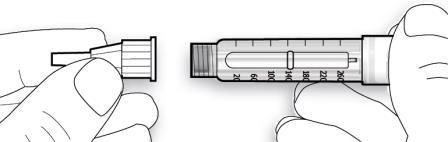
.
- If the needle is not held straight while inserting it, you may damage the rubber seal and cause leaks, or you may break the needle.
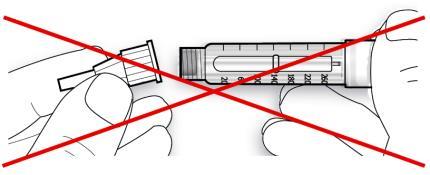
Point 3. Perform the safety test
Always perform the safety test before each injection. This ensures the delivery of a correct
dose because:
- it ensures that the pen and needle are working correctly
- it removes air bubbles
- A.Select a dosage of 2 units by rotating the dosage selector.
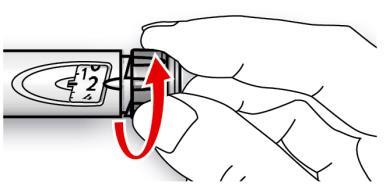
- B.Remove the outer cap of the needle and keep it to remove the used needle after the injection. Remove the inner cap of the needle and discard it.
267
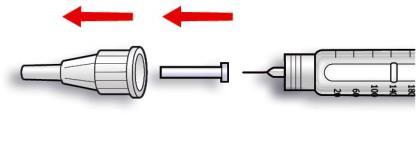
- C.Hold the pen upright with the needle pointing upwards.
- D.Tap the insulin reservoir with your finger so that any air bubbles rise to the needle.
- E.Press the injection button all the way down. Check that insulin comes out of the needle tip. HoldDiscard
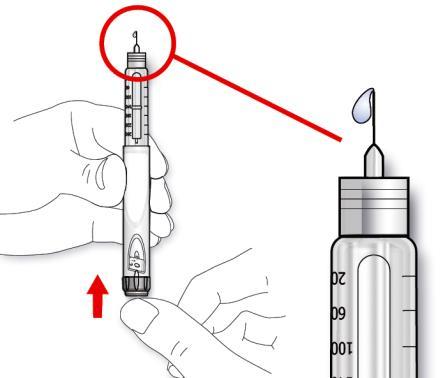
You may need to repeat the safety test several times before insulin comes out.
- If the insulin does not come out, check for air bubbles and repeat the safety test two or more times to remove them.
- If the insulin still does not come out, the needle may be blocked. Change the needle and try again.
- If the insulin still does not come out after changing the needle, the SoloStar may be damaged. Do not use this SoloStar.
Point 4. Dose Selection
The dose can be selected in 1-unit increments, from a minimum of 1 unit to a maximum of 80
units. If a dose greater than 80 units is needed, it must be administered by two or more
injections.
- A.Check that the dosage window shows “0” at the end of the safety test.
- B.Select the required dose (in the example below, the selected dose is 30 units). If a higher dose has been selected, you can rotate the dosage selector in the opposite direction.
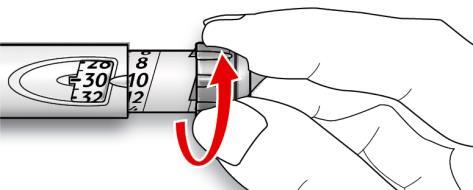
- Do not push the injection button while rotating it as insulin will come out.
- You cannot rotate the dosage selector beyond the number of units remaining in the pen. Do not force the dosage selector further. In this case, you can inject what is left in the pen and complete the dose with a new SoloStar or use a new SoloStar for the entire dose.
268
Point 5. Injecting the dose
- A.Use the injection technique as instructed by your doctor, pharmacist or nurse.
- B.Insert the needle into the skin.
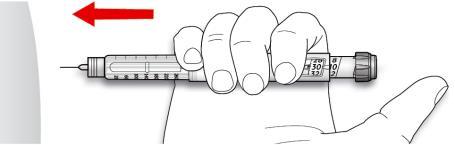
- C.Administer the dosage by pressing the injection button all the way down. The number appearing in the dosage window will return to “0” during the injection.
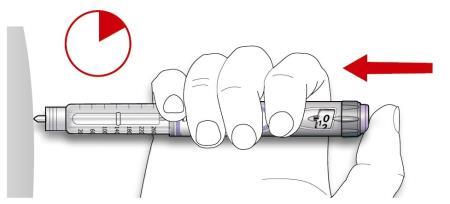
- D.Keep the injection button pressed all the way down. Count slowly to 10 before removing the needle from the
skin. This ensures that the entire dose of insulin has been injected.
The pen plunger moves with each dose. The plunger reaches the end of the cartridge when
300 total units of insulin have been used.
Point 6. Needle Removal and Disposal
Always remove the needle after each injection and store SoloStar without the needle inserted.
This helps to prevent:
- contamination and/or infection,
- air entering the insulin reservoir and insulin leakage, which can cause inaccurate dosing.
- A.Put the outer cap back on the needle and use it to unscrew the needle from the pen. To reduce the risk of accidental needle injury, never reposition the inner cap of the needle.
- If the injection is given by another person, or if you are giving the injection to another person, you must take particular care when removing and disposing of the needle. Follow the recommended safety measures for needle removal and disposal (ask your doctor, pharmacist or nurse) to reduce the risk of accidental needle injury and the transmission of infectious diseases.
- B.Dispose of the needle safely.
- C.Reposition the cap on the pen, then store the pen until the next injection.
269
Storage Instructions
Refer to the back of this leaflet (insulin) for instructions on how to store SoloStar.
If your SoloStar is stored in the refrigerator, remove it 1-2 hours before injection so that it can
warm up to room temperature. Injecting cold insulin is more painful.
Dispose of your used SoloStar in accordance with local legal requirements.
Maintenance
SoloStar must be protected from dust and dirt.
The exterior of SoloStar can be cleaned with a damp cloth.
Do not wet, wash or lubricate the pen as this could damage it.
Your SoloStar is designed to operate safely and accurately. It must be handled with care.
Situations in which SoloStar could be damaged must be avoided. If you are concerned that SoloStar is
damaged, use a new one.
270
F ull prescribing information: information for the user

Виникли питання під час прийому ліків?
Обговоріть свої симптоми та лікування з лікарем онлайн.
Insuman Basal 100 IU/ml injectable suspension in a vial
Human insulin
Read this leaflet carefully before you start using this medicine as it contains important
information for you.
- Keep this leaflet. You may need to read it again.
- If you have any questions, ask your doctor, pharmacist or nurse.
- This medicine has been prescribed for you only. Do not pass it on to others, even if their symptoms are the same as yours, as it could be harmful.
- If you get any side effects, even those not listed in this leaflet, tell your doctor, pharmacist or nurse. See section 4.
Contents of this leaflet:
- 1. What Insuman Basal is and what it is used for
- 2. What you need to know before you use Insuman Basal
- 3. How to use Insuman Basal
- 4. Possible side effects
- 5. How to store Insuman Basal
- 6. Contents of the pack and other information
1. What is Insuman Basal and what is it used for
Insuman Basal contains the active ingredient human insulin, which is produced by a biotechnological process and is identical to the insulin found in our body.
Insuman Basal is an insulin preparation with a gradual onset of action and a long duration of action.
The insulin is present as fine protamine insulin crystals.
Insuman Basal is used to lower high blood sugar levels in patients with
diabetes mellitus who require insulin supplementation. Diabetes mellitus is a disease in which the body
does not produce enough insulin to control blood sugar levels.
2. What you need to know before using Insuman Basal
Do not use Insuman Basal
If you are allergic (hypersensitive) to insulin or to any of the other ingredients of this medicine
(listed in section 6).
Warnings and precautions
Talk to your doctor, pharmacist or nurse before using Insuman Basal.
Follow the instructions your doctor has given you strictly regarding the dose, the checks to be performed (on blood
and urine), diet and physical activity (work and exercise).
Tell your doctor if you are allergic to this medicine or to animal insulins.
Special patient groups
If you have liver or kidney problems, or if you are elderly, consult your doctor because you may need a lower
dose.
271
Skin changes at the injection site:
The injection site must be rotated to prevent skin changes, such as the appearance of nodules
under the skin. Insulin may not work as well as it should if you inject into an area with
nodules (see section How to use Insuman Basal). If you are currently injecting into an area with
nodules, talk to your doctor before starting to inject into another area. Your doctor may
ask you to check your blood sugar more carefully and adjust the dose of insulin or other antidiabetic medicines.
Travel
Before starting a trip, consult your doctor. You may need to discuss the following aspects:
- availability of insulin in the destination country,
- sufficient supplies of insulin, syringes, etc.,
- correct storage of insulin during the trip,
- interval between meals and insulin administration during the trip,
- possible effects of the time zone change,
- possible risks of contracting new diseases in the countries visited.
- what to do in emergency situations if you do not feel well or become ill.
Illnesses and injuries
In the following situations, diabetes control may require close attention:
- If you are ill or have serious injuries, there is a risk that your blood sugar level will increase (hyperglycemia).
- If you do not eat enough, there is a risk that your blood sugar level will decrease (hypoglycemia). In most cases, medical intervention is necessary. Contact your doctor quickly.
Also, if you suffer from type 1 diabetes (insulin-dependent diabetes mellitus), do not stop treatment with
insulin or carbohydrate intake. It is necessary to inform people close to you about your
need for insulin.
Some patients with long-lasting type 2 diabetes mellitus and heart disease or with a previous stroke,
treated with pioglitazone and insulin have developed heart failure. Tell your doctor as soon as possible
if you have signs of heart failure such as unusually short breath or rapid weight gain or localized swelling (edema).
Other medicines and Insuman Basal
Some medicines can cause changes in blood sugar levels (reduction or increase
or both depending on the situation). In any case, optimization of the insulin dose is necessary to
avoid blood sugar levels that are too low or too high. Be careful when starting or
stopping another medicine.
Tell your doctor or pharmacist if you are taking, have recently taken or may take any
other medicine. Before taking a medicine, ask your doctor if it can affect blood sugar and if
countermeasures are necessary.
Medicines that can cause a decrease in blood sugar levels (hypoglycemia)
include:
- all other medicines used to treat diabetes,
- angiotensin converting enzyme (ACE) inhibitors (used to treat some heart conditions or high blood pressure),
- disopyramide (used to treat some heart conditions),
- fluoxetine (used to treat depression),
- fibrates (used to lower high levels of fats in the blood),
- monoamine oxidase inhibitors (MAO) (used to treat depression),
272
- pentoxifylline, propoxyphene, salicylates (such as aspirin, used to relieve pain and lower fever),
- sulfonamide antibiotics.
Medicines that can cause an increase in blood sugar levels (hyperglycemia) include:
- corticosteroids (such as "cortisone", used to treat inflammation),
- danazol (a medicine that acts on ovulation),
- diazoxide (used to treat high blood pressure),
- diuretics (used to treat high blood pressure or excessive fluid retention),
- glucagon (pancreatic hormone used to treat severe hypoglycemia, i.e. low blood sugar levels),
- isoniazid (used to treat tuberculosis),
- estrogens and progestogens (such as in the birth control pill used for contraception),
- phenothiazine derivatives (used to treat psychiatric disorders),
- somatropin (growth hormone),
- sympathomimetic medicines (such as epinephrine [adrenaline], salbutamol, terbutaline used to treat asthma),
- thyroid hormones (used to treat thyroid disorders),
- protease inhibitors (used to treat HIV),
- atypical antipsychotic medicines (such as olanzapine and clozapine).
Blood sugar levels may decrease or increase if you take:
- betablockers (used to treat high blood pressure),
- clonidine (used to treat high blood pressure),
- lithium salts (used to treat psychiatric disorders). Pentamidine (used to treat some infections caused by parasites) can cause hypoglycemia, sometimes followed by hyperglycemia.
Betablockers as well as other sympatholytic medicines (such as clonidine, guanethidine and reserpine) can
reduce or completely eliminate the warning signs that help you recognize hypoglycemia.
If you are not sure if you are taking one of these medicines, ask your doctor or pharmacist.
Insuman Basal with alcohol
Blood sugar levels may decrease or increase if you drink alcohol.
Pregnancy and breastfeeding
If you are pregnant, suspect you are pregnant or are planning to become pregnant, ask your doctor or pharmacist for advice before using this medicine.
Tell your doctor if you are planning a pregnancy or if you are already pregnant. It may be
necessary to adjust the dose of insulin during pregnancy and after delivery. It is important to control
diabetes carefully and prevent hypoglycemia for the health of the baby. However, there is no experience with
the use of Insuman Basal in pregnancy.
If you are breastfeeding, consult your doctor, as adjustments to the insulin dose and
diet may be necessary.
Driving and using machines
Your ability to concentrate or react may be reduced in case of:
- hypoglycemia (low blood sugar levels),
- hyperglycemia (high blood sugar levels),
- vision problems. 273
Take this into account in all situations where you could pose a risk to yourself and others (such as driving a car or using machinery). Ask your
doctor for advice on whether it is appropriate for you to drive if:
- you have frequent hypoglycemic attacks,
- the typical signs that help you identify hypoglycemia are reduced or absent.
Important information about some ingredients of Insuman Basal
This medicine contains less than 1 mmol (23 mg) of sodium per dose, i.e. it is essentially ‘sodium-free’.
3. How to use Insuman Basal
Dose
Use this medicine following exactly the instructions of your doctor. If you have any doubts, consult your doctor
or pharmacist.
Based on your lifestyle and the results of blood sugar level tests (glycemia), the doctor will:
- establish the daily amount of Insuman Basal you need,
- inform you of when you must check your blood sugar and, if necessary, when to perform urine tests,
- inform you if a lower or higher dose of Insuman Basal is needed.
Many factors can influence your blood sugar levels. It is advisable that you know these
factors so that you can act appropriately in case of changes in blood sugar levels and
thus avoid them becoming too high or too low. For further information, see the box
at the end of this leaflet.
Frequency of administration
Insuman Basal is injected subcutaneously 45 - 60 minutes before a meal.
Method of administration
Insuman Basal is a liquid (suspension) for subcutaneous injection.
DO NOT inject Insuman Basal into a vein (blood vessel).
The doctor will indicate which area of the skin you should inject the insulin into. For each injection, change the injection site
within the chosen skin area.
Do not use Insuman Basal in insulin pumps - special insulin preparations are available for use with such devices.
How to handle the vials
Insuman Basal contains 100 IU of insulin per ml. Only syringes for injection suitable for this
concentration (100 IU per ml) must be used. Injection syringes must not contain other
medicines or their residues (such as traces of heparin).
Before drawing up the insulin for the first time, remove the tear-off safety cap
from the vial.
Immediately before each injection, mix the insulin well. To do this, rotate the vial diagonally
between the palms of your hands. Do not shake the vial vigorously because this may damage the insulin and cause foaming. Foam may
interfere with accurate dose measurement.
After mixing, the liquid should appear uniformly milky. It should not be used if the
suspension remains clear or, for example, if small lumps, particles or flakes or similar form
inside or on the wall or bottom of the vial. In these cases, another vial should be used, the contents of which have a uniform appearance.
Always use a new vial if you notice that your blood sugar control has
unexpectedly worsened. This is because the insulin may have lost some of its effectiveness. If you think
you may have a problem with the insulin, have it checked by your doctor or pharmacist.
Special precautions before injection
Air bubbles must be removed before injection. Make sure that neither alcohol nor other disinfectants
nor other contaminating substances contaminate the insulin. Do not mix the insulin with other medicines, except for the
human insulin formulations listed below.
Insuman Basal can be mixed with all human insulin formulations, EXCEPT those specifically designed
for use in insulin pumps. Also, DO NOT mix with animal insulins or
insulin analogues.
The doctor will tell you if it is necessary to mix human insulins. If it is necessary to inject a mixture, draw the other
insulin into the injection syringe before Insuman Basal. Proceed with the injection immediately after
mixing. Do not mix insulins with different concentrations (e.g. 100 IU per ml and 40 IU per ml).
If you use more Insuman Basal than you should
- If you have injected too high a dose of Insuman Basal, your blood sugar levels may become too low (hypoglycemia). Check your blood sugar frequently. In general, to prevent hypoglycemia, you should consume more substantial meals and check your blood sugar. For information on treating hypoglycemia, see the box at the end of this leaflet.
If you forget to use Insuman Basal
- If you have forgotten a dose of Insuman Basalor have not injected enough insulin, your blood sugar levels may become too high (hyperglycemia). Check your blood sugar frequently. For information on treating hyperglycemia, see the box at the end of this leaflet.
- Do not take a double dose to make up for a missed dose.
If you stop treatment with Insuman Basal
This can lead to severe hyperglycemia (very high blood sugar levels) and ketoacidosis (build-up
of acid in the blood because the body is metabolizing fat instead of sugar). Do not stop Insuman
Basal without consulting a doctor who will tell you what you need to do.
If you have any doubts about using this medicine, ask your doctor, pharmacist or nurse.
Insulin exchanges
You should always check the insulin label before each injection to avoid exchanging medicine between
Insuman Basal and other insulins.
4. Possible side effects
Like all medicines, this medicine can cause side effects, although not everybody gets them.
275
More serious side effects
Side effects reported uncommonly(may affect up to 1 in 100 people)
- Severe allergic reactions with low blood pressure(shock)
Side effects reported with unknown frequency(cannot be estimated from the available data)
)
- The most frequent side effect is hypoglycemia(low blood sugar levels). Severe hypoglycemic episodes can cause myocardial infarction or brain damage and can be life-threatening. For further information on the side effects of low or high blood sugar levels, see the box at the end of this leaflet.
- Severe, widespread allergic reactions to insulincan occur, which may be life-threatening. Such reactions to insulin or excipients can cause extensive skin reactions (rashes and itching all over the body), severe swelling of the skin or mucous membranes (angioedema), shortness of breath, low blood pressure with rapid heartbeat and sweating
Other side effects
Side effects reported commonly(may affect up to 1 in 10 people)
- Edema Treatment with insulin can lead to temporary fluid retention in the body with swelling in the calf and ankle areas.
- Reactions at the injection site
Side effects reported uncommonly
- Urticaria at the injection site (itchy rash)
Side effects reported with unknown frequency
- Sodium retention
- Eye reactions A marked change (improvement or worsening) in blood sugar levels can temporarily disturb vision. If you suffer from proliferative retinopathy (an eye disease associated with diabetes), severe hypoglycemic episodes can cause temporary loss of vision.
- Changes in the skin at the injection site: If you inject insulin too often in the same place, the fatty tissue may become thinner (lipoatrophy) or thicker (lipohypertrophy). Lumps under the skin can also be caused by the accumulation of a protein called amyloid (cutaneous amyloidosis: it is not known how often this occurs). Insulin may not work as well as it should if you inject into an area with lumps. Change the injection site with each injection to prevent these skin changes.
- Skin and allergic reactions Other mild reactions may occur at the injection site (such as redness at the injection site, unusually intense pain at the injection site, itching, swelling at the injection site or inflammation at the injection site). These disturbances can spread around the injection site. Most minor reactions to insulin resolve within a few days or within a few weeks.
- Anti-insulin antibodies Treatment with insulin can lead to the formation of anti-insulin antibodies (substances that act against insulin). Only rarely does the presence of such antibodies require an adjustment of the insulin dose.
Reporting of side effects
If you get any side effects, talk to your doctor, pharmacist or nurse. You can also report side effects directly through the
national reporting system listed in Annex V.
By reporting side effects you can help provide more information on the safety of
this medicine.
276
5. How to store Insuman Basal
Keep this medicine out of the sight and reach of children.
Do not use this medicine after the expiry date which is stated on the package and on the vial label
after “Scad”/ “Exp”. The expiry date refers to the last day of that month.
Unused vials:
Store in a refrigerator (2°C - 8°C). Do not freeze. Do not place Insuman Basal in direct contact with the
freezer compartment or with cooling packs. Store the vial in the outer packaging to
protect the medicine from light.
Opened vials:
Once in use, the vial can be stored for a maximum of 4 weeks at a temperature not
exceeding 25°C, protected from a direct source of heat (e.g. radiator) or from direct light (direct sunlight or lamp) in the outer packaging. Do not use the vial after this period. It is recommended to
write the date of first use on the label itself.
Do not dispose of any medicine in wastewater or household waste. Ask your pharmacist how to dispose of
medicines you no longer use. This will help protect the environment.
6. Content of the pack and other information
What Insuman Basal contains
- The active substance is human insulin. 1 ml of Insuman Basal contains 100 IU (International Units) of the active substance human insulin.
- The other ingredients are: protamine sulfate, meta-cresol, phenol, zinc chloride, sodium dihydrogen phosphate dihydrate, glycerol, sodium hydroxide (see section 2 in “Important information about certain components of Insuman Basal”), hydrochloric acid (for pH adjustment) and water for injections.
Description of the appearance of Insuman Basal and content of the pack
After mixing, Insuman Basal is a uniformly milky liquid (injectable suspension), without
clumps, flakes or visible particles.
Insuman Basal is supplied in vials containing 5 ml of injectable suspension (equivalent to 500 IU) or
10 ml of injectable suspension (equivalent to 1000 IU). Packs of 1 and 5 vials of 5
ml or 10 ml are available. Not all pack sizes may be marketed.
Marketing authorisation holder and manufacturer
Sanofi-Aventis Deutschland GmbH
D-65926 Frankfurt am Main
Germany.
For further information on this medicine, contact the local representative of the marketing authorisation
holder:
België/Belgique/Belgien
Sanofi Belgium
Tél/Tel: +32 (0)2 710 54 00
Lietuva
Swixx Biopharma UAB
Tel: +370 5 236 91 40
277
България
Swixx Biopharma EOOD
Тел.: +359 (0)2 4942 480
Luxembourg/Luxemburg
Sanofi Belgium
Tél/Tel: +32 (0)2 710 54 00 (Belgique/Belgien)
Česká republika
sanofi-aventis, s.r.o.
Tel: +420 233 086 111
Magyarország
SANOFI-AVENTIS Zrt.
Tel.: +36 1 505 0050
Danmark
sanofi A/S
Tlf: +45 45 16 70 00
Malta
Sanofi S.r.l.
Tel: +39 02 39394275
Deutschland
Sanofi-Aventis Deutschland GmbH
Tel: 0800 52 52 010
Tel. aus dem Ausland: +49 69 305 21 131
Nederland
Sanofi B.V .
Tel: +31 20 245 4000
Eesti
Swixx Biopharma OÜ
Tel: +372 640 10 30
Norge
sanofi-aventis Norge AS
Tlf: +47 67 10 71 00
Ελλάδα
Sanofi-Aventis AEBE
Τηλ: +30 210 900 16 00
Österreich
sanofi-aventis GmbH
Tel: +43 1 80 185 – 0
España
sanofi-aventis, S.A.
Tel: +34 93 485 94 00
Polska
sanofi-aventis Sp. z o.o.
Tel.: +48 22 280 00 00
France
Sanofi Winthrop
Industrie Tél: 0 800 222 555
Appel depuis l’étranger : +33 1 57 63 23 23
Portugal
Sanofi - Produtos Farmacêuticos, Lda.
Tel: +351 21 35 89 400
Hrvatska
Swixx Biopharma d.o.o.
Tel: +385 1 2078 500
România
Sanofi Romania SRL
Tel: +40 (0) 21 317 31 36
Ireland
sanofi-aventis Ireland Ltd. T/A SANOFI
Tel: +353 (0) 1 403 56 00
Slovenija
Swixx Biopharma d.o.o.
Tel: +386 1 235 51 00
Ísland
Vistor hf.
Sími: +354 535 7000
Slovenská republika
Swixx Biopharma s.r.o.
Tel: +421 2 208 33 600
Italia
Sanofi S.r.l.
Tel: 800 13 12 12 (technical questions)
800 536389 (other questions)
Suomi/Finland
Sanofi Oy
Puh/Tel: +358 (0) 201 200 300
278
Κύπρος
C.A. Papaellinas Ltd.
Τηλ: +357 22 741741
Sverige
Sanofi AB
Tel: +46 (0)8 634 50 00
Latvija
Swixx Biopharma SIA
Tel: +371 6 616 47 50
United Kingdom (Northern Ireland)
sanofi-aventis Ireland Ltd. T/A SANOFI
Tel: +44 (0) 800 035 2525
Other sources of information
More detailed information on this medicine is available on the website of the European Medicines
Agency: http://www.ema.europa.eu/
HYPERGLYCEMIA AND HYPOGLYCEMIA
Always carry some sugar with you (at least 20 grams).
Carry information indicating that you have diabetes.
HYPERGLYCEMIA (high blood sugar levels)
If your blood sugar levels are too high (hyperglycemia),you may not have injected
enough insulin.
Why does hyperglycemia occur?
Examples include:
- you did not inject insulin or administered an insufficient amount, or when the insulin becomes less effective (e.g. because it was not stored correctly),
- you are doing less exercise than usual, or are particularly stressed (emotionally or physically), or in cases of injury, surgery, infection or fever,
- you are taking or have taken other medicines (see section 2 “Other medicines and Insuman Basal”).
Warning signs of hyperglycemia
Thirst, increased need to urinate, weakness, dry skin, facial redness, loss of appetite,
low blood pressure, rapid heartbeat and the presence of glucose or ketones in the urine.
Abdominal pain, deep and rapid breathing, drowsiness or even loss of consciousness may
indicate a serious condition (ketoacidosis) resulting from insulin deficiency.
What should you do if you have hyperglycemia?
Check your blood sugar and the presence of ketones in your urine as soon as possible if you experience any of the symptoms listed above.Severe hyperglycemia or ketoacidosis
must always be treated by a doctor, usually in a hospital setting.
HYPOGLYCEMIA (low blood sugar levels)
279
If your blood sugar levels drop too low, you may lose consciousness. Severe hypoglycemic episodes
can cause heart attack or brain damage and can be life-threatening. Generally, you
should be able to recognise when your blood sugar levels are dropping too low, so
you can take appropriate precautions.
Why does hypoglycemia occur?
Examples include:
- you injected too much insulin,
- you skipped or delayed meals,
- you are not eating enough or the food consumed contains a lower amount of carbohydrates than normally consumed (carbohydrates are sugar and sugar-like substances; however, artificial sweeteners are NOT carbohydrates),
- you have lost carbohydrates due to vomiting or diarrhoea,
- you drink alcoholic beverages, especially if you are eating little,
- you are doing more exercise than usual, or a different type of activity,
- you are recovering from injury, surgery or stress,
- you are recovering from illness or fever,
- you are taking or have taken other medicines (see section 2, “Other medicines and Insuman Basal”).
Hypoglycemia can also occur more easily if:
- you are at the beginning of insulin treatment or have switched to a different type of insulin,
- your blood sugar levels are almost normal or show fluctuations,
- you have changed the area of skin where you inject the insulin (e.g. from the thigh to the upper arm),
- you suffer from severe kidney or liver disease, or other diseases such as hypothyroidism.
Warning signs of hypoglycemia
- In the body Examples of symptoms indicating that blood sugar levels are dropping too low or too quickly: sweating, clammy skin, anxiety, rapid heartbeat, high blood pressure, palpitations and irregular heartbeat. These symptoms can often develop before those indicating a decrease in brain sugar levels.
- In the brain Examples of symptoms indicating a decrease in brain sugar levels: headache, insatiable hunger, nausea, vomiting, fatigue, drowsiness, sleep disturbances, restlessness, aggression, difficulty concentrating, reduced ability to react, depressed mood, confusion, difficulty speaking (sometimes aphasia), visual disturbances, tremor, paralysis, sensory disturbances (paresthesia), tingling and numbness of the mouth, dizziness, loss of self-control, inability to care for oneself, convulsions, loss of consciousness.
The early characteristic symptoms of a state of hypoglycemia ("warning symptoms") may vary, be
less noticeable or even completely absent if:
- you are elderly, have had diabetes for a long time or suffer from a certain type of neurological disease (diabetic autonomic neuropathy),
- after a recent hypoglycemic episode (e.g. the day before) or if hypoglycemia appears slowly,
- blood glucose levels are almost normal or at least significantly improved,
- you have recently switched from animal insulin to human insulin such as Insuman,
- you are taking or have taken other medicines (see section 2 “Other medicines and Insuman Basal”).
280
In these cases, a severe hypoglycemia (even with loss of consciousness) may develop without
recognising it in time. Therefore, learn to recognise the warning symptoms of hypoglycemia. If necessary, more frequent blood sugar checks may help identify mild hypoglycemic episodes that might otherwise go unnoticed. If you are unable to recognise the warning symptoms of hypoglycemia, avoid all situations (such as driving a car) that may be
risky for you and others due to hypoglycemia.
What should you do if you have hypoglycemia?
- 1. Do not inject insulin. Immediately take 10 to 20 g of sugar, such as glucose, sugar cubes or a sugary drink. Caution: artificial sweeteners and foods containing artificial sweeteners (such as diet drinks) do not help treat hypoglycemia.
- 2. Then consume food that can cause a release of sugar into the blood for a long period of time (such as bread or pasta). Your doctor or nurse should have previously discussed these measures with you.
- 3. If another hypoglycemic episode occurs, take another 10 to 20 g of sugar.
- 4. Talk to your doctor as soon as you notice that you are unable to control hypoglycemia or if it happens again.
Inform your relatives, friends and colleagues close to you that:
If you are unable to swallow or lose consciousness, action must be taken with an injection of glucose or
glucagon (a medicine that increases blood sugar levels). These injections are also justified
even if you are not sure that a hypoglycemic event has occurred.
It is advisable to check blood sugar immediately after taking sugar to confirm
that a hypoglycemic episode was occurring.
281
Insuman Basal 40 UI/ml injectable suspension in a vial
Human insulin
Read this leaflet carefully before you start using this medicine as it contains important
information for you.
- Keep this leaflet. You may need to read it again.
- If you have any questions, ask your doctor, pharmacist or nurse.
- This medicine has been prescribed for you only. Do not pass it on to others, even if their symptoms are the same as yours, as it could be harmful.
- If you get any side effects, even those not listed in this leaflet, tell your doctor, pharmacist or nurse. See section 4.
Contents of this leaflet:
- 1. What Insuman Basal is and what it is used for
- 2. What you need to know before you use Insuman Basal
- 3. How to use Insuman Basal
- 4. Possible side effects
- 5. How to store Insuman Basal
- 6. Contents of the pack and other information
1. What is Insuman Basal and what is it used for
Insuman Basal contains the active ingredient human insulin, which is produced by a biotechnological process and is identical to the insulin found in our body.
Insuman Basal is an insulin preparation with a gradual onset of action and a long duration of action.
The insulin is present as fine protamine insulin crystals.
Insuman Basal is used to lower elevated blood sugar levels in patients with
diabetes mellitus who require insulin supplementation. Diabetes mellitus is a disease in which the body
does not produce enough insulin to control blood sugar levels.
2. What you need to know before using Insuman Basal
Do not use Insuman Basal
If you are allergic (hypersensitive) to insulin or to any of the other ingredients of this medicine
(listed in section 6).
Warnings and precautions
Talk to your doctor, pharmacist or nurse before using Insuman Basal.
Follow strictly the instructions given to you by your doctor regarding the dose, the checks to be performed (on blood
and urine), diet and physical activity (work and exercise).
Tell your doctor if you are allergic to this medicine or to animal insulins.
Special patient groups
If you have liver or kidney problems, or if you are elderly, consult your doctor because you may need a lower
dose.
282
Changes in the skin at the injection site:
The injection site must be rotated to prevent changes in the skin, such as the appearance of nodules
under the skin. Insulin may not work as well as it should if you inject into an area with
nodules (see section How to use Insuman Basal). If you are currently injecting into an area with
nodules, talk to your doctor before starting to inject into another area. Your doctor may
advise you to check your blood sugar more carefully and adjust the dose of insulin or other antidiabetic medicines.
Travel
Before starting a trip, consult your doctor. You may need to discuss the following aspects:
- availability of insulin in the destination country,
- sufficient supplies of insulin, syringes, etc.,
- correct storage of insulin during the trip,
- interval between meals and insulin administration during the trip,
- possible effects of the time zone change,
- possible risks of contracting new diseases in the countries visited.
- what to do in emergency situations if you do not feel well or become ill.
Illness and injuries
In the following situations, diabetes control may require close attention:
- If you are ill or have serious injuries, there is a risk that your blood sugar level will increase (hyperglycemia).
- If you do not eat enough, there is a risk that your blood sugar level will decrease (hypoglycemia). In most cases, medical intervention is necessary. Contact your doctor quickly.
Also, if you suffer from type 1 diabetes (insulin-dependent diabetes mellitus), do not stop treatment with
insulin or carbohydrate intake. It is necessary to keep people close to you informed of your
need for insulin.
Some patients with long-lasting type 2 diabetes mellitus and heart disease or with a previous stroke,
treated with pioglitazone and insulin have developed heart failure. Inform your doctor as soon as possible
if you have signs of heart failure such as unusually short breath or rapid weight gain or
localized swelling (edema).
Other medicines and Insuman Basal
Some medicines can cause changes in blood sugar levels (reduction or increase
or both depending on the situation). In any case, optimization of the insulin dose is necessary to
avoid blood sugar levels that are too low or too high. Be careful when starting or
stopping another medicine.
Tell your doctor or pharmacist if you are taking, have recently taken or may take any
other medicine. Before taking a medicine, ask your doctor if it can affect blood sugar and if
countermeasures are necessary.
Medicines that can cause a decrease in blood sugar levels (hypoglycemia)
include:
- all other medicines used to treat diabetes,
- angiotensin converting enzyme (ACE) inhibitors (used to treat some heart conditions or high blood pressure),
- disopyramide (used to treat some heart conditions),
- fluoxetine (used to treat depression),
- fibrates (used to lower high levels of fats in the blood),
- monoamine oxidase inhibitors (MAO) (used to treat depression), 283
- pentoxifylline, propoxyphene, salicylates (such as aspirin, used to relieve pain and reduce fever),
- sulfonamide antibiotics.
Medicines that can cause an increase in blood sugar levels (hyperglycemia) include:
- corticosteroids (such as "cortisone", used to treat inflammation),
- danazol (a medicine that acts on ovulation),
- diazoxide (used to treat high blood pressure),
- diuretics (used to treat high blood pressure or excessive fluid retention),
- glucagon (pancreatic hormone used to treat severe hypoglycemia, i.e. low blood sugar levels),
- isoniazid (used to treat tuberculosis),
- estrogens and progesterone (such as in the birth control pill used for birth control),
- phenothiazine derivatives (used to treat psychiatric disorders),
- somatropin (growth hormone),
- sympathomimetic medicines (such as epinephrine [adrenaline], salbutamol, terbutaline used to treat asthma),
- thyroid hormones (used to treat thyroid disorders),
- protease inhibitors (used to treat HIV),
- atypical antipsychotic medicines (such as olanzapine and clozapine).
Blood sugar levels may decrease or increase if you take:
- beta-blockers (used to treat high blood pressure),
- clonidine (used to treat high blood pressure),
- lithium salts (used to treat psychiatric disorders). Pentamidine (used to treat some infections caused by parasites) can cause hypoglycemia, sometimes followed by hyperglycemia.
Beta-blockers as well as other sympatholytic medicines (such as clonidine, guanethidine and reserpine) can
reduce or completely cancel the warning signs that help you recognize hypoglycemia.
If you are not sure if you are taking one of these medicines, ask your doctor or pharmacist.
Insuman Basal with alcohol
Blood sugar levels may decrease or increase if you drink alcohol.
Pregnancy and breastfeeding
If you are pregnant, suspect you are pregnant or are planning to become pregnant, or if you are breastfeeding with breast
milk, ask your doctor or pharmacist for advice before using this medicine.
Tell your doctor if you are planning a pregnancy or if you are already pregnant. It may be
necessary to adjust the dose of insulin during pregnancy and after delivery. It is important to control
diabetes carefully and prevent hypoglycemia for the health of the baby. However, there is no experience with
the use of Insuman Basal in pregnancy.
If you are breastfeeding, consult your doctor, as changes in the dose of insulin and
diet may be necessary.
Driving and operating machinery
Your ability to concentrate or react may be reduced in case of:
- hypoglycemia (low blood sugar levels),
- hyperglycemia (high blood sugar levels),
- vision problems. 284
Take into account the possibility that this may occur in all situations where you could pose a
risk to yourself and others (such as driving a car or using machinery). Ask your
doctor for advice on whether you should drive if:
- you have frequent hypoglycemic attacks,
- the typical signs that help you identify hypoglycemia are reduced or absent.
Important information about some ingredients of Insuman Basal
This medicine contains less than 1 mmol (23 mg) of sodium per dose, i.e. it is essentially ‘sodium-free’.
3. How to use Insuman Basal
Dose
Use this medicine following exactly the instructions of your doctor. If you have doubts, consult your doctor or pharmacist.
Based on your lifestyle and the results of blood sugar level tests (glycemia), your doctor will:
- establish the daily amount of Insuman Basal you need,
- inform you of when you should check your blood sugar and, if necessary, when to perform urine tests,
- inform you if a lower or higher dose of Insuman Basal is necessary.
Many factors can influence your blood sugar levels. It is advisable that you know these factors so that you can act appropriately in case of changes in blood sugar levels and thus avoid them becoming too high or too low. For further information, see the section at the end of this leaflet.
Frequency of administration
Insuman Basal is injected subcutaneously 45 - 60 minutes before a meal.
Method of administration
Insuman Basal is a liquid (suspension) for subcutaneous injection.
DO NOT inject Insuman Basal into a vein (blood vessel).
Your doctor will indicate which area of the skin you should inject the insulin into. For each injection, change the injection site within the chosen skin area.
Do not use Insuman Basal in insulin pumps - special insulin preparations are available for use with such devices.
How to handle the vials
Insuman Basal contains 40 IU of insulin per ml. Only syringes suitable for injection for this concentration (40 IU per ml) must be used. Injection syringes must not contain other medicines or their residues (such as traces of heparin).
Before drawing up the insulin for the first time, you must remove the tear-off safety cap from the vial.
Immediately before each injection, mix the insulin well. To do this, rotate the vial diagonally between the palms of your hands. Do not shake the vial vigorously as this may damage the insulin and cause foaming. Foam may interfere with the correct measurement of the dose.
After mixing, the liquid should appear uniformly milky. It should not be used if the suspension remains clear or, for example, if small lumps, particles or flakes or similar form inside or on the wall or bottom of the vial. In these cases, another vial should be used whose contents have a uniform appearance.
Always use a new vial if you notice that blood sugar control has unexpectedly worsened. This is because the insulin may have lost some of its effectiveness. If you think you may have a problem with the insulin, have it checked by your doctor or pharmacist.
Particular precautions before injection
Air bubbles must be removed before injection. Make sure that neither alcohol nor other disinfectants or other contaminating substances contaminate the insulin. Do not mix the insulin with other medicines, except for the human insulin formulations listed below.
Insuman Basal can be mixed with all human insulin formulations, EXCEPT those specifically intended for use in insulin pumps. Also, DO NOT mix with animal insulins or insulin analogues.
Your doctor will tell you if it is necessary to mix insulins. If it is necessary to inject a mixture, draw the other insulin into the injection syringe before Insuman Basal. Proceed with the injection immediately after mixing. Do not mix insulins of different concentrations (e.g. 100 IU per ml and 40 IU per ml).
If you use more Insuman Basal than you should
- If you have injected too high a dose of Insuman Basal, blood sugar levels may become too low (hypoglycemia). Check your blood sugar frequently. In general, to prevent hypoglycemia, you should eat more substantial meals and check your blood sugar. For information on the treatment of hypoglycemia, see the section at the end of this leaflet.
If you forget to use Insuman Basal
- If you have forgotten a dose of Insuman Basalor have not injected enough insulin, blood sugar levels may become too high (hyperglycemia). Check your blood sugar frequently. For information on the treatment of hyperglycemia, see the section at the end of this leaflet.
- Do not take a double dose to make up for a missed dose.
If you stop treatment with Insuman Basal
This can lead to severe hyperglycemia (very high blood sugar levels) and ketoacidosis (build-up of acid in the blood because the body is metabolizing fat instead of sugar). Do not stop Insuman Basal without consulting a doctor who will tell you what you need to do.
If you have any doubts about using this medicine, ask your doctor, pharmacist or nurse.
Insulin exchanges
You should always check the insulin label before each injection to avoid exchanging medicine between Insuman Basal and other insulins.
4. Possible side effects
286
Like all medicines, this medicine can cause side effects, although not everybody gets them.
More serious side effects
Side effects reported uncommonly(may affect up to 1 in 100 people)
- Severe allergic reactions with low blood pressure(shock)
Side effects reported with unknown frequency(cannot be estimated from the available data)
- The most frequent side effect is hypoglycemia(low blood sugar levels). Severe hypoglycemic episodes can cause heart attack or brain damage and can be life-threatening. For further information on the side effects of low blood sugar levels or high blood sugar levels see the box at the end of this leaflet.
- Severe, widespread allergic reactions to insulinmay occur, which could be life-threatening. Such reactions to insulin or excipients can cause extensive skin reactions (rashes and itching all over the body), severe swelling of the skin or mucous membranes (angioedema), shortness of breath, low blood pressure with a rapid heartbeat and sweating
Other side effects
Side effects reported commonly(may affect up to 1 in 10 people)
- Edema Treatment with insulin can lead to temporary increased fluid retention in the body with swelling in the calf and ankle areas.
- Reactions at the injection site
Side effects reported uncommonly
- Urticaria at the injection site (itchy rash)
Side effects reported with unknown frequency
- Sodium retention
- Eye reactions A marked change (improvement or worsening) in blood sugar levels can temporarily disturb vision. If you suffer from proliferative retinopathy (an eye disease associated with diabetes), severe hypoglycemic episodes can cause temporary loss of vision.
- Changes in the skin at the injection site: If you inject insulin too often into the same place, the fatty tissue may become thinner (lipoatrophy) or thicker (lipohypertrophy). Lumps under the skin can also be caused by the accumulation of a protein called amyloid (cutaneous amyloidosis: it is not known how often this occurs). Insulin may not work as well as it should if you inject into an area with lumps. Change the injection site with each injection to prevent these skin changes.
- Skin and allergic reactions Other mild reactions may occur at the injection site (such as redness at the injection site, unusually intense pain at the injection site, itching, swelling at the injection site or inflammation at the injection site). These disturbances may spread around the injection site. Most minor reactions to insulin resolve within a few days or within a few weeks.
- Anti-insulin antibodies Treatment with insulin can lead to the formation of anti-insulin antibodies (substances that act against insulin). Only rarely does the presence of such antibodies necessitate an adjustment of the insulin dose.
Reporting of side effects
If you get any side effects, even those not listed in this leaflet, tell your
doctor, pharmacist or nurse. You can also report side effects directly through
the national reporting system listed in Annex V.
287
By reporting side effects you can help provide more information on the safety of
this medicine.
5. How to store Insuman Basal
Keep this medicine out of the sight and reach of children.
Do not use this medicine after the expiry date which is stated on the package and on the vial label
after “Scad”/ “Exp”. The expiry date refers to the last day of that month.
Unused vials:
Store in a refrigerator (2°C - 8°C). Do not freeze. Do not place Insuman Basal in direct contact with the
freezer compartment or with cooling packs. Store the vial in the outer packaging to
protect the medicine from light.
Opened vials:
Once in use, the vial can be stored for a maximum of 4 weeks at a temperature not
exceeding 25°C, protected from a direct heat source (e.g. radiator) or direct light (direct sunlight or lamp) in the outer packaging. Do not use the vial after this period. It is recommended to
write the date of first use on the label itself.
Do not dispose of any medicine in wastewater or household waste. Ask your pharmacist how to dispose of
medicines you no longer use. This will help protect the environment.
6. Contents of the pack and other information
What Insuman Basal contains
- The active ingredient is human insulin. 1 ml of Insuman Basal contains 40 IU (International Units) of the active ingredient human insulin.
- The other ingredients are: protamine sulfate, meta-cresol, phenol, zinc chloride, sodium dihydrogen phosphate dihydrate, glycerol, sodium hydroxide (see section 2 in “Important information about certain components of Insuman Basal”), hydrochloric acid (for pH adjustment) and water for injections.
Description of the appearance of Insuman Basal and contents of the pack
After mixing, Insuman Basal is a uniformly milky liquid (injectable suspension), without
clumps, flakes or visible particles.
Insuman Basal is supplied in vials containing 10 ml of suspension (400 IU). Packs of 1 and 5 vials of 10 ml are available.
Not all pack sizes may be marketed.
Marketing Authorisation Holder and Manufacturer
Sanofi-Aventis Deutschland GmbH
D-65926 Frankfurt am Main
Germany.
For further information on this medicine, contact the local representative of the Marketing Authorisation
Holder:
België/Belgique/Belgien
Sanofi Belgium
Tél/Tel: +32 (0)2 710 54 00
Lietuva
Swixx Biopharma UAB
Tel: +370 5 236 91 40
288
България
Swixx Biopharma EOOD
Тел.: +359 (0)2 4942 480
Luxembourg/Luxemburg
Sanofi Belgium
Tél/Tel: +32 (0)2 710 54 00 (Belgique/Belgien)
Česká republika
sanofi-aventis, s.r.o.
Tel: +420 233 086 111
Magyarország
SANOFI-AVENTIS Zrt.
Tel.: +36 1 505 0050
Danmark
sanofi A/S
Tlf: +45 45 16 70 00
Malta
Sanofi S.r.l.
Tel: +39 02 39394275
Deutschland
Sanofi-Aventis Deutschland GmbH
Tel: 0800 52 52 010
Tel. aus dem Ausland: +49 69 305 21 131
Nederland
Sanofi B.V
Tel: +31 20 245 4000
Eesti
Swixx Biopharma OÜ
Tel: +372 640 10 30
Norge
sanofi-aventis Norge AS
Tlf: +47 67 10 71 00
Ελλάδα
Sanofi-Aventis AEBE
Τηλ: +30 210 900 16 00
Österreich
sanofi-aventis GmbH
Tel: +43 1 80 185 – 0
España
sanofi-aventis, S.A.
Tel: +34 93 485 94 00
Polska
sanofi-aventis Sp. z o.o.
Tel.: +48 22 280 00 00
France
Sanofi Winthrop Industrie
Tél: 0 800 222 555
Appel depuis l’étranger : +33 1 57 63 23 23
Portugal
Sanofi - Produtos Farmacêuticos, Lda.
Tel: +351 21 35 89 400
Hrvatska
Swixx Biopharma d.o.o.
Tel: +385 1 2078 500
România
Sanofi România S.R.L.
Tel: +40 (0) 21 317 31 36
Ireland
sanofi-aventis Ireland Ltd. T/A SANOFI
Tel: +353 (0) 1 403 56 00
Slovenija
Swixx Biopharma d.o.o.
Tel: +386 1 235 51 00
Ísland
Vistor hf.
Sími: +354 535 7000
Slovenská republika
Swixx Biopharma s.r.o.
Tel: +421 2 208 33 600
Italia
Sanofi S.r.l.
Tel: 800 13 12 12 (technical inquiries)
800 536389 (other inquiries)
Suomi/Finland
Sanofi Oy
Puh/Tel: +358 (0) 201 200 300
Κύπρος
C.A. Papaellinas Ltd.
Τηλ: +357 22 741741
Sverige
Sanofi AB
Tel: +46 (0)8 634 50 00
289
Latvija
Swixx Biopharma SIA
Tel: +371 6 616 47 50
United Kingdom (Northern Ireland)
sanofi-aventis Ireland Ltd. T/A SANOFI
Tel: +44 (0) 800 035 2525
Other sources of information
More detailed information on this medicine is available on the website of the European Medicines
Agency: http://www.ema.europa.eu/
HYPERGLYCEMIA AND HYPOGLYCEMIA
Always carry some sugar with you (at least 20 grams).
Carry information indicating that you have diabetes.
HYPERGLYCEMIA (high blood sugar levels)
If your blood sugar levels are too high (hyperglycemia),you may not have injected
enough insulin.
Why does hyperglycemia occur?
Examples include:
- you did not inject insulin or administered an insufficient amount, or when the insulin becomes less effective (for example, because it was not stored correctly),
- you are doing less exercise than usual, or are particularly stressed (emotionally or physically), or in cases of injury, surgery, infection or fever,
- you are taking or have taken certain other medicines (see section 2 “Other medicines and Insuman Basal”).
Warning signs of hyperglycemia
Thirst, increased need to urinate, weakness, dry skin, facial flushing, loss of appetite,
lowering of blood pressure, rapid heartbeat and the presence of glucose or ketones in the urine.
Abdominal pain, deep and rapid breathing, drowsiness or even loss of consciousness may
indicate a serious condition (ketoacidosis) resulting from insulin deficiency.
What should you do if you have hyperglycemia?
Check your blood sugar and the possible presence of ketones in your
urine as soon as possible if any of the symptoms mentioned above occur.Severe hyperglycemia or ketoacidosis
must always be treated by a doctor, usually in a hospital setting.
HYPOGLYCEMIA (low blood sugar levels)
If your blood sugar levels drop too low, you may lose consciousness. Severe hypoglycemic episodes
can cause heart attack or brain damage and can be life-threatening. You should generally be able to
recognize when your blood sugar levels are dropping too low, so that you can take appropriate precautions.
290
Why does hypoglycemia occur?
Examples include:
- you injected too much insulin,
- you skipped or delayed meals,
- you are not eating enough or the food consumed contains less carbohydrates than normally consumed (carbohydrates are sugar and sugar-like substances; however, artificial sweeteners are NOT carbohydrates),
- you have lost carbohydrates due to vomiting or diarrhea,
- you drink alcoholic beverages, especially if you are eating little,
- you are doing more exercise than usual, or a different type of activity,
- you are recovering from injury, surgery or stress,
- you are recovering from an illness or fever,
- you are taking or have taken certain other medicines (see section 2 “Other medicines and Insuman Basal”).
Hypoglycemia can also occur more easily if:
- you are at the beginning of treatment with insulin or have switched to a different type of insulin,
- your blood sugar levels are almost normal or show variations,
- you have changed the area of the skin where you inject the insulin (for example from the thigh to the upper arm),
- you suffer from severe kidney or liver disease, or other diseases such as hypothyroidism.
Warning signs of hypoglycemia
- In the body Examples of symptoms indicating that blood sugar levels are dropping too low or too quickly: sweating, clammy skin, anxiety, rapid heartbeat, high blood pressure, palpitations and irregular heartbeat. These symptoms can often develop before those indicating a reduction in brain sugar levels.
- In the brain Examples of symptoms indicating a reduction in brain sugar levels: headache, insatiable hunger, nausea, vomiting, fatigue, drowsiness, sleep disturbances, restlessness, aggressiveness, difficulty concentrating, reduced ability to react, depressed mood, confusion, difficulty speaking (sometimes aphasia), visual disturbances, tremor, paralysis, sensory disturbances (paresthesia), tingling and numbness of the mouth, dizziness, loss of self-control, inability to care for oneself, convulsions, loss of consciousness.
The early characteristic symptoms of a state of hypoglycemia ("warning symptoms") may vary, be
less noticeable or even completely absent if:
- you are elderly, have had diabetes for a long time or suffer from a certain type of neurological disease (diabetic autonomic neuropathy),
- after a recent hypoglycemic episode (for example the day before) or if hypoglycemia appears slowly,
- blood glucose levels are almost normal or at least significantly improved,
- you have recently switched from animal insulin to human insulin such as Insuman,
- you are taking or have taken certain other medicines (see section 2 “Other medicines and Insuman Basal”).
In these cases, a severe hypoglycemia (even with loss of consciousness) may develop without
recognizing it in time. Therefore, learn to recognize the warning signs of hypoglycemia. If necessary, more
frequent blood sugar checks may be helpful in identifying mild hypoglycemic episodes that might otherwise
go unnoticed. If you are unable to recognize the warning symptoms of hypoglycemia, avoid all those
situations (such as driving a car) that may be risky for you and others due to hypoglycemia. 291
What should you do if you have hypoglycemia?
- 1. Do not inject insulin. Immediately take 10 to 20 g of sugar, such as glucose, sugar cubes or a sugar-sweetened drink. Caution: artificial sweeteners and foods containing artificial sweeteners (such as diet drinks) do not help treat hypoglycemia.
- 2. At this point, consume food that can cause a release of sugar into the blood for a long period of time (such as bread or pasta). Your doctor or nurse should have previously discussed these measures with you.
- 3. If another hypoglycemic episode occurs, take another 10 to 20 g of sugar.
- 4. Talk to your doctor as soon as you realize that you are unable to control hypoglycemia or if it happens again.
Inform your relatives, friends and colleagues close to you that:
If you are unable to swallow or lose consciousness, intervention with an injection of glucose or
glucagon (a medicine that increases blood sugar levels) is necessary. These injections are also justified
even if you are not sure that a hypoglycemic event has occurred.
It is advisable to check blood sugar immediately after taking sugar to confirm that a hypoglycemic episode was occurring. 292
Insuman Basal 100 IU/ml injectable suspension in a cartridge
Human insulin
Read this leaflet carefully before you start to use this medicine as it contains important
information for you. Instructions for using the insulin pen are provided with your insulin pen.
Refer to these before using your medicine.
- Keep this leaflet. You may need to read it again.
- If you have any questions, ask your doctor, pharmacist or nurse.
- This medicine has been prescribed for you only. Do not pass it on to others, even if their symptoms are the same as yours, as it may be harmful.
- If you get any side effects, even those not listed in this leaflet, tell your doctor, pharmacist or nurse. See section 4.
Contents of this leaflet:
- 1. What Insuman Basal is and what it is used for
- 2. What you need to know before you use Insuman Basal
- 3. How to use Insuman Basal
- 4. Possible side effects
- 5. How to store Insuman Basal
- 6. Contents of the pack and other information
1. What is Insuman Basal and what is it used for
Insuman Basal contains the active substance human insulin, which is produced by a biotechnological process and is identical to the insulin found in our body.
Insuman Basal is an insulin preparation with a gradual onset of action and a long duration of action.
The insulin is present as fine protamine insulin crystals.
Insuman Basal is used to lower high blood sugar levels in patients with
diabetes mellitus who require insulin supplementation. Diabetes mellitus is a disease in which the body
does not produce enough insulin to control blood sugar levels.
2. What you need to know before using Insuman Basal
Do not use Insuman Basal
If you are allergic (hypersensitive) to insulin or to any of the other ingredients of this medicine
(listed in section 6).
Warnings and precautions
Insuman Basal in cartridges is only suitable for subcutaneous injections with a reusable pen (see
also section 3). Talk to your doctor if you need to inject the insulin using a different method.
Consult your doctor, pharmacist or nurse before using Insuman Basal.
Follow the instructions given to you by your doctor strictly regarding the dose, checks to be performed (on blood
and urine), diet and physical activity (work and exercise).
Tell your doctor if you are allergic to this medicine or to animal insulins.
293
Special patient groups
If you have liver or kidney problems, or if you are elderly, consult your doctor because you may need a lower
dose.
Changes to the skin at the injection site:
The injection site must be rotated to prevent changes to the skin, such as the appearance of nodules
under the skin. The insulin may not work as well as it should if you inject it into an area with
nodules (see section How to use Insuman Basal). If you are currently injecting into an area with
nodules, consult your doctor before starting to inject into another area. Your doctor may
advise you to check your blood sugar more carefully and adjust your insulin or other antidiabetic medicines.
Travel
Consult your doctor before starting a trip. You may need to discuss the following aspects:
- availability of insulin in the destination country,
- sufficient supplies of insulin, needles, etc.,
- correct storage of insulin during the trip,
- interval between meals and insulin administration during the trip,
- possible effects of the time zone change,
- possible risks of contracting new diseases in the countries visited.
- what to do in emergency situations if you do not feel well or become ill.
Illnesses and injuries
In the following situations, control of diabetes may require great attention:
- If you are ill or have serious injuries, there is a risk that your blood sugar level will increase (hyperglycemia).
- If you do not eat enough, there is a risk that your blood sugar level will decrease (hypoglycemia). In most cases, medical intervention is necessary. Contact your doctor quickly.
Furthermore, if you suffer from type 1 diabetes (insulin-dependent diabetes mellitus), do not stop treatment with
insulin or the intake of carbohydrates. It is necessary to inform people close to you about your
need for insulin.
Some patients with long-lasting type 2 diabetes mellitus and heart disease or with a previous stroke,
treated with pioglitazone and insulin have developed heart failure. Inform your doctor as soon as possible
if you have signs of heart failure such as unusually short breath or rapid weight gain or localized swelling (edema).
Other medicines and Insuman Basal
Some medicines can cause changes in blood sugar levels (reduction or increase
or both depending on the situation). In any case, optimization of the insulin dose is necessary to
avoid blood sugar levels that are too low or too high. Be careful when starting or
stopping another medicine.
Tell your doctor or pharmacist if you are taking, have recently taken or may take any
other medicine. Before taking a medicine, ask your doctor if this can affect blood sugar and if
countermeasures are necessary.
Medicines that can cause a decrease in blood sugar levels (hypoglycemia)
include:
- all other medicines used to treat diabetes, 294
- angiotensin converting enzyme (ACE) inhibitors (used to treat some heart conditions or high blood pressure),
- disopyramide (used to treat some heart conditions),
- fluoxetine (used to treat depression),
- fibrates (used to lower high levels of fats in the blood),
- monoamine oxidase inhibitors (MAO) (used to treat depression),
- pentoxifylline, propoxyphene, salicylates (such as aspirin, used to relieve pain and reduce fever),
- sulfonamide antibiotics.
Medicines that can cause an increase in blood sugar levels (hyperglycemia) include:
- corticosteroids (such as "cortisone", used to treat inflammation),
- danazol (a medicine that affects ovulation),
- diazoxide (used to treat high blood pressure),
- diuretics (used to treat high blood pressure or excessive fluid retention),
- glucagon (pancreatic hormone used to treat severe hypoglycemia, i.e. low blood sugar levels),
- isoniazid (used to treat tuberculosis),
- estrogens and progesterone (as in the birth control pill used for contraception),
- phenothiazine derivatives (used to treat psychiatric disorders),
- somatropin (growth hormone),
- sympathomimetic medicines (such as epinephrine [adrenaline], salbutamol, terbutaline used to treat asthma),
- thyroid hormones (used to treat thyroid disorders),
- protease inhibitors (used to treat HIV),
- atypical antipsychotic medicines (such as olanzapine and clozapine).
Blood sugar levels may decrease or increase if you take:
- betablockers (used to treat high blood pressure),
- clonidine (used to treat high blood pressure),
- lithium salts (used to treat psychiatric disorders). Pentamidine (used to treat some infections caused by parasites) can cause hypoglycemia, sometimes followed by hyperglycemia.
Betablockers as well as other sympatholytic medicines (such as clonidine, guanethidine and reserpine) can
reduce or completely cancel the warning signs that help you recognize hypoglycemia.
If you are not sure if you are taking one of these medicines, ask your doctor or pharmacist.
Insuman Basal with alcohol
Blood sugar levels may decrease or increase if you drink alcohol.
Pregnancy and breastfeeding
If you are pregnant, suspect you are pregnant or are planning to become pregnant, ask your doctor or pharmacist for advice before using this medicine.
Tell your doctor if you are planning a pregnancy or if you are already pregnant. It may be
necessary to adjust the dose of insulin during pregnancy and after delivery. It is important to control
diabetes carefully and prevent hypoglycemia for the health of the baby. However, there is no experience with
the use of Insuman Basal in pregnancy.
If you are breastfeeding, consult your doctor, as adjustments to the insulin dose and
diet may be necessary.
295
Driving and using machines
Your ability to concentrate or react may be reduced in case of:
- hypoglycemia (low blood sugar levels),
- hyperglycemia (high blood sugar levels),
- vision problems. Take this into account in all situations where you could pose a risk to yourself and others (such as driving a car or using machinery). Ask your doctor for advice on whether you should drive if:
- you have frequent hypoglycemic attacks,
- the typical signs that help you identify hypoglycemia are reduced or absent.
Important information about some ingredients of Insuman Basal
This medicine contains less than 1 mmol (23 mg) of sodium per dose, i.e. it is essentially ‘sodium-free’.
3. How to use Insuman Basal
Dose
Use this medicine following exactly the instructions of your doctor. If you have any doubts, consult your doctor
or pharmacist.
Based on your lifestyle and the results of blood sugar level tests (glycemia), the doctor:
- will determine the daily amount of Insuman Basal you need,
- will inform you of when you need to check your blood sugar and, if necessary, when to perform urine tests,
- will inform you if a lower or higher dose of Insuman Basal is necessary.
Many factors can influence your blood sugar levels. It is advisable that you know these factors so that you can act appropriately in case of changes in blood sugar levels and thus avoid them becoming too high or too low. For further information, see the box at the end of this leaflet.
Frequency of administration
Insuman Basal is injected subcutaneously 45 - 60 minutes before a meal.
Method of administration
Insuman Basal is a liquid (suspension) for subcutaneous injection.
DO NOT inject Insuman Basal into a vein (blood vessel).
The doctor will indicate which area of the skin you should inject the insulin into. For each injection, change the injection site within the chosen skin area.
Do not use Insuman Basal in insulin pumps - special insulin preparations are available for use with such devices.
How to handle the cartridges
Insuman Basal in cartridges is intended only for subcutaneous injections with a reusable pen. Talk to your doctor if you need to inject insulin in another way.
To ensure the administration of the correct dose, Insuman Basal cartridges must be used only with the following pens:
- JuniorStar for the administration of Insuman Basal with dose increments of 0.5 units 296
- ClikSTAR, Tactipen, Autopen 24, AllStar or AllStar PRO for the administration of Insuman Basal with dose increments of 1 unit. It is possible that not all pens are marketed in your country.
The pens must be used as recommended in the information provided by the device manufacturer. For loading the cartridge, inserting the injection needle and administering the insulin injection, carefully follow the manufacturer's instructions for using the pen.
It is recommended to store the cartridge at room temperature for 1 or 2 hours before inserting it into the pen.
Mix the insulin well and check it before inserting it into the pen. Afterwards, the insulin must always be mixed very well, immediately before each injection.
Mixing is best done by gently tilting the cartridge or pen (with the cartridge inserted) back and forth at least 10 times. To facilitate mixing, each cartridge contains three small metal balls.
After mixing, the liquid should appear uniformly milky. It should not be used if the suspension remains clear or, for example, if small lumps, particles or flakes or similar form inside it or on the wall or bottom of the cartridge. In these cases, another cartridge should be used, the contents of which have a uniform appearance.
Always use a new cartridge if you notice that your blood sugar control has unexpectedly worsened. This is because the insulin may have lost some of its effectiveness. If you think you may have a problem with the insulin, have it checked by your doctor or pharmacist.
Particular precautions before injection
Air bubbles must be removed before injection (see the instructions for using the pen).
Make sure that neither alcohol nor other disinfectants or other contaminating substances contaminate the insulin.
- Do not refill or reuse empty cartridges.
- Do not add other insulins to the cartridges.
- Do not mix the insulin with other medicines.
Problems with the pen?
Refer to the manufacturer's instructions for using the pen.
If the insulin pen is damaged or does not work properly (due to mechanical defects) it must be discarded and a new insulin pen must be used.
If you use more Insuman Basal than you should
- If you have injected too high a dose of Insuman Basal, blood sugar levels may become too low (hypoglycemia). Check your blood sugar frequently. In general, to prevent hypoglycemia, you should consume more substantial meals and check your blood sugar. For information on treating hypoglycemia, see the box at the end of this leaflet.
If you forget to use Insuman Basal
- If you have forgotten a dose of Insuman Basalor have not injected enough insulin, blood sugar levels may become too high (hyperglycemia). Check your blood sugar frequently. For information on treating hyperglycemia, see the box at the end of this leaflet.
- Do not take a double dose to make up for a missed dose.
297
If you stop treatment with Insuman Basal
This can lead to severe hyperglycemia (very high blood sugar levels) and ketoacidosis (build-up of acid in the blood because the body is metabolizing fat instead of sugar). Do not stop Insuman Basal without consulting a doctor who will tell you what is necessary to do.
If you have any doubts about using this medicine, ask your doctor, pharmacist or nurse.
Insulin exchanges
You should always check the insulin label before each injection to avoid exchanging medicine between Insuman Basal and other insulins.
4. Possible side effects
Like all medicines, this medicine can cause side effects, although not everybody gets them.
More serious side effects
Side effects reported uncommonly(may affect up to 1 in 100 people)
- Severe allergic reactions with low blood pressure(shock)
Side effects reported with unknown frequency(cannot be estimated from the available data)
- The most frequent side effect is hypoglycemia(low blood sugar levels). Severe hypoglycemic episodes can cause heart attack or brain damage and can be life-threatening. For further information on the side effects of low blood sugar levels or high blood sugar levels see the box at the end of this leaflet.
- Severe, widespread allergic reactions to insulincan occur, which may be life-threatening. Such reactions to insulin or excipients can cause extensive skin reactions (rashes and itching all over the body), severe swelling of the skin or mucous membranes (angioedema), shortness of breath, low blood pressure with rapid heartbeat and sweating
Other side effects
Side effects reported commonly(may affect up to 1 in 10 people)
- Edema Treatment with insulin can lead to temporary fluid retention in the body with swelling in the calf and ankle areas.
- Reactions at the injection site
Side effects reported uncommonly
- Urticaria at the injection site (itchy rash)
Side effects reported with unknown frequency
- Sodium retention
- Eye reactions A marked change (improvement or worsening) in blood sugar levels can temporarily disturb vision. If you have proliferative retinopathy (an eye disease associated with diabetes), severe hypoglycemic episodes can cause temporary loss of vision.
- Skin changes at the injection site: If you inject insulin too often in the same place, the fatty tissue may become thinner (lipoatrophy) or thicker (lipohypertrophy). Lumps under the skin can also be caused by the accumulation of a protein called amyloid (cutaneous amyloidosis: it is not known how often this occurs). Insulin may not work as well as it should if you inject into an area with lumps. Change the injection site with each injection to prevent these skin changes. 298
- Skin and allergic reactions Other mild reactions may occur at the injection site (such as redness at the injection site, unusually intense pain at the injection site, itching, swelling at the injection site or inflammation at the injection site). These disturbances can spread around the injection site. Most minor reactions to insulin resolve within a few days or within a few weeks.
- Anti-insulin antibodies Treatment with insulin can lead to the formation of anti-insulin antibodies (substances that act against insulin). Only rarely does the presence of such antibodies require an adjustment of the insulin dose.
Reporting of side effects
If you get any side effects, even those not listed in this leaflet, tell your
doctor, pharmacist or nurse. You can also report side effects directly through the
national reporting system listed in Annex V.
By reporting side effects you can help provide more information on the safety of
this medicine.
5. How to store Insuman Basal
Keep this medicine out of the sight and reach of children.
Do not use this medicine after the expiry date which is stated on the pack and on the cartridge label
after “Scad”/ “Exp”. The expiry date refers to the last day of that month.
Unused cartridges
Store in a refrigerator (2°C - 8°C). Do not freeze. Do not place Insuman Basal in direct contact with the
freezer compartment or with cooling packs. Store the cartridge in the outer packaging to
protect the medicine from light.
Cartridges in use
Cartridges in use (in the insulin pen) or kept as “spare”, can be stored for a maximum
of 4 weeks at a temperature not exceeding 25°C away from a direct source of heat (e.g.
radiator) or direct light (direct sunlight or lamp). The cartridge in use must not be stored in
the refrigerator. Do not use the cartridge after this period.
Do not dispose of any medicine in waste water or household waste. Ask your pharmacist how to dispose of
medicines you no longer use. This will help protect the environment.
6. Contents of the pack and other information
What Insuman Basal contains
- The active substance is human insulin. 1 ml of Insuman Basal contains 100 IU (International Units) of the active substance human insulin.
- The other ingredients are: protamine sulfate, meta-cresol, phenol, zinc chloride, sodium dihydrogen phosphate dihydrate, glycerol, sodium hydroxide (see section 2 in “Important information about certain components of Insuman Basal”), hydrochloric acid (for pH adjustment) and water for injections.
Description of the appearance of Insuman Basal and contents of the pack
After mixing, Insuman Basal is a uniformly milky liquid (injectable suspension), without
clumps, flakes or visible particles.
Insuman Basal is supplied in cartridges containing 3 ml of suspension (300 IU). Packs containing
3, 4, 5, 6, 9 and 10 cartridges of 3 ml are available.
Not all pack sizes may be marketed.
299
Marketing Authorisation Holder and Manufacturer
Sanofi-Aventis Deutschland GmbH
D-65926 Frankfurt am Main
Germany.
For further information on this medicinal product, contact the local representative of the Marketing
Authorisation Holder:
België/Belgique/Belgien
Sanofi Belgium
Tél/Tel: +32 (0)2 710 54 00
Lietuva
Swixx Biopharma UAB
Tel: +370 5 236 91 40
България
Swixx Biopharma EOOD
Тел.: +359 (0)2 4942 480
Luxembourg/Luxemburg
Sanofi Belgium
Tél/Tel: +32 (0)2 710 54 00 (Belgique/Belgien)
Česká republika
sanofi-aventis, s.r.o.
Tel: +420 233 086 111
Magyarország
SANOFI-AVENTIS Zrt.
Tel.: +36 1 505 0050
Danmark
sanofi A/S
Tlf: +45 45 16 70 00
Malta
Sanofi S.r.l.
Tel: +39 02 39394275
Deutschland
Sanofi-Aventis Deutschland GmbH
Tel: 0800 52 52 010
Tel. aus dem Ausland: +49 69 305 21 131
Nederland
Sanofi B.V
Tel: +31 20 245 4000
Eesti
Swixx Biopharma OÜ
Tel: +372 640 10 30
Norge
sanofi-aventis Norge AS
Tlf: +47 67 10 71 00
Ελλάδα
Sanofi-Aventis AEBE
Τηλ: +30 210 900 16 00
Österreich
sanofi-aventis GmbH
Tel: +43 1 80 185 – 0
España
sanofi-aventis, S.A.
Tel: +34 93 485 94 00
Polska
sanofi-aventis Sp. z o.o.
Tel.: +48 22 280 00 00
France
Sanofi Winthrop Industrie
Tél: 0 800 222 555
Appel depuis l’étranger : +33 1 57 63 23 23
Portugal
Sanofi - Produtos Farmacêuticos, Lda.
Tel: +351 21 35 89 400
Hrvatska
Swixx Biopharma d.o.o.
Tel: +385 1 2078 500
România
Sanofi Romania SRL
Tel: +40 (0) 21 317 31 36
Ireland
sanofi-aventis Ireland Ltd. T/A SANOFI
Tel: +353 (0) 1 403 56 00
Slovenija
Swixx Biopharma d.o.o.
Tel: +386 1 235 51 00
300
Ísland
Vistor hf.
Sími: +354 535 7000
Slovenská republika
Swixx Biopharma s.r.o.
Tel: +421 2 208 33 600
Italia
Sanofi S.r.l.
Tel: 800 13 12 12 (technical questions)
800 536389 (other questions)
Suomi/Finland
Sanofi Oy
Puh/Tel: +358 (0) 201 200 300
Κύπρος
C.A. Papaellinas Ltd.
Τηλ: +357 22 741741
Sverige
Sanofi AB
Tel: +46 (0)8 634 50 00
Latvija
Swixx Biopharma SIA
Tel: +371 6 616 47 50
United Kingdom (Northern Ireland)
sanofi-aventis Ireland Ltd. T/A SANOFI
Tel: +44 (0) 800 035 2525
Other sources of information
More detailed information on this medicinal product is available on the website of the European
Medicines Agency: http://www.ema.europa.eu/
HYPERGLYCEMIA AND HYPOGLYCEMIA
Always carry some sugar with you (at least 20 grams).
Carry information indicating that you have diabetes.
HYPERGLYCEMIA (high blood sugar levels)
If your blood sugar levels are too high (hyperglycemia),you may not have injected
enough insulin.
Why does hyperglycemia occur?
Examples include:
- you did not inject insulin or administered an insufficient amount, or when the insulin becomes less effective (for example, because it was not stored correctly),
- the insulin pen is not working properly,
- you are doing less exercise than usual, or are particularly stressed (emotionally or physically), or in cases of injury, surgery, infection or fever,
- you are taking or have taken other medicines (see section 2 “Other medicines and Insuman Basal”).
Warning signs of hyperglycemia
Thirst, increased need to urinate, weakness, dry skin, redness of the face, loss of appetite,
low blood pressure, rapid heartbeat and the presence of glucose or ketones in the urine.
Abdominal pain, deep and rapid breathing, drowsiness or even loss of consciousness may
indicate a serious condition (ketoacidosis) resulting from insulin deficiency.
What should you do if you have hyperglycemia?
Check your blood sugar and the presence of ketones in your
urine as soon as possible if you experience any of the symptoms mentioned above.Severe hyperglycemia or ketoacidosis
must always be treated by a doctor, usually in a hospital setting.
HYPOGLYCEMIA (low blood sugar levels)
If your blood sugar levels drop too low, you may lose consciousness. Severe hypoglycemic episodes
can cause heart attack or brain damage and can be life-threatening. You should generally be able to
recognize when your blood sugar levels are dropping too low, so that you can take appropriate precautions.
Why does hypoglycemia occur?
Examples include:
- you injected too much insulin,
- you skipped or delayed meals,
- you are not eating enough or the food consumed contains a lower amount of carbohydrates than normally consumed (carbohydrates are sugar and sugar-like substances; however, artificial sweeteners are NOT carbohydrates),
- you have lost carbohydrates due to vomiting or diarrhea,
- you drink alcoholic beverages, especially if you are eating little,
- you are doing more exercise than usual, or a different type of activity,
- you are recovering from injury, surgery or stress,
- you are recovering from an illness or fever,
- you are taking or have taken other medicines (see section 2 “Other medicines and Insuman Basal”).
Hypoglycemia can also occur more easily if:
- you are at the beginning of treatment with insulin or have switched to a different type of insulin,
- your blood sugar levels are almost normal or show variations,
- you have changed the area of skin where you inject the insulin (for example from the thigh to the upper arm),
- you suffer from severe kidney or liver disease, or other diseases such as hypothyroidism.
Warning signs of hypoglycemia
- In the body Examples of symptoms indicating that blood sugar levels are dropping too low or too quickly: sweating, clammy skin, anxiety, rapid heartbeat, high blood pressure, palpitations and irregular heartbeat. These symptoms can often develop before those indicating a reduction in brain sugar levels.
- In the brain Examples of symptoms indicating a reduction in brain sugar levels: headache, insatiable hunger, nausea, vomiting, fatigue, drowsiness, sleep disturbances, restlessness, aggression, difficulty concentrating, reduced ability to react, depressed mood, confusion, difficulty speaking (sometimes aphasia), visual disturbances, tremors, paralysis, sensory disturbances (paresthesia), sensations of tingling and of 302
numbness in the mouth, dizziness, loss of self-control, inability to care for oneself,
convulsions, loss of consciousness.
The early characteristic symptoms of a state of hypoglycemia ("warning symptoms") may vary, be
less noticeable or even completely absent if:
- you are elderly, have had diabetes for a long time or suffer from a certain type of neurological disease (diabetic autonomic neuropathy),
- after a recent hypoglycemic episode (for example the day before) or if hypoglycemia appears slowly,
- blood glucose levels are almost normal or at least significantly improved,
- you have recently switched from animal insulin to human insulin such as Insuman,
- you are taking or have taken other medicines (see section 2 “Other medicines and Insuman Basal”).
In these cases, a severe hypoglycemia (even with loss of consciousness) can develop without
recognizing it in time. Therefore, learn to recognize the warning symptoms of hypoglycemia. If necessary, more frequent blood sugar checks may help identify mild hypoglycemic episodes that might otherwise go unnoticed. If you are unable to recognize the warning signs of hypoglycemia, avoid all those situations (such as driving a car) that may be
risky for you and others due to hypoglycemia.
What should you do if you have hypoglycemia?
- 1. Do not inject insulin. Immediately take 10 to 20 g of sugar, such as glucose, sugar cubes or a sugary drink. Caution: artificial sweeteners and foods containing artificial sweeteners (such as diet drinks) do not help treat hypoglycemia.
- 2. At this point, consume food that can cause a release of sugar into the blood for a long period of time (such as bread or pasta). Your doctor or nurse should discuss these measures with you beforehand.
- 3. If another hypoglycemic episode occurs, take another 10 to 20 g of sugar again.
- 4. Talk to your doctor as soon as you realize that you are unable to control hypoglycemia or if it happens again.
Inform your relatives, friends and colleagues who are close to you that:
If you are unable to swallow or lose consciousness, intervention with an injection of glucose or
glucagon (a medicine that increases blood sugar levels) is necessary. These injections are justified
even if you are not sure that a hypoglycemic event has occurred.
It is advisable to check blood glucose immediately after taking sugar to confirm
that a hypoglycemic episode was occurring.
303
Insuman Basal SoloStar 100 IU/ml injectable suspension in a pre-filled pen
Human insulin
Read this leaflet carefully, including the instructions for use of the Insuman Basal SoloStar pre-filled pen, before using this medicine as it contains important information for you.
- Keep this leaflet. You may need to read it again.
- If you have any questions, ask your doctor, pharmacist or nurse.
- This medicine has been prescribed for you only. Do not pass it on to others, even if their symptoms are the same as yours, as it could be harmful.
- If you get any side effects, even those not listed in this leaflet, tell your doctor, pharmacist or nurse. See section 4.
Contents of this leaflet:
- 1. What Insuman Basal is and what it is used for
- 2. What you need to know before you use Insuman Basal
- 3. How to use Insuman Basal
- 4. Possible side effects
- 5. How to store Insuman Basal
- 6. Contents of the pack and other information
1. What is Insuman Basal and what is it used for
Insuman Basal contains the active substance human insulin, which is produced by a biotechnological process and is identical to the insulin found in our body.
Insuman Basal is an insulin preparation with a gradual onset of action and a long duration of action.
The insulin is present as fine crystals of protamine insulin. It is presented in cartridges contained in a disposable pen injector, SoloStar.
Insuman Basal is used to lower high blood sugar levels in patients with diabetes mellitus who require insulin supplementation. Diabetes mellitus is a disease in which the body does not produce enough insulin to control blood sugar levels.
2. What you need to know before using Insuman Basal
Do not use Insuman Basal
If you are allergic (hypersensitive) to insulin or to any of the other ingredients of this medicine
(listed in section 6).
Warnings and precautions
Insuman Basal is only suitable for subcutaneous injections (see also section 3). Talk to your doctor if
you need to inject the insulin in a different way.
Consult your doctor, pharmacist or nurse before using Insuman Basal.
Follow the instructions given to you by your doctor strictly regarding the dose, the checks to be performed (on blood
and urine), diet and physical activity (work and exercise), injection technique.
Tell your doctor if you are allergic to this medicine or to animal insulins.
304
Special patient groups
If you have liver or kidney problems, or if you are elderly, consult your doctor because you may need a lower
dose.
Changes in the skin at the injection site:
The injection site must be rotated to prevent changes in the skin, such as the appearance of nodules
under the skin. Insulin may not work as well as it should if you inject it into an area with
nodules (see section How to use Insuman Basal). If you are currently injecting into an area with
nodules, consult your doctor before starting to inject into another area. Your doctor may
advise you to check your blood sugar more carefully and adjust the dose of insulin or other antidiabetic medicines.
Travel
Consult your doctor before starting a trip. You may need to discuss the following aspects:
- availability of insulin in the destination country,
- sufficient supplies of insulin, needles, etc.,
- correct storage of insulin during the trip,
- interval between meals and insulin administration during the trip,
- possible effects of changing time zones,
- possible risks of contracting new diseases in the countries visited.
- what to do in emergency situations if you do not feel well or become ill.
Illnesses and injuries
In the following situations, blood sugar control may require close attention:
- If you are ill or have serious injuries, there is a risk that your blood sugar level will increase (hyperglycemia).
- If you do not eat enough, there is a risk that your blood sugar level will decrease (hypoglycemia). In most cases, medical intervention is necessary. Contact your doctor quickly.
Also, if you suffer from type 1 diabetes (insulin-dependent diabetes mellitus), do not stop treatment with
insulin or the intake of carbohydrates. It is necessary to keep people close to you informed of your
need for insulin.
Some patients with long-lasting type 2 diabetes mellitus and heart disease or with a previous stroke,
treated with pioglitazone and insulin have developed heart failure. Inform your doctor as soon as possible
if you have signs of heart failure such as unusually short breath or rapid weight gain or
localized swelling (edema).
Other medicines and Insuman Basal
Some medicines can cause changes in blood sugar levels (reduction or increase
or both depending on the situation). In any case, optimization of the insulin dose is necessary to
avoid blood sugar levels that are too low or too high. Be careful when starting or
stopping another medicine.
Tell your doctor or pharmacist if you are taking, have recently taken or may take any
other medicine. Before taking a medicine, ask your doctor if it can affect blood sugar and if
countermeasures are necessary.
Medicines that can cause a decrease in blood sugar levels (hypoglycemia)
include:
- all other medicines used to treat diabetes, 305
- angiotensin converting enzyme (ACE) inhibitors (used to treat some heart conditions or high blood pressure),
- disopyramide (used to treat some heart conditions),
- fluoxetine (used to treat depression),
- fibrates (used to lower high levels of fats in the blood),
- monoamine oxidase inhibitors (MAO) (used to treat depression),
- pentoxifylline, propoxyphene, salicylates (such as aspirin, used to relieve pain and reduce fever),
- sulfonamide antibiotics.
Medicines that can cause an increase in blood sugar levels (hyperglycemia) include:
- corticosteroids (such as "cortisone", used to treat inflammation),
- danazol (a medicine that acts on ovulation),
- diazoxide (used to treat high blood pressure),
- diuretics (used to treat high blood pressure or excessive fluid retention),
- glucagon (pancreatic hormone used to treat severe hypoglycemia, i.e. low blood sugar levels),
- isoniazid (used to treat tuberculosis),
- estrogens and progestogens (as in the birth control pill used for contraception),
- phenothiazine derivatives (used to treat psychiatric disorders),
- somatropin (growth hormone),
- sympathomimetic medicines (such as epinephrine [adrenaline], salbutamol, terbutaline used to treat asthma),
- thyroid hormones (used to treat thyroid disorders),
- protease inhibitors (used to treat HIV),
- atypical antipsychotic medicines (such as olanzapine and clozapine).
Blood sugar levels may decrease or increase if you take:
- betablockers (used to treat high blood pressure),
- clonidine (used to treat high blood pressure),
- lithium salts (used to treat psychiatric disorders). Pentamidine (used to treat some infections caused by parasites) can cause hypoglycemia, sometimes followed by hyperglycemia.
Betablockers as well as other sympatholytic medicines (such as clonidine, guanethidine and reserpine) can
reduce or completely cancel the warning signs that help you recognize hypoglycemia.
If you are not sure if you are taking one of these medicines, ask your doctor or pharmacist.
Insuman Basal with alcohol
Blood sugar levels may decrease or increase if you drink alcohol.
Pregnancy and breastfeeding
If you are pregnant, suspect you may be pregnant or are planning to become pregnant, or if you are breastfeeding
ask your doctor or pharmacist for advice before using this medicine.
Inform your doctor if you are planning a pregnancy or if you are already pregnant. It may be
necessary to adjust the dose of insulin during pregnancy and after delivery. It is important to control
diabetes carefully and prevent hypoglycemia for the health of the baby. However, there is no experience with
the use of Insuman Basal in pregnancy.
If you are breastfeeding, consult your doctor, as adjustments to the dose of insulin and
diet may be necessary.
306
Driving and operating machinery
Your ability to concentrate or react may be reduced in case of:
- hypoglycemia (low blood sugar levels),
- hyperglycemia (high blood sugar levels),
- vision problems. Take this into account in all situations where you could pose a risk to yourself and others (such as driving a car or using machinery). Ask your doctor for advice on whether you should drive if:
- you have frequent hypoglycemic attacks,
- the typical signs that help you identify hypoglycemia are reduced or absent.
Important information about some ingredients of Insuman Basal
This medicine contains less than 1 mmol (23 mg) of sodium per dose, i.e. it is essentially ‘sodium-free’.
3. How to use Insuman Basal
Dose
Use this medicine following exactly the instructions of your doctor. If you have any doubts, consult your doctor
or pharmacist.
Based on your lifestyle and the results of tests for your blood sugar level (glycaemia), your doctor will:
- establish the daily amount of Insuman Basal you need,
- inform you of when you should check your blood sugar and, if necessary, when to perform urine tests,
- inform you if a lower or higher dose of Insuman Basal is necessary.
Many factors can influence your blood sugar levels. It is advisable that you know these factors so that you can act appropriately in case of changes in blood sugar levels and therefore avoid them becoming too high or too low. For further information, see the section
at the end of this leaflet.
Frequency of administration
Insuman Basal is injected subcutaneously 45 - 60 minutes before a meal.
Method of administration
Insuman Basal is a liquid (suspension) for subcutaneous injection.
DO NOT inject Insuman Basal into a vein (blood vessel).
SoloStar releases insulin in doses from 1 to 80 units in increments of 1 unit. Each pen contains multiple doses.
The doctor will indicate which area of the skin you should inject the insulin into. For each injection, change the injection site within the chosen skin area.
How to handle SoloStar
SoloStar is a disposable pre-filled pen containing human insulin. Insuman Basal in a pre-filled pen
is only suitable for subcutaneous injections. Talk to your doctor if you need to inject insulin in a different way.
307
you must use the pen as described in these Instructions for Use.
A new injection needle must be inserted before each use. Use only needles approved for use with
SoloStar.
A safety test must be performed before each injection.
Mix the insulin well and check it before using it for the first time. Afterwards, the insulin must always be mixed very well, immediately before each injection.
Mixing is best done by gently tilting the pen back and forth at least 10 times. To facilitate mixing, each cartridge contains three small metal balls.
After mixing, the liquid should appear uniformly milky. It should not be used if the suspension remains clear or, for example, if small lumps, particles or flakes or similar form inside or on the wall or bottom of the cartridge in the pen. In these cases, another pen should be used whose contents have a uniform appearance.
Always use a new pen if you notice that your blood sugar control has unexpectedly worsened. If you think you may have a problem with SoloStar, consult your doctor, pharmacist or nurse.
To prevent possible transmission of disease, each pen must be used by only one patient.
Special precautions before the injection
Make sure that neither alcohol nor other disinfectants nor other contaminating substances contaminate the insulin.
Do not mix the insulin with other medicines. Insuman Basal SoloStar pre-filled pen has not been studied
for the addition of other insulins into the cartridge.
Empty pens should never be reused and must be disposed of properly.
Do not use SoloStar if it is damaged or does not work properly. It must be disposed of and a new SoloStar must be used.
If you use more Insuman Basal than you should
- If you have injected too high a dose of Insuman Basal, your blood sugar levels may become too low (hypoglycaemia). Check your blood sugar frequently. In general, to prevent hypoglycaemia, you should eat more substantial meals and check your blood sugar. For information on treating hypoglycaemia, see the section at the end of this leaflet.
If you forget to use Insuman Basal
- If you have forgotten a dose of Insuman Basalor have not injected enough insulin, your blood sugar levels may become too high (hyperglycaemia). Check your blood sugar frequently. For information on treating hyperglycaemia, see the section at the end of this leaflet.
- Do not take a double dose to make up for a missed dose.
If you stop treatment with Insuman Basal
This can lead to severe hyperglycaemia (very high blood sugar levels) and ketoacidosis (build-up of acid in the blood because the body is metabolising fat instead of sugar). Do not stop Insuman Basal without consulting a doctor who will tell you what is necessary to do.
If you have any doubts about the use of this medicine, ask your doctor, pharmacist or nurse.
308
Swapping insulins
You should always check the insulin label before each injection to avoid swapping between Insuman Basal and other insulins.
4. Possible side effects
Like all medicines, this medicine can cause side effects, although not everybody gets them.
More serious side effects
Side effects reported uncommonly(may affect up to 1 in 100 people)
- Severe allergic reactions with low blood pressure(shock)
Side effects reported with unknown frequency(cannot be estimated from the available data)
- The most frequent side effect is hypoglycemia(low blood sugar levels). Severe hypoglycemic episodes can cause heart attack or brain damage and can be life-threatening. For further information on the side effects of low blood sugar levels or high blood sugar levels see the section at the end of this leaflet.
- Severe, widespread allergic reactions to insulincan occur, which could be life-threatening. Such reactions to insulin or excipients can cause extensive skin reactions (rashes and itching all over the body), severe swelling of the skin or mucous membranes (angioedema), shortness of breath, low blood pressure with rapid heartbeat and sweating.
Other side effects
Side effects reported commonly(may affect up to 1 in 10 people)
- Edema Treatment with insulin can lead to temporary increased fluid retention in the body with swelling in the calf and ankle areas.
- Reactions at the injection site
Side effects reported uncommonly
- Urticaria at the injection site (itchy rash)
Side effects reported with unknown frequency
- Sodium retention
- Eye reactions A marked change (improvement or worsening) in blood sugar levels can temporarily disturb vision. If you have proliferative retinopathy (an eye disease associated with diabetes), severe hypoglycemic episodes can cause temporary loss of vision.
- Skin changes at the injection site: If you inject insulin too often into the same place, the fatty tissue may become thinner (lipoatrophy) or thicker (lipohypertrophy). Lumps under the skin can also be caused by the accumulation of a protein called amyloid (cutaneous amyloidosis: it is not known how often this occurs). Insulin may not work as well as it should if you inject into an area with lumps. Change the injection site with each injection to prevent these skin changes.
- Skin and allergic reactions Other mild reactions may occur at the injection site (such as redness at the injection site, unusually intense pain at the injection site, itching, swelling at the injection site, or inflammation in
309
the injection site). These disturbances can spread around the injection site. Most minor reactions to insulin resolve within a few days or within a few weeks.
- Anti-insulin antibodies Treatment with insulin can lead to the formation of anti-insulin antibodies (substances that act against insulin). Only rarely does the presence of such antibodies require an adjustment of the insulin dose.
Reporting of side effects
If you get any side effects, even those not listed in this leaflet, tell your doctor, pharmacist or nurse. You can also report side effects directly through the
national reporting system listed in Annex V.
By reporting side effects you can help provide more information on the safety of
this medicine.
5. How to store Insuman Basal
Keep this medicine out of the sight and reach of children.
Do not use this medicine after the expiry date which is stated on the pack and on the pen label
after “Scad”/ “Exp”. The expiry date refers to the last day of that month.
Pens not in use
Store in a refrigerator (2°C - 8°C). Do not freeze. Do not place the prefilled pen in direct contact with
the freezer compartment or with cooling packs. Store the prefilled pen in the outer packaging
to protect the medicine from light.
Pens in use
Prefilled pens in use or kept “in reserve” may be stored for a maximum of 4 weeks at
a temperature not exceeding 25°C, protected from a source of direct heat (e.g. radiator) or from
direct light (direct sunlight or lamp). The pen in use must not be stored in a refrigerator. Do not use the
pen after this period.
Do not dispose of any medicine in wastewater or household waste. Ask your pharmacist how to eliminate
medicines that you no longer use. This will help protect the environment.
6. Contents of the pack and other information
What Insuman Basal contains
- The active substance is human insulin. 1 ml of Insuman Basal contains 100 IU (International Units) of the active substance human insulin.
- The other ingredients are: protamine sulfate, meta-cresol, phenol, zinc chloride, disodium phosphate dihydrate, glycerol, sodium hydroxide (see section 2 in “Important information about certain components of Insuman Basal”), hydrochloric acid (for pH adjustment) and water for injections.
Description of the appearance of Insuman Basal and contents of the pack
After mixing, Insuman Basal is a uniformly milky liquid (injectable suspension), without
clumps, flakes or visible particles.
Insuman Basal SoloStar is supplied in pre-filled pens, containing 3 ml of suspension (300 IU). Packs of 3, 4, 5, 6, 9 and 10 pens of 3 ml are
available. Not all pack sizes may be marketed.
Marketing Authorisation Holder and Manufacturer
Sanofi-Aventis Deutschland GmbH
D-65926 Frankfurt am Main
310
Germany.
For further information on this medicine, contact the local representative of the Marketing Authorisation Holder:
België/Belgique/Belgien
Sanofi Belgium
Tél/Tel: +32 (0)2 710 54 00
Lietuva
Swixx Biopharma UAB
Tel: +370 5 236 91 40
България
Swixx Biopharma EOOD
Тел.: +359 (0)2 4942 480
Luxembourg/Luxemburg
Sanofi Belgium
Tél/Tel: +32 (0)2 710 54 00 (Belgique/Belgien)
Česká republika
sanofi-aventis, s.r.o.
Tel: +420 233 086 111
Magyarország
SANOFI-AVENTIS Zrt.
Tel.: +36 1 505 0050
Danmark
sanofi A/S
Tlf: +45 45 16 70 00
Malta
Sanofi S.r.l.
Tel: +39 02 39394275
Deutschland
Sanofi-Aventis Deutschland GmbH
Tel: 0800 52 52 010
Tel. aus dem Ausland: +49 69 305 21 131
Nederland
Sanofi B.V
Tel: +31 20 245 4000
Eesti
Swixx Biopharma OÜ
Tel: +372 640 10 30
Norge
sanofi-aventis Norge AS
Tlf: +47 67 10 71 00
Ελλάδα
Sanofi-Aventis AEBE
Τηλ: +30 210 900 16 00
Österreich
sanofi-aventis GmbH
Tel: +43 1 80 185 – 0
España
sanofi-aventis, S.A.
Tel: +34 93 485 94 00
Polska
sanofi-aventis Sp. z o.o.
Tel.: +48 22 280 00 00
France
Sanofi Winthrop
Industrie Tél: 0 800 222 555
Appel depuis l’étranger : +33 1 57 63 23 23
Portugal
Sanofi - Produtos Farmacêuticos, Lda.
Tel: +351 21 35 89 400
Hrvatska
Swixx Biopharma d.o.o.
Tel: +385 1 2078 500
România
Sanofi Romania SRL
Tel: +40 (0) 21 317 31 36
Ireland
sanofi-aventis Ireland Ltd. T/A SANOFI
Tel: +353 (0) 1 403 56 00
Slovenija
Swixx Biopharma d.o.o.
Tel: +386 1 235 51 00
Ísland
Vistor hf.
Sími: +354 535 7000
Slovenská republika
Swixx Biopharma s.r.o.
Tel: +421 2 208 33 600
311
Italia
Sanofi S.r.l.
Tel: 800 13 12 12 (technical questions)
800 536389 (other questions)
Suomi/Finland
SanofiOy
Puh/Tel: +358 (0) 201 200 300
Κύπρος
C.A. Papaellinas Ltd.
Τηλ: +357 22 741741
Sverige
Sanofi AB
Tel: +46 (0)8 634 50 00
Latvija
Swixx Biopharma SIA
Tel: +371 6 616 47 50
United Kingdom (Northern Ireland)
sanofi-aventis Ireland Ltd. T/A SANOFI
Tel: +44 (0) 800 035 2525
Other sources of information
More detailed information on this medicine is available on the website of the European Medicines Agency: http://www.ema.europa.eu/
HYPERGLYCEMIA AND HYPOGLYCEMIA
Always carry some sugar with you (at least 20 grams).
Carry information indicating that you have diabetes.
HYPERGLYCEMIA (high blood sugar levels)
If your blood sugar levels are too high (hyperglycemia),you may not have injected enough
insulin.
Why does hyperglycemia occur?
Examples include:
- you did not inject insulin or administered an insufficient amount, or when the insulin becomes less effective (e.g. because it was not stored correctly),
- the insulin pen is not working correctly,
- you are doing less exercise than usual, or are particularly stressed (emotionally or physically), or in cases of injury, surgery, infection or fever,
- you are taking or have taken certain other medicines (see section 2 “Other medicines and Insuman Basal”).
Warning signs of hyperglycemia
Thirst, increased need to urinate, weakness, dry skin, flushing of the face, loss of appetite,
low blood pressure, rapid heartbeat and the presence of glucose or ketones in the urine. Abdominal
pain, deep and rapid breathing, drowsiness or even loss of consciousness may indicate a
serious condition (ketoacidosis) resulting from insulin deficiency.
312
What should you do in case of hyperglycemia?
Check your blood sugar and the possible presence of ketones in your urine as soon as possible
if you experience any of the symptoms listed above.Severe hyperglycemia or ketoacidosis must
always be treated by a doctor, generally in a hospital setting.
HYPOGLYCEMIA (low blood sugar levels)
If your blood sugar levels drop too low, you may lose consciousness. Severe hypoglycemic episodes can
cause heart attack or brain damage and can be life-threatening. You should generally be able to
recognize when your blood sugar levels are dropping too low, so you can take
appropriate precautions.
Why does hypoglycemia occur?
Examples include:
- you injected too much insulin,
- you skipped or delayed meals,
- you are not eating enough or the food consumed contains a lower amount of carbohydrates than normally consumed (carbohydrates are sugar and sugar-like substances; however, artificial sweeteners are NOT carbohydrates),
- you have lost carbohydrates due to vomiting or diarrhea,
- you drink alcoholic beverages, especially if you are eating little,
- you are doing more exercise than usual, or a different type of activity,
- you are recovering from injuries, surgery or stress,
- you are recovering from an illness or fever,
- you are taking or have taken certain other medicines (see section 2 “Other medicines and Insuman Basal”).
Hypoglycemia can also occur more easily if:
- you are at the beginning of insulin treatment or have switched to a different type of insulin,
- your blood sugar levels are almost normal or show variations,
- you have changed the area of skin where you inject the insulin (e.g. from the thigh to the upper arm),
- you suffer from severe kidney or liver disease, or other diseases such as hypothyroidism.
Warning signs of hypoglycemia
- In the body Examples of symptoms indicating that blood sugar levels are dropping too low or too quickly: sweating, clammy skin, anxiety, rapid heartbeat, high blood pressure, palpitations and irregular heartbeat. These symptoms can often develop before those indicating a reduction in brain sugar levels.
- In the brain Examples of symptoms indicating a reduction in brain sugar levels: headache, insatiable hunger, nausea, vomiting, fatigue, drowsiness, sleep disturbances, restlessness, aggression, difficulty concentrating, reduced ability to react, depressed mood, confusion, difficulty speaking (sometimes aphasia), visual disturbances, tremor, paralysis, sensory disturbances (paresthesia), sensations of tingling and numbness in the mouth, dizziness, loss of self-control, inability to care for oneself, convulsions, loss of consciousness.
The early characteristic symptoms of a state of hypoglycemia ("warning symptoms") may vary, be less
noticeable or even completely absent if:
- you are elderly, have had diabetes for a long time or suffer from a certain type of neurological disease (diabetic autonomic neuropathy),
- after a recent hypoglycemic episode (e.g. the day before) or if hypoglycemia appears slowly,
- blood glucose levels are almost normal or at least significantly improved,
- you have recently switched from animal insulin to human insulin such as Insuman,
- you are taking or have taken certain other medicines (see section 2 “Other medicines and Insuman Basal”). 313
In these cases, a severe hypoglycemia (even with loss of consciousness) can develop without being
recognized for a long time. Therefore, learn to recognize the warning signs of hypoglycemia. If necessary, more
frequent blood sugar checks may help identify mild hypoglycemic episodes that might otherwise
go unnoticed. If you are unable to recognize the warning signs of hypoglycemia, avoid all those
situations (such as driving a car) that may be risky for you and others due to hypoglycemia.
What should you do in case of hypoglycemia?
- 1. Do not inject insulin. Immediately take 10 to 20 g of sugar, such as glucose, sugar cubes or a sugar-sweetened drink. Caution: artificial sweeteners and foods containing artificial sweeteners (such as diet drinks) do not help treat hypoglycemia.
- 2. Then consume food that can cause a release of sugar into the blood for a long period of time (such as bread or pasta). Your doctor or nurse should have discussed these measures with you previously.
- 3. If another hypoglycemia occurs, take another 10 to 20 g of sugar again.
- 4. Talk to your doctor as soon as you notice an inability to control hypoglycemia or if it occurs again.
Inform your relatives, friends and colleagues who are close to you that:
If you are unable to swallow or lose consciousness, intervention with a glucose or glucagon injection is necessary
(a medicine that increases blood sugar levels). These injections are also justified if you are not
sure whether a hypoglycemic event has occurred.
It is advisable to check blood sugar immediately after taking sugar to confirm that a hypoglycemic episode was
occurring.
314
Insuman Basal SoloStarinjectable suspension in a pre-filled pen. Instructions for Use.
SoloStar is a pre-filled pen for injecting insulin. Your doctor has decided that SoloStar is suitable for you
based on your ability to use SoloStar. Talk to your doctor, pharmacist or nurse about the correct
injection technique before using SoloStar.
Read these instructions carefully and completely before using your SoloStar. If you are unable to
use SoloStar or follow all the instructions completely on your own, you must only use SoloStar if you can
get help from a person who can follow all the instructions completely. Hold the pen horizontally, with the needle to the left and the dose selector to the right, as shown in the figures below.
Follow these instructions completely each time you use SoloStar to ensure you take an accurate
dose. If you do not follow these instructions completely, you may take too much or too little insulin, which
can change your blood glucose levels.
Doses from 1 to 80 units can be selected in 1-unit increments. Each pen contains multiple doses.
Keep this instruction leaflet for future reference.
If you have any questions about SoloStar or diabetes, ask your doctor or pharmacist or contact the
local representative of the Marketing Authorisation Holder shown on the front of
this leaflet.

Schematic illustration of the pen
Important information for using SoloStar:
- Always insert a new needle before each use. Use only needles approved for use with SoloStar.
- Do not select a dose and/or press the injection button without a needle inserted
- Always perform the safety test before each injection (see point 3).
- This pen is for personal use only. Do not lend it to anyone else.
- If the injection is given by another person, this person must pay particular attention to avoiding accidental needle injuries and the transmission of infections.
- Never use SoloStar if it is damaged or if you are unsure of its correct operation.
- Always have a spare SoloStar on hand in case your SoloStar is damaged or lost.
Point 1. Insulin Check
- A.Check the label on the SoloStar to make sure you have the correct insulin. Insuman SoloStar is white with a colored injection button. The color of the injection button varies depending on the Insuman insulin formulation used. The figures below are for illustrative purposes only.
315
- B.Remove the pen cap.
- C.Check the appearance of the insulin.
- If you are using an insulin suspension (Insuman Basal or Insuman mixtures), tilt the pen back and forth at least 10 times to resuspend the insulin. The pen should be tilted gently to avoid foam formation in the cartridge.
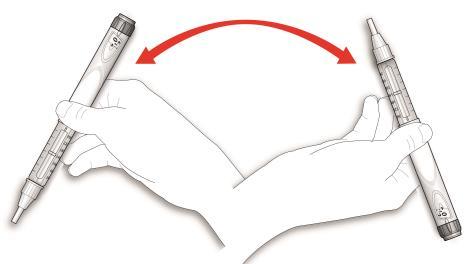
After mixing, check the appearance of your insulin. Insulin suspensions should
appear uniformly cloudy.
Point 2. Needle Insertion
Always use a new sterile needle for each injection. This will help prevent contamination and potential
needle blockage.
Before using the needle, carefully read the “Instructions for Use” for the needles.
Note: the needles shown are for illustrative purposes only.
- A.Remove the protective tab from the packaging of a new needle.
- B.Align the needle with the pen and keep it straight while inserting it onto the pen (screw on or push on, depending on the type of needle).
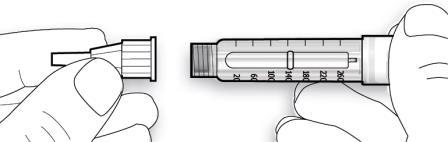
.
- If the needle is not held straight while being inserted, it may damage the rubber seal and cause leaks, or it may break the needle.
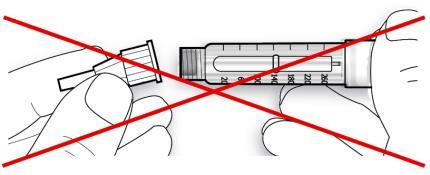
Point 3. Perform the Safety Test
Always perform the safety test before each injection. This ensures the delivery of a correct
dose because:
- ensures that the pen and needle are functioning correctly
- removes air bubbles
316
- A.Select a dosage of 2 units by rotating the dosage selector.
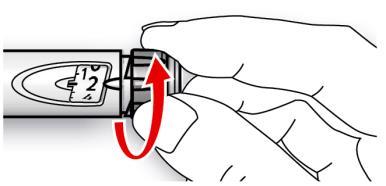
- B.Remove the outer cap from the needle and keep it to remove the used needle after the injection. Remove the inner cap of the needle and discard it.
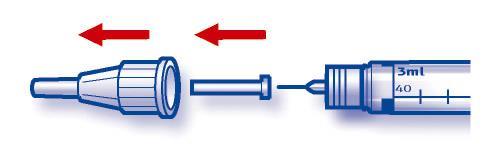
- C.Hold the pen in a vertical position with the needle pointing upwards.
- D.Tap the insulin reservoir with your finger so that any air bubbles rise to the needle.
- E.Press the injection button all the way down. Check that insulin comes out of the needle tip. Keep Discard
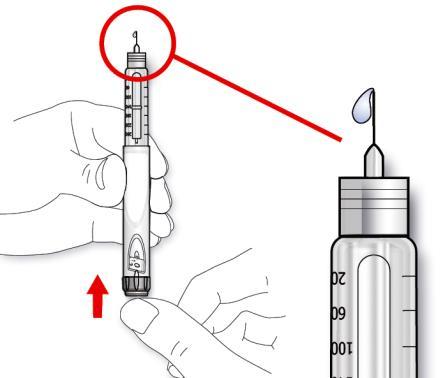
You may need to repeat the safety test several times before insulin comes out.
- If the insulin does not come out, check for air bubbles and repeat the safety test two or more times to remove them.
- If the insulin still does not come out, the needle may be blocked. Change the needle and try again.
- If the insulin does not come out after changing the needle, the SoloStar may be damaged. Do not use this SoloStar.
Point 4. Dose Selection
The dose can be selected in 1-unit increments, from a minimum of 1 unit to a maximum of 80
units. If a dose greater than 80 units is needed, it must be administered by two or more
injections.
- A.Check that the dosage window indicates “0” at the end of the safety test.
- B.Select the required dose (in the example below, the selected dose is 30 units). If a higher dose has been selected, you can rotate the dosage selector in the opposite direction.
317
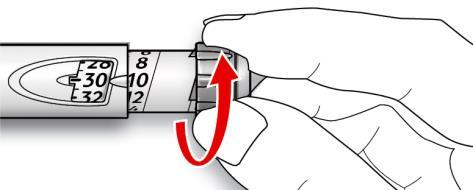
- Do not push the injection button while rotating as insulin will come out.
- You cannot rotate the dosage selector beyond the number of units remaining in the pen. Do not force the dosage selector further. In this case, you can inject what remains in the pen and complete the dose with a new SoloStar or use a new SoloStar for the entire dose.
Point 5. Dose Injection
- A.Use the injection technique as instructed by your doctor, pharmacist or nurse.
- B.Insert the needle into the skin.
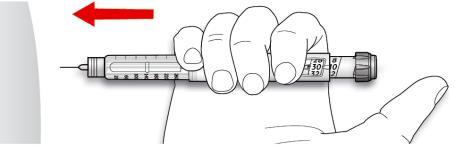
- C.Administer the dosage by pressing the injection button all the way down. The number appearing in the dosage window will return to “0” during the injection.
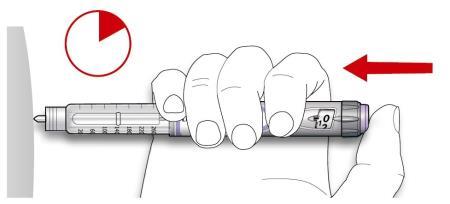
- D.Keep the injection button pressed all the way down. Count slowly to 10 before removing the needle from the
skin. This ensures that the entire dose of insulin has been injected.
The pen plunger moves with each dose. The plunger reaches the end of the cartridge when
300 total units of insulin have been used.
Point 6. Needle Removal and Disposal
Always remove the needle after each injection and store SoloStar without the needle inserted.
This helps prevent:
- contamination and/or infection,
- air entering the insulin reservoir and insulin leakage, which can cause inaccurate dosing.
- A.Replace the outer cap on the needle and use it to unscrew the needle from the pen. To reduce the risk of accidental needle injury, never reposition the inner cap of the needle.
318
- If the injection is given by another person, or if you are giving the injection to another person, you must take particular care when removing and disposing of the needle. Follow the recommended safety measures for needle removal and disposal (ask your doctor, pharmacist or nurse) to reduce the risk of accidental needle injury and the transmission of infectious diseases.
- B.Dispose of the needle safely.
- C.Always replace the cap on the pen, then store the pen until the next injection.
Storage Instructions
Refer to the back of this leaflet (insulin) for instructions on how to store SoloStar.
If your SoloStar is stored in the refrigerator, remove it 1-2 hours before injection so that it can
warm to room temperature. Injecting cold insulin is more painful
Dispose of your used SoloStar in accordance with local legal requirements.
Maintenance
SoloStar must be protected from dust and dirt.
The exterior of SoloStar can be cleaned with a damp cloth.
Do not wet, wash or lubricate the pen as this could damage it.
Your SoloStar is designed to operate safely and accurately. It must be handled with care.
Situations in which SoloStar could be damaged must be avoided. If you are concerned that SoloStar is
damaged, use a new one.
319
Insuman Comb 15 100 IU/ml injectable suspension in a vial
Human insulin
Read this leaflet carefully before you start using this medicine as it contains important
information for you.
- Keep this leaflet. You may need to read it again.
- If you have any questions, ask your doctor, pharmacist or nurse.
- This medicine has been prescribed for you only. Do not pass it on to others, even if they have the same symptoms as you, as it may be harmful.
- If you get any side effects, even those not listed in this leaflet, tell your doctor, pharmacist or nurse. See section 4.
Contents of this leaflet:
- 1. What Insuman Comb 15 is and what it is used for
- 2. What you need to know before you use Insuman Comb 15
- 3. How to use Insuman Comb 15
- 4. Possible side effects
- 5. How to store Insuman Comb 15
- 6. Contents of the pack and other information
1. What is Insuman Comb 15 and what is it used for
Insuman Comb 15 contains the active substance human insulin, which is produced by a biotechnological process and is identical to the insulin found in our body.
Insuman Comb 15 is an insulin preparation with a gradual onset of action and a long duration of action.
Insuman Comb 15 is used to lower high blood sugar levels in patients with
diabetes mellitus who require insulin supplementation. Diabetes mellitus is a disease in which the body
does not produce enough insulin to control blood sugar levels.
2. What you need to know before using Insuman Comb 15
Do not use Insuman Comb 15
If you are allergic (hypersensitive) to insulin or to any of the other ingredients of this medicine
(listed in section 6).
Warnings and precautions
Talk to your doctor, pharmacist or nurse before using Insuman Comb 15.
Follow the instructions given to you by your doctor carefully regarding the dose, checks to be performed (on blood
and urine), diet and physical activity (work and exercise).
Tell your doctor if you are allergic to this medicine or to animal insulins.
Special groups of patients
If you have problems with your liver or kidneys, or if you are elderly, consult your doctor because you may need a lower
dose.
320
Changes in the skin at the injection site:
The injection site must be rotated to prevent changes in the skin, such as the appearance of nodules
under the skin. Insulin may not work as well as it should if you inject into an area with
nodules (see section How to use Insuman Comb 15). If you are currently injecting into an area with
nodules, talk to your doctor before starting to inject into another area. Your doctor may
advise you to check your blood sugar more carefully and adjust the dose of insulin or other antidiabetic
medicines.
Travel
Consult your doctor before starting a trip. You may need to discuss the following aspects:
- availability of insulin in the destination country,
- sufficient supplies of insulin, syringes, etc.,
- correct storage of insulin during the trip,
- interval between meals and insulin administration during the trip,
- possible effects of the time zone change,
- possible risks of contracting new diseases in the countries visited.
- what to do in emergency situations if you do not feel well or become ill.
Illness and injuries
In the following situations, blood sugar control may require close attention:
- If you are ill or have serious injuries, there is a risk that your blood sugar level will increase (hyperglycemia).
- If you do not eat enough, there is a risk that your blood sugar level will decrease (hypoglycemia). In most cases, medical intervention is necessary. Contact your doctor quickly.
Also, if you suffer from type 1 diabetes (insulin-dependent diabetes mellitus), do not stop treatment with
insulin or the intake of carbohydrates. It is necessary to keep people close to you informed of your
need for insulin.
Some patients with long-lasting type 2 diabetes mellitus and heart disease or with a previous stroke,
treated with pioglitazone and insulin have developed heart failure. Inform your doctor as soon as possible
if you have signs of heart failure such as unusually short breath or rapid weight gain or
localized swelling (edema).
Other medicines and Insuman Comb 15
Some medicines can cause changes in blood sugar levels (reduction or increase
or both depending on the situation). In any case, an optimization of the insulin dose is necessary to
avoid blood sugar levels that are too low or too high. Be careful when starting or
stopping the use of another medicine.
Tell your doctor or pharmacist if you are taking, have recently taken or may take any
other medicine. Before taking a medicine, ask your doctor if it can affect blood sugar and if
countermeasures are necessary.
Medicines that can cause a decrease in blood sugar levels (hypoglycemia)
include:
- all other medicines used to treat diabetes,
- angiotensin-converting enzyme (ACE) inhibitors (used to treat certain heart conditions or high blood pressure),
- disopyramide (used to treat certain heart conditions),
- fluoxetine (used to treat depression),
- fibrates (used to lower high levels of fats in the blood), 321
- monoamine oxidase inhibitors (MAO) (used to treat depression),
- pentoxifylline, propoxyphene, salicylates (such as aspirin, used to relieve pain and lower fever),
- sulfonamide antibiotics.
Medicines that can cause an increase in blood sugar levels (hyperglycemia) include:
- corticosteroids (such as "cortisone", used to treat inflammation),
- danazol (a medicine that acts on ovulation),
- diazoxide (used to treat high blood pressure),
- diuretics (used to treat high blood pressure or excessive fluid retention),
- glucagon (pancreatic hormone used to treat severe hypoglycemia, i.e. low blood sugar levels),
- isoniazid (used to treat tuberculosis),
- estrogens and progesterone (as in the birth control pill used for contraception),
- phenothiazine derivatives (used to treat psychiatric disorders),
- somatropin (growth hormone),
- sympathomimetic medicines (such as epinephrine [adrenaline], salbutamol, terbutaline used to treat asthma),
- thyroid hormones (used to treat thyroid disorders),
- protease inhibitors (used to treat HIV),
- atypical antipsychotic medicines (such as olanzapine and clozapine).
Blood sugar levels may decrease or increase if you take:
- betablockers (used to treat high blood pressure),
- clonidine (used to treat high blood pressure),
- lithium salts (used to treat psychiatric disorders). Pentamidine (used to treat some infections caused by parasites) can cause hypoglycemia, sometimes followed by hyperglycemia.
Betablockers as well as other sympatholytic medicines (such as clonidine, guanethidine and reserpine) can
reduce or completely cancel the warning signs that help you recognize hypoglycemia.
If you are not sure if you are taking one of these medicines, ask your doctor or pharmacist.
Insuman Comb 15 with alcohol
Blood sugar levels may decrease or increase if you drink alcohol.
Pregnancy and breastfeeding
If you are pregnant, suspect you are pregnant or are planning to become pregnant, ask your doctor or pharmacist for advice before using this medicine.
Tell your doctor if you are planning a pregnancy or if you are already pregnant. It may be
necessary to adjust the dose of insulin during pregnancy and after delivery. It is important to control
diabetes carefully and prevent hypoglycemia for the health of the baby. However, there is no experience with
the use of Insuman Comb 15 in pregnancy.
If you are breastfeeding, consult your doctor, as adjustments to the insulin dose and
diet may be necessary.
Driving and using machines
Your ability to concentrate or react may be reduced in case of:
- hypoglycemia (low blood sugar levels),
- hyperglycemia (high blood sugar levels), 322
- problems with your vision. Take into account the possibility that this may occur in all situations where you could pose a risk to yourself and others (such as driving a car or using machinery). Ask your doctor for advice on whether it is appropriate for you to drive if:
- you have frequent hypoglycemic attacks,
- the typical signs that help you identify hypoglycemia are reduced or absent.
Important information about some ingredients of Insuman Comb 15
This medicine contains less than 1 mmol (23 mg) of sodium per dose, i.e. it is essentially ‘sodium-free’.
3. How to use Insuman Comb 15
Dose
Use this medicine following exactly the instructions of your doctor. If you have any doubts, consult your doctor
or pharmacist.
Based on your lifestyle and the results of tests for your blood sugar level (glycaemia), your doctor will:
- establish the daily amount of Insuman Comb 15 you need,
- inform you of when you should check your blood sugar and, if necessary, when to perform urine tests,
- inform you if a lower or higher dose of Insuman Comb 15 is necessary.
Many factors can influence your blood sugar levels. It is advisable that you know these
factors so that you can act appropriately in case of changes in blood sugar levels and
thus avoid them becoming too high or too low. For further information, see the box
at the end of this leaflet.
Frequency of administration
Insuman Comb 15 is injected subcutaneously 30 – 45 minutes before a meal.
Method of administration
Insuman Comb 15 is a liquid (suspension) for subcutaneous injection.
DO NOT inject Insuman Comb 15 into a vein (blood vessel).
Your doctor will indicate which area of the skin you should inject the insulin into. For each injection, change the injection site
within the chosen skin area.
Do not use Insuman Comb 15 in insulin pumps - special insulin preparations are available for use with such devices.
How to handle the vials
Insuman Comb 15 contains 100 IU of insulin per ml. Only syringes for injection suitable for this
concentration (100 IU per ml) must be used. The injection syringes must not contain other
medicines or their residues (such as traces of heparin).
Before drawing insulin for the first time, you must remove the tear-off safety cap
from the vial.
Immediately before each injection, mix the insulin well. To do this, rotate the vial diagonally between the palms of your hands. Do not shake the
vial vigorously as this may damage the insulin and cause foaming. Foam may
interfere with correct dose measurement.
After mixing, the liquid should appear uniformly cloudy. It must not be used if the
suspension remains clear or, for example, if small clumps, particles or flakes or similar form
inside or on the wall or bottom of the vial. In these cases, another vial with
uniform content must be used.
Always use a new vial if you notice that your blood sugar control has
unexpectedly deteriorated. This is because the insulin may have lost some of its effectiveness. If you think
you may have a problem with the insulin, have it checked by your doctor or pharmacist.
Special precautions before injection
Air bubbles must be removed before injection. Make sure that neither alcohol nor other disinfectants
nor other contaminants contaminate the insulin. Do not mix the insulin with other medicines, except for the
human insulin formulations listed below.
Insuman Comb 15 can be mixed with all human insulin formulations, EXCEPT those
specifically intended for use in insulin pumps. Also, do NOT mix with animal insulins or insulin analogues.
Your doctor will tell you if you need to mix insulins. If you need to inject a mixture, draw the other
insulin into the injection syringe before Insuman Comb 15. Proceed with the injection immediately after
mixing. Do not mix insulins of different concentrations (e.g. 100 IU per ml and 40 IU per ml).
If you use more Insuman Comb 15 than you should
- -If you have injected too high a dose of Insuman Comb 15, your blood sugar levels may become too low (hypoglycaemia). Check your blood sugar frequently. In general, to prevent hypoglycaemia, you should eat more substantial meals and check your blood sugar. For information on treating hypoglycaemia, see the box at the end of this leaflet.
If you forget to use Insuman Comb 15
- -If you have forgotten a dose of Insuman Comb 15or have not injected enough insulin, your blood sugar levels may become too high (hyperglycaemia). Check your blood sugar frequently. For information on treating hyperglycaemia, see the box at the end of this leaflet.
- Do not take a double dose to make up for a missed dose.
If you stop treatment with Insuman Comb 15
This can lead to severe hyperglycaemia (very high blood sugar levels) and ketoacidosis (build-up
of acid in the blood because the body is metabolising fat instead of sugar). Do not stop Insuman
Comb 15 without consulting a doctor who will tell you what you need to do.
If you have any doubts about using this medicine, ask your doctor, pharmacist or nurse.
Insulin exchanges
You must always check the insulin label before each injection to avoid exchanging medicines between
Insuman Comb 15 and other insulins.
4. Possible side effects
Like all medicines, this medicine can cause side effects, although not everybody gets them.
324
More serious side effects
Side effects reported uncommonly(may affect up to 1 in 100 people)
- Severe allergic reactions with low blood pressure(shock)
Side effects reported with unknown frequency(cannot be estimated from the available data)
- The most frequent side effect is hypoglycemia(low blood sugar levels). Severe hypoglycemic episodes can cause heart attack or brain damage and can be life-threatening. For further information on the side effects of low blood sugar or high blood sugar levels, see the box at the end of this leaflet.
- Severe, widespread allergic reactions to insulinmay occur, which could be life-threatening. Such reactions to insulin or excipients can cause widespread skin reactions (rashes and itching all over the body), severe swelling of the skin or mucous membranes (angioedema), shortness of breath, low blood pressure with rapid heartbeat and sweating
Other side effects
Side effects reported commonly(may affect up to 1 in 10 people)
- Edema Treatment with insulin can lead to temporary increased fluid retention in the body with swelling in the calf and ankle areas.
- Reactions at the injection site
Side effects reported uncommonly
- Urticaria at the injection site (itchy rash)
Side effects reported with unknown frequency
- Sodium retention
- Eye reactions A marked change (improvement or worsening) in blood sugar levels can temporarily disturb vision. If you suffer from proliferative retinopathy (an eye disease associated with diabetes), severe hypoglycemic episodes can cause temporary loss of vision.
- Skin changes at the injection site: If you inject insulin too often into the same place, the fatty tissue may become thinner (lipoatrophy) or thicker (lipohypertrophy). Lumps under the skin can also be caused by the accumulation of a protein called amyloid (cutaneous amyloidosis: it is not known how often this occurs). Insulin may not work as well as it should if you inject into an area with lumps. Change the injection site with each injection to prevent these skin changes
- Skin and allergic reactions Other mild reactions may occur at the injection site (such as redness at the injection site, unusually intense pain at the injection site, itching, swelling at the injection site or inflammation at the injection site). These disturbances can spread around the injection site. Most minor reactions to insulin resolve within a few days or within a few weeks.
- Anti-insulin antibodies Treatment with insulin can lead to the formation of anti-insulin antibodies (substances that act against insulin). Only rarely does the presence of such antibodies require an adjustment of the insulin dose.
Reporting of side effects
If you get any side effects, even those not listed in this leaflet, tell your
doctor, pharmacist or nurse. You can also report side effects directly through
the national reporting system listed in Annex V.
By reporting side effects you can help provide more information on the safety of
this medicine.
325
5. How to store Insuman Comb 15
Keep this medicine out of the sight and reach of children.
Do not use this medicine after the expiry date which is stated on the pack and on the vial label
after “Scad”/ “Exp”. The expiry date refers to the last day of that month.
Unused vials:
Store in a refrigerator (2°C - 8°C). Do not freeze. Do not place Insuman Comb 15 in direct contact with the
freezer compartment or with refrigerant packs. Store the vial in the outer packaging to
protect the medicine from light.
Opened vials:
Once opened, the vial can be stored for a maximum of 4 weeks at a temperature not
exceeding 25°C, protected from a direct heat source (e.g. radiator) or direct light (direct sunlight or lamp) in the outer packaging. Do not use the vial after this period. It is recommended to
write the date of first use on the label itself.
Do not dispose of any medicine in wastewater or household waste. Ask your pharmacist how to dispose of
medicines you no longer use. This will help protect the environment.
6. Content of the pack and other information
What Insuman Comb 15 contains
- The active ingredient is human insulin. 1 ml of Insuman Comb 15 contains 100 IU (International Units) of the active ingredient human insulin. 15% of the insulin is dissolved in water; the remaining 85% is present as fine crystals of protamine insulin.
- The other components are: protamine sulfate, meta-cresol, phenol, zinc chloride, disodium phosphate dihydrate, glycerol, sodium hydroxide (see section 2 in “Important information about certain components of Insuman Comb 15”), hydrochloric acid (for pH adjustment) and water for injections.
Description of the appearance of Insuman Comb 15 and contents of the pack
After mixing, Insuman Comb 15 is a uniformly milky liquid (injectable suspension),
without clumps, flakes or visible particles.
Insuman Comb 15 is supplied in vials containing 5 ml of suspension (500 IU). Packs of 1 and 5 vials of 5 ml are available.
Not all pack sizes may be marketed.
Marketing authorisation holder and manufacturer
Sanofi-Aventis Deutschland GmbH
D-65926 Frankfurt am Main
Germany.
For further information on this medicine, contact the local representative of the marketing authorisation
holder:
België/Belgique/Belgien
Sanofi Belgium
Tél/Tel: +32 (0)2 710 54 00
Lietuva
Swixx Biopharma UAB
Tel: +370 5 236 91 40
България
Swixx Biopharma EOOD
Тел.: +359 (0)2 4942 480
Luxembourg/Luxemburg
Sanofi Belgium
Tél/Tel: +32 (0)2 710 54 00 (Belgique/Belgien)
326
Česká republika
sanofi-aventis, s.r.o.
Tel: +420 233 086 111
Magyarország
SANOFI-AVENTIS Zrt.
Tel.: +36 1 505 0050
Danmark
sanofi A/S
Tlf: +45 45 16 70 00
Malta
Sanofi S.r.l.
Tel: +39 02 39394275
Deutschland
Sanofi-Aventis Deutschland GmbH
Tel: 0800 52 52 010
Tel. aus dem Ausland: +49 69 305 21 131
Nederland
Sanofi B.V .
Tel: +31 20 245 4000
Eesti
Swixx Biopharma OÜ
Tel: +372 640 10 30
Norge
sanofi-aventis Norge AS
Tlf: +47 67 10 71 00
Ελλάδα
Sanofi-Aventis AEBE
Τηλ: +30 210 900 16 00
Österreich
sanofi-aventis GmbH
Tel: +43 1 80 185 – 0
España
sanofi-aventis, S.A.
Tel: +34 93 485 94 00
Polska
sanofi-aventis Sp. z o.o.
Tel.: +48 22 280 00 00
France
Sanofi Winthrop Industrie
Tél: 0 800 222 555
Appel depuis l’étranger : +33 1 57 63 23 23
Portugal
Sanofi - Produtos Farmacêuticos, Lda.
Tel: +351 21 35 89 400
Hrvatska
Swixx Biopharma d.o.o.
Tel: +385 1 2078 500
România
Sanofi Romania SRL
Tel: +40 (0) 21 317 31 36
Ireland
sanofi-aventis Ireland Ltd. T/A SANOFI
Tel: +353 (0) 1 403 56 00
Slovenija
Swixx Biopharma d.o.o.
Tel: +386 1 235 51 00
Ísland
Vistor hf.
Sími: +354 535 7000
Slovenská republika
Swixx Biopharma s.r.o.
Tel: +421 2 208 33 600
Italia
Sanofi S.r.l.
Tel: 800 13 12 12 (technical questions)
800 536389 (other questions)
Suomi/Finland
Sanofi Oy
Puh/Tel: +358 (0) 201 200 300
Κύπρος
C.A. Papaellinas Ltd.
Τηλ: +357 22 741741
Sverige
Sanofi AB
Tel: +46 (0)8 634 50 00
Latvija
Swixx Biopharma SIA
Tel: +371 6 616 47 50
United Kingdom (Northern Ireland)
sanofi-aventis Ireland Ltd. T/A SANOFI
Tel: +44 (0) 800 035 2525
327
Other sources of information
More detailed information on this medicine is available on the website of the European Medicines
Agency: http://www.ema.europa.eu/
HYPERGLYCEMIA AND HYPOGLYCEMIA
Always carry some sugar with you (at least 20 grams).
Carry information indicating that you have diabetes.
HYPERGLYCEMIA (high blood sugar levels)
If your blood sugar levels are too high (hyperglycemia), you may not have injected
enough insulin.
What causes hyperglycemia?
Examples include:
- you did not inject insulin or administered an insufficient amount, or when the insulin becomes less effective (for example, because it was not stored correctly),
- you are doing less exercise than usual, or are particularly stressed (emotionally or physically), or in cases of injury, surgery, infection or fever,
- you are taking or have taken certain other medicines (see section 2 “Other medicines and Insuman Comb 15”).
Warning signs of hyperglycemia
Thirst, increased need to urinate, weakness, dry skin, flushing of the face, loss of appetite,
lowering of blood pressure, rapid heartbeat and the presence of glucose or ketones in the urine.
Abdominal pain, deep and rapid breathing, drowsiness or even loss of consciousness may
indicate a serious condition (ketoacidosis) resulting from insulin deficiency.
What should you do in case of hyperglycemia?
Check your blood sugar and the possible presence of ketones in the
urine as soon as possible if any of the symptoms reported above occur.Severe hyperglycemia or ketoacidosis
must always be treated by a doctor, generally in a hospital setting.
HYPOGLYCEMIA (low blood sugar levels)
If your blood sugar levels drop too low, you may lose consciousness. Severe hypoglycemic episodes
can cause heart attack or brain damage and can be life-threatening. You should generally be able to
recognize when your blood sugar levels are dropping too low, so you
can take appropriate precautions.
What causes hypoglycemia?
Examples include:
- you injected too much insulin, 328
- you skipped or delayed meals,
- you are not eating enough or the food consumed contains a lower amount of carbohydrates than normally consumed (carbohydrates are sugar and sugar-like substances; however, artificial sweeteners are NOT carbohydrates),
- you have lost carbohydrates due to vomiting or diarrhea,
- you drink alcoholic beverages, especially if you are eating little,
- you are doing more exercise than usual, or a different type of activity,
- you are recovering from injury, surgery or stress,
- you are recovering from an illness or fever,
- you are taking or have taken certain other medicines (see section 2 “Other medicines and Insuman Comb 15”).
Hypoglycemia can also occur more easily if:
- you are at the beginning of treatment with insulin or have switched to a different type of insulin,
- your blood sugar levels are almost normal or show variations,
- you have changed the area of skin where you inject the insulin (for example from the thigh to the upper arm),
- you suffer from severe kidney or liver disease, or other diseases such as hypothyroidism.
Warning signs of hypoglycemia
- In the body Examples of symptoms indicating that blood sugar levels are dropping too low or too quickly: sweating, clammy skin, anxiety, rapid heartbeat, high blood pressure, palpitations and irregular heartbeat. These symptoms can often develop before those indicating a reduction in brain sugar levels.
- In the brain Examples of symptoms indicating a reduction in brain sugar levels: headache, insatiable hunger, nausea, vomiting, fatigue, drowsiness, sleep disturbances, restlessness, aggression, difficulty concentrating, reduced ability to react, depressed mood, confusion, difficulty speaking (sometimes aphasia), visual disturbances, tremor, paralysis, sensory disturbances (paresthesia), sensations of tingling and numbness in the mouth, dizziness, loss of self-control, inability to care for oneself, convulsions, loss of consciousness.
The early characteristic symptoms of a state of hypoglycemia ("warning symptoms") may vary, be
less noticeable or even completely absent if:
- you are elderly, have had diabetes for a long time or suffer from a certain type of neurological disease (diabetic autonomic neuropathy),
- after a recent hypoglycemic episode (for example the day before) or if hypoglycemia appears slowly,
- blood glucose levels are almost normal or at least significantly improved,
- you have recently switched from animal insulin to human insulin such as Insuman,
- you are taking or have taken certain other medicines (see section 2 “Other medicines and Insuman Comb 15”).
In these cases, a severe hypoglycemia (even with loss of consciousness) can develop without
recognizing it in time. Therefore, learn to recognize the warning signs of hypoglycemia. If necessary, more frequent blood sugar checks can help identify mild hypoglycemic episodes that might otherwise go unnoticed. If you are unable to recognize the warning signs of hypoglycemia, avoid any situations (such as driving a car) that may be
risky for you and others due to hypoglycemia.
What should you do in case of hypoglycemia?
329
- 1. Do not inject insulin. Immediately take 10 to 20 g of sugar, such as glucose, sugar cubes or a sugar-sweetened drink. Caution: artificial sweeteners and foods containing artificial sweeteners (such as diet drinks) do not help treat hypoglycemia.
- 2. At this point, consume food that can cause a long-term release of sugar into the blood (such as bread or pasta). Your doctor or nurse should have previously discussed these measures with you.
- 3. If another hypoglycemic episode occurs, take another 10 to 20 g of sugar.
- 4. Talk to your doctor as soon as you notice an inability to control hypoglycemia or if it occurs again.
Inform your relatives, friends and colleagues close to you that:
If you are unable to swallow or lose consciousness, an injection of glucose or
glucagon (a medicine that increases blood sugar levels) is necessary. These injections are justified
even if you are not sure whether a hypoglycemic event has occurred.
It is advisable to check blood sugar immediately after taking sugar to confirm
that a hypoglycemic episode was occurring.
330
Insuman Comb 15 100 IU/ml injectable suspension in a cartridge
Human insulin
Read this leaflet carefully before you start using this medicine as it contains important
information for you. Instructions for using the insulin pen are provided with your insulin pen.
Refer to these before using your medicine.
- Keep this leaflet. You may need to read it again.
- If you have any questions, ask your doctor, pharmacist or nurse.
- This medicine has been prescribed for you only. Do not pass it on to others, even if they have the same symptoms as you, as it may be harmful.
- If you get any side effects, even those not listed in this leaflet, tell your doctor, pharmacist or nurse. See section 4.
Contents of this leaflet:
- 1. What Insuman Comb 15 is and what it is used for
- 2. What you need to know before you use Insuman Comb 15
- 3. How to use Insuman Comb 15
- 4. Possible side effects
- 5. How to store Insuman Comb 15
- 6. Contents of the pack and other information
1. What is Insuman Comb 15 and what is it used for
Insuman Comb 15 contains the active substance human insulin, which is produced by a biotechnological process and is identical to the insulin found in our body.
Insuman Comb 15 is an insulin preparation with a gradual onset of action and a long duration of action.
Insuman Comb 15 is used to lower high blood sugar levels in patients with
diabetes mellitus who require insulin supplementation. Diabetes mellitus is a disease in which the body
does not produce enough insulin to control blood sugar levels.
2. What you need to know before using Insuman Comb 15
Do not use Insuman Comb 15
If you are allergic (hypersensitive) to insulin or to any of the other ingredients of this medicine
(listed in section 6).
Warnings and precautions
Insuman Comb 15 in cartridges is only suitable for subcutaneous injections with a reusable pen
(see also section 3). Talk to your doctor if you need to inject the insulin in a different way.
Contact your doctor, pharmacist or nurse before using Insuman Comb 15.
Follow the instructions given to you by your doctor strictly regarding the dose, checks to be performed (on blood
and urine), diet and physical activity (work and exercise).
Tell your doctor if you are allergic to this medicine or to animal insulins.
331
Special patient groups
If you have liver or kidney problems, or if you are elderly, consult your doctor because you may need a lower
dose.
Changes of the skin at the injection site:
The injection site must be rotated to prevent changes of the skin, such as the appearance of nodules
under the skin. Insulin may not work as well as it should if you inject into an area with
nodules (see section How to use Insuman Comb 15). If you are currently injecting into an area with
nodules, contact your doctor before starting to inject into another area. Your doctor may
advise you to check your blood sugar more carefully and adjust the dose of insulin or other antidiabetic medicines.
Travel
Before starting a trip consult your doctor. You may need to discuss the following aspects:
- availability of insulin in the destination country,
- sufficient supplies of insulin, needles, etc.,
- correct storage of insulin during the trip,
- interval between meals and insulin administration during the trip,
- possible effects of the time zone change,
- possible risks of contracting new diseases in the countries visited.
- what to do in emergency situations if you do not feel well or become ill.
Illnesses and injuries
In the following situations, control of diabetes may require a lot of attention:
- If you are ill or have serious injuries there is a risk that your blood sugar level will increase (hyperglycemia).
- If you do not eat enough, there is a risk that your blood sugar level will decrease (hypoglycemia). In most cases, medical intervention is necessary. Contact your doctor quickly.
Also, if you suffer from type 1 diabetes (insulin-dependent diabetes mellitus) do not stop treatment with
insulin or the intake of carbohydrates. It is necessary to keep people close to you informed of your
need for insulin.
Some patients with long-lasting type 2 diabetes mellitus and heart disease or with a previous stroke,
treated with pioglitazone and insulin have developed heart failure. Inform your doctor as soon as possible
if you have signs of heart failure such as unusually short breath or rapid weight gain or
localized swelling (edema).
Other medicines and Insuman Comb 15
Some medicines can cause changes in blood sugar levels (reduction or increase
or both depending on the situation). In any case, optimization of the insulin dose is necessary to
avoid blood sugar levels that are too low or too high. Be careful when starting or
stopping the use of another medicine.
Tell your doctor or pharmacist if you are taking, have recently taken or may take any
other medicine. Before taking a medicine, ask your doctor if it can affect blood sugar and if
countermeasures are necessary.
Medicines that can cause a decrease in blood sugar levels (hypoglycemia)
include:
- all other medicines used to treat diabetes, 332
- angiotensin converting enzyme (ACE) inhibitors (used to treat some heart conditions or high blood pressure),
- disopyramide (used to treat some heart conditions),
- fluoxetine (used to treat depression),
- fibrates (used to lower high levels of fats in the blood),
- monoamine oxidase inhibitors (MAO) (used to treat depression),
- pentoxifylline, propoxyphene, salicylates (such as aspirin, used to relieve pain and lower fever),
- sulfonamide antibiotics.
Medicines that can cause an increase in blood sugar levels (hyperglycemia) include:
- corticosteroids (such as "cortisone", used to treat inflammation),
- danazol (a medicine that acts on ovulation),
- diazoxide (used to treat high blood pressure),
- diuretics (used to treat high blood pressure or excessive fluid retention),
- glucagon (pancreatic hormone used to treat severe hypoglycemia i.e. low blood sugar levels),
- isoniazid (used to treat tuberculosis),
- estrogens and progesterone (as in the birth control pill used for birth control),
- phenothiazine derivatives (used to treat psychiatric disorders),
- somatropin (growth hormone),
- sympathomimetic medicines (such as epinephrine [adrenaline], salbutamol, terbutaline used to treat asthma),
- thyroid hormones (used to treat thyroid disorders),
- protease inhibitors (used to treat HIV),
- atypical antipsychotic medicines (such as olanzapine and clozapine).
Blood sugar levels may decrease or increase if you take:
- betablockers (used to treat high blood pressure),
- clonidine (used to treat high blood pressure),
- lithium salts (used to treat psychiatric disorders). Pentamidine (used to treat some infections caused by parasites) can cause hypoglycemia, sometimes followed by hyperglycemia.
Betablockers as well as other sympatholytic medicines (such as clonidine, guanethidine and reserpine) can
reduce or completely cancel the warning signs that help you recognize hypoglycemia.
If you are not sure if you are taking one of these medicines, ask your doctor or pharmacist.
Insuman Comb 15 with alcohol
Blood sugar levels may decrease or increase if you drink alcohol.
Pregnancy and breastfeeding
If you are pregnant, suspect you are pregnant or are planning a pregnancy, or if you are breastfeeding, ask your doctor or pharmacist for advice before using this medicine.
Inform your doctor if you are planning a pregnancy or are already pregnant. It may be
necessary to adjust the dose of insulin during pregnancy and after delivery. It is important to control
diabetes carefully and prevent hypoglycemia for the health of the baby. However, there is no experience with
the use of Insuman Comb 15 in pregnancy.
If you are breastfeeding, consult your doctor, as adjustments to the insulin dose and
diet may be necessary.
333
Driving and operating machinery
Your ability to concentrate or react may be reduced in case of:
- hypoglycemia (low blood sugar levels),
- hyperglycemia (high blood sugar levels),
- vision problems. Take this into account in all situations where you could pose a risk to yourself and others (such as driving a car or using machinery). Ask your doctor for advice on whether you should drive if:
- you have frequent hypoglycemic attacks,
- the typical signs that help you identify hypoglycemia are reduced or absent.
Important information about some ingredients of Insuman Comb 15
This medicine contains less than 1 mmol (23 mg) of sodium per dose, i.e. it is essentially ‘sodium-free’.
3. How to use Insuman Comb 15
Dose
Use this medicine following exactly the instructions of your doctor. If you have any doubts, consult your doctor
or pharmacist.
Based on your lifestyle and the results of tests for your blood sugar level (glycemia), the doctor:
- will establish the daily amount of Insuman Comb 15 you need,
- will inform you of when you must check your blood sugar and, if necessary, when to perform urine tests,
- will inform you if a lower or higher dose of Insuman Comb 15 is necessary.
Many factors can influence your blood sugar levels. It is advisable that you know these
factors so that you can act appropriately in case of changes in blood sugar levels and
thus avoid them becoming too high or too low. For further information, see the box
at the end of this leaflet.
Frequency of administration
Insuman Comb 15 is injected subcutaneously 30 – 45 minutes before a meal.
Method of administration
Insuman Comb 15 is a liquid (suspension) for subcutaneous injection.
DO NOT inject Insuman Comb 15 into a vein (blood vessel).
The doctor will indicate which area of the skin you should inject the insulin into. For each injection, change the injection site
within the chosen skin area.
Do not use Insuman Comb 15 in insulin pumps - special insulin preparations are available for use with such devices.
How to handle the cartridges
Insuman Comb 15 in cartridges is only suitable for subcutaneous injections with a reusable pen. Talk
to your doctor if you need to inject insulin using another method. To ensure the correct dose is administered, the cartridges of Insuman Comb 15 must be used only with the following pens:
- JuniorStar for the administration of Insuman Comb 15 with dose increments of 0.5 units 334
- ClikSTAR, Tactipen, Autopen 24, AllStar or AllStar PRO for the administration of Insuman Comb 15 with dose increments of 1 unit. It is possible that not all pens are marketed in your country.
The pens must be used as recommended in the information provided by the manufacturer of the
device. To load the cartridge, insert the injection needle and administer the insulin injection, carefully follow the manufacturer's instructions for using the pen.
It is recommended to store the cartridge at room temperature for 1 or 2 hours before inserting it into the pen.
Mix the insulin well and check it before inserting it into the pen. Afterwards, the insulin must always be
mixed very well immediately before each injection.
Mixing is best done by gently tilting the cartridge or pen (with the
cartridge inserted) back and forth at least 10 times. To facilitate mixing, each cartridge contains three small metal balls.
After mixing, the liquid should appear uniformly milky. It should not be used if the
suspension remains clear or, for example, if small clumps, particles or flakes or similar form
inside or on the wall or bottom of the cartridge. In these cases, another cartridge should be used whose
contents have a uniform appearance.
Always use a new cartridge if you notice that your blood sugar control is
unexpectedly worsening. This is because the insulin may have lost some of its effectiveness. If you think
you may have a problem with the insulin, have it checked by your doctor or pharmacist.
Special precautions before injection
Air bubbles must be removed before injection (see the instructions for using the pen).
Make sure that neither alcohol nor other disinfectants or other contaminating substances contaminate the insulin.
- Do not refill or reuse empty cartridges.
- Do not add other insulins to the cartridges.
- Do not mix the insulin with other medicines.
Problems with the pen?
Refer to the manufacturer's instructions for using the pen.
If the insulin pen is damaged or does not work properly (due to mechanical
defects) it must be discarded and a new insulin pen must be used.
If you use more Insuman Comb 15 than you should
- -If you have injected too high a dose of Insuman Comb 15, your blood sugar levels may become too low (hypoglycemia). Check your blood sugar frequently. In general, to prevent hypoglycemia, you should consume more substantial meals and check your blood sugar. For information on treating hypoglycemia, see the box at the end of this leaflet.
If you forget to use Insuman Comb 15
- If you have forgotten a dose of Insuman Comb 15or have not injected enough insulin, your blood sugar levels may become too high (hyperglycemia). Check your blood sugar frequently. For information on treating hyperglycemia, see the box at the end of this leaflet.
- Do not take a double dose to make up for a missed dose.
335
If you stop treatment with Insuman Comb 15
This can lead to severe hyperglycemia (very high blood sugar levels) and ketoacidosis (build-up of
acid in the blood because the body is metabolizing fat instead of sugar). Do not stop Insuman
Comb 15 without consulting a doctor who will tell you what is necessary to do.
If you have any doubts about using this medicine, ask your doctor, pharmacist or nurse.
Insulin exchanges
You should always check the insulin label before each injection to avoid exchanging medicines between
Insuman Comb 15 and other insulins.
4. Possible side effects
Like all medicines, this medicine can cause side effects, although not everyone gets them.
More serious side effects
Side effects reported uncommonly(may affect up to 1 in 100 people)
- Severe allergic reactions with low blood pressure(shock)
Side effects reported with unknown frequency(cannot be estimated from the available data)
- The most common side effect is hypoglycemia(low blood sugar levels). Severe hypoglycemic episodes can cause heart attack or brain damage and can be life-threatening. For further information on the side effects of low blood sugar levels or high blood sugar levels, see the box at the end of this leaflet.
- Severe, widespread allergic reactions to insulincan occur, which may be life-threatening. Such reactions to insulin or excipients can cause extensive skin reactions (rashes and itching all over the body), severe swelling of the skin or mucous membranes (angioedema), shortness of breath, low blood pressure with rapid heartbeat and sweating
Other side effects
Side effects reported commonly(may affect up to 1 in 10 people)
- Edema Treatment with insulin can lead to temporary increased fluid retention in the body with swelling in the calf and ankle areas.
- Reactions at the injection site
Side effects reported uncommonly
- Urticaria at the injection site (itchy rash)
Side effects reported with unknown frequency
- Sodium retention
- Eye reactions A marked change (improvement or worsening) in blood sugar levels can temporarily disturb vision. If you suffer from proliferative retinopathy (an eye disease associated with diabetes), severe hypoglycemic episodes can cause temporary loss of vision.
- Skin changes at the injection site: If you inject insulin too often into the same place, the fatty tissue may become thinner (lipoatrophy) or thicker (lipohypertrophy). Lumps under the skin can also be caused by the accumulation of a protein called amyloid (cutaneous amyloidosis: how often this occurs is not known). Insulin may not work as well as it should if you inject into an area with lumps. Change the injection site with each injection to prevent these skin changes. 336
- Skin and allergic reactions Other mild reactions may occur at the injection site (such as redness at the injection site, unusually intense pain at the injection site, itching, swelling at the injection site, or inflammation at the injection site). These disturbances can spread around the injection site. Most minor reactions to insulin resolve within a few days or within a few weeks.
- Anti-insulin antibodies Treatment with insulin can lead to the formation of anti-insulin antibodies (substances that act against insulin). Only rarely does the presence of such antibodies require an adjustment of the insulin dose.
Reporting of side effects
If you get any side effects, even those not listed in this leaflet, tell your
doctor, pharmacist or nurse. You can also report side effects directly through the
national reporting system indicated in Annex V.
By reporting side effects you can help provide more information on the safety of
this medicine.
5. How to store Insuman Comb 15
Keep this medicine out of the sight and reach of children.
Do not use this medicine after the expiry date which is stated on the pack and on the cartridge label
after “Scad”/ “Exp”. The expiry date refers to the last day of that month.
Unused cartridges
Store in a refrigerator (2°C - 8°C). Do not freeze. Do not place Insuman Comb 15 in direct contact with the
freezer compartment or with cooling packs. Store the cartridge in the outer packaging to
protect the medicine from light.
Cartridges in use
Cartridges in use (in the insulin pen) or kept as “spare”, can be stored for a maximum
of 4 weeks at a temperature not exceeding 25°C, protected from a direct heat source (e.g.
radiator) or direct light (direct sunlight or lamp). The cartridge in use must not be stored in
the refrigerator. Do not use the cartridge after this period.
Do not dispose of any medicine in waste water or household waste. Ask your pharmacist how to dispose of the
medicines you no longer use. This will help protect the environment.
6. Contents of the pack and other information
What Insuman Comb 15 contains
- The active substance is human insulin. 1 ml of Insuman Comb 15 contains 100 IU (International Units) of the active substance human insulin. 15% of the insulin is dissolved in water; the remaining 85% is present as fine crystals of protamine insulin.
- The other components are: protamine sulfate, meta-cresol, phenol, zinc chloride, disodium phosphate dihydrate, glycerol, sodium hydroxide (see section 2 in “Important information about certain components of Insuman Comb 15”), hydrochloric acid (for pH adjustment) and water for injections.
Description of the appearance of Insuman Comb 15 and contents of the pack
After mixing, Insuman Comb 15 is a uniformly milky liquid (injectable suspension),
without clumps, flakes or visible particles.
337
Insuman Comb 15 is supplied in cartridges containing 3 ml of suspension (300 IU). Packs of 3, 4, 5, 6, 9 and 10 cartridges of 3 ml are available.
Not all pack sizes may be marketed.
Marketing authorisation holder and manufacturer
Sanofi-Aventis Deutschland GmbH
D-65926 Frankfurt am Main
Germany.
For further information on this medicine, contact the local representative of the marketing authorisation holder:
België/Belgique/Belgien
Sanofi Belgium
Tél/Tel: +32 (0)2 710 54 00
Lietuva
Swixx Biopharma UAB
Tel: +370 5 236 91 40
България
Swixx Biopharma EOOD
Тел.: +359 (0)2 4942 480
Luxembourg/Luxemburg
Sanofi Belgium
Tél/Tel: +32 (0)2 710 54 00 (Belgique/Belgien)
Česká republika
sanofi-aventis, s.r.o.
Tel: +420 233 086 111
Magyarország
SANOFI-AVENTIS Zrt.
Tel.: +36 1 505 0050
Danmark
sanofi A/S
Tlf: +45 45 16 70 00
Malta
Sanofi S.r.l.
Tel: +39 02 39394275
Deutschland
Sanofi-Aventis Deutschland GmbH
Tel: 0800 52 52 010
Tel. aus dem Ausland: +49 69 305 21 131
Nederland
Sanofi B.V
Tel: +31 20 245 4000
Eesti
Swixx Biopharma OÜ
Tel: +372 640 10 30
Norge
sanofi-aventis Norge AS
Tlf: +47 67 10 71 00
Ελλάδα
Sanofi-Aventis AEBE
Τηλ: +30 210 900 16 00
Österreich
sanofi-aventis GmbH
Tel: +43 1 80 185 – 0
España
sanofi-aventis, S.A.
Tel: +34 93 485 94 00
Polska
sanofi-aventis Sp. z o.o.
Tel.: +48 22 280 00 00
France
Sanofi Winthrop Industrie
Tél: 0 800 222 555
Appel depuis l’étranger : +33 1 57 63 23 23
Portugal
Sanofi - Produtos Farmacêuticos, Lda.
Tel: +351 21 35 89 400
338
Hrvatska
Swixx Biopharma d.o.o.
Tel: +385 1 2078 500
România
Sanofi Romania SRL
Tel: +40 (0) 21 317 31 36
Ireland
sanofi-aventis Ireland Ltd. T/A SANOFI
Tel: +353 (0) 1 403 56 00
Slovenija
Swixx Biopharma d.o.o.
Tel: +386 1 235 51 00
Ísland
Vistor hf.
Sími: +354 535 7000
Slovenská republika
Swixx Biopharma s.r.o.
Tel: +421 2 208 33 600
Italia
Sanofi S.r.l.
Tel: 800 13 12 12 (technical questions)
800 536389 (other questions)
Suomi/Finland
Sanofi Oy
Puh/Tel: +358 (0) 201 200 300
Κύπρος
C.A. Papaellinas Ltd.
Τηλ: +357 22 741741
Sverige
Sanofi AB
Tel: +46 (0)8 634 50 00
Latvija
Swixx Biopharma SIA
Tel: +371 6 616 47 50
United Kingdom (Northern Ireland)
sanofi-aventis Ireland Ltd. T/A SANOFI
Tel: +44 (0) 800 035 2525
Other sources of information
More detailed information on this medicine is available on the website of the European Medicines Agency: http://www.ema.europa.eu/
HYPERGLYCEMIA AND HYPOGLYCEMIA
Always carry some sugar with you (at least 20 grams).
Carry information indicating that you have diabetes.
HYPERGLYCEMIA (high blood sugar levels)
If your blood sugar levels are too high (hyperglycemia), you may not have injected
enough insulin.
339
Why does hyperglycemia occur?
Examples include:
- you did not inject insulin or administered an insufficient amount, or when the insulin becomes less effective (for example, because it was not stored correctly),
- the insulin pen is not working properly,
- you are doing less exercise than usual, or are particularly stressed (emotionally or physically), or in cases of injury, surgery, infection or fever,
- you are taking or have taken certain other medicines (see section 2 “Other medicines and Insuman Comb 15”).
Warning signs of hyperglycemia
Thirst, increased need to urinate, weakness, dry skin, flushing of the face, loss of appetite,
low blood pressure, rapid heartbeat and the presence of glucose or ketones in the urine.
Abdominal pain, deep and rapid breathing, drowsiness or even loss of consciousness may
indicate a serious condition (ketoacidosis) resulting from insulin deficiency.
What should you do if you have hyperglycemia?
Check your blood sugar and the presence of ketones in your urine as soon as possible if you experience any of the symptoms mentioned above.Severe hyperglycemia or ketoacidosis
must always be treated by a doctor, usually in a hospital setting.
HYPOGLYCEMIA (low blood sugar levels)
If your blood sugar levels drop too low, you may lose consciousness. Severe hypoglycemic episodes
can cause heart attack or brain damage and can be life-threatening. You should generally be able to
recognize when your blood sugar levels are dropping too low, so you can take appropriate precautions.
Why does hypoglycemia occur?
Examples include:
- you injected too much insulin,
- you skipped or delayed meals,
- you are not eating enough or the food consumed contains less carbohydrates than usual (carbohydrates are sugar and sugar-like substances; however, artificial sweeteners are NOT carbohydrates),
- you have lost carbohydrates due to vomiting or diarrhea,
- you drink alcoholic beverages, especially if you are eating little,
- you are doing more exercise than usual, or a different type of activity,
- you are recovering from injury, surgery or stress,
- you are recovering from an illness or fever,
- you are taking or have taken certain other medicines (see section 2 “Other medicines and Insuman Comb 15”).
Hypoglycemia can also occur more easily if:
- you are at the beginning of insulin treatment or have switched to a different type of insulin,
- your blood sugar levels are almost normal or show variations,
- you have changed the area of skin where you inject insulin (for example from the thigh to the upper arm),
- you suffer from severe kidney or liver disease, or other diseases such as hypothyroidism.
340
Warning signs of hypoglycemia
- In the body Examples of symptoms indicating that blood sugar levels are dropping too low or too quickly: sweating, clammy skin, anxiety, rapid heartbeat, high blood pressure, palpitations and irregular heartbeat. These symptoms can often develop before those indicating a reduction in brain sugar levels.
- In the brain Examples of symptoms indicating a reduction in brain sugar levels: headache, insatiable hunger, nausea, vomiting, fatigue, drowsiness, sleep disturbances, restlessness, aggression, difficulty concentrating, reduced ability to react, depressed mood, confusion, difficulty speaking (sometimes aphasia), visual disturbances, tremor, paralysis, sensory disturbances (paresthesia), tingling and numbness of the mouth, dizziness, loss of self-control, inability to care for oneself, convulsions, loss of consciousness.
The early characteristic symptoms of a state of hypoglycemia ("warning symptoms") may vary, be
less noticeable or even completely absent if:
- you are elderly, have had diabetes for a long time or suffer from a certain type of neurological disease (diabetic autonomic neuropathy),
- after a recent hypoglycemic episode (for example the day before) or if hypoglycemia appears slowly,
- blood sugar levels are almost normal or at least significantly improved,
- you have recently switched from animal insulin to human insulin such as Insuman,
- you are taking or have taken certain other medicines (see section 2 “Other medicines and Insuman Comb 15”).
In these cases, a severe hypoglycemia (even with loss of consciousness) can develop without
recognizing it in time. Therefore, learn to recognize the warning signs of hypoglycemia. If necessary, more
frequent blood sugar checks may be helpful in identifying mild hypoglycemic episodes that might otherwise go unnoticed. If you are unable to recognize the warning signs of hypoglycemia, avoid all those situations (such as driving a car) that may be
risky for you and others due to hypoglycemia.
What should you do if you have hypoglycemia?
- 1. Do not inject insulin. Immediately take 10 to 20 g of sugar, such as glucose, sugar cubes or a sugary drink. Caution: artificial sweeteners and foods containing artificial sweeteners (such as diet drinks) do not help treat hypoglycemia.
- 2. At this point, consume food that can cause a release of sugar into the blood for a long period of time (such as bread or pasta). Your doctor or nurse should discuss these measures with you beforehand.
- 3. If you experience another hypoglycemia, take another 10 to 20 g of sugar again.
- 4. Talk to your doctor as soon as you notice an inability to control hypoglycemia or if it happens again.
Inform your relatives, friends and colleagues close to you that:
If you are unable to swallow or lose consciousness, intervention with an injection of glucose or
glucagon (a medicine that increases blood sugar levels) is necessary. These injections are justified
even if you are not sure that a hypoglycemic event has occurred.
It is advisable to check blood sugar immediately after taking sugar to confirm
that a hypoglycemic episode was occurring.
341
Insuman Comb 15 SoloStar 100 UI/ml injectable suspension in a pre-filled pen
Human insulin
Read this leaflet carefully, including the instructions for use of the Insuman Comb 15 SoloStar pre-filled pen, before using this medicine as it contains important information for you.
- Keep this leaflet. You may need to read it again.
- If you have any questions, ask your doctor, pharmacist or nurse.
- This medicine has been prescribed for you only. Do not pass it on to others, even if they have the same symptoms as you, as it may be harmful.
- If any side effects occur, including those not listed in this leaflet, tell your doctor, pharmacist or nurse. See section 4.
Contents of this leaflet:
- 1. What Insuman Comb 15 is and what it is used for
- 2. What you need to know before you use Insuman Comb 15
- 3. How to use Insuman Comb 15
- 4. Possible side effects
- 5. How to store Insuman Comb 15
- 6. Contents of the pack and other information
1. What is Insuman Comb 15 and what it is used for
Insuman Comb 15 contains the active ingredient human insulin, which is produced by a biotechnological process and is identical to the insulin found in our body.
Insuman Comb 15 is an insulin preparation with a gradual onset of action and a long duration of action.
It is presented in cartridges contained in a disposable SoloStar pen injector.
Insuman Comb 15 is used to lower high blood sugar levels in patients with
diabetes mellitus who require insulin supplementation. Diabetes mellitus is a disease in which the body
does not produce enough insulin to control blood sugar levels.
2. What you need to know before using Insuman Comb 15
Do not use Insuman Comb 15
If you are allergic (hypersensitive) to insulin or to any of the other ingredients of this medicine
(listed in section 6).
Warnings and precautions
Insuman Comb 15 pre-filled pen is only suitable for subcutaneous injections (see also section
3). Talk to your doctor if you need to inject insulin in a different way.
Contact your doctor, pharmacist or nurse before using Insuman Comb 15.
Follow the instructions given to you by your doctor very carefully regarding the dose, checks to be performed (blood
and urine), diet and physical activity (work and exercise), injection technique.
Tell your doctor if you are allergic to this medicine or to animal insulins.
342
Special patient groups
If you have liver or kidney problems, or if you are elderly, consult your doctor because you may need a lower
dose.
Changes to the skin at the injection site:
The injection site must be rotated to prevent changes to the skin, such as the appearance of nodules
under the skin. Insulin may not work as well as it should if you inject it into an area with
nodules (see section How to use Insuman Comb 15). If you are currently injecting into an area with
nodules, contact your doctor before starting to inject into another area. Your doctor may
advise you to check your blood sugar more carefully and adjust the dose of insulin or other antidiabetic
medicines.
Travel
Before starting a trip, consult your doctor. You may need to discuss the following aspects:
- availability of insulin in the destination country,
- sufficient supplies of insulin, needles, etc.,
- correct storage of insulin during the trip,
- interval between meals and insulin administration during the trip,
- possible effects of the change in time zone,
- possible risks of contracting new diseases in the countries visited.
- what to do in emergency situations if you do not feel well or become ill.
Illnesses and injuries
In the following situations, blood sugar control may require close attention:
- If you are ill or have serious injuries, there is a risk that your blood sugar level will increase (hyperglycemia).
- If you do not eat enough, there is a risk that your blood sugar level will decrease (hypoglycemia). In most cases, medical intervention is necessary. Contact your doctor quickly.
Also, if you suffer from type 1 diabetes (insulin-dependent diabetes mellitus), do not stop treatment with
insulin or the intake of carbohydrates. It is necessary to keep people close to you informed of your
need for insulin.
Some patients with long-lasting type 2 diabetes mellitus and heart disease or with a history of stroke,
treated with pioglitazone and insulin have developed heart failure. Inform your doctor as soon as possible
if you have signs of heart failure such as unusually short breath or rapid weight gain or
localized swelling (edema).
Other medicines andInsuman Comb 15
Some medicines can cause changes in blood sugar levels (reduction or increase
or both depending on the situation). In any case, an optimization of the insulin dose is necessary to
avoid blood sugar levels that are too low or too high. Be careful when you start or
stop using another medicine.
Tell your doctor or pharmacist if you are taking, have recently taken or may take any
other medicine. Before taking a medicine, ask your doctor if it can affect blood sugar and if
countermeasures are necessary.
Medicines that can cause a decrease in blood sugar levels (hypoglycemia)
include:
343
- all other medicines used to treat diabetes,
- angiotensin converting enzyme (ACE) inhibitors (used to treat some heart conditions or high blood pressure),
- disopyramide (used to treat some heart conditions),
- fluoxetine (used to treat depression),
- fibrates (used to lower high levels of fats in the blood),
- monoamine oxidase inhibitors (MAO) (used to treat depression),
- pentoxifylline, propoxyphene, salicylates (such as aspirin, used to relieve pain and reduce fever),
- sulfonamide antibiotics.
Medicines that can cause an increase in blood sugar levels (hyperglycemia) include:
- corticosteroids (such as "cortisone", used to treat inflammation),
- danazol (a medicine that affects ovulation),
- diazoxide (used to treat high blood pressure),
- diuretics (used to treat high blood pressure or excessive fluid retention),
- glucagon (pancreatic hormone used to treat severe hypoglycemia, i.e. low blood sugar levels),
- isoniazid (used to treat tuberculosis),
- estrogens and progestogens (such as in the birth control pill used for birth control),
- phenothiazine derivatives (used to treat psychiatric disorders),
- somatropin (growth hormone),
- sympathomimetic medicines (such as epinephrine [adrenaline], salbutamol, terbutaline used to treat asthma),
- thyroid hormones (used to treat thyroid disorders),
- protease inhibitors (used to treat HIV),
- atypical antipsychotic medicines (such as olanzapine and clozapine).
Blood sugar levels may decrease or increase if you take:
- betablockers (used to treat high blood pressure),
- clonidine (used to treat high blood pressure),
- lithium salts (used to treat psychiatric disorders). Pentamidine (used to treat some infections caused by parasites) can cause hypoglycemia, sometimes followed by hyperglycemia.
Betablockers as well as other sympatholytic medicines (such as clonidine, guanethidine and reserpine) can
reduce or completely eliminate the warning signs that help you recognize hypoglycemia.
If you are not sure if you are taking one of these medicines, ask your doctor or pharmacist.
Insuman Comb 15 with alcohol
Blood sugar levels may decrease or increase if you drink alcohol.
Pregnancy and breastfeeding
If you are pregnant, suspect or are planning a pregnancy, or if you are breastfeeding with breast
milk, ask your doctor or pharmacist for advice before using this medicine .
Tell your doctor if you are planning a pregnancy or if you are already pregnant. It may be
necessary to adjust the dose of insulin during pregnancy and after delivery. It is important to control
diabetes carefully and prevent hypoglycemia for the health of the baby. However, there is no experience with
the use of Insuman Comb 15 in pregnancy.
If you are breastfeeding, consult your doctor, as adjustments to the dose of insulin and
diet may be necessary.
344
Driving and operating machinery
Your ability to concentrate or react may be reduced in case of:
- hypoglycemia (low blood sugar levels),
- hyperglycemia (high blood sugar levels),
- vision problems. Take into account the possibility that this may occur in all situations where you could pose a risk to yourself and others (such as driving a car or using machinery). Ask your doctor for advice on whether you should drive if:
- you have frequent hypoglycemic attacks,
- the typical signs that help you identify hypoglycemia are reduced or absent.
Important information about some ingredients of Insuman Comb 15
This medicine contains less than 1 mmol (23 mg) of sodium per dose, i.e. it is essentially ‘sodium-free’.
3. How to use Insuman Comb 15
Dose
Use this medicine following exactly the instructions of your doctor. If you have any doubts, ask your doctor
or pharmacist.
Based on your lifestyle and the results of tests for your blood sugar level (glycaemia), your doctor will:
- establish the daily amount of Insuman Comb 15 you need,
- inform you of when you should check your blood sugar and, if necessary, when to perform urine tests,
- inform you if a lower or higher dose of Insuman Comb 15 is necessary.
Many factors can influence your blood sugar levels. It is advisable that you know these factors so that you can act appropriately in case of changes in blood sugar levels and therefore avoid them becoming too high or too low. For further information, see the section at the end of this leaflet.
Frequency of administration
Insuman Comb 15 is injected subcutaneously 30 – 45 minutes before a meal.
Method of administration
Insuman Comb 15 is a liquid (suspension) for subcutaneous injection.
DO NOT inject Insuman Comb 15 into a vein (blood vessel).
SoloStar delivers insulin in doses from 1 to 80 units in 1-unit increments. Each pen contains multiple doses.
Your doctor will tell you in which area of the skin you should inject the insulin. For each injection, change the injection site within the chosen skin area.
How to handle SoloStar
SoloStar is a disposable pre-filled pen containing human insulin. Insuman Comb 15 in a pre-filled pen is only suitable for subcutaneous injections. Talk to your doctor if you need to inject insulin in another way.
345
you must use the pen as described in these Instructions for Use.
A new injection needle must be inserted before each use. Use only needles approved for use with SoloStar.
A safety test must be performed before each injection.
Mix the insulin well and check it before using it for the first time. Afterwards, the insulin must always be mixed very well, immediately before each injection.
Mixing is best done by gently tilting the pen back and forth at least 10 times. To facilitate mixing, each cartridge contains three small metal balls.
After mixing, the liquid should appear uniformly milky. It should not be used if the suspension remains clear or, for example, if small lumps, particles or flakes or similar form inside or on the wall or bottom of the cartridge in the pen. In these cases, another pen should be used whose contents have a uniform appearance.
Always use a new pen if you notice that your blood sugar control has unexpectedly worsened. If you think you may have a problem with SoloStar, consult your doctor, pharmacist or nurse.
To prevent possible transmission of disease, each pen must be used by only one patient.
Special precautions before the injection
Make sure that neither alcohol nor other disinfectants or other contaminating substances contaminate the insulin.
Do not mix insulin with other medicines. Insuman Comb 15 pre-filled pen, SoloStar has not been studied for the addition of other insulins into the cartridge.
Empty pens should never be reused and must be disposed of properly.
Do not use SoloStar if it is damaged or does not work properly. It must be disposed of and a new SoloStar must be used.
If you use more Insuman Comb 15 than you should
- -If you have injected too high a dose of Insuman Comb 15, your blood sugar levels may become too low (hypoglycaemia). Check your blood sugar frequently. In general, to prevent hypoglycaemia, you should eat more substantial meals and check your blood sugar. For information on treating hypoglycaemia, see the section at the end of this leaflet.
If you forget to use Insuman Comb 15
- If you have forgotten a dose of Insuman Comb 15or have not injected enough insulin, your blood sugar levels may become too high (hyperglycaemia). Check your blood sugar frequently. For information on treating hyperglycaemia, see the section at the end of this leaflet.
- Do not take a double dose to make up for a missed dose.
If you stop treatment with Insuman Comb 15
This can lead to severe hyperglycaemia (very high blood sugar levels) and ketoacidosis (build-up of acid in the blood because the body is metabolising fat instead of sugar). Do not stop Insuman Comb 15 without consulting a doctor who will tell you what you need to do.
If you have any doubts about using this medicine, ask your doctor, pharmacist or nurse.
346
Swapping insulins
You should always check the insulin label before each injection to avoid swapping between Insuman Comb 15 and other insulins.
4. Possible side effects
Like all medicines, this medicine can cause side effects, although not everybody gets them.
More serious side effects
Side effects reported uncommonly(may affect up to 1 in 100 people)
- Severe allergic reactions with low blood pressure(shock)
Side effects reported with unknown frequency(cannot be estimated from available data)
- The most frequent side effect is hypoglycemia(low blood sugar levels). Severe hypoglycemic episodes can cause heart attack or brain damage and can be life-threatening. For further information on the side effects of low blood sugar levels or high blood sugar levels see the section at the end of this leaflet.
- Severe, widespread allergic reactions to insulinmay occur, which could be life-threatening. Such reactions to insulin or excipients can cause extensive skin reactions (rashes and itching all over the body), severe swelling of the skin or mucous membranes (angioedema), shortness of breath, low blood pressure with rapid heartbeat and sweating
Other side effects
Side effects reported commonly(may affect up to 1 in 10 people)
- Edema Treatment with insulin may lead to temporary fluid retention in the body with swelling in the calf and ankle areas.
- Reactions at the injection site
Side effects reported uncommonly
- Urticaria at the injection site (itchy rash) Side effects reported with unknown frequencySodium retention
- Eye reactions A marked change (improvement or worsening) in blood sugar levels can temporarily impair vision. If you have proliferative retinopathy (an eye disease associated with diabetes), severe hypoglycemic episodes can cause temporary loss of vision.
- Skin changes at the injection site: If you inject insulin too often in the same place, the fatty tissue may become thinner (lipoatrophy) or thicker (lipohypertrophy). Lumps under the skin can also be caused by the accumulation of a protein called amyloid (cutaneous amyloidosis: it is not known how often this occurs). Insulin may not work as well as it should if you inject it into an area with lumps. Change the injection site with each injection to prevent these skin changes.
- Skin and allergic reactions Other mild reactions may occur at the injection site (such as redness at the injection site, unusually intense pain at the injection site, itching, swelling at the injection site, or inflammation at the injection site). These disturbances may spread around the injection site. Most minor reactions to insulin resolve within a few days or weeks.
- Anti-insulin antibodies
347
Treatment with insulin can lead to the formation of anti-insulin antibodies (substances that act
against insulin). Only rarely does the presence of such antibodies require an adjustment of the dose
of insulin.
Reporting of side effects
If you get any side effects, even those not listed in this leaflet, tell your doctor, pharmacist or nurse. You can also report side effects directly through the
national reporting system listed in Annex V.
By reporting side effects you can help provide more information on the safety of
this medicine.
5. How to store Insuman Comb 15
Keep this medicine out of the sight and reach of children.
Do not use this medicine after the expiry date which is stated on the pack and on the pen label
after “Scad”/ “Exp”. The expiry date refers to the last day of that month.
Pens not in use
Store in a refrigerator (2°C - 8°C). Do not freeze. Do not place the prefilled pen in direct contact with
the freezer compartment or with cooling packs. Store the prefilled pen in the outer packaging
to protect the medicine from light.
Pens in use
Prefilled pens in use or kept as “reserve” can be stored for a maximum of 4 weeks at
a temperature not exceeding 25°C, protected from a direct heat source (e.g. radiator) or from
direct light (direct sunlight or lamp). The pen in use must not be stored in a refrigerator. Do not use the
pen after this period.
Do not dispose of any medicine in wastewater or household waste. Ask your pharmacist how to dispose of
medicines you no longer use. This will help protect the environment.
6. Content of the pack and other information
What Insuman Comb 15 contains
- The active ingredient is human insulin. 1 ml of Insuman Comb 15 contains 100 IU (International Units) of the active ingredient human insulin. 15% of the insulin is dissolved in water; the remaining 85% is present as fine crystals of protamine insulin.
- The other components are: protamine sulfate, meta-cresol, phenol, zinc chloride, disodium phosphate dihydrate, glycerol, sodium hydroxide (see section 2 in “Important information about certain components of Insuman Comb 15”), hydrochloric acid (for pH adjustment) and water for injections.
Description of the appearance of Insuman Comb 15 and contents of the pack
After mixing, Insuman Comb 15 is a uniformly milky liquid (injectable suspension),
without clumps, flakes or visible particles.
Insuman Comb 15 SoloStar is supplied in pre-filled pens, containing 3 ml of suspension (300 IU).
Packs of 3, 4, 5, 6, 9 and 10 pens of 3 ml are available. Not all pack sizes may be
marketed.
Marketing Authorisation Holder and Manufacturer
Sanofi-Aventis Deutschland GmbH
D-65926 Frankfurt am Main
Germany.
348
For further information on this medicine, contact the local representative of the Marketing
Authorisation Holder:
België/Belgique/Belgien
Sanofi Belgium
Tél/Tel: +32 (0)2 710 54 00
Lietuva
Swixx Biopharma UAB
Tel: +370 5 236 91 40
България
Swixx Biopharma EOOD
Тел.: +359 (0)2 4942 480
Luxembourg/Luxemburg
Sanofi Belgium
Tél/Tel: +32 (0)2 710 54 00 (Belgique/Belgien)
Česká republika
sanofi-aventis, s.r.o.
Tel: +420 233 086 111
Magyarország
SANOFI-AVENTIS Zrt.
Tel.: +36 1 505 0050
Danmark
sanofi A/S
Tlf: +45 45 16 70 00
Malta
Sanofi S.r.l.
Tel: +39 02 39394275
Deutschland
Sanofi-Aventis Deutschland GmbH
Tel: 0800 52 52 010
Tel. aus dem Ausland: +49 69 305 21 131
Nederland
Sanofi B.V
Tel: +31 20 245 4000
Eesti
Swixx Biopharma OÜ
Tel: +372 640 10 30
Norge
sanofi-aventis Norge AS
Tlf: +47 67 10 71 00
Ελλάδα
Sanofi-Aventis AEBE
Τηλ: +30 210 900 16 00
Österreich
sanofi-aventis GmbH
Tel: +43 1 80 185 – 0
España
sanofi-aventis, S.A.
Tel: +34 93 485 94 00
Polska
sanofi-aventis Sp. z o.o.
Tel.: +48 22 280 00 00
France
Sanofi Winthrop Industrie
Tél: 0 800 222 555
Appel depuis l’étranger : +33 1 57 63 23 23
Portugal
Sanofi - Produtos Farmacêuticos, Lda.
Tel: +351 21 35 89 400
Hrvatska
Swixx Biopharma d.o.o.
Tel: +385 1 2078 500
România
Sanofi Romania SRL
Tel: +40 (0) 21 317 31 36
Ireland
sanofi-aventis Ireland Ltd. T/A SANOFI
Tel: +353 (0) 1 403 56 00
Slovenija
Swixx Biopharma d.o.o.
Tel: +386 1 235 51 00
Ísland
Vistor hf.
Sími: +354 535 7000
Slovenská republika
Swixx Biopharma s.r.o.
Tel: +421 2 208 33 600
349
Italia
Sanofi S.r.l.
Tel: 800 13 12 12 (domande di tipo tecnico)
800 536389 (altre domande)
Suomi/Finland
Sanofi Oy
Puh/Tel: +358 (0) 201 200 300
Κύπρος
C.A. Papaellinas Ltd.
Τηλ: +357 22 741741
Sverige
Sanofi AB
Tel: +46 (0)8 634 50 00
Latvija
Swixx Biopharma SIA
Tel: +371 6 616 47 50
United Kingdom (Northern Ireland)
sanofi-aventis Ireland Ltd. T/A SANOFI
Tel: +44 (0) 800 035 2525
Other sources of information
More detailed information on this medicine is available on the website of the European
Medicines Agency: http://www.ema.europa.eu/
HYPERGLYCEMIA AND HYPOGLYCEMIA
Always carry some sugar with you (at least 20 grams).
Carry information indicating that you have diabetes.
HYPERGLYCEMIA (high blood sugar levels)
If your blood sugar levels are too high (hyperglycemia),you may not have injected
enough insulin.
Why does hyperglycemia occur?
Examples include:
- you have not injected insulin or have administered an insufficient amount, or when the insulin becomes less effective (e.g. because it has not been stored correctly),
- the insulin pen is not working correctly,
- you are doing less exercise than usual, or are particularly stressed (emotionally or physically), or in cases of injury, surgery, infection or fever,
- you are taking or have taken certain other medicines (see section 2, “Other medicines and Insuman Comb 15”).
Warning signs of hyperglycemia
Thirst, increased need to urinate, weakness, dry skin, flushing of the face, loss of appetite,
lowering of blood pressure, rapid heartbeat and the presence of glucose or ketones in the urine.
Abdominal pain, deep and rapid breathing, drowsiness or even loss of consciousness may
indicate a serious condition (ketoacidosis) resulting from insulin deficiency.
What should you do if you have hyperglycemia?
350
Check your blood sugar and the presence of ketones in your urine as soon as possible if you experience any of the symptoms mentioned above.Severe hyperglycemia or ketoacidosis
must always be treated by a doctor, usually in a hospital setting.
HYPOGLYCEMIA (low blood sugar levels)
If your blood sugar levels drop too low, you may lose consciousness. Severe hypoglycemic episodes
can cause heart attack or brain damage and can be life-threatening. Generally, you
should be able to recognize when your blood sugar levels are dropping too low, so you
can take appropriate precautions.
Why does hypoglycemia occur?
Examples include:
- you have injected too much insulin,
- you have skipped or delayed meals,
- you are not eating enough or the food consumed contains a lower amount of carbohydrates than normally consumed (carbohydrates are sugar and sugar-like substances; however, artificial sweeteners are NOT carbohydrates),
- you have lost carbohydrates due to vomiting or diarrhea,
- you drink alcoholic beverages, especially if you are eating little,
- you are doing more exercise than usual, or a different type of activity,
- you are recovering from injury, surgery or stress,
- you are recovering from illness or fever,
- you are taking or have taken certain other medicines (see section 2, “Other medicines and Insuman Comb 15”).
Hypoglycemia can also occur more easily if:
- you are at the beginning of insulin treatment or have switched to a different type of insulin,
- your blood sugar levels are almost normal or show variations,
- you have changed the area of skin where you inject the insulin (e.g. from the thigh to the upper arm),
- you suffer from severe kidney or liver disease, or other diseases such as hypothyroidism.
Warning signs of hypoglycemia
- In the body Examples of symptoms indicating that blood sugar levels are dropping too low or too quickly: sweating, clammy skin, anxiety, rapid heartbeat, high blood pressure, palpitations and irregular heartbeat. These symptoms can often develop before those indicating a reduction in brain sugar levels.
- In the brain Examples of symptoms indicating a reduction in brain sugar levels: headache, insatiable hunger, nausea, vomiting, fatigue, drowsiness, sleep disturbances, restlessness, aggression, difficulty concentrating, reduced ability to react, depressed mood, confusion, difficulty speaking (sometimes aphasia), visual disturbances, tremor, paralysis, sensory disturbances (paresthesia), tingling and numbness of the mouth, dizziness, loss of self-control, inability to care for oneself, convulsions, loss of consciousness.
The early characteristic symptoms of a state of hypoglycemia ("warning symptoms") may vary, be
less noticeable or even completely absent if:
- you are elderly, have had diabetes for a long time or suffer from a certain type of neurological disease (diabetic autonomic neuropathy),
- after a recent hypoglycemic episode (e.g. the day before) or if hypoglycemia appears slowly, 351
- blood glucose levels are almost normal or at least significantly improved,
- you have recently switched from animal insulin to human insulin such as Insuman,
- you are taking or have taken certain other medicines (see section 2, “Other medicines and Insuman Comb 15”).
In these cases, a severe hypoglycemia (even with loss of consciousness) may develop without
recognizing it in time. Therefore, learn to recognize the warning signs of hypoglycemia. If necessary, more frequent blood sugar checks may be helpful in identifying mild hypoglycemic episodes that might otherwise go unnoticed. If you are unable to recognize the warning signs of hypoglycemia, avoid all situations (such as driving a car) that may be
risky for you and others due to hypoglycemia.
What should you do if you have hypoglycemia?
- 1. Do not inject insulin. Immediately take 10 to 20 g of sugar, such as glucose, sugar cubes or a sugar-sweetened drink. Caution: artificial sweeteners and foods containing artificial sweeteners (such as diet drinks) do not help treat hypoglycemia.
- 2. At this point, consume food that can cause a long-term release of sugar into the blood (such as bread or pasta). Your doctor or nurse should discuss these measures with you beforehand.
- 3. If another hypoglycemia occurs, take another 10 to 20 g of sugar again.
- 4. Talk to your doctor as soon as you notice an inability to control hypoglycemia or if it occurs again.
Inform your relatives, friends and colleagues close to you that:
If you are unable to swallow or lose consciousness, action must be taken with an injection of glucose or
glucagon (a medicine that increases blood sugar levels). These injections are justified
even if you are not sure that a hypoglycemic event has occurred.
Blood sugar should be checked immediately after taking sugar to confirm
that a hypoglycemic episode was occurring.
352
Insuman Comb 15 SoloStarinjectable suspension in a pre-filled pen. Instructions for Use.
SoloStar is a pre-filled pen for injecting insulin. Your doctor has decided that SoloStar is suitable for you
based on your ability to use SoloStar. Talk to your doctor, pharmacist or nurse about the correct
injection technique before using SoloStar. Read these instructions carefully and completely before using your SoloStar. If you are unable
to use SoloStar or to follow all the instructions completely on your own, you must use SoloStar only if you can
get help from a person who can follow all the instructions completely. Hold the pen horizontally, with the needle to the left and the dose selector to the right, as shown in the figures below.
Follow these instructions completely each time you use SoloStar to ensure you take an accurate
dose. If you do not follow these instructions completely, you may take too much or too little insulin, which
can change your blood glucose levels.
Doses from 1 to 80 units can be selected in 1-unit increments. Each pen contains multiple doses.
Keep this leaflet for future reference.
If you have any questions about SoloStar or diabetes, ask your doctor or pharmacist or contact the local representative
of the Marketing Authorisation Holder shown
on the front of this leaflet.

Schematic illustration of the pen
Important information for using SoloStar:
- Always insert a new needle before each use. Use only needles approved for use with SoloStar.
- Do not select a dose and/or press the injection button without a needle inserted
- Always perform the safety test before each injection (see point 3).
- This pen is for personal use only. Do not lend it to anyone else.
- If the injection is given by another person, that person must take particular care to avoid accidental needle injuries and the transmission of infections.
- Do not use SoloStar if it is damaged or if you are unsure of its correct operation.
- Always have a spare SoloStar available in case your SoloStar is damaged or lost.
Point 1. Insulin Check
- A.Check the label on the SoloStar to make sure you have the correct insulin. Insuman SoloStar is white with a colored injection button. The color of the injection button varies depending on the Insuman insulin formulation used. The figures below are for illustrative purposes only.
- B.Remove the pen cap. 353
- C.Check the appearance of the insulin.
- If you are using an insulin suspension (Insuman Basal or Insuman mixtures), tilt the pen back and forth at least 10 times to resuspend the insulin. The pen should be tilted gently to avoid foam formation in the cartridge.
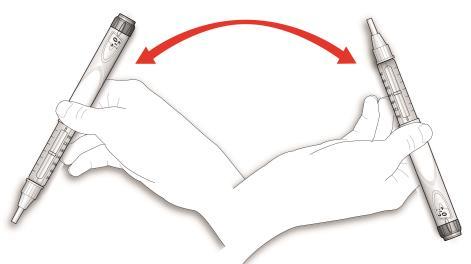
After mixing, check the appearance of your insulin. Insulin suspensions should
appear uniformly cloudy.
Point 2. Needle Insertion
Always use a new sterile needle for each injection. This will help prevent contamination and potential
needle blockages.
Before using the needle, carefully read the “Instructions for Use” for the needles.
Note: the needles shown are for illustrative purposes only.
- A.Remove the protective tab from the packaging of a new needle.
- B.Align the needle with the pen and keep it straight while inserting it onto the pen (screw on or press on, depending on the type of needle).
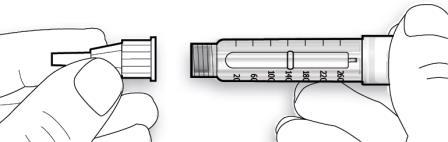
.
- If the needle is not held straight while inserting it, the rubber seal may be damaged and cause leaks, or the needle may break.
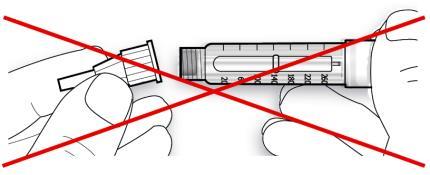
Point 3. Perform the safety test
Always perform the safety test before each injection. This ensures the delivery of a correct
dose because:
- ensures that the pen and needle are working correctly
- removes air bubbles
354
- A.Select a dosage of 2 units by rotating the dosage selector.
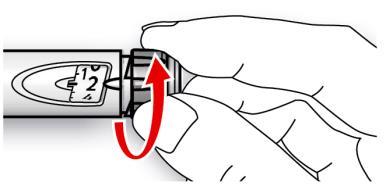
- B.Remove the outer cap of the needle and save it to remove the used needle after the injection. Remove the inner cap of the needle and discard it.
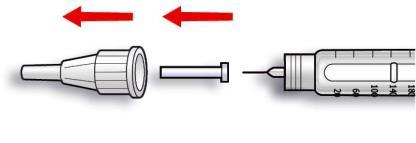
- C.Hold the pen in a vertical position with the needle pointing upwards.
- D.Tap the insulin reservoir with your finger so that any air bubbles rise to the needle.
- E.Press the injection button all the way down. Check that insulin comes out of the needle tip. HoldDiscard
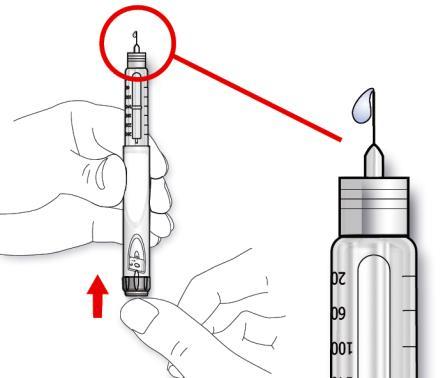
You may need to repeat the safety test several times before insulin comes out.
- If the insulin does not come out, check for air bubbles and repeat the safety test two or more times to remove them.
- If the insulin still does not come out, the needle may be blocked. Change the needle and try again.
- If the insulin still does not come out after changing the needle, the SoloStar may be damaged. Do not use this SoloStar.
Point 4. Dose Selection
The dose can be selected in 1-unit increments, from a minimum of 1 unit up to a maximum of 80
units. If a dose greater than 80 units is required, it must be administered by two or more
injections.
- A.Check that the dosage window shows “0” at the end of the safety test.
- B.Select the required dose (in the example below, the selected dose is 30 units). If a higher dose has been selected, you can rotate the dosage selector in the opposite direction.
355
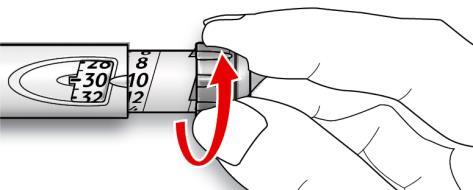
- Do not push the injection button while rotating it as insulin will come out.
- You cannot rotate the dosage selector beyond the number of units remaining in the pen. Do not force the dosage selector further. In this case, you can inject what remains in the pen and complete the dose with a new SoloStar or use a new SoloStar for the entire dose.
Point 5. Dose Injection
- A.Use the injection technique as instructed by your doctor, pharmacist or nurse.
- B.Insert the needle into the skin.
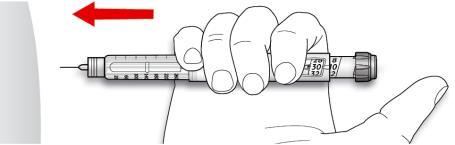
- C.Administer the dosage by pressing the injection button all the way down. The number that appears in the dosage window will return to “0” during the injection.
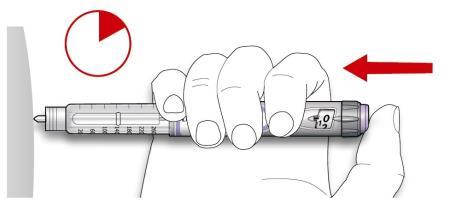
- D.Keep the injection button pressed all the way down. Count slowly to 10 before removing the needle from the
skin. This ensures that the entire dose of insulin has been injected.
The pen plunger moves with each dose. The plunger reaches the end of the cartridge when
300 total units of insulin have been used.
Point 6. Needle Removal and Disposal
Always remove the needle after each injection and store the SoloStar without the needle inserted.
This helps prevent:
- contamination and/or infection,
- air entering the insulin reservoir and insulin leakage, which can cause inaccurate dosing.
- A.Replace the outer cap on the needle and use it to unscrew the needle from the pen. To reduce the risk of accidental needle injury, never replace the inner cap of the needle.
- If the injection is given by another person, or if you are giving the injection to another person, you must take particular care when removing and disposing of the needle. Follow the 356
recommended safety measures for needle removal and disposal (ask your doctor, pharmacist or nurse) to reduce the risk of accidental needle injury and transmission of infectious diseases.
- B.Dispose of the needle safely.
- C.Always replace the cap on the pen, then store the pen until the next injection.
Storage Instructions
Refer to the back of this sheet (insulin) for instructions on how to store SoloStar.
If your SoloStar is stored in the refrigerator, remove it 1-2 hours before injection so that it can
warm up to room temperature. Injecting cold insulin is more painful
Dispose of your used SoloStar in accordance with local legal requirements.
Maintenance
SoloStar must be protected from dust and dirt.
The outside of SoloStar can be cleaned with a damp cloth.
Do not wet, wash or lubricate the pen as this may damage it.
Your SoloStar is designed to operate safely and accurately. It must be handled with care.
Situations in which SoloStar could be damaged must be avoided. If you are concerned that SoloStar is
damaged, use a new one.
357
Insuman Comb 25 100 IU/ml injectable suspension in a vial
Human insulin
Read this leaflet carefully before you start using this medicine as it contains important
information for you.
- Keep this leaflet. You may need to read it again.
- If you have any questions, ask your doctor, pharmacist or nurse.
- This medicine has been prescribed for you only. Do not pass it on to others, even if their symptoms are the same as yours, as it may be harmful.
- If you get any side effects, even those not listed in this leaflet, tell your doctor, pharmacist or nurse. See section 4.
Contents of this leaflet:
- 1. What Insuman Comb 25 is and what it is used for
- 2. What you need to know before you use Insuman Comb 25
- 3. How to use Insuman Comb 25
- 4. Possible side effects
- 5. How to store Insuman Comb 25
- 6. Contents of the pack and other information
1. What is Insuman Comb 25 and what is it used for
Insuman Comb 25 contains the active ingredient human insulin, which is produced by a biotechnological process and is identical to the insulin found in our body.
Insuman Comb 25 is an insulin preparation with a gradual onset of action and a long duration of action.
Insuman Comb 25 is used to lower high blood sugar levels in patients with
diabetes mellitus who require insulin supplementation. Diabetes mellitus is a disease in which the body
does not produce enough insulin to control blood sugar levels.
2. What you need to know before using Insuman Comb 25
Do not use Insuman Comb 25
If you are allergic (hypersensitive) to insulin or to any of the other ingredients of this medicine (listed in
section 6).
Warnings and precautions
Talk to your doctor, pharmacist or nurse before using Insuman Comb 25.
Follow the instructions given to you by your doctor strictly regarding the dose, the checks to be performed (on blood
and urine), diet and physical activity (work and exercise).
Tell your doctor if you are allergic to this medicine or to animal insulins.
Special patient groups
If you have liver or kidney problems, or if you are elderly, consult your doctor as you may need a lower
dose.
Skin changes at the injection site:
358
The injection site must be rotated to prevent skin changes, such as the appearance of nodules
under the skin. Insulin may not work as well as it should if you inject into an area with
nodules (see section How to use Insuman Comb 25). If you are currently injecting into an area with
nodules, talk to your doctor before starting to inject into another area. Your doctor may
advise you to check your blood sugar more carefully and adjust the dose of insulin or other antidiabetic
medicines.
Travel
Consult your doctor before starting a trip. You may need to discuss the following aspects:
- availability of insulin in the destination country,
- sufficient supplies of insulin, syringes, etc.,
- correct storage of insulin during the trip,
- interval between meals and insulin administration during the trip,
- possible effects of the time zone change,
- possible risks of contracting new diseases in the countries visited.
- what to do in emergency situations if you do not feel well or become ill.
Illness and injuries
In the following situations, diabetes control may require close attention:
- If you are ill or have serious injuries, there is a risk that your blood sugar level will increase (hyperglycemia).
- If you do not eat enough, there is a risk that your blood sugar level will decrease (hypoglycemia). In most cases, medical intervention is necessary. Contact your doctor quickly.
Also, if you suffer from type 1 diabetes (insulin-dependent diabetes mellitus), do not stop treatment with
insulin or the intake of carbohydrates. It is necessary to keep people close to you informed of your
need for insulin.
Some patients with long-lasting type 2 diabetes mellitus and heart disease or with a history of stroke,
treated with pioglitazone and insulin have developed heart failure. Inform your doctor as soon as possible
if you have signs of heart failure such as unusually short breath or rapid weight gain or
localized swelling (edema).
Other medicines andInsuman Comb 25
Some medicines can cause changes in blood sugar levels (reduction or increase
or both depending on the situation). In any case, optimization of the insulin dose is necessary to
avoid blood sugar levels that are too low or too high. Be careful when starting or
stopping the use of another medicine.
Tell your doctor or pharmacist if you are taking, have recently taken or might take any
other medicine. Before taking a medicine, ask your doctor if it can affect blood sugar and if
countermeasures are necessary.
Medicines that can cause a decrease in blood sugar levels (hypoglycemia)
include:
- all other medicines used to treat diabetes,
- angiotensin converting enzyme (ACE) inhibitors (used to treat some heart conditions or high blood pressure),
- disopyramide (used to treat some heart conditions),
- fluoxetine (used to treat depression),
- fibrates (used to lower high levels of fats in the blood),
- monoamine oxidase (MAO) inhibitors (used to treat depression), 359
- pentoxifylline, propoxyphene, salicylates (such as aspirin, used to relieve pain and reduce fever),
- sulfonamide antibiotics.
Medicines that can cause an increase in blood sugar levels (hyperglycemia) include:
- corticosteroids (such as "cortisone", used to treat inflammation),
- danazol (a medicine that acts on ovulation),
- diazoxide (used to treat high blood pressure),
- diuretics (used to treat high blood pressure or excessive fluid retention),
- glucagon (pancreatic hormone used to treat severe hypoglycemia, i.e. low blood sugar levels),
- isoniazid (used to treat tuberculosis),
- estrogens and progestogens (such as in the birth control pill used for contraception),
- phenothiazine derivatives (used to treat psychiatric disorders),
- somatropin (growth hormone),
- sympathomimetic medicines (such as epinephrine [adrenaline], salbutamol, terbutaline used to treat asthma),
- thyroid hormones (used to treat thyroid disorders),
- protease inhibitors (used to treat HIV),
- atypical antipsychotic medicines (such as olanzapine and clozapine).
Blood sugar levels may decrease or increase if you take:
- beta-blockers (used to treat high blood pressure),
- clonidine (used to treat high blood pressure),
- lithium salts (used to treat psychiatric disorders). Pentamidine (used to treat some infections caused by parasites) can cause hypoglycemia, sometimes followed by hyperglycemia.
Beta-blockers as well as other sympatholytic medicines (such as clonidine, guanethidine and reserpine) can
reduce or completely cancel the warning signs that help you recognize hypoglycemia.
If you are not sure if you are taking one of these medicines, ask your doctor or pharmacist.
Insuman Comb 25 with alcohol
Blood sugar levels may decrease or increase if you drink alcohol.
Pregnancy and breastfeeding
If you are pregnant, suspect you are pregnant or are planning to become pregnant, or if you are breastfeeding,
ask your doctor or pharmacist for advice before using this medicine.
Inform your doctor if you are planning a pregnancy or if you are already pregnant. It may be
necessary to adjust the dose of insulin during pregnancy and after delivery. It is important to control
diabetes carefully and prevent hypoglycemia for the health of the baby. However, there is no experience with
the use of Insuman Comb 25 in pregnancy.
If you are breastfeeding, consult your doctor, as adjustments to the insulin dose and
diet may be necessary.
Driving and operating machinery
Your ability to concentrate or react may be reduced in case of:
- hypoglycemia (low blood sugar levels),
- hyperglycemia (high blood sugar levels),
- vision problems. 360
Take into account the possibility that this may occur in all situations where you could pose a
risk to yourself and others (such as driving a car or using machinery). Ask your
doctor for advice if you should drive if:
- you have frequent hypoglycemic attacks,
- the typical signs that help you identify hypoglycemia are reduced or absent.
Important information about some of the ingredients of Insuman Comb 25
This medicine contains less than 1 mmol (23 mg) of sodium per dose, i.e. it is essentially ‘sodium-free’.
3. How to use Insuman Comb 25
Dose
Use this medicine following exactly the instructions of your doctor. If you have any doubts, consult your doctor
or pharmacist.
Based on your lifestyle and the results of tests for your blood sugar level (glycemia), your doctor will:
- establish the daily amount of Insuman Comb 25 you need,
- inform you of when you should check your blood sugar and, if necessary, when to perform urine tests,
- inform you if a lower or higher dose of Insuman Comb 25 is necessary.
Many factors can influence your blood sugar levels. It is advisable that you know these
factors so that you can act appropriately in case of changes in blood sugar levels and
thus avoid them becoming too high or too low. For further information, see the box
at the end of this leaflet.
Frequency of administration
Insuman Comb 25 is injected subcutaneously 30 – 45 minutes before a meal.
Method of administration
Insuman Comb 25 is a liquid (suspension) for subcutaneous injection.
DO NOT inject Insuman Comb 25 into a vein (blood vessel).
The doctor will indicate which area of the skin you should inject the insulin into. For each injection, change the injection site
within the chosen skin area.
Do not use Insuman Comb 25 in insulin pumps - special insulin preparations are available for use with such devices.
How to handle the vials
Insuman Comb 25 contains 100 IU of insulin per ml. Only injection syringes suitable for this
concentration (100 IU per ml) must be used. Injection syringes must not contain other
medicines or their residues (such as traces of heparin).
Before drawing up the insulin for the first time, you must remove the tear-off safety cap
from the vial.
Immediately before each injection, mix the insulin well. To do this, rotate the vial diagonally
between the palms of your hands. Do not shake the vial vigorously because this may damage the insulin and cause foaming. Foam may
interfere with accurate dose measurement.
After mixing, the liquid should appear uniformly milky. It should not be used if the
suspension remains clear or, for example, if small lumps, particles or flakes form inside or on the wall or bottom of the vial. In these cases, another vial should be used, the contents of which have a uniform appearance.
Always use a new vial if you notice that your blood sugar control has
unexpectedly worsened. This is because the insulin may have lost some of its effectiveness. If you think
you may have a problem with the insulin, have it checked by your doctor or pharmacist.
Special precautions before the injection
Air bubbles must be removed before the injection. Make sure that neither alcohol nor other disinfectants
nor other contaminating substances contaminate the insulin. Do not mix the insulin with other medicines, with the exception of the
human insulin formulations listed below.
Insuman Comb 25 can be mixed with all human insulin formulations, EXCEPT those
specifically intended for use in insulin pumps. Also, DO NOT mix with animal insulins or insulin analogues.
The doctor will tell you if it is necessary to mix human insulins. If it is necessary to inject a mixture, draw the other
insulin into the injection syringe before Insuman Comb 25. Proceed with the injection immediately after
mixing. Do not mix insulins of different concentrations (e.g. 100 IU per ml and 40 IU per ml).
If you use more Insuman Comb 25 than you should
- -If you have injected too high a dose of Insuman Comb 25, your blood sugar levels may become too low (hypoglycemia). Check your blood sugar frequently. In general, to prevent hypoglycemia, you should eat more substantial meals and check your blood sugar. For information on treating hypoglycemia, see the box at the end of this leaflet.
If you forget to use Insuman Comb 25
- If you have forgotten a dose of Insuman Comb 25or have not injected enough insulin, your blood sugar levels may become too high (hyperglycemia). Check your blood sugar frequently. For information on treating hyperglycemia, see the box at the end of this leaflet.
- Do not take a double dose to make up for a missed dose.
If you stop treatment with Insuman Comb 25
This can lead to severe hyperglycemia (very high blood sugar levels) and ketoacidosis (build-up
of acid in the blood because the body is metabolizing fat instead of sugar). Do not stop Insuman
Comb 25 without consulting a doctor who will tell you what is necessary to do.
If you have any doubts about using this medicine, ask your doctor, pharmacist or nurse.
Insulin exchanges
You should always check the insulin label before each injection to avoid exchanging medicine between
Insuman Comb 25 and other insulins.
4. Possible side effects
Like all medicines, this medicine can cause side effects, although not everybody gets them.
362
More serious side effects
Side effects reported uncommonly(may affect up to 1 in 100 people)
- Severe allergic reactions with low blood pressure(shock)
Side effects reported with unknown frequency(cannot be estimated from the available data)
- The most common side effect is hypoglycemia(low blood sugar levels). Severe hypoglycemic episodes can cause heart attack or brain damage and can be life-threatening. For more information about the side effects of low blood sugar or high blood sugar levels, see the box at the end of this leaflet.
- Severe, widespread allergic reactions to insulincan occur, which could be life-threatening. Such reactions to insulin or excipients can cause extensive skin reactions (rashes and itching all over the body), severe swelling of the skin or mucous membranes (angioedema), shortness of breath, low blood pressure with a rapid heartbeat and sweating
Other side effects
Side effects reported commonly(may affect up to 1 in 10 people)
- Edema Treatment with insulin can lead to temporary fluid retention in the body with swelling in the calf and ankle areas.
- Reactions at the injection site
Side effects reported uncommonly
- Urticaria at the injection site (itchy rash)
Side effects reported with unknown frequency
- Sodium retention
- Eye reactions A marked change (improvement or worsening) in blood sugar levels can temporarily disturb vision. If you have proliferative retinopathy (an eye disease associated with diabetes), severe hypoglycemic episodes can cause temporary loss of vision.
- Changes in the skin at the injection site: If you inject insulin too often in the same place, the fatty tissue may become thinner (lipoatrophy) or thicker (lipohypertrophy). Lumps under the skin can also be caused by the accumulation of a protein called amyloid (cutaneous amyloidosis: it is not known how often this occurs). Insulin may not work as well as it should if you inject into an area with lumps. Change the injection site with each injection to prevent these skin changes.
- Skin and allergic reactions Other mild reactions may occur at the injection site (such as redness at the injection site, unusually intense pain at the injection site, itching, swelling at the injection site, or inflammation at the injection site). These disturbances can spread around the injection site. Most minor reactions to insulin resolve within a few days or within a few weeks.
- Anti-insulin antibodies Treatment with insulin can lead to the formation of anti-insulin antibodies (substances that act against insulin). Only rarely does the presence of such antibodies require an adjustment of the insulin dose.
Reporting of side effects
If you get any side effects, even those not listed in this leaflet, tell your
doctor, pharmacist or nurse. You can also report side effects directly through the
national reporting system listed in Annex V.
By reporting side effects you can help provide more information on the safety of
this medicine.
363
5. How to store Insuman Comb 25
Keep this medicine out of the sight and reach of children.
Do not use this medicine after the expiry date which is stated on the pack and on the vial label
after “Expiry”/ “Exp”. The expiry date refers to the last day of that month.
Unused vials:
Store in a refrigerator (2°C - 8°C). Do not freeze. Do not place Insuman Comb 25 in direct contact with the
freezer compartment or with cooling packs. Store the vial in the outer packaging to
protect the medicine from light.
Opened vials:
Once in use, the vial can be stored for a maximum of 4 weeks at a temperature not
exceeding 25°C, protected from a direct source of heat (e.g. radiator) or from direct light (direct sunlight or lamp) in the outer packaging. Do not use the vial after this period. It is recommended to
write the date of first use on the label itself.
Do not dispose of any medicine in wastewater or household waste. Ask your pharmacist how to eliminate the
medicines that you no longer use. This will help protect the environment.
6. Content of the pack and other information
What Insuman Comb 25 contains
- The active ingredient is human insulin. 1 ml of Insuman Comb 25 contains 100 IU (International Units) of the active ingredient human insulin. 25% of the insulin is dissolved in water; the remaining 75% is present as fine crystals of protamine insulin.
- The other components are: protamine sulfate, meta-cresol, phenol, zinc chloride, disodium phosphate dihydrate, glycerol, sodium hydroxide (see section 2 in “Important information about some components of Insuman Comb 25”), hydrochloric acid (for pH adjustment) and water for injections.
Description of the appearance of Insuman Comb 25 and contents of the pack
After mixing, Insuman Comb 25 is a uniformly milky liquid (injectable suspension),
without clumps, flakes or visible particles.
Insuman Comb 25 is supplied in vials containing 5 ml of suspension (500 IU). Packs of 1 and 5 vials of 5 ml are available.
Not all pack sizes may be marketed.
Marketing authorisation holder and manufacturer
Sanofi-Aventis Deutschland GmbH
D-65926 Frankfurt am Main
Germany.
For further information on this medicine, contact the local representative of the marketing authorisation
holder.
België/Belgique/Belgien
Sanofi Belgium
Tél/Tel: +32 (0)2 710 54 00
Lietuva
Swixx Biopharma UAB
Tel: +370 5 236 91 40
България
Swixx Biopharma EOOD
Тел.: +359 (0)2 4942 480
Luxembourg/Luxemburg
Sanofi Belgium
Tél/Tel: +32 (0)2 710 54 00 (Belgique/Belgien)
364
Česká republika
sanofi-aventis, s.r.o.
Tel: +420 233 086 111
Magyarország
SANOFI-AVENTIS Zrt.
Tel.: +36 1 505 0050
Danmark
sanofi A/S
Tlf: +45 45 16 70 00
Malta
Sanofi S.r.l.
Tel: +39 02 39394275
Deutschland
Sanofi-Aventis Deutschland GmbH
Tel: 0800 52 52 010
Tel. aus dem Ausland: +49 69 305 21 131
Nederland
Sanofi B.V
Tel: +31 20 245 4000
Eesti
Swixx Biopharma OÜ
Tel: +372 640 10 30
Norge
sanofi-aventis Norge AS
Tlf: +47 67 10 71 00
Ελλάδα
Sanofi-Aventis AEBE
Τηλ: +30 210 900 16 00
Österreich
sanofi-aventis GmbH
Tel: +43 1 80 185 – 0
España
sanofi-aventis, S.A.
Tel: +34 93 485 94 00
Polska
sanofi-aventis Sp. z o.o.
Tel.: +48 22 280 00 00
France
Sanofi Winthrop Industrie
Tél: 0 800 222 555
Appel depuis l’étranger : +33 1 57 63 23 23
Portugal
Sanofi - Produtos Farmacêuticos, Lda.
Tel: +351 21 35 89 400
Hrvatska
Swixx Biopharma d.o.o.
Tel: +385 1 2078 500
România
Sanofi Romania SRL
Tel: +40 (0) 21 317 31 36
Ireland
sanofi-aventis Ireland Ltd. T/A SANOFI
Tel: +353 (0) 1 403 56 00
Slovenija
Swixx Biopharma d.o.o.
Tel: +386 1 235 51 00
Ísland
Vistor hf.
Sími: +354 535 7000
Slovenská republika
Swixx Biopharma s.r.o.
Tel: +421 2 208 33 600
Italia
Sanofi S.r.l.
Tel: 800 13 12 12 (technical questions)
800 536389 (other questions)
Suomi/Finland
Sanofi Oy
Puh/Tel: +358 (0) 201 200 300
Κύπρος
C.A. Papaellinas Ltd.
Τηλ: +357 22 741741
Sverige
Sanofi AB
Tel: +46 (0)8 634 50 00
Latvija
Swixx Biopharma SIA
Tel: +371 6 616 47 50
United Kingdom (Northern Ireland)
sanofi-aventis Ireland Ltd. T/A SANOFI
Tel: +44 (0) 800 035 2525
365
Other sources of information
More detailed information on this medicine is available on the website of the European Medicines
Agency: http://www.ema.europa.eu/
HYPERGLYCEMIA AND HYPOGLYCEMIA
Always carry some sugar with you (at least 20 grams).
Carry information indicating that you have diabetes.
HYPERGLYCEMIA (high blood sugar levels)
If your blood sugar levels are too high (hyperglycemia),you may not have injected
enough insulin.
Why does hyperglycemia occur?
Examples include:
- you did not inject insulin or administered an insufficient amount, or when the insulin becomes less effective (e.g. because it was not stored correctly),
- you are doing less exercise than usual, or are particularly stressed (emotionally or physically), or in cases of injury, surgery, infection or fever,
- you are taking or have taken certain other medicines (see section 2, “Other medicines and Insuman Comb 25”).
Warning signs of hyperglycemia
Thirst, increased need to urinate, weakness, dry skin, redness of the face, loss of appetite,
lowering of blood pressure, rapid heartbeat and the presence of glucose or ketones in the urine.
Abdominal pain, deep and rapid breathing, drowsiness or even loss of consciousness may
indicate a serious condition (ketoacidosis) resulting from insulin deficiency.
What should you do in case of hyperglycemia?
Check your blood sugar and the possible presence of ketones in your
urine as soon as possible if you experience any of the symptoms mentioned above.Severe hyperglycemia or ketoacidosis
must always be treated by a doctor, generally in a hospital setting.
HYPOGLYCEMIA (low blood sugar levels)
If your blood sugar levels drop too low, you may lose consciousness. Severe hypoglycemic episodes
can cause heart attack or brain damage and can be life-threatening. Generally, you
should be able to recognize when your blood sugar levels are dropping too low, so
you can take appropriate precautions.
Why does hypoglycemia occur?
Examples include:
- you injected too much insulin,
- you skipped or delayed meals,
366
- you are not eating enough or the food consumed contains less carbohydrates than usual (carbohydrates are sugar and sugar-like substances; however, artificial sweeteners are NOT carbohydrates),
- you have lost carbohydrates due to vomiting or diarrhea,
- you drink alcoholic beverages, especially if you are eating little,
- you are doing more exercise than usual, or a different type of activity,
- you are recovering from injury, surgery or stress,
- you are recovering from an illness or fever,
- you are taking or have taken certain other medicines (see section 2, “Other medicines and Insuman Comb 25”).
Hypoglycemia can also occur more easily if:
- you are at the beginning of insulin treatment or have switched to a different type of insulin,
- your blood sugar levels are almost normal or show variations,
- you have changed the area of skin where you inject the insulin (e.g. from the thigh to the upper arm),
- you suffer from severe kidney or liver disease, or other diseases such as hypothyroidism.
Warning signs of hypoglycemia
- In the body Examples of symptoms indicating that blood sugar levels are dropping too low or too quickly: sweating, clammy skin, anxiety, rapid heartbeat, high blood pressure, palpitations and irregular heartbeat. These symptoms can often develop before those indicating a reduction in brain sugar levels.
- In the brain Examples of symptoms indicating a reduction in brain sugar levels: headache, insatiable hunger, nausea, vomiting, fatigue, drowsiness, sleep disturbances, restlessness, aggressiveness, difficulty concentrating, reduced ability to react, depressed mood, confusion, difficulty speaking (sometimes aphasia), visual disturbances, tremor, paralysis, sensory disturbances (paresthesia), sensations of tingling and numbness in the mouth, dizziness, loss of self-control, inability to care for oneself, convulsions, loss of consciousness.
The early characteristic symptoms of a state of hypoglycemia ("warning symptoms") may vary, be
less noticeable or even completely absent if:
- you are elderly, have had diabetes for a long time or suffer from a certain type of neurological disease (diabetic autonomic neuropathy),
- after a recent hypoglycemic episode (e.g. the day before) or if hypoglycemia appears slowly,
- blood sugar levels are almost normal or at least significantly improved,
- you have recently switched from animal insulin to human insulin like Insuman,
- you are taking or have taken certain other medicines (see section 2, “Other medicines and Insuman Comb 25”).
In these cases, a severe hypoglycemia (even with loss of consciousness) may develop without
recognizing it in time. Therefore, learn to recognize the warning symptoms of hypoglycemia. If necessary, more frequent blood sugar checks may help identify mild hypoglycemic episodes that might otherwise go unnoticed. If you are unable to recognize the warning symptoms of hypoglycemia, avoid all those situations (such as driving a car) that may be
risky for you and others due to hypoglycemia.
What should you do in case of hypoglycemia?
367
- 1. Do not inject insulin. Immediately take 10 to 20 g of sugar, such as glucose, sugar cubes or a sugar-sweetened drink. Caution: artificial sweeteners and foods containing artificial sweeteners (such as diet drinks) do not help treat hypoglycemia.
- 2. At this point, consume food that can cause a long-lasting release of sugar into the blood (such as bread or pasta). Your doctor or nurse should have discussed these measures with you beforehand.
- 3. If another hypoglycemic episode occurs, take another 10 to 20 g of sugar again.
- 4. Talk to your doctor as soon as you notice an inability to control hypoglycemia or if it occurs again.
Inform your relatives, friends and colleagues who are close to you that:
If you are unable to swallow or lose consciousness, an injection of glucose or
glucagon (a medicine that increases blood sugar levels) is necessary. These injections are justified
even if you are not sure whether a hypoglycemic event has occurred.
It is advisable to check blood sugar immediately after taking sugar to confirm
that a hypoglycemic episode was occurring.
368
Insuman Comb 25 40 UI/ml injectable suspension in a vial
Human insulin
Read this leaflet carefully before you start using this medicine as it contains important
information for you.
- Keep this leaflet. You may need to read it again.
- If you have any questions, ask your doctor, pharmacist or nurse.
- This medicine has been prescribed for you only. Do not pass it on to others, even if they have the same symptoms as you, as it may be harmful.
- If you get any side effects, even those not listed in this leaflet, tell your doctor, pharmacist or nurse. See section 4.
Contents of this leaflet:
- 1. What Insuman Comb 25 is and what it is used for
- 2. What you need to know before you use Insuman Comb 25
- 3. How to use Insuman Comb 25
- 4. Possible side effects
- 5. How to store Insuman Comb 25
- 6. Contents of the pack and other information
1. What is Insuman Comb 25 and what is it used for
Insuman Comb 25 contains the active ingredient human insulin, which is produced by a biotechnological process and is identical to the insulin found in our body.
Insuman Comb 25 is an insulin preparation with a gradual onset of action and a long duration of action.
Insuman Comb 25 is used to lower high blood sugar levels in patients with
diabetes mellitus who require insulin supplementation. Diabetes mellitus is a disease in which the body
does not produce enough insulin to control blood sugar levels.
2. What you need to know before using Insuman Comb 25
Do not use Insuman Comb 25
If you are allergic (hypersensitive) to insulin or any of the other ingredients of this medicine
(listed in section 6).
Warnings and precautions
Talk to your doctor, pharmacist or nurse before using Insuman Comb 25.
Follow the instructions given to you by your doctor regarding the dose, checks to be performed (on blood
and urine), diet and physical activity (work and exercise) very carefully.
Tell your doctor if you are allergic to this medicine or to animal insulins.
Special patient groups
If you have liver or kidney problems, or if you are elderly, consult your doctor because you may need a lower
dose.
Skin changes at the injection site:
369
The injection site must be rotated to prevent skin changes, such as the appearance of nodules
under the skin. Insulin may not work as well as it should if you inject into an area with
nodules (see section How to use Insuman Comb 25). If you are currently injecting into an area with
nodules, talk to your doctor before starting to inject into another area. Your doctor may
ask you to check your blood sugar more carefully and adjust the dose of insulin or other antidiabetic
medicines.
Travel
Consult your doctor before starting a trip. You may need to discuss the following aspects:
- availability of insulin in the destination country,
- sufficient supplies of insulin, syringes, etc.,
- correct storage of insulin during the trip,
- interval between meals and insulin administration during the trip,
- possible effects of changing time zones,
- possible risks of contracting new diseases in the countries visited.
- what to do in emergency situations if you do not feel well or become ill.
Butmilk and injuries
In the following situations, blood sugar control may require close attention:
- If you are ill or have serious injuries, there is a risk that your blood sugar level will increase (hyperglycemia).
- If you do not eat enough, there is a risk that your blood sugar level will decrease (hypoglycemia). In most cases, medical intervention is necessary. Contact your doctor quickly.
Also, if you suffer from type 1 diabetes (insulin-dependent diabetes mellitus), do not stop treatment with
insulin or the intake of carbohydrates. It is necessary to inform people close to you about your
need for insulin.
Some patients with long-lasting type 2 diabetes mellitus and heart disease or with a previous stroke,
treated with pioglitazone and insulin have developed heart failure. Inform your doctor as soon as possible
if you have signs of heart failure such as unusually short breath or rapid weight gain or localized
swelling (edema).
Other medicines andInsuman Comb 25
Some medicines can cause changes in blood sugar levels (reduction or increase
or both depending on the situation). In any case, optimization of the insulin dose is necessary to
avoid blood sugar levels that are too low or too high. Be careful when starting or
stopping another medicine.
Tell your doctor or pharmacist if you are taking, have recently taken or may take any
other medicine. Before taking a medicine, ask your doctor if it can affect blood sugar and if
countermeasures are necessary.
Medicines that can cause a decrease in blood sugar levels (hypoglycemia)
include:
- all other medicines used to treat diabetes,
- angiotensin converting enzyme (ACE) inhibitors (used to treat some heart conditions or high blood pressure),
- disopyramide (used to treat some heart conditions),
- fluoxetine (used to treat depression),
- fibrates (used to lower high levels of fats in the blood),
- monoamine oxidase inhibitors (MAO) (used to treat depression), 370
- pentoxifylline, propoxyphene, salicylates (such as aspirin, used to relieve pain and lower fever),
- sulfonamide antibiotics.
Medicines that can cause an increase in blood sugar levels (hyperglycemia) include:
- corticosteroids (such as "cortisone", used to treat inflammation),
- danazol (a medicine that acts on ovulation),
- diazoxide (used to treat high blood pressure),
- diuretics (used to treat high blood pressure or excessive fluid retention),
- glucagon (pancreatic hormone used to treat severe hypoglycemia, i.e. low blood sugar levels),
- isoniazid (used to treat tuberculosis),
- estrogens and progestogens (as in the birth control pill used for contraception),
- phenothiazine derivatives (used to treat psychiatric disorders),
- somatropin (growth hormone),
- sympathomimetic medicines (such as epinephrine [adrenaline], salbutamol, terbutaline used to treat asthma),
- thyroid hormones (used to treat thyroid disorders),
- protease inhibitors (used to treat HIV),
- atypical antipsychotic medicines (such as olanzapine and clozapine).
Blood sugar levels may decrease or increase if you take:
- betablockers (used to treat high blood pressure),
- clonidine (used to treat high blood pressure),
- lithium salts (used to treat psychiatric disorders). Pentamidine (used to treat some infections caused by parasites) can cause hypoglycemia, sometimes followed by hyperglycemia.
Betablockers as well as other sympatholytic medicines (such as clonidine, guanethidine and reserpine) can
reduce or completely cancel the warning signs that help you recognize hypoglycemia.
If you are not sure if you are taking one of these medicines, ask your doctor or pharmacist.
Insuman Comb 25 with alcohol
Blood sugar levels may decrease or increase if you drink alcohol.
Pregnancy and breastfeeding
If you are pregnant, suspect you may be pregnant or are planning to become pregnant, or if you are breastfeeding with
breast milk, ask your doctor or pharmacist for advice before using this medicine.
Tell your doctor if you are planning a pregnancy or are already pregnant. It may be
necessary to adjust the dose of insulin during pregnancy and after delivery. It is important to control
diabetes carefully and prevent hypoglycemia for the health of the baby. However, there is no experience with
the use of Insuman Comb 25 in pregnancy.
If you are breastfeeding, consult your doctor, as adjustments to the dose of insulin and
diet may be necessary.
Driving and operating machinery
Your ability to concentrate or react may be reduced in case of:
- hypoglycemia (low blood sugar levels),
- hyperglycemia (high blood sugar levels),
- vision problems. 371
Take into account the possibility that this may occur in all situations where you could pose a
risk to yourself and others (such as driving a car or using machinery). Ask your
doctor for advice on whether it is appropriate for you to drive if:
- you have frequent hypoglycemic attacks,
- the typical signs that help you identify hypoglycemia are reduced or absent.
Important information about some ingredients of Insuman Comb 25
This medicine contains less than 1 mmol (23 mg) of sodium per dose, i.e. it is essentially ‘sodium-free’.
3. How to use Insuman Comb 25
Dose
Use this medicine following exactly the instructions of your doctor. If you have any doubts, consult your doctor
or pharmacist.
Based on your lifestyle and the results of tests for your blood sugar level (glycemia), your doctor will:
- establish the daily amount of Insuman Comb 25 you need,
- inform you of when you should check your blood sugar and, if necessary, when to perform urine tests,
- inform you if a lower or higher dose of Insuman Comb 25 is necessary.
Many factors can influence your blood sugar levels. It is advisable that you are aware of these
factors so that you can act appropriately in case of changes in blood sugar levels and
thus avoid them becoming too high or too low. For further information, see the box
at the end of this leaflet.
Frequency of administration
Insuman Comb 25 is injected subcutaneously 30 – 45 minutes before a meal.
Method of administration
Insuman Comb 25 is a liquid (suspension) for subcutaneous injection.
DO NOT inject Insuman Comb 25 into a vein (blood vessel).
Your doctor will indicate which area of the skin you should inject the insulin into. For each injection, change the injection site
within the chosen skin area.
Do not use Insuman Comb 25 in insulin pumps - special insulin preparations are available for use with such devices.
How to handle the vials
Insuman Comb 25 contains 40 IU of insulin per ml. Only syringes for injection suitable for this
concentration (40 IU per ml) must be used. The injection syringes must not contain other
medicines or their residues (such as traces of heparin).
Before drawing the insulin for the first time, you must remove the tear-off safety cap
from the vial.
Immediately before each injection, mix the insulin well. To do this, rotate the vial diagonally
between the palms of your hands. Do not shake the vial vigorously because this may damage the insulin and cause foaming.
Foam may interfere with accurate dose measurement.
After mixing, the liquid should appear uniformly milky. It should not be used if the
suspension remains clear or, for example, if small lumps, particles or flakes or similar form
inside or on the wall or bottom of the vial. In these cases, another vial should be used, the contents of which have a uniform appearance.
Always use a new vial if you notice that your blood sugar control has
unexpectedly worsened. This is because the insulin may have lost some of its effectiveness. If you think
you may have a problem with the insulin, have it checked by your doctor or pharmacist.
Special precautions before the injection
Air bubbles must be removed before the injection. Make sure that neither alcohol nor other disinfectants
nor other contaminating substances contaminate the insulin. Do not mix the insulin with other medicines, except for the
human insulin formulations listed below.
Insuman Comb 25 can be mixed with all human insulin formulations, EXCEPT those
specifically intended for use in insulin pumps. Also, DO NOT mix with animal insulins or insulin analogs.
Your doctor will tell you if it is necessary to mix human insulins. If it is necessary to inject a mixture, draw the other
insulin into the injection syringe before Insuman Comb 25. Proceed with the injection immediately after
mixing. Do not mix insulins with different concentrations (e.g. 100 IU per ml and 40 IU per ml).
If you use more Insuman Comb 25 than you should
- -If you have injected too high a dose of Insuman Comb 25, your blood sugar levels may become too low (hypoglycemia). Check your blood sugar frequently. In general, to prevent hypoglycemia, you should eat more substantial meals and check your blood sugar. For information on treating hypoglycemia, see the box at the end of this leaflet.
If you forget to use Insuman Comb 25
- If you have forgotten a dose of Insuman Comb 25or have not injected enough insulin, your blood sugar levels may become too high (hyperglycemia). Check your blood sugar frequently. For information on treating hyperglycemia, see the box at the end of this leaflet.
- Do not take a double dose to make up for a missed dose.
If you stop treatment with Insuman Comb 25
This can lead to severe hyperglycemia (very high blood sugar levels) and ketoacidosis (build-up
of acid in the blood because the body is metabolizing fat instead of sugar). Do not stop Insuman
Comb 25 without consulting a doctor who will tell you what you need to do.
If you have any doubts about using this medicine, ask your doctor, pharmacist or nurse.
Insulin exchanges
You should always check the insulin label before each injection to avoid exchanging medicine between
Insuman Comb 25 and other insulins.
4. Possible side effects
Like all medicines, this medicine can cause side effects, although not everybody gets them.
373
More serious side effects
Side effects reported uncommonly(may affect up to 1 in 100 people)
- Severe allergic reactions with low blood pressure(shock)
Side effects reported with frequency not known(cannot be estimated from the available data)
- The most common side effect is hypoglycemia(low blood sugar levels). Severe hypoglycemic episodes can cause heart attack or brain damage and can be life-threatening. For more information about the side effects of low blood sugar or high blood sugar levels, see the box at the end of this leaflet.
- Severe, widespread allergic reactions to insulincan occur, which could be life-threatening. Such reactions to insulin or excipients can cause extensive skin reactions (rashes and itching all over the body), severe swelling of the skin or mucous membranes (angioedema), shortness of breath, low blood pressure with rapid heartbeat and sweating
Other side effects
Side effects reported commonly(may affect up to 1 in 10 people)
- Edema Treatment with insulin can lead to temporary increased fluid retention in the body with swelling in the calf and ankle areas.
- Reactions at the injection site
Side effects reported uncommonly
- Urticaria at the injection site (itchy rash)
Side effects reported with frequency not known
- Sodium retention
- Eye reactions A marked change (improvement or worsening) in blood sugar levels can temporarily impair vision. If you have proliferative retinopathy (an eye disease associated with diabetes), severe hypoglycemic episodes can cause temporary loss of vision.
- Changes in the skin at the injection site: If you inject insulin too often in the same place, the fatty tissue may become thinner (lipoatrophy) or thicker (lipohypertrophy). Lumps under the skin can also be caused by the accumulation of a protein called amyloid (cutaneous amyloidosis: it is not known how often this occurs). Insulin may not work as well as it should if you inject into an area with lumps. Change the injection site with each injection to prevent these skin changes.
- Skin and allergic reactions Other mild reactions may occur at the injection site (such as redness at the injection site, unusually intense pain at the injection site, itching, swelling at the injection site, or inflammation at the injection site). These disturbances can spread around the injection site. Most minor reactions to insulin resolve within a few days or within a few weeks.
- Anti-insulin antibodies Treatment with insulin can lead to the formation of anti-insulin antibodies (substances that act against insulin). Only rarely does the presence of such antibodies require an adjustment of the insulin dose.
Reporting of side effects
If you get any side effects, even those not listed in this leaflet, tell your
doctor, pharmacist or nurse. You can also report side effects directly through the
national reporting system listed in Annex V.
374
By reporting side effects you can help provide more information on the safety of
this medicine.
5. How to store Insuman Comb 25
Keep this medicine out of the sight and reach of children.
Do not use this medicine after the expiry date which is stated on the pack and on the vial label
after “Scad”/ “Exp”. The expiry date refers to the last day of that month.
Unused vials:
Store in a refrigerator (2°C - 8°C). Do not freeze. Do not place Insuman Comb 25 in direct contact with the
freezer compartment or with refrigerant packs. Store the vial in the outer packaging to
protect the medicine from light.
Opened vials:
Once in use, the vial can be stored for a maximum of 4 weeks at a temperature not
exceeding 25°C, protected from a direct source of heat (e.g. radiator) or from direct light (direct sunlight or lamp) in the outer packaging. Do not use the vial after this period. It is recommended to
write the date of first use on the label itself.
Do not dispose of any medicine in wastewater or household waste. Ask your pharmacist how to dispose of
medicines you no longer use. This will help protect the environment.
6. Content of the pack and other information
What Insuman Comb 25 contains
- The active ingredient is human insulin. 1 ml of Insuman Comb 25 contains 40 IU (International Units) of the active ingredient human insulin. 25% of the insulin is dissolved in water; the remaining 75% is present as fine crystals of protamine insulin.
- The other components are: protamine sulfate, meta-cresol, phenol, zinc chloride, disodium phosphate dihydrate, glycerol, sodium hydroxide (see section 2 in “Important information about certain components of Insuman Comb 25”), hydrochloric acid (for pH adjustment) and water for injections.
Description of the appearance of Insuman Comb 25 and contents of the pack
After mixing, Insuman Comb 25 is a uniformly milky liquid (injectable suspension),
without clumps, flakes or visible particles.
Insuman Comb 25 is supplied in vials containing 10 ml of suspension (400 IU). Packs of 1 and 5 vials of 10 ml are available.
Not all pack sizes may be marketed.
Marketing authorisation holder and manufacturer
Sanofi-Aventis Deutschland GmbH
D-65926 Frankfurt am Main
Germany.
For further information on this medicine, contact the local representative of the marketing authorisation holder:
België/Belgique/Belgien
Sanofi Belgium
Tél/Tel: +32 (0)2 710 54 00
Lietuva
Swixx Biopharma UAB
Tel: +370 5 236 91 40
375
България
Swixx Biopharma EOOD
Тел.: +359 (0)2 4942 480
Luxembourg/Luxemburg
Sanofi Belgium
Tél/Tel: +32 (0)2 710 54 00 (Belgique/Belgien)
Česká republika
sanofi-aventis, s.r.o.
Tel: +420 233 086 111
Magyarország
SANOFI-AVENTIS Zrt.
Tel.: +36 1 505 0050
Danmark
sanofi A/S
Tlf: +45 45 16 70 00
Malta
Sanofi S.r.l.
Tel: +39 02 39394275
Deutschland
Sanofi-Aventis Deutschland GmbH
Tel: 0800 52 52 010
Tel. aus dem Ausland: +49 69 305 21 131
Nederland
Sanofi B.V
Tel: +31 20 245 4000
Eesti
Swixx Biopharma OÜ
Tel: +372 640 10 30
Norge
sanofi-aventis Norge AS
Tlf: +47 67 10 71 00
Ελλάδα
Sanofi-Aventis AEBE
Τηλ: +30 210 900 16 00
Österreich
sanofi-aventis GmbH
Tel: +43 1 80 185 – 0
España
sanofi-aventis, S.A.
Tel: +34 93 485 94 00
Polska
sanofi-aventis Sp. z o.o.
Tel.: +48 22 280 00 00
France
Sanofi Winthrop Industrie
Tél: 0 800 222 555
Appel depuis l’étranger : +33 1 57 63 23 23
Portugal
Sanofi - Produtos Farmacêuticos, Lda.
Tel: +351 21 35 89 400
Hrvatska
Swixx Biopharma d.o.o.
Tel: +385 1 2078 500
România
Sanofi România SRL
Tel: +40 (0) 21 317 31 36
Ireland
sanofi-aventis Ireland Ltd. T/A SANOFI
Tel: +353 (0) 1 403 56 00
Slovenija
Swixx Biopharma d.o.o.
Tel: +386 1 235 51 00
Ísland
Vistor hf.
Sími: +354 535 7000
Slovenská republika
Swixx Biopharma s.r.o.
Tel: +421 2 208 33 600
Italia
Sanofi S.r.l.
Tel: 800 13 12 12 (technical questions)
800 536389 (other questions)
Suomi/Finland
Sanofi Oy
Puh/Tel: +358 (0) 201 200 300
376
Κύπρος
C.A. Papaellinas Ltd.
Τηλ: +357 22 741741
Sverige
Sanofi AB
Tel: +46 (0)8 634 50 00
Latvija
Swixx Biopharma SIA
Tel: +371 6 616 47 50
United Kingdom (Northern Ireland)
sanofi-aventis Ireland Ltd. T/A SANOFI
Tel: +44 (0) 800 035 2525
Other sources of information
More detailed information on this medicine is available on the website of the European Medicines Agency: http://www.ema.europa.eu/
HYPERGLYCEMIA AND HYPOGLYCEMIA
Always carry some sugar with you (at least 20 grams).
Carry information indicating that you have diabetes.
HYPERGLYCEMIA (high blood sugar levels)
If your blood sugar levels are too high (hyperglycemia),you may not have injected
enough insulin.
Why does hyperglycemia occur?
Examples include:
- you did not inject insulin or administered an insufficient amount, or when the insulin becomes less effective (e.g. because it was not stored correctly),
- you are doing less exercise than usual, or are particularly stressed (emotionally or physically), or in cases of injury, surgery, infection or fever,
- you are taking or have taken certain other medicines (see section 2, “Other medicines and Insuman Comb 25”).
Warning signs of hyperglycemia
Thirst, increased need to urinate, weakness, dry skin, flushing of the face, loss of appetite,
low blood pressure, rapid heartbeat and the presence of glucose or ketones in the urine.
Abdominal pain, deep and rapid breathing, drowsiness or even loss of consciousness may
indicate a serious condition (ketoacidosis) resulting from insulin deficiency.
What should you do if you have hyperglycemia?
Check your blood sugar and the presence of ketones in your
urine as soon as possible if you experience any of the symptoms reported above.Severe hyperglycemia or ketoacidosis
must always be treated by a doctor, usually in a hospital setting.
HYPOGLYCEMIA (low blood sugar levels)
377
If your blood sugar levels drop too low, you may lose consciousness. Severe hypoglycemic episodes
can cause heart attack or brain damage and can be life-threatening. Generally, you
should be able to recognize when your blood sugar levels are dropping too low, so
you can take appropriate precautions.
Why does hypoglycemia occur?
Examples include:
- you injected too much insulin,
- you skipped or delayed meals,
- you are not eating enough or the food consumed contains less carbohydrates than normally consumed (carbohydrates are sugar and sugar-like substances; however, artificial sweeteners are NOT carbohydrates),
- you have lost carbohydrates due to vomiting or diarrhea,
- you drink alcoholic beverages, especially if you are eating little,
- you are doing more exercise than usual, or a different type of activity,
- you are recovering from injury, surgery or stress,
- you are recovering from an illness or fever,
- you are taking or have taken certain other medicines (see section 2, “Other medicines and Insuman Comb 25”).
Hypoglycemia can also occur more easily if:
- you are at the beginning of insulin treatment or have switched to a different type of insulin,
- your blood sugar levels are almost normal or show variations,
- you have changed the area of skin where you inject insulin (e.g. from the thigh to the upper arm),
- you suffer from severe kidney or liver disease, or other diseases such as hypothyroidism.
Warning signs of hypoglycemia
- In the body Examples of symptoms that indicate that blood sugar levels are dropping too low or too quickly: sweating, clammy skin, anxiety, rapid heartbeat, high blood pressure, palpitations and irregular heartbeat. These symptoms can often develop before those indicating a reduction in brain sugar levels.
- In the brain Examples of symptoms that indicate a reduction in brain sugar levels: headache, insatiable hunger, nausea, vomiting, fatigue, drowsiness, sleep disturbances, restlessness, aggressiveness, difficulty concentrating, reduced ability to react, depressed mood, confusion, difficulty speaking (sometimes aphasia), visual disturbances, tremor, paralysis, sensory disturbances (paresthesia), sensations of tingling and numbness in the mouth, dizziness, loss of self-control, inability to care for oneself, convulsions, loss of consciousness.
The early characteristic symptoms of a state of hypoglycemia ("warning symptoms") may vary, be
less noticeable or even completely absent if:
- you are elderly, have had diabetes for a long time or suffer from a certain type of neurological disease (diabetic autonomic neuropathy),
- after a recent hypoglycemic episode (e.g. the day before) or if hypoglycemia appears slowly,
- blood glucose levels are almost normal or at least significantly improved,
- you have recently switched from animal insulin to human insulin such as Insuman,
- you are taking or have taken certain other medicines (see section 2, “Other medicines and Insuman Comb 25”).
378
In these cases, a severe hypoglycemia (even with loss of consciousness) can develop without
recognizing it in time. Therefore, learn to recognize the warning symptoms of hypoglycemia. If necessary, more frequent blood sugar checks may be helpful in identifying mild hypoglycemic episodes that might otherwise go unnoticed. If you are unable to recognize the warning symptoms of hypoglycemia, avoid all those situations (such as driving a car) that may be
risky for you and others due to hypoglycemia.
What should you do if you have hypoglycemia?
- 1. Do not inject insulin. Immediately take 10 to 20 g of sugar, such as glucose, sugar cubes or a sugar-sweetened drink. Caution: artificial sweeteners and foods containing artificial sweeteners (such as diet drinks) do not help treat hypoglycemia.
- 2. Then consume food that can cause a release of sugar into the blood for a long period of time (such as bread or pasta). Your doctor or nurse should discuss these measures with you beforehand.
- 3. If another hypoglycemia occurs, take another 10 to 20 g of sugar again.
- 4. Talk to your doctor as soon as you notice an inability to control hypoglycemia or if it happens again.
Inform your relatives, friends and colleagues who are close to you that:
If you are unable to swallow or lose consciousness, an injection of glucose or
glucagon (a medicine that increases blood sugar levels) is necessary. These injections are justified
even if you are not sure that a hypoglycemic event has occurred.
It is advisable to check blood sugar immediately after taking sugar to confirm
that a hypoglycemic episode was occurring.
379
Insuman Comb 25 100 UI/ml injectable suspension in a cartridge
Human insulin
Read this leaflet carefully before you start using this medicine as it contains important
information for you. Instructions for using the insulin pen are provided with your insulin pen.
Refer to these before using your medicine.
- Keep this leaflet. You may need to read it again.
- If you have any questions, ask your doctor, pharmacist or nurse.
- This medicine has been prescribed for you only. Do not pass it on to others, even if they have the same symptoms as you, as it may be harmful.
- If you get any side effects, even those not listed in this leaflet, tell your doctor, pharmacist or nurse. See section 4.
Contents of this leaflet:
- 1. What Insuman Comb 25 is and what it is used for
- 2. What you need to know before you use Insuman Comb 25
- 3. How to use Insuman Comb 25
- 4. Possible side effects
- 5. How to store Insuman Comb 25
- 6. Contents of the pack and other information
1. What is Insuman Comb 25 and what is it used for
Insuman Comb 25 contains the active ingredient human insulin, which is produced by a biotechnological process and is identical to the insulin found in our body.
Insuman Comb 25 is an insulin preparation with a gradual onset of action and a long duration of action.
Insuman Comb 25 is used to lower high blood sugar levels in patients with
diabetes mellitus who require insulin supplementation. Diabetes mellitus is a disease in which the body
does not produce enough insulin to control blood sugar levels.
2. What you need to know before using Insuman Comb 25
Do not use Insuman Comb 25
If you are allergic (hypersensitive) to insulin or to any of the other ingredients of this medicine
(listed in section 6).
Warnings and precautions
Insuman Comb 25 in cartridges is only suitable for subcutaneous injections with a reusable pen (see
also section 3). Talk to your doctor if you need to inject the insulin using a different method.
Contact your doctor, pharmacist or nurse before using Insuman Comb 25.
Follow the instructions given to you by your doctor strictly regarding the dose, checks to be performed (blood
and urine), diet and physical activity (work and exercise).
Tell your doctor if you are allergic to this medicine or to animal insulins.
380
Special patient groups
If you have liver or kidney problems, or if you are elderly, consult your doctor because you may need a lower
dose.
Skin changes at the injection site:
The injection site must be rotated to prevent skin changes, such as the appearance of nodules
under the skin. Insulin may not work as well as it should if you inject into an area with
nodules (see section How to use Insuman Comb 25). If you are currently injecting into an area with
nodules, contact your doctor before starting to inject into another area. Your doctor may
advise you to check your blood glucose more carefully and adjust the dose of insulin or other antidiabetic
medicines.
Travel
Before starting a trip consult your doctor. You may need to discuss the following aspects:
- availability of insulin in the destination country,
- sufficient supplies of insulin, needles, etc.,
- correct storage of insulin during the trip,
- interval between meals and insulin administration during the trip,
- possible effects of the time zone change,
- possible risks of contracting new diseases in the countries visited.
- what to do in emergency situations if you do not feel well or become ill.
Illnesses and injuries
In the following situations, control of diabetes may require close attention:
- If you are ill or have serious injuries, there is a risk that your blood sugar level will increase (hyperglycemia).
- If you do not eat enough, there is a risk that your blood sugar level will decrease (hypoglycemia). In most cases, medical intervention is necessary. Contact your doctor quickly.
Also, if you suffer from type 1 diabetes (insulin-dependent diabetes mellitus), do not stop treatment with
insulin or the intake of carbohydrates. It is necessary to keep people close to you informed of your
need for insulin.
Some patients with long-lasting type 2 diabetes mellitus and heart disease or with a previous stroke,
treated with pioglitazone and insulin have developed heart failure. Inform your doctor as soon as possible
if you have signs of heart failure such as unusually short breath or rapid weight gain or localized swelling (edema).
Other medicines andInsuman Comb 25
Some medicines can cause changes in blood sugar levels (reduction or increase
or both depending on the situation). In any case, optimization of the insulin dose is necessary to
avoid blood sugar levels that are too low or too high. Be careful when starting or
stopping another medicine.
Tell your doctor or pharmacist if you are taking, have recently taken or may take any
other medicine. Before taking a medicine, ask your doctor if it can affect blood sugar and if
countermeasures are necessary.
Medicines that can cause a decrease in blood sugar levels (hypoglycemia)
include:
- all other medicines used to treat diabetes, 381
- angiotensin-converting enzyme (ACE) inhibitors (used to treat some heart conditions or high blood pressure),
- disopyramide (used to treat some heart conditions),
- fluoxetine (used to treat depression),
- fibrates (used to lower high levels of fats in the blood),
- monoamine oxidase (MAO) inhibitors (used to treat depression),
- pentoxifylline, propoxyphene, salicylates (such as aspirin, used to relieve pain and lower fever),
- sulfonamide antibiotics.
Medicines that can cause an increase in blood sugar levels (hyperglycemia) include:
- corticosteroids (such as "cortisone", used to treat inflammation),
- danazol (a medicine that affects ovulation),
- diazoxide (used to treat high blood pressure),
- diuretics (used to treat high blood pressure or excessive fluid retention),
- glucagon (pancreatic hormone used to treat severe hypoglycemia, i.e. low blood sugar levels),
- isoniazid (used to treat tuberculosis),
- estrogens and progestogens (such as in the birth control pill used for contraception),
- phenothiazine derivatives (used to treat psychiatric disorders),
- somatropin (growth hormone),
- sympathomimetic medicines (such as epinephrine [adrenaline], salbutamol, terbutaline used to treat asthma),
- thyroid hormones (used to treat thyroid disorders),
- protease inhibitors (used to treat HIV),
- atypical antipsychotic medicines (such as olanzapine and clozapine).
Blood sugar levels may decrease or increase if you take:
- beta-blockers (used to treat high blood pressure),
- clonidine (used to treat high blood pressure),
- lithium salts (used to treat psychiatric disorders). Pentamidine (used to treat some infections caused by parasites) can cause hypoglycemia, sometimes followed by hyperglycemia.
Beta-blockers as well as other sympatholytic medicines (such as clonidine, guanethidine and reserpine) can
reduce or completely cancel the warning signs that help you recognize hypoglycemia.
If you are not sure if you are taking one of these medicines, ask your doctor or pharmacist.
Insuman Comb 25 with alcohol
Blood sugar levels may decrease or increase if you drink alcohol.
Pregnancy and breastfeeding
If you are pregnant, suspect or are planning a pregnancy, or if you are breastfeeding with breast
milk, ask your doctor or pharmacist for advice before using this medicine.
Tell your doctor if you are planning a pregnancy or if you are already pregnant. It may be
necessary to adjust the dose of insulin during pregnancy and after delivery. It is important to control
diabetes carefully and prevent hypoglycemia for the health of the baby. However, there is no experience with
the use of Insuman Comb 25 in pregnancy.
If you are breastfeeding, consult your doctor, as adjustments to the dose of insulin and
diet may be necessary.
382
Driving and using machines
Your ability to concentrate or react may be reduced in case of:
- hypoglycemia (low blood sugar levels),
- hyperglycemia (high blood sugar levels),
- vision problems. Take into account the possibility that this may occur in all situations where you could pose a risk to yourself and others (such as driving a car or using machinery). Ask your doctor for advice on whether you should drive if:
- you have frequent hypoglycemic attacks,
- the typical signs that help you identify hypoglycemia are reduced or absent.
Important information about some ingredients of Insuman Comb 25
This medicine contains less than 1 mmol (23 mg) of sodium per dose, i.e. it is essentially ‘sodium-free’.
3. How to use Insuman Comb 25
Dose
Use this medicine following exactly the instructions of your doctor. If you have any doubts, consult your doctor
or pharmacist.
Based on your lifestyle and the results of tests for your blood sugar level (glycaemia), your doctor will:
- establish the daily amount of Insuman Comb 25 you need,
- inform you of when you must check your blood sugar and, if necessary, when to perform urine tests,
- inform you if a lower or higher dose of Insuman Comb 25 is necessary.
Many factors can influence your blood sugar levels. It is advisable that you know these
factors so that you can act appropriately in case of changes in blood sugar levels and
thus avoid them becoming too high or too low. For further information, see the box
at the end of this leaflet.
Frequency of administration
Insuman Comb 25 is injected subcutaneously 30 – 45 minutes before a meal.
Method of administration
Insuman Comb 25 is a liquid (suspension) for subcutaneous injection.
DO NOT inject Insuman Comb 25 into a vein (blood vessel).
Your doctor will tell you in which area of the skin you should inject the insulin. For each injection, change the injection site
within the chosen skin area.
Do not use Insuman Comb 25 in insulin pumps - special insulin preparations are available for use with such devices.
How to handle the cartridges
Insuman Comb 25 in cartridges is only suitable for subcutaneous injections with a reusable pen. Talk
to your doctor if you need to inject insulin in another way.
To ensure the administration of the correct dose, the Insuman Comb 25 cartridges must be
used only with the following pens:
383
- JuniorStar for the administration of Insuman Comb 25 with dose increments of 0.5 units
- ClikSTAR, Tactipen, Autopen 24 AllStar or AllStar PRO for the administration of Insuman Comb 25 with dose increments of 1 unit. It is possible that not all pens are marketed in your country.
The pens must be used as recommended in the information provided by the
device manufacturer. Carefully follow the manufacturer's instructions for loading the cartridge, inserting the injection needle and administering
the insulin injection. It is recommended to store the cartridge at room temperature for 1 or 2 hours before inserting it into the pen.
Mix the insulin well and check it before inserting it into the pen. Afterwards, the insulin must always be
mixed very well immediately before each injection.
Mixing is best done by gently tilting the cartridge or pen (with the
cartridge inserted) back and forth at least 10 times. To facilitate mixing, each cartridge contains three small metal balls.
After mixing, the liquid should appear uniformly milky. It should not be used if the
suspension remains clear or, for example, if small lumps, particles or flakes or similar form
inside it or on the wall or bottom of the cartridge. In these cases, another cartridge should be used whose
contents have a uniform appearance.
Always use a new cartridge if you notice that your blood sugar control has
unexpectedly worsened. This is because the insulin may have lost some of its effectiveness. If you think
you may have a problem with the insulin, have it checked by your doctor or pharmacist.
Special precautions before injection
Air bubbles must be removed before injection (see the instructions for using the pen).
Make sure that neither alcohol nor other disinfectants or other contaminating substances get into the insulin.
- Do not refill or reuse empty cartridges.
- Do not add other insulins to the cartridges.
- Do not mix the insulin with other medicines.
Problems with the pen?
Refer to the manufacturer's instructions for using the pen.
If the insulin pen is damaged or does not function properly (due to mechanical
defects) it must be discarded and a new insulin pen must be used.
If you use more Insuman Comb 25 than you should
- If you have injected too high a dose of Insuman Comb 25, your blood sugar levels may become too low (hypoglycaemia). Check your blood sugar frequently. In general, to prevent hypoglycaemia, you should eat more substantial meals and check your blood sugar. For information on treating hypoglycaemia, see the box at the end of this leaflet.
If you forget to use Insuman Comb 25
- If you have forgotten a dose of Insuman Comb 25or have not injected enough insulin, your blood sugar levels may become too high (hyperglycaemia). Check your blood sugar frequently. For information on treating hyperglycaemia, see the box at the end of this leaflet.
- Do not take a double dose to make up for a missed dose.
384
If you stop treatment with Insuman Comb 25
This can lead to severe hyperglycaemia (very high blood sugar levels) and ketoacidosis (build-up of
acid in the blood because the body is metabolising fat instead of sugar). Do not stop Insuman
Comb 25 without consulting a doctor who will tell you what you need to do.
If you have any doubts about using this medicine, ask your doctor, pharmacist or nurse.
Insulin exchanges
You should always check the insulin label before each injection to avoid exchanging medicines between
Insuman Comb 25 and other insulins.
4. Possible side effects
Like all medicines, this medicine can cause side effects, although not everybody gets them.
More serious side effects
Side effects reported uncommonly(may affect up to 1 in 100 people)
- Severe allergic reactions with low blood pressure(shock)
Side effects reported with unknown frequency(cannot be estimated from the available data)
- The most frequent side effect is hypoglycemia(low blood sugar levels). Severe hypoglycemic episodes can cause heart attack or brain damage and can be life-threatening. For further information on the side effects of low blood sugar levels or high blood sugar levels see the box at the end of this leaflet.
- Severe, widespread allergic reactions to insulincan occur, which may be life-threatening. Such reactions to insulin or excipients can cause extensive skin reactions (rashes and itching all over the body), severe swelling of the skin or mucous membranes (angioedema), shortness of breath, low blood pressure with rapid heartbeat and sweating
Other side effects
Side effects reported commonly(may affect up to 1 in 10 people)
- Edema Treatment with insulin can lead to temporary increased fluid retention in the body with swelling in the calf and ankle areas.
- Reactions at the injection site
Side effects reported uncommonly
- Urticaria at the injection site (itchy rash)
Side effects reported with unknown frequency
- Sodium retention
- Eye reactions A marked change (improvement or worsening) in blood sugar levels can temporarily disturb vision. If you have proliferative retinopathy (an eye disease associated with diabetes), severe hypoglycemic episodes can cause temporary loss of vision.
- Skin changes at the injection site: If you inject insulin too often into the same place, the fatty tissue may become thinner (lipoatrophy) or thicker (lipohypertrophy). Lumps under the skin can also be caused by the build-up of a protein called amyloid (cutaneous amyloidosis: how often this occurs is not known). Insulin may not work as well as it should if you inject into an area with lumps. Change the injection site with each injection to prevent these skin changes. 385
- Skin and allergic reactions Other mild reactions may occur at the injection site (such as redness at the injection site, unusually intense pain at the injection site, itching, swelling at the injection site or inflammation at the injection site). These disturbances can spread around the injection site. Most minor reactions to insulin resolve within a few days or within a few weeks.
- Anti-insulin antibodies Treatment with insulin can lead to the formation of anti-insulin antibodies (substances that act against insulin). Only in rare cases does the presence of such antibodies require an adjustment of the insulin dose.
Reporting of side effects
If you get any side effects, even those not listed in this leaflet, tell your
doctor, pharmacist or nurse. You can also report side effects directly through the
national reporting system listed in Annex V.
By reporting side effects you can help provide more information on the safety of
this medicine.
5. How to store Insuman Comb 25
Keep this medicine out of the sight and reach of children.
Do not use this medicine after the expiry date which is stated on the pack and on the cartridge label
after “Scad”/ “Exp”. The expiry date refers to the last day of that month.
Cartridges not in use
Store in a refrigerator (2°C - 8°C). Do not freeze. Do not place Insuman Comb 25 in direct contact with the
freezer compartment or with cooling packs. Store the cartridge in the outer packaging to
protect the medicine from light.
Cartridges in use
Cartridges in use (in the insulin pen) or kept as “spare”, can be stored for a maximum
of 4 weeks at a temperature not exceeding 25°C, protected from a direct source of heat (e.g.
radiator) or from direct light (direct sunlight or lamp). The cartridge in use must not be stored in
the refrigerator. Do not use the cartridge after this period.
Do not dispose of any medicine in waste water or household waste. Ask your pharmacist how to eliminate the
medicines that you no longer use. This will help protect the environment.
6. Contents of the pack and other information
What Insuman Comb 25 contains
- The active substance is human insulin. 1 ml of Insuman Comb 25 contains 100 IU (International Units) of the active substance human insulin. 25% of the insulin is dissolved in water; the remaining 75% is present as fine crystals of protamine insulin.
- The other ingredients are: protamine sulfate, meta-cresol, phenol, zinc chloride, disodium phosphate dihydrate, glycerol, sodium hydroxide (see section 2 in “Important information about certain components of Insuman Comb 25”), hydrochloric acid (for pH adjustment) and water for injections.
Description of the appearance of Insuman Comb 25 and contents of the pack
After mixing, Insuman Comb 25 is a uniformly milky liquid (injectable suspension),
without clumps, flakes or visible particles.
386
Insuman Comb 25 is supplied in cartridges containing 3 ml of suspension (300 IU). Packs of 3, 4, 5, 6, 9 and 10 cartridges of 3 ml are available.
Not all pack sizes may be marketed.
Marketing authorisation holder and manufacturer
Sanofi-Aventis Deutschland GmbH
D-65926 Frankfurt am Main
Germany.
For further information on this medicinal product, contact the local representative of the marketing authorisation holder:
België/Belgique/Belgien
Sanofi Belgium
Tél/Tel: +32 (0)2 710 54 00
Lietuva
Swixx Biopharma UAB
Tel: +370 5 236 91 40
България
Swixx Biopharma EOOD
Тел.: +359 (0)2 4942 480
Luxembourg/Luxemburg
Sanofi Belgium
Tél/Tel: +32 (0)2 710 54 00 (Belgique/Belgien)
Česká republika
sanofi-aventis, s.r.o.
Tel: +420 233 086 111
Magyarország
SANOFI-AVENTIS Zrt.
Tel.: +36 1 505 0050
Danmark
sanofi A/S
Tlf: +45 45 16 70 00
Malta
Sanofi S.r.l.
Tel: +39 02 39394275
Deutschland
Sanofi-Aventis Deutschland GmbH
Tel: 0800 52 52 010
Tel. aus dem Ausland: +49 69 305 21 131
Nederland
Sanofi B.V
Tel: +31 20 245 4000
Eesti
Swixx Biopharma OÜ
Tel: +372 640 10 30
Norge
sanofi-aventis Norge AS
Tlf: +47 67 10 71 00
Ελλάδα
Sanofi-Aventis AEBE
Τηλ: +30 210 900 16 00
Österreich
sanofi-aventis GmbH
Tel: +43 1 80 185 – 0
España
sanofi-aventis, S.A.
Tel: +34 93 485 94 00
Polska
sanofi-aventis Sp. z o.o.
Tel.: +48 22 280 00 00
France
Sanofi Winthrop Industrie
Tél: 0 800 222 555
Appel depuis l’étranger : +33 1 57 63 23 23
Portugal
Sanofi - Produtos Farmacêuticos, Lda.
Tel: +351 21 35 89 400
387
Hrvatska
Swixx Biopharma d.o.o.
Tel: +385 1 2078 500
România
Sanofi România SRL
Tel: +40 (0) 21 317 31 36
Ireland
sanofi-aventis Ireland Ltd. T/A SANOFI
Tel: +353 (0) 1 403 56 00
Slovenija
Swixx Biopharma d.o.o.
Tel: +386 1 235 51 00
Ísland
Vistor hf.
Sími: +354 535 7000
Slovenská republika
Swixx Biopharma s.r.o.
Tel: +421 2 208 33 600
Italia
Sanofi S.r.l.
Tel: 800 13 12 12 (technical inquiries)
800 536389 (other inquiries)
Suomi/Finland
Sanofi Oy
Puh/Tel: +358 (0) 201 200 300
Κύπρος
C.A. Papaellinas Ltd.
Τηλ: +357 22 741741
Sverige
Sanofi AB
Tel: +46 (0)8 634 50 00
Latvija
Swixx Biopharma SIA
Tel: +371 6 616 47 50
United Kingdom (Northern Ireland)
sanofi-aventis Ireland Ltd. T/A SANOFI
Tel: +44 (0) 800 035 2525
Other sources of information
More detailed information on this medicinal product is available on the website of the European Medicines Agency: http://www.ema.europa.eu/
HYPERGLYCEMIA AND HYPOGLYCEMIA
Always carry some sugar with you (at least 20 grams).
Carry information indicating that you have diabetes.
HYPERGLYCEMIA (high blood sugar levels)
If your blood sugar levels are too high (hyperglycemia),you may not have injected
enough insulin.
388
Why does hyperglycemia occur?
Examples include:
- you did not inject insulin or administered an insufficient amount, or when the insulin becomes less effective (e.g. because it was not stored correctly),
- the insulin pen is not working correctly,
- you are doing less exercise than usual, or are particularly stressed (emotionally or physically), or in cases of injury, surgery, infection or fever,
- you are taking or have taken certain other medicines (see section 2, “Other medicines and Insuman Comb 25”).
Warning signs of hyperglycemia
Thirst, increased need to urinate, weakness, dry skin, flushing of the face, loss of appetite,
low blood pressure, rapid heartbeat, and the presence of glucose or ketones in the urine.
Abdominal pain, deep and rapid breathing, drowsiness or even loss of consciousness may
indicate a serious condition (ketoacidosis) resulting from insulin deficiency.
What should you do if you have hyperglycemia?
Check your blood sugar and the presence of ketones in your urine as soon as possible if you experience any of the symptoms mentioned above.Severe hyperglycemia or ketoacidosis
must always be treated by a doctor, usually in a hospital setting.
HYPOGLYCEMIA (low blood sugar levels)
If your blood sugar levels drop too low, you may lose consciousness. Severe hypoglycemic episodes
can cause heart attack or brain damage and can be life-threatening. Generally, you
should be able to recognise when your blood sugar levels are dropping too low, so
you can take appropriate precautions.
Why does hypoglycemia occur?
Examples include:
- you injected too much insulin,
- you skipped or delayed meals,
- you are not eating enough or the food consumed contains a lower amount of carbohydrates than normally consumed (carbohydrates are sugar and sugar-like substances; however, artificial sweeteners are NOT carbohydrates),
- you have lost carbohydrates due to vomiting or diarrhoea,
- you drink alcoholic beverages, especially if you are eating little,
- you are doing more exercise than usual, or a different type of activity,
- you are recovering from injury, surgery or stress,
- you are recovering from an illness or fever,
- you are taking or have taken certain other medicines (see section 2, “Other medicines and Insuman Comb 25”).
Hypoglycemia can also occur more easily if:
- you are at the beginning of treatment with insulin or have switched to a different type of insulin,
- your blood sugar levels are almost normal or show variations,
- you have changed the area of skin where you inject the insulin (e.g. from the thigh to the upper arm),
- you suffer from severe kidney or liver disease, or other diseases such as hypothyroidism.
389
Warning signs of hypoglycemia
- In the body Examples of symptoms indicating that blood sugar levels are dropping too low or too quickly: sweating, clammy skin, anxiety, rapid heartbeat, high blood pressure, palpitations and irregular heartbeat. These symptoms can often develop before those indicating a reduction in brain sugar levels.
- In the brain Examples of symptoms indicating a reduction in brain sugar levels: headache, insatiable hunger, nausea, vomiting, fatigue, sleepiness, sleep disturbances, restlessness, aggression, difficulty concentrating, reduced ability to react, depressed mood, confusion, speech difficulties (sometimes aphasia), visual disturbances, tremor, paralysis, sensory disturbances (paresthesia), sensations of tingling and numbness in the mouth, dizziness, loss of self-control, inability to care for oneself, convulsions, loss of consciousness.
The early characteristic symptoms of a state of hypoglycemia ("warning symptoms") may vary, be
less noticeable or even completely absent if:
- you are elderly, have had diabetes for a long time or suffer from a certain type of neurological disease (diabetic autonomic neuropathy),
- after a recent hypoglycemic episode (e.g. the day before) or if hypoglycemia appears slowly,
- blood glucose levels are almost normal or at least significantly improved,
- you have recently switched from animal insulin to human insulin such as Insuman,
- you are taking or have taken certain other medicines (see section 2, “Other medicines and Insuman Comb 25”).
In these cases, a severe hypoglycemia (even with loss of consciousness) may develop without
recognising it in time. Therefore, learn to recognise the warning signs of hypoglycemia. If necessary, more frequent blood glucose checks may be helpful in identifying mild hypoglycemic episodes that might otherwise go unnoticed. If you are unable to recognise the warning signs of hypoglycemia, avoid all those situations (such as driving a car) that may be
risky for you and others due to hypoglycemia.
What should you do if you have hypoglycemia?
- 1. Do not inject insulin. Immediately take 10 to 20 g of sugar, such as glucose, sugar cubes or a sugar-sweetened drink. Caution: artificial sweeteners and foods containing artificial sweeteners (such as diet drinks) do not help treat hypoglycemia.
- 2. At this point, consume food that can cause a release of sugar into the blood for a long period of time (such as bread or pasta). Your doctor or nurse should have discussed these measures with you beforehand.
- 3. If another hypoglycemic episode occurs, take another 10 to 20 g of sugar again.
- 4. Talk to your doctor as soon as you notice an inability to control hypoglycemia or if it happens again.
Inform your relatives, friends and colleagues close to you that:
If you are unable to swallow or lose consciousness, an injection of glucose or
glucagon (a medicine that increases blood sugar levels) is necessary. These injections are justified
even if you are not sure that a hypoglycemic event has occurred.
It is advisable to check blood sugar immediately after taking sugar to confirm
that a hypoglycemic episode was occurring.
390
Insuman Comb 25 SoloStar 100 IU/ml injectable suspension in a pre-filled pen
Human insulin
Read this leaflet carefully, including the instructions for use of the Insuman Comb 25 SoloStar pre-filled pen, before using this medicine as it contains important information for you.
- Keep this leaflet. You may need to read it again.
- If you have any questions, ask your doctor, pharmacist or nurse.
- This medicine has been prescribed only for you. Do not give it to other people, even if their symptoms are the same as yours, as it could be dangerous.
- If any side effects occur, including those not listed in this leaflet, tell your doctor, pharmacist or nurse. See section 4.
Contents of this leaflet:
- 1. What Insuman Comb 25 is and what it is used for
- 2. What you need to know before you use Insuman Comb 25
- 3. How to use Insuman Comb 25
- 4. Possible side effects
- 5. How to store Insuman Comb 25
- 6. Contents of the pack and other information
1. What is Insuman Comb 25 and what is it used for
Insuman Comb 25 contains the active ingredient human insulin, which is produced by a biotechnological process and is identical to the insulin found in our body.
Insuman Comb 25 is an insulin preparation with a gradual onset of action and a long duration of action.
It is available in cartridges contained in a disposable SoloStar pen injector.
Insuman Comb 25 is used to lower high blood sugar levels in patients with
diabetes mellitus who require insulin supplementation. Diabetes mellitus is a condition in which the body
does not produce enough insulin to control blood sugar levels.
2. What you need to know before using Insuman Comb 25
Do not use Insuman Comb 25
If you are allergic (hypersensitive) to insulin or to any of the other ingredients of this medicine
(listed in section 6).
Warnings and precautions
Insuman Comb 25 in a prefilled pen is only suitable for subcutaneous injections (see also section
3). Talk to your doctor if you need to inject the insulin in a different way.
Consult your doctor, pharmacist or nurse before using Insuman Comb 25.
Follow strictly the instructions given to you by your doctor regarding the dose, the checks to be performed (on blood
and urine), diet and physical activity (work and exercise), injection technique.
391
Tell your doctor if you are allergic to this medicine or to animal insulins.
Special patient groups
If you have liver or kidney problems, or if you are elderly, consult your doctor because you may need a lower
dose.
Skin changes at the injection site:
The injection site must be rotated to prevent skin changes, such as the appearance of nodules
under the skin. Insulin may not work as well as it should if you inject it into an area with
nodules (see section How to use Insuman Comb 25). If you are currently injecting into an area with
nodules, consult your doctor before starting to inject into another area. Your doctor may
advise you to check your blood sugar more carefully and adjust your insulin or other antidiabetic
medicines.
Travel
Before starting a trip, consult your doctor. You may need to discuss the following aspects:
- availability of insulin in the destination country,
- sufficient supplies of insulin, needles, etc.,
- correct storage of insulin during the trip,
- interval between meals and insulin administration during the trip,
- possible effects of the time zone change,
- possible risks of contracting new diseases in the countries visited.
- what to do in emergency situations if you do not feel well or become ill.
Illnesses and injuries
In the following situations, diabetes control may require close attention:
- If you are ill or have serious injuries, there is a risk that your blood sugar level will increase (hyperglycemia).
- If you do not eat enough, there is a risk that your blood sugar level will decrease (hypoglycemia). In most cases, medical intervention is necessary. Contact your doctor quickly.
Also, if you suffer from type 1 diabetes (insulin-dependent diabetes mellitus), do not stop treatment with
insulin or carbohydrate intake. It is necessary to keep people close to you informed of your
need for insulin.
Some patients with long-lasting type 2 diabetes mellitus and heart disease or with a previous stroke,
treated with pioglitazone and insulin have developed heart failure. Inform your doctor as soon as possible
if you have signs of heart failure such as unusually short breath or rapid weight gain or
localized swelling (edema).
Other medicines and Insuman Comb 25
Some medicines can cause changes in blood sugar levels (reduction or increase
or both depending on the situation). In any case, optimization of the insulin dose is necessary to
avoid blood sugar levels that are too low or too high. Be careful when starting or
stopping another medicine.
Tell your doctor or pharmacist if you are taking, have recently taken or may take any
other medicine. Before taking a medicine, ask your doctor if it can affect blood sugar and if
countermeasures are necessary.
392
Medicines that can cause a decrease in blood sugar levels (hypoglycemia)
include:
- all other medicines used to treat diabetes,
- angiotensin converting enzyme (ACE) inhibitors (used to treat certain heart conditions or high blood pressure),
- disopyramide (used to treat certain heart conditions),
- fluoxetine (used to treat depression),
- fibrates (used to lower high levels of fats in the blood),
- monoamine oxidase inhibitors (MAO) (used to treat depression),
- pentoxifylline, propoxyphene, salicylates (such as aspirin, used to relieve pain and lower fever),
- sulfonamide antibiotics.
Medicines that can cause an increase in blood sugar levels (hyperglycemia) include:
- corticosteroids (such as "cortisone", used to treat inflammation),
- danazol (a medicine that acts on ovulation),
- diazoxide (used to treat high blood pressure),
- diuretics (used to treat high blood pressure or excessive fluid retention),
- glucagon (pancreatic hormone used to treat severe hypoglycemia, i.e. low blood sugar levels),
- isoniazid (used to treat tuberculosis),
- estrogens and progestogens (such as in the birth control pill used for contraception),
- phenothiazine derivatives (used to treat psychiatric disorders),
- somatropin (growth hormone),
- sympathomimetic medicines (such as epinephrine [adrenaline], salbutamol, terbutaline used to treat asthma),
- thyroid hormones (used to treat thyroid disorders),
- protease inhibitors (used to treat HIV),
- atypical antipsychotic medicines (such as olanzapine and clozapine).
Blood sugar levels may decrease or increase if you take:
- beta-blockers (used to treat high blood pressure),
- clonidine (used to treat high blood pressure),
- lithium salts (used to treat psychiatric disorders). Pentamidine (used to treat some infections caused by parasites) can cause hypoglycemia, sometimes followed by hyperglycemia.
Beta-blockers as well as other sympatholytic medicines (such as clonidine, guanethidine and reserpine) can
reduce or completely cancel the warning signs that help you recognize hypoglycemia.
If you are not sure if you are taking one of these medicines, ask your doctor or pharmacist.
Insuman Comb 25 with alcohol
Blood sugar levels may decrease or increase if you drink alcohol.
Pregnancy and breastfeeding
If you are pregnant, suspect you are pregnant or are planning to become pregnant, ask your doctor or
pharmacist for advice before using this medicine.
Inform your doctor if you are planning a pregnancy or if you are already pregnant. It may be
necessary to adjust the dose of insulin during pregnancy and after delivery. It is important to control
diabetes carefully and prevent hypoglycemia for the health of the baby. However, there is no experience with
the use of Insuman Comb 25 in pregnancy.
393
If you are breastfeeding, consult your doctor, as adjustments to the insulin dose and
diet may be necessary.
Driving and operating machinery
Your ability to concentrate or react may be reduced in case of:
- hypoglycemia (low blood sugar levels),
- hyperglycemia (high blood sugar levels),
- vision problems. Take this into account in all situations where you could pose a risk to yourself and others (such as driving a car or using machinery). Ask your doctor for advice if you:
- have frequent hypoglycemic attacks,
- the typical signs that help you identify hypoglycemia are reduced or absent.
Important information about some ingredients of Insuman Comb 25
This medicine contains less than 1 mmol (23 mg) of sodium per dose, i.e. it is essentially ‘sodium-free’.
3. How to use Insuman Comb 25
Dose
Use this medicine following exactly the instructions of your doctor. If you have any doubts, consult your doctor
or pharmacist.
Based on your lifestyle and the results of tests for your blood sugar level (glycaemia), the doctor:
- will establish the daily amount of Insuman Comb 25 that you need,
- will inform you of when you should check your blood sugar and, if necessary, when to perform urine tests,
- will inform you if a lower or higher dose of Insuman Comb 25 is necessary.
Many factors can influence your blood sugar levels. It is advisable that you know these
factors so that you can act appropriately in case of changes in blood sugar levels and
thus avoid them becoming too high or too low. For further information, see the box
at the end of this leaflet.
Frequency of administration
Insuman Comb 25 is injected subcutaneously 30 – 45 minutes before a meal.
Method of administration
Insuman Comb 25 is a liquid (suspension) for subcutaneous injection.
DO NOT inject Insuman Comb 25 into a vein (blood vessel).
SoloStar releases insulin in doses from 1 to 80 units in 1-unit increments. Each pen contains multiple doses.
The doctor will indicate which area of the skin you should inject the insulin into. For each injection, change the injection site
within the chosen skin area.
How to handle SoloStar
394
SoloStar is a disposable pre-filled pen containing human insulin. Insuman Comb 25 in a pre-filled
pen is only suitable for subcutaneous injections. Talk to your doctor if you need to inject insulin with
another method.
you must use the pen as described in these Instructions for Use.
A new injection needle must be inserted before each use. Use only needles approved for use with
SoloStar.
A safety test must be performed before each injection.
Mix the insulin well and check it before using it for the first time. Afterwards, the insulin must
always be mixed very well, immediately before each injection.
Mixing is best done by gently tilting the pen back and forth at least 10 times. To
facilitate mixing, each cartridge contains three small metal balls.
After mixing, the liquid should appear uniformly milky. It should not be used if the
suspension remains clear or, for example, if small lumps, particles or flakes or similar form
inside it or on the wall or bottom of the cartridge in the pen. In these cases, another
pen should be used whose contents have a uniform appearance.
Always use a new pen if you notice that your blood sugar control has unexpectedly
worsened. If you think you may have a problem with SoloStar, consult your doctor, pharmacist or nurse.
To prevent the possible transmission of disease, each pen must be used by only one patient.
Special precautions before injection
Make sure that neither alcohol nor other disinfectants nor other contaminating substances contaminate the insulin.
Do not mix the insulin with other medicines. Insuman Comb 25 pre-filled pen, SoloStar has not been
designed for the addition of other insulins into the cartridge.
Empty pens should never be reused and must be disposed of properly.
Do not use SoloStar if it is damaged or does not work properly. It must be disposed of and
a new SoloStar must be used.
If you use more Insuman Comb 25 than you should
- -If you have injected too high a dose of Insuman Comb 25, your blood sugar levels may become too low (hypoglycaemia). Check your blood sugar frequently. In general, to prevent hypoglycaemia, you should eat more substantial meals and check your blood sugar. For information on the treatment of hypoglycaemia, see the box at the end of this leaflet.
If you forget to use Insuman Comb 25
- If you have forgotten a dose of Insuman Comb 25or have not injected enough insulin, your blood sugar levels may become too high (hyperglycaemia). Check your blood sugar frequently. For information on the treatment of hyperglycaemia, see the box at the end of this leaflet.
- Do not take a double dose to make up for a missed dose.
If you stop treatment with Insuman Comb 25
395
This can lead to severe hyperglycaemia (very high blood sugar levels) and ketoacidosis (build-up
of acid in the blood because the body is metabolizing fat instead of sugar). Do not stop Insuman
Comb 25 without consulting a doctor who will tell you what is necessary to do.
If you have any doubts about the use of this medicine, ask your doctor, pharmacist or nurse.
Insulin exchanges
You should always check the insulin label before each injection to avoid exchanging medicine between
Insuman Comb 25 and other insulins.
4. Possible side effects
Like all medicines, this medicine can cause side effects, although not everybody gets them.
More serious side effects
Side effects reported uncommonly(may affect up to 1 in 100 people)
- Severe allergic reactions with low blood pressure(shock)
Side effects reported with unknown frequency(cannot be estimated from the available data)
)
- The most frequent side effect is hypoglycemia(low blood sugar levels). Severe hypoglycemic episodes can cause heart attack or brain damage and can be life-threatening. For further information on the side effects of low blood sugar levels or high blood sugar levels see the section at the end of this leaflet.
- Severe, widespread allergic reactions to insulincan occur, which may be life-threatening. Such reactions to insulin or excipients can cause extensive skin reactions (rashes and itching all over the body), severe swelling of the skin or mucous membranes (angioedema), shortness of breath, low blood pressure with rapid heartbeat and sweating
Other side effects
Side effects reported commonly(may affect up to 1 in 10 people)
- Edema Treatment with insulin can lead to temporary increased fluid retention in the body with swelling in the calf and ankle areas.
- Reactions at the injection site
Side effects reported uncommonly
- Urticaria at the injection site (itchy rash)
Side effects reported with unknown frequency
- Sodium retention
- Eye reactions A marked change (improvement or worsening) in blood sugar levels can temporarily disturb vision. If you have proliferative retinopathy (an eye disease associated with diabetes), severe hypoglycemic episodes can cause temporary loss of vision.
- Changes in the skin at the injection site: If you inject insulin too often into the same place, the fatty tissue may become thinner (lipoatrophy) or thicker (lipohypertrophy). Lumps under the skin can also be caused by the accumulation of a protein called amyloid (cutaneous amyloidosis: it is not known how often this occurs). Insulin may not work as well as it should if you inject into an area with lumps. Change the injection site with each injection to prevent these skin changes.
- Skin and allergic reactions 396
Other mild reactions may occur at the injection site (such as redness at the injection site,
unusually intense pain at the injection site, itching, swelling at the injection site or inflammation at the
injection site). These disturbances may spread around the injection site. Most minor reactions to insulin resolve within a few days or within a few weeks.
- Anti-insulin antibodies Treatment with insulin can lead to the formation of anti-insulin antibodies (substances that act against insulin). Only rarely does the presence of such antibodies necessitate an adjustment of the insulin dose.
Reporting of side effects
If you get any side effects, even those not listed in this leaflet, tell your
doctor, pharmacist or nurse. You can also report side effects directly through the
national reporting system listed in Annex V.
By reporting side effects you can help provide more information on the safety of
this medicine.
5. How to store Insuman Comb 25
Keep this medicine out of the sight and reach of children.
Do not use this medicine after the expiry date which is stated on the pack and on the pen label
after “Scad”/ “Exp”. The expiry date refers to the last day of that month.
Pens not in use
Store in a refrigerator (2°C - 8°C). Do not freeze. Do not place the pre-filled pen in direct contact with
the freezer compartment or with refrigerant packs. Store the pre-filled pen in the outer packaging
to protect the medicine from light.
Pens in use
Pre-filled pens in use or kept “in reserve” can be stored for a maximum of 4 weeks at
a temperature not exceeding 25°C, protected from a direct heat source (e.g. radiator) or from
direct light (direct sunlight or lamp). The pen in use must not be stored in a refrigerator. Do not use the
pen after this period.
Do not dispose of any medicine in wastewater or household waste. Ask your pharmacist how to dispose of
medicines you no longer use. This will help protect the environment.
6. Contents of the pack and other information
What Insuman Comb 25 contains
- The active substance is human insulin. 1 ml of Insuman Comb 25 contains 100 IU (International Units) of the active substance human insulin. 25% of the insulin is dissolved in water; the remaining 75% is present as fine crystals of protamine insulin.
- The other ingredients are: protamine sulfate, meta-cresol, phenol, zinc chloride, disodium phosphate dihydrate, glycerol, sodium hydroxide (see section 2 in “Important information about certain ingredients of Insuman Comb 25”), hydrochloric acid (for pH adjustment) and water for injections.
Description of the appearance of Insuman Comb 25 and contents of the pack
After mixing, Insuman Comb 25 is a uniformly milky liquid (injectable suspension),
without clumps, flakes or visible particles.
Insuman Comb 25 SoloStar is supplied in pre-filled pens, containing 3 ml of suspension (300 IU).
Packs of 3, 4, 5, 6, 9 and 10 pens of 3 ml are available. Not all pack sizes may be
marketed.
397
Marketing Authorisation Holder and Manufacturer
Sanofi-Aventis Deutschland GmbH
D-65926 Frankfurt am Main
Germany.
For further information on this medicine, contact the local representative of the marketing
authorisation holder:
België/Belgique/Belgien
Sanofi Belgium
Tél/Tel: +32 (0)2 710 54 00
Lietuva
Swixx Biopharma UAB
Tel: +370 5 236 91 40
България
Swixx Biopharma EOOD
Тел.: +359 (0)2 4942 480
Luxembourg/Luxemburg
Sanofi Belgium
Tél/Tel: +32 (0)2 710 54 00 (Belgique/Belgien)
Česká republika
sanofi-aventis, s.r.o.
Tel: +420 233 086 111
Magyarország
SANOFI-AVENTIS Zrt.
Tel.: +36 1 505 0050
Danmark
sanofi A/S
Tlf: +45 45 16 70 00
Malta
Sanofi S.r.l.
Tel: +39 02 39394275
Deutschland
Sanofi-Aventis Deutschland GmbH
Tel: 0800 52 52 010
Tel. aus dem Ausland: +49 69 305 21 131
Nederland
Sanofi B.V
Tel: +31 20 245 4000
Eesti
Swixx Biopharma OÜ
Tel: +372 640 10 30
Norge
sanofi-aventis Norge AS
Tlf: +47 67 10 71 00
Ελλάδα
Sanofi-Aventis AEBE
Τηλ: +30 210 900 16 00
Österreich
sanofi-aventis GmbH
Tel: +43 1 80 185 – 0
España
sanofi-aventis, S.A.
Tel: +34 93 485 94 00
Polska
sanofi-aventis Sp. z o.o.
Tel.: +48 22 280 00 00
France
Sanofi Winthrop Industrie
Tél: 0 800 222 555
Appel depuis l’étranger : +33 1 57 63 23 23
Portugal
Sanofi - Produtos Farmacêuticos, Lda.
Tel: +351 21 35 89 400
Hrvatska
Swixx Biopharma d.o.o.
Tel: +385 1 2078 500
România
Sanofi Romania SRL
Tel: +40 (0) 21 317 31 36
Ireland
sanofi-aventis Ireland Ltd. T/A SANOFI
Tel: +353 (0) 1 403 56 00
Slovenija
Swixx Biopharma d.o.o.
Tel: +386 1 235 51 00
398
Ísland
Vistor hf.
Sími: +354 535 7000
Slovenská republika
Swixx Biopharma s.r.o.
Tel: +421 2 208 33 600
Italia
Sanofi S.r.l.
Tel: 800 13 12 12 (technical questions)
800 536389 (other questions)
Suomi/Finland
Sanofi Oy
Puh/Tel: +358 (0) 201 200 300
Κύπρος
C.A. Papaellinas Ltd.
Τηλ: +357 22 741741
Sverige
Sanofi AB
Tel: +46 (0)8 634 50 00
Latvija
Swixx Biopharma SIA
Tel: +371 6 616 47 50
United Kingdom (Northern Ireland)
sanofi-aventis Ireland Ltd. T/A SANOFI
Tel: +44 (0) 800 035 2525
Other sources of information
More detailed information on this medicine is available on the website of the European Medicines
Agency: http://www.ema.europa.eu/
HYPERGLYCEMIA AND HYPOGLYCEMIA
Always carry some sugar with you (at least 20 grams).
Carry information indicating that you have diabetes.
HYPERGLYCEMIA (high blood sugar levels)
If your blood sugar levels are too high (hyperglycemia),you may not have injected
enough insulin.
Why does hyperglycemia occur?
Examples include:
- you did not inject insulin or administered an insufficient amount, or when the insulin becomes less effective (e.g. because it was not stored correctly),
- the insulin pen is not working correctly,
- you are doing less exercise than usual, or are particularly stressed (emotionally or physically), or in cases of injury, surgery, infection or fever,
- you are taking or have taken other medicines (see section 2, “Other medicines and Insuman Comb 25”).
Warning signs of hyperglycemia
Thirst, increased need to urinate, weakness, dry skin, flushing of the face, loss of appetite,
lowering of blood pressure, rapid heartbeat and the presence of glucose or ketones in the urine.
Abdominal pain, deep and rapid breathing, drowsiness or even loss of consciousness may
indicate a serious condition (ketoacidosis) resulting from insulin deficiency.
What should you do in case of hyperglycemia?
399
Check your blood sugar and the presence of ketones in your urine as soon as possible if you experience any of the symptoms mentioned above.Severe hyperglycemia or ketoacidosis
must always be treated by a doctor, usually in a hospital environment.
HYPOGLYCEMIA (low blood sugar levels)
If your blood sugar levels drop too low, you may lose consciousness. Severe hypoglycemic episodes
can cause heart attack or brain damage and can be life-threatening. You should generally be able to
recognize when your blood sugar levels are dropping too low, so that you can take appropriate precautions.
Why does hypoglycemia occur?
Examples include:
- you injected too much insulin,
- you skipped or delayed meals,
- you are not eating enough or the food consumed contains less carbohydrates than usual (carbohydrates are sugar and sugar-like substances; however, artificial sweeteners are NOT carbohydrates),
- you have lost carbohydrates due to vomiting or diarrhea,
- you drink alcoholic beverages, especially if you are eating little,
- you are doing more exercise than usual, or a different type of activity,
- you are recovering from injury, surgery or stress,
- you are recovering from illness or fever,
- you are taking or have taken other medicines (see section 2, “Other medicines and Insuman Comb 25”).
Hypoglycemia can also occur more easily if:
- you are at the beginning of treatment with insulin or have switched to a different type of insulin,
- your blood sugar levels are almost normal or show variations,
- you have changed the area of skin where you inject the insulin (e.g. from the thigh to the upper arm),
- you suffer from severe kidney or liver disease, or other diseases such as hypothyroidism.
Warning signs of hypoglycemia
- In the body Examples of symptoms indicating that blood sugar levels are dropping too low or too quickly: sweating, clammy skin, anxiety, rapid heartbeat, high blood pressure, palpitations and irregular heartbeat. These symptoms can often develop before those indicating a reduction in brain sugar levels.
- In the brain Examples of symptoms indicating a reduction in brain sugar levels: headache, insatiable hunger, nausea, vomiting, fatigue, drowsiness, sleep disturbances, restlessness, aggression, difficulty concentrating, reduced ability to react, depressed mood, confusion, difficulty speaking (sometimes aphasia), visual disturbances, tremors, paralysis, sensory disturbances (paresthesia), sensations of tingling and numbness in the mouth, dizziness, loss of self-control, inability to care for oneself, convulsions, loss of consciousness.
The early characteristic symptoms of a state of hypoglycemia (“warning symptoms”) may vary, be
less noticeable or even completely absent if:
- you are elderly, have had diabetes for a long time or suffer from a certain type of neurological disease (diabetic autonomic neuropathy),
- after a recent hypoglycemic episode (e.g. the day before) or if hypoglycemia appears slowly, 400
- blood glucose levels are almost normal or at least significantly improved,
- you have recently switched from animal insulin to human insulin such as Insuman,
- you are taking or have taken other medicines (see section 2, “Other medicines and Insuman Comb 25”).
In these cases, a severe hypoglycemia (even with loss of consciousness) may develop without
recognizing it in time. Therefore, learn to recognize the warning signs of hypoglycemia. If necessary, more frequent blood sugar checks may be helpful in identifying mild hypoglycemic episodes that might otherwise go unnoticed. If you are unable to recognize the warning signs of hypoglycemia, avoid all situations (such as driving a car) that may be risky for you and others due to hypoglycemia.
What should you do in case of hypoglycemia?
- 1. Do not inject insulin. Immediately take 10 to 20 g of sugar, such as glucose, sugar cubes or a sugar-sweetened beverage. Caution: artificial sweeteners and foods containing artificial sweeteners (such as diet drinks) do not help treat hypoglycemia.
- 2. At this point, consume food that can cause a long-term release of sugar into the blood (such as bread or pasta). Your doctor or nurse should discuss these measures with you beforehand.
- 3. If another hypoglycemic episode occurs, take another 10 to 20 g of sugar.
- 4. Talk to your doctor as soon as you notice an inability to control hypoglycemia or if it happens again.
Inform your relatives, friends and colleagues close to you that:
If you are unable to swallow or lose consciousness, intervention with a glucose or
glucagon injection (a medicine that increases blood sugar levels) is necessary. These injections are justified
even if you are not sure whether a hypoglycemic event has occurred.
It is advisable to check blood sugar immediately after taking sugar to confirm
that a hypoglycemic episode was occurring.
401
Insuman Comb 25 SoloStarinjectable suspension in a pre-filled pen. Instructions for Use.
SoloStar is a pre-filled pen for injecting insulin. Your doctor has decided that SoloStar is suitable for you
based on your ability to use SoloStar. Talk to your doctor, pharmacist or nurse about the correct
injection technique before using SoloStar.
Read these instructions carefully and completely before using your SoloStar. If you are unable to
use SoloStar or follow all the instructions completely on your own, you must use SoloStar only if you can
get help from a person who can follow all the instructions completely. Hold the pen horizontally, with the needle on the left and the dose selector on the right, as shown in the figures below.
Follow these instructions completely each time you use SoloStar to ensure you take an accurate
dose. If you do not follow these instructions completely, you may take too much or too little insulin, which
can change your blood glucose levels.
Doses from 1 to 80 units can be selected in 1-unit increments. Each pen contains multiple doses.
Keep this leaflet for future reference.
If you have any questions about SoloStar or diabetes, contact your doctor or pharmacist or contact the local representative
of the marketing authorisation holder shown
on the front of this leaflet.

Schematic illustration of the pen
Important information for using SoloStar:
- Always insert a new needle before each use. Use only needles approved for use with SoloStar.
- Do not select a dose and/or press the injection button without a needle inserted
- Always perform the safety test before each injection (see point 3).
- This pen is for personal use only. Do not lend it to anyone else.
- If the injection is given by another person, that person must take particular care to avoid accidental needle injuries and transmission of infections.
- Never use SoloStar if it is damaged or if you are unsure of its correct operation.
- Always keep a spare SoloStar on hand in case your SoloStar is damaged or lost.
Point 1. Insulin Check
- A.Check the label on the SoloStar to make sure you have the correct insulin. Insuman SoloStar is white with a colored injection button. The color of the injection button varies depending on the insulin formulation used. The figures below are for illustrative purposes only. 402
- B.Remove the pen cap.
- C.Check the appearance of the insulin.
- If you are using an insulin suspension (Insuman Basal or Insuman mixtures), tilt the pen back and forth at least 10 times to resuspend the insulin. The pen should be tilted gently to avoid foam formation in the cartridge.
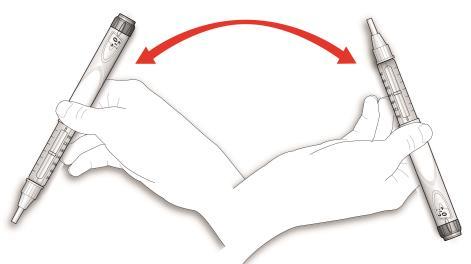
After mixing, check the appearance of your insulin. Insulin suspensions should
appear uniformly milky.
Point 2. Needle Insertion
Always use a new sterile needle for each injection. This will help prevent contamination and potential
needle blockages.
Before using the needle, carefully read the “Instructions for Use” for the needles.
Note: the needles shown are for illustrative purposes only.
- A.Remove the protective tab from the packaging of a new needle.
- B.Align the needle with the pen and keep it straight while inserting it onto the pen (screw on or press on, depending on the type of needle).
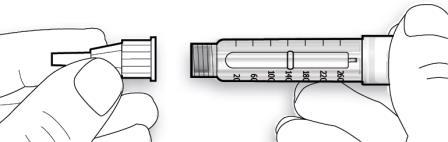
.
- If the needle is not held straight while being inserted, it may damage the rubber seal and cause leaks, or it may break the needle.
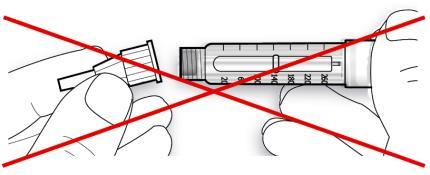
Point 3. Perform the safety test
Always perform the safety test before each injection. This ensures the delivery of a correct
dose because:
- ensures that the pen and needle are functioning correctly
- removes air bubbles
403
- A.Select a dosage of 2 units by rotating the dosage selector.
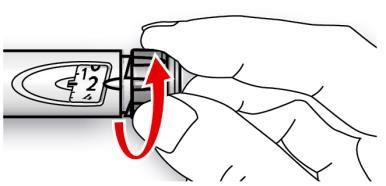
- B.Remove the outer cap of the needle and keep it to remove the used needle after the injection. Remove the inner cap of the needle and discard it.
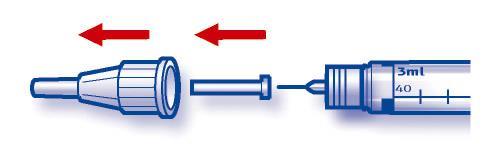
- C.Hold the pen in a vertical position with the needle pointing upwards.
- D.Tap the insulin reservoir with your finger so that any air bubbles rise to the needle.
- E.Press the injection button all the way down. Check that insulin comes out of the tip of the needle. Keep Discard
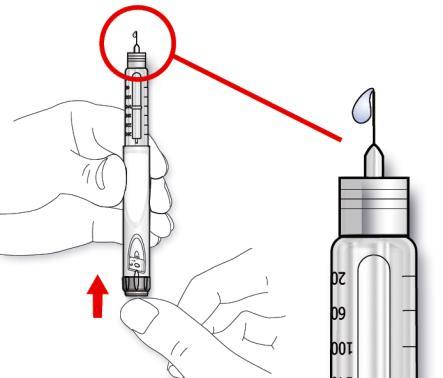
You may need to repeat the safety test several times before insulin comes out.
- If the insulin does not come out, check for air bubbles and repeat the safety test two or more times to remove them.
- If the insulin still does not come out, the needle may be blocked. Change the needle and try again.
- If the insulin still does not come out after changing the needle, the SoloStar may be damaged. Do not use this SoloStar.
Point 4. Dose Selection
The dose can be selected in 1-unit increments, from a minimum of 1 unit up to a maximum of 80
units. If a dose greater than 80 units is needed, it must be administered by two or more
injections.
- A.Check that the dosage window shows “0” at the end of the safety test.
- B.Select the required dose (in the example below, the selected dose is 30 units). If a higher dose has been selected, you can rotate the dosage selector in the opposite direction.
404
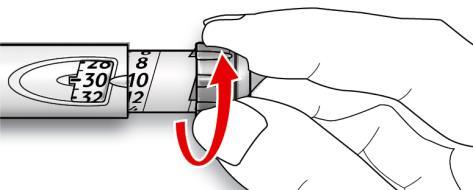
- Do not push the injection button while rotating it, as insulin will come out.
- You cannot rotate the dosage selector beyond the number of units remaining in the pen. Do not force the dosage selector further. In this case, you can inject what remains in the pen and complete the dose with a new SoloStar or use a new SoloStar for the entire dose.
Point 5. Injecting the dose
- A.Use the injection technique as instructed by your doctor, pharmacist or nurse.
- B.Insert the needle into the skin.
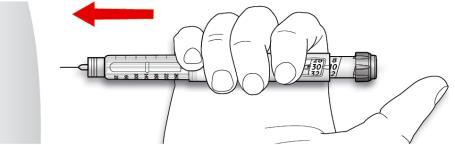
- C.Administer the dosage by pressing the injection button all the way down. The number that appears in the dosage window will return to “0” during the injection.
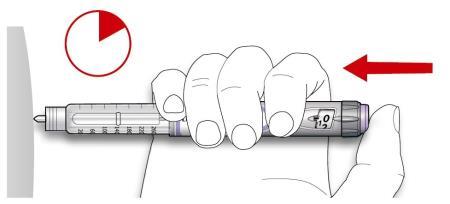
- D.Keep the injection button pressed all the way down. Count slowly to 10 before removing the needle from the
skin. This ensures that the entire dose of insulin has been injected.
The pen plunger moves with each dose. The plunger reaches the end of the cartridge when
a total of 300 units of insulin have been used.
Point 6. Removing and disposing of the needle
Always remove the needle after each injection and store SoloStar without the needle inserted.
This helps prevent:
- contamination and/or infection,
- air from entering the insulin reservoir and insulin leakage, which can cause inaccurate dosing.
- A.Put the outer cap back on the needle and use it to unscrew the needle from the pen. To reduce the risk of accidental needle injury, never reposition the inner cap of the needle.
- If the injection is given by another person, or if you are giving the injection to another person, you must take particular care when removing and disposing of the needle. Follow the 405
recommended safety measures for removing and disposing of needles (ask your doctor,
pharmacist or nurse) to reduce the risk of accidental needle injury and transmission of
infectious diseases.
- B.Dispose of the needle safely.
- C.Always reposition the cap on the pen, then store the pen until the next injection.
Storage Instructions
Refer to the back of this sheet (insulin) for instructions on how to store SoloStar.
If your SoloStar is stored in the refrigerator, remove it 1-2 hours before the injection so that it can
warm up to room temperature. Injecting cold insulin is more painful
Dispose of your used SoloStar in accordance with local legal requirements.
Maintenance
SoloStar must be protected from dust and dirt.
The outside of SoloStar can be cleaned with a damp cloth.
Do not wet, wash or lubricate the pen as this may damage it.
Your SoloStar is designed to operate safely and accurately. It must be handled with care.
Situations in which SoloStar could be damaged must be avoided. If you are concerned that SoloStar is
damaged, use a new one.
406
Insuman Comb 30 100 IU/ml injectable suspension in a vial
Human insulin
Read this leaflet carefully before you start using this medicine as it contains important
information for you.
- Keep this leaflet. You may need to read it again.
- If you have any questions, ask your doctor, pharmacist or nurse.
- This medicine has been prescribed for you only. Do not pass it on to others, even if they have the same symptoms as you, as it may be harmful.
- If you get any side effects, even those not listed in this leaflet, tell your doctor, pharmacist or nurse. See section 4.
Contents of this leaflet:
- 1. What Insuman Comb 30 is and what it is used for
- 2. What you need to know before you use Insuman Comb 30
- 3. How to use Insuman Comb 30
- 4. Possible side effects
- 5. How to store Insuman Comb 30
- 6. Contents of the pack and other information
1. What is Insuman Comb 30 and what is it used for
Insuman Comb 30 contains the active ingredient human insulin, which is produced by a biotechnological process and is identical to the insulin found in our body.
Insuman Comb 30 is an insulin preparation with a gradual onset of action and a long duration of action.
Insuman Comb 30 is used to lower high blood sugar levels in patients with
diabetes mellitus who require insulin supplementation. Diabetes mellitus is a disease in which the body
does not produce enough insulin to control blood sugar levels.
2. What you need to know before using Insuman Comb 30
Do not use Insuman Comb 30
If you are allergic (hypersensitive) to insulin or any of the other ingredients of this medicine
(listed in section 6).
Warnings and precautions
Talk to your doctor, pharmacist or nurse before using Insuman Comb 30.
Follow the instructions your doctor has given you carefully regarding the dose, the checks to be performed (on blood
and urine), diet and physical activity (work and exercise).
Tell your doctor if you are allergic to this medicine or to animal insulins.
Special patient groups
If you have liver or kidney problems, or if you are elderly, consult your doctor because you may need a lower
dose.
Skin changes at the injection site:
407
The injection site must be rotated to prevent skin changes, such as the appearance of nodules
under the skin. Insulin may not work as well as it should if you inject into an area with
nodules (see section How to use Insuman Comb 30). If you are currently injecting into an area with
nodules, talk to your doctor before starting to inject into another area. Your doctor may
ask you to check your blood sugar more carefully and adjust the dose of insulin or other antidiabetic medicines.
Travel
Consult your doctor before starting a trip. You may need to discuss the following aspects:
- availability of insulin in the destination country,
- sufficient supplies of insulin, syringes, etc.,
- correct storage of insulin during the trip,
- interval between meals and insulin administration during the trip,
- possible effects of the time zone change,
- possible risks of contracting new diseases in the countries visited.
- what to do in emergency situations if you do not feel well or become ill.
Illnesses and injuries
In the following situations, blood sugar control may require close attention:
- If you are sick or have serious injuries, there is a risk that your blood sugar level will increase (hyperglycemia).
- If you do not eat enough, there is a risk that your blood sugar level will decrease (hypoglycemia). In most cases, medical intervention is necessary. Contact your doctor quickly.
Also, if you suffer from type 1 diabetes (insulin-dependent diabetes mellitus), do not stop treatment with
insulin or carbohydrate intake. It is necessary to inform people close to you about your
need for insulin.
Some patients with long-lasting type 2 diabetes mellitus and heart disease or with a previous stroke,
treated with pioglitazone and insulin have developed heart failure. Inform your doctor as soon as possible
if you have signs of heart failure such as unusually short breath or rapid weight gain or
localized swelling (edema).
Other medicines and Insuman Comb 30
Some medicines can cause changes in blood sugar levels (reduction or increase
or both depending on the situation). In any case, optimization of the insulin dose is necessary to
avoid blood sugar levels that are too low or too high. Be careful when starting or
stopping the use of another medicine.
Tell your doctor or pharmacist if you are taking, have recently taken or may take any
other medicine. Before taking a medicine, ask your doctor if it can affect blood sugar and if
countermeasures are necessary.
Medicines that can cause a decrease in blood sugar levels (hypoglycemia)
include:
- all other medicines used to treat diabetes,
- angiotensin converting enzyme (ACE) inhibitors (used to treat certain heart conditions or high blood pressure),
- disopyramide (used to treat certain heart conditions),
- fluoxetine (used to treat depression),
- fibrates (used to lower high levels of fats in the blood),
- monoamine oxidase (MAO) inhibitors (used to treat depression), 408
- pentoxifylline, propoxyphene, salicylates (such as aspirin, used to relieve pain and reduce fever),
- sulfonamide antibiotics.
Medicines that can cause an increase in blood sugar levels (hyperglycemia) include:
- corticosteroids (such as "cortisone", used to treat inflammation),
- danazol (a medicine that affects ovulation),
- diazoxide (used to treat high blood pressure),
- diuretics (used to treat high blood pressure or excessive fluid retention),
- glucagon (pancreatic hormone used to treat severe hypoglycemia, i.e. low blood sugar levels),
- isoniazid (used to treat tuberculosis),
- estrogens and progestogens (such as in the birth control pill used for contraception),
- phenothiazine derivatives (used to treat psychiatric disorders),
- somatropin (growth hormone),
- sympathomimetic medicines (such as epinephrine [adrenaline], salbutamol, terbutaline used to treat asthma),
- thyroid hormones (used to treat thyroid disorders),
- protease inhibitors (used to treat HIV),
- atypical antipsychotic medicines (such as olanzapine and clozapine).
Blood sugar levels may decrease or increase if you take:
- beta-blockers (used to treat high blood pressure),
- clonidine (used to treat high blood pressure),
- lithium salts (used to treat psychiatric disorders). Pentamidine (used to treat some infections caused by parasites) can cause hypoglycemia, sometimes followed by hyperglycemia.
Beta-blockers as well as other sympatholytic medicines (such as clonidine, guanethidine and reserpine) can
reduce or completely eliminate the warning signs that help you recognize hypoglycemia.
If you are not sure if you are taking one of these medicines, ask your doctor or pharmacist.
Insuman Comb 30 with alcohol
Blood sugar levels may decrease or increase if you drink alcohol.
Pregnancy and breastfeeding
If you are pregnant, suspect you are pregnant or are planning a pregnancy, or if you are breastfeeding with breast
milk, ask your doctor or pharmacist for advice before using this medicine.
Tell your doctor if you are planning a pregnancy or are already pregnant. It may be
necessary to adjust the dose of insulin during pregnancy and after delivery. It is important to control
diabetes carefully and prevent hypoglycemia for the health of the baby. However, there is no experience with
the use of Insuman Comb 30 during pregnancy.
If you are breastfeeding, consult your doctor, as adjustments to the insulin dose and
diet may be necessary.
Driving and using machines
Your ability to concentrate or react may be reduced in case of:
- hypoglycemia (low blood sugar levels),
- hyperglycemia (high blood sugar levels),
- vision problems. 409
Keep this possibility in mind in all situations where you could pose a risk to yourself and others (such as driving a car or using machinery). Ask your
doctor for advice on whether it is appropriate for you to drive if:
- you have frequent hypoglycemic attacks,
- the typical signs that help you identify hypoglycemia are reduced or absent.
Important information about some ingredients of Insuman Comb 30
This medicine contains less than 1 mmol (23 mg) of sodium per dose, i.e. it is essentially ‘sodium-free’.
3. How to use Insuman Comb 30
Dose
Use this medicine following exactly the instructions of your doctor. If you have any doubts, consult your doctor
or pharmacist.
Based on your lifestyle and the results of tests for your blood sugar level (glycemia), the doctor will:
- establish the daily amount of Insuman Comb 30 you need,
- inform you of when you should check your blood sugar and, if necessary, when to perform urine tests,
- inform you if a lower or higher dose of Insuman Comb 30 is necessary.
Many factors can influence your blood sugar levels. It is advisable that you know these
factors so that you can act appropriately in case of changes in blood sugar levels and
thus avoid them becoming too high or too low. For further information, see the box
at the end of this leaflet.
Frequency of administration
Insuman Comb 30 is injected subcutaneously 30 – 45 minutes before a meal.
Method of administration
Insuman Comb 30 is a liquid (suspension) for subcutaneous injection.
DO NOT inject Insuman Comb 30 into a vein (blood vessel).
The doctor will indicate which area of the skin you should inject the insulin into. For each injection, change the injection site
within the chosen skin area.
Do not use Insuman Comb 30 in insulin pumps - special insulin preparations are available for use with such devices.
How to handle the vials
Insuman Comb 30 contains 100 IU of insulin per ml. Only syringes for injection suitable for this
concentration (100 IU per ml) must be used. Injection syringes must not contain other
medicines or their residues (such as traces of heparin).
Before drawing up the insulin for the first time, remove the tear-off safety cap
from the vial.
Immediately before each injection, mix the insulin well. To do this, rotate the vial
diagonally between the palms of your hands. Do not shake the
410
vial vigorously as this may damage the insulin and cause foaming. Foam may
interfere with correct dose measurement.
After mixing, the liquid should appear uniformly milky. It should not be used if the
suspension remains clear or, for example, if small lumps, particles or flakes or similar form
inside or on the wall or bottom of the vial. In these cases, another vial should be used whose
contents have a uniform appearance.
Always use a new vial if you notice that your blood sugar control has
unexpectedly worsened. This is because the insulin may have lost some of its effectiveness. If you think
you may have a problem with the insulin, have it checked by your doctor or pharmacist.
Special precautions before injection
Air bubbles must be removed before injection. Make sure that neither alcohol nor other disinfectants
or other contaminants contaminate the insulin. Do not mix the insulin with other medicines, except for the
human insulin formulations listed below.
Insuman Comb 30 can be mixed with all human insulin formulations, EXCEPT those
specifically intended for use in insulin pumps. Also, do NOT mix with animal insulins or insulin analogues.
The doctor will tell you if it is necessary to mix insulins. If it is necessary to inject a mixture, draw the other
insulin into the injection syringe before Insuman Comb 30. Proceed with the injection immediately after
mixing. Do not mix insulins with different concentrations (e.g. 100 IU per ml and 40 IU per ml).
If you use more Insuman Comb 30 than you should
- -If you have injected too high a dose of Insuman Comb 30, your blood sugar levels may become too low (hypoglycemia). Check your blood sugar frequently. In general, to prevent hypoglycemia, you should consume more substantial meals and check your blood sugar. For information on treating hypoglycemia, see the box at the end of this leaflet.
If you forget to use Insuman Comb 30
- If you have forgotten a dose of Insuman Comb 30or have not injected enough insulin, your blood sugar levels may become too high (hyperglycemia). Check your blood sugar frequently. For information on treating hyperglycemia, see the box at the end of this leaflet.
- Do not take a double dose to make up for a missed dose.
If you stop treatment with Insuman Comb 30
This can lead to severe hyperglycemia (very high blood sugar levels) and ketoacidosis (build-up
of acid in the blood because the body is metabolizing fat instead of sugar). Do not stop Insuman
Comb 30 without consulting a doctor who will tell you what is necessary to do.
If you have any doubts about using this medicine, ask your doctor, pharmacist or nurse.
Insulin exchanges
You must always check the insulin label before each injection to avoid exchanging medicine between
Insuman Comb 30 and other insulins.
4. Possible side effects
Like all medicines, this medicine can cause side effects, although not everybody gets them.
411
More serious side effects
Side effects reported uncommonly(may affect up to 1 in 100 people)
- Severe allergic reactions with low blood pressure(shock)
Side effects reported with frequency not known(cannot be estimated from available data)
- The most frequent side effect is hypoglycemia(low blood sugar levels). Severe hypoglycemic episodes can cause heart attack or brain damage and can be life-threatening. For further information on the side effects of low blood sugar levels or high blood sugar levels see the box at the end of this leaflet.
- Severe, widespread allergic reactions to insulincan occur, which may be life-threatening. Such reactions to insulin or excipients can cause extensive skin reactions (rashes and itching all over the body), severe swelling of the skin or mucous membranes (angioedema), shortness of breath, low blood pressure with rapid heartbeat and sweating
Other side effects
Side effects reported commonly(may affect up to 1 in 10 people)
- Edema Treatment with insulin can lead to temporary increased retention of fluid in the body with swelling in the calf and ankle areas.
- Reactions at the injection site
Side effects reported uncommonly
- Urticaria at the injection site (itchy rash)
Side effects reported with frequency not known
- Sodium retention
- Eye reactions A marked change (improvement or worsening) in blood sugar levels can temporarily disturb vision. If you suffer from proliferative retinopathy (an eye disease associated with diabetes) severe hypoglycemic episodes can cause temporary loss of vision.
- Changes in the skin at the injection site: If you inject insulin too often into the same place, the fatty tissue may become thinner (lipoatrophy) or thicker (lipohypertrophy). Lumps under the skin can also be caused by the build-up of a protein called amyloid (cutaneous amyloidosis: it is not known how often this occurs). Insulin may not work as well as it should if you inject into an area with lumps. Change the injection site with each injection to prevent these skin changes.
- Skin and allergic reactions Other mild reactions may occur at the injection site (such as redness at the injection site, unusually intense pain at the injection site, itching, swelling at the injection site or inflammation at the injection site). These disturbances can spread around the injection site. Most minor reactions to insulin resolve within a few days or within a few weeks.
- Anti-insulin antibodies Treatment with insulin can lead to the formation of anti-insulin antibodies (substances that act against insulin). Only rarely does the presence of such antibodies require an adjustment of the insulin dose.
Reporting of side effects
If you get any side effects, even those not listed in this leaflet, tell your
doctor, pharmacist or nurse. You can also report side effects directly through the
national reporting system listed in Annex V.
412
By reporting side effects you can help provide more information on the safety of
this medicine.
5. How to store Insuman Comb 30
Keep this medicine out of the sight and reach of children.
Do not use this medicine after the expiry date which is stated on the pack and on the vial label
after “Expiry”/ “Exp”. The expiry date refers to the last day of that month.
Unused vials:
Store in a refrigerator (2°C - 8°C). Do not freeze. Do not place Insuman Comb 30 in direct contact with the
freezer compartment or with cooling packs. Store the vial in the outer packaging to
protect the medicine from light.
Opened vials:
Once opened, the vial can be stored for a maximum of 4 weeks at a temperature not
exceeding 25°C, protected from a direct heat source (e.g. radiator) or direct light (direct sunlight or lamp) in the outer packaging. Do not use the vial after this period. It is recommended to
write the date of first use on the label itself.
Do not dispose of any medicine in waste water or household waste. Ask your pharmacist how to dispose of
medicines you no longer use. This will help protect the environment.
6. Content of the pack and other information
What Insuman Comb 30 contains
- The active ingredient is human insulin. 1 ml of Insuman Comb 30 contains 100 IU (International Units) of the active ingredient human insulin. 30% of the insulin is dissolved in water; the remaining 70% is present as fine crystals of protamine insulin.
- The other components are: protamine sulfate, meta-cresol, phenol, zinc chloride, disodium hydrogen phosphate dihydrate, glycerol, sodium hydroxide (see section 2 in “Important information about certain components of Insuman Comb 30”), hydrochloric acid (for pH adjustment) and water for injections.
Description of the appearance of Insuman Comb 30 and contents of the pack
After mixing, Insuman Comb 30 is a uniformly milky liquid (injectable suspension),
without clumps, flakes or visible particles.
Insuman Comb 30 is supplied in vials containing 5 ml of injectable suspension (equivalent to 500 IU)
or 10 ml of injectable suspension (equivalent to 1000 IU). Packs of 1 and 5 vials of
5 ml or 10 ml are available. Not all pack sizes may be marketed.
Marketing authorisation holder and manufacturer
Sanofi-Aventis Deutschland GmbH
D-65926 Frankfurt am Main
Germany.
For further information on this medicine, contact the local representative of the marketing
authorisation holder.
België/Belgique/Belgien
Sanofi Belgium
Tél/Tel: +32 (0)2 710 54 00
Lietuva
Swixx Biopharma UAB
Tel: +370 5 236 91 40
413
България
Swixx Biopharma EOOD
Тел.: +359 (0)2 4942 480
Luxembourg/Luxemburg
Sanofi Belgium
Tél/Tel: +32 (0)2 710 54 00 (Belgique/Belgien)
Česká republika
sanofi-aventis, s.r.o.
Tel: +420 233 086 111
Magyarország
SANOFI-AVENTIS Zrt.
Tel.: +36 1 505 0050
Danmark
sanofi A/S
Tlf: +45 45 16 70 00
Malta
Sanofi S.r.l.
Tel: +39 02 39394275
Deutschland
Sanofi-Aventis Deutschland GmbH
Tel: 0800 52 52 010
Tel. aus dem Ausland: +49 69 305 21 131
Nederland
Sanofi B.V
Tel: +31 20 245 4000
Eesti
Swixx Biopharma OÜ
Tel: +372 640 10 30
Norge
sanofi-aventis Norge AS
Tlf: +47 67 10 71 00
Ελλάδα
Sanofi-Aventis AEBE
Τηλ: +30 210 900 16 00
Österreich
sanofi-aventis GmbH
Tel: +43 1 80 185 – 0
España
sanofi-aventis, S.A.
Tel: +34 93 485 94 00
Polska
sanofi-aventis Sp. z o.o.
Tel.: +48 22 280 00 00
France
Sanofi Winthrop Industrie
Tél: 0 800 222 555
Appel depuis l’étranger : +33 1 57 63 23 23
Portugal
Sanofi - Produtos Farmacêuticos, Lda.
Tel: +351 21 35 89 400
Hrvatska
Swixx Biopharma d.o.o.
Tel: +385 1 2078 500
România
Sanofi Romania SRL
Tel: +40 (0) 21 317 31 36
Ireland
sanofi-aventis Ireland Ltd. T/A SANOFI
Tel: +353 (0) 1 403 56 00
Slovenija
Swixx Biopharma d.o.o.
Tel: +386 1 235 51 00
Ísland
Vistor hf.
Sími: +354 535 7000
Slovenská republika
Swixx Biopharma s.r.o.
Tel: +421 2 208 33 600
Italia
Sanofi S.r.l.
Tel: 800 13 12 12 (technical inquiries)
800 536389 (other inquiries)
Suomi/Finland
Sanofi Oy
Puh/Tel: +358 (0) 201 200 300
Κύπρος
C.A. Papaellinas Ltd.
Τηλ: +357 22 741741
Sverige
Sanofi AB
Tel: +46 (0)8 634 50 00
414
Latvija
Swixx Biopharma SIA
Tel: +371 6 616 47 50
United Kingdom (Northern Ireland)
sanofi-aventis Ireland Ltd. T/A SANOFI
Tel: +44 (0) 800 035 2525
Other sources of information
More detailed information on this medicine is available on the website of the European Medicines
Agency: http://www.ema.europa.eu/
HYPERGLYCEMIA AND HYPOGLYCEMIA
Always carry some sugar with you (at least 20 grams).
Carry information indicating that you have diabetes.
HYPERGLYCEMIA (high blood sugar levels)
If your blood sugar levels are too high (hyperglycemia),you may not have injected
enough insulin.
Why does hyperglycemia occur?
Examples include:
- you have not injected insulin or administered an insufficient amount, or when the insulin becomes less effective (e.g. because it was not stored correctly),
- you are doing less exercise than usual, or are particularly stressed (emotionally or physically), or in cases of injury, surgery, infection or fever,
- you are taking or have taken certain other medicines (see section 2, “Other medicines and Insuman Comb 30”).
Warning signs of hyperglycemia
Thirst, increased need to urinate, weakness, dry skin, flushing of the face, loss of appetite,
lowering of blood pressure, rapid heartbeat and the presence of glucose or ketones in the urine.
Abdominal pain, deep and rapid breathing, drowsiness or even loss of consciousness may
indicate a serious condition (ketoacidosis) resulting from insulin deficiency.
What should you do in case of hyperglycemia?
Check your blood sugar and the possible presence of ketones in your
urine as soon as possible if you experience any of the symptoms reported above.Severe hyperglycemia or ketoacidosis
must always be treated by a doctor, generally in a hospital setting.
HYPOGLYCEMIA (low blood sugar levels)
If your blood sugar levels drop too low, you may lose consciousness. Severe hypoglycemic episodes
can cause heart attack or brain damage and can be life-threatening. Generally you
should be able to recognize when your blood sugar levels are dropping too low, so
you can take appropriate precautions.
415
Why does hypoglycemia occur?
Examples include:
- you have injected too much insulin,
- you have skipped or delayed meals,
- you are not eating enough or the food consumed contains a lower amount of carbohydrates than normally consumed (carbohydrates are sugar and sugar-like substances; however, artificial sweeteners are NOT carbohydrates),
- you have lost carbohydrates due to vomiting or diarrhea,
- you drink alcoholic beverages, especially if you are eating little,
- you are doing more exercise than usual, or a different type of activity,
- you are recovering from injuries, surgery or stress,
- you are recovering from an illness or fever,
- you are taking or have taken certain other medicines (see section 2, “Other medicines and Insuman Comb 30”).
Hypoglycemia can also occur more easily if:
- you are at the beginning of treatment with insulin or have switched to a different type of insulin,
- your blood sugar levels are almost normal or show variations,
- you have changed the area of the skin where you inject insulin (e.g. from the thigh to the upper arm),
- you suffer from severe kidney or liver disease, or other diseases such as hypothyroidism.
Warning signs of hypoglycemia
- In the body Examples of symptoms indicating that blood sugar levels are dropping too low or too quickly: sweating, clammy skin, anxiety, rapid heartbeat, high blood pressure, palpitations and irregular heartbeat. These symptoms can often develop before those indicating a reduction in brain sugar levels.
- In the brain Examples of symptoms indicating a reduction in brain sugar levels: headache, insatiable hunger, nausea, vomiting, fatigue, drowsiness, sleep disturbances, restlessness, aggressiveness, difficulty concentrating, reduced ability to react, depressed mood, confusion, difficulty speaking (sometimes aphasia), visual disturbances, tremor, paralysis, sensory disturbances (paresthesia), tingling and numbness of the mouth, dizziness, loss of self-control, inability to care for oneself, convulsions, loss of consciousness.
The early characteristic symptoms of a state of hypoglycemia ("warning symptoms") may vary, be
less noticeable or even completely absent if:
- you are elderly, have had diabetes for a long time or suffer from a certain type of neurological disease (diabetic autonomic neuropathy),
- after a recent hypoglycemic episode (e.g. the day before) or if hypoglycemia appears slowly,
- blood glucose levels are almost normal or at least significantly improved,
- you have recently switched from animal insulin to human insulin such as Insuman,
- you are taking or have taken certain other medicines (see section 2, “Other medicines and Insuman Comb 30”).
In these cases, a severe hypoglycemia (even with loss of consciousness) may develop without
recognizing it in time. Therefore, learn to recognize the warning symptoms of hypoglycemia. If necessary,
more frequent blood sugar checks may be helpful in identifying mild hypoglycemic episodes that might otherwise go unnoticed. If you are unable to recognize the warning symptoms of
hypoglycemia, avoid all those situations (such as driving) that may be
risky for you and others due to hypoglycemia.
416
What should you do in case of hypoglycemia?
- 1. Do not inject insulin. Immediately take 10 to 20 g of sugar, such as glucose, sugar cubes or a sugary drink. Caution: artificial sweeteners and foods containing artificial sweeteners (such as diet drinks) do not help treat hypoglycemia.
- 2. Then consume food that can cause a release of sugar into the blood for a long period of time (such as bread or pasta). Your doctor or nurse should have previously discussed these measures with you.
- 3. If another hypoglycemia occurs, take another 10 to 20 g of sugar again.
- 4. Talk to your doctor as soon as you notice an inability to control hypoglycemia or if it occurs again.
Inform your relatives, friends and colleagues who are close to you that:
If you are unable to swallow or lose consciousness, action must be taken with an injection of glucose or
glucagon (a medicine that increases blood sugar levels). These injections are also justified
even if you are not sure that a hypoglycemic event has occurred.
It is advisable to check blood sugar immediately after taking sugar to confirm
that a hypoglycemic episode was occurring.
417
Insuman Comb 30 100 IU/ml injectable suspension in a cartridge
Human insulin
Read this leaflet carefully before you start using this medicine as it contains important
information for you. Instructions for using the insulin pen are provided with your insulin pen.
Refer to these before using your medicine.
- Keep this leaflet. You may need to read it again.
- If you have any questions, ask your doctor, pharmacist or nurse.
- This medicine has been prescribed for you only. Do not pass it on to others, even if their symptoms are the same as yours, as it could be harmful.
- If you get any side effects, even those not listed in this leaflet, tell your doctor, pharmacist or nurse. See section 4.
Contents of this leaflet:
- 1. What Insuman Comb 30 is and what it is used for
- 2. What you need to know before you use Insuman Comb 30
- 3. How to use Insuman Comb 30
- 4. Possible side effects
- 5. How to store Insuman Comb 30
- 6. Contents of the pack and other information
1. What is Insuman Comb 30 and what is it used for
Insuman Comb 30 contains the active ingredient human insulin, which is produced by a biotechnological process and is identical to the insulin found in our body.
Insuman Comb 30 is an insulin preparation with a gradual onset of action and a long duration of action.
Insuman Comb 30 is used to lower high blood sugar levels in patients with
diabetes mellitus who require insulin supplementation. Diabetes mellitus is a disease in which the body
does not produce enough insulin to control blood sugar levels.
2. What you need to know before using Insuman Comb 30
Do not use Insuman Comb 30
If you are allergic (hypersensitive) to insulin or to any of the other ingredients of this medicine
(listed in section 6).
Warnings and precautions
Insuman Comb 30 in cartridges is only suitable for subcutaneous injections with a reusable pen
(see also section 3). Talk to your doctor if you need to inject the insulin in a different way.
Consult your doctor, pharmacist or nurse before using Insuman Comb 30.
Follow the instructions given to you by your doctor regarding the dose, checks to be performed (on blood
and urine), diet and physical activity (work and exercise) very carefully.
Tell your doctor if you are allergic to this medicine or to animal insulins.
Special patient groups
418
If you have liver or kidney problems, or if you are elderly, consult your doctor as you may need a lower
dose.
Skin changes at the injection site:
The injection site must be rotated to prevent skin changes, such as the appearance of nodules
under the skin. Insulin may not work as well as it should if you inject into an area with
nodules (see section How to use Insuman Comb 30). If you are currently injecting into an area with
nodules, consult your doctor before starting to inject into another area. Your doctor may
advise you to check your blood glucose more carefully and adjust your insulin or other antidiabetic medicines.
Travel
Consult your doctor before starting a trip. You may need to discuss the following aspects:
- availability of insulin in the destination country,
- sufficient supplies of insulin, needles, etc.,
- correct storage of insulin during the trip,
- interval between meals and insulin administration during the trip,
- possible effects of the time zone change,
- possible risks of contracting new diseases in the countries visited.
- what to do in emergency situations if you do not feel well or become ill.
Illnesses and injuries
In the following situations, controlling diabetes may require a lot of attention:
- If you are ill or have serious injuries, there is a risk that your blood sugar level will increase (hyperglycemia).
- If you do not eat enough, there is a risk that your blood sugar level will decrease (hypoglycemia). In most cases, medical intervention is necessary. Contact your doctor quickly.
Also, if you suffer from type 1 diabetes (insulin-dependent diabetes mellitus), do not stop treatment with
insulin or carbohydrate intake. It is necessary to keep people close to you informed of your
need for insulin.
Some patients with long-lasting type 2 diabetes mellitus and heart disease or with a previous stroke,
treated with pioglitazone and insulin have developed heart failure. Inform your doctor as soon as possible
if you have signs of heart failure such as unusually short breath or rapid weight gain or localized swelling (edema).
Other medicines and Insuman Comb 30
Some medicines can cause changes in blood sugar levels (reduction or increase
or both depending on the situation). In any case, optimization of the insulin dose is necessary to
avoid blood sugar levels that are too low or too high. Be careful when starting or
stopping another medicine.
Tell your doctor or pharmacist if you are taking, have recently taken or may take any
other medicine. Before taking a medicine, ask your doctor if it can affect blood sugar and if
countermeasures are necessary.
Medicines that can cause a decrease in blood sugar levels (hypoglycemia)
include:
- all other medicines used to treat diabetes,
- angiotensin converting enzyme (ACE) inhibitors (used to treat some heart conditions or high blood pressure), 419
- disopyramide (used to treat some heart conditions),
- fluoxetine (used to treat depression),
- fibrates (used to lower high levels of fats in the blood),
- monoamine oxidase (MAO) inhibitors (used to treat depression),
- pentoxifylline, propoxyphene, salicylates (such as aspirin, used to relieve pain and reduce fever),
- sulfonamide antibiotics.
Medicines that can cause an increase in blood sugar levels (hyperglycemia) include:
- corticosteroids (such as "cortisone", used to treat inflammation),
- danazol (a medicine that acts on ovulation),
- diazoxide (used to treat high blood pressure),
- diuretics (used to treat high blood pressure or excessive fluid retention),
- glucagon (pancreatic hormone used to treat severe hypoglycemia, i.e. low blood sugar levels),
- isoniazid (used to treat tuberculosis),
- estrogens and progestogens (such as in the birth control pill used for birth control),
- phenothiazine derivatives (used to treat psychiatric disorders),
- somatropin (growth hormone),
- sympathomimetic medicines (such as epinephrine [adrenaline], salbutamol, terbutaline used to treat asthma),
- thyroid hormones (used to treat thyroid disorders),
- protease inhibitors (used to treat HIV),
- atypical antipsychotic medicines (such as olanzapine and clozapine).
Blood sugar levels may decrease or increase if you take:
- beta-blockers (used to treat high blood pressure),
- clonidine (used to treat high blood pressure),
- lithium salts (used to treat psychiatric disorders). Pentamidine (used to treat some infections caused by parasites) can cause hypoglycemia, sometimes followed by hyperglycemia.
Beta-blockers as well as other sympatholytic medicines (such as clonidine, guanethidine and reserpine) can
reduce or completely cancel the warning signs that help you recognize hypoglycemia.
If you are not sure if you are taking one of these medicines, ask your doctor or pharmacist.
Insuman Comb 30 with alcohol
Blood sugar levels may decrease or increase if you drink alcohol.
Pregnancy and breastfeeding
If you are pregnant, suspect you are pregnant or are planning to become pregnant, or if you are breastfeeding with breast
milk, ask your doctor or pharmacist for advice before using this medicine.
Tell your doctor if you are planning a pregnancy or are already pregnant. It may be
necessary to adjust the dose of insulin during pregnancy and after delivery. It is important to control
diabetes carefully and prevent hypoglycemia for the health of the baby. However, there is no experience with
the use of Insuman Comb 30 in pregnancy.
If you are breastfeeding, consult your doctor, as adjustments to the insulin dose and
diet may be necessary.
Driving and operating machinery
420
Your ability to concentrate or react may be reduced in case of:
- hypoglycemia (low blood sugar levels),
- hyperglycemia (high blood sugar levels),
- vision problems. Take into account the possibility that this may occur in all situations where you could pose a risk to yourself and others (such as driving a car or using machinery). Ask your doctor for advice on whether it is appropriate for you to drive if:
- you have frequent hypoglycemic attacks,
- the typical signs that help you identify hypoglycemia are reduced or absent.
Important information about some ingredients of Insuman Comb 30
This medicine contains less than 1 mmol (23 mg) of sodium per dose, i.e. it is essentially ‘sodium-free’.
3. How to use Insuman Comb 30
Dose
Use this medicine following exactly the instructions of your doctor. If you have any doubts, consult your doctor
or pharmacist.
Based on your lifestyle and the results of tests for your blood sugar level (glycemia), the doctor:
- will establish the daily amount of Insuman Comb 30 you need,
- will inform you of when you must check your blood sugar and, if necessary, when to perform urine tests,
- will inform you if a lower or higher dose of Insuman Comb 30 is necessary.
Many factors can influence your blood sugar levels. It is advisable that you know these
factors so that you can act appropriately in case of changes in blood sugar levels and
thus avoid them becoming too high or too low. For further information, see the box
at the end of this leaflet.
Frequency of administration
Insuman Comb 30 is injected subcutaneously 30 – 45 minutes before a meal.
Method of administration
Insuman Comb 30 is a liquid (suspension) for subcutaneous injection.
DO NOT inject Insuman Comb 30 into a vein (blood vessel).
The doctor will indicate which area of the skin you should inject the insulin into. For each injection, change the injection site
within the chosen skin area.
Do not use Insuman Comb 30 in insulin pumps - special insulin preparations are available for use with such devices.
How to handle the cartridges
Insuman Comb 30 in cartridges is suitable only for subcutaneous injections with a reusable pen. Talk
to your doctor if you need to inject insulin in another way.
To ensure the administration of the correct dose, the Insuman Comb 30 cartridges must be
used only with the following pens:
- JuniorStar for the administration of Insuman Comb 30 with dose increments of 0.5 units
- ClikSTAR, Tactipen, Autopen 24, AllStar or AllStar PRO for the administration of Insuman Comb 30 with dose increments of 1 unit.. 421
It is possible that not all pens are marketed in your country.
The pens must be used as recommended in the information provided by the device manufacturer. To load the cartridge, insert the injection needle and administer
the insulin injection, carefully follow the manufacturer's instructions for using the pen.
It is recommended to store the cartridge at room temperature for 1 or 2 hours before inserting it into the pen.
Mix the insulin well and check it before inserting it into the pen. Afterwards, the insulin must always be
mixed very well, immediately before each injection.
Mixing is best done by gently tilting the cartridge or pen (with the
cartridge inserted) back and forth at least 10 times. To facilitate mixing, each cartridge contains three small metal balls.
After mixing, the liquid should appear uniformly milky. It should not be used if the
suspension remains clear or, for example, if small lumps, particles or flakes or similar form
inside it or on the wall or bottom of the cartridge. In these cases, another cartridge should be used whose
contents have a uniform appearance.
Always use a new cartridge if you notice that your blood sugar control is
unexpectedly worsening. This is because the insulin may have lost some of its effectiveness. If you think
you may have a problem with the insulin, have it checked by your doctor or pharmacist.
Special precautions before injection
Air bubbles must be removed before injection (see the instructions for using the pen).
Make sure that neither alcohol nor other disinfectants nor other contaminating substances contaminate the insulin.
- Do not refill or reuse empty cartridges.
- Do not add other insulins to the cartridges.
- Do not mix the insulin with other medicines.
Problems with the pen?
Refer to the manufacturer's instructions for using the pen.
If the insulin pen is damaged or does not work properly (due to mechanical
defects) it must be discarded and a new insulin pen must be used.
If you use more Insuman Comb 30 than you should
- -If you have injected too high a dose of Insuman Comb 30, your blood sugar levels may become too low (hypoglycemia). Check your blood sugar frequently. In general, to prevent hypoglycemia, you should consume more substantial meals and check your blood sugar. For information on treating hypoglycemia, see the box at the end of this leaflet.
If you forget to use Insuman Comb 30
- If you have forgotten a dose of Insuman Comb 30or have not injected enough insulin, your blood sugar levels may become too high (hyperglycemia). Check your blood sugar frequently. For information on treating hyperglycemia, see the box at the end of this leaflet.
- Do not take a double dose to make up for a missed dose.
422
If you stop treatment with Insuman Comb 30
This can lead to severe hyperglycemia (very high blood sugar levels) and ketoacidosis (accumulation
of acid in the blood because the body is metabolizing fat instead of sugar). Do not stop Insuman
Comb 30 without consulting a doctor who will tell you what is necessary to do.
If you have any doubts about the use of this medicine, ask your doctor, pharmacist or nurse.
Insulin exchanges
You should always check the insulin label before each injection to avoid exchanging medicine between
Insuman Comb 30 and other insulins.
4. Possible side effects
Like all medicines, this medicine can cause side effects, although not everybody gets them.
More serious side effects
Side effects reported uncommonly(may affect up to 1 in 100 people)
- Severe allergic reactions with low blood pressure(shock)
Side effects reported with frequency not known(cannot be estimated from available data)
- The most common side effect is hypoglycemia(low blood sugar levels). Severe hypoglycemic episodes can cause myocardial infarction or brain damage and can be life-threatening. For further information on the side effects of low blood sugar levels or high blood sugar levels, see the section at the end of this leaflet.
- Severe, widespread allergic reactions to insulincan occur, which may be life-threatening. Such reactions to insulin or excipients may cause extensive skin reactions (rashes and itching all over the body), severe swelling of the skin or mucous membranes (angioedema), shortness of breath, low blood pressure with rapid heartbeat and sweating
Other side effects
Side effects reported commonly(may affect up to 1 in 10 people)
- Edema Treatment with insulin may lead to temporary fluid retention in the body with swelling in the calf and ankle areas.
- Reactions at the injection site
Side effects reported uncommonly
- Urticaria at the injection site (itchy rash)
Side effects reported with frequency not known
- Sodium retention
- Eye reactions A marked change (improvement or worsening) in blood sugar levels can temporarily disturb vision. If you suffer from proliferative retinopathy (an eye disease associated with diabetes), severe hypoglycemic episodes can cause temporary loss of vision.
- Skin changes at the injection site: If you inject insulin too often into the same place, the fatty tissue may thin (lipoatrophy) or thicken (lipohypertrophy). Lumps under the skin may also be caused by the accumulation of a protein called amyloid (cutaneous amyloidosis: it is not known how often this occurs). Insulin may not work as well as it should if you inject into an area with lumps. Change the injection site with each injection to prevent these skin changes. 423
- Skin and allergic reactions Other mild reactions may occur at the injection site (such as redness at the injection site, unusually intense pain at the injection site, itching, swelling at the injection site or inflammation at the injection site). These disturbances may spread around the injection site. Most minor reactions to insulin resolve within a few days or within a few weeks.
- Anti-insulin antibodies Treatment with insulin may lead to the formation of anti-insulin antibodies (substances that act against insulin). Only rarely does the presence of such antibodies necessitate an adjustment of the insulin dose.
Reporting of side effects
If you get any side effects, even those not listed in this leaflet, tell your
doctor, pharmacist or nurse. You can also report side effects directly through the
national reporting system listed in Annex V.
By reporting side effects you can help provide more information on the safety of
this medicine.
5. How to store Insuman Comb 30
Keep this medicine out of the sight and reach of children.
Do not use this medicine after the expiry date which is stated on the pack and on the cartridge label
after “Scad”/ “Exp”. The expiry date refers to the last day of that month.
Unused cartridges
Store in a refrigerator (2°C - 8°C). Do not freeze. Do not place Insuman Comb 30 in direct contact with the
freezer compartment or with cooling packs. Store the cartridge in the outer packaging to
protect the medicine from light.
Cartridges in use
Cartridges in use (in the insulin pen) or kept as “spare”, can be stored for a maximum
of 4 weeks at a temperature not exceeding 25°C, protected from a source of direct heat (e.g.
radiator) or direct light (direct sunlight or lamp). The cartridge in use must not be stored in
the refrigerator. Do not use the cartridge after this period.
Do not dispose of any medicine in waste water or household waste. Ask your pharmacist how to eliminate the
medicines that you no longer use. This will help protect the environment.
6. Contents of the pack and other information
What Insuman Comb 30 contains
- The active substance is human insulin. 1 ml of Insuman Comb 30 contains 100 IU (International Units) of the active substance human insulin. 30% of the insulin is dissolved in water; the remaining 70% is present as fine protamine insulin crystals.
- The other components are: protamine sulfate, meta-cresol, phenol, zinc chloride, disodium phosphate dihydrate, glycerol, sodium hydroxide (see section 2 in “Important information about certain components of Insuman Comb 30”), hydrochloric acid (for pH adjustment) and water for injections.
Description of the appearance of Insuman Comb 30 and contents of the pack
After mixing, Insuman Comb 30 is a uniformly milky liquid (injectable suspension),
without clumps, flakes or visible particles.
424
Insuman Comb 30 is supplied in cartridges containing 3 ml of suspension (300 IU). Packs of 3, 4, 5, 6, 9 and 10 cartridges of 3 ml are available.
Not all pack sizes may be marketed.
Marketing authorisation holder and manufacturer
Sanofi-Aventis Deutschland GmbH
D-65926 Frankfurt am Main
Germany.
For further information on this medicine, contact the local representative of the marketing authorisation holder:
België/Belgique/Belgien
Sanofi Belgium
Tél/Tel: +32 (0)2 710 54 00
Lietuva
Swixx Biopharma UAB
Tel: +370 5 236 91 40
България
Swixx Biopharma EOOD
Тел.: +359 (0)2 4942 480
Luxembourg/Luxemburg
Sanofi Belgium
Tél/Tel: +32 (0)2 710 54 00 (Belgique/Belgien)
Česká republika
sanofi-aventis, s.r.o.
Tel: +420 233 086 111
Magyarország
SANOFI-AVENTIS Zrt.
Tel.: +36 1 505 0050
Danmark
sanofi A/S
Tlf: +45 45 16 70 00
Malta
Sanofi S.r.l.
Tel: +39 02 39394275
Deutschland
Sanofi-Aventis Deutschland GmbH
Tel: 0800 52 52 010
Tel. aus dem Ausland: +49 69 305 21 131
Nederland
Sanofi B.V.
Tel: +31 20 245 4000
Eesti
Swixx Biopharma OÜ
Tel: +372 640 10 30
Norge
sanofi-aventis Norge AS
Tlf: +47 67 10 71 00
Ελλάδα
Sanofi-Aventis AEBE
Τηλ: +30 210 900 16 00
Österreich
sanofi-aventis GmbH
Tel: +43 1 80 185 – 0
España
sanofi-aventis, S.A.
Tel: +34 93 485 94 00
Polska
sanofi-aventis Sp. z o.o.
Tel.: +48 22 280 00 00
France
Sanofi Winthrop Industrie
Tél: 0 800 222 555
Appel depuis l’étranger : +33 1 57 63 23 23
Portugal
Sanofi - Produtos Farmacêuticos, Lda.
Tel: +351 21 35 89 400
425
Hrvatska
Swixx Biopharma d.o.o.
Tel: +385 1 2078 500
România
Sanofi Romania SRL
Tel: +40 (0) 21 317 31 36
Ireland
sanofi-aventis Ireland Ltd. T/A SANOFI
Tel: +353 (0) 1 403 56 00
Slovenija
Swixx Biopharma d.o.o.
Tel: +386 1 235 51 00
Ísland
Vistor hf.
Sími: +354 535 7000
Slovenská republika
Swixx Biopharma s.r.o.
Tel: +421 2 208 33 600
Italia
Sanofi S.r.l.
Tel: 800 13 12 12 (technical questions)
800 536389 (other questions)
Suomi/Finland
Sanofi Oy
Puh/Tel: +358 (0) 201 200 300
Κύπρος
C.A. Papaellinas Ltd.
Τηλ: +357 22 741741
Sverige
Sanofi AB
Tel: +46 (0)8 634 50 00
Latvija
Swixx Biopharma SIA
Tel: +371 6 616 47 50
United Kingdom (Northern Ireland)
sanofi-aventis Ireland Ltd. T/A SANOFI
Tel: +44 (0) 800 035 2525
Other sources of information
More detailed information on this medicine is available on the website of the European Medicines Agency: http://www.ema.europa.eu/
HYPERGLYCEMIA AND HYPOGLYCEMIA
Always carry some sugar with you (at least 20 grams).
Carry information indicating that you have diabetes.
HYPERGLYCEMIA (high blood sugar levels)
If your blood sugar levels are too high (hyperglycemia),you may not have injected
enough insulin.
Why does hyperglycemia occur?
Examples include:
- you did not inject insulin or administered an insufficient amount, or when the insulin becomes less effective (e.g. because it was not stored correctly),
- the insulin pen is not working properly,
- you are doing less exercise than usual, or are particularly stressed (emotionally or physically), or in cases of injury, surgery, infection or fever,
- you are taking or have taken certain other medicines (see section 2, “Other medicines and Insuman Comb 30”).
Warning signs of hyperglycemia
426
Thirst, increased need to urinate, weakness, dry skin, flushing of the face, loss of appetite,
low blood pressure, rapid heartbeat and the presence of glucose or ketones in the urine.
Abdominal pain, deep and rapid breathing, drowsiness or even loss of consciousness may
indicate a serious condition (ketoacidosis) resulting from insulin deficiency.
What should you do in case of hyperglycemia?
Check your blood sugar and the possible presence of ketones in your
urine as soon as possible if any of the symptoms mentioned above occur.Severe hyperglycemia or ketoacidosis
must always be treated by a doctor, usually in a hospital setting.
HYPOGLYCEMIA (low blood sugar levels)
If your blood sugar levels drop too low, you may lose consciousness. Severe hypoglycemic episodes
can cause heart attack or brain damage and can be life-threatening. You should generally be able to
recognize when your blood sugar levels are dropping too low, so you can take appropriate precautions.
Why does hypoglycemia occur?
Examples include:
- you injected too much insulin,
- you skipped or delayed meals,
- you are not eating enough or the food consumed contains less carbohydrates than usual (carbohydrates are sugar and sugar-like substances; however, artificial sweeteners are NOT carbohydrates),
- you have lost carbohydrates due to vomiting or diarrhea,
- you drink alcoholic beverages, especially if you are eating little,
- you are doing more exercise than usual, or a different type of activity,
- you are recovering from injuries, surgery or stress,
- you are recovering from an illness or fever,
- you are taking or have taken certain other medicines (see section 2, “Other medicines and Insuman Comb 30”).
Hypoglycemia can also occur more easily if:
- you are at the beginning of insulin treatment or have switched to a different type of insulin,
- your blood sugar levels are almost normal or show variations,
- you have changed the area of skin where you inject the insulin (e.g. from the thigh to the upper arm),
- you suffer from severe kidney or liver disease, or other diseases such as hypothyroidism.
Warning signs of hypoglycemia
- In the body Examples of symptoms indicating that blood sugar levels are dropping too low or too quickly: sweating, clammy skin, anxiety, rapid heartbeat, high blood pressure, palpitations and irregular heartbeat. These symptoms can often develop before those indicating a reduction in brain sugar levels.
- In the brain Examples of symptoms indicating a reduction in brain sugar levels: headache, insatiable hunger, nausea, vomiting, fatigue, drowsiness, sleep disturbances, restlessness, aggression, difficulty concentrating, reduced ability to react, depressed mood, confusion, difficulty speaking (sometimes aphasia), visual disturbances, tremor, paralysis, sensory disturbances (paresthesia), sensations of tingling and 427
numbness of the mouth, dizziness, loss of self-control, inability to care for oneself,
convulsions, loss of consciousness.
The early characteristic symptoms of a state of hypoglycemia ("warning symptoms") may vary, be
less noticeable or even completely absent if:
- you are elderly, have had diabetes for a long time or suffer from a certain type of neurological disease (diabetic autonomic neuropathy),
- after a recent hypoglycemic episode (e.g. the day before) or if hypoglycemia appears slowly,
- blood glucose levels are almost normal or at least significantly improved,
- you have recently switched from animal insulin to human insulin such as Insuman,
- you are taking or have taken certain other medicines (see section 2, “Other medicines and Insuman Comb 30”).
In these cases, a severe hypoglycemia (even with loss of consciousness) may develop without
recognizing it in time. Therefore, learn to recognize the warning signs of hypoglycemia. If necessary, more
frequent blood sugar checks may help identify mild hypoglycemic episodes that might otherwise go unnoticed. If you are unable to recognize the warning signs of hypoglycemia, avoid all those situations (such as driving a car) that may be
risky for you and others due to hypoglycemia.
What should you do in case of hypoglycemia?
- 1. Do not inject insulin. Immediately take 10 to 20 g of sugar, such as glucose, sugar cubes or a sugar-sweetened drink. Caution: artificial sweeteners and foods containing artificial sweeteners (such as diet drinks) do not help treat hypoglycemia.
- 2. Then consume food that can cause a long-lasting release of sugar into the blood (such as bread or pasta). Your doctor or nurse should discuss these measures with you in advance.
- 3. If another hypoglycemic episode occurs, take another 10 to 20 g of sugar again.
- 4. Talk to your doctor as soon as you realize you are unable to control hypoglycemia or if it happens again.
Inform your relatives, friends and colleagues close to you that:
If you are unable to swallow or lose consciousness, an injection of glucose or
glucagon (a medicine that increases blood sugar levels) is necessary. These injections are justified
even if you are not sure that a hypoglycemic event has occurred.
It is advisable to check blood sugar immediately after taking sugar to confirm
that a hypoglycemic episode was occurring.
428
Insuman Comb 30 SoloStar 100 IU/ml injectable suspension in a pre-filled pen
Human insulin
Read this leaflet carefully, including the instructions for use of the Insuman Comb 30 SoloStar pre-filled pen, before using this medicine as it contains important information for you.
- Keep this leaflet. You may need to read it again.
- If you have any questions, ask your doctor, pharmacist or nurse.
- This medicine has been prescribed for you only. Do not pass it on to others, even if they have the same symptoms as you, as it may be harmful.
- If any side effects occur, including those not listed in this leaflet, tell your doctor, pharmacist or nurse. See section 4.
Contents of this leaflet:
- 1. What Insuman Comb 30 is and what it is used for
- 2. What you need to know before you use Insuman Comb 30
- 3. How to use Insuman Comb 30
- 4. Possible side effects
- 5. How to store Insuman Comb 30
- 6. Contents of the pack and other information
1. What is Insuman Comb 30 and what it is used for
Insuman Comb 30 contains the active ingredient human insulin, which is produced by a biotechnological process and is identical to the insulin found in our body.
Insuman Comb 30 is an insulin preparation with a gradual onset of action and a long duration of action.
It is presented in cartridges contained in a disposable SoloStar pen injector.
Insuman Comb 30 is used to lower high blood sugar levels in patients with
diabetes mellitus who require insulin supplementation. Diabetes mellitus is a disease in which the body
does not produce enough insulin to control blood sugar levels.
2. What you need to know before using Insuman Comb 30
Do not use Insuman Comb 30
Insuman Comb 30 pre-filled pen is only suitable for subcutaneous injections (see also paragraph
3). Talk to your doctor if you need to inject insulin in a different way.
If you are allergic (hypersensitive) to insulin or to any of the other ingredients of this medicine
(listed in paragraph 6).
Warnings and precautions
Talk to your doctor, pharmacist or nurse before using Insuman Comb 30.
Follow the instructions given to you by your doctor strictly regarding the dose, checks to be performed (on blood
and urine), diet and physical activity (work and exercise), injection technique.
Tell your doctor if you are allergic to this medicine or to animal insulins.
Special patient groups
If you have liver or kidney problems, or if you are elderly, consult your doctor because you may need a lower
dose.
429
Skin changes at the injection site:
The injection site must be rotated to prevent skin changes, such as the appearance of nodules
under the skin. Insulin may not work as well as it should if you inject into an area with
nodules (see paragraph How to use Insuman Comb 30). If you are currently injecting into an area with
nodules, talk to your doctor before starting to inject into another area. Your doctor may
advise you to check your blood sugar more carefully and adjust your insulin or other antidiabetic
medicines.
Travel
Consult your doctor before starting a trip. You may need to discuss the following aspects:
- availability of insulin in the destination country,
- sufficient supplies of insulin, needles, etc.,
- correct storage of insulin during the trip,
- interval between meals and insulin administration during the trip,
- possible effects of the time zone change,
- possible risks of contracting new diseases in the countries visited.
- what to do in emergency situations if you do not feel well or become ill.
Illnesses and injuries
In the following situations, control of diabetes may require close attention:
- If you are ill or have serious injuries, there is a risk that your blood sugar level will increase (hyperglycemia).
- If you do not eat enough, there is a risk that your blood sugar level will decrease (hypoglycemia). In most cases, medical intervention is necessary. Contact your doctor quickly.
Also, if you suffer from type 1 diabetes (insulin-dependent diabetes mellitus), do not stop treatment with
insulin or carbohydrate intake. It is necessary to keep people close to you informed of your
need for insulin.
Some patients with long-lasting type 2 diabetes mellitus and heart disease or with a history of stroke,
treated with pioglitazone and insulin have developed heart failure. Inform your doctor as soon as possible
if you have signs of heart failure such as unusually short breath or rapid weight gain or
localized swelling (edema).
Other medicines and Insuman Comb 30
Some medicines can cause changes in blood sugar levels (reduction or increase
or both depending on the situation). In any case, optimization of the insulin dose is necessary to
avoid blood sugar levels that are too low or too high. Be careful when starting or
stopping another medicine.
Tell your doctor or pharmacist if you are taking, have recently taken or may take any
other medicine. Before taking a medicine, ask your doctor if it can affect blood sugar and if
countermeasures are necessary.
Medicines that can cause a decrease in blood sugar levels (hypoglycemia)
include:
- all other medicines used to treat diabetes,
- angiotensin converting enzyme (ACE) inhibitors (used to treat some heart conditions or high blood pressure),
- disopyramide (used to treat some heart conditions),
- fluoxetine (used to treat depression),
- fibrates (used to lower high levels of fats in the blood), 430
- monoamine oxidase (MAO) inhibitors (used to treat depression),
- pentoxifylline, propoxyphene, salicylates (such as aspirin, used to relieve pain and reduce fever),
- sulfonamide antibiotics.
Medicines that can cause an increase in blood sugar levels (hyperglycemia) include:
- corticosteroids (such as "cortisone", used to treat inflammation),
- danazol (a medicine that acts on ovulation),
- diazoxide (used to treat high blood pressure),
- diuretics (used to treat high blood pressure or excessive fluid retention),
- glucagon (pancreatic hormone used to treat severe hypoglycemia, i.e. low blood sugar levels),
- isoniazid (used to treat tuberculosis),
- estrogens and progesterone (as in the birth control pill used for contraception),
- phenothiazine derivatives (used to treat psychiatric disorders),
- somatropin (growth hormone),
- sympathomimetic medicines (such as epinephrine [adrenaline], salbutamol, terbutaline used to treat asthma),
- thyroid hormones (used to treat thyroid disorders),
- protease inhibitors (used to treat HIV),
- atypical antipsychotic medicines (such as olanzapine and clozapine).
Blood sugar levels may decrease or increase if you take:
- beta-blockers (used to treat high blood pressure),
- clonidine (used to treat high blood pressure),
- lithium salts (used to treat psychiatric disorders). Pentamidine (used to treat some infections caused by parasites) can cause hypoglycemia, sometimes followed by hyperglycemia.
Beta-blockers as well as other sympatholytic medicines (such as clonidine, guanethidine and reserpine) can
reduce or completely cancel the warning signs that help you recognize hypoglycemia.
If you are not sure if you are taking one of these medicines, ask your doctor or pharmacist.
Insuman Comb 30 with alcohol
Blood sugar levels may decrease or increase if you drink alcohol.
Pregnancy and breastfeeding
If you are pregnant, suspect or are planning a pregnancy, or if you are breastfeeding with breast
milk, ask your doctor or pharmacist for advice before using this medicine.
Tell your doctor if you are planning a pregnancy or are already pregnant. It may be
necessary to adjust the dose of insulin during pregnancy and after delivery. It is important to control
diabetes carefully and prevent hypoglycemia for the health of the baby. However, there is no experience with
the use of Insuman Comb 30 in pregnancy.
If you are breastfeeding, consult your doctor, as adjustments to the insulin dose and
diet may be necessary.
Driving and using machines
Your ability to concentrate or react may be reduced in case of:
- hypoglycemia (low blood sugar levels),
- hyperglycemia (high blood sugar levels), 431
- vision problems. Take into account the possibility that this may occur in all situations where you could represent a risk to yourself and others (such as driving a car or using machinery). Ask your doctor for advice on whether it is appropriate for you to drive if:
- you have frequent hypoglycemic attacks,
- the typical signs that help you identify hypoglycemia are reduced or absent.
Important information about some ingredients of Insuman Comb 30
This medicine contains less than 1 mmol (23 mg) of sodium per dose, i.e. it is essentially ‘sodium-free’.
3. How to use Insuman Comb 30
Dose
Use this medicine following exactly the instructions of your doctor. If you have any doubts, consult your doctor
or pharmacist.
Based on your lifestyle and the results of tests for blood sugar level (glycemia), the doctor:
- will establish the daily amount of Insuman Comb 30 that you need,
- will inform you of when you must check your blood sugar and, if necessary, when to perform urine tests,
- will inform you if a lower or higher dose of Insuman Comb 30 is necessary.
Many factors can influence your blood sugar levels. It is advisable that you know these
factors so that you can act adequately in case of changes in blood sugar levels and
thus avoid them becoming too high or too low. For further information, see the box
at the end of this leaflet.
Frequency of administration
Insuman Comb 30 is injected subcutaneously 30 – 45 minutes before a meal.
Method of administration
Insuman Comb 30 is a liquid (suspension) for subcutaneous injection.
DO NOT inject Insuman Comb 30 into a vein (blood vessel).
SoloStar releases insulin in doses from 1 to 80 units with increments of 1 unit. Each pen contains multiple doses.
The doctor will indicate in which area of the skin you should inject the insulin. For each injection, change the injection site
within the chosen skin area.
How to handle SoloStar
SoloStar is a disposable pre-filled pen containing human insulin. Insuman Comb 30 in pre-filled pen
is only indicated for injection just below the skin. Consult your doctor if you need to inject
the insulin using another method.
You must use the pen as described in these Instructions for Use.
A new injection needle must be inserted before each use. Use only needles approved for use with
SoloStar.
A safety test must be performed before each injection.
432
Mix the insulin well and check it before using it for the first time. Afterwards, the insulin must
always be mixed very well, immediately before each injection.
Mixing is best done by gently tilting the pen back and forth at least 10 times. To
facilitate mixing, each cartridge contains three small metal balls.
After mixing, the liquid should appear uniformly milky. It should not be used if the
suspension remains clear or, for example, if small clumps, particles or flakes or similar form
inside it or on the wall or bottom of the cartridge in the pen. In these cases, another
pen should be used whose contents have a uniform appearance.
Always use a new pen if you notice that blood sugar control has unexpectedly
worsened. If you think you may have a problem with SoloStar, consult your doctor, pharmacist or nurse.
To prevent possible transmission of disease, each pen must be used by only one patient.
Particular precautions before injection
Make sure that neither alcohol nor other disinfectants or other contaminating substances contaminate the insulin.
Do not mix the insulin with other medicines. Insuman Comb 30 pre-filled pen, SoloStar, has not been
studied for the addition of other insulins into the cartridge.
Empty pens should never be reused and must be disposed of properly.
Do not use SoloStar if it is damaged or does not work properly. It must be disposed of and a new SoloStar must be used.
If you use more Insuman Comb 30 than you should
- -If you have injected too high a dose of Insuman Comb 30, blood sugar levels may become too low (hypoglycemia). Check your blood sugar frequently. In general, to prevent hypoglycemia, you should consume more substantial meals and check your blood sugar. For information on treating hypoglycemia, see the box at the end of this leaflet.
If you forget to use Insuman Comb 30
- If you have forgotten a dose of Insuman Comb 30or have not injected enough insulin, blood sugar levels may become too high (hyperglycemia). Check your blood sugar frequently. For information on treating hyperglycemia, see the box at the end of this leaflet.
- Do not take a double dose to make up for a missed dose.
If you stop treatment with Insuman Comb 30
This can lead to severe hyperglycemia (very high blood sugar levels) and ketoacidosis (build-up
of acid in the blood because the body is metabolizing fat instead of sugar). Do not stop Insuman
Comb 30 without consulting a doctor who will tell you what is necessary to do.
If you have any doubts about using this medicine, ask your doctor, pharmacist or nurse.
Insulin exchanges
You should always check the insulin label before each injection to avoid exchanging medicine between
Insuman Comb 30 and other insulins.
4. Possible side effects
433
Like all medicines, this medicine can cause side effects, although not everybody gets them.
More serious side effects
Side effects reported uncommonly(may affect up to 1 in 100 people)
- Severe allergic reactions with low blood pressure(shock)
Side effects reported with unknown frequency(cannot be estimated from the available data)
- The most frequent side effect is hypoglycemia(low blood sugar levels). Severe hypoglycemic episodes can cause heart attack or brain damage and can be life-threatening. For further information on the side effects of low blood sugar or high blood sugar levels, see the box at the end of this leaflet.
- Severe, widespread allergic reactions to insulincan occur, which could be life-threatening. Such reactions to insulin or excipients can cause extensive skin reactions (rashes and itching all over the body), severe swelling of the skin or mucous membranes (angioedema), shortness of breath, low blood pressure with rapid heartbeat and sweating
Other side effects
Side effects reported commonly(may affect up to 1 in 10 people)
- Edema Treatment with insulin can lead to temporary increased fluid retention in the body with swelling in the calf and ankle areas.
- Reactions at the injection site
Side effects reported uncommonly
- Urticaria at the injection site (itchy rash)
Side effects reported with unknown frequency
- Sodium retention
- Eye reactions A marked change (improvement or worsening) in blood sugar levels can temporarily impair vision. If you have proliferative retinopathy (an eye disease associated with diabetes), severe hypoglycemic episodes can cause temporary loss of vision.
- Skin changes at the injection site: If you inject insulin too often in the same place, the fatty tissue may become thinner (lipoatrophy) or thicker (lipohypertrophy). Lumps under the skin can also be caused by the accumulation of a protein called amyloid (cutaneous amyloidosis: it is not known how often this occurs). Insulin may not work as well as it should if you inject into an area with lumps. Change the injection site with each injection to prevent these skin changes.
- Skin and allergic reactions Other mild reactions may occur at the injection site (such as redness at the injection site, unusually intense pain at the injection site, itching, swelling at the injection site or inflammation at the injection site). These disturbances may spread around the injection site. Most minor reactions to insulin resolve within a few days or within a few weeks.
- Anti-insulin antibodies Treatment with insulin can lead to the formation of anti-insulin antibodies (substances that act against insulin). Only rarely does the presence of such antibodies necessitate an adjustment of the insulin dose.
Reporting of side effects
If you get any side effects, talk to your doctor, pharmacist or nurse. You can also report side effects directly through the
national reporting system listed in Annex V.
434
By reporting side effects you can help provide more information on the safety of
this medicine.
5. How to store Insuman Comb 30
Keep this medicine out of the sight and reach of children.
Do not use this medicine after the expiry date which is stated on the pack and on the pen label
after “Scad”/ “Exp”. The expiry date refers to the last day of that month.
Pens not in use
Store in a refrigerator (2°C - 8°C). Do not freeze. Do not place the pre-filled pen in direct contact with
the freezer compartment or with refrigerant packs. Store the pre-filled pen in the outer packaging
to protect the medicine from light.
Pens in use
Pre-filled pens in use or kept “in reserve” may be stored for a maximum of 4 weeks at
a temperature not exceeding 25°C, protected from a source of direct heat (e.g. radiator) or from
direct light (direct sunlight or lamp). The pen in use must not be stored in a refrigerator. Do not use the
pen after this period.
Do not dispose of any medicine in waste water or household waste. Ask your pharmacist how to eliminate
medicines that you no longer use. This will help protect the environment.
6. Package contents and other information
What Insuman Comb 30 contains
- The active substance is human insulin. 1 ml of Insuman Comb 30 contains 100 IU (International Units) of the active substance human insulin. 30% of the insulin is dissolved in water; the remaining 70% is present as fine crystals of protamine insulin.
- The other components are: protamine sulfate, meta-cresol, phenol, zinc chloride, disodium phosphate dihydrate, glycerol, sodium hydroxide (see section 2 in “Important information about certain components of Insuman Comb 30”), hydrochloric acid (for pH adjustment) and water for injections.
Description of the appearance of Insuman Comb 30 and contents of the pack
After mixing, Insuman Comb 30 is a uniformly milky liquid (injectable suspension),
without clumps, flakes or visible particles.
Insuman Comb 30 SoloStar is supplied in pre-filled pens, containing 3 ml of suspension (300 IU).
Packs of 3, 4, 5, 6, 9 and 10 pens of 3 ml are available. Not all pack sizes may be
marketed.
Marketing Authorisation Holder and Manufacturer
Sanofi-Aventis Deutschland GmbH
D-65926 Frankfurt am Main
Germany.
For further information on this medicinal product, contact the local representative of the Marketing
Authorisation Holder:
435
België/Belgique/Belgien
Sanofi Belgium
Tél/Tel: +32 (0)2 710 54 00
Lietuva
Swixx Biopharma UAB
Tel: +370 5 236 91 40
България
Swixx Biopharma EOOD
Тел.: +359 (0)2 4942 480
Luxembourg/Luxemburg
Sanofi Belgium
Tél/Tel: +32 (0)2 710 54 00 (Belgique/Belgien)
Česká republika
sanofi-aventis, s.r.o.
Tel: +420 233 086 111
Magyarország
SANOFI-AVENTIS Zrt.
Tel.: +36 1 505 0050
Danmark
sanofi A/S
Tlf: +45 45 16 70 00
Malta
Sanofi S.r.l.
Tel: +39 02 39394275
Deutschland
Sanofi-Aventis Deutschland GmbH
Tel: 0800 52 52 010
Tel. aus dem Ausland: +49 69 305 21 131
Nederland
Sanofi B.V
Tel: +31 20 245 4000
Eesti
Swixx Biopharma OÜ
Tel: +372 640 10 30
Norge
sanofi-aventis Norge AS
Tlf: +47 67 10 71 00
Ελλάδα
Sanofi-Aventis AEBE
Τηλ: +30 210 900 16 00
Österreich
sanofi-aventis GmbH
Tel: +43 1 80 185 – 0
España
sanofi-aventis, S.A.
Tel: +34 93 485 94 00
Polska
sanofi-aventis Sp. z o.o.
Tel.: +48 22 280 00 00
France
Sanofi Winthrop Industrie
Tél: 0 800 222 555
Appel depuis l’étranger : +33 1 57 63 23 23
Portugal
Sanofi - Produtos Farmacêuticos, Lda.
Tel: +351 21 35 89 400
Hrvatska
Swixx Biopharma d.o.o.
Tel: +385 1 2078 500
România
sSanofi Romania SRL
Tel: +40 (0) 21 317 31 36
Ireland
sanofi-aventis Ireland Ltd. T/A SANOFI
Tel: +353 (0) 1 403 56 00
Slovenija
Swixx Biopharma d.o.o.
Tel: +386 1 235 51 00
Ísland
Vistor hf.
Sími: +354 535 7000
Slovenská republika
Swixx Biopharma s.r.o.
Tel: +421 2 208 33 600
Italia
Sanofi S.r.l.
Tel: 800 13 12 12 (technical questions)
800 536389 (other questions)
Suomi/Finland
Sanofi Oy
Puh/Tel: +358 (0) 201 200 300
436
Κύπρος
C.A. Papaellinas Ltd.
Τηλ: +357 22 741741
Sverige
Sanofi AB
Tel: +46 (0)8 634 50 00
Latvija
Swixx Biopharma SIA
Tel: +371 6 616 47 50
United Kingdom (Northern Ireland)
sanofi-aventis Ireland Ltd. T/A SANOFI
Tel: +44 (0) 800 035 2525
Other sources of information
More detailed information on this medicinal product is available on the website of the European
Medicines Agency: http://www.ema.europa.eu/
HYPERGLYCEMIA AND HYPOGLYCEMIA
Always carry some sugar with you (at least 20 grams).
Carry information indicating that you have diabetes.
HYPERGLYCEMIA (high blood sugar levels)
If your blood sugar levels are too high (hyperglycemia),you may not have injected
enough insulin.
Why does hyperglycemia occur?
Examples include:
- you did not inject insulin or administered an insufficient amount, or when the insulin becomes less effective (e.g. because it was not stored correctly),
- the insulin pen is not working correctly,
- you are doing less exercise than usual, or are particularly stressed (emotionally or physically), or in cases of injury, surgery, infection or fever,
- you are taking or have taken certain other medicines (see section 2, “Other medicines and Insuman Comb 30”).
Warning signs of hyperglycemia
Thirst, increased need to urinate, weakness, dry skin, flushing of the face, loss of appetite,
low blood pressure, rapid heartbeat and the presence of glucose or ketones in the urine.
Abdominal pain, deep and rapid breathing, drowsiness or even loss of consciousness may
indicate a serious condition (ketoacidosis) resulting from insulin deficiency.
What should you do if you have hyperglycemia?
Check your blood sugar and the presence of ketones in your urine as soon as possible if you experience any of the symptoms mentioned above.Severe hyperglycemia or ketoacidosis
must always be treated by a doctor, usually in a hospital setting.
HYPOGLYCEMIA (low blood sugar levels)
If your blood sugar levels drop too low, you may lose consciousness. Severe hypoglycemic episodes
can cause heart attack or brain damage and can be life-threatening. Generally, you
437
should be able to recognize when your blood sugar levels are dropping too low, so
that you can take appropriate precautions.
Why does hypoglycemia occur?
Examples include:
- you injected too much insulin,
- you skipped or delayed meals,
- you are not eating enough or the food consumed contains less carbohydrates than usual (carbohydrates are sugar and sugar-like substances; however, artificial sweeteners are NOT carbohydrates),
- you have lost carbohydrates due to vomiting or diarrhea,
- you drink alcoholic beverages, especially if you are eating little,
- you are doing more exercise than usual, or a different type of activity,
- you are recovering from injury, surgery or stress,
- you are recovering from illness or fever,
- you are taking or have taken certain other medicines (see section 2, “Other medicines and Insuman Comb 30”).
Hypoglycemia can also occur more easily if:
- you are at the beginning of insulin treatment or have switched to a different type of insulin,
- your blood sugar levels are almost normal or show variations,
- you have changed the area of skin where you inject the insulin (e.g. from the thigh to the upper arm),
- you suffer from severe kidney or liver disease, or other diseases such as hypothyroidism.
Warning signs of hypoglycemia
- In the body Examples of symptoms indicating that blood sugar levels are dropping too low or too quickly: sweating, clammy skin, anxiety, rapid heartbeat, high blood pressure, palpitations and irregular heartbeat. These symptoms can often develop before those indicating a reduction in brain sugar levels.
- In the brain Examples of symptoms indicating a reduction in brain sugar levels: headache, insatiable hunger, nausea, vomiting, fatigue, drowsiness, sleep disturbances, restlessness, aggression, difficulty concentrating, reduced ability to react, depressed mood, confusion, difficulty speaking (sometimes aphasia), visual disturbances, tremor, paralysis, sensory disturbances (paresthesia), feelings of tingling and numbness in the mouth, dizziness, loss of self-control, inability to care for oneself, convulsions, loss of consciousness.
The early characteristic symptoms of a state of hypoglycemia ("warning symptoms") may vary, be
less noticeable or even completely absent if:
- you are elderly, have had diabetes for a long time or suffer from a certain type of neurological disease (diabetic autonomic neuropathy),
- after a recent hypoglycemic episode (e.g. the day before) or if hypoglycemia appears slowly,
- blood glucose levels are almost normal or at least significantly improved,
- you have recently switched from animal insulin to human insulin such as Insuman,
- you are taking or have taken certain other medicines (see section 2, “Other medicines and Insuman Comb 30”).
In these cases, a severe hypoglycemia (even with loss of consciousness) may develop without
recognizing it in time. Therefore, learn to know the warning signs of hypoglycemia. If necessary, more
frequent blood glucose checks may be helpful in identifying mild hypoglycemic episodes that might otherwise
go unnoticed. If you are unable to recognize the warning signs of hypoglycemia, avoid all those situations
(such as driving a car) that may be risky for you and others due to hypoglycemia.
What should you do if you have hypoglycemia?
- 2. Do not inject insulin. Immediately take 10 to 20 g of sugar, such as glucose, sugar cubes or a sugar-sweetened drink. Caution: artificial sweeteners and foods containing artificial sweeteners (such as diet drinks) do not help treat hypoglycemia.
- 2. Then consume food that can cause a release of sugar into the blood for a long period of time (such as bread or pasta). Your doctor or nurse should discuss these measures with you beforehand.
- 3. If you experience another hypoglycemic episode, take another 10 to 20 g of sugar again.
- 4. Talk to your doctor as soon as you notice an inability to control hypoglycemia or if it happens again.
Inform your relatives, friends and colleagues who are close to you that:
If you are unable to swallow or lose consciousness, intervention with an injection of glucose or
glucagon (a medicine that increases blood sugar levels) is necessary. These injections are justified
even if you are not sure whether a hypoglycemic event has occurred.
It is advisable to check blood sugar immediately after taking sugar to confirm
that a hypoglycemic episode was occurring.
439
Insuman Comb 30 SoloStarinjectable suspension in a pre-filled pen. Instructions for Use.
SoloStar is a pre-filled pen for injecting insulin. Your doctor has decided that SoloStar is suitable for you
based on your ability to use SoloStar. Talk to your doctor, pharmacist or nurse about the correct
injection technique before using SoloStar. Read these instructions carefully and in full before using your SoloStar. If you are unable
to use SoloStar or to follow all the instructions completely on your own, you must only use SoloStar if you can
get help from a person who can follow all the instructions completely. Hold the pen horizontally, with the needle on the left and the dose selector on the right, as shown in the figures below.
Follow these instructions completely each time you use SoloStar to ensure you take an accurate dose.
If you do not follow these instructions completely, you may take too much or too little insulin, which
can alter your blood glucose levels.
Doses from 1 to 80 units can be selected in 1-unit increments. Each pen contains multiple doses.
Keep this instruction leaflet for future reference.
If you have any questions about SoloStar or diabetes, ask your doctor or pharmacist or
contact the local representative of the Marketing Authorisation Holder shown
on the front of this leaflet.

Schematic illustration of the pen
Important information for using SoloStar:
- Always insert a new needle before each use. Use only needles approved for use with SoloStar.
- Do not select a dose and/or press the injection button without a needle inserted
- Always perform the safety test before each injection (see point 3).
- This pen is for personal use only. Do not lend it to anyone else.
- If the injection is given by another person, that person must take particular care to avoid accidental needle injuries and the transmission of infections.
- Never use SoloStar if it is damaged or if you are unsure of its correct functioning.
- Always keep a spare SoloStar on hand in case your SoloStar is damaged or lost.
440
Point 1. Insulin Check
ACheck the label on the SoloStar to make sure you have the correct insulin. Insuman SoloStar is
white with a colored injection button. The color of the injection button varies depending on the
insulin formulation Insuman used. The figures below are for illustrative purposes only.
BRemove the pen cap.
CCheck the appearance of the insulin.
- If you are using an insulin suspension (Insuman Basal or Insuman mixtures), tilt the pen back and forth at least 10 times to resuspend the insulin. The pen should be tilted gently to avoid foam formation in the cartridge.
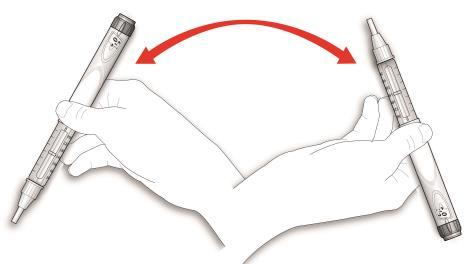
After mixing, check the appearance of your insulin. Insulin suspensions should
appear uniformly milky.
Point 2. Needle Insertion
Always use a new sterile needle for each injection. This will help prevent contamination and potential
needle blockages.
Before using the needle, carefully read the “Instructions for Use” for the needles.
Note: the needles shown are for illustrative purposes only.
- A.Remove the protective tab from the packaging of a new needle.
- B.Align the needle with the pen and keep it straight while inserting it onto the pen (screw on or press on, depending on the type of needle).
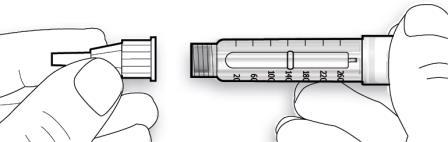
.
- If the needle is not held straight while being inserted, it may damage the rubber seal and cause leaks, or the needle may break.
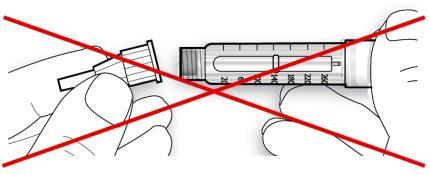
441
Point 3. Perform the safety test
Always perform the safety test before each injection. This ensures the delivery of a correct
dose because:
- ensures that the pen and needle are working correctly
- removes air bubbles
ASelect a dosage of 2 units by rotating the dosage selector.
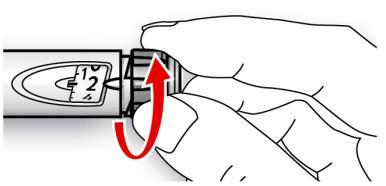
BRemove the outer cap of the needle and keep it to remove the used needle after the injection.
Remove the inner cap of the needle and discard it.
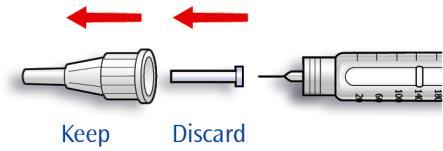
CHold the pen upright with the needle pointing upwards.
DTap the insulin reservoir with your finger so that any air bubbles rise to the needle.
EPress the injection button all the way down. Check that insulin comes out of the tip
of the needle.
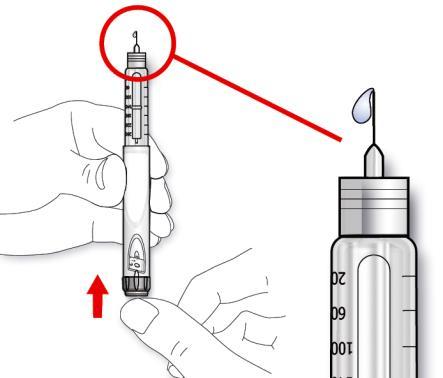
You may need to repeat the safety test several times before insulin comes out.
- If the insulin does not come out, check that there are no air bubbles and repeat the safety test two or more times to remove them.
- If the insulin still does not come out, the needle may be blocked. Change the needle and try again.
- If the insulin still does not come out after changing the needle, the SoloStar may be damaged. Do not use this SoloStar.
Point 4. Dose Selection
The dose can be selected in 1-unit increments, from a minimum of 1 unit to a maximum of 80
units. If a dose greater than 80 units is needed, it must be administered by two or more
injections.
442
ACheck that the dosage window shows “0” at the end of the safety test.
BSelect the required dose (in the example below, the selected dose is 30 units). If a
higher dose has been selected, you can rotate the dosage selector in the opposite direction.
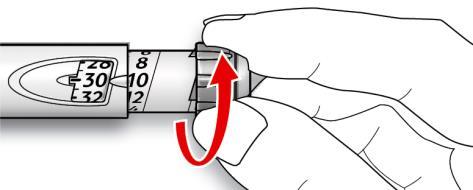
- Do not push the injection button while rotating it as insulin will come out.
- You cannot rotate the dosage selector beyond the number of units remaining in the pen. Do not force the dosage selector further. In this case, you can inject what is left in the pen and complete the dose with a new SoloStar or use a new SoloStar for the entire dose.
Point 5. Injecting the dose
AUse the injection technique as instructed by your doctor, pharmacist or
nurse.
BInsert the needle into the skin.
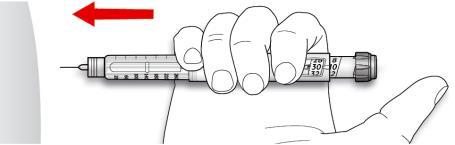
CAdminister the dosage by pressing the injection button all the way down. The number that appears
in the dosage window will return to “0” during the injection.
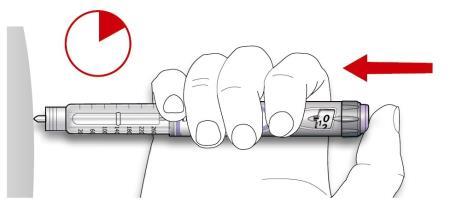
DKeep the injection button pressed all the way down. Count slowly to 10 before
removing the needle from the skin. This ensures that the entire dose of insulin has been injected.
The pen plunger moves with each dose. The plunger reaches the end of the cartridge when
300 total units of insulin have been used.
Point 6. Removing and disposing of the needle
Always remove the needle after each injection and store SoloStar without the needle inserted.
This helps to prevent:
- contamination and/or infection,
- air entering the insulin reservoir and insulin leakage, which can cause inaccurate dosing.
443
APut the outer cap back on the needle and use it to unscrew the needle from the pen. To reduce
the risk of accidental needle injury, never reposition the inner cap of the needle.
- If the injection is given by another person, or if you are giving the injection to another person, you must take particular care when removing and disposing of the needle. Follow the recommended safety measures for removing and disposing of needles (ask your doctor, pharmacist or nurse) to reduce the risk of accidental needle injury and the transmission of infectious diseases.
BDispose of the needle safely.
CAlways reposition the cap on the pen, then store the pen until the next injection.
Storage instructions
Refer to the back of this leaflet (insulin) for instructions on how to store SoloStar.
If your SoloStar is stored in the refrigerator, remove it 1-2 hours before injection so that it can
warm up to room temperature. Injecting cold insulin is more painful
Dispose of your used SoloStar in accordance with local legal requirements.
Maintenance
SoloStar must be protected from dust and dirt.
The outside of SoloStar can be cleaned with a damp cloth.
Do not wet, wash or lubricate the pen as this may damage it.
Your SoloStar is designed to work safely and accurately. It must be handled with care.
Situations in which SoloStar could be damaged must be avoided. If you are concerned that SoloStar is
damaged, use a new one.
444
Insuman Comb 50 100 IU/ml injectable suspension in a vial
Human insulin
Read this leaflet carefully before you start using this medicine as it contains important
information for you.
- Keep this leaflet. You may need to read it again.
- If you have any questions, ask your doctor, pharmacist or nurse.
- This medicine has been prescribed for you only. Do not pass it on to others, even if their symptoms are the same as yours, as it could be harmful.
- If you get any side effects, even those not listed in this leaflet, tell your doctor, pharmacist or nurse. See section 4.
Contents of this leaflet:
- 1. What Insuman Comb 50 is and what it is used for
- 2. What you need to know before you use Insuman Comb 50
- 3. How to use Insuman Comb 50
- 4. Possible side effects
- 5. How to store Insuman Comb 50
- 6. Contents of the pack and other information
1. What is Insuman Comb 50 and what is it used for
Insuman Comb 50 contains the active ingredient human insulin, which is produced by a biotechnological process and is identical to the insulin found in our body.
Insuman Comb 50 is a rapid-onset insulin preparation with a moderately long duration of action.
Insuman Comb 50 is used to lower high blood sugar levels in patients with
diabetes mellitus who require insulin supplementation. Diabetes mellitus is a disease in which the body
does not produce enough insulin to control blood sugar levels.
2. What you need to know before using Insuman Comb 50
Do not use Insuman Comb 50
If you are allergic (hypersensitive) to insulin or to any of the other ingredients of this medicine
(listed in section 6).
Warnings and precautions
Talk to your doctor, pharmacist or nurse before using Insuman Comb 50.
Follow strictly the instructions your doctor has given you regarding the dose, the checks to be performed (on blood
and urine), diet and physical activity (work and exercise).
Tell your doctor if you are allergic to this medicine or to animal insulins.
Special patient groups
If you have liver or kidney problems, or if you are elderly, consult your doctor because you may need a lower
dose.
Skin changes at the injection site:
445
The injection site must be rotated to prevent skin changes, such as the appearance of nodules
under the skin. Insulin may not work as well as it should if you inject into an area with
nodules (see section How to use Insuman Comb 50). If you are currently injecting into an area with
nodules, talk to your doctor before starting to inject into another area. Your doctor may
advise you to check your blood sugar more carefully and adjust the dose of insulin or other antidiabetic medicines.
Travel
Before starting a trip, consult your doctor. You may need to discuss the following aspects:
- availability of insulin in the destination country,
- sufficient supplies of insulin, syringes, etc.,
- correct storage of insulin during the trip,
- interval between meals and insulin administration during the trip,
- possible effects of the time zone change,
- possible risks of contracting new diseases in the countries visited.
- what to do in emergency situations if you do not feel well or become ill.
Illnesses and injuries
In the following situations, diabetes control may require close attention:
- If you are sick or have serious injuries, there is a risk that your blood sugar level will increase (hyperglycemia).
- If you do not eat enough, there is a risk that your blood sugar level will decrease (hypoglycemia). In most cases, medical intervention is necessary. Contact your doctor quickly.
Also, if you suffer from type 1 diabetes (insulin-dependent diabetes mellitus), do not stop treatment with
insulin or carbohydrate intake. It is necessary to keep people close to you informed of your
need for insulin.
Some patients with long-lasting type 2 diabetes mellitus and heart disease or with a previous stroke,
treated with pioglitazone and insulin have developed heart failure. Tell your doctor as soon as possible
if you have signs of heart failure such as unusually short breath or rapid weight gain or
localized swelling (edema).
Other medicines and Insuman Comb 50
Some medicines can cause changes in blood sugar levels (decrease or increase
or both depending on the situation). In any case, optimization of the insulin dose is necessary to
avoid blood sugar levels that are too low or too high. Be careful when starting or
stopping another medicine.
Tell your doctor or pharmacist if you are taking, have recently taken or may take any
other medicine. Before taking a medicine, ask your doctor if it can affect blood sugar and if
countermeasures are necessary.
Medicines that can cause a decrease in blood sugar levels (hypoglycemia)
include:
- all other medicines used to treat diabetes,
- angiotensin converting enzyme (ACE) inhibitors (used to treat some heart conditions or high blood pressure),
- disopyramide (used to treat some heart conditions),
- fluoxetine (used to treat depression),
- fibrates (used to lower high levels of fats in the blood),
- monoamine oxidase inhibitors (MAO) (used to treat depression), 446
- pentoxifylline, propoxyphene, salicylates (such as aspirin, used to relieve pain and reduce fever),
- sulfonamide antibiotics.
Medicines that can cause an increase in blood sugar levels (hyperglycemia) include:
- corticosteroids (such as "cortisone", used to treat inflammation),
- danazol (a medicine that affects ovulation),
- diazoxide (used to treat high blood pressure),
- diuretics (used to treat high blood pressure or excessive fluid retention),
- glucagon (pancreatic hormone used to treat severe hypoglycemia, i.e. low blood sugar levels),
- isoniazid (used to treat tuberculosis),
- estrogens and progesterone (as in the birth control pill used for contraception),
- phenothiazine derivatives (used to treat psychiatric disorders),
- somatropin (growth hormone),
- sympathomimetic medicines (such as epinephrine [adrenaline], salbutamol, terbutaline used to treat asthma),
- thyroid hormones (used to treat thyroid disorders),
- protease inhibitors (used to treat HIV),
- atypical antipsychotic medicines (such as olanzapine and clozapine).
Blood sugar levels may decrease or increase if you take:
- betablockers (used to treat high blood pressure),
- clonidine (used to treat high blood pressure),
- lithium salts (used to treat psychiatric disorders). Pentamidine (used to treat some infections caused by parasites) can cause hypoglycemia, sometimes followed by hyperglycemia.
Betablockers as well as other sympatholytic medicines (such as clonidine, guanethidine and reserpine) can
reduce or completely cancel the warning signs that help you recognize hypoglycemia.
If you are not sure if you are taking one of these medicines, ask your doctor or pharmacist.
Insuman Comb 50 with alcohol
Blood sugar levels may decrease or increase if you drink alcohol.
Pregnancy and breastfeeding
If you are pregnant, suspect you are pregnant or are planning to become pregnant, or if you are breastfeeding with breast
milk, ask your doctor or pharmacist for advice before using this medicine .
Tell your doctor if you are planning a pregnancy or are already pregnant. It may be
necessary to adjust the dose of insulin during pregnancy and after delivery. It is important to control
diabetes carefully and prevent hypoglycemia for the health of the baby. However, there is no experience with
the use of Insuman Comb 50 in pregnancy.
If you are breastfeeding, consult your doctor, as adjustments to the insulin dose and
diet may be necessary.
Driving and using machines
Your ability to concentrate or react may be reduced in case of:
- hypoglycemia (low blood sugar levels),
- hyperglycemia (high blood sugar levels),
- vision problems. 447
Take into account the possibility that this may occur in all situations where you could pose a
risk to yourself and others (such as driving a car or using machinery). Ask your
doctor for advice on whether you should drive if:
- you have frequent hypoglycemic attacks,
- the typical signs that help you identify hypoglycemia are reduced or absent.
Important information about some components of Insuman Comb 50
This medicine contains less than 1 mmol (23 mg) of sodium per dose, i.e. it is essentially ‘sodium-free’.
3. How to use Insuman Comb 50
Dose
Use this medicine following exactly the instructions of your doctor. If you have any doubts, consult your doctor
or pharmacist.
Based on your lifestyle and the results of tests for your blood sugar level (glycaemia), your doctor:
- will determine the daily amount of Insuman Comb 50 you need,
- will inform you of when you need to check your blood sugar and, if necessary, when to perform urine tests,
- will inform you if a lower or higher dose of Insuman Comb 50 is needed.
Many factors can influence your blood sugar levels. It is advisable that you know these
factors so that you can act appropriately in case of changes in blood sugar levels and
thus avoid them becoming too high or too low. For further information, see the box
at the end of this leaflet.
Frequency of administration
Insuman Comb 50 is injected subcutaneously 20 – 30 minutes before a meal.
Method of administration
Insuman Comb 50 is a liquid (suspension) for subcutaneous injection.
DO NOT inject Insuman Comb 50 into a vein (blood vessel).
Your doctor will indicate which area of the skin you should inject the insulin into. For each injection, change the injection site
within the chosen area of skin.
Do not use Insuman Comb 50 in insulin pumps - special insulin preparations are available for use with such devices.
How to handle the vials
Insuman Comb 50 contains 100 IU of insulin per ml. Only syringes for injection suitable for this
concentration (100 IU per ml) must be used. The injection syringes must not contain other
medicines or their residues (such as traces of heparin).
Before drawing the insulin for the first time, you must remove the safety tear-off cap
from the vial.
Immediately before each injection, mix the insulin well. To do this, rotate the vial diagonally
between the palms of your hands. Do not shake the vial vigorously, as this may damage the insulin and cause foaming. Foam may
interfere with correct dose measurement.
448
After mixing, the liquid should appear uniformly milky. It should not be used if the
suspension remains clear or, for example, if small lumps, particles or flakes or similar form
inside or on the wall or bottom of the vial. In these cases, another vial should be used, the contents of which have a uniform appearance.
Always use a new vial if you notice that your blood sugar control has
unexpectedly worsened. This is because the insulin may have lost some of its effectiveness. If you think
you may have a problem with the insulin, have it checked by your doctor or pharmacist.
Special precautions before injection
Air bubbles must be removed before injection. Make sure that neither alcohol nor other disinfectants
nor other contaminants contaminate the insulin. Do not mix the insulin with other medicines, except for the
human insulin formulations listed below.
Insuman Comb 50 can be mixed with all human insulin formulations, EXCEPT those
specifically intended for use in insulin pumps. Also, DO NOT mix with animal insulins or insulin analogues.
Your doctor will tell you if it is necessary to mix human insulins. If a mixture is necessary, draw the other
insulin into the injection syringe before Insuman Comb 50. Proceed with the injection immediately after
mixing. Do not mix insulins with different concentrations (e.g. 100 IU per ml and 40 IU per ml).
If you use more Insuman Comb 50 than you should
- -If you have injected too high a dose of Insuman Comb 50, your blood sugar levels may become too low (hypoglycaemia). Check your blood sugar frequently. In general, to prevent hypoglycaemia, you should eat more substantial meals and check your blood sugar. For information on treating hypoglycaemia, see the box at the end of this leaflet.
If you forget to use Insuman Comb 50
- If you have forgotten a dose of Insuman Comb 50or have not injected enough insulin, your blood sugar levels may become too high (hyperglycaemia). Check your blood sugar frequently. For information on treating hyperglycaemia, see the box at the end of this leaflet.
- Do not take a double dose to make up for a missed dose.
If you stop treatment with Insuman Comb 50
This can lead to severe hyperglycaemia (very high blood sugar levels) and ketoacidosis (build-up
of acid in the blood because the body is metabolising fat instead of sugar). Do not stop Insuman
Comb 50 without consulting a doctor who will tell you what you need to do.
If you have any doubts about using this medicine, ask your doctor, pharmacist or nurse.
Insulin exchanges
You should always check the insulin label before each injection to avoid exchanging medicines between
Insuman Comb 50 and other insulins.
4. Possible side effects
Like all medicines, this medicine can cause side effects, although not everybody gets them.
More serious side effects
449
Side effects reported uncommonly(may affect up to 1 in 100 people)
- Severe allergic reactions with low blood pressure(shock)
Side effects reported with unknown frequency(cannot be estimated from the available data)
)
- The most frequent side effect is hypoglycemia(low blood sugar levels). Severe hypoglycemic episodes can cause heart attack or brain damage and can be life-threatening. For further information on the side effects of low blood sugar or high blood sugar levels, see the box at the end of this leaflet.
- Severe, widespread allergic reactions to insulincan occur, which may be life-threatening. Such reactions to insulin or excipients can cause extensive skin reactions (rashes and itching all over the body), severe swelling of the skin or mucous membranes (angioedema), shortness of breath, low blood pressure with rapid heartbeat and sweating
Other side effects
Side effects reported commonly(may affect up to 1 in 10 people)
- Edema Treatment with insulin can lead to temporary increased fluid retention in the body with swelling in the calf and ankle areas.
- Reactions at the injection site
Side effects reported uncommonly
- Urticaria at the injection site (itchy rash) Side effects reported with unknown frequency
- Sodium retention
- Eye reactions A marked change (improvement or worsening) in blood sugar levels can temporarily impair vision. If you have proliferative retinopathy (an eye disease associated with diabetes), severe hypoglycemic episodes can cause temporary loss of vision.
- Skin changes at the injection site: If you inject insulin too often in the same place, the fatty tissue may thin (lipoatrophy) or thicken (lipohypertrophy). Lumps under the skin can also be caused by the accumulation of a protein called amyloid (cutaneous amyloidosis: how often this occurs is not known). Insulin may not work as well as it should if you inject into an area with lumps. Change the injection site with each injection to prevent these skin changes.
- Skin and allergic reactions Other mild reactions may occur at the injection site (such as redness at the injection site, unusually intense pain at the injection site, itching, swelling at the injection site, or inflammation at the injection site). These disturbances can spread around the injection site. Most minor reactions to insulin resolve within a few days or within a few weeks.
- Anti-insulin antibodies Treatment with insulin can lead to the formation of anti-insulin antibodies (substances that act against insulin). Only rarely does the presence of such antibodies necessitate an adjustment of the insulin dose.
Reporting of side effects
If you get any side effects, even those not listed in this leaflet, tell your
doctor, pharmacist or nurse. You can also report side effects directly through the
national reporting system listed in Annex V.
By reporting side effects you can help provide more information on the safety of
this medicine.
5. How to store Insuman Comb 50
450
Keep this medicine out of the sight and reach of children.
Do not use this medicine after the expiry date which is stated on the pack and on the vial label
after “Scad”/ “Exp”. The expiry date refers to the last day of that month.
Vials not in use:
Store in a refrigerator (2°C - 8°C). Do not freeze. Do not place Insuman Comb 50 in direct contact with the
freezer compartment or with cooling packs. Store the vial in the outer packaging to
protect the medicine from light.
Vials in use:
Once in use, the vial can be stored for a maximum of 4 weeks at a temperature not
exceeding 25°C protected from a direct source of heat (e.g. radiator) or from direct light (direct sunlight or lamp) in the outer packaging. Do not use the vial after this period. It is recommended to
write the date of first use on the label itself.
Do not dispose of any medicine in the wastewater or household waste. Ask your pharmacist how to eliminate
medicines that you no longer use. This will help protect the environment.
6. Content of the pack and other information
What Insuman Comb 50 contains
- The active ingredient is human insulin. 1 ml of Insuman Comb 50 contains 100 IU (International Units) of the active ingredient human insulin. 50% of the insulin is dissolved in water; the remaining 50% is present as fine protamine insulin crystals.
- The other components are: protamine sulfate, meta-cresol, phenol, zinc chloride, sodium dihydrogen phosphate dihydrate, glycerol, sodium hydroxide (see section 2 in “Important information about certain components of Insuman Comb 50”), hydrochloric acid (for pH adjustment) and water for injections.
Description of the appearance of Insuman Comb 50 and contents of the pack
After mixing, Insuman Comb 50 is a uniformly milky liquid (injectable suspension),
without clumps, flakes or visible particles.
Insuman Comb 50 is supplied in vials containing 5 ml of suspension (500 IU). Available
packs contain 1 and 5 vials of 5 ml. Not all pack sizes may be marketed.
Marketing authorisation holder and manufacturer
Sanofi-Aventis Deutschland GmbH
D-65926 Frankfurt am Main
Germany.
For further information on this medicinal product, contact the local representative of the marketing
authorisation holder:
België/Belgique/Belgien
Sanofi Belgium
Tél/Tel: +32 (0)2 710 54 00
Lietuva
Swixx Biopharma UAB
Tel: +370 5 236 91 40
България
Swixx Biopharma EOOD
Тел.: +359 (0)2 4942 480
Luxembourg/Luxemburg
Sanofi Belgium
Tél/Tel: +32 (0)2 710 54 00 (Belgique/Belgien)
451
Česká republika
sanofi-aventis, s.r.o.
Tel: +420 233 086 111
Magyarország
SANOFI-AVENTIS Zrt.
Tel.: +36 1 505 0050
Danmark
sanofi A/S
Tlf: +45 45 16 70 00
Malta
Sanofi S.r.l.
Tel: +39 02 39394275
Deutschland
Sanofi-Aventis Deutschland GmbH
Tel: 0800 52 52 010
Tel. aus dem Ausland: +49 69 305 21 131
Nederland
Sanofi B.V
Tel: +31 20 245 4000
Eesti
Swixx Biopharma OÜ
Tel: +372 640 10 30
Norge
sanofi-aventis Norge AS
Tlf: +47 67 10 71 00
Ελλάδα
Sanofi-Aventis AEBE
Τηλ: +30 210 900 16 00
Österreich
sanofi-aventis GmbH
Tel: +43 1 80 185 – 0
España
sanofi-aventis, S.A.
Tel: +34 93 485 94 00
Polska
sanofi-aventis Sp. z o.o.
Tel.: +48 22 280 00 00
France
Sanofi Winthrop Industrie
Tél: 0 800 222 555
Appel depuis l’étranger : +33 1 57 63 23 23
Portugal
Sanofi - Produtos Farmacêuticos, Lda.
Tel: +351 21 35 89 400
Hrvatska
Swixx Biopharma d.o.o.
Tel: +385 1 2078 500
România
Sanofi Romania SRL
Tel: +40 (0) 21 317 31 36
Ireland
sanofi-aventis Ireland Ltd. T/A SANOFI
Tel: +353 (0) 1 403 56 00
Slovenija
Swixx Biopharma d.o.o.
Tel: +386 1 235 51 00
Ísland
Vistor hf.
Sími: +354 535 7000
Slovenská republika
Swixx Biopharma s.r.o.
Tel: +421 2 208 33 600
Italia
Sanofi S.r.l.
Tel: 800 13 12 12 (technical questions)
800 536389 (other questions)
Suomi/Finland
Sanofi Oy
Puh/Tel: +358 (0) 201 200 300
Κύπρος
C.A. Papaellinas Ltd.
Τηλ: +357 22 741741
Sverige
Sanofi AB
Tel: +46 (0)8 634 50 00
452
Latvija
Swixx Biopharma SIA
Tel: +371 6 616 47 50
United Kingdom (Northern Ireland)
sanofi-aventis Ireland Ltd. T/A SANOFI
Tel: +44 (0) 800 035 2525
Other sources of information
More detailed information on this medicinal product is available on the website of the European
Medicines Agency: http://www.ema.europa.eu/
HYPERGLYCEMIA AND HYPOGLYCEMIA
Always carry some sugar with you (at least 20 grams).
Carry information indicating that you have diabetes.
HYPERGLYCEMIA (high blood sugar levels)
If your blood sugar levels are too high (hyperglycemia),you may not have injected
enough insulin.
Why does hyperglycemia occur?
Examples include:
- you did not inject insulin or administered an insufficient amount, or when the insulin becomes less effective (e.g. because it was not stored correctly),
- you are doing less physical exercise than usual, or are particularly stressed (emotionally or physically), or in cases of injury, surgery, infection or fever,
- you are taking or have taken certain other medicines (see section 2, “Other medicines and Insuman Comb 50”).
Warning signs of hyperglycemia
Thirst, increased need to urinate, weakness, dry skin, flushing of the face, loss of appetite,
lowering of blood pressure, rapid heartbeat and the presence of glucose or ketones in the urine.
Abdominal pain, deep and rapid breathing, drowsiness or even loss of consciousness may
indicate a serious condition (ketoacidosis) resulting from insulin deficiency.
What should you do in case of hyperglycemia?
Check your blood sugar and the possible presence of ketones in your
urine as soon as possible if you experience any of the symptoms mentioned above.Severe hyperglycemia or ketoacidosis
must always be treated by a doctor, generally in a hospital setting.
HYPOGLYCEMIA (low blood sugar levels)
If your blood sugar levels drop too low, you may lose consciousness. Severe hypoglycemic episodes
can cause heart attack or brain damage and can be life-threatening. You should generally be able to
recognize when your blood sugar levels are dropping too low, so you can take appropriate precautions.
Why does hypoglycemia occur?
453
Examples include:
- you injected too much insulin,
- you skipped or delayed meals,
- you are not eating enough or the food consumed contains less carbohydrates than usual (carbohydrates are sugar and sugar-like substances; however, artificial sweeteners are NOT carbohydrates),
- you have lost carbohydrates due to vomiting or diarrhea,
- you drink alcoholic beverages, especially if you are eating little,
- you are doing more physical exercise than usual, or a different type of activity,
- you are recovering from injuries, surgery or stress,
- you are recovering from an illness or fever,
- you are taking or have taken certain other medicines (see section 2, “Other medicines and Insuman Comb 50”).
Hypoglycemia can also occur more easily if:
- you are at the beginning of treatment with insulin or have switched to a different type of insulin,
- your blood sugar levels are almost normal or show variations,
- you have changed the area of skin where you inject the insulin (e.g. from the thigh to the upper arm),
- you suffer from severe kidney or liver disease, or other diseases such as hypothyroidism.
Warning signs of hypoglycemia
- In the body Examples of symptoms indicating that blood sugar levels are dropping too low or too quickly: sweating, clammy skin, anxiety, rapid heartbeat, high blood pressure, palpitations and irregular heartbeat. These symptoms can often develop before those indicating a decrease in brain sugar levels.
- In the brain Examples of symptoms indicating a decrease in brain sugar levels: headache, insatiable hunger, nausea, vomiting, fatigue, drowsiness, sleep disturbances, restlessness, aggressiveness, difficulty concentrating, reduced ability to react, depressed mood, confusion, difficulty speaking (sometimes aphasia), visual disturbances, tremor, paralysis, sensory disturbances (paresthesia), tingling and numbness of the mouth, dizziness, loss of self-control, inability to care for oneself, convulsions, loss of consciousness.
The early characteristic symptoms of a state of hypoglycemia ("warning symptoms") may vary, be
less noticeable or even completely absent if:
- you are elderly, have had diabetes for a long time or suffer from a certain type of neurological disease (diabetic autonomic neuropathy),
- after a recent hypoglycemic episode (e.g. the day before) or if hypoglycemia appears slowly,
- blood glucose levels are almost normal or at least significantly improved,
- you have recently switched from animal insulin to human insulin like Insuman,
- you are taking or have taken certain other medicines (see section 2, “Other medicines and Insuman Comb 50”).
In these cases, a severe hypoglycemia (even with loss of consciousness) may develop without
recognizing it in time. Therefore, learn to recognize the warning symptoms of hypoglycemia. If necessary, more frequent blood sugar checks may help identify mild hypoglycemic episodes that might otherwise go unnoticed. If you are unable to recognize the warning symptoms of hypoglycemia, avoid all situations (such as driving a car) that may be
risky for you and others due to hypoglycemia.
454
What should you do in case of hypoglycemia?
- 1. Do not inject insulin. Immediately take 10 to 20 g of sugar, such as glucose, sugar cubes or a sugar-sweetened drink. Caution: artificial sweeteners and foods containing artificial sweeteners (such as diet drinks) do not help treat hypoglycemia.
- 2. Then consume food that can cause a long-term release of sugar into the blood (such as bread or pasta). Your doctor or nurse should have previously discussed these measures with you.
- 3. If another hypoglycemia occurs, take another 10 to 20 g of sugar again.
- 4. Talk to your doctor as soon as you notice an inability to control hypoglycemia or if it occurs again.
Inform your relatives, friends and colleagues who are close to you that:
If you are unable to swallow or lose consciousness, an injection of glucose or
glucagon (a medicine that increases blood sugar levels) is necessary. These injections are justified
even if you are not sure whether a hypoglycemic event has occurred.
It is advisable to check blood sugar immediately after taking sugar to confirm
that a hypoglycemic episode was occurring.
455
Insuman Comb 50 40 UI/ml injectable suspension in a vial
Human insulin
Read this leaflet carefully before you start to use this medicine as it contains important
information for you.
- Keep this leaflet. You may need to read it again.
- If you have any questions, ask your doctor, pharmacist or nurse.
- This medicine has been prescribed for you only. Do not pass it on to others, even if their symptoms are the same as yours, as it may be harmful.
- If you get any side effects, even those not listed in this leaflet, tell your doctor, pharmacist or nurse. See section 4.
Contents of this leaflet:
- 1. What Insuman Comb 50 is and what it is used for
- 2. What you need to know before you use Insuman Comb 50
- 3. How to use Insuman Comb 50
- 4. Possible side effects
- 5. How to store Insuman Comb 50
- 6. Contents of the pack and other information
1. What is Insuman Comb 50 and what is it used for
Insuman Comb 50 contains the active ingredient human insulin, which is produced by a biotechnological process and is identical to the insulin found in our body.
Insuman Comb 50 is a rapid-onset insulin preparation with a moderately long duration of action.
Insuman Comb 50 is used to lower high blood sugar levels in patients with
diabetes mellitus who require insulin supplementation. Diabetes mellitus is a disease in which the body
does not produce enough insulin to control blood sugar levels.
2. What you need to know before using Insuman Comb 50
Do not use Insuman Comb 50
If you are allergic (hypersensitive) to insulin or to any of the other ingredients of this medicine
(listed in section 6).
Warnings and precautions
Talk to your doctor, pharmacist or nurse before using Insuman Comb 50.
Follow the instructions given to you by your doctor strictly regarding the dose, checks to be performed (on blood
and urine), diet and physical activity (work and exercise).
Tell your doctor if you are allergic to this medicine or to animal insulins.
Special patient groups
If you have liver or kidney problems, or if you are elderly, consult your doctor because you may need a lower
dose.
Skin changes at the injection site:
The injection site must be rotated to prevent skin changes, such as the appearance of nodules
under the skin. Insulin may not work as well as it should if you inject it into an area with
456
nodules (see section How to use Insuman Comb 50). If you are currently injecting into an area with
nodules, talk to your doctor before starting to inject into another area. Your doctor may
advise you to check your blood sugar more carefully and adjust the dose of insulin or other antidiabetic medicines.
Travel
Consult your doctor before starting a trip. You may need to discuss the following aspects:
- availability of insulin in the destination country,
- sufficient supplies of insulin, syringes, etc.,
- correct storage of insulin during the trip,
- interval between meals and insulin administration during the trip,
- possible effects of the time zone change,
- possible risks of contracting new diseases in the countries visited.
- what to do in emergency situations if you do not feel well or become ill.
Illnesses and injuries
In the following situations, blood sugar control may require close attention:
- If you are ill or have serious injuries, there is a risk that your blood sugar level will increase (hyperglycemia).
- If you do not eat enough, there is a risk that your blood sugar level will decrease (hypoglycemia). In most cases, medical intervention is necessary. Contact your doctor quickly.
Also, if you suffer from type 1 diabetes (insulin-dependent diabetes mellitus), do not stop treatment with
insulin or carbohydrate intake. It is necessary to keep people close to you informed of your
need for insulin.
Some patients with long-standing type 2 diabetes mellitus and heart disease or with a history of stroke,
treated with pioglitazone and insulin have developed heart failure. Tell your doctor as soon as possible
if you have signs of heart failure such as unusually short breath or rapid weight gain or localized swelling (edema).
Other medicines and Insuman Comb 50
Some medicines can cause changes in blood sugar levels (reduction or increase
or both depending on the situation). In any case, optimization of the insulin dose is necessary to
avoid blood sugar levels that are too low or too high. Be careful when starting or
stopping another medicine.
Tell your doctor or pharmacist if you are taking, have recently taken or may take any
other medicine. Before taking a medicine, ask your doctor if it can affect blood sugar and if
countermeasures are necessary.
Medicines that can cause a decrease in blood sugar levels (hypoglycemia)
include:
- all other medicines used to treat diabetes,
- angiotensin converting enzyme (ACE) inhibitors (used to treat some heart conditions or high blood pressure),
- disopyramide (used to treat some heart conditions),
- fluoxetine (used to treat depression),
- fibrates (used to lower high levels of fats in the blood),
- monoamine oxidase inhibitors (MAO) (used to treat depression),
- pentoxifylline, propoxyphene, salicylates (such as aspirin, used to relieve pain and lower fever), 457
- sulfonamide antibiotics.
Medicines that can cause an increase in blood sugar levels (hyperglycemia) include:
- corticosteroids (such as "cortisone", used to treat inflammation),
- danazol (a medicine that affects ovulation),
- diazoxide (used to treat high blood pressure),
- diuretics (used to treat high blood pressure or excessive fluid retention),
- glucagon (pancreatic hormone used to treat severe hypoglycemia, i.e. low blood sugar levels),
- isoniazid (used to treat tuberculosis),
- estrogens and progestogens (such as in the birth control pill used for contraception),
- phenothiazine derivatives (used to treat psychiatric disorders),
- somatropin (growth hormone),
- sympathomimetic medicines (such as epinephrine [adrenaline], salbutamol, terbutaline used to treat asthma),
- thyroid hormones (used to treat thyroid disorders),
- protease inhibitors (used to treat HIV),
- atypical antipsychotic medicines (such as olanzapine and clozapine).
Blood sugar levels may decrease or increase if you take:
- beta-blockers (used to treat high blood pressure),
- clonidine (used to treat high blood pressure),
- lithium salts (used to treat psychiatric disorders). Pentamidine (used to treat some infections caused by parasites) can cause hypoglycemia, sometimes followed by hyperglycemia.
Beta-blockers as well as other sympatholytic medicines (such as clonidine, guanethidine and reserpine) can
reduce or completely cancel out the warning signs that help you recognize hypoglycemia.
If you are not sure if you are taking one of these medicines, ask your doctor or pharmacist.
Insuman Comb 50 with alcohol
Blood sugar levels may decrease or increase if you drink alcohol.
Pregnancy and breastfeeding
If you are pregnant, suspect you are pregnant or are planning a pregnancy, or if you are breastfeeding with breast
milk, ask your doctor or pharmacist for advice before using this medicine.
Tell your doctor if you are planning a pregnancy or are already pregnant. It may be
necessary to adjust the dose of insulin during pregnancy and after delivery. It is important to control
diabetes carefully and prevent hypoglycemia for the health of the baby. However, there is no experience with
the use of Insuman Comb 50 in pregnancy.
If you are breastfeeding, consult your doctor, as adjustments to the insulin dose and
diet may be necessary.
Driving and using machines
Your ability to concentrate or react may be reduced in case of:
- hypoglycemia (low blood sugar levels),
- hyperglycemia (high blood sugar levels),
- vision problems.
458
Keep in mind that this may occur in all situations where you could pose a
risk to yourself and others (such as driving a car or using machinery). Ask your
doctor for advice on whether you should drive if:
- you have frequent hypoglycemic attacks,
- the typical signs that help you identify hypoglycemia are reduced or absent.
Important information about some ingredients of Insuman Comb 50
This medicine contains less than 1 mmol (23 mg) of sodium per dose, i.e. it is essentially ‘sodium-free’.
3. How to use Insuman Comb 50
Dose
Use this medicine following exactly the instructions of your doctor. If you have any doubts, consult your doctor
or pharmacist.
Based on your lifestyle and the results of tests for your blood sugar level (glycemia), your doctor will:
- establish the daily amount of Insuman Comb 50 that you need,
- inform you of when you must check your blood sugar and, if necessary, when to perform urine tests,
- inform you if a lower or higher dose of Insuman Comb 50 is necessary.
Many factors can influence your blood sugar levels. It is advisable that you know these
factors so that you can act appropriately in case of changes in blood sugar levels and
thus avoid them becoming too high or too low. For further information, see the box
at the end of this leaflet.
Frequency of administration
Insuman Comb 50 is injected subcutaneously 20 – 30 minutes before a meal.
Method of administration
Insuman Comb 50 is a liquid (suspension) for subcutaneous injection.
DO NOT inject Insuman Comb 50 into a vein (blood vessel).
Your doctor will indicate which area of the skin you should inject the insulin into. For each injection, change the injection site
within the chosen skin area.
Do not use Insuman Comb 50 in insulin pumps - special insulin preparations are available for use with such devices.
How to handle the vials
Insuman Comb 50 contains 40 IU of insulin per ml. Only injection syringes suitable for this
concentration (40 IU per ml) must be used. Injection syringes must not contain other
medicines or their residues (such as traces of heparin).
Before drawing insulin for the first time, you must remove the safety tear-off cap
from the vial.
Immediately before each injection, mix the insulin well. To do this, rotate the vial
diagonally between the palms of your hands. Do not shake the vial vigorously because this may damage the insulin and cause foaming. Foam may
interfere with accurate dose measurement.
After mixing, the liquid should appear uniformly milky. It should not be used if the
suspension remains clear or, for example, if small lumps, particles or flakes or similar form
inside or on the wall or bottom of the vial. In these cases, another vial should be used whose
contents have a uniform appearance.
Always use a new vial if you notice that your blood sugar control has
unexpectedly worsened. This is because the insulin may have lost some of its effectiveness. If you think
you may have a problem with the insulin, have it checked by your doctor or pharmacist.
Special precautions before the injection
Air bubbles must be removed before the injection. Make sure that neither alcohol nor other disinfectants
nor other contaminating substances contaminate the insulin. Do not mix the insulin with other medicines, except for the
human insulin formulations listed below.
Insuman Comb 50 can be mixed with all formulations of human insulin, EXCEPT those
specifically intended for use in insulin pumps. Also, DO NOT mix with animal insulins or insulin analogs.
Your doctor will tell you if it is necessary to mix human insulins. If it is necessary to inject a mixture, draw the other
insulin into the injection syringe before Insuman Comb 50. Proceed with the injection immediately after
mixing. Do not mix insulins with different concentrations (e.g., 100 IU per ml and 40 IU per ml).
If you use more Insuman Comb 50 than you should
- -If you have injected too high a dose of Insuman Comb 50, your blood sugar levels may become too low (hypoglycemia). Check your blood sugar frequently. In general, to prevent hypoglycemia, you should eat more substantial meals and check your blood sugar. For information on treating hypoglycemia, see the box at the end of this leaflet.
If you forget to use Insuman Comb 50
- If you have forgotten a dose of Insuman Comb 50or have not injected enough insulin, your blood sugar levels may become too high (hyperglycemia). Check your blood sugar frequently. For information on treating hyperglycemia, see the box at the end of this leaflet.
- Do not take a double dose to make up for a missed dose.
If you stop treatment with Insuman Comb 50
This can lead to severe hyperglycemia (very high blood sugar levels) and ketoacidosis (build-up
of acid in the blood because the body is metabolizing fat instead of sugar). Do not stop Insuman
Comb 50 without consulting a doctor who will tell you what you need to do.
If you have any doubts about using this medicine, ask your doctor, pharmacist or nurse.
Insulin exchanges
You must always check the insulin label before each injection to avoid exchanging medicine between
Insuman Comb 50 and other insulins.
4. Possible side effects
460
Like all medicines, this medicine can cause side effects, although not everybody gets them.
More serious side effects
Side effects reported uncommonly(may affect up to 1 in 100 people)
- Severe allergic reactions with low blood pressure(shock)
Side effects reported with frequency not known(cannot be estimated from the available data)
- The most common side effect is hypoglycemia(low blood sugar levels). Severe hypoglycemic episodes can cause heart attack or brain damage and can be life-threatening. For further information on the side effects of low blood sugar or high blood sugar levels, see the box at the end of this leaflet.
- Severe, widespread allergic reactions to insulincan occur, which may be life-threatening. Such reactions to insulin or excipients can cause extensive skin reactions (rashes and itching all over the body), severe swelling of the skin or mucous membranes (angioedema), shortness of breath, low blood pressure with a rapid heartbeat and sweating
Other side effects
Side effects reported commonly(may affect up to 1 in 10 people)
- Edema Treatment with insulin can lead to temporary fluid retention in the body with swelling in the calf and ankle areas.
- Reactions at the injection site
Side effects reported uncommonly
- Urticaria at the injection site (itchy rash)
Side effects reported with frequency not known
- Sodium retention
- Eye reactions A marked change (improvement or worsening) in blood sugar levels can temporarily disturb vision. If you have proliferative retinopathy (an eye disease associated with diabetes), severe hypoglycemic episodes can cause temporary loss of vision.
- Skin changes at the injection site: If you inject insulin too often in the same place, the fatty tissue may become thinner (lipoatrophy) or thicker (lipohypertrophy). Lumps under the skin can also be caused by the accumulation of a protein called amyloid (cutaneous amyloidosis: it is not known how often this occurs). Insulin may not work as well as it should if you inject into an area with lumps. Change the injection site with each injection to prevent these skin changes.
- Skin and allergic reactions Other mild reactions may occur at the injection site (such as redness at the injection site, unusually intense pain at the injection site, itching, swelling at the injection site, or inflammation at the injection site). These disturbances can spread around the injection site. Most minor reactions to insulin resolve within a few days or within a few weeks.
- Anti-insulin antibodies Treatment with insulin can lead to the formation of anti-insulin antibodies (substances that act against insulin). Only rarely does the presence of such antibodies require an adjustment of the insulin dose.
Reporting of side effects
If you get any side effects, even those not listed in this leaflet, tell your
doctor, pharmacist or nurse. You can also report side effects directly through
the national reporting system listed in Annex V.
461
By reporting side effects you can help provide more information on the safety of
this medicine.
5. How to store Insuman Comb 50
Keep this medicine out of the sight and reach of children.
Do not use this medicine after the expiry date which is stated on the pack and on the vial label
after “Scad”/ “Exp”. The expiry date refers to the last day of that month.
Unused vials:
Store in a refrigerator (2°C - 8°C). Do not freeze. Do not place Insuman Comb 50 in direct contact with the
freezer compartment or with cooling packs. Store the vial in the outer packaging to
protect the medicine from light.
Opened vials:
Once in use, the vial can be stored for a maximum of 4 weeks at a temperature not
exceeding 25°C, protected from a direct source of heat (e.g. radiator) or from direct light (direct sunlight or lamp) in the outer packaging. Do not use the vial after this period. It is recommended to
write the date of first use on the label itself.
Do not dispose of any medicine in wastewater or household waste. Ask your pharmacist how to dispose of
medicines you no longer use. This will help protect the environment.
6. Content of the pack and other information
What Insuman Comb 50 contains
- The active ingredient is human insulin. 1 ml of Insuman Comb 50 contains 40 IU (International Units) of the active ingredient human insulin. 50% of the insulin is dissolved in water; the remaining 50% is present as fine crystals of protamine insulin.
- The other ingredients are: protamine sulfate, meta-cresol, phenol, zinc chloride, disodium phosphate dihydrate, glycerol, sodium hydroxide (see section 2 in “Important information about certain components of Insuman Comb 50”), hydrochloric acid (for pH adjustment) and water for injections.
Description of the appearance of Insuman Comb 50 and contents of the pack
After mixing, Insuman Comb 50 is a uniformly milky liquid (injectable suspension),
without clumps, flakes or visible particles.
Insuman Comb 50 is supplied in vials containing 10 ml of suspension (400 IU). Packs of 1 and 5 vials of 10 ml are available.
Not all pack sizes may be marketed.
Marketing Authorisation Holder and Manufacturer
Sanofi-Aventis Deutschland GmbH
D-65926 Frankfurt am Main
Germany.
For further information on this medicinal product, contact the local representative of the Marketing
Authorisation Holder:
België/Belgique/Belgien
Sanofi Belgium
Tél/Tel: +32 (0)2 710 54 00
Lietuva
Swixx Biopharma UAB
Tel: +370 5 236 91 40
462
България
Swixx Biopharma EOOD
Тел.: +359 (0)2 4942 480
Luxembourg/Luxemburg
Sanofi Belgium
Tél/Tel: +32 (0)2 710 54 00 (Belgique/Belgien)
Česká republika
sanofi-aventis, s.r.o.
Tel: +420 233 086 111
Magyarország
SANOFI-AVENTIS Zrt.
Tel.: +36 1 505 0050
Danmark
sanofi A/S
Tlf: +45 45 16 70 00
Malta
Sanofi S.r.l.
Tel: +39 02 39394275
Deutschland
Sanofi-Aventis Deutschland GmbH
Tel: 0800 52 52 010
Tel. aus dem Ausland: +49 69 305 21 131
Nederland
Sanofi B.V
Tel: +31 20 245 4000
Eesti
Swixx Biopharma OÜ
Tel: +372 640 10 30
Norge
sanofi-aventis Norge AS
Tlf: +47 67 10 71 00
Ελλάδα
Sanofi-Aventis AEBE
Τηλ: +30 210 900 16 00
Österreich
sanofi-aventis GmbH
Tel: +43 1 80 185 – 0
España
sanofi-aventis, S.A.
Tel: +34 93 485 94 00
Polska
sanofi-aventis Sp. z o.o.
Tel.: +48 22 280 00 00
France
Sanofi Winthrop Industrie
Tél: 0 800 222 555
Appel depuis l’étranger : +33 1 57 63 23 23
Portugal
Sanofi - Produtos Farmacêuticos, Lda.
Tel: +351 21 35 89 400
Hrvatska
Swixx Biopharma d.o.o.
Tel: +385 1 2078 500
România
sSanofi Romania SRL
Tel: +40 (0) 21 317 31 36
Ireland
sanofi-aventis Ireland Ltd. T/A SANOFI
Tel: +353 (0) 1 403 56 00
Slovenija
Swixx Biopharma d.o.o.
Tel: +386 1 235 51 00
Ísland
Vistor hf.
Sími: +354 535 7000
Slovenská republika
Swixx Biopharma s.r.o.
Tel: +421 2 208 33 600
Italia
Sanofi S.r.l.
Tel: 800 13 12 12 (technical questions)
800 536389 (other questions)
Suomi/Finland
Sanofi Oy
Puh/Tel: +358 (0) 201 200 300
Κύπρος
C.A. Papaellinas Ltd.
Τηλ: +357 22 741741
Sverige
Sanofi AB
Tel: +46 (0)8 634 50 00
463
Latvija
Swixx Biopharma SIA
Tel: +371 6 616 47 50
United Kingdom (Northern Ireland)
sanofi-aventis Ireland Ltd. T/A SANOFI
Tel: +44 (0) 800 035 2525
Other sources of information
More detailed information on this medicinal product is available on the website of the European
Medicines Agency: http://www.ema.europa.eu/
HYPERGLYCEMIA AND HYPOGLYCEMIA
Always carry some sugar with you (at least 20 grams).
Carry information indicating that you have diabetes.
HYPERGLYCEMIA (high blood sugar levels)
If your blood sugar levels are too high (hyperglycemia),you may not have injected
enough insulin.
Why does hyperglycemia occur?
Examples include:
- you did not inject insulin or administered an insufficient amount, or when the insulin becomes less effective (for example, because it was not stored correctly),
- you are doing less exercise than usual, or are particularly stressed (emotionally or physically), or in cases of injury, surgery, infection or fever,
- you are taking or have taken certain other medicines (see section 2, “Other medicines and Insuman Comb 50”).
Warning signs of hyperglycemia
Thirst, increased need to urinate, weakness, dry skin, flushing of the face, loss of appetite,
low blood pressure, rapid heartbeat, and the presence of glucose or ketones in the urine.
Abdominal pain, deep and rapid breathing, drowsiness or even loss of consciousness may
indicate a serious condition (ketoacidosis) resulting from insulin deficiency.
What should you do in case of hyperglycemia?
Check your blood sugar and the possible presence of ketones in your
urine as soon as possible if you experience any of the symptoms listed above.Severe hyperglycemia or ketoacidosis
must always be treated by a doctor, generally in a hospital setting.
HYPOGLYCEMIA (low blood sugar levels)
If your blood sugar levels drop too low, you may lose consciousness. Severe hypoglycemic episodes
can cause heart attack or brain damage and can be life-threatening. You should generally be able to
recognize when your blood sugar levels are dropping too low, so you can take appropriate precautions.
464
Why does hypoglycemia occur?
Examples include:
- you injected too much insulin,
- you skipped or delayed meals,
- you are not eating enough or the food consumed contains less carbohydrates than usual (carbohydrates are sugar and sugar-like substances; however, artificial sweeteners are NOT carbohydrates),
- you have lost carbohydrates due to vomiting or diarrhea,
- you drink alcoholic beverages, especially if you are eating little,
- you are doing more exercise than usual, or a different type of activity,
- you are recovering from injury, surgery or stress,
- you are recovering from an illness or fever,
- you are taking or have taken certain other medicines (see section 2, “Other medicines and Insuman Comb 50”).
Hypoglycemia can also occur more easily if:
- you are at the beginning of insulin treatment or have switched to a different type of insulin,
- your blood sugar levels are almost normal or show variations,
- you have changed the area of the skin where you inject the insulin (for example from the thigh to the upper arm),
- you suffer from severe kidney or liver disease, or other diseases such as hypothyroidism.
Warning signs of hypoglycemia
- In the body Examples of symptoms indicating that blood sugar levels are dropping too low or too quickly: sweating, clammy skin, anxiety, rapid heartbeat, high blood pressure, palpitations and irregular heartbeat. These symptoms can often develop before those indicating a decrease in brain sugar levels.
- In the brain Examples of symptoms indicating a decrease in brain sugar levels: headache, insatiable hunger, nausea, vomiting, fatigue, drowsiness, sleep disturbances, restlessness, aggressiveness, difficulty concentrating, reduced ability to react, depressed mood, confusion, difficulty speaking (sometimes aphasia), visual disturbances, tremors, paralysis, sensory disturbances (paresthesia), sensations of tingling and numbness in the mouth, dizziness, loss of self-control, inability to care for oneself, convulsions, loss of consciousness.
The early characteristic symptoms of a state of hypoglycemia ("warning symptoms") may vary, be
less noticeable or even completely absent if:
- you are elderly, have had diabetes for a long time or suffer from a certain type of neurological disease (diabetic autonomic neuropathy),
- after a recent hypoglycemic episode (for example the day before) or if hypoglycemia appears slowly,
- blood glucose levels are almost normal or at least significantly improved,
- you have recently switched from animal insulin to human insulin such as Insuman,
- you are taking or have taken certain other medicines (see section 2, “Other medicines and Insuman Comb 50”).
In these cases, a severe hypoglycemia (even with loss of consciousness) may develop without
recognizing it in time. Therefore, learn to recognize the warning signs of hypoglycemia. If necessary, more frequent blood sugar checks may be helpful in identifying mild hypoglycemic episodes that might otherwise go unnoticed. If you are unable to recognize the warning
symptoms of hypoglycemia, avoid all those situations (such as driving a car) that may be
risky for you and others due to hypoglycemia.
What should you do in case of hypoglycemia?
- 1. Do not inject insulin. Immediately take 10 to 20 g of sugar, such as glucose, sugar cubes or a sugar-sweetened beverage. Caution: artificial sweeteners and foods containing artificial sweeteners (such as diet drinks) do not help treat hypoglycemia.
- 2. At this point, consume food that can cause a release of sugar into the blood for a long period of time (such as bread or pasta). Your doctor or nurse should discuss these measures with you in advance.
- 3. If another hypoglycemia occurs, take another 10 to 20 g of sugar again.
- 4. Talk to your doctor as soon as you notice an inability to control hypoglycemia or if it occurs again.
Inform your relatives, friends and colleagues who are close to you that:
If you are unable to swallow or lose consciousness, an injection of glucose or
glucagon (a medicine that increases blood sugar levels) is necessary. These injections are justified
even if you are not sure whether a hypoglycemic event has occurred.
It is advisable to check blood sugar immediately after taking sugar to confirm
that a hypoglycemic episode was occurring.
466
Insuman Comb 50 100 IU/ml injectable suspension in a cartridge
Human insulin
Read this leaflet carefully before you start using this medicine as it contains important
information for you. Instructions for using the insulin pen are provided with your insulin pen
Refer to these before using your medicine.
- Keep this leaflet. You may need to read it again.
- If you have any questions, ask your doctor, pharmacist or nurse.
- This medicine has been prescribed for you only. Do not pass it on to others, even if their symptoms are the same as yours, as it could be harmful.
- If you get any side effects, even those not listed in this leaflet, tell your doctor, pharmacist or nurse. See section 4.
Contents of this leaflet:
- 1. What Insuman Comb 50 is and what it is used for
- 2. What you need to know before you use Insuman Comb 50
- 3. How to use Insuman Comb 50
- 4. Possible side effects
- 5. How to store Insuman Comb 50
- 6. Contents of the pack and other information
1. What is Insuman Comb 50 and what is it used for
Insuman Comb 50 contains the active ingredient human insulin, which is produced by a biotechnological process and is identical to the insulin found in our body.
Insuman Comb 50 is a rapid-onset insulin preparation with a moderately long duration of action.
Insuman Comb 50 is used to lower high blood sugar levels in patients with
diabetes mellitus who require insulin supplementation. Diabetes mellitus is a disease in which the body
does not produce enough insulin to control blood sugar levels.
2. What you need to know before using Insuman Comb 50
Do not use Insuman Comb 50
If you are allergic (hypersensitive) to insulin or to any of the other ingredients of this medicine
(listed in section 6).
Warnings and precautions
Insuman Comb 50 in cartridges is only suitable for subcutaneous injections with a reusable pen
(see also section 3). Talk to your doctor if you need to inject the insulin using another method.
Consult your doctor, pharmacist or nurse before using Insuman Comb 50.
Follow the instructions given to you by your doctor strictly regarding the dose, the checks to be performed (on blood
and urine), diet and physical activity (work and exercise).
Inform your doctor if you are allergic to this medicine or to animal insulins.
467
Special patient groups
If you have liver or kidney problems, or if you are elderly, consult your doctor as you may need a lower dose.
Changes in the skin at the injection site:
The injection site must be rotated to prevent changes in the skin, such as the appearance of nodules
under the skin. Insulin may not work as well as it should if you inject into an area with
nodules (see section How to use Insuman Comb 50). If you are currently injecting into an area with
nodules, consult your doctor before starting to inject into another area. Your doctor may
advise you to check your blood sugar more carefully and adjust the dose of insulin or other antidiabetic medicines.
Travel
Before starting a trip, consult your doctor. You may need to discuss the following aspects:
- availability of insulin in the destination country,
- sufficient supplies of insulin, needles, etc.,
- correct storage of insulin during travel,
- interval between meals and insulin administration during travel,
- possible effects of changing time zones,
- possible risks of contracting new diseases in the countries visited.
- what to do in emergency situations if you do not feel well or become ill.
Illnesses and injuries
In the following situations, controlling diabetes may require a lot of attention:
- If you are ill or have serious injuries, there is a risk that your blood sugar level will increase (hyperglycemia).
- If you do not eat enough, there is a risk that your blood sugar level will decrease (hypoglycemia). In most cases, medical intervention is necessary. Contact your doctor quickly.
Furthermore, if you suffer from type 1 diabetes (insulin-dependent diabetes mellitus), do not stop treatment with
insulin or the intake of carbohydrates. It is necessary to keep people close to you informed of your
need for insulin.
Some patients with long-lasting type 2 diabetes mellitus and heart disease or with a previous stroke,
treated with pioglitazone and insulin have developed heart failure. Inform your doctor as soon as possible
if you have signs of heart failure such as unusually short breath or rapid weight gain or
localized swelling (edema).
Other medicines and Insuman Comb 50
Some medicines can cause changes in blood sugar levels (reduction or increase
or both depending on the situation). In any case, optimization of the insulin dose is necessary to
avoid blood sugar levels that are too low or too high. Be careful when starting or
stopping another medicine.
Inform your doctor or pharmacist if you are taking, have recently taken or may take any
other medicine. Before taking a medicine, ask your doctor if it can affect blood sugar and if
countermeasures are necessary.
Medicines that can cause a decrease in blood sugar levels (hypoglycemia)
include:
- all other medicines used to treat diabetes, 468
- angiotensin-converting enzyme (ACE) inhibitors (used to treat some heart conditions or high blood pressure),
- disopyramide (used to treat some heart conditions),
- fluoxetine (used to treat depression),
- fibrates (used to lower high levels of fats in the blood),
- monoamine oxidase (MAO) inhibitors (used to treat depression),
- pentoxifylline, propoxyphene, salicylates (such as aspirin, used to relieve pain and reduce fever),
- sulfonamide antibiotics.
Medicines that can cause an increase in blood sugar levels (hyperglycemia) include:
- corticosteroids (such as "cortisone", used to treat inflammation),
- danazol (a medicine that affects ovulation),
- diazoxide (used to treat high blood pressure),
- diuretics (used to treat high blood pressure or excessive fluid retention),
- glucagon (pancreatic hormone used to treat severe hypoglycemia, i.e. low blood sugar levels),
- isoniazid (used to treat tuberculosis),
- estrogens and progesterone (as in the birth control pill used for contraception),
- phenothiazine derivatives (used to treat psychiatric disorders),
- somatropin (growth hormone),
- sympathomimetic medicines (such as epinephrine [adrenaline], salbutamol, terbutaline used to treat asthma),
- thyroid hormones (used to treat thyroid disorders),
- protease inhibitors (used to treat HIV),
- atypical antipsychotic medicines (such as olanzapine and clozapine).
Blood sugar levels may decrease or increase if you take:
- beta-blockers (used to treat high blood pressure),
- clonidine (used to treat high blood pressure),
- lithium salts (used to treat psychiatric disorders). Pentamidine (used to treat some infections caused by parasites) can cause hypoglycemia, sometimes followed by hyperglycemia.
Beta-blockers as well as other sympatholytic medicines (such as clonidine, guanethidine and reserpine) can
reduce or completely cancel the warning signs that help you recognize hypoglycemia.
If you are not sure if you are taking one of these medicines, ask your doctor or pharmacist.
Insuman Comb 50 with alcohol
Blood sugar levels may decrease or increase if you drink alcohol.
Pregnancy and breastfeeding
If you are pregnant, suspect you are pregnant or are planning to become pregnant, or if you are breastfeeding with breast
milk, ask your doctor or pharmacist for advice before using this medicine.
Inform your doctor if you are planning a pregnancy or if you are already pregnant. It may be
necessary to adjust the dose of insulin during pregnancy and after delivery. It is important to control
diabetes carefully and prevent hypoglycemia for the health of the baby. However, there is no experience with
the use of Insuman Comb 50 in pregnancy.
If you are breastfeeding, consult your doctor, as adjustments to the dose of insulin and
diet may be necessary.
469
Driving and operating machinery
Your ability to concentrate or react may be reduced in case of:
- hypoglycemia (low blood sugar levels),
- hyperglycemia (high blood sugar levels),
- vision problems. Take into account the possibility that this may occur in all situations where you could pose a risk to yourself and others (such as driving a car or using machinery). Ask your doctor for advice on whether you should drive if:
- you have frequent hypoglycemic attacks,
- the typical signs that help you identify hypoglycemia are reduced or absent.
Important information about some ingredients of Insuman Comb 50
This medicine contains less than 1 mmol (23 mg) of sodium per dose, i.e. it is essentially ‘sodium-free’.
3. How to use Insuman Comb 50
Dose
Use this medicine following exactly the instructions of your doctor. If you have any doubts, consult your doctor
or pharmacist.
Based on your lifestyle and the results of tests for your blood sugar level (glycaemia), the doctor:
- will determine the daily amount of Insuman Comb 50 you need,
- will inform you of when you need to check your blood sugar and, if necessary, when to perform urine tests,
- will inform you if a lower or higher dose of Insuman Comb 50 is necessary.
Many factors can influence your blood sugar levels. It is advisable that you know these
factors so that you can act appropriately in case of changes in blood sugar levels and
thus avoid them becoming too high or too low. For further information, see the box
at the end of this leaflet.
Frequency of administration
Insuman Comb 50 is injected subcutaneously 20 – 30 minutes before a meal.
Method of administration
Insuman Comb 50 is a liquid (suspension) for subcutaneous injection.
DO NOT inject Insuman Comb 50 into a vein (blood vessel).
The doctor will indicate which area of the skin you should inject the insulin into. For each injection, change the injection site
within the chosen skin area.
Do not use Insuman Comb 50 in insulin pumps - special insulin preparations are available for use with such devices.
How to handle the cartridges
Insuman Comb 50 in cartridges is only suitable for subcutaneous injections with a reusable pen. Talk
to your doctor if you need to inject the insulin in another way. To ensure the administration of the correct
dose, the Insuman Comb 50 cartridges must only be used with the following pens:
- JuniorStar for the administration of Insuman Comb 50 with dose increments of 0.5 units 470
- ClikSTAR, Tactipen, Autopen 24,AllStar or AllStar PRO for the administration of Insuman Comb 50 with dose increments of 1 unit. It is possible that not all pens are marketed in your country.
The pens must be used as recommended in the information provided by the
device manufacturer. To load the cartridge, insert the injection needle and administer
the insulin injection, carefully follow the manufacturer's instructions for using the pen.
It is recommended to store the cartridge at room temperature for 1 or 2 hours before inserting it into the pen.
Mix the insulin well and check it before inserting it into the pen. Afterwards, the insulin must always be
mixed very well, immediately before each injection.
Mixing is best done by gently tilting the cartridge or pen (with the
cartridge inserted) at least 10 times back and forth. To facilitate mixing, each cartridge contains three small metal balls.
After mixing, the liquid should appear uniformly milky. It should not be used if the
suspension remains clear or, for example, if small lumps, particles or flakes or similar form
inside it or on the wall or bottom of the cartridge. In these cases, another cartridge should be used whose
contents have a uniform appearance.
Always use a new cartridge if you notice that your blood sugar control is
unexpectedly worsening. This is because the insulin may have lost some of its effectiveness. If you think
you may have a problem with the insulin, have it checked by your doctor or pharmacist.
Special precautions before injection
Air bubbles must be removed before injection (see the instructions for using the pen).
Make sure that neither alcohol nor other disinfectants or other substances contaminate the insulin.
- Do not refill or reuse empty cartridges.
- Do not add other insulins to the cartridges.
- Do not mix insulin with other medicines.
Problems with the pen?
Refer to the manufacturer's instructions for using the pen.
If the insulin pen is damaged or does not function properly (due to mechanical
defects) it must be discarded and a new insulin pen must be used.
If you use more Insuman Comb 50 than you should
- -If you have injected too high a dose of Insuman Comb 50, your blood sugar levels may become too low (hypoglycaemia). Check your blood sugar frequently. In general, to prevent hypoglycaemia, you should consume more substantial meals and check your blood sugar. For information on treating hypoglycaemia, see the box at the end of this leaflet.
If you forget to use Insuman Comb 50
- If you have forgotten a dose of Insuman Comb 50or have not injected enough insulin, your blood sugar levels may become too high (hyperglycaemia). Check your blood sugar frequently. For information on treating hyperglycaemia, see the box at the end of this leaflet.
- Do not take a double dose to make up for a missed dose.
471
If you stop treatment with Insuman Comb 50
This can lead to severe hyperglycaemia (very high blood sugar levels) and ketoacidosis (build-up
of acid in the blood because the body is metabolizing fat instead of sugar). Do not stop Insuman
Comb 50 without consulting a doctor who will tell you what you need to do.
If you have any doubts about using this medicine, ask your doctor, pharmacist or nurse.
Insulin exchanges
You should always check the insulin label before each injection to avoid exchanging medicine between
Insuman Comb 50 and other insulins.
4. Possible side effects
Like all medicines, this medicine can cause side effects, although not everyone will experience them.
More serious side effects
Side effects reported uncommonly(may affect up to 1 in 100 people)
- Severe allergic reactions with low blood pressure(shock)
Side effects reported with frequency not known(cannot be estimated on the basis of the available data)
- The most frequent side effect is hypoglycemia(low blood sugar levels). Severe hypoglycemic episodes can cause heart attack or brain damage and can be life-threatening. For further information on the side effects of low blood sugar levels or high blood sugar levels see the box at the end of this leaflet.
- Severe, widespread allergic reactions to insulinmay occur, which could be life-threatening. Such reactions to insulin or excipients may cause extensive skin reactions (rashes and itching all over the body), severe swelling of the skin or mucous membranes (angioedema), shortness of breath, low blood pressure with rapid heartbeat and sweating
Other side effects
Side effects reported commonly(may affect up to 1 in 10 people)
- Edema Treatment with insulin may lead to temporary increased retention of fluid in the body with swelling in the calf and ankle areas.
- Reactions at the injection site
Side effects reported uncommonly
- Urticaria at the injection site (itchy rash)
Side effects reported with frequency not known
- Sodium retention
- Eye reactions A marked change (improvement or worsening) in blood sugar levels can temporarily disturb vision. If you suffer from proliferative retinopathy (an eye disease associated with diabetes), severe hypoglycemic episodes can cause temporary loss of vision.
- Changes in the skin at the injection site: If you inject insulin too often in the same place, the fatty tissue may become thinner (lipoatrophy) or thicker (lipohypertrophy). Lumps under the skin can also be caused by the accumulation of a protein called amyloid (cutaneous amyloidosis: it is not known how often this occurs). Insulin may not
472
work as well as it should if you inject into an area with lumps. Change the injection site with each
injection to prevent these skin changes.
.
- Skin and allergic reactions Other mild reactions may occur at the injection site (such as redness at the injection site, unusually intense pain at the injection site, itching, swelling at the injection site, or inflammation at the injection site). These disturbances may spread around the injection site. Most minor reactions to insulin resolve within a few days or within a few weeks.
- Anti-insulin antibodies Treatment with insulin can lead to the formation of anti-insulin antibodies (substances that act against insulin). Only rarely does the presence of such antibodies require an adjustment of the insulin dose.
Reporting of side effects
If you get any side effects, even if not listed in this leaflet, tell your doctor, pharmacist or nurse. You can also report side effects directly through the
national reporting system listed in Annex V.
By reporting side effects you can help provide more information on the safety of
this medicine.
5. How to store Insuman Comb 50
Keep this medicine out of sight and reach of children.
Do not use this medicine after the expiry date which is stated on the pack and on the cartridge label
after “Scad”/ “Exp”. The expiry date refers to the last day of that month.
Unused cartridges
Store in a refrigerator (2°C - 8°C). Do not freeze. Do not place Insuman Comb 50 in direct contact with the
freezer compartment or with cooling packs. Store the cartridge in the outer packaging to
protect the medicine from light.
Cartridges in use
Cartridges in use (in the insulin pen) or kept as “spare”, can be stored for a maximum
of 4 weeks at a temperature not exceeding 25°C, protected from a source of direct heat (e.g.
radiator) or direct light (direct sunlight or lamp). The cartridge in use must not be stored in
the refrigerator. Do not use the cartridge after this period.
Do not dispose of any medicine in waste water or household waste. Ask your pharmacist how to eliminate the
medicines that you no longer use. This will help protect the environment.
6. Contents of the pack and other information
What Insuman Comb 50 contains
- The active ingredient is human insulin. 1 ml of Insuman Comb 50 contains 100 IU (International Units) of the active ingredient human insulin. 50% of the insulin is dissolved in water; the remaining 50% is present as fine crystals of protamine insulin.
- The other ingredients are: protamine sulfate, meta-cresol, phenol, zinc chloride, disodium phosphate dihydrate, glycerol, sodium hydroxide (see section 2 in “Important information about certain components of Insuman Comb 50”), hydrochloric acid (for pH adjustment) and water for injections.
Description of the appearance of Insuman Comb 50 and contents of the pack
After mixing, Insuman Comb 50 is a uniformly milky liquid (injectable suspension),
without clumps, flakes or visible particles.
473
Insuman Comb 50 is supplied in cartridges containing 3 ml of suspension (300 IU). Packs of 3, 4, 5, 6, 9 and 10 cartridges of 3 ml are available.
Not all pack sizes may be marketed.
Marketing authorisation holder and manufacturer
Sanofi-Aventis Deutschland GmbH
D-65926 Frankfurt am Main
Germany.
For further information on this medicinal product, contact the local representative of the marketing
authorisation holder:
België/Belgique/Belgien
Sanofi Belgium
Tél/Tel: +32 (0)2 710 54 00
Lietuva
Swixx Biopharma UAB
Tel: +370 5 236 91 40
България
Swixx Biopharma EOOD
Тел.: +359 (0)2 4942 480
Luxembourg/Luxemburg
Sanofi Belgium
Tél/Tel: +32 (0)2 710 54 00 (Belgique/Belgien)
Česká republika
sanofi-aventis, s.r.o.
Tel: +420 233 086 111
Magyarország
SANOFI-AVENTIS Zrt.
Tel.: +36 1 505 0050
Danmark
sanofi A/S
Tlf: +45 45 16 70 00
Malta
Sanofi S.r.l.
Tel: +39 02 39394275
Deutschland
Sanofi-Aventis Deutschland GmbH
Tel: 0800 52 52 010
Tel. aus dem Ausland: +49 69 305 21 131
Nederland
Sanofi B.V
Tel: +31 20 245 4000
Eesti
Swixx Biopharma OÜ
Tel: +372 640 10 30
Norge
sanofi-aventis Norge AS
Tlf: +47 67 10 71 00
Ελλάδα
Sanofi-Aventis AEBE
Τηλ: +30 210 900 16 00
Österreich
sanofi-aventis GmbH
Tel: +43 1 80 185 – 0
España
sanofi-aventis, S.A.
Tel: +34 93 485 94 00
Polska
sanofi-aventis Sp. z o.o.
Tel.: +48 22 280 00 00
France
Sanofi Winthrop Industrie
Tél: 0 800 222 555
Appel depuis l’étranger : +33 1 57 63 23 23
Portugal
Sanofi - Produtos Farmacêuticos, Lda.
Tel: +351 21 35 89 400
474
Hrvatska
Swixx Biopharma d.o.o.
Tel: +385 1 2078 500
România
Sanofi Romania SRL
Tel: +40 (0) 21 317 31 36
Ireland
sanofi-aventis Ireland Ltd. T/A SANOFI
Tel: +353 (0) 1 403 56 00
Slovenija
Swixx Biopharma d.o.o.
Tel: +386 1 235 51 00
Ísland
Vistor hf.
Sími: +354 535 7000
Slovenská republika
Swixx Biopharma s.r.o.
Tel: +421 2 208 33 600
Italia
Sanofi S.r.l.
Tel: 800 13 12 12 (technical queries)
800 536389 (other queries)
Suomi/Finland
Sanofi Oy
Puh/Tel: +358 (0) 201 200 300
Κύπρος
C.A. Papaellinas Ltd.
Τηλ: +357 22 741741
Sverige
Sanofi AB
Tel: +46 (0)8 634 50 00
Latvija
Swixx Biopharma SIA
Tel: +371 6 616 47 50
United Kingdom (Northern Ireland)
sanofi-aventis Ireland Ltd. T/A SANOFI
Tel: +44 (0) 800 035 2525
Other sources of information
More detailed information on this medicinal product is available on the website of the European Medicines
Agency: http://www.ema.europa.eu/
HYPERGLYCEMIA AND HYPOGLYCEMIA
Always carry some sugar with you (at least 20 grams).
Carry information indicating that you have diabetes.
HYPERGLYCEMIA (high blood sugar levels)
If your blood sugar levels are too high (hyperglycemia),you may not have injected
enough insulin.
Why does hyperglycemia occur?
Examples include:
- you did not inject insulin or administered an insufficient amount, or when the insulin becomes less effective (e.g. because it was not stored correctly),
- the insulin pen is not working correctly,
- you are doing less exercise than usual, or are particularly stressed (emotionally or physically), or in cases of injury, surgery, infection or fever,
- you are taking or have taken other medicines (see section 2, “Other medicines and Insuman Comb 50”).
Warning signs of hyperglycemia
Thirst, increased need to urinate, weakness, dry skin, flushing of the face, loss of appetite,
low blood pressure, rapid heartbeat and the presence of glucose or ketones in the urine.
Abdominal pain, deep and rapid breathing, drowsiness or even loss of consciousness may
indicate a serious condition (ketoacidosis) resulting from insulin deficiency.
What should you do in case of hyperglycemia?
Check your blood sugar and the possible presence of ketones in your
urine as soon as possible if you experience any of the symptoms mentioned above.Severe hyperglycemia or ketoacidosis
must always be treated by a doctor, usually in a hospital setting.
HYPOGLYCEMIA (low blood sugar levels)
If your blood sugar levels drop too low, you may lose consciousness. Severe hypoglycemic episodes
can cause heart attack or brain damage and can be life-threatening. You should generally be able to
recognize when your blood sugar levels are dropping too low, so that you can take appropriate precautions.
Why does hypoglycemia occur?
Examples include:
- you injected too much insulin,
- you skipped or delayed meals,
- you are not eating enough or the food consumed contains a lower amount of carbohydrates than normally consumed (carbohydrates are sugar and sugar-like substances; however, artificial sweeteners are NOT carbohydrates),
- you have lost carbohydrates due to vomiting or diarrhea,
- you drink alcoholic beverages, especially if you are eating little,
- you are doing more exercise than usual, or a different type of activity,
- you are recovering from injury, surgery or stress,
- you are recovering from an illness or fever,
- you are taking or have taken other medicines (see section 2, “Other medicines and Insuman Comb 50”).
Hypoglycemia can also occur more easily if:
- you are at the beginning of treatment with insulin or have switched to a different type of insulin,
- your blood sugar levels are almost normal or show variations,
- you have changed the area of skin where you inject the insulin (e.g. from the thigh to the upper arm),
- you suffer from severe kidney or liver disease, or other diseases such as hypothyroidism.
476
Warning signs of hypoglycemia
- In the body Examples of symptoms indicating that blood sugar levels are dropping too low or too quickly: sweating, clammy skin, anxiety, rapid heartbeat, high blood pressure, palpitations and irregular heartbeat. These symptoms can often develop before those indicating a reduction in brain sugar levels.
- In the brain Examples of symptoms indicating a reduction in brain sugar levels: headache, insatiable hunger, nausea, vomiting, fatigue, drowsiness, sleep disturbances, restlessness, aggression, difficulty concentrating, reduced ability to react, depressed mood, confusion, difficulty speaking (sometimes aphasia), visual disturbances, tremors, paralysis, sensory disturbances (paresthesia), sensations of tingling and numbness in the mouth, dizziness, loss of self-control, inability to care for oneself, convulsions, loss of consciousness.
The early characteristic symptoms of a state of hypoglycemia ("warning symptoms") may vary, be
less noticeable or even completely absent if:
- you are elderly, have had diabetes for a long time or suffer from a certain type of neurological disease (diabetic autonomic neuropathy),
- after a recent hypoglycemic episode (e.g. the day before) or if hypoglycemia appears slowly,
- blood glucose levels are almost normal or at least significantly improved,
- you have recently switched from animal insulin to human insulin such as Insuman,
- you are taking or have taken other medicines (see section 2, “Other medicines and Insuman Comb 50”).
In these cases, a severe hypoglycemia (even with loss of consciousness) may develop without
recognizing it in time. Therefore, learn to recognize the warning signs of hypoglycemia. If necessary, more
frequent blood sugar checks may help identify mild hypoglycemic episodes that might otherwise go unnoticed. If you are unable to recognize the warning signs of hypoglycemia, avoid all those situations (such as driving a car) that may be
risky for you and others due to hypoglycemia.
What should you do in case of hypoglycemia?
- 1. Do not inject insulin. Immediately take 10 to 20 g of sugar, such as glucose, sugar cubes or a sugar-sweetened drink. Caution: artificial sweeteners and foods containing artificial sweeteners (such as diet drinks) do not help treat hypoglycemia.
- 2. At this point, consume food that can cause a release of sugar into the blood for a long period of time (such as bread or pasta). Your doctor or nurse should discuss these measures with you beforehand.
- 3. If another hypoglycemia occurs, take another 10 to 20 g of sugar again.
- 4. Talk to your doctor as soon as you notice an inability to control hypoglycemia or if it happens again.
Inform your relatives, friends and colleagues close to you that:
If you are unable to swallow or lose consciousness, an injection of glucose or
glucagon (a medicine that increases blood sugar levels) is necessary. These injections are justified
even if you are not sure whether a hypoglycemic event has occurred.
It is advisable to check blood glucose immediately after taking sugar to confirm
that a hypoglycemic episode was occurring.
477
Insuman Comb 50 SoloStar 100 UI/ml injectable suspension in a pre-filled pen
Human insulin
Read this leaflet carefully, including the instructions for use of the Insuman Comb 50 SoloStar pre-filled pen, before using this medicine as it contains important information for you.
- Keep this leaflet. You may need to read it again.
- If you have any questions, ask your doctor, pharmacist or nurse.
- This medicine has been prescribed for you only. Do not pass it on to others, even if they have the same symptoms as you, as it may be harmful.
- If any side effects occur, including those not listed in this leaflet, tell your doctor, pharmacist or nurse. See section 4.
Contents of this leaflet:
- 1. What Insuman Comb 50 is and what it is used for
- 2. What you need to know before you use Insuman Comb 50
- 3. How to use Insuman Comb 50
- 4. Possible side effects
- 5. How to store Insuman Comb 50
- 6. Contents of the pack and other information
1. What is Insuman Comb 50 and what is it used for
Insuman Comb 50 contains the active substance human insulin, which is produced by a biotechnological process and is identical to the insulin found in our body.
Insuman Comb 50 is a rapid-onset insulin preparation with a moderately long duration of action.
It is presented in cartridges contained in a disposable SoloStar pen injector.
Insuman Comb 50 is used to lower high blood sugar levels in patients with
diabetes mellitus who require insulin supplementation. Diabetes mellitus is a condition in which the body
does not produce enough insulin to control blood sugar levels.
2. What you need to know before using Insuman Comb 50
Do not use Insuman Comb 50
If you are allergic (hypersensitive) to insulin or to any of the other ingredients of this medicine
(listed in section 6).
Warnings and precautions
Insuman Comb 50 in a prefilled pen is only suitable for subcutaneous injections (see also section
3). Talk to your doctor if you need to inject insulin in a different way.
Consult your doctor, pharmacist or nurse before using Insuman Comb 50.
Follow the instructions given to you by your doctor strictly regarding the dose, checks to be performed (on blood
and urine), diet and physical activity (work and exercise), injection technique.
Tell your doctor if you are allergic to this medicine or to animal insulins.
Special patient groups
478
If you have liver or kidney problems, or if you are elderly, consult your doctor because you may need a lower
dose.
Changes in the skin at the injection site:
The injection site must be rotated to prevent changes in the skin, such as the appearance of nodules
under the skin. Insulin may not work as well as it should if you inject into an area with
nodules (see section How to use Insuman Comb 50). If you are currently injecting into an area with
nodules, consult your doctor before starting to inject into another area. Your doctor may
advise you to check your blood glucose more carefully and adjust your insulin or other antidiabetic medicines.
Travel
Before starting a trip, consult your doctor. You may need to discuss the following aspects:
- availability of insulin in the destination country,
- sufficient supplies of insulin, needles, etc.,
- correct storage of insulin during the trip,
- interval between meals and insulin administration during the trip,
- possible effects of the time zone change,
- possible risks of contracting new diseases in the countries visited.
- what to do in emergency situations if you do not feel well or become ill.
Illnesses and injuries
In the following situations, blood glucose control may require close attention:
- If you are ill or have serious injuries, there is a risk that your blood sugar level will rise (hyperglycemia).
- If you do not eat enough, there is a risk that your blood sugar level will drop (hypoglycemia). In most cases, medical intervention is necessary. Contact your doctor quickly.
Also, if you suffer from type 1 diabetes (insulin-dependent diabetes mellitus), do not stop treatment with
insulin or carbohydrate intake. It is necessary to keep people close to you informed of your
need for insulin.
Some patients with long-standing type 2 diabetes mellitus and heart disease or a history of stroke,
treated with pioglitazone and insulin have developed heart failure. Inform your doctor as soon as possible
if you have signs of heart failure such as unusually short breath or rapid weight gain or
localized swelling (edema).
Other medicines and Insuman Comb 50
Some medicines can cause changes in blood sugar levels (reduction or increase
or both depending on the situation). In any case, optimization of the insulin dose is necessary to
avoid blood sugar levels that are too low or too high. Be careful when starting or
stopping another medicine.
Tell your doctor or pharmacist if you are taking, have recently taken or may take any
other medicine. Before taking a medicine, ask your doctor if it can affect blood glucose and if
countermeasures are necessary.
Medicines that can cause a decrease in blood sugar levels (hypoglycemia)
include:
- all other medicines used to treat diabetes,
- angiotensin converting enzyme (ACE) inhibitors (used to treat some heart conditions or high blood pressure), 479
- disopyramide (used to treat some heart conditions),
- fluoxetine (used to treat depression),
- fibrates (used to lower high levels of fats in the blood),
- monoamine oxidase (MAO) inhibitors (used to treat depression),
- pentoxifylline, propoxyphene, salicylates (such as aspirin, used to relieve pain and reduce fever),
- sulfonamide antibiotics.
Medicines that can cause an increase in blood sugar levels (hyperglycemia) include:
- corticosteroids (such as "cortisone", used to treat inflammation),
- danazol (a medicine that acts on ovulation),
- diazoxide (used to treat high blood pressure),
- diuretics (used to treat high blood pressure or excessive fluid retention),
- glucagon (pancreatic hormone used to treat severe hypoglycemia, i.e. low blood sugar levels),
- isoniazid (used to treat tuberculosis),
- estrogens and progestogens (such as in the birth control pill used for contraception),
- phenothiazine derivatives (used to treat psychiatric disorders),
- somatropin (growth hormone),
- sympathomimetic medicines (such as epinephrine [adrenaline], salbutamol, terbutaline used to treat asthma),
- thyroid hormones (used to treat thyroid disorders),
- protease inhibitors (used to treat HIV),
- atypical antipsychotic medicines (such as olanzapine and clozapine).
Blood sugar levels may decrease or increase if you take:
- beta-blockers (used to treat high blood pressure),
- clonidine (used to treat high blood pressure),
- lithium salts (used to treat psychiatric disorders). Pentamidine (used to treat some infections caused by parasites) can cause hypoglycemia, sometimes followed by hyperglycemia.
Beta-blockers as well as other sympatholytic medicines (such as clonidine, guanethidine and reserpine) can
reduce or completely cancel the warning signs that help you recognize hypoglycemia.
If you are not sure if you are taking one of these medicines, ask your doctor or pharmacist.
Insuman Comb 50 with alcohol
Blood sugar levels may decrease or increase if you drink alcohol.
Pregnancy and breastfeeding
If you are pregnant, suspect you are pregnant or are planning to become pregnant, or if you are breastfeeding with breast
milk, ask your doctor or pharmacist for advice before using this medicine.
Inform your doctor if you are planning a pregnancy or are already pregnant. It may be
necessary to adjust the dose of insulin during pregnancy and after delivery. It is important to control
diabetes carefully and prevent hypoglycemia for the health of the baby. However, there is no experience with
the use of Insuman Comb 50 in pregnancy.
If you are breastfeeding, consult your doctor, as adjustments to the insulin dose and
diet may be necessary.
Driving and operating machinery
480
Your ability to concentrate or react may be reduced in case of:
- hypoglycemia (low blood sugar levels),
- hyperglycemia (high blood sugar levels),
- vision problems. Take into account the possibility that this may occur in all situations where you could pose a risk to yourself and others (such as driving a car or using machinery). Ask your doctor for advice on whether you should drive if:
- you have frequent hypoglycemic attacks,
- the typical signs that help you identify hypoglycemia are reduced or absent.
Important information about some ingredients of Insuman Comb 50
This medicine contains less than 1 mmol (23 mg) of sodium per dose, i.e. it is essentially ‘sodium-free’.
3. How to use Insuman Comb 50
Dose
Use this medicine following exactly the instructions of your doctor. If you have any doubts, ask your doctor
or pharmacist.
Based on your lifestyle and the results of tests for your blood sugar level (glycemia), your doctor will:
- establish the daily amount of Insuman Comb 50 that you need,
- inform you of when you need to check your blood sugar and, if necessary, when to perform urine tests,
- inform you if a lower or higher dose of Insuman Comb 50 is necessary.
Many factors can influence your blood sugar levels. It is advisable that you know these
factors so that you can act appropriately in case of changes in blood sugar levels and
thus avoid them becoming too high or too low. For further information, see the box
at the end of this leaflet.
Frequency of administration
Insuman Comb 50 is injected subcutaneously 20 – 30 minutes before a meal.
Method of administration
Insuman Comb 50 is a liquid (suspension) for subcutaneous injection.
DO NOT inject Insuman Comb 50 into a vein (blood vessel).
SoloStar delivers insulin in doses from 1 to 80 units in increments of 1 unit. Each pen contains multiple doses.
Your doctor will tell you in which area of the skin you should inject the insulin. For each injection, change the injection site
within the chosen skin area.
How to handle SoloStar
SoloStar is a disposable pre-filled pen containing human insulin. Insuman Comb pre-filled pen
is only suitable for subcutaneous injections. Talk to your doctor if you need to inject insulin with
another method.
you must use the pen as described in these Instructions for Use.
481
A new injection needle must be inserted before each use. Use only needles approved for use with
SoloStar.
A safety test must be performed before each injection.
Mix the insulin well and check it before using it for the first time. Afterwards, the insulin must
always be mixed very well, immediately before each injection.
Mixing is best done by gently tilting the pen back and forth at least 10 times. To
facilitate mixing, each cartridge contains three small metal balls.
After mixing, the liquid should appear uniformly milky. It should not be used if the
suspension remains clear or, for example, if small lumps, particles or flakes or similar form
inside or on the wall or bottom of the cartridge in the pen. In these cases, another
pen should be used whose contents have a uniform appearance.
Always use a new pen if you notice that your blood sugar control has unexpectedly
worsened. If you think you may have a problem with SoloStar, consult your doctor, pharmacist or nurse.
To prevent possible transmission of disease, each pen must be used by only one patient.
Special precautions before injection
Make sure that neither alcohol nor other disinfectants or other contaminating substances contaminate the insulin.
Do not mix the insulin with other medicines. Insuman Comb 50 pre-filled pen, SoloStar, has not
been studied for the addition of other insulins into the cartridge.
Empty pens should never be reused and must be disposed of properly.
Do not use SoloStar if it is damaged or does not work properly. It must be disposed of and
a new SoloStar must be used.
If you use more Insuman Comb 50 than you should
- -If you have injected too high a dose of Insuman Comb 50, your blood sugar levels may become too low (hypoglycemia). Check your blood sugar frequently. In general, to prevent hypoglycemia, you should eat more substantial meals and check your blood sugar. For information on treating hypoglycemia, see the box at the end of this leaflet.
If you forget to use Insuman Comb 50
- If you have forgotten a dose of Insuman Comb 50or have not injected enough insulin, your blood sugar levels may become too high (hyperglycemia). Check your blood sugar frequently. For information on treating hyperglycemia, see the box at the end of this leaflet.
- Do not take a double dose to make up for a missed dose.
If you stop treatment with Insuman Comb 50
This can lead to severe hyperglycemia (very high blood sugar levels) and ketoacidosis (build-up
of acid in the blood because the body is metabolizing fat instead of sugar). Do not stop Insuman
Comb 50 without consulting a doctor who will tell you what you need to do.
If you have any doubts about using this medicine, ask your doctor, pharmacist or nurse.
Insulin exchanges
482
You should always check the insulin label before each injection to avoid exchanging medicine between
Insuman Comb 50 and other insulins.
4. Possible side effects
Like all medicines, this medicine can cause side effects, although not everybody gets them.
More serious side effects
Side effects reported uncommonly(may affect up to 1 in 100 people)
- Severe allergic reactions with low blood pressure(shock)
Side effects reported with frequency not known(cannot be estimated from the available data)
- The most frequent side effect is hypoglycemia(low blood sugar levels). Severe hypoglycemic episodes can cause heart attack or brain damage and can be life-threatening. For further information on the side effects of low blood sugar levels or high blood sugar levels see the box at the end of this leaflet.
- Severe, widespread allergic reactions to insulincan occur, which may be life-threatening. Such reactions to insulin or excipients can cause extensive skin reactions (rashes and itching all over the body), severe swelling of the skin or mucous membranes (angioedema), shortness of breath, low blood pressure with rapid heartbeat and sweating
Other side effects
Side effects reported commonly(may affect up to 1 in 10 people)
- Edema Treatment with insulin can lead to temporary increased fluid retention in the body with swelling in the calf and ankle areas.
- Reactions at the injection site
Side effects reported uncommonly
- Urticaria at the injection site (itchy rash)
Side effects reported with frequency not known
- Sodium retention
- Eye reactions A marked change (improvement or worsening) in blood sugar levels can temporarily disturb vision. If you suffer from proliferative retinopathy (an eye disease associated with diabetes), severe hypoglycemic episodes can cause temporary loss of vision.
- Changes in the skin at the injection site: If you inject insulin too often in the same place, the fatty tissue may become thinner (lipoatrophy) or thicker (lipohypertrophy). Lumps under the skin can also be caused by the accumulation of a protein called amyloid (cutaneous amyloidosis: it is not known how often this occurs). Insulin may not work as well as it should if you inject into an area with lumps. Change the injection site with each injection to prevent these skin changes.
- Skin and allergic reactions Other mild reactions may occur at the injection site (such as redness at the injection site, unusually intense pain at the injection site, itching, swelling at the injection site, or inflammation at the injection site). These disturbances can spread around the injection site. Most minor reactions to insulin resolve within a few days or within a few weeks.
- Anti-insulin antibodies Treatment with insulin can lead to the formation of anti-insulin antibodies (substances that act against insulin). Only rarely does the presence of such antibodies necessitate an adjustment of the insulin dose. 483
Reporting of side effects
If you get any side effects, even those not listed in this leaflet, tell your
doctor, pharmacist or nurse. You can also report side effects directly through
the national reporting system listed in Annex V.
By reporting side effects you can help provide more information on the safety of
this medicine.
5. How to store Insuman Comb 50
Keep this medicine out of the sight and reach of children.
Do not use this medicine after the expiry date which is stated on the pack and on the pen label
after “Scad”/ “Exp”. The expiry date refers to the last day of that month.
Pens not in use
Store in a refrigerator (2°C - 8°C). Do not freeze. Do not place the pre-filled pen in direct contact with
the freezer compartment or with refrigerant packs. Store the pre-filled pen in the outer packaging
to protect the medicine from light.
Pens in use
Pre-filled pens in use or kept “in reserve” may be stored for a maximum of 4 weeks at
a temperature not exceeding 25°C, protected from a source of direct heat (e.g. radiator) or from
direct light (direct sunlight or lamp). The pen in use must not be stored in a refrigerator. Do not use the
pen after this period.
Do not dispose of any medicine in wastewater or household waste. Ask your pharmacist how to dispose of
medicines you no longer use. This will help protect the environment.
6. Contents of the pack and other information
What Insuman Comb 50 contains
- The active substance is human insulin. 1 ml of Insuman Comb 50 contains 100 IU (International Units) of the active substance human insulin. 50% of the insulin is dissolved in water; the remaining 50% is present as fine crystals of protamine insulin.
- The other components are: protamine sulfate, meta-cresol, phenol, zinc chloride, disodium phosphate dihydrate, glycerol, sodium hydroxide (see section 2 in “Important information about certain components of Insuman Comb 50”), hydrochloric acid (for pH adjustment) and water for injections.
Description of the appearance of Insuman Comb 50 and contents of the pack
After mixing, Insuman Comb 50 is a uniformly milky liquid (injectable suspension),
without clumps, flakes or visible particles.
Insuman Comb 50 SoloStar is supplied in pre-filled pens, containing 3 ml of suspension (300 IU).
Packs of 3, 4, 5, 6, 9 and 10 pens of 3 ml are available. Not all pack sizes may be
marketed.
Marketing authorisation holder and manufacturer
Sanofi-Aventis Deutschland GmbH
D-65926 Frankfurt am Main
Germany.
For further information on this medicinal product, contact the local representative of the marketing
authorisation holder:
484
België/Belgique/Belgien
Sanofi Belgium
Tél/Tel: +32 (0)2 710 54 00
Lietuva
Swixx Biopharma UAB
Tel: +370 5 236 91 40
България
Swixx Biopharma EOOD
Тел.: +359 (0)2 4942 480
Luxembourg/Luxemburg
Sanofi Belgium
Tél/Tel: +32 (0)2 710 54 00 (Belgique/Belgien)
Česká republika
sanofi-aventis, s.r.o.
Tel: +420 233 086 111
Magyarország
SANOFI-AVENTIS Zrt.
Tel.: +36 1 505 0050
Danmark
sanofi A/S
Tlf: +45 45 16 70 00
Malta
Sanofi S.r.l.
Tel: +39 02 39394275
Deutschland
Sanofi-Aventis Deutschland GmbH
Tel: 0800 52 52 010
Tel. aus dem Ausland: +49 69 305 21 131
Nederland
Sanofi B.V.
Tel: +31 20 245 4000
Eesti
Swixx Biopharma OÜ
Tel: +372 640 10 30
Norge
sanofi-aventis Norge AS
Tlf: +47 67 10 71 00
Ελλάδα
Sanofi-Aventis AEBE
Τηλ: +30 210 900 16 00
Österreich
sanofi-aventis GmbH
Tel: +43 1 80 185 – 0
España
sanofi-aventis, S.A.
Tel: +34 93 485 94 00
Polska
sanofi-aventis Sp. z o.o.
Tel.: +48 22 280 00 00
France
Sanofi Winthrop Industrie
Tél: 0 800 222 555
Appel depuis l’étranger : +33 1 57 63 23 23
Portugal
Sanofi - Produtos Farmacêuticos, Lda.
Tel: +351 21 35 89 400
Hrvatska
Swixx Biopharma d.o.o.
Tel: +385 1 2078 500
România
sSanofi Romania SRL
Tel: +40 (0) 21 317 31 36
Ireland
sanofi-aventis Ireland Ltd. T/A SANOFI
Tel: +353 (0) 1 403 56 00
Slovenija
Swixx Biopharma d.o.o.
Tel: +386 1 235 51 00
Ísland
Vistor hf.
Sími: +354 535 7000
Slovenská republika
Swixx Biopharma s.r.o.
Tel: +421 2 208 33 600
Italia
Sanofi S.r.l.
Tel: 800 13 12 12 (technical questions)
800 536389 (other questions)
Suomi/Finland
Sanofi Oy
Puh/Tel: +358 (0) 201 200 300
485
Κύπρος
C.A. Papaellinas Ltd.
Τηλ: +357 22 741741
Sverige
Sanofi AB
Tel: +46 (0)8 634 50 00
Latvija
Swixx Biopharma SIA
Tel: +371 6 616 47 50
United Kingdom (Northern Ireland)
sanofi-aventis Ireland Ltd. T/A SANOFI
Tel: +44 (0) 800 035 2525
Other sources of information
More detailed information on this medicinal product is available on the website of the European
Medicines Agency: http://www.ema.europa.eu/
HYPERGLYCEMIA AND HYPOGLYCEMIA
Always carry some sugar with you (at least 20 grams).
Carry information indicating that you have diabetes.
HYPERGLYCEMIA (high blood sugar levels)
If your blood sugar levels are too high (hyperglycemia),you may not have injected
enough insulin.
Why does hyperglycemia occur?
Examples include:
- you did not inject insulin or administered an insufficient amount, or when the insulin becomes less effective (e.g. because it was not stored correctly),
- the insulin pen is not working correctly,
- you are doing less exercise than usual, or are particularly stressed (emotionally or physically), or in cases of injury, surgery, infection or fever,
- you are taking or have taken certain other medicines (see section 2, “Other medicines and Insuman Comb 50”).
Warning signs of hyperglycemia
Thirst, increased need to urinate, weakness, dry skin, flushing of the face, loss of appetite,
lowering of blood pressure, rapid heartbeat and the presence of glucose or ketones in the urine.
Abdominal pain, deep and rapid breathing, drowsiness or even loss of consciousness may
indicate a serious condition (ketoacidosis) resulting from insulin deficiency.
What should you do if you have hyperglycemia?
Check your blood sugar and the possible presence of ketones in your
urine as soon as possible if you experience any of the symptoms listed above.Severe hyperglycemia or ketoacidosis
must always be treated by a doctor, generally in a hospital setting.
HYPOGLYCEMIA (low blood sugar levels)
486
If your blood sugar levels drop too low, you may lose consciousness. Severe hypoglycemic episodes
can cause heart attack or brain damage and can be life-threatening. Generally, you
should be able to recognize when your blood sugar levels are dropping too low, so
you can take appropriate precautions.
Why does hypoglycemia occur?
Examples include:
- you injected too much insulin,
- you skipped or delayed meals,
- you are not eating enough or the food consumed contains less carbohydrates than usual (carbohydrates are sugar and sugar-like substances; however, artificial sweeteners are NOT carbohydrates),
- you have lost carbohydrates due to vomiting or diarrhea,
- you drink alcoholic beverages, especially if you are eating little,
- you are doing more exercise than usual, or a different type of activity,
- you are recovering from injury, surgery or stress,
- you are recovering from an illness or fever,
- you are taking or have taken certain other medicines (see section 2, “Other medicines and Insuman Comb 50”).
Hypoglycemia can also occur more easily if:
- you are at the beginning of insulin treatment or have switched to a different type of insulin,
- your blood sugar levels are almost normal or show variations,
- you have changed the area of the skin where you inject the insulin (e.g. from the thigh to the upper arm),
- you suffer from severe kidney or liver disease, or other diseases such as hypothyroidism.
Warning signs of hypoglycemia
- In the body Examples of symptoms indicating that blood sugar levels are dropping too low or too quickly: sweating, clammy skin, anxiety, rapid heartbeat, high blood pressure, palpitations and irregular heartbeat. These symptoms can often develop before those indicating a reduction in brain sugar levels.
- In the brain Examples of symptoms indicating a reduction in brain sugar levels: headache, insatiable hunger, nausea, vomiting, fatigue, drowsiness, sleep disturbances, restlessness, aggression, difficulty concentrating, reduced ability to react, depressed mood, confusion, difficulty speaking (sometimes aphasia), visual disturbances, tremor, paralysis, sensory disturbances (paresthesia), sensations of tingling and numbness in the mouth, dizziness, loss of self-control, inability to care for oneself, convulsions, loss of consciousness.
The early characteristic symptoms of a state of hypoglycemia ("warning symptoms") may vary, be
less noticeable or even completely absent if:
- you are elderly, have had diabetes for a long time or suffer from a certain type of neurological disease (diabetic autonomic neuropathy),
- after a recent hypoglycemic episode (e.g. the day before) or if hypoglycemia appears slowly,
- blood glucose levels are almost normal or at least significantly improved,
- you have recently switched from animal insulin to human insulin such as Insuman,
- you are taking or have taken certain other medicines (see section 2, “Other medicines and Insuman Comb 50”).
487
In these cases, a severe hypoglycemia (even with loss of consciousness) may develop without
recognizing it in time. Therefore, learn to recognize the warning signs of hypoglycemia. If necessary, more
frequent blood sugar checks may help identify mild hypoglycemic episodes that might otherwise go unnoticed. If you are unable to recognize the warning signs
of hypoglycemia, avoid all situations (such as driving a car) that may be
risky for you and others due to hypoglycemia.
What should you do if you have hypoglycemia?
- 1. Do not inject insulin. Immediately take 10 to 20 g of sugar, such as glucose, sugar cubes or a sugary drink. Caution: artificial sweeteners and foods containing artificial sweeteners (such as diet drinks) do not help treat hypoglycemia.
- 2. Then consume food that can cause a release of sugar into the blood for a long period of time (such as bread or pasta). Your doctor or nurse should discuss these measures with you beforehand.
- 3. If another hypoglycemia occurs, take another 10 to 20 g of sugar.
- 4. Talk to your doctor as soon as you notice an inability to control hypoglycemia or if it occurs again.
Inform your family, friends and colleagues who are close to you that:
If you are unable to swallow or lose consciousness, an injection of glucose or
glucagon (a medicine that increases blood sugar levels) is necessary. These injections are justified
even if you are not sure that a hypoglycemic event has occurred.
It is advisable to check blood sugar immediately after taking sugar to confirm
that a hypoglycemic episode was occurring.
488
Insuman Comb 50 SoloStar injectable suspension in a pre-filled pen. Instructions for Use.
SoloStar is a pre-filled pen for injecting insulin. Your doctor has decided that SoloStar is suitable for you
based on your ability to use SoloStar. Talk to your doctor, pharmacist or nurse about the correct
injection technique before using SoloStar.
Read these instructions carefully and completely before using your SoloStar. If you are unable to
use SoloStar or follow all the instructions completely on your own, you must only use SoloStar if you can
get help from someone who can follow all the instructions completely. Hold the pen horizontally,
with the needle to the left and the dose selector on the right, as shown in the figures below.
Follow these instructions completely each time you use SoloStar to ensure you take an accurate
dose. If you do not follow these instructions completely, you may take too much or too little insulin, which
can change your blood glucose levels.
Doses from 1 to 80 units can be selected in 1-unit increments. Each pen contains multiple doses.
Keep this leaflet for future reference.
If you have any questions about SoloStar or diabetes, ask your doctor or pharmacist or contact the local representative
of the marketing authorisation holder shown
on the front of this leaflet.

Schematic illustration of the pen
Important information for using SoloStar:
- Always insert a new needle before each use. Use only needles approved for use with SoloStar.
- Do not select a dose and/or press the injection button without a needle inserted
- Always perform the safety test before each injection (see point 3).
- This pen is for personal use only. Do not lend it to anyone else.
- If the injection is given by another person, that person must take particular care to avoid accidental needle injuries and transmission of infections.
- Never use SoloStar if it is damaged or if you are unsure of its correct operation.
- Always keep a spare SoloStar on hand in case your SoloStar is damaged or lost.
Point 1. Insulin Check
- A.Check the label on the SoloStar to make sure you have the correct insulin. Insuman SoloStar is white with a colored injection button. The color of the injection button varies depending on the Insuman insulin formulation used. The figures below are for illustrative purposes only.
489
- B.Remove the pen cap.
- C.Check the appearance of the insulin.
- If you are using an insulin suspension (Insuman Basal or Insuman mixtures), tilt the pen back and forth at least 10 times to resuspend the insulin. The pen should be tilted gently to avoid foam formation in the cartridge.
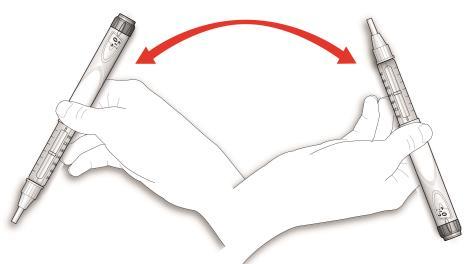
After mixing, check the appearance of your insulin. Insulin suspensions should
appear uniformly milky.
Point 2. Needle Insertion
Always use a new, sterile needle for each injection. This will help prevent contamination and potential
needle blockages.
Before using the needle, carefully read the “Instructions for Use” for the needles.
Note: the needles shown are for illustrative purposes only.
- A.Remove the protective tab from the new needle package.
- B.Align the needle with the pen and keep it straight while inserting it onto the pen (screw on or press on, depending on the type of needle).
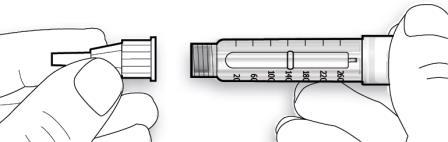
.
- If the needle is not held straight while being inserted, it may damage the rubber seal and cause leaks, or it may break the needle.
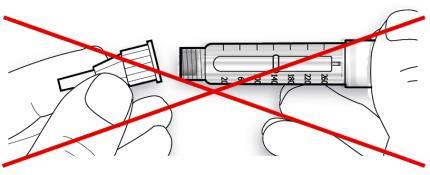
Point 3. Perform the safety test
Always perform the safety test before each injection. This ensures the delivery of a correct
dose because:
- ensures that the pen and needle are functioning correctly
- removes air bubbles
490
- A.Select a dosage of 2 units by rotating the dosage selector.
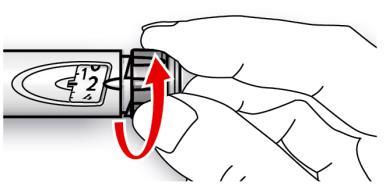
- B.Remove the outer cap of the needle and save it to remove the used needle after the injection. Remove the inner cap of the needle and discard it.
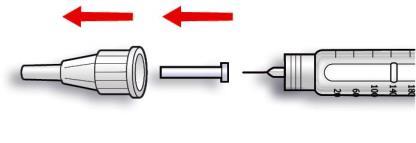
- C.Hold the pen upright with the needle pointing upwards.
- D.Tap the insulin reservoir with your finger so that any air bubbles rise to the needle.
- E.Press the injection button all the way down. Check that insulin comes out of the needle tip. HoldDiscard
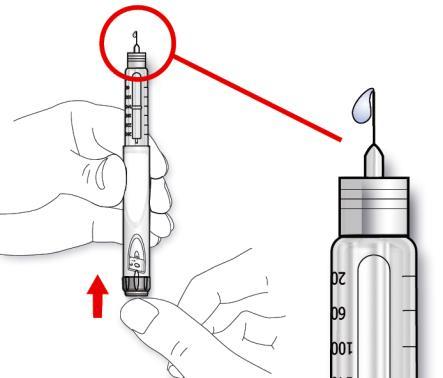
You may need to repeat the safety test several times before insulin comes out.
- If the insulin does not come out, check for air bubbles and repeat the safety test two or more times to remove them.
- If the insulin still does not come out, the needle may be blocked. Change the needle and try again.
- If the insulin does not come out after changing the needle, the SoloStar may be damaged. Do not use this SoloStar.
Point 4. Dose Selection
The dose can be selected in 1-unit increments, from a minimum of 1 unit to a maximum of 80
units. If a dose greater than 80 units is required, it must be administered by two or more
injections.
- A.Check that the dosage window shows “0” at the end of the safety test.
- B.Select the required dose (in the example below, the selected dose is 30 units). If a higher dose has been selected, you can rotate the dosage selector in the opposite direction.
491
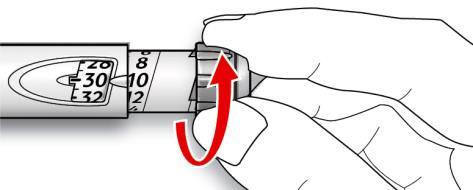
- Do not push the injection button while rotating as insulin will come out.
- You cannot rotate the dosage selector beyond the number of units remaining in the pen. Do not force the dosage selector further. In this case, you can inject what remains in the pen and complete the dose with a new SoloStar or use a new SoloStar for the entire dose.
Point 5. Injecting the dose
- A.Use the injection technique as instructed by your doctor, pharmacist or nurse.
- B.Insert the needle into the skin.
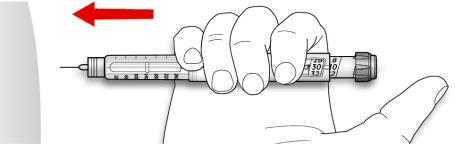
- C.Administer the dosage by pressing the injection button all the way down. The number appearing in the dosage window will return to “0” during the injection.
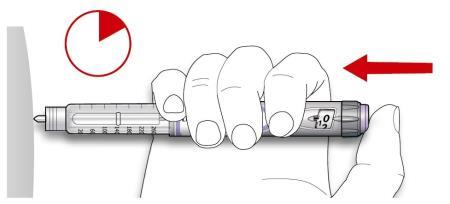
- D.Keep the injection button pressed all the way down. Count slowly to 10 before removing the needle from the
skin. This ensures that the entire dose of insulin has been injected.
The pen plunger moves with each dose. The plunger reaches the end of the cartridge when
a total of 300 units of insulin have been used.
Point 6. Needle Removal and Disposal
Always remove the needle after each injection and store the SoloStar without the needle inserted.
This helps to prevent:
- contamination and/or infection,
- air entering the insulin reservoir and insulin leakage, which can cause inaccurate dosing.
- A.Put the outer cap back on the needle and use it to unscrew the needle from the pen. To reduce the risk of accidental needle injury, never reposition the inner cap of the needle.
- If the injection is given by another person, or if you are giving the injection to another person, you must take particular care when removing and disposing of the needle. Follow the 492
safety measures recommended for needle removal and disposal (ask your doctor, pharmacist or nurse) to reduce the risk of accidental needle injury and the transmission of infectious diseases.
- B.Dispose of the needle safely.
- C.Reposition the cap on the pen, then store the pen until the next injection.
Storage Instructions
Refer to the back of this leaflet (insulin) for instructions on how to store SoloStar.
If your SoloStar is stored in the refrigerator, remove it 1-2 hours before injection so that it can
warm up to room temperature. Injecting cold insulin is more painful.
Dispose of your used SoloStar in accordance with local legal requirements.
Maintenance
SoloStar must be protected from dust and dirt.
The outside of SoloStar can be cleaned with a damp cloth.
Do not wet, wash or lubricate the pen as this could damage it.
Your SoloStar is designed to work safely and accurately. It must be handled with care.
Situations in which SoloStar could be damaged must be avoided. If you are concerned that SoloStar is
damaged, use a new one.
493
Insuman Infusat 100 IU/ml injectable solution in a vial
Human insulin
Read this leaflet carefully before you start using this medicine as it contains important
information for you.
- Keep this leaflet. You may need to read it again.
- If you have any questions, ask your doctor, pharmacist or nurse.
- This medicine has been prescribed for you only. Do not pass it on to others, even if they have the same symptoms as you, as it may be harmful.
- If you get any side effects, even those not listed in this leaflet, tell your doctor, pharmacist or nurse. See section 4.
Contents of this leaflet:
- 1. What Insuman Infusat is and what it is used for
- 2. What you need to know before you use Insuman Infusat
- 3. How to use Insuman Infusat
- 4. Possible side effects
- 5. How to store Insuman Infusat
- 6. Contents of the pack and other information
1. What is Insuman Infusat and what is it used for
Insuman Infusat contains the active substance human insulin, which is produced by a biotechnological process and is identical to the insulin found in our body.
Insuman Infusat is a rapid-acting and short-duration insulin preparation.
Insuman Infusat must only be used in insulin pumps suitable for this insulin.
Insuman Infusat is used to lower high blood sugar levels in patients with
diabetes mellitus who require insulin supplementation. Diabetes mellitus is a disease in which the body
does not produce enough insulin to control blood sugar levels.
2. What you need to know before using Insuman Infusat
Do not use Insuman Infusat
If you are allergic (hypersensitive) to insulin or to any of the other ingredients of this medicine
(listed in section 6).
Warnings and precautions
Talk to your doctor, pharmacist or nurse before using Insuman Infusat.
Follow the instructions given to you by your doctor strictly regarding the dose, checks to be performed (blood
and urine), diet and physical activity (work and exercise).
Tell your doctor if you are allergic to this medicine or to animal insulins.
494
Special patient groups
If you have liver or kidney problems, or if you are elderly, consult your doctor because you may need a lower
dose.
Skin changes at the injection site:
The injection site must be rotated to prevent changes in the skin, such as the appearance of nodules
under the skin. Insulin may not work as well as it should if you inject into an area with
nodules (see section How to use Insuman Infusat). If you are currently injecting into an area with
nodules, talk to your doctor before starting to inject into another area. Your doctor may
ask you to check your blood sugar more carefully and adjust your insulin or other antidiabetic medicines.
Travel
Consult your doctor before starting a trip. You may need to discuss the following aspects:
- availability of insulin in the destination country,
- sufficient insulin supplies, syringes, etc.,
- correct storage of insulin during the trip,
- who to contact in case of technical problems with the pump,
- interval between meals and insulin administration during the trip,
- possible effects of changing time zones,
- possible risks of contracting new diseases in the countries visited.
- what to do in emergency situations if you do not feel well or become ill.
Illnesses and injuries
In the following situations, blood sugar control may require close attention:
- If you are ill or have serious injuries, there is a risk that your blood sugar level will increase (hyperglycemia).
- If you do not eat enough, there is a risk that your blood sugar level will decrease (hypoglycemia). In most cases, medical intervention is necessary. Contact your doctor quickly.
Furthermore, if you suffer from type 1 diabetes (insulin-dependent diabetes mellitus), do not stop treatment with
insulin or the intake of carbohydrates. It is necessary to keep people close to you informed of your
need for insulin.
Some patients with long-lasting type 2 diabetes mellitus and heart disease or with a history of stroke,
treated with pioglitazone and insulin have developed heart failure. Inform your doctor as soon as possible
if you have signs of heart failure such as unusually short breath or rapid weight gain or
localized swelling (edema).
Other medicines and Insuman Infusat
Some medicines can cause changes in blood sugar levels (decrease or increase
or both depending on the situation). In any case, optimization of the insulin dose is necessary to
avoid blood sugar levels that are too low or too high. Be careful when starting or
stopping the use of another medicine.
Tell your doctor or pharmacist if you are taking, have recently taken or may take any
other medicine. Before taking a medicine, ask your doctor if it can affect blood sugar and if
countermeasures are necessary.
Medicines that can cause a decrease in blood sugar levels (hypoglycemia)
include:
495
- all other medicines used to treat diabetes,
- angiotensin converting enzyme (ACE) inhibitors (used to treat some heart conditions or high blood pressure),
- disopyramide (used to treat some heart conditions),
- fluoxetine (used to treat depression),
- fibrates (used to lower high levels of fats in the blood),
- monoamine oxidase inhibitors (MAO) (used to treat depression),
- pentoxifylline, propoxyphene, salicylates (such as aspirin, used to relieve pain and lower fever),
- sulfonamide antibiotics.
Medicines that can cause an increase in blood sugar levels (hyperglycemia) include:
- corticosteroids (such as "cortisone", used to treat inflammation),
- danazol (a medicine that affects ovulation),
- diazoxide (used to treat high blood pressure),
- diuretics (used to treat high blood pressure or excessive fluid retention),
- glucagon (pancreatic hormone used to treat severe hypoglycemia, i.e. low blood sugar levels),
- isoniazid (used to treat tuberculosis),
- estrogens and progesterone (such as in the birth control pill used for birth control),
- phenothiazine derivatives (used to treat psychiatric disorders),
- somatropin (growth hormone),
- sympathomimetic medicines (such as epinephrine [adrenaline], salbutamol, terbutaline used to treat asthma),
- thyroid hormones (used to treat thyroid disorders),
- protease inhibitors (used to treat HIV),
- atypical antipsychotic medicines (such as olanzapine and clozapine).
Blood sugar levels may decrease or increase if you take:
- betablockers (used to treat high blood pressure),
- clonidine (used to treat high blood pressure),
- lithium salts (used to treat psychiatric disorders). Pentamidine (used to treat some infections caused by parasites) can cause hypoglycemia, sometimes followed by hyperglycemia.
Betablockers as well as other sympatholytic medicines (such as clonidine, guanethidine and reserpine) can
reduce or completely cancel the warning signs that help you recognize hypoglycemia.
If you are not sure if you are taking one of these medicines, ask your doctor or pharmacist.
Insuman Infusat with alcohol
Blood sugar levels may decrease or increase if you drink alcohol.
Pregnancy and breastfeeding
If you are pregnant, suspect you are pregnant or are planning to become pregnant, ask your doctor or pharmacist for advice before using this medicine.
Inform your doctor if you are planning a pregnancy or are already pregnant. It may be
necessary to adjust the dose of insulin during pregnancy and after delivery. It is important to control
diabetes carefully and prevent hypoglycemia for the health of the baby. However, there is no experience with
the use of Insuman Infusat in pregnancy.
If you are breastfeeding, consult your doctor, as adjustments to the insulin dose and
diet may be necessary.
496
Driving and using machines
Your ability to concentrate or react may be reduced in case of:
- hypoglycemia (low blood sugar levels),
- hyperglycemia (high blood sugar levels),
- vision problems. Take this into account in all situations where you could pose a risk to yourself and others (such as driving a car or using machinery). Ask your doctor for advice on whether you should drive if:
- you have frequent hypoglycemic attacks,
- the typical signs that help you identify hypoglycemia are reduced or absent.
- Insuman Infusat contains sodiumThis medicine contains less than 1 mmol (23 mg) of sodium per dose, i.e. it is essentially “sodium-free”.
3. How to use Insuman Infusat
Dose
Use this medicine following exactly the instructions of your doctor. If you have any doubts, ask your doctor or pharmacist.
Based on your lifestyle and the results of blood sugar tests (glycemia), your doctor will:
- establish the daily amount of Insuman Infusat you need, how much insulin should be infused continuously ("basal administration") and how much and at what intervals should possibly be added as assistance in particular situations ("bolus dose"),
- inform you of when you should check your blood sugar and, if necessary, when to perform urine tests,
- inform you if a lower or higher dose of Insuman Infusat is needed,
Many factors can influence your blood sugar levels. It is advisable that you know these factors so that you can act appropriately in case of changes in blood sugar levels and thus avoid them becoming too high or too low. For further information, see the section at the end of this leaflet.
Method of administration
Insuman Infusat is a liquid (suspension) for subcutaneous injection.
Your doctor will show you how and where to infuse the insulin and how you should subsequently vary the injection site within the predetermined area to administer the insulin. In any case, it is advisable to consult your doctor before changing the infusion site.
Do not use Insuman Infusat in peristaltic pumps with silicone tubes. Situations in which you should not start or continue to use insulin pumps are described in the operating manual for these pumps.
How to handle the vials
Insuman Infusat must only be used in infusion systems suitable for this insulin. For infusion, only catheters made of polyethylene or tetrafluoroethylene must be used. The operating manual provided with the pump will show you how to use it.
Insuman Infusat must only be used if the solution is clear, colorless, without visible solid particles and has a watery consistency.
497
Special precautions before the injection
Before starting the infusion, remove all air bubbles. Make sure that neither alcohol nor other disinfectants or other substances contaminate the insulin.
Do not mix the insulin with other medicines. Insuman Infusat MUST NOT be mixed with any other type of insulin.
Insulin pump defects
The possibility of technical problems should always be considered if, in order to achieve a desired blood glucose level
- you have to add insulin (bolus dose) in higher or more frequent doses than usual.
- you have to add insulin (bolus dose) in lower or less frequent doses than usual.
For details on safety precautions when using insulin pumps, consult the operator's manual.
If the pump is not working properly, you can aspirate the insulin from the cartridge into a syringe for injection.
Therefore, also keep syringes and needles for injection handy. However, only use injection syringes suitable for insulin concentrations of 100 IU (International Units) per ml.
If you use more Insuman Infusat than you should
- If you have injected too high a dose of Insuman Infusat, your blood sugar levels may become too low (hypoglycemia). Check your blood sugar frequently. In general, to prevent hypoglycemia, you should eat more substantial meals and check your blood sugar. For information on the treatment of hypoglycemia, see the section at the end of this leaflet.
If you forget to use Insuman Infusat
- If you have forgotten a dose of Insuman Infusator have not injected enough insulin, your blood sugar levels may become too high (hyperglycemia). Check your blood sugar frequently. For information on the treatment of hyperglycemia, see the section at the end of this leaflet.
- Do not take a double dose to make up for a missed dose.
If you stop treatment with Insuman Infusat
This can lead to severe hyperglycemia (very high blood sugar levels) and ketoacidosis (build-up of acid in the blood because the body is metabolizing fat instead of sugar). Do not stop Insuman Infusat without consulting a doctor who will tell you what you need to do.
If you have any doubts about the use of this medicine, ask your doctor, pharmacist or nurse.
Insulin exchanges
You should always check the insulin label before each injection to avoid exchanging medicines between Insuman Infusat and other insulins.
4. Possible side effects
498
Like all medicines, this medicine can cause side effects, although not everybody gets them.
More serious side effects
Side effects reported uncommonly(may affect up to 1 in 100 people)
- Severe allergic reactions with low blood pressure(shock)
Side effects reported with unknown frequency(cannot be estimated from the available data)
- The most frequent side effect is hypoglycemia(low blood sugar levels). Severe hypoglycemic episodes can cause heart attack or brain damage and can be life-threatening. For further information on the side effects of low blood sugar or high blood sugar levels, see the box at the end of this leaflet.
- Severe, widespread allergic reactions to insulinmay occur, which could be life-threatening. Such reactions to insulin or excipients can cause extensive skin reactions (rashes and itching all over the body), severe swelling of the skin or mucous membranes (angioedema), shortness of breath, low blood pressure with rapid heartbeat and sweating
Other side effects
Side effects reported commonly(may affect up to 1 in 10 people)
- Edema Treatment with insulin can lead to temporary increased fluid retention in the body with swelling in the calf and ankle areas.
- Reactions at the injection site
Side effects reported uncommonly
- Urticaria at the injection site (itchy rash)
Side effects reported with unknown frequency
- Sodium retention
- Eye disorders A marked change (improvement or worsening) in blood sugar levels can temporarily disturb vision. If you suffer from proliferative retinopathy (an eye disease associated with diabetes), severe hypoglycemic episodes can cause temporary loss of vision.
- Skin changes at the injection site: If you inject insulin too often into the same place, the fatty tissue may become thinner (lipoatrophy) or thicker (lipohypertrophy). Lumps under the skin can also be caused by the accumulation of a protein called amyloid (cutaneous amyloidosis: it is not known how often this occurs). Insulin may not work as well as it should if you inject into an area with lumps. Change the injection site with each injection to prevent these skin changes.
- Skin and allergic reactions Other mild reactions may occur at the injection site (such as redness at the injection site, unusually intense pain at the injection site, itching, swelling at the injection site, or inflammation at the injection site). These disturbances can spread around the injection site. Most minor reactions to insulin resolve within a few days or within a few weeks.
- Anti-insulin antibodies Treatment with insulin can lead to the formation of anti-insulin antibodies (substances that act against insulin). Only in rare cases does the presence of such antibodies necessitate an adjustment of the insulin dose.
Reporting of side effects
If you get any side effects, even those not listed in this leaflet, tell your doctor, pharmacist or nurse. You can also report side effects directly through the national reporting system listed in Annex V.
499
By reporting side effects you can help provide more information on the safety of this medicine.
5. How to store Insuman Infusat
Keep this medicine out of the sight and reach of children.
Do not use this medicine after the expiry date which is stated on the pack and on the vial label
after “Scad”/ “Exp”. The expiry date refers to the last day of that month.
Unused vials:
Store in a refrigerator (2°C - 8°C). Do not freeze. Do not place Insuman Infusat in direct contact with the
freezer compartment or with cooling packs. Store the vial in the outer packaging to
protect the medicine from light.
Opened vials:
Once opened, the vial can be stored for a maximum of 4 weeks at a temperature not
exceeding 25°C, protected from a direct heat source (e.g. radiator) or direct light (direct sunlight or lamp) in the outer packaging. Do not use the vial after this period. It is recommended to
write the date of first use on the label itself.
Insuman Infusat can be kept in the pump for up to two weeks.
Do not dispose of any medicine in wastewater or household waste. Ask your pharmacist how to eliminate the
medicines that you no longer use. This will help protect the environment.
6. Content of the pack and other information
What Insuman Infusat contains
- The active ingredient is human insulin. 1 ml of Insuman Infusat contains 100 IU (International Units) of the active ingredient human insulin.
- The other ingredients are: phenol, zinc chloride, trometamol, poloxamer 171, glycerol, sodium hydroxide, hydrochloric acid (for pH adjustment) and water for injections.
Description of the appearance of Insuman Infusat and contents of the pack
Insuman Infusat is a clear, colourless, particle-free injection solution which looks similar to water.
Insuman Infusat is supplied in vials containing 10 ml of solution (1,000 IU). Packs of 3 vials of 10 ml are
available.
Marketing Authorisation Holder and Manufacturer
Sanofi-Aventis Deutschland GmbH
D-65926 Frankfurt am Main
Germany.
For further information on this medicine, contact the local representative of the Marketing Authorisation
Holder:
België/Belgique/Belgien
Sanofi Belgium
Tél/Tel: +32 (0)2 710 54 00
Lietuva
Swixx Biopharma UAB
Tel: +370 5 236 91 40
500
България
Swixx Biopharma EOOD
Тел.: +359 (0)2 4942 480
Luxembourg/Luxemburg
Sanofi Belgium
Tél/Tel: +32 (0)2 710 54 00 (Belgique/Belgien)
Česká republika
sanofi-aventis, s.r.o.
Tel: +420 233 086 111
Magyarország
SANOFI-AVENTIS Zrt.
Tel.: +36 1 505 0050
Danmark
sanofi- A/S
Tlf: +45 45 16 70 00
Malta
Sanofi S.r.l.
Tel: +39 02 39394275
Deutschland
Sanofi-Aventis Deutschland GmbH
Tel: 0800 52 52 010
Tel. aus dem Asland: +49 69 305 21 131
Nederland
Sanofi B.V
Tel: +31 20 245 4000
Eesti
Swixx Biopharma OÜ
Tel: +372 640 10 30
Norge
sanofi-aventis Norge AS
Tlf: +47 67 10 71 00
Ελλάδα
Sanofi-Aventis AEBE
Τηλ: +30 210 900 16 00
Österreich
sanofi-aventis GmbH
Tel: +43 1 80 185 – 0
España
sanofi-aventis, S.A.
Tel: +34 93 485 94 00
Polska
sanofi-aventis Sp. z o.o.
Tel.: +48 22 280 00 00
France
Sanofi Winthrop Industrie
Tél: 0 800 222 555
Appel depuis l’étranger : +33 1 57 63 23 23
Portugal
Sanofi - Produtos Farmacêuticos, Lda.
Tel: +351 21 35 89 400
Hrvatska
Swixx Biopharma d.o.o.
Tel: +385 1 2078 500
România
sSanofi Romania SRL
Tel: +40 (0) 21 317 31 36
Ireland
sanofi-aventis Ireland Ltd. T/A SANOFI
Tel: +353 (0) 1 403 56 00
Slovenija
Swixx Biopharma d.o.o.
Tel: +386 1 235 51 00
Ísland
Vistor hf.
Sími: +354 535 7000
Slovenská republika
Swixx Biopharma s.r.o.
Tel: +421 2 208 33 600
Italia
Sanofi S.r.l.
Tel: 800 13 12 12 (technical questions)
800 536389 (other questions)
Suomi/Finland
Sanofi Oy
Puh/Tel: +358 (0) 201 200 300
Κύπρος
C.A. Papaellinas Ltd.
Τηλ: +357 22 741741
Sverige
Sanofi AB
Tel: +46 (0)8 634 50 00
501
Latvija
Swixx Biopharma SIA
Tel: +371 6 616 47 50
United Kingdom (Northern Ireland)
sanofi-aventis Ireland Ltd. T/A SANOFI
Tel: +44 (0) 800 035 2525
Other sources of information
More detailed information on this medicine is available on the website of the European Medicines
Agency: http://www.ema.europa.eu/
HYPERGLYCAEMIA AND HYPOGLYCAEMIA
Always carry some sugar with you (at least 20 grams).
Carry information indicating that you have diabetes.
HYPERGLYCAEMIA (high blood sugar levels)
If your blood sugar levels are too high (hyperglycaemia),you may not have injected enough
insulin.
Why does hyperglycaemia occur?
Examples include:
- you did not inject insulin or administered an insufficient amount, or when the insulin becomes less effective (e.g. because it was not stored correctly),
- the insulin pump is not working properly,
- you are doing less exercise than usual, or are particularly stressed (emotionally or physically), or in cases of injury, surgery, infection or fever,
- you are taking or have taken certain other medicines (see section 2, “Other medicines and Insuman Infusat”).
Warning signs of hyperglycaemia
Thirst, increased need to urinate, weakness, dry skin, flushing of the face, loss of appetite,
lowering of blood pressure, rapid heartbeat and the presence of glucose or ketones in the urine. Abdominal
pain, deep and rapid breathing, drowsiness or even loss of consciousness may indicate a serious condition
(ketoacidosis) resulting from insulin deficiency.
What should you do in case of hyperglycaemia?
Check your blood sugar and the presence of ketones in your urine as soon as possible if you experience
any of the symptoms mentioned above.Severe hyperglycaemia or ketoacidosis must always be
treated by a doctor, usually in a hospital setting.
HYPOGLYCAEMIA (low blood sugar levels)
If your blood sugar levels drop too low, you may lose consciousness. Severe hypoglycaemic episodes can
cause heart attack or brain damage and can be life-threatening. You should generally be able to recognise
when your blood sugar levels are dropping too low, so that you can take appropriate precautions. 502
Why does hypoglycaemia occur?
Examples include:
- you injected too much insulin,
- you skipped or delayed meals,
- you are not eating enough or the food consumed contains a lower amount of carbohydrates than normally consumed (carbohydrates are sugar and sugar-like substances; however artificial sweeteners are NOT carbohydrates),
- you have lost carbohydrates due to vomiting or diarrhoea,
- you drink alcoholic beverages, especially if you are eating little,
- you are doing more exercise than usual, or a different type of activity,
- you are recovering from injury, surgery or stress,
- you are recovering from an illness or fever,
- you are taking or have taken certain other medicines (see section 2, “Other medicines and Insuman Infusat”).
Hypoglycaemia can also occur more easily if:
- you are at the beginning of treatment with insulin or have switched to a different type of insulin,
- your blood sugar levels are almost normal or show fluctuations,
- you have changed the area of skin where you inject the insulin (e.g. from the thigh to the upper arm),
- you suffer from severe kidney or liver disease, or other diseases such as hypothyroidism.
Warning signs of hypoglycaemia
- In the body Examples of symptoms indicating that blood sugar levels are dropping too low or too quickly: sweating, clammy skin, anxiety, rapid heartbeat, high blood pressure, palpitations and irregular heartbeat. These symptoms can often develop before those indicating a reduction in brain sugar levels.
- In the brain Examples of symptoms indicating a reduction in brain sugar levels: headache, insatiable hunger, nausea, vomiting, fatigue, drowsiness, sleep disturbances, restlessness, aggression, difficulty concentrating, reduced ability to react, depressed mood, confusion, speech difficulties (sometimes aphasia), visual disturbances, tremor, paralysis, sensory disturbances (paresthesia), tingling and numbness of the mouth, dizziness, loss of self-control, inability to care for oneself, convulsions, loss of consciousness.
The early characteristic symptoms of a state of hypoglycaemia ("warning symptoms") may vary, be less
noticeable or even completely absent if:
- you are elderly, have had diabetes for a long time or suffer from a certain type of neurological disease (diabetic autonomic neuropathy),
- after a recent hypoglycaemic episode (e.g. the day before) or if the hypoglycaemia appears slowly,
- blood glucose levels are almost normal or at least significantly improved,
- you have recently switched from animal insulin to human insulin such as Insuman,
- you are taking or have taken certain other medicines (see section 2, “Other medicines and Insuman Infusat”).
In these cases, a severe hypoglycaemia (even with loss of consciousness) may develop without being
recognised for a long time. Therefore, learn to recognise the warning signs of hypoglycaemia. If necessary, more
frequent blood sugar checks may be helpful in identifying mild hypoglycaemic episodes that might otherwise
go unnoticed. If you are unable to recognise the warning signs of hypoglycaemia, avoid all those
situations (such as driving a car) that may be risky for you and others due to hypoglycaemia.
What should you do in case of hypoglycaemia?
503
- 1. Stop your insulin infusion (if necessary, by removing the needle) until you are fully conscious again. Immediately take 10 to 20 g of sugar, such as glucose, sugar cubes or a sugary drink. Caution: artificial sweeteners and foods containing artificial sweeteners (such as diet drinks) do not help treat hypoglycaemia.
- 2. Then consume food that can cause a sustained release of sugar into the blood (such as bread or pasta). Your doctor or nurse should have discussed these measures with you in advance.
- 3. If another hypoglycaemia occurs, take another 10 to 20 g of sugar again.
- 4. Talk to your doctor as soon as you notice that you are unable to control the hypoglycaemia or if it occurs again.
Inform your relatives, friends and colleagues close to you that:
If you are unable to swallow or lose consciousness, action must be taken with an injection of glucose or glucagon
(a medicine that increases blood sugar levels). These injections are also justified if you are not
sure whether a hypoglycaemic event has occurred.
It is advisable to check blood sugar immediately after taking sugar to confirm that a hypoglycaemic episode was
occurring. 504
Insuman implantable 400 IU/ml infusion solution
Human insulin
http://www.ema.europa.eu/. Alternatively, you can contact the Marketing Authorisation Holder listed at the end of this leaflet.
Read this leaflet carefully before you start using this medicine as it contains important information for you.
- Keep this leaflet. You may need to read it again.
- If you have any questions, ask your doctor or nurse.
- If you get any side effects, even those not listed in this leaflet, tell your doctor or nurse. Contents of this leaflet:
- 1. What Insuman Implantable is and what it is used for
- 2. What you need to know before you use Insuman Implantable
- 3. How to use Insuman Implantable
- 4. Possible side effects
- 5. How to store Insuman Implantable
- 6. Contents of the pack and other information
2. What is Insuman Impiantabile and what is it used for
Insuman Impiantabile contains the active ingredient human insulin, which is produced by a biotechnological process and is identical to the insulin found in our body.
Insuman Impiantabile is a rapid-acting, short-duration insulin solution. When used
with an implantable insulin pump, Insuman Impiantabile will be continuously infused into the body and therefore
can replace a long-acting insulin.
Insuman Impiantabile (400 IU/ml) contains 4 times more insulin in 1 ml than standard insulin (100
IU/ml). This means that Insuman Impiantabile is more concentrated than standard insulin.
Insuman Impiantabile is used to lower high blood sugar levels in adult patients
with a certain form of diabetes (type 1 diabetes mellitus). These patients are not adequately controlled
despite intensive therapy with subcutaneous insulin (multiple daily subcutaneous injections or
insulin pump). Diabetes mellitus is a disease in which the body does not produce enough insulin to
control blood sugar levels.
Insuman Impiantabile must only be used in the Medtronic MiniMed pump which is implanted under the skin
of the abdomen and continuously infuses insulin.
3. Cosa deve sapere prima di usare Insuman Impiantabile
Non usi Insuman Impiantabile
- Se è allergico (ipersensibile) all’insulina o ad uno qualsiasi degli altri componenti di questo medicinale (elencati al paragrafo 6).
505
- Con altre vie di somministrazione (ad esempio per iniezione). Non usi la pompa impiantabile Medtronic MiniMed
- Se è allergico (ipersensibile) alle leghe di titanio, a materiali a base di polisulfone o silicone usati nei componenti della pompa impiantabile.
- con medicinali diversi da Insuman Impiantabile
- in adolescenti che non hanno raggiunto le dimensioni corporee degli adulti
- se risiede in permanenza ad altitudini maggiori di 2439 metri.
Avvertenze e precauzioni
Avvisi il medico se si trova in condizioni mediche o mentali che la rendono incapace di fare modifiche alla
pompa in base alle letture della glicemia o intraprendere opportune azioni correttive se ha problemi al sistema
della pompa.
Prima di poter usare la pompa impiantabile Medtronic MiniMed, lei riceverà un addestramento.
L’addestramento riguarderà la pompa impiantabile di insulina, come usare la pompa e come comportarsi in
situazioni speciali, quali in caso di ipoglicemia o iperglicemia. Inoltre, deve leggere e seguire le istruzioni nel
per il paziente fornito con la pompa impiantabile Medtronic MiniMed.
Insuman Impiantabile deve essere usato con la pompa impiantabile Medtronic MiniMed e non deve essere
usato con altre pompe (esterne o impiantabili) o siringhe.
Segua attentamente le istruzioni su dose, monitoraggio (esami del sangue e/o delle urine), dieta ed attività
fisica (lavoro ed esercizio fisico) discussi col medico.
Avvisi il medico se prevede di necessitare di frequenti indagini diagnostiche (ad esempio RMN o ultrasuoni).
Avvisi il medico se è allergico a questo medicinale o alle insuline animali.
Ipoglicemia
Se si somministra troppa insulina si possono verificare bassi livelli di glicemia (ipoglicemia).
Se si verifica ipoglicemia grave, questo può indicare un problema con la pompa. Se succede ciò, contatti
immediatamente il medico, che è addestrato ad eseguire un controllo della pompa.
Deve controllare attentamente i livelli di glicemia nei giorni di ricarica.
Durante una procedura di ricarica, una piccolissima quantità di Insuman Impiantabile si può depositare
sottocute, con una conseguente possibile ipoglicemia.
Iperglicemia
È possibile che l’insulina provochi il blocco della pompa impiantabile. Deve controllare i livelli di glicemia
almeno 4 volte al giorno per scoprire e prevenire iperglicemie dovute ad un malfunzionamento della pompa.
Se si verifica iperglicemia grave (livelli di glicemia molto alti) o chetoacidosi (accumulo di acido nel sangue
perché il corpo sta utilizzando grasso invece di zucchero) o coma, questo può indicare un problema con la
pompa. Se nota un rapido aumento nei livelli di glicemia che non risponde a una dose di insulina in bolo,
contatti immediatamente il medico, che è addestrato ad eseguire un controllo della pompa. Deve avere
sempre con sé dispositivi di iniezione (ad esempio siringhe o penne) ed insulina appropriata per l’iniezione
sottocutanea, in caso di malfunzionamento della pompa Per prevenire problemi alla pompa, il medico
programmerà un appuntamento per pulire la pompa almeno ogni 6 mesi.
Verifichi con il medico cosa deve fare se la pompa non funziona correttamente, in caso di danno o perdita
della pompa o del comunicatore personale della pompa (CPP).
Sito di impianto della pompa
Si possono verificare infezione della tasca della pompa (dove è inserita la pompa), erosione della pelle dove è
impiantata la pompa e scarsa cicatrizzazione del sito di incisione della pelle.
Contatti il medico se nota dolore, arrossamento, gonfiore nell’area della pompa.
506
Reazioni al fegato
La somministrazione di insulina con una pompa può causare una infiltrazione di grasso nel fegato in
localizzazioni singole, ben definite (chiamata steatosi epatica focale). Questo avviene quando la punta del
catetere è fissata al fegato, o molto vicino ad esso. Sembra essere reversibile quando viene riposizionato il
catetere o interrotta l’infusione di insulina, e senza conseguenze per la salute (vedere paragrafo 4).
Anticorpi anti-insulina
La somministrazione di insulina per via intraperitoneale può indurre il corpo a produrre anticorpi anti-
insulina (sostanze che agiscono contro l’insulina). Questo può rendere necessario modificare la dose di
insulina (vedere paragrafo 4).
Gruppi speciali di pazienti
Se ha problemi al fegato o ai reni, o se è anziano, consulti il medico perché potrebbe aver bisogno di una dose
inferiore.
Viaggi
Si rivolga al medico per informazioni su quali azioni intraprendere se prevede di:
- soggiornare ad una altitudine maggiore di 2439 metri
- viaggiare ad una altitudine maggiore di 2439 metri, tranne che con un aereo di linea
- immergersi sotto i 7,6 metri.
Prima di iniziare un viaggio consulti il medico. Potrebbe avere bisogno di discutere i seguenti aspetti:
- disponibilità di insulina e di un ospedale in grado di sostituire Insuman Impiantabile nel paese di destinazione,
- chi contattare in caso di problemi tecnici alla pompa,
- intervallo tra i pasti e somministrazione dell'insulina durante il viaggio,
- possibili problemi legati al cambiamento del fuso orario,
- rischi possibili di contrarre nuove malattie nei paesi visitati.
- cosa fare in situazioni di emergenza se non si sente bene o si ammala.
Malattie e lesioni
Nelle seguenti situazioni il controllo del diabete può richiedere attenzioni aggiuntive (ad esempio esami delle
urine e del sangue):
- Se è malato o ha gravi lesioni c’è il rischio che il livello di zucchero nel suo sangue aumenti (iperglicemia).
- Se non si alimenta a sufficienza, c’è il rischio che il livello di zucchero nel suo sangue diminuisca (ipoglicemia). Nella maggior parte dei casi è necessario l'intervento del medico. Contatti il medico rapidamente.
Poichè soffre di diabete di tipo 1 (un diabete mellito insulino-dipendente) non sospenda il trattamento con
l’insulina L’interruzione dell’assunzione di insulina potrebbe portare a una glicemia molto alta. Deve anche
assicurarsi di assumere una quantità sufficiente di carboidrati.È necessario tenere informate le persone che le
sono vicine, del suo bisogno di insulina.
Bambini e adolescenti
Non vi è esperienza sull’uso di Insuman Impiantabile nei bambini e negli adolescenti sotto i 18 anni. A causa
delle dimensioni della pompa, gli adolescenti che non hanno raggiunto le dimensioni corporee degli adulti
non devono essere impiantati.
Altri medicinali e Insuman Impiantabile
Alcuni medicinali possono determinare cambiamenti dei valori di zucchero nel sangue (riduzione o aumento
o entrambi a seconda della situazione). In ogni caso è necessaria una ottimizzazione della dose di insulina per
evitare livelli di zucchero nel sangue troppo bassi o troppo elevati. Faccia attenzione quando inizia o
sospende l'uso di un altro medicinale.
507
Informi il medico o l’infermiere se sta assumendo, ha recentemente assunto o potrebbe assumere qualsiasi
altro medicinale. Prima di assumere un medicinale chieda al medico se questo può agire sulla glicemia e se
occorre prendere delle contromisure.
Medicinali che possono causare una diminuzione dei livelli di zucchero nel sangue (ipoglicemia) includono:
- tutti gli altri medicinali utilizzati per trattare il diabete,
- inibitori dell’enzima di conversione dell’angiotensina (ACE) (usati per trattare alcune condizioni cardiache o la pressione sanguigna alta),
- disopiramide (usata per trattare alcune condizioni cardiache),
- fluoxetina (usata per trattare la depressione),
- fibrati (usati per abbassare livelli elevati di grassi nel sangue),
- inibitori della monoamino-ossidasi (MAO) (usati per trattare la depressione),
- pentossifillina, propossifene, salicilati (quali aspirina, usati per alleviare il dolore e abbassare la febbre),
- antibiotici sulfonamidi.
Medicinali che possono causare un aumento dei livelli di zucchero nel sangue (iperglicemia) includono:
- corticosteroidi (quali il "cortisone", usato per trattare l’infiammazione),
- danazolo (un medicinale che agisce sull’ovulazione),
- diazossido (usato per trattare la pressione sanguigna alta),
- diuretici (usati per trattare la pressione sanguigna alta o l’eccessiva ritenzione di liquidi),
- glucagone (ormone del pancreas usato per trattare l’ipoglicemia grave, ossia bassi livelli di zucchero nel sangue), isoniazide (usata per trattare la tubercolosi),
- estrogeni e progesterone (come nella pillola anticoncezionale usata per il controllo delle nascite),
- derivati fenotiazinici (usati per trattare i disordini psichiatrici),
- somatropina (ormone della crescita),
- medicinali simpaticomimetici (quali epinefrina [adrenalina] o salbutamolo, terbutalina (usati per trattare l’asma),
- ormoni tiroidei (usati per trattare i disordini della tiroide),
- inibitori della proteasi (usati per trattare l’HIV),
- medicinali antipsicotici atipici (quali olanzapina e clozapina). Questi medicinali sono usati per problemi mentali che modificano il modo di pensare, sentire o agire.
I livelli di zucchero nel sangue possono diminuire o aumentare se lei assume:
- betabloccanti (usati per trattare la pressione sanguigna alta),
- clonidina (usata per trattare la pressione sanguigna alta),
- sali di litio (usati per trattare i disordini psichiatrici). La pentamidina (usata per trattare alcune infezioni causate da parassiti) può causare ipoglicemia, a volte seguita da iperglicemia.
I betabloccanti così come altri medicinali simpaticolitici (quali clonidina, guanetidina e reserpina) possono
ridurre od annullare completamente i segni premonitori che la aiutano a riconoscere una ipoglicemia.
Se non è sicuro di assumere uno di questi medicinali, chieda al medico o all’infermiere.
Insuman Impiantabile con alcol
I livelli di zucchero nel sangue possono diminuire o aumentare se beve alcol.
508
Gravidanza e allattamento
Se è in corso una gravidanza, se sospetta o sta pianificando una gravidanza, o se sta allattando con latte
materno chieda consiglio al medico prima di usare questo medicinale. Non vi sono informazioni cliniche
sull’uso di Insuman Impiantabile in una pompa impiantabile in donne in gravidanza.
Informi il medico se sta pianificando una gravidanza o se è già in stato di gravidanza. Potrebbe essere
necessario modificare la dose di insulina durante la gravidanza e dopo il parto. È importante controllare il
diabete attentamente e prevenire l’ipoglicemia per la salute del bambino.
Se sta allattando, consulti il medico, in quanto potrebbero essere necessarie modifiche della dose di insulina e
della dieta.
Guida di veicoli e utilizzo di macchinari
La capacità di concentrazione o di reazione può risultare ridotta in caso di:
- ipoglicemia (bassi livelli di zucchero nel sangue),
- iperglicemia (elevati livelli di zucchero nel sangue),
- problemi della vista. Tenga conto della possibilità che questo si verifichi in tutte le situazioni in cui potrebbe rappresentare un rischio sia per lei stesso che per gli altri (come guidando un’automobile o usando macchinari).
Si rivolga al medico per avere un consiglio se sia opportuno che lei si metta alla guida se:
- ha frequenti attacchi ipoglicemici,
- i tipici segni che la aiutano ad identificare un'ipoglicemia sono ridotti o assenti. Informazioni importanti su alcuni componenti di Insuman ImpiantabileQuesto medicinale contiene meno di 1 mmol (23 mg) di sodio per dose, cioè è essenzialmente ‘senza sodio’.
3. How to use Insuman Implantable
Use this medicine following the instructions of your doctor or nurse exactly. If you have any doubts
consult your doctor or nurse.
Insuman Implantable will be prescribed by a doctor who has received adequate training in the use of the
Medtronic MiniMed implantable pump.
Dose
Based on your lifestyle and the results of blood sugar (glycemia) tests, your doctor will:
- establish the daily amount of Insuman Implantable you need,
- inform you of when you should check your blood sugar and, if necessary, when to perform urine tests.
Many things can affect your blood sugar levels. It is advisable that you know what these things are
so that you can act appropriately in case of changes in blood sugar levels and thus avoid them becoming too high or too low. For further information, see the
box at the end of this leaflet.
509
The insulin in the pump must be replaced with new insulin every 40 – 45 days. Do not exceed this
period of time. Contact your doctor immediately if you are unable to go to hospital or clinic to
replace the insulin in the pump. Depending on your personal needs, it may be necessary to replace
the insulin at shorter intervals.
The pump is not connected to a blood glucose measuring device. You must implement good
self-monitoring of diabetes and measure blood glucose levels at least 4 times a day to monitor glycemic control and determine the necessary insulin doses.
A portion of the daily insulin dose is infused continuously by the implantable pump and the remaining portion of the daily dose is administered by you, using the same pump, as boluses before meals. The
amount of insulin is constantly controlled by the pump’s personal communicator (CPP) which communicates
with the pump via radio waves.
Method of administration
Insuman Implantable must only be used with the Medtronic MiniMed implantable pump. Insuman
Implantable must not be used with other injection devices (e.g. syringes).
The Medtronic MiniMed implantable pump, which is implanted under the skin of the abdomen, infuses
insulin continuously (continuous intraperitoneal infusion). You will be admitted to hospital for
surgical implantation of the Medtronic MiniMed implantable pump in the abdomen. The pump system will
also be programmed and tested before you leave hospital.
All pump procedures (pump recharging, pump cleaning, checking if the pump is working
correctly) are performed using a sterile technique to avoid the risk of infection. Infections in
proximity to the pump implantation site may require removal of the pump
(pump explantation).
Pump recharging
How to handle the vials
The doctor will handle the insulin vials and accessories (e.g. refill syringes and needles) and
the tools needed to fill the implantable pump.
Pump recharging is a sterile procedure that must be performed in hospital or clinic. The unused insulin will be removed, and the pump will be filled with new insulin. The insulin in the pump must be
replaced with new insulin every 40 – 45 days, or at shorter intervals based on your personal insulin needs.
An alarm on the pump’s personal communicator warns when low insulin levels or no insulin are reached in the reservoir. Do not exceed this period of time (45 days) and contact
your doctor immediately if you are unable to go to hospital or clinic to replace the insulin in the
pump. Carefully check your blood glucose levels on pump recharging days. During this procedure, a very small dose of insulin may be deposited subcutaneously, which could result in
hypoglycemia.
Pump blockage
Insulin deposits can cause pump blockage. If you need to increase the insulin dose to
maintain blood glucose levels, if you have refractory hyperglycemia, this may indicate a pump problem.
Contact your doctor immediately who is trained to perform the necessary procedures to correct a potential
pump malfunction. To prevent pump problems, your doctor will schedule an appointment
to clean the pump at least every 6 months.
If you use more Insuman Implantable than you should
The doctor will program the maximum dose limits in the CPP. If you try to administer a dose more than 2.5 times the maximum bolus dose in one hour, the CPP screen will display the alarm “ maximum
hourly dosage exceeded”.
510
If you need to administer an additional bolus, press “SEL” and then “ACT”. The limit can be exceeded
by programming a single bolus within 10 minutes. If you try to administer a second bolus, the CPP screen
will again display the maximum hourly dosage exceeded alarm.
If you forget to use Insuman Implantable
- If you forget the dose before a meal: You may experience symptoms of hyperglycemia after eating. If this occurs, contact your doctor immediately. The doctor will tell you how to manage your blood glucose levels.
- If you forget to have the pump recharged: The insulin in the pump must be replaced with new insulin every 40 - 45 days. Do not extend this period of time (45 days) and contact your doctor immediately if you are unable to go to hospital or clinic to replace the insulin in the pump. Depending on your personal insulin needs, recharging may be necessary at shorter intervals. The CPP will display messages on the screen. If the pump has run out of insulin or is delivering less insulin than necessary, you may experience symptoms of hyperglycemia. If this occurs, contact your doctor immediately. The doctor will tell you how to manage your blood glucose levels.
If you stop treatment with Insuman Implantable
This can lead to severe hyperglycemia (very high blood sugar levels) and ketoacidosis (build-up
of acid in the blood because the body is metabolizing fat instead of sugar). Do not stop Insuman
Implantable without consulting a doctor who will tell you what is necessary to do.
If you have any doubts about the use of this medicine, ask your doctor or nurse.
4. Possible side effects
Like all medicines, this medicine can cause side effects, although not everyone gets them.
➢ Side effects reported with insulin
More serious side effects
Side effects reported commonly(may affect up to 1 in 10 people)
- The most frequent side effect is hypoglycemia(low blood sugar levels). Severe hypoglycemic episodes can cause stroke or brain damage and can be life-threatening. For further information on the side effects of low blood sugar levels, see the box at the end of this leaflet.
- Hyperglycemia: If blood sugar levels are too high, you may have hyperglycemia. Hyperglycemia can become serious and lead to a serious condition (ketoacidosis). For further information on the side effects of high blood sugar levels, see the box at the end of this leaflet.
Side effects reported uncommonly(may affect up to 1 in 100 people)
- Severe allergic reactions with low blood pressure (shock)
Side effects reported with unknown frequency(cannot be estimated from the available data)
- Serious allergic reactions to insulin may occur, which could be life-threatening. Such reactions to insulin or excipients may cause widespread skin reactions (rashes and itching all over the body), severe swelling of the skin or mucous membranes (angioedema), shortness of breath, low blood pressure with rapid heartbeat and sweating.
511
Other side effects
Side effects reported commonly
- Edema Treatment with insulin may lead to temporary fluid retention in the body with swelling in the calf and ankle areas.
Side effects reported with unknown frequency
- Sodium retention Insulin can cause sodium retention, especially if previous poor metabolic control is improved by intensive insulin therapy.
- Eye reactions A marked change (improvement or worsening) in blood sugar levels can temporarily disturb vision. If you suffer from proliferative retinopathy (an eye disease associated with diabetes), severe hypoglycemic episodes can cause temporary loss of vision.
- Anti-insulin antibodies Administration of insulin by intraperitoneal route may induce the body to produce anti-insulin antibodies (substances that act against insulin). High levels of antibodies are not commonly associated with the need to modify the insulin dose or the onset of serious side effects.
- Liver reactions Administration of insulin with a pump may cause fat infiltration into the liver in single, well-defined locations (called focal hepatic steatosis). This occurs when the catheter tip is fixed to the liver, or very close to it.
➢ Side effects reported with the implantable pump(including side effects due to
pump implantation and/or pump maintenance)
Side effects reported commonly
- Pump changes due to malfunction
- Pump blockage
- Catheter occlusion
- Infection of the area where the pump was implanted (pump pocket)
- Skin erosion: pump movements can erode the skin
- External swelling in the umbilical area (umbilical hernia)
- Stomach pains
- Pain due to catheter placement
Reporting of side effects
If you get any side effects, even those not listed in this leaflet, tell your doctor or nurse. You can also report side effects directly through the national reporting system listed in Annex V.
By reporting side effects you can help provide more information on the safety of
this medicine.
5. How to store Insuman Impiantabile
Keep this medicine out of the sight and reach of children.
Do not use this medicine after the expiry date which is stated on the pack and on the vial label
after “Scad”/ “Exp”. The expiry date refers to the last day of that month.
Vials not in use:
Store in a refrigerator (2°C - 8°C). Do not freeze. Do not put Insuman Impiantabile in direct contact
with the freezer compartment or with cooling packs. Store the vial in the outer packaging
to protect the medicine from light.
512
In the pump
In the pump, the medicine is stable for 45 days at 37°C.
6. Contents of the pack and other information
What Insuman Impiantabile contains
- The active substance is human insulin. 1 ml of Insuman Impiantabile contains 400 IU (International Units) of the active substance human insulin.
- The other ingredients are: phenol, zinc chloride, trometamol, polysorbate 171, glycerol, hydrochloric acid (for pH adjustment), sodium hydroxide (for pH adjustment) (see section 2 below “Important information about certain ingredients of Insuman Impiantabile”) and water for injections.
Description of the appearance of Insuman Impiantabile and contents of the pack
Insuman Impiantabile is a clear, colourless infusion solution, practically free from visible solid particles
and has a water-like appearance.
Insuman Impiantabile is supplied in vials containing 10 ml of solution (4000 IU). Packs of 1 and 5 vials of 10 ml are available
Not all pack sizes may be marketed.
Marketing authorisation holder and manufacturer
Sanofi-Aventis Deutschland GmbH
D-65926 Frankfurt am Main
Germany.
For further information on this medicinal product, contact the local representative of the marketing
authorisation holder:
België/Belgique/Belgien
Sanofi Belgium
Tél/Tel: +32 (0)2 710 54 00
Lietuva
Swixx Biopharma UAB
Tel: +370 5 236 91 40
България
Swixx Biopharma EOOD
Тел.: +359 (0)2 4942 480
Luxembourg/Luxemburg
Sanofi Belgium
Tél/Tel: +32 (0)2 710 54 00 (Belgique/Belgien)
Česká republika
sanofi-aventis, s.r.o.
Tel: +420 233 086 111
Magyarország
SANOFI-AVENTIS Zrt.
Tel.: +36 1 505 0050
Danmark
sanofi A/S
Tlf: +45 45 16 70 00
Malta
Sanofi S.r.l.
Tel: +39 02 39394275
Deutschland
Sanofi-Aventis Deutschland GmbH
Tel: 0800 52 52 010
Tel. aus dem Ausland: +49 69 305 21 131
Nederland
Sanofi B.V
Tel: +31 20 245 4000
513
Eesti
Swixx Biopharma OÜ
Tel: +372 640 10 30
Norge
sanofi-aventis Norge AS
Tlf: +47 67 10 71 00
Ελλάδα
Sanofi-Aventis AEBE
Τηλ: +30 210 900 16 00
Österreich
sanofi-aventis GmbH
Tel: +43 1 80 185 – 0
España
sanofi-aventis, S.A.
Tel: +34 93 485 94 00
Polska
sanofi-aventis Sp. z o.o.
Tel.: +48 22 280 00 00
France
Sanofi Winthrop Industrie
Tél: 0 800 222 555
Appel depuis l’étranger : +33 1 57 63 23 23
Portugal
Sanofi - Produtos Farmacêuticos, Lda
Tel: +351 21 35 89 400
Hrvatska
Swixx Biopharma d.o.o.
Tel: +385 1 2078 500
România
Sanofi Romania SRL
Tel: +40 (0) 21 317 31 36
Ireland
sanofi-aventis Ireland Ltd. T/A SANOFI
Tel: +353 (0) 1 403 56 00
Slovenija
Swixx Biopharma d.o.o.
Tel: +386 1 235 51 00
Ísland
Vistor hf.
Sími: +354 535 7000
Slovenská republika
Swixx Biopharma s.r.o.
Tel: +421 2 208 33 600
Italia
Sanofi S.r.l.
Tel: 800 13 12 12 (technical questions)
800 536389 (other questions)
Suomi/Finland
Sanofi Oy
Puh/Tel: +358 (0) 201 200 300
Κύπρος
C.A. Papaellinas Ltd.
Τηλ: +357 22 741741
Sverige
Sanofi AB
Tel: +46 (0)8 634 50 00
Latvija
Swixx Biopharma SIA
Tel: +371 6 616 47 50
United Kingdom (Northern Ireland)
sanofi-aventis Ireland Ltd. T/A SANOFI
Tel: +44 (0) 800 035 2525
Other sources of information
More detailed information on this medicinal product is available on the website of the European Medicines
Agency: http://www.ema.europa.eu/
514
HYPERGLYCEMIA AND HYPOGLYCEMIA
Always carry some sugar with you (at least 20 grams).
Carry information indicating that you have diabetes.
HYPERGLYCEMIA (high blood sugar levels)
If your blood sugar levels are too high (hyperglycemia),you may not have injected
enough insulin.
Why does hyperglycemia occur?
Examples include:
- insulin was not administered or an insufficient amount was administered, for example due to a pump malfunction or catheter blockage,
- you are doing less exercise than usual, or are particularly stressed (emotionally or physically), or in cases of injury, surgery, infection or fever,
- you are taking or have taken certain other medicines (see section 2, 'Other medicines and Insuman Impiantabile').
Warning signs of hyperglycemia
Thirst, increased need to urinate, weakness, dry skin, redness of the face, loss of appetite,
low blood pressure, rapid heartbeat and the presence of glucose or ketones in the urine.
Abdominal pain, deep and rapid breathing, drowsiness or even loss of consciousness can
indicate a serious condition (ketoacidosis) resulting from insulin deficiency.
What should you do if you have hyperglycemia?
Check your blood sugar and the possible presence of ketones in your
urine as soon as possible if any of the symptoms mentioned above occur.Severe hyperglycemia or ketoacidosis
must always be treated by a doctor, generally in a hospital setting.
HYPOGLYCEMIA (low blood sugar levels)
If your blood sugar levels drop too low, you may lose consciousness. Severe hypoglycemic episodes
can cause heart attack or brain damage and can be life-threatening. Generally, you
should be able to recognize when your blood sugar levels are dropping too low, so
you can take appropriate precautions.
Why does hypoglycemia occur?
Examples include:
- too much insulin has been administered,
- you have skipped or delayed meals,
- you are not eating enough or the food consumed contains a lower amount of carbohydrates than normally consumed (carbohydrates are sugar and sugar-like substances; however, artificial sweeteners are NOT carbohydrates),
- you have lost carbohydrates due to vomiting or diarrhea,
- you drink alcoholic beverages, especially if you are eating little,
- you are doing more exercise than usual, or a different type of activity,
- you are recovering from injury, surgery or stress,
- you are recovering from an illness or fever, 515
- you are taking or have taken certain other medicines (see section 2, 'Other medicines and Insuman Impiantabile ').
Hypoglycemia can also occur more easily if:
- you are at the beginning of treatment with insulin or have switched to a different type of insulin,
- your blood sugar levels are almost normal or show variations,
- you suffer from severe kidney or liver disease, or other diseases such as hypothyroidism.
Warning signs of hypoglycemia
- In the body Examples of symptoms indicating that blood sugar levels are dropping too low or too quickly: sweating, clammy skin, anxiety, rapid heartbeat, high blood pressure, palpitations and irregular heartbeat. These symptoms can often develop before those indicating a reduction in brain sugar levels.
- In the brain Examples of symptoms indicating a reduction in brain sugar levels: headache, insatiable hunger, nausea, vomiting, fatigue, drowsiness, sleep disturbances, restlessness, aggressiveness, difficulty concentrating, reduced ability to react, depressed mood, confusion, difficulty speaking (sometimes aphasia), visual disturbances, tremor, paralysis, sensory disturbances (paresthesia), sensations of tingling and numbness in the mouth, dizziness, loss of self-control, inability to care for oneself, convulsions, loss of consciousness.
The early characteristic symptoms of a state of hypoglycemia ("warning symptoms") may vary, be
less noticeable or even completely absent if:
- you are elderly, have had diabetes for a long time or suffer from a certain type of neurological disease (diabetic autonomic neuropathy),
- after a recent hypoglycemic episode (e.g. the day before) or if hypoglycemia appears slowly,
- blood glucose levels are almost normal or at least significantly improved,
- you have recently switched from animal insulin to human insulin such as Insuman,
- you are taking or have taken certain other medicines (see section 2, 'Other medicines and Insuman Impiantabile ').
In these cases, a severe hypoglycemia (even with loss of consciousness) can develop without
recognizing it in time. Therefore, learn to recognize the warning signs of hypoglycemia. If necessary, more frequent blood glucose checks can be helpful in identifying mild hypoglycemic episodes that might otherwise go unnoticed. If you are unable to recognize the warning signs of hypoglycemia, avoid all situations (such as driving a car) that may be
risky for you and others due to hypoglycemia.
What should you do if you have hypoglycemia?
- 2. Do not administer insulin. Immediately take 10 to 20 g of sugar, such as glucose, sugar cubes or a sugar-sweetened beverage. Caution: artificial sweeteners and foods containing artificial sweeteners (such as diet drinks) do not help to treat hypoglycemia.
- 2. Then consume food that can cause a release of sugar into the blood for a long period of time (such as bread or pasta). Your doctor or nurse should have previously discussed these measures with you.
- 3. If another hypoglycemic episode occurs, take another 10 to 20 g of sugar.
- 4. Talk to your doctor as soon as you notice an inability to control hypoglycemia or if it happens again.
516
Inform your relatives, friends and colleagues who are close to you that:
If you are unable to swallow or lose consciousness, an injection of glucose or
glucagon (a medicine that increases blood sugar levels) is necessary. These injections are justified
even if you are not sure that a hypoglycemic event has occurred.
It is advisable to check blood glucose immediately after taking sugar to confirm
that a hypoglycemic episode was occurring.
517
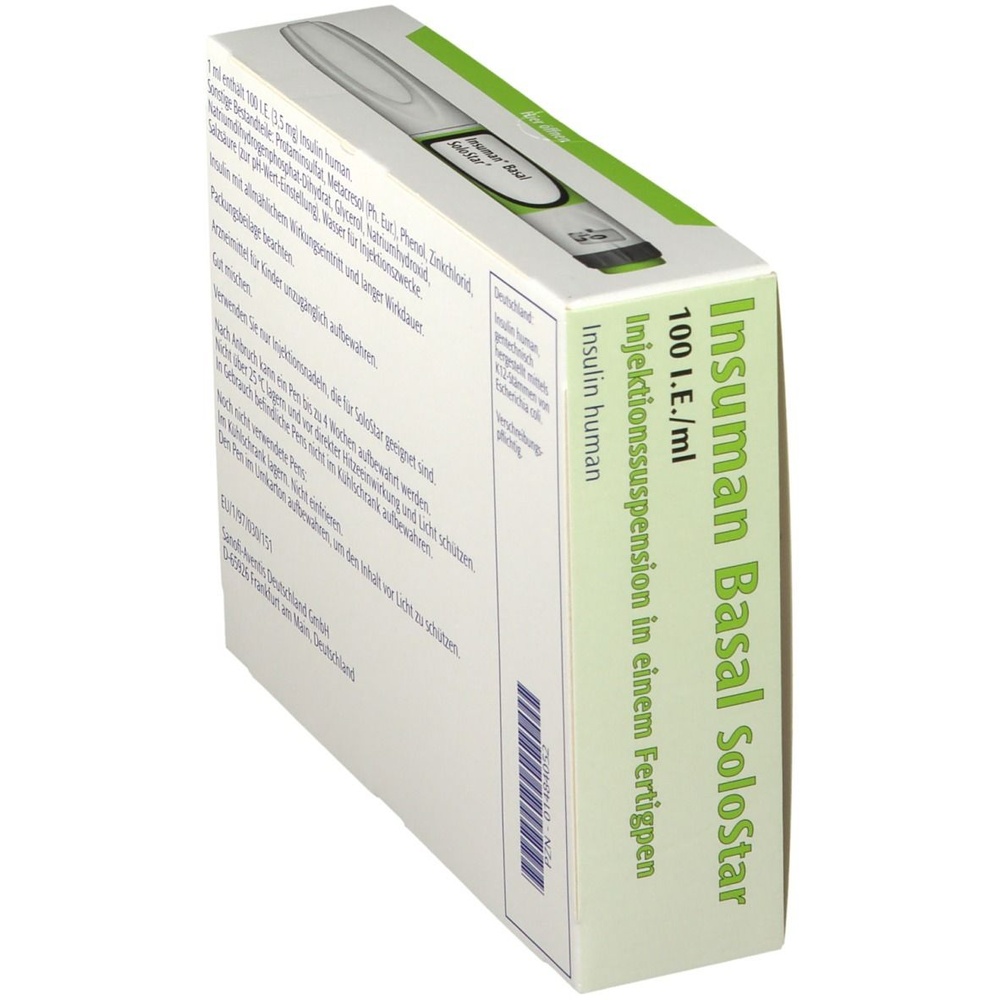
- Країна реєстрації
- Лікарська формаInjectable suspension, 30 - 100 IU/mL
- Код АТХA10AB01
- Діюча речовина
- Потрібен рецептНі
- Виробник
- Ця інформація надана лише для ознайомлення і не є медичною порадою. Рішення щодо лікування завжди приймає лікар.
- Альтернативи до INSUMANЛікарська форма: Injectable solution, 40 IU/MLДіюча речовина: инсулин человекаВиробник: NOVO NORDISK A/SПотрібен рецептЛікарська форма: Injectable solution, 100/UI/MLДіюча речовина: инсулин человекаВиробник: ELI LILLY ITALIA S.P.A.Потрібен рецептЛікарська форма: Injectable solution, 100 U/MLДіюча речовина: инсулина глюлизинаВиробник: SANOFI-AVENTIS DEUTSCHLAND GMBHПотрібен рецепт
Аналоги INSUMAN в інших країнах
Препарати з тією самою діючою речовиною, доступні в інших країнах.
Аналог INSUMAN у Іспанія
Аналог INSUMAN у Польща
Аналог INSUMAN у Україна
Лікарі онлайн щодо INSUMAN
Застосування, безпека та можливість призначення рецепта — за результатами медичної оцінки.









Отримайте рецепт на INSUMAN онлайн
Заповніть форму за 2 хвилини
Розкажіть про симптоми, історію хвороби та потрібний препарат.
Оберіть лікаря або ми призначимо
Оберіть спеціаліста або ми підберемо найближчого доступного лікаря.
Лікар розглядає ваш випадок
Зазвичай протягом 30 хвилин. Може ставити уточнювальні запитання в чаті.
Отримайте в будь-якій аптеці
Електронний рецепт надсилається на вашу пошту — дійсний по всій Польщі.
Часті запитання
INSUMAN не потребує рецепта в Італія. Ви можете обговорити з лікарем онлайн, чи підходить цей лікарський засіб для вашої ситуації.
Діюча речовина у INSUMAN — инсулин человека. Це допомагає визначити препарати з тим самим складом, але під іншими торговими назвами.
INSUMAN виробляється компанією SANOFI-AVENTIS DEUTSCHLAND GMBH. Назва бренду та упаковка можуть відрізнятися залежно від дистрибʼютора.
Лікарі, зокрема Сімейні лікарі, Психіатри, Дерматологи, Кардіологи, Ендокринологи, Гастроентерологи, Пульмонологи, Нефрологи, Ревматологи, Гематологи, Інфекціоністи, Алергологи, Геріатри, Педіатри, Онкологи, можуть оцінити доцільність застосування INSUMAN з урахуванням вашого стану та місцевих правил. Ви можете записатися на онлайн-консультацію, щоб обговорити симптоми та можливі подальші кроки.
Польща має добре розвинену систему охорони здоров'я у великих містах, таких як Варшава, Краків, Вроцлав і Гданськ. Аптеки широко доступні та працюють відповідно до чинного законодавства, забезпечуючи доступ до рецептурних препаратів.
Ви можете придбати INSUMAN у Варшаві, Кракові, Вроцлаві або Гданську в будь-якій аптеці за наявності дійсного рецепта.
Щоб отримати рецепт, ви можете скористатися Oladoctor:
Інші препарати з тією самою діючою речовиною (инсулин человека) включають AKTRAPID, UMULIN, APIDRA. Вони можуть відрізнятися торговою назвою або формою випуску, але містять той самий терапевтичний компонент. Перед зміною або початком прийому нового препарату варто проконсультуватися з лікарем.
