



IBULEV 100 mg /5 Ml Oral Suspension

Запит на рецепт онлайн
Лікар розгляне ваш випадок і визначить, чи є рецепт медично доцільним.

Поговоріть з лікарем про ці ліки
Обговоріть симптоми та можливі подальші кроки під час короткої онлайн-консультації.



Інструкція із застосування IBULEV
Зміст інструкції
- IBULEV Bambini 100 mg/5 ml oral suspension strawberry flavour sugar-free, Bambini 100 mg/5 ml oral suspension orange flavour sugar-free
- IBULEV 200 mg oral suspension in sachets, orange flavour
IBULEV Bambini 100 mg/5 ml oral suspension strawberry flavour sugar-free, Bambini 100 mg/5 ml oral suspension orange flavour sugar-free
Generic medicine
Read this leaflet carefully before using this medicine as it contains important
information for you.
Always use this medicine exactly as described in this leaflet or as your doctor or pharmacist has told you.
- Keep this leaflet. You may need to read it again.
- If you want more information or advice, ask your pharmacist.
- If your child experiences any side effects, including those not listed in this leaflet, tell your doctor or pharmacist. See section 4.
- Talk to your doctor if you do not feel better or if your symptoms worsen after:
- 24 hours in infants aged between 3 and 5 months
- 3 days in infants and children over 6 months of age and in adolescents.
Contents of this leaflet:
- 1. What IBULEV is and what it is used for
- 2. What you need to know before you use IBULEV
- 3. How to use IBULEV
- 4. Possible side effects
- 5. How to store IBULEV
- 6. Contents of the pack and other information
1. What is IBULEV and what is it used for?
This medicine contains the active ingredient ibuprofen, which belongs to a group of medicines known as
non-steroidal anti-inflammatory drugs (NSAIDs) that work by relieving pain and reducing fever.
IBULEV is indicated for the treatment of fever and mild to moderate pain.
See a doctor if you do not feel better or if you feel worse after 3 days.
2. What you need to know before using IBULEV
Do not use IBULEV
- if you are allergic to ibuprofen or to any of the other ingredients of this medicine (listed in section 6);
- in children under 3 months of age or weighing less than 5.6 kg;
- if you are allergic (hypersensitive) to acetylsalicylic acid or other pain relievers (analgesics), which reduce fever (antipyretics), non-steroidal anti-inflammatory drugs (NSAIDs), especially when the allergy is associated with nasal congestion due to secretion of the internal nasal mucosa (nasal polyps) and asthma;
- if you suffer from problems with your stomach or intestines due to the presence of lesions (active peptic ulcer);
- if you suffer from severe kidney or liver problems (severe renal or hepatic insufficiency);
- if you suffer from severe heart problems (severe heart failure);
- if you have had stomach or intestinal problems in the past associated with bleeding or lesions (recurrent peptic ulcer);
- if you are already taking other anti-inflammatory medicines (NSAIDs, including specific COX-2 inhibitors);
- if you are pregnant or breastfeeding (See section “Pregnancy and breastfeeding”).
Warnings and precautions
Take special care with IBULEV.
See your doctor or pharmacist before using IBULEV.
The risk of unwanted effects caused by the use of this medicine can be reduced by using the lowest
dose effective for the shortest possible duration of treatment.
Allergic reactions (hypersensitivity)
The use of this medicine can cause allergic (hypersensitivity) reactions, even severe ones, even if
you have taken this medicine before.
The risk of such reactions increases if:
- you have suffered from them in the past after taking medicines similar to IBULEV (NSAIDs);
- you suffer from respiratory problems (asthma);
- you suffer from nasal problems (nasal polyps);
- you have had allergic reactions that manifested with facial swelling (angioedema).
Allergic reactions can occur especially at the beginning of treatment (within the first
month of treatment).
Skin reactions
Severe skin reactions have been reported in association with treatment with IBULEV. Stop
taking IBULEV and consult your doctor immediately if you experience rash, lesions
of the mucous membranes, blisters or other signs of allergy, as these may be the first signs of a very serious skin reaction. See section 4
Problems with the stomach and/or intestines
During treatment with anti-inflammatory drugs (NSAIDs), bleeding in the
stomach and/or intestines can occur. These effects can be fatal and can occur at any time
during treatment, with or without symptoms. The risk increases if your child has had stomach or intestinal problems in the past due to the presence of lesions (ulcer); in such cases, use this medicine with
great caution and start treatment with the lowest possible dose.
In these cases, consult your doctor, who may advise you to combine IBULEV with medicines that have
a protective effect on the stomach, especially if you are taking other medicines (e.g. aspirin or other
medicines that increase the risk of gastrointestinal problems).
During treatment with this medicine, especially at the beginning, pay close attention to the symptoms that
your child may have, especially in the stomach and intestines, and if they have suffered from the problems
described in the past.
The risk of problems with the stomach or intestines is also higher if the patient is elderly.
Even these patients should start treatment with the lowest possible dose.
If bleeding or ulceration of the stomach and/or intestines occurs, stop
treatment with this medicine.
Anti-inflammatory/pain relievers such as ibuprofen may be associated with a modest increase in the
risk of heart attack or stroke, especially when administered at high doses. Do not exceed the recommended dose
or the duration of treatment.
See your doctor or pharmacist if you have an infection – see section
Infections
IBULEV can mask the symptoms of infections such as fever and pain. Therefore, IBULEV may
delay adequate treatment of the infection, which could increase the risk of complications. This
has been observed in pneumonia caused by bacteria and in bacterial skin infections related to
chickenpox. If you take this medicine while you have an infection and the symptoms of the infection persist or
worsen, see your doctor immediately.
You should discuss the therapywith your doctor or pharmacist before taking IBULEV if you have:
- heart problems including heart attack, angina (chest pain) or if you have a history of heart attack, coronary bypass surgery, peripheral artery disease (poor circulation in the legs or feet due to narrowing or obstruction of the arteries) or any type of stroke (including “mini-stroke” or “TIA”, transient ischemic attack);
- high blood pressure, diabetes, high cholesterol, a family history of heart disease or stroke, or if you are a smoker.
Use this medicine with caution if:
- you are taking other medicines (See section “Other medicines and IBULEV”);
- you have suffered in the past from intestinal disorders (ulcerative colitis, Crohn's disease);
- you have suffered or are suffering from high blood pressure (hypertension);
- you suffer from heart problems (heart failure);
- you suffer from respiratory problems (asthma);
- you suffer from blood clotting disorders;
- you suffer from kidney, heart or liver diseases;
- you have chickenpox, as in this case, it is recommended to avoidthe use of IBULEV.
During treatment with IBULEV:
- if you experience fever, vomiting or diarrhea, rehydrate with an adequate amount of fluids. If you have a low level of fluids before starting treatment, rehydrate before starting therapy;
- pay attention to the symptoms you may experience (signs or symptoms of formation of lesions in the stomach and/or intestines);
- pay attention to signs and symptoms that may indicate toxicity to the liver and kidneys;
- if you experience vision problems (blurred or reduced vision, alteration of color perception), stop treatment and consult your doctor;
- pay attention to signs or symptoms of a type of meningitis (aseptic meningitis, an inflammation of the brain); see a doctor who will assess the rare possibility that it is due to the use of this medicine (more frequent in subjects affected by systemic lupus erythematosus or other collagen diseases).
Treatment with this medicine should be carefully evaluated by your doctor if:
- you suffer from heart problems;
- you are predisposed to developing heart and circulatory problems, for example if you have high blood pressure, if you have diabetes, if you have a high level of fats in the blood (hyperlipidemia) or if you smoke.
Other medicines and IBULEV
Tell your doctor or pharmacist if your child is taking, has recently taken or might
take any other medicines.
Avoid using IBULEV if you are taking other medicines similar to it (called non-steroidal anti-inflammatory drugs,
NSAIDs including selective COX-2 inhibitors), because the risk of unwanted effects may increase.
IBULEV can affect or be affected by other medicines. For example:
- corticosteroids, medicines used to reduce inflammation and for the treatment of allergies;
- quinolone antibacterial drugs, used for the treatment of bacterial infections;
- medicines that have an anticoagulant effect (i.e. substances that thin the blood preventing the formation of clots, e.g. aspirin/acetylsalicylic acid, warfarin, ticlopidine);
- medicines used for the treatment of some mental disorders (antidepressants, selective serotonin reuptake inhibitors);
- sulfonylureas, used for the treatment of diabetes;
- ritonavir and zidovudine, medicines used for the treatment of AIDS;
- cyclosporine and tacrolimus, used for the treatment of immune system diseases;
- methotrexate, used for the treatment of some tumors;
- lithium-based medicines, used for the treatment of some mental disorders;
- mifepristone, a medicine for medical abortion: do not take NSAIDs in the 8-10 days following taking mifepristone
- probenecid, used for the treatment of high levels of uric acid;
- medicines that lower blood pressure (ACE inhibitors such as captopril, beta-blockers such as atenolol, angiotensin II receptor antagonists such as losartan) and diuretics;
- medicines used to treat heart disease (cardiac glycosides).
During treatment in combination with other medicines, you should drink an adequate amount of fluids.
Some other medicines may also affect or be affected by treatment with IBULEV.
Therefore, always consult your doctor or pharmacist before using IBULEV with other medicines.
Pregnancy and breastfeeding
This medicine should not be used during pregnancy or breastfeeding.
It is unlikely that girls under 12 years of age are pregnant or breastfeeding. However, in
these cases, it should be borne in mind that taking IBULEV may have harmful effects on the fetus.
IBULEV contains maltitol syrup and sodium
- This medicine contains maltitol syrup. If your doctor has diagnosed an intolerance to certain sugars, contact him before using this medicine.
- This medicine contains 1.8 mg of sodium (the main component of table salt) per 1 ml of oral suspension. This is equivalent to 0.09% of the recommended daily intake with the diet of an adult.
3. How to use IBULEV
Use this medicine following exactly as stated in this leaflet or as instructed by your doctor or pharmacist. If you have any doubts, consult your doctor or pharmacist.
The dose to be administered depends on the child's weight and age.
It is recommended to limit the administration of this medicine to children over 3 months of age and weighing more than 5.6 kg.
In infants and children between 3 months and 12 years of age, this medicine should be administered using the graduated syringe found in the package.
To facilitate dosage, the syringe has two highlighted markings, one at 2.5 ml (corresponding to 50 mg of ibuprofen) and one at 5 ml (corresponding to 100 mg of ibuprofen).
Undesirable effects on the stomach can be reduced by administering the medicine on a full stomach.
Children between 3 and 6 months (5.6-7 kg body weight) and children between 6 and 12 months (7-10 kg body weight)
The recommended dose is 2.5 ml to be taken 3 times a day at intervals of 6-8 hours.
In children between 3 and 5 months, consult your doctor if symptoms persist after 24 hours of treatment or if you notice a worsening of symptoms.
Children between 1 and 3 years (10-15 kg body weight)
The recommended dose is 5 ml to be taken 3 times a day at intervals of 6-8 hours.
Children between 4 and 6 years (15-20 kg body weight)
The recommended dose is 7.5 ml (5 ml + 2.5 ml) to be taken 3 times a day at intervals of 6-8 hours.
Children between 7 and 9 years (20-28 kg body weight)
The recommended dose is 10 ml to be taken 3 times a day at intervals of 6-8 hours.
Children between 10 and 12 years (28-43 kg body weight)
The recommended dose is 15 ml to be taken 3 times a day at intervals of 6-8 hours.
Use in the treatment of fever following vaccination
Administering a single dose and, if necessary, another dose 6 hours after the first. Do not administer more than two doses within 24 hours.
If the fever does not decrease, consult your doctor.
IBULEV should be administered for short-term treatments. Undesirable effects can be minimized by using the lowest effective dose for the shortest possible duration necessary to control the symptoms.
The lowest effective dose should be used for the shortest period necessary to relieve symptoms. If you have an infection, consult your doctor immediately if the symptoms (e.g. fever and pain) persist or worsen (see paragraph 2).
Consult your doctor if you do not notice any improvement or if you notice a worsening of symptoms after:
- 24 hours in infants between 3 and 5 months of age
- 3 days in infants and children over 6 months of age and in adolescents.
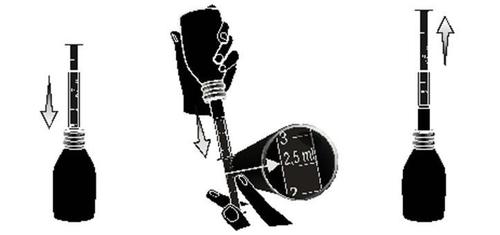
Instructions for using the dosing syringe (see figure below):
- 1. Unscrew the cap by pushing it down and turning it to the left.
- 2. Fully insert the tip of the syringe into the hole in the tamper-evident seal.
- 3. Shake well.
- 4. Turn the bottle upside down, then, holding the syringe firmly, gently pull the plunger down to draw the suspension into the syringe up to the mark corresponding to the desired dose.
- 5. Return the bottle to an upright position and remove the syringe by gently rotating it.
- 6. Insert the tip of the syringe into the child's mouth, and apply gentle pressure to the plunger to dispense the suspension. After use, screw the cap back on to close the bottle and wash the syringe with warm water. Let the syringe dry, keeping it out of the reach and sight of children.
If you use more IBULEV than you should
If you have taken more than you should or if your child has accidentally taken this medicine, always contact a doctor or the nearest hospital to get advice on the risk and what to do.
Symptoms may include nausea, stomach pain, vomiting (possibly with traces of blood), headache, ringing in the ears, confusion, and uncontrolled eye movements. At high doses, drowsiness, chest pain, palpitations, loss of consciousness, seizures (especially in children), weakness and dizziness, blood in the urine, feeling cold to the touch, and breathing problems have been reported.
Symptoms
Most patients who ingest significant amounts of ibuprofen will develop symptoms within 4-6 hours.
The most commonly reported symptoms of overdose include: nausea, vomiting, abdominal pain, lethargy (deep sleep) and drowsiness.
Effects on the central nervous system (CNS) include headache, tinnitus (perception of bothersome ringing in the ear), dizziness, seizures and loss of consciousness.
Nystagmus (involuntary oscillatory movement of the eyeballs), metabolic acidosis (increased blood acidity), hypothermia (lowering of body temperature), kidney effects, gastrointestinal bleeding, coma, apnea (cessation of breathing), diarrhea, and depression of the CNS and respiratory system have also been rarely reported.
If you suffer from respiratory problems (asthma), your condition may worsen.
Disorientation, excitement, fainting and cardiovascular toxicity including hypotension (low blood pressure), bradycardia (slowing of the heart rate) and tachycardia (increased heart rate) have been reported.
In cases of significant overdose, blood clotting problems, kidney failure and liver damage are possible.
Treatment
There is no specific substance to reverse the effects of an ibuprofen overdose. Therefore, symptomatic and supportive treatment is indicated in case of overdose.
If an excessive dose of IBULEV has been accidentally taken, immediately notify your doctor or go to the nearest hospital.
If you have any doubts about the use of this medicine, consult your doctor or pharmacist.
If you forget to use IBULEV
Do not give your child a double dose to make up for the missed dose.
If you have any doubts about the use of this medicine, consult your doctor or pharmacist.
4. Possible side effects
Like all medicines, this medicine can cause side effects, although not everyone will experience them.
If the child experiences any of the following side effects, STOP treatment with IBULEV and consult a doctor:
- severe skin and mucous membrane alterations characterized by rashes, redness, itching, and blisters (bullous and exfoliative dermatoses including erythema multiforme, Stevens-Johnson syndrome and toxic epidermal necrolysis);
- allergic reactions, even severe, which may include: hives, itching, purpura, swelling of the face, mouth and throat (angioedema), difficulty breathing (bronchospasm or dyspnea), altered heartbeats (tachycardia), low blood pressure (hypotension), anaphylaxis, shock and worsening of asthma;
- aseptic meningitis with symptoms such as disorientation, headache, nausea, vomiting, stiff neck and fever (more frequent if the child suffers from systemic lupus erythematosus or other collagen diseases).
Further side effects include:
Uncommon( may affect up to 1 in 100 people):
- hypersensitivity reactions, hives and itching
- headache, dizziness, drowsiness and convulsions
- stomach pains, nausea and difficulty digesting (dyspepsia)
- skin rashes
Rare( may affect up to 1 in 1,000 people):
- cystitis, rhinitis
- depression, insomnia, difficulty concentrating, unstable mood,
- hearing and vision disorders
- cerebrovascular hemorrhage
- dry eyes
- perception of your heartbeat (palpitations)
- diarrhea, flatulence, dry mouth, constipation and vomiting
- hair loss (alopecia), skin reaction caused by exposure to sunlight (photosensitivity dermatitis)
- severe kidney diseases including tubular necrosis, glomerulonephritis, appearance of blood in the urine and increased urine production
- decrease in hematocrit levels
Very rare( may affect up to 1 in 10,000 people) :
- reduction in the number of blood cells (anemia, leucopenia, neutropenia, thrombocytopenia, eosinophilia, pancytopenia, agranulocytosis) - the first signs are: fever, sore throat, superficial mouth ulcers, flu-like symptoms, severe fatigue, nosebleeds and bleeding
- signs or symptoms of ulcers or bleeding in the stomach and intestines, black and foul-smelling stools, vomiting blood
- lesions with bleeding of the mouth, heartburn (gastritis)
- simultaneous disease of the kidneys and liver (hepatorenal syndrome), death of some liver cells (hepatic necrosis), liver disease (liver failure, hepatic dysfunction, hepatitis, jaundice)
- severe kidney diseases (acute renal failure, papillary necrosis) particularly following long-term treatments, associated with an increase in blood urea concentration and swelling (edema)
- decrease in hemoglobin levels in the blood
- severe skin infections and complications to soft tissues during varicella infection.
- worsening of inflammations related to infections (e.g. necrotizing fasciitis) associated with the use of some non-steroidal anti-inflammatory drugs (NSAIDs). If signs or symptoms of an infection occur or worsen, you should immediately consult a doctor to assess whether anti-infective/antibiotic therapy is necessary.
- cerebrovascular accidents, congestive heart failure in subjects with compromised cardiac function.
Not known( frequency cannot be estimated based on available data):
- irritability
- fluid retention and decreased appetite
- abnormal perception of noises such as ringing, buzzing or hissing (tinnitus)
- severe heart disease (heart failure) and swelling (edema)
- increased blood pressure (hypertension) and reduced blood flow to the body (shock)
- respiratory disorders including asthma, laryngeal obstruction, labored breathing (bronchospasm), temporary cessation of breathing (apnea) and difficulty breathing (dyspnea)
- worsening of inflammatory bowel diseases (colitis and Crohn's disease), inflammation of the pancreas (pancreatitis), inflammation of the duodenum (duodenitis), inflammation of the esophagus (esophagitis)
- It is possible that a severe skin reaction known as DRESS syndrome may occur. Symptoms of DRESS include: rash, fever, swollen lymph nodes and increased eosinophils (a type of white blood cells)
- A widespread, red and scaly rash, with the formation of pustules under the skin and blisters mainly located on skin folds, on the trunk and on the upper limbs accompanied by fever at the beginning of treatment (acute generalized exanthematous pustulosis). Stop using IBULEV if you develop these symptoms and contact your doctor immediately. See also paragraph 2.
The use of ibuprofen, especially at high doses (2400 mg/day), may be associated with a modest
increased risk of heart attack (myocardial infarction) or stroke.
Reporting of side effects
If you get any side effects, even those not listed in this leaflet, tell your doctor or pharmacist. You can also report side effects directly through the national reporting system at https://www.aifa.gov.it/content/segnalazioni-reazioni-avverse..
By reporting side effects you can help provide more information on the safety of
this medicine.
5. How to store IBULEV
Shelf life after first opening of the package
This medicine can be used for up to 6 months after first opening.
Keep this medicine out of the sight and reach of children.
Do not use this medicine after the expiry date which is stated on the pack after “Exp.”. The expiry date
refers to the last day of that month.
Do not dispose of any medicine in waste water or household waste. Ask your pharmacist how to dispose of
medicines you no longer use. This will help protect the environment.
6. Contents of the pack and other information
What IBULEV contains
IBULEV Children 100 mg/5 ml oral suspension strawberry flavour sugar-free:
- The active ingredient is ibuprofen. Each ml of oral solution contains 20 mg of ibuprofen.
- The other ingredients are citric acid monohydrate, sodium citrate, acesulfame potassium, xanthan gum, sodium benzoate, strawberry flavour, maltitol syrup, glycerol, purified water.
IBULEV Children 100 mg/5 ml oral suspension orange flavour sugar-free:
- The active ingredient is ibuprofen. Each ml of oral solution contains 20 mg of ibuprofen.
- The other ingredients are citric acid monohydrate, sodium citrate, acesulfame potassium, xanthan gum, sodium benzoate, orange flavour, maltitol syrup, glycerol, purified water.
Description of the appearance of IBULEV and contents of the pack
The pack contains a 150 ml bottle of oral suspension and a dosing syringe.
Marketing Authorisation Holder
FARTO S.R.L. - FARMACO BIOCHIMICO TOSCANO
VIA DEI CAB OTO, 49
50127 FIRENZE
Manufacturer
Special Product’s Line S.p.A. - Via Fratta Rotonda Vado Largo, 1- 03012 Anagni (Frosinone).
IBULEV 200 mg oral suspension in sachets, orange flavour
Read this leaflet carefully before using this medicine as it contains important
information for you.
Always use this medicine exactly as described in this leaflet or as your doctor or pharmacist has told you.
- Keep this leaflet. You may need to read it again.
- If you would like more information or advice, ask your pharmacist.
- If any side effects occur, including those not listed in this leaflet, tell your doctor or pharmacist. See section 4.
- Talk to your doctor if you do not feel better or if your symptoms worsen after 3 days
Contents of this leaflet:
- 1. What IBULEV is and what it is used for
- 2. What you need to know before you use IBULEV
- 3. How to take IBULEV
- 4. Possible side effects
- 5. How to store IBULEV
- 6. Contents of the pack and other information
1. What is IBULEV and what is it used for
This medicine contains the active ingredient ibuprofen, belonging to a group of medicines known as
non-steroidal anti-inflammatory/rheumatic drugs (NSAIDs) which work by relieving pain and reducing
fever.
IBULEV is indicated for the treatment of fever and mild to moderate pain.
Use IBULEV for short-term treatments.
2. What you need to know before using IBULEV
Do not use IBULEV if:
- you are allergic to ibuprofen or to any of the other ingredients of this medicine (listed in section 6);
- you are allergic (hypersensitive) to acetylsalicylic acid or other pain-relieving (analgesic) drugs, which reduce fever (antipyretics), non-steroidal anti-inflammatory drugs (NSAIDs), especially when the allergy is associated with nasal congestion due to secretion of the internal nasal mucosa (nasal polyps) and asthma;
- you suffer from a lesion of the internal lining tissue (mucosa) of the stomach of the first part of the intestine, in an active phase (active peptic ulcer);
- you suffer from severe impairment of kidney and liver function;
- if you suffer from severe heart problems (severe heart failure);
- you suffer from or have suffered from bleeding or perforation of the stomach or intestine due to previous treatments, or have suffered from bleeding/lesions of the internal lining of the stomach/intestine that have occurred in 2 or more distinct episodes (recurrent peptic ulcer);
- you have bleeding in the brain (cerebrovascular bleeding) or other active bleeding;
- you suffer from severe dehydration (caused by vomiting, diarrhea or insufficient fluid intake);
- you suffer from unexplained blood disorders such as low platelets in the blood;
- you are currently using other drugs of the same family of non-steroidal anti-inflammatory drugs (NSAIDs), including those that act by selectively inhibiting the action of an enzyme called COX-2 (see Other medicines and IBULEV);
- if you are in the last trimester of pregnancy (See section “Pregnancy and breastfeeding”).
Warnings and precautions
Take special care with IBULEV
Consult your doctor or pharmacist before using IBULEV if:
- you do not feel better or if you feel worse after 3 days of treatment, consult your doctor;
- you suffer from or have suffered from allergies to medicines used to treat fever, pain and inflammation (non-steroidal anti-inflammatory drugs) and if you suffer from difficulty breathing (asthma), nasal polyps, swelling of the face, lips and throat (angioedema);
- you are already taking the following medicines:
- non-steroidal anti-inflammatory drugs (NSAIDs), including those that act by selectively inhibiting the action of an enzyme called COX-2;
- medicines that increase the risk of bleeding or ulcer formation such as corticosteroids taken orally, medicines that prevent blood clotting (anticoagulants such as warfarin), antidepressant drugs and antiplatelet drugs such as aspirin (see “Other medicines and IBULEV”);
- you have suffered from stomach and intestinal disorders (history of ulcer), especially if complicated by bleeding or perforation, as this may increase gastrointestinal bleeding and perforation. In these cases, your doctor will advise you to start treatment with the lowest available dose and possibly the concomitant use of medicines that protect the stomach (misoprostol or proton pump inhibitors). This should also be considered if you are taking low doses of aspirin or other medicines that may increase the risk of stomach and intestinal diseases (see section “Other medicines and IBULEV”). During treatment with all NSAIDs, at any time, with or without warning symptoms or a previous history of serious gastrointestinal events, bleeding, ulceration and perforation of the stomach or intestine may occur, which may be fatal. Therefore, inform your doctor of any unusual gastrointestinal symptoms (especially gastrointestinal bleeding) particularly in the early stages of treatment. If you experience bleeding or gastrointestinal ulceration, stop treatment with IBULEV and contact your doctor;
- you suffer from gastrointestinal diseases such as Crohn's disease or ulcerative colitis, inform your doctor because the use of NSAIDs may intensify these diseases (see section 4);
- you are taking medicines that may increase the risk of ulcer or bleeding, such as medicines used to treat inflammation and some diseases of the immune system (oral corticosteroids), anticoagulants such as warfarin, medicines that may have an antiplatelet effect such as aspirin, medicines for treating depression (selective serotonin reuptake inhibitors) (see section “Other medicines and IBULEV”);
- you have heart disease (uncontrolled high blood pressure, congestive heart failure, established ischemic heart disease, peripheral arterial disease) or have suffered from reduced blood flow to the brain (stroke), or if you think you may be at risk for these conditions (for example if you have high blood pressure, if you have high levels of sugars (diabetes) or fats in the blood or if you smoke). Medicines such as IBULEV may be associated with a slight increase in the risk of heart attack or reduced blood flow to the brain: the risk is more likely at high doses and with prolonged therapies. Do not exceed the recommended dose or duration of treatment;
- you suffer from or have suffered from high blood pressure and/or severe heart disease (heart failure) because, in association with NSAID therapy, fluid retention, high blood pressure and swelling (edema) have been reported;
- you have chickenpox, as in this case, it is advisable to avoid the use of IBULEV;
- you have an infection - see section “Infections” below.
The use of IBULEV requires adequate precautions, in particular if:
- you suffer from or have suffered from asthma because bronchoconstriction may occur;
- in the presence of coagulation defects, because a reduction in clot formation may occur;
- in the presence of kidney, heart or high blood pressure diseases: a possible worsening of kidney function may occur (especially in subjects with impaired kidney or liver function, heart failure or being treated with diuretics), kidney toxicity (nephrotoxicity) or fluid retention;
- in the presence of liver diseases, possible liver toxicity may develop;
- you are dehydrated due to fever, vomiting or diarrhea, your doctor will advise you to restore hydration both before and during treatment.
Anti-inflammatory/pain-relieving drugs such as ibuprofen may be associated with a modest increase in the
risk of heart attack or stroke, especially if administered at high doses. Do not exceed the recommended
dose or duration of treatment.
You should discuss the therapy with your doctor or pharmacist before taking IBULEV if you have:
- heart problems including heart attack, angina (chest pain) or if you have a history of heart attack, coronary bypass surgery, peripheral arterial disease (poor circulation in the legs or feet due to narrowing or blockage of the arteries) or any type of stroke (including ‘mini-stroke’ or transient ischemic attack);
- high blood pressure, diabetes, high cholesterol, family history of heart disease or stroke, or if you are a smoker.
During prolonged treatments with IBULEV, you must pay particular attention and immediately warn
your doctor if the following appear:
- signs or symptoms of lesions (ulcerations) or bleeding of the stomach and intestine (for example, black and foul-smelling stools, vomiting blood);
- signs and symptoms of liver damage (e.g. hepatitis with jaundice);
- signs and symptoms of kidney damage (e.g. increased urine production, blood in the urine);
- visual disturbances such as blurred or reduced vision, partial or complete blindness (scotomas), alteration of color perception: in this case, immediately stop treatment and consult an ophthalmologist;
- symptoms such as headache, disorientation, nausea, vomiting, stiff neck and fever as these may be symptoms due to aseptic meningitis (more frequent if you have systemic lupus erythematosus or other connective tissue diseases).
Skin reactions
Serious skin reactions have been reported in association with treatment with IBULEV. Stop
taking IBULEV and immediately consult your doctor if you experience rash, lesions
of the mucous membranes, blisters or other signs of allergy, as these may be the first signs of a very serious
skin reaction. See section 4
Infections
IBULEV can mask the symptoms of infections such as fever and pain. Therefore, IBULEV may
delay adequate treatment of the infection, which could increase the risk of complications. This
has been observed in pneumonia caused by bacteria and in skin infections related to
chickenpox. If you take this medicine while you have an infection and the symptoms of the infection persist or
worsen, consult your doctor immediately.
To reduce possible side effects listed above, the minimum effective dose must be used for the
shortest time necessary to control the symptoms.
Children and adolescents
Do not give this medicine to children under 12 years of age.
Other medicines and IBULEV
Tell your doctor or pharmacist if you are taking, have recently taken or might take any
other medicines.
IBULEV can influence or be influenced by other medicines, in particular tell your doctor if you are
taking:
- other medicines used for the treatment of pain, to lower fever and/or to cure inflammation (non-steroidal anti-inflammatory drugs, NSAIDs including COX-2 inhibitors or acetylsalicylic acid). In this case, such associations should be avoided as they increase the risk of possible
side effects; - corticosteroids, medicines used to treat inflammation and some diseases of the immune system: possible increase in the risk of ulcer formation or gastrointestinal bleeding (see “Warnings and precautions”);
- antibacterials: possible increase in the risk of seizures caused by antibiotic drugs known as quinolones;
- medicines that have an anticoagulant effect (i.e. substances that thin the blood preventing the formation of clots, e.g. aspirin/acetylsalicylic acid, warfarin, ticlopidine);
- medicines used for the treatment of depression such as selective serotonin reuptake inhibitors;
- medicines for diabetes: concomitant use may increase the effect of these medicines;
- antivirals (ritonavir): increase the concentration of NSAIDs in the blood;
- cyclosporine (antibiotic) and tacrolimus (immunosuppressant drug): increase the risk of kidney toxicity;
- cytotoxic drugs (drugs that induce cellular toxicity, e.g. methotrexate), lithium: cause reduced excretion (increase the risk of toxicity);
- mifepristone, a medicine for medical abortion: do not take NSAIDs in the 8-10 days following taking mifepristone
- diuretic drugs (medicines that increase urine production) such as furosemide: may reduce the diuretic effect of furosemide and other diuretics;
- medicines that lower blood pressure (ACE inhibitors such as captopril, beta-blockers such as atenolol, angiotensin II receptor antagonists such as losartan) and diuretics;
- medicines used to treat heart disease (cardiac glycosides).
In some patients with kidney problems (for example, dehydrated patients or elderly patients with impaired kidney
function) the concomitant administration of ACE inhibitors or angiotensin II antagonists with
agents that inhibit the cyclo-oxygenase system (therefore with the same mechanism as NSAIDs) may
lead to a further worsening of kidney function, including possible serious impairment
of kidney function, generally reversible. These interactions should be considered in patients
taking IBULEV in conjunction with ACE inhibitors or angiotensin II antagonists. Therefore, the
combination should be administered with caution.
Patients who need to start this concomitant therapy should be adequately hydrated and the doctor
will closely monitor their kidney function.
All the interactions listed above apply to both ibuprofen, acetylsalicylic acid and other analgesics, antipyretics and other non-steroidal anti-inflammatory drugs (NSAIDs).
Experimental data indicate that ibuprofen may inhibit the effects that low-dose acetylsalicylic acid has
on platelet aggregation, when the drugs are administered concurrently. However, only limited data are
available, and there are uncertainties regarding their application to the clinical situation, therefore no definitive conclusions can be drawn for the continuous use of ibuprofen;
there seem to be no clinically relevant effects from the occasional use of ibuprofen.
IBULEV with food and drink
The medicine can be administered both with and without food.
Possible side effects on the stomach, if present, can be reduced by taking the medicine with a
full stomach.
Pregnancy, breastfeeding and fertility
If you are pregnant, suspect you are pregnant, are planning a pregnancy, or are breastfeeding, ask your doctor or pharmacist for advice before taking this medicine.
Pregnancy
In such circumstances, please consider the following:
- do not take IBULEV if you are pregnant, because the mechanism through which ibuprofen works (inhibition of prostaglandin synthesis) may interfere negatively with a state of pregnancy and/or with embryo-fetal development;
- do not take IBULEV in the early stages of pregnancy, as results of epidemiological studies suggest an increased risk of abortion and cardiac malformation and gastroschisis (a defect during embryonic development of the abdominal wall that determines the incomplete closure of the abdominal muscles and skin and results in the protrusion of the viscera) after the use of a prostaglandin synthesis inhibitor. The absolute risk of cardiac malformations increased from less than 1% to about 1.5%. It has been considered that the risk increases with dose and duration of therapy. In animals, the administration of prostaglandin synthesis inhibitors has shown a higher incidence of pre- and post-implantation losses and embryo-fetal mortality. Furthermore, in animals to whom prostaglandin synthesis inhibitors were administered during the period of organ formation, an increased incidence of various malformations, including cardiovascular ones, was found.
The use of IBULEV (generally all drugs that work by inhibiting prostaglandin synthesis) may
expose:
during the third trimester of pregnancy, the fetus to:
- damage to the heart and lungs (with premature closure of the ductus arteriosus and pulmonary hypertension);
- problems with the kidneys that can lead to renal failure with quantitative reduction of amniotic fluid (oligo-hydramnios); at the end of pregnancy, the mother and the newborn to:
- possible prolongation of bleeding time, an anti-aggregating effect that can occur even at very low doses;
- inhibition of uterine contractions that may delay or prolong labour.
Breastfeeding
This medicine passes in small quantities into breast milk. It can be used during breastfeeding if
taken at the recommended doses and for short periods of time.
Fertility
Avoidtaking the medicine if you are trying to get pregnant because it may have an effect
on ovulation. This effect disappears with discontinuation of treatment.
Driving and operating machinery
IBULEV does not alter or negligibly alters the ability to drive vehicles or operate machinery, if
taken for short periods of treatment.
IBULEV contains liquid maltitol
If your doctor has diagnosed you with intolerance to certain sugars, contact him before using this
medicine.
IBULEV contains sodium
This medicine contains less than 1 mmol (23 mg) of sodium per sachet, i.e. essentially ‘sodium-free’.
IBULEV does not contain sugar and is therefore indicated for those patients who need to control their intake of
sugars and calories.
3. How to take IBULEV
Take this medicine following exactly as indicated in this leaflet or as instructed by your doctor or pharmacist. If you have any doubts, consult your doctor or pharmacist.
The lowest effective dose should be used for the shortest period necessary to relieve symptoms. If you have an
infection, consult your doctor immediately if symptoms (such as fever and pain) persist or worsen (see section 2).
To reduce possible side effects, the minimum effective dose should be used for the shortest time necessary to control
symptoms (see section 4).
Consult your doctor if you do not notice any improvement or if your symptoms worsen after 3 days.
Use in adults and adolescents over 12 years of age
The recommended dose is 1-2 sachets up to 3-4 times a day. The interval between doses should not be
less than 4-6 hours.
Do not exceed the dose of 1200 mg (6 sachets) in 24 hours
Use in children and adolescents
IBULEV should not be given to children under 12 years of age.
Use in the elderly
No dose adjustments are required
Method of administration
If you have stomach problems, you can take the medicine during meals.
If you use more IBULEV than you should
If you have taken more IBULEV than you should or if your child has accidentally taken this medicine, always contact
a doctor or the nearest hospital to receive advice on the risk and recommendations on actions to be taken.
Symptoms may include nausea, stomach pain, vomiting (possibly with traces of blood), headache, ringing in the ears, confusion and uncontrolled eye movements. At high doses, drowsiness, chest pain, palpitations, loss of consciousness, seizures (especially in
children), weakness and dizziness, blood in the urine, feeling cold and breathing problems have been reported.
Symptoms of overdose may occur in children who have taken more than 400 mg/kg. The time required to reduce drug concentrations in the blood in case of excessive doses
is 1.5-3 hours.
Symptoms
Most patients who ingest significant amounts of ibuprofen will experience symptoms
within 4-6 hours.
The most commonly reported overdose symptoms include: nausea, vomiting, abdominal pain,
lethargy (deep sleep) and drowsiness.
Effects on the central nervous system (CNS) include headache, tinnitus (perception of bothersome ringing in the ear), dizziness, seizures and loss of consciousness.
Nystagmus (involuntary oscillatory movement of the eyeballs), metabolic acidosis (increased blood acidity), hypothermia (lowering of body temperature),
renal effects, gastrointestinal bleeding, coma, apnea (cessation of breathing), diarrhea, and depression of
the CNS and respiratory system have also been rarely reported.
If you suffer from respiratory problems (asthma), your condition may worsen.
Disorientation, excitement, fainting and cardiovascular toxicity have also been reported
including hypotension (low blood pressure), bradycardia (slowing of the heart rate) and tachycardia (increased heart rate).
In cases of significant overdose, blood clotting problems, kidney failure and liver damage are possible.
Treatment
There is no substance specifically capable of reversing the effects of an ibuprofen overdose. Therefore, symptomatic supportive treatment is indicated in case of overdose.
In case of acute overdose, gastric emptying (vomiting or gastric lavage) is most effective
the sooner it is implemented; administration of alkaline substances and induction of diuresis may also be useful; taking a substance known as activated charcoal may help to reduce
drug absorption.
If you accidentally take an excessive dose of IBULEV, immediately notify your doctor or
go to the nearest hospital.
If you forget to use IBULEV
Do not take a double dose to make up for a missed dose.
If you have any doubts about using this medicine, consult your doctor or pharmacist.
4. Possible side effects
Like all medicines, this medicine can cause side effects, although not everybody gets them.
If you experience any of the following side effects STOP taking IBULEV and contact your
doctor:
- severe skin and mucous membrane changes characterized by rashes, redness, itching, and blisters (bullous and exfoliative dermatoses including erythema multiforme, Stevens-Johnson syndrome and toxic epidermal necrolysis);
- allergic reactions, even severe, which may include: hives, itching, purpura, swelling of the face, mouth and throat (angioedema), difficulty breathing (bronchospasm or dyspnea), altered heartbeats (tachycardia), low blood pressure (hypotension), anaphylaxis, shock and worsening of asthma;
- aseptic meningitis with symptoms such as disorientation, headache, nausea, vomiting, stiff neck and fever (more frequent if you have systemic lupus erythematosus or other connective tissue diseases).
Further side effects include:
Uncommon( may affect up to 1 in 100 people):
- headache, dizziness, drowsiness and convulsions
- stomach pain, nausea and difficulty digesting (dyspepsia)
- skin rashes
Rare( may affect up to 1 in 1,000 people):
- cystitis, rhinitis
- depression, insomnia, difficulty concentrating, unstable mood,
- hearing and vision disorders
- cerebrovascular hemorrhage
- dry eyes
- perception of your heartbeat (palpitations)
- diarrhea, flatulence, dry mouth, constipation and vomiting
- hair loss (alopecia), skin reaction caused by exposure to sunlight
(photosensitivity dermatitis)
- serious kidney diseases including tubular necrosis, glomerulonephritis, appearance of blood in the urine and increased urine production
- decrease in hematocrit levels
Very rare( may affect up to 1 in 10,000 people) :
- reduction in the number of blood cells (anemia, leukopenia, neutropenia, thrombocytopenia, eosinophilia, pancytopenia, agranulocytosis) - early signs are: fever, sore throat, superficial mouth ulcers, flu-like symptoms, severe fatigue, nosebleeds and hemorrhages
- signs or symptoms of ulcers or bleeding in the stomach and intestines, black and foul-smelling stools, vomiting blood
- lesions with bleeding of the mouth, heartburn (gastritis)
- simultaneous disease of the kidneys and liver (hepatorenal syndrome), death of some liver cells (hepatic necrosis), liver disease (liver failure, hepatic dysfunction, hepatitis, jaundice)
- serious kidney diseases (acute renal failure, papillary necrosis) particularly following long-term treatments, associated with an increase in blood urea concentration and swelling (edema)
- decrease in hemoglobin levels in the blood
- serious skin infections and soft tissue complications during varicella infection.
- worsening of infections-related inflammation (e.g. necrotizing fasciitis) associated with the use of some non-steroidal anti-inflammatory drugs (NSAIDs). If signs or symptoms of an infection occur or worsen, you should immediately contact your doctor to assess whether anti-infective/antibiotic therapy is necessary.
- cerebrovascular accidents, congestive heart failure in subjects with compromised cardiac function. Not known( frequency cannot be estimated from available data):
- irritability
- fluid retention and decreased appetite
- abnormal perception of noises such as ringing, buzzing or hissing (tinnitus)
- serious heart disease (heart failure) and swelling (edema)
- increased blood pressure (hypertension) and reduced blood flow to the body (shock)
- respiratory disorders including asthma, laryngeal obstruction, labored breathing (bronchospasm), temporary cessation of breathing (apnea) and difficulty breathing (dyspnea)
- worsening of inflammatory bowel diseases (colitis and Crohn's disease), inflammation of the pancreas (pancreatitis), inflammation of the duodenum (duodenitis), inflammation of the esophagus (esophagitis)
- It is possible that a serious skin reaction known as DRESS syndrome may occur. Symptoms of DRESS include: rash, fever, swollen lymph nodes and increased eosinophils (a type of white blood cells)
- A widespread, red and scaly rash, with the formation of pustules under the skin and blisters mainly located on skin folds, trunk and upper limbs accompanied by fever at the beginning of treatment (acute generalized exanthematous pustulosis). Stop using IBULEV if you develop these symptoms and contact your doctor immediately. See also paragraph 2.
The use of ibuprofen, especially at high doses (2400 mg/day), may be associated with a modest increase in the
risk of heart attack (myocardial infarction) or stroke.
Reporting of side effects
If you get any side effects, even those not listed in this leaflet, tell your
doctor or pharmacist. You can also report side effects directly through the national
reporting system at https://www.aifa.gov.it/content/segnalazioni-reazioni-avverse.
By reporting side effects you can help provide more information on the safety of
this medicine.
5. How to store IBULEV
Keep this medicine out of the sight and reach of children.
Do not use this medicine after the expiry date which is stated on the packaging after “Exp.”. The expiry date refers to the last day of that month.
Do not dispose of any medicine in waste water or household waste. Ask your pharmacist how to dispose of medicines you no longer use. This will help protect the environment.
6. Contents of the pack and other information
What IBULEV contains
- The active ingredient is ibuprofen. Each sachet contains 200 mg of ibuprofen.
- The other ingredients are: citric acid monohydrate, sodiumcitrate, acesulfame potassium, xanthan gum, sodiumbenzoate, orange flavour, liquid maltitol, glycerol, purified water.
Description of the appearance of IBULEV and contents of the pack
Single-dose sachets with a capacity of 10 ml, consisting of a polyester/aluminium/polyethylene complex.
The pack contains 6 or 12 sachets of 10 ml of oral suspension.
Marketing Authorisation Holder
FARTO S.R.L. - FARMACO BIOCHIMICO TOSCANO
VIA DEI CAB OTO, 49
50127 FIRENZE
Manufacturer
Special Product’s Line S.p.A. - Via Fratta Rotonda Vado Largo, 1- 03012 Anagni (Frosinone).

Не впевнені, чи підходить вам цей лікарський засіб?
Обговоріть симптоми та можливі варіанти лікування з лікарем онлайн.

Виникли питання під час прийому ліків?
Обговоріть свої симптоми та лікування з лікарем онлайн.
- Країна реєстрації
- Лікарська формаOral suspension, 100 MG/5 ML
- Код АТХM01AE01
- Діюча речовина
- Потрібен рецептНі
- Виробник
- Ця інформація надана лише для ознайомлення і не є медичною порадою. Рішення щодо лікування завжди приймає лікар.
- Альтернативи до IBULEVЛікарська форма: Film-coated tablet, 200 MGДіюча речовина: ИбупрофенВиробник: AURORA LICENSING SRLРецепт не потрібенЛікарська форма: Oral suspension, 20 MG/MLДіюча речовина: ИбупрофенВиробник: DICOFARM S.P.A.Рецепт не потрібенЛікарська форма: Coated tablet, 200 MGДіюча речовина: ИбупрофенРецепт не потрібен
Аналоги IBULEV в інших країнах
Препарати з тією самою діючою речовиною, доступні в інших країнах.
Аналог IBULEV у Іспанія
Аналог IBULEV у Польща
Аналог IBULEV у Україна
Лікарі онлайн щодо IBULEV
Застосування, безпека та можливість призначення рецепта — за результатами медичної оцінки.









Отримайте рецепт на IBULEV онлайн
Заповніть форму за 2 хвилини
Розкажіть про симптоми, історію хвороби та потрібний препарат.
Оберіть лікаря або ми призначимо
Оберіть спеціаліста або ми підберемо найближчого доступного лікаря.
Лікар розглядає ваш випадок
Зазвичай протягом 30 хвилин. Може ставити уточнювальні запитання в чаті.
Отримайте в будь-якій аптеці
Електронний рецепт надсилається на вашу пошту — дійсний по всій Польщі.
Часті запитання
IBULEV не потребує рецепта в Італія. Ви можете обговорити з лікарем онлайн, чи підходить цей лікарський засіб для вашої ситуації.
Діюча речовина у IBULEV — Ибупрофен. Це допомагає визначити препарати з тим самим складом, але під іншими торговими назвами.
IBULEV виробляється компанією FARTO S.R.L. - FARMACO BIOCHIMICO TOSCANO. Назва бренду та упаковка можуть відрізнятися залежно від дистрибʼютора.
Лікарі, зокрема Сімейні лікарі, Психіатри, Дерматологи, Кардіологи, Ендокринологи, Гастроентерологи, Пульмонологи, Нефрологи, Ревматологи, Гематологи, Інфекціоністи, Алергологи, Геріатри, Педіатри, Онкологи, можуть оцінити доцільність застосування IBULEV з урахуванням вашого стану та місцевих правил. Ви можете записатися на онлайн-консультацію, щоб обговорити симптоми та можливі подальші кроки.
Польща має добре розвинену систему охорони здоров'я у великих містах, таких як Варшава, Краків, Вроцлав і Гданськ. Аптеки широко доступні та працюють відповідно до чинного законодавства, забезпечуючи доступ до рецептурних препаратів.
Ви можете придбати IBULEV у Варшаві, Кракові, Вроцлаві або Гданську в будь-якій аптеці за наявності дійсного рецепта.
Щоб отримати рецепт, ви можете скористатися Oladoctor:
Інші препарати з тією самою діючою речовиною (Ибупрофен) включають ABIDOL, ALJIDRIN, ALGOFEN. Вони можуть відрізнятися торговою назвою або формою випуску, але містять той самий терапевтичний компонент. Перед зміною або початком прийому нового препарату варто проконсультуватися з лікарем.
