



DILATREND 25 mg Tablet

Запит на рецепт онлайн
Лікар розгляне ваш випадок і визначить, чи є рецепт медично доцільним.

Поговоріть з лікарем про ці ліки
Обговоріть симптоми та можливі подальші кроки під час короткої онлайн-консультації.



Інструкція із застосування DILATREND
Зміст інструкції
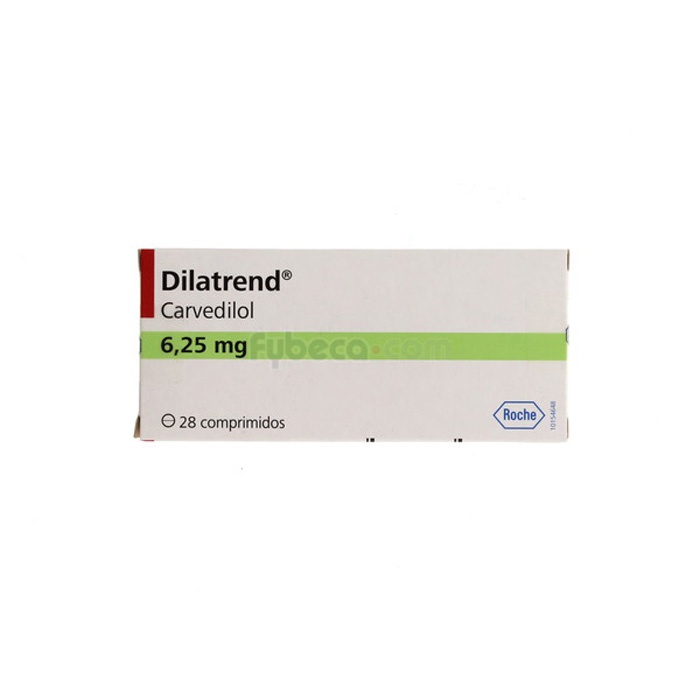
- Dilatrend 6.25 mg tablets
- Dilatrend may mask its symptoms (e.g. tachycardia). Do not suddenly stop
- Dilatrend 12,5 mg tablets
- Dilatrend may mask its symptoms (e.g. tachycardia). Do not suddenly stop
- Dilatrend 25 mg tablets
- Dilatrend may mask its symptoms (e.g. tachycardia). Do not suddenly stop
Dilatrend 6.25 mg tablets
Carvedilol
Read this leaflet carefully before taking this medicine as it contains important information for you.
- Keep this leaflet. You may need to read it again.
- If you have any questions, ask your doctor or pharmacist.
- This medicine has been prescribed for you only. Do not pass it on to others, even if their symptoms are the same as yours, as it could be harmful.
- If you get any side effects, even those not listed in this leaflet, tell your doctor or pharmacist. See section 4.
Contents of this leaflet:
- 1. What Dilatrend is and what it is used for
- 2. What you need to know before you take Dilatrend
- 3. How to take Dilatrend
- 4. Possible side effects
- 5. How to store Dilatrend
- 6. Contents of the pack and other information
1. What is Dilatrend and what is it used for
Dilatrend contains the active substance carvedilol which lowers blood pressure and reduces the
work of the heart).
Dilatrend is indicated for the treatment of:
- essential hypertension (high blood pressure). It can be used alone or in combination with other medicines for the treatment of high blood pressure, especially with thiazide diuretics;
- angina pectoris (heart disease that causes chest pain);
- heart failure (inability of the heart to provide an adequate amount of blood to the body).
2. What you need to know before taking Dilatrend
Donot take Dilatrend
- if you are allergic to carvedilol or any of the other ingredients of this medicine (listed in section 6)
- if you have unstable/decompensated heart failure or severe heart failure (severe conditions in which the body is unable to balance the reduction in the heart's contractile activity) if you suffer from severe liver problems
- if you are breastfeeding (see “Pregnancy, breastfeeding and fertility”)
- if you have heart rhythm disturbances (atrioventricular block of 2nd and 3rd degree unless you have been fitted with a permanent pacemaker
- if you suffer from severe bradycardia (have less than 50 beats per minute)
- in case of sinus node disease, including sinoatrial block (severe reduction in heart rate)
- if you suffer from severe hypotension (very low blood pressure)
- in case of cardiogenic shock (decreased blood flow reaching the organs and tissues of the body due to a decrease in heart activity)
- if you suffer from bronchial asthma (narrowing and inflammation of the bronchi) or other respiratory diseases with a bronchospastic component (e.g. chronic obstructive pulmonary disease (COPD), a disease that makes it difficult to empty the air from the lungs, which do not take medicines orally or by inhalation)
- in case of pheochromocytoma (a tumor that affects the adrenal gland) not controlled by certain medicines
- if you suffer from metabolic acidosis (alteration of blood acidity)
- if you are being treated with medicines used to treat high blood pressure or heart rhythm disturbances such as verapamil or diltiazem intravenously (see section “Other medicines and DILATREND”)
Warnings and precautions
Talk to your doctor or pharmacist before taking Dilatrend if:
- You suffer from chronic congestive heart failure (a condition in which the heart is unable to pump blood efficiently) as worsening of heart failure or fluid retention may occur. In the event that, during therapy, your condition should worsen, the doctor will evaluate a dose reduction or alternative therapy.
- You suffer from chronic heart failure with low blood pressure, ischemic heart disease (heart suffering due to reduced oxygen supply) and widespread vascular disease (narrowing of the arteries) as worsening of kidney function may occur during treatment with carvedilol. In such circumstances, the doctor will evaluate the need to discontinue treatment or reduce the dosage.
- You suffer from left ventricular dysfunction (a portion of the heart is unable to contract effectively or fill adequately) after acute myocardial infarction (death of heart cells due to prolonged lack of oxygen supply). In this case, the doctor will prescribe appropriate treatment before starting Dilatrend.
- You are diabetic and are being treated with medicines that lower blood sugar (amount of sugars in the blood), as taking Dilatrend may be associated with worsening blood sugar control, or the initial signs and symptoms of acute hypoglycemia (sudden drop in blood sugar), such as tachycardia (fast heartbeat), blurred vision, dizziness, sweating, restlessness, may be masked or attenuated. Regular blood sugar monitoring is necessary during treatment to adjust dosages of medicines.
- You suffer from peripheral vasculopathy (reduced blood flow to the arteries due to obstruction or narrowing of the latter at the level of the limbs) as it may worsen with carvedilol treatment.
- You have thyrotoxicosis (excess of hormones produced by the thyroid) as taking
Dilatrend may mask its symptoms (e.g. tachycardia). Do not suddenly stop
treatment with Dilatrend as it could alter thyroid function.
- You must undergo surgery requiring the use of anesthetic medications (medications that induce sedation, reduce sensitivity to pain and muscle relaxation) as carvedilol may increase muscle contractility.
- You have bradycardia (reduction in heart rate), with values less than 55 beats per minute.
- You have previously had a severe hypersensitivity reaction (allergy) or are currently undergoing desensitization therapy (taking progressively increasing doses of a drug to which you are hypersensitive, in order to be able to take it at effective and safe doses), as increased sensitivity may occur.
- You suffer from psoriasis (a skin inflammatory disease characterized by thickened and reddened patches covered with gray scales) or if you have pheochromocytoma (a tumor that causes high blood pressure), as the doctor will prescribe Dilatrend only after assessing the risk/benefit ratio.
- You suffer from Prinzmetal's angina (chest pain of cardiac origin), because taking Dilatrend could increase it.
- You have a first-degree heart block (an alteration of the heartbeat) because carvedilol can reduce the speed of conduction of the heart's electrical impulse.
- You are elderly or have heart rhythm disturbances, e.g. bradycardia (slow heart rate), sinus node dysfunction or atrioventricular block (types of arrhythmias), as sinus arrest (a temporary pause in the heartbeat) may occur, see Undesirable Effects.
- You use contact lenses because Dilatrend may reduce tear production. Treatment with Dilatrend must not be stopped abruptly. Discontinuation of carvedilol must occur gradually (over a period of two weeks). During treatment with Dilatrend, very rare cases of severe skin and mucous membrane reactions, such as toxic epidermal necrolysis (TEN) and Stevens-Johnson syndrome (SJS) have been reported (see section 4 “Possible undesirable effects”). In such cases, contact your doctor immediately because the intake of Dilatrend must be stopped.
Other medicines and Dilatrend
Inform your doctor or pharmacist if you are taking, have recently taken or might take
any other medicine.
Pay particular attention and inform your doctor if you are taking:
- Digoxin a medicine used to treat heart disease;
- Cyclosporine and tacrolimus medicines used to prevent organ transplant rejection;
- Antiarrhythmics, such as amiodarone, medicines used to regularize the heartbeat;
- Fluoxetine and paroxetine, medicines used to treat depression;
- Rifampicin, an antibiotic, used to treat infections caused by bacteria;
- Cimetidine, a medicine used to treat ulcers and heartburn;
- Insulin or oral hypoglycemic agents (medicines for the treatment of diabetes);
- Antihypertensives, such as reserpine and clonidine (medicines used to lower blood pressure);
- Anesthetics and neuromuscular blocking agents, medicines that induce sedation, reduce sensitivity to pain and muscle relaxation;
- Non-steroidal anti-inflammatory drugs (NSAIDs), medicines used for pain and inflammation and fever;
- Bronchodilators, medicines used to treat breathing problems.
Dilatrend with alcohol
Alcohol can enhance the hypotensive effect of carvedilol (lowers blood pressure).
Dilatrend and grapefruit juice
It is recommended to avoid taking grapefruit juice during treatment with
carvedilol.
Pregnancy and breastfeeding
If you are pregnant, suspect you are pregnant or are planning a pregnancy, or if you are
breastfeeding, ask your doctor or pharmacist for advice before taking
this medicine.
Pregnancy
The administration of Dilatrend during pregnancy should only be considered
if the expected benefit for the mother outweighs the risk to the fetus or child.
If you are taking the medicine, stop treatment 2-3 days before the expected delivery.
If this is not possible, the newborn must be monitored for the first 2-3 days of
life.
Breastfeeding
Dilatrend should not be used during breastfeeding (see section
“Do not take Dilatrend”).
Driving and operating machinery
No studies have been conducted on the effects of carvedilol on the ability to drive and operate
machinery.
Dilatrend can cause dizziness and visual disturbances, so the ability to drive and
operate machinery may be impaired. These effects may occur
mainly at the beginning of treatment, after dose increases, in case of replacement with
another medicine containing carvedilol and with the concomitant intake of alcohol.
For athletes
The use of the medicine without a therapeutic need constitutes doping and may in any case
result in positive doping tests.
Dilatrend contains sucrose and lactose
If your doctor has diagnosed you with an intolerance to certain sugars, contact him before
taking this medicine.
3. How to take Dilatrend
Take this medicine following exactly the instructions of your doctor or pharmacist. If you have any doubts, ask your doctor or pharmacist.
Treatment of essential hypertension
Dosage
Adults
The recommended initial dose is 12.5 mg once a day for the first two days.
Subsequently, the recommended dose is 25 mg once a day. If necessary, the
dosage may be gradually increased at intervals of not less than two weeks,
until reaching the recommended maximum dose of 50 mg per day to be taken in
a single administration or divided into 25 mg twice a day.
Elderly
The recommended dose for starting therapy is 12.5 mg once a day. If
necessary, the doctor may increase the dose at intervals of at least two weeks, up
to the recommended maximum dose of 50 mg, to be taken in two doses of 25 mg twice a
day.
Treatment of angina pectoris
Dosage
Adults
The recommended initial dose is 12.5 mg twice a day for the first two days.
Subsequently, the recommended dose is 25 mg twice a day.
Do not exceed the recommended maximum daily dose.
Elderly
The recommended dose for starting therapy is 12.5 mg twice a day.
Subsequently the dose may be increased, after an interval of at least two days, to
25 mg twice a day. Do not exceed the recommended maximum daily dose.
Treatment of heart failure
Dosage
The doctor will prescribe the appropriate dose to be taken, and will carefully monitor it during the
period of time necessary to reach the dosage suitable for you.
The recommended dose for starting therapy is 3.125 mg (half a 6.25 mg tablet)
twice a day for at least two weeks. After two weeks, if this dosage is
well tolerated, the dosage may be increased, at intervals of not less than two
weeks, and first brought to 6.25 mg twice a day, then to 12.5 mg twice a day
and finally to 25 mg twice a day. The dosage must be increased to the highest
tolerated dose.
The recommended maximum dose is 25 mg twice a day in case of severe heart failure and of mild or moderate heart failure with a body weight of less than 85
kg. In case of mild or moderate heart failure with a body weight greater than 85 kg, the
recommended maximum dose is 50 mg twice a day.
Before each dose increase, the doctor will examine any signs of worsening
of heart failure or vasodilation and will assess, if necessary, the interruption of
treatment.
If treatment with Dilatrend is interrupted for more than two weeks,
therapy must be restarted with the administration of 3.125 mg (half a tablet
of 6.25 mg) twice a day and subsequently the dosage must be increased
taking into account the previous recommendations.
Use in children and adolescents
The safety and efficacy of Dilatrend in children and adolescents have not yet been
established.
How to take
The tablet can be divided into equal doses.
The tablets must be taken with a sufficient amount of liquid,
regardless of meals.
Taking with meals is recommended in case of heart failure (inability of the heart to
provide an adequate amount of blood to the body), to slow down the absorption of
the medicine and reduce the incidence of orthostatic hypotension (lowering of blood
pressure when getting up).
If you take more Dilatrend than you should
In case of accidental ingestion/administration of an excessive dose of Dilatrend, immediately inform
your doctor or go to the nearest hospital.
In case of overdose, the following may occur: severe hypotension (low blood pressure), bradycardia
(reduction in heart rate), heart failure (inability of the heart to
pump blood efficiently), cardiogenic shock (decreased blood flow
reaching the organs and tissues of the body, due to a decrease in heart activity) and cardiac arrest. Respiratory problems may also occur,
bronchospasm (constriction of the bronchi), vomiting, altered consciousness and generalized convulsive seizures (involuntary, sudden and uncontrolled movements).
The doctor will institute a treatment appropriate to your clinical conditions, if necessary,
will monitor and correct your vital parameters in intensive care conditions.
If you forget to take Dilatrend
Do not take a double dose to make up for the missed dose.
If you stop taking Dilatrend
Dilatrend must be discontinued gradually, over a period of two weeks, and under the control
of the doctor.
If you have any further questions on the use of this medicine, ask your doctor or pharmacist.
4. Possible side effects
Like all medicines, this medicine can cause side effects, although not everybody gets them.
The following side effects may occur:
Very common (may affect more than 1 in 10 people)
- dizziness (vertigo), headache;
- heart failure (inability of the heart to pump blood efficiently);
- hypotension (low blood pressure);
- asthenia (weakness). Dizziness, syncope, headache and asthenia are generally mild and are more likely to occur at the beginning of treatment. Common (may affect up to 1 in 10 people)
- bronchitis and pneumonia (inflammation of the bronchi and lungs), upper respiratory tract infections;
- urinary tract infections;
- anemia (decrease in the amount of hemoglobin, a protein found in red blood cells that carries oxygen in the blood);
- weight gain, hypercholesterolemia (increase in the amount of cholesterol, a type of fat in the blood), hyperglycemia and hypoglycemia (increase or decrease in blood glucose) (in patients suffering from diabetes);
- depression, depressed mood;
- syncope, pre-syncope (loss of consciousness, feeling of loss of consciousness)
- impaired vision, decreased lacrimation (dry eyes), eye irritation;
- bradycardia (reduction in heart rate);
- hypertension (high blood pressure);
- hypervolemia (increase in circulating blood volume), fluid retention;
- orthostatic hypotension (lowering of blood pressure when getting up), peripheral circulation disorders (cold hands and feet, problems with peripheral blood vessels), worsening of leg pain during physical exertion (intermittent claudication) and Raynaud's phenomenon (constriction of blood vessels in the hands and feet causing pain and skin color changes);
- dyspnea (difficulty breathing), pulmonary edema (accumulation of fluid in the lungs), asthma (narrowing and inflammation of the bronchi, in patients predisposed to this condition);
- nausea, diarrhea, vomiting, dyspepsia (indigestion), abdominal pain;
- pain in the extremity (hands and feet);
- renal insufficiency and altered renal function in patients with widespread vascular disease and/or underlying renal insufficiency;
- pain;
- edema (fluid retention). Not common (may affect up to 1 in 100 people)
- sleep disorders;
- confusion;
- paresthesia (sensation of numbness or tingling in the hands and feet);
- atrioventricular block (disorders in the conduction of the cardiac impulse between atrium and ventricle), angina pectoris (chest pain);
- constipation;
- skin reactions, e.g. allergic rash (allergic skin eruption), dermatitis (skin irritation), urticaria, pruritus, psoriasis-like skin lesions (raised, red and scaly patches) and lichen planus-like skin lesions (red, rough and scaly patches), alopecia (hair loss);
- erectile dysfunction (erection disorders) Rare (may affect up to 1 in 1,000 people)
- thrombocytopenia (decrease in the number of platelets in the blood);
- nasal congestion (stuffy nose);
- dry mouth;
- urinary disorders (retention of urine or difficulty in its emission). Very rare (may affect up to 1 in 10,000 people)
- leukopenia (decrease in the number of white blood cells in the blood);
- hypersensitivity (allergic reaction);
- increased levels of liver enzymes [
- proteins that increase in case of liver damage [(ALT, AST) and GGT];
- severe skin reactions with blisters, bubbles and vesicles (e.g. erythema multiforme, Stevens-Johnson syndrome, toxic epidermal necrolysis); Not known (frequency cannot be estimated based on available data)
- manifestation of diabetes symptoms with alteration of blood sugar levels (glycemia), worsening of diabetes, alterations of glycemia;
- sinus arrest (temporary pause in heartbeat);
- hyperhidrosis (excessive sweating);
- urinary incontinence (difficulty retaining urine) in women that resolves with discontinuation of treatment.
- hallucinations (perception of things that do not exist in reality).
Reporting of side effects
If you get any side effects, even those not listed in this leaflet,
tell your doctor or pharmacist. You can also report side effects directly
through the national reporting system at
https://www.aifa.gov.it/content/segnalazioni-reazioni-avverse
By reporting side effects you can help provide more information on the
safety of this medicine.
5. How to store Dilatrend
Keep this medicine out of the sight and reach of children.
Do not use this medicine after the expiry date which is stated on the pack after
“Exp”. The expiry date refers to the last day of that month.
The expiry date refers to the product in intact packaging, correctly
stored.
Caution: do not use the medicine after the expiry date stated on the packaging.
Store in the original packaging to protect the medicine from light and moisture.
Do not dispose of any medicine in wastewater or household waste. Ask your pharmacist
how to dispose of medicines you no longer use. This will help protect the environment.
6. Contents of the pack and other information
What Dilatrend 6.25 mg contains
- The active ingredient is carvedilol 6.25 mg
- The other ingredients are sucrose, lactose monohydrate, povidone K25, anhydrous colloidal silica, crospovidone type A, magnesium stearate, yellow iron oxide (E 172).
Description of the appearance of Dilatrend and contents of the pack
Dilatrend 6.25 mg are round, yellow tablets with a break notch and
the imprint BM on one side and F1 on the other.
Pharmaceutical form and content
Tablets of 25 mg in packs of 14, 28 and 56 tablets
Marketing authorisation holder and manufacturer
CHEPLAPHARM Arzneimittel GmbH, Ziegelhof 24, 17489 Greifswald, Germany

Не впевнені, чи підходить вам цей лікарський засіб?
Обговоріть симптоми та можливі варіанти лікування з лікарем онлайн.
Dilatrend 12,5 mg tablets
Carvedilol
Read this leaflet carefully before taking this medicine, as it contains important information for you.
- Keep this leaflet. You may need to read it again.
- If you have any questions, ask your doctor or pharmacist.
- This medicine has been prescribed for you only. Do not pass it on to others, even if their symptoms are the same as yours, as it could be harmful.
- If you get any side effects, even those not listed in this leaflet, tell your doctor or pharmacist. See section 4.
Contents of this leaflet:
- 1. What Dilatrend is and what it is used for
- 2. What you need to know before you take Dilatrend
- 3. How to take Dilatrend
- 4. Possible side effects
- 5. How to store Dilatrend
- 6. Contents of the pack and other information
1. What is Dilatrend and what is it used for
Dilatrend contains the active substance carvedilol which lowers blood pressure and reduces the workload on the heart.
Dilatrend is indicated for the treatment of:
- essential hypertension (high blood pressure). It can be used alone or in combination with other medicines for the treatment of blood pressure;
- angina pectoris (heart disease that causes chest pain);
- heart failure (inability of the heart to provide an adequate amount of blood to the body).
2. What you need to know before taking Dilatrend
Donot take Dilatrend
- if you are allergic to carvedilol or any of the other ingredients of this medicine (listed in section 6)
- if you have unstable/decompensated heart failure or severe heart failure (serious conditions in which the body is unable to balance the reduction of the heart's contractile activity)
- if you have severe liver problems
- if you are breastfeeding (see “Pregnancy, breastfeeding and fertility”)
- if you have heart rhythm disturbances (atrioventricular block of 2nd and 3rd degree), unless you have been fitted with a permanent pacemaker
- if you suffer from severe bradycardia (have less than 50 beats per minute)
- in case of sinus node disease, including sinoatrial block (severe reduction in heart rate)
- if you suffer from severe hypotension (very low blood pressure)
- in case of cardiogenic shock (decreased blood flow reaching the organs and tissues of the body due to a decrease in heart activity)
- if you suffer from bronchial asthma (narrowing and inflammation of the bronchi) or other respiratory diseases with a bronchospastic component (e.g. chronic obstructive pulmonary disease (COPD), a disease that makes it difficult to empty the air from the lungs, which do not take medicines orally or by inhalation)
- in case of pheochromocytoma (a tumor that affects the adrenal gland) not controlled by certain medicines
- if you suffer from metabolic acidosis (alteration of blood acidity)
- if you are being treated with medicines used to treat high blood pressure or heart rhythm disturbances such as verapamil or diltiazem intravenously (see section “Other medicines and Dilatrend”)
Warnings and precautions
Talk to your doctor or pharmacist before taking Dilatrend if:
- You suffer from chronic congestive heart failure(a condition in which the heart is unable to pump blood efficiently) as worsening of heart failure or fluid retention may occur. If, during therapy, your condition should worsen, the doctor will evaluate a dose reduction or alternative therapy. You suffer from chronic heart failure with low blood pressure, ischemic heart disease (heart suffering due to reduced oxygen supply) and widespread vascular disease (narrowing of the arteries) as worsening of kidney function may occur during treatment with carvedilol. In such circumstances, the doctor will evaluate the need to discontinue treatment or reduce the dosage.
- You suffer from left ventricular dysfunction (a portion of the heart is unable to contract effectively or fill adequately) after acute myocardial infarction (death of heart cells due to prolonged lack of oxygen supply). In this case, the doctor will prescribe appropriate treatment before starting Dilatrend.
- You are diabetic and are being treated with medicines that lower blood sugar (amount of sugars in the blood).
- as taking Dilatrend may be associated with worsening of blood sugar control, or the initial signs and symptoms of acute hypoglycemia (sudden drop in sugars), such as tachycardia (fast heartbeat), blurred vision, dizziness, sweating, restlessness, may be masked or attenuated. Regular blood sugar monitoring is necessary during treatment to adjust the dosages of the medicines.
- You suffer from peripheral vasculopathy (reduced blood flow to the arteries due to obstruction or narrowing of the latter at the level of the limbs) as it may worsen with carvedilol treatment.
- You have thyrotoxicosis(excess of hormones produced by the thyroid) as taking
Dilatrend may mask its symptoms (e.g. tachycardia). Do not suddenly stop
treatment with Dilatrend as it could alter thyroid function.
- You must undergo surgery (medicines that induce sedation, reduce pain sensitivity and muscle relaxation) as carvedilol may increase muscle contractile effect.
- You have bradycardia (reduction in heart rate), with values less than 55 beats per minute.
- You have had a severe hypersensitivity reaction (allergy) in the past or are currently undergoing desensitization therapy (taking progressively increasing doses of a drug to which you are hypersensitive, in order to be able to take it at effective and safe doses), as increased sensitivity may occur.
- You suffer from psoriasis (a skin inflammatory disease characterized by thickened and reddened patches covered with gray scales) or if you suffer from pheochromocytoma (a tumor that causes high blood pressure), as the doctor will prescribe Dilatrend only after assessing the risk/benefit ratio.
- You suffer from Prinzmetal's angina (chest pain of cardiac origin), because taking Dilatrend could increase it.
- You have a first-degree heart block (an alteration of the heartbeat) because carvedilol can reduce the speed of conduction of the heart's electrical impulse.
- You are elderly or have heart rhythm disturbances e.g. bradycardia (slow heart rate), sinus node dysfunction or atrioventricular block (types of arrhythmias), as sinus arrest (a temporary pause in the heartbeat) may occur, see Undesirable Effects.
- You use contact lenses because Dilatrend may reduce lacrimation. The treatment with Dilatrend must not be stopped abruptly. Discontinuation of carvedilol must occur gradually (over a period of two weeks). During treatment with Dilatrend, very rare cases of severe skin and mucous membrane reactions, such as toxic epidermal necrolysis (TEN) and Stevens-Johnson syndrome (SJS) have been reported (see paragraph 4 “Possible undesirable effects”). In such cases, contact your doctor immediately because the intake of Dilatrend must be stopped.
Other medicines and Dilatrend
Tell your doctor or pharmacist if you are taking, have recently taken or might take
any other medicine.
Pay particular attention and tell your doctor if you are taking:
- Digoxin a medicine used to treat heart diseases;
- Cyclosporine and tacrolimus medicines used to prevent organ transplant rejection;
- Antiarrhythmics, such as amiodarone, medicines used to regularize the heartbeat;
- Fluoxetine and paroxetine, medicines used to treat depression;
- Rifampicin, an antibiotic, used to treat infections caused by bacteria;
- Cimetidine, a medicine used to treat ulcers and heartburn;
- Insulin or oral hypoglycemic agents (medicines for the treatment of diabetes);
- Antihypertensives, such as reserpine and clonidine (medicines used to lower blood pressure;
- Anesthetics and neuromuscular blocking agents, medicines that induce sedation, reduce pain sensitivity and muscle relaxation;
- Non-steroidal anti-inflammatory drugs (NSAIDs), medicines used for pain and inflammation and fever;
- Bronchodilators, medicines used to treat breathing problems.
Dilatrend with alcohol
Alcohol can enhance the hypotensive effect of carvedilol (lowers blood pressure).
Dilatrend and grapefruit juice
It is recommended to avoid taking grapefruit juice during treatment with
carvedilol.
Pregnancy and breastfeeding
If you are pregnant, suspect you are pregnant or are planning a pregnancy, or if you
are breastfeeding, ask your doctor or pharmacist for advice before taking
this medicine.
Pregnancy
The administration of Dilatrend during pregnancy should only be considered
if the expected benefit for the mother outweighs the risk to the fetus or child.
If you are taking the medicine, stop treatment 2-3 days before the expected delivery.
If this is not possible, the newborn must be monitored for the first 2-3 days of
life.
Breastfeeding
Dilatrend should not be used during breastfeeding (see paragraph
“Do not take Dilatrend”).
Driving and using machines
Studies have not been conducted on the effects of carvedilol on the ability to drive and operate
machinery.
Dilatrend may cause dizziness and visual disturbances, therefore the ability to drive and
use machinery may be impaired. These effects may occur
mainly at the beginning of treatment, after dose increases, in case of switching with
another medicine containing carvedilol and with the simultaneous intake of alcohol.
For athletes
The use of the medicine without a therapeutic need constitutes doping and may still result in positive anti-doping tests.
Dilatrend contains sucrose and lactose
If your doctor has diagnosed you with an intolerance to certain sugars, contact him before
taking this medicine.
3. How to take Dilatrend
Take this medicine following exactly the instructions of your doctor or pharmacist. If you have any doubts, ask your doctor or pharmacist.
Treatment of essential hypertension
Dosage
Adults
The recommended initial dose is 12.5 mg once a day for the first two days.
Subsequently, the recommended dose is 25 mg once a day. If necessary, the
dosage may be gradually increased at intervals of no less than two weeks,
until the maximum recommended dose of 50 mg per day is reached, to be taken in
a single administration or divided into 25 mg twice a day.
Elderly
The recommended dose for starting therapy is 12.5 mg once a day. If
necessary, the doctor may increase the dose at intervals of at least two weeks, up
to the maximum recommended dose of 50 mg, to be taken in two doses of 25 mg twice a
day.
Treatment of angina pectoris
Dosage
Adults
The recommended initial dose is 12.5 mg twice a day for the first two days.
Subsequently, the recommended dose is 25 mg twice a day.
Dosage. Do not exceed the maximum recommended daily dose.
Elderly
The recommended dose for starting therapy is 12.5 mg twice a day.
Subsequently, the dose may be increased, after an interval of at least two days, to
25 mg twice a day. Do not exceed the maximum recommended daily dose.
Treatment of heart failure
Dosage
The doctor will prescribe the appropriate dose to be taken, and will carefully monitor you during the
period of time necessary to achieve the dosage suitable for you.
The recommended dose for starting therapy is 3.125 mg (half a 6.25 mg tablet)
twice a day for at least two weeks. After two weeks, if this dosage is
well tolerated, the dosage may be increased, at intervals of no less than two
weeks, and first brought to 6.25 mg twice a day, then to 12.5 mg twice a day
and finally to 25 mg twice a day. The dosage must be increased to the highest
tolerated dose.
The maximum recommended dose is 25 mg twice a day in case of severe heart failure or mild to moderate heart failure with a body weight of less than 85 kg. In case
of mild or moderate heart failure with a body weight greater than 85 kg, the maximum
recommended dose is 50 mg twice a day.
Before each dose increase, the doctor will examine any signs of worsening
of heart failure or vasodilation and will assess, if necessary, the interruption of
treatment.
If treatment with Dilatrend is interrupted for more than two weeks,
therapy must be restarted by taking 3.125 mg (half a tablet
of 6.25 mg) twice a day and subsequently the dosage must be increased
taking into account the previous recommendations.
Use in children and adolescents
The safety and efficacy of Dilatrend in children and adolescents have not yet been
established.
How to take it
The tablet can be divided into equal doses.
The tablets must be taken with a sufficient amount of liquid,
regardless of meals.
It is recommended to take it with meals in case of heart failure (inability of the heart to
provide an adequate amount of blood to the body), to slow down the absorption of
the medicine and reduce the incidence of orthostatic hypotension (lowering of blood
pressure when getting up).
If you take more Dilatrend than you should
In case of accidental ingestion/intake of an excessive dose of Dilatrend, immediately warn
your doctor or go to the nearest hospital.
In case of overdose, the following may occur: severe hypotension (low blood pressure), bradycardia
(reduction in heart rate), heart failure (inability of the heart to
pump blood efficiently), cardiogenic shock (decrease in blood flow
reaching the organs and tissues of the body, due to a decrease in heart activity) and cardiac arrest. Respiratory problems can also occur,
bronchospasm (constriction of the bronchi), vomiting, altered consciousness and generalized convulsive seizures (sudden, involuntary and uncontrollable movements).
The doctor will institute appropriate treatment for your clinical condition, if necessary,
will monitor and correct your vital parameters in intensive care conditions.
If you forget to take Dilatrend
Do not take a double dose to make up for the missed dose.
If you stop taking Dilatrend
Dilatrend must be discontinued gradually, over a period of two weeks, and under the control
of the doctor.
If you have any further questions on the use of this medicine, ask your doctor or pharmacist.
4. Possible side effects
Like all medicines, this medicine can cause side effects, although not everybody gets them.
The following side effects may occur:
Very common (may affect more than 1 in 10 people)
- dizziness (vertigo), headache;
- heart failure (inability of the heart to pump blood efficiently);
- hypotension (low blood pressure);
- asthenia (weakness). Dizziness, syncope, headache and asthenia are generally mild and are more likely to occur at the beginning of treatment. Common (may affect up to 1 in 10 people)
- bronchitis and pneumonia (inflammation of the bronchi and lungs), upper respiratory tract infections;
- urinary tract infections;
- anemia (decrease in the amount of hemoglobin, a protein found in red blood cells that carries oxygen in the blood);
- weight gain, hypercholesterolemia (increase in the amount of cholesterol, a type of fat in the blood), hyperglycemia and hypoglycemia (increase or decrease in blood glucose) (in patients suffering from diabetes);
- depression, depressed mood;
- syncope, pre-syncope (loss of consciousness, feeling of loss of consciousness)
- impaired vision, decreased lacrimation (dry eyes), eye irritation;
- bradycardia (reduction in heart rate);
- hypertension;
- hypervolemia (increase in circulating blood volume), fluid retention;
- orthostatic hypotension (lowering of blood pressure when getting up), peripheral circulation disorders (cold hands and feet, problems with peripheral blood vessels), worsening of leg pain during physical exertion (intermittent claudication) and Raynaud's phenomenon (constriction of blood vessels in the hands and feet causing pain and skin color changes);
- dyspnea (difficulty breathing), pulmonary edema (accumulation of fluid in the lungs), asthma (narrowing and inflammation of the bronchi, in patients predisposed to this condition);
- nausea, diarrhea, vomiting, dyspepsia (indigestion), abdominal pain;
- pain in the extremity (hands and feet);
- renal insufficiency and alteration of renal function in patients with widespread vascular disease and/or underlying renal insufficiency;
- pain;
- edema (fluid retention). Uncommon (may affect up to 1 in 100 people)
- sleep disorders;
- confusion;
- paresthesia (sensation of numbness or tingling in the hands and feet);
- atrioventricular block (disorders in the conduction of the cardiac impulse between atrium and ventricle), angina pectoris (chest pain);
- constipation;
- skin reactions, e.g. allergic rash (allergic skin eruption), dermatitis (skin irritation), urticaria, pruritus, psoriasic skin lesions (raised, red and scaly patches) and lichen planus-like skin lesions (rough, red and scaly patches), alopecia (hair loss);
- erectile dysfunction (erection disorders) Rare (may affect up to 1 in 1,000 people)
- thrombocytopenia (decrease in the number of platelets);
- nasal congestion (stuffy nose);
- dry mouth;
- urination disorders (retention of urine or difficulty in its emission). Very rare (may affect up to 1 in 10,000 people)
- leukopenia (decrease in the number of white blood cells);
- hypersensitivity (allergic reaction);
- increased level of liver enzymes [proteins that increase in case of liver damage [(ALT, AST) and GGT];
- severe skin reactions with blisters, bubbles and vesicles (e.g. erythema multiforme, Stevens-Johnson syndrome, toxic epidermal necrolysis); Not known (frequency cannot be estimated based on available data)
- manifestation of diabetes symptoms with alteration of blood sugar levels (glycemia), worsening of diabetes, changes in blood glucose;
- sinus arrest (temporary pause in heartbeat);
- hyperhidrosis (excessive sweating);
- Urinary incontinence (difficulty retaining urine) in women that resolves with discontinuation of treatment.
- hallucinations (perception of things that do not exist in reality).
Reporting of side effects
If you get any side effects, even those not listed in this leaflet, tell your doctor or pharmacist. You can also report side effects directly
through the national reporting system at
https://www.aifa.gov.it/content/segnalazioni-reazioni-avverse
By reporting side effects you can help provide more information on the
safety of this medicine.
5. How to store Dilatrend
Keep this medicine out of the sight and reach of children.
Do not use this medicine after the expiry date which is stated on the pack after
“Exp”. The expiry date refers to the last day of that month.
The expiry date refers to the product in intact packaging, correctly
stored.
Caution: do not use the medicine after the expiry date stated on the packaging.
Store in the original packaging to protect the medicine from light and humidity.
Do not dispose of any medicine in wastewater or household waste. Ask your pharmacist
how to dispose of medicines you no longer use. This will help protect the environment.
6. Contents of the pack and other information
What Dilatrend 12.5 mg contains
- The active ingredient is carvedilol 12.5 mg
- The other ingredients are sucrose, lactose monohydrate, povidone K25, anhydrous colloidal silica, crospovidone type A, magnesium stearate, yellow iron oxide (E 172), red iron oxide (E 172).
Description of the appearance of Dilatrend and pack contents
Dilatrend 12.5 mg are round, light brown tablets with a break notch
and the imprint BM on one side and H3 on the other.
Pharmaceutical form and content
Tablets of 125 mg in packs of 28 and 56 tablets
Marketing authorisation holder and manufacturer
CHEPLAPHARM Arzneimittel GmbH, Ziegelhof 24, 17489 Greifswald, Germany

Виникли питання під час прийому ліків?
Обговоріть свої симптоми та лікування з лікарем онлайн.
Dilatrend 25 mg tablets
Carvedilol
Read this leaflet carefully before taking this medicine as it contains important information for you.
- Keep this leaflet. You may need to read it again.
- If you have any questions, ask your doctor or pharmacist.
- This medicine has been prescribed for you only. Do not pass it on to others, even if they have the same symptoms as you, as it may be harmful.
- If you get any side effects, even those not listed in this leaflet, tell your doctor or pharmacist. See section 4.
Contents of this leaflet:
- 1. What Dilatrend is and what it is used for
- 2. What you need to know before you take Dilatrend
- 3. How to take Dilatrend
- 4. Possible side effects
- 5. How to store Dilatrend
- 6. Contents of the pack and other information
1. What is Dilatrend and what is it used for
Dilatrend contains the active substance carvedilol which lowers blood pressure and reduces the workload on the heart.
Dilatrend is indicated for the treatment of:
- essential hypertension (high blood pressure). It can be used alone or in combination with other medicines for the treatment of blood pressure;
- angina pectoris (heart disease that causes chest pain);
- heart failure (inability of the heart to provide an adequate amount of blood to the body).
2. What you need to know before taking Dilatrend
Donot take Dilatrend
- if you are allergic to carvedilol or any of the other ingredients of this medicine (listed in section 6)
- if you have unstable/decompensated heart failure or severe cardiac decompensation (severe conditions in which the body is unable to balance the reduction of the heart's contractile activity)
- if you have severe liver problems
- if you are breastfeeding (see “Pregnancy, breastfeeding and fertility”)
- if you have heart rhythm disturbances (atrioventricular block of 2nd and 3rd degree), unless you have been fitted with a permanent pacemaker
- if you suffer from severe bradycardia (have less than 50 beats per minute)
- in case of sinus node disease, including sinoatrial block (severe reduction in heart rate)
- if you suffer from severe hypotension (very low blood pressure)
- in case of cardiogenic shock (decreased blood flow reaching the organs and tissues of the body, due to a decrease in heart activity)
- if you suffer from bronchial asthma (narrowing and inflammation of the bronchi) or other respiratory diseases with a bronchospastic component (e.g. chronic obstructive pulmonary disease (COPD), a disease that makes it difficult to empty the air from the lungs, which do not take medicines orally or by inhalation)
- in case of pheochromocytoma (a tumor that affects the adrenal gland) not controlled by certain medicines
- if you suffer from metabolic acidosis (alteration of blood acidity)
- if you are being treated with medicines used to treat high blood pressure or heart rhythm disturbances such as verapamil or diltiazem intravenously (see section “Other medicines and Diltiazem”)
Warnings and precautions
Talk to your doctor or pharmacist before taking Dilatrend if:
- You suffer from chronic congestive heart failure (a condition in which the heart is unable to pump blood efficiently) as worsening of heart failure or fluid retention may occur. If, during therapy, your condition should worsen, the doctor will evaluate a dose reduction or alternative therapy.
- You suffer from chronic heart failure with low blood pressure, ischemic heart disease (heart suffering due to reduced oxygen supply) and widespread vascular disease (narrowing of the arteries) as worsening of kidney function may occur during treatment with carvedilol. In such circumstances, the doctor will evaluate the need to discontinue treatment or reduce the dosage.
- You suffer from left ventricular dysfunction (a portion of the heart is unable to contract effectively or fill adequately) after acute myocardial infarction (death of heart cells due to prolonged lack of oxygen supply). In this case, the doctor will prescribe appropriate treatment before starting Dilatrend.
- You are diabetic and are being treated with medicines that lower blood sugar (amount of sugars in the blood), as taking Dilatrend may be associated with worsening blood sugar control, or the initial signs and symptoms of acute hypoglycemia (sudden drop in blood sugar), such as tachycardia (fast heartbeat), blurred vision, dizziness, sweating, restlessness, may be masked or attenuated. Regular blood sugar monitoring is necessary during treatment to adjust dosages of medicines.
- You suffer from peripheral vasculopathy (reduced blood flow to the arteries due to obstruction or narrowing of the latter at the level of the limbs) as it may worsen with carvedilol treatment.
- You have thyrotoxicosis (excess of hormones produced by the thyroid) as taking
Dilatrend may mask its symptoms (e.g. tachycardia). Do not suddenly stop
treatment with Dilatrend as it could alter thyroid function.
- You must undergo surgery that requires the use of anesthetics (medicines that induce sedation, reduce sensitivity to pain and muscle relaxation) as carvedilol may increase muscle contractility.
- You have bradycardia (reduction in heart rate), with values below 55 beats per minute.
- You have had a severe hypersensitivity reaction (allergy) in the past or are currently undergoing desensitization therapy (taking progressively increasing doses of a drug to which you are hypersensitive, in order to be able to take it at effective and safe doses), as increased sensitivity may occur.
- You suffer from psoriasis (a skin inflammatory disease characterized by thickened and reddened patches covered with gray scales) or if you suffer from pheochromocytoma (a tumor that causes high blood pressure), as the doctor will only prescribe Dilatrend after assessing the risk/benefit ratio.
- You suffer from Prinzmetal's angina (chest pain of cardiac origin), because taking Dilatrend could increase it.
- You have a first-degree heart block (an alteration of the heartbeat) because carvedilol can reduce the speed of conduction of the heart's electrical impulse.
- You are elderly or have heart rhythm disturbances e.g. bradycardia (slow heart rate), sinus node dysfunction or atrioventricular block (types of arrhythmias), as sinus arrest (a temporary pause in the heartbeat) may occur, see Undesirable Effects.
- You use contact lenses because Dilatrend may reduce tear production. Treatment with Dilatrend must not be stopped abruptly. Discontinuation of carvedilol must occur gradually (over a period of two weeks). Very rare cases of severe skin and mucous membrane reactions, such as toxic epidermal necrolysis (TEN) and Stevens-Johnson syndrome (SJS) have been reported during treatment with Dilatrend (see paragraph 4 “Possible undesirable effects”). In such cases, contact your doctor immediately because taking Dilatrend must be stopped.
Other medicines and Dilatrend
Tell your doctor or pharmacist if you are taking, have recently taken or might take
any other medicine.
Be particularly careful and inform your doctor if you are taking:
- Digoxin a medicine used to treat heart disease;
- Cyclosporine and tacrolimus medicines used to prevent organ transplant rejection;
- Antiarrhythmics, such as amiodarone, medicines used to regulate the heartbeat;
- Fluoxetine and paroxetine, medicines used to treat depression;
- Rifampicin, an antibiotic, used to treat infections caused by bacteria;
- Cimetidine, a medicine used to treat ulcers and heartburn;
- Insulin or oral hypoglycemic agents (medicines for the treatment of diabetes);
- Antihypertensives, such as reserpine and clonidine (medicines used to lower blood pressure);
- Anesthetics and neuromuscular blocking agents, medicines that induce sedation, reduce sensitivity to pain and muscle relaxation;
- Non-steroidal anti-inflammatory drugs (NSAIDs), medicines used for pain and inflammation and fever;
- Bronchodilators, medicines used to treat breathing problems.
Dilatrend with alcohol
Alcohol can enhance the hypotensive effect of carvedilol (lowers blood pressure).
Dilatrend and grapefruit juice
It is recommended to avoid drinking grapefruit juice during treatment with
carvedilol.
Pregnancy and breastfeeding
If you are pregnant, suspect you are pregnant or are planning to become pregnant, or if you
are breastfeeding, ask your doctor or pharmacist for advice before taking
this medicine.
Pregnancy
The administration of Dilatrend during pregnancy should only be considered
if the expected benefit for the mother outweighs the risk to the fetus or child.
If you are taking the medicine, stop treatment 2-3 days before the expected delivery.
If this is not possible, the newborn must be monitored for the first 2-3 days of
life.
Breastfeeding
Dilatrend should not be used during breastfeeding (see paragraph
“Do not take Dilatrend”).
Driving and operating machinery
Studies have not been conducted on the effects of carvedilol on the ability to drive and operate
machinery.
Dilatrend can cause dizziness and visual disturbances, therefore the ability to drive and
operate machinery may be impaired. These effects may occur
mainly at the beginning of treatment, after dose increases, in case of replacement with
another medicine containing carvedilol and with the simultaneous intake of alcohol.
For athletes
The use of the medicine without therapeutic need constitutes doping and may still result in
positive doping tests.
Dilatrend contains sucrose and lactose
If your doctor has diagnosed you with intolerance to certain sugars, contact him before
taking this medicine.
3. How to take Dilatrend
Take this medicine following exactly the instructions of your doctor or pharmacist. If you have any doubts, consult your doctor or pharmacist.
Treatment of essential hypertension
Dosage
Adults
The recommended initial dose is 12.5 mg once a day for the first two days.
Subsequently, the recommended dose is 25 mg once a day. If necessary, the
dosage may be gradually increased at intervals of no less than two weeks,
until reaching the recommended maximum dose of 50 mg per day to be taken in
a single administration or divided into 25 mg twice a day.
Elderly
The recommended dose for starting therapy is 12.5 mg once a day. If
necessary, the doctor may increase the dose at intervals of at least two weeks, up
to the recommended maximum dose of 50 mg, to be taken in two doses of 25 mg twice a
day.
Treatment of angina pectoris
Dosage
Adults
The recommended initial dose is 12.5 mg twice a day for the first two days.
Subsequently, the recommended dose is 25 mg twice a day. Do not exceed the
recommended maximum daily dose.
Elderly
The recommended dose for starting therapy is 12.5 mg twice a day.
Subsequently the dose may be increased, after an interval of at least two days, to
25 mg twice a day. Do not exceed the recommended maximum daily dose.
Treatment of heart failure
Dosage
The doctor will prescribe the appropriate dose to be taken, and will carefully monitor it during the
period of time necessary to achieve the dosage suitable for you.
The recommended dose for starting therapy is 3.125 mg (half a 6.25 mg tablet)
twice a day for at least two weeks. After two weeks, if this dosage is
well tolerated, the dosage may be increased, at intervals of no less than two
weeks, and first brought to 6.25 mg twice a day, then to 12.5 mg twice a day
and finally to 25 mg twice a day. The dosage must be increased to the highest
tolerated dose.
The recommended maximum dose is 25 mg twice a day in case of severe heart failure and of mild or moderate heart failure with a body weight of less than 85 kg. In
case of mild or moderate heart failure with a body weight greater than 85 kg, the recommended maximum dose is 50 mg twice a day.
Before each dose increase, the doctor will examine any signs of worsening
of heart failure or vasodilation and will assess, if necessary, the interruption of
treatment.
If treatment with Dilatrend is interrupted for more than two weeks,
therapy must be restarted with the administration of 3.125 mg (half a tablet
of 6.25 mg) twice a day and subsequently the dosage must be increased
taking into account the previous recommendations.
Use in children and adolescents
The safety and efficacy of Dilatrend in children and adolescents have not yet been
established.
How to take
The tablet can be divided into equal doses.
The tablets must be taken with a sufficient amount of liquid,
regardless of meals.
Taking with meals is recommended in case of heart failure (inability of the heart to
provide an adequate amount of blood to the body), to slow down the absorption of
the medicine and reduce the incidence of orthostatic hypotension (lowering of blood
pressure when getting up).
If you take more Dilatrend than you should
In case of accidental ingestion/taking of an excessive dose of Dilatrend, immediately warn
your doctor or go to the nearest hospital.
In case of overdose, the following may occur: severe hypotension (low blood pressure), bradycardia
(reduction in heart rate), heart failure (inability of the heart to
pump blood efficiently), cardiogenic shock (decrease in blood flow
reaching the organs and tissues of the body, due to a decrease in heart activity) and cardiac arrest. Respiratory problems may also occur,
bronchospasm (constriction of the bronchi), vomiting, altered consciousness and generalized convulsive seizures (sudden, abrupt and uncontrollable movements).
The doctor will institute a treatment appropriate to your clinical conditions, if necessary,
will monitor and correct your vital parameters in intensive care conditions.
If you forget to take Dilatrend
Do not take a double dose to make up for a missed dose.
If you stop taking Dilatrend
Dilatrend must be discontinued gradually, over a period of two weeks, and under the control
of the doctor.
If you have any further questions on the use of this medicine, ask your doctor or pharmacist.
4. Possible side effects
Like all medicines, this medicine can cause side effects, although not everybody gets them.
The following side effects may occur:
Very common (may affect more than 1 in 10 people)
- dizziness (vertigo), headache;
- heart failure (inability of the heart to pump blood efficiently);
- hypotension (low blood pressure);
- asthenia (weakness); Dizziness, syncope, headache and asthenia are generally mild and are more likely to occur at the beginning of treatment. Common (may affect up to 1 in 10 people)
- bronchitis and pneumonia (inflammation of the bronchi and lungs), upper respiratory tract infections;
- urinary tract infections;
- anemia (decrease in the amount of hemoglobin, a protein found in red blood cells that carries oxygen in the blood);
- weight gain, hypercholesterolemia (increase in the amount of cholesterol, a type of fat in the blood), hyperglycemia and hypoglycemia (increase or decrease in blood glucose) (in patients suffering from diabetes);
- depression, depressed mood;
- syncope, pre-syncope (loss of consciousness, feeling of loss of consciousness)
- impaired vision, decreased lacrimation (dry eyes), eye irritation;
- bradycardia (reduction in heart rate);
- hypertension (high blood pressure);
- hypervolemia (increase in circulating blood volume), fluid retention;
- orthostatic hypotension (lowering of blood pressure when getting up), peripheral circulatory disorders (cold hands and feet, problems with peripheral blood vessels), worsening of leg pain during physical exertion (intermittent claudication) and Raynaud's phenomenon (constriction of blood vessels in the hands and feet causing pain and skin color changes);
- dyspnea (difficulty breathing), pulmonary edema (fluid accumulation in the lungs), asthma (narrowing and inflammation of the bronchi, in patients predisposed to this condition);
- nausea, diarrhea, vomiting, dyspepsia (indigestion), abdominal pain;
- pain in the extremities (hands and feet);
- renal insufficiency and altered renal function in patients with widespread vascular disease and/or underlying renal insufficiency;
- pain;
- edema (fluid retention). Uncommon (may affect up to 1 in 100 people)
- sleep disorders;
- confusion;
- paresthesia (sensation of numbness or tingling in the hands and feet);
- atrioventricular block (disturbances in the conduction of the cardiac impulse between atrium and ventricle), angina pectoris (chest pain);
- constipation;
- skin reactions, e.g. allergic rash (allergic skin rash), dermatitis (skin irritation), urticaria, pruritus, psoriasiform skin lesions (raised, red, scaly patches) and lichen planus-like skin lesions (rough, scaly, red patches), alopecia (hair loss);
- erectile dysfunction (erection disorders) Rare (may affect up to 1 in 1,000 people)
- thrombocytopenia (decrease in the number of platelets);
- nasal congestion (stuffy nose);
- dry mouth;
- urinary disorders (retention of urine or difficulty in its emission). Very rare (may affect up to 1 in 10,000 people)
- leukopenia (decrease in the number of white blood cells);
- hypersensitivity (allergic reaction);
- increased liver enzyme levels [proteins that increase in case of liver damage [(ALT, AST) and GGT];
- severe skin reactions with blisters, bubbles and vesicles (e.g. erythema multiforme, Stevens-Johnson syndrome, toxic epidermal necrolysis); Not known (frequency cannot be estimated based on available data)
- manifestation of diabetes symptoms with alteration of blood sugar levels (glycemia), worsening of diabetes, alterations in blood glucose;
- sinus arrest (temporary pause in heartbeat);
- hyperhidrosis (excessive sweating);
- urinary incontinence (difficulty retaining urine) in women that resolves with discontinuation of treatment.
- hallucinations (perception of things that do not exist in reality).
Reporting of side effects
If you get any side effects, even those not listed in this leaflet, tell your doctor or pharmacist. You can also report side effects directly
through the national reporting system at
https://www.aifa.gov.it/content/segnalazioni-reazioni-avverse
By reporting side effects you can help provide more information on the
safety of this medicine.
5. How to store Dilatrend
Keep this medicine out of the sight and reach of children.
Do not use this medicine after the expiry date which is stated on the pack after
“Exp”. The expiry date refers to the last day of that month.
The expiry date refers to the product in intact packaging, correctly
stored.
Caution: do not use the medicine after the expiry date stated on the packaging.
Store in the original packaging to protect the medicine from light and moisture.
Do not dispose of any medicine in wastewater or household waste. Ask your pharmacist
how to dispose of medicines you no longer use. This will help protect the environment.
6. Contents of the pack and other information
What Dilatrend 25 mg contains
- The active ingredient is carvedilol 25 mg
- The other ingredients are sucrose, lactose monohydrate, povidone K25, anhydrous colloidal silica, crospovidone type A, magnesium stearate.
Description of the appearance of Dilatrend and contents of the pack
Dilatrend 25 mg are round tablets and are colored from white to light yellowish beige with
a break notch and the imprint BM on one side and D5 on the other.
Pharmaceutical form and content
Tablets of 25 mg in packs of 30 and 56 tablets
Marketing authorisation holder and manufacturer
CHEPLAPHARM Arzneimittel GmbH, Ziegelhof 24, 17489 Greifswald, Germany
- Країна реєстрації
- Лікарська формаTablet, 25 MG
- Код АТХC07AG02
- Діюча речовина
- Потрібен рецептТак
- Виробник
- Ця інформація надана лише для ознайомлення і не є медичною порадою. Рішення щодо лікування завжди приймає лікар.
- Альтернативи до DILATRENDЛікарська форма: Tablet, 6.25 MGДіюча речовина: КарведилолПотрібен рецептЛікарська форма: Coated tablet, 6.25 MGДіюча речовина: КарведилолВиробник: SPA SOCIETA' PRODOTTI ANTIBIOTICI S.P.A.Потрібен рецептЛікарська форма: Coated tablet, 6.25 MGДіюча речовина: КарведилолВиробник: ALMUS S.R.L.Потрібен рецепт
Аналоги DILATREND в інших країнах
Препарати з тією самою діючою речовиною, доступні в інших країнах.
Аналог DILATREND у Польща
Аналог DILATREND у Україна
Аналог DILATREND у Іспанія
Лікарі онлайн щодо DILATREND
Застосування, безпека та можливість призначення рецепта — за результатами медичної оцінки.
Отримайте рецепт на DILATREND онлайн
Заповніть форму за 2 хвилини
Розкажіть про симптоми, історію хвороби та потрібний препарат.
Оберіть лікаря або ми призначимо
Оберіть спеціаліста або ми підберемо найближчого доступного лікаря.
Лікар розглядає ваш випадок
Зазвичай протягом 30 хвилин. Може ставити уточнювальні запитання в чаті.
Отримайте в будь-якій аптеці
Електронний рецепт надсилається на вашу пошту — дійсний по всій Польщі.
Часті запитання
DILATREND потребує рецепта в Італія. Ви можете обговорити з лікарем онлайн, чи підходить цей лікарський засіб для вашої ситуації.
Діюча речовина у DILATREND — Карведилол. Це допомагає визначити препарати з тим самим складом, але під іншими торговими назвами.
DILATREND виробляється компанією CHEPLAPHARM ARZNEIMITTEL GMBH. Назва бренду та упаковка можуть відрізнятися залежно від дистрибʼютора.
Лікарі, зокрема Сімейні лікарі, Психіатри, Дерматологи, Кардіологи, Ендокринологи, Гастроентерологи, Пульмонологи, Нефрологи, Ревматологи, Гематологи, Інфекціоністи, Алергологи, Геріатри, Педіатри, Онкологи, можуть оцінити доцільність застосування DILATREND з урахуванням вашого стану та місцевих правил. Ви можете записатися на онлайн-консультацію, щоб обговорити симптоми та можливі подальші кроки.
Польща має добре розвинену систему охорони здоров'я у великих містах, таких як Варшава, Краків, Вроцлав і Гданськ. Аптеки широко доступні та працюють відповідно до чинного законодавства, забезпечуючи доступ до рецептурних препаратів.
Ви можете придбати DILATREND у Варшаві, Кракові, Вроцлаві або Гданську в будь-якій аптеці за наявності дійсного рецепта.
Щоб отримати рецепт, ви можете скористатися Oladoctor:
Інші препарати з тією самою діючою речовиною (Карведилол) включають AKARDEN, KARAVEL, KARVEDILOLO ALMUS. Вони можуть відрізнятися торговою назвою або формою випуску, але містять той самий терапевтичний компонент. Перед зміною або початком прийому нового препарату варто проконсультуватися з лікарем.
