



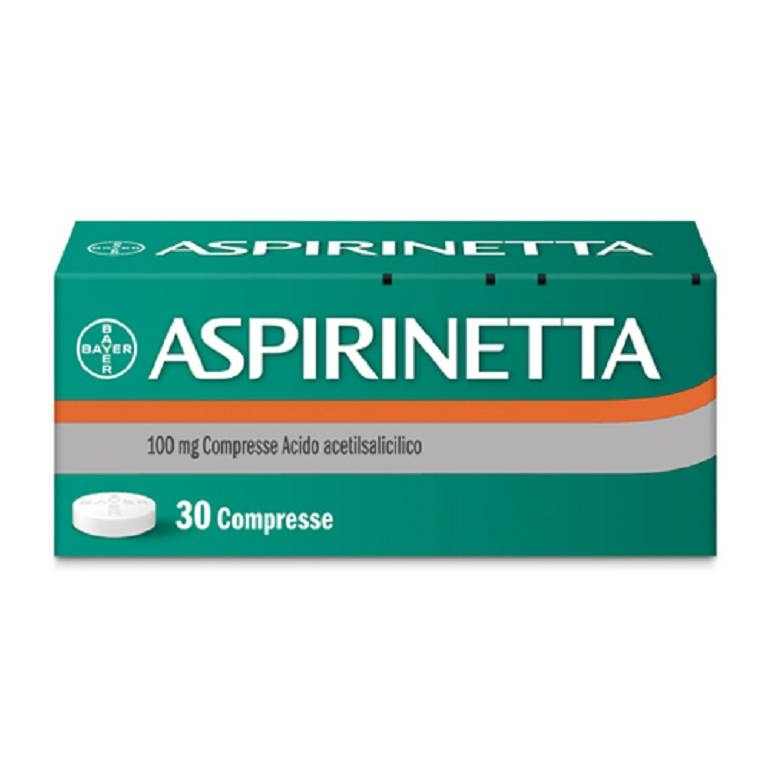
ASPIRINETTA 100 mg Tablets

Запит на рецепт онлайн
Лікар розгляне ваш випадок і визначить, чи є рецепт медично доцільним.

Поговоріть з лікарем про ці ліки
Обговоріть симптоми та можливі подальші кроки під час короткої онлайн-консультації.



Інструкція із застосування ASPIRINETTA
Зміст інструкції
Aspirinetta 100 mg tablets
acetylsalicylic acid
Read this leaflet carefully before taking this medicine as it contains
important information for you.
- Keep this leaflet. You may need to read it again.
- If you have any questions, ask your doctor or pharmacist.
- This medicine has been prescribed for you only. Do not give it to other people, even if they have the same symptoms as you, as it could be harmful.
- If you experience any side effects, including those not listed in this leaflet, tell your doctor or pharmacist. See section 4.
Contents of this leaflet:
- 1. What Aspirinetta is and what it is used for
- 2. What you need to know before you take Aspirinetta
- 3. How to take Aspirinetta
- 4. Possible side effects
- 5. How to store Aspirinetta
- 6. Contents of the pack and other information
1. What is Aspirinetta and what is it for
Aspirinetta is an antipyretic (antifebrile: reduces fever), anti-inflammatory and analgesic
(pain reliever: reduces pain).
Aspirinetta is used to treat:
- rheumatic disease (acute febrile inflammatory disease affecting joints, heart, skin and nervous system);
- Kawasaki syndrome (disease that manifests in children with fever, enlargement of the cervical lymph nodes, inflammation of the arteries).
2. What you need to know before taking Aspirinetta
Do not take Aspirinetta
- if you are allergic to acetylsalicylic acid or any of the other ingredients of this medicine (listed in section 6);
- if you are allergic to other pain relievers (analgesics)/antipyretics (fever reducers)/non-steroidal anti-inflammatory drugs (NSAIDs);
- if you suffer from gastroduodenal ulcer (ulcer in the stomach or the first part of the intestine);
- if you suffer from a bleeding diathesis (tendency to bleed);
- if you suffer from severe heart (cardiac) or liver (hepatic) or kidney (renal) failure;
- if you suffer from glucose-6-phosphate dehydrogenase (G6PD) deficiency (G6PD, an enzyme whose absence, genetically determined, causes a disease characterized by reduced survival of red blood cells, called favism);
- if you are undergoing concomitant treatment with methotrexate(at doses of 15 mg/week or more) or with warfarin(see “Other medicines and Aspirinetta 100 mg tablets”);
- if you suffer from asthma or if you have suffered in the past from asthma induced by the administration of salicylates or substances with similar activity, in particular non-steroidal anti-inflammatory drugs;
- if you suffer from hypophosphatemia (phosphorus deficiency in the blood);
- if you are in the last three months of pregnancy, you should not use doses higher than 100 mg per day (see “Pregnancy, breastfeeding and fertility”);
- if you are breastfeeding (see “Pregnancy, breastfeeding and fertility”);
- if you suffer from viral infections due to viruses, such as chickenpox or influenza, due to the risk of Reye's syndrome (a disease that causes damage to the brain and liver, affects children and adolescents).
Warnings and precautions
Consult your doctor or pharmacist before taking Aspirinetta.
Take the medicine only on a full stomach.
Before administering any medicine, you should take all useful precautions to
prevent undesirable reactions:
- exclude the existence of previous allergic reactions to this or other medicines;
- exclude the existence of other contraindications or conditions that may expose you to the risk of potentially serious side effects. If in doubt, consult your doctor or pharmacist.
- do not use acetylsalicylic acid together with another NSAID or, in any case, do not use more than one NSAID at a time.
Allergic reactions
Acetylsalicylic acid and other NSAIDs can cause allergic reactions (including asthma attacks, rhinitis (stuffy nose and runny nose), angioedema (swelling of the skin of the face and mucous membranes) or urticaria (small spots on the skin and itching)).
The risk is higher in subjects who have previously experienced an allergic reaction
after use of this type of medicine (see “Do not take Aspirinetta 100 mg tablets”) and
in subjects who have allergic reactions to other substances (e.g. skin reactions,
itching, urticaria).
In subjects with asthma and/or rhinitis (with or without nasal polyps) and/or urticaria, reactions can
be more frequent and severe.
Elderly (especially over 75 years of age)
If you are an elderly person, you have a higher risk of serious side effects.
Tell your doctor if:
- you are going to undergo surgery (even minor surgery such as a tooth extraction), as preoperative use may hinder intraoperative hemostasis (stopping bleeding during surgery);
- you need to perform a fecal occult blood test, as acetylsalicylic acid can cause gastrointestinal bleeding;
- you have blood clotting problems or are taking anticoagulant drugs;
- you suffer from kidney, heart or liver disease;
- you suffer from a disease called gout (inflammation of the joints that causes pain and swelling). Taking acetylsalicylic acid and other NSAIDs may mask the symptoms of gout, delaying diagnosis.
- If you are taking some non-steroidal anti-inflammatory drugs (NSAIDs) such as ibuprofen or naproxen (drugs for pain, fever or inflammation). (see “Other medicines and Aspirinetta 100mg tablets”)
Other medicines and Aspirinetta
Tell your doctor or pharmacist if you are taking, have recently taken or might
take any other medicine.
Do not take Aspirinetta together with these medicines(see “Do not take Aspirinetta”):
- Methotrexate (used in some cancers and rheumatoid arthritis) (doses greater than or equal to 15 mg/week);
- Warfarin (anticoagulant) may increase the risk of bleeding.
The effect of the treatment may also be altered if acetylsalicylic acid is taken in
concomitance with anti-rejection medicines (e.g. cyclosporine or tacrolimus, used to
prevent reactions triggered by organ transplantation).
Take Aspirinetta together with these medicines only under strict medical supervision:
- Selective serotonin reuptake inhibitors (SSRIs) (used for depression): may increase the risk of gastrointestinal bleeding;
- ACE inhibitors (used for high blood pressure);
- Acetazolamide (used in some types of edema (swelling));
- Valproic acid (used in epilepsy);
- Other NSAIDs including ibuprofen and naproxen (excluding those for topical use);
- Antacids (used for digestive disorders);
- Antiplatelet agents (used for the prevention and treatment of blood clots in the arteries);
- Thrombolytics (used to dissolve blood clots) or anticoagulants (used to slow down or inhibit the blood clotting process) taken orally or by injection;
- Antidiabetics (e.g. insulin and oral hypoglycemic agents) (used to stimulate insulin production by the pancreas): may induce hypoglycemia (low blood sugar);
- Digoxin (used in heart failure);
- Diuretics (used to increase the amount of urine produced): may increase the risk of kidney toxicity;
- Phenytoin (used in epilepsy);
- Corticosteroids (cortisone, excluding those for topical use and those used in adrenal insufficiency replacement therapy): may increase the risk of gastrointestinal injury;
- Metoclopramide (used for vomiting);
- Methotrexate (doses less than 15 mg/week);
- Uricosuric agents such as probenecid, benzbromarone (used to increase uric acid excretion);
- Zafirlukast (used for asthma): may increase the risk of kidney toxicity;
- Metamizole (a substance used to reduce pain and fever) may decrease the effect of acetylsalicylic acid on platelet aggregation (blood cells that attach and form a blood clot) if taken simultaneously. Therefore, this combination should be used with caution in patients taking aspirin at low doses for cardioprotection.
Therefore, unless otherwise prescribed by your doctor, do not take Aspirinetta in conjunction with the
aforementioned preparations.
Do not administer other medicines orally within 1 or 2 hours of using this medicine.
Aspirinetta with alcohol
The combined effects of alcohol and acetylsalicylic acid increase the risk of
gastrointestinal bleeding.
Pregnancy, breastfeeding and fertility
If you are pregnant, suspect you are pregnant or are planning a pregnancy, or if you are
breastfeeding with breast milk, ask your doctor for advice before taking this medicine.
If you must continue or start treatment with Aspirinetta during pregnancy on
your doctor's advice, use Aspirinetta as recommended by your doctor and do not use doses
higher than recommended.
Pregnancy – last trimester
Do not take Aspirinetta at doses higher than 100 mg per day if you are in the last 3 months of
pregnancy, as it may harm the fetus or cause problems during childbirth. It can cause
problems with the fetus's kidneys and heart. It may affect your and your baby's tendency to
bleed and delay or prolong labor longer than expected.
If you are taking Aspirinetta at low doses (up to 100 mg per day inclusive), strict
obstetric monitoring as recommended by your doctor is necessary.
Pregnancy – first and second trimester
You should not take Aspirinetta in the first 6 months of pregnancy unless absolutely
necessary and under the advice of your doctor. If treatment is needed during this period or
during attempts to conceive, the minimum dose should be used for the shortest
possible time.
From the 20th week of pregnancy, Aspirinetta can cause kidney problems in the fetus if taken
for more than a few days, reducing the levels of amniotic fluid surrounding the baby
(oligohydramnios) or causing the constriction of a blood vessel (ductus arteriosus) in the baby's
heart. If treatment is needed for more than a few days, your doctor may
recommend additional monitoring.
Breastfeeding
Do not take Aspirinetta during breastfeeding.
Fertility
If you are a woman with fertility problems or are undergoing fertility investigations, keep in
mind that the use of acetylsalicylic acid, like any medicine that inhibits the synthesis of
prostaglandins and cyclooxygenase, may interfere with fertility.
Driving and operating machinery
Due to the possible occurrence of dizziness, Aspirinetta may impair the ability to
drive vehicles or operate machinery.
Aspirinettacontains sodium, wheat starch and lactose
This medicine contains less than 1 mmol (23 mg) of sodium per tablet, i.e. it is
essentially “sodium-free”.
The wheat starch in this medicine contains only a very small amount of gluten
(considered gluten-free); it is very unlikely to cause problems if you are celiac.
One tablet contains no more than 0.2 micrograms of gluten.
If you are allergic to wheat (a condition different from celiac disease), do not take this medicine.
If your doctor has diagnosed you with intolerance to certain sugars, contact him before
taking this medicine.
3. How to take Aspirinetta
Take this medicine following the instructions of your doctor or pharmacist exactly. If you have any doubts, consult your doctor or pharmacist.
Use in children and adolescents
Aspirinetta tablets should preferably be disintegrated directly in water, or chewed and then swallowed with plenty of water.
Due to their small size and pleasant fruity flavour, Aspirinetta 100 mg tablets can be dissolved in the mouth, even by the youngest patients.
Take the medicine preferably after the main meals, or, in any case, on a full stomach.
The recommended dose is:
Children of 1-3 years: 1 tablet 1-2 times a day.
Children of 3-5 years: 1 tablet 3 times a day.
Children of 5-11 years: 2 tablets 3 times a day.
Adolescents of 11-15 years: 3 tablets 3 times a day.
Do not exceed the recommended doses.
Kawasaki Syndrome
Treatment should begin with a dose of 80-100mg/kg of body weight per day, in 4 single doses, and should be continued until the 14th day of the illness.
This treatment should be followed by a daily dose of 3-5 mg/kg of body weight for 6-8 weeks.
After this period, if there is evidence of coronary lesions (at the level of the heart's blood vessels), continue indefinitely.
Always use the minimum effective dosage and increase it only if it is not sufficient to relieve the symptoms.
If you take more Aspirinetta than you should
In case of accidental ingestion of an excessive dose of Aspirinetta, immediately inform your doctor or go to the nearest hospital.
Salicylate toxicity (a dosage greater than 100 mg/kg/day for 2 consecutive days can induce toxicity) may be the consequence of chronic excessive doses or acute overdose, potentially life-threatening and including accidental ingestion in children.
- Chronic intoxication:chronic salicylate poisoning can be insidious since the signs and symptoms are nonspecific. Mild chronic salicylate poisoning, or salicylism, generally occurs only after repeated use of considerable doses. Symptoms include dizziness, vertigo, tinnitus (a sound or ringing in the ear), deafness, sweating, nausea and vomiting, headache, and confusion. These symptoms can be controlled by reducing the dosage. Tinnitus may occur at blood concentrations between 150 and 300 micrograms/ml, while, at concentrations greater than 300 micrograms/ml, more serious adverse events occur.
- Acute intoxication:the main characteristic of acute intoxication is a severe alteration of acid-base balance, which can vary with age and the severity of the intoxication; in children, the most common presentation is metabolic acidosis (accumulation of acids in the body). It is not possible to estimate the severity of the poisoning from blood concentration alone; absorption of acetylsalicylic acid may be delayed due to reduced gastric emptying, the formation of concretions in the stomach, or as a result of ingestion of enteric-coated preparations. The management of acetylsalicylic acid intoxication is determined by its extent, stage and clinical symptoms, and must be implemented according to conventional poisoning management techniques. The main measures to be taken consist of accelerating the elimination of the substance and restoring electrolyte (salts) and acid-base balance.
For the complex pathophysiological effects associated with salicylate poisoning, signs and symptoms/results of biochemical and instrumental investigations may include:
- Signs and symptoms of mild/moderate overdose:tachypnea (rapid breathing), hyperventilation (breathing too deeply), respiratory alkalosis (alteration of acid-base balance following alterations in breathing), sweating, nausea, vomiting, headache, dizziness.
Signs and symptoms of moderate/severe overdose:respiratory alkalosis with compensatory metabolic acidosis (alteration of acid-base balance following alterations in breathing and accumulation of acids in the body), fever, hyperventilation (breathing too deeply), pulmonary edema (water in the lungs), respiratory failure, asphyxia, arrhythmias (irregular heartbeat), hypotension (low blood pressure), cardiorespiratory arrest (cessation of heartbeat), dehydration, oliguria (decreased urine output) up to renal failure (reduced kidney function), ketosis (acetone), hyperglycemia (increased blood sugar level), severe hypoglycemia (severe decrease in blood sugar level), tinnitus (a sound or ringing in the ear), deafness, gastrointestinal bleeding, gastric ulcer, coagulopathy (alteration of blood coagulation), encephalopathy (brain damage) and depression of the central nervous system with variable manifestations from lethargy (deep sleepiness) and confusion to coma and convulsions, cerebral edema (swelling of brain tissue), liver damage.
4. Possible side effects
Like all medicines, this medicine can cause side effects, although not everyone will experience them.
The side effects observed most frequently affect the gastrointestinal system. Their frequency increases significantly in subjects at risk of gastrointestinal disorders.
These disorders can be partially relieved by taking the medicine on a full stomach.
Most side effects depend on both the dose and the duration of treatment.
The side effects observed with acetylsalicylic acid are generally common to other
NSAIDs.
Effects on the blood
- prolongation of bleeding time,
- anemia due to gastrointestinal bleeding,
- reduction of platelets (thrombocytopenia) in extremely rare cases. Following bleeding, hemorrhagic/iron deficiency anemia (due to iron deficiency) may occur (due, for example, to occult microbleeds) with the related changes in laboratory parameters and related clinical signs and symptoms such as asthenia (fatigue), pallor and hypoperfusion (reduced blood supply to tissues).
Effects on the nervous system
- headache,
- dizziness. Rarely, Reye's syndrome (*) may occur: an acute disease affecting the brain and liver, potentially fatal, which almost exclusively affects children.
From rarely to very rarely may occur:
- cerebral hemorrhage, especially in patients with uncontrolled hypertension (high blood pressure) and/or undergoing therapy with anticoagulants (medicines used to slow down or inhibit the blood clotting process), which, in isolated cases, may be potentially fatal.
Effects on the ear and labyrinth
- tinnitus (ringing/buzzing/tintinnitus/whistling in the ear).
Effects on the respiratory system
- Respiratory disease exacerbated by acetylsalicylic acid
- asthmatic syndrome,
- rhinitis (runny nose) and
- nasal congestion (feeling of a blocked nose and stuffy nose), (associated with allergic reactions);
- epistaxis (nosebleed).
Effects on the heart
- cardiorespiratory distress (severe and sudden respiratory failure) (associated with allergic reactions).
Effects on the eye
- conjunctivitis (associated with allergic reactions).
Effects on the gastrointestinal system
- gastrointestinal bleeding (occult),
- gastric discomfort,
- pyrosis (heartburn),
- gastrointestinal pain,
- gingivorrhagia (bleeding gums),
- vomiting,
- diarrhea,
- nausea,
- cramping abdominal pain (associated with allergic reactions).
Rarely may occur:
- gastrointestinal inflammation,
- gastrointestinal erosion,
- gastrointestinal ulceration,
- hematemesis (vomiting of blood or coffee grounds-like material),
- melena (emission of black, tarry stools),
- esophagitis (inflammation of the esophagus).
Very rarely may occur:
- hemorrhagic and/or perforated gastrointestinal ulcer with related clinical signs and symptoms and changes in laboratory parameters. May occur with unknown frequency (especially in long-term treatment):
- Intestinal diaphragm disease.
Effects on the liver
- rarely: hepatotoxicity (generally mild and asymptomatic hepatocellular damage) which manifests with an increase in transaminases.
Effects on the skin
- skin rash,
- edema (swelling),
- urticaria (hives),
- pruritus (itching),
- erythema (redness),
- angioedema (associated with allergic reactions).
Effects on the kidneys and urinary tract
- alteration of renal function and acute renal injury (in the presence of conditions of altered blood circulation in the kidneys),
- urogenital bleeding (of the urinary and genital tract).
Effects on the whole organism
- procedural bleeding (immediately before, during and immediately after surgery),
- hematomas (collections of blood outside the blood vessels).
Effects on the immune system
- rarely: anaphylactic shock (severe allergic reaction, potentially fatal) with related changes in laboratory parameters and clinical manifestations.
(*) Reye's Syndrome (RS)
RS initially manifests with vomiting (persistent or recurrent) and with other signs of
cerebral suffering of varying severity: from apathy, drowsiness or personality changes (irritability or aggressiveness) to disorientation, confusion or delirium up to convulsions
or loss of consciousness. The variability of the clinical picture should be kept in mind: even vomiting may
be absent or replaced by diarrhea.
If these symptoms occur in the days immediately following an episode of influenza (or
influenza-like or chickenpox or another viral infection) during which acetylsalicylic acid or other medicines containing salicylates have been administered, the doctor's attention should immediately be drawn to the possibility of RS.
Reporting of side effects
If you experience any side effects, including those not listed in this leaflet, please
tell your doctor or pharmacist. You can also report side effects directly
through the national reporting system at
https://www.aifa.gov.it/content/segnalazioni-reazioni-avverse. Reporting side effects can help provide more information on the safety of this
medicine.
5. How to store Aspirinetta
Keep this medicine out of sight and reach of children.
Do not use this medicine after the expiry date which is stated on the pack.
The expiry date refers to the last day of that month.
Do not store at a temperature above 25°C.
Do not dispose of any medicine in waste water or household waste. Ask your pharmacist
how to dispose of medicines you no longer use. This will help protect the environment.
6. Contents of the pack and other information
What Aspirinetta contains
- The active ingredient is acetylsalicylic acid. One tablet contains 100 mg of acetylsalicylic acid.
- The other ingredients are: powdered cellulose, corn starch, sodium saccharin, raspberry aroma (contains wheat starch and lactose).
Description of the appearance of Aspirinetta and contents of the pack
The pack contains 24 tablets of 100 mg.
Not all pack sizes may be marketed.
Marketing Authorisation Holder and Manufacturer
Marketing Authorisation Holder
Bayer S.p.A. - Viale Certosa 130 – 20156 Milan
Manufacturer
Bayer Bitterfeld GmbH – Greppin - Germany

Не впевнені, чи підходить вам цей лікарський засіб?
Обговоріть симптоми та можливі варіанти лікування з лікарем онлайн.

Виникли питання під час прийому ліків?
Обговоріть свої симптоми та лікування з лікарем онлайн.
- Країна реєстрації
- Лікарська формаTablet, 100 MG
- Код АТХN02BA01
- Діюча речовина
- Потрібен рецептТак
- Виробник
- Ця інформація надана лише для ознайомлення і не є медичною порадою. Рішення щодо лікування завжди приймає лікар.
- Альтернативи до ASPIRINETTAЛікарська форма: Tablet, 500 MGДіюча речовина: Ацетилсалициловая кислотаРецепт не потрібенЛікарська форма: Powder and solvent for injectable solution, 500 mg/2.5 mlДіюча речовина: Ацетилсалициловая кислотаВиробник: PANMEDICAПотрібен рецептЛікарська форма: Coated tablet, 500 MGДіюча речовина: Ацетилсалициловая кислотаВиробник: BAYER S.P.A.Рецепт не потрібен
Аналоги ASPIRINETTA в інших країнах
Препарати з тією самою діючою речовиною, доступні в інших країнах.
Аналог ASPIRINETTA у Польща
Аналог ASPIRINETTA у Україна
Аналог ASPIRINETTA у Іспанія
Лікарі онлайн щодо ASPIRINETTA
Застосування, безпека та можливість призначення рецепта — за результатами медичної оцінки.









Отримайте рецепт на ASPIRINETTA онлайн
Заповніть форму за 2 хвилини
Розкажіть про симптоми, історію хвороби та потрібний препарат.
Оберіть лікаря або ми призначимо
Оберіть спеціаліста або ми підберемо найближчого доступного лікаря.
Лікар розглядає ваш випадок
Зазвичай протягом 30 хвилин. Може ставити уточнювальні запитання в чаті.
Отримайте в будь-якій аптеці
Електронний рецепт надсилається на вашу пошту — дійсний по всій Польщі.
Часті запитання
ASPIRINETTA потребує рецепта в Італія. Ви можете обговорити з лікарем онлайн, чи підходить цей лікарський засіб для вашої ситуації.
Діюча речовина у ASPIRINETTA — Ацетилсалициловая кислота. Це допомагає визначити препарати з тим самим складом, але під іншими торговими назвами.
ASPIRINETTA виробляється компанією BAYER S.P.A.. Назва бренду та упаковка можуть відрізнятися залежно від дистрибʼютора.
Лікарі, зокрема Сімейні лікарі, Психіатри, Дерматологи, Кардіологи, Ендокринологи, Гастроентерологи, Пульмонологи, Нефрологи, Ревматологи, Гематологи, Інфекціоністи, Алергологи, Геріатри, Педіатри, Онкологи, можуть оцінити доцільність застосування ASPIRINETTA з урахуванням вашого стану та місцевих правил. Ви можете записатися на онлайн-консультацію, щоб обговорити симптоми та можливі подальші кроки.
Польща має добре розвинену систему охорони здоров'я у великих містах, таких як Варшава, Краків, Вроцлав і Гданськ. Аптеки широко доступні та працюють відповідно до чинного законодавства, забезпечуючи доступ до рецептурних препаратів.
Ви можете придбати ASPIRINETTA у Варшаві, Кракові, Вроцлаві або Гданську в будь-якій аптеці за наявності дійсного рецепта.
Щоб отримати рецепт, ви можете скористатися Oladoctor:
Інші препарати з тією самою діючою речовиною (Ацетилсалициловая кислота) включають AKIDO AKETILSALIKILIKO L.F.M., AKIDO AKETILSALIKILIKO PANPARMA, ASPIRINA DOLORE E INFIAMMATSIONE. Вони можуть відрізнятися торговою назвою або формою випуску, але містять той самий терапевтичний компонент. Перед зміною або початком прийому нового препарату варто проконсультуватися з лікарем.
