



ARTROSILENE 160 mg Suppository

Запит на рецепт онлайн
Лікар розгляне ваш випадок і визначить, чи є рецепт медично доцільним.

Поговоріть з лікарем про ці ліки
Обговоріть симптоми та можливі подальші кроки під час короткої онлайн-консультації.



Інструкція із застосування ARTROSILENE
Зміст інструкції
- Artrosilene 320 mg prolonged-release hard capsules
- Artrosilene 160 mg suppositories
- Artrosilene 160 mg/2 ml injectable solution
- Artrosilene 5% gel
- Artrosilene 15% cutaneous foam
Artrosilene 320 mg prolonged-release hard capsules
ketoprofene lysine salt
Read this leaflet carefully before taking this medicine because it contains important information for you.
- Keep this leaflet. You may need to read it again.
- If you have any questions, ask your doctor or pharmacist.
- This medicine has been prescribed for you only. Do not pass it on to others, even if their symptoms are the same as yours, as it could be harmful.
- If you get any side effects, even those not listed in this leaflet, tell your doctor or pharmacist. See section 4.
Contents of this leaflet:
- 1. What Artrosilene is and what it is used for
- 2. What you need to know before you take Artrosilene
- 3. How to take Artrosilene
- 4. Possible side effects
- 5. How to store Artrosilene
- 6. Contents of the pack and other information
1. What is Artrosilene and what is it used for
Artrosilene contains ketoprofen which belongs to a group of medicines called “Non-Steroidal Anti-Inflammatory Drugs” (NSAIDs). Ketoprofen blocks the chemicals that cause
inflammation.
Artrosilene is indicated for the symptomatic treatment of inflammatory states associated with pain including: rheumatoid arthritis (autoimmune disease that causes pain and joint stiffness), ankylosing spondylitis (chronic inflammatory disease that primarily affects the spine and
pelvic joints), painful osteoarthritis (disease that affects the joints), extra-articular rheumatism (rheumatic diseases affecting structures outside the joints),
post-traumatic inflammation (inflammatory state of traumatic origin), in adults.
2. What you need to know before taking Artrosilene
Do not take Artrosilene
- if you are allergic to ketoprofen or other non-steroidal anti-inflammatory drugs (NSAIDs) or to any of the other ingredients of this medicine (listed in section 6);
- if you have a history of hypersensitivity (allergic) reactions triggered by the use of ketoprofen or substances with a similar mechanism of action, for example acetylsalicylic acid or other NSAIDs (other anti-inflammatory drugs) such as asthma (bronchial inflammation and narrowing of the airways), bronchospasm (constriction of the bronchi), allergic rhinitis (inflammation of the nasal mucosa of an allergic nature), urticaria, skin rashes, nasal polyps, angioedema (swelling of the skin and mucous membranes) or other allergic-type reactions;
- if you suffer from bronchial asthma (bronchial inflammation and narrowing of the airways);
- if you have severe heart failure (the heart's inability to pump the adequate amount of blood needed by the body);
- if you suffer from gastritis (inflammation of the stomach lining);
- if you currently have a peptic ulcer (a lesion of the stomach or the first part of the intestine) or bleeding, or if you have suffered in the past from peptic ulcer bleeding or recurrent (two or more distinct episodes, confirmed by bleeding or ulceration);
- if you have previously suffered from gastrointestinal bleeding (bleeding from the stomach or intestine), ulceration, perforation or chronic dyspepsia (difficult digestion);
- if you have a history of gastrointestinal bleeding or perforation following previous therapy with NSAIDs;
- if you have cerebrovascular hemorrhage or any ongoing bleeding;
- if you suffer from Crohn's disease (inflammation of the intestine) or ulcerative colitis (inflammation of the intestine with ulcers);
- if you have severe liver (reduced liver function due to cirrhosis, severe hepatitis) or kidney (reduced kidney function) failure;
- if you have renal hypoperfusion (reduced blood flow to the kidneys);
- if you suffer from leukopenia (reduction in the number of white blood cells) or thrombocytopenia (reduction in the number of platelets);
- if you suffer from hemorrhagic diathesis (predisposition to the development of bleeding) and other bleeding disorders or if you have hemostatic disorders (difficulty stopping bleeding);
- if you are taking a high dose of diuretics;
- if you are in the last three months of pregnancy (see "Pregnancy, breastfeeding and fertility");
- if the subject to be treated is in pediatric age.
Warnings and precautions
Talk to your doctor or pharmacist before taking Artrosilene.
Warnings
Adverse effects can be minimized by using the lowest effective dose and for the shortest duration possible of treatment necessary to control the symptoms (see “How to take Artrosilene” and the sections below on gastrointestinal and cardiovascular risks).
Concomitant use of Artrosilene with other anti-inflammatory drugs should be avoided.
During treatment with all NSAIDs, including Artrosilene, at any time, with or without warning symptoms or a previous history of serious gastrointestinal events, gastrointestinal bleeding, ulceration and perforation have been reported, which may be fatal. Patients who have previously suffered from these conditions are at greater risk (see “Do not take Artrosilene”).
Report any signs or symptoms of the abdomen (including gastrointestinal bleeding) even at the beginning of treatment.
Tell your doctor if you are taking medicines that may increase the risk of ulceration or bleeding, such as oral corticosteroids (medicines used to treat inflammatory states), anticoagulants (medicines that delay blood clotting), such as warfarin, selective serotonin reuptake inhibitors (medicines used to treat depression), or antiplatelet agents (medicines that prevent platelet aggregation) such as acetylsalicylic acid (see “Other medicines and Artrosilene”).
The elderly are more exposed to the risk of developing adverse reactions to NSAIDs, especially bleeding and gastrointestinal perforations, which may be fatal.
Immediately stop treatment with Artrosilene at the first signs of gastrointestinal bleeding or ulceration.
Serious skin (skin) reactions, some of which are fatal, such as exfoliative dermatitis, Stevens-Johnson syndrome and toxic epidermal necrolysis, have been rarely reported in association with the use of NSAIDs (see “Possible side effects”).
The reaction usually occurs in the early stages of treatment.
Stop taking Artrosilene at the first appearance of rash, mucous membrane lesions or any other sign of hypersensitivity (allergic reaction).
Ask your doctor or pharmacist for advice before using Artrosilene
- If your kidneys do not work well because in this case Artrosilene must be taken with caution. If you use Artrosilene you must keep your kidneys under control, especially if you are elderly or if you are taking diuretics (medicines that lower blood pressure).
- If you have liver problems, you should have periodic checks.
- If you have an infection - see paragraph «Infections» below.
- If you suffer from uncontrolled hypertension (high blood pressure), congestive heart failure (accumulation of fluid in the lungs, abdominal organs and peripheral tissues due to inadequate pumping function of the heart), confirmed ischemic heart disease (heart disease that occurs following a reduction in blood flow due to narrowing of the coronary arteries), peripheral arterial disease and/or cerebrovascular disease (disease of the arteries and blood vessels of the brain), as you must be treated with Artrosilene only after careful evaluation by the doctor.
- If you have risk factors for these conditions, for example if you have high blood pressure, diabetes (disease caused by high blood glucose levels), hyperlipidemia (high levels of fats in the blood), if you smoke.
- If you have allergic manifestations or have suffered from allergies in the past, as the medicine must be administered with caution.
- If you suffer from bronchial asthma (bronchial inflammation and narrowing of the airways) or with allergic diathesis (predisposition to the onset of allergy), chronic rhinitis (inflammation of the nasal mucosa) and allergic rhinitis (inflammation of the nasal mucosa of an allergic nature), chronic sinusitis and/or nasal polyposis. Consult your doctor if you experience visual disturbances, such as blurred vision, as treatment should be discontinued.
- If you are affected by hematopoietic alterations (which modify the formation and maturation of blood cells), systemic lupus erythematosus (disease of the immune system) or mixed connective tissue diseases, as Artrosilene must be administered with caution.
- If you have hepatic porphyria (rare blood disease characterized by alteration of the activity of one of the liver enzymes), as the medicine may trigger an attack. It is not known whether the medicine gives rise to habituation or dependence phenomena. Some NSAIDs may be associated with an increased risk of arterial thrombotic events (e.g. heart attack or stroke). There is currently insufficient data to exclude a similar risk for Artrosilene. An increased risk of atrial fibrillation (alteration of the heart rate) associated with the use of NSAIDs has been reported. Hyperkalaemia (increase in the amount of potassium in the blood) may occur, especially if you suffer from diabetes, renal failure and/or are taking medicines that can cause hyperkalaemia (see “Other medicines and Artrosilene”). In these circumstances, potassium levels should be monitored periodically. Infections Artrosilene can mask the symptoms of infections such as fever and pain. It is therefore possible that Artrosilene may delay adequate treatment of the infection, which could increase the risk of complications. This has been observed in bacterial pneumonia and skin infections related to varicella. If you take this medicine while you have an infection and the symptoms of the infection persist or worsen, consult your doctor immediately.
Other medicines and Artrosilene
Tell your doctor or pharmacist if you are taking or have recently taken any other medicines, including those without a prescription.
The use of Artrosilene in combination with the following is not recommended:
- Other anti-inflammatory drugs, such as NSAIDs, cyclooxygenase-2 selective inhibitors or high doses of salicylates (over 3 g per day),
- Medicines that delay blood clotting (such as heparin and warfarin which delay blood clotting and medicines that prevent platelet aggregation, such as ticlopidine and clopidogrel,
lithium (medicine used to treat manic-depressive psychosis),
- methotrexate (medicine indicated in the treatment of some autoimmune diseases and some tumors) at doses higher than 15 mg/week,
- hydantoins (used to treat epilepsy) and sulfonamides (such as some antibiotics used to treat bacterial infections). Caution is required for the use of Artrosilene in association with:
- Potassium salts,
- Potassium-sparing diuretics, ACE inhibitors, angiotensin II receptor blockers (medicines used to lower blood pressure),
- NSAIDs (anti-inflammatory drugs),
- Heparins (anticoagulants),
- Cyclosporine and tacrolimus (medicines that prevent rejection after organ transplantation or that are used for some diseases of the immune system),
- Trimethoprim (an antibiotic used for bacterial infections),
- Tenofovir (medicine used in the treatment of some viral infections),
- Methotrexate (medicine indicated in the treatment of some autoimmune diseases and some tumors) at doses lower than 15 mg/week,
- Corticosteroids (medicines used to treat inflammatory states),
- Pentoxifylline (medicine used to improve blood circulation in the limbs),
- Zidovudine (medicine used to treat HIV),
- Sulfonylureas (medicines used to treat diabetes,
- Cardioglycosides (medicines that act on the heart). Consider the association of Artrosilene with
- Beta-blockers, ACE inhibitors, diuretics (medicines used to lower blood pressure),
- Mifepristone (medicine used for medical abortion),
- Intrauterine contraceptive devices,
- Cyclosporine and tacrolimus (medicines that prevent rejection after organ transplantation or that are used for some diseases of the immune system),
- Thrombolytics (medicines that facilitate the dissolution of blood clots),
- Ticlopidine and clopidogrel (medicines that prevent platelet aggregation),
- Selective serotonin reuptake inhibitors (some antidepressants),
- Probenecid (medicine used to treat gout),
- Quinolones and sulfonamides: (antibiotics used to treat bacterial infections),
- Diphenylhydantoin (a medicine used to treat epilepsy),
- Gemeprost (medicine used for investigations and surgical interventions on the uterus). It is not recommended to drink alcoholic beverages during treatment with Artrosilene.
Pregnancy, breastfeeding and fertility
If you are pregnant, suspect or are planning a pregnancy, or if you are breastfeeding with breast milk, ask your doctor or pharmacist for advice before taking this medicine.
Pregnancy
The use of ketoprofen during the first and second trimester of pregnancy should be avoided.
The use of ketoprofen should only be considered if the expected benefit for the mother outweighs the risk to the embryo or fetus.
During the first and second trimester of pregnancy, take this medicine only if absolutely necessary and under the advice of a doctor.
During the third trimester of pregnancy, all medicines of the Artrosilene class may expose the fetus to:
- cardiopulmonary toxicity;
- renal dysfunction; the mother and newborn, at the end of pregnancy, to:
- possible prolongation of bleeding time and antiplatelet effect that can occur even at very low doses;
- inhibition of uterine contractions causing a delay or prolongation of labor. The use of the medicine near delivery may cause alterations in the circulation and breathing of the newborn. Consequently, DO NOT use Artrosilene during the third trimester of pregnancy (see “Do not take Artrosilene”). Breastfeeding There is no information available on the excretion of ketoprofen in breast milk. Ketoprofen is not recommended during breastfeeding. Fertility The use of NSAIDs, including Artrosilene, may reduce female fertility and is not recommended in women planning to become pregnant. If you have fertility problems or are undergoing fertility investigations, stop treatment with Artrosilene.
Driving and using machines
Following the administration of Artrosilene, drowsiness, dizziness, seizures and visual disturbances may occur, it is recommended to avoid driving, using machinery or performing activities that require particular attention (see “Possible side effects”).
3. How to take Artrosilene
Take this medicine following exactly the instructions of your doctor or pharmacist. If you have any doubts, consult your doctor or pharmacist.
Dosage
The recommended dose is1 capsule per day.
The maximum daily dose is 1 capsule.
Do not exceed the maximum daily dose.
Elderly and patients with hepatic or renal insufficiency
Use the lowest effective dose.
Do not use in case of severe hepatic and renal insufficiency (see “Do not use Artrosilene”).
Artrosilene is contraindicated in children (see “Do not use Artrosilene”).
Method of administration
Artrosilene should be taken during or after meals.
Duration of treatment
The lowest effective dose should be used for the shortest period necessary to relieve symp-
toms. If you have an infection, consult your doctor immediately if symptoms (e.g.
fever and pain) persist or worsen (see paragraph 2).
Undesirable effects can be minimized by using the shortest possible duration of
treatment necessary to control symptoms (see “Warnings and precautions”).
If you take more Artrosilene than you should
In case of accidental intake/ingestion of an excessive dose of Artrosilene, immediately notify your
doctor or go to the nearest hospital.
Cases of overdose with doses up to 2.5 g of ketoprofen have been reported. In most cases, symp-
toms limited to lethargy, confusion, loss of consciousness, drowsiness, headache, dizziness, light-
headedness, nausea, vomiting, epigastric pain (in the upper part of the abdomen), abdominal pain and
diarrhea have been observed.
Gastrointestinal bleeding, hypotension (lowering of blood pressure), respiratory depression, cyanosis
(bluish discoloration of the skin and mucous membranes) may also occur.
There are no specific antidotes for ketoprofen overdose. In case of suspected massive overdose, gastric
lavage and symptomatic and supportive treatment are recommended.
In case of renal insufficiency (reduced kidney function), hemodialysis (extracorporeal blood purifi-
cation technique) may be useful to remove the drug in circulation.
If you have any doubts about the use of this medicine, consult your doctor or pharmacist.
4. Possible side effects
Like all medicines, this medicine can cause side effects, although not everybody gets them.
The most commonly observed adverse events are of a gastrointestinal nature.
The side effects observed with the use of ketoprofen in adults are:
Common(may affect up to 1 in 10 people):
- dyspepsia (difficult digestion), nausea, abdominal pain and vomiting. Uncommon(may affect up to 1 in 100 people):
- headache, dizziness, drowsiness,
- constipation, diarrhea, flatulence (passage of intestinal gas through the anus), gastritis (inflammation of the stomach mucosa),
- skin rash, itching, fatigue, edema (fluid retention). Rare(may affect up to 1 in 1,000 people):
- hemorrhagic anemia (reduction of hemoglobin in the blood, a substance that carries oxygen in the blood caused by bleeding),
- paresthesia (sensation of numbness, tingling), dyskinesia (involuntary movements),
- blurred vision (see “Warnings and precautions”),
- tinnitus (persistent perception of noises in the ear),
- asthma (bronchial inflammation and narrowing of the airways),
- exanthema (skin rash),
- asthenia (weakness),
- stomatitis (inflammation of the mucous membranes lining the mouth), peptic ulcer (lesion of the stomach or the first part of the intestine),
- hepatitis (inflammation of the liver), increased transaminases (increase in some enzymes that indicate liver function), increased bilirubin (a substance that indicates liver function),
- weight gain. Very rare(may affect up to 1 in 10,000 people):
- edema (swelling) of the face and erythema (redness of the skin). Frequency not known(the frequency cannot be estimated from the available data):
- agranulocytosis (severe reduction in the number of a type of white blood cells), thrombocytopenia (reduction in the number of platelets), bone marrow failure (reduction in the production of blood cells by the bone marrow), hemolytic anemia (reduction of hemoglobin in the blood, a substance that carries oxygen in the blood, caused by the destruction of red blood cells), leukopenia (decrease in the number of white blood cells), neutro-
penia (decrease in the number of a type of white blood cells), aplastic anemia (reduction
of hemoglobin in the blood, a substance that carries oxygen in the blood, caused by insufficient
production of blood cells by the bone marrow), leukocytosis (increase in the
number of white blood cells), thrombocytopenic purpura (presence of spots on the skin
due to a reduction in the number of platelets),
- anaphylactic reaction (severe allergic reaction, including shock), hypersensitivity (allergy),
- jaundice (yellowing of the skin and the whites of the eyes),
- altered mood, depression, hallucinations (perception of things that do not exist in reality), confusion, agitation, insomnia, convulsions (uncontrolled body movements), dysgeusia (altered taste), tremor, syncope (fainting), hyperkinesia (involuntary and uncoordinated movements),
- periorbital edema (swelling around the eyes),
- peripheral edema, chills,
- heart failure (inability of the heart to pump the adequate amount of blood necessary to meet the body's needs), atrial fibrillation (irregular heartbeat), palpitations (perception of the heartbeat), tachycardia (increased heart rate), hypertension (high blood pressure), hypotension (low blood pressure), vasodilation (di- dilation of blood vessels), vasculitis (inflammation of blood vessels, including leukocytoclastic vasculitis (inflammation of small vessels), bronchospasm (constriction of the bronchi), especially in patients with established hypersensitivity to acetylsalicylic acid and other NSAIDs, rhinitis (in- flammation of the nasal mucosa), dyspnea (difficulty breathing), laryngeal edema (swelling of the throat due to fluid accumulation), laryngospasm (constriction of the larynx),
- acute respiratory failure (a case has been reported, with fatal outcome, in an asthmatic patient and sensitive to acetylsalicylic acid),
- exacerbation of colitis (worsening of inflammation of the intestine), exacerbation of colitis (worsening of inflammation of the intestine), exacerbation of Crohn's disease (worsening of inflammation of the intestine), gastrointestinal bleeding (bleeding of the stomach or intestine), gastrointestinal perforation (sometimes fatal, particularly in the elderly, see “Warnings”), gastric ulcer (lesion of the stomach), oral ulceration, duodenal ulcer (lesion of the first part of the intestine), duodenal perforation, pyrosis (heartburn), edema (swelling) of the mouth, pancreatitis (inflammation of the pancreas), melena (presence of digested blood in the stool), hematemesis (vomiting blood), abdominal discomfort, colitis, hyperchlorhydria (excess acid in the stomach), gastric pain (stomach ache), erosive gastritis (severe inflammation of the stomach), edema of the tongue, photosensitivity reactions (sensitivity to sunlight or UV lamps),
- alopecia (hair loss),
- angioedema (swelling of the face, lips, mouth, tongue or throat that can cause difficulty in- breathing and swallowing), bullous dermatitis including Stevens-Johnson syndrome, Lyell's syndrome and toxic epidermal necrolysis (severe skin reactions),
- maculopapular rash (skin rash with patches), purpura (purple spots on the skin due to abnormal blood accumulation), acute generalized exanthematous pustulosis (rash with the formation of purulent collections), dermatitis (skin irritation),
- acute renal failure (reduction of kidney function), tubulo-interstitial nephritis, nephritis and nephritic syndrome (kidney inflammation), nephrotic syndrome (kidney alteration that involves a loss of proteins with urine), glomerulonephritis (inflammatory kidney disease), fluid/sodium retention with possible edema (accumulation of water and sodium causing swelling), acute tubular necrosis and papillary necrosis (severe kidney damage), oliguria (di- minished urine production), abnormal kidney function test, hematuria (pre- sence of blood in the urine),
- aseptic meningitis (inflammation of the membranes covering the brain not caused by
infections), lymphangitis (inflammation of the lymphatic vessels),
- hyperkalemia (increased amount of potassium in the blood) and hyponatremia (decreased amount of sodium in the blood).
Reporting of side effects
If you get any side effects, even those not listed in this leaflet, tell your doctor or pharmacist. You can also report side effects directly through the national reporting system https://www.aifa.gov.it/content/segnalazioni-
reazioni-avverse. By reporting side effects you can help provide more information on the safety of this medicine.
5. How to store Artrosilene
Keep this medicine out of the sight and reach of children.
Do not use this medicine after the expiry date which is reported on the packaging. The expiry date
refers to the last day of that month. The expiry date indicated refers to the
product in intact packaging, correctly stored.
Do not store at a temperature above 30°C.
Do not dispose of any medicine in wastewater or household waste. Ask your pharmacist how to
dispose of medicines you no longer use. This will help protect the environment.
6. Contents of the pack and other information
What Artrosilene contains
- The active ingredient is lysine ketoprofen. One capsule contains 320 mg of lysine ketoprofen.
- The other ingredients are: carboxypolymethylene, magnesium stearate, polyvinylpyrrolidone, talc, diethyl phthalate, polymers of acrylic and methacrylic acid esters. Capsule shell composition: Body - titanium dioxide (E171), gelatin; Cap - quinoline yellow (E104), indigotine (E132), titanium dioxide (E171), gelatin.
Description of the appearance of Artrosilene and contents of the pack
320 mg Prolonged-release hard capsules - Pack of 20 capsules
Marketing Authorisation Holder and Manufacturer
Dompé farmaceutici s.p.a. - Via San Martino 12/12a - 20122 Milano
Manufacturer:
Istituto De Angeli s.r.l. – Officina Farmaceutica di Reggello (FI)
Artrosilene 160 mg suppositories
ketoprofen lysine salt
Read this leaflet carefully before using this medicine as it contains important information for you.
- Keep this leaflet. You may need to read it again.
- If you have any questions, ask your doctor or pharmacist.
- This medicine has been prescribed for you only. Do not pass it on to others, even if they have the same symptoms as you, as it may be harmful.
- If you get any side effects, even those not listed in this leaflet, tell your doctor or pharmacist. See section 4.
Contents of this leaflet:
- 1. What Artrosilene is and what it is used for
- 2. What you need to know before you use Artrosilene
- 3. How to use Artrosilene
- 4. Possible side effects
- 5. How to store Artrosilene
- 6. Contents of the pack and other information
1. What Artrosilene is and what it is used for
Artrosilene contains ketoprofen which belongs to a group of medicines used against pain and inflammation called “Non-Steroidal Anti-Inflammatory Drugs” (NSAIDs). Ketoprofen blocks the chemicals that cause inflammation.
Artrosilene is indicated for the symptomatic treatment of inflammatory states associated with pain, including: rheumatoid arthritis (autoimmune disease that causes joint pain and stiffness), ankylosing spondylitis (chronic inflammatory disease affecting the spine and joints), painful osteoarthritis (disease affecting the joints), extra-articular rheumatism (rheumatic diseases affecting structures outside the joints), post-traumatic inflammation (inflammatory state of traumatic origin), in adults.
2. What you need to know before using Artrosilene
Do not use Artrosilene:
- if you are allergic to ketoprofen or any of the other ingredients of this medicine (listed in section 6);
- if you have a history of hypersensitivity (allergic) reactions triggered by the use of ketoprofen or substances with a similar mechanism of action, for example acetylsalicylic acid or other NSAIDs (non-steroidal anti-inflammatory drugs) such as asthma (bronchial inflammation and narrowing of the airways), bronchospasm (constriction of the bronchi), allergic rhinitis (inflammation of the nasal mucosa of an allergic nature), urticaria, skin rashes, nasal polyps, angioedema (swelling of the skin and mucous membranes) or other allergic-type reactions;
- if you suffer from bronchial asthma (bronchial inflammation and narrowing of the airways);
- if you have severe heart failure (the heart's inability to pump the adequate amount of blood needed by the body);
- if you suffer from gastritis (inflammation of the stomach lining);
- if you currently have a peptic ulcer (a lesion of the stomach or the first part of the intestine) or bleeding, or if you have suffered in the past from recurrent peptic ulcer or bleeding (two or more distinct episodes, confirmed by bleeding or ulceration);
- if you have suffered in the past from gastrointestinal bleeding (bleeding from the stomach or intestine), ulceration or perforation or chronic dyspepsia (difficult digestion);
- if you have a history of gastrointestinal bleeding or perforation following previous therapy with NSAIDs;
- if you suffer from Crohn's disease (inflammation of the intestine) or ulcerative colitis (inflammation of the intestine with ulcers);
- if you have severe hepatic (reduced liver function due to cirrhosis of the liver, severe hepatitis) or renal (reduced kidney function) insufficiency;
- if you have severe blood clotting disorders;
- if you suffer from leukopenia (reduction in the number of white blood cells) or thrombocytopenia (reduction in the number of platelets);
- if you have renal hypoperfusion (reduced blood flow to the kidneys);
- if you suffer from hemorrhagic diathesis (predisposition to the development of bleeding) and other clotting disorders, or if you have hemostatic disorders (difficulty stopping bleeding);
- if you have cerebrovascular hemorrhage or any ongoing bleeding;
- if you are in the last three months of pregnancy - see “Pregnancy, breastfeeding and fertility”);
- if the subject to be treated is in pediatric age;
- if you are taking a high dose of diuretics;
- if you suffer from proctitis (inflammation of the rectal mucosa) or have suffered in the past from proctorrhagia (blood loss from the rectum) and if you suffer from hemorrhoidal disorders or have other local lesions in progress or recently resolved.
Warnings and precautions
Talk to your doctor or pharmacist before taking Artrosilene.
Warnings
Adverse effects can be minimized by using the lowest effective dose and for the shortest possible duration of treatment necessary to control the symptoms (see “How to use Artrosilene” and the sections below on gastrointestinal and cardiovascular risks).
Concomitant use of Artrosilene with other anti-inflammatory drugs should be avoided.
During treatment with all NSAIDs, including Artrosilene, at any time, with or without warning symptoms or a previous history of serious gastrointestinal events, gastrointestinal bleeding, ulcerations and perforation have been reported which may be fatal. Patients who have previously suffered from these conditions are at greater risk (see “Do not take Artrosilene”).
Report to your doctor any sign or symptom of abdominal discomfort (including gastrointestinal bleeding) even at the beginning of treatment.
Tell your doctor if you are taking medications that may increase the risk of ulceration or bleeding, such as oral corticosteroids (medications used to treat inflammatory states), anticoagulants (medications that delay blood clotting), such as warfarin, selective serotonin reuptake inhibitors (medications used to treat depression), or antiplatelet agents (medications that prevent platelet aggregation) such as acetylsalicylic acid (see “Other medicines and Artrosilene”).
The elderly are more exposed to the risk of developing adverse reactions to NSAIDs, especially bleeding or gastrointestinal perforations, which may be fatal.
Immediately stop treatment with Artrosilene at the first signs of bleeding or ulceration of the gastrointestinal tract.
Serious skin (skin) reactions, some of which are fatal, such as exfoliative dermatitis, Stevens-Johnson syndrome and toxic epidermal necrolysis, have been reported very rarely with the use of NSAIDs (see “Possible side effects”). The reaction usually occurs in the early stages of treatment. Stop using Artrosilene at the first appearance of rash, mucosal lesions or any other sign of hypersensitivity (allergic reaction).
Ask your doctor or pharmacist for advice before using Artrosilene
- If your kidneys do not function properly because in this case Artrosilene must be taken with caution. If you use Artrosilene, you must monitor your kidneys, especially if you are elderly or are taking diuretics (medications that lower blood pressure).
- If you have liver problems, you should have periodic checks.
- If you suffer from uncontrolled hypertension (high blood pressure), congestive heart failure (fluid buildup in the lungs, abdominal organs and peripheral tissues due to inadequate heart pumping function), established ischemic heart disease (heart disease that occurs following a reduction in blood flow due to narrowing of the coronary arteries), peripheral arterial disease and/or cerebrovascular disease (disease of the blood vessels of the brain), as you must be treated with Artrosilene only after careful evaluation by your doctor.
- If you have risk factors for these conditions, for example if you have high blood pressure, diabetes (disease caused by high blood glucose levels), hyperlipidemia (high levels of fats in the blood), if you smoke.
- If you have an infection - see paragraph «Infections» below.
- If you have allergic manifestations or have suffered from allergies in the past, as the medicine must be administered with caution.
- If you suffer from bronchial asthma (bronchial inflammation and narrowing of the airways) or with allergic diathesis (predisposition to the onset of allergy) chronic rhinitis (inflammation of the nasal mucosa) and allergic rhinitis (inflammation of the nasal mucosa of an allergic nature), chronic sinusitis and/or nasal polyposis. Consult your doctor if you experience vision disturbances, such as blurred vision, as treatment should be discontinued. If you are affected by hematopoietic alterations (which modify the formation and maturation of blood cells), systemic lupus erythematosus (disease of the immune system) or mixed connective tissue diseases, as Artrosilene must be administered with caution.
- If you have hepatic porphyria (a rare blood disease characterized by an alteration in the activity of one of the liver enzymes), as the medicine could trigger an attack. It is not known whether the medicine gives rise to tolerance or dependence phenomena. Some NSAIDs may be associated with an increased risk of arterial thrombotic events (e.g. heart attack or stroke). There is currently insufficient data to exclude a similar risk for Artrosilene. An increased risk of atrial fibrillation (alteration of the heart rate) associated with the use of NSAIDs has been reported. Hyperkalaemia (increase in the amount of potassium in the blood) may occur, especially if you suffer from diabetes, renal insufficiency and/or are taking medications that can cause hyperkalaemia (see “Other medicines and Artrosilene”). In these circumstances, potassium levels should be monitored periodically. Infections Artrosilene can mask the symptoms of infections such as fever and pain. Therefore, Artrosilene may delay adequate treatment of the infection, which could increase the risk of complications. This has been observed in pneumonia caused by bacteria and in skin infections related to varicella. If you take this medicine while you have an infection and the symptoms of the infection persist or worsen, consult your doctor immediately.
Other medicines and Artrosilene
Tell your doctor or pharmacist if you are taking, have recently taken or may take any other medicine.
The use of Artrosilene in association with is not recommended:
Other anti-inflammatory drugs, such as NSAIDs, cyclooxygenase-2 selective inhibitors or high doses of salicylates (over 3 g per day),
Medicines that delay blood clotting (such as heparin and warfarin and medicines that prevent platelet aggregation, such as ticlopidine and clopidogrel,
Lithium (medicine used to treat manic-depressive psychosis),
Methotrexate (medicine indicated in the treatment of some autoimmune diseases and some tumors) at doses greater than 15 mg/week,
Hydantoins (used to treat epilepsy) and sulfonamides (such as some antibiotics used to treat bacterial infections).
Caution is required for the use of Artrosilene in association with:
- Potassium salts,
- Potassium-sparing diuretics, ACE inhibitors, angiotensin II receptor blockers (medicines used to lower blood pressure),
- NSAIDs (anti-inflammatory drugs),
- Heparins (anticoagulants),
- Cyclosporine and tacrolimus (medicines that prevent rejection after organ transplantation or that are used for some diseases of the immune system),
- Trimethoprim (an antibiotic used for bacterial infections),
- Tenofovir (medicine used in the treatment of some viral infections),
- Methotrexate (medicine indicated in the treatment of some autoimmune diseases and some tumors) at doses less than 15 mg/week,
- Corticosteroids (medicines used to treat inflammatory states),
- Pentoxifylline (medicine used to improve blood circulation in the limbs),
- Zidovudine (medicine used to treat HIV),
- Sulfonylureas (medicines used to treat diabetes),
- Cardioglycosides (medicines that act on the heart). Consider the association of Artrosilene with
- Beta-blockers, ACE inhibitors, diuretics (medicines used to lower blood pressure),
- Mifepristone (medicine used for medical abortion),
- Intrauterine contraceptive devices,
- Thrombolytics (medicines that facilitate the dissolution of blood clots),
- Ticlopidine and clopidogrel (medicines that prevent platelet aggregation),
- Selective serotonin reuptake inhibitors (some antidepressants),
- Diphenylhydantoin (a medicine used to treat epilepsy),
- Cyclosporine, tacrolimus (medicines that prevent rejection after organ transplantation or that are used for some diseases of the immune system),
- Probenecid (medicine used to treat gout),
- Quinolones and sulfonamides (antibiotics used to treat bacterial infections),
- Gemeprost (medicine used to perform investigations and surgical procedures on the uterus). It is not advisable to consume alcoholic beverages during treatment with Artrosilene
Pregnancy, breastfeeding and fertility
If you are pregnant, suspect you are pregnant or are planning a pregnancy, or if you are breastfeeding
with breast milk, ask your doctor or pharmacist for advice before using this medicine.
Pregnancy
The use of ketoprofen during the first and second trimester of pregnancy should be avoided.
The use of ketoprofen should only be considered if the expected benefit for the mother
outweighs the risk to the embryo or fetus.
During the first and second trimester of pregnancy, take this medicine only if
absolutely necessary and on the advice of your doctor.
If ketoprofen is used by a woman who is trying to become pregnant or during the first and second
trimester of gestation, the dosage should be kept as low as possible for the shortest possible duration
of treatment.
During the third trimester of pregnancy (the last three months), all medicines in the class of Ar-
trosilene may expose the fetus to:
- cardiopulmonary toxicity;
- renal dysfunction; the mother and the newborn, at the end of pregnancy, to:
- possible prolongation of bleeding time, and antiplatelet effect that can occur even at very low doses;
- inhibition of uterine contractions causing a delay or prolongation of labor. The use of the medicine near delivery may cause alterations in the circulation and breathing of the newborn. Consequently, do not use Artrosilene during the third trimester of pregnancy (see “Do not take Artrosilene”). BreastfeedingNo information is available on the excretion of ketoprofen into breast milk. Ketoprofen is not recommended during breastfeeding. FertilityThe use of NSAIDs, including Artrosilene, may reduce female fertility, therefore it is not recom- mended for women who intend to start a pregnancy. If you have fertility problems or are undergoing fertility investigations, discontinue treatment with Artrosilene.
Driving and operating machinery
Following the administration of Artrosilene, drowsiness, dizziness, convulsions and visual
disturbances may occur; it is recommended to avoid driving, using machinery or performing activities
that require particular attention (see “Possible side effects”).
3. How to use Artrosilene
Use this medicine following the instructions of your doctor or pharmacist exactly. If you have any doubts, consult your doctor or pharmacist.
Dosage
The recommended dose is:
Adults:1 suppository 2 times a day or as prescribed by your doctor.
The maximum daily dose is 200 mg of ketoprofen, corresponding to 320 mg of ketoprofen lysine salt. Do not exceed the maximum daily dose.
Elderly patients and patients with hepatic or renal insufficiency
Use the lowest effective dose.
Do not use in case of severe hepatic and renal insufficiency (see “Do not use Artrosilene”).
Artrosilene is contraindicated in children (see “Do not use Artrosilene”).
Method of administration
Artrosilene can be taken during or after meals.
Duration of treatment
The lowest effective dose should be used for the shortest period necessary to relieve the symp-
toms. If you have an infection, consult your doctor immediately if the symptoms (for example
fever and pain) persist or worsen (see paragraph 2).
Undesirable effects can be minimized by using the shortest possible duration of
treatment necessary to control the symptoms (see “Warnings and precautions”).
If you use more Artrosilene than you should
In case of accidental intake/ingestion of an excessive dose of Artrosilene immediately warn your doctor or go to the nearest hospital.
Cases of overdose with doses greater than 2.5 g of ketoprofen have been reported.
In most cases, symptoms limited to lethargy, confusion, loss of
consciousness, drowsiness, headache, dizziness, vertigo, nausea, vomiting, diarrhea, epigastric pain (pain in the upper part of the abdomen) abdominal pain have been observed.
Gastrointestinal bleeding, hypotension (lowering of blood pressure), respiratory depression, cyanosis (bluish discoloration of the skin and mucous membranes) can also occur.
There are no specific antidotes for ketoprofen overdose. In case of suspected massive overdose, gastric lavage and symptomatic and supportive treatment are recommended.
In case of renal insufficiency (reduced kidney function), hemodialysis (extracorporeal blood purification technique) may be useful to remove the drug in circulation.
If you have any doubts about the use of this medicine, consult your doctor or pharmacist.
4. Possible side effects
Like all medicines, this medicine can cause side effects, although not everybody gets them.
The most commonly observed adverse events are of a gastrointestinal nature.
The side effects observed with the use of ketoprofene in adults are:
Common(may affect up to 1 in 10 people):
- dyspepsia (difficult digestion), nausea, abdominal pain and vomiting. Uncommon(may affect up to 1 in 100 people):
- headache, dizziness, drowsiness,
- constipation, diarrhea, flatulence (passage of intestinal gas through the anus), gastritis (inflammation of the stomach mucosa),
- skin rash, itching,
- fatigue. Rare(may affect up to 1 in 1,000 people):
- hemorrhagic anemia (reduction of hemoglobin in the blood, a substance that carries oxygen in the blood caused by bleeding),
- paresthesia (sensation of numbness, tingling),
- blurred vision (see “Warnings and precautions”),
- tinnitus (persistent perception of noises in the ear),
- asthma (bronchial inflammation and narrowing of the airways),
- stomatitis (inflammation of the mucous membranes lining the mouth),
- peptic ulcer (lesion of the stomach or the first part of the intestine),
- hepatitis (inflammation of the liver), increased transaminases (increase in some enzymes that indicate liver function), increased bilirubin (a substance that indicates liver function),
- weight gain. Very rare(may affect up to 1 in 10,000 people):
- edema (swelling) of the face,
- erythema (redness of the skin). Frequency not known(the frequency cannot be estimated from the available data):
- agranulocytosis (severe reduction in the number of a type of white blood cells), thrombocytopenia (reduction in the number of platelets), bone marrow failure (reduction in the production of blood cells by the bone marrow), hemolytic anemia (reduction of hemoglobin in the blood, a substance that carries oxygen in the blood, caused by the destruction of red blood cells), leukopenia (decrease in the number of white blood cells), neutro-
penia (decrease in the number of a type of white blood cells), aplastic anemia (reduction
of hemoglobin in the blood, a substance that carries oxygen in the blood, caused by insufficient
production of blood cells by the bone marrow), leukocytosis (increase in the number of white
blood cells), thrombocytopenic purpura (presence of spots on the skin due to a reduction in
the number of platelets),
- anaphylactic reaction (severe allergic reaction, including shock),
- hypersensitivity (allergy),
- jaundice (yellowing of the skin and whites of the eyes),
- altered mood, depression, hallucinations (perception of things that do not exist in reality), confusion, agitation, insomnia, convulsions (uncontrolled body movements), dysgeusia (altered taste), tremor, dyskinesia (involuntary movements), syncope (fainting), hyperkinesia (involuntary and uncoordinated movements),
- periorbital edema (swelling around the eyes), peripheral edema, chills, asthenia (weakness),
- heart failure (inability of the heart to pump the adequate amount of blood necessary to meet the body's needs), atrial fibrillation (irregular heartbeat), palpitations (perception of the heartbeat), tachycardia (increased heart rate), hypertension (high blood pressure), vasodilation (dilation of blood vessels),
- vasculitis (inflammation of blood vessels), including leucocytoplastic vasculitis (inflammation of small vessels), hypotension (low blood pressure),
- bronchospasm (constriction of the bronchi), especially in patients with established hypersensitivity to acetylsalicylic acid and other NSAIDs, rhinitis (inflammation of the nasal mucosa), dyspnea (difficulty breathing),
- laryngeal edema (swelling of the throat due to fluid accumulation), laryngospasm (constriction of the larynx),
- acute respiratory failure (one case has been reported, with fatal outcome, in an asthmatic patient sensitive to acetylsalicylic acid),
- exacerbation of colitis (worsening of inflammation of the intestine), exacerbation of Crohn's disease (worsening of inflammation of the intestine), gastrointestinal bleeding (bleeding of the stomach or intestine), gastrointestinal perforation (sometimes fatal, especially in the elderly, see “Warnings”),
- gastric ulcer (lesion of the stomach), oral ulceration, duodenal ulcer (lesion of the first part of the intestine), duodenal perforation, pyrosis (heartburn),
- edema (swelling) of the mouth,
- rectal tenesmus (contraction of the anal sphincter and urge to evacuate), soft stools, pancreatitis (inflammation of the pancreas), melena (presence of digested blood in the stool), hematemesis (vomiting blood), abdominal discomfort, colitis, hyperchlorhydria (excess acid in the stomach), gastric pain (stomach ache), erosive gastritis (severe inflammation of the stomach),
- edema (swelling) of the tongue,
- photosensitivity reactions (sensitivity to sunlight or UV lamps),
- alopecia (hair loss), urticaria, angioedema (swelling of the face, lips, mouth, tongue or throat that can cause difficulty breathing and swallowing), bullous eruptions including Stevens-Johnson syndrome, Lyell's syndrome and toxic epidermal necrolysis (severe skin reactions), edema (fluid retention), exanthema (skin rash), maculopapular rash (rash with patches), purpura (purple spots on the skin due to abnormal blood accumulation), acute generalized pustulotic rash (rash with the formation of pustules), dermatitis (skin irritation),
- acute renal failure (reduction of kidney function), tubulo-interstitial nephritis, nephritis and nephritic syndrome (kidney inflammations), nephrotic syndrome (kidney alteration
that involves a loss of proteins in the urine), glomerulonephritis (inflammatory disease
of the kidneys), fluid/sodium retention with possible edema (accumulation of water and sodium
causing swelling), acute tubular necrosis and renal papillary necrosis (severe kidney damage), oliguria (di-
minished urine production), abnormal renal function test, hematuria (pre-
sence of blood in the urine),
- aseptic meningitis (inflammation of the membranes lining the brain not caused by infections), lymphangitis (inflammation of the lymphatic vessels),
- hyperkalemia (increased amount of potassium in the blood) and hyponatremia (decreased amount of sodium in the blood).
Reporting of side effects
If you get any side effects, even those not listed in this leaflet, tell your doctor or pharmacist. You can also report side effects directly through the national reporting system https://www.aifa.gov.it/content/segnalazioni-
reazioni-avverse.
By reporting side effects you can help provide more information on the safety of this medicine.
5. How to store Artrosilene
Keep this medicine out of the sight and reach of children.
Do not use this medicine after the expiry date which is reported on the packaging. The expiry date refers to the last day of that month.
The indicated expiry date refers to the intact product, correctly stored.
Store at a temperature below 30°C.
Do not dispose of any medicine in wastewater or household waste. Ask your pharmacist how to
dispose of medicines you no longer use. This will help protect the environment.
6. Contents of the pack and other information
What Artrosilene contains
- The active ingredient is lysine ketoprofen. One suppository contains 160 mg of lysine ketoprofen.
- The other ingredients are semi-synthetic glycerides.
Description of the appearance of Artrosilene and contents of the pack
- Pack of 10 suppositories.
Marketing authorisation holder and manufacturer
Dompé farmaceutici S.p.A
Via San Martino, 12 - 20122 Milano
Manufacturer
Istituto De Angeli s.r.l. - Officina Farmaceutica di Reggello (FI)

Не впевнені, чи підходить вам цей лікарський засіб?
Обговоріть симптоми та можливі варіанти лікування з лікарем онлайн.
Artrosilene 160 mg/2 ml injectable solution
ketoprofene lysine salt
Read this leaflet carefully before using this medicine as it contains important information for you.
- Keep this leaflet. You may need to read it again.
- If you have any questions, ask your doctor or pharmacist.
- This medicine has been prescribed for you only. Do not pass it on to others, even if they have the same symptoms as you, as it may be harmful.
- If you get any side effects, even those not listed in this leaflet, tell your doctor or pharmacist. See section 4.
Contents of this leaflet:
- 1. What Artrosilene is and what it is used for
- 2. What you need to know before you use Artrosilene
- 3. How to use Artrosilene
- 4. Possible side effects
- 5. How to store Artrosilene
- 6. Contents of the pack and other information
1. What Artrosilene is and what it is used for
Artrosilene contains ketoprofen which belongs to a group of medicines called “Non-Steroidal Anti-Inflammatory Drugs” (NSAIDs). Ketoprofen blocks the chemicals that cause
inflammation.
Artrosilene is indicated for the symptomatic treatment of inflammatory states associated with pain including:
- acute exacerbations of rheumatoid arthritis (autoimmune disease that causes joint pain and stiffness);
- osteoarthritis (degenerative joint diseases), such as coxarthrosis and gonarthrosis;
- ankylosing spondylitis (chronic inflammatory disease that primarily affects the spine and pelvic joints);
- conditions affecting the joints and related tissues such as scapulo-humeral periarthritis (chronic inflammatory diseases affecting the shoulder joint);
- tendinitis and tenosynovitis (inflammation of the tendon and its sheath);
- capsulitis and bursitis (inflammation of the membranes that surround and protect the joint);
- back pain of musculoskeletal origin, sciatica (pain associated with inflammation of the sciatic nerve, located in the buttock and leg);
- acute gout (uric acid accumulation in the small joints of the hands and feet);
- post-operative pain control;
- treatment of neoplastic pain (caused by tumors).
2. Cosa deve sapere prima di usare Artrosilene
Non usi Artrosilene
- se è allergico al ketoprofene, ad altri farmaci antiinfiammatori non steroidei (FANS) o ad uno qualsiasi degli altri componenti di questo medicinale (elencati al paragrafo 6);
- se ha una storia di reazioni da ipersensibilità (allergia) scatenate dall’uso di ketoprofene o a sostanze con simile meccanismo d'azione, per esempio acido acetilsalicilico o altri
FANS (altri antiinfiammatori) come asma (infiammazione bronchiale e restringimento
delle vie aeree), broncospasmo (costrizione dei bronchi), rinite allergica (infiammazione
della mucosa nasale) di natura allergica, polipi nasali, orticaria, eruzioni cutanee, edema
angioneurotico (gonfiore della pelle e delle mucose) o altre reazioni di tipo allergico;
- se soffre di asma bronchiale (infiammazione bronchiale e restringimento delle vie ae- ree);
- se è in terapia con un dosaggio elevato di diuretici;
- se soffre di leucopenia (riduzione del numero di globuli bianchi) o piastrinopenia (ridu- zione del numero delle piastrine);
- se soffre di gastrite (un’infiammazione della mucosa dello stomaco);
- se ha al momento un’ulcera peptica (una lesione dello stomaco o del primo tratto dell’intestino) o una emorragia, o se ha sofferto in passato di emorragia o ulcera peptica ricorrente (due o più episodi distinti, comprovati di sanguinamento o ulcerazione);
- se ha sofferto in passato di emorragia gastrointestinale (sanguinamento dello stomaco o intestino), ulcerazione, perforazione o dispepsia cronica (digestione difficile);
- se ha una storia di sanguinamento gastrointestinale o perforazione conseguente a pre- gressa terapia con FANS;
- se soffre di morbo di Crohn (infiammazione dell’intestino) o di colite ulcerosa; (infiam- mazione dell’intestino con ulcere);
- se ha una grave insufficienza cardiaca (incapacità del cuore di pompare l’adeguata quan- tità di sangue necessaria alle esigenze dell’organismo);
- se ha una grave insufficienza epatica (riduzione della funzione del fegato dovuta a cirrosi epatica, epatiti gravi) o renale (ridotta funzionalità dei reni);
- se ha un’ipoperfusione renale (ridotto afflusso di sangue ai reni);
- se soffre di diatesi emorragica (predisposizione allo sviluppo di emorragie) ed altri di- sturbi della coagulazione, o se ha disordini emostatici (difficoltà di arresto dei sanguina- menti);
- se ha emorragia cerebrovascolare o qualsiasi sanguinamento in atto;
- se è negli ultimi tre mesi di gravidanza (vedere “Gravidanza, allattamento e fertilità”),
- se il soggetto da trattare è in età pediatrica.
Avvertenze e precauzioni
Si rivolga al medico o al farmacista prima di prendere Artrosilene.
Avvertenze
Gli effetti indesiderati possono essere minimizzati con l’uso della dose efficace più bassa e per la
più breve durata possibile di trattamento che occorre per controllare i sintomi (vedere “Come
prendere Artrosilene” e i paragrafi sottostanti sui rischi gastrointestinali e cardiovascolari).
L’uso concomitante di Artrosilene con altri antiinfiammatori deve essere evitato.
Durante il trattamento con tutti i FANS, incluso Artrosilene, in qualsiasi momento, con o senza
sintomi di preavviso o precedente storia di gravi eventi gastrointestinali, sono state riportate
emorragia gastrointestinale, ulcerazione e perforazione, che possono essere fatali. I pazienti che
in passato hanno già sofferto per queste condizioni hanno un rischio maggiore (vedere “Non
prenda Artrosilene”).
Riferisca qualsiasi segno o sintomo addominale (compreso il sanguinamento gastrointestinale)
anche all’inizio del trattamento.
Informi il medico se sta assumendo medicinali che possono aumentare il rischio di ulcerazione o
emorragia, come cortisonici orali (medicinali usati per il trattamento degli stati infiammatori),
anticoagulanti (medicinali che ritardano la coagulazione del sangue), come il warfarin, inibitori
selettivi del reuptake della serotonina (medicinali usati per il trattamento della depressione), o
agenti antiaggreganti (medicinali che impediscono l’aggregazione delle piastrine) come l’acido
acetilsalicilico (vedere “Altri medicinali e Artrosilene”).
Gli anziani sono maggiormente esposti al rischio di sviluppare reazioni avverse ai FANS, special-
mente emorragie e perforazioni gastrointestinali, che possono essere fatali.
Sospenda immediatamenteil trattamento con Artrosilene ai primi segni di emorragia o ulcera-
zione gastrointestinale.
Gravi reazioni cutanee (della pelle) alcune delle quali fatali, come dermatite esfoliativa, sindro-
me di Stevens-Johnson e necrolisi epidermica tossica, sono state riportate molto raramente in
associazione con l’uso dei FANS (vedere 4 “Possibili effetti indesiderati”). La reazione si verifica
nella maggior parte dei casi nelle fasi iniziali del trattamento.
Interrompal’assunzione di Artrosilene alla prima comparsa di eruzione cutanea, lesioni della
mucosa o qualsiasi altro segno di ipersensibilità (reazione allergica).
Chieda consiglio al medico o al farmacista prima di usare Artrosilene:
Se i suoi reni non funzionano bene perché in questo caso Artrosilene deve esse-
re assunto con cautela. Se utilizza Artrosilene deve tenere sotto controllo i reni,
soprattutto se è anziano o se è in terapia con diuretici (medicinali che fanno ab-
bassare la pressione).
Se ha problemi con il fegato deve fare controlli periodici.
Se soffre di ipertensione (pressione alta) non controllata, insufficienza cardiaca
congestizia (accumulo di liquido nei polmoni, negli organi addominali e a livello
dei tessuti periferici a causa dell'inadeguata funzione di pompa del cuore), car-
diopatia ischemica accertata (patologia del cuore che compare in seguito a ridu-
zione del flusso sanguigno dovuta ad un restringimento delle arterie coronarie),
malattia arteriosa periferica e/o malattia cerebrovascolare (malattia delle arterie
e dei vasi sanguigni del cervello), poiché deve essere trattato con Artrosilene sol-
tanto dopo attenta valutazione del medico.
Se ha fattori di rischio per queste condizioni, per esempio se ha pressione alta,
diabete (malattia causata da elevati livelli di glucosio nel sangue), iperlipidemia
(livelli elevati di grassi nel sangue), se fuma.
Se ha un’infezione – vedere paragrafo «Infezioni» di seguito.
Se ha manifestazioni allergiche o ha sofferto di allergia in passato, poiché il me-
dicinale deve essere somministrato con cautela.
Se soffre di asma bronchiale (infiammazione bronchiale e restringimento delle
vie aeree) o con diatesi allergica (predisposizione all’insorgenza di allergia), rinite
cronica (infiammazione della mucosa nasale) e rinite allergica (infiammazione
della mucosa nasale di natura allergica), sinusite cronica e/o poliposi nasale.
Si rivolga al medico se presenta disturbi della vista, come visione offuscata, poi-
ché è necessario interrompere il trattamento.
Se è affetto da alterazioni ematopoietiche (che modificano la formazione e la
maturazione delle cellule del sangue), lupus eritematoso sistemico (malattia del
sistema immunitario) o affezione del tessuto connettivo misto, in quanto Artro-
silene deve essere somministrato con cautela.
Se ha porfiria epatica (rara malattia del sangue caratterizzata dall’alterazione
dell’attività di uno degli enzimi del fegato), poiché il medicinale potrebbe scate-
nare un attacco.
Non è noto se il medicinale dia origine a fenomeni di assuefazione o di dipendenza.
Alcuni FANS possono essere associati ad un aumento del rischio di eventi trombotici arteriosi
(per es. infarto o ictus). Non sono attualmente disponibili dati sufficienti per escludere un rischio
simile per Artrosilene.
È stato riportato un aumento del rischio di fibrillazione atriale (alterazione del ritmo del battito
del cuore) associato all’uso dei FANS.
Si può verificare iperkaliemia (aumento della quantità di potassio nel sangue), soprattutto se sof-
fre di diabete, insufficienza renale e/o è in terapia con medicinali che possono causare iperka-
liemia (vedere “Altri medicinali e Artrosilene”). In queste circostanze, i livelli di potassio devono
essere monitorati periodicamente.
Infezioni
Artrosilene può nascondere i sintomi di infezioni quali febbre e dolore. È pertanto possibile che
Artrosilene possa ritardare un trattamento adeguato dell’infezione, cosa che potrebbe aumenta-
re il rischio di complicanze. Ciò è stato osservato nella polmonite causata da batteri e nelle infe-
zioni cutanee batteriche correlate alla varicella. Se prende questo medicinale mentre ha
un’infezione e i sintomi dell’infezione persistono o peggiorano, si rivolga immediatamente al
medico.
Altri medicinali e Artrosilene
Informi il medico o il farmacista se sta assumendo, ha recentemente assunto o potrebbe assu-
mere qualsiasi altro medicinale, anche quelli senza prescrizione medica.
Non è raccomandato l’uso di Artrosilene in associazione a:
- Altri antiinfiammatori, quali FANS, inibitori selettivi della ciclossigenasi 2, o alte dosi di salicilati (oltre 3 g/giorno),
- Medicinali che ritardano la coagulazione del sangue (come eparina e warfarin che ritar- dano la coagulazione del sangue e medicinali che impediscono l’aggregazione delle pia- strine, come ticlopidina e clopidogrel,
- Litio (medicinale usato per il trattamento della psicosi maniaco-depressiva,
- Metotrexato (medicinale indicato nella cura di alcune malattie autoimmuni e di alcuni tumori) a dosi superiori a 15 mg/settimana.,
- Idantoine (usate per trattare l’epilessia) e solfonammidi (come alcuni antibiotici usati per trattare le infezioni causate da batteri). È richiesta precauzione per l’uso di Artrosilene in associazione a:
- Sali di potassio, d
- Diuretici risparmiatori di potassio, ACE-inibitori, boccnti del recettore dell’angiotensina II (medicinali usati per abbassare la pressione),
- FANS (antiinfiammatori),
- Eparina (anticoagulanti),
- Ciclosporina e tacrolimus (medicinali che prevengono il rigetto dopo trapianto d’organo o che vengono usati per alcune malattie del sistema immunitario),
- Trimetoprim (un antibiotico usato per le infezioni causate da batteri),
- Tenofovir (medicinale utilizzato nel trattamento di alcune infezioni provocate da virus),
- Corticosteroidi (medicinali usati per il trattamento degli stati infiammatori),
- Metotrexato (medicinale indicato nella cura di alcune malattie autoimmuni e di alcuni tumori) a dosi inferiori a 15 mg/settimana,
- Pentossifillina (medicinale usato per migliorare la circolazione del sangue negli arti),
- Zidovudina (medicinale usato per il trattamento dell’HIV),
- Solfoniluree (medicinali contro il diabete),
- Glicosidi cardioattivi (medicinali che agiscono sul cuore). Considerare l’associazione di Artrosilene con
- Beta-bloccanti, ACE inibitori, diuretici (medicinali usati per abbassare la pressione),
- Mifepristone (medicinale utilizzato per l’interruzione volontaria di gravidanza),
- Dispositivi anticoncezionali intrauterini,
- Ciclosporina e tacrolimus (medicinali che prevengono il rigetto dopo trapianto d’organo o che vengono usati per alcune malattie del sistema immunitario),
- Probenecid (medicinale usato per il trattamento della gotta),
- Trombolitici come tirofiban, eptifibarid, abcixiab e iloprost (medicinali che facilitano la dissoluzione dei coaguli di sangue),
- Ticlopidina e clopidogrel (medicinali che impediscono l’aggregazione delle piastrine),
- Inibitori selettivi del reuptake della serotonina (alcuni antidepressivi),
- Chinolonici e sulfamidici (antibiotici usati per trattare infezioni causate da batteri),
- Difenilidantoina (medicinale usato per trattare l’epilessia),
- Gemeprost (medicinale usato per fare indagini e interventi chirurgici sull’utero).
- In corso di trattamento con Artrosilene è sconsigliato assumere bevande alcoliche.
Gravidanza, allattamento e fertilità
Se è in corso una gravidanza, se sospetta o sta pianificando una gravidanza, o se sta allattando
con latte materno chieda consiglio al medico o al farmacista prima di usare questo medicinale.
Gravidanza
L’uso del ketoprofene durante il primo e secondo trimestre di gravidanza deve essere evitato.
L’uso di ketoprofene deve essere preso in considerazione solo se il beneficio atteso per la madre
supera il rischio per l’embrione o il feto.
Durante il primo e il secondo trimestre di gravidanza, assuma questo medicinale solo in caso di
effettiva necessità e su consiglio del medico.
Se il ketoprofene è usato da una donna che desidera una gravidanza, o durante il primo o il se-
condo trimestre di gravidanza, il dosaggio deve essere mantenuto il più basso possibile per la
durata di trattamento più breve possibile. Durante il terzo trimestre di gravidanza, tutti i medici-
nali della classe di Artrosilene possono esporre
il feto a:
- tossicità cardiopolmonare;
- disfunzione renale; la madre e il neonato, alla fine della gravidanza, a:
- possibile prolungamento del tempo di sanguinamento, ed effetto antiaggregante che può occorrere anche a dosi molto basse;
- inibizione delle contrazioni uterine che causano un ritardo o prolungamento del trava- glio. L’uso del medicinale in prossimità del parto può provocare alterazioni della circolazione e della respirazione del nascituro. Di conseguenza NON usi Artrosilene durante il terzo trimestre di gravidanza (vedere “Non pren- da Artrosilene”). AllattamentoNon vi sono informazioni disponibili sull’escrezione di ketoprofene nel latte materno. Il ketopro- fene non è raccomandato durante l’allattamento con latte materno. FertilitàL’uso dei FANS, tra cui Artrosilene può ridurre la fertilità femminile e non è raccomandato nelle donne che intendano iniziare una gravidanza. Se ha problemi di fertilità o se è sottoposta ad indagini sulla fertilità, sospenda il trattamento con Artrosilene.
Driving and operating machinery
Following the administration of Artrosilene, drowsiness, dizziness, convulsions, and visual disturbances may occur; it is recommended to avoid driving, using machinery, or performing activities
that require particular attention (see “Possible side effects”).
Artrosilene contains sodium.
This medicine contains less than 1 mmol (23 mg) of sodium per dose, i.e. essentially
'sodium-free'.
3. How to use Artrosilene
Use this medicine following the instructions of your doctor or pharmacist exactly. If you have any doubts, consult your doctor or pharmacist.
Dosage
The recommended dose is160-320 mg of ketoprofene lysine salt corresponding to 100-200 mg of
ketoprofene, equivalent to 1-2 vials to be administered intramuscularly (into the muscle) or intravenous-
ly (into the vein).
The maximum daily dose is 200 mg of ketoprofene, corresponding to 320 mg of ketoprofene
lysine salt. Do not exceed the maximum daily dose.
Elderly patients and patients with hepatic or renal insufficiency
Use the lowest effective dose.
Do not use in case of severe hepatic and renal insufficiency (see “Do not use Artrosilene”).
Artrosilene is contraindicated in children (see “Do not use Artrosilene”).
The use of the drug by intravenous route is permitted only in Hospitals or Clinics.
The lowest effective dose should be used for the shortest period necessary to relieve symp-
toms. If you have an infection, consult your doctor immediately if the symptoms (for example
fever and pain) persist or worsen (see paragraph 2).
Undesirable effects can be minimized by using the shortest possible duration of
treatment necessary to control the symptoms (see “Warnings and precautions”).
Duration of treatment:
It is recommended to limit the injectable therapy to three days and continue if necessary with oral or rectal therapy.
If you use more Artrosilene than you should
In case of accidental intake of an excessive dose of Artrosilene, immediately
warn your doctor or go to the nearest hospital.
Cases of overdose with doses up to 2.5 g of ketoprofene have been reported. In most cases, symptoms limited to lethargy, confusion, loss of consciousness, drowsiness, headache, dizziness, nausea, vomiting, diarrhea, epigastric pain (pain in the
upper part of the abdomen) and abdominal pain have been observed. Gastrointestinal bleeding, hypotension (lowering of blood pressure), respiratory depression, cyanosis (bluish discoloration of the skin and mucous membranes) can also occur.
There are no specific antidotes for ketoprofene overdose. In case of suspected massive overdose, gastric lavage and symptomatic and supportive treatment are recommended. In case of renal insufficiency (reduced kidney function), hemodialysis (extracorporeal blood purification technique) may be useful to remove the drug in circulation.
If you have any doubts about the use of this medicine, ask your doctor or pharmacist.
4. Possible side effects
Like all medicines, this medicine can cause side effects, although not everyone will experience them.
The most commonly observed adverse events are of a gastrointestinal nature. The side effects observed with the use of ketoprofen in adults are:
Common(may affect up to 1 in 10 people):
- dyspepsia (difficult digestion), abdominal pain, nausea and vomiting. Uncommon(may affect up to 1 in 100 people):
- headache, dizziness, drowsiness,
- constipation, diarrhea, flatulence (passage of intestinal gas from the anus), gastritis (inflammation of the stomach lining),
- pruritus, skin rash,
- fatigue, pain at the injection site at the injection site after intramuscular injection, including cutis medicamentosa embolia (Nicolau syndrome).
Rare(may affect up to 1 in 1,000 people):
- hemorrhagic anemia (reduction of hemoglobin in the blood, a substance that carries oxygen in the blood caused by bleeding),
- paresthesia (numbness, tingling sensation),
- blurred vision (see “Warnings and precautions”),
- tinnitus (persistent perception of noises in the ear),
- asthma (bronchial inflammation and narrowing of the airways),
- stomatitis (inflammation of the mucous membranes lining the mouth),
- peptic ulcer (lesion of the stomach or the first part of the intestine),
- hepatitis (inflammation of the liver), increased transaminases (increase in some enzymes that indicate liver function), increased bilirubin (a substance that indicates liver function),
- weight gain. Very rare(may affect up to 1 in 10,000 people):
- edema (swelling) of the face. Not known(frequency cannot be estimated from available data):
- thrombocytopenia (reduction in the number of platelets), agranulocytosis (severe reduction in the number of a type of white blood cells), bone marrow failure (reduction in the production of blood cells by the bone marrow), hemolytic anemia (reduction of hemoglobin in the blood, a substance that carries oxygen in the blood, caused by the destruction of red blood cells), neutropenia (decrease in the number of a type of white blood cells), aplastic anemia (reduction of hemoglobin in the blood, a substance that carries oxygen in the blood, caused by insufficient production of blood cells by the bone marrow), leukopenia (decrease in the number of white blood cells), leukocytosis (increase in the number of white blood cells), thrombocytopenic purpura (presence of spots on the skin due to a reduction in the number of platelets),
- anaphylactic reaction (severe allergic reaction, including shock), hypersensitivity (allergy),
- jaundice (yellowing of the skin and the whites of the eyes),
- depression, hallucinations (perception of things that do not exist in reality), confused state, mood alterations, agitation,
- insomnia, convulsions (uncontrolled body movements), vertigo, dysgeusia (altered taste), tremor, dyskinesia (involuntary movements), hyperkinesia (involuntary and uncoordinated movements), hypoesthesia (reduced sensitivity);
- syncope (fainting),
- periorbital edema (swelling around the eye),
- peripheral edema, chills, asthenia (weakness), fever, abscess (collection of fluid) at the injection site after intramuscular injection, extravasation at the administration site (after application of the medicine for iontophoresis, a physiotherapy treatment), burn at the application site (after application of the medicine for iontophoresis), burning sensation (local reaction at the infusion site);
- heart failure (inability of the heart to pump an adequate amount of blood needed by the body), atrial fibrillation (alteration of the heart rhythm), palpitations (perception of the heartbeat), hypertension (high blood pressure), hypotension (low blood pressure), tachycardia (increased heart rate), bradycardia (decreased heart rate),
- vasodilation (dilation of blood vessels), vasculitis (inflammation of the vessels, including leucocytoclastic vasculitis (inflammation of small vessels),
- laryngospasm (constriction of the larynx), bronchospasm (constriction of the bronchi, especially in patients allergic to acetylsalicylic acid and other NSAIDs), rhinitis (inflammation of the nose), dyspnea (difficulty breathing), laryngeal edema (swelling of the
throat due to fluid accumulation), acute respiratory failure (one case has been reported, with a fatal outcome, in an asthmatic patient sensitive to acetylsalicylic acid),
- exacerbation of colitis (worsening of inflammation of the intestine), exacerbation of Crohn's disease (worsening of inflammation of the intestine), gastrointestinal perforation (bleeding from the stomach or intestine), gastrointestinal hemorrhage (sometimes fatal, particularly in the elderly, see “Warnings and precautions”), gastric pyrosis (heartburn), gastric ulcer (lesion of the stomach), oral ulceration, duodenal ulcer (lesion of the first part of the intestine), duodenal perforation (perforation of the first part of the intestine), edema (swelling) of the mouth, pancreatitis (inflammation of the pancreas), erosive gastritis (severe inflammation of the stomach), hematemesis (vomiting blood), melena (presence of digested blood in the stool), abdominal discomfort, colitis, hyperchlorhydria (excess acid in the stomach), gastric pain (stomach ache), edema of the tongue,
- photosensitivity reactions (sensitivity to sunlight or UV lamps), alopecia (hair loss), urticaria, angioedema (swelling of the face, lips, mouth, tongue or throat that can cause difficulty breathing and swallowing), dermatitis (irritation of the skin), bullous dermatites including Stevens-Johnson syndrome, Lyell's syndrome and toxic epidermal necrolysis (severe skin reactions), edema (fluid retention), erythema (redness of the skin), eczema (skin irritation), exanthema (skin rash), maculopapular rash (rash with spots), purpura (purple spots on the skin due to abnormal blood accumulation), acute generalized exanthematous pustulosis (skin rash with formation of purulent collections),
- acute renal failure (reduction of kidney function), tubulointerstitial nephritis, nephritis and nephritic syndrome (reduction of kidney function), nephrotic syndrome (kidney alteration that involves a loss of proteins with the urine), acute tubular necrosis and renal papillary necrosis (severe kidney damage), glomerulonephritis (inflammatory kidney disease), retention of water/sodium with possible edema (accumulation of salt and sodium causing swelling), oliguria (decreased urine production), pollachiuria (increased frequency of urination), abnormal renal function test, hematuria (presence of blood in the urine),
- osteoarthritis (degenerative joint disease),
- aseptic meningitis (inflammation of the membranes lining the brain not caused by infections), lymphangitis (inflammation of the lymphatic vessels),
- hyperkalemia (increased levels of potassium in the blood) (see “Warnings and precautions” and “Other medicines and Artrosilene”) and hyponatremia (decrease in the amount of sodium in the blood).
Reporting of side effects
If you experience any side effects, including those not listed in this leaflet, please
tell your doctor or pharmacist. You can also report side effects directly
through the national reporting system at
https://www.aifa.gov.it/content/segnalazioni-reazioni-avverse.
By reporting side effects you can help provide more information on the safety of this medicine.
5. How to store Artrosilene
Keep this medicine out of the sight and reach of children.
Do not use this medicine after the expiry date which is reported on the packaging. The expiry date refers to the last day of that month. The expiry date indicated refers to the
product in intact packaging, correctly stored.
Store in the original packaging to protect the medicine from light.
Do not dispose of any medicine in wastewater or household waste. Ask your pharmacist how to
dispose of medicines you no longer use. This will help protect the environment.
6. Package contents and other information
What Artrosilene contains
- The active ingredient is lysine ketoprofen. Each vial contains 160 mg lysine ketoprofen salt (corresponding to 100 mg of ketoprofen).
- The other ingredients are: citric acid, sodium hydroxide, water for injections.
Description of the appearance of Artrosilene and contents of the pack
Artrosilene is presented as an injectable solution – 6 vials of 2 ml.
Marketing Authorisation Holder
Dompé farmaceutici S.p.A. - Via San Martino 12 - 20122 Milan
Manufacturer
Alfasigma S.p.A. – Via Enrico Fermi, 1 - Alanno (PE)
Abiogen Pharma S.p.A. – Via Meucci 35 – 56014 Ospedaletto (PI)
The following information is intended for healthcare professionals only:
The use of the drug via intravenous route is permitted only in Hospitals or Clinics.
Route of administration
In case of intramuscular injection, perform a deep injection into the upper
outer quadrant of the buttock.
In case of intravenous administration, slow infusion by fle-
boclisis is recommended. For dilution in 50-500 ml of volume.
Aqueous solutions of lysine ketoprofen salt can be used in physiotherapy treatment (iontophoresis, mesotherapy).
Instructions for use
Before administration, injectable medicines must be checked to exclude the pre-
sence of suspended particles or other alterations in the normal appearance that may render
the product unsuitable for use.
The solution must be injected immediately after opening; any residue must
be discarded.
Injections must be performed in strict compliance with sterilization, asepsis and
antisepsis rules.
Open the vials along the appropriate pre-break line. Inject immediately after
aspirating the solution into the syringe.
Use in fleboclisis has been found to be compatible with physiological saline, fructose (levulose) 10% in water, glucose (dextrose) 5% in physiological saline, glucose (dextrose) 10% in water, Ringer's acetate, Ringer's lactate
(Hartmann), low p.m. (40000) dextran colloidal solution in physiological saline or in glucose solution
5%.
Aqueous solutions of lysine ketoprofen salt can be used in physiotherapy treatment (iontophoresis, mesotherapy). In case of iontophoresis treatment, the medicine should be applied to the
negative pole.
Artrosilene 5% gel
Ketoprofene lysine salt
Read this leaflet carefully before using this medicine as it contains important information for you.
- Keep this leaflet. You may need to read it again.
- If you have any questions, ask your doctor or pharmacist.
- This medicine has been prescribed for you only. Do not pass it on to others, even if they have the same symptoms as you, as it may be harmful.
- If you experience any side effects, including those not listed in this leaflet, tell your doctor or pharmacist. See section 4.
Contents of this leaflet:
- 7. What Artrosilene is and what it is used for
- 8. What you need to know before using Artrosilene
- 9. How to use Artrosilene
- 10. Possible side effects
- 11. How to store Artrosilene
- 12. Contents of the pack and other information
1. What is Artrosilene and what is it used for?
Artrosilene 5% gel contains ketoprofene lysine salt as the active ingredient, which belongs to a
group of medicines called “Non-Steroidal Anti-Inflammatory Drugs” (NSAIDs).
Artrosilene 5% gel is used on the skin for the local treatment of painful and inflammatory (inflam-
matory) conditions of the joints, muscles, tendons and ligaments, of rheumatic origin or caused
by trauma.
2. What you need to know before using Artrosilene
Do not use Artrosilene:
- if you are allergic to ketoprofene or other similar substances, such as acetylsalicylic acid and other non- steroidal anti-inflammatory drugs, or to any of the other components of this medicine (listed in section 6 “Contents of the pack and other information”);
- in case of a history of previous allergic reaction to ketoprofene, tiaprofenic acid, fenofibrate, UV sun filters or perfumes;
- if you have had photosensitization reactions; Immediately stop using Artrosilene 5% gel if skin reactions occur, including those that develop following the concomitant use of products containing octocrylene (octocrylene is an excipient present in various cosmetic and personal hygiene products such as shampoos, aftershaves, shower gels and baths, skin creams, lipsticks, anti-aging creams, make-up removers, hair sprays, used to prevent their photo- degradation). Do not expose the treated areas to sunlight or UV lamps in the solarium for the
entire duration of treatment and for two weeks after its interruption. - if you have skin changes such as eczema or acne, skin infections or open wounds;
- if you are in the third trimester of pregnancy (the last three months of pregnancy) or during breastfeeding (see the sub-paragraph “Pregnancy and breastfeeding”).

Warnings and precautions
Consult your doctor or pharmacist before using Artrosilene.
Use Artrosilene with caution:
- if you have heart, liver or kidney problems (reduced cardiac, hepatic or renal function);
- if you suffer from asthma, chronic rhinitis, chronic sinusitis or nasal polyps, as you are at higher risk of allergy to acetylsalicylic acid and/or NSAIDs.
Exposure to sunlight (even when the sky is cloudy) or to UVA lamps on areas
treated with Artrosilene can induce potentially serious skin reactions (photosensitization).
Therefore it is necessary to:
- protect the treated parts from the sun with clothing for the entire duration of treatment and for two weeks after its interruption in order to avoid any risk of photo-sensitization
- wash your hands thoroughly after each application of Artrosilene. Treatment should be stopped immediately if any skin reaction occurs following the application of Artrosilene.
Do not apply the medicine to sores or open wounds, but only to intact skin.
Avoid contact with eyes or mucous membranes. Wash your hands thoroughly after each
application.
Do not use occlusive bandages (gauze strips, coverings with waterproof or non- breathable material), which could further increase absorption.
Do not exceed the recommended duration of treatment as there is a risk of developing contact dermatitis and allergic reactions to sunlight (photosensitivity) which increase over time.
Children and adolescents
The safety and efficacy of Artrosilene have not been established in children and adolescents.
Other medicines and Artrosilene
Tell your doctor or pharmacist if you are taking, have recently taken or might take
any other medicines.
In treatments with high doses and prolonged over time, there is a possibility of competition between keto- profene absorbed and other medicines with high plasma protein binding.
Be careful with Artrosilene if you are being treated with medicines that thin the blood
(coumarin anticoagulants).
Pregnancy, breastfeeding and fertility
If you are pregnant, suspect you are pregnant or are planning to become pregnant, or if you are breastfeeding with
breast milk, ask your doctor or pharmacist for advice before using this medicine.
Do not use Artrosilene during the third trimester of pregnancy, as it can induce cardiotoxicity-
pulmonary and renal toxicity in the fetus. At the end of pregnancy, a prolongation of the
bleeding time may occur in both the mother and the child.
You should not use Artrosilene in the first 6 months of pregnancy, unless strictly necessary-
and under the advice of a doctor. If treatment is necessary during this period, the minimum dose should be used for the shortest possible time.
Oral formulations (e.g. capsules) of Artrosilene can cause adverse effects on the fetus.
It is not known whether Artrosilene carries the same risk when used on the skin.
Avoid the use of ketoprofene during breastfeeding.
Driving and operating machinery
No studies have been conducted on the ability to drive vehicles and operate machinery.
Artrosilene 5% gel containsmethyl parahydroxybenzoate
This medicine contains methyl parahydroxybenzoate, which can cause allergic reactions (even delayed).
Artrosilene 5% gel containsethanol
This medicine contains 50 mg of alcohol (ethanol) per gram of gel.
It may cause a burning sensation on damaged skin.
In newborns (premature and full-term), high concentrations of ethanol can cause serious
local reactions and systemic toxicity due to significant absorption through immature skin (especially under occlusion).
Artrosilene 5% gel contains lavender nerolene aroma
This medicine contains the lavender nerolene aroma, which in turn contains benzyl salicylate, ci-
tronellol, geraniol, hexyl cinnamal aldehyde, hydroxycitronellal, lilial, linalool.
Benzyl salicylate, citronellol, geraniol, hexyl cinnamal aldehyde, hydroxycitronellal, lilial, linalool
can cause allergic reactions.
3. How to use Artrosilene
Use this medicine following exactly as stated in this leaflet, or as instructed by your doctor or pharmacist. If you have any doubts, consult your doctor or pharmacist.
For cutaneous use.
Depending on the size of the area to be treated, apply the medicine 2-3 times a day or as prescribed by your doctor, gently massaging to promote absorption.
In case of iontophoresis treatment (a technique that allows the subcutaneous passage of the medicine using electric current), the medicine should be applied to the negative pole.
Wash your hands thoroughly and for a prolonged period after each use.
Duration of treatment -The medicine is used for both acute and chronic conditions for periods ranging from a few days to 3-4 weeks.
If you use more Artrosilene than you should
An overdose from cutaneous administration is unlikely.
If accidentally ingested, the medicine may cause adverse reactions in the body that depend on the amount ingested.
In case of accidental ingestion/intake of an excessive dose of Artrosilene, immediately notify your doctor or go to the nearest hospital.
If you have any doubts about the use of this medicine, consult your doctor or pharmacist.
4. Possible side effects
Like all medicines, this medicine can cause side effects, although not everybody gets them.
Uncommon(may affect up to 1 in 100 people)
- local skin reactions such as redness (erythema), eczema, itching and a burning sensation.
Rare(may affect up to 1 in 1,000 people)
- allergic reactions to sunlight (photosensitisation),
- urticaria,
- more serious adverse reactions such as bullous or blistering eczema which may spread beyond the application area or become widespread. Very rare(may affect up to 1 in 10,000 people)
- worsening of kidney function (worsening of pre-existing renal impairment).
Frequency not known(the frequency cannot be estimated from the available data)
- anaphylactic shock, angioedema (localised swelling of the skin and mucous membranes), allergic reactions (hypersensitivity).
Reporting of side effects
If you get any side effects, even those not listed in this leaflet, tell your doctor or pharmacist. You can also report side effects directly through the national reporting system at
https://www.aifa.gov.it/content/segnalazioni-reazioni-avverse . By reporting side effects you can help provide more information on the safety of this medicine.
5. How to store Artrosilene
Keep this medicine out of the sight and reach of children.
Do not use this medicine after the expiry date which is stated on the packaging. The expiry date refers to the last day of that month. The expiry date refers to the product in
intact packaging, correctly stored.
Do not dispose of any medicine in wastewater or household waste. Ask your pharmacist how to
dispose of medicines you no longer use. This will help protect the environment.
6. Package contents and other information
What Artrosilene contains
- The active ingredient is lysine ketoprofen. One gram of Artrosilene contains 50 mg of ke- toprufen lysine salt.
- The other ingredients are: carbopol, triethanolamine, polysorbate 80, ethyl alcohol, methyl parahydroxybenzoate, lavender nerolene (containing benzyl salicylate, citronellol,geraniol, hexyl cinnamal, hydroxycitronellal, lilial, linalool),purified water.
Description of the appearance of Artrosilene and package contents
Tube of 50 g
Marketing authorisation holder and manufacturer
Marketing authorisation holder
Dompé farmaceutici S.p.A. - Via San Martino, 12 - 20122 Milano
Manufacturer
Doppel Farmaceutici S.r.l. - Via Martiri delle Foibe, 1 - 29016 Cortemaggiore (PC)

Виникли питання під час прийому ліків?
Обговоріть свої симптоми та лікування з лікарем онлайн.
Artrosilene 15% cutaneous foam
Ketoprofene lysine salt
Read this leaflet carefully before using this medicine as it contains important information for you.
- Keep this leaflet. You may need to read it again.
- If you have any questions, ask your doctor or pharmacist.
- This medicine has been prescribed for you only. Do not pass it on to others, even if they have the same symptoms as you, as it may be harmful.
- If you get any side effects, even those not listed in this leaflet, tell your doctor or pharmacist. See section 4.
Contents of this leaflet:
- 13. What Artrosilene is and what it is used for
- 14. What you need to know before you use Artrosilene
- 15. How to use Artrosilene
- 16. Possible side effects
- 17. How to store Artrosilene
- 18. Contents of the pack and other information
1. What is Artrosilene and what is it used for?
Artrosilene 15% cutaneous foam contains ketoprofene lysine salt as the active ingredient, which belongs to a group of medicines called “Non-Steroidal Anti-Inflammatory Drugs” (NSAIDs).
Artrosilene 15% cutaneous foam is used on the skin for the local treatment of painful and inflammatory (inflammatory) conditions of the joints, muscles, tendons and ligaments, of rheumatic origin or
caused by trauma.
2. What you need to know before using Artrosilene
Do not use Artrosilene:
- if you are allergic to ketoprofene or other similar substances, such as acetylsalicylic acid and other non-steroidal anti-inflammatory drugs, or to any of the other components of this medicine (listed in paragraph 6 “Contents of the pack and other information”);
- in case of a history of previous allergic reaction to ketoprofene, tiaprofenic acid, fenofibrate, UV sunscreens or perfumes;
- if you have had photosensitization reactions; Immediately discontinue the use of Artrosilene 15% cutaneous foam if skin reactions occur, including those that develop following the concomitant use of products containing octocrylene (octocrylene is an excipient present in various cosmetic and personal hygiene products such as shampoos, aftershaves, shower gels and baths, skin creams, lipsticks, anti-aging creams, make-up removers, hair sprays, used to prevent their photodegradation). Do not expose the treated areas to sunlight or UV lamps of the solarium for the entire duration of treatment and for two weeks after its interruption.
- if you have skin changes such as eczema or acne, skin infections or open wounds;
- if you are in the third trimester of pregnancy (the last three months of pregnancy) or during

breastfeeding (see subsection “Pregnancy and breastfeeding”).
Warnings and precautions
Consult your doctor or pharmacist before using Artrosilene.
Use Artrosilene with caution:
- if you have heart, liver or kidney problems (reduced cardiac, hepatic or renal function);
- if you suffer from asthma, chronic rhinitis, chronic sinusitis or nasal polyps, as you are at higher risk of allergy to acetylsalicylic acid and/or NSAIDs.
Exposure to sunlight (even when the sky is cloudy) or to UVA lamps of the areas treated with Artrosilene can induce potentially serious skin reactions (photosensitization).
Therefore it is necessary:
- to protect the treated parts from the sun with clothing for the entire duration of treatment and for two weeks after its interruption in order to avoid any risk of photosensitization
- to wash your hands thoroughly after each application of Artrosilene.
Treatment should be discontinued immediately if any skin reaction occurs following the application of Artrosilene.
Do not apply the medicine to sores or open wounds, but only to intact skin.
Avoid contact with eyes or mucous membranes. Wash your hands thoroughly after each application.
Do not use occlusive dressings (gauze strips, coverings with waterproof or non-breathable material), which could further increase absorption.
Do not exceed the recommended duration of treatment as there is a risk of developing contact dermatitis and allergic reactions to sunlight (photosensitivity) which increase over time.
Children and adolescents
The safety and efficacy of Artrosilene have not been established in children and adolescents.
Other medicines and Artrosilene
Tell your doctor or pharmacist if you are taking, have recently taken or might take any other medicines.
In high-dose and long-term treatments there is a possibility of competition between absorbed ketoprofene and other medicines with high plasma protein binding.
Be careful with Artrosilene if you are being treated with medicines that thin the blood (coumarinic anticoagulants).
Pregnancy, breastfeeding and fertility
If you are pregnant, suspect you are pregnant or are planning a pregnancy, or if you are breastfeeding, ask your doctor or pharmacist for advice before using this medicine.
Do not use Artrosilene during the third trimester of pregnancy, as it can induce cardiopulmonary and renal toxicity in the fetus. At the end of pregnancy, a prolongation of bleeding time may occur in both mother and child.
You should not use Artrosilene in the first 6 months of pregnancy, unless strictly necessary and under the advice of a doctor. If treatment is necessary during this period, the minimum dose should be used for the shortest possible time.
Oral formulations (e.g. capsules) of Artrosilene can cause adverse effects on the fetus.
It is not known whether Artrosilene carries the same risk when used on the skin.
Avoid the use of ketoprofene during the breastfeeding period.
Driving and using machines
No studies have been conducted on the ability to drive vehicles and operate machinery.
Artrosilene 15% cutaneous foam contains propylene glycol
This medicine contains 40 mg of propylene glycol per ml of product. It may cause skin irritation.
Do not use this medicine in children under 4 weeks of age with open wounds or large areas of damaged skin (such as burns) without talking to your doctor or pharmacist.
Artrosilene 15% cutaneous foam contains benzyl alcohol.
This medicine contains 3 mg of benzyl alcohol per ml of product. Benzyl alcohol can cause allergic reactions and mild local irritation.
Artrosilene 15% cutaneous foam contains lavender nerolene aroma
This medicine contains the lavender nerolene aroma, which in turn contains benzyl salicylate, citronellol, geraniol, hexyl cinnamal, hydroxycitronellal, lilial, linalool.
Benzyl salicylate, citronellol, geraniol, hexyl cinnamal, hydroxycitronellal, lilial, linalool can cause allergic reactions.
3. How to use Artrosilene
Use this medicine following exactly the instructions in this leaflet or as directed by your doctor or pharmacist. If you have any doubts, ask your doctor or pharmacist.
Cutaneous use.
Depending on the size of the area to be treated, apply the medicine 2-3 times a day or as prescribed by your doctor, massaging gently to promote absorption.
In case of iontophoresis treatment (a technique that allows the subcutaneous passage of the medicine using electric current), the medicine should be applied to the negative pole.
Wash your hands thoroughly and for a prolonged period after each use.
With the inverted pressurized container ( Fig. 1) shake before use and dispense by pressing the ridged button ( Fig. 2).
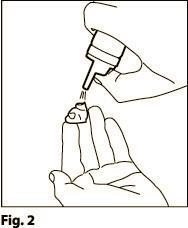
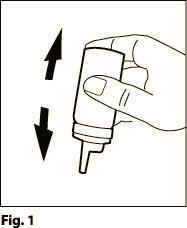
Duration of treatment -The medicine is used for both acute and chronic conditions for periods ranging from a few days to 3-4 weeks.
If you use more Artrosilene than you should
An overdose from cutaneous administration is unlikely.
If accidentally ingested, the medicine may cause adverse reactions in the body that depend on the amount ingested.
In case of accidental ingestion/intake of an excessive dose of Artrosilene, immediately inform your doctor or go to the nearest hospital.
If you have any doubts about the use of this medicine, ask your doctor or pharmacist.
4. Possible side effects
Like all medicines, this medicine can cause side effects, although not everybody gets them.
Uncommon(may affect up to 1 in 100 people)
- local skin reactions such as redness (erythema), eczema, itching and burning sensation.
Rare(may affect up to 1 in 1,000 people)
- allergic reactions to sunlight (photosensitisation),
- urticaria,
- more serious adverse reactions such as bullous or blistering eczema which may spread beyond the application area or become widespread.
Very rare(may affect up to 1 in 10,000 people)
- worsening of kidney function (worsening of pre-existing renal impairment).
Frequency not known(the frequency cannot be estimated from the available data)
- anaphylactic shock, angioedema (localised swelling of the skin and mucous membranes), allergic reactions (hypersensitivity).
Reporting of side effects
If you get any side effects, even those not listed in this leaflet,
tell your doctor or pharmacist. You can also report side effects directly
through the national reporting system at
https://www.aifa.gov.it/content/segnalazioni-reazioni-avverse. By reporting side effects you
can help to provide more information on the safety of this medicine.
5. How to store Artrosilene
Keep this medicine out of the sight and reach of children.
Do not use this medicine after the expiry date which is stated on the packaging. The expiry date refers to the last day of that month. The expiry date refers to the product in intact packaging, correctly stored.
Store Artrosilene 15% cutaneous foam away from heat. Contains flammable propellant.
Do not expose to temperatures above 50 °C.
Do not dispose of any medicine in wastewater or household waste. Ask your pharmacist how to
dispose of medicines you no longer use. This will help protect the environment.
6. Contents of the pack and other information
What Artrosilene contains
- The active ingredient is lysine ketoprofen. A pressurized container contains 7.5 g of lysine ketoprofen; 47.5 g of Artrosilene solution, 2.5 g of propane-butane propellant.
- The other ingredients are: polysorbate 80, propylene glycol, polyvinylpyrrolidone, lavenderNerolene (containing benzyl salicylate, citronellol, geraniol, hexyl cinnamal,hydroxycitronellal, lilial, linalool), benzyl alcohol,purified water.
Description of the appearance of Artrosilene and contents of the pack
Pressurized container of 50 ml
Marketing authorization holder and manufacturer
Marketing authorization holder
Dompé farmaceutici S.p.A. - Via San Martino, 12 - 20122 Milan
Manufacturer
Zellaerosol GmbH - Wiesenstrasse 13 - Zell I.W. (Germany)
Farmol Health Care s.r.l., - Via del Maglio, 6, Valmadrera (LC) 23868 - Italy

- Країна реєстрації
- Лікарська формаSuppository, 160 MG
- Код АТХM01AE03
- Діюча речовина
- Потрібен рецептТак
- Виробник
- Ця інформація надана лише для ознайомлення і не є медичною порадою. Рішення щодо лікування завжди приймає лікар.
- Альтернативи до ARTROSILENEЛікарська форма: Hard prolonged-release capsule, 200 MGДіюча речовина: кетопрофенаВиробник: S.F. GROUP S.R.L.Потрібен рецептЛікарська форма: Powder for oral solution, 80 MGДіюча речовина: кетопрофенаВиробник: LANOVA FARMACEUTICI S.R.L.Потрібен рецептЛікарська форма: Granules, 40 MGДіюча речовина: кетопрофенаВиробник: MYLAN S.P.A.Рецепт не потрібен
Аналоги ARTROSILENE в інших країнах
Препарати з тією самою діючою речовиною, доступні в інших країнах.
Аналог ARTROSILENE у Іспанія
Аналог ARTROSILENE у Польща
Аналог ARTROSILENE у Україна
Лікарі онлайн щодо ARTROSILENE
Застосування, безпека та можливість призначення рецепта — за результатами медичної оцінки.









Отримайте рецепт на ARTROSILENE онлайн
Заповніть форму за 2 хвилини
Розкажіть про симптоми, історію хвороби та потрібний препарат.
Оберіть лікаря або ми призначимо
Оберіть спеціаліста або ми підберемо найближчого доступного лікаря.
Лікар розглядає ваш випадок
Зазвичай протягом 30 хвилин. Може ставити уточнювальні запитання в чаті.
Отримайте в будь-якій аптеці
Електронний рецепт надсилається на вашу пошту — дійсний по всій Польщі.
Часті запитання
ARTROSILENE потребує рецепта в Італія. Ви можете обговорити з лікарем онлайн, чи підходить цей лікарський засіб для вашої ситуації.
Діюча речовина у ARTROSILENE — кетопрофена. Це допомагає визначити препарати з тим самим складом, але під іншими торговими назвами.
ARTROSILENE виробляється компанією DOMPE' FARMACEUTICI S.P.A.. Назва бренду та упаковка можуть відрізнятися залежно від дистрибʼютора.
Лікарі, зокрема Сімейні лікарі, Психіатри, Дерматологи, Кардіологи, Ендокринологи, Гастроентерологи, Пульмонологи, Нефрологи, Ревматологи, Гематологи, Інфекціоністи, Алергологи, Геріатри, Педіатри, Онкологи, можуть оцінити доцільність застосування ARTROSILENE з урахуванням вашого стану та місцевих правил. Ви можете записатися на онлайн-консультацію, щоб обговорити симптоми та можливі подальші кроки.
Польща має добре розвинену систему охорони здоров'я у великих містах, таких як Варшава, Краків, Вроцлав і Гданськ. Аптеки широко доступні та працюють відповідно до чинного законодавства, забезпечуючи доступ до рецептурних препаратів.
Ви можете придбати ARTROSILENE у Варшаві, Кракові, Вроцлаві або Гданську в будь-якій аптеці за наявності дійсного рецепта.
Щоб отримати рецепт, ви можете скористатися Oladoctor:
Інші препарати з тією самою діючою речовиною (кетопрофена) включають ALKET, ARDBEG, BRUFEN DOLORE. Вони можуть відрізнятися торговою назвою або формою випуску, але містять той самий терапевтичний компонент. Перед зміною або початком прийому нового препарату варто проконсультуватися з лікарем.
