



ZOLADEX 3.6 MG Имплант

Рассмотрение рецепта онлайн
Врач рассмотрит ваш случай и примет решение о назначении рецепта, если это медицински оправдано.

Поговорите с врачом об этом лекарстве
Обсудите симптомы и возможные дальнейшие шаги на онлайн-консультации.



Инструкция по применению TSOLADEX
Содержание инструкции
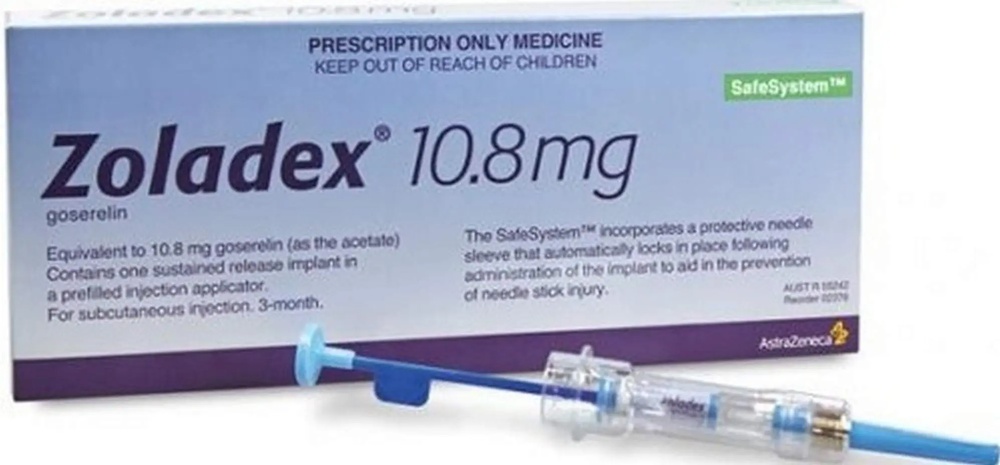
- ZOLADEX 10.8 mg implant with prolonged release for subcutaneous use
- ZOLADEX 3.6 mg prolonged-release implant for subcutaneous use
ZOLADEX 10.8 mg implant with prolonged release for subcutaneous use
goserelin
Read this leaflet carefully before taking this medicine as it contains
important information for you.
- Keep this leaflet. You may need to read it again.
- If you have any questions, ask your doctor or pharmacist.
- This medicine has been prescribed for you only. Do not pass it on to others, even if their symptoms are the same as yours, as it could be harmful.
- If you get any side effects, even those not listed in this leaflet, tell your doctor or pharmacist. See section 4.
Contents of this leaflet:
- 1. What ZOLADEX is and what it is used for
- 2. What you need to know before ZOLADEX is administered to you
- 3. How ZOLADEX will be administered to you
- 4. Possible side effects
- 5. How to store ZOLADEX
- 6. Contents of the pack and other information
Much of the information contained in this leaflet applies to both men and women
- When the information applies only to men, it is preceded by the title Informationfor men
- When the information applies only to women, it is preceded by the title Informationfor women
1. What is ZOLADEX and what is it used for
ZOLADEX contains goserelin, which belongs to the class of gonadotropin-releasing hormone analogues.
Use of ZOLADEX in men
ZOLADEX 10.8 mg is indicated for
- treating prostate cancer (a gland that in men has an important function in the production of seminal fluid), which requires a reduction in the amount of a hormone produced by its body called testosterone.
Use of ZOLADEX in women
ZOLADEX 10.8 mg is indicated for:
- treating a disease called endometriosis, in which cells that are found only in the lining of the uterus are present in other parts of the body (usually in other systems near the uterus).
- treating benign growths in the uterus called uterine fibroids.
Contact your doctor if you do not feel better or if you feel worse.
2. What you need to know before you are given ZOLADEX
You will not be given ZOLADEX
- if you are allergic to goserelin or any of the other ingredients of this medicine (listed in section 6).
- if you are pregnant or if you are breastfeeding (see section Pregnancy and breastfeeding).
Warnings and precautions
Talk to your doctor before you are given ZOLADEX.
Talk to your doctor if you suffer from any of the following conditions:
- any heart or blood vessel disorder, including problems with heart rhythm (arrhythmias), or if you are being treated with medicines for these disorders. The risk of heart rhythm problems may increase with the use of ZOLADEX.
- if you have had allergic reactions during a previous treatment with ZOLADEX or if you are taking other medicines.
- if you have a disease that involves a weakening of bone tissue. Medicines like ZOLADEX 10.8 mg can cause a reduction in calcium in the bones (thinning of the bones).
- if you are taking ZOLADEX and develop depression. Cases of depression have been reported in patients taking ZOLADEX that can be severe. Your doctor may ask you to undergo frequent checks.
- if you experience increased blood pressure (hypertension). Your doctor may ask you to undergo frequent checks. Following the administration of ZOLADEX, cases of injury at the injection site (including damage to the blood vessels of the abdomen) have been reported. In very rare cases, these have caused severe bleeding. Contact your doctor immediately if you experience any of the following symptoms:
- abdominal pain
- hard abdomen (abdominal distension)
- shortness of breath
- dizziness
- low blood pressure and/or any change in level of consciousness.
ZOLADEX 10.8 mg must be administered according to your doctor's prescription and the treatment must not
be interrupted unless your doctor decides to do so.
If you are hospitalized, inform the medical staff of the ongoing treatment with
ZOLADEX 10.8 mg.
Information for men
Before starting therapy, it is advisable to inform your doctor if
- you have difficulty urinating or suffer from back pain.
The doctor will consider the initial use of an antiandrogen medicine to prevent the
possible consequences of an initial increase in testosterone at the beginning of therapy.
The use of medicines like ZOLADEX (luteinizing hormone-releasing hormone agonists - LHRH),
which block the production of testosterone, can cause a reduction in bone mineral density with
thinning of the bones.
In men, clinical studies suggest that the use of bisphosphonates (medicines that increase bone
density) in association with LHRH agonists may reduce bone thinning.
Particular caution is necessary in the presence of risk factors for osteoporosis, a condition in which
the skeleton is subject to loss of bone mass (e.g. chronic alcohol abuse, smokers, long-term therapy with
medicines for the treatment of seizures or corticosteroid hormones used to
reduce inflammation or treat certain allergic reactions), or when there are cases of
osteoporosis in your family.
A reduction in the ability to metabolize sugars has been observed in men who have been
given medicines like ZOLADEX 10.8 mg (LHRH agonists). This may manifest as
diabetes or increased blood sugar levels in those who have pre-existing diabetes mellitus. Monitoring of blood
sugar levels (glycemia) should therefore be considered.
Information for women
Withdrawal bleeding
During the initial phase of treatment with ZOLADEX some women may experience
vaginal bleeding of varying duration and intensity. Vaginal bleeding, if it occurs, usually
occurs during the first month of starting therapy. This bleeding is
probably due to the decrease in estrogen hormone levels and is expected to stop
spontaneously. If the bleeding persists, it is necessary to investigate the cause.
For those who play sports:the use of the medicine without therapeutic need constitutes doping and
may still result in a positive doping test.
Children
ZOLADEX 10.8 mg is not indicated in children because safety and efficacy have not been established
in this patient group.
Other medicines and ZOLADEX
Tell your doctor or pharmacist if you are taking, have recently taken or might take
any other medicines.
ZOLADEX may interfere with some medicines used to treat heart rhythm problems
(e.g. quinidine, procainamide, amiodarone and sotalol) or may increase the risk of heart
rhythm problems when used with some other medicines (for example methadone (used for
pain relief and in detoxification programs), moxifloxacin (an
antibiotic), antipsychotics (used for severe mental illnesses).
Pregnancy, breastfeeding and fertility
Pregnancy
ZOLADEX 10.8 mg must notbe used during pregnancy as there is a theoretical risk of abortion or
fetal abnormalities.
Before treatment, women who are potentially fertile must undergo careful checks to
exclude an existing pregnancy. During treatment, non-hormonal contraceptive methods such as
condoms and diaphragm must be used. These methods must be maintained until the resumption
of the menstrual cycle (see also the warning regarding the resumption of the menstrual cycle).
Breastfeeding
ZOLADEX must notbe used during breastfeeding.
Driving and operating machinery
ZOLADEX 10.8 mg does not impair the ability to drive vehicles or operate machinery.
3. How ZOLADEX will be administered to you
This medicine will be administered to you always following the doctor's instructions exactly. If you have
any doubts, consult your doctor.
The recommended dose is a subcutaneous injection of ZOLADEX 10.8 mg, in the abdomen, every 12
weeks, under the doctor's supervision.
No dosage adjustment is necessary in patients with renal and/or
hepatic insufficiency.
Improvement in health status should not lead to discontinuation of treatment, unless
requested by the doctor.
Use in children
ZOLADEX is not indicated for use in children.
If you take more ZOLADEX than you should
In case of accidental intake of an excessive dose of ZOLADEX, immediately inform your
doctor or go to the nearest hospital.
Experience with overdosing in humans is limited. In cases where ZOLADEX has been
inadvertently readministered before expected or at higher doses, no clinically relevant
adverse effects have been observed.
If you stop taking ZOLADEX
If you have any doubts about the use of this medicine, consult your doctor or pharmacist.
4. Possible side effects
Like all medicines, this medicine can cause side effects, although not everybody gets them.
In a small number of cases, the use of Zoladex has been associated with the appearance of changes in
blood cell counts, liver malfunction (hepatic dysfunction), pulmonary embolism (blockage of the pulmonary artery, the main blood vessel that carries blood to the
lungs) and inflammation of the lungs (interstitial pneumonia) characterized by fever, cough,
shortness of breath and an increase in a type of blood cells called white blood cells.
The following frequency categories for drug-related side effects have been calculated based on
reports from clinical studies conducted with ZOLADEX and post-
marketing data.
In this section, side effects are defined according to frequency:
Very common (may affect more than 1 in 10 people)
- decreased sexual desire (this side effect rarely requires discontinuation of therapy)
- hot flushes (this side effect rarely requires discontinuation of therapy and may occasionally continue to manifest for a certain period of time (even months) after discontinuation of ZOLADEX)
- hyperhidrosis (increased sweating) (this side effect rarely requires discontinuation of therapy and may occasionally continue to manifest for a certain period of time (even months) after discontinuation of ZOLADEX) Common (may affect up to 1 in 10 people)
- mood changes
- depression
- numbness
- abnormal blood pressure (this effect may manifest with lowering or increasing blood pressure, generally transient, which resolves during continued therapy or after discontinuation of treatment with ZOLADEX. Rarely, such changes have required medical intervention, including discontinuation of treatment with ZOLADEX).
- skin rash (generally mild in nature and often resolves without interruption of therapy
- decreased bone density
- increased body weight Uncommon (may affect up to 1 in 100 people)
- allergy to the drug Rare (may affect up to 1 in 1,000 people)
- allergic reaction Very rare (may affect up to 1 in 10,000 people)
- pituitary gland hemorrhage (a gland located at the base of the head)
- mental disorders that may include hallucinations
- thought and perception disorders Not known (frequency cannot be estimated from the available data)
- Changes in ECG tracing (QT prolongation)
Information for men
Very common (may affect more than 1 in 10 people)
- erectile dysfunction Common (may affect up to 1 in 10 people)
- decreased ability to metabolize sugars
- compression of nerves contained in the spinal cord
- heart disease (heart failure)
- myocardial infarction
- bone pain (initially manifests in patients with prostate cancer and can be treated symptomatically)
- breast enlargement (gynecomastia)
- injection site reactions Uncommon (may affect up to 1 in 100 people)
- joint pain (arthralgia)
- obstruction of the ureter (duct that carries urine from the kidneys to the bladder)
- breast tenderness Not known (frequency cannot be estimated from the available data)
- alopecia (loss of hair and body hair)
Information for women
Very common (may affect more than 1 in 10 people)
- acne (in most cases reported within one month of starting treatment with ZOLADEX)
- vaginal dryness
- breast enlargement
- injection site reactions. Common (may affect up to 1 in 10 people)
- alopecia (hair loss) (usually mild but can occasionally be severe)
- headache
- joint pain
- tumor growth
- tumor pain. Rare (may affect up to 1 in 1,000 people)
- ovarian cysts. Not known (frequency cannot be estimated from the available data)
- worsening of benign growths in the uterus (uterine fibroids).
A small number of cases of hypercalcemia have been reported in women treated for endometriosis and/or
uterine fibroids. If symptoms indicative of hypercalcemia (e.g. thirst) are present, a diagnosis of
hypercalcemia should be ruled out.
The possible side effects listed above should not cause alarm because they may also not
occur.
Reporting of side effects
If you get any side effects, even those not listed in this leaflet, tell your
doctor or pharmacist. You can also report side effects directly through the website
http: www.agenziafarmaco.gov.it/it/responsabili .
By reporting side effects you can help provide more information on the safety
of this medicine.
5. How to store ZOLADEX
Do not store at a temperature above 25°C.
The syringe must be stored in the sealed bag and in its packaging.
Keep this medicine out of the sight and reach of children.
Do not use this medicine after the expiry date that is stated on the box after EXP. The date
of expiry refers to the last day of that month.
Do not dispose of any medicine in wastewater or household waste. Ask your pharmacist how to
dispose of medicines you no longer use. This will help protect the environment.
6. Contents of the pack and other information
What ZOLADEX contains
- The active ingredient is goserelin
- The other component is lactide/glycolide copolymer.
Description of the appearance of ZOLADEX and contents of the pack
ZOLADEX 10.8 mg appears as a prolonged-release implant for subcutaneous use (solid cylindrical-shaped implant).
It is available in packs of one prefilled, single-dose syringe, ready for use.
Marketing Authorisation Holder
AstraZeneca S.p.A.
Palazzo Ferraris
Via Ludovico il Moro 6/C
Basiglio (MI) 20080
Manufacturer
AstraZeneca UK Ltd
Macclesfield
Cheshire (United Kingdom)
ZOLADEX 3.6 mg prolonged-release implant for subcutaneous use
goserelin
Read this leaflet carefully before you start taking this medicine because it contains
important information for you.
- Keep this leaflet. You may need to read it again.
- If you have any questions, ask your doctor or pharmacist.
- This medicine has been prescribed for you only. Do not pass it on to others, even if their symptoms are the same as yours, as it could be harmful.
- If you get any side effects, even those not listed in this leaflet, tell your doctor or pharmacist. See section 4.
Contents of this leaflet:
- 1. What ZOLADEX is and what it is used for
- 2. What you need to know before you are given ZOLADEX
- 3. How ZOLADEX will be given to you
- 4. Possible side effects
- 5. How to store ZOLADEX
- 6. Contents of the pack and other information
Much of the information in this leaflet applies to both men and women
- When the information applies only to men, it is preceded by the heading Informationfor men
- When the information applies only to women, it is preceded by the heading Informationfor women
1. What is ZOLADEX and what is it used for
ZOLADEX contains goserelin, which belongs to the class of gonadotropin-releasing hormone analogues.
Use of ZOLADEX in men
ZOLADEX 3.6 mg is indicated for
- treating prostate cancer (a gland that in men has an important function in the production of seminal fluid) which requires a reduction in the amount of a hormone produced by its body called testosterone.
Use of ZOLADEX in women
ZOLADEX 3.6 mg is indicated for:
- treating breast cancer in premenopausal and perimenopausal women, in whom hormonal treatment is indicated
- treating a disease called endometriosis, in which cells that are found only in the lining of the uterus are present in other parts of the body (usually in other systems near the uterus)
- treating benign growths in the uterus called uterine fibroids
- making the lining of the uterus thinner before undergoing surgery
- the treatment of female infertility in association with other drugs (gonadotropins such as HMG, HCG, FSH) to control the release of egg cells from the ovaries.
The duration of treatment may vary depending on the type of indication (See section How ZOLADEX will be administered).
Contact your doctor if you do not feel better or if you feel worse.
2. What you need to know before you are given ZOLADEX
You will not be given ZOLADEX
- if you are allergic to goserelin or any of the other ingredients of this medicine (listed in section 6)
- if you are pregnant or if you are breastfeeding (see section Pregnancy and breastfeeding).
Warnings and precautions
Talk to your doctor before you are given ZOLADEX.
Talk to your doctor if you suffer from any of the following conditions:
- any heart or blood vessel disorder, including heart rhythm problems (arrhythmias), or if you are being treated with medicines for these disorders. The risk of heart rhythm problems may increase with the use of ZOLADEX;
- if you have had allergic reactions during a previous treatment with ZOLADEX or if you are taking other medicines.
- if you have a disease that weakens bone tissue. Medicines like ZOLADEX 3.6 mg can cause a reduction in calcium in the bones (thinning of the bones).
- if you are taking ZOLADEX and develop depression. Cases of depression have been reported in patients taking ZOLADEX which can be severe. Your doctor may ask you to undergo frequent checks.
- if you experience increased blood pressure (hypertension). Your doctor may ask you to undergo frequent checks.
Following the administration of ZOLADEX, cases of injury at the injection site have been reported (including damage to blood vessels in the abdomen). In very rare cases, these have caused severe bleeding.
Contact your doctor immediately if you experience any of the following symptoms:
- abdominal pain
- hard abdomen (abdominal distension)
- shortness of breath
- dizziness
- low blood pressure and/or any change in level of consciousness.
ZOLADEX 3.6 mg must be administered according to your doctor's prescription and treatment must not be interrupted unless your doctor decides to do so.
If you are admitted to hospital, inform the medical staff about the ongoing treatment with ZOLADEX 3.6 mg.
Information for men
Before starting therapy, it is advisable to inform your doctor if you
- have difficulty urinating or suffer from back pain.
Your doctor will consider the initial use of an antiandrogen medicine to prevent the possible consequences of an initial increase in testosterone at the beginning of therapy.
The use of medicines like ZOLADEX (luteinizing hormone-releasing hormone agonists - LHRH), which block the production of testosterone, can cause a reduction in bone mineral density with thinning of the bones.
In men, clinical studies suggest that the use of bisphosphonates (medicines that increase bone density) in association with LHRH agonists may reduce bone thinning.
Particular caution is necessary in the presence of risk factors for osteoporosis, a condition in which the skeleton is subject to loss of bone mass (e.g. chronic alcohol abuse, smokers, long-term therapy with medicines for the treatment of seizures or corticosteroid hormones used to reduce inflammation or treat certain allergic reactions), or when there are cases of osteoporosis in your family.
A reduction in the ability to metabolize sugars has been observed in men who have been given medicines like ZOLADEX 3.6 mg (LHRH agonists). This may manifest as diabetes or an increase in blood sugar levels in those who have pre-existing diabetes mellitus. Therefore, monitoring of blood sugar levels (glycemia) should be considered.
Information for women
Women of childbearing potential must use non-hormonal contraceptive methods such as condoms or diaphragms during treatment with ZOLADEX and until the resumption of the menstrual cycle after discontinuation of treatment with ZOLADEX.
Breast cancer
Reduction in bone mineral density
The use of medicines like ZOLADEX (LHRH agonists) can cause a reduction in bone mineral density. In most women, the currently available data suggest that a recovery of the reduction in bone mineral density occurs after discontinuation of therapy.
Benign diseases (endometriosis, fibroids, surgical interventions, treatment of infertility)
Loss of bone mineral density
In most women, the currently available data suggest that a recovery of bone loss occurs after discontinuation of therapy.
In the treatment of endometriosis (when cells that are only found in the lining of the uterus are in other districts of the body, usually in other systems near the uterus), the addition of hormone replacement therapy to ZOLADEX has been shown to reduce the loss of bone mineral density and symptoms such as hot flashes and sweating.
Withdrawal bleeding
During the initial phase of treatment with ZOLADEX, some women may experience vaginal bleeding of varying duration and intensity. Vaginal bleeding, if it occurs, usually occurs during the first month of therapy. This bleeding is probably due to the decrease in estrogen levels and is expected to stop spontaneously. If the bleeding persists, it is necessary to investigate the cause.
Treatment of infertility
The injection of the ZOLADEX 3.6 mg implant must be performed only within an assisted reproductive technology program, under the strict supervision of a specialist in this area.
For athletes:the use of the drug without therapeutic need constitutes doping and may still result in a positive doping test.
Children
ZOLADEX 3.6 mg is not indicated in children because safety and efficacy have not been established in this patient group.
Other medicines and ZOLADEX
Tell your doctor or pharmacist if you are taking, have recently taken or might take any other medicines.
ZOLADEX may interfere with some medicines used to treat heart rhythm problems (e.g. quinidine, procainamide, amiodarone and sotalol) or may increase the risk of heart rhythm problems when used with some other medicines such as methadone (used to relieve pain and in drug detoxification programs), moxifloxacin (an antibiotic), antipsychotics (used for severe mental illnesses).
Pregnancy, breastfeeding and fertility
Pregnancy
ZOLADEX 3.6 mg must notbe used during pregnancy as there is a theoretical risk of abortion or fetal abnormalities.
Before treatment, women of childbearing potential must undergo careful checks to exclude an ongoing pregnancy. During treatment, non-hormonal contraceptive methods such as condoms and diaphragms must be used. These methods must be maintained until the resumption of the menstrual cycle (see also the warning regarding the resumption of the menstrual cycle).
Before using ZOLADEX 3.6 mg for an assisted fertilization treatment, an ongoing pregnancy must be ruled out. When ZOLADEX is used in these cases, there is no clinical evidence to suggest a causal connection between the use of ZOLADEX and abnormalities in the development of the egg or pregnancy or delivery.
Breastfeeding
ZOLADEX must notbe used during breastfeeding.
Driving and operating machinery
ZOLADEX 3.6 mg does not impair the ability to drive vehicles or operate machinery.
3. How ZOLADEX will be administered to you
This medicine will be administered to you following the doctor's instructions exactly. If you have any
doubts, consult your doctor.
The recommended dose is a subcutaneous injection of ZOLADEX 3.6 mg, in the abdomen, every 28
days, under the doctor's supervision.
No dosage adjustment is necessary in elderly patients or with renal and/or
hepatic insufficiency.
Improvement in health status should not lead to discontinuation of treatment, unless
requested by the doctor.
Information for women
The duration of treatment may vary depending on the indication:
- for endometriosis it is 6 months,
- for uterine fibroids it is 3-6 months
- for the pre-surgical treatment of removal of the endometrium, the lining of the uterus (endometrial ablation) and removal of uterine septa (a malformation that divides the uterus into two cavities) with hysteroscopy (direct visual examination of the internal wall of the uterus, the endometrium), for surgical removal of fibroids (myomectomy) and the uterus (hysterectomy) in patients with intermenstrual uterine bleeding (metrorrhagia) the duration of treatment is 1-3 months. No clinical data are available regarding the treatment of benign gynecological diseases with ZOLADEX 3.6 mg for periods longer than six months.
Use in children
ZOLADEX is not indicated for use in children.
If you take more ZOLADEX than you should
In case of accidental intake of an excessive dose of ZOLADEX, immediately inform your
doctor or go to the nearest hospital.
Experience with excessive dosage in humans is limited. In cases where ZOLADEX has been
inadvertently readministered prematurely or at higher doses, no clinically relevant adverse effects have been observed.
If you stop taking ZOLADEX
If you have any doubts about the use of this medicine, consult your doctor or pharmacist.
4. Possible side effects
Like all medicines, this medicine can cause side effects, although not everybody gets them.
In a small number of cases, the use of Zoladex has been associated with the appearance of changes in
blood cell counts, liver dysfunction (hepatic dysfunction), pulmonary embolism (blockage of the pulmonary artery, the main blood vessel that carries blood to the
lungs) and inflammation of the lungs (interstitial pneumonia) characterized by fever, cough,
shortness of breath and an increase in a type of blood cells called white blood cells.
The following frequency categories for drug-related side effects have been calculated based on
reports from clinical studies conducted with ZOLADEX and post-
marketing data.
In this section, side effects are defined according to frequency:
Very common (may affect more than 1 in 10 people)
- decreased sexual desire (this side effect rarely requires discontinuation of therapy)
- hot flashes (this side effect rarely requires discontinuation of therapy and may occasionally continue to manifest for a certain period of time (even months) after discontinuation of ZOLADEX).
- hyperhidrosis (increased sweating) (this side effect rarely requires discontinuation of therapy and may occasionally continue to manifest for a certain period of time (even months) after discontinuation of ZOLADEX). Common (may affect up to 1 in 10 people)
- mood changes
- depression
- numbness
- abnormal blood pressure (this effect may manifest with lowering or increasing blood pressuregenerally transient and resolves during continued therapy or after discontinuation of treatment with ZOLADEX. Rarely, such variations have required medical intervention, including discontinuation of treatment with ZOLADEX).
- skin rash (generally mild in nature and often resolves without interruption of therapy
- decreased bone density
- increased body weight Uncommon (may affect up to 1 in 100 people)
- allergy to the drug Rare (may affect up to 1 in 1,000 people)
- allergic reaction Very rare (may affect up to 1 in 10,000 people)
- pituitary tumor (a gland located at the base of the head)
- pituitary bleeding
- mental disorders that may include hallucinations
- thought and perception disorders Not known (frequency cannot be estimated based on available data)
- Changes in ECG tracing (QT prolongation).
Information for men
Very common (may affect more than 1 in 10 people)
- erectile dysfunction Common (may affect up to 1 in 10 people)
- decreased ability to metabolize sugars
- compression of nerves contained in the spinal cord
- heart disease (heart failure)
- myocardial infarction
- bone pain (initially manifests in patients with prostate cancer and can be treated symptomatically).
- increase in breast volume (gynecomastia)
- injection site reactions Uncommon (may affect up to 1 in 100 people)
- joint pain (arthralgia)
- obstruction of the ureter (duct that carries urine from the kidneys to the bladder)
- breast tenderness Not known (frequency cannot be estimated based on available data)
- alopecia (hair loss and body hair loss)
Information for women
Very common (may affect more than 1 in 10 people)
- acne (in most cases reported within one month of starting treatment with ZOLADEX)
- vaginal dryness
- breast enlargement
- injection site reactions Common (may affect up to 1 in 10 people)
- alopecia (hair loss) (usually mild but can occasionally be severe)
- headache
- joint pain
- tumor growth
- tumor pain Uncommon (may affect up to 1 in 100 people)
- increased calcium levels in the blood. Rare (may affect up to 1 in 1,000 people)
- ovarian cysts
- syndrome induced by the administration of drugs to stimulate the ovary to release egg cells (ovarian hyperstimulation) Not known (frequency cannot be estimated based on available data)
- worsening of benign growths in the uterus (uterine fibroids).
In addition, the following adverse reactions have been reported in women treated for benign gynecological diseases: changes in body hair, alopecia (hair loss) dry skin,
increased cholesterol in the blood, inflammation of the vagina (vaginitis), vaginal discharge,
nervousness, sleep disturbances, fatigue, swelling due to fluid retention in the arms and
legs (peripheral edema), muscle pain (myalgia), calf cramps, nausea, vomiting,
diarrhea, constipation, abdominal pain, altered voice.
The possible side effects listed above should not alarm you because they may also not
occur.
Reporting of side effects
If you get any side effects, talk to your doctor or pharmacist. This includes any side effects not listed in this leaflet. You can also report side effects directly via the website http: www.agenziafarmaco.gov.it/it/responsabili .
By reporting side effects you can help provide more information on the safety
of this medicine.
5. How to store ZOLADEX
Do not store at a temperature above 25°C.
The syringe must be stored in the sealed bag and in its packaging.
Keep this medicine out of the sight and reach of children.
Do not use this medicine after the expiry date which is stated on the pack after Exp. The expiry
date refers to the last day of that month.
Do not dispose of any medicine in wastewater or household waste. Ask your pharmacist how to
dispose of medicines you no longer use. This will help protect the environment.
6. Contents of the pack and other information
What ZOLADEX contains
- The active ingredient is goserelin
- The other component is lactic/glycolic acid copolymer
Description of the appearance of ZOLADEX and contents of the pack
ZOLADEX 3.6 mg is presented as a prolonged-release implant for subcutaneous use (solid cylindrical-shaped implant).
It is available in packs of one prefilled, single-dose syringe, ready for use.
Marketing Authorisation Holder
AstraZeneca S.p.A.
Palazzo Ferraris
Via Ludovico il Moro 6/C
Basiglio (MI) 20080
Manufacturer
AstraZeneca UK Ltd.
Silk Road Business Park
Macclesfield
Cheshire (United Kingdom)
SK10 2NA

Не уверены, подходит ли вам это лекарство?
Обсудите симптомы и варианты лечения с врачом онлайн.

Уже начали прием и появились вопросы?
Обсудите свое состояние и дальнейшие шаги с врачом онлайн.
- Страна регистрации
- Форма выпускаImplant, 3,6 MG
- Код АТХL02AE03
- Действующее вещество
- Отпускается по рецептуДа
- Производитель
- Информация на этой странице носит справочный характер и не является медицинской консультацией. Перед началом приема лекарства обязательно проконсультируйтесь с врачом.
- Аналоги TSOLADEXФорма выпуска: Prolonged-release injectable suspension in pre-filled syringe, 42 mgДействующее вещество: leuprorelinПроизводитель: ACCORD HEALTHCARE, S.L.U.Отпускается без рецептаФорма выпуска: Powder and solvent for injectable suspension, 3,75 MG/2 MLДействующее вещество: трипторелинаПроизводитель: IPSEN S.P.AОтпускается без рецептаФорма выпуска: Powder and solvent for injectable solution, 7.5 MGДействующее вещество: leuprorelinПроизводитель: RECORDATI INDUSTRIA CHIMICA E FARMACEUTICA S.P.A.Отпускается по рецепту
Аналоги TSOLADEX в других странах
Лекарства с тем же действующим веществом, доступные в других странах.
Аналог TSOLADEX в Польша
Аналог TSOLADEX в Украина
Аналог TSOLADEX в Испания
Врачи онлайн по TSOLADEX
Обсудите применение TSOLADEX и возможные следующие шаги — по оценке врача.



Получите рецепт на TSOLADEX онлайн
Заполните форму за 2 минуты
Расскажите о симптомах, истории болезни и нужном препарате.
Выберите врача или мы назначим
Выберите специалиста или мы подберём ближайшего доступного врача.
Врач рассматривает ваш случай
Обычно в течение 30 минут. Может задать уточняющие вопросы в чате.
Получите в любой аптеке
Электронный рецепт отправляется на вашу почту — действителен по всей Польше.
Часто задаваемые вопросы
TSOLADEX требует рецепта в Италия. Вы можете уточнить у врача онлайн, подходит ли это лекарство для вашей ситуации.
Действующее вещество TSOLADEX — гозерелина. Эта информация помогает определить лекарства с тем же составом под другими торговыми названиями.
TSOLADEX производится компанией ASTRAZENECA S.P.A.. Упаковка и торговое название могут отличаться в зависимости от дистрибьютора.
Врачи, включая Семейные врачи, Психиатры, Дерматологи, Кардиологи, Эндокринологи, Гастроэнтерологи, Пульмонологи, Нефрологи, Ревматологи, Гематологи, Инфекционисты, Аллергологи, Гериатры, Педиатры, Онкологи, могут оценить целесообразность применения TSOLADEX с учетом вашей ситуации и местных правил. Вы можете записаться на онлайн-консультацию, чтобы обсудить возможные варианты.
Польша имеет хорошо развитую систему здравоохранения в крупных городах, таких как Варшава, Краков, Вроцлав и Гданьск. Аптеки широко доступны и работают в соответствии с действующим законодательством, обеспечивая доступ к рецептурным препаратам.
Вы можете купить TSOLADEX в Варшаве, Кракове, Вроцлаве или Гданьске в любой аптеке при наличии действующего рецепта.
Чтобы получить рецепт, вы можете воспользоваться Oladoctor:
Другие лекарства с тем же действующим веществом (гозерелина) включают KAMKEVI, DEKAPEPTYL, ELIGARD. Они могут отличаться торговым названием или формой выпуска, но содержат одинаковый терапевтический компонент. Перед изменением лечения рекомендуется проконсультироваться с врачом.
