



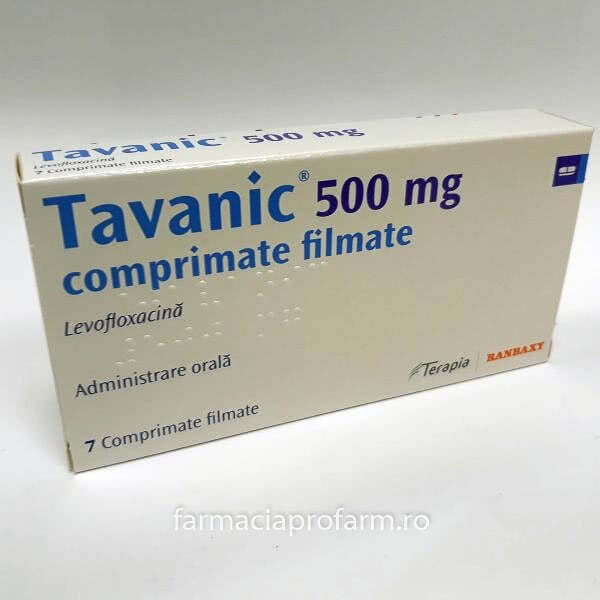
TAVANIC 250 mg Фильм-Coated Таблетки

Рассмотрение рецепта онлайн
Врач рассмотрит ваш случай и примет решение о назначении рецепта, если это медицински оправдано.

Поговорите с врачом об этом лекарстве
Обсудите симптомы и возможные дальнейшие шаги на онлайн-консультации.



Инструкция по применению TAVANIK
Содержание инструкции
Tavanic 250 mg film-coated tablets, 500 mg film-coated tablets
levofloxacin
Read this leaflet carefully before taking this medicine as it contains important information for you.
- Keep this leaflet. You may need to read it again.
- If you have any questions, ask your doctor or pharmacist.
- This medicine has been prescribed for you only. Do not pass it on to others, even if they have the same symptoms as you, as it could be harmful.
- If you get any side effects, even those not listed in this leaflet, tell your doctor or pharmacist. See section 4.
Contents of this leaflet:
- 1. What Tavanic tablets are and what they are used for
- 2. What you need to know before you take Tavanic tablets
- 3. How to take Tavanic tablets
- 4. Possible side effects
- 5. How to store Tavanic tablets
- 6. Contents of the pack and other information
1. What is Tavanic tablets and what is it used for
Tavanic tablets contains the active substance called levofloxacin. This medicine belongs to the
group of medicines called antibiotics. Levofloxacin is a “quinolone” antibiotic. This medicine
works by killing the bacteria that cause infections in the body.
Tavanic tablets can be used for the treatment of infections:
- of the facial sinuses
- of the lungs, in patients with chronic respiratory problems or pneumonia
- of the urinary tract, including kidneys and bladder
- of the prostate, where a persistent infection may develop
- of the skin and subcutaneous tissue, including muscles. These are sometimes called “soft tissues”.
In some special situations, Tavanic tablets can be used to decrease the likelihood of contracting a
lung disease called anthrax or the worsening of the disease after exposure to the bacterium
that causes anthrax.
2. What you need to know before taking Tavanic tablets
Do not take this medicine and tell your doctor if:
- you are allergic (hypersensitive) to levofloxacin, to any other quinolone antibiotic such as moxifloxacin, ciprofloxacin or ofloxacin or to any of the other ingredients of this medicine (listed in section 6)
- the signs of an allergic reaction include: skin rash, problems with swallowing or breathing, swelling of the lips, face, throat or tongue
- you have had epilepsy
- you have had problems affecting your tendons, such as tendinitis, related to treatment with a “quinolone antibiotic”. Tendons are fibrous structures that connect muscles to the skeleton
- you are a child or adolescent during the growth period
- you are pregnant, may become pregnant or think you may be pregnant
- you are breastfeeding Do not take this medicine if any of the above apply to you. If you have any doubts, ask your doctor, nurse or pharmacist before taking Tavanic.
Warnings and precautions
Talk to your doctor or pharmacist before taking this medicine if:
you are 60 years old or older
you are taking corticosteroids, sometimes called steroids (see “Other medicines and Tavanic”)
you have had a transplant
you have had seizures
you have suffered brain damage following a stroke or other brain damage
you have kidney problems
you suffer from a condition known as “glucose-6-phosphate dehydrogenase deficiency”. The
administration of this medicine makes it more likely to develop serious blood problems
you have suffered from mental health problems
you have had heart problems: you should exercise caution when using this type of medicine if you were born with or have a family history of prolonged QT interval (seen on an electrocardiogram, the electrical tracing of the heart), have an imbalance of salts in the blood (especially low levels of potassium or magnesium in the blood), have a very slow heart rate (called “bradycardia”), have a weak heart (heart failure), have had a heart attack (myocardial infarction), are a woman or elderly or are taking other medicines that can alter the electrocardiogram (see section “Other medicines and Tavanic”)
you have diabetes
you have had liver problems
you have myasthenia gravis
you have problems with your nerves (peripheral neuropathy)
you have been diagnosed with an enlargement or “bulging” of a large blood vessel (aortic aneurysm or peripheral aneurysm of a large blood vessel)
you have previously experienced episodes of aortic dissection (a tear in the wall of the aorta)
you have been diagnosed with insufficiency of one of the heart valves (aortic and mitral regurgitation)
you have a family history of aortic aneurysm, aortic dissection or congenital heart valve disease, or other risk factors or predisposing conditions (such as connective tissue diseases such as Marfan syndrome, Ehlers-Danlos syndrome, Turner syndrome, Sjögren's syndrome [an autoimmune inflammatory disease], or if you suffer from vascular diseases such as Takayasu arteritis, giant cell arteritis, Behcet's syndrome, high blood pressure or atherosclerosis
note) rheumatoid arthritis [an autoimmune inflammatory disease] or endocarditis [an inflammation of the heart])
you have developed a severe skin reaction or peeling of the skin, blisters and/or ulcers in the mouth after taking any medicine containing levofloxacin.
Severe skin reactions
Severe skin reactions, including Stevens-Johnson syndrome (SJS), toxic epidermal necrolysis (TEN) and drug reaction with eosinophilia and systemic symptoms (DRESS) have been reported with the use of levofloxacin.
- SJS and TEN can initially appear on the body as reddish spots or as circular patches often with central blisters. Ulcers of the mouth, throat, nose, genitals and eyes (red and swollen eyes) may also occur. These severe skin rashes are often preceded by fever and/or flu-like symptoms. The rashes can progress to widespread peeling of the skin and life-threatening or fatal complications.
- DRESS initially presents as flu-like symptoms and a skin rash on the face, then a widespread rash with fever, an increase in liver enzyme levels in blood tests and an increase in a type of white blood cells (eosinophilia) and swollen lymph nodes.
If you develop a severe skin rash or any other of these skin symptoms, stop taking levofloxacin and contact your doctor or seek medical attention immediately.
You should not take antibacterial medicines based on quinolones/fluoroquinolones, including Tavanic, if you have previously had any serious adverse reaction during treatment with a quinolone or fluoroquinolone. In that case, tell your doctor as soon as possible.
When you are taking this medicine:
- If you experience severe and sudden abdominal, chest, or back pain, which may be a symptom of aneurysm and aortic dissection, go to the emergency room immediately. The risk may be higher if you are taking systemic corticosteroids.
- Tell your doctor immediately if you notice rapid onset of shortness of breath, especially when lying down, or swelling of the ankles, feet or abdomen, or new episodes of palpitations (feeling of a fast or irregular heartbeat).
- If you experience nausea, a general feeling of unwellness, severe or persistent abdominal discomfort or pain, or vomiting, contact your doctor immediately as these may be a sign of inflammation of the pancreas (acute pancreatitis).
Rarely, pain and swelling in the joints and inflammation or rupture of tendons can occur. The risk is greater if you are elderly (over 60 years of age), have received an organ transplant, have kidney problems or are being treated with corticosteroids. Inflammation and rupture of tendons can occur within the first 48 hours of treatment and up to several months after stopping therapy with Tavanic. At the first signs of pain or inflammation in a tendon (for example in the ankle, wrist, elbow, shoulder or knee), stop treatment with Tavanic, consult your doctor and keep the painful part at rest. Avoid any unnecessary movement, as the risk of tendon rupture may increase.
Rarely, symptoms of nerve damage (neuropathy) such as pain, burning, tingling, numbness and/or weakness, especially in the feet and legs or hands and arms can occur. In this case, stop treatment with Tavanic and inform your doctor immediately, to avoid permanent nerve damage.
Serious, prolonged, disabling and potentially irreversible adverse effects
Antibacterial medicines based on fluoroquinolones/quinolones, including Tavanic, have been associated with very rare but serious adverse effects, some of which are prolonged (lasting months or years), disabling or potentially irreversible. These include pain in the tendons, muscles and joints of arms and legs, difficulty walking, abnormal sensations such as tingling, prickling, itching, numbness or burning (paresthesia), sensory organ disorders such as altered vision, taste, smell and hearing, depression, impaired memory, severe fatigue and severe sleep disturbances.
If you experience any of these adverse effects after taking Tavanic, contact your doctor immediately before continuing treatment. The doctor will decide together with you whether to continue treatment and will also consider the use of an antibiotic from another class.
If you have any doubts that any of the above may apply to you, ask your doctor or pharmacist before taking Tavanic.
Other medicines and Tavanic
Tell your doctor or pharmacist if you are taking, have recently taken or might take any other medicines. This is because Tavanic can affect the way other medicines work. Also, some medicines can affect the way Tavanic works.
In particular, tell your doctor if you are taking any of the following medicines. This is because taking Tavanic in combination with other medicines may increase the possibility that you experience adverse effects:
- Corticosteroids, sometimes called steroids - used to treat inflammation. The possibility that you develop inflammation and/or rupture of the tendons is greater.
- Warfarin - used to thin the blood. The possibility that you experience bleeding is greater. Your doctor may ask you to have regular blood tests to check your blood clotting.
- Theophylline - used for breathing problems. The possibility that you experience a seizure (fit) is greater if you take theophylline in combination with Tavanic.
- Non-steroidal anti-inflammatory drugs (NSAIDs) - used for pain and inflammation such as aspirin, ibuprofen, fenbufen, ketoprofen and indometacin. The possibility that you experience a seizure (fit) if taken in combination with Tavanic is greater.
- Cyclosporine - used for organ transplants. The possibility that you experience the typical adverse effects of cyclosporine is greater.
- Medicines known for their effects on the heartbeat. These include medicines used to treat irregular heartbeat (antiarrhythmics such as quinidine, hydroquinidine, disopyramide, sotalol, dofetilide, ibutilide and amiodarone), for depression (tricyclic antidepressants such as amitriptyline and imipramine), for psychiatric disorders (antipsychotics) and for bacterial infections (“macrolide” antibiotics such as erythromycin, azithromycin and clarithromycin).
- Probenecid - used to treat gout. Your doctor may prescribe a lower dosage if you suffer from kidney problems.
- Cimetidine - used for ulcers and heartburn. Your doctor may prescribe a lower dosage if you suffer from kidney problems. Contact your doctor if any of the above applies to you.
Do not take Tavanic tablets at the same time as the following medicines. This is because the mechanism of action of Tavanic tablets may be affected:
- iron tablets (for anemia), zinc supplements, antacids containing magnesium or aluminum (for acidity or heartburn), didanosine or sucralfate (for gastric ulcers). See section 3 “If you are taking iron tablets, zinc supplements, antacids, didanosine or sucralfate”.
Urine tests for opioids
In patients taking Tavanic, urine tests may give “false-positive” results for strong painkillers called “opioids”. If your doctor considers it necessary to perform urine tests, inform them that you are taking Tavanic.
Tuberculosis test
This medicine may cause “false-negative” results in some laboratory tests that look for the bacteria that cause tuberculosis.
Pregnancy and breastfeeding
Do not take this medicine if:
- You are pregnant, may become pregnant or think you may be pregnant
- You are breastfeeding or plan to breastfeed.
Driving and using machines
Some adverse effects may occur after taking this medicine which include dizziness, drowsiness, a subjective sensation of movement (vertigo) or visual disturbances. Some of these adverse effects may impair your ability to concentrate and slow your reaction time. If this happens, do not drive vehicles or perform activities that require a high level of attention.
Tavanic contains sodium
This medicine contains less than 1 mmol (23 mg) of sodium per tablet, i.e. essentially “sodium-free”.
3. How to take Tavanic tablets
Take this medicine following exactly the instructions of your doctor. If you have any doubts, ask your doctor or pharmacist.
Taking this medicine
- Take this medicine by mouth
- Swallow the tablets whole with some water
- The tablets can be taken with or without food.
If you are already taking iron salts in tablets, zinc supplements, antacids, didanosine or sucralfate
- Do not take these medicines at the same time as Tavanic. Take the prescribed dose of these medicines at least 2 hours before or after taking Tavanic tablets.
How much medicine to take
- Your doctor will decide how much Tavanic tablets you need to take
- The dose will depend on the type of infection you have and the location of the infection in the body
- The duration of treatment will depend on the severity of the infection
- If you think the medicine is too weak or too strong, do not change the dosage on your own but consult your doctor
Adults and the elderly
Infections of the sinuses
- two Tavanic 250 mg tablets once a day
- or, one Tavanic 500 mg tablet once a day Lung infections, in patients with chronic respiratory problems
- two Tavanic 250 mg tablets once a day
- or, one Tavanic 500 mg tablet once a day Pneumonia
- two Tavanic 250 mg tablets one or two times a day
- or, one Tavanic 500 mg tablet one or two times a day Urinary tract infections including kidneys or bladder
- one or two Tavanic 250 mg tablets once a day
- or, half or one Tavanic 500 mg tablet once a day Prostate infections
- two Tavanic 250 mg tablets once a day
- or, one Tavanic 500 mg tablet once a day Skin and subcutaneous tissue infections, including muscles
- two Tavanic 250 mg tablets one or two times a day
- or, one Tavanic 500 mg tablet one or two times a day
Adults and elderly patients with kidney problems
Your doctor may consider it necessary to reduce the dosage.
Children and adolescents
This medicine should not be given to children or adolescents.
Protect your skin from sunlight
Do not expose yourself to direct sunlight during treatment with this medicine and for 2 days after the end of treatment. This is because the skin will become much more sensitive to the sun and can burn, itch or blister severely if you do not observe the following precautions:
- Make sure to use a high-protection sunscreen
- Always wear a hat and clothes that cover your arms and legs
- Avoid sunbeds
If you take more Tavanic tablets than you should
If you accidentally take more tablets than you should, tell your doctor immediately or ask for medical advice. Bring the medicine package with you. This will allow the doctor to know what you have taken. The following side effects may occur: seizures (epileptic fit), confusion, dizziness, feeling of fainting, tremor and heart problems – which can lead to irregular heartbeat and feeling unwell (nausea) or heartburn.
If you forget to take Tavanic tablets
If you forget to take a dose, take it as soon as you remember unless it is time to take the next dose. Do not take a double dose to make up for a missed dose.
If you stop taking Tavanic tablets
Do not stop taking Tavanic just because you feel better. It is important that you complete the course of tablets prescribed by your doctor. If you stop taking the tablets too early, the infection may return and your condition may worsen or bacteria may develop resistance to the medicine.
If you have any further questions about the use of this medicine, ask your doctor or pharmacist.
4. Possible side effects
Like all medicines, this medicine can cause side effects, although not everybody gets them.
Usually, these effects are mild or moderate and often disappear after a short time.
Stop taking Tavanic and seek immediate medical attention or go to hospital if you notice the
following side effect:
Very rare(may affect up to 1 in 10,000 people)
- You have an allergic reaction. Signs may include: skin rash, difficulty swallowing or breathing, swelling of the lips, face, throat or tongue
Stop taking Tavanic and seek immediate medical attention if you notice any of the
following side effects – you may need urgent medical treatment:
Rare(may affect up to 1 in 1,000 people)
- Watery diarrhoea with possible blood, sometimes accompanied by stomach cramps and high fever. This may indicate a serious intestinal problem
- Pain and inflammation of tendons or ligaments which may, in some cases, rupture. The Achilles tendon is most often affected
- Convulsions
- Seeing or hearing things that are not there (hallucinations, paranoia)
- Feeling depressed, mental problems, feeling restless (agitation), abnormal dreams or nightmares
- Widespread rash, fever, increased liver enzymes, blood abnormalities (eosinophilia), enlarged lymph nodes and involvement of other body organs (drug reaction with eosinophilia and systemic symptoms, also known as DRESS or drug hypersensitivity syndrome). See also section 2.
- Syndrome associated with insufficient water excretion and low sodium levels (SIADH)
- Decrease in blood sugar levels (hypoglycaemia) or decrease in blood sugar levels leading to coma (hypoglycaemic coma). This is important for people who have diabetes. Very rare(may affect up to 1 in 10,000 people)
- Burning, tingling, pain or numbness. These signs may indicate a disease called “neuropathy”.
Not known(frequency cannot be estimated from the available data)
Severe skin rashes including Stevens-Johnson syndrome and toxic epidermal necrolysis.
These can appear on the body as reddish spots or as circular patches often with
central blisters, skin peeling, ulcers of the mouth, throat, nose, genitals and eyes and may be preceded by fever and flu-like symptoms. See also section 2.
- Loss of appetite, yellowing of the skin and eyes, dark urine, itching or stomach pain (abdomen). These may be signs of liver problems which can include fatal liver failure (liver failure that can cause death).
- Changes in opinion and thoughts (psychotic reactions) with the risk of having suicidal thoughts or suicidal actions.
- Nausea, feeling generally unwell, discomfort or pain in the stomach area or vomiting. These may be signs of inflammation of the pancreas (acute pancreatitis). See section 2.
If your vision becomes blurred or if you experience any eye discomfort while taking Tavanic,
consult an eye doctor immediately.
Very rare cases of prolonged (lasting months or years) or permanent adverse drug reactions, such as
inflammation of the tendons, tendon rupture, joint pain, arm or leg pain, difficulty in
walking, abnormal sensations such as prickling, tingling, itching, burning, numbness or pain
(neuropathy), depression, fatigue, sleep disturbances, impaired memory and alteration
of hearing, vision, taste and smell, have been associated with the use of antibiotics of the quinolone and
fluoroquinolone types, in some cases independently of pre-existing risk factors.
Cases of dilation and weakening of the wall of the aorta or of tearing of the aortic wall (aneurysms and
dissections), with possible ruptures that can be fatal, as well as cases of backflow of blood from the
heart valves, have been reported in patients treated with fluoroquinolones. See also section 2.
Tell your doctor if any of the following side effects gets worse or lasts for more than a few
days:
Common:(may affect up to 1 in 10 people)
- difficulty sleeping
- headache, dizziness
- feeling unwell (nausea, vomiting) and diarrhoea
- increased levels of liver enzymes in the blood Uncommon(may affect up to 1 in 100 people)
- changes in the number of other bacteria or fungi, fungal infection called Candida, which may require treatment
- changes in the number of white blood cells shown in some blood tests (leucopenia, eosinophilia)
- feeling stressed (anxiety), feeling confused, feeling nervous, drowsiness, tremor, dizziness
- shortness of breath (dyspnoea)
- change in the taste of things, loss of appetite, stomach upset or indigestion (dyspepsia), stomach pain, feeling bloated (flatulence), constipation
- itching and skin rash, severe itching or hives, excessive sweating (hyperhidrosis)
- joint or muscle pain
- blood tests may show abnormal results due to liver (increased bilirubin) or kidney (increased creatinine) problems
- general weakness Rare(may affect up to 1 in 1,000 people)
- bruising and easy bleeding due to a reduction in the number of platelets in the blood (thrombocytopenia)
- low number of white blood cells (neutropenia)
- exaggerated immune response (hypersensitivity)
- feeling of tingling in the hands and feet (paresthesia)
- hearing problems (tinnitus) or vision problems (blurred vision)
- unusually fast heartbeat (tachycardia) or low blood pressure (hypotension)
- muscle weakness. This is important for patients who suffer from myasthenia gravis (a rare disease of the nervous system)
- changes in kidney function and occasional kidney failure which may be caused by an allergic reaction in the kidneys called interstitial nephritis
- fever
- clearly defined reddish patches, with or without blister formation that develop within a few hours of administration of levofloxacin and heal leaving the reddened part; usually reappear in the same location on the skin or mucous membrane after subsequent exposure to levofloxacin
- insufficient memory. Not known(frequency cannot be estimated from the available data)
- decrease in red blood cells (anaemia). This can lead to paleness or yellowish skin due to damage to red blood cells and a decrease in the number of all types of blood cells (pancytopenia)
- fever, sore throat and a general feeling of being unwell that does not go away. This may be due to a decrease in the number of white blood cells in the blood (agranulocytosis)
- lack of blood flow (anaphylactic shock)
- increased blood sugar levels (hyperglycaemia). This is important for those who suffer from diabetes
- change in the smell of things, loss of smell or taste (parosmia, anosmia, ageusia)
- difficulty moving and walking (dyskinesia, extrapyramidal disorders)
- temporary loss of consciousness or posture (syncope)
- temporary loss of vision, eye inflammation
- worsening or loss of hearing
- unusually fast heartbeat, irregular heartbeat with life-threatening including cardiac arrest, changes in the heartbeat (called “prolongation of the QT interval” seen on the electrocardiogram, electrical activity of the heart)
- difficulty breathing or wheezing (bronchospasm)
- allergic reactions in the lungs
- pancreatitis
- inflammation of the liver (hepatitis)
- increased sensitivity of the skin to the sun or ultraviolet rays (photosensitivity)
- inflammation of the blood vessels throughout the body due to an allergic reaction (vasculitis)
- inflammation of the inner tissues of the mouth (stomatitis)
- rupture and destruction of muscles (rhabdomyolysis)
- redness and swelling of the joints (arthritis)
- pain, including back pain, chest pain and limb pain
- attacks of porphyria in patients who already suffer from porphyria (a very rare metabolic disease)
- persistent headache with or without blurred vision (benign intracranial hypertension).
Reporting of side effects
If you get any side effects, even those not listed in this leaflet, tell your
doctor or pharmacist. You can also report side effects directly through the national
reporting system at https://www.aifa.gov.it/content/segnalazioni-reazioni-avverse.
By reporting side effects you can help provide more information on the safety of
this medicine.
5. How to store Tavanic tablets
Keep this medicine out of the sight and reach of children.
This medicine does not require any particular storage conditions but it is best to store
Tavanic tablets in the blister and in the original package and in a dry place.
Do not use this medicine after the expiry date which is reported on the package and on the foil
after Exp. The expiry date refers to the last day of that month.
Do not dispose of any medicine in the wastewater and in household waste. Ask your pharmacist how to eliminate
the medicines that you no longer use. This will help protect the environment.
6. Contents of the pack and other information
What Tavanic tablets contain
The active ingredient is levofloxacin. Each Tavanic 250 mg film-coated tablet contains
250 mg of levofloxacin and each Tavanic 500 mg film-coated tablet contains 500 mg
of levofloxacin.
The other ingredients are:
- for the tablet core: crospovidone, hypromellose, microcrystalline cellulose and sodium stearylfumarate
- for the coating: hypromellose, titanium dioxide (E171), talc, macrogol, yellow iron oxide (E172) and red iron oxide (E172)
Description of the appearance of Tavanic tablets and contents of the pack
Tavanic tablets are film-coated tablets, for oral use. The tablets are oblong and
have a fracture line of pale yellow-white to reddish-white colour.
For Tavanic 250 mg, the tablets are available in packs of 1, 3, 5, 7, 10, 50 and 200 tablets.
For Tavanic 500 mg, the tablets are available in packs of 1, 5, 7, 10, 14, 50, 200 and 500 tablets.
Not all pack sizes may be marketed.
Marketing Authorisation Holder and Manufacturer
Marketing Authorisation Holder
Sanofi S.r.l. - Viale L. Bodio, 37/B - 20158 Milano
Manufacturer
Opella Healthcare International SAS
56, Route de Choisy, 60200 - Compiègne (France)
This medicinal product is authorised in the Member States of the European Economic Area under the following
names:
Tavanic
information or if you have any doubts, ask your doctor or pharmacist.
Tavanic 5 mg/ml solution for infusion
levofloxacin
Read this leaflet carefully before you start to use this medicine as it contains important
information for you.
- Keep this leaflet. You may need to read it again.
- If you have any questions, ask your doctor or pharmacist.
- This medicine has been prescribed for you only. Do not pass it on to others, even if they have the same symptoms as you, as it may be harmful.
- If you get any side effects, even those not listed in this leaflet, tell your doctor or pharmacist. See section 4.
Contents of this leaflet:
- 1. What Tavanic solution for infusion is and what it is used for
- 2. What you need to know before you are given Tavanic solution for infusion
- 3. How to use Tavanic solution for infusion
- 4. Possible side effects
- 5. How to store Tavanic solution for infusion
- 6. Contents of the pack and other information
1. What Tavanic is and what it is used for
Tavanic solution for infusion contains the active substance called levofloxacin. This medicine
belongs to a group of medicines called antibiotics. Levofloxacin is a “quinolone” antibiotic. This
medicine works by killing the bacteria that cause infections in the body.
Tavanic solution for infusion can be used for the treatment of infections:
- of the lungs, in patients with pneumonia
- of the urinary tract, including kidneys and bladder
- of the prostate, where a persistent infection may develop
- of the skin and subcutaneous tissue, including muscles. These are sometimes called “soft tissues”.
In some special situations, Tavanic solution for infusion can be used to reduce the likelihood of
contracting a lung disease called anthrax or the worsening of the disease after exposure to
the bacterium that causes anthrax.
2. What you need to know before you take Tavanic infusion solution
Do not take this medicine and tell your doctor if:
- you are allergic (hypersensitive) to levofloxacin, to any other quinolone antibiotic such as moxifloxacin, ciprofloxacin or ofloxacin or to any of the other ingredients of this medicine (listed in section 6). The signs of an allergic reaction include: skin rash, problems with swallowing or breathing, swelling of the lips, face, throat or tongue
- you have had epilepsy
- you have had problems with your tendons, such as tendinitis, related to treatment with a “quinolone antibiotic”. Tendons are fibrous structures that connect muscles to the skeleton
- you are a child or adolescent during the growth period
- you are pregnant, may become pregnant or think you might be pregnant
- you are breastfeeding
Do not take this medicine if the above applies to you. If you have any doubts, ask your doctor, nurse or pharmacist before taking Tavanic.
Warnings and precautions
Talk to your doctor, nurse or pharmacist before taking this medicine, if:
you are 60 years old or older
you are taking corticosteroids, sometimes called steroids (see “Other medicines and Tavanic”)
you have had a transplant
you have had seizures
you have suffered brain damage following a stroke or other brain damage
you have kidney problems
you suffer from a condition known as “glucose-6-phosphate dehydrogenase deficiency”. Taking this medicine makes it more likely to develop serious blood problems
you have suffered from mental health problems
you have had heart problems: you should exercise caution when using this type of medicine if you were born with or have a family history of prolonged QT interval (seen on an electrocardiogram, the electrical tracing of the heart), have an imbalance of salts in the blood (especially low levels of potassium or magnesium in the blood), have a very slow heart rate (called bradycardia), have a weak heart (heart failure), have had a heart attack (myocardial infarction), are a woman or elderly, or are taking other medicines that can alter the electrocardiogram (see section “Other medicines and Tavanic”)
you have diabetes
you have had liver problems
you have myasthenia gravis
you have nerve problems (peripheral neuropathy)
you have been diagnosed with an enlargement or “bulging” of a large blood vessel (aortic aneurysm or peripheral aneurysm of a large blood vessel)
you have previously experienced episodes of aortic dissection (a tear in the wall of the aorta)
you have been diagnosed with insufficiency of one of the heart valves (aortic and mitral regurgitation)
you have a family history of aortic aneurysm, aortic dissection or congenital heart valve disease, or other risk factors or predisposing conditions (such as connective tissue diseases such as Marfan syndrome, Ehlers-Danlos syndrome, Turner syndrome, Sjögren's syndrome [an autoimmune inflammatory disease], or if you suffer from vascular diseases such as Takayasu arteritis, giant cell arteritis, Behcet's syndrome, high blood pressure or atherosclerosis
note) rheumatoid arthritis [an autoimmune inflammatory disease] or endocarditis [an inflammation of the heart])
you have developed a severe skin reaction or peeling of the skin, blisters and/or ulcers in the mouth after taking any medicine containing levofloxacin.
Severe skin reactions
Severe skin reactions, including Stevens-Johnson syndrome (SJS), toxic epidermal necrolysis (TEN) and drug reaction with eosinophilia and systemic symptoms (DRESS) have been reported with the use of levofloxacin. SJS and TEN can initially appear on the body as reddish spots or as circular patches often with central blisters. Ulcers of the mouth, throat, nose, genitals and eyes (red and swollen eyes) may also occur. These severe rashes are often preceded by fever and/or flu-like symptoms. The rashes can progress to widespread peeling of the skin and life-threatening or fatal complications.
DRESS initially presents as flu-like symptoms and a skin rash on the face, then a widespread rash with fever, increased levels of liver enzymes in blood tests and an increase in a type of white blood cells (eosinophilia) and swollen lymph nodes.
If you develop a severe skin rash or any other of these skin symptoms, stop taking levofloxacin and contact your doctor or seek medical attention immediately.
You should not take antibacterial medicines based on quinolones/fluoroquinolones, including Tavanic, if you have previously had any serious adverse reaction during treatment with a quinolone or fluoroquinolone. In this case, inform your doctor as soon as possible.
When you are taking this medicine:
- If you experience severe and sudden abdominal, chest or back pain, which may be a symptom of aneurysm and aortic dissection, go to the emergency room immediately. The risk may be greater if you are taking systemic corticosteroid medicines. Tell your doctor immediately if you notice a rapid onset of shortness of breath, especially when lying down, or swelling of the ankles, feet or abdomen, or new episodes of palpitations (feeling of a rapid or irregular heartbeat).
- If you experience nausea, a general feeling of unwellness, severe or persistent abdominal discomfort or pain, or vomiting, contact your doctor immediately as these may be a sign of inflammation of the pancreas (acute pancreatitis).
Pain and swelling in the joints and inflammation or rupture of tendons can rarely occur. The risk is greater if you are elderly (over 60 years of age), if you have received an organ transplant, if you have kidney problems or if you are being treated with corticosteroids. Inflammation and rupture of tendons can occur within the first 48 hours of treatment and up to several months after stopping therapy with Tavanic. At the first signs of pain or inflammation in a tendon (for example in the ankle, wrist, elbow, shoulder or knee), stop treatment with Tavanic, see your doctor and keep the painful part at rest. Avoid any unnecessary movement, as the risk of tendon rupture may increase.
Symptoms of nerve damage (neuropathy) such as pain, burning, tingling, numbness and/or weakness, particularly in the feet and legs or hands and arms can rarely occur. If this happens, stop treatment with Tavanic and inform your doctor immediately to avoid permanent nerve damage.
Serious, prolonged, disabling and potentially irreversible adverse effects
Antibacterial medicines based on fluoroquinolones/quinolones, including Tavanic, have been associated with very rare but serious adverse effects, some of which are prolonged (lasting months or years), disabling or potentially irreversible. These include pain in the tendons, muscles and joints of arms and legs, difficulty walking, abnormal sensations such as tingling, prickling, itching, numbness or burning (paresthesia), disorders of the senses such as altered vision, taste, smell and hearing, depression, impaired memory, severe fatigue and severe sleep disturbances.
If you experience any of these adverse effects after taking Tavanic, contact your doctor immediately before continuing treatment. The doctor will decide with you whether to continue treatment and will also consider using an antibiotic from another class.
If you have any doubts that the above may apply to you, ask your doctor, nurse or pharmacist before taking Tavanic.
Other medicines and Tavanic
Tell your doctor or pharmacist if you are taking, have recently taken or might take any other medicines. This is because Tavanic can affect the way other medicines work. Also, some medicines can affect the way Tavanic works.
In particular, tell your doctor if you are taking any of the following medicines. This is because taking Tavanic in combination with other medicines may increase the possibility that you will experience adverse effects:
- Corticosteroids, sometimes called steroids - used to treat inflammation. The possibility that you develop tendon inflammation and/or rupture is greater
- Warfarin - used to thin the blood. The possibility that you experience bleeding is greater. Your doctor may ask you to have regular blood tests to check your blood clotting
- Theophylline - used for breathing problems. The possibility that you experience a seizure (fit) is greater if you take theophylline in combination with Tavanic
- Non-steroidal anti-inflammatory drugs (NSAIDs) - used for pain and inflammation such as aspirin, ibuprofen, fenbufen, ketoprofen and indometacin. The possibility that you experience a seizure (fit) if taken in combination with Tavanic is greater
- Cyclosporine - used for organ transplants. The possibility that you experience the typical adverse effects of cyclosporine is greater
- Medicines known for their effects on the heartbeat. These include medicines used to treat irregular heartbeat (antiarrhythmics such as quinidine, hydroquinidine, disopyramide, sotalol, dofetilide, ibutilide and amiodarone), for depression (tricyclic antidepressants such as amitriptyline and imipramine), for psychiatric disorders (antipsychotics) and for bacterial infections (“macrolide” antibiotics such as erythromycin, azithromycin and clarithromycin)
- Probenecid - used to treat gout. Your doctor may prescribe you a lower dose if you have kidney problems
- Cimetidine - used for ulcers and heartburn. Your doctor may prescribe you a lower dose if you have kidney problems. Ask your doctor if the above applies to you.
Urine testing for opioids
In patients taking Tavanic, urine tests may give “false-positive” results for strong painkillers called “opioids”. If your doctor needs to perform urine tests, tell them that you are taking Tavanic.
Tuberculosis testing
This medicine can cause “false-negative” results in some laboratory tests that look for the bacteria that cause tuberculosis.
Pregnancy and breastfeeding
Do not take this medicine if:
- You are pregnant, may become pregnant or think you might be pregnant
- You are breastfeeding or plan to breastfeed.
Driving and using machines
Adverse effects can occur after taking this medicine and these include dizziness, drowsiness, a subjective sensation of movement (vertigo) or visual disturbances. Some of these adverse effects may alter your ability to concentrate and your reaction speed. If this happens, do not drive vehicles or do not perform activities that require a high level of attention.
Tavanic infusion solution contains sodium
This medicine contains up to 363 mg of sodium (the main component of table salt) per vial. This is equivalent to 18% of the recommended maximum daily intake of salt with the diet of an adult.
3. How to administer Tavanic solution for infusion
How Tavanic solution for infusion is administered
- Tavanic solution for infusion is a medicine reserved for use in hospital settings
- The medicine will be administered to you by a doctor or nurse via injection. The injection will be given into one of your veins and will last for a certain period of time (this procedure is called intravenous infusion)
- For Tavanic 250 mg solution for infusion, the infusion time must be 30 minutes or longer
- For Tavanic 500 mg solution for infusion, the infusion time must be 60 minutes or longer
- Heart rate and blood pressure must be monitored constantly. This is because an abnormal increase in heart rate and a temporary drop in blood pressure are possible side effects that have been observed during the infusion of a similar antibiotic. If blood pressure should drop significantly while you are receiving the infusion, it will be stopped immediately.
How much Tavanic solution for infusion is administered
If you have doubts about why you are being administered Tavanic or if you would like more information about the amount of
Tavanic that has been administered to you, please consult your doctor, nurse or pharmacist.
- The doctor will decide how much Tavanic should be administered to you
- The dosage depends on the type of infection you have contracted and the location of the infection in the body
- The duration of treatment will depend on the severity of the infection.
Adults and the elderly
- Pneumonia: 500 mg one or two times a day
- Urinary tract infection, including kidneys and bladder: 500 mg once a day
- Prostate infection: 500 mg once a day
- Skin and subcutaneous tissue infection, including muscles: 500 mg one or two times a day
Adults and the elderly with kidney problems
The doctor may deem it necessary to reduce the dose.
Children and adolescents
This medicine should not be administered to children or adolescents.
Protect your skin from sunlight
Do not expose yourself to direct sunlight during treatment with this medicine and for 2 days after the
end of treatment. This is because the skin will become much more sensitive to the sun and can burn, itch or
become severely blistered if you do not observe the following precautions:
- Make sure to use a sunscreen with a high protection factor
- Always wear a hat and clothing that covers your arms and legs
- Avoid sunbeds.
If you receive more Tavanic solution for infusion than you should
It is unlikely that you will be injected with an excessive amount of this medicine by the doctor or
nurse. The doctor and nurse will monitor your progress and ensure the dose to be
administered. If you have any doubts, always ask why you are being administered a dose of
the medicine.
Receiving an excessive amount of Tavanic may cause the following effects: seizures, confusion, dizziness, feeling of fainting, tremor and problems
with the heart – which can lead to irregular heartbeats and a feeling of unwellness (nausea).
If you miss a dose of Tavanic solution for infusion
The doctor or nurse will receive instructions on when to administer the medicine to you. It is unlikely that
this medicine will not be administered to you as prescribed. However, if you believe you have
missed a dose, inform your doctor or nurse.
If you stop treatment with Tavanic solution for infusion
The doctor or nurse will continue to administer Tavanic even if you feel better. If the
administration were to be stopped too soon, the infection may reappear, your
condition may worsen or bacteria may develop resistance to the medicine. After a few
days of treatment with the solution for infusion, the doctor may decide to change the route of
administration of this medicine to the tablet form to complete the
treatment cycle.
If you have any doubts about the use of this medicine, please consult your doctor, nurse or pharmacist.
4. Possible side effects
Like all medicines, this medicine can cause side effects, although not everyone gets them.
Usually, these effects are mild or moderate and often disappear after a short time.
Stop taking Tavanic and tell your doctor or nurse immediately if you notice the
following side effects:
Very rare(may affect up to 1 in 10,000 people)
- You have an allergic reaction. Signs may include: skin rash, difficulty swallowing or breathing, swelling of the lips, face, throat or tongue
Stop taking Tavanic and tell your doctor or nurse immediately if you notice any of the
following side effects – you may need to receive urgent medical treatment:
Rare(may affect up to 1 in 1,000 people)
- Watery diarrhoea with possible blood, sometimes accompanied by stomach cramps and high fever. This may be a sign of a serious intestinal problem
- Pain and inflammation of tendons or ligaments which may rupture in some cases. The Achilles tendon is most commonly affected.
- Convulsions
- Seeing or hearing things that are not there (hallucinations, paranoia)
- Feeling depressed, mental problems, feeling restless (agitation), abnormal dreams or nightmares
- Widespread rash, fever, increased liver enzymes, blood abnormalities (eosinophilia), swollen lymph nodes and involvement of other body organs (drug reaction with eosinophilia and systemic symptoms, also known as DRESS or drug hypersensitivity syndrome). See also section 2.
- Syndrome associated with insufficient water excretion and low sodium levels (SIADH)
- Decreased blood sugar levels (hypoglycemia) or decreased blood sugar levels leading to coma (hypoglycemic coma). This is important for people who have diabetes.
Very rare(may affect up to 1 in 10,000 people)
- Burning, tingling, pain or numbness. These signs may be a sign of a disease called "neuropathy" Not known (the frequency cannot be estimated based on the available data)
- Severe skin rashes including Stevens-Johnson syndrome and toxic epidermal necrolysis. These may appear on the body as reddish spots or as circular patches often with blisters in the centre, skin peeling, ulcers of the mouth, throat, nose, genitals and eyes and may be preceded by fever and flu-like symptoms. See also section 2.
- Loss of appetite, yellowing of the skin and eyes, dark urine, itching or stomach pain. These may be signs of liver problems which can include fatal liver failure (liver failure that can cause death).
- Changes in opinion and thoughts (psychotic reactions) with the risk of having suicidal thoughts or suicidal actions.
- Nausea, general feeling of unwellness, discomfort or pain in the stomach area or vomiting. These may be signs of inflammation of the pancreas (acute pancreatitis). See section 2.
If your vision becomes blurred or if you experience any eye discomfort while taking Tavanic,
consult an ophthalmologist immediately.
Very rare cases of prolonged (lasting months or years) or permanent adverse drug reactions, such as
inflammation of the tendons, tendon rupture, joint pain, pain in arms or legs, difficulty
walking, abnormal sensations such as prickling, tingling, itching, burning, numbness or pain
(neuropathy), depression, fatigue, sleep disturbances, memory impairment and alteration
of hearing, vision, taste and smell have been associated with the use of antibiotics of the quinolone and
fluoroquinolone type, in some cases regardless of pre-existing risk factors.
Cases of dilation and weakening of the aortic wall or rupture of the aortic wall (aneurysms and
dissections), with possible ruptures that can be fatal, as well as cases of backflow of blood from
heart valves, have been reported in patients treated with fluoroquinolones. See also section 2.
Tell your doctor if any of the following side effects worsen or last for more than a few
days:
Common(may affect up to 1 in 10 people)
- difficulty sleeping
- headache, dizziness
- feeling unwell (nausea, vomiting) and diarrhoea
- increased levels of liver enzymes in the blood
- reactions at the infusion site
- inflammation of a vein
Uncommon(may affect up to 1 in 100 people)
- changes in the number of other bacteria or fungi, fungal infection called Candida, which may require the start of treatment
- changes in the number of white blood cells shown in some blood tests (leukopenia, eosinophilia)
- feeling of stress (anxiety), feeling of confusion, feeling of nervousness, drowsiness, tremor, dizziness
- shortness of breath (dyspnoea)
- change in the taste of things, loss of appetite, stomach upset or indigestion (dyspepsia), pain in the stomach area, feeling of fullness (flatulence), constipation
- itching and rash, severe itching or hives, excessive sweating (hyperhidrosis)
- joint pain or muscle pain
- blood tests may show abnormal results due to liver problems (increased bilirubin) or kidney problems (increased creatinine)
- general weakness
Rare(may affect up to 1 in 1,000 people)
- bruising and easy bleeding due to a reduction in the number of platelets in the blood (thrombocytopenia)
- low number of white blood cells (neutropenia)
- exaggerated immune response (hypersensitivity)
- feeling of tingling in the hands and feet (paresthesia)
- problems with hearing (tinnitus) or vision (blurred vision)
- unusually fast heartbeat (tachycardia) or low blood pressure (hypotension)
- muscle weakness. This is important for patients who suffer from myasthenia gravis (a rare disease of the nervous system)
- impaired kidney function and occasional kidney failure which may be caused by an allergic reaction to the kidneys called interstitial nephritis
- fever
- clearly defined reddish patches, with or without blister formation that develop within a few hours of administering levofloxacin and heal leaving the reddish part; usually reappear in the same area of the skin or mucous membrane after subsequent exposure to levofloxacin
- insufficient memory
Not known(the frequency cannot be estimated based on the available data)
- decreased red blood cells (anemia). This can lead to paleness or yellowish skin due to damage to red blood cells and a decrease in the number of all types of blood cells (pancytopenia)
- fever, sore throat and a general feeling of unwellness that does not go away. This may be due to a decrease in the number of white blood cells in the blood (agranulocytosis)
- lack of blood flow (anaphylactic shock)
- increased blood sugar levels (hyperglycemia). This is important for those who suffer from diabetes
- change in the smell of things, loss of smell or taste (parosmia, anosmia, ageusia)
- difficulty moving and walking (dyskinesia, extrapyramidal disorders)
- temporary loss of consciousness or posture (syncope)
- temporary loss of vision, inflammation of the eyes
- worsening or loss of hearing
- unusually fast heartbeat, irregular heartbeat with life-threatening including cardiac arrest, changes in the heartbeat (called "prolongation of the QT interval" seen on the electrocardiogram, electrical activity of the heart)
- difficulty breathing or wheezing (bronchospasm)
- allergic reactions to the lungs
- pancreatitis
- inflammation of the liver (hepatitis)
- increased sensitivity of the skin to the sun or ultraviolet rays (photosensitivity)
- inflammation of the blood vessels carrying blood throughout the body due to an allergic reaction (vasculitis)
- inflammation of the inner tissues of the mouth (stomatitis)
- rupture and destruction of muscles (rhabdomyolysis)
- redness and swelling of the joints (arthritis)
- pain, including back pain, chest pain and limb pain
- attacks of porphyria in patients who already suffer from porphyria (a very rare metabolic disease)
- persistent headache with or without blurred vision (benign intracranial hypertension)
Reporting of side effects
If you get any side effects, even those not listed in this leaflet, tell your
doctor or pharmacist. You can also report side effects directly through the national
reporting system at https://www.aifa.gov.it/content/segnalazioni-reazioni-avverse.
By reporting side effects you can help provide more information on the safety of
this medicine.
5. How to store Tavanic infusion solution
Keep this medicine out of the sight and reach of children.
Keep the vial in its original packaging to protect the medicine from light. During the injection, no
light protection is necessary.
After opening the infusion vial (perforated rubber stopper), the solution must be used
immediately (within 3 hours) to avoid any bacterial contamination.
Do not use this medicine after the expiry date which is stated on the package and on the vial after Exp.
The expiry date refers to the last day of that month.
Do not use this medicine if you notice that the solution is not clear, yellow-green and/or you notice the presence of
particles.
Do not dispose of any medicine in wastewater or household waste. Ask your nurse or pharmacist
how to dispose of medicines you no longer use. This will help protect the environment.
6. Contents of the pack and other information
What Tavanic solution for infusion contains
The active substance is levofloxacin. Tavanic solution for infusion is available in two presentations: 250
mg in a glass vial of 50 ml and 500 mg in a glass vial of 100 ml. 1 ml of solution for infusion
contains 5 mg of levofloxacin.
The other ingredients are: sodium chloride, sodium hydroxide, hydrochloric acid and water for injections.
Description of the appearance of Tavanic solution for infusion and contents of the pack
Tavanic solution for infusion is a clear, yellowish-green solution free from particles. It is available in
glass vials.
- the 50 ml vial is available in packs of 1 and 5
- the 100 ml vial is available in packs of 1, 5 and 20
Marketing Authorisation Holder and Manufacturer
Marketing Authorisation Holder
Sanofi S.r.l. - Viale L. Bodio, 37/B - 20158 Milano
Manufacturer
Sanofi-Aventis Deutschland GmbH
D-65926 Frankfurt am Main
This medicinal product is authorised in the Member States of the European Economic Area under the following
names:
Tavanic
information or if you have any doubts, ask your doctor or pharmacist.

Не уверены, подходит ли вам это лекарство?
Обсудите симптомы и варианты лечения с врачом онлайн.

Уже начали прием и появились вопросы?
Обсудите свое состояние и дальнейшие шаги с врачом онлайн.
- Страна регистрации
- Форма выпускаFilm-coated tablet, 250 MG
- Код АТХJ01MA12
- Действующее вещество
- Отпускается по рецептуДа
- Производитель
- Информация на этой странице носит справочный характер и не является медицинской консультацией. Перед началом приема лекарства обязательно проконсультируйтесь с врачом.
- Аналоги TAVANIKФорма выпуска: Film-coated tablet, 250 MGДействующее вещество: левофлоксацинаПроизводитель: KONPHARMA S.R.L.Отпускается по рецептуФорма выпуска: Film-coated tablet, 500 MGДействующее вещество: левофлоксацинаПроизводитель: EURO-PHARMA S.R.L.Отпускается по рецептуФорма выпуска: Film-coated tablet, 250 MGДействующее вещество: левофлоксацинаПроизводитель: I.B.N. SAVIO S.R.LОтпускается по рецепту
Аналоги TAVANIK в других странах
Лекарства с тем же действующим веществом, доступные в других странах.
Аналог TAVANIK в Испания
Аналог TAVANIK в Польша
Аналог TAVANIK в Украина
Врачи онлайн по TAVANIK
Обсудите применение TAVANIK и возможные следующие шаги — по оценке врача.









Получите рецепт на TAVANIK онлайн
Заполните форму за 2 минуты
Расскажите о симптомах, истории болезни и нужном препарате.
Выберите врача или мы назначим
Выберите специалиста или мы подберём ближайшего доступного врача.
Врач рассматривает ваш случай
Обычно в течение 30 минут. Может задать уточняющие вопросы в чате.
Получите в любой аптеке
Электронный рецепт отправляется на вашу почту — действителен по всей Польше.
Часто задаваемые вопросы
TAVANIK требует рецепта в Италия. Вы можете уточнить у врача онлайн, подходит ли это лекарство для вашей ситуации.
Действующее вещество TAVANIK — левофлоксацина. Эта информация помогает определить лекарства с тем же составом под другими торговыми названиями.
TAVANIK производится компанией SANOFI S.R.L.. Упаковка и торговое название могут отличаться в зависимости от дистрибьютора.
Врачи, включая Семейные врачи, Психиатры, Дерматологи, Кардиологи, Эндокринологи, Гастроэнтерологи, Пульмонологи, Нефрологи, Ревматологи, Гематологи, Инфекционисты, Аллергологи, Гериатры, Педиатры, Онкологи, могут оценить целесообразность применения TAVANIK с учетом вашей ситуации и местных правил. Вы можете записаться на онлайн-консультацию, чтобы обсудить возможные варианты.
Польша имеет хорошо развитую систему здравоохранения в крупных городах, таких как Варшава, Краков, Вроцлав и Гданьск. Аптеки широко доступны и работают в соответствии с действующим законодательством, обеспечивая доступ к рецептурным препаратам.
Вы можете купить TAVANIK в Варшаве, Кракове, Вроцлаве или Гданьске в любой аптеке при наличии действующего рецепта.
Чтобы получить рецепт, вы можете воспользоваться Oladoctor:
Другие лекарства с тем же действующим веществом (левофлоксацина) включают AJILEV, ALLGRAM, ALVAND. Они могут отличаться торговым названием или формой выпуска, но содержат одинаковый терапевтический компонент. Перед изменением лечения рекомендуется проконсультироваться с врачом.
