



РОКЕФИН 250 mg/2 ml Порошок и раствор для инъекционного раствора

Рассмотрение рецепта онлайн
Врач рассмотрит ваш случай и примет решение о назначении рецепта, если это медицински оправдано.

Поговорите с врачом об этом лекарстве
Обсудите симптомы и возможные дальнейшие шаги на онлайн-консультации.



Инструкция по применению ROKEFIN
Содержание инструкции
- What Rocefin is and what it is used for
- What you need to know before you are given Rocefin
- How Rocefin is administered
- Possible side effects
- How to store Rocefin
- Contents of the pack and other information
- Rocefin 2 g powder for solution for infusion, 1 g powder for injectable solution/for infusion
- Rocefin 1 g/10 ml powder and solvent for injectable solution for intravenous use
Rocefin 250 mg/2 ml powder and solvent for injectable solution for intramuscular use
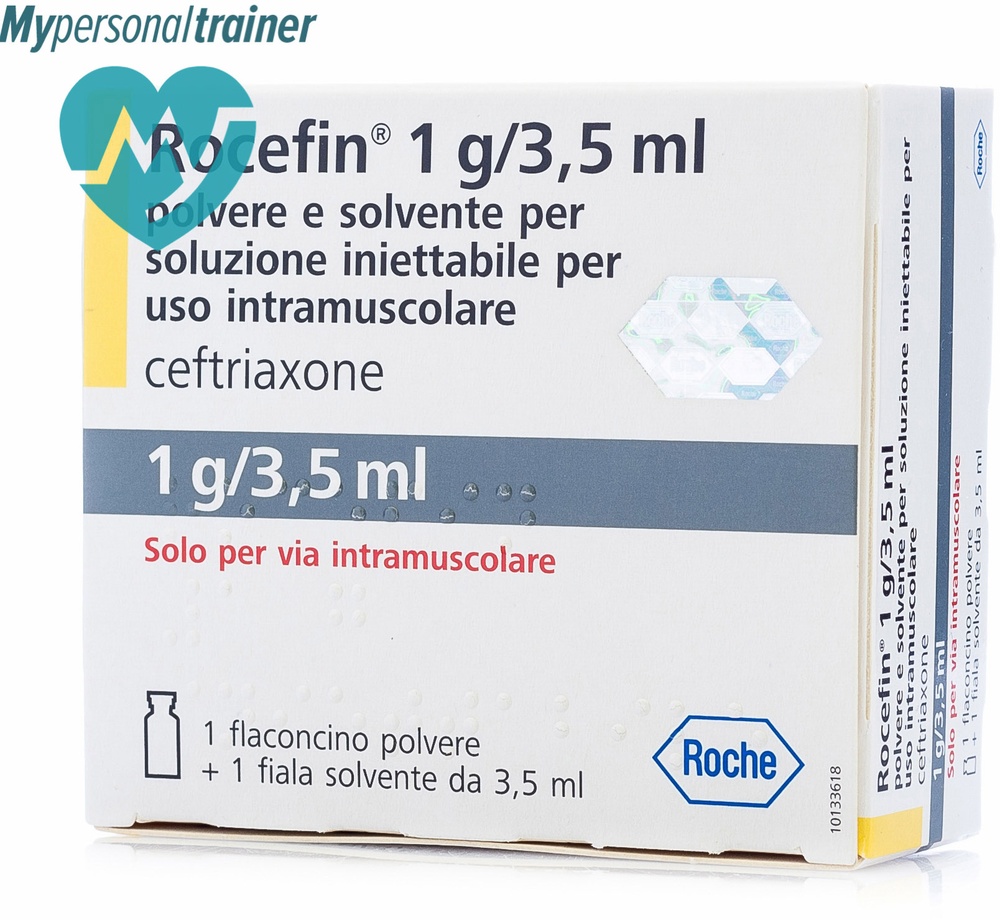
Rocefin 1 g/3.5 ml powder and solvent for injectable solution for intramuscular use
Ceftriaxone (as ceftriaxone sodium)
Lidocaine (as lidocaine hydrochloride)
Read this leaflet carefully before you are given this medicine because
it contains important information for you.
- Keep this leaflet. You may need to read it again.
- If you have any questions, ask your doctor, pharmacist or nurse.
- This medicine has been prescribed for you only. Do not pass it on to others, even if they have the same symptoms as you, as it may be harmful.
- If you get any side effects, even those not listed in this leaflet, tell your doctor, pharmacist or nurse. See section 4.
Contents of this leaflet:
- 1. What Rocefin is and what it is used for
- 2. What you need to know before you are given Rocefin
- 3. How Rocefin is administered
- 4. Possible side effects
- 5. How to store Rocefin
- 6. Contents of the pack and other information
1. What Rocefin is and what it is used for
Rocefin is an antibiotic administered to adults and children (including newborns). It works by killing the
bacteria that cause infections. It belongs to a group of medicines called cephalosporins. Rocefin
is administered by injection into a muscle in a solution containing lidocaine, which reduces the
pain associated with the injection.
Rocefin is used to treat infections:
- of the brain (meningitis).
- of the lungs.
- of the middle ear.
- of the abdomen and abdominal wall (peritonitis).
- of the urinary tract and kidneys.
- of the bones and joints.
- of the skin or soft tissues.
- of the blood.
- of the heart.
It can be administered:
- to treat specific sexually transmitted infections (gonorrhea and syphilis).
- to treat patients with a low number of white blood cells in the blood (neutropenia) who have a fever due to bacterial infection.
- to treat chest infections in adults with chronic bronchitis.
- to treat Lyme disease (caused by tick bites) in adults and children, including newborns from 15 days of life.
- to prevent infections during a surgical procedure.
2. What you need to know before you are given Rocefin
You must not be given Rocefin if:
- you are allergic to ceftriaxone or any of the other ingredients of this medicine (listed in section 6).
- you have had a sudden or severe allergic reaction to penicillin or similar antibiotics (such as cephalosporins, penicillins, monobactams and carbapenems). Possible signs include a sudden swelling of the throat or face, which can make it difficult to breathe or swallow, a sudden swelling of hands, feet and ankles, and a severe skin rash that develops rapidly.
- you are allergic to lidocaine and Rocefin is to be given to you by injection into a muscle.
- you suffer from an abnormality in the propagation of the impulse in the heart that causes a decrease in blood pressure and a slowing of the heart rate (complete atrioventricular block).
- you suffer from a state of reduced blood volume (hypovolemia).
Rocefin must not be given to children in the following cases:
- the child is premature.
- the child is a newborn (up to 28 days of life) and has some blood problems or jaundice (yellowing of the skin or the white of the eye) or must receive through a vein a product containing calcium. Warnings and precautionsConsult your doctor, pharmacist or nurse before you are given Rocefin if:
- you have recently received or are about to receive products containing calcium.
- you have recently had problems with diarrhea after taking an antibiotic. You have had problems with the intestines, in particular colitis (inflammation of the intestine).
- you suffer from problems with the liver or kidneys (see section 4).
- you have gallstones or kidney stones - you have other diseases, for example hemolytic anemia (a reduction in red blood cells that can make the skin pale yellow and cause weakness or shortness of breath).
- you are following a low-sodium diet.
- you suffer from loss of muscle function and weakness (myasthenia gravis).
- you suffer from seizures (epilepsy).
- you suffer from any heart problem, especially if this affects the heart rate.
- you have breathing problems.
- you suffer from porphyria (a rare hereditary disease that affects the skin and nervous system)
- you experience or have experienced in the past any combination of the following symptoms: skin rash, skin redness, blistering on lips, eyes and mouth, skin peeling, high fever, flu-like symptoms, increased levels of liver enzymes detectable in blood tests and increased of a type of white blood cells (eosinophilia) and enlargement of the lymph nodes (signs of severe skin reactions, see also section 4 “Possible side effects”).
If you are to undergo a blood or urine test
If you are given Rocefin for a prolonged period, you may need to undergo
regular blood tests. Rocefin can affect the results of urine tests related to
sugar and a blood test known as the Coombs test. If you are about to undergo tests:
- inform the person taking your sample that you have been given Rocefin.
If you are diabetic or need monitoring of blood glucose levels, you should not use some
blood glucose monitoring systems that may detect blood glucose incorrectly during treatment with ceftriaxone. If you are using such systems, check the
instructions for use and inform your doctor, pharmacist or nurse. If necessary, alternative analysis methods must be used.
Children
Consult your doctor, pharmacist or nurse before giving Rocefin to the child if:
- the child has recently received or is about to receive through a vein a product containing calcium.
Other medicines and Rocefin
Tell your doctor, pharmacist or nurse if you are taking, have recently taken or may
take any other medicines.
In particular, tell your doctor or pharmacist if you are taking any of the following medicines, as
they may interact with ceftriaxone:
- a type of antibiotic called an aminoglycoside.
- an antibiotic called chloramphenicol (used in the treatment of infections, especially eye infections). Several drugs can interact with lidocaine, resulting in altered effects. These drugs include:
- medicines used to treat infections (clarithromycin, erythromycin).
- medicines used in the treatment of stomach ulcers (e.g. cimetidine).
- potent painkillers such as codeine and pethidine (narcotic or opioid drugs).
- medicines used to treat irregular heart rate (e.g. mexiletine, tocainide).
Pregnancy,breastfeeding and fertility
If you are pregnant, suspect you are pregnant or are planning a pregnancy, or if you are breastfeeding
with breast milk, ask your doctor for advice before taking this medicine.
The doctor will assess the benefits that treatment with Rocefin would bring you and the possible risks to
the child.
Driving and operating machinery
Rocefin can cause dizziness. If you feel dizzy, do not drive and do not use tools or machinery.
Contact your doctor if you experience these symptoms.
Sodium content
Rocefin 1 g/3.5 ml contains 85.4 mg of sodium (the main component of table salt) per
1 g vial. This is equivalent to 4.3% of the recommended daily intake with
diet.
Rocefin 250 mg/2 ml contains less than 1 mmol (23mg) of sodium per 250 mg vial, i.e.
essentially ‘sodium-free’.
3. How Rocefin is administered
Rocefin is generally administered by a doctor or nurse via an injection
performed directly into a muscle. Rocefin will be prepared by a doctor, pharmacist or a
nurse and will not be mixed, nor will it be administered simultaneously with injections containing
calcium.
Usual dose
The doctor will determine the right dose of Rocefin for you. The dose will depend on the severity and type of
infection, any concomitant treatment with other antibiotics, your weight and age, the
degree of functioning of your kidneys and liver. The number of days or weeks during which
you will receive Rocefin will depend on the type of infection you have.
Adults, elderly and children aged 12 years or older with a body weight of 50 kilograms (kg) or more:
- 1 to 2 g once daily depending on the severity and type of infection. If you have a severe infection, the doctor will administer a higher dose (up to 4 g per day). If your daily dose is greater than 2 g, you may take it as a single dose once daily or as two separate doses.
Newborns, infants and children from 15 days to 12 years of age with a body weight less than 50 kg:
- 50-80 mg Rocefin once daily for each kg of the child's body weight depending on the severity and type of infection. If you have a severe infection, the doctor will prescribe a higher dose starting from 100 mg for each kg of body weight up to a maximum of 4 g per day. If your daily dose is greater than 2 g, you may take it as a single dose once daily or as two separate doses.
- children with a body weight of 50 kg or more should be administered the usual adult dose.
Newborns (0- 14 days of life)
- 20-50 mg Rocefin once daily for each kg of the newborn's body weight depending on the severity and type of infection.
- The maximum daily dose should not exceed 50 mg for each kg of the newborn's body weight.
People with liver and kidney problems
You may be given a different dose than usual. The doctor will decide the amount of
Rocefin you need and will monitor you carefully, depending on the severity of the liver and kidney disease.
If you take more Rocefin than you should
If you are accidentally administered more Rocefin than the prescribed dose, contact
your doctor or the nearest hospital immediately.
If you forget to take Rocefin
If you miss an injection, you should receive it as soon as possible. However, if it is almost time to receive the next
scheduled injection, skip the missed injection. Do not take a double dose (two injections
together) to make up for the missed dose.
If you stop taking Rocefin
Do not stop taking Rocefin unless your doctor tells you to. If you have any doubts
about the use of this medicine, ask your doctor or nurse.
4. Possible side effects
Like all medicines, this medicine can cause side effects, although not everybody gets them.
With this medicine you may experience the following side effects:
Treatment with ceftriaxone, especially in elderly patients with severe kidney failure or nervous system
diseases, may rarely cause a decrease in consciousness, abnormal movements, agitation and convulsions.
Serious allergic reactions (frequency not known, cannot be estimated based on available data)
If you have a serious allergic reaction, seek immediate medical attention.
Signs may include:
- sudden swelling of the face, throat, lips or mouth. This can make it difficult to breathe or swallow.
- sudden swelling of the hands, feet and ankles. Serious skin reactions (frequency not known, cannot be estimated based on available data)If you develop a serious skin reaction, tell your doctor immediately. Signs may include:
- Severe rash that develops rapidly, with blistering or peeling of the skin and possible blistering in the mouth (Stevens-Johnson syndrome and toxic epidermal necrolysis, also known by the acronyms SJS and TEN).
- Any combination of the following symptoms: widespread rash, high body temperature, increased liver enzymes, blood test abnormalities (eosinophilia), swollen lymph nodes and involvement of other organs of the body (drug reaction with eosinophilia and systemic symptoms, also known by the acronym DRESS or drug hypersensitivity syndrome).
- Jarisch-Herxheimer reaction, which can cause fever, chills, headache, muscle pain and rash, which generally resolves spontaneously. These symptoms occur shortly after starting treatment with Rocefin to treat infections from spirochetes such as Lyme disease.
Other possible side effects:
Common (may affect up to 1 in 10 people)
- White blood cell abnormalities (such as decreased leukocytes and increased eosinophils) and platelets (decreased thrombocytes).
- Soft stools or diarrhea.
- Changes in blood tests for liver function.
- Rash.
Uncommon (may affect up to 1 in 100 people)
- Fungal infections (for example, thrush).
- Decrease in the number of white blood cells (granulocytopenia).
- Decrease in the number of red blood cells (anemia).
- Blood clotting problems. Signs include easy bruising, joint pain and swelling.
- Headache.
- Dizziness.
- Nausea or vomiting.
- Itching.
- Pain or burning sensation along the vein where Rocefin was administered. Pain at the injection site.
- Fever.
- Abnormal values in kidney function tests (increased creatinine in the blood).
Rare (may affect up to 1 in 1,000 people)
- Inflammation of the large intestine (colon). Signs include diarrhea, often with blood and mucus, stomach pain and fever.
- Difficulty breathing (bronchospasm).
- Rash with wheals (urticaria) that can cover a large area of the body, associated with itching and swelling.
- Blood or sugar in the urine.
- Edema (fluid retention).
- Chills.
Frequency not known (frequency cannot be estimated based on available data)
- Secondary infections that may not respond to the prescribed antibiotic.
- A form of anemia characterized by the destruction of red blood cells (hemolytic anemia).
- Severe decrease in the number of white blood cells (agranulocytosis).
- Convulsions.
- Vertigo.
- Inflammation of the pancreas (pancreatitis). Signs include severe stomach pain that extends to the back.
- Inflammation of the oral mucosa (stomatitis).
- Inflammation of the tongue (glossitis). Signs include swelling, redness and irritation of the tongue.
- Problems with the gallbladder and/or liver, which can cause pain, nausea and vomiting, yellowing of the skin, itching, unusually dark urine and clay-colored stools.
- A neurological condition that can develop in newborns with severe jaundice (Kernicterus).
- Kidney problems caused by calcium-ceftriaxone deposits. Pain may occur when urinating, or the amount of urine produced may decrease.
- A false positive result to the Coombs test (a test to detect blood problems).
- A false positive result for galactosemia (an abnormal accumulation of galactose sugar).
- Rocefin may interfere with some types of tests to measure blood glucose; check with your doctor. After accidental injection of lidocaine into a blood vessel during intramuscular administration of Rocefin i.m., other side effects may occur, including:
Frequency not known (frequency cannot be estimated based on available data)
- Changes in heart rate and rhythm.
- Low blood pressure.
- Slowing of the heart rate (below 60 beats/minute).
- Interruption of normal blood circulation due to cardiac arrest and decreased blood flow.
- Loss of balance, tingling around the mouth, numbness of the tongue, difficulty tolerating everyday sounds (hyperacusis), ringing in the ears (tinnitus), dizziness or lightheadedness, confusion, nervous agitation, involuntary rhythmic muscle contractions, convulsions or seizures, deep state of unconsciousness (coma).
- Blurred vision, double vision or temporary loss of vision.
- Feeling unwell (Nausea or vomiting).
- Difficulty breathing.
- Decreased breathing rate or possible cessation of breathing.
- An unusual feeling of sleepiness or fatigue during the day or fainting.
Reporting of side effects
If you get any side effects, even those not listed in this leaflet, tell your
doctor, pharmacist or nurse. You can also report side effects directly
through the national reporting system at https://www.aifa.gov.it/content/segnalazioni-
reazioni-avverse. By reporting side effects you can help provide more information
about the safety of this medicine.
5. How to store Rocefin
Keep this medicine out of the sight and reach of children.
Do not use this medicine after the expiry date which is stated on the package and on the label of the
vial, after “Exp.”. The expiry date refers to the last day of that month.
Do not store at a temperature above 30 °C. Keep the vials in the outer packaging to
protect them from light.
The chemical and physical stability during use of the reconstituted product has been demonstrated for at least 6 hours at
a temperature equal to or less than 25 °C, or 24 hours at a temperature of 2-8 °C.
From a microbiological point of view, the product must be used immediately. If not used
immediately, the storage period and conditions before use are the responsibility of
the user and must not exceed the times indicated above for chemical and physical stability during
use.
Do not dispose of any medicine in the wastewater. Ask your pharmacist how to dispose of medicines that
you no longer use. This will help protect the environment.
6. Contents of the pack and other information
What Rocefin contains
Rocefin 1 g/3.5 ml powder and solvent for injectable solution for intramuscular use
The active ingredients are ceftriaxone and lidocaine.
Each vial contains 1g (gram) of ceftriaxone as ceftriaxone sodium.
Each ampoule contains 35 mg (milligrams) of lidocaine hydrochloride in 3.5 ml.
The displacement volume of 1 g of Rocefin is 0.71 ml in a 1% lidocaine hydrochloride solution.
Adding 3.5 ml of 1% lidocaine hydrochloride solution, the final concentration of the reconstituted solution
is 237.53 mg/ml.
Rocefin 250 mg/2 ml powder and solvent for injectable solution for intramuscular use
The active ingredients are ceftriaxone and lidocaine.
Each vial of powder contains 250 mg of ceftriaxone as ceftriaxone sodium.
Each ampoule contains 20 mg of lidocaine hydrochloride in 2 ml.
The displacement volume of 250 g of Rocefin is 0.18 ml in a 1% lidocaine hydrochloride solution.
Adding 2 ml of 1% lidocaine hydrochloride solution, the final concentration of the reconstituted solution
is 114.68 mg/ml.
Rocefin must not be mixed with other medicines in the same syringe.
Description of the appearance of Rocefin and contents of the pack
Rocefin consists of a powder and solvent for injectable solution.
The powder is from white to yellowish-orange in colour. The solvent is clear and colourless.
Rocefin is available in packs of 1 or 5 vials and 1 or 5 ampoules.
Not all pack sizes may be marketed.
Marketing Authorisation Holder
Roche S.p.A. - Viale G.B. Stucchi 110, 20900 Monza (MB).
Manufacturer
DELPHARM MILANO S.R.L.
Via Carnevale, 1
20090 Segrate (MI)
Roche S.p.A.
Viale G.B. Stucchi, 110
20900 Monza (MB)
This medicinal product is authorised in the Member States of the European Economic Area with the
following denominations:
Rocefin 1 g/3.5 ml powder and solvent for injectable solution for intramuscular use
Belgium, Luxembourg: Rocephine IM + Lidocaine
Finland, Sweden: Rocephalin
Netherlands, Portugal: Rocephin IM
Italy: Rocefin
France: Rocephine
Ireland: Rocephin
Rocephin 250/2 ml mg powder and solvent for injectable solution for intramuscular use
Portugal: Rocephin IM
Italy: Rocefin
Rocefin 2 g powder for solution for infusion, 1 g powder for injectable solution/for infusion
ceftriaxone (as ceftriaxone sodium)
Read this leaflet carefully before you are given this medicine as it contains important information for you.
- Keep this leaflet. You may need to read it again.
- If you have any questions, ask your doctor, pharmacist or nurse.
- This medicine has been prescribed for you only. Do not pass it on to others, even if they have the same symptoms as you, as it may be harmful.
- If you get any side effects, even those not listed in this leaflet, tell your doctor, pharmacist or nurse. See section 4.
Contents of this leaflet:
- 1. What Rocefin is and what it is used for
- 2. What you need to know before you are given Rocefin
- 3. How Rocefin is given
- 4. Possible side effects
- 5. How to store Rocefin
- 6. Contents of the pack and other information
1. What is Rocefin and what is it used for
Rocefin contains the active substance ceftriaxone which is an antibiotic administered to adults and
children (including newborns). It works by killing the bacteria that cause infections. It belongs to a
group of medicines called cephalosporins.
Rocefin is used to treat infections:
- of the brain (meningitis).
- of the lungs.
- of the middle ear.
- of the abdomen and abdominal wall (peritonitis).
- of the urinary tract and kidneys.
- of the bones and joints.
- of the skin or soft tissues.
- of the blood.
- of the heart.
It can be administered:
- to treat specific sexually transmitted infections (gonorrhea and syphilis).
- to treat patients with a low number of white blood cells in the blood (neutropenia) who have a fever due to bacterial infection.
- to treat chest infections in adults with chronic bronchitis.
- to treat Lyme disease (caused by tick bites) in adults and children, including newborns from 15 days of life.
- to prevent infections during a surgical procedure.
2. What you need to know before you are given Rocefin
You must not be given Rocefin if:
- you are allergic to ceftriaxone or any of the other ingredients of this medicine (listed in section 6).
- you have had a sudden or severe allergic reaction to penicillin or similar antibiotics (such as cephalosporins, penicillins, monobactams and carbapenems). Possible signs include a sudden swelling of the throat or face, which can make it difficult to breathe or swallow, a sudden swelling of hands, feet and ankles, and a severe skin rash that develops rapidly.
- you are allergic to lidocaine and Rocefin is to be given to you by injection into a muscle.
Rocefin must not be given to children in the following cases:
- the child is premature.
- the child is a newborn (up to 28 days old) and has certain blood problems or jaundice (yellowing of the skin or the white of the eye) or needs to receive a product containing calcium through a vein.
Warnings and precautions
Talk to your doctor, pharmacist or nurse before you are given Rocefin if:
- you have recently received or are about to receive products containing calcium.
- you have recently had problems with diarrhoea after taking an antibiotic. You have had problems with your intestines, in particular colitis (inflammation of the intestine).
- you suffer from problems with your liver or kidneys.
- you have gallstones or kidney stones.
- you have other illnesses, for example hemolytic anemia (a reduction of red blood cells that can make the skin pale yellow and cause weakness or shortness of breath).
- you are on a low-sodium diet.
- you experience or have experienced in the past any combination of the following symptoms: skin rash, skin redness, blisters on lips, eyes and mouth, skin peeling, high fever, flu-like symptoms, increased levels of liver enzymes detectable in blood tests and an increase in a type of white blood cells (eosinophilia) and swollen lymph nodes (signs of severe skin reactions, see also section 4 “Possible side effects”).
If you are going to have a blood or urine test
If you are given Rocefin for a prolonged period, you may need to have
regular blood tests. Rocefin can affect the results of urine tests related to
sugar and a blood test known as the Coombs test. If you are about to have tests:
- tell the person taking your sample that you have been given Rocefin.
If you are diabetic or need to monitor your blood glucose levels, you should not use some
blood glucose monitoring systems that may detect blood glucose incorrectly during treatment with ceftriaxone. If you use such systems, check the instructions for
use and inform your doctor, pharmacist or nurse. If necessary, alternative methods of
analysis should be used.
Children
Talk to your doctor, pharmacist or nurse before giving Rocefin to a child if:
- the child has recently received or is about to receive a product containing calcium through a vein.
Other medicines and Rocefin
Tell your doctor, pharmacist or nurse if you are taking, have recently taken or might
take any other medicines.
In particular, tell your doctor or pharmacist if you are taking any of the following medicines:
- a type of antibiotic called an aminoglycoside.
- an antibiotic called chloramphenicol (used to treat infections, particularly eye infections).
Pregnancy,breastfeeding and fertility
If you are pregnant, suspect you are pregnant or are planning to become pregnant, or if you are breastfeeding
with breast milk, ask your doctor for advice before taking this medicine.
The doctor will assess the benefits of treatment with Rocefin for you and the possible risks to the
child.
Driving and operating machinery
Rocefin can cause dizziness. If you feel dizzy, do not drive and do not use tools or machinery.
Contact your doctor if you experience these symptoms.
Rocefin contains sodium
Rocefin 2 g powder for solution for infusion
Rocefin 2 g powder for solution for infusion contains 169.1 mg of sodium (the main component
of table salt) per vial of 2 g. This is equivalent to 8.5% of the maximum recommended daily intake of sodium with the diet of an adult.
Rocefin 1 g powder for solution for injection/for infusion
Rocefin 1 g powder for solution for injection/for infusion contains 85.4 mg of sodium (main component
of table salt) per vial of 1 g, equivalent to 4.3% of the maximum daily
recommended intake of sodium with the diet of an adult.
3. How Rocefin is administered
Rocefin is generally administered by a doctor or nurse via
- an intravenous drip (infusion) or through an injection directly into a vein. Rocefin will be prepared by a doctor, pharmacist or nurse and will not be mixed, nor will it be administered simultaneously with injections containing calcium.
Usual dose
The doctor will determine the right dose of Rocefin for you. The dose will depend on the severity and type of
infection, any concurrent treatment with other antibiotics, your weight and age, the
degree of function of your kidneys and liver. The number of days or weeks during which
you will receive Rocefin will depend on the type of infection you have.
Adults, elderly and children aged 12 years or older with a body weight of 50 kilograms (kg) or more:
- 1 to 2 g once a day depending on the severity and type of infection. If you have a severe infection, the doctor will administer a higher dose (up to 4 g per day). If your daily dose is greater than 2 g, you may take it as a single dose once a day or as two separate doses.
Newborns, infants and children from 15 days to 12 years of age with a body weight less than 50 kg:
- 50-80 mg Rocefin once a day for each kg of the child's body weight depending on the severity and type of infection. If you have a severe infection, the doctor will prescribe a higher dose starting from 100 mg for each kg of body weight up to a maximum of 4 g per day. If your daily dose is greater than 2 g, you may take it as a single dose once a day or as two separate doses.
- children with a body weight of 50 kg or more should be given the usual adult dose.
Newborns (0- 14 days of life)
- 20-50 mg Rocefin once a day for each kg of the newborn's body weight depending on the severity and type of infection.
- The maximum daily dose should not exceed 50 mg for each kg of the newborn's body weight. People with liver and kidney problemsYou may be given a different dose than usual. The doctor will decide the amount of Rocefin you need and will monitor you closely, depending on the severity of the liver and kidney disease.
If you take more Rocefin than you should
If you are accidentally given more Rocefin than the prescribed dose, contact
your doctor or the nearest hospital immediately.
If you forget to take Rocefin
If you miss an injection, you should receive it as soon as possible. However, if it is almost time to receive the next
scheduled injection, skip the missed injection. Do not take a double dose (two injections
together) to make up for the missed dose.
If you stop taking Rocefin
Do not stop taking Rocefin unless your doctor tells you to. If you have any doubts
about the use of this medicine, ask your doctor or nurse.
4. Possible side effects
Like all medicines, this medicine can cause side effects, although not everyone will experience them.
You may experience the following side effects with this medicine:
Serious allergic reactions (frequency not known, cannot be estimated based on available data)
If you have a severe allergic reaction, seek medical attention immediately.
Signs may include:
- sudden swelling of the face, throat, lips or mouth. This can make it difficult to breathe or swallow.
- sudden swelling of the hands, feet and ankles.
Serious skin reactions (frequency not known, cannot be estimated based on available data)
If you develop a serious skin reaction, inform a doctor immediately.
Signs may include:
- Severe rash that develops rapidly, with blistering or peeling of the skin and possible blistering in the mouth (Stevens-Johnson syndrome and toxic epidermal necrolysis, also known by the acronyms SJS and TEN).
- Any combination of the following symptoms: widespread rash, high body temperature, increased liver enzymes, abnormalities in blood tests (eosinophilia), enlarged lymph nodes and involvement of other organs of the body (drug reaction with eosinophilia and systemic symptoms, also known by the acronym DRESS or drug hypersensitivity syndrome).
- Jarisch-Herxheimer reaction, which can cause fever, chills, headache, pain
muscular and rash, which generally tends to resolve spontaneously. These
symptoms occur shortly after starting treatment with Rocefin to treat infections from
spirochetes such as Lyme disease.
Other possible side effects:
Common (may affect up to 1 in 10 people)
- Abnormalities of white blood cells (such as decreased leukocytes and increased eosinophils) and platelets (decreased thrombocytes).
- Soft stools or diarrhea.
- Changes in blood test results for liver function.
- Rash.
Uncommon (may affect up to 1 in 100 people)
- Fungal infections (for example, thrush).
- Decrease in the number of white blood cells (granulocytopenia).
- Reduction in the number of red blood cells (anemia).
- Blood clotting problems. Signs include easy bruising, joint pain and swelling.
- Headache.
- Dizziness.
- Nausea or vomiting.
- Itching.
- Pain or burning sensation along the vein where Rocefin was administered. Pain at the injection site.
- Fever.
- Abnormal values in kidney function tests (increased creatinine in the blood).
Rare (may affect up to 1 in 1,000 people)
- Inflammation of the large intestine (colon). Signs include diarrhea, often with blood and mucus, stomach pain and fever.
- Difficulty breathing (bronchospasm).
- Rash with wheals (urticaria) that can cover a large area of the body, associated with itching and swelling.
- Blood or sugar in the urine.
- Edema (fluid retention).
- Chills.
Frequency not known (cannot be estimated based on available data)
- Secondary infections that may not respond to the prescribed antibiotic.
- A form of anemia characterized by the destruction of red blood cells (hemolytic anemia).
- Severe decrease in the number of white blood cells (agranulocytosis).
- Convulsions.
- Vertigo.
- Inflammation of the pancreas (pancreatitis). Signs include severe stomach pain that extends to the back.
- Inflammation of the oral mucosa (stomatitis).
- Inflammation of the tongue (glossitis). Signs include swelling, redness and irritation of the tongue.
- Problems with the gallbladder and/or liver, which can cause pain, nausea, vomiting, yellowing of the skin, itching, unusually dark urine and clay-colored stools.
- A neurological condition that can develop in newborns with severe jaundice (Kernicterus).
- Kidney problems caused by calcium-ceftriaxone deposits. Pain may occur when urinating, or the amount of urine produced may be reduced.
- A false positive Coombs test (a test to detect blood problems).
- A false positive for galactosemia (an abnormal accumulation of galactose sugar).
- Rocefin may interfere with some types of tests to measure blood glucose; check with your doctor.
Reporting of side effects
If you experience any side effects, including those not listed in this leaflet, please inform
your doctor, pharmacist or nurse. You can also report side effects directly
through the national reporting system at
https://www.aifa.gov.it/content/segnalazioni-reazioni-avverse . By reporting side effects you
can help provide more information on the safety of this medicine.
5. How to store Rocefin
Keep this medicine out of the sight and reach of children.
Do not use this medicine after the expiry date which is stated on the package and on the label of the
vial or bottle, after “Exp.”. The expiry date refers to the last day of that month.
Do not store at a temperature above 30 °C. Keep the vial or bottle in the outer packaging
to protect it from light.
The chemical and physical stability during use of the reconstituted product has been demonstrated for at least 6 hours at
a temperature equal to or less than 25 °C, or up to 24 hours at a temperature of 2-8 °C.
From a microbiological point of view, the product must be used immediately. If not used
immediately, the storage period and conditions before use are the responsibility of the
user and must not exceed the times indicated above for the chemical and physical stability during
use.
Do not dispose of any medicine in wastewater. Ask your pharmacist how to eliminate medicines that
you no longer use. This will help protect the environment.
6. Contents of the pack and other information
What Rocefin contains
Rocefin 2 g powder for solution for infusion
The active ingredient is ceftriaxone.
Each vial contains 2 g (grams) of ceftriaxone as ceftriaxone sodium.
There are no other excipients.
The displacement volume of 2 g of Rocefin is 1.37 ml in water for injections.
Adding 40 ml of water for injections, the final concentration of the reconstituted solution is 48.34 mg/ml.
Rocefin 1 g powder for injectable solution/for infusion
The active ingredient is ceftriaxone.
Each vial contains 1 g (gram) of ceftriaxone as ceftriaxone sodium
There are no other excipients.
The displacement volume of 1 g of Rocefin is 0.71 ml in water for injections and 1% lidocaine hydrochloride solution. When 10 ml of water for injections are added, the final concentration of the reconstituted solution is 93.37 mg/ml. When 3.5 ml of 1% lidocaine hydrochloride solution is added, the final concentration of the reconstituted solution is 237.53 mg/ml.
Description of the appearance of Rocefin and contents of the pack
Rocefin 2 g powder for solution for infusion
Rocefin consists of a powder for solution for infusion
Rocefin 1 g powder for injectable solution/for infusion
Rocefin consists of a powder for injectable or infusion solution
The powder is from white to yellowish-orange in color.
Rocefin is available in packs containing 1 vial.
Marketing Authorisation Holder
Roche S.p.A. - Viale G.B. Stucchi 110, 20900 Monza (MB).
Manufacturer
Rocefin 2 g powder for solution for infusion
Roche S.p.A.
Viale G.B. Stucchi, 110
20900 Monza (MB)
Rocefin 1 g powder for injectable solution/for infusion
Roche S.p.A.
Viale G.B. Stucchi, 110
20900 Monza (MB)
Delpharm Milano S.r.l.
Via Carnevale, 1
20090 Segrate (MI)
Italy
Roche Pharma AG
Emil-Barell-Strasse 1
79639 Grenzach-Wyhlen
Germany
Roche S.A
Rue Dante 75
1070 Bruxelles
Belgium
Roche
4 Cours de I’lle Seguin
92650 Boulogne Billancourt Cedex
France
This medicinal product is authorised in the Member States of the European Economic Area with the
following denominations:
Rocefin 2 g powder for solution for infusion
Belgium, Luxembourg: Rocephine
Denmark, Iceland: Rocephalin
Italy: Rocefin
Rocefin 1 g powder for injectable solution/for infusion
Ireland: Roephin
Italy: Rocefin
----------------------------------------------------------------------------------------------------------------------
The following information is intended exclusively for healthcare professionals:
1 g powder for injectable solution/for infusion
Please refer to the Summary of Product Characteristics for complete prescribing information.
Posology
The dose varies according to the severity, the level of sensitivity, the site and type of infection, the age and the hepatic-renal function of the patient.
The recommended doses in the following tables are the doses generally recommended in these indications. In particularly severe cases, doses falling within the upper limits of the recommended range should be considered.
Adults and children over 12 years of age (≥ 50kg)
| Ceftriaxone dosage* | Treatment frequency** | a Indications |
| 1-2 g | Once a day t I | Community-acquired pneumonia |
| Acute exacerbations of chronic obstructive bronchopneumonia | ||
| Intra-abdominal infections | ||
| Complicated urinary tract infections (including pyelonephritis) | ||
| 2 g | Once a day | Hospital-acquired pneumonia |
| Complicated skin and soft tissue infections | ||
| Bone and joint infections | ||
| 2-4 g n | i z Once a day | Treatment of neutropenic patients with fever where bacterial infection is suspected |
| Bacterial endocarditis | ||
| Bacterial meningitis |
* In documented bacteremia, the upper limits of the recommended dose range should be considered.
** In the case of administration at doses greater than 2 g per day, administration twice a day (every 12 hours) may be considered.
Indications for adults and children over 12 years of age (≥ 50 kg) requiring specific dosing regimens:
Acute otitis media
A single intramuscular dose of Rocefin 1-2 g may be administered. Limited data suggest that in severely ill patients or in case of previous therapy failure, Rocefin may be effective when administered intramuscularly at a daily dose of 1-2 g for 3 days.
Prophylaxis pre-operative infections of the surgical site
2 g in a single pre-operative administration.
Gonorrhoea
500 mg administered as a single intramuscular dose.
Syphilis
The generally recommended doses are 500 mg-1 g once a day, increasing to 2 g once a day for neurosyphilis, for 10-14 days. Dose recommendations for syphilis, including neurosyphilis, are based on limited data. Refer to national or local guidelines.
Disseminated Lyme borreliosis (early [stage II] and late [stage III])
2 g once a day for 14-21 days. The recommended duration of treatment is variable and reference should be made to national or local guidelines.
Paediatric population
Neonates, infants and children from 15 days of life to 12 years of age (< 50kg)
Children with a body weight of 50 kg or more should be administered the usual adult dosage.
* In documented bacteremia, the upper limits of the dose range should be considered.
** In the case of administration at doses greater than 2g per day, administration twice a day (every 12 hours) may be considered.
| Ceftriaxone dosage* | Treatment frequency** | i Indications |
| 50-80 mg/kg | l Once a day a t I | Intra-abdominal infections |
| Complicated urinary tract infections (including pyelonephritis) | ||
| Community-acquired pneumonia | ||
| Hospital-acquired pneumonia | ||
| 50-100 mg/kg (max 4 g) | Once a day i | Complicated skin and soft tissue infections |
| Bone and joint infections | ||
| Treatment of neutropenic patients with fever where bacterial infection is suspected | ||
| 80-100 mg/kg (max 4 g) | z Once a day | Bacterial meningitis |
| n 100 mg/kg (max 4 g) | Once a day | Bacterial endocarditis |
Indications for neonates, infants and children from 15 days of life to 12 years (<50 kg) requiring specific dosing regimens:
Acute otitis media
For the initial treatment of acute otitis media, a single intramuscular dose of Rocefin 50 mg/kg may be administered. Limited data suggest that in severely ill children or in case of initial therapy failure, Rocefin may be effective when administered intramuscularly at a daily dose of 50 mg/kg for 3 days.
Prophylaxis pre-operative infections of the surgical site
50-80 mg/kg in a single pre-operative administration.
Syphilis
The generally recommended doses are 75-100 mg/kg (max 4 g) once a day for 10-14 days. Dose recommendations for syphilis, including neurosyphilis, are based on very limited data. Refer to national or local guidelines.
Disseminated Lyme borreliosis (early [stage II] and late [stage III])
50-80 mg/kg once a day for 14-21 days. The recommended duration of treatment is variable and reference should be made to national or local guidelines.
Neonates from 0to 14 days of life
Rocefin is contraindicated in premature neonates up to a post-menstrual age of 41 weeks (gestational age + chronological age).
| Ceftriaxone dosage* | Treatment frequency | a Indications |
| 20-50 mg/kg | Once a day l a t | n Intra-abdominal infections |
| Complicated skin and soft tissue infections | ||
| a Complicated urinary tract infections (including pyelonephritis) | ||
| i Community-acquired pneumonia | ||
| Hospital-acquired pneumonia | ||
| Bone and joint infections | ||
| Treatment of neutropenic patients with fever where bacterial infection is suspected | ||
| 50 mg/kg | I Once a day | Bacterial meningitis |
| Bacterial endocarditis |
* In documented bacteremia, the upper limits of the dose range should be considered.
The maximum daily dose of 50 mg/Kg should not be exceeded.
Indications for neonates of 0-14 days of life requiring specific dosing regimens:
Acute otitis media
For the initial treatment of acute otitis media, a single intramuscular dose of Rocefin 50 mg/kg may be administered.
Prophylaxis pre-operative infections of the surgical site
20-50 mg/kg in a single pre-operative administration.
Syphilis
The generally recommended dose is 50 mg/kg once a day for 10-14 days. Dose recommendations for syphilis, including neurosyphilis, are based on very limited data. Refer to national or local guidelines.
Duration of therapy
The duration of therapy varies in relation to the course of the disease. As with other antibiotic therapies, treatment with ceftriaxone should be continued for 48-72 hours after the patient becomes afebrile or after bacterial eradication has been demonstrated.
Elderly patients
The recommended dosages for adults do not require any correction in elderly patients, provided that renal and hepatic function is satisfactory.
Patients with hepatic impairment
According to the available data, in case of mild to moderate hepatic impairment, there is no need to correct the dose, provided that renal function is not impaired.
There are no data from studies conducted on patients with severe hepatic impairment (see section 5.2).
Patients with renal impairment
In patients with renal impairment, it is not necessary to reduce the dosage of ceftriaxone if hepatic function is not impaired. Only in case of pre-terminal renal insufficiency (creatinine clearance < 10 ml/min) the dosage of ceftriaxone should not exceed 2 g per day.
In patients on dialysis, no additional administration is required after dialysis. Ceftriaxone is not removed during peritoneal dialysis or haemodialysis. Careful clinical monitoring of safety and efficacy is recommended.
Patients with severe hepatic and renal impairment
In patients presenting with both renal and hepatic impairment, careful clinical monitoring of safety and efficacy is recommended.
Route of administration
Intramuscular administration
For deep intramuscular injection. Intramuscular injections should be administered well within the mass of a relatively large muscle and no more than 1 g should be injected at one site.
Since the solvent used is lidocaine, the resulting solution should never be administered intravenously.
The information contained in the Summary of Product Characteristics of lidocaine must be taken into consideration
Intravenous administration
Rocefin can be administered by intravenous infusion lasting at least 30 minutes (preferred route of administration) or by slow intravenous injection lasting 5 minutes, intermittent intravenous injection should be performed over 5 minutes preferably in large veins. Intravenous doses of 50 mg/kg or more in children up to 12 years must be administered by infusion. In neonates, to reduce the potential risk of bilirubin encephalopathy, intravenous doses should be administered over 60 minutes to reduce the potential risk of bilirubin encephalopathy. Intramuscular injections should be performed when the intravenous route is not feasible or if it is the least appropriate for the patient. For administrations at doses higher than 2 g, the intravenous route of administration must be used.
Ceftriaxone is contraindicated in neonates (≤ 28 days) who require (or are likely to require) treatment with intravenous solutions containing calcium, including continuous infusions containing calcium, for example for parenteral nutrition, due to the risk of calcium-ceftriaxone precipitate formation.
For pre-operative prophylaxis of surgical site infections, ceftriaxone should be administered 30-90 minutes before surgery.
Instructions for Use
It is recommended to use solutions prepared immediately before use.
For storage conditions of the reconstituted medicine, consult the section "How to store
Rocefin”
Rocefin must not be mixed in the same syringe with any other drug. The infusion line
must be flushed after each administration.
Intramuscular injection:1g of Rocefin must be dissolved in 3.5 ml of 1% lidocaine
hydrochloride solution. The vial must be gently rolled between the palms and visually inspected to
ensure that the resuspension is complete and that no particulate matter is present. The solution must be
administered by deep intramuscular injection. Doses greater than 1 g must be
divided and injected into more than one site.
Lidocaine solutions must not be administered intravenously.
Intravenous injection:1 g of Rocefin must be dissolved in 10 ml of water for injections.
The vial must be gently rolled between the palms and visually inspected to ensure that
the resuspension is complete and that no particulate matter is present. The injection must be administered
within 5 minutes, directly into the vein or through the tubing of an intravenous infusion.
Intravenous infusion:1 g of Rocefin must be dissolved in 10 ml of water for injections.
The vial must be gently rolled between the palms and visually inspected to ensure that
the resuspension is complete and that no particulate matter is present. The solution must be transferred into
one of the following calcium-free infusion fluids: 0.9% sodium chloride, 0.45% sodium chloride +
2.5% dextrose, 5% dextrose, 10% dextrose, 6% dextran in 5% dextrose, 6–
10% hydroxyethyl starch, water for injections. The infusion must be administered over at least 30
minutes.
Intravenous infusion: 2 g of Rocefin must be dissolved in 40 ml of one of the following
calcium-free infusion fluids: 0.9% sodium chloride, 0.45% sodium chloride + 2.5% dextrose, 5% dextrose,
10% dextrose, 6% dextran in 5% dextrose, 6–10% hydroxyethyl starch, water for injections. The vial must be gently rolled between the palms and visually inspected to
ensure that the resuspension is complete and that no particulate matter is present. The infusion must be
administered over at least 30 minutes.
The displacement volume of 1 g of Rocefin is 0.71 ml in water for injections and 1%
lidocaine hydrochloride solution. When 10 ml of water for injections are added, the
final concentration of the reconstituted solution is 93.37 mg/ml. When 3.5 ml of
1% lidocaine hydrochloride solution are added, the final concentration of the reconstituted solution is
237.53 mg/ml.
Solutions containing Rocefin must not be mixed with or added to solutions containing
other agents. In particular, Rocefin is incompatible with solutions containing calcium such as
Hartmann's solution and Ringer's solution. Diluents containing calcium (e.g. Ringer's solution or
Hartmann's solution) must not be used to reconstitute vials of ceftriaxone or
to further dilute a reconstituted vial for intravenous administration because a
precipitate may form. Precipitation of ceftriaxone-calcium may also occur when ceftriaxone is
mixed with solutions containing calcium in the same intravenous administration line. Therefore,
solutions containing ceftriaxone and calcium must not be mixed or administered
simultaneously.
Due to the high solubility of ceftriaxone, Rocefin dissolves immediately and completely
in the reconstituted solution. The reconstituted solution is a clear solution with a color ranging from yellow to
brownish-yellow.
Unused medicine and waste derived from such medicine must be disposed of in accordance with
Rocefin 1 g/10 ml powder and solvent for injectable solution for intravenous use
Ceftriaxone (as ceftriaxone sodium)
Read this leaflet carefully before you are given this medicine because
it contains important information for you.
- Keep this leaflet. You may need to read it again.
- If you have any questions, ask your doctor, pharmacist or nurse.
- This medicine has been prescribed for you only. Never give it to others, even if they have the same symptoms as you, as it may be harmful.
- If you get any side effects, even those not listed in this leaflet, tell your doctor, pharmacist or nurse. See section 4.
Contents of this leaflet:
- 1. What Rocefin is and what it is used for
- 2. What you need to know before you are given Rocefin
- 3. How Rocefin is given
- 4. Possible side effects
- 5. How to store Rocefin
- 6. Contents of the pack and other information
1. What Rocefin is and what it is used for
Rocefin contains the active substance ceftriaxone which is an antibiotic administered to adults and
children (including newborns). It works by killing the bacteria that cause infections. It belongs to a
group of medicines called cephalosporins.
Rocefin is used to treat infections:
- of the brain (meningitis).
- of the lungs.
- of the middle ear.
- of the abdomen and abdominal wall (peritonitis).
- of the urinary tract and kidneys.
- of the bones and joints.
- of the skin or soft tissues.
- of the blood.
- of the heart.
It can be administered:
- to treat specific sexually transmitted infections (gonorrhea and syphilis).
- to treat patients with a low number of white blood cells in the blood (neutropenia) who have a fever due to bacterial infection.
- to treat chest infections in adults with chronic bronchitis.
- to treat Lyme disease (caused by tick bites) in adults and children, including newborns from 15 days of life.
- to prevent infections during a surgical procedure.
2. What you need to know before you are given Rocefin
You must not be given Rocefin if:
- you are allergic to ceftriaxone or any of the other ingredients of this medicine (listed in section 6).
- you have had a sudden or severe allergic reaction to penicillin or similar antibiotics (such as cephalosporins, penicillins, monobactams and carbapenems). Possible signs include a sudden swelling of the throat or face, which can make it difficult to breathe or swallow, a sudden swelling of hands, feet and ankles, and a severe skin rash that develops rapidly.
- you are allergic to lidocaine and Rocefin is to be given to you by injection into a muscle.
Rocefin must not be given to children in the following cases:
- the child is premature.
- the child is a newborn (up to 28 days of life) and has certain blood problems or jaundice (yellowing of the skin or the white of the eye) or needs to receive a product containing calcium through a vein. Warnings and precautionsTalk to your doctor, pharmacist or nurse before you are given Rocefin if:
- you have recently received or are about to receive products containing calcium.
- you have recently had problems with diarrhoea after taking an antibiotic. You have had problems with your intestines, in particular colitis (inflammation of the intestine).
- you suffer from liver or kidney problems (see section 4).
- you have gallstones or kidney stones.
- you have other illnesses, for example hemolytic anemia (a reduction in red blood cells that can make the skin pale yellow and cause weakness or shortness of breath).
- you are on a low-sodium diet.
- you experience or have experienced in the past any combination of the following symptoms: skin rash, skin redness, blistering on lips, eyes and mouth, skin peeling, high fever, flu-like symptoms, increased levels of liver enzymes detectable in blood tests and an increase in a type of white blood cells (eosinophilia) and enlargement of the lymph nodes (signs of severe skin reactions, see also section 4 “Possible side effects”).
If you are to undergo a blood or urine test
If you are given Rocefin for a prolonged period, you may need to undergo
regular blood tests. Rocefin can affect the results of urine tests related to
sugar and a blood test known as the Coombs test. If you are about to undergo tests:
- inform the person taking your sample that you have been given Rocefin.
If you are diabetic or need to monitor your blood glucose levels, you should not use some
blood glucose monitoring systems that may detect blood glucose incorrectly during treatment with ceftriaxone. If you use such systems, check the
instructions for use and inform your doctor, pharmacist or nurse. If necessary, alternative methods of
analysis should be used.
Children
Talk to your doctor, pharmacist or nurse before giving Rocefin to a child if:
- the child has recently received or is about to receive a product containing calcium through a vein.
Other medicines and Rocefin
Tell your doctor, pharmacist or nurse if you are taking, have recently taken or might
take any other medicines.
In particular, tell your doctor or pharmacist if you are taking any of the following medicines:
- a type of antibiotic called an aminoglycoside.
- an antibiotic called chloramphenicol (used to treat infections, especially eye infections).
Pregnancy,breastfeeding and fertility
If you are pregnant, suspect you may be pregnant or are planning to become pregnant, or if you are breastfeeding
with breast milk, ask your doctor for advice before taking this medicine.
The doctor will assess the benefits of treatment with Rocefin for you and the possible risks to the
child.
Driving and operating machinery
Rocefin can cause dizziness. If you feel dizzy, do not drive and do not use tools or machinery.
Contact your doctor if you experience these symptoms.
Sodium content
This medicine contains 85.4 mg of sodium (the main component of table salt) per
1 g vial. This is equivalent to 4.3% of the maximum recommended daily intake with the
diet of an adult.
3. How Rocefin is administered
Rocefin is generally administered by a doctor or nurse via an intravenous infusion (intravenous
infusion) or via an injection directly into a vein. Rocefin will be prepared by a
doctor, pharmacist or nurse and will not be mixed, nor will it be administered
simultaneously with injections containing calcium.
Usual dose
The doctor will determine the right dose of Rocefin for you. The dose will depend on the severity and type of
infection, any concomitant treatment with other antibiotics, your weight and age, the
degree of functioning of your kidneys and liver. The number of days or weeks during which
you will receive Rocefin will depend on the type of infection you have.
Adults, elderly and children aged 12 years or older with a body weight of 50 kilograms (kg) or more:
- 1 to 2 g once a day depending on the severity and type of infection. If you have a severe infection, the doctor will administer a higher dose (up to 4 g per day). If your daily dose is greater than 2 g, you may take it as a single dose once a day or as two separate doses.
Newborns, infants and children from 15 days to 12 years of age with a body weight less than 50 kg:
- 50-80 mg Rocefin once a day for each kg of the child's body weight depending on the severity and type of infection. If you have a severe infection, the doctor will prescribe a higher dose starting from 100 mg per each kg of body weight up to a maximum of 4 g per day. If your daily dose is greater than 2 g, you may take it as a single dose once a day or as two separate doses.
- children with a body weight of 50 kg or more should be given the usual adult dose.
Newborns (0- 14 days of life)
- 20-50 mg Rocefin once a day for each kg of the newborn's body weight depending on the severity and type of infection.
- The maximum daily dose should not exceed 50 mg per each kg of the newborn's body weight.
People with liver and kidney problems
You may be given a different dose than usual. The doctor will decide how much
Rocefin you will need and will monitor you closely, depending on the severity of the disease
of the liver and kidneys.
If you take more Rocefin than you should
If you are accidentally given more Rocefin than the prescribed dose, contact
your doctor or the nearest hospital immediately.
If you forget to take Rocefin
If you miss an injection, you should receive it as soon as possible. However, if it is almost time to receive the next
scheduled injection, skip the missed injection. Do not take a double dose (two injections
together) to make up for the missed dose.
If you stop taking Rocefin
Do not stop taking Rocefin unless your doctor tells you to. If you have any doubts
about the use of this medicine, ask your doctor or nurse.
4. Possible side effects
Like all medicines, this medicine can cause side effects, although not everybody gets them.
With this medicine you may experience the following side effects:
Treatment with ceftriaxone, especially in elderly patients with severe kidney failure or nervous system
diseases, can rarely cause a decrease in consciousness, abnormal movements, agitation and convulsions.
Serious allergic reactions (frequency not known, cannot be estimated based on available data)
If you have a serious allergic reaction, seek medical attention immediately.
Signs may include:
- sudden swelling of the face, throat, lips or mouth. This can make it difficult to breathe or swallow.
- sudden swelling of the hands, feet and ankles.
Serious skin reactions (frequency not known, cannot be estimated based on available data)
If you develop a serious skin reaction, tell your doctor immediately.
Signs may include:
- Severe rash that develops rapidly, with blistering or peeling of the skin and possible blistering in the mouth (Stevens-Johnson syndrome and toxic epidermal necrolysis, also known by the acronyms SJS and TEN).
- Any combination of the following symptoms: widespread rash, high body temperature, increased liver enzymes, abnormalities in blood tests (eosinophilia), enlarged lymph nodes and involvement of other organs of the body (drug reaction with eosinophilia and systemic symptoms, also known by the acronym DRESS or drug hypersensitivity syndrome).
- Jarisch-Herxheimer reaction, which can cause fever, chills, headache, muscle pain and rash, which generally tends to resolve spontaneously. These
symptoms occur shortly after starting treatment with Rocefin for infections caused by
spirochetes such as Lyme disease.
Other possible side effects:
Common (may affect up to 1 in 10 people)
- Abnormalities in white blood cells (such as decreased leukocytes and increased eosinophils) and platelets (decreased thrombocytes).
- Soft stools or diarrhea.
- Changes in blood test results for liver function.
- Rash.
Uncommon (may affect up to 1 in 100 people)
- Fungal infections (for example, thrush).
- Decrease in the number of white blood cells (granulocytopenia).
- Decrease in the number of red blood cells (anemia).
- Blood clotting problems. Signs include easy bruising, pain and swelling of the joints.
- Headache.
- Dizziness.
- Nausea or vomiting.
- Itching.
- Pain or burning sensation along the vein where Rocefin was administered. Pain at the injection site.
- Fever.
- Abnormal values in kidney function tests (increased creatinine in the blood).
Rare (may affect up to 1 in 1,000 people)
- Inflammation of the large intestine (colon). Signs include diarrhea, often with blood and mucus, stomach pain and fever.
- Difficulty breathing (bronchospasm).
- Rash with wheals (urticaria) that can cover a large area of the body, associated with itching and swelling.
- Blood or sugar in the urine.
- Edema (fluid retention).
- Chills.
Frequency not known (cannot be estimated based on available data)
- Secondary infections that may not respond to the prescribed antibiotic.
- A form of anemia characterized by the destruction of red blood cells (hemolytic anemia).
- Severe decrease in the number of white blood cells (agranulocytosis).
- Convulsions.
- Vertigo.
- Inflammation of the pancreas (pancreatitis). Signs include severe stomach pain that extends to the back.
- Inflammation of the oral mucosa (stomatitis).
- Inflammation of the tongue (glossitis). Signs include swelling, redness and irritation of the tongue.
- Problems with the gallbladder and/or liver, which can cause pain, nausea and vomiting, yellowing of the skin, itching, unusually dark urine and clay-colored stools.
- A neurological condition that can develop in newborns with severe jaundice (Kernicterus).
- Kidney problems caused by calcium-ceftriaxone deposits. Pain may occur when urinating, or the amount of urine produced may be reduced.
- A false positive result to the Coombs test (a test to detect blood problems).
- A false positive result for galactosemia (an abnormal accumulation of galactose sugar).
- Rocefin may interfere with some types of tests to measure blood glucose; check with your doctor.
Reporting of side effects
If you get any side effects, even those not listed in this leaflet, tell your
doctor, pharmacist or nurse. You can also report side effects directly
through the national reporting system at https://www.aifa.gov.it/content/segnalazioni-
reazioni-avverse. By reporting side effects you can help provide more information
on the safety of this medicine.
5. How to store Rocefin
Keep this medicine out of the sight and reach of children.
Do not use this medicine after the expiry date which is stated on the package and on the label of the
vial, after “Exp.”. The expiry date refers to the last day of that month.
Do not store at a temperature above 30 °C. Keep the vial in the outer packaging to
protect it from light.
The chemical and physical stability during use of the reconstituted product has been demonstrated for at least 6 hours at
a temperature equal to or less than 25 °C, or up to 24 hours at a temperature of 2-8 °C.
From a microbiological point of view, the product must be used immediately. If not used
immediately, the storage period and conditions before use are the responsibility of
the user and must not exceed the times indicated above for chemical and physical stability during
use.
Do not dispose of any medicine in wastewater. Ask your pharmacist how to dispose of medicines that
you no longer use. This will help protect the environment.
6. Contents of the pack and other information
What Rocefin contains
Rocefin 1 g/10 ml powder and solvent for injectable solution for intravenous use
The active ingredient is ceftriaxone.
Each vial contains 1 g (gram) of ceftriaxone as ceftriaxone sodium.
The displacement volume of 1 g of Rocefin is 0.71 ml in water for injections.
Adding 10 ml of water for injections, the final concentration of the reconstituted solution
is 93.37 mg/ml.
The other component is water for injections.
Rocefin must not be mixed with other medicinal products in the same syringe.
Description of Rocefin and contents of the pack
Rocefin consists of powder and solvent for injectable solution.
The powder has a colour ranging from white to yellowish-orange. The solvent is clear and colourless.
Rocefin is available in packs of 1 or 5 vials and 1 or 5 ampoules.
Not all pack sizes may be marketed.
Marketing Authorisation Holder
Roche S.p.A. - Viale G.B. Stucchi 110, 20900 Monza (MB)
Manufacturer
DELPHARM MILANO S.R.L.
Via Carnevale, 1
20090 Segrate (MI)
Roche S.p.A.
Viale G.B. Stucchi, 110
20900 Monza (MB)
This medicinal product is authorised in the Member States of the European Economic Area with the
following denominations:
Rocefin 1 g powder and solvent for injectable solution
Belgium, Luxembourg: Rocephine IV
Denmark, Iceland: Rocephalin IV
Germany, Netherlands, Portugal: Rocephin IV
Italy: Rocefin
France: Rocephine

Не уверены, подходит ли вам это лекарство?
Обсудите симптомы и варианты лечения с врачом онлайн.

Уже начали прием и появились вопросы?
Обсудите свое состояние и дальнейшие шаги с врачом онлайн.
- Страна регистрации
- Форма выпускаPowder and solvent for injectable solution, 250 MG/2 ML
- Код АТХJ01DD04
- Действующее вещество
- Отпускается по рецептуДа
- Производитель
- Информация на этой странице носит справочный характер и не является медицинской консультацией. Перед началом приема лекарства обязательно проконсультируйтесь с врачом.
- Аналоги ROKEFINФорма выпуска: Powder and solvent for injectable solution, 1 G /3,5 MLДействующее вещество: ЦефтриаксонПроизводитель: LANOVA FARMACEUTICI S.R.L.Отпускается по рецептуФорма выпуска: Powder and solvent for injectable solution, 1 G/3.5 MLДействующее вещество: ЦефтриаксонПроизводитель: PHARMACARE S.R.L.Отпускается по рецептуФорма выпуска: Powder and solvent for injectable solution, 500 MG/2 MLДействующее вещество: ЦефтриаксонПроизводитель: AESCULAPIUS FARMACEUTICI SRLОтпускается по рецепту
Аналоги ROKEFIN в других странах
Лекарства с тем же действующим веществом, доступные в других странах.
Аналог ROKEFIN в Испания
Аналог ROKEFIN в Польша
Аналог ROKEFIN в Украина
Врачи онлайн по ROKEFIN
Обсудите применение ROKEFIN и возможные следующие шаги — по оценке врача.









Получите рецепт на ROKEFIN онлайн
Заполните форму за 2 минуты
Расскажите о симптомах, истории болезни и нужном препарате.
Выберите врача или мы назначим
Выберите специалиста или мы подберём ближайшего доступного врача.
Врач рассматривает ваш случай
Обычно в течение 30 минут. Может задать уточняющие вопросы в чате.
Получите в любой аптеке
Электронный рецепт отправляется на вашу почту — действителен по всей Польше.
Часто задаваемые вопросы
ROKEFIN требует рецепта в Италия. Вы можете уточнить у врача онлайн, подходит ли это лекарство для вашей ситуации.
Действующее вещество ROKEFIN — Цефтриаксон. Эта информация помогает определить лекарства с тем же составом под другими торговыми названиями.
ROKEFIN производится компанией ROCHE S.P.A.. Упаковка и торговое название могут отличаться в зависимости от дистрибьютора.
Врачи, включая Семейные врачи, Психиатры, Дерматологи, Кардиологи, Эндокринологи, Гастроэнтерологи, Пульмонологи, Нефрологи, Ревматологи, Гематологи, Инфекционисты, Аллергологи, Гериатры, Педиатры, Онкологи, могут оценить целесообразность применения ROKEFIN с учетом вашей ситуации и местных правил. Вы можете записаться на онлайн-консультацию, чтобы обсудить возможные варианты.
Польша имеет хорошо развитую систему здравоохранения в крупных городах, таких как Варшава, Краков, Вроцлав и Гданьск. Аптеки широко доступны и работают в соответствии с действующим законодательством, обеспечивая доступ к рецептурным препаратам.
Вы можете купить ROKEFIN в Варшаве, Кракове, Вроцлаве или Гданьске в любой аптеке при наличии действующего рецепта.
Чтобы получить рецепт, вы можете воспользоваться Oladoctor:
Другие лекарства с тем же действующим веществом (Цефтриаксон) включают BIXON, KARITEX, KEFRAG. Они могут отличаться торговым названием или формой выпуска, но содержат одинаковый терапевтический компонент. Перед изменением лечения рекомендуется проконсультироваться с врачом.
