



POLIOINFANRIX 0,5 ML Инъекционная суспензия в преднаполненном шприце

Рассмотрение рецепта онлайн
Врач рассмотрит ваш случай и примет решение о назначении рецепта, если это медицински оправдано.

Поговорите с врачом об этом лекарстве
Обсудите симптомы и возможные дальнейшие шаги на онлайн-консультации.



Инструкция по применению POLIOINFANRIX
Содержание инструкции
PolioInfanrix – injectable suspension in a pre-filled syringe
Vaccine (adsorbed) against diphtheria, tetanus, pertussis (acellular component) and poliomyelitis (inactivated).
Read this leaflet carefully before the child is vaccinated as it contains important
information for you.
- Keep this leaflet. You may need to read it again.
- If you have any questions, ask your doctor or pharmacist.
- This vaccine has been prescribed only for your child. Never give it to others.
- If your child experiences any side effects, including those not listed in this leaflet, ask your doctor or pharmacist. See section 4.
Contents of this leaflet:
- 1. What PolioInfanrix is and what it is used for
- 2. What you need to know before your child receives PolioInfanrix
- 3. How to administer PolioInfanrix
- 4. Possible side effects
- 5. How to store PolioInfanrix
- 6. Contents of the pack and other information
1. WHAT IS POLIOINFANRIX AND WHAT IT IS USED FOR
PolioInfanrix is a vaccine used as a booster dose to protect the child from 4 diseases:
- Diphtheria:a serious bacterial infection that leads to disorders especially of the upper respiratory tract and sometimes of the skin. The airways swell causing serious breathing problems and sometimes suffocation. The diphtheria bacterium also releases a toxin. This can cause damage to the nervous system, heart problems and even death.
- Tetanus:the tetanus bacterium enters the body following cuts, scratches or skin wounds. Wounds most at risk of tetanus infection are burns, fractures, deep wounds or wounds that have in them soil, dust, manure or splinters of wood. The bacterium releases a toxin. This can cause muscle stiffness, painful muscle spasms, convulsions and even death. Muscle spasms can be so violent as to cause fractures of the bones of the spine.
- Whooping cough(pertussis): a very contagious disease that affects the respiratory tract. It causes severe cough that can lead to breathing problems. The cough often has a "convulsive" sound. The cough can last for one or two months or more. The whooping cough bacterium can also cause ear infections, chest infections (bronchitis) that can last a long time, lung infections (pneumonia), convulsions, brain damage and even death.
- Poliomyelitis: is a viral infection. Poliomyelitis often manifests only with mild discomfort. However, sometimes it can be very serious and cause permanent damage or even death. Poliomyelitis can cause muscle immobility (muscle paralysis). This includes the muscles responsible for breathing and movement. The arms or legs affected by this disease can be painfully twisted (deformed).
PolioInfanrix is indicated for children from 16 months to 13 years of age inclusive. It is not intended for people over 14
years of age.
How PolioInfanrix works
- PolioInfanrix helps the child's body produce its own protection (antibodies). In this way they will protect the child from these diseases.
- The vaccine cannot cause the diseases from which it protects the child .
2. WHAT YOU NEED TO KNOW BEFORE YOUR CHILD RECEIVES POLIOINFANRIX
PolioInfanrix must not be given:
- If your child is allergic to any of the ingredients of this vaccine (listed in section 6) or to neomycin, polymyxin (types of antibiotics) or to formaldehyde. Signs of allergic reactions can include itchy, red skin, shortness of breath and swelling of the face or tongue.
- If your child has had or has an allergic reaction to any other vaccine against diphtheria, tetanus, pertussis or poliomyelitis;
- If your child has experienced problems related to the nervous system (encephalopathy) within 7 days of a previous vaccination with a pertussis vaccine;
- If your child has a severe infection with a high temperature (over 38°C). A mild infection such as a cold is not a problem, but talk to your doctor first. PolioInfanrix must not be given if any of the above conditions apply to your child. If in doubt, talk to your doctor or pharmacist before the vaccine is given to your child.
Warnings and precautions
Talk to your doctor or pharmacist before giving the vaccine to your child if:
- your child has experienced problems after a previous dose of PolioInfanrix or another vaccine against pertussis, such as:
- high temperature (over 40°C) within 48 hours of vaccination;
- collapse or shock-like state within 48 hours of vaccination;
- persistent crying, lasting 3 hours or more, that occurs within 48 hours of vaccination;
- convulsions with or without high temperature that occur within 3 days of vaccination;
- your child suffers from an undiagnosed or progressive brain disease or uncontrolled epilepsy. The vaccine should be given after the disease has been brought under control;
- your child has bleeding problems or is easily bruised;
- your child has a tendency to febrile convulsions or there is a family history of such events;
- your child has problems with their immune system (including HIV infection). PolioInfanrix can still be given to your child. However, protection against infection may not be high.
Fainting (especially in adolescents) can occur following, or even before any injection with a needle.
Therefore, inform your doctor or nurse if your child has fainted with a previous injection.
If any of the above conditions apply to your child (or you are not sure) talk to your doctor or
pharmacist before PolioInfanrix is given to your child.
Other medicines and PolioInfanrix
Tell your doctor or pharmacist if your child is taking, has recently taken or might take
any other medicine.
In particular, tell your doctor or pharmacist if your child is using any of the following
medicines:
- medicines or other treatments (such as radiotherapy) that affect their immune system. PolioInfanrix can still be given to your child. However, PolioInfanrix may not work as well. If possible, vaccination should be carried out at the end of treatments.
- other vaccines. PolioInfanrix can be given at the same time as other vaccines. A different injection site should be used for each vaccine.
Pregnancy and breastfeeding
It is unlikely that PolioInfanrix will be given to pregnant women or those who are breastfeeding
with breast milk. This is because it is only intended for use in children between the ages of 16
months and 13 years.
Administration of this vaccine is not recommended during pregnancy or breastfeeding with breast
milk.
Ask your doctor or pharmacist for advice before taking any medicine.
Driving and operating machinery
It is unlikely that PolioInfanrix will be given to people who are driving vehicles or operating
tools or machinery. This is because it is only intended for use in children between the ages of
16 months and 13 years.
Your child may feel sleepy after receiving this vaccination. If this happens, your
child should not drive, ride a bicycle or use any tools or machinery.
PolioInfanrix contains neomycin, polymyxin (antibiotics), para-aminobenzoic acid, phenylalanine,
sodium, potassium and formaldehyde
PolioInfanrix must not be given to your child if they are allergic to any of these ingredients.
Tell your doctor if your child has had an allergic reaction to these ingredients.
PolioInfanrix contains para-aminobenzoic acid which may cause allergic reactions (even delayed) and,
exceptionally, bronchospasm.
The vaccine contains 0.036 micrograms of phenylalanine per dose. Phenylalanine can be harmful if you
have phenylketonuria, a rare genetic disorder that causes a build-up of phenylalanine in the body
because it cannot be broken down properly.
The vaccine contains less than 1 mmol (23 mg) of sodium per dose, i.e. essentially “sodium-free”.
The vaccine contains potassium, less than 1 mmol (39 mg) per dose, i.e. essentially “potassium-free”.
3. HOW TO TAKE POLIOINFANRIX
When the vaccine is administered
- The doctor or nurse will advise when the child needs to have this vaccination. It will be in accordance with official recommendations.
How to take PolioInfanrix
- The child will receive a single injection of PolioInfanrix.
- The PolioInfanrix injection is always given into the muscle.
- It is usually given in the shoulder muscles. However, in smaller children it may be given in the thigh.
- The vaccine must never be administered into a vein.
If you have any further questions on the use of this medicine, ask your doctor or pharmacist
4. POSSIBLE SIDE EFFECTS
Like all medicines, this medicine can cause side effects, although not everybody gets them.
The following side effects may occur with this vaccine:
Allergic reactions
If the child has an allergic reaction, they should be seen by a doctor immediately. The reactions
may be:
- skin rashes that may be itchy or blistering,
- swelling of the eyes and face,
- difficulty breathing or swallowing,
- sudden drop in blood pressure,
- loss of consciousness.
These reactions usually start immediately after administration. If they occur after leaving
the doctor's office, take the child to the doctor immediately. Allergic reactions are very rare (less
than 1 in 10,000 doses of vaccine).
If your child develops any of the following serious side effects, consult a doctor immediately:
- collapse
- loss of consciousness
- loss of awareness
- convulsions If you notice any of these side effects, consult a doctor immediately. These side effects have also occurred with other vaccines against whooping cough. These usually occur within 2, 3 days after vaccination
Other side effects include:
Very common(may occur in more than 1 in 10 doses of vaccine): drowsiness, headache, loss
of appetite, high temperature of 38°C or more, pain, redness and swelling at the injection site, unusual crying, feeling irritable, restless.
Common(may occur in up to 1 in 10 doses of vaccine): diarrhea, nausea, vomiting (feeling or being
sick) high temperature of 39.5°C or higher, feeling generally unwell, hard lump at the injection site, feeling weak.
Uncommon(may occur in up to 1 in 100 doses of vaccine): skin allergy or rash.
Rare(may occur in up to 1 in 1,000 doses of vaccine): swelling of the glands in the neck, armpits and groin (lymphadenopathy), cough or lung infection (bronchitis), itching, nodular rash (urticaria).
Very rare(may occur in up to 1 in 10,000 doses of vaccine): bleeding or bruising
more easily than normal (thrombocytopenia), temporary suspension of breathing (apnea), swelling
of the face, lips, mouth, tongue or throat which may cause difficulty swallowing or
breathing (angioedema), blisters at the injection site.
Booster doses of the PolioInfanrix vaccine may increase the risk of reactions at the injection site,
some of which affect the entire arm or leg where the injection was given. These reactions
usually start within 48 hours of vaccination and disappear after 4 days.
Reporting of side effects
If you get any side effects, talk to your doctor or pharmacist.
You can also report side effects directly through the national reporting system
at https://www.aifa.gov.it/content/segnalazioni-reazioni-avverse .
By reporting side effects you can help provide more information on the safety of this
medicine.
5. HOW TO STORE POLIOINFANRIX
- Keep this medicine out of the sight and reach of children.
- Store in a refrigerator (2 C - 8 C).
- Store in the original package to protect the medicine from light.
- Do not freeze. Freezing damages the vaccine.
- Do not use this medicine after the expiry date which is stated on the packaging. The expiry date refers to the last day of the month.
- Do not dispose of any medicine in wastewater or household waste. Ask your pharmacist how to dispose of medicines your child no longer needs. This will help protect the environment.
6. CONTENUTO DELLA CONFEZIONE E ALTRE INFORMAZIONI
What PolioInfanrix contains
- The active ingredients are: Diphtheria toxoid not less than 30 IU Tetanus toxoid not less than 40 IU Antigens of Bordetella pertussis: Pertussis toxoid 25 micrograms Filamentous hemagglutinin 25 micrograms Pertactin 8 micrograms Poliomyelitis virus (inactivated) type 1 (Mahoney strain) 40 D-antigen units type 2 (MEF-1 strain) 8 D-antigen units type 3 (Saukett strain) 32 D-antigen units adsorbed on aluminium hydroxide, hydrated 0.5 milligrams Al propagated in VERO cells
Aluminium hydroxide is contained in the vaccine as an adjuvant. Adjuvants are substances included in
some vaccines to accelerate, enhance and/or prolong the protective effects of the vaccine.
- The excipients are: sodium chloride, medium 199 (containing amino acids (including phenylalanine), mineral salts (including sodium and potassium), vitamins (including para-aminobenzoic acid) and other substances), water for injections.
Description of the appearance of PolioInfanrix and contents of the pack
- PolioInfanrix is an injectable suspension in a pre-filled syringe (0.5 ml).
- The suspension is white and slightly milky.
- PolioInfanrix is available in pre-filled syringes of one dose with or without separate needles, packs of 1 and 10.
- Not all pack sizes may be marketed.
Marketing Authorisation Holder and Manufacturer
Marketing Authorisation Holder
GlaxoSmithKline S.p.A. - Viale dell’Agricoltura 7 - 37135 Verona - Italy
Manufacturer
GlaxoSmithKline Biologicals S.A., rue de l’Institut 89 – 1330 Rixensart (Belgium)
Primary packaging also at:
- GlaxoSmithKline Biologicals - Nl der SmithKline Beecham Pharma GmbH & Co. KG - Zirkusstrasse
- 40 - Dresden (Germany)
- GlaxoSmithKline Biologicals S.A. - Parc de la Noire Epine - Rue Fleming, 20 - 1300 Wavre (Belgium)
This medicinal product is authorised in the Member States of the European Economic Area with the following
denominations:
Greece, France, Portugal, Cyprus: InfanrixTetra
Czech Republic, Estonia, Latvia, Lithuania, Norway, Slovak Republic, Sweden: Infanrix Polio
Finland: Infanrix-Polio
Poland, Spain: Infanrix-IPV
Hungary: Infanrix IPV
Ireland: IPV Infanrix
Italy: PolioInfanrix
Other sources of information
Detailed information on this medicinal product is available on the website of the Italian Medicines Agency
-------------------------------------------------------------------------------------------------------------------------------
The following information is intended exclusively for healthcare professionals:
During storage, the formation of a white deposit and a clear supernatant may be observed. This
does not constitute a sign of deterioration.
The syringe must be shaken well to obtain a homogeneous, cloudy white suspension.
The suspension must be visually inspected to verify the absence of foreign particles and/or
changes in physical appearance. If any of these phenomena are observed, discard the vaccine.
Instructions for the pre-filled syringe
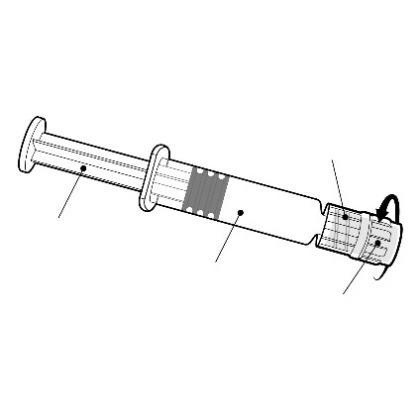
Hold the syringe by the body, not by the plunger.
Luer Lock adapter
Unscrew the syringe cap by rotating counterclockwise.
Plunger
Body
Cap
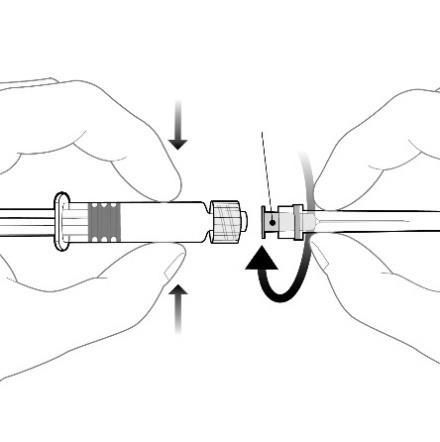
To attach the needle to the syringe, gently connect the
needle hub to the Luer Lock Adapter and rotate a
quarter turn clockwise until a click is felt.
Hub
Do not withdraw the syringe plunger from the body. If this
happens, do not administer the vaccine.
Disposal
Unused medicinal product and waste materials derived from such medicinal product should be disposed of in accordance with
current local regulations.

Не уверены, подходит ли вам это лекарство?
Обсудите симптомы и варианты лечения с врачом онлайн.

Уже начали прием и появились вопросы?
Обсудите свое состояние и дальнейшие шаги с врачом онлайн.
- Страна регистрации
- Форма выпускаInjectable suspension in pre-filled syringe, 0,5 ML
- Код АТХJ07CA02
- Действующее вещество
- Отпускается по рецептуНет
- Производитель
- Информация на этой странице носит справочный характер и не является медицинской консультацией. Перед началом приема лекарства обязательно проконсультируйтесь с врачом.
- Аналоги POLIOINFANRIXФорма выпуска: Injectable suspension, 0.5 MLДействующее вещество: diphtheria-pertussis-poliomyelitis-tetanusПроизводитель: SANOFI WINTHROP INDUSTRIEОтпускается без рецептаФорма выпуска: Injectable suspension in pre-filled syringe, 0,5 MLДействующее вещество: diphtheria-pertussis-poliomyelitis-tetanusПроизводитель: SANOFI WINTHROP INDUSTRIEОтпускается без рецептаФорма выпуска: Injectable suspension, 0.5MLДействующее вещество: diphtheria-haemophilus influenzae B-pertussis-poliomyelitis-tetanus-hepatitis BПроизводитель: SANOFI WINTHROP INDUSTRIEОтпускается без рецепта
Аналоги POLIOINFANRIX в других странах
Лекарства с тем же действующим веществом, доступные в других странах.
Аналог POLIOINFANRIX в Испания
Аналог POLIOINFANRIX в Польша
Аналог POLIOINFANRIX в Украина
Врачи онлайн по POLIOINFANRIX
Обсудите применение POLIOINFANRIX и возможные следующие шаги — по оценке врача.









Получите рецепт на POLIOINFANRIX онлайн
Заполните форму за 2 минуты
Расскажите о симптомах, истории болезни и нужном препарате.
Выберите врача или мы назначим
Выберите специалиста или мы подберём ближайшего доступного врача.
Врач рассматривает ваш случай
Обычно в течение 30 минут. Может задать уточняющие вопросы в чате.
Получите в любой аптеке
Электронный рецепт отправляется на вашу почту — действителен по всей Польше.
Часто задаваемые вопросы
POLIOINFANRIX не требует рецепта в Италия. Вы можете уточнить у врача онлайн, подходит ли это лекарство для вашей ситуации.
Действующее вещество POLIOINFANRIX — diphtheria-pertussis-poliomyelitis-tetanus. Эта информация помогает определить лекарства с тем же составом под другими торговыми названиями.
POLIOINFANRIX производится компанией GLAXOSMITHKLINE S.P.A.. Упаковка и торговое название могут отличаться в зависимости от дистрибьютора.
Врачи, включая Семейные врачи, Психиатры, Дерматологи, Кардиологи, Эндокринологи, Гастроэнтерологи, Пульмонологи, Нефрологи, Ревматологи, Гематологи, Инфекционисты, Аллергологи, Гериатры, Педиатры, Онкологи, могут оценить целесообразность применения POLIOINFANRIX с учетом вашей ситуации и местных правил. Вы можете записаться на онлайн-консультацию, чтобы обсудить возможные варианты.
Польша имеет хорошо развитую систему здравоохранения в крупных городах, таких как Варшава, Краков, Вроцлав и Гданьск. Аптеки широко доступны и работают в соответствии с действующим законодательством, обеспечивая доступ к рецептурным препаратам.
Вы можете купить POLIOINFANRIX в Варшаве, Кракове, Вроцлаве или Гданьске в любой аптеке при наличии действующего рецепта.
Чтобы получить рецепт, вы можете воспользоваться Oladoctor:
Другие лекарства с тем же действующим веществом (diphtheria-pertussis-poliomyelitis-tetanus) включают TETRAVAK, TRIAXIS POLIO, EXAKIMA. Они могут отличаться торговым названием или формой выпуска, но содержат одинаковый терапевтический компонент. Перед изменением лечения рекомендуется проконсультироваться с врачом.
