



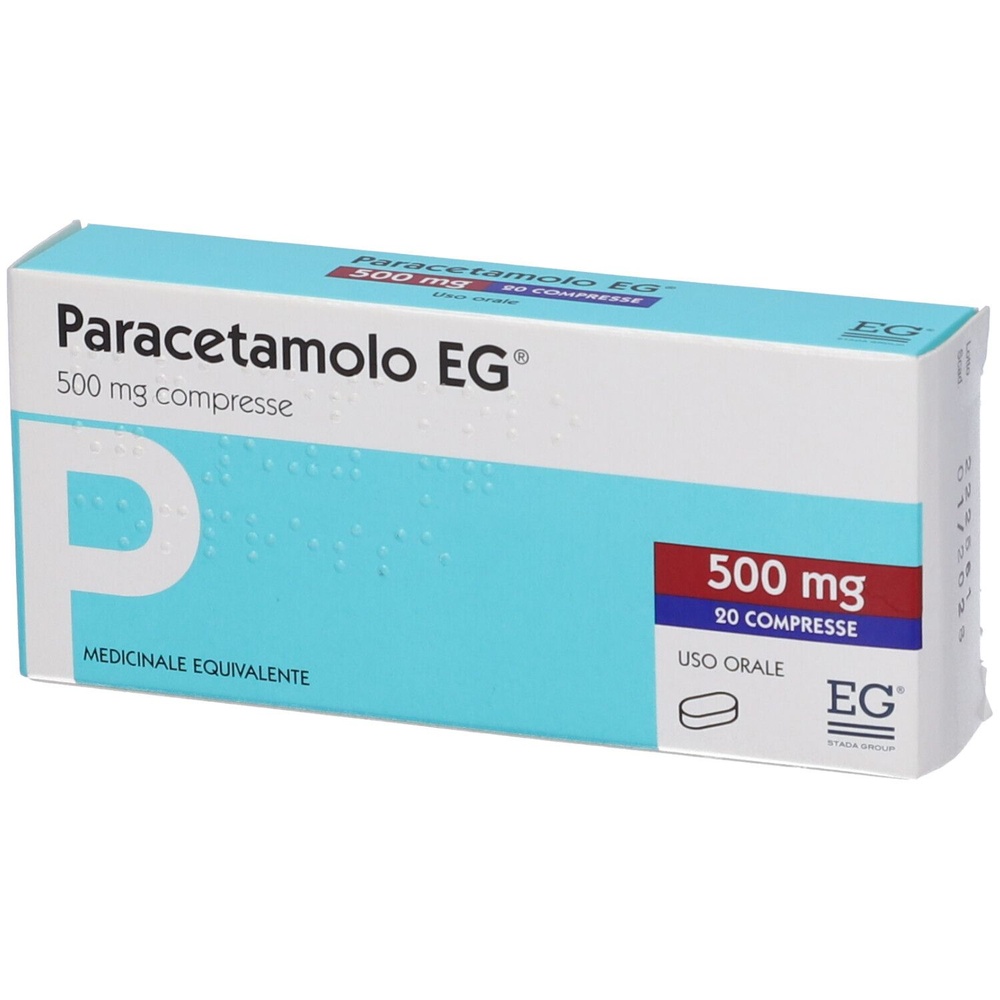
PARACETAMOLO 500 mg Коированная Таблетка

Рассмотрение рецепта онлайн
Врач рассмотрит ваш случай и примет решение о назначении рецепта, если это медицински оправдано.

Поговорите с врачом об этом лекарстве
Обсудите симптомы и возможные дальнейшие шаги на онлайн-консультации.



Инструкция по применению PARAKETAMOLO EG
Содержание инструкции
PARACETAMOLO EG 500 mg tablets
Read this leaflet carefully before taking this medicine as it contains important
information for you.
Always take this medicine exactly as described in this leaflet or as your doctor or
pharmacist has told you.
- Keep this leaflet. You may need to read it again.
- If you want more information or advice, ask your pharmacist.
- If any side effects occur, including those not listed in this leaflet, tell your doctor or pharmacist. See section 4.
- See a doctor if you do not feel better or if your symptoms worsen after 3 days.
Contents of this leaflet:
- 1. What PARACETAMOLO EG is and what it is used for
- 2. What you need to know before you take PARACETAMOLO EG
- 3. How to take PARACETAMOLO EG
- 4. Possible side effects
- 5. How to store PARACETAMOLO EG
- 6. Contents of the pack and other information
1. What is PARACETAMOLO EG and what is it used for
PARACETAMOLO EG contains the active ingredient paracetamol, which acts as an analgesic (relieves pain)
and antipyretic (reduces fever).
PARACETAMOLO EG is used to relieve mild to moderate pain (headache, toothache, neuralgia,
menstrual pains) and fever in adults and children from 11 years of age and/or weighing more than 33 kg.
Consult a doctor if you need to use PARACETAMOLO EG for more than 3 consecutive days.
2. What you need to know before taking PARACETAMOLO EG
Do not take PARACETAMOLO EG
- if you are allergic to paracetamol or any of the other ingredients of this medicine (listed in section 6);
- if you have severe kidney problems (severe renal failure).
Warnings and precautions
Talk to your doctor or pharmacist before taking PARACETAMOLO EG
- if your kidneys are not working properly (renal insufficiency);
- if your liver is not working properly (hepatic insufficiency);
- if you suffer from liver diseases (Gilbert's syndrome and hepatitis);
- if you have a serious infection (sepsis), because it may increase the risk of metabolic acidosis (increased production of acids by the body). Signs of metabolic acidosis may be:
- deep, rapid, difficult breathing
- nausea, vomiting
- loss of appetite. If you experience a combination of these symptoms, contact your doctor immediately.
Take special care with PARACETAMOLO EG:
- if the symptoms of your illness do not improve after 3 days, ask your doctor for advice;
- if you experience an allergic reaction: in this case, stop treatment and see your doctor;
- if you have been diagnosed with glucose-6-phosphate dehydrogenase deficiency;
- if you suffer from hemolytic anemia (reduction in the number of red blood cells);
- if you suffer from eating disorders (anorexia or bulimia);
- if you suffer from chronic malnutrition and cachexia (weight loss);
- if you consume excessive amounts of alcohol (3 or more alcoholic beverages per day);
- if you are addicted to alcohol (chronic alcoholism); in these cases, the daily dose should not exceed 2 grams.
- if you suffer from dehydration;
- do not take other medicines containing paracetamol at the same time: if paracetamol is taken in high doses or for a long time, it can seriously damage the liver, kidneys and blood;
- do not take a higher dose than recommended, as it may cause serious liver damage, which may require a liver transplant or lead to death.
Do not use paracetamol frequently for a long period of time: prolonged use can cause problems
with the liver. Consult your doctor or pharmacist if you intend to take paracetamol for a longer
period of time.
Do not take more PARACETAMOLO EG than recommended.A higher dose does not increase pain
relief; instead, it can cause serious liver damage. Symptoms of liver damage appear after a few
days. It is therefore important that you contact your doctor as soon as possible if you have taken
more PARACETAMOLO EG than recommended.
Following incorrect, prolonged use of high-dose analgesics, a headache that cannot be treated
with higher doses of this medicine may occur.
Generally, habitual use of analgesics, especially a combination of more than one analgesic substance,
can lead to permanent kidney damage with the risk of kidney failure (analgesic nephropathy).
Sudden discontinuation of paracetamol after prolonged use can cause headache, fatigue, muscle pain, nervousness, dizziness or fainting. These symptoms resolve within
a few days. In the meantime, avoid taking other analgesics, which should only be resumed under
medical advice.
You should not take PARACETAMOLO EG for prolonged periods or at high doses without first consulting
your doctor or dentist.
Children and adolescents
In children treated with 60 mg/kg/day of paracetamol, the combination with another antipyretic is not
justified unless in case of treatment failure.
Other medicines and PARACETAMOLO EG
Tell your doctor or pharmacist if you are taking, have recently taken or might take any
other medicines.
In particular, tell your doctor before taking PARACETAMOLO EG if you are taking the following
medicines:
- anti-inflammatory drugs;
- flucloxacillin (antibiotic), due to a serious risk of blood and fluid alterations (metabolic acidosis with high anion gap) which must be treated urgently and which may occur particularly in case of severe renal impairment, sepsis (when bacteria and their toxins circulate
in the blood leading to organ damage), malnutrition, chronic alcoholism and if maximum daily doses of paracetamol are used;
- chloramphenicol (an antibiotic);
- zidovudine (for the treatment of AIDS);
- rifampicin (antibiotic used to treat infections and tuberculosis);
- cimetidine (medicine used to treat stomach ulcers);
- propantheline (medicine used to treat gastrointestinal spasms);
- metoclopramide or domperidone (medicines used to treat nausea and vomiting);
- cholestyramine (to lower cholesterol);
- probenecid (to treat, for example, gout);
- anticoagulants (blood-thinning drugs, e.g. warfarin), if you need to take a painkiller daily for a long period of time;
- glutethimide, phenobarbital, carbamazepine, lamotrigine (medicines used to treat epilepsy);
- ethinylestradiol (medicine often present in contraceptive pills);
- opioids (a type of painkiller, medicines used to relieve pain);
- herbal remedy St John's Wort.
PARACETAMOLO EG and tests of laboratory
If you need to undergo blood tests to check your glucose or uric acid levels, make sure to
tell your doctor that you are taking PARACETAMOLO EG.
PARACETAMOLO EG with food and drink
Avoid taking paracetamol at the same time as large amounts of alcohol.
Pregnancy and breastfeeding
If you are pregnant, suspect you may be pregnant, or are planning to become pregnant, or if you are breastfeeding, ask your doctor or pharmacist for advice before taking this medicine.
Pregnancy
If necessary, paracetamol can be used during pregnancy. It is advisable to use the lowest possible dose
that reduces pain and/or fever and take it for the shortest possible time. Contact your doctor
if the pain and/or fever do not decrease, or if you need to take the medicine more often.
Breastfeeding
Paracetamol is excreted in small amounts in breast milk. The occurrence of skin rashes
in breastfed babies has been reported. However, the administration of paracetamol is
considered compatible with breastfeeding. However, ask your doctor for advice before
taking PARACETAMOLO EG during breastfeeding.
Driving and using machines
PARACETAMOLO EG can cause dizziness, therefore it may impair your ability to drive vehicles or
use machines.
PARACETAMOLO EG contains sodium
This medicine contains less than 1 mmol (23 mg) of sodium per tablet, i.e. essentially ‘sodium-free’.
3. How to take PARACETAMOLO EG
Take this medicine following exactly as indicated in this leaflet or as instructed by your doctor or pharmacist. If you have any doubts, consult your doctor or pharmacist.
Do notexceed the established dose.
The minimum amount of medicine necessary should be used for the shortest possible treatment duration to achieve clinical efficacy. For children, it is essential to respect the dosage defined based on age and body weight.
The recommended doseof PARACETAMOLO EG in relation to age and body weight is as follows:
- Children weighing between 33 and 43 kg (approximately 11-12 years): 1 tablet at a time, to be repeated if necessary after 6 hours, without exceeding 4 administrations per day. The maximum daily dose by oral route is 2000 mg.
- Adults and adolescents (from 12 years of age) weighing between 43 and 65 kg: 1 tablet at a time, to be repeated if necessary after 4 hours, without exceeding 6 administrations per day. The maximum daily dose by oral route is 3000 mg.
- Adults and adolescents with a weight greater than 65 kg: 1 tablet at a time, to be repeated if necessary after 4 hours, without exceeding 6 administrations per day. In case of severe pain or high fever, 2 tablets to be repeated if necessary after no less than 4 hours. The maximum daily dose by oral route in adults is 3000 mg.
Children weighing less than 33 kg (under 11 years of age):the medicine should not be administered to this category of patients, as the dosage for this age group is not suitable. Other formulations and dosages are available for this group of patients.
Special patient groups
Elderly patients
The dosage must be carefully established by the doctor, who must assess a possible reduction of the dosages indicated above.
Other formulations and dosages are available for this group of patients.
Impaired hepatic or renal function
In patients with impaired hepatic or renal function, the dose must be reduced or the administration interval prolonged. Consult your doctor or pharmacist.
Do not exceed the recommended doses. Respect the minimum interval of
- 4 hours between two doses for adolescents and adults,
- 6 hours between two doses for children weighing between 33 and 43 kg.
Do not use PARACETAMOLO EG for more than 3 consecutive days without consulting your doctor. Consult your doctor also if the symptoms of your illness persist or if you notice a change in their characteristics.
Method of administration
Tablets for oral use.
Swallow the tablet with a glass of water.
If you take more PARACETAMOLO EG than you should
If you have taken an excessive dose of paracetamol, contact your doctor immediately or go to the nearest hospital.
In case of overdose, paracetamol can cause liver failure, which may require a liver transplant or lead to death. Cases of acute pancreatitis associated with hepatic dysfunctions and toxicity have been observed. Taking a dose higher than the recommended one can cause nausea, vomiting, loss of appetite (anorexia), paleness, abdominal pain that usually appears during the first 24 hours. In case of overdose, consult your doctor or the nearest hospital, even if these symptoms are not present, because there is a risk of serious and irreversible liver damage and alterations, potentially serious, of the kidney and blood, which begin to manifest within 12-48 hours after taking it.
If you forget to take PARACETAMOLO EG
If you forget to take a dose, take it as soon as you remember, then continue the treatment as usual. Do not take a double dose to compensate for the forgotten dose.
If you have any doubts about the use of this medicine, ask your doctor or pharmacist.
4. Possible side effects
Like all medicines, this medicine can cause side effects, although not everybody gets them.
manifest.
Rare side effects (may affect up to 1 in 1,000 people):
Urticaria
pruritus
sweating
small bleeding under the skin (purpura)
decreased number of platelets (thrombocytopenia)
decreased number of red blood cells (anemia)
decreased production of blood cells (bone marrow depression)
allergic reactions (hypersensitivity reactions including skin rash, angioedema with symptoms such as
swelling of the face, lips, throat and tongue)
gastrointestinal bleeding (hemorrhage)
swelling (edema)
inflammation of the pancreas (pancreatitis)
kidney disorders (nephropathies and tubular disorders)
pancreatic disorders.
Very rare cases of severe skin reactions (including erythema multiforme, Stevens
Johnson syndrome and toxic epidermal necrolysis) have been reported.
Not known (frequency cannot be estimated from available data)
liver diseases (hepatitis, hepatic failure, hepatic necrosis)
yellowing of the eyes (jaundice)
altered liver function
diarrhea
nausea (feeling unwell)
vomiting
gastrointestinal disorders
dizziness
laryngeal edema
anaphylactic shock
asthma
alterations in kidney function (acute renal failure)
inflammation of the kidneys (interstitial nephritis)
blood in the urine (hematuria)
reduced urine production (anuria)
decreased number of white blood cells (leukopenia)
reduction of a type of white blood cells (agranulocytosis).
Reporting of side effects
If you get any side effects, even those not listed in this leaflet, tell your
doctor or pharmacist. You can also report side effects directly through the national
reporting system at https://www.aifa.gov.it/content/segnalazioni-reazioni-avverse.
By reporting side effects you can help provide more information on the safety of this
medicine.
5. How to store PARACETAMOLO EG
Keep this medicine out of the sight and reach of children.
Do not use this medicine after the expiry date which is stated on the blister, on the packaging or on the
bottle. The expiry date refers to the last day of that month.
This medicine does not require special storage conditions.
Do not dispose of any medicine in waste water or household waste. Ask your pharmacist how to dispose of the
medicines you no longer use. This will help protect the environment.
6. Contents of the pack and other information
What contains PARACETAMOLO EG
The active ingredient is paracetamol.
PARACETAMOLO EG contains 500 mg of paracetamol.
The other ingredients are:
Sodium carboxymethylamide, povidone (K-30), Pregelatinized starch, stearic acid.
Description of the appearance of PARACETAMOLO EG and contents of the pack
White, oval tablet with "500" imprinted on one side and smooth on the other side.
Packs:
Blisters: 10, 12, 20, 24, 30, 96, 100 tablets
HDPE bottle: 100 and 250 tablets.
Not all pack sizes may be marketed.
Marketing Authorisation Holder
EG S.p.A., Via Pavia, 6 – 20136 Milano
Manufacturer
Special Product's Line S.p.A, Via Fratta Rotonda Vado Largo, 1 - 03012 Anagni (FR) (Italy)
PARACETAMOLO EG 1000 mg tablets
Generic medicine
Read this leaflet carefully before taking this medicine as it contains important information for you.
- Keep this leaflet. You may need to read it again.
- If you have any questions, ask your doctor or pharmacist.
- This medicine has been prescribed for you only. Do not pass it on to others, even if they have the same symptoms as you, as it may be harmful.
- If you get any side effects, even those not listed in this leaflet, tell your doctor or pharmacist. See section 4.
Contents of this leaflet:
- 1. What PARACETAMOLO EG is and what it is used for
- 2. What you need to know before you take PARACETAMOLO EG
- 3. How to take PARACETAMOLO EG
- 4. Possible side effects
- 5. How to store PARACETAMOLO EG
- 6. Contents of the pack and other information
1. What is PARACETAMOLO EG and what it is used for
PARACETAMOLO EG contains the active ingredient paracetamol, which acts as an analgesic (relieves pain)
and antipyretic (reduces fever).
PARACETAMOLO EG is used to relieve mild to moderate pain (headache, toothache, neuralgia,
menstrual pains) and fever in adults and children aged 11 years and over and/or weighing more than 33 kg.
2. What you need to know before you take PARACETAMOLO EG
Do not take PARACETAMOLO EG
- if you are allergic to paracetamol or any of the other ingredients of this medicine (listed in section 6);
- if you have severe kidney problems (severe renal insufficiency).
Warnings and precautions
Talk to your doctor or pharmacist before taking PARACETAMOLO EG
- if your kidneys do not function well (renal insufficiency);
- if your liver does not function well (hepatic insufficiency);
- if you suffer from liver diseases (Gilbert's syndrome and hepatitis);
- if you have a serious infection (sepsis), because it may increase the risk of metabolic acidosis (increased production of acids by the body). Signs of metabolic acidosis may be:
- deep, rapid, difficult breathing
- nausea, vomiting
- loss of appetite.
If a combination of these symptoms occurs, contact your doctor immediately.
Pay particular attention with PARACETAMOLO EG:
- if you experience an allergic reaction: in this case, stop treatment and see your doctor;
- if you have been diagnosed with glucose-6-phosphate dehydrogenase deficiency;
- if you suffer from hemolytic anemia (reduction in the number of red blood cells);
- if you suffer from eating disorders (anorexia or bulimia);
- if you suffer from chronic malnutrition and cachexia (weight loss);
- if you consume excessive alcohol (3 or more alcoholic drinks per day);
- if you are addicted to alcohol (chronic alcoholism); in these cases, the daily dose should not exceed 2 grams.
- if you suffer from dehydration;
- do not take other medicines containing paracetamol at the same time: if paracetamol is taken in high doses or for a long time, it can seriously damage the liver, kidneys and blood;
- do not take a higher dose than recommended, as it may cause serious liver damage that may require a liver transplant or lead to death.
Do not use paracetamol frequently for a long period of time: prolonged use can cause problems
with the liver. Consult your doctor or pharmacist if you intend to take paracetamol for a longer period of
time.
Do not take more PARACETAMOLO EG than recommended.A higher dose does not increase relief
from pain; instead, it can cause serious liver damage. Symptoms of liver damage appear after a few
days. It is therefore important that you contact your doctor as soon as possible if you have taken
more PARACETAMOLO EG than advised.
Following incorrect, prolonged use of high-dose analgesics, a headache that is not treatable
with higher doses of this medicine may occur.
Normally, habitual use of analgesics, especially a combination of multiple analgesic substances,
can lead to permanent kidney damage with the risk of kidney failure (analgesic nephropathy).
The sudden interruption of paracetamol after prolonged use may cause headache,
fatigue, muscle pain, nervousness, dizziness or fainting. These symptoms resolve within
a few days. In the meantime, avoid taking other analgesics, which should only be resumed under
medical advice.
You should not take PARACETAMOLO EG for prolonged periods or at high doses without first consulting
your doctor or dentist.
Children and adolescents
In children treated with 60 mg/kg/day of paracetamol, the combination with another antipyretic is not
justified unless in case of treatment failure.
Other medicines and PARACETAMOLO EG
Tell your doctor or pharmacist if you are taking, have recently taken or might take any
other medicines.
In particular, tell your doctor before taking PARACETAMOLO EG if you are taking the following
medicines:
- anti-inflammatory drugs;
- flucloxacillin (antibiotic), due to a serious risk of blood and fluid disturbances (metabolic acidosis with high anion gap) which must be treated urgently and which may occur particularly in case of severe renal impairment, sepsis (when bacteria and their toxins circulate
in the blood leading to organ damage), malnutrition, chronic alcoholism and if the maximum daily doses of paracetamol are used;
- chloramphenicol (an antibiotic);
- zidovudine (for the treatment of AIDS);
- rifampicin (antibiotic used to treat infections and tuberculosis);
- cimetidine (medicine used to treat stomach ulcers);
- propantheline (medicine used to treat gastrointestinal spasms);
- metoclopramide or domperidone (medicines used to treat nausea and vomiting);
- cholestyramine (to lower cholesterol);
- probenecid (to treat, for example, gout);
- anticoagulants (blood-thinning medicines, e.g. warfarin), if you need to take a painkiller daily for a long period of time;
- glutethimide, phenobarbital, carbamazepine, lamotrigine (medicines used to treat epilepsy);
- ethinylestradiol (medicine often present in birth control pills);
- opioids (a type of pain reliever, medicines used to relieve pain);
- herbal remedy St. John's Wort.
PARACETAMOLO EG and laboratory tests
If you are going to have blood tests to check your glucose or
uric acid levels, make sure to tell your doctor that you are taking PARACETAMOLO EG.
PARACETAMOLO EG with food and drink
Avoid taking paracetamol at the same time as large amounts of alcohol.
Pregnancy and breastfeeding
If you are pregnant, suspect you may be pregnant or are planning to become pregnant, or if you are breastfeeding,
ask your doctor or pharmacist for advice before taking this medicine.
Pregnancy
If necessary, paracetamol can be used during pregnancy. It is advisable to use the lowest possible dose
that reduces pain and/or fever and to take it for the shortest possible time. Contact your doctor
if the pain and/or fever do not decrease, or if you need to take the medicine more often.
Breastfeeding
Paracetamol is excreted in small amounts in breast milk. Skin rashes have been reported
in breastfed babies. However, the administration of paracetamol is
considered compatible with breastfeeding. However, ask your doctor for advice before
taking PARACETAMOLO EG during breastfeeding.
Driving and using machines
PARACETAMOLO EG can cause dizziness, therefore it may impair the ability to drive vehicles or
use machines.
PARACETAMOLO EG contains sodium
This medicine contains less than 1 mmol (23 mg) of sodium per tablet, i.e. essentially ‘sodium-free’.
3. How to take PARACETAMOLO EG
Take this medicine following the instructions of your doctor exactly. If you have any doubts, consult your
doctor or pharmacist.
Donot exceed the established dose.
The minimum amount of medicine necessary should be used for the shortest possible treatment duration
to achieve clinical efficacy. For children, it is essential to respect the dosage defined based on
age and body weight.
The recommended doseof PARACETAMOLO EG in relation to age and body weight is as follows:
- Children weighing between 33 and 43 kg (approximately 11-12 years): half a tablet at a time, to be repeated if necessary after 6 hours, without exceeding 4 administrations per day. The maximum daily oral dose is 2000 mg.
- Adults and adolescents (from 12 years of age) weighing between 43 and 65 kg: half a tablet at a time, to be repeated if necessary after 4 hours, without exceeding 6 administrations per day. The maximum daily oral dose is 3000 mg.
- Adults and adolescents weighing more than 65 kg: half a tablet at a time, to be repeated if necessary after 4 hours, without exceeding 6 administrations per day. In case of severe pain or high fever, 1 tablet to be repeated if necessary after no less than 4 hours. The maximum daily oral dose in adults is 3000 mg.
Children weighing less than 33 kg (under 11 years of age):the medicine should not be administered to
this category of patients, as the dosage for this age group is not suitable. Other formulations and dosages are available for this
group of patients.
Special patient groups
Elderly patients
The dosage must be carefully established by the doctor, who must assess a possible reduction of the
dosages indicated above.
Other formulations and dosages are available for this group of patients.
Impaired hepatic or renal function
In patients with impaired hepatic or renal function, the dose must be reduced or the administration interval
prolonged. Consult your doctor or pharmacist.
Do not exceed the recommended doses. Respect the minimum interval of:
- 4 hours between two doses for adolescents and adults,
- 6 hours between two doses for children weighing between 33 and 43 kg.
Route of administration
Tablets for oral use.
Swallow the tablet with a glass of water.
If you take more PARACETAMOLO EG than you should
If you have taken an excessive dose of paracetamol, contact your doctor immediately or go to the nearest
hospital.
In case of overdose, paracetamol can cause liver failure, which may require a liver transplant or lead to death. Cases of acute pancreatitis associated with hepatic dysfunction and toxicity have been observed. Taking a dose higher than the recommended one can cause nausea, vomiting,
loss of appetite (anorexia), pallor, abdominal pain, which usually appear during the
first 24 hours. In case of overdose, go to your doctor or the nearest hospital, even if these symptoms
are not present, because there is a risk of serious and irreversible liver damage and potentially serious alterations
of the kidney and blood, which begin to manifest within 12-48 hours after taking it.
If you forget to take PARACETAMOLO EG
If you forget to take a dose, take it as soon as you remember, then continue the treatment as usual. Do not take a double dose to make up for the forgotten dose.
If you have any doubts about the use of this medicine, ask your doctor or pharmacist.
4. Possible side effects
Like all medicines, this medicine can cause side effects, although not everybody gets them.
manifest.
Rare side effects (may affect up to 1 in 1,000 people):
Urticaria
pruritus
sweating
small bleeding under the skin (purpura)
decreased number of platelets (thrombocytopenia)
decreased number of red blood cells (anemia)
decreased production of blood cells (bone marrow depression)
allergic reactions (hypersensitivity reactions including skin rash and angioedema with symptoms such as
swelling of the face, lips, throat and tongue)
gastrointestinal bleeding (hemorrhage)
swelling (edema)
inflammation of the pancreas (pancreatitis)
kidney disorders (nephropathies and tubular disorders)
pancreatic disorders.
Very rare cases of severe skin reactions (including erythema multiforme, Stevens
Johnson syndrome and toxic epidermal necrolysis) have been reported.
Not known (frequency cannot be estimated from available data)
liver diseases (hepatitis, hepatic insufficiency, hepatic necrosis)
yellowing of the eyes (jaundice)
altered liver function
diarrhea
nausea (feeling unwell)
vomiting
gastrointestinal disorders
dizziness
laryngeal edema
anaphylactic shock
asthma
alterations in kidney function (acute renal failure)
kidney inflammation (interstitial nephritis)
blood in the urine (hematuria)
reduced urine production (anuria)
decreased number of white blood cells (leukopenia)
reduction of a type of white blood cells (agranulocytosis).
Reporting of side effects
If you get any side effects, even those not listed in this leaflet, tell your
doctor or pharmacist. You can also report side effects directly through the national
reporting system at https://www.aifa.gov.it/content/segnalazioni-reazioni-avverse.
By reporting side effects you can help provide more information on the safety of this
medicine.
5. How to store PARACETAMOLO EG
Keep this medicine out of the sight and reach of children.
Do not use this medicine after the expiry date which is stated on the blister, the packaging or the
bottle. The expiry date refers to the last day of that month.
This medicine does not require special storage conditions.
Do not dispose of any medicine in waste water or household waste. Ask your pharmacist how to dispose of
medicines you no longer use. This will help protect the environment.
6. Contents of the pack and other information
What contains PARACETAMOLO EG
The active ingredient is paracetamol.
PARACETAMOLO EG contains 1000 mg of paracetamol.
The other ingredients are:
Sodium carboxymethylamide, povidone (K-30), Pregelatinized starch, stearic acid.
Description of the appearance of PARACETAMOLO EG and contents of the pack
Ovoid tablet of variable colour from white to off-white with a break line placed between "10" and "00" on one
side and with a break line placed between "PA" and "RA" on the opposite side.
The tablet can be divided into two equal halves.
Packs:
Blisters: 8, 16 tablets.
It is possible that not all packs are marketed.
Marketing Authorisation Holder
EG S.p.A., Via Pavia, 6 – 20136 Milano
Manufacturer
Special Product's Line S.p.A, Via Fratta Rotonda Vado Largo, 1 - 03012 Anagni (FR) (Italy)

Не уверены, подходит ли вам это лекарство?
Обсудите симптомы и варианты лечения с врачом онлайн.

Уже начали прием и появились вопросы?
Обсудите свое состояние и дальнейшие шаги с врачом онлайн.
- Страна регистрации
- Форма выпускаCoated tablet, 500 MG
- Код АТХN02BE01
- Действующее вещество
- Отпускается по рецептуНет
- Производитель
- Информация на этой странице носит справочный характер и не является медицинской консультацией. Перед началом приема лекарства обязательно проконсультируйтесь с врачом.
- Аналоги PARAKETAMOLO EGФорма выпуска: Effervescent granules, 300 MGДействующее вещество: ПарацетамолПроизводитель: ABIOGEN PHARMA S.P.A.Отпускается без рецептаФорма выпуска: Effervescent tablet, 500 MGДействующее вещество: ПарацетамолПроизводитель: UPSA SASОтпускается без рецептаФорма выпуска: Effervescent tablet, 1000 MGДействующее вещество: ПарацетамолОтпускается по рецепту
Аналоги PARAKETAMOLO EG в других странах
Лекарства с тем же действующим веществом, доступные в других странах.
Аналог PARAKETAMOLO EG в Испания
Аналог PARAKETAMOLO EG в Польша
Аналог PARAKETAMOLO EG в Украина
Врачи онлайн по PARAKETAMOLO EG
Обсудите применение PARAKETAMOLO EG и возможные следующие шаги — по оценке врача.









Получите рецепт на PARAKETAMOLO EG онлайн
Заполните форму за 2 минуты
Расскажите о симптомах, истории болезни и нужном препарате.
Выберите врача или мы назначим
Выберите специалиста или мы подберём ближайшего доступного врача.
Врач рассматривает ваш случай
Обычно в течение 30 минут. Может задать уточняющие вопросы в чате.
Получите в любой аптеке
Электронный рецепт отправляется на вашу почту — действителен по всей Польше.
Часто задаваемые вопросы
PARAKETAMOLO EG не требует рецепта в Италия. Вы можете уточнить у врача онлайн, подходит ли это лекарство для вашей ситуации.
Действующее вещество PARAKETAMOLO EG — Парацетамол. Эта информация помогает определить лекарства с тем же составом под другими торговыми названиями.
PARAKETAMOLO EG производится компанией EG S.P.A.. Упаковка и торговое название могут отличаться в зависимости от дистрибьютора.
Врачи, включая Семейные врачи, Психиатры, Дерматологи, Кардиологи, Эндокринологи, Гастроэнтерологи, Пульмонологи, Нефрологи, Ревматологи, Гематологи, Инфекционисты, Аллергологи, Гериатры, Педиатры, Онкологи, могут оценить целесообразность применения PARAKETAMOLO EG с учетом вашей ситуации и местных правил. Вы можете записаться на онлайн-консультацию, чтобы обсудить возможные варианты.
Польша имеет хорошо развитую систему здравоохранения в крупных городах, таких как Варшава, Краков, Вроцлав и Гданьск. Аптеки широко доступны и работают в соответствии с действующим законодательством, обеспечивая доступ к рецептурным препаратам.
Вы можете купить PARAKETAMOLO EG в Варшаве, Кракове, Вроцлаве или Гданьске в любой аптеке при наличии действующего рецепта.
Чтобы получить рецепт, вы можете воспользоваться Oladoctor:
Другие лекарства с тем же действующим веществом (Парацетамол) включают AKETAMOL, EFFERALGAN, EFFERAMOL. Они могут отличаться торговым названием или формой выпуска, но содержат одинаковый терапевтический компонент. Перед изменением лечения рекомендуется проконсультироваться с врачом.
