



EFFERALGAN 500 mg Эффервесцентная Таблетка

Рассмотрение рецепта онлайн
Врач рассмотрит ваш случай и примет решение о назначении рецепта, если это медицински оправдано.

Поговорите с врачом об этом лекарстве
Обсудите симптомы и возможные дальнейшие шаги на онлайн-консультации.



Инструкция по применению EFFERALGAN
Содержание инструкции
- Efferalgan adulti 1000 mg effervescent tablets forest fruits flavour
- Efferalgan infants 80 mg suppositories, early childhood 150 mg suppositories, children 300 mg suppositories
- Efferalgan 500 mg tablets
- Efferalgan 500 mg effervescent tablets
- Efferalgan adulti 1000 mg effervescent tablets, adults 1000 mg film-coated tablets
- EFFERALGAN 330 mg effervescent tablets with Vitamin C
Efferalgan adulti 1000 mg effervescent tablets forest fruits flavour
paracetamol
Read this leaflet carefully before using this medicine as it contains important
information for you.
- Keep this leaflet. You may need to read it again.
- If you have any questions, ask your doctor or pharmacist.
- This medicine has been prescribed only for you. Do not give it to other people, even if their symptoms are the same as yours, as it could be dangerous.
- If any side effects occur, including those not listed in this leaflet, tell your doctor or pharmacist. See section 4.
Contents of this leaflet
- 1. What Efferalgan is and what it is used for
- 2. What you need to know before using Efferalgan
- 3. How to use Efferalgan
- 4. Possible side effects
- 5. How to store Efferalgan
- 6. Contents of the pack and other information
1. What is Efferalgan and what is it used for
Efferalgan contains the active ingredient paracetamol which works by relieving pain (analgesic) and reducing
fever (antipyretic).
Efferalgan is used in adults and adolescents over 15 years of age for:
- the treatment of symptoms of febrile states
- the symptomatic treatment of mild to moderate pain
- the symptomatic treatment of joint pain (osteoarthritic pain).
Consult a doctor if the person taking the medicine does not feel better or if they feel worse.
2. What you need to know before using Efferalgan
Do not use Efferalgan
if the person taking the medicine:
- is allergic to paracetamol or propacetamol hydrochloride (a precursor of paracetamol) or to any of the other ingredients of this medicine (listed in section 6);
- is under 15 years of age (see section “Children and adolescents”).
Warnings and precautions
Talk to your doctor or pharmacist before using Efferalgan.
During treatment with Efferalgan, immediately inform your doctor if:
- you regularly consume alcohol. Alcohol consumption is not recommended during therapy
- you suffer from anorexia (an eating disorder characterized by a lack or reduction of appetite)
- you suffer from bulimia (an eating disorder in which a person ingests an excessive amount of food and then resorts to various methods to eliminate it in order not to gain weight)
- you suffer from cachexia (a condition characterized by extreme thinness, reduction of muscle mass and thinning of the skin due to chronic diseases)
- you suffer from chronic malnutrition
- you suffer from dehydration (severe loss of water/fluids from the body)
- you suffer from hypovolemia (reduced blood volume circulating in the body)
- you suffer from mild/moderate impairment of liver function (including Gilbert's syndrome, a disease characterized by excessive production of bilirubin, a substance that causes a yellowish tinge to the skin and eyes)
- you suffer from severe liver problems
- you have acute hepatitis (acute inflammation of the liver)
- you are taking medicines that stimulate liver enzymes (increase the way the liver works)
- you suffer from glucose-6-phosphate dehydrogenase deficiency (a substance normally present in the human body, the deficiency of which can cause hemolytic anemia)
- you suffer from hemolytic anemia (a disease due to the destruction of some blood cells, red blood cells)
- you suffer from kidney failure (kidney diseases)
- prolonged fasting
- you suffer from serious illnesses, including severe kidney impairment or sepsis (when bacteria and their toxins circulate in the blood causing organ damage) or chronic alcoholism or if you are also taking flucloxacillin (an antibiotic). In patients in these situations, a serious condition called metabolic acidosis (an abnormality of the blood and fluids) has been reported when paracetamol is used at regular doses for a prolonged period or when paracetamol is taken in combination with flucloxacillin. Symptoms of metabolic acidosis may include: severe difficulty breathing with rapid deep breathing, drowsiness, nausea and vomiting.
Paracetamol can cause serious skin reactions that can be fatal. The use of Efferalgan must be
stopped at the first appearance of skin rash or any other sign of hypersensitivity/allergy.
Use of high doses and/or for prolonged periods
The use of high or prolonged doses of this medicine can cause serious liver disorders and alterations
also serious to the kidney and blood. In these cases, the doctor will check through appropriate tests the
functionality of the liver, kidneys and the composition of the blood.
Prolonged use of analgesics (for a period longer than 3 months) in patients with chronic headache
(headache), especially if repeated and frequent, can increase or worsen the headache. In these cases, it is
necessary to consult a doctor.
Children and adolescents
This medicine can be given to adolescents over 15 years of age (see section “How
to use Efferalgan”).
Other medicines and Efferalgan
Tell your doctor or pharmacist if you are taking or have recently taken or may take any
other medicines, including those available without a prescription.
In particular, tell your doctor if the person taking the medicine is taking:
- other medicines that contain paracetamol, as if paracetamol is taken in high doses, serious side effects may occur
- coumarin anticoagulants including warfarin (medicines that delay blood clotting): in this case the doctor will carry out more rigorous monitoring of INR values (time it takes for the blood to clot)
- medicines or substances that stimulate liver enzymes (increase the way the liver works), for example:
- rifampicin (an antibiotic)
- cimetidine (a medicine used in the treatment of stomach ulcers)
- antiepileptics such as glutethimide, phenobarbital, carbamazepine and phenytoin (medicines used to treat epilepsy). If treated with phenytoin, do not take high or prolonged doses of paracetamol.
The use of these medicines with Efferalgan requires extreme caution and must be carried out only under strict
medical control:
- probenecid, a medicine used for the treatment of hyperuricemia (high concentration of uric acid in the blood) and gout (inflammation of the joints due to the deposition of uric acid): in this case the doctor will advise you to reduce the doses of Efferalgan
- salicylamide(a pain reliever and fever reducer)
- flucloxacillin(an antibiotic): due to a serious risk of blood and fluid alterations (called metabolic acidosis with high anion gap) which must be treated urgently (see section 2)
- chloramphenicol(an antibiotic), as it may increase the risk of possible side effects
- medicines that slow down gastric emptying(such as anticholinergics), as these medicines delay the effect of Efferalgan
- zidovudine(a medicine for the treatment of HIV).
Interference with blood tests
If the person taking the medicine needs to undergo blood tests, keep in mind that the administration of
paracetamol may interfere with the determination of uricemia (the amount of uric acid in the blood) and
glycemia (the amount of sugar in the blood).
Efferalgan with alcohol
Use Efferalgan with caution if the person taking the medicine regularly consumes alcohol, as there is a risk
of intoxication (see sections “Warnings and precautions” and “If you use more Efferalgan than you should”).
Alcohol consumption is not recommended during therapy.
Pregnancy and breastfeeding
If you are pregnant, suspect or are planning a pregnancy, or if you are breastfeeding with breast
milk, ask your doctor or pharmacist before taking this medicine.
Pregnancy
If necessary, Efferalgan can be used during pregnancy. It is advisable to use the lowest possible dose that
reduces pain and/or fever and take it for the shortest possible time.
Contact your doctor if the pain and/or fever does not decrease or if you need to take the medicine more often.
Breastfeeding
Paracetamol passes in small amounts into breast milk. Skin rash has been reported in children
breastfed with breast milk. However, the administration of paracetamol is considered compatible with
breastfeeding. Paracetamol in breastfeeding women should still be used
with caution.
Driving and using machines
Efferalgan does not impair the ability to drive vehicles or operate machinery.
Efferalgan contains sodium, lactose, sorbitol (E420), sodium benzoate (E211) and aspartame (E951)
- This medicine contains 369.85 mg of sodium (the main component of table salt) per tablet. This is equivalent to about 18% of the recommended maximum daily intake with the
diet of an adult. Talk to your doctor or pharmacist if you need one or more doses a day for
a prolonged period, especially if you have been told to follow a low-sodium diet.
- This medicine contains sorbitol (252.2 mg of sorbitol per tablet, equivalent to 252.2 mg/4628 mg). Sorbitol is a source of fructose. If your doctor has told you that you (or your child) are intolerant to certain sugars, or if you have a diagnosis of hereditary fructose intolerance, a rare genetic disease in which patients cannot convert fructose, talk to your doctor before you (or your child) take this medicine.
- This medicine contains lactose. If your doctor has diagnosed you with an intolerance to some sugars, contact him before taking this medicine.
- This medicine contains 120 mg of sodium benzoate per tablet, equivalent to 120 mg/4628 mg.
- This medicine contains 39 mg of aspartame per tablet, equivalent to 39 mg/4628 mg. Aspartame is a source of phenylalanine. It may be harmful if you have phenylketonuria, a rare genetic disease that causes the accumulation of phenylalanine because the body cannot dispose of it properly.
3. How to use Efferalgan
Use this medicine following exactly the instructions of your doctor or pharmacist. If you have doubts
consult your doctor or pharmacist.
To avoid the risk of overdose, check that other medicines administered (with or without a prescription
medical) do not contain paracetamol.
Accidental intake of an excessive dose of paracetamol can cause serious liver damage and death
(see section If you use more Efferalgan than you should).
Adults
The recommended dose is 1 tablet per administration, to be repeated if necessary, respecting an
interval of at least 6-8 hours between administrations, without exceeding 3 tablets per day.
In case of more intense pain, the administration can be repeated respecting an interval of at least 4
hours.
Use in children and adolescents
Adolescents over 15 years of age
The recommended dose is 1 tablet per administration, to be repeated if necessary, respecting an
interval of at least 6-8 hours between administrations, without exceeding 3 tablets per day.
In case of more intense pain, the administration can be repeated after an interval of at least 4 hours.
It is important to use Efferalgan at regular intervals to avoid fluctuations in pain levels and/or
fever. The interval between administrations must be at least 4 hours.
Maximum recommended dosage
The maximum dose is 3 g of paracetamol per day.
Patients with kidney disease
If the person taking the medicine suffers from kidney disease, the interval between administrations must be
modified based on the value of creatinine clearance (index used to monitor kidney
function):
- creatinine clearance between 10 and 50 ml/min: the interval between administrations must be at least 6 hours and the maximum daily dose must not exceed 3 g;
- creatinine clearance less than 10 ml/min: the interval between administrations must be at least 8 hours and the maximum daily dose must not exceed 2 g.
Patients with liver disease
If the person taking the medicine suffers from reduced liver function, the dose must be reduced or
the interval between administrations prolonged.
The maximum dose should not exceed 2 tablets per day in case of: adult patients weighing less than 50
kg, liver disease (hepatopathy), Gilbert's syndrome, chronic alcoholism, chronic malnutrition or
dehydration.
Elderly
In elderly patients, a dose adjustment is usually not required, unless the patient also suffers
from other diseases for which such an adjustment is provided (see sections “Patients with kidney disease” and “ Patients with liver disease”)
Instructions for use
Oral use.
Completely dissolve the tablet in a glass of water. Do not chew or swallow the tablet
whole.
If you use more Efferalgan than you should
In case of accidental ingestion/intake of an excessive dose of Efferalgan, immediately inform
your doctor or go to the nearest hospital.
Taking an excessive dose of paracetamol increases the risk of poisoning and can lead to
death, especially if the person taking the medicine:
- suffers from liver diseases
- abuses alcohol
- suffers from chronic malnutrition
- is taking medicines or substances that stimulate liver enzymes (increase the way the liver works). SymptomsIn case of accidental intake of very high doses of paracetamol, the symptoms that may occur within the first 24 hours include:
- nausea
- vomiting
- anorexia (lack or reduction of appetite)
- pallor
- malaise
- diaphoresis (profuse sweating).
Following a paracetamol overdose, the following have been observed:
- sudden inability of the kidneys to function properly (acute kidney damage),
- condition in which small blood clots form in the bloodstream, blocking the smallest blood vessels (disseminated intravascular coagulation),
- rare cases of acute pancreatitis, an inflammation of the pancreas.
In case of ingestion of 7.5 g or more of paracetamol in adults and 140 mg per kg of body weight in
children, serious liver damage may occur with consequent alteration of the results of some
blood tests (AST, ALT, lactic dehydrogenase, bilirubin, prothrombin), coma (deep state of
unconsciousness) or death.
The symptoms of liver damage reach their peak after 3-4 days.
Treatment
The doctor, based on the nature and severity of the symptoms, will carry out the appropriate supportive therapy.
If you forget to use Efferalgan
Do not use a double dose to make up for the missed dose.
If you stop the treatment with Efferalgan
If you have any doubts about the use of this medicine, consult your doctor or pharmacist.
4. Possible side effects
Like all medicines, this medicine can cause side effects, although not everybody gets them.
If the person taking the medicine experiences the following side effects, STOPtreatment with this
medicine and contact your doctor immediately:
- skin reactionswhich may manifest as
- urticaria (appearance of wheals on the skin accompanied by itching)
- skin rash
- erythema (redness of the skin)
- erythema multiforme (appearance of red spots on the skin with a "bull's-eye" appearance associated with itching)
- purpura (appearance of skin patches of various sizes with a purple colour)
- Stevens-Johnson syndrome (severe form of polymorphic erythema)
- epidermal necrolysis (severe skin injury characterized by redness, blistering lesions with areas of detachment and skin death)
- acute generalized exanthematous pustulosis (eruption of hundreds of superficial pustules spread all over the body)
- fixed drug eruption (skin rash of red/purple colour)
- allergic reactionswhich may manifest as:
- laryngeal edema (swelling of the throat)
- angioedema (swelling of hands, feet, ankles, face, lips, tongue and/or throat)
- anaphylactic reaction (severe allergic reaction), including hypotension (low blood pressure)
- hypersensitivity
- anaphylactic shock (severe allergic reaction).
- bronchospasm (excessive and prolonged contraction of the muscles of the airways causing difficulty breathing).
In addition, the following side effects may occur, for which sufficient data are not available
to establish the frequency.
- thrombocytopenia (reduction in the number of platelets in the blood)
- leukopenia/agranulocytosis/neutropenia (reduction in the number of white blood cells in the blood)
- anemia (reduction in hemoglobin in the blood, a substance that carries oxygen in the blood)
- diarrhea
- abdominal pain
- reactions to the stomach and intestines
- abnormal liver function
- hepatitis (inflammation of the liver)
- alteration of INR (value used to express the time it takes for blood to coagulate)
- increased liver enzymes
- headache
- dizziness
- hypotension (low blood pressure)
- acute renal failure (reduction in kidney function)
- interstitial nephritis (inflammation of the kidneys)
- hematuria (blood in the urine)
- anuria (cessation or reduction in urine production by the kidney)
- severe condition that can make the blood more acidic (called metabolic acidosis), in patients with a serious illness who use paracetamol (see paragraph 2) with unknown frequency (the frequency cannot be defined based on available data).
Reporting of side effects
If you get any side effects, even those not listed in this leaflet, tell your
doctor or pharmacist. You can also report side effects directly through the national
reporting system at https://www.aifa.gov.it/content/segnalazioni-reazioni-avverse.
By reporting side effects you can help provide more information on the safety of this
medicine.
5. How to store Efferalgan
Keep this medicine out of the sight and reach of children.
This medicine does not require any particular storage conditions.
Do not use this medicine after the expiry date that is stated on the tube and the package after Exp. The date
of expiry refers to the last day of that month.
Do not dispose of any medicine in wastewater or household waste. Ask your pharmacist how to dispose of the
medicines you no longer use. This will help protect the environment.
Store in the original package to protect the medicine from humidity.
6. Contents of the pack and other information
What Efferalgan contains
- The active ingredient is: paracetamol. Each tablet contains 1000 mg of paracetamol
- The other ingredients are: citric acid, sodiumhydrogen carbonate, sodiumcarbonate, sorbitol (E420), sodiumdocusate, povidone, sodium benzoate(E211), lactose, aspartame (E951), potassium acesulfame, forest fruit flavour (see paragraph “ Efferalgan contains sodium, lactose, sorbitol (E420), sodiumbenzoate (E211) and aspartame (E951)”)
Description of the appearance of Efferalgan and contents of the pack
White effervescent tablets, packaged in a carton containing 2 tubes of 8 tablets each.
Marketing Authorisation Holder
UPSA S.A.S. - Rueil Malmaison (France)
represented in Italy by
UPSA ITALY S.R.L. - Viale Luca Gaurico 9/11 - Rome
Manufacturers
UPSA S.A.S., 979, Avenue des Pyrénées, Le Passage, France
or
UPSA S.A.S., Avenue du Docteur Jean Bru 304, Agen, France
Efferalgan infants 80 mg suppositories, early childhood 150 mg suppositories, children 300 mg suppositories
paracetamol
Read this leaflet carefully before using this medicine as it contains important
information for you.
Always use this medicine exactly as described in this leaflet or as your doctor or pharmacist has told you.
- Keep this leaflet. You may need to read it again.
- If you want more information or advice, ask your doctor or pharmacist.
- If any side effects occur, including those not listed in this leaflet, tell your doctor or pharmacist. See section 4.
- See a doctor if you do not feel better or if your symptoms worsen.
Contents of this leaflet
- 1. What Efferalgan is and what it is used for
- 2. What you need to know before using Efferalgan
- 3. How to use Efferalgan
- 4. Possible side effects
- 5. How to store Efferalgan
- 6. Contents of the pack and other information
1. What is Efferalgan and what is it used for
Efferalgan contains the active ingredient paracetamol which works by relieving pain (analgesic) and reducing
fever (antipyretic).
Efferalgan is used in children with a body weight of 4 kg or more for:
- the treatment of symptoms of febrile states,
- the symptomatic treatment of mild to moderate pain.
Consult a doctor if the person taking the medicine does not feel better or if they feel worse.
2. What you need to know before using Efferalgan
Do not use Efferalgan
if the person taking the medicine:
- is allergic to paracetamol or propacetamol hydrochloride (a precursor of paracetamol) or to any of the other ingredients of this medicine (listed in section 6)
- is allergic to soy or peanuts.
Warnings and precautions
Use with caution and consult your doctor or pharmacist before using Efferalgan. During treatment with
Efferalgan, immediately inform your doctor if:
- you habitually consume alcohol. Alcohol consumption during therapy is not recommended
- you suffer from anorexia (an eating disorder characterized by a lack or reduction of appetite)
- you suffer from bulimia (an eating disorder in which a person ingests an excessive amount of food and then resorts to various methods to eliminate it to avoid gaining weight)
- you suffer from cachexia (a condition characterized by extreme thinness, reduction of muscle mass and thinning of the skin due to chronic diseases)
- you suffer from chronic malnutrition
- you suffer from dehydration (severe loss of water/fluids from the body)
- you suffer from hypovolemia (reduced blood volume circulating in the body)
- you suffer from mild/moderate impairment of liver function (including Gilbert's syndrome, a disease characterized by excessive production of bilirubin, a substance that causes a yellowish tinge to the skin and eyes)
- you suffer from severe liver problems
- you have acute hepatitis (acute inflammation of the liver)
- you are taking medications that stimulate liver enzymes (increase the way the liver works)
- you suffer from glucose-6-phosphate dehydrogenase deficiency (a substance normally present in the human body, the deficiency of which can cause hemolytic anemia)
- you suffer from hemolytic anemia (a disease due to the destruction of some blood cells, red blood cells)
- you suffer from kidney failure (kidney diseases)
- prolonged fasting
- you suffer from serious illnesses, including severe kidney impairment or sepsis (when bacteria and their toxins circulate in the blood causing organ damage) or chronic alcoholism or if you are also taking flucloxacillin (an antibiotic). In patients in these situations, a serious condition called metabolic acidosis (an abnormality of the blood and fluids) has been reported when paracetamol is used at regular doses for a prolonged period or when paracetamol is taken in association with flucloxacillin. Symptoms of metabolic acidosis may include: severe difficulty breathing with rapid deep breathing, drowsiness, nausea and vomiting.
Paracetamol can cause severe skin reactions that can be fatal. The use of Efferalgan must be
stopped at the first appearance of skin rash or any other sign of hypersensitivity/allergy.
Use of high doses and/or for prolonged periods
The use of high or prolonged doses of this medicine can cause serious liver disorders and alterations
also serious to the kidney and blood. In these cases, the doctor will monitor through appropriate tests the
functionality of the liver, kidneys and the composition of the blood.
Prolonged use of analgesics (for a period longer than 3 months) in patients with chronic headache
(headache), especially if repeated and frequent, can increase or worsen the headache. In these cases, it is
necessary to consult a doctor.
Children
This medicine can be given to children with a body weight of 4 kg or more (see section
3 “How to use Efferalgan”).
Other medicines and Efferalgan
Inform your doctor or pharmacist if you are taking or have recently taken or may take any
other medicines, including those available without a prescription.
In particular, inform your doctor if the person taking the medicine is taking:
- other medicines that contain paracetamol, as if paracetamol is taken in high doses, serious side effects may occur;
- coumarin anticoagulants including warfarin(medicines that delay blood clotting): in this case the doctor will carry out more rigorous monitoring of INR values (time it takes for the blood to clot);
- medicines or substances that stimulate liver enzymes (increase the way the liver works), for example:
- rifampicin (an antibiotic);
- cimetidine (a medicine used in the treatment of stomach ulcers);
- antiepileptics such as glutethimide, phenobarbital, carbamazepine and phenytoin (medicines used to treat epilepsy) If treated with phenytoin, do not take high or prolonged doses of paracetamol.
The use of these medicines with Efferalgan requires extreme caution and must be carried out only under
strict medical supervision.
- probenecid, a medicine used to treat hyperuricemia (high concentration of uric acid in the blood) and gout (inflammation of the joints due to the deposition of uric acid): in this case the doctor will advise you to reduce the doses of Efferalgan
- salicylamide(a pain reliever and fever reducer)
- flucloxacillin(an antibiotic): due to a serious risk of alterations in blood and fluids (called metabolic acidosis with a high anion gap) which must be treated urgently (see section 2).
- chloramphenicol(an antibiotic): may increase the risk of possible side effects
- medicines that slow down gastric emptying, such as anticholinergics: these medicines delay the effect of Efferalgan.
- zidovudine(a medicine for the treatment of HIV).
Interference with blood tests
If the person taking the medicine needs to undergo blood tests, keep in mind that the administration of
paracetamol may interfere with the determination of uricemia (the amount of uric acid in the blood) and
glycemia (the amount of sugar in the blood).
Efferalgan with alcohol
Use Efferalgan with caution if the person taking the medicine habitually consumes alcohol, as there is a risk
of intoxication (see sections “Warnings and precautions” and “If you use more Efferalgan than you should”).
Alcohol consumption during therapy is not recommended.
Pregnancy and breastfeeding
If you are pregnant, suspect or are planning a pregnancy, or if you are breastfeeding, ask your doctor or
pharmacist for advice before taking this medicine.
Pregnancy
If necessary, Efferalgan can be used during pregnancy. It is advisable to use the lowest possible dose that
reduces pain and/or fever and take it for the shortest possible time. Contact your doctor if the pain and/or
fever does not decrease or if you need to take the medicine more often.
Breastfeeding
Paracetamol passes in small amounts into breast milk. Skin rash has been reported in children
breastfed with breast milk. However, the administration of paracetamol is considered compatible with
breastfeeding. Paracetamol in breastfeeding women should still be used
with caution.
Driving and operating machinery
Efferalgan does not impair the ability to drive vehicles or operate machinery.
3. How to use Efferalgan
Use this medicine following exactly the instructions in this leaflet or as instructed by your doctor or pharmacist. If you have any doubts, ask your doctor or pharmacist.
Administration of suppositories is not recommended in case of diarrhea.
To avoid the risk of overdose, check that other medicines you are taking (with or without a prescription) do not contain paracetamol.
Accidental intake of an excessive dose of paracetamol can cause serious liver damage and death
(see section If you use more Efferalgan than you should).
For children, it is essential to respect the dose defined according to their body weight. In the scheme below, the correspondence between weight and age is only indicative, so consider the weight:
Efferalgan infants 80 mg suppositories
| WEIGHT | APPROXIMATE AGE | DOSE | HOW MANY TIMES A DAY? | MAXIMUM DAILY DOSE (IN 24 HOURS) |
| 4-7 kg | 1-6 months | d 1 suppository a n a | Repeat if necessary, after an interval of at least 6 hours. | 3 suppositories for infants weighing less than 5 kg and 4 suppositories for infants weighing 5 kg or more |
Efferalgan early childhood 150 mg suppositories
| WEIGHT | a t APPROXIMATE I AGE | DOSE | HOW MANY TIMES A DAY? | MAXIMUM DAILY DOSE (IN 24 HOURS) |
| 8-13 kg n e | a 6 months-2 years i z | 1 suppository | Repeat if necessary, after an interval of at least 6 hours. | 3 suppositories for children weighing less than 10 kg and 4 suppositories for children weighing 10 kg or more |
Efferalgan children 300 mg suppositories
| WEIGHT | APPROXIMATE AGE | DOSE | HOW MANY TIMES A DAY? | MAXIMUM DAILY DOSE |
It is important to use Efferalgan at regular intervals to avoid fluctuations in pain and/or fever levels.
In children, the interval between administrations should preferably be at least 6 hours.
Patients with kidney disease
If the person taking the medicine suffers from kidney disease, the interval between administrations should be at least 8 hours.
Instructions for use
Rectal use.
If you use more Efferalgan than you should
In case of accidental ingestion/intake of an excessive dose of Efferalgan, immediately inform your doctor or go to the nearest hospital.
Taking an excessive dose of paracetamol increases the risk of poisoning and can lead to death, especially if the person taking the medicine:
- suffers from liver disease
- abuses alcohol
- suffers from chronic malnutrition
- is taking medicines or substances that stimulate liver enzymes (increase the way the liver works).
Symptoms
In case of accidental intake of very high doses of paracetamol, the symptoms that may appear within the first 24 hours include:
- nausea
- vomiting
- anorexia (loss or reduction of appetite)
- pallor
- malaise
- diaphoresis (profuse sweating).
The following have been observed after paracetamol overdose:
- sudden inability of the kidneys to function properly (acute kidney damage),
- a condition in which small blood clots form in the bloodstream, blocking the smallest blood vessels (disseminated intravascular coagulation),
- rare cases of acute pancreatitis, an inflammation of the pancreas.
In case of ingestion of 7.5 g or more of paracetamol in adults and 140 mg per kg of body weight in children, serious liver damage may occur, resulting in changes in the results of some blood tests (AST, ALT, lactic dehydrogenase, bilirubin, prothrombin), coma (deep unconsciousness) or death.
The symptoms of liver damage reach their peak after 3-4 days.
Treatment
The doctor, based on the nature and severity of the symptoms, will carry out the appropriate supportive therapy.
If you forget to give Efferalgan to the child
Do not use a double dose to make up for the missed dose.
If you stop treatment with Efferalgan
If you have any doubts about using this medicine, consult your doctor or pharmacist.
| (IN 24 HOURS) | ||||
| 14-28 kg | 2-9 years | 1 suppository | Repeat if necessary, after an interval of at least 6 hours. m | o 3 suppositories for children weighing less than 20 kg and 4 suppositories for children weighing 20 kg or more |
4. Possible side effects
Like all medicines, this medicine can cause side effects, although not everybody gets them.
If the person taking the medicine experiences the following side effects STOPtreatment with this
medicine and contact your doctor immediately:
- skin reactionswhich may manifest with:
- itching
- urticaria (appearance of wheals on the skin accompanied by itching)
- skin rash
- erythema (redness of the skin)
- erythema multiforme (appearance of red spots on the skin with a "bull's-eye" appearance associated with itching)
- purpura (appearance of skin patches of various sizes with a purple color)
- Stevens Johnson syndrome (severe form of polymorphic erythema)
- epidermal necrolysis (serious skin disease characterized by redness, blistering lesions with areas of detachment and skin death) acute generalized exanthematous pustulosis (eruption of hundreds of superficial pustules spread all over the body)
- fixed drug eruption (skin eruption of red/purple color)
- allergic reactionswhich may manifest with:
- laryngeal edema (swelling of the throat)
- angioedema (swelling of hands, feet, ankles, face, lips, tongue and/or throat)
- anaphylactic reaction (severe allergic reaction) including hypotension (lowering of blood pressure)
- hypersensitivity
- anaphylactic shock (severe allergic reaction)
- bronchospasm (excessive and prolonged contraction of the muscles of the airways causing difficulty breathing).
In addition, the following side effects may occur, for which sufficient data are not available
to establish the frequency:
- thrombocytopenia (reduction in the number of platelets in the blood)
- leukopenia/agranulocytosis/neutropenia (reduction in the number of white blood cells in the blood)
- anemia (reduction of hemoglobin in the blood, a substance that carries oxygen in the blood)
- diarrhea
- abdominal pain
- reactions to the stomach and intestines
- abnormal liver function
- hepatitis (inflammation of the liver)
- alteration of INR (value used to express the time it takes for blood to coagulate)
- increased liver enzymes
- headache
- dizziness
- acute renal failure (reduction of kidney function)
- interstitial nephritis (inflammation of the kidneys)
- hematuria (blood in the urine)
- anuria (cessation or reduction of urine production by the kidney)
- severe condition that can make the blood more acidic (called metabolic acidosis), in patients with a serious illness who use paracetamol (see paragraph 2) with unknown frequency (the frequency cannot be defined based on available data).
Reporting of side effects
If you get any side effects, even those not listed in this leaflet, tell your
doctor or pharmacist. You can also report side effects directly through the national
reporting system at https://www.aifa.gov.it/content/segnalazioni-reazioni-avverse.
By reporting side effects you can help provide more information on the safety of this
medicine.
5. How to store Efferalgan
Keep this medicine out of the sight and reach of children.
Store at a temperature not exceeding 30°C.
Do not use this medicine after the expiry date which is stated on the blisters and on the box after Exp. The
expiry date refers to the last day of that month.
Do not dispose of any medicine in waste water or household waste. Ask your pharmacist how to dispose of medicines
you no longer use. This will help protect the environment.
6. Contents of the pack and other information
What Efferalgan contains
Efferalgan infants 80 mg suppositories
- The active ingredient is: paracetamol. Each suppository contains 80 mg of paracetamol
- The other ingredients are: solid semi-synthetic glycerides, including lecithin derived from soybean oil.
Efferalgan early childhood 150 mg suppositories
- The active ingredient is: paracetamol. Each suppository contains 150 mg of paracetamol
- The other ingredients are: solid semi-synthetic glycerides, including lecithin derived from soybean oil.
Efferalgan children 300 mg suppositories
- The active ingredient is: paracetamol. Each suppository contains 300 mg of paracetamol
- The other ingredients are: solid semi-synthetic glycerides, including lecithin derived from soybean oil.
Description of the appearance of Efferalgan and contents of the pack
White suppositories, packaged in polyvinyl chloride/polyethylene blisters in a box of 10 suppositories.
Marketing Authorisation Holder
UPSA S.A.S. - Rueil Malmaison (France)
represented in Italy by
UPSA ITALY S.R.L. - Viale Luca Gaurico 9/11 - Rome
Manufacturers
UPSA S.A.S., 979, Avenue des Pyrénées, Le Passage, France
or
UPSA S.A.S., Avenue du Docteur Jean Bru 304, Agen, France

Не уверены, подходит ли вам это лекарство?
Обсудите симптомы и варианты лечения с врачом онлайн.
Efferalgan 500 mg tablets
paracetamol
Read this leaflet carefully before using this medicine as it contains important
information for you.
Always use this medicine exactly as described in this leaflet or as your doctor or pharmacist has told you.
- Keep this leaflet. You may need to read it again.
- If you would like more information or advice, ask your doctor or pharmacist.
- If any side effects occur, including those not listed in this leaflet, tell your doctor or pharmacist. See section 4.
- See a doctor if you do not feel better or if your symptoms worsen after 3 days of treatment.
Contents of this leaflet
- 1. What Efferalgan is and what it is used for
- 2. What you need to know before using Efferalgan
- 3. How to use Efferalgan
- 4. Possible side effects
- 5. How to store Efferalgan
- 6. Contents of the pack and other information
1. What is Efferalgan and what is it used for
Efferalgan contains the active ingredient paracetamol which works by relieving pain (analgesic) and reducing
fever (antipyretic).
Efferalgan is used in adults, adolescents and children weighing more than 26 kg for:
- the treatment of symptoms of febrile states
- the symptomatic treatment of mild to moderate pain.
Consult a doctor if the person taking the medicine does not feel better or if they feel worse after 3 days of
treatment.
2. What you need to know before using Efferalgan
Do not use Efferalgan
- if the person who is going to take the medicine is allergic to paracetamol or propacetamol hydrochloride (a precursor of paracetamol) or to any of the other ingredients of this medicine (listed in section 6).
Warnings and precautions
Use with caution and consult your doctor or pharmacist before using Efferalgan. During treatment with
Efferalgan, immediately inform your doctor if:
- you regularly consume alcohol. Alcohol consumption is not recommended during therapy
- you suffer from anorexia (an eating disorder characterized by a lack or reduction of appetite)
- you suffer from bulimia (an eating disorder in which a person ingests an excessive amount of food and then resorts to various methods to eliminate it to avoid gaining weight)
- you suffer from cachexia (a condition characterized by extreme thinness, reduction of muscle mass and thinning of the skin due to chronic diseases)
- you suffer from chronic malnutrition
- you suffer from dehydration (severe loss of water/fluids from the body)
- you suffer from hypovolemia (reduced blood volume circulating in the body)
- you suffer from mild/moderate impairment of liver function (including Gilbert's syndrome, a disease characterized by excessive production of bilirubin, a substance that causes a yellowish tinge to the skin and eyes)
- you suffer from severe liver problems
- you have acute hepatitis (acute inflammation of the liver)
- you are taking medications that stimulate liver enzymes (increase the way the liver works)
- you suffer from glucose-6-phosphate dehydrogenase deficiency (a substance normally present in the human body, the deficiency of which can cause hemolytic anemia)
- you suffer from hemolytic anemia (a disease due to the destruction of some blood cells, red blood cells)
- you suffer from kidney failure (kidney diseases)
- prolonged fasting
- you suffer from serious illnesses, including severe kidney impairment or sepsis (when bacteria and their toxins circulate in the blood causing organ damage) or chronic alcoholism or if you are also taking flucloxacillin (an antibiotic). Patients in these situations have reported a serious condition called metabolic acidosis (an abnormality of the blood and fluids) when paracetamol is used at regular doses for a prolonged period or when paracetamol is taken in combination with flucloxacillin. Symptoms of metabolic acidosis may include: severe difficulty breathing with rapid deep breathing, drowsiness, nausea and vomiting.
Paracetamol may cause severe skin reactions that can be fatal. The use of Efferalgan must be
stopped at the first appearance of skin rash or any other sign of hypersensitivity/allergy.
Use of high doses and/or for prolonged periods
The use of high or prolonged doses of this medicine can cause serious liver disorders and alterations
also serious to the kidney and blood. In these cases, the doctor will monitor through appropriate tests the
functionality of the liver, kidneys and blood composition.
Prolonged use of analgesics (for a period longer than 3 months) in patients with chronic headache
(headache), especially if repeated and frequent, can increase or worsen the headache. In these cases, it
is necessary to consult a doctor.
Children and adolescents
This medicine can be given to children weighing more than 26 kg and adolescents (see
section 3 “How to use Efferalgan”).
Other medicines and Efferalgan
Inform your doctor or pharmacist if you are taking or have recently taken or may take any
other medicine, including those available without a prescription.
In particular, inform your doctor if the person who is going to take the medicine is taking:
- other medicines that contain paracetamol, as if paracetamol is taken in high doses, serious side effects may occur;
- coumarin anticoagulants including warfarin(medicines that delay blood clotting): in this case the doctor will carry out more rigorous monitoring of INR values (time taken for blood to clot)
- medicines or substances that stimulate liver enzymes (increase the way the liver works), for example:
- rifampicin (an antibiotic)
- cimetidine (a medicine used in the treatment of stomach ulcers)
- antiepileptics such as glutethimide, phenobarbital, carbamazepine and phenytoin (medicines used to treat epilepsy). If treated with phenytoin, do not take high or prolonged doses of paracetamol. The use of these medicines with Efferalgan requires extreme caution and must be carried out only under strict medical supervision.
- probenecid, a medicine used to treat hyperuricemia (high concentration of uric acid in the blood) and gout (inflammation of the joints due to uric acid deposition): in this case the doctor will advise you to reduce the doses of Efferalgan
- salicylamide(a pain reliever and fever reducer)
- flucloxacillin(an antibiotic): due to a serious risk of blood and fluid alterations (so-called metabolic acidosis with high anion gap) which must be treated urgently (see section 2),
- chloramphenicol(an antibiotic): may increase the risk of possible side effects
- medicines that slow down gastric emptying, such as anticholinergics: these medicines delay the effect of Efferalgan.
- zidovudine(a medicine for the treatment of HIV).
Interference with blood tests
If the person taking the medicine needs to undergo blood tests, keep in mind that the administration of
paracetamol may interfere with the determination of uricemia (the amount of uric acid in the blood) and
glycemia (the amount of sugar in the blood).
Efferalgan with alcohol
Use Efferalgan with caution if the person taking the medicine regularly consumes alcohol, as there is a risk
of intoxication (see sections “Warnings and precautions” and “If you use more Efferalgan than you should”).
Alcohol consumption during therapy is not recommended.
Pregnancy and breastfeeding
If you are pregnant, suspect or are planning a pregnancy, or if you are breastfeeding with breast
milk, ask your doctor or pharmacist for advice before taking this medicine.
Pregnancy
If necessary, Efferalgan can be used during pregnancy. It is advisable to use the lowest possible dose that
reduces pain and/or fever and take it for the shortest possible time. Contact your doctor if the pain and/or
fever does not decrease or if you need to take the medicine more often.
Breastfeeding
Paracetamol passes in small amounts into breast milk. Skin rash has been reported in children
breastfed with breast milk. However, the administration of paracetamol is considered compatible with
breastfeeding. Paracetamol in breastfeeding women should still be used
with caution.
Driving and operating machinery
Efferalgan does not impair the ability to drive vehicles or operate machinery.
This medicine contains:
- less than 1 mmol (23 mg) of sodium per tablet, i.e. it is essentially "sodium-free";
- traces of fructose, glucose and sucrose (contained in croscarmellose sodium): if your doctor has diagnosed you with an intolerance to certain sugars, consult him before taking this medicine.
3. How to use Efferalgan
Use this medicine following exactly as described in this leaflet or as instructed by your doctor or pharmacist. If you have doubts, consult your doctor or pharmacist.
To avoid the risk of overdose, check that other medicines you are taking (with or without a prescription) do not contain paracetamol.
Accidental intake of an excessive dose of paracetamol can cause serious liver damage and death
(see section If you use more Efferalgan than you should).
Adults
The recommended dose is 1 tablet per administration, to be repeated if necessary after an interval
of at least 4 hours, without exceeding 6 tablets per day.
In case of more intense pain, 2 tablets can be taken per administration, for a maximum
of 3 times a day, always respecting an interval of at least 4 hours between administrations.
Use in children and adolescents
For children, it is essential to respect the dose defined based on their body weight. In the scheme
below, the correspondence between weight and age is only indicative, so consider the weight:
| WEIGHT | APPROXIMATE AGE | DOSE | d HOW MANY TIMES A DAY? | MAXIMUM DAILY DOSE (IN 24 HOURS) |
| 26-40 kg | 8-13 years | 1 tablet | a n Repeat, if necessary, after an interval of at least a 6 hours. | 4 tablets |
| over 40 kg | over 12 years | i l 1 tablet a | Repeat, if necessary, after an interval of at least 4 hours. | 6 tablets |
It is important to use Efferalgan at regular intervals to avoid fluctuations in pain and/or
fever levels.
- In children, the interval between administrations should preferably be at least 6 hours.
- In adults and adolescents, the interval between administrations should be at least 4 hours
Maximum recommended dosage
In adults and adolescents weighing more than 40 kg, the maximum dose is 3 g of paracetamol per day.
Patients with kidney disease
If the person taking the medicine suffers from kidney disease, the interval between administrations must be
modified based on the value of creatinine clearance (index used to monitor kidney
function):
- creatinine clearance between 10 and 50 ml/min: the interval between administrations must be at least 6 hours and the maximum daily dose should not exceed 3 g:
- creatinine clearance less than 10 ml/min: the interval between administrations must be at least 8 hours and the maximum daily dose should not exceed 2 g.
Patients with liver disease
If the person taking the medicine suffers from reduced liver function, the dose must be reduced or
the interval between administrations prolonged.
The maximum dose should not exceed 4 tablets per day in case of: adult patients weighing less than 50
kg, liver disease, Gilbert's syndrome, chronic alcoholism, chronic malnutrition or dehydration.
Elderly
In elderly patients, a dose adjustment is usually not required, unless the patient also suffers
from other diseases for which such an adjustment is necessary (see sections “Patients with kidney
disease” and “Patients with liver disease”)
Duration of treatment
Do not use Efferalgan for more than 3 consecutive days without consulting your doctor.
Instructions for use
Oral use.
Swallow the tablet whole with a glass of water.
If you use more Efferalgan than you should
In case of accidental ingestion/intake of an excessive dose of Efferalgan, immediately inform your
doctor or go to the nearest hospital.
Taking an excessive dose of paracetamol increases the risk of poisoning and can lead to
death, especially if the person taking the medicine:
- suffers from liver disease
- abuses alcohol
- suffers from chronic malnutrition
- is taking medicines or substances that stimulate liver enzymes (increase the way the liver works).
Symptoms
In case of accidental intake of very high doses of paracetamol, the symptoms that may
manifest within the first 24 hours include:
- nausea
- vomiting
- anorexia (loss or reduction of appetite)
- pallor
- malaise
- diaphoresis (profuse sweating).
Following an overdose of paracetamol, the following have been observed:
- sudden inability of the kidneys to function correctly (acute kidney injury),
- a condition in which small blood clots form in the bloodstream, blocking the smallest blood vessels (disseminated intravascular coagulation),
- rare cases of acute pancreatitis, an inflammation of the pancreas.
In case of ingestion of 7.5 g or more of paracetamol in adults and 140 mg per kg of body weight in
children, serious liver damage may occur with consequent alteration of the results of some
blood tests (AST, ALT, lactic dehydrogenase, bilirubin, prothrombin), coma (deep state of
unconsciousness) or death.
The symptoms of liver damage reach their peak after 3-4 days.
Treatment
The doctor, based on the nature and severity of the symptoms, will carry out the appropriate supportive therapy.
If you forget to use Efferalgan
Do not use a double dose to make up for a missed dose.
If you stop treatment with Efferalgan
If you have any doubts about the use of this medicine, consult your doctor or pharmacist.
4. Possible side effects
Like all medicines, this medicine can cause side effects, although not everybody gets them.
If the person taking the medicine experiences the following side effects, STOPtreatment with this
medicine and contact your doctor immediately:
- skin reactionswhich may manifest as
- urticaria (appearance of wheals on the skin accompanied by itching)
- skin rash
- erythema (redness of the skin)
- erythema multiforme (appearance of red spots on the skin with a "bull's-eye" appearance associated with itching)
- Stevens-Johnson syndrome (a severe form of polymorphic erythema)
- epidermal necrolysis (a serious skin disease characterized by redness, blistering lesions with areas of detachment and skin death)
- acute generalized exanthematous pustulosis (eruption of hundreds of superficial pustules widespread over the entire body)
- fixed drug eruption (a red/purple rash on the skin)
- allergic reactionswhich may manifest as
- laryngeal edema (swelling of the throat)
- angioedema (swelling of hands, feet, ankles, face, lips, tongue and/or throat)
- anaphylactic reaction (severe allergic reaction) including hypotension (low blood pressure)
- hypersensitivity
- anaphylactic shock (severe allergic reaction)
- bronchospasm (excessive and prolonged contraction of the muscles of the airways causing difficulty breathing).
- Furthermore, the following side effects may occur, for which sufficient data are not available to establish the frequency.
- thrombocytopenia (reduction in the number of platelets in the blood)
- leukopenia/agranulocytosis/neutropenia (reduction in the number of white blood cells in the blood)
- anemia (reduction of hemoglobin in the blood, a substance that carries oxygen in the blood)
- diarrhea
- abdominal pain
- reactions to the stomach and intestines
- abnormal liver function
- hepatitis (inflammation of the liver)
- alteration of INR (value used to express the time it takes for blood to coagulate)
- increased liver enzymes
- headache
- dizziness
- acute renal failure (reduction in kidney function)
- interstitial nephritis (inflammation of the kidneys)
- hematuria (blood in the urine)
- anuria (cessation or reduction of urine production by the kidney)
- severe condition that can make the blood more acidic (called metabolic acidosis), in patients with a serious illness who use paracetamol (see paragraph 2) with unknown frequency (the frequency cannot be defined based on available data).
Reporting of side effects
If you get any side effects, even if not listed in this leaflet, tell your
doctor or pharmacist. You can also report side effects directly through the national
reporting system at https://www.aifa.gov.it/content/segnalazioni-reazioni-avverse.
By reporting side effects you can help provide more information on the safety of this
medicine.
5. How to store Efferalgan
Keep this medicine out of the sight and reach of children.
This medicine does not require any special storage conditions.
Do not use this medicine after the expiry date which is stated on the blister and the package after Exp. The
expiry date refers to the last day of that month.
Do not dispose of any medicine in wastewater or household waste. Ask your pharmacist how to dispose of the
medicines you no longer use. This will help protect the environment.
6. Contents of the pack and other information
What Efferalgan contains
- The active ingredient is: paracetamol. Each tablet contains 500 mg of paracetamol
- The other ingredients are: hypromellose, povidone, sodium croscarmellose, microcrystalline cellulose, glyceryl behenate, magnesium stearate.
Description of the appearance of Efferalgan and contents of the pack
White and round tablets, packaged in aluminium/PVC blisters in a box of 16 or 30 tablets.
Marketing Authorisation Holder
UPSA S.A.S. - Rueil Malmaison (France)
represented in Italy by
UPSA ITALY S.R.L. - Viale Luca Gaurico 9/11 - Rome
Manufacturers
UPSA S.A.S., 979, Avenue des Pyrénées, Le Passage, France
or
UPSA S.A.S., Avenue du Docteur Jean Bru 304, Agen, France
Efferalgan 500 mg effervescent tablets
paracetamol
Read this leaflet carefully before using this medicine as it contains important
information for you.
Always use this medicine exactly as described in this leaflet or as your doctor or pharmacist has told you.
- Keep this leaflet. You may need to read it again.
- If you would like more information or advice, ask your doctor or pharmacist.
- If any side effects occur, including those not listed in this leaflet, tell your doctor or pharmacist. See section 4.
- See a doctor if you do not feel better or if your symptoms worsen after 3 days of treatment.
Contents of this leaflet
- 1. What Efferalgan is and what it is used for
- 2. What you need to know before using Efferalgan
- 3. How to use Efferalgan
- 4. Possible side effects
- 5. How to store Efferalgan
- 6. Contents of the pack and other information
1. What is Efferalgan and what is it used for
Efferalgan contains the active ingredient paracetamol which works by relieving pain (analgesic) and reducing
fever (antipyretic).
Efferalgan is used in adults, adolescents and children weighing more than 26 kg (approximate age from 8 years) for:
- the treatment of symptoms of febrile states
- the symptomatic treatment of mild to moderate pain.
Consult a doctor if the person taking the medicine does not feel better or if they feel worse after 3 days of
treatment.
2. What you need to know before using Efferalgan
Do not use Efferalgan
- if the person who is going to take the medicine is allergic to paracetamol or propacetamol hydrochloride (a precursor of paracetamol) or to any of the other ingredients of this medicine (listed in section 6).
Warnings and precautions
Use with caution and consult your doctor or pharmacist before using Efferalgan.
During treatment with Efferalgan, immediately inform your doctor if:
- you consume alcohol chronically. Alcohol consumption during therapy is not recommended
- you suffer from anorexia (eating disorder characterized by lack or reduction of appetite)
- you suffer from bulimia (eating disorder in which a person ingests an excessive amount of food and then resorts to various methods to eliminate it to avoid gaining weight)
- you suffer from cachexia (condition characterized by extreme thinness, reduction of muscle mass and thinning of the skin due to chronic diseases)
- you suffer from chronic malnutrition
- you suffer from dehydration (severe loss of water/fluids from the body)
- you suffer from hypovolemia (reduced blood volume circulating in the body)
- you suffer from mild/moderate impairment of liver function (including Gilbert's syndrome, a disease characterized by excessive production of bilirubin, a substance that causes a yellowish tinge to the skin and eyes)
- you suffer from severe liver problems
- you have acute hepatitis (acute inflammation of the liver)
- you are taking medications that stimulate liver enzymes (increase the way the liver works)
- you suffer from glucose-6-phosphate dehydrogenase deficiency (a substance normally present in the human body, the deficiency of which can cause hemolytic anemia)
- you suffer from hemolytic anemia (disease due to the destruction of some blood cells, red blood cells)
- you suffer from kidney failure (kidney diseases)
- prolonged fasting
- you suffer from serious illnesses, including severe kidney impairment or sepsis (when bacteria and their toxins circulate in the blood causing organ damage) or chronic alcoholism or if you are also taking flucloxacillin (an antibiotic). Patients in these situations have reported a serious condition called metabolic acidosis (an abnormality of the blood and fluids) when paracetamol is used at regular doses for a prolonged period or when paracetamol is taken in association with flucloxacillin. Symptoms of metabolic acidosis may include: severe difficulty breathing with rapid deep breathing, drowsiness, nausea and vomiting.
Paracetamol can cause serious skin reactions that can be fatal. The use of Efferalgan must be
stopped at the first appearance of skin rash or any other sign of hypersensitivity/allergy.
Use of high doses and/or for prolonged periods
The use of high or prolonged doses of this medicine can cause serious liver disorders and alterations
also serious to the kidney and blood. In these cases, the doctor will check through appropriate tests the
functionality of the liver, kidneys and blood composition.
Prolonged use of analgesics (for a period longer than 3 months) in patients with chronic headache
(headache), especially if repeated and frequent, can increase or worsen the headache. In these cases, it is
necessary to consult a doctor.
Children and adolescents
This medicine can be given to children weighing more than 26 kg and to adolescents (see
section 3 “How to use Efferalgan”).
Other medicines and Efferalgan
Inform your doctor or pharmacist if you are taking or have recently taken or may take any
other medicine, including those available without a prescription.
In particular, inform your doctor if the person who is going to take the medicine is taking:
- other medicines that contain paracetamol, as if paracetamol is taken in high doses, serious side effects may occur
- coumarin anticoagulants including warfarin(medicines that delay blood clotting): in this case the doctor will carry out more rigorous monitoring of INR values (time it takes for blood to clot)
- medicines or substances that stimulate liver enzymes (increase the way the liver works), for example:
- rifampicin (an antibiotic)
- cimetidine (a medicine used in the treatment of stomach ulcers)
- antiepileptics such as glutethimide, phenobarbital, carbamazepine and phenytoin (medicines used to treat epilepsy). If treated with phenytoin, do not take high or prolonged doses of paracetamol.
The use of these medicines with Efferalgan requires extreme caution and must be carried out only
under strict medical supervision.
- probenecid, a medicine used for the treatment of hyperuricemia (high concentration of uric acid in the blood) and gout (inflammation of the joints due to the deposition of uric acid): in this case the doctor will advise you to reduce the doses of Efferalgan
- salicylamide(a pain reliever and fever reducer)
- flucloxacillin(an antibiotic): due to a serious risk of alterations in blood and fluids (called metabolic acidosis with high anion gap) which must be treated urgently (see section 2)
- chloramphenicol(an antibiotic): may increase the risk of possible side effects
- medicines that slow down gastric emptying, such as anticholinergics: these medicines delay the effect of Efferalgan.
- zidovudine(a medicine for the treatment of HIV).
Interference with blood tests
If the person taking the medicine needs to undergo blood tests, keep in mind that the administration of
paracetamol may interfere with the determination of uricemia (the amount of uric acid in the blood) and
glycemia (the amount of sugar in the blood).
Efferalgan with alcohol
Use Efferalgan with caution if the person taking the medicine consumes alcohol chronically, as there is a risk
of intoxication (see sections “Warnings and precautions” and “If you use more Efferalgan than you should”).
Alcohol consumption during therapy is not recommended.
Pregnancy, breastfeeding and fertility
If you are pregnant, suspect or are planning a pregnancy, or if you are breastfeeding, ask your doctor or
pharmacist for advice before taking this medicine.
Pregnancy
If necessary, Efferalgan can be used during pregnancy. It is advisable to use the lowest possible dose that
reduces pain and/or fever and take it for the shortest possible time. Contact your doctor if the pain and/or
fever does not decrease or if you need to take the medicine more often.
Breastfeeding
Paracetamol passes in small amounts into breast milk. Skin rash has been reported in children
breastfed with breast milk. However, the administration of paracetamol is considered compatible with
breastfeeding. Paracetamol in breastfeeding women should still be used
with caution.
Driving and operating machinery
Efferalgan does not impair the ability to drive vehicles or operate machinery.
Efferalgan 500 mg effervescent tablets contains sorbitol (E420), sodium benzoate (E211), sodium and
in the aroma, fructose, glucose and sucrose.
This medicine contains 126 mg of sorbitol (E420) per effervescent tablet.
Sorbitol is a source of fructose. If your doctor has told you that you (or your child) are intolerant to some
sugars, or if you have a diagnosis of hereditary fructose intolerance, a rare genetic disease in which
patients are unable to transform fructose, talk to your doctor before you (or your child) take this
medicine.
Sorbitol can cause digestive disorders and a mild laxative effect.
This medicine contains 50 mg of sodium benzoate (E211) per effervescent tablet. Sodium benzoate
may increase the risk of jaundice (yellowing of the skin and whites of the eyes) in newborns (up to
4 weeks of life).
This medicine contains 0.96 mg of fructose per effervescent tablet. If your doctor has told you
you have an intolerance to some sugars, talk to your doctor before taking this medicine.
This medicine contains 197 mg of sodium (the main component of table salt) per tablet
effervescent. This is equivalent to approximately 10% of the recommended maximum daily intake with the diet
of an adult. In people who follow a diet with a limited intake of salt or who follow
a low-salt diet, it must be taken into account that one effervescent tablet contains
197 mg of sodium, which must be included in the daily intake. This must be kept in
consideration in patients with sodium restriction.
3. How to use Efferalgan
Use this medicine following exactly as described in this leaflet or as instructed by your doctor or pharmacist. If you have doubts, consult your doctor or pharmacist.
To avoid the risk of overdose, check that other medicines you are taking (with or without a prescription) do not contain paracetamol.
Accidental intake of an excessive dose of paracetamol can cause serious liver damage and death
(see section If you use more Efferalgan than you should).
Adults
The recommended dose is 1 tablet per administration, to be repeated if necessary, after an interval of at least 4 hours, without exceeding 6 tablets per day.
In case of more intense pain, two tablets can be taken at a time for a maximum of 3 times a day, always respecting an interval of at least 4 hours between administrations.
Use in children and adolescents
For children, it is essential to respect the dose defined based on their body weight. In the scheme below, the correspondence between weight and age is only indicative, so consider the weight:
It is important to use Efferalgan at regular intervals to avoid fluctuations in pain and/or fever levels.
- In children, the interval between administrations should preferably be at least 6 hours.
- In adults and adolescents, the interval between administrations should be at least 4 hours.
| WEIGHT | APPROXIMATE AGE | DOSE | HOW OFTEN PER DAY? | MAXIMUM DAILY DOSE (IN 24 HOURS) |
| 26-40 kg | 8-13 years | 1 tablet | To be repeated, if necessary, after an interval of at least 6 hours. | 4 tablets |
| over 40 kg | over 12 years | 1 tablet | To be repeated, if necessary, after an interval of at least 4 hours. | 6 tablets |
Maximum recommended dosage
In adults and adolescents weighing more than 40 kg, the maximum dose is 3 g of paracetamol per day.
Patients with kidney disease
If the person taking the medicine suffers from kidney disease, the interval between administrations must be modified based on the value of creatinine clearance (index used to monitor kidney function):
creatinine clearance between 10 and 50 ml/min: the interval between administrations must be at least 6 hours and the maximum daily dose should not exceed 3 g:
creatinine clearance less than 10 ml/min: the interval between administrations must be at least 8 hours and the maximum daily dose should not exceed 2 g.
Patients with liver disease
If the person taking the medicine suffers from reduced liver function, the dose must be reduced or the interval between administrations prolonged.
The maximum dose should not exceed 4 tablets per day in case of: adult patients weighing less than 50 kg, liver disease, Gilbert's syndrome, chronic alcoholism, chronic malnutrition or dehydration.
Elderly
In elderly patients, a dose adjustment is usually not required, unless the patient also suffers from other diseases for which such an adjustment is necessary (see sections “Patients with kidney disease” and “Patients with liver disease”)
Duration of treatment
Do not use Efferalgan for more than 3 consecutive days without consulting your doctor.
Instructions for use
Oral use.
Completely dissolve the tablet in a glass of water. Do not chew or swallow the tablet.
The notch is not designed to break the tablet.
If you use more Efferalgan than you should
In case of ingestion/accidental intake of an excessive dose of Efferalgan, immediately inform your doctor or go to the nearest hospital.
Taking an excessive dose of paracetamol increases the risk of poisoning and can lead to death, especially if the person taking the medicine:
- suffers from liver diseases
- abuses alcohol
- suffers from chronic malnutrition
- is taking medicines or substances that stimulate liver enzymes (increase the way the liver works).
Symptoms
In case of accidental intake of very high doses of paracetamol, the symptoms that may appear within the first 24 hours include:
- nausea
- vomiting
- anorexia (loss or reduction of appetite)
- pallor
- malaise
- diaphoresis (profuse sweating).
Following a paracetamol overdose, the following have been observed:
- sudden inability of the kidneys to function correctly (acute kidney damage),
- a condition in which small blood clots form in the bloodstream, blocking the smaller blood vessels (disseminated intravascular coagulation),
- rare cases of acute pancreatitis, an inflammation of the pancreas.
In case of ingestion of 7.5 g or more of paracetamol in adults and 140 mg per kg of body weight in children, serious liver damage may occur, resulting in changes in the results of some blood tests (AST, ALT, lactic dehydrogenase, bilirubin, prothrombin), coma (deep unconsciousness) or death.
The symptoms of liver damage reach their peak after 3-4 days.
Treatment
The doctor, based on the nature and severity of the symptoms, will carry out the appropriate supportive therapy.
If you forget to use Efferalgan
Do not use a double dose to make up for the missed dose.
If you stop the treatment with Efferalgan
If you have any doubts about the use of this medicine, consult your doctor or pharmacist.
4. Possible side effects
Like all medicines, this medicine can cause side effects, although not everybody gets them.
If the person taking the medicine experiences the following side effects, STOPtreatment with this
medicine and contact your doctor immediately:
- Skin reactionswhich may manifest as
- urticaria (appearance of wheals on the skin accompanied by itching)
- skin rash
- erythema (redness of the skin)
- erythema multiforme (appearance of red spots on the skin with a "bull's-eye" appearance associated with itching)
- purpura (appearance of skin patches of various sizes with a purple colour)
- Stevens-Johnson syndrome (severe form of polymorphic erythema)
- epidermal necrolysis (serious skin disease characterized by redness, blistering lesions with areas of detachment and skin death)
- acute generalized exanthematous pustulosis (eruption of hundreds of superficial pustules spread all over the body)
- fixed drug eruption (eruption on the skin of a reddish/purple colour)
- Allergic reactionswhich may manifest as
- laryngeal edema (swelling of the throat)
- angioedema (swelling of hands, feet, ankles, face, lips, tongue and/or throat)
- anaphylactic reaction (severe allergic reaction) including hypotension (lowering of blood pressure)
- hypersensitivity
- anaphylactic shock (severe allergic reaction)
- bronchospasm (excessive and prolonged contraction of the muscles of the airways causing difficulty breathing).
In addition, the following side effects may occur, for which sufficient data are not available
to establish the frequency:
- thrombocytopenia (reduction in the number of platelets in the blood)
- leukopenia/agranulocytosis/neutropenia (reduction in the number of white blood cells in the blood)
- anemia (reduction of hemoglobin in the blood, a substance that carries oxygen in the blood)
- diarrhea
- abdominal pain
- reactions to the stomach and intestines
- abnormal liver function
- hepatitis (inflammation of the liver)
- alteration of the INR (value used to express the time it takes for blood to coagulate)
- increased liver enzymes
- headache
- dizziness
- acute renal failure (reduction in kidney function)
- interstitial nephritis (inflammation of the kidneys)
- hematuria (blood in the urine)
- anuria (cessation or reduction of urine production by the kidney).
- severe condition that can make the blood more acidic (called metabolic acidosis), in patients with a serious illness who use paracetamol (see paragraph 2) with unknown frequency (the frequency cannot be defined based on available data).
Reporting of side effects
If you get any side effects, even those not listed in this leaflet, tell your
doctor or pharmacist. You can also report side effects directly through the national
reporting system at https://www.aifa.gov.it/content/segnalazioni-reazioni-avverse.
By reporting side effects you can help provide more information on the safety of this
medicine.
5. How to store Efferalgan
Keep this medicine out of the sight and reach of children.
Store in the original packaging to protect the medicine from moisture.
Do not use this medicine after the expiry date which is stated on the blister and on the box after Exp. The
expiry date refers to the last day of that month.
Do not dispose of any medicine in wastewater or household waste. Ask your pharmacist how to dispose of
medicines you no longer use. This will help protect the environment.
6. Contents of the pack and other information
What Efferalgan contains
- The active ingredient is: paracetamol. Each tablet contains 500 mg of paracetamol
- The other ingredients are: anhydrous citric acid, sodiumcarbonate anhydrous, sodiumhydrogen carbonate, sorbitol (E420),sodium saccharin, sodiumdocusate, povidone sodiumbenzoate (E211),grapefruit and orange flavour (containing fructose, glucose, sucrose).
Description of the appearance of Efferalgan and contents of the pack
Flat tablet from white to off-white in colour, with bevelled edges and a break line, which causes
an effervescent reaction when dissolved in water.
The notch is not designed to break the tablet.
The tablets are packaged in aluminium/polyethylene blisters in a box of 16 or 20 tablets.
Marketing Authorisation Holder
UPSA S.A.S. - Rueil Malmaison (France)
represented in Italy by
UPSA ITALY S.R.L. - Viale Luca Gaurico 9/11 - Rome
Manufacturers
UPSA S.A.S., 979, Avenue des Pyrénées, Le Passage, France
or
UPSA S.A.S., Avenue du Docteur Jean Bru 304, Agen, France

Уже начали прием и появились вопросы?
Обсудите свое состояние и дальнейшие шаги с врачом онлайн.
Efferalgan adulti 1000 mg effervescent tablets, adults 1000 mg film-coated tablets
paracetamol
Read this leaflet carefully before you start using this medicine as it contains important
information for you.
- Keep this leaflet. You may need to read it again.
- If you have any questions, ask your doctor or pharmacist.
- This medicine has been prescribed for you only. Do not pass it on to others, even if they have the same symptoms as you, as it may be harmful.
- If you get any side effects, even those not listed in this leaflet, tell your doctor or pharmacist. See section 4.
Contents of this leaflet
- 1. What Efferalgan is and what it is used for
- 2. What you need to know before you use Efferalgan
- 3. How to use Efferalgan
- 4. Possible side effects
- 5. How to store Efferalgan
- 6. Contents of the pack and other information
1. What is Efferalgan and what is it used for
Efferalgan contains the active ingredient paracetamol which works by relieving pain (analgesic) and reducing
fever (antipyretic).
Efferalgan is used in adults and adolescents over 15 years of age for:
- the treatment of symptoms of febrile states,
- the symptomatic treatment of mild to moderate pain,
- the symptomatic treatment of joint pain (osteoarthritic pain).
See a doctor if the person taking the medicine does not feel better or if they feel worse.
2. What you need to know before using Efferalgan
Do not use Efferalgan
if the person taking the medicine:
- is allergic to paracetamol or propacetamol hydrochloride (a precursor of paracetamol) or to any of the other ingredients of this medicine (listed in section 6);
- is under 15 years of age (see section “Children and adolescents”).
Warnings and precautions
Talk to your doctor or pharmacist before using Efferalgan.
During treatment with Efferalgan, immediately inform your doctor if:
- you regularly consume alcohol. Alcohol consumption is not recommended during therapy
- you suffer from anorexia (an eating disorder characterized by a lack or reduction of appetite)
- you suffer from bulimia (an eating disorder in which a person ingests an excessive amount of food and then resorts to various methods to eliminate it to avoid gaining weight)
- you suffer from cachexia (a condition characterized by extreme thinness, reduction of muscle mass and thinning of the skin due to chronic diseases)
- you suffer from chronic malnutrition
- you suffer from dehydration (severe loss of water/fluids from the body)
- you suffer from hypovolemia (reduced blood volume circulating in the body)
- you suffer from mild/moderate impairment of liver function (including Gilbert's syndrome, a disease characterized by excessive production of bilirubin, a substance that causes a yellowish color of the skin and eyes)
- you suffer from severe liver problems
- you have acute hepatitis (acute inflammation of the liver)
- you are taking medicines that stimulate liver enzymes (increase the way the liver works)
- you suffer from glucose-6-phosphate dehydrogenase deficiency (a substance normally present in the human body, the deficiency of which can cause hemolytic anemia)
- you suffer from hemolytic anemia (a disease due to the destruction of some blood cells, red blood cells)
- you suffer from kidney failure (kidney diseases)
- prolonged fasting
- you suffer from serious illnesses, including severe kidney impairment or sepsis (when bacteria and their toxins circulate in the blood causing organ damage) or chronic alcoholism or if you are also taking flucloxacillin (an antibiotic). In patients in these situations, a serious condition called metabolic acidosis (an abnormality of the blood and fluids) has been reported when paracetamol is used at regular doses for a prolonged period or when paracetamol is taken in combination with flucloxacillin. Symptoms of metabolic acidosis may include: severe difficulty breathing with rapid deep breathing, drowsiness, nausea and vomiting.
Paracetamol can cause serious skin reactions that can be fatal. The use of Efferalgan must be
stopped at the first appearance of skin rash or any other sign of hypersensitivity/allergy.
Use of high doses and/or for prolonged periods
The use of high or prolonged doses of this medicine can cause serious liver disorders and alterations
also serious to the kidney and blood. In these cases, the doctor will check through appropriate tests the
functionality of the liver, kidneys and blood composition.
Prolonged use of analgesics (for a period longer than 3 months) in patients with chronic headache
(headache), especially if repeated and frequent, can increase or worsen the headache. In these cases, it is
necessary to consult a doctor.
Children and adolescents
This medicine can be given to adolescents over 15 years of age (see section “How
to use Efferalgan”).
Other medicines and Efferalgan
Tell your doctor or pharmacist if you are taking or have recently taken or might take any
other medicines, including those available without a prescription.
In particular, tell your doctor if the person taking the medicine is taking:
- other medicines that contain paracetamol, as if paracetamol is taken in high doses, serious side effects can occur
- coumarin anticoagulants including warfarin (medicines that delay blood clotting): in this case the doctor will carry out a stricter monitoring of INR values (time it takes for the blood to clot)
- medicines or substances that stimulate liver enzymes (increase the way the liver works), for example:
- rifampicin (an antibiotic)
- cimetidine (a medicine used in the treatment of stomach ulcers)
- antiepileptics such as glutethimide, phenobarbital, carbamazepine and phenytoin (medicines used to treat epilepsy). If treated with phenytoin, do not take high or prolonged doses of paracetamol.
The use of these medicines with Efferalgan requires extreme caution and must be carried out only under
strict medical supervision:
- probenecid, a medicine used for the treatment of hyperuricemia (high concentration of uric acid in the blood) and gout (inflammation of the joints due to the deposition of uric acid): in this case the doctor will advise you to reduce the doses of Efferalgan
- salicylamide(a pain reliever and fever reducer)
- flucloxacillin(an antibiotic): due to a serious risk of blood and fluid alterations (called metabolic acidosis with high anion gap) which must be treated urgently (see section 2)
- chloramphenicol(an antibiotic), as it may increase the risk of possible side effects
- medicines that slow down stomach emptying(such as anticholinergics), as these medicines delay the effect of Efferalgan
- zidovudine(a medicine for the treatment of HIV).
Interference with blood tests
If the person taking the medicine needs to undergo blood tests, keep in mind that the administration of
paracetamol can interfere with the determination of uricemia (the amount of uric acid in the blood) and
glycemia (the amount of sugar in the blood).
Efferalgan with alcohol
Use Efferalgan with caution if the person taking the medicine regularly consumes alcohol, as there is a risk
of intoxication (see sections “Warnings and precautions” and “If you use more Efferalgan than you should”).
Alcohol consumption is not recommended during therapy.
Pregnancy and breastfeeding
If you are pregnant, suspect or are planning a pregnancy, or if you are breastfeeding, ask your doctor or pharmacist for advice before taking this medicine.
Pregnancy
If necessary, Efferalgan can be used during pregnancy. It is advisable to use the lowest possible dose that
relieves pain and/or fever and take it for the shortest possible time.
Contact your doctor if the pain and/or fever does not decrease or if you need to take the medicine more often.
Breastfeeding
Paracetamol passes in small amounts into breast milk. Skin rash has been reported in children
breastfed with breast milk. However, the administration of paracetamol is considered compatible with
breastfeeding. Paracetamol in breastfeeding women should still be used
with caution.
Driving and using machines
Efferalgan does not impair the ability to drive vehicles or use machines.
Effervescent tablets
Efferalgan adults effervescent tablets contains sodium, sorbitol (E420), fructose and sodium benzoate
(E211)
- This medicine contains 394 mg of sodium (the main component of table salt) per effervescent tablet. This is equivalent to about 20% of the maximum recommended daily intake with the diet of an adult. Talk to your doctor or pharmacist if you need one or more doses a day for a prolonged period, especially if you have been advised to follow a low-sodium diet.
- This medicine contains 252.2 mg of sorbitol per effervescent tablet, equivalent to 252.2 mg/3725 mg. Sorbitol is a source of fructose.
- This medicine contains 1.93 mg of fructose per effervescent tablet, as a component of grapefruit and orange flavor. If your doctor has told you that you are intolerant to certain sugars, or if you have a diagnosis of hereditary fructose intolerance, a rare genetic disease in which patients are unable to transform fructose, talk to your doctor before taking this medicine.
- This medicine contains 100 mg of sodium benzoate per effervescent tablet, equivalent to 100 mg/3725 mg.
Efferalgan adults film-coated tablets contains sorbitol (E420), fructose, glucose and sucrose
One film-coated tablet contains:
- less than 1 mmol of sodium, i.e. essentially “sodium-free”.
- about 0.2 mg of sorbitol (contained in the film-forming agent); traces of fructose (contained in croscarmellose sodium);
- glucose (contained in the film-forming agent and croscarmellose sodium) and sucrose (contained in croscarmellose sodium): if your doctor has diagnosed you with an intolerance to certain sugars, contact him before taking this medicine.
3. How to use Efferalgan
Use this medicine following exactly the instructions of your doctor or pharmacist. If you have any doubts
consult your doctor or pharmacist.
To avoid the risk of overdose, check that other medicines taken (with or without a prescription
medical) do not contain paracetamol.
Accidental intake of an excessive dose of paracetamol can cause serious liver damage and death
(see section If you use more Efferalgan than you should).
Adults
The recommended dose is 1 tablet per administration, to be repeated if necessary, respecting an
interval of at least 6-8 hours between administrations, without exceeding 3 tablets per day.
In case of more intense pain, the administration can be repeated respecting an interval of at least 4
hours.
Use in children and adolescents
Adolescents over 15 years of age
The recommended dose is 1 tablet per administration, to be repeated if necessary, respecting an
interval of at least 6-8 hours between administrations, without exceeding 3 tablets per day.
In case of more intense pain, the administration can be repeated after an interval of at least 4 hours.
It is important to use Efferalgan at regular intervals to avoid fluctuations in pain levels and/or
fever. The interval between administrations must be at least 4 hours.
Maximum recommended dosage
The maximum dose is 3 g of paracetamol per day.
Patients with kidney disease
If the person taking the medicine suffers from kidney disease, the interval between administrations must be
modified based on the value of creatinine clearance (index used to monitor kidney
function):
- creatinine clearance between 10 and 50 ml/min: the interval between administrations must be at least 6 hours and the maximum daily dose should not exceed 3 g;
- creatinine clearance less than 10 ml/min: the interval between administrations must be at least 8 hours and the maximum daily dose should not exceed 2 g.
Patients with liver disease
If the person taking the medicine suffers from reduced liver function, the dose must be reduced or
the interval between administrations prolonged.
The maximum dose should not exceed 4 tablets per day in case of: adult patients weighing less than 50
kg, liver disease, Gilbert's syndrome, chronic alcoholism, chronic malnutrition or dehydration.
Elderly
In elderly patients, a dose adjustment is usually not required, unless the patient also suffers
from other diseases for which such an adjustment is required (see sections “Patients with kidney
disease” and “Patients with liver disease”).
Instructions for use
Oral use.
Effervescent tablets
Completely dissolve the effervescent tablet in a glass of water. Do not chew or swallow the
tablet whole.
Film-coated tablets
Swallow the tablet whole with a glass of water.
If you use more Efferalgan than you should
In case of accidental ingestion/intake of an excessive dose of Efferalgan, immediately inform
your doctor or go to the nearest hospital.
Taking an excessive dose of paracetamol increases the risk of poisoning and can lead to
death, especially if the person taking the medicine:
- suffers from liver diseases
- abuses alcohol
- suffers from chronic malnutrition
- is taking medicines or substances that stimulate liver enzymes (increase the way the liver works).
Symptoms
In case of accidental intake of very high doses of paracetamol, the symptoms that may occur
within the first 24 hours include:
- nausea
- vomiting
- anorexia (lack or reduction of appetite)
- pallor
- malaise
- diaphoresis (profuse sweating).
Following a paracetamol overdose, the following have been observed:
- sudden inability of the kidneys to function properly (acute kidney damage),
- a condition in which small blood clots form in the bloodstream, blocking the smallest blood vessels (disseminated intravascular coagulation),
- rare cases of acute pancreatitis, an inflammation of the pancreas.
In case of ingestion of 7.5 g or more of paracetamol in adults and of 140 mg per kg of body weight in
children, serious liver damage may occur with consequent alteration of the results of some
blood tests (AST, ALT, lactic dehydrogenase, bilirubin, prothrombin), coma (deep state of
unconsciousness) or death.
The symptoms of liver damage reach their peak after 3-4 days.
Treatment
The doctor, based on the nature and severity of the symptoms, will carry out the appropriate supportive therapy.
If you forget to use Efferalgan
Do not use a double dose to make up for a missed dose.
If you stop treatment with Efferalgan
If you have any doubts about the use of this medicine, consult your doctor or pharmacist.
4. Possible side effects
Like all medicines, this medicine can cause side effects, although not everybody gets them.
If the person taking the medicine experiences the following side effects, STOPtreatment with this
medicine and contact your doctor immediately:
- skin reactionswhich may manifest as:
- urticaria (appearance of wheals on the skin accompanied by itching)
- skin rash
- erythema (redness of the skin)
- erythema multiforme (appearance of red spots on the skin with a "bull's-eye" appearance associated with itching)
- purpura (appearance of skin patches of various sizes with a purple color)
- Stevens Johnson syndrome (severe form of polymorphic erythema)
- epidermal necrolysis (severe skin lesion characterized by redness, blistering lesions with areas of detachment and skin death)
- acute generalized exanthematous pustulosis (eruption of hundreds of superficial pustules spread all over the body)
- fixed drug eruption (red/purple colored rash on the skin)
- allergic reactionswhich may manifest as:
- laryngeal edema (swelling of the throat)
- angioedema (swelling of hands, feet, ankles, face, lips, tongue and/or throat)
- anaphylactic reaction (severe allergic reaction), including hypotension (lowering of blood pressure)
- hypersensitivity
- anaphylactic shock (severe allergic reaction)
- bronchospasm (excessive and prolonged contraction of the muscles of the airways causing difficulty breathing).
In addition, the following side effects may occur, for which sufficient data are not available
to establish the frequency.
- thrombocytopenia (reduction in the number of platelets in the blood)
- leukopenia/agranulocytosis/neutropenia (reduction in the number of white blood cells in the blood)
- anemia (reduction of hemoglobin in the blood, a substance that carries oxygen in the blood)
- diarrhea
- abdominal pain
- reactions to the stomach and intestines
- abnormal liver function
- hepatitis (inflammation of the liver)
- alteration of INR (value used to express the time it takes for blood to coagulate)
- increased liver enzymes
- headache
- dizziness
- hypotension (lowering of blood pressure)
- acute renal failure (reduction of kidney function)
- interstitial nephritis (inflammation of the kidneys)
- hematuria (blood in the urine)
- anuria (cessation or reduction of urine production by the kidney)
- severe condition that can make the blood more acidic (called metabolic acidosis), in patients with a serious illness who use paracetamol (see paragraph 2) with unknown frequency (frequency cannot be estimated based on available data).
Reporting of side effects
If you get any side effects, even those not listed in this leaflet, tell your
doctor or pharmacist. You can also report side effects directly through the national
reporting system at https://www.aifa.gov.it/content/segnalazioni-reazioni-avverse.
By reporting side effects you can help provide more information on the safety of this
medicine.
5. How to store Efferalgan
Keep this medicine out of the sight and reach of children.
This medicine does not require any particular storage conditions.
Do not use this medicine after the expiry date which is stated on the blister or strip and on the package after
Exp. The expiry date refers to the last day of that month.
Do not dispose of any medicine in wastewater or household waste. Ask your pharmacist how to dispose of the
medicines you no longer use. This will help protect the environment.
6. Contents of the pack and other information
What Efferalgan contains
Effervescent tablets
- The active ingredient is: paracetamol. Each tablet contains 1000 mg of paracetamol
- The other ingredients are: anhydrous citric acid, sodiumhydrogen carbonate, anhydrous sodiumcarbonate, sorbitol (E420), sodiumdocusate, povidone, sodium benzoate(E211),sodium saccharin, grapefruit and orange flavour (containing fructose).
Film-coated tablets
- The active ingredient is: paracetamol. Each tablet contains 1000 mg of paracetamol
- The other ingredients are: hydroxypropylcellulose, sodium croscarmellose (containing glucose, fructose and sucrose), hydrophobic colloidal silica, glyceryl behenate, magnesium stearate, film coating agent
(medium chain triglycerides, polydextrose, calcium carbonate, hypromellose which in turn contains
glucose, fructose and sucrose).
Description of the appearance of Efferalgan and contents of the pack
Effervescent tablets
Effervescent grapefruit and orange flavour white and round tablets, packaged in aluminum/polyethylene strips in a box of 16 or 20 tablets.
Film-coated tablets
White and elliptical film-coated tablets, packaged in aluminum/PVC blisters in a box of 16
tablets.
Marketing Authorisation Holder
UPSA S.A.S. - Rueil Malmaison (France)
represented in Italy by
UPSA ITALY S.R.L. - Viale Luca Gaurico 9/11 - Rome
Manufacturers
UPSA S.A.S., 979, Avenue des Pyrénées, Le Passage, France
or
UPSA S.A.S., Avenue du Docteur Jean Bru 304, Agen, France
EFFERALGAN 330 mg effervescent tablets with Vitamin C
paracetamol/ascorbic acid
Read this leaflet carefully before using this medicine as it contains important
information for you.
Always use this medicine exactly as described in this leaflet or as your doctor or pharmacist has told you.
- Keep this leaflet. You may need to read it again.
- If you want more information or advice, ask your doctor or pharmacist.
- If you experience any side effects, including those not listed in this leaflet, tell your doctor or pharmacist. See section 4.
- See a doctor if you do not feel better or if your symptoms worsen after 3 days of treatment.
Contents of this leaflet
- 1. What Efferalgan is and what it is used for
- 2. What you need to know before using Efferalgan
- 3. How to use Efferalgan
- 4. Possible side effects
- 5. How to store Efferalgan
- 6. Contents of the pack and other information
1. What is Efferalgan and what is it used for
Efferalgan contains the active ingredient paracetamol which works by relieving pain (analgesic) and reducing
fever (antipyretic).
Efferalgan is used in adults, adolescents and children weighing more than 26 kg for:
- the treatment of symptoms of febrile states,
- the symptomatic treatment of mild to moderate pain.
Consult a doctor if the person taking the medicine does not feel better or if they feel worse after 3 days of
treatment.
2. What you need to know before using Efferalgan
Do not use Efferalgan
- if the person who is going to take the medicine is allergic to paracetamol or propacetamol hydrochloride (a precursor of paracetamol) or to any of the other ingredients of this medicine (listed in section 6)
Warnings and precautions
Use with caution and consult your doctor or pharmacist before using Efferalgan.
During treatment with Efferalgan, immediately inform your doctor if:
- you regularly consume alcohol. Alcohol consumption during therapy is not recommended
- you suffer from anorexia (an eating disorder characterized by a lack or reduction of appetite)
- you suffer from bulimia (an eating disorder in which a person ingests an excessive amount of food and then resorts to various methods to eliminate it in order not to gain weight)
- you suffer from cachexia (a condition characterized by extreme thinness, reduction of muscle mass and thinning of the skin due to chronic diseases)
- you suffer from chronic malnutrition
- you suffer from dehydration (severe loss of water/fluids from the body)
- you suffer from hypovolemia (reduced blood volume circulating in the body)
- you suffer from mild/moderate impairment of liver function (including Gilbert's syndrome, a disease characterized by excessive production of bilirubin, a substance that causes a yellowish tinge to the skin and eyes)
- you suffer from severe liver problems
- you have acute hepatitis (acute inflammation of the liver)
- you are taking medications that stimulate liver enzymes (increase the way the liver works)
- you suffer from glucose-6-phosphate dehydrogenase deficiency (a substance normally present in the human body, the deficiency of which can cause hemolytic anemia)
- you suffer from hemolytic anemia (a disease due to the destruction of some blood cells, red blood cells)
- you suffer from kidney failure (kidney diseases)
- prolonged fasting
- you suffer from iron metabolism disorders (problems related to iron deficiency or accumulation or poor distribution of iron in the body such as hemochromatosis, sideroblastic anemia and thalassemia)
- you have a predisposition to the formation of urinary stones
- you suffer from serious illnesses, including severe kidney impairment or sepsis (when bacteria and their toxins circulate in the blood causing organ damage) or if you are also taking flucloxacillin (an antibiotic). In patients in these situations, a serious condition called metabolic acidosis (an abnormality of the blood and fluids) has been reported when paracetamol is used at regular doses for a prolonged period or when paracetamol is taken in association with flucloxacillin. Symptoms of metabolic acidosis may include: severe difficulty breathing with rapid deep breathing, drowsiness, nausea and vomiting.
Paracetamol can cause serious skin reactions that can be fatal. The use of Efferalgan must be
stopped at the first appearance of skin rash or any other sign of hypersensitivity/allergy.
Use of high doses and/or for prolonged periods
The use of high or prolonged doses of this medicine can cause serious liver disorders and alterations
even serious to the kidney and blood. In these cases, the doctor will check through appropriate tests the
functionality of the liver, kidneys and the composition of the blood.
Prolonged use of analgesics (for a period longer than 3 months) in patients with chronic headache,
especially if repeated and frequent, can increase or worsen the headache. In these cases, it is
necessary to consult a doctor.
Children and adolescents
This medicine can be given to children weighing more than 26 kg and adolescents (see
section 3 “How to use Efferalgan”).
Other medicines and Efferalgan
Tell your doctor or pharmacist if you are taking or have recently taken or may take any
other medicines, including those available without a prescription.
In particular, tell your doctor if the person taking the medicine is taking:
- other medicines that contain paracetamol, as if paracetamol is taken in high doses, serious side effects may occur
- coumarin anticoagulants including warfarin(medicines that delay blood clotting): in this case the doctor will carry out more rigorous monitoring of INR values (time taken for the blood to clot)
- medicines that stimulate liver enzymes (increase the way the liver works), for example:
- rifampicin (an antibiotic);
- cimetidine (a medicine used in the treatment of stomach ulcers);
- antiepileptics such as glutethimide, phenobarbital, carbamazepine and phenytoin (medicines used to treat epilepsy). If treated with phenytoin, do not take high or prolonged doses of paracetamol.
The use of these medicines with Efferalgan requires extreme caution and must be carried out only under
strict medical control.
- probenecid, a medicine used for the treatment of hyperuricemia (high concentration of uric acid in the blood) and gout (inflammation of the joints due to the deposition of uric acid): in this case the doctor will advise you to reduce the doses of Efferalgan;
- salicylamide(a pain reliever and fever reducer)
- flucloxacillin(an antibiotic): due to a serious risk of alterations in blood and fluids (called metabolic acidosis with a high anion gap) which must be treated urgently (see section 2)
- chloramphenicol(an antibiotic): may increase the risk of possible side effects
- medicines that slow down stomach emptying, such as anticholinergics: these medicines delay the effect of Efferalgan.
- zidovudine(a medicine for the treatment of HIV)
- deferoxamine(a medicine used in case of iron poisoning)
Interference with blood tests
If the person taking the medicine needs to undergo blood tests, keep in mind that the administration of
paracetamol may interfere with the determination of uricemia (the amount of uric acid in the blood) and
glycemia (the amount of sugar in the blood).
Efferalgan with alcohol
Use Efferalgan with caution if the person taking the medicine regularly consumes alcohol, as there is a risk
of intoxication (see sections “Warnings and precautions” and “If you use more Efferalgan than you should”).
Alcohol consumption during therapy is not recommended.
Pregnancy and breastfeeding
If you are pregnant, suspect or are planning a pregnancy, or if you are breastfeeding, ask your doctor or pharmacist for advice before taking this medicine.
Since there are limited data on high doses of vitamin C during pregnancy and breastfeeding, the use of
the medicine during pregnancy and breastfeeding is not recommended unless under the supervision of a
doctor.
Pregnancy
If necessary, Efferalgan can be used during pregnancy. It is advisable to use the lowest possible dose that
relieves pain and/or fever and take it for the shortest possible time. Contact your doctor if the pain and/or
fever does not decrease or if you need to take the medicine more often.
Breastfeeding
Paracetamol passes into breast milk in small amounts. Vitamin C passes into breast milk. Skin rash has been
reported in children breastfed by mothers taking paracetamol. However, the administration of
paracetamol is considered compatible with breastfeeding. Paracetamol in breastfeeding women should still be used with caution.
Driving and operating machinery
Efferalgan does not impair the ability to drive vehicles or operate machinery.
Efferalgan contains sodium, sorbitol (E420) and sodium benzoate (E211)
- This medicine contains 329.530 mg of sodium (the main component of table salt) per effervescent tablet. This is equivalent to 15% of the recommended daily intake with the diet of an adult. Talk to your doctor or pharmacist if you have been told to follow a low-sodium diet.
- This medicine contains 300 mg of sorbitol per effervescent tablet equivalent to 300 mg/2955 mg. Sorbitol is a source of fructose. If your doctor has told you that you (or your child) are intolerant to some sugars, or if you have a diagnosis of hereditary fructose intolerance, a rare genetic disease in which patients cannot transform fructose, talk to your doctor before you (or your child) take this medicine.
- This medicine contains 50 mg of sodium benzoate per effervescent tablet equivalent to 50 mg/2955 mg.
3. How to use Efferalgan
Use this medicine following exactly as described in this leaflet or as instructed by your doctor or pharmacist. If you have any doubts, consult your doctor or pharmacist.
To avoid the risk of overdose, check that other medicines you are taking (with or without a prescription) do not contain paracetamol.
Accidental intake of an excessive dose of paracetamol can cause serious liver damage and death
(see section If you use more Efferalgan than you should).
Adults
The recommended dose is 1 or 2 effervescent tablets per administration, to be repeated if necessary, after an interval of at least 4 hours, without exceeding 9 tablets per day.
Use in children and adolescents
For children, it is essential to respect the dose defined according to their body weight. In the scheme below, the correspondence between weight and age is only indicative, so consider the weight:
| WEIGHT | APPROXIMATE AGE | THE DOSE | HOW MANY TIMES A DAY? | MAXIMUM DAILY DOSE (IN 24 HOURS) |
| 26-30 kg | 8-10 years o | 1 tablet | To be repeated if necessary, after an interval of at least 6 hours. | 5 tablets |
| 31-40 kg | 10-13 years n | 1 or 2 tablets | To be repeated if necessary, after an interval of at least 6 hours. | 6 tablets |
| A 41-50 kg | 12-15 years | 1 or 2 tablets | To be repeated if necessary, after an interval of at least 6 hours. | 7 tablets |
It is important to use Efferalgan at regular intervals to avoid fluctuations in pain and/or fever levels.
- In children, the interval between administrations should preferably be at least 6 hours.
- In adults and adolescents, the interval between administrations should be at least 4 hours
Maximum recommended dosage
In adults and adolescents weighing more than 40 kg, the maximum dose is 3 g of paracetamol per day
Patients with kidney disease
If the person taking the medicine suffers from kidney disease, the interval between administrations must be modified based on the value of creatinine clearance (index used to monitor kidney function):
- creatinine clearance between 10 and 50 ml/min: the interval between administrations must be at least 6 hours and the maximum daily dose should not exceed 3 g;
- creatinine clearance less than 10 ml/min: the interval between administrations must be at least 8 hours and the maximum daily dose should not exceed 2 g.
Patients with liver disease
If the person taking the medicine suffers from reduced liver function, the dose must be reduced or the interval between administrations prolonged.
The maximum dose should not exceed 6 tablets per day in case of: adult patients weighing less than 50 kg, liver disease, Gilbert's syndrome, chronic alcoholism, chronic malnutrition or dehydration.
Elderly
In elderly patients, a dose adjustment is usually not required, unless the patient also suffers from other diseases for which such an adjustment is necessary (see sections “Patients with kidney disease” and “Patients with liver disease”)
Duration of treatment
Do not use Efferalgan for more than 3 consecutive days without consulting your doctor.
Instructions for use
Oral use.
Completely dissolve the effervescent tablet in a glass of water and drink immediately. Do not chew or swallow the tablet whole. Avoid taking the medicine at the end of the day.
If you use more Efferalgan than you should
In case of accidental ingestion/intake of an excessive dose of Efferalgan, immediately inform your doctor or go to the nearest hospital.
Taking an excessive dose of paracetamol increases the risk of poisoning and can lead to death, especially if the person taking the medicine:
- suffers from liver disease,
- abuses alcohol,
- suffers from chronic malnutrition
- is taking medicines or substances that stimulate liver enzymes (increase the way the liver works). Symptoms
| Weight over 50 kg | Over 15 years | 1 or 2 tablets | To be repeated if necessary, after an interval of at least 4 hours. | 9 tablets o |
In case of accidental ingestion of very high doses of paracetamol, the symptoms that may appear within the first 24 hours include:
- nausea
- vomiting
- anorexia (loss or reduction of appetite)
- pallor
- malaise
- diaphoresis (profuse sweating).
The following have been observed after paracetamol overdose:
- sudden inability of the kidneys to function correctly (acute kidney injury),
- condition in which small blood clots form in the bloodstream, blocking the smallest blood vessels (disseminated intravascular coagulation),
- rare cases of acute pancreatitis, an inflammation of the pancreas.
In case of ingestion of 7.5 g or more of paracetamol in adults and 140 mg per kg of body weight in children, serious liver damage may occur, resulting in alterations in the results of some blood tests (AST, ALT, lactic dehydrogenase, bilirubin, prothrombin), coma (deep state of unconsciousness) or death.
The symptoms of liver damage reach their peak after 3-4 days.
Treatment
The doctor, based on the nature and severity of the symptoms, will carry out the appropriate supportive therapy.
If you forget to use Efferalgan
Do not use a double dose to make up for a missed dose.
If you stop using Efferalgan
If you have any doubts about using this medicine, consult your doctor or pharmacist.
4. Possible side effects
Like all medicines, this medicine can cause side effects, although not everybody gets them.
If the person taking the medicine experiences the following side effects, STOPtreatment with this
medicine and contact your doctor immediately:
- skin reactionswhich may manifest as
- urticaria (appearance of wheals on the skin accompanied by itching)
- skin rash
- erythema (redness of the skin)
- erythema multiforme (appearance of red spots on the skin with a "bull's-eye" appearance associated with itching)
- purpura (appearance of skin patches of various sizes, purple in color)
- Stevens Johnson syndrome (severe form of polymorphic erythema)
- epidermal necrolysis (severe skin disease characterized by redness, blistering lesions with areas of detachment and skin death)
- acute generalized exanthematous pustulosis (eruption of hundreds of superficial pustules spread all over the body)
- fixed drug eruption (eruption on the skin of reddish or violet color)
- allergic reactionswhich may manifest as
- laryngeal edema (swelling of the throat)
- angioedema (swelling of hands, feet, ankles, face, lips, tongue and/or throat)
- anaphylactic reaction (severe allergic reaction) including hypotension (low blood pressure)
- hypersensitivity
- anaphylactic shock (severe allergic reaction)
- bronchospasm (excessive and prolonged contraction of the muscles of the airways causing difficulty breathing).
In addition, the following side effects may occur, for which sufficient data are not available
to establish the frequency.
- thrombocytopenia (reduction in the number of platelets in the blood)
- leukopenia/agranulocytosis/neutropenia (reduction in the number of white blood cells in the blood)
- anemia (reduction of hemoglobin in the blood, a substance that carries oxygen in the blood)
- diarrhea
- abdominal pain
- reactions to the stomach and intestines
- abnormal liver function
- hepatitis (inflammation of the liver)
- alteration of INR (value used to express the time it takes for blood to coagulate)
- increased liver enzymes
- headache
- dizziness
- acute renal failure (reduction of kidney function)
- interstitial nephritis (inflammation of the kidneys)
- hematuria (blood in the urine)
- anuria (cessation or reduction of urine production by the kidney)
- severe condition that can make the blood more acidic (called metabolic acidosis), in patients with a serious illness who use paracetamol (see paragraph 2) with unknown frequency (the frequency cannot be estimated based on available data).
Reporting of side effects
If you get any side effects, even those not listed in this leaflet, tell your
doctor or pharmacist. You can also report side effects directly through the national
reporting system at https://www.aifa.gov.it/content/segnalazioni-reazioni-avverse.
By reporting side effects you can help provide more information on the safety of this
medicine.
5. How to store Efferalgan
Keep this medicine out of the sight and reach of children.
Store this medicine in its original packaging and at a temperature not exceeding 25°C. Keep the
container tightly closed to protect the medicine from moisture.
Do not use this medicine after the expiry date which is stated on the tube and the box after Exp. The expiry
date refers to the last day of that month.
After the first opening of the container, the medicine must be used within 3 months.
Do not dispose of any medicine in wastewater or household waste. Ask your pharmacist how to eliminate the
medicines you no longer use. This will help protect the environment.
6. Contents of the pack and other information
What Efferalgan contains
- The active ingredients are: paracetamol and ascorbic acid. Each effervescent tablet contains 330 mg of paracetamol and 200 mg of ascorbic acid.
- The other ingredients are: potassium hydrogen carbonate, sodiumhydrogen carbonate, sorbitol (E420),citric acid, sodiumbenzoate (E211), sodiumdocusate, povidone [see paragraph “ Efferalgancontains sodium, sorbitol (E420) and sodium benzoate (E211)”].
Description of the appearance of Efferalgan and contents of the pack
White effervescent tablets, packaged in polypropylene tubes in a carton containing 2 tubes of
10 tablets each.
Marketing Authorisation Holder
UPSA S.A.S. - Rueil Malmaison (France)
represented in Italy by
UPSA ITALY S.R.L. - Viale Luca Gaurico 9/11 - Rome
Manufacturers
UPSA S.A.S., 979, Avenue des Pyrénées, Le Passage, France
or
UPSA S.A.S., Avenue du Docteur Jean Bru 304, Agen, France
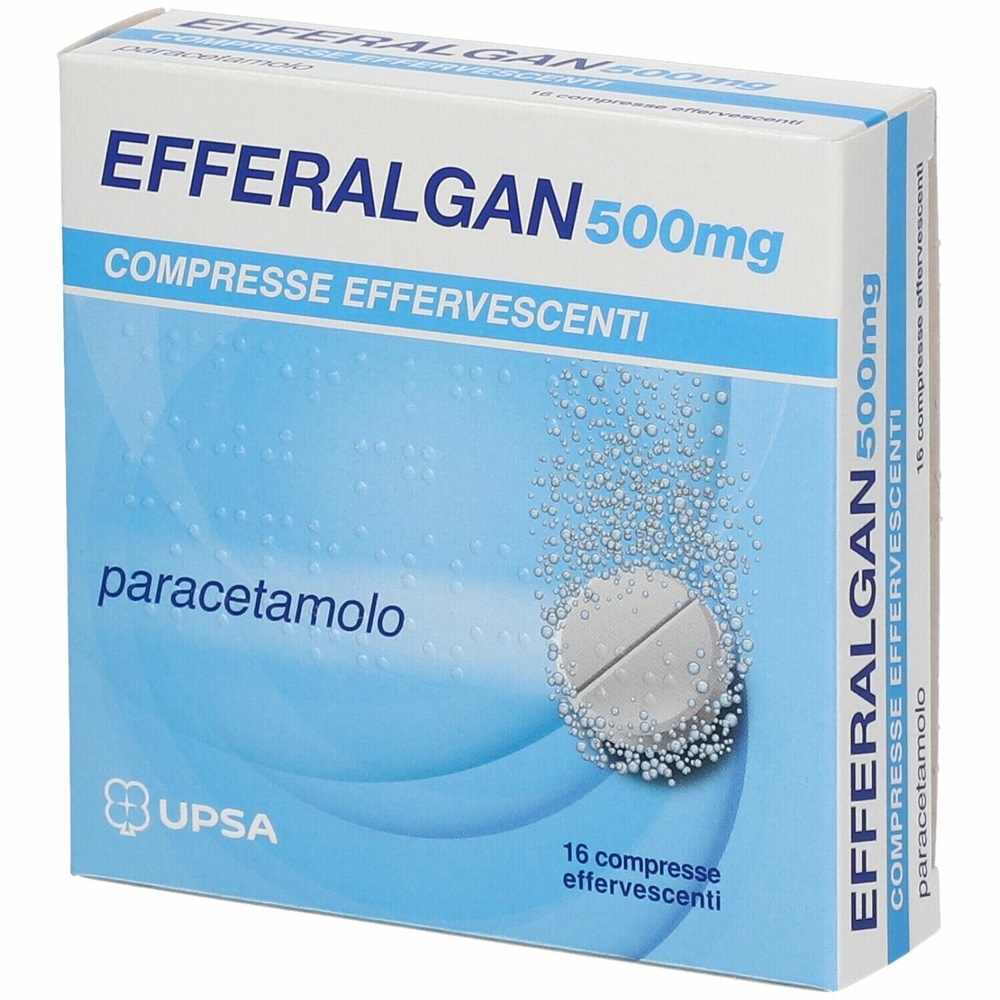
- Страна регистрации
- Форма выпускаEffervescent tablet, 500 MG
- Код АТХN02BE01
- Действующее вещество
- Отпускается по рецептуНет
- Производитель
- Информация на этой странице носит справочный характер и не является медицинской консультацией. Перед началом приема лекарства обязательно проконсультируйтесь с врачом.
- Аналоги EFFERALGANФорма выпуска: Effervescent granules, 300 MGДействующее вещество: ПарацетамолПроизводитель: ABIOGEN PHARMA S.P.A.Отпускается без рецептаФорма выпуска: Effervescent tablet, 1000 MGДействующее вещество: ПарацетамолОтпускается по рецептуФорма выпуска: Oral solution, 120 MG/5 MLДействующее вещество: ПарацетамолПроизводитель: ABC FARMACEUTICI S.P.A.Отпускается без рецепта
Аналоги EFFERALGAN в других странах
Лекарства с тем же действующим веществом, доступные в других странах.
Аналог EFFERALGAN в Испания
Аналог EFFERALGAN в Польша
Аналог EFFERALGAN в Украина
Врачи онлайн по EFFERALGAN
Обсудите применение EFFERALGAN и возможные следующие шаги — по оценке врача.









Получите рецепт на EFFERALGAN онлайн
Заполните форму за 2 минуты
Расскажите о симптомах, истории болезни и нужном препарате.
Выберите врача или мы назначим
Выберите специалиста или мы подберём ближайшего доступного врача.
Врач рассматривает ваш случай
Обычно в течение 30 минут. Может задать уточняющие вопросы в чате.
Получите в любой аптеке
Электронный рецепт отправляется на вашу почту — действителен по всей Польше.
Часто задаваемые вопросы
EFFERALGAN не требует рецепта в Италия. Вы можете уточнить у врача онлайн, подходит ли это лекарство для вашей ситуации.
Действующее вещество EFFERALGAN — Парацетамол. Эта информация помогает определить лекарства с тем же составом под другими торговыми названиями.
EFFERALGAN производится компанией UPSA SAS. Упаковка и торговое название могут отличаться в зависимости от дистрибьютора.
Врачи, включая Семейные врачи, Психиатры, Дерматологи, Кардиологи, Эндокринологи, Гастроэнтерологи, Пульмонологи, Нефрологи, Ревматологи, Гематологи, Инфекционисты, Аллергологи, Гериатры, Педиатры, Онкологи, могут оценить целесообразность применения EFFERALGAN с учетом вашей ситуации и местных правил. Вы можете записаться на онлайн-консультацию, чтобы обсудить возможные варианты.
Польша имеет хорошо развитую систему здравоохранения в крупных городах, таких как Варшава, Краков, Вроцлав и Гданьск. Аптеки широко доступны и работают в соответствии с действующим законодательством, обеспечивая доступ к рецептурным препаратам.
Вы можете купить EFFERALGAN в Варшаве, Кракове, Вроцлаве или Гданьске в любой аптеке при наличии действующего рецепта.
Чтобы получить рецепт, вы можете воспользоваться Oladoctor:
Другие лекарства с тем же действующим веществом (Парацетамол) включают AKETAMOL, EFFERAMOL, FLOGAR FEBBRE E DOLORE. Они могут отличаться торговым названием или формой выпуска, но содержат одинаковый терапевтический компонент. Перед изменением лечения рекомендуется проконсультироваться с врачом.
