



PANUP 5 МКГ/Ч Transdermal patch

Рассмотрение рецепта онлайн
Врач рассмотрит ваш случай и примет решение о назначении рецепта, если это медицински оправдано.

Поговорите с врачом об этом лекарстве
Обсудите симптомы и возможные дальнейшие шаги на онлайн-консультации.



Инструкция по применению PANUP
Содержание инструкции
Panup 5 micrograms/hour transdermal patch, 10 micrograms/hour transdermal patch, 15 micrograms/hour transdermal patch, 20 micrograms/hour transdermal patch, 25 micrograms/hour transdermal patch
Panup 30 micrograms/hour transdermal patch
Panup 40 micrograms/hour transdermal patch
buprenorphine
For use in adults
Read this leaflet carefully before you start to use this medicine as it contains important
information for you.
- Keep this leaflet. You may need to read it again.
- If you have any questions, ask your doctor or pharmacist.
- This medicine has been prescribed for you only. Do not pass it on to others, even if their symptoms are the same as yours, as it could be harmful.
- If you get any side effects, even those not listed in this leaflet, tell your doctor or pharmacist. See section 4.
Contents of this leaflet:
- 1. What Panup is and what it is used for
- 2. What you need to know before you use Panup
- 3. How to use Panup
- 4. Possible side effects
- 5. How to store Panup
- 6. Contents of the pack and other information
1. What is Panup and what is it used for
The transdermal patches of Panup contain the active ingredient buprenorphine, which belongs to a group of
medicines called potent analgesics or “pain relievers”.
Panup is used in adults to relieve moderate, long-lasting pain that requires the use of a
potent pain reliever.
Panup should not be used to relieve acute pain.
2. What you need to know before you use Panup
Do not use Panup
- if you are allergic to buprenorphine or any of the other ingredients of this medicine (listed in section 6).
- if you have breathing problems
- if you are drug dependent
- if you are taking a type of medicine known as a monoamine oxidase inhibitor (MAO) (examples include tranylcypromine, phenelzine, isocarboxazid, moclobemide and linezolid), or if you have taken this type of medicine in the last two weeks
- if you suffer from myasthenia gravis (a disorder in which muscles become weak)
- if you suffer from withdrawal symptoms such as agitation, anxiety, tremor or sweating after stopping alcohol consumption.
Panup should not be used to treat symptoms associated with stopping a medicine.
Warnings and precautions
Talk to your doctor or pharmacist before using Panup in the following cases.
- if you have recently consumed a large amount of alcoholic beverages
- if you suffer from seizures, epileptic fits or convulsions
- if you suffer from sleep-related breathing disorders (sleep apnea)
- if you have a severe headache or nausea due to a head injury or if there is an increase in pressure inside the skull (for example due to a brain disease). This is because the patches may worsen the symptoms or mask the severity of a head injury
- if you suffer from dizziness or fainting
- if you have severe liver problems
- if someone in your family has abused or been dependent on alcohol, prescription drugs or illegal drugs
- if you are a smoker
- if you have ever had problems with your mood (depression, anxiety or personality disorder) or if you have been treated by a psychiatrist for other mental illnesses
- if you have a fever, as this may result in greater amounts of the active ingredient being absorbed into the blood than normal
- if you are being treated with antidepressants. The use of these medicines together with Panup may lead to serotonin syndrome, a potentially life-threatening condition (see “Other medicines and Panup”)
- if you suffer from constipation
This medicine may cause reactions at the application site, usually as mild to moderate skin inflammation and typically manifest as redness, swelling, itching, rash, small
blisters and a painful/burning sensation at the application site. Most commonly the cause is
skin irritation, and these reactions disappear after the Panup patch is removed. More serious allergic reactions may manifest as blisters with leakage, which may spread
outside the application site and may not resolve quickly after Panup is removed. Chronic
allergic reactions can lead to open wounds, bleeding, ulcers, skin discoloration and
infections. If you notice any of the skin reactions mentioned above, contact your doctor.
This medicine may increase your sensitivity to pain, especially at high doses. Tell your doctor
if this happens. A dose reduction or a change of medicine may be necessary.
If you have recently undergone surgery, consult your doctor before using these transdermal patches.
Sleep-related breathing disorders: Panup may cause sleep-related breathing disorders such as
sleep apnea (pauses in breathing during sleep) and sleep-related hypoxemia (low levels of
oxygen in the blood). Symptoms may include pauses in breathing during
sleep, nighttime awakenings due to labored breathing, difficulty maintaining sleep, or excessive daytime sleepiness. If you or another person observe these symptoms, contact your doctor, who may
consider a dose reduction.
Panup may impair the normal production of hormones in the body such as cortisol or sex hormones,
especially if you have used high doses for a long period of time.
For those involved in competitive sports: the use of the drug without a therapeutic need constitutes doping and may
still result in a positive doping test.
The use of Panup as a doping substance may pose a health risk.
Children and adolescents
Panup should not be used in children and adolescents under 18 years of age.
Other medicines and Panup
Tell your doctor or pharmacist if you are taking, have recently taken or might take any other
medicines.
Some medicines may increase the side effects of Panup and sometimes can cause serious
adverse reactions.
Do not take other medicines while using Panup without first talking to your doctor, in
particular:
- Panup should not be used in combination with a type of medicine known as a monoamine oxidase inhibitor (MAO) (examples include tranylcypromine, phenelzine, isocarboxazid, moclobemide and linezolid), or if you have taken this type of medicine in the last two weeks.
- Antidepressants such as citalopram, escitalopram, fluoxetine, fluvoxamine, paroxetine, sertraline, duloxetine, venlafaxine, amitriptyline, doxepin or trimipramine. These medicines may interact with Panup and you may experience symptoms such as involuntary rhythmic muscle contractions, including muscles that control eye movement, agitation, hallucinations, coma, excessive sweating, tremor, exaggerated reflexes, increased muscle tension, body temperature above 38 °C. Contact your doctor when you experience these symptoms.
- If you are taking medicines such as phenobarbital or phenytoin (commonly used to treat seizures, epileptic fits or convulsions), carbamazepine (used to treat seizures, epileptic fits or convulsions or some conditions characterized by pain) or rifampicin (a medicine for the treatment of tuberculosis), the effects of Panup may be reduced.
- In some people Panup may cause drowsiness, nausea or fainting, or slow down or weaken breathing. These side effects may be worsened by taking other medicines that produce the same effects. These include some medicines used to treat pain, depression, anxiety, mental disorders, medicines used to help you sleep, medicines used to treat high blood pressure, such as clonidine, other opioids (which can be found in painkillers or some cough products, such as morphine, dextropropoxyphene, codeine, dextromethorphan, noscapine), antihistamines, which can induce sleep, or anesthetics, such as halothane.
- The concomitant use of Panup and sedatives such as benzodiazepines or related medicines increases the risk of drowsiness, respiratory depression (slowed or weakened breathing), coma and
can be life-threatening. For this reason, concomitant use should only be considered when other therapeutic options are not possible.
However, if your doctor prescribes Panup together with sedatives, the dose and duration of
concomitant treatment must be limited by the doctor.
Tell your doctor about all the sedatives you are taking and carefully follow the dose
recommended by your doctor. It may be helpful to inform friends and family to pay attention to
the above-mentioned signs and symptoms. See your doctor if these symptoms occur.
Panup with alcohol
Alcohol may worsen some of the side effects and you may feel unwell if you consume alcohol while
using Panup. Drinking alcohol while using Panup may also affect your reaction time.
Pregnancy and breastfeeding
You should not use Panup if you are pregnant, if you suspect or are planning a pregnancy, or if you are
breastfeeding unless otherwise indicated by your doctor who will
carefully assessed the benefits and risks to the mother and the unborn child.
Ask your doctor or pharmacist for advice before using this medicine
Driving and using machines
Panup may affect your ability to react to such an extent that you may not be able to react
adequately or quickly enough in the event of unforeseen or sudden events. This is particularly true:
- at the beginning of treatment
- if you are taking medicines for the treatment of anxiety or to help you sleep
- if the dose is increased
If this is the case (for example, you experience dizziness, drowsiness and blurred vision), you should not
drive or use machines while using Panup, nor for the 24 hours after removing the
transdermal patch.
3. How to use Panup transdermal patch
Use this medicine following the doctor's instructions exactly. If you have any doubts, consult your
doctor or pharmacist.
Different dosages of Panup are available. The doctor will decide which dose of buprenorphine transdermal patches is most suitable for your case.
When people use buprenorphine transdermal patches for the first time, they often experience
nausea and vomiting (see section 4). These usually subside after the first week of
treatment. It is a good idea to schedule a follow-up visit with your doctor one or two weeks after
starting to use Panup transdermal patches, to ensure you are taking the correct dose and
for the management of any unwanted effects.
During treatment, the doctor may replace the transdermal patch you are using with a smaller or
larger one if necessary, or instruct you to use a combination of two patches. Do not cut or divide the
patch or use a dose greater than the recommended one. You must not apply more than two transdermal patches
at the same time, up to a maximum total dose of 40 micrograms/hour.
If you feel that the effect of Panup is too weak or too strong, consult your doctor or pharmacist.
Adults and elderly patients
Unless otherwise indicated by your doctor, apply one Panup transdermal patch (as described in
detail below) and replace it every seven days, preferably at the same time of day. The doctor
may decide to adjust the dose after 3-7 days, to achieve optimal pain control. If your
doctor has advised you to take other pain relievers in addition to the transdermal patch, follow
their instructions carefully, otherwise you will not be able to fully benefit from treatment with
Panup. The transdermal patch must be applied for 3 full days before increasing the dose: this
is when a given dose exerts its maximum effect.
Patients with liver disease
In patients with liver disease, the effects and duration of action of Panup may be compromised and
the doctor will therefore subject you to closer monitoring.
Use in children and adolescents
Panup transdermal patches must not be used in patients under 18 years of age.
Method of administration
Panup is for transdermal use.
Panup works through the skin. After application, buprenorphine passes into the blood through the
skin.
Before applying Panup transdermal patch
- Choose an area of intact and non-irritated skin, on the upper arm, the outer arm, the upper chest, the upper back, or the lateral portion of the chest (see the illustrations below). If you are unable to apply the transdermal patch yourself, ask for assistance.
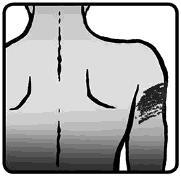
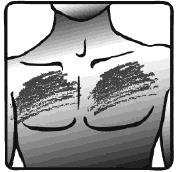
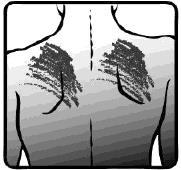
- The buprenorphine transdermal patch must be applied to an area of skin that is relatively hairless or almost hairless. If suitable hairless areas are not available, cut the hair with a pair of scissors. Do not use a razor to cut the hair.
- Avoid skin that is reddened, irritated or with other imperfections, for example large scars.
- The chosen area of skin must be dry and clean. If necessary, wash with cold or lukewarm water. Do not use soap, alcohol, oil, lotions or other detergents. After a hot bath or shower, wait for the skin to be completely dry and cool. Do not apply lotions, creams or ointments to the chosen area: this may prevent the transdermal patch from adhering correctly.
Applying the transdermal patch
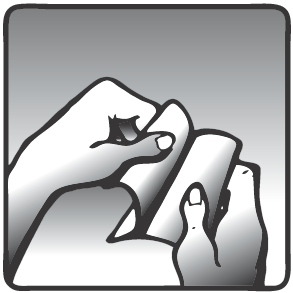
Step 1: Each transdermal patch is sealed in a sachet. Just before use, open the sachet
by tearing it where indicated. Remove the transdermal patch. Do not use the transdermal patch if the
sachet seal is already broken.
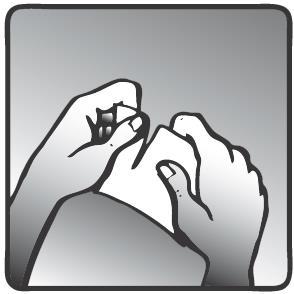
Step 2: The adhesive side of the transdermal patch is covered with a transparent film. Carefully remove
half of the film. Avoid touching the adhesive part of the transdermal patch.
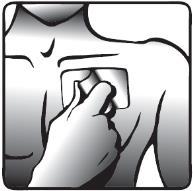
Step 3: Apply the transdermal patch to the chosen area of skin and remove the remaining film
on the other side.
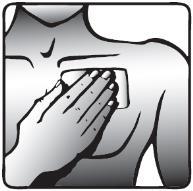
Step 4: Press the transdermal patch onto the skin with the palm of your hand and count slowly to 30.
Make sure that the entire transdermal patch is fully in contact with the skin, especially at the
edges.
Wearing the transdermal patch
You must wear the transdermal patch for seven days. Assuming it has been applied correctly, it is
unlikely that the transdermal patch will come off. If the edges of the transdermal patch start to detach,
they can be secured with skin-specific adhesive tape. You can shower, bathe or
swim while wearing the transdermal patch.
Do not expose the transdermal patch to extreme temperatures (such as heating pads, electric blankets, heating lamps,
saunas, whirlpools, heated waterbeds, hot water bottles, etc.), as
this may result in greater absorption of active ingredient into the blood than normal. External heat may also prevent the transdermal patch from adhering correctly. If you have a fever, this
may alter the effects of Panup (see section “Warnings and precautions” above).
In the unlikely event that the transdermal patch comes off before it is due to be replaced, do not reuse the same patch. Apply a new one immediately (see “Replacing the transdermal patch”, below).
Replacing the transdermal patch
- Remove the old transdermal patch.
- Fold it in half, with the adhesive side inwards.
- Open and remove a new transdermal patch. Use the empty sachet to dispose of the old patch. Dispose of the sachet safely.
- Even used patches contain some active ingredient that may be dangerous for children or animals, so make sure used patches are kept out of their reach and sight.
- Apply a new transdermal patch to a suitable and different skin site than the previous one (as described above). Do not apply a new transdermal patch to the same skin area for 3-4 weeks.
- Remember to change the transdermal patch at the same time of day. It is important to note the exact time of day.
Duration of treatment
The doctor will tell you how long you should be treated with Panup. Do not stop treatment without
consulting a doctor, as the pain may return and you may feel unwell (see also
“If you stop using Panup”, below).
If you use more Panup than you should
As soon as you realize you have used more transdermal patches than you should, remove all the patches
and call your doctor or hospital immediately. People who have taken an overdose of
buprenorphine may feel very sleepy and nauseous. You may also have difficulty breathing or
lose consciousness, and therefore require emergency treatment in hospital. When you ask
remaining, to show them to the doctor.
If you forget to apply Panup
Apply a new transdermal patch as soon as you remember. Also note the date, as
at this point the usual day of replacement may be different. If you delay replacing the
transdermal patch for a long time, the pain may return. In this case, contact your doctor.
Do not apply additional transdermal patches to make up for forgetting an application.
If you stop using Panup
If you stop treatment with Panup too soon or discontinue it, the pain may return. If
you want to stop treatment, consult your doctor. They will tell you what to do and whether you can switch to
treatment with other medicines.
Some people may experience unwanted effects when using potent pain relievers for a long
time and then stopping using them. The risk of having effects after stopping Panup is very low.
However, if you feel agitated, anxious, nervous or if you experience tremors, if you are hyperactive, have difficulty
sleeping or suffer from digestive problems, tell your doctor.
The pain-relieving effect of Panup is maintained for a certain time after removing the
transdermal patch. You should not start taking another opioid analgesic (potent
pain reliever) within 24 hours of removing the transdermal patch.
If you have any doubts about using this medicine, ask your doctor or pharmacist.
4. Possible side effects
Like all medicines, this medicine can cause side effects, although not everybody gets them.
Serious side effects that may be associated with Panup are similar to those observed with other
potent painkillers, and include difficulty breathing and reduced blood pressure.
This medicine can cause allergic reactions, although severe ones are rare. If you experience
sudden shortness of breath, difficulty breathing, swelling of the eyelids, face or lips, skin
rashes or itching, especially if affecting the whole body, remove the transdermal patch and inform
your doctor immediately.
There is a risk that you may become dependent on Panup.
The following side effects have also been reported in patients treated with Panup:
Very common(may affect more than 1 in 10 people)
- headache, dizziness, drowsiness
- constipation, feeling sick and vomiting,
- itchy skin, redness of the skin
- rash, itching, redness, inflammation or swelling of the skin at the application site
Common(may affect up to 1 in 10 people)
- loss of appetite
- confusion, depression, anxiety, sleep disorders, nervousness, tremor
- shortness of breath
- abdominal pain or discomfort, diarrhoea, indigestion, dry mouth
- sweating, rash, skin eruptions
- fatigue, feeling of unusual weakness, muscle weakness, oedema (for example swelling of the hands, ankles or feet)
Uncommon(may affect up to 1 in 100 people)
- restlessness, agitation, feeling of extreme happiness, hallucinations, nightmares, decreased sexual drive, aggression
- altered taste, difficulty speaking, reduced sensitivity to pain or touch, tingling or numbness
- memory loss, migraine, fainting, problems with concentration or coordination
- dry eyes, blurred vision
- ringing or buzzing in the ears
- feeling of spinning or lightheadedness
- high or low blood pressure, chest pain, fast heartbeat, feeling your heartbeat, hot flushes
- cough, hiccups, wheezing
- flatulence
- weight loss
- dry skin
- spasms, discomfort and pain
- difficulty starting urination, difficulty urinating, involuntary urination
- fever
- an increase in accidental injuries (for example falls)
- withdrawal symptoms, such as agitation, anxiety, sweating or tremor, after stopping Panup
If you need to have blood tests, remind your doctor that you are using Panup. This is
important, because Panup can alter the way the liver works, and this can affect the
results of some blood tests.
Rare(may affect up to 1 in 1,000 people)
- angina (chest pain associated with heart disease)
- mental disorders
- difficulty maintaining balance
- swelling of the eyelids or face, reduced pupil size
- difficulty breathing, worsening of asthma, hyperventilation
- feeling of fainting, especially when standing up
- hot flushes
- difficulty swallowing, ileus
- local allergic reaction, with marked signs of swelling (in these cases treatment must be stopped)
- swelling and irritation inside the nose
- decreased erection, sexual dysfunction
- flu-like illness
- dehydration
Very rare(may affect up to 1 in 10,000 people)
- muscle contractions
- mood swings
- ear pain
- blisters
- drug dependence
Frequency not known(the frequency cannot be estimated from the available data)
- Breathing problems during sleep (sleep apnoea syndrome), see section 2 “Warnings and precautions”
- Convulsions, epileptic seizures or fits
- Inflammation of the bowel wall. Symptoms may include fever, vomiting and pain or discomfort in the stomach.
- Increased sensitivity to pain
- Abdominal pain or discomfort similar to colic
- Feeling detached from oneself
- Withdrawal symptoms in children born to mothers who have taken Panup during pregnancy may include high-pitched crying, irritability and restlessness, agitation (tremors), difficulty feeding, sweating and failure to gain weight
- Contact dermatitis (skin rash with inflammation that may include a burning sensation), alteration of skin colour
Reporting of side effects
If you get any side effects, talk to your doctor or pharmacist. This includes any side effects not listed
in this leaflet. You can also report side effects directly through the national reporting system at
https://www.aifa.gov.it/content/segnalazioni-reazioni-avverse.
By reporting side effects you can help provide more information on the safety of
this medicine.
5. How to store Panup
Keep this medicine out of the sight and reach of children.
Do not use this medicine after the expiry date, which is stated on the package and the sachet, after
Exp. The expiry date refers to the last day of that month.
Do not store at a temperature above 25°C.
Do not use the transdermal patch if you notice that the seal of the sachet is not intact.
Used transdermal patches must be folded over on themselves, with the adhesive layer facing inwards, and
disposed of safely.
Do not dispose of any medicine in wastewater or household waste. Ask your pharmacist how to
dispose of medicines you no longer use. This will help protect the environment.
6. Package contents and other information
What Panup contains
- The active ingredient is buprenorphine
Panup 5 micrograms/hour transdermal patch
Each transdermal patch contains 5 mg of buprenorphine per 6.25 cm that releases 5 micrograms of
buprenorphine per hour.
Panup 10 micrograms/hour transdermal patch
Each transdermal patch contains 10 mg of buprenorphine per 12.5 cm that releases 10 micrograms of
buprenorphine per hour.
Panup 15 micrograms/hour transdermal patch
Each transdermal patch contains 15 mg of buprenorphine per 18.75 cm that releases 15 micrograms of
buprenorphine per hour.
Panup 20 micrograms/hour transdermal patch
Each transdermal patch contains 20 mg of buprenorphine per 25 cm that releases 20 micrograms of
buprenorphine per hour.
Panup 25 micrograms/hour transdermal patch
Each transdermal patch contains 25 mg of buprenorphine per 31.25 cm that releases 25 micrograms of
buprenorphine per hour.
Panup 30 micrograms/hour transdermal patch
Each transdermal patch contains 30 mg of buprenorphine per 37.5 cm that releases 30 micrograms of
buprenorphine per hour.
Panup 40 micrograms/hour transdermal patch
Each transdermal patch contains 40 mg of buprenorphine per 50 cm that releases 40 micrograms of
buprenorphine per hour.
- Other components are: Protective film (to be removed before applying the patch): sheet of poly(ethylene terephthalate), siliconized Adhesive matrix (containing buprenorphine): levulinic acid, oleyl oleate, povidone K90, poly[acrylic acid-co-butyl acrylate-co-(2-ethylhexyl)- acrylate-co-vinyl acetate] (5:15:75:5) Release liner (between the adhesive matrices with and without buprenorphine): sheet of poly(ethylene terephthalate) Patch covering: acrylic adhesive, polyurethane support film, printing ink
Description of the appearance of Panup and package contents
Panup is a rectangular transdermal patch of light brown/yellowish color, with rounded edges. The
transdermal patch bears the following inscriptions:
Buprenorphinum 5 µg/h
Buprenorphinum 10 µg/h
Buprenorphinum 15 µg/h
Buprenorphinum 20 µg/h
Buprenorphinum 25 µg/h
Buprenorphinum 30 µg/h
Buprenorphinum 40 µg/h
Each transdermal patch is individually packaged in a child-resistant blister pack.
Box containing 4, 8 or 12 transdermal patches.
Not all pack sizes may be marketed.
Marketing authorization holder
Sandoz S.p.A.
Largo Umberto Boccioni 1
21040 Origgio (VA)
Italy
Manufacturer
Hexal AG
Industriestrasse 25, 83607 Holzkirchen
Germany
This medicinal product is authorized in the Member States of the European Economic Area with the
following names:
| Germany | Buprenorphin HEXAL 7 Tage 5 Mikrogramm/Stunde transdermales Pflaster |
| c Buprenorphin HEXAL 7 Tage 10 Mikrogramm/Stunde transdermales Pflaster | |
| Buprenorphin HEXAL 7 Tage 15 Mikrogramm/Stunde transdermales Pflaster | |
| a Buprenorphin HEXAL 7 Tage 20 Mikrogramm/Stunde transdermales Pflaster | |
| Buprenorphin HEXAL 7 Tage 25 Mikrogramm/Stunde transdermales Pflaster | |
| m Buprenorphin HEXAL 7 Tage 30 Mikrogramm/Stunde transdermales Pflaster | |
| Buprenorphin HEXAL 7 Tage 40 Mikrogramm/Stunde transdermales Pflaster | |
| Netherlands | r Buprenorfine 1A Pharma 5 microgram/uur 7 dagen, pleister voor transdermaal gebruik |
| a Buprenorfine 1A Pharma 10 microgram/uur 7 dagen, pleister voor transdermaal gebruik | |
| F Buprenorfine 1A Pharma 15 microgram/uur 7 dagen, pleister voor transdermaal gebruik | |
| l Buprenorfine 1A Pharma 20 microgram/uur 7 dagen, pleister voor transdermaal gebruik | |
| e Buprenorfine 1A Pharma 25 microgram/uur 7 dagen, pleister voor transdermaal gebruik | |
| d Buprenorfine 1A Pharma 30 microgram/uur 7 dagen, pleister voor transdermaal gebruik | |
| a Buprenorfine 1A Pharma 40 microgram/uur 7 dagen, pleister voor transdermaal gebruik | |
| Italy | Panup |

Не уверены, подходит ли вам это лекарство?
Обсудите симптомы и варианты лечения с врачом онлайн.

Уже начали прием и появились вопросы?
Обсудите свое состояние и дальнейшие шаги с врачом онлайн.
- Страна регистрации
- Форма выпускаTransdermal patch, 5 MICROGRAMS/HOUR
- Код АТХN02AE01
- Действующее вещество
- Отпускается по рецептуДа
- Производитель
- Информация на этой странице носит справочный характер и не является медицинской консультацией. Перед началом приема лекарства обязательно проконсультируйтесь с врачом.
- Аналоги PANUPФорма выпуска: Transdermal patch, 25 MICROGRAMMI/HДействующее вещество: БупренорфинПроизводитель: SANDOZ S.P.A.Отпускается по рецептуФорма выпуска: Transdermal patch, 35 MICROGRAMS/HOURДействующее вещество: БупренорфинПроизводитель: SANDOZ S.P.A.Отпускается по рецептуФорма выпуска: Transdermal patch, 5 MICROGRAMS/HOURДействующее вещество: БупренорфинПроизводитель: ISTITUTO GENTILI S.R.L.Отпускается по рецепту
Аналоги PANUP в других странах
Лекарства с тем же действующим веществом, доступные в других странах.
Аналог PANUP в Испания
Аналог PANUP в Польша
Аналог PANUP в Украина
Врачи онлайн по PANUP
Обсудите применение PANUP и возможные следующие шаги — по оценке врача.









Получите рецепт на PANUP онлайн
Заполните форму за 2 минуты
Расскажите о симптомах, истории болезни и нужном препарате.
Выберите врача или мы назначим
Выберите специалиста или мы подберём ближайшего доступного врача.
Врач рассматривает ваш случай
Обычно в течение 30 минут. Может задать уточняющие вопросы в чате.
Получите в любой аптеке
Электронный рецепт отправляется на вашу почту — действителен по всей Польше.
Часто задаваемые вопросы
PANUP требует рецепта в Италия. Вы можете уточнить у врача онлайн, подходит ли это лекарство для вашей ситуации.
Действующее вещество PANUP — Бупренорфин. Эта информация помогает определить лекарства с тем же составом под другими торговыми названиями.
PANUP производится компанией SANDOZ S.P.A.. Упаковка и торговое название могут отличаться в зависимости от дистрибьютора.
Врачи, включая Семейные врачи, Психиатры, Дерматологи, Кардиологи, Эндокринологи, Гастроэнтерологи, Пульмонологи, Нефрологи, Ревматологи, Гематологи, Инфекционисты, Аллергологи, Гериатры, Педиатры, Онкологи, могут оценить целесообразность применения PANUP с учетом вашей ситуации и местных правил. Вы можете записаться на онлайн-консультацию, чтобы обсудить возможные варианты.
Польша имеет хорошо развитую систему здравоохранения в крупных городах, таких как Варшава, Краков, Вроцлав и Гданьск. Аптеки широко доступны и работают в соответствии с действующим законодательством, обеспечивая доступ к рецептурным препаратам.
Вы можете купить PANUP в Варшаве, Кракове, Вроцлаве или Гданьске в любой аптеке при наличии действующего рецепта.
Чтобы получить рецепт, вы можете воспользоваться Oladoctor:
Другие лекарства с тем же действующим веществом (Бупренорфин) включают BUSETALT, DURLEVATEK, JENTTS. Они могут отличаться торговым названием или формой выпуска, но содержат одинаковый терапевтический компонент. Перед изменением лечения рекомендуется проконсультироваться с врачом.
