



КАРТЕОЛ 1% Глазные капли, раствор

Рассмотрение рецепта онлайн
Врач рассмотрит ваш случай и примет решение о назначении рецепта, если это медицински оправдано.

Поговорите с врачом об этом лекарстве
Обсудите симптомы и возможные дальнейшие шаги на онлайн-консультации.



Инструкция по применению KARTEOL
Содержание инструкции
- Carteol 20 mg/ml Eye Drops, solution
- CARTEOL 10 mg/ml Eye drops, solution, 20 mg/ml Eye drops, solution
Carteol 20 mg/ml Eye Drops, solution
Carteolol hydrochloride
Read this leaflet carefully before you start using this medicine as it contains important
information for you.
- Keep this leaflet, you may need to read it again.
- If you have any questions, ask your doctor or pharmacist.
- This medicine has been prescribed for you only. Do not pass it on to others, even if they have the same symptoms as you, as it may be harmful.
- If you get any side effects, even those not listed in this leaflet, tell your doctor or pharmacist. See section 4.
Contents of this leaflet
- 1. What Carteol is and what it is used for
- 2. What you need to know before you use Carteol
- 3. How to use Carteol
- 4. Possible side effects
- 5. How to store Carteol
- 6. Contents of the pack and other information
1. What is Carteol and what is it used for
Carteol contains the active ingredient carteolol hydrochloride, a beta-blocker with
antiglaucoma activity, capable of reducing pressure inside the eye.
Carteol is indicated for the treatment of ocular hypertension and primary open-angle glaucoma. Treatment with Carteol, through the reduction of intraocular pressure, allows to
prevent complications of glaucoma that may compromise the quality of vision.
Contact your doctor if, at the end of the prescribed therapy, you do not notice an improvement or
if you notice a worsening.
2. What you need to know before using Carteol
Do not use Carteol
- if you are allergic to and/or have experienced hypersensitivity to carteolol hydrochloride, beta-blockers or any of the other ingredients of this medicine (listed in section 6);
- if you suffer from or have suffered in the past from respiratory diseases such as asthma or severe chronic obstructive pulmonary disease (a serious lung condition that can cause shortness of breath, difficulty breathing and/or persistent cough);
- if you have congestive heart failure, decompensated heart failure or cardiogenic shock;
- if you have heart rhythm problems (sinus bradycardia, sick sinus syndrome, sinoatrial block, second or third degree atrioventricular block not controlled by a pacemaker);
- during pregnancy and breastfeeding.
Warnings and precautions
Talk to your doctor or pharmacist before using Carteol.
Before using this medicine, tell your doctor if you have or have had in the past:
- chronic heart disease (symptoms may include chest pain or a feeling of tightness, shortness of breath or suffocation), heart failure, low blood pressure;
- heart rate disorders such as slow heartbeat;
- respiratory problems, asthma or chronic obstructive pulmonary disease;
- disorders characterized by poor blood circulation (e.g. Raynaud's syndrome);
- diabetes, as carteolol hydrochloride may mask signs and symptoms of low blood sugar levels (hypoglycemia);
- excessive activity of the thyroid gland as carteolol hydrochloride may mask its signs and symptoms. Abrupt discontinuation of therapy with beta-blockers may accelerate a worsening of hyperthyroidism symptoms.
- pheochromocytoma, because the use of beta-blockers in the treatment of hypertension due to pheochromocytoma requires close monitoring of blood pressure;
- beta-blocker therapy may worsen symptoms of myasthenia gravis and psoriasis;
- severe allergic reactions, as reactivity to allergens may increase during treatment with beta-blockers;
- corneal pathologies, as beta-blockers may induce dry eye;
- choroidal detachment.
Before undergoing surgery, tell your doctor that you are using Carteol, as
carteolol hydrochloride may affect the effects of some drugs used during anesthesia.
In the case of administration to elderly patients, patients with renal and/or hepatic insufficiency and when Carteol is administered simultaneously with beta-blockers for systemic use, particular caution is advised.
For those who engage in sports: the use of the drug without a therapeutic need constitutes doping and may result in a positive anti-doping test.
Carteol contains phosphates: This medicine contains 0.05 mg of phosphate buffer per drop,
equivalent to 1.36 mg/ml.
If you have severe damage to the outermost transparent layer of the eye (the cornea), phosphates may
cause, in very rare cases, opaque spots on the cornea due to calcium accumulation during
treatment.
Discontinue treatment and consult your doctor to start appropriate therapy if you
experience manifestations of sensitization to the ingredients of the medicine.
Children and adolescents
The safety and efficacy of Carteol in children and adolescents have not been established.
Use in pediatric age is not recommended due to lack of clinical data.
Other medicines and Carteol
Tell your doctor or pharmacist if you are taking, have recently taken or might take
any other ophthalmic products or medicines, including over-the-counter medicines.
You can use Carteol with other medicines for ophthalmic use, but follow the instructions in section 3.
In particular, tell your doctor if you are taking other medicines containing phosphates. Your doctor
will check your cornea at regular intervals.
Carteol may influence or be influenced by other drugs in use, including other eye drops for the
treatment of glaucoma. Tell your doctor if you are using or intend to use medicines to lower
blood pressure, heart medicines or medicines for the treatment of diabetes.
Pregnancy and breastfeeding
If you are pregnant, suspect you are pregnant, are planning to become pregnant or are breastfeeding with
breast milk, ask your doctor or pharmacist for advice before using this medicine.
Pregnancy
During pregnancy, the product should be administered only when absolutely necessary and under the direct control of the
doctor.
Breastfeeding
Do not use Carteol during breastfeeding. Carteolol hydrochloride may pass into breast milk.
Driving and using machines
Carteolol hydrochloride has a moderate influence on the ability to drive vehicles and use
machinery. Possible side effects such as dizziness, fatigue or visual disturbances (including
double vision, drooping eyelid, blurred vision) may interfere with the ability to drive and operate machinery in some patients.
If you experience one or more of these effects, do not drive and do not use machinery until the symptoms have
disappeared.
3. How to use Carteol
Use this medicine following the doctor's instructions exactly. If you have any doubts, consult your
doctor or pharmacist.
The recommended dose is 1 drop twice a day.
If the doctor deems it necessary, therapy with agents
parasympathomimetic, prostaglandin analogues, alpha-agonists or carbonic anhydrase inhibitors may be associated.
In the event of switching from other antiglaucoma eye drops to Carteol, it is recommended to stop the
treatment after one full day of therapy and to start the treatment with
Carteol the next day, instilling one drop twice a day.
Instructions for use
Before administering the eye drops:
- If you are using Carteol 20 mg/ml multidose eye drops without preservatives for the first time, before instilling a drop into the eye, practice using the dropper bottle, following the instructions for use and dispensing a drop away from the eye.
- When you are sure you can deliver one drop at a time, choose the position you find most comfortable for administering the eye drops (sitting, lying down or standing in front of a mirror).
- 1. Wash/sanitize your hands thoroughly.
- 2. Make sure the protective cap is intact before use.
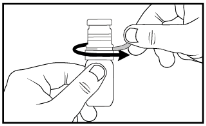
- 3. Remove the safety seal from the protective cap by pulling the end of the tab in an anti-clockwise direction.
- 4. Remove the protective cap by pulling it upwards.
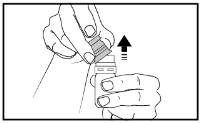
Do not exert any pressure on the bottle before removing the protective cap and
inverting the bottle for administration.
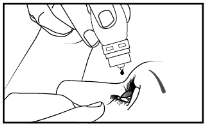
- 5. Tilt your head back. Gently pull down the lower eyelid of the affected eye with your fingers.
- 6. Invert the bottle and instill the eye drops by applying slight pressure on the bottle itself, taking care not to touch the eye, eyelid or any other surface with the tip of the bottle; this can avoid contamination.
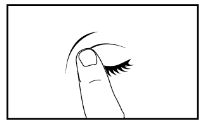
- 7. Close your eye and press a finger against the corner of the affected eye near the nose. Hold for 2 minutes. This ensures that the drop is absorbed by the eye and helps prevent the medicine from penetrating the rest of the body.
- 8. Repeat the operations on the other eye, if necessary.
- 9. Shake the bottle downwards to eliminate any residual solution present on the tip of the dropper.
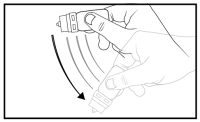
- 10. Immediately reclose the bottle with the protective cap after use.
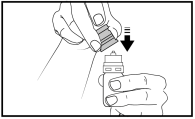
- 11. Remember to write the date of first opening the bottle on the box.
If you use more Carteol than you should
There is limited experience of overdose with the use of Carteol.
If you instill too many drops, you may experience dizziness, or difficulty breathing, or feel that your heart rate has slowed, among other effects.
Consult your doctor or pharmacist immediately.
If you forget to use Carteol
As soon as you remember, put in one drop and then return to your normal administration times. Do not use a double dose to make up for the missed dose.
If you stop using Carteol
Do not stop treatment with Carteol without consulting your doctor. For it to work correctly,
Carteol must be used every day.
If you have any doubts about using this medicine, ask your doctor or pharmacist.
If you use Carteol with other medicines for ophthalmic use
If you are using other ophthalmic products, allow at least 15 minutes between using one product and the next. Ointments should be used last.
4. Possible side effects
Like all medicines, this medicine can cause side effects, although not everyone will experience them.
Like other ophthalmic drugs, carteolol hydrochloride is absorbed into the bloodstream; this may cause
side effects similar to those observed with beta-blockers administered intravenously and/or
orally. The possibility of experiencing side effects with the administration of the eye drops is
lower than when the administration is systemic (when the drugs are administered by
mouth or by injection).
The side effects listed include reactions observed within the class of ophthalmic beta-
blockers:
Immune system disorders:
generalized allergic reactions including swelling under the skin, which can occur in areas such as the face
and limbs and can obstruct the airways causing difficulty swallowing and breathing, urticaria, localized and generalized
skin rash, itching, severe, life-threatening allergic reaction, systemic lupus erythematosus.
Metabolism and nutrition disorders:
hypoglycemia (low blood glucose levels).
Psychiatric disorders:
sleep disturbances (insomnia), depression, nightmares, memory loss.
Nervous system disorders:
dizziness, headache, fainting, stroke, cerebral ischemia (reduced blood supply to the brain).
Eye disorders:
signs and symptoms of eye irritation (e.g., burning, stinging, itching, tearing,
redness), blepharitis (inflammation of the eyelid), corneal inflammation, blurred
vision, choroidal detachment (layer beneath the retina containing blood vessels) following
filtering surgery which may cause visual disturbances, reduced corneal sensitivity, dry eye,
corneal erosion, lowering of the upper eyelid (which makes the eye half-closed), double
vision.
Cardiac disorders:
bradycardia (slowed heart rate), chest pain, palpitations, edema (fluid accumulation),
changes in heart rate or rhythm, congestive heart failure
(heart disease associated with shortness of breath and swelling of the feet and legs due to fluid
accumulation), myocardial infarction, heart failure.
Vascular disorders:
hypotension (decreased average blood pressure), Raynaud's syndrome, cold hands and feet.
Respiratory, thoracic and mediastinal disorders:
constriction of the airways (predominantly in patients with pre-existing disease),
difficulty breathing, cough.
Gastrointestinal disorders:
taste disturbances, nausea, indigestion, diarrhea, dry mouth, abdominal pain, vomiting.
Skin and subcutaneous tissue disorders
hair loss, psoriatic dermatitis (silvery-white appearing skin eruptions) or
worsening of psoriasis, skin rash.
Musculoskeletal and connective tissue disorders:
worsening of signs and symptoms of myasthenia gravis (muscle disease), muscle
weakness/fatigue, muscle pain not due to exercise.
Reproductive system and breast disorders:
sexual dysfunction, decreased libido, impotence.
Sufficient data are not available to establish the frequency of the above effects.
In very rare cases (less than 1 in 10,000), some patients with severe damage to the clear layer
in the front of the eye (cornea) have developed cloud-like spots on the cornea due to
calcium accumulation during treatment.
Reporting of side effects
If you experience any side effects, including those not listed in this leaflet, please tell your
doctor or pharmacist. You can also report side effects directly through the national reporting system at
https://www.aifa.gov.it/content/segnalazioni-reazioni-avverse .
By reporting side effects, you can help provide more information on the safety
of this medicine.
5. How to store Carteol
Keep this medicine out of the sight and reach of children.
Do not use this medicine after the expiry date which is stated on the packaging after SCAD.
The expiry date refers to the last day of that month and the product is intact, correctly
stored.
Store at a temperature below 25°C. Do not refrigerate or freeze.
After first opening the bottle: store for 60 days at a temperature below 25°C. Discard
the bottle 60 days after first opening.
Keep the bottle in the outer packaging to protect the medicine from light.
Do not dispose of any medicine in wastewater or household waste. Ask your pharmacist how
to dispose of medicines you no longer use. This will help protect the environment.
6. Contents of the pack and other information
What Carteol 20 mg/ml contains
- The active ingredient is carteolol hydrochloride; 100 ml of solution contains 2 g of carteolol hydrochloride;
- The other ingredients are: monobasic sodium phosphate monohydrate, disodium phosphate dodecahydrate, sodium chloride, purified water.
Description of the appearance of Carteol and contents of the pack
Carteol eye drops, solution is a clear, colorless solution.
This medicine is available in LDPE bottles (7 ml), each containing 6 ml of solution
with a polypropylene dropper coated in HDPE and a tamper-evident LDPE cap.
The dropper has a valve system that prevents backflow of contaminated liquid into the bottle and
allows the inflow of filtered air.
Marketing authorisation holder and manufacturer
SIFI S.p.A. - Via Ercole Patti, 36 – 95025 Aci S. Antonio (CT)
Detailed and updated information for this product is available through a
smartphone.
The same information is also available at the following URL:
https://qr.sifigroup.com/1g101830/
[ QRcode]
CARTEOL 10 mg/ml Eye drops, solution, 20 mg/ml Eye drops, solution
Carteolol hydrochloride
Pharmacotherapeutic category
Therapeutic indications
Carteol is indicated for the treatment of ocular hypertension and primary open-angle glaucoma. Treatment with Carteol, through the reduction of intraocular pressure, allows to
prevent glaucoma complications that can compromise the quality of vision.
Contraindications
Do not use Carteol:
- if you are allergic to and/or have experienced episodes of hypersensitivity to carteolol hydrochloride, beta-blockers or any of the other components of this medicine;
- if you suffer from or have suffered in the past from respiratory diseases such as asthma or severe chronic obstructive pulmonary disease (a serious lung condition that can cause shortness of breath, difficulty breathing and/or persistent cough);
- if you have congestive heart failure, decompensated heart failure or cardiogenic shock;
- if you have heart rhythm problems (sinus bradycardia, sick sinus syndrome, sinoatrial block, second or third degree atrioventricular block not controlled by a pacemaker);
- during pregnancy and breastfeeding.
Precautions for use
Consult your doctor or pharmacist before using Carteol.
Before using this medicine, tell your doctor if you have or have had in the past:
- chronic heart disease (symptoms may include chest pain or a feeling of tightness, shortness of breath or suffocation), heart failure, low blood pressure;
- heart rate disorders such as slow heartbeat;
- respiratory problems, asthma or chronic obstructive pulmonary disease. Respiratory reactions (including death due to bronchospasm) have been reported following the administration of some ophthalmic beta-blockers in asthmatic patients;
- disorders characterized by poor blood circulation (e.g. Raynaud's syndrome);
- diabetes, as carteolol hydrochloride may mask signs and symptoms of low blood sugar levels (hypoglycemia);
- excessive activity of the thyroid gland as carteolol hydrochloride can mask its signs and symptoms. Abrupt discontinuation of beta-blocker therapy may accelerate a worsening of hyperthyroidism symptoms;
- pheochromocytoma, because the use of beta-blockers in the treatment of hypertension due to pheochromocytoma requires close monitoring of blood pressure;
- beta-blocker therapy may worsen the symptoms of myasthenia gravis and psoriasis.
Before undergoing surgery, tell your doctor that you are using Carteol, as
carteolol hydrochloride may affect the effects of some drugs used during anesthesia.
In the case of administration to elderly patients, patients with renal and/or hepatic insufficiency and when Carteol is administered simultaneously with systemic beta-blockers, particular caution is advised.
The product should be used with caution in patients with compromised cornea and in cases where
the patient uses other ophthalmic products containing phosphates (see section “Undesirable effects”).
Discontinue treatment and consult your doctor to start appropriate therapy if you experience
manifestations of sensitization to the components of the medicine.
Drug interactions
Carteol may influence or be influenced by other medicines you are taking, including other eye drops for
the treatment of glaucoma. Tell your doctor if you are using or intend to use other medicines, especially
medicines to lower blood pressure, for the heart or for the treatment of diabetes.
In particular, tell your doctor if you are taking other medicines containing phosphates. Your doctor
will check your cornea at regular intervals.
Special warnings
Children and adolescents
The safety and efficacy of Carteol in children and adolescents have not been established.
Its use in pediatric age is not recommended due to the lack of clinical data.
Pregnancy and breastfeeding
If you are pregnant, suspect you are pregnant or are planning a pregnancy, or if you are breastfeeding
with breast milk, ask your doctor or pharmacist for advice before using this medicine.
During pregnancy, the product should be administered only when absolutely necessary and under direct medical supervision.
Do not use Carteol during breastfeeding. Carteolol hydrochloride may pass into breast milk.
For athletes
The use of the drug without therapeutic need constitutes doping and may result in positive doping tests.
Driving and operating machinery
Carteolol hydrochloride has a moderate influence on the ability to drive vehicles and use
machinery. Possible side effects such as dizziness, fatigue or visual disturbances (including
double vision, drooping eyelid, blurred vision) may interfere with the ability to drive and operate machinery in some patients.
If you experience one or more of these effects, do not drive and do not use machinery until the symptoms have disappeared.
Carteol eye drops in a multi-dose container containsbenzalkonium chloride: this preservative
may cause eye irritation or changes in the ocular surface. It may be absorbed by
contact lenses and is known to discolor soft contact lenses. Therefore, avoid contact between
this medicine and soft contact lenses.
Dosage, method and duration of administration
The recommended dose is 1 drop twice a day of Carteol 10 mg/ml in patients never
treated pharmacologically.
If the therapeutic response is insufficient, it is advisable to use the eye drops with
higher concentration. If necessary, therapy with parasympathomimetic agents, adrenaline or carbonic anhydrase inhibitors may be associated.
When replacing other antiglaucoma eye drops with Carteol, it is advisable to discontinue
treatment after one full day of therapy and to start treatment with
Carteol the next day by instilling one drop twice a day.
Instructions for use
Multi-dose eye drops
- 1. Wash/sanitize your hands thoroughly.
- 2. Make sure the protective cap is intact before use.
- 3. Remove the protective cap and unscrew the cap.
- 4. Tilt your head back. Gently pull down the lower eyelid of the affected eye with your fingers.
- 5. Turn the bottle upside down and instill the eye drops by applying slight pressure to the bottle itself, taking care not to touch the eye, eyelid or any other surface with the tip of the bottle; this can prevent contamination.
- 6. Close your eye and press a finger against the corner of the affected eye near your nose. Hold for 2 minutes.
- 7. Repeat the operations on the other eye, if necessary.
- 8. Close the bottle by screwing on the cap immediately after use.

- 9. Remember to write the date of first opening the bottle on the box.
Contact lens wearers
If you wear contact lenses, you must remove them before using Carteol multi-dose eye drops.
After administering Carteol, wait 15 minutes before putting your contact lenses back in.
If you need to use Carteol with soft contact lenses, use Carteol eye drops in single-dose containers
without preservative.
Single-dose eye drops
- 1) Wash/sanitize your hands thoroughly.
- 2) Open the aluminum pouch and detach the single dose from the strip.
- 3) Make sure the single dose is intact.
- 4) Open by twisting the top without pulling.
- 5) Tilt your head back. Gently pull down the lower eyelid of the affected eye with your fingers.
- 6) Instill the eye drops, taking care not to touch the eye, eyelid or any other surface with the tip of the single dose; this can prevent contamination.
- 7) Close your eye and press a finger against the corner of the affected eye near your nose. Hold for 2 minutes.
- 8) Repeat the operations on the other eye, if necessary
If you use more eye drops than you should, it is unlikely to cause you problems. Apply the next
dose normally.
Do not use a double dose to make up for a forgotten dose.
Do not stop treatment with Carteol without consulting your doctor.
If you are using other ophthalmic products, allow at least 5 minutes between using one product and the next. Ointments should be used last.
If you have any doubts about using this medicine, ask your doctor or pharmacist.
Undesirable effects
Like all medicines, this medicine can cause side effects, although not everyone gets them.
As with other ophthalmic drugs, carteolol hydrochloride is absorbed into the blood; this may cause
side effects similar to those observed with beta-blockers administered intravenously and/or
orally. The possibility of side effects with the administration of eye drops is
lower than when the administration is systemic (when drugs are administered by
mouth or by injection).
Immune system disorders:
generalized allergic reactions including swelling under the skin, which can occur in areas such as the face
and limbs and can obstruct the airways causing difficulty swallowing and breathing, hives, localized and generalized skin rash, itching, severe, life-threatening sudden allergic reaction, systemic lupus erythematosus.
Metabolism and nutrition disorders:
hypoglycemia (low blood glucose levels).
Psychiatric disorders:
sleep disturbances (insomnia), depression, nightmares, memory loss.
Nervous system disorders:
dizziness, headache, fainting, stroke, cerebral ischemia (reduced blood supply to the brain).
Eye disorders:
signs and symptoms of eye irritation (e.g. burning, stinging, itching, tearing,
redness), blepharitis (inflammation of the eyelid), corneal inflammation, blurred
vision, choroidal detachment (layer under the retina containing blood vessels) following
filtering surgery which can cause visual disturbances, reduced corneal sensitivity, dry eye,
corneal erosion, drooping of the upper eyelid (which makes the eye half-closed), double vision.
In very rare cases (less than 1 in 10,000), some patients with severe damage to the clear layer
in the front of the eye (cornea) have developed cloud-shaped spots on the cornea
due to calcium buildup during treatment.
Heart disorders:
bradycardia (slowed heart rate), chest pain, palpitations, edema (fluid retention),
changes in heart rate or rhythm, congestive heart failure
(heart disease associated with shortness of breath and swelling of the feet and legs due to fluid accumulation), heart attack, heart failure.
Vascular disorders:
hypotension (low average blood pressure), Raynaud's syndrome, cold hands and feet.
Respiratory, thoracic and mediastinal disorders:
constriction of the airways (mainly in patients with pre-existing disease),
difficulty breathing, cough.
Gastrointestinal disorders:
taste disturbances, nausea, indigestion, diarrhea, dry mouth, abdominal pain, vomiting.
Skin and subcutaneous tissue disorders:
hair loss, psoriasis-like dermatitis (silvery-white appearing skin eruptions) or
worsening of psoriasis, skin rash.
Musculoskeletal and connective tissue disorders:
worsening of signs and symptoms of myasthenia gravis (muscle disease), muscle weakness/fatigue, muscle pain not due to exercise.
Reproductive system and breast disorders:
sexual dysfunction, decreased libido, impotence.
Sufficient data are not available to establish the frequency of the above effects.
Reporting of side effects
If you get any side effects, even if not listed in this leaflet, tell your
doctor or pharmacist. You can also report side effects directly through
the national reporting system at https://www.aifa.gov.it/content/segnalazioni-reazioni-
avverse.
By reporting side effects, you can help provide more information on the safety
of this medicine.
Expiration and storage
Expiration: see the expiration date reported on the packaging.
The expiration date refers to the product in intact packaging, correctly stored.
Warning: do not use the medicine after the expiration date reported on the packaging.
This medicine does not require particular precautions for storage.
Carteol in multi-dose packaging must not be used after 28 days from first opening.
Carteol in single-dose packaging must be used only immediately after opening. Any residue
must not be reused.
Medicines should not be disposed of via drains or household waste. Ask your
pharmacist how to dispose of medicines you no longer use. This will help protect the environment
Composition
Eye drops, multi-dose solution
100 ml contain:
Active ingredient:Carteolol hydrochloride 1 g – 2 g
Excipients:Monobasic sodium phosphate monohydrate - Disodium phosphate dodecahydrate - Sodium
chloride - Benzalkonium chloride - Purified water.
Eye drops, single-dose solution
100 ml contain:
Active ingredient:Carteolol hydrochloride 1 g – 2 g
Excipients:Monobasic sodium phosphate monohydrate - Disodium phosphate dodecahydrate - Sodium
chloride - Purified water.
Pharmaceutical form and content
Eye drops, solution in a 5 ml bottle
Eye drops, solution 30 single-dose containers of 0.3 ml
Marketing authorization holder and manufacturer
S.I.F.I. S.p.A. - Via Ercole Patti, 36 - 95025 Aci S. Antonio (CT)
Under license from Otsuka Pharmaceutical Co. Ltd.

Не уверены, подходит ли вам это лекарство?
Обсудите симптомы и варианты лечения с врачом онлайн.

Уже начали прием и появились вопросы?
Обсудите свое состояние и дальнейшие шаги с врачом онлайн.
- Страна регистрации
- Форма выпускаEye drops, solution, 1%
- Код АТХS01ED05
- Действующее вещество
- Отпускается по рецептуДа
- Производитель
- Информация на этой странице носит справочный характер и не является медицинской консультацией. Перед началом приема лекарства обязательно проконсультируйтесь с врачом.
- Аналоги KARTEOLФорма выпуска: Eye drops, solution, 1%Действующее вещество: carteololПроизводитель: LABORATOIRES THEAОтпускается по рецептуФорма выпуска: Sustained-release eye drop, 1%Действующее вещество: carteololПроизводитель: BAUSCH & LOMB-IOM S.P.A.Отпускается по рецептуФорма выпуска: Sustained-release eye drop, 1%Действующее вещество: carteololПроизводитель: BAUSCH & LOMB-IOM S.P.A.Отпускается по рецепту
Аналоги KARTEOL в других странах
Лекарства с тем же действующим веществом, доступные в других странах.
Аналог KARTEOL в Испания
Аналог KARTEOL в Польша
Врачи онлайн по KARTEOL
Обсудите применение KARTEOL и возможные следующие шаги — по оценке врача.









Получите рецепт на KARTEOL онлайн
Заполните форму за 2 минуты
Расскажите о симптомах, истории болезни и нужном препарате.
Выберите врача или мы назначим
Выберите специалиста или мы подберём ближайшего доступного врача.
Врач рассматривает ваш случай
Обычно в течение 30 минут. Может задать уточняющие вопросы в чате.
Получите в любой аптеке
Электронный рецепт отправляется на вашу почту — действителен по всей Польше.
Часто задаваемые вопросы
KARTEOL требует рецепта в Италия. Вы можете уточнить у врача онлайн, подходит ли это лекарство для вашей ситуации.
Действующее вещество KARTEOL — carteolol. Эта информация помогает определить лекарства с тем же составом под другими торговыми названиями.
KARTEOL производится компанией SIFI S.P.A.. Упаковка и торговое название могут отличаться в зависимости от дистрибьютора.
Врачи, включая Семейные врачи, Психиатры, Дерматологи, Кардиологи, Эндокринологи, Гастроэнтерологи, Пульмонологи, Нефрологи, Ревматологи, Гематологи, Инфекционисты, Аллергологи, Гериатры, Педиатры, Онкологи, могут оценить целесообразность применения KARTEOL с учетом вашей ситуации и местных правил. Вы можете записаться на онлайн-консультацию, чтобы обсудить возможные варианты.
Польша имеет хорошо развитую систему здравоохранения в крупных городах, таких как Варшава, Краков, Вроцлав и Гданьск. Аптеки широко доступны и работают в соответствии с действующим законодательством, обеспечивая доступ к рецептурным препаратам.
Вы можете купить KARTEOL в Варшаве, Кракове, Вроцлаве или Гданьске в любой аптеке при наличии действующего рецепта.
Чтобы получить рецепт, вы можете воспользоваться Oladoctor:
Другие лекарства с тем же действующим веществом (carteolol) включают KARTEABAK, FORTIDOSE, FORTINOL. Они могут отличаться торговым названием или формой выпуска, но содержат одинаковый терапевтический компонент. Перед изменением лечения рекомендуется проконсультироваться с врачом.
