



БЕРИНЕРТ <500 IU Порошок и раствор для инъекционного/инфузионного раствора

Рассмотрение рецепта онлайн
Врач рассмотрит ваш случай и примет решение о назначении рецепта, если это медицински оправдано.

Поговорите с врачом об этом лекарстве
Обсудите симптомы и возможные дальнейшие шаги на онлайн-консультации.



Инструкция по применению BERINERT
Содержание инструкции
- WHAT IS BERINERT AND WHAT IS IT USED FOR
- WHAT YOU NEED TO KNOW BEFORE YOU TAKE BERINERT
- HOW TO TAKE BERINERT
- POSSIBLE SIDE EFFECTS
- HOW TO STORE BERINERT
- PACKAGE CONTENTS AND OTHER INFORMATION
- WHAT IS BERINERT AND WHAT IT IS USED FOR
- WHAT YOU NEED TO KNOW BEFORE USING BERINERT
- HOW TO USE BERINERT
- POSSIBLE SIDE EFFECTS
- HOW TO STORE BERINERT
- PACKAGE CONTENTS AND OTHER INFORMATION
- WHAT IS BERINERT AND WHAT IT IS USED FOR
- WHAT YOU NEED TO KNOW BEFORE USING BERINERT
- COME USARE BERINERT
- POSSIBLE SIDE EFFECTS
- HOW TO STORE BERINERT
- PACKAGE CONTENTS AND OTHER INFORMATION
- WHAT IS BERINERT AND WHAT IS IT USED FOR
- WHAT YOU NEED TO KNOW BEFORE USING BERINERT
- COME USARE BERINERT
- POSSIBLE SIDE EFFECTS
- HOW TO STORE BERINERT
- PACKAGE CONTENTS AND OTHER INFORMATION
PACKAGE LEAFLET: INFORMATION FOR THE PATIENT
Berinert
500 IU
Powder and solvent for solution for injection / infusion.
Human C1-esterase inhibitor
Read this leaflet carefully before you start to use this medicine as it contains
important information for you.
- Keep this leaflet. You may need to read it again.
- If you have any questions, ask your doctor or pharmacist.
- This medicine has been prescribed for you only. Do not pass it on to others, even if their symptoms are the same as yours, as it may be harmful.
- If you get any side effects, even those not listed in this leaflet, tell your doctor or pharmacist. See section 4.
What is in this leaflet:
- 1.What Berinert is and what it is used for.
- 2.What you need to know before you use Berinert
- 3.How to use Berinert
- 4.Possible side effects
- 5.How to store Berinert
- 6.Contents of the pack and other information
1. WHAT IS BERINERT AND WHAT IS IT USED FOR
What is Berinert?
Berinert is presented as a powder product (lyophilized) with its solvent. The
solution, once ready, must be administered by injection or intravenous infusion.
Berinert is obtained from human plasma (that is, the liquid part of the blood). It contains, as
active ingredient, human C1-esterase inhibitor.
What is Berinert used for?
Berinert is used in the treatment and pre-operative prophylaxis of hereditary angioedema
type I and II (HAE, edema = swelling). HAE is not a disease of allergic origin but
hereditary of the vascular system. HAE is caused by a deficiency, absence or difficulty in synthesis of
an important protein called C1-esterase inhibitor. The characteristic symptoms of the
disease are as follows:
- sudden swelling of the hands and feet,
- sudden swelling of the face with a feeling of tightness,
- swelling of the eyelids, swelling of the lips, possible swelling of the larynx (mouth) with difficulty breathing,
- swelling of the tongue,
- colic in the abdominal region. In general, all parts of the body can be affected.
2. WHAT YOU NEED TO KNOW BEFORE YOU TAKE BERINERT
The following paragraphs contain the information that your doctor needs to consider before prescribing Berinert.
Do not take Berinert:
- If you are allergic to C1-esterase inhibitor protein or any of the other ingredients of this medicine listed in section 6. Please inform your doctor or pharmacist if you are allergic to any medicinal products or any food substances.
Warnings and precautions:
- If you have had allergic reactions in the past with the use of Berinert. If recommended by your doctor, you should take antihistamines or corticosteroids for prophylactic purposes.
- If allergic or anaphylactic reactions occur (a severe allergic reaction that causes severe difficulty breathing or dizziness), the administration of Berinert must be stopped immediately (e.g. by stopping the infusion).
- If you have laryngeal edema (laryngeal swelling), it must be carefully monitored with the ready availability of emergency treatment.
- If used in unauthorized indications or with unapproved dosages (e.g. Capillary Leak Syndrome, CLS). See section 4, “Possibleside effects”.
Your doctor will carefully assess the benefit-risk ratio of treatment with Berinert and the risks of these complications.
Viral safety
Certain precautions are taken in the production of medicinal specialties obtained from human blood or plasma to prevent the transmission of infections to patients. These measures include:
- careful selection of blood and plasma donors to exclude those who may be carriers of infections, and
- testing of each individual donation and plasma pools to determine the presence of viruses/infections.
Manufacturers of these medicinal specialties also adopt production steps in the processing of blood or plasma aimed at inactivating or removing viruses. Despite these measures, the transmission of infections cannot be completely ruled out when administering products prepared from human blood or plasma. This also applies to emerging or previously unknown viruses, or other types of infections.
The measures taken are considered effective against enveloped viruses such as the human immunodeficiency virus (HIV, the AIDS virus), hepatitis B virus, hepatitis C virus (liver inflammation) and against the non-enveloped hepatitis A virus (liver inflammation) and parvovirus B19.
If you regularly/repeatedly use human plasma-derived products, your doctor may recommend that you consider the possibility of vaccination against hepatitis A and B.
It is strongly recommended that the date of administration, the product batch number and the amount infused are recorded with each administration of Berinert.
Other medicines and Berinert
- Consult your doctor or pharmacist if you are taking or have recently taken any other medicines, including those that can be purchased without a prescription.
- Berinert must not be mixed with other medicinal products and diluents in the syringe/infusion set.
Pregnancy and breastfeeding
- If you are pregnant, suspect you are pregnant, are planning a pregnancy, or are breastfeeding, ask your doctor or pharmacist for advice before taking this medicine.
- In case of pregnancy or during breastfeeding, Berinert should only be administered if clearly indicated.
Driving and using machines
No studies have been conducted to observe the effects on the ability to drive vehicles and operate machinery.
Berinert contains sodium
Berinert contains up to 49 mg of sodium (the main component of table salt) in each vial. This is equivalent to 2.5% of the maximum recommended daily intake of sodium for an adult.

Не уверены, подходит ли вам это лекарство?
Обсудите симптомы и варианты лечения с врачом онлайн.
3. HOW TO TAKE BERINERT
Treatment must be initiated and monitored by a physician experienced in the treatment of C1-esterase inhibitor deficiency.
Dosage
Adults
Treatment of acute angioedema attacks:
20 IU per kilogram of body weight (20 IU/kg b.w.).
Prophylactic treatment before angioedema attacks:
1000 IU less than 6 hours before a medical, dental, or surgical procedure.
Use in children and adolescents
Treatment of acute angioedema attacks:
20 IU per kilogram of body weight (20 IU/kg b.w.).
Prophylactic treatment before angioedema attacks:
From 15 to 30 IU per kilogram of body weight (15-30 IU/kg b.w.) less than 6 hours before a
medical, dental, or surgical procedure. The dose should be chosen taking into account the
clinical conditions (e.g., type of procedure and severity of the disease).
If you take more Berinert than you should
Cases of overdose have not been reported.
Reconstitution and method of administration
Berinert is normally injected intravenously (i.v.) by your doctor or healthcare professional.
Only after adequate training can you or a family member inject Berinert. If your
doctor believes that you are able to perform the treatment at home, the doctor will instruct
you in detail on self-infusion. You will be asked to keep a diary to document each
treatment performed at home. The diary must be presented to your doctor at each outpatient visit.
Regular verification of the injection technique used by you or your family member will also be necessary
to ensure the persistence of adequate use.
General instructions
- The powder must be dissolved and drawn from the vial under aseptic conditions. Use the syringe provided with the product.
- The resulting solution must be clear and colorless. After filtration/withdrawal (see below), the reconstituted product must be visually inspected for the presence of particles or color changes before administration.
- Do not use the solution if it is visibly cloudy or if it contains flocculi or particles.
- Any waste material produced or unused must be disposed of in accordance with local regulations and as recommended by your doctor.
Reconstitution
Before opening the vials of Berinert containing the powder and the solvent, it is necessary to bring them to
room temperature. This is possible by keeping the vials at room temperature for
about one hour or by warming them with your hands for a few minutes. DO NOT expose the vials to a direct
source of heat. The vials must not be brought to a temperature higher than body temperature (37°C).
Carefully remove the tear-off protective caps from the vials containing
respectively the product and the solvent. Disinfect the rubber stoppers of both vials with
a swab soaked in alcohol and wait for them to dry. At this point, using
the kit provided for the solution (Mix2Vial), the solvent can be transferred to the vial
containing the powder. Follow the instructions below carefully.
a t I 1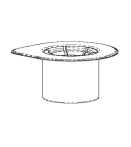 |
|
a i z 2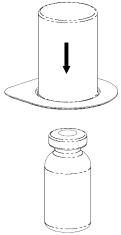 |
|
n e g 3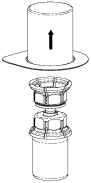 |
|
4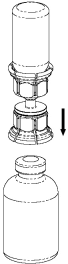 |
|
5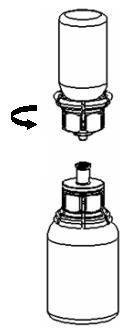 | m
|
6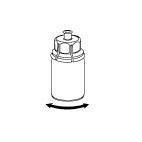 |
|
i l 7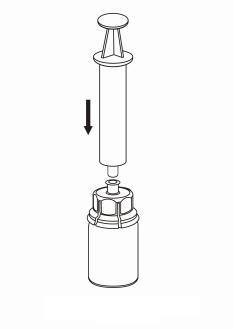 | a
|
Withdrawal and administration
I a i 8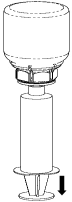 |
|
z n e g 9 |
|
Administration
The solution must be injected or infused intravenously (i.v.) slowly (4 ml/minute).
If you have any further questions on the use of this medicine, ask your doctor or pharmacist.
4. POSSIBLE SIDE EFFECTS
Like all medicines, this medicine can cause side effects, although not everybody gets them.
If you experience any of the following side effects, contact your doctor immediately.
your doctor.
Side effects with the use of Berinert are rare.
The following side effects have been observed rarely (1 or more than 1 in 10,000 and less than 1 in
- 1,000 patients):
- Increased risk of developing blood clots in attempts to treat prophylaxis or therapy for Capillary Leak Syndrome (Capillary Leak Syndrome - CLS - i.e., leakage of fluids from small blood vessels into tissues), e.g., during or after cardio- surgery with extracorporeal circulation. See section 2 “Warnings and precautions”.
- Increased body temperature or a burning sensation and stinging pain at the injection site.
- Hypersensitivity or allergic-type reactions (type: irregular heartbeat, accelerated heartbeat, decreased blood pressure, skin redness, rash, difficulty breathing, migraine, dizziness, nausea).
In very rare cases (less than 1 in 10,000 patients including isolated cases) the hypersensitivity reaction has progressed to shock.
Reporting of side effects
If you experience any side effects, talk to your doctor or pharmacist. This includes
You can also report side effects directly through the national reporting system at https://www.aifa.gov.it/content/segnalazioni-reazioni-avverse .
By reporting side effects you can help provide further information on the safety
of this medicine.

Уже начали прием и появились вопросы?
Обсудите свое состояние и дальнейшие шаги с врачом онлайн.
5. HOW TO STORE BERINERT
- Keep this medicine out of the sight and reach of children.
- Berinert must not be used after the expiry date indicated on the label and the packaging.
- Do not store at a temperature above +30 °C.
- Do not freeze.
- Keep the vial in its outer packaging to protect it from light.
- Berinert does not contain preservatives, therefore the solution should be administered preferably immediately after its preparation.
- If the solution is not administered immediately after its preparation, it must be used within 8 hours and must be stored in the vial.
6. PACKAGE CONTENTS AND OTHER INFORMATION
What Berinert contains
The active ingredient is:
Human C1-esterase inhibitor (500 IU/vial; equivalent to 50 IU/mL after reconstitution)
For further information see section “ The following information is intended for healthcare professionals only
personnel”.
The other excipients are:
Glycine, sodium chloride, sodium citrate. See the last paragraph of section 2. “ Important
information about some excipients of Berinert”.
Solvent:Water for injections.
What Berinert looks like and contents of the pack
Berinert is presented as a white powder and is supplied with a vial of water for
injections as a solvent.
The resulting solution must be clear and transparent.
Pack
Box of 500 U.I. containing:
- 1 vial with the powder (500 U.I.)
- 1 vial with 10 mL of water for injections
- 1 transfer device with 20/20 filter Administration set (inner box):
- 1 single-use 10 mL syringe
- 1 infusion set
- 2 alcohol-soaked swabs
- 1 plaster. Marketing authorization holder and manufacturerCSL Behring GmbH Emil-von-Behring-Str. 76 35041 Marburg Germany
This product is authorised in the following Member States of the European Community with the
name of:
Berinert 500 IE Powder and solvent
for the preparation of an injection or
infusion solution: Austria
Berinert 500: Belgium, Cyprus, Germany, Greece, Luxembourg,
Poland
Berinert 500, 500 IU Powder and solvent
for solution for injection/infusion: Bulgaria
Berinert 500 IU: Czech Republic, Slovakia
Berinert: Denmark, Portugal
Berinert 500 IU Injection/infusion dry powder
and solvent, solution for Finland
Berinert 500 UI, powder and solvent
for injectable/perfusion solution: France
Berinert 500 NE powder and solvent
for solution for injection or infusion: Hungary
Berinert 500 IU powder and liquid
for injection/infusion fluid, solution Norway
Berinert 500 UI, powder and solvent
for injectable/perfusable solution: Romania
Berinert 500 i.e. powder and vehicle
for solution for injection/infusion: Slovenia
Berinert 500 UI
Powder for solution
Injectable and for infusion: Spain
Berinert 500 IE, powder and liquid for
Injection/infusion fluid, solution Sweden
Berinert 500 IU powder and solvent
for solution for injection/infusion: United Kingdom
The following information is intended for healthcare professionals only
QUALITATIVE AND QUANTITATIVE COMPOSITION
The activity of human C1-esterase inhibitor is expressed in International Units (IU) which are
correlated to the current WHO Standard for C1-esterase inhibitor-based products.
PACKAGE LEAFLET: INFORMATION FOR THE PATIENT
Berinert
1500 IU
Powder and solvent for solution for injection
Human C1-esterase inhibitor
Read all of this leaflet carefully before you are given this medicine.
- Keep this leaflet. You may need to read it again.
- If you have any questions, ask your doctor or pharmacist.
- This medicine has been prescribed for you only. Do not pass it on to others, even if their symptoms are the same as yours, as it could be harmful.
- If you get any side effects, see your doctor or pharmacist. See section 4.
Contents of this leaflet:
- 1.What Berinert is and what it is used for.
- 2.What you need to know before you are given Berinert
- 3.How Berinert is given
- 4.Possible side effects
- 5.How to store Berinert
- 6.Contents of the pack and other information
1. WHAT IS BERINERT AND WHAT IT IS USED FOR
What is Berinert?
Berinert is presented as a powder (lyophilized) and solvent product. The solution, once
ready, must be administered by intravenous injection.
Berinert is obtained from human plasma (that is, the liquid part of the blood). It contains, as
active ingredient, human C1-esterase inhibitor.
What is Berinert used for?
Berinert is used in the treatment and pre-operative prophylaxis of hereditary angioedema
type I and II (HAE, edema = swelling). HAE is not a disease of allergic origin but
congenital of the vascular system. HAE is caused by a deficiency, absence or defect in the synthesis of an
important protein called C1-esterase inhibitor. The characteristic symptoms of the disease
are as follows:
- sudden swelling of the hands and feet,
- sudden swelling of the face with a feeling of tightness,
- swelling of the eyelids, swelling of the lips, possible swelling of the larynx (mouth) with difficulty breathing,
- swelling of the tongue,
- colic in the abdominal region. In general, all parts of the body can be affected.
2. WHAT YOU NEED TO KNOW BEFORE USING BERINERT
The following paragraphs contain the information that the treating physician must consider before prescribing Berinert.
Do not take Berinert:
- If you are allergic to the C1-esterase inhibitor protein or any of the excipients of this medicine listed in section 6. Please inform your doctor or pharmacist if you are allergic to any medicinal product or any food substance.
Warnings and precautions:
- If you have had allergic reactions with the use of Berinert in the past. If advised by your doctor, you should take antihistamines or corticosteroids for prophylactic purposes.
- If allergic or anaphylactic reactions occur (a severe allergic reaction that causes severe difficulty breathing or dizziness). In this case, the administration of Berinertmust be stopped immediately (e.g. by stopping the injection).
- If you have laryngeal edema (laryngeal swelling). This must be carefully monitored with the ready availability of emergency treatment.
- If used for unauthorized indications or with non-approved dosages (e.g. Capillary Leak Syndrome, CLS). See section 4, “Possibleside effects”.
Your doctor will carefully assess the benefit-risk ratio of treatment with Berinert and the risks of these complications.
Viral safety
Certain precautions are taken in the production of medicinal specialties obtained from human blood or plasma to prevent the transmission of infections to patients. These measures include:
- careful selection of blood and plasma donors to exclude those who may be carriers of infections, and
- testing of each individual donation and plasma pools to determine the possible presence of viruses/infections.
Manufacturers of these medicinal specialties also adopt production steps in the processing of blood or plasma aimed at inactivating or removing viruses. Despite these measures, when administering products prepared from human blood or plasma, the transmission of infections cannot be completely ruled out. This also applies to emerging or previously unknown viruses, or other types of infections.
The measures taken are considered effective against enveloped viruses such as the human immunodeficiency virus (HIV, the AIDS virus), the hepatitis B virus, the hepatitis C virus (liver inflammation) and against non-enveloped viruses such as hepatitis A (liver inflammation) and parvovirus B19.
If you regularly/repeatedly use products derived from human plasma, your doctor may recommend that you consider the possibility of vaccination against hepatitis A and B.
It is strongly recommended that the date of administration, the batch number of the product and the volume injected are recorded with each administration of Berinert.
- Other medicines and BerinertConsult your doctor or pharmacist if you are taking or have
recently taken other medicines, including those that can be purchased without a prescription.
Berinert must not be mixed with other medicinal products and diluents in the syringe.
Pregnancy and breastfeeding
- If you are pregnant, suspect you are pregnant or are planning a pregnancy or are breastfeeding, ask your doctor or pharmacist for advice before taking this medicine.
- In case of pregnancy or during breastfeeding, Berinert should only be administered if clearly indicated.
Driving and using machines
No studies have been conducted to observe the effects on the ability to drive vehicles and operate machinery.
Berinert contains sodium
Berinert contains less than 1 mmol of sodium (23 mg) per vial, i.e. essentially "sodium-free".
3. HOW TO USE BERINERT
Treatment must be initiated and monitored by a physician experienced in the treatment of C1-esterase inhibitor deficiency.
Dosage
Adults
Treatment of acute angioedema attacks:
20 IU per kilogram of body weight (20 IU/kg body weight).
Prophylactic treatment of angioedema attacks before procedures:
1000 IU less than 6 hours before a medical, dental, or surgical procedure.
Use in children and adolescents
Treatment of acute angioedema attacks:
20 IU per kilogram of body weight (20 IU/kg body weight).
Prophylactic treatment of angioedema attacks before procedures:
From 15 to 30 IU per kilogram of body weight (15-30 IU/kg body weight) less than 6 hours before a
medical, dental, or surgical procedure. The dose should be chosen taking into account the
clinical conditions (e.g., type of procedure and severity of the disease).
If you take more Berinert than you should
Cases of overdose have not been reported.
Reconstitution and method of administration
Berinert is normally injected intravenously (i.v.) by your doctor or nurse. Only
after adequate training can you or a family member inject Berinert. If your
doctor believes that you are able to perform the treatment at home, the doctor will
provide you with detailed instructions. You will be asked to keep a diary to document each treatment
performed at home. The diary must be presented to your doctor at each outpatient visit.
Regular verification of the injection technique used by you or your family member will also be necessary to
ensure continued proper use.
General instructions
- The powder must be dissolved and drawn up from the vial under aseptic conditions. Use the syringe provided with the product.
- The resulting solution should be clear and colorless to slightly opalescent. After filtration/withdrawal (see below), the reconstituted product must be visually inspected before administration for the presence of any particles or color changes.
- Do not use solutions if they are visibly cloudy or contain particles or deposits.
- Unused product and waste materials from this medicine must be disposed of in accordance with local regulations and as recommended by your doctor.
Reconstitution
Before opening the vials, bring the powder and solvent of Berinert to room temperature.
This can be done by keeping the vials at room temperature for about an hour or
warming them with your hands for a few minutes. DO NOT expose the vials directly to a
direct heat source. The vials must not be heated to a temperature higher than body temperature (37°C).
Carefully remove the tear-off protective caps from the vials containing
respectively the product and the solvent. Disinfect the rubber stoppers of both vials with
an alcohol-soaked swab and wait for them to dry. At this point, using
the kit provided for the solution (Mix2Vial), the solvent can be transferred to the vial
containing the powder. Follow the instructions below carefully.
1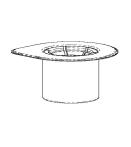 | n
|
i l a t I 2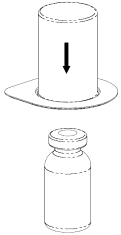 |
|
a i z 3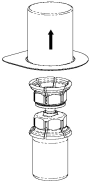 |
|
n e g 4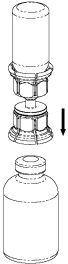 |
|
5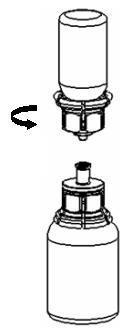 |
|
6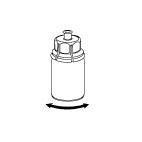 | m
|
7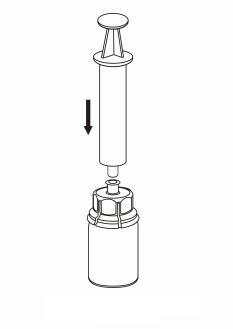 | F
|
Withdrawal and administration
i l 8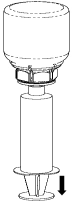 | a
|
a t I a i 9 |
|
Administration
The solution must be injected intravenously (i.v.) slowly.
If you have any further questions about the use of this medicine, ask your doctor or pharmacist.
4. POSSIBLE SIDE EFFECTS
Like all medicines, Berinert can cause side effects, although not everybody gets them.
If you experience any of the following side effects, contact your doctor immediately.
your doctor.
Side effects with the use of Berinert are rare.
The following side effects have been observed rarely (may affect up to 1 in 1,000
patients):
- Increased risk of developing blood clots in attempts to treat prophylaxis or therapy for Capillary Leak Syndrome (Capillary Leak Syndrome - CLS - i.e., leakage of fluids from small blood vessels into tissues), e.g. during or after cardio- surgery with extracorporeal circulation. See section 2 “Special care with Berinert”.
- Increase in body temperature or a burning sensation and stinging pain at the injection site.
- Hypersensitivity or allergic-type reactions (type: irregular heartbeat, accelerated heartbeat, decreased blood pressure, skin redness, rash, difficulty breathing, headache, dizziness, nausea)
In very rare cases (may affect up to 1 in 10,000 patients) hypersensitivity reactions
may progress to shock.
Reporting of side effects
If you experience side effects, inform your doctor or pharmacist, even in the case of
side effects directly through the national reporting system at
https://www.aifa.gov.it/content/segnalazioni-reazioni-avverse .
By reporting side effects, you will contribute to providing further information regarding the
safety of this medicine.
5. HOW TO STORE BERINERT
- Keep out of the sight and reach of children.
- Berinert must not be used after the expiry date indicated on the label and the packaging.
- Do not store at a temperature above 30 °C.
- Do not freeze.
- Keep the vial in its outer packaging in order to protect it from light.
- Berinert does not contain preservatives, therefore the reconstituted solution should be administered preferably immediately after its preparation.
- If the reconstituted solution is not administered immediately after its preparation, it must be used within 8 hours and must be stored exclusively in the vial.
6. PACKAGE CONTENTS AND OTHER INFORMATION
What Berinert contains
The active ingredient is:
Human C1-esterase inhibitor (1500 IU/vial; equivalent to 500 IU/mL after reconstitution with
3 ml of water for injections)
For further information see section “ The following information is intended for healthcare professionals only
”
Other excipients are:
Glycine, sodium chloride, sodium citrate.
See the last paragraph of section 2. “ Important information on certain excipients of
Berinert”Solvent:Water for injections.
What Berinert looks like and contents of the pack
Berinert is presented as a white powder and is supplied with a vial of water for
injections as a solvent.
The resulting solution should be clear and colourless to slightly opalescent.
Pack
Box of 1500 U.I. containing:
- 1 vial with the powder (1500 U.I.)
- 1 vial with 3 mL of water for injections
- 1 transfer device with 20/20 filter Administration set (inner box):
- 1 single-use 5 mL syringe
- 1 infusion set
- 2 alcohol-soaked swabs
- 1 plaster.
Marketing Authorisation Holder and Manufacturer
CSL Behring GmbH
Emil-von-Behring-Str. 76
35041 Marburg
Germany
This product is authorised in the following Member States of the European Community under the
name of:
Berinert 1500 IE Pulver und
Lösungsmittel zur Herstellung einer
Injektionslösung______________________ Austria
Berinert 1500 _______________________ Belgium, Cyprus, Germany, Greece, Luxembourg,
Poland
Berinert 1500, 500 IU Powder and solvent
for solution for injection _______________ Bulgaria
Berinert 1500 IU _____________________ Czech Republic, Slovakia
Berinert ____________________________ Denmark, Portugal
Berinert 1500 IU, injektiokuiva-aine
ja liuotin, liuosta varten ________________ Finland
Berinert 1500 UI, poudre et solvant pour
solution injectable ____________________ France
Berinert 1500 NE por és oldószer
oldatos injekcióhoz ___________________ Hungary
Berinert 1500 UI pulver og væske til
injeksjonsvæske, oppløsning ____________ Norway
Berinert 1500 UI, pulbere şi solvent
pentru soluţie injectabilă _______________ Romania
Berinert 1500 i.e. prašek in vehikel za
raztopino za injiciranje ________________ Slovenia
Berinert 1500 UI Polvo para solución
inyectable ___________________________ Spain
Berinert 1500 IE, pulver och vätska till
injektionsvätska, lösning _______ Sweden
Berinert 1500 IU powder and solvent
for solution for injection _______________ United Kingdom
Date of last revision of this leaflet:
The following information is intended for medical or paramedical personnel only
QUALITATIVE AND QUANTITATIVE COMPOSITION
The activity of human C1-esterase inhibitor is expressed in International Units (IU) which are
correlated to the current WHO Standard for C1-esterase inhibitor products.
Berinert
2000 IU
Powder and solvent for solution for injection
Human C1-esterase inhibitor
Read this leaflet carefully before you start using this medicine because it contains
important information for you.
- Keep this leaflet. You may need to read it again.
- If you have any questions, ask your doctor or pharmacist.
- This medicine has been prescribed for you only. Do not pass it on to others, even if their symptoms are the same as yours, as it could be harmful.
- If you get any side effects, even those not listed in this leaflet, tell your doctor or pharmacist. See section 4.
Contents of this leaflet:
- 1.What Berinert is and what it is used for.
- 2.What you need to know before you use Berinert
- 3.How to use Berinert
- 4.Possible side effects
- 5.How to store Berinert
- 6.Contents of the pack and other information
1. WHAT IS BERINERT AND WHAT IT IS USED FOR
What is Berinert?
Berinert is presented as a powder and solvent product. The solution, once ready, must
be administered by subcutaneous injection.
Berinert is obtained from human plasma (that is, the liquid part of the blood). It contains, as
active ingredient, human C1-esterase inhibitor.
What is Berinert used for?
Berinert is used for the prevention of acute episodes of hereditary angioedema (HAE) in adults and adolescents. HAE is a congenital disease of the vascular system.
HAE is not an allergic disease. HAE is caused by a deficiency, absence or defect
in the synthesis of an important protein called C1-esterase inhibitor. The characteristic
symptoms of the disease are as follows:
- sudden swelling of the hands and feet,
- sudden swelling of the face with a feeling of tightness,
- swelling of the eyelids, swelling of the lips, possible laryngeal (throat) swelling with difficulty breathing,
- swelling of the tongue,
- colic in the abdominal region. In general, all parts of the body can be affected.
2. WHAT YOU NEED TO KNOW BEFORE USING BERINERT
The following paragraphs contain information that your doctor must consider before prescribing Berinert.
Do not take Berinert:
- If you have already experienced life-threatening immediate hypersensitivity reactions, including anaphylaxis to C1-esterase inhibitor or any other substance contained in this product and listed in section 6. Please inform your doctor or pharmacist if you are allergic to anymedicinal product or any food substance.
Warnings and precautions:
Consult your doctor or pharmacist before starting treatment with Berinert:
- if severe allergic or anaphylactic reactions occur (a severe allergic reaction that causes severe difficulty breathing or dizziness). In this case, the administration ofBerinert must be stopped immediately (e.g. by interrupting the injection).
- if you have previously suffered from coagulation disorders. In patients who have received Berinert intravenously, the formation of blood clots has occurred. Very high doses of Berinert, used in conditions other than HAE, may increase the risk of blood clot formation. However, no correlation with blood clot formation has been established for the use of Berinert by subcutaneous administration at the recommended doses. Inform your doctor if you have previously suffered from heart or vascular diseases, stroke, coagulation disorders or thrombophilia, if you have a permanent catheter/venous access, or if you have been immobilized for prolonged periods. These conditions may increase the risk of blood clot formation with the use of Berinert. Also inform your doctor about the medicines you are taking, because some medicines, such as the birth control pill or certain androgens, may increase the risk of blood clot formation.
Your doctor will carefully assess the benefit-risk ratio of treatment with Berinert and the risks of these complications.
Viral safety
Certain precautions are taken in the manufacture of medicinal products obtained from human blood or plasma to prevent the transmission of infections to patients. These measures include:
- careful selection of blood and plasma donors to exclude those who may be carriers of infections, and
- testing of each individual donation and plasma pools to detect the presence of viruses/infections.
Manufacturers of these medicinal products also use production processes in the processing of blood or plasma aimed at inactivating or removing viruses. Despite these measures, the transmission of infections cannot be completely excluded when administering products prepared from human blood or plasma. This also applies to emerging or previously unknown viruses or other types of infections.
The measures taken are considered effective against enveloped viruses such as the human immunodeficiency virus (HIV, the AIDS virus), the hepatitis B virus, the hepatitis C virus (liver inflammation) and against non-enveloped viruses such as hepatitis A (liver inflammation) and parvovirus B19.
If you regularly/repeatedly use products derived from human plasma, your doctor may recommend that you consider the possibility of vaccination against hepatitis A and B.
It is strongly recommended that the date of administration, the product batch number and the volume injected are recorded with each administration of Berinert.
Other medicines and Berinert
- Consult your doctor or pharmacist if you are taking, have recently taken or may take any other medicines, including those available without a prescription.
- Berinert must not be mixed with other medicinal products and diluents in the syringe.
Pregnancy and breastfeeding
- If you are pregnant, suspect you are pregnant or planning a pregnancy, or if you are breastfeeding, ask your doctor or pharmacist for advice before taking this medicine.
- If you are pregnant or breastfeeding, Berinert should only be administered if strictly necessary.
Driving and using machines
Berinert does not impair the ability to drive vehicles or operate machinery.
Berinert contains sodium
This medicine contains less than 1 mmol (23 mg) of sodium per vial, i.e. essentially ‘sodium-free’.
3. COME USARE BERINERT
Berinert is indicated for self-administration by subcutaneous injection. It is necessary that
you or your caregiver receive adequate instructions on the correct method of
administering Berinert.
Dosage
The recommended dose of Berinert is 60 IU/kg of body weight.
Use in children and adolescents
The recommended dose is the same as that for adult patients.
If you take more Berinert than you should
No cases of overdose have been reported.
Reconstitution and method of administration
If your doctor believes you are able to carry out the treatment at home, the doctor
will provide you with detailed instructions. You will be asked to keep a diary to document each
treatment performed at home. The diary must be presented to the doctor at each outpatient
visit. Regular verification of the injection technique used by you or your family member will also be necessary to ensure its appropriateness.
General instructions
- The powder must be dissolved and drawn up from the vial under aseptic conditions. Use the syringe provided with the product.
- The resulting solution must be clear and colorless to slightly opalescent. After filtering/withdrawal (see below), the reconstituted product must be visually inspected for the presence of particles or color changes before administration.
- Do not use the solution if it appears cloudy or if it contains particles or deposits.
- Unused product and waste derived from this medicine must be disposed of in accordance with local regulations and as recommended by your doctor.
Reconstitution
Before opening the vials, bring the powder and solvent of Berinert to room temperature.
This can be done by keeping the vials at room temperature for about an hour or
warming them with your hands for a few minutes. DO NOT expose the vials directly to a direct
source of heat. The vials must not be brought to a temperature higher than body temperature (37 °C).
Carefully remove the tear-off protective caps from the vials containing
respectively the product and the solvent. Disinfect the rubber stoppers of both vials with
an alcohol-soaked swab and wait for them to dry. At this point, using
the set provided for the solution (Mix2Vial), the solvent can be transferred into the vial
containing the powder. Carefully follow the instructions below.
1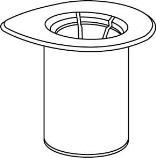 | a
|
i l a t 2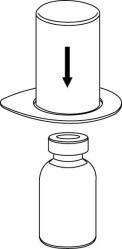 | a
|
I a i z 3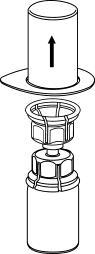 |
|
n e g 4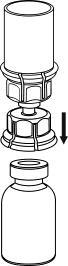 |
|
5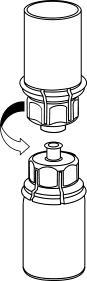 |
|
6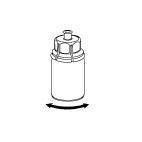 | m
|
7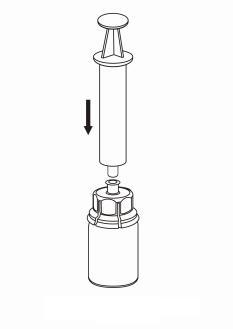 | F
|
Withdrawal and administration
i l a t I 8 | a
|
a i z n e g 9 |
|
Administration
Self-administration (subcutaneous administration)
Your doctor will provide you with adequate instructions on how to safely administer
Berinert. Once you have learned how to self-administer, follow the instructions below.
Berinert: instructions for self-administration
Phase 1: Assemble the materials Take the syringe for administering Berinert, the following consumables (not supplied in the package) and other tools (container for disposal of needles and other materials, treatment diary):
| a r m a |
l Phase 2: Clean the work surface e
| |
d Phase 3: Wash your hands
| 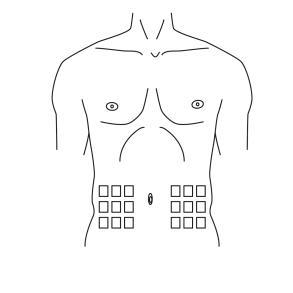 |
n Phase 4: Prepare the injection site a
| Figure 1 Figure 2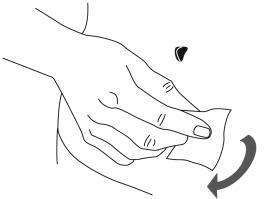 |
g Phase 5: Injection into the abdominal area As instructed by healthcare personnel: A
| 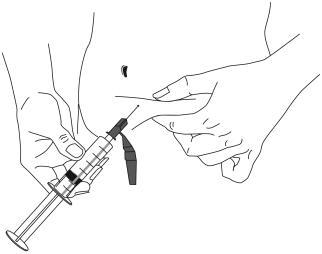 |
Injection with a hypodermic needle:
| Figure 3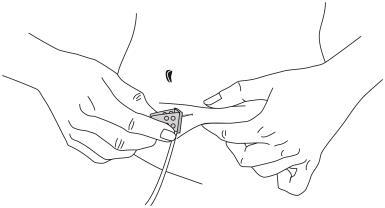 |
| o c a Figure 4 | |
Phase 6: Removal of materials used
| a r m |
F Phase 7: Track the treatment
|
4. POSSIBLE SIDE EFFECTS
Like all medicines, Berinert can cause side effects, although not everybody gets them.
Contact your doctor immediately
- if any of the side effects occur, or
Side effects due to the use of Berinert are rare.
The following side effects have been observed very commonly (may affect more than 1
in 10 patients):
- Injection site reactions (burning, cold sensation, leakage, erythema, hematoma, bleeding, hardening, edema, pain, itching, rash, scarring, swelling, urticaria, heat).
- Nasopharyngitis (rhinorrhea or nasal congestion, sneezing, tearing).
The following side effects have been observed commonly (may affect up to 1 in 10
patients):
- Hypersensitivity or allergic-type reactions (such as hypersensitivity, itching, rash or urticaria)
- Dizziness
Reporting of side effects
If you get any side effects, talk to your doctor or pharmacist, or report them directly through the national reporting system at
https://www.aifa.gov.it/content/segnalazioni-reazioni-avverse .
By reporting side effects, you can help provide more information on the
safety of this medicine.
5. HOW TO STORE BERINERT
- Keep out of the sight and reach of children.
- Berinert must not be used after the expiry date indicated on the label and the packaging after SCAD.
- Do not store at a temperature above 30 °C.
- Do not freeze.
- Keep the vial in its outer packaging, in order to protect it from light.
- Berinert does not contain preservatives, therefore the reconstituted solution should be administered preferably immediately after its preparation.
- If the reconstituted solution is not administered immediately after its preparation, it must be used within 8 hours and must be stored exclusively in the vial.
6. PACKAGE CONTENTS AND OTHER INFORMATION
What Berinert contains
The active ingredient is:
Human C1-esterase inhibitor (2000 IU/vial; equivalent to 500 IU/ml after reconstitution with 4
ml of water for injectable preparations).
For further information see section “ The following information is intended for healthcare professionals only
Other ingredients are:
Glycine, sodium chloride, sodium citrate.
Solvent:Water for injectable preparations.
How Berinert looks and contents of the pack
Berinert is presented as a white powder and is supplied together with a vial of water for
injections as a solvent.
The resulting solution must be clear and from colorless to slightly opalescent.
Pack
Box containing:
- 1 vial with the powder
- 1 vial with 4 ml of water for injectable preparations
- 1 transfer device with 20/20 filter Administration set (inner box):
- 1 single-use 5 ml syringe
- 1 hypodermic needle
- 1 subcutaneous injection set (butterfly)
- 2 alcohol-soaked swabs
- 1 plaster. Multipack of 5 x 2000 IU, containing a box with 5 administration sets.
Multipack of 20 x 2000 IU, containing 4 boxes with 5 administration sets.
Not all pack sizes may be marketed.
Marketing Authorisation Holder and Manufacturer
CSL Behring GmbH
Emil-von-Behring-Strasse 76
35041 Marburg
Germany
Representative for Italy:
CSL Behring S.p.A. – Viale del Ghisallo, 20 – 20151 Milano
This product is authorised in the following Member States of the European Community with the
name of:
Berinert 2000 IE, powder and solvent
for solution for injection________________Belgium
Berinert 2000 __________________________Cyprus, Germany, Greece, Poland, Portugal
Беринерт 2000, Прах и разтворител
за инжекционен разтвор
C1- естеразен инхибитор, човешки ________Bulgaria
Berinert 2000 IU ________________________Czech Republic, Slovakia
Berinert _______________________________Denmark
Berinert 2000 IU, injektiokuiva-aine
ja liuotin, liuosta varten ___________________Finland
Berinert 2000 UI, poudre et solvant pour
solution injectable _______________________France, Luxembourg
Berinert 2000 NE por és oldószer
oldatos injekcióhoz ______________________Hungary
Berinert 2000 IU pulver og væske til
injeksjonsvæske, oppløsning _______________Norway
Berinert 2000 2000 UI, pulbere şi
solvent pentru soluţie injectabilă ____________Romania
Berinert 2000 i.e. prašek in vehikel za
raztopino za injiciranje ___________________Slovenia
Berinert 2000 UI polvo y disolvente
para solución inyectable subcutánea _________Spain
Berinert 2000 IE, pulver och vätska till
injektionsvätska, lösning __________________Sweden
Berinert 2000 IU Powder and solvent
for solution for injection United Kingdom, Malta
The following information is intended for medical or paramedical personnel only.
QUALITATIVE AND QUANTITATIVE COMPOSITION
The activity of human C1-esterase inhibitor is expressed in International Units (IU) which are
correlated to the current WHO Standard for C1-esterase inhibitor products.
Berinert
3000 IU
Powder and solvent for injectable solution
Human C1-esterase inhibitor
Read this leaflet carefully before you start using this medicine because it contains
important information for you.
- Keep this leaflet. You may need to read it again.
- If you have any questions, ask your doctor or pharmacist.
- This medicine has been prescribed for you personally. Do not pass it on to others, even if their symptoms are the same as yours, as it could be harmful.
- If you get any side effects, even those not listed in this leaflet, tell your doctor or pharmacist. See section 4.
Contents of this leaflet:
- 7.What Berinert is and what it is used for.
- 8.What you need to know before you use Berinert
- 9.How to use Berinert
- 10.Possible side effects
- 11.How to store Berinert
- 12.Contents of the pack and other information
1. WHAT IS BERINERT AND WHAT IS IT USED FOR
What is Berinert?
Berinert is presented as a powder and solvent product. The solution, once ready, must
be administered by subcutaneous injection.
Berinert is obtained from human plasma (that is, the liquid part of the blood). It contains, as
active ingredient, human C1-esterase inhibitor.
What is Berinert used for?
Berinert is used for the prevention of acute episodes of hereditary angioedema (HAE) in adults and adolescents. HAE is a congenital disease of the vascular system.
HAE is not an allergic disease. HAE is caused by a deficiency, absence or defect
in the synthesis of an important protein called C1-esterase inhibitor. The characteristic
symptoms of the disease are the following:
- sudden swelling of the hands and feet,
- sudden swelling of the face with a feeling of tightness,
- swelling of the eyelids, swelling of the lips, possible swelling of the larynx (throat) with difficulty breathing,
- swelling of the tongue,
- colic in the abdominal region. In general, all parts of the body can be affected.
2. WHAT YOU NEED TO KNOW BEFORE USING BERINERT
The following paragraphs contain information that your doctor must consider before prescribing Berinert.
Do not take Berinert:
- If you have already experienced life-threatening immediate hypersensitivity reactions, including anaphylaxis to C1-esterase inhibitor or any other substance contained in this product and listed in section 6. Please inform your doctor or pharmacist if you are allergic to any medicinal product or any food substance.
Warnings and precautions:
Consult your doctor or pharmacist before starting treatment with Berinert:
- if severe allergic or anaphylactic reactions occur (a severe allergic reaction causing severe difficulty breathing or dizziness). In this case, the administration ofBerinert must be stopped immediately (e.g. by interrupting the injection).
- if you have previously suffered from coagulation disorders. In patients who have received Berinert intravenously, the formation of blood clots has occurred. Very high doses of Berinert, used in conditions other than HAE, may increase the risk of blood clot formation. However, no correlation with blood clot formation has been established for the use of Berinert in subcutaneous administration, at the recommended doses. Tell your doctor if you have previously suffered from heart or vascular diseases, stroke, coagulation disorders or thrombophilia, if you have a permanent catheter/venous access, or if you have been immobilised for prolonged periods. These conditions may increase the risk of blood clot formation with the use of Berinert. Also inform your doctor about the medications you are taking, as some medications, such as the birth control pill or certain androgens, may increase the risk of blood clot formation.
Your doctor will carefully assess the benefit-risk ratio of treatment with
Berinert and the risks of these complications.
Viral safety
Certain precautions are taken in the manufacture of medicinal products obtained from human blood or plasma to avoid transmission of infections to patients. These measures
include:
- careful selection of blood and plasma donors to exclude those who may be carriers of infections, and
- testing of each individual donation and plasma pools for the presence of viruses/infections.
Manufacturers of these medicinal products also use manufacturing processes to inactivate or remove viruses in the processing of blood or
plasma. Despite
these measures, when administering products prepared from human blood or plasma, transmission of infections cannot be
totally excluded. This also applies to emerging or previously unknown viruses
or other types of infections. The measures taken are considered effective against enveloped viruses such as the human immunodeficiency virus (HIV, the AIDS virus), hepatitis B virus, hepatitis C virus (liver inflammation) and against non-enveloped viruses hepatitis A
(liver inflammation) and parvovirus B19.
If you regularly/repeatedly use human plasma-derived products, your doctor may
recommend that you consider the possibility of vaccination against hepatitis A and B.
It is strongly recommended that the date
of administration, the product batch number and the volume injected are recorded each time Berinert is administered.
Other medicines and Berinert
- Consult your doctor or pharmacist if you are taking, have recently taken or might take any other medicines, including those available without a prescription.
- Berinert must not be mixed with other medicinal products and diluents in the syringe.
Pregnancy and breastfeeding
- If you are pregnant, suspect you are pregnant or are planning a pregnancy, or are breastfeeding, ask your doctor or pharmacist for advice before taking this medicine.
- If you are pregnant or breastfeeding, Berinert should only be administered if strictly necessary.
Driving and using machines
Berinert does not impair the ability to drive vehicles or operate machinery.
Berinert contains sodium
Berinert contains up to 486 mg of sodium (approximately 21 mmol) per 100 ml of solution. This should
be taken into account if you are on a low-sodium diet.
3. COME USARE BERINERT
Berinert is indicated for self-administration by subcutaneous injection. It is necessary that
you or your caregiver receive adequate instructions on the correct method of
administering Berinert.
Dosage
The recommended dose of Berinert is 60 IU/kg of body weight.
Use in children and adolescents
The recommended dose is the same as that of adult patients.
If you take more Berinert than you should
No cases of overdose have been reported.
Reconstitution and method of administration
If your doctor believes you are able to carry out treatment at home, the doctor
will provide you with detailed instructions. You will be asked to keep a diary to document each
treatment performed at home. The diary must be presented to the doctor at each outpatient visit.
Regular verification of the injection technique used by you or your family member will also be necessary
to ensure its appropriateness.
General instructions
- The powder must be dissolved and drawn up from the vial under aseptic conditions. Use the syringe provided with the product.
- The resulting solution should be clear and colorless to slightly opalescent. After filtration/withdrawal (see below), the reconstituted product must be visually inspected for the presence of particles or color changes before administration.
- Do not use the solution if it appears cloudy or if it contains particles or deposits.
- Unused product and waste materials derived from this medicine must be disposed of in accordance with local regulations and as recommended by your doctor.
Reconstitution
Before opening the vials, bring the powder and solvent of Berinert to room temperature.
This can be done by keeping the vials at room temperature for about an hour or
warming them with your hands for a few minutes. DO NOT expose the vials directly to a direct
heat source. The vials must not be brought to a temperature higher than body temperature (37 °C).
Carefully remove the tear-off protective caps from the vials containing
respectively the product and the solvent. Disinfect the rubber stoppers of both vials with
an alcohol-soaked swab and wait for them to dry. At this point, using
the kit provided for the solution (Mix2Vial), the solvent can be transferred into the vial
containing the powder. Follow the instructions below carefully.
1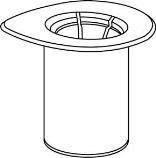 | n
|
i l a t I 2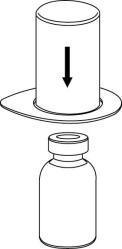 |
|
a i z n 3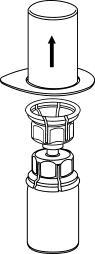 |
|
e g 4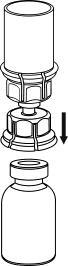 |
|
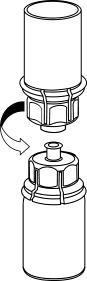 | transferred into the product vial. |
| 5 |
|
6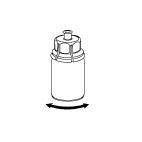 | r
|
7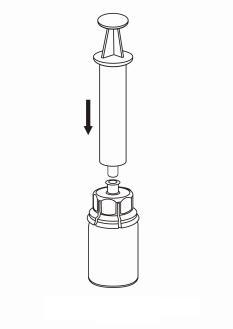 |
|
Withdrawal and administration
i l a t I 8 | a
|
a i z n e g 9 |
|
Administration
Self-administration (subcutaneous administration)
Your doctor will provide you with adequate instructions on how to administer
Berinert safely. Once you have learned how to self-administer,
follow the instructions below.
Berinert: instructions for self-administration
Phase 1: Assemble the materials Take the Berinert administration syringe, the following consumables (not supplied in the packaging) and other tools (container for disposal of needles and other materials, treatment diary):
| a r m a |
l Phase 2: Clean the work surface e
| |
d Phase 3: Wash your hands
| 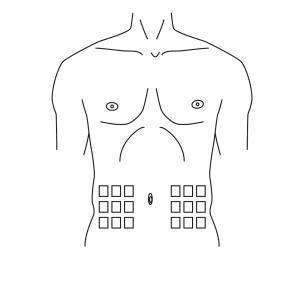 |
n Phase 4: Prepare the injection site a
| Figure 1 Figure 2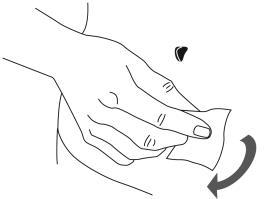 |
g Phase 5: Injection into the abdominal area As instructed by healthcare personnel: A
| 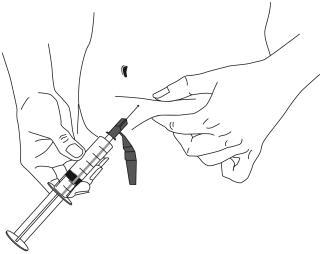 |
Injection with a hypodermic needle:
| Figure 3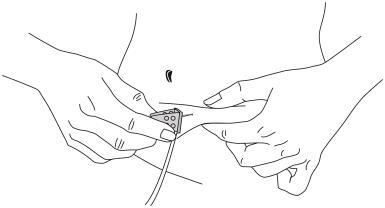 |
| o c a Figure 4 | |
Phase 6: Removal of materials used
| a r m |
F Phase 7: Track treatment
|
4. POSSIBLE SIDE EFFECTS
Like all medicines, Berinert can cause side effects, although not everybody gets them.
manifest.
Contact your doctor immediately
- if any of the side effects occur, or
Side effects due to the use of Berinert are rare.
The following side effects have been observed very commonly (may affect more than 1
in 10 patients):
- Injection site reactions (burning, cold sensation, leakage, erythema, hematoma, bleeding, hardening, edema, pain, itching, rash, scarring, swelling, urticaria, heat).
- Nasopharyngitis (rhinorrhea or nasal congestion, sneezing, tearing).
The following side effects have been observed commonly (may affect up to 1 in 10
patients):
- Hypersensitivity or allergic-type reactions (such as hypersensitivity, itching, rash or urticaria)
- Dizziness
Reporting of side effects
If you experience any side effects, tell your doctor or pharmacist, even if they are not listed in this
leaflet. You can also report side effects directly through the national reporting system at
https://www.aifa.gov.it/content/segnalazioni-reazioni-avverse . By reporting side effects,
you can help provide further information on the safety of this medicine.
5. HOW TO STORE BERINERT
- Keep out of the sight and reach of children.
- Berinert must not be used after the expiry date indicated on the label and the packaging after SCAD.
- Do not store at a temperature above 30 °C.
- Do not freeze.
- Keep the vial in its outer packaging to protect it from light.
- Berinert does not contain preservatives, therefore the reconstituted solution should be administered preferably immediately after its preparation.
- If the reconstituted solution is not administered immediately after its preparation, it must be used within 8 hours and must be stored exclusively in the vial.
6. PACKAGE CONTENTS AND OTHER INFORMATION
What Berinert contains
The active ingredient is:
Human C1-esterase inhibitor (3000 IU/vial; equivalent to 500 IU/ml after reconstitution with
5.6 ml of water for injections).
For further information see section “ The following information is intended for healthcare professionals only
Other ingredients are:
Glycine, sodium chloride, sodium citrate.
Solvent:Water for injections.
What Berinert looks like and contents of the pack
Berinert is presented as a white powder and is supplied together with a vial of water for
injections as a solvent.
The resulting solution should be clear and colourless to slightly opalescent.
Pack
Box containing:
- 1 vial with the powder
- 1 vial with 5.6 ml of water for injections
- 1 transfer device with 20/20 filter Administration Set (inner box):
- 1 single-use 10 ml syringe
- 1 hypodermic needle
- 1 subcutaneous injection set (butterfly)
- 2 alcohol-soaked swabs
- 1 plaster.
Multipack of 5 x 3000 IU, containing a box with 5 administration sets.
Multipack of 20 x 3000 IU, containing 4 boxes with 5 administration sets.
Not all pack sizes may be marketed.
Marketing Authorisation Holder and Manufacturer
CSL Behring GmbH
Emil-von-Behring-Strasse 76
35041 Marburg
Germany
Representative for Italy:
CSL Behring S.p.A. – Viale del Ghisallo, 20 – 20151 Milano
This product is authorised in the following Member States of the European Community with the
name of:
Berinert 3000 I.E. Pulver und
Lösungsmittel zur Herstellung einer
Injektionslösung_________________________Austria
Berinert 3000 IE, powder and solvent
for solution for injection________________Belgio, Netherlands
Berinert 3000 __________________________Cyprus, Germany, Greece, Poland, Portugal
Беринерт 3000, Прах и разтворител
за инжекционен разтвор
C1- естеразен инхибитор, човешки ________Bulgaria
Berinert 3000 IU ________________________Czech Republic, Slovakia
Berinert 3000 IU prašak i otapalo za otopinu
za injekciju _____________________________Croatia
Berinert _______________________________Denmark
Berinert SC ____________________________Estonia
Berinert 3000 IU, injektiokuiva-aine
ja liuotin, liuosta varten ___________________Finland
Berinert 3000 IU, poudre et solvant pour
solution injectable _______________________France, Luxembourg
Berinert 3000 a.e. stungulyfsstofn
og leysir, lausn__________________________Iceland
Human C1-esterase inhibitor CSL Behring
3000 TV milteliai ir tirpiklis injekciniam
tirpalui ________________________________Lithuania
Berinert 3000 IU powder and liquid for
injection fluid, solution _______________Norway
Berinert 3000 3000 IU, pulbere şi
solvent pentru soluţie injectabilă ____________Romania
Berinert 3000 i.e. prašek in vehikel za
raztopino za injiciranje ___________________Slovenia
Berinert 3000 UI polvo y disolvente
para solución inyectable subcutánea _________Spain
Berinert 3000 IE, pulver och vätska till
injektionsvätska, lösning __________________Sweden
Berinert 3000 NE por és oldószer
oldatos injekcióhoz ______________________Hungary
Berinert 3000 IU Powder and solvent
for solution for injection __________________United Kingdom, Malta, Ireland
The following information is intended for medical or paramedical personnel only.
QUALITATIVE AND QUANTITATIVE COMPOSITION
The activity of human C1-esterase inhibitor is expressed in International Units (IU) which are
correlated to the current WHO Standard for C1-esterase inhibitor-based products.
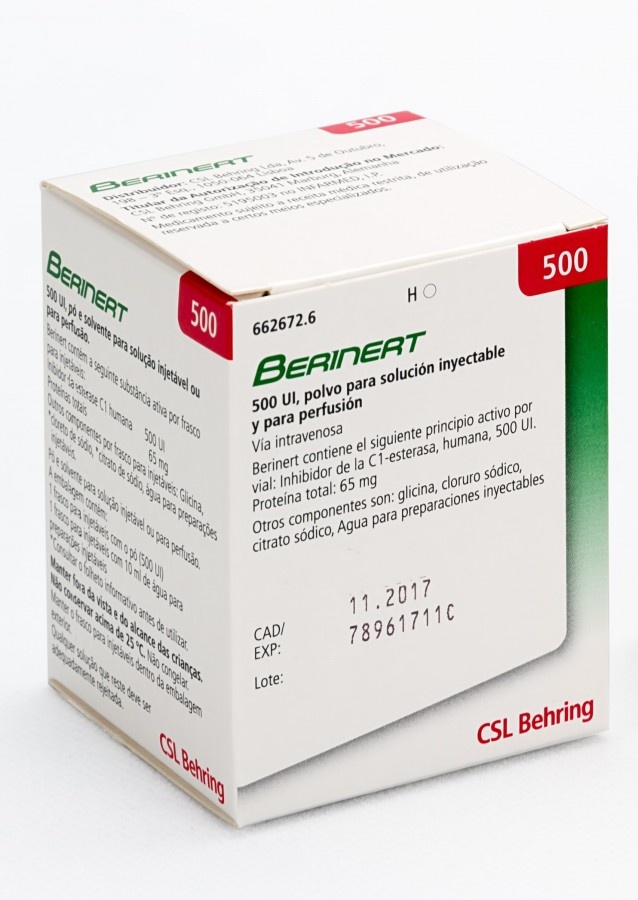
- Страна регистрации
- Форма выпускаPowder and solvent for injectable/infusion solution, <500 IU
- Код АТХB06AC01
- Действующее вещество
- Отпускается по рецептуДа
- Производитель
- Информация на этой странице носит справочный характер и не является медицинской консультацией. Перед началом приема лекарства обязательно проконсультируйтесь с врачом.
- Аналоги BERINERTФорма выпуска: Powder and solvent for injectable solution, 500 UДействующее вещество: c1-inhibitor, plasma derivedПроизводитель: TAKEDA MANUFACTURING AUSTRIA AGОтпускается по рецептуФорма выпуска: Solution for infusion in pre-filled syringe, 200 mgДействующее вещество: Drugs used in hereditary angioedemaПроизводитель: CSL BEHRING GMBHОтпускается по рецептуФорма выпуска: Injectable solution, 30 MGДействующее вещество: ИкатибантПроизводитель: TAKEDA PHARMACEUTICALS INTERNATIONAL AG IRELAND BRANCHОтпускается по рецепту
Аналоги BERINERT в других странах
Лекарства с тем же действующим веществом, доступные в других странах.
Аналог BERINERT в Польша
Аналог BERINERT в Украина
Аналог BERINERT в Испания
Врачи онлайн по BERINERT
Обсудите применение BERINERT и возможные следующие шаги — по оценке врача.









Получите рецепт на BERINERT онлайн
Заполните форму за 2 минуты
Расскажите о симптомах, истории болезни и нужном препарате.
Выберите врача или мы назначим
Выберите специалиста или мы подберём ближайшего доступного врача.
Врач рассматривает ваш случай
Обычно в течение 30 минут. Может задать уточняющие вопросы в чате.
Получите в любой аптеке
Электронный рецепт отправляется на вашу почту — действителен по всей Польше.
Часто задаваемые вопросы
BERINERT требует рецепта в Италия. Вы можете уточнить у врача онлайн, подходит ли это лекарство для вашей ситуации.
Действующее вещество BERINERT — c1-inhibitor, plasma derived. Эта информация помогает определить лекарства с тем же составом под другими торговыми названиями.
BERINERT производится компанией CSL BEHRING GMBH. Упаковка и торговое название могут отличаться в зависимости от дистрибьютора.
Врачи, включая Семейные врачи, Психиатры, Дерматологи, Кардиологи, Эндокринологи, Гастроэнтерологи, Пульмонологи, Нефрологи, Ревматологи, Гематологи, Инфекционисты, Аллергологи, Гериатры, Педиатры, Онкологи, могут оценить целесообразность применения BERINERT с учетом вашей ситуации и местных правил. Вы можете записаться на онлайн-консультацию, чтобы обсудить возможные варианты.
Польша имеет хорошо развитую систему здравоохранения в крупных городах, таких как Варшава, Краков, Вроцлав и Гданьск. Аптеки широко доступны и работают в соответствии с действующим законодательством, обеспечивая доступ к рецептурным препаратам.
Вы можете купить BERINERT в Варшаве, Кракове, Вроцлаве или Гданьске в любой аптеке при наличии действующего рецепта.
Чтобы получить рецепт, вы можете воспользоваться Oladoctor:
Другие лекарства с тем же действующим веществом (c1-inhibitor, plasma derived) включают KINRYTSE, ANDEMBRY, FIRATSYR. Они могут отличаться торговым названием или формой выпуска, но содержат одинаковый терапевтический компонент. Перед изменением лечения рекомендуется проконсультироваться с врачом.
