



AMIKACINA 125 mg /Ml Инъекционный Или Инфузионный Раствор

Рассмотрение рецепта онлайн
Врач рассмотрит ваш случай и примет решение о назначении рецепта, если это медицински оправдано.

Поговорите с врачом об этом лекарстве
Обсудите симптомы и возможные дальнейшие шаги на онлайн-консультации.



Инструкция по применению AMIKAKINA NORIDEM
Содержание инструкции
Amikacina Noridem 125 mg/ml injectable solution/infusion, 250 mg/ml injectable solution/infusion
amikacina
Equivalent Medicinal Product
Read this leaflet carefully before taking this medicine as it contains important information for you.
- Keep this leaflet. You may need to read it again.
- If you have any questions, ask your doctor, pharmacist or nurse.
- If you get any side effects, even those not listed in this leaflet, tell your doctor, pharmacist or nurse. See section 4.
Contents of this leaflet
- 1. What Amikacina Noridem is and what it is used for
- 2. What you need to know before you are given Amikacina Noridem
- 3. How to administer Amikacina Noridem
- 4. Possible side effects
- 5. How to store Amikacina Noridem
- 6. Contents of the pack and other information
1. What is Amikacina Noridem and what it is used for
Amikacina Noridem belongs to a group of antibiotics called "aminoglycosides".
This medicine is used for the short-term treatment of severe infections caused by strains of
bacteria that are sensitive.
You may be administered Amikacina Noridem to treat the following infections:
- Infections of the lungs and lower respiratory tract, including pneumonia
- Bone and joint infections
- Infections of the central nervous system (including meningitis)
- Skin and soft tissue infections, including burn wounds
- Infections inside the abdomen, including inflammation of the peritoneum (membrane lining the abdominal cavity and the organs it contains)
- Infections following abdominal surgery
- Infections of the kidneys, urinary tract and bladder
- Bacterial inflammation of the inner lining of the heart
This medicine can also be used in the treatment of patients with inflammation of the whole
body that occurs in association with any of the listed infections, or of which an association is suspected.
2. What you need to know before you take Amikacina Noridem
Do not take Amikacina Noridem:
- if you are allergic to amikacin or to any of the other ingredients of this medicine (listed in section 6)
- if you are allergic to other similar substances (other aminoglycosides)
- if you are being treated with ataluren (medicine used for Duchenne muscular dystrophy, a rare genetic neuromuscular disease)
Warnings and precautions
Talk to your doctor before taking this medicine if:
- you suffer from kidney problems
- you have suffered from kidney or hearing problems after taking other antibiotics
- you suffer from hearing disorders or dizziness (tinnitus)
- you suffer from muscle diseases such as a severe form of myasthenia gravis (a disease that causes muscle weakness) or parkinsonism
- you are elderly
- in case of liver cirrhosis (severe chronic liver disease) at a rather advanced stage
- if you or your family members have a mitochondrial mutation disease (a genetic condition) or hearing loss caused by taking antibiotics; in this case, we advise you to inform your doctor or pharmacist before taking an aminoglycoside, as some mitochondrial mutations may increase the risk of hearing loss when taking this product. Your doctor may advise you to undergo genetic testing before administering Amikacina Noridem.
If any of the above situations apply to you, talk to your doctor before taking this
medicine.
Other medicines and Amikacina Noridem
Tell your doctor or pharmacist if you are taking, have recently taken or might take
any other medicines, including those available without a prescription.
Some medicines can interact with others. Tell your doctor if you are taking:
- diuretics such as furosemide or ethacrinic acid
- other medicines that may have harmful effects on the kidneys or hearing, such as bacitracin, cisplatin, amphotericin B, cyclosporine, tacrolimus, cefaloridine, paromomycin, viomycin, polymyxin B, colistin, vancomycin or other aminoglycosides
- medicines similar to penicillin
- bisphosphonates (used to treat osteoporosis and other similar diseases)
- vitamin B1
- platinum-derived medicines
- muscle relaxants
- indometacin, an anti-inflammatory drug that can increase the amount of amikacin absorbed in newborns
- ataluren (used for Duchenne muscular dystrophy, a rare genetic neuromuscular disease)
Pregnancy, breastfeeding and fertility
If you are pregnant, suspect you are pregnant, are planning a pregnancy or are breastfeeding,
ask your doctor or pharmacist for advice before taking this medicine.
The doctor will prescribe this medicine to you only if the expected benefits outweigh the potential risks to the
child.
Ask your doctor for advice before taking any medicine.
Driving and operating machinery
Do not drive or operate machinery if you experience side effects (such as dizziness) that
may decrease your ability to react.
Amikacina Noridem contains sodium metabisulfite and sodium
This medicine contains sodium metabisulfite which rarely may cause severe reactions of
hypersensitivity (severe allergies) and bronchospasm (difficulty breathing).
This medicine contains less than 1 mmol (23 mg) of sodium per vial, i.e. it is essentially “sodium-free”.
3. How to take Amikacina Noridem
This medicine is generally administered by injection into the muscle. It can also be
administered intravenously (into a vein) by injection or (after dilution) by
infusion (drip).
Dose
The doctor will determine the appropriate dose of amikacin for you and how often to take it.
The dose depends on your weight, age, the current infection, kidney function,
any hearing problems and any other medicines you may be taking.
The medicine is usually given once or twice a day for a maximum of 10 days.
During treatment, you may need to undergo blood tests to monitor kidney function
and the level of amikacin in the blood and you may be asked to provide urine samples.
You may be asked to have a hearing test before and during treatment to
check for any side effects. The doctor may adjust your dose based on this
information.
Use in children
Amikacina Noridem, like all aminoglycosides, should be used with caution in newborns and
premature babies.
If you take more Amikacina Noridem than you should
If you think you have received too much of this medicine, inform your
doctor
or nurse immediately.
An overdose can cause damage to the kidneys, the nerves of the ear or a blockage of muscle function
(paralysis). In such a case, the amikacin infusion must be stopped.
If you have any doubts about the use of this medicine, ask your doctor, pharmacist or nurse.
4. Possible side effects
Like all medicines, this medicine can cause side effects, although not everybody gets them.
manifest.
If you experience any of the following side effects, seek medical attention immediately:
Very rare (may affect up to 1 in 10,000 people)
- respiratory paralysis
Not known (frequency cannot be estimated from available data)
- swelling of the face, lips or tongue, skin rash, difficulty breathing, as these may be signs of an allergic reaction
- ringing in the ears or hearing loss (deafness)
- kidney problems, including reduced urine production (acute renal failure)
- paralysis
Other side effects include:
Uncommon (may affect up to 1 in 100):
- infections or growth of antibiotic-resistant bacteria
- nausea, vomiting
- dizziness, vertigo
- involuntary eye movements (nystagmus)
- damage to the kidney tubule cells, renal dysfunction
Rare (may affect up to 1 in 1,000):
- abnormal blood and platelet cell count, such as anemia, eosinophilia, leucopenia, granulocytopenia, thrombocytopenia
- hypomagnesemia (low levels of magnesium in the blood)
- tremors, hallucinations, headache, loss of balance
- blindness, retinal infarction
- tinnitus, hearing loss
- hypotension (low blood pressure)
- itching, urticaria, skin rash, exanthema
- arthralgia (joint pain), muscle contractions
- decreased urine output, elevated serum creatinine, albuminuria, azotemia, red blood cells in urine, white blood cells in urine
- pyrexia (fever)
- migraine
- depression of respiratory function
- increased aspartate aminotransferase, increased alanine aminotransferase, increased alkaline phosphatase (mild and transient)
Very rare (may affect up to 1 in 10,000):
- neuromuscular blockade
- respiratory paralysis (isolated cases) - severe or complete weakness of the respiratory muscles
Not known (frequency cannot be estimated from available data):
- anaphylactic reaction, anaphylactic shock and anaphylactoid reaction, hypersensitivity
- paralysis
- deafness, sensorineural hearing loss
- apnea (a condition that causes interruption of breathing during sleep), bronchospasm
- acute renal failure, toxic nephropathy (kidney injury due to medicines, toxic chemicals), urinary epithelium
Injection of Amikacina Noridem directly into the eye can cause serious vision problems.
Reporting of side effects
If you get any side effects, even those not listed in this leaflet, tell your
doctor, pharmacist or nurse. You can also report side effects directly through
the national reporting system at https://www.aifa.gov.it/content/segnalazioni-reazioni-
avverse. By reporting side effects you can help provide more information on
the safety of this medicine.
5. How to store Amikacina Noridem
Keep this medicine out of the sight and reach of children.
Do not use this medicine after the expiry date which is stated on the package and the label after the
date "EXP". The expiry date refers to the last day of that month.
Store the medicine at a temperature below 25°C
Do not use this medicine if you notice the presence of particles in the vial or if the solution does not have a
colorless to pale yellow appearance.
Do not dispose of any medicine in wastewater or household waste. Ask your pharmacist how to
dispose of medicines you no longer use. This will help protect the environment.
6. Package Contents and Other Information
What Amikacina Noridem Contains
- The active ingredient is amikacin sulfate. Each ml of injectable/infusion solution contains 125 mg of amikacin (as sulfate). Each ml of injectable/infusion solution contains 250 mg of amikacin (as sulfate). Each 2 ml vial contains 250 mg of amikacin. Each 2 ml vial contains 500 mg of amikacin.
- The other ingredients are sodium citrate dihydrate, sodium metabisulfite, sulfuric acid (for pH adjustment), water for injections.
Description of the appearance of Amikacina Noridem and contents of the pack
Amikacina is a clear, colorless to pale yellow solution, free from visible particles, contained in
glass vials.
Pack sizes: 1 and 10 vials
Not all pack sizes may be marketed.
Marketing Authorisation Holder:
Noridem Enterprises Limited
Evagorou & Makariou, Mitsi Building 3, Office 115,
1065 Nicosia, Cyprus
Manufacturer:
DEMO S.A. PHARMACEUTICAL INDUSTRY,
21st Km National Road Athens – Lamia
14568 Krioneri, Attiki, Greece,
Τ: +30 210 8161802, F: +30 210 8161587.
This medicinal product is authorised in the Member States of the European Economic Area with the
following denominations:
Ireland Amikacin 125 mg/ml Solution for injection/infusion
Amikacin 250 mg/ml Solution for injection/infusion
Greece BRUSE
BRUSE
Romania Amikacină Noridem 125 mg/ml soluţie injectabilă/perfuzabilă
Amikacină Noridem 250 mg/ml, soluţie injectabilă/perfuzabilă
Czech Republic Amikacin Noridem
Amikacin Noridem
Spain Amikacina Noridem 125 mg/ml Solución inyectable y para perfusiónp EFG
Amikacina Noridem 250 mg/ml Solución inyectable y para perfusión EFG
Italy Amikacina Noridem
Amikacina Noridem
Poland Amikacinum Noridem
Amikacinum Noridem
Slovakia Amikacin Noridem 125 mg/ml Injekčný/infúzny roztok
Amikacin Noridem 250 mg/ml Injekčný/infúzny roztok
France AMIKACINE NORIDEM 125 mg/mL, solution injectable/pour perfusion
AMIKACINE NORIDEM 250 mg/mL, solution injectable/pour perfusion
Hungary Amikacin Noridem 125 mg/ml Oldatos injekció/infúzió
Amikacin Noridem 250 mg/ml, Oldatos injekció/infúzió
<---------------------------------------------------- ---------------------------------------------------------------------------->
The following information is intended for healthcare professionals only:
Dosage and Administration
Amikacin is generally used in combination with other appropriate antibiotics. The dose of
amikacin depends on the infection, the patient's condition and renal function. Reference should be made
to local guidelines.
Dosage
To calculate the correct dosage, the patient's body weight must be known before
treatment.
Renal function must be assessed based on the measurement of serum creatinine concentration or the calculation of endogenous creatinine clearance. Periodic re-evaluation of renal function is necessary during therapy. Measurement of blood urea nitrogen is much less
reliable for this purpose.
Serum concentrations of amikacin should be measured whenever possible to ensure
adequate but not excessive levels. During treatment, it is desirable to measure both
peak and trough concentrations intermittently. Concentrations of peak (30-90 minutes after
injection) exceeding 35 mcg/ml and trough concentrations (just before the next administration
) exceeding 10 mcg/ml should be avoided. The dosage should be adjusted as indicated. In patients with
normal renal function, a single daily dose may be used. In these cases, peak concentrations may exceed 35 mcg/ml (see Single Daily Administration and Renal Impairment below).
Adults and children over 12 years:
The recommended dose for intramuscular or intravenous infusion in adults and adolescents with
normal renal function (creatinine clearance ≥50 ml/min) is 15 mg/kg/day, administered in a
single daily dose or divided into 2 equal doses of 7.5 mg/kg every 12 hours. The total daily
dose should not exceed 1.5 g. In the treatment of endocarditis and in neutropenic patients with fever, the
dose should be divided into two daily administrations, as there is insufficient data to
support single daily administration.
Children aged 4 to 12 years:
The recommended dose for intramuscular or intravenous infusion (slow intravenous infusion) in
children with normal renal function is 15-20 mg/kg/day, administered in a single dose of 15-20 mg/kg,
once a day, or in doses of 7.5 mg/kg every 12 hours. In the treatment of endocarditis and in patients
with neutropenic fever, the dose should be divided into two daily administrations, as there is
insufficient data to support single daily administration.
Neonates:
A loading dose of 10 mg/kg followed by doses of 7.5 mg/kg every 12 hours (see paragraphs 4.4 and
- 5.2).
Premature neonates:
The recommended dose in premature infants is 7.5 mg/kg every 12 hours (see paragraphs 4.4 and 5.2).
Data relating to single daily administrations to patients with other systemic infections are limited
(see also above for monitoring peak and trough amikacin concentrations).
Treatment duration is 7 to 10 days. In most cases, aminoglycosides are indicated only
at the beginning of treatment when the inoculum is potentially high, when there are uncertainties
regarding the effectiveness of treatment and for treatments ≤ 5 days due to the benefit/safety ratio (bactericidal activity/toxicity related to the duration of treatment). For all routes of administration, the total daily
dose should not exceed 20 mg/kg/day. In the case of severe and complicated infections for which treatment longer than 10 days is considered, the use of amikacin should be re-evaluated and, if continued,
renal, auditory and vestibular function, as well as serum levels of amikacin, must be monitored.
At the recommended dosage regimen, uncomplicated infections caused by germs sensitive to amikacin
should respond within 24-48 hours. If no defined clinical response is observed after 3-5
days, treatment should be discontinued and the sensitivity of the pathogen to the antibiotic should be rechecked. The failure of infection response may be due to microbial resistance or the presence of
septic foci requiring surgical drainage.
Renal Impairment
In patients with impaired renal function (creatinine clearance <50 ml/min), administering the recommended daily dose of amikacin in a single dose is not recommended as
such patients will have prolonged exposure to elevated trough concentrations. For dosage adjustment in patients with altered renal function, see below.
For patients with altered renal function who receive the usual two or three administrations per day, amikacin concentrations in the serum must be monitored whenever possible using
appropriate analytical procedures. In patients with altered renal function, the dosage regimen must be
adjusted by administering normal doses at prolonged intervals or reduced doses at fixed intervals.
Both methods are based on the patient's creatinine clearance or serum creatinine values
as these have been shown to be correlated with the half-lives of aminoglycosides in patients with reduced renal function. Such dosage regimens must be used in combination with accurate clinical and laboratory observations of the patient and must be modified as necessary, for example if the patient
undergoes dialysis.
Normal dose at prolonged intervals
If the creatinine clearance rate is not available and the patient's condition is stable, the interval
for administering the single normal dose (i.e. that which would be administered to patients
with normal renal function with a two-times-daily dosage regimen, 7.5 mg/kg) is
calculated as nine times the patient's serum creatinine level. For example, if the concentration
of creatinine is 2 mg/100 ml, the recommended single dose (7.5 mg/kg) must be administered every
18 hours.
Dose reduction at fixed intervals
When amikacin must be administered at fixed intervals in patients with impaired renal function, the
dose must be reduced. In such patients, serum amikacin concentrations must be measured to
ensure accurate administration, avoiding excessive serum concentrations. If dosage serum determinations are not available and if the patient's condition is stable, serum creatinine
values or creatinine clearance are the most readily available indicators of the degree of
renal impairment to be used as a guide for dosage.
Start treatment by administering the normal dose, 7.5 mg/kg, as a loading dose. As indicated
above, the dose is the same that would normally be administered to a patient with normal renal
function.
To determine the maintenance doses to be administered every 12 hours, the loading dose must be reduced
in proportion to the reduction in the patient's creatinine clearance rate:
Maintenance dose every 12 hours =
Observed CrCl in ml/min x loading dose calculated in mg
Normal CrCL in ml/min
(CrCl = creatinine clearance rate)
An alternative method for determining the reduced dosage at 12-hour intervals (for patients whose steady-state serum creatinine values are known) is to divide the normally recommended
dose by the patient's serum creatinine.
The dosage regimens above should not be considered rigid recommendations, but are provided as
a guide for dosage when measurement of serum levels of amikacin is not feasible.
Obese patients
The distribution of amikacin in adipose tissue is poor. The appropriate dose can be calculated starting
from
the patient's estimated ideal body weight, to which 40% of the excess weight is added to obtain the
weight on which to determine the mg/kg.
The dose should be adjusted based on monitoring of plasma concentrations. The maximum dose of 1.5 g per
day should not be exceeded. The duration of treatment should be limited to 7-10 days.
Patients with ascites
Considering the relatively wider distribution in the extracellular fluid compartment, higher doses are needed to achieve adequate serum concentrations.
Method of administration
Amikacina Noridem can be administered intramuscularly or intravenously. Reference should be made
to local guidelines.
Intravenous administration
In adults, it can be administered by normal infusion (2-3 minutes) or by slow infusion over
30-60 minutes.
A slow infusion over 30 minutes and measurement of serum amikacin concentrations 30 minutes after the end of the infusion may be considered appropriate, also taking into account
pharmacokinetic/pharmacodynamic targets and drug concentrations monitored according to
appropriate timing, with a standardized approach.
Special recommendations apply for intravenous administration in the pediatric population
In pediatric patients, the amount of diluent used will depend on the amount of amikacin tolerated by
the patient. The solution should normally be infused over 30-60 minutes. Small children should
receive an infusion over 1-2 hours.
Amikacin should not be mixed with other medicinal products, but can be administered separately in
accordance with the recommended dose and route of administration.
For instructions on diluting the medicinal product before administration, see the "Instructions for Handling" section below.
Incompatibilities
This medicinal product should not be mixed with other medicinal products (except those mentioned in
the "Instructions for Handling" section below).
Mixing aminoglycosides with beta-lactam antibiotics (penicillins or cephalosporins) in a
solution for infusion can lead to significant mutual inactivation. A reduction in serum activity can also be observed when an aminoglycoside or a penicillin-type antibiotic is
administered in vivoby separate routes of administration. Inactivation of the aminoglycoside is clinically relevant only in patients with severely impaired renal function. Inactivation
may persist in fluid samples taken for analysis, thus leading to erroneous measurements of aminoglycosides. Samples should be treated appropriately (direct analysis, freezing
or addition of beta-lactamase).
Chemical incompatibilities with amphotericin, chlorothiazides, erythromycin, heparin, nitrofurantoin, novobiocin, phenytoin, sulfadiazine, thiopental, chlorotetracycline, vitamin B and vitamin C are known.
Amikacin should not be pre-mixed with these medicinal products.
Overdosage
Overdosage can cause nephrotoxic, ototoxic, or neurotoxic reactions (neuromuscular blockade). Neuromuscular blockade with respiratory arrest requires adequate treatment including the administration of ionized calcium (e.g., as gluconate or lactobionate in a 10-20% solution). In case of overdosage or toxic reactions, peritoneal dialysis or hemodialysis can be performed to accelerate the removal of amikacin from the blood.
Continuous arterio-venous hemofiltration can also contribute to reducing amikacin levels.
In neonates, an exchange transfusion may be considered.
Instructions for handling
Intravenous administration:Preparation of the solution
The solution for intravenous use should be prepared by adding the desired dose to 100 ml or 200 ml of sterile solvent, such as a sodium chloride or 5% dextrose solution in water, or any other compatible solution.
Amikacina 125 mg/ml and amikacina 250 mg/ml should be diluted under aseptic conditions with:
- 5% dextrose injectable solution
- 5% dextrose and 0.2% sodium chloride injectable solution
- 5% dextrose and 0.45% sodium chloride injectable solution
- 0.9% sodium chloride injectable solution
- Ringer's lactate injectable solution
- Ringer's lactate injectable solution with 5% dextrose
In pediatric patients, the amount of fluid used will depend on the amount that will be tolerated by the patient. It should be sufficient for the injection of amikacina over a period of 30-60 minutes.
After dilution:
Diluted solutions with final concentrations less than 2.5 mg/ml must be used immediately.
Chemical and physical in-use stability has been demonstrated for 24 hours at 23-27 °C under artificial light conditions and at 2-8 °C with 0.9% sodium chloride injections and Ringer's lactate injections, at an amikacina concentration of 2.5 mg/ml, 5.0 mg/ml, 7.5 mg/ml and 15.0 mg/ml.
Chemical and physical in-use stability has been demonstrated for 3 hours at 23-27 °C under artificial light conditions and for 12 hours at 2-8 °C with dextrose 5%, dextrose 5% and sodium chloride 0.2%, dextrose 5% and sodium chloride 0.45%, and Ringer's lactate injections at an amikacina concentration of 2.5 mg/ml, 5.0 mg/ml and 7.5 mg/ml.
Chemical and physical in-use stability has been demonstrated for 6 hours at 23-27 °C under artificial light conditions and for 24 hours at 2-8 °C with dextrose 5%, dextrose 5% and sodium chloride 0.2%, dextrose 5% and sodium chloride 0.45%, and Ringer's lactate with dextrose 5% at an amikacina concentration of 15.0 mg/ml.
From a microbiological point of view, unless the opening method excludes the risk of microbial contamination, the product must be used immediately. If not used immediately, the storage times and conditions during use are the responsibility of the user.
The medicinal product must be visually inspected to check for any particles or color change before administration.
Use only clear, particle-free solutions.
For single use only.
Unused solution must be discarded.
The unused medicine and waste derived from this medicine must be disposed of in accordance with current local regulations, immediately after use.

Не уверены, подходит ли вам это лекарство?
Обсудите симптомы и варианты лечения с врачом онлайн.

Уже начали прием и появились вопросы?
Обсудите свое состояние и дальнейшие шаги с врачом онлайн.
- Страна регистрации
- Форма выпускаInjectable or infusion solution, 125 MG/ML
- Код АТХJ01GB06
- Действующее вещество
- Отпускается по рецептуДа
- Производитель
- Информация на этой странице носит справочный характер и не является медицинской консультацией. Перед началом приема лекарства обязательно проконсультируйтесь с врачом.
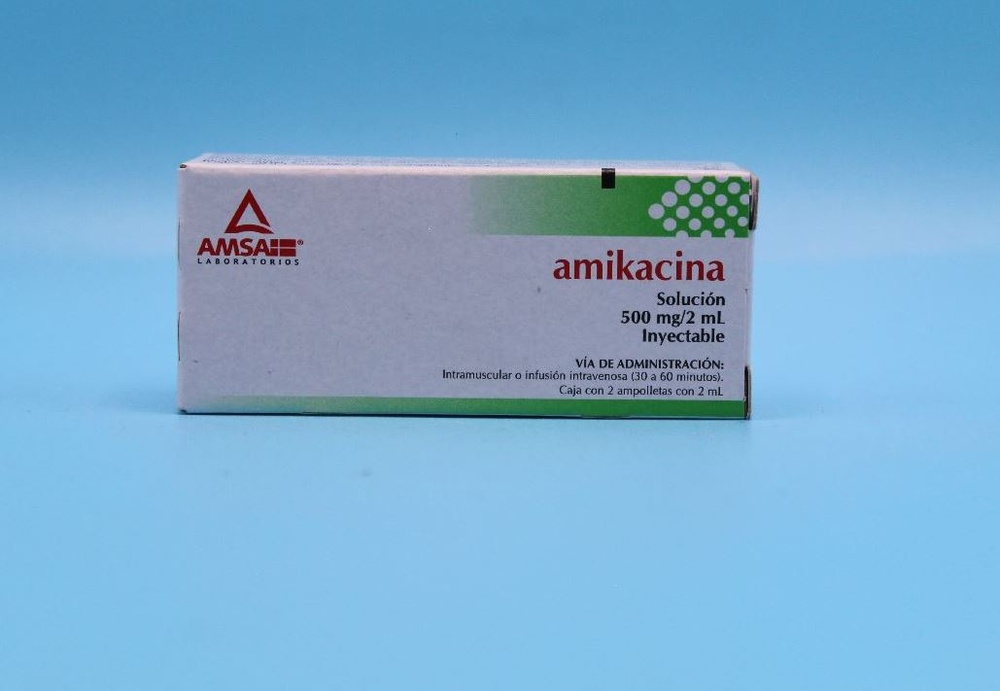
- Аналоги AMIKAKINA NORIDEMФорма выпуска: Injectable solution, 500 MG/2 MLДействующее вещество: amikacinПроизводитель: PHARMATEX ITALIA S.R.L.Отпускается по рецептуФорма выпуска: Infusion solution, 5 MG/MLДействующее вещество: amikacinПроизводитель: B. BRAUN MELSUNGEN AGОтпускается по рецептуФорма выпуска: Injectable solution, 1 G/4 MLДействующее вещество: amikacinПроизводитель: TEVA ITALIA S.R.L.Отпускается по рецепту
Аналоги AMIKAKINA NORIDEM в других странах
Лекарства с тем же действующим веществом, доступные в других странах.
Аналог AMIKAKINA NORIDEM в Испания
Аналог AMIKAKINA NORIDEM в Польша
Аналог AMIKAKINA NORIDEM в Украина
Врачи онлайн по AMIKAKINA NORIDEM
Обсудите применение AMIKAKINA NORIDEM и возможные следующие шаги — по оценке врача.









Получите рецепт на AMIKAKINA NORIDEM онлайн
Заполните форму за 2 минуты
Расскажите о симптомах, истории болезни и нужном препарате.
Выберите врача или мы назначим
Выберите специалиста или мы подберём ближайшего доступного врача.
Врач рассматривает ваш случай
Обычно в течение 30 минут. Может задать уточняющие вопросы в чате.
Получите в любой аптеке
Электронный рецепт отправляется на вашу почту — действителен по всей Польше.
Часто задаваемые вопросы
AMIKAKINA NORIDEM требует рецепта в Италия. Вы можете уточнить у врача онлайн, подходит ли это лекарство для вашей ситуации.
Действующее вещество AMIKAKINA NORIDEM — amikacin. Эта информация помогает определить лекарства с тем же составом под другими торговыми названиями.
AMIKAKINA NORIDEM производится компанией NORIDEM ENTERPRISES LTD. Упаковка и торговое название могут отличаться в зависимости от дистрибьютора.
Врачи, включая Семейные врачи, Психиатры, Дерматологи, Кардиологи, Эндокринологи, Гастроэнтерологи, Пульмонологи, Нефрологи, Ревматологи, Гематологи, Инфекционисты, Аллергологи, Гериатры, Педиатры, Онкологи, могут оценить целесообразность применения AMIKAKINA NORIDEM с учетом вашей ситуации и местных правил. Вы можете записаться на онлайн-консультацию, чтобы обсудить возможные варианты.
Польша имеет хорошо развитую систему здравоохранения в крупных городах, таких как Варшава, Краков, Вроцлав и Гданьск. Аптеки широко доступны и работают в соответствии с действующим законодательством, обеспечивая доступ к рецептурным препаратам.
Вы можете купить AMIKAKINA NORIDEM в Варшаве, Кракове, Вроцлаве или Гданьске в любой аптеке при наличии действующего рецепта.
Чтобы получить рецепт, вы можете воспользоваться Oladoctor:
Другие лекарства с тем же действующим веществом (amikacin) включают AMIKASIL, AMIKAKINA B. BRAUN, AMIKAKINA TEVA. Они могут отличаться торговым названием или формой выпуска, но содержат одинаковый терапевтический компонент. Перед изменением лечения рекомендуется проконсультироваться с врачом.
