



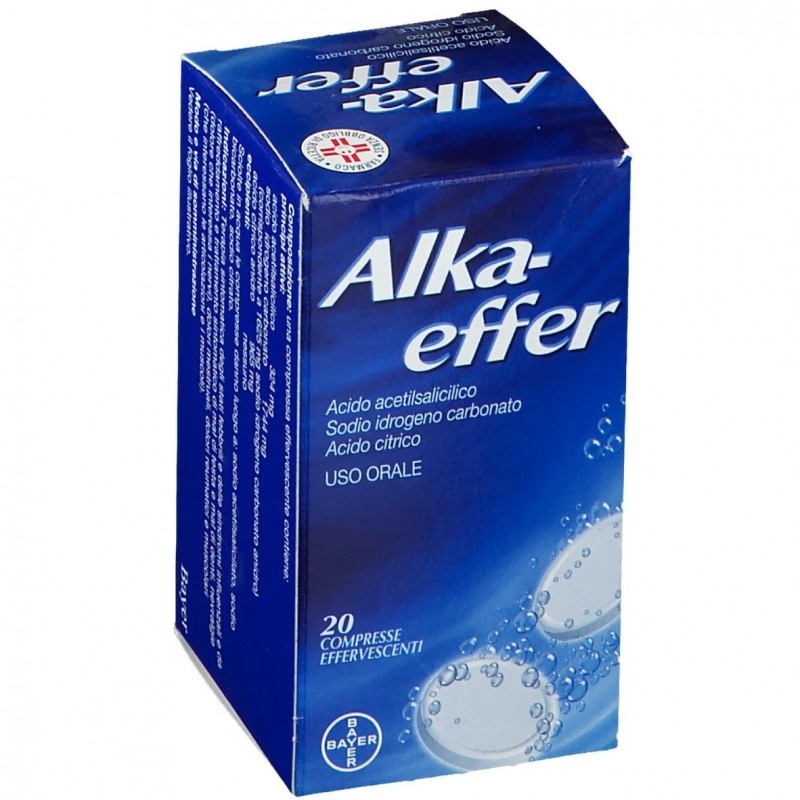
АЛКЕАФФЕР 2 Эффервесцентные таблетки

Рассмотрение рецепта онлайн
Врач рассмотрит ваш случай и примет решение о назначении рецепта, если это медицински оправдано.

Поговорите с врачом об этом лекарстве
Обсудите симптомы и возможные дальнейшие шаги на онлайн-консультации.



Инструкция по применению ALKAEFFER
Содержание инструкции
Alkaeffer effervescent tablets
acetylsalicylic acid,sodium hydrogen carbonate, anhydrous citric acid
Read this leaflet carefully before taking this medicine as it contains
important information for you.
Always take this medicine exactly as described in this leaflet or as your doctor or
pharmacist has told you.
- Keep this leaflet. You may need to read it again.
- If you want more information or advice, ask your pharmacist.
- If any side effects occur, including those not listed in this leaflet, tell your doctor or pharmacist. See section 4.
- See a doctor if you do not feel better or if your symptoms worsen after 3-5 days.
Contents of this leaflet:
- 1. What Alkaeffer is and what it is used for
- 2. What you need to know before you take Alkaeffer
- 3. How to take Alkaeffer
- 4. Possible side effects
- 5. How to store Alkaeffer
- 6. Contents of the pack and other information
1. What is Alkaeffer and what is it used for
Alkaeffer is an analgesic (pain reliever: reduces pain), antipyretic (fever reducer: reduces fever).
Alkaeffer is used for the symptomatic therapy of febrile states and flu-like and cold syndromes
and for the symptomatic treatment of headache and toothache, neuralgia (pain affecting the nerves), menstrual pain, rheumatic and muscular pain (affecting joints and muscles).
The use of this product is reserved for adult patients only.
Consult your doctor if you do not notice any improvement or if your symptoms worsen after 3-5 days.
2. What you need to know before taking Alkaeffer
Do not take Alkaeffer
- if you are allergic to acetylsalicylic acid, sodium hydrogen carbonate, anhydrous citric acid or other analgesics (pain relievers) / antipyretics (fever reducers) / non-steroidal anti-inflammatory drugs (NSAIDs);
- if you suffer from gastroduodenal ulcer (ulcer in the stomach or the first part of the intestine);
- if you suffer from hemorrhagic diathesis (tendency to bleeding);
- if you suffer from severe kidney (reduced kidney function) or liver (liver) or heart (heart) failure;
- if you suffer from glucose-6-phosphate dehydrogenase deficiency (an enzyme whose absence, genetically determined, results in a disease characterized by reduced survival of red blood cells);
- if you suffer from hypophosphatemia (decreased phosphate levels in the blood);
- if you are already taking methotrexate(at doses of 15 mg/week or more) or warfarin(see “Other medicines and Alkaeffer”);
- if you have suffered in the past from asthma induced by the administration of salicylates or substances with similar activity, in particular non-steroidal anti-inflammatory drugs;
- if you are in the last trimester of pregnancy or if you are breastfeeding (see “Pregnancy, breastfeeding and fertility”);
- if you are under the age of 16 (see “Children and adolescents”).
Warnings and precautions
Consult your doctor or pharmacist before taking Alkaeffer.
Take the medicine only on a full stomach.
The sodium content per effervescent tablet (445 mg) must be taken into consideration in the case
of a low-sodium/low-salt diet in patients with heart failure, high blood pressure and kidney
failure.
Before administering any medicine, you must take all precautions to prevent adverse
reactions:
- exclude the existence of previous allergic reactions to this or other medicines;
- exclude the existence of other contraindications or conditions that may expose you to the risk of potentially serious side effects. If in doubt, consult your doctor or pharmacist;
- do not use acetylsalicylic acid together with another NSAID or, in any case, do not use more than one NSAID at a time.
Allergic reactions
Acetylsalicylic acid and other NSAIDs can cause allergic reactions [including asthma attacks,
rhinitis (runny nose), angioedema (swelling of the skin and mucous membranes) or urticaria (small spots on the
skin accompanied by itching)].
The risk is greater in subjects who have previously experienced an allergic reaction after use
of this type of medicine (see “Do not take Alkaeffer”) and in subjects who present allergic
reactions (for example, skin reactions, itching, urticaria) to other substances.
In subjects with asthma and/or rhinitis (with or without nasal polyps) and/or urticaria, reactions may be more
frequent and severe.
Tell your doctor if:
- you are to undergo a surgical operation (even a minor one such as a tooth extraction), as the pre-operative use of this medicine may make it more difficult to stop bleeding during the operation (intraoperative hemostasis);
- you need to perform an occult blood test, as acetylsalicylic acid can cause gastrointestinal bleeding.
In the following cases, your doctor will prescribe the administration of this medicine only after
a careful evaluation of the risk/benefit ratio:
- if you have a higher risk of allergic reactions, for example if you suffer from asthma and/or rhinitis (with or without nasal polyps) and/or urticaria;
- if you have a higher risk of gastrointestinal lesions, because acetylsalicylic acid and other NSAIDs can cause serious side effects at the gastrointestinal level (bleeding, ulcer, perforation); for this reason, these medicines should not be used in subjects who suffer or have suffered in the past from gastrointestinal ulcer or gastrointestinal bleeding or who consume large amounts of alcohol or higher doses of acetylsalicylic acid (dose-related effect) (see “Do not take Alkaeffer”);
- if you have blood coagulation defects or if you are following treatment with anticoagulant medicines (used to slow down or inhibit the blood clotting process);
- if you suffer from impaired kidney, heart or liver function;
- if you have asthma;
- if you have hyperuricemia/gout (increased levels of uric acid in the blood). It is advisable to consult your doctor even in cases where the above disorders have occurred in the past.
- if you are taking medicines that are not recommended or that require special precautions or dosage adjustments (see “Other medicines and Alkaeffer”);
- if you are over 70 years of age, especially if you are taking concomitant therapies;
- if you are in the first or second trimester of pregnancy (see “Pregnancy, breastfeeding and fertility”);
- if you are following a low-sodium diet.
Children and adolescents
This medicine should not be taken by children and adolescents under the age of 16 (see
“Do not take Alkaeffer”). Products containing acetylsalicylic acid should not be used in
children and adolescents under the age of 16 with viral infections, regardless of the presence or
absence of fever. In certain viral infections, especially influenza A, influenza B and chickenpox, there is
the risk of Reye's syndrome, a very rare but life-threatening disease that requires
immediate medical attention. The risk may be increased in case of simultaneous
administration of acetylsalicylic acid, although a causal relationship has not been demonstrated. Persistent vomiting
in patients with these diseases may be a sign of Reye's syndrome.
Elderly
The risk of serious side effects is higher in the elderly.
If you are over 70 years of age, consult your doctor before taking this medicine.
Patients with impaired kidney and liver function
This medicine must be used with caution (see “Warnings and precautions”).
Other medicines and Alkaeffer
Tell your doctor or pharmacist if you are taking, have recently taken or might take any
other medicine.
Do not take Alkaeffer together with these medicines(see “Do not take Alkaeffer”):
- Methotrexate (used in some cancers and rheumatoid arthritis) (doses greater than or equal to 15 mg/week);
- Warfarin [used to make the blood more fluid (anticoagulant)].
Take Alkaeffer together with these medicines only on prescription and under medical supervision:
- Selective Serotonin Re-uptake Inhibitors (SSRIs) (used for depression);
- ACE inhibitors (used for high blood pressure);
- Acetazolamide (used in some types of edema (swelling));
- Valproic acid (used for epilepsy);
- Other NSAIDs (except those for topical use);
- Antacids (used for digestive disorders);
- Antiplatelet agents (used for the prevention and treatment of blood clots in the arteries);
- Thrombolytics (used to dissolve blood clots) or anticoagulants (used to slow down or inhibit the blood clotting process) taken orally or by injection;
- Antidiabetics, for example insulin and oral hypoglycemic agents (used to stimulate insulin production by the pancreas);
- Digoxin (used for heart failure);
- Diuretics (used to increase the amount of urine produced);
- Phenytoin (used for epilepsy);
- Corticosteroids (cortisone, excluding those for topical use and those used in replacement therapy for adrenal insufficiency);
- Metoclopramide (used for vomiting);
- Methotrexate (doses less than 15 mg/week);
- Uricosuric agents, for example probenecid, benzbromarone and sulfinpyrazone (used to increase the elimination of uric acid);
- Zafirlukast (used for asthma).
Alkaeffer contains buffering systems that may reduce the effects of the thyroid hormone Levothyroxine.
Do not take other medicines orally within 1 or 2 hours of using this medicine.
Alkaeffer with alcohol
The combined effects of alcohol and acetylsalicylic acid increase the risk of
gastrointestinal bleeding.
Pregnancy, breastfeeding and fertility
If you are pregnant, suspect you are pregnant, are planning a pregnancy, or are breastfeeding with breast
milk, ask your doctor for advice before taking this medicine.
Pregnancy
Do not take Alkaeffer in the last trimester of pregnancy.
In the first and second trimester of pregnancy, take this medicine only after consulting
your doctor and evaluating with him the risk/benefit ratio in your case.
Breastfeeding
Do not take Alkaeffer during breastfeeding.
Fertility
If you are a woman with fertility problems or are undergoing fertility investigations, keep in mind that the use of
acetylsalicylic acid, like any medicine that inhibits the synthesis of prostaglandins and
cyclooxygenase, may interfere with fertility.
Driving and operating machinery
Due to the possible occurrence of headache or dizziness, this medicine may impair
the ability to drive vehicles and operate machinery.
Alkaeffer contains sodium
This medicine contains 445 mg of sodium (the main component of table salt) per effervescent tablet.
This is equivalent to 22.2% of the recommended maximum daily intake with the diet
of an adult.
3. How to take Alkaeffer
Take this medicine following exactly what is reported in this leaflet or the instructions of the
doctor or pharmacist. If you have doubts, consult your doctor or pharmacist.
The recommended doseis 1 or 2 tablets as a single dose, repeating, if necessary, the dose at
intervals of 4-8 hours, up to 4 times a day. Never exceed the maximum daily dose of 8
tablets.
The Alkaeffer tablet must always be completely dissolved in a glass of water before
use.
Take the product on a full stomach, preferably after the main meals.
Warning:do not exceed the indicated doses without the advice of your doctor.
Always use the minimum effective dosage and increase it only if it is not sufficient to relieve symptoms
(pain and fever).
Subjects more exposed to the risk of serious adverse effects, who can only use the medicine if
prescribed by a doctor, must strictly follow their instructions.
Do not take the product for more than 3-5 days without consulting your doctor. Consult your doctor if the
symptoms persist. Use the medicine for the shortest possible period.
Consult your doctor if the disorder occurs repeatedly or if you have noticed any recent change
in its characteristics.
Use in children and adolescents
This medicine should not be taken by children and young people under the age of 16 (see “Do not
take Alkaeffer”)
Elderly
Elderly patients should adhere to the minimum dosages indicated above.
If you take more Alkaeffer than you should
In case of accidental ingestion of an excessive dose of Alkaeffer, immediately inform your doctor or
go to the nearest hospital.
Salicylate toxicity (a dosage higher than 100 mg/kg/day for 2 consecutive days can induce
toxicity: in a 70 kg individual, for example, salicylate toxicity manifests with the intake of more than
7 g of acetylsalicylic acid per day, equivalent to more than 21 Alkaeffer tablets) may be the
consequence of chronic excessive doses or acute overdose, potentially
life-threatening and including accidental ingestion in children.
- Chronic intoxication (repeated use of considerable doses):symptoms include dizziness, vertigo, tinnitus (a sound or ringing in the ear), deafness, sweating, nausea and vomiting, headache and confusion. These symptoms can be controlled by reducing the dosage
- Acute intoxication:signs and symptoms/results of biochemical and instrumental investigations may include: Signs and symptoms of mild/moderate overdose: tachypnea (rapid breathing), hyperventilation (breathing too deeply), respiratory alkalosis (alteration of the acid-base balance following changes in breathing), sweating, nausea, vomiting, headache, dizziness. Signs and symptoms of moderate/severe overdose: respiratory alkalosis with compensatory metabolic acidosis (alteration of the acid-base balance following changes in breathing and accumulation of acids in the body), fever, hyperventilation (breathing too deeply), pulmonary edema (water in the lungs), respiratory failure, asphyxia, arrhythmias (irregular heartbeat), hypotension (low blood pressure), cardiorespiratory arrest (cessation of heartbeat), dehydration, oliguria (decreased urine) up to renal failure (reduced kidney function), ketosis (“acetone”), hyperglycemia (increased blood sugar level), severe hypoglycemia (severe decrease in blood sugar level), tinnitus (a sound or ringing in the ear), deafness, gastrointestinal bleeding, gastric ulcer, coagulopathy (alteration of blood coagulation), iron deficiency anemia, encephalopathy (brain damage) and depression of the central nervous system with manifestations ranging from lethargy (deep sleepiness) and confusion to coma and seizures, cerebral edema (swelling of brain tissue), liver damage.
- At high doses, alterations of taste and skin rashes (acneiform, erythematous, scarlatiniform, eczematous, desquamative, bullous, purpuric), itching may also occur.
- Other signs and symptoms: conjunctivitis, anorexia (loss of appetite), reduced visual acuity (ability to distinguish objects clearly), drowsiness.
- Rarely, the following may occur: aplastic anemia (failure to produce red blood cells), agranulocytosis (lack of blood cells called granulocytes), disseminated intravascular coagulation (presence of numerous blood clots disseminated), pancytopenia (deficiency of all types of blood cells), leukopenia (deficiency of white blood cells), thrombocytopenia (deficiency of platelets), eosinopenia (deficiency of blood cells called eosinophils), purpura (reddish spots on the skin), eosinophilia (increase in eosinophils) associated with drug-induced hepatotoxicity, renal toxicity (allergic tubulo-interstitial nephritis), hematuria (presence of blood in the urine).
Acute allergic reactions resulting from taking acetylsalicylic acid can be treated, if
necessary, with administration of adrenaline, corticosteroids and an antihistamine.
If you forget to take Alkaeffer
Continue therapy as per the recommended dose. Do not take a double dose to make up for the
missed dose.
If you stop taking Alkaeffer
Discontinuation of treatment has no effect.
If you have any doubts about the use of this medicine, consult your doctor or pharmacist.
4. Possible side effects
Like all medicines, this medicine can cause side effects, although not everyone will experience them.
The side effects observed most frequently affect the gastrointestinal tract.
These disorders can be partially relieved by taking the medicine on a full stomach.
Most side effects depend on both the dose and the duration of treatment.
The side effects observed with acetylsalicylic acid are generally common to other NSAIDs.
The following side effects may occur:
Effects on blood vessels
- Epistaxis (nosebleed)
Effects on the blood
- prolongation of bleeding time,
- anemia from gastrointestinal bleeding,
- reduction of platelets (thrombocytopenia) in extremely rare cases. Following bleeding, post-hemorrhagic/iron deficiency anemia (due to iron deficiency) may occur (due, for example, to occult microbleeds) with related changes in laboratory parameters and related signs and symptoms such as asthenia (fatigue), pallor and hypoperfusion (reduced blood flow to tissues).
Effects on the nervous system
- headache,
- dizziness. Rarely, it may manifest as:
- Reye's syndrome (*), an acute disease affecting the brain and liver, potentially fatal, which almost exclusively affects children. From rarely to very rarely, it may manifest as:
- cerebral hemorrhage, especially in patients with uncontrolled hypertension (high blood pressure) and/or undergoing therapy with anticoagulants (medicines used to slow down or inhibit the blood clotting process) which, in isolated cases, may be potentially fatal.
Effects on the ear
- tinnitus (ringing/buzzing/humming/whistling in the ear).
Effects on the respiratory system
- Respiratory disease exacerbated by acetylsalicylic acid
- asthmatic syndrome
- rhinitis (runny nose)
- nasal congestion (stuffy nose) (associated with allergic reactions).
Effects on the heart
- cardiorespiratory distress (severe and acute respiratory failure) (associated with allergic reactions).
Effects on the eye
- conjunctivitis (associated with allergic reactions).
Effects on the gastrointestinal tract
- gastrointestinal bleeding (occult),
- gastric discomfort,
- pyrosis (heartburn),
- gastrointestinal pain,
- gingivorrhagia (bleeding gums),
- vomiting,
- diarrhea,
- nausea,
- cramping abdominal pain (associated with allergic reactions). Rarely, the following may occur:
- gastrointestinal inflammation,
- gastrointestinal erosion,
- gastrointestinal ulceration,
- hematemesis (vomiting blood or "coffee grounds" material),
- melena (emission of black, tarry stools),
- esophagitis (inflammation of the esophagus). Very rarely, the following may occur:
- gastrointestinal hemorrhagic and/or perforated ulcer with related signs and symptoms and changes in laboratory parameters. May occur with unknown frequency (especially with long-term treatment):
- Intestinal diaphragm disease
Effects on the liver
- rarely: hepatotoxicity (generally mild and asymptomatic hepatocellular damage) which manifests with an increase in transaminases.
Effects on the skin
- skin rash,
- edema (swelling),
- urticaria (hives),
- pruritus (itching),
- erythema (redness),
- angioedema (associated with allergic reactions).
Effects on the kidneys and urinary tract
- alteration of renal function and acute renal injury (in the presence of conditions of altered blood flow to the kidneys),
- urogenital hemorrhage (of the urinary and genital tract).
Effects on the whole organism
- procedural bleeding (immediately before, during and immediately after surgery),
- hematomas (collections of blood outside the blood vessels).
Effects on the immune system
- Hypersensitivity reactions
- rarely: anaphylactic shock (severe allergic reaction, potentially fatal) with related changes in laboratory parameters and clinical manifestations.
(*) Reye's Syndrome (RS)
RS initially manifests with vomiting (persistent or recurrent) and other signs of encephalic distress of varying severity: from sluggishness, drowsiness or personality changes (irritability or aggression) to disorientation, confusion or delirium, up to convulsions or loss of consciousness. The variability of the clinical picture should be considered: even vomiting may be absent or replaced by diarrhea.
If these symptoms occur in the days immediately following an episode of influenza (or flu-like or chickenpox or other viral infection) during which acetylsalicylic acid or other medicines containing salicylates have been administered, the doctor's attention should immediately be directed to the possibility of RS.
(**) Severe skin reactions, Stevens-Johnson syndrome and toxic epidermal necrolysis have been
reported very rarely in association with the use of NSAIDs.
Reporting side effects
If you experience any side effects, including those not listed in this leaflet, please inform your
doctor or pharmacist. You can also report side effects directly through the national reporting system at https://www.aifa.gov.it/content/segnalazioni-reazioni-avverse .
By reporting side effects you can help provide more information on the safety of this
medicine.
5. How to store Alkaeffer
Keep this medicine out of the sight and reach of children.
Do not use this medicine after the expiry date which is stated on the pack. The expiry date refers to the last day of that month.
Store at a temperature below 25° C.
Do not dispose of any medicine in waste water or household waste. Ask your pharmacist how to dispose of medicines you no longer use. This will help protect the environment.
6. Contents of the pack and other information
What Alkaeffer contains
- The active ingredients are: acetylsalicylic acid, sodium hydrogen carbonate and anhydrous citric acid. One effervescent tablet contains 324 mg of acetylsalicylic acid, 1744 mg of sodium hydrogen carbonate (corresponding to 1625 mg of anhydrous sodium hydrogen carbonate) and 965 mg of anhydrous citric acid.
- This medicine does not contain any other components.
Description of the appearance of Alkaeffer and contents of the pack
Alkaeffer is available in the form of effervescent tablets.
The pack contains 2, 10, 20, 30 or 40 tablets.
Not all pack sizes may be marketed.
Marketing Authorisation Holder and Manufacturer
Marketing Authorisation Holder
Bayer S.p.A. - Viale Certosa 130 - Milan
Manufacturer
Bayer Bitterfeld GmbH - Greppin - Germany

Не уверены, подходит ли вам это лекарство?
Обсудите симптомы и варианты лечения с врачом онлайн.

Уже начали прием и появились вопросы?
Обсудите свое состояние и дальнейшие шаги с врачом онлайн.
- Страна регистрации
- Форма выпускаEffervescent tablet, 2
- Код АТХN02BA51
- Действующее вещество
- Отпускается по рецептуНет
- Производитель
- Информация на этой странице носит справочный характер и не является медицинской консультацией. Перед началом приема лекарства обязательно проконсультируйтесь с врачом.
- Аналоги ALKAEFFERФорма выпуска: Effervescent tablet, 330 MG + 200 MGДействующее вещество: acetylsalicylic acid, combinations excl. psycholepticsПроизводитель: COOP ITALIA SOCIETA' COOPERATIVAОтпускается без рецептаФорма выпуска: Effervescent tablet, 800 MG/480 MGДействующее вещество: acetylsalicylic acid, combinations excl. psycholepticsПроизводитель: BAYER S.P.A.Отпускается без рецептаФорма выпуска: Effervescent tablet, 400 MG + 240 MGДействующее вещество: acetylsalicylic acid, combinations excl. psycholepticsПроизводитель: ZENTIVA ITALIA S.R.L.Отпускается без рецепта
Аналоги ALKAEFFER в других странах
Лекарства с тем же действующим веществом, доступные в других странах.
Аналог ALKAEFFER в Испания
Аналог ALKAEFFER в Польша
Аналог ALKAEFFER в Украина
Врачи онлайн по ALKAEFFER
Обсудите применение ALKAEFFER и возможные следующие шаги — по оценке врача.









Получите рецепт на ALKAEFFER онлайн
Заполните форму за 2 минуты
Расскажите о симптомах, истории болезни и нужном препарате.
Выберите врача или мы назначим
Выберите специалиста или мы подберём ближайшего доступного врача.
Врач рассматривает ваш случай
Обычно в течение 30 минут. Может задать уточняющие вопросы в чате.
Получите в любой аптеке
Электронный рецепт отправляется на вашу почту — действителен по всей Польше.
Часто задаваемые вопросы
ALKAEFFER не требует рецепта в Италия. Вы можете уточнить у врача онлайн, подходит ли это лекарство для вашей ситуации.
Действующее вещество ALKAEFFER — acetylsalicylic acid, combinations excl. psycholeptics. Эта информация помогает определить лекарства с тем же составом под другими торговыми названиями.
ALKAEFFER производится компанией BAYER S.P.A.. Упаковка и торговое название могут отличаться в зависимости от дистрибьютора.
Врачи, включая Семейные врачи, Психиатры, Дерматологи, Кардиологи, Эндокринологи, Гастроэнтерологи, Пульмонологи, Нефрологи, Ревматологи, Гематологи, Инфекционисты, Аллергологи, Гериатры, Педиатры, Онкологи, могут оценить целесообразность применения ALKAEFFER с учетом вашей ситуации и местных правил. Вы можете записаться на онлайн-консультацию, чтобы обсудить возможные варианты.
Польша имеет хорошо развитую систему здравоохранения в крупных городах, таких как Варшава, Краков, Вроцлав и Гданьск. Аптеки широко доступны и работают в соответствии с действующим законодательством, обеспечивая доступ к рецептурным препаратам.
Вы можете купить ALKAEFFER в Варшаве, Кракове, Вроцлаве или Гданьске в любой аптеке при наличии действующего рецепта.
Чтобы получить рецепт, вы можете воспользоваться Oladoctor:
Другие лекарства с тем же действующим веществом (acetylsalicylic acid, combinations excl. psycholeptics) включают AKIDO AKETILSALIKILIKO E AKIDO ASKORBIKO KOOP, ASPIRINAAKT, EUSPIFLU. Они могут отличаться торговым названием или формой выпуска, но содержат одинаковый терапевтический компонент. Перед изменением лечения рекомендуется проконсультироваться с врачом.
