



TRENTAL 100 mg /5 Ml Roztwór Do Wstrzykiwań

Ocena recepty online
Lekarz przeanalizuje Twój przypadek i zdecyduje, czy wystawienie recepty jest medycznie uzasadnione.

Porozmawiaj z lekarzem o tym leku
Omów swoje objawy i opcje leczenia podczas szybkiej konsultacji online.



Jak stosować TRENTAL
Treść ulotki
- Trental 400 mg modified-release tablets
- Trental 600 mg modified-release tablets
- Trental 100 mg/5 ml solution for infusion
Trental 400 mg modified-release tablets
pentoxifylline
Read this leaflet carefully before you start taking this medicine as it contains important information for you.
- Keep this leaflet. You may need to read it again.
- If you have any questions, ask your doctor, pharmacist or nurse.
- This medicine has been prescribed for you only. Do not pass it on to others, even if their symptoms are the same as yours, as it could be harmful.
- If you get any side effects, even those not listed in this leaflet, tell your doctor, pharmacist or nurse. See section 4.
Contents of this leaflet:
- 1. What Trental is and what it is used for
- 2. What you need to know before you take Trental
- 3. How to take Trental
- 4. Possible side effects
- 5. How to store Trental
- 6. Contents of the pack and other information
1. What is Trental and what is it used for
Trental contains the substance “pentoxifylline” which belongs to a class of medicines called
“peripheral vasodilators”.
It works by dilating the blood vessels called “peripheral” which carry blood to the legs and arms.
Trental is indicated for the treatment of skin lesions called chronic venous ulcers due to damage
to the veins.
2. What you need to know before you take Trental
Do not take Trental
- if you are allergic to pentoxifylline, to other similar medicines (methylxanthines) or to any of the other ingredients of this medicine (listed in section 6);
- if you have recently had a heart attack;
- if you have had significant blood loss (severe bleeding), because there is a risk that Trental may lead to increased bleeding;
- if you have had bleeding from the retina (extensive retinal haemorrhage), because there is a risk that Trental may lead to increased bleeding;
- if you are pregnant (see Pregnancy and breastfeeding).
Warnings and precautions
Talk to your doctor or pharmacist before taking Trental.
At the first signs of an allergic reaction (anaphylactic/anaphylactoid), immediately stop
taking Trental and inform your doctor.
Your doctor will monitor you particularly closely if you:
- have low blood pressure (hypotension);
- have impaired kidney function (see “How to take Trental”);
- have severely impaired liver function;
- have an increased tendency to bleeding (haemorrhage) due, for example, to therapies with medicines that block blood clotting (anticoagulants) or to blood clotting disorders (see also “Do not take Trental”);
- have severe heart rhythm disturbances (cardiac arrhythmias);
- are taking pentoxifylline with vitamin K antagonists or platelet aggregation inhibitors used for coagulation disorders (see Other medicines and Trental);
- are taking pentoxifylline with medicines for diabetes (see Other medicines and Trental);
- are taking pentoxifylline with the antibiotic ciprofloxacin (medicine against infections; see Other medicines and Trental);
- are taking pentoxifylline with theophylline, a medicine used to treat asthma.
If you experience bleeding (haemorrhage) in the retina during therapy with Trental 400 mg, your doctor will stop the treatment.
Children and adolescents
There is no data on the use of Trental in children.
Other medicines and Trental
Tell your doctor or pharmacist if you are taking, have recently taken or might take
any other medicines.
The effects of Trental may be influenced by or influence the following medicines:
- insulin and oral diabetes medicines (oral antidiabetics): Trental may increase the blood sugar lowering effect of these medicines. If you are being treated with these medicines because you suffer from diabetes mellitus, your doctor will monitor you carefully;
- vitamin K antagonists (used to make the blood more fluid): Trental may increase the anticoagulant effect of these medicines. If you are also taking vitamin K antagonists, your doctor will subject you to checks;
- medicines used to treat high blood pressure (antihypertensives) or that have the effect of lowering blood pressure: Trental may increase the effect of these medicines;
- theophylline (used to treat asthma): Trental may in some cases increase the levels of theophylline and, therefore, the undesirable effects;
- ketorolac trometamine (medicine used for inflammation): concomitant use of Trental may increase the risk of bleeding;
- ciprofloxacin (an antibiotic against infections): in some patients it may increase the amount of Trental in the blood and therefore both the number and severity of side effects may occur;
- antiplatelet agents (medicines that prevent platelet aggregation and therefore the formation of thrombi): due to the increased risk of bleeding, Trental should be administered with caution with a platelet aggregation inhibitor (such as clopidogrel, eptifibatide, tirofiban, epoprostenol, iloprost, abciximab, anagrelide, NSAIDs other than selective COX-2 inhibitors, acetylsalicylic acid [acetylsalicylic acid/lysine acetylsalicylate], ticlopidine, dipyridamole);
- cimetidine (a medicine used to treat stomach ulcers): may increase the amount of Trental and its active metabolite in the blood.
Pregnancy and breastfeeding
If you are pregnant, suspect or are planning a pregnancy, or if you are breastfeeding with
breast milk, ask your doctor or pharmacist for advice before taking this medicine.
Pregnancy
Trental is contraindicated in pregnancy because there is insufficient clinical experience on the use of this
medicine in pregnancy.
Breastfeeding
If you are breastfeeding, your doctor will decide whether to stop breastfeeding and start treatment or,
conversely, continue breastfeeding while avoiding the administration of Trental.
Driving and using machines
Trental does not interfere with the ability to drive vehicles and use machines.
3. How to take Trental
Take this medicine following exactly the instructions of your doctor or pharmacist. If you
have any doubts, consult your doctor or pharmacist.
The recommended dose is:
1 Trental 400 mg tablet 2-3 times a day.
The doctor may decide to change the recommended dose.
Swallow the tablets after meals with some liquid and without chewing.
For the treatment to be successful, regular administration and prolonged treatment are important.
If you suffer from kidney problems (renal insufficiency)
The doctor will decide to reduce your dose of Trental after having you undergo tests to evaluate
kidney function.
If you suffer from liver problems (hepatic insufficiency)
The doctor will reduce your dose of Trental if you have a serious liver disease.
If you suffer from heart or blood circulation problems (cardiovascular)
Therapy should be started at low doses if you have low blood pressure (hypotension), if
you are at risk of a drop in pressure (e.g. if you suffer from alterations to the blood vessels that carry
blood to the heart or if you have a significant narrowing of the vessels that carry blood to the brain), if you have
problems with blood circulation. In these cases, the doctor will only increase the dose
gradually.
If you take more Trental than you should
If you take more Trental than you should, you may experience the following symptoms: nausea, dizziness, increased
heart rate or low blood pressure. In addition, fever may also occur,
agitation, feeling of heat and flushing of the face, loss of consciousness, loss of reflexes
(areflexia), convulsions with muscle spasms (tonic-clonic convulsions) and vomiting of dark
color (coffee-ground vomiting) which indicates bleeding in the stomach and intestines.
There is no known specific antidote. If the intake occurred recently, the doctor or
healthcare personnel will take measures to prevent further active absorption of the
medicine into the blood (e.g. gastric lavage) or to delay absorption (e.g. activated charcoal).
In case of accidental ingestion/intake of an excessive dose of Trental, immediately notify
your doctor or go to the nearest hospital.
If you have any doubts about the use of this medicine, consult your doctor or pharmacist.
If you forget to take Trental
Do not take a double dose to make up for a missed dose
If you have any doubts about the use of this medicine, consult your doctor or pharmacist.
4. Possible side effects
Like all medicines, this medicine can cause side effects, although not everybody gets them.
Following administration of Trental, the occurrence of the following side effects has been reported with
unknown frequency:
- heart rhythm disturbance (arrhythmia),
- increased heart rate (tachycardia),
- chest pain (angina pectoris),
- decreased blood pressure,
- transient increase in the results of some blood tests to evaluate liver function (increased transaminases),
- decrease in the number of certain blood cells called “platelets” (thrombocytopenia),
- decrease in the number of white blood cells in the blood (leukopenia/neutropenia),
- dizziness,
- headache (cephalalgia),
- inflammation of the membranes lining the brain not caused by bacteria (aseptic meningitis),
- stomach and intestinal disorders,
- abdominal and epigastric pain (epigastric discomfort),
- abdominal bloating,
- nausea,
- vomiting,
- diarrhea,
- constipation,
- excessive salivation,
- itching,
- skin irritation and redness (erythema),
- urticaria,
- skin rash (rash),
- hot flashes (flush),
- bleeding (haemorrhage),
- allergic reactions (anaphylactic/anaphylactoid),
- swelling of the legs, arms, face, mucous membranes or tongue (angioedema),
- bronchial spasms (bronchospasm),
- severe and sudden allergic reaction (anaphylactic shock),
- impaired bile flow in the liver (intrahepatic cholestasis),
- agitation,
- sleep disturbances
Reporting of side effects
If you get any side effects, even those not listed in this leaflet, tell your doctor, pharmacist or nurse. You can also report side effects directly
through the national reporting system at
www.agenziafarmaco.gov.it/it/responsabili.
By reporting side effects you can help provide more information on the safety of
this medicine.
5. How to store Trental
This medicine does not require any special storage conditions.
Keep this medicine out of the sight and reach of children.
Do not use this medicine after the expiry date which is stated on the pack after “Exp”. The expiry
date refers to the last day of that month.
Do not dispose of any medicine in wastewater or household waste. Ask your pharmacist how to
dispose of medicines you no longer use. This will help protect the environment.
6. Contents of the pack and other information
What Trental 400 mg modified-release tablets contain
- The active ingredient is pentoxifylline. One modified-release tablet contains 400 mg of pentoxifylline.
- The other ingredients are: hydroxyethylcellulose, talc, povidone, hypromellose, magnesium stearate, titanium dioxide, macrogol 8000, E127.
Description of Trental and pack contents
Trental is presented in the form of modified-release tablets in a box of 30 tablets.
Marketing Authorisation Holder
Neuraxpharm Italy S.p.A.
Via Piceno Aprutina, 47,
- 63100 - Ascoli Piceno (AP), Italy
Manufacturer
Sanofi S.r.l.
S.S. n. 17, km. 22 – 67019 Scoppito (AQ)
Trental 600 mg modified-release tablets
pentoxifylline
Read this leaflet carefully before taking this medicine as it contains
important information for you.
- Keep this leaflet. You may need to read it again.
- If you have any questions, ask your doctor, pharmacist or nurse.
- This medicine has been prescribed for you only. Do not pass it on to others, even if their symptoms are the same as yours, as it could be harmful.
- If you get any side effects, even those not listed in this leaflet, tell your doctor, pharmacist or nurse. See section 4.
Contents of this leaflet:
- 1. What Trental is and what it is used for
- 2. What you need to know before you take Trental
- 3. How to take Trental
- 4. Possible side effects
- 5. How to store Trental
- 6. Contents of the pack and other information
1. What is Trental and what is it used for
Trental contains the substance “pentoxifylline” which belongs to a class of medicines called
“peripheral vasodilators”.
It works by dilating the blood vessels called “peripheral” which carry blood to the legs and arms.
Trental is indicated for the treatment of skin lesions called chronic venous ulcers due to damage
to the veins.
2. What you need to know before you take Trental
Do not take Trental
- if you are allergic to pentoxifylline, to other similar medicines (methylxanthines) or to any of the other ingredients of this medicine (listed in section 6);
- if you have recently had a heart attack;
- if you have had significant blood loss (severe bleeding), because there is a risk that Trental may lead to increased bleeding;
- if you have had bleeding from the retina (extensive retinal haemorrhage), because there is a risk that Trental may lead to increased bleeding;
- if you are pregnant (see “Pregnancy and breastfeeding”).
Warnings and precautions
Talk to your doctor or pharmacist before taking Trental.
At the first signs of an allergic reaction (anaphylactic/anaphylactoid), immediately stop
taking Trental and inform your doctor.
Your doctor will monitor you particularly if you:
- have low blood pressure (hypotension);
- have impaired kidney function (see “How to take Trental”);
- have severely impaired liver function;
- have an increased tendency to bleeding (haemorrhage) due, for example, to therapies with medicines that block blood coagulation (anticoagulants) or to blood coagulation disorders (see also “Do not take Trental”);
- have severe heart rhythm disturbances (cardiac arrhythmias);
- are taking pentoxifylline with vitamin K antagonists or platelet aggregation inhibitors used for coagulation disorders (see Other medicines and Trental);
- are taking pentoxifylline with medicines against diabetes (see “Other medicines and Trental”),
- are taking pentoxifylline with the antibiotic ciprofloxacin (medicine against infections; see “Other medicines and Trental”);
- are taking pentoxifylline with theophylline, a medicine used to treat asthma.
If you experience bleeding (haemorrhage)
of the retina during therapy with Trental 600 mg, your doctor will stop the treatment.
Children and adolescents
There is no data on the use of Trental in children.
Other medicines and Trental
Tell your doctor or pharmacist if you are taking, have recently taken or might take
any other medicines.
The effects of Trental may be influenced by or influence the following medicines:
- insulin and medicines used for diabetes taken by mouth (oral antidiabetics): Trental may increase the blood sugar lowering effect of these medicines. If you are being treated with these medicines because you suffer from diabetes mellitus, your doctor will monitor you carefully;
- vitamin K antagonists (used to make the blood more fluid): Trental may increase the anticoagulant effect of these medicines. If you are also taking vitamin K antagonists, your doctor will subject you to checks;
- medicines used to treat high blood pressure (antihypertensives) or that have the effect of lowering blood pressure: Trental may increase the effect of these medicines;
- theophylline (used to treat asthma): Trental may in some cases increase the levels of theophylline and, therefore, the undesirable effects;
- ketorolac trometamine (medicine used for inflammation): concomitant use of Trental may increase the risk of bleeding;
- ciprofloxacin (an antibiotic against infections): in some patients it may increase the amount of Trental in the blood and therefore both the number and the severity of undesirable effects may occur;
- antiplatelet agents (medicines that prevent platelet aggregation and therefore the formation of thrombi): due to the increased risk of bleeding, Trental should be administered with caution with a platelet aggregation inhibitor (such as clopidogrel, eptifibatide, tirofiban, epoprostenol, iloprost, abciximab, anagrelide, NSAIDs other than selective COX-2 inhibitors, acetylsalicylic acid [acetylsalicylic acid/lysine acetylsalicylate], ticlopidine, dipyridamole);
- cimetidine (a medicine used to cure stomach ulcers): may increase the amount of Trental and its active metabolite in the blood.
Pregnancy and breastfeeding
If you are pregnant, suspect you are pregnant or are planning to become pregnant, or if you are breastfeeding with
breast milk, ask your doctor or pharmacist for advice before taking this medicine.
Pregnancy
Trental is contraindicated in pregnancy because there is insufficient clinical experience on the use of this
medicine in pregnancy.
Breastfeeding
If you are breastfeeding, your doctor will decide whether to stop breastfeeding and start treatment or,
vice versa, continue breastfeeding avoiding the administration of Trental.
Driving and using machines
Trental does not interfere with the ability to drive vehicles and use machines.
3. How to take Trental
Take this medicine following exactly the instructions of your doctor or pharmacist.
If you have doubts, consult your doctor or pharmacist.
The recommended dose is:
1 tablet 2 times a day.
Swallow the tablets after meals and without chewing.
For the treatment to be successful, regular administration and prolonged treatment are important.
If you suffer from kidney problems (renal insufficiency)
The doctor will decide to reduce your dose of Trental after having you undergo tests to evaluate
kidney function.
If you suffer from liver problems (hepatic insufficiency)
The doctor will reduce your dose of Trental if you have a severe liver disease.
If you suffer from heart or blood circulation problems (cardiovascular)
Therapy should be started at low dosages if you have low blood pressure (hypotension), if
you are at risk of a drop in pressure (for example if you suffer from alterations to the blood vessels that carry
blood to the heart or if you have a significant narrowing of the vessels that carry blood to the brain), if you have
problems with blood circulation. In these cases, the doctor will increase the dose only
gradually.
If you take more Trental than you should
If you take more Trental than you should, you may experience the following symptoms: nausea, dizziness, increased
heart rate or low blood pressure. Also, fever may occur,
agitation, feeling of heat and redness of the face, loss of consciousness, loss of reflexes
(areflexia), convulsions with muscle spasms (tonic-clonic convulsions) and vomiting of dark
color (coffee-ground vomiting) which indicates bleeding in the stomach and intestines.
There is no known specific antidote. If the intake has occurred recently, the doctor or
healthcare personnel will take measures to prevent further active absorption of
the medicine into the blood (e.g. gastric lavage) or to delay absorption (e.g. activated charcoal).
In case of accidental ingestion/intake of an excessive dose of Trental, immediately notify
your doctor or go to the nearest hospital.
If you have any doubts about the use of this medicine, consult your doctor or pharmacist.
If you forget to take Trental
Do not take a double dose to make up for a missed dose.
If you have any doubts about the use of this medicine, consult your doctor or pharmacist.
4. Possible side effects
Like all medicines, this medicine can cause side effects, although not everybody gets them.
Following administration of Trental, the occurrence of the following side effects has been reported with
unknown frequency:
- heart rhythm disturbance (arrhythmia),
- increased heart rate (tachycardia),
- chest pain (angina pectoris),
- decreased blood pressure,
- transient increase in the results of some blood tests to evaluate liver function (increased transaminases),
- decrease in the number of some blood cells called “platelets” (thrombocytopenia),
- decrease in the number of white blood cells in the blood (leukopenia/neutropenia)
- dizziness,
- headache (cephalalgia),
- inflammation of the membranes lining the brain not caused by bacteria (aseptic meningitis),
- stomach and intestinal disorders,
- abdominal and epigastric discomfort (epigastric discomfort),
- abdominal bloating,
- nausea,
- vomiting,
- diarrhea,
- constipation,
- excessive salivation,
- itching,
- skin irritation and redness (erythema),
- urticaria,
- skin rash (rash)
- hot flashes (flush),
- bleeding (haemorrhage),
- allergic reactions (anaphylactic/anaphylactoid),
- swelling of the legs, arms, face, mucous membranes or tongue (angioedema),
- bronchial spasms (bronchospasm),
- severe and sudden allergic reaction (anaphylactic shock),
- alteration of bile flow in the liver (intrahepatic cholestasis),
- agitation,
- sleep disturbances
Reporting of side effects
If you get any side effects, talk to your doctor, pharmacist or nurse. You can also report side effects directly
through the national reporting system at
https://www.aifa.gov.it/web/guest/content/segnalazioni-reazioni-avverse.
By reporting side effects you can help provide more information on the safety of
this medicine.
5. How to store Trental
Do not store at a temperature above 25°C
Keep this medicine out of the sight and reach of children.
Do not use this medicine after the expiry date which is stated on the pack after “Exp”. The expiry
date refers to the last day of that month.
Do not dispose of any medicine in waste water or household waste. Ask your pharmacist how to
dispose of medicines you no longer use. This will help protect the environment.
6. Package Contents and Other Information
What Trental 600 mg modified-release tablets contain
- The active ingredient is pentoxifylline. One modified-release tablet contains 600 mg of pentoxifylline.
- The other ingredients are: hydroxyethylcellulose, povidone, talc, magnesium stearate, hypromellose, titanium dioxide, E127 and macrogol 8000.
Description of the appearance of Trental and package contents
Trental is presented in the form of modified-release tablets in a box of 30 tablets.
Marketing Authorisation Holder
Neuraxpharm Italy S.p.A.
Via Piceno Aprutina, 47,
- 63100 - Ascoli Piceno (AP), Italy
Manufacturer
Sanofi S.r.l.
S.S. n. 17, km. 22 – 67019 Scoppito (AQ)

Nie jesteś pewien, czy ten lek jest odpowiedni dla ciebie?
Omów swoje objawy i leczenie z lekarzem online.
Trental 100 mg/5 ml solution for infusion
for intra-arterial and intravenous use
pentoxifylline
Read this leaflet carefully before you start to take this medicine because it contains
important information for you.
- Keep this leaflet. You may need to read it again.
- If you have any questions, ask your doctor, pharmacist or nurse.
- This medicine has been prescribed for you only. Do not pass it on to others, even if their symptoms are the same as yours, as it could be harmful.
- If you get any side effects, even those not listed in this leaflet, tell your doctor, pharmacist or nurse. See section 4.
Contents of this leaflet:
- 1. What Trental is and what it is used for
- 2. What you need to know before you take Trental
- 3. How to take Trental
- 4. Possible side effects
- 5. How to store Trental
- 6. Contents of the pack and other information
1. What is Trental and what is it used for
Trental contains the substance “pentoxifylline” which belongs to a class of medicines called
“peripheral vasodilators”.
It works by dilating the blood vessels called “peripheral” which carry blood to the legs and arms.
Trental is indicated for the treatment of skin lesions called chronic venous ulcers due to damage
to the veins.
2. What you need to know before you take Trental
Do not take Trental
- if you are allergic to pentoxifylline, to other similar medicines (methylxanthines) or to any of the other components of this medicine (listed in section 6);
- if you have recently had a heart attack;
- if you have had significant blood loss (severe bleeding), because there is a risk that Trental may lead to increased bleeding;
- if you have had bleeding from the retina (extensive retinal haemorrhage), because there is a risk that Trental may lead to increased bleeding;
- if you are pregnant (see "Pregnancy and breastfeeding");
- if you suffer from severe alterations of the arteries of the brain (cerebral sclerosis) or of the heart (coronary sclerosis) with increased blood pressure;
- if you suffer from severe heart rhythm disturbances (arrhythmias).
In case of advanced atherosclerosis, injection into the carotid artery should be avoided.
Warnings and precautions
Talk to your doctor, pharmacist or nurse before taking Trental.
At the first signs of an allergic reaction (anaphylactic/anaphylactoid), immediately stop the
administration of Trental and inform your doctor.
Your doctor will monitor you particularly if you:
- have low blood pressure (hypotension);
- have impaired kidney function (see "How to take Trental");
- have severely impaired liver function;
- have an increased tendency to bleeding (haemorrhage) due, for example, to therapies with medicines that block blood clotting (anticoagulants) or to blood clotting disorders (see "Do not take Trental");
- are particularly at risk of developing a decrease in blood pressure (for example if you have severe alterations of the coronary arteries, the vessels that carry blood to the heart or a severe narrowing of the vessels that carry blood to the brain), because the injection of Trental into a vein or artery may determine the onset of a transient lowering of blood pressure with possible collapse and pain caused by a decrease in oxygen supply to the heart (stenocardic disorders);
- are taking pentoxifylline with anti-vitamin K medicines or platelet aggregation inhibitors used for coagulation disorders (see "Other medicines and Trental");
- are taking pentoxifylline with medicines against diabetes (see "Other medicines and Trental");
- are taking pentoxifylline with ciprofloxacin antibiotic (medicine against infections; see Other medicines and Trental);
- are taking pentoxifylline with theophylline, a medicine used to treat asthma.
If you experience significant bleeding (haemorrhage) of the retina during therapy with Trental,
your doctor will stop the treatment.
Administration by injection of any medicine can in exceptional cases determine a
severe allergic reaction (anaphylactic shock). In this case, contact your doctor or the emergency room
of the nearest hospital.
Children and adolescents
There are no data on the use of Trental in children.
Other medicines and Trental
Tell your doctor or pharmacist if you are taking, have recently taken or might take
any other medicines.
The effects of Trental may be influenced by or influence the following medicines:
- insulin and medicines used for diabetes taken by mouth (oral antidiabetics): Trental may increase the effect of lowering blood sugar (glucose) of these medicines. If you are being treated with these medicines because you suffer from diabetes mellitus, your doctor will monitor you carefully;
- anti-vitamin K medicines (used to make the blood more fluid): Trental may increase the effect of these medicines. If you are also taking anti-vitamin K medicines, your doctor will subject you to checks;
- medicines used to treat high blood pressure (antihypertensives) or that have the effect of lowering blood pressure: Trental may increase the effect of these medicines;
- theophylline (used to treat asthma): Trental may in some cases increase the levels of theophylline and, therefore, the undesirable effects;
- ketorolac trometamine (medicine used for inflammation): concomitant use of Trental may increase the risk of bleeding;
- ciprofloxacin (an antibiotic against infections): in some patients it may increase the amount of Trental in the blood and therefore both the number and severity of side effects may occur;
- antiplatelet agents (medicines that prevent platelet aggregation and therefore the formation of thrombi): due to the greater risk of bleeding, Trental should be administered with caution with a platelet aggregation inhibitor (such as clopidogrel, eptifibatide, tirofiban, epoprostenol, iloprost, abciximab, anagrelide, NSAIDs other than selective COX-2 inhibitors, acetylsalicylic acids [acetylsalicylic acid/lysine acetylsalicylate], ticlopidine, dipyridamole);
- cimetidine (a medicine used to cure stomach ulcers): may increase the amount of Trental and its active metabolite in the blood.
Pregnancy and breastfeeding
If you are pregnant, suspect you are pregnant or are planning a pregnancy, or if you are breastfeeding,
ask your doctor or pharmacist for advice before taking this medicine.
Pregnancy
Trental is contraindicated in pregnancy because there is insufficient clinical experience on the use of this
medicine in pregnancy.
Breastfeeding
If you are breastfeeding, your doctor will decide whether to stop breastfeeding and start treatment or,
vice versa, continue breastfeeding avoiding the administration of Trental.
Driving and using machines
Trental does not interfere with the ability to drive vehicles and use machinery.
Trental contains sodium
This medicine contains less than 1 mmol (23 mg) of sodium per dose (1 vial), i.e. it is practically
“sodium-free”.
3. How to take Trental
Take this medicine following exactly the instructions of your doctor or pharmacist. If you
have any doubts, ask your doctor or pharmacist.
Trental will be administered to you by:
Administration via infusion (intravenous infusion):
The recommended dose is:
at the beginning of treatment: 1 vial (100 mg) per day, infused with 250-500 ml of physiological
sodium chloride solution.
Subsequently, the dose may be gradually increased (by 1 vial per day) up to 3 vials per day
(up to 300 mg).
The vials will be diluted in bottles of suitable solutions and administered over approximately 2-3 hours.
If necessary and if you tolerate the medicine well, the daily dose may be gradually
increased up to 6 vials per day (up to 600 mg per day) divided into 2 infusions (morning and afternoon).
This type of administration may also be accompanied by treatment with Trental tablets.
Administration into a vein (intravenous route) and into an artery (intra-arterial route):
The recommended dose is:
1 vial (100 mg) per day. Subsequently, if you tolerate the medicine well, this administration may
be repeated during the day.
After treatment with injection, therapy may be continued orally.
The doctor will establish the recommended dose, the route of administration and the duration of treatment, which,
depending on your clinical condition, may be carried out by injection, orally or
combined (orally and by injection simultaneously).
If you suffer from kidney problems (renal insufficiency)
The doctor will decide to reduce your dose of Trental after having you undergo tests to evaluate
kidney function.
If you suffer from liver problems (hepatic insufficiency)
The doctor will reduce your dose of Trental if you suffer from a serious liver disease.
If you suffer from heart or blood circulation problems (cardiovascular)
Therapy must be started at low doses if you have low blood pressure (hypotension), if
you are at risk of a drop in pressure (for example if you suffer from alterations to the blood vessels that carry
blood to the heart or if you have a significant narrowing of the vessels that carry blood to the brain), if you have
problems with blood circulation. In these cases, the doctor will only increase the dose gradually.
If you take more Trental than you should
If you take more Trental than you should, you may experience the following symptoms: nausea, dizziness, increased
heart rate or low blood pressure. In addition, fever may also occur,
agitation, feeling of warmth and flushing of the face, loss of consciousness, loss of reflexes
(areflexia), convulsions with muscle spasms (tonic-clonic convulsions) and vomiting of dark
color (coffee-ground vomiting) which indicates bleeding in the stomach and intestines.
In case of accidental ingestion/taking of an excessive dose of Trental, immediately warn
your doctor or go to the nearest hospital.
If you have any doubts about the use of Trental, ask your doctor or pharmacist.
If you forget to take Trental
Do not take a double dose to make up for a missed dose.
If you have any doubts about the use of this medicine, ask your doctor, pharmacist or
nurse.
4. Possible side effects
Like all medicines, this medicine can cause side effects, although not everybody gets them.
Following administration of Trental, the following side effects have been reported with
unknown frequency:
- heart rhythm disturbance (arrhythmia),
- increased heart rate (tachycardia),
- chest pain (angina pectoris),
- decreased blood pressure,
- transient increase in the results of some blood tests used to assess liver function (increased transaminases),
- decreased number of blood cells called "platelets" (thrombocytopenia),
- decreased number of white blood cells in the blood (leukopenia/neutropenia),
- dizziness,
- headache (cephalalgia),
- inflammation of the membranes lining the brain not caused by bacteria (aseptic meningitis),
- stomach and intestinal disorders,
- abdominal and epigastric pain (epigastric discomfort),
- abdominal bloating,
- nausea,
- vomiting,
- diarrhea,
- constipation,
- excessive salivation,
- itching,
- skin irritation and redness (erythema),
- urticaria,
- skin rash,
- hot flashes,
- bleeding (haemorrhage),
- allergic reaction (anaphylactic/anaphylactoid),
- swelling of the legs, arms, face, mucous membranes or tongue (angioedema),
- bronchial spasms (bronchospasm),
- severe and sudden allergic reaction (anaphylactic shock),
- impaired bile flow in the liver (intrahepatic cholestasis),
- agitation,
- sleep disturbances
Reporting of side effects
If you get any side effects, even those not listed in this leaflet, tell your
doctor, pharmacist or nurse. You can also report side effects directly
through the national reporting system at www.agenziafarmaco.gov.it/it/responsabili.
By reporting side effects you can help provide more information on the safety of
this medicine.
5. How to store Trental
This medicine does not require any special storage conditions.
Keep this medicine out of the sight and reach of children.
Do not use this medicine after the expiry date which is stated on the pack after “Scad”. The expiry
date refers to the last day of that month.
Do not dispose of any medicine in waste water or household waste. Ask your pharmacist how
to dispose of medicines you no longer use. This will help protect the environment.
6. Content of the pack and other information
What the medicine containsTrental solution for infusion
- The active ingredient is pentoxifylline. 1 vial contains 100 mg of pentoxifylline.
- The other ingredients are: sodiumchloride, water for injections.
Description of the appearance of Trental and contents of the pack
Trental is presented as a solution for infusion in a box containing 5 vials.
Marketing Authorisation Holder
Neuraxpharm Italy S.p.A.
Via Piceno Aprutina, 47,
- 63100 - Ascoli Piceno (AP), Italy
Manufacturer
Chinoin Pharmaceutical and Chemical Works Private Co. Ltd. - Miskolc, Csanyikvölgy
H-3510 Hungary
---------------------------------------------------------------------------------------------------------------------
The following information is intended exclusively for doctors or healthcare professionals:
Warnings and precautions
In cases of advanced arteriosclerosis, avoid injection into the carotid artery.
Before starting parenteral treatment (i.v. or i.a.), it is advisable to administer slowly the contents of half a vial (2.5 ml = 50 mg) diluted in 10 ml of
physiological saline solution to check individual reactivity.
In case of cardiac insufficiency where compensation with glycosides is necessary, Trental
should not be infused with large volumes of fluid.
If extensive retinal hemorrhages occur during therapy with Trental, treatment should be
discontinued.
Preparation and handling of the product
Administration for fleboclisis:
At the beginning of treatment, the daily dosage is 1 vial (100 mg) infused with 250-500 ml of
sodium chloride physiological solution or, for example, Ringer's solution, over 120-180
minutes. It may then be increased by 1 vial per day up to 300 mg.
If other solutions are used for dilution, their compatibility must be verified individually; only clear solutions can be infused.
In severe cases, if tolerability is good, the daily dosage may be gradually
increased (1 vial per day) up to 600 mg to be administered in 2 infusions (morning and afternoon) with 250-
500 ml of vector solution over 120-180 minutes.
If, for practical or tolerability reasons, the infusion can only be performed once a day, it is
recommended to supplement with 3 (2 + 1) Trental 400 tablets divided
throughout the day (noon and evening).
Administration via i.v. and i.a.:
1 vial (100 mg) per day, injecting slowly and with the patient lying down. For intravenous administration, the duration
of the injection should be at least 5 minutes, while for intra-arterial administration, after dilution of
the contents of the vial in 20 ml of physiological saline solution, it should be 10 minutes every 5 ml. Subsequently,
if tolerability is good, this administration may be repeated during the day.
After parenteral treatment, therapy may be continued orally.
It is the doctor's responsibility to establish the dosage, route of administration and duration of
treatment, which, depending on the severity of the clinical picture, may be carried out parenterally, orally or combined (orally and parenterally simultaneously).
Regular administration and prolonged treatment are decisive for therapeutic success.
Special populations
Renal insufficiency
The following dosage reductions are necessary in patients with renal insufficiency:
Creatinine clearance less than 30 mL/min: 30% – 50% of the dose
Creatinine clearance less than 10 mL/min: 50% – 70% of the dose
Hepatic insufficiency
A dosage reduction is necessary, according to individual tolerability, in patients with severe
impaired liver function.
Cardiocirculatory diseases
Therapy should be started at low dosages in patients with hypotension or patients with circulatory lability and also in patients who are particularly at risk of a drop in blood pressure (e.g.
patients with severe coronary artery disease or significant stenosis of the vessels irrigating the brain); in such patients the
dose should be increased only gradually.
Dilution
Sodium chloride physiological solution or, for example, Ringer's solution may be used to dilute the solution for infusion. If other solutions are used for
dilution, their compatibility must be verified individually; only clear solutions can be
infused.
Opening the vial
To open, hold the vial vertically, ensuring that the coloured point is facing the viewer, then push back the top part of the vial using leverage.
Overdosage
Symptoms
The initial symptoms of acute pentoxifylline overdose may be nausea, dizziness, tachycardia
or hypotension. Also, signs such as fever, agitation, feeling of warmth and
facial flushing, loss of consciousness, areflexia, tonic-clonic convulsions and vomiting
coffee-ground like as a sign of gastrointestinal bleeding may occur.
Treatment
There is no specific antidote known. If ingestion has occurred recently, measures can be taken to prevent further systemic absorption of the active ingredient (e.g.
gastric lavage) or to delay absorption (e.g. activated charcoal).
Treatment of acute overdose and prevention of complications may require intensive general and specific monitoring as well as the institution of therapeutic measures.
In case of a severe drop in blood pressure, plasma expanders should be infused (attention
to signs of edema).
Keep airways open.
Diazepam in case of convulsions.
Attention: new type vial.
To open, hold the vial vertically, ensuring that the
coloured point is in the position indicated in the figure (A).
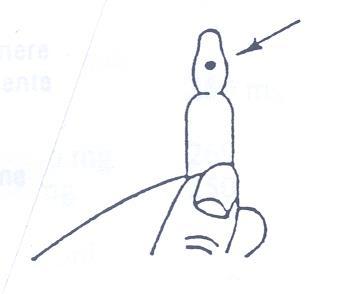
A
Push back the top part of the vial as
indicated in the figure (B).
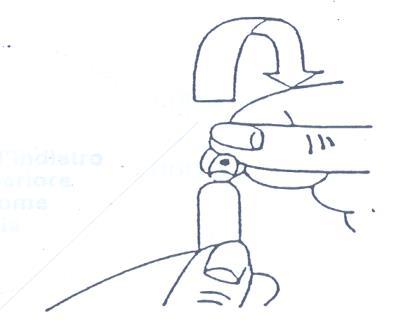
B

Zacząłeś przyjmować lek i masz pytania?
Omów swoje objawy i leczenie z lekarzem online.
- Kraj rejestracji
- Postać farmaceutycznaInjectable solution, 100 MG/5 ML
- Kod ATCC04AD03
- Substancja czynna
- Wymaga receptyTak
- Producent
- Te treści mają charakter wyłącznie informacyjny i nie zastępują konsultacji lekarskiej.
Odpowiedniki TRENTAL w innych krajach
Leki z tą samą substancją czynną dostępne w innych krajach.
Odpowiednik TRENTAL w Polska
Odpowiednik TRENTAL w Ukraina
Odpowiednik TRENTAL w Hiszpania
Lekarze online w sprawie TRENTAL
Omów stosowanie TRENTAL, bezpieczeństwo i ocenę zasadności recepty zgodnie z obowiązującymi przepisami.
Uzyskaj receptę na TRENTAL online
Wypełnij 2-minutowy formularz
Opisz swoje objawy, historię choroby i lek, o który prosisz.
Wybierz lekarza lub pozwól nam przydzielić
Wybierz specjalistę lub dopasujemy Cię do najbliższego dostępnego lekarza.
Lekarz analizuje Twój przypadek
Zazwyczaj w ciągu 30 minut. Może zadawać dodatkowe pytania przez czat.
Odbierz w dowolnej aptece
Recepta elektroniczna wysłana na Twój e-mail — ważna w całej Polsce.
Często zadawane pytania
TRENTAL wymaga recepty w Włochy. Możesz skonsultować się z lekarzem online, aby sprawdzić, czy ten lek może być odpowiedni w Twojej sytuacji.
Substancją czynną w TRENTAL jest pentoxifylline. Informacja ta pomaga rozpoznać leki o tym samym składzie, ale pod różnymi nazwami handlowymi.
TRENTAL jest produkowany przez NEURAXPHARM ITALY S.P.A.. Nazwy handlowe i opakowania mogą się różnić w zależności od dystrybutora.
Lekarze, tacy jak Lekarze rodzinni, Psychiatrzy, Dermatolodzy, Kardiolodzy, Endokrynolodzy, Gastroenterolodzy, Pulmonolodzy, Nefrolodzy, Reumatolodzy, Hematolodzy, Zakaźnicy, Alergolodzy, Geriatrzy, Pediatrzy, Onkolodzy, mogą ocenić, czy stosowanie TRENTAL jest odpowiednie w Twoim przypadku, w zależności od sytuacji klinicznej i lokalnych przepisów. Możesz umówić konsultację online, aby omówić objawy i możliwe dalsze kroki.
Polska posiada dobrze rozwiniętą infrastrukturę ochrony zdrowia w dużych miastach, takich jak Warszawa, Kraków, Wrocław i Gdańsk. Apteki są łatwo dostępne i działają zgodnie z obowiązującymi przepisami, zapewniając dostęp do leków na receptę.
Możesz kupić TRENTAL w Warszawie, Krakowie, Wrocławiu lub Gdańsku w każdej aptece, posiadając ważną receptę.
Aby uzyskać receptę, możesz skorzystać z Oladoctor:
