



OKI 160 mg Czopek

Ocena recepty online
Lekarz przeanalizuje Twój przypadek i zdecyduje, czy wystawienie recepty jest medycznie uzasadnione.

Porozmawiaj z lekarzem o tym leku
Omów swoje objawy i opcje leczenia podczas szybkiej konsultacji online.



Jak stosować OKI
Treść ulotki
- OKi 80 mg granules for oral solution
- OKi 80 mg/ml oral drops, solution
- OKi 160 mg/2 ml injectable solution for intramuscular use
- OKi 160 mg suppositories
OKi 80 mg granules for oral solution
ketoprofen lysine salt
Read this leaflet carefully before taking this medicine as it contains
important information for you.
- Keep this leaflet. You may need to read it again.
- If you have any questions, ask your doctor or pharmacist.
- This medicine has been prescribed for you only. Do not pass it on to others, even if they have the same symptoms as you, as it could be harmful.
- If you get any side effects, even those not listed in this leaflet, tell your doctor or pharmacist. See section 4.
Contents of this leaflet:
- 1. What OKi is and what it is used for
- 2. What you need to know before you take OKi
- 3. How to take OKi
- 4. Possible side effects
- 5. How to store OKi
- 6. Contents of the pack and other information
1. What is OKi and what is it used for
OKi 80 mg granules for oral solution contains ketoprofene lysine salt as the active ingredient, which
belongs to a group of medicines used against pain and inflammation called “Non-Steroidal Anti-Inflammatory Drugs” (NSAIDs).
This medicine is used for
Adults:
symptomatic treatment of inflammatory states associated with pain, including:
- rheumatoid arthritis (autoimmune disease that causes joint pain and stiffness),
- ankylosing spondylitis (chronic inflammatory disease that mainly affects the spine and joints),
- painful osteoarthritis (disease that affects the joints),
- extra-articular rheumatism (rheumatic diseases affecting structures outside the joints),
- post-traumatic inflammation (inflammatory state with a traumatic basis),
- painful inflammatory conditions in dentistry, otolaryngology, urology and pneumology;
Children and adolescents:
Symptomatic and short-term treatment of inflammatory states associated with pain, even
accompanied by pyrexia (fever), such as those affecting the musculoskeletal system, post-
operative pain and otitis.
2. What you need to know before taking OKi
Do not take OKi
- if you are allergic to ketoprofen, to other non-steroidal anti-inflammatory drugs (NSAIDs) or to any of the other components of this medicine (listed in paragraph 6 “Contents of the pack and other information”);
- if you have a history of hypersensitivity (allergy) reactions such as bronchospasm, asthma attacks, acute rhinitis, urticaria, nasal polyps, angioedema (deep skin and subcutaneous tissue swelling which can also affect mucous membranes) or other allergic-type reactions to ketoprofen or substances with a similar mechanism of action (for example acetylsalicylic acid or other NSAIDs). Severe anaphylactic reactions, rarely fatal, have been observed in these patients (see paragraph 4 “Possible side effects”);
- if you suffer from previous bronchial asthma;
- if you have severe heart failure (the heart's inability to pump the adequate amount of blood needed by the body);
- if you currently have a peptic ulcer (in the stomach) or bleeding, or if you have suffered in the past from bleeding or recurrent peptic ulcer (two or more distinct episodes, confirmed by bleeding or ulceration);
- if you have previously suffered from gastrointestinal bleeding, ulceration or perforation or chronic dyspepsia;
- if you have a history of gastrointestinal bleeding or perforation resulting from previous therapy with NSAIDs;
- if you have leukopenia (reduction in the number of white blood cells) and thrombocytopenia (reduction in the number of platelets in the blood);
- if you suffer from Crohn's disease or ulcerative colitis;
- if you suffer from gastritis;
- if you have severe hepatic (liver cirrhosis, severe hepatitis, reduced liver function) or renal (reduced kidney function) failure;
- if you suffer from a bleeding diathesis (predisposition to the development of bleeding) and other bleeding disorders or if you have hemostatic disorders;
- if you are undergoing intensive diuretic therapy;
- if you are in the last three months of pregnancy;
Do not give this medicine to children under the age of 6 years.
Warnings and precautions
Warnings
Adverse effects can be minimized by using the shortest duration of treatment possible to control symptoms (see the sub-paragraph “How to take OKi” and the paragraphs below on gastrointestinal and cardiovascular risks).
Concomitant use of OKi with other NSAIDs should be avoided, including selective cyclooxygenase-2 inhibitors.
During treatment with all NSAIDs, such as OKi, at any time, with or without warning symptoms or a previous history of serious gastrointestinal events, cases of gastrointestinal bleeding, ulceration and perforation have been reported, which can be fatal.
The doctor may recommend the concomitant use of stomach-protecting medicines (e.g. misoprostol or proton pump inhibitors), especially if you are elderly, if you have had an ulcer or if you are taking low doses of acetylsalicylic acid or other medicines that may increase the risk of gastrointestinal events (see the sub-paragraph “Other medicines and OKi”).
Report any unusual abdominal signs or symptoms (especially gastrointestinal bleeding) particularly in the early stages of treatment.
Use caution if you are taking medicines that could increase the risk of ulceration or bleeding, such as oral corticosteroids (medicines used to treat inflammatory conditions), selective serotonin reuptake inhibitors (such as medicines used to treat depression), anticoagulants (blood-thinning medicines such as warfarin), or antiplatelet agents such as acetylsalicylic acid (see the sub-paragraph “Other medicines and OKi”).
Elderly patients are more exposed to the risk of developing adverse reactions to NSAIDs, especially bleeding and gastrointestinal perforations, which can be fatal (see paragraph 3 “How to take OKi”). Elderly patients are more prone to reduced kidney, heart and liver function.
Children:
In some pediatric patients treated with lysine ketoprofen salt, gastrointestinal bleeding, occasionally severe, and ulcers have been found (see paragraph 4 “Possible side effects”); therefore, the product should be administered under strict medical supervision, who will have to evaluate the necessary dosage scheme from time to time.
Should be carefully monitored if you have or have had a gastrointestinal disease in the past, for the appearance of digestive disorders, especially gastrointestinal bleeding.
Immediately stoptreatment with OKi at the first signs of bleeding or ulceration
gastrointestinal.
Patients with active or previous peptic ulcer:
Use caution if you have a history of gastrointestinal disease (ulcerative colitis, Crohn's disease), as these conditions may recur with the use of NSAIDs (see paragraph 4 “Possible side effects”).
Ketoprofen, especially at high doses, may be associated with a higher risk of severe gastrointestinal toxicity compared to other NSAIDs.
Skin reactions:
Severe skin reactions (of the skin), some of which are fatal, such as exfoliative dermatitis, Stevens-Johnson syndrome and toxic epidermal necrolysis, have been very rarely reported in association with the use of NSAIDs (see paragraph 4 “Possible side effects”). In the early stages of therapy, patients appear to be at higher risk: the reaction occurs in most cases within the first month of treatment. Stop using OKi at the first appearance of skin rash, mucous membrane lesions or any other sign of hypersensitivity.
If you suffer from celiac disease (gluten intolerance), you can take OKi as it does not contain gluten.
If you suffer from diabetes, you can take OKi as it does not affect hypocaloric or controlled diets.
Talk to your doctor or pharmacist before taking OKi:
- If you have impaired kidney function, OKi must be administered with caution.
- If you suffer from heart failure (a condition in which the heart is weakened), if you suffer from alterations in liver function, such as cirrhosis (severe liver damage), if you suffer from alterations in kidney function, such as nephrosis (degenerative kidney disease), or if you suffer from chronic renal failure (impaired kidney function), if you are undergoing diuretic therapy (medicines used to increase urine production), or if you may have a low blood volume (hypovolemia), especially if you are elderly at the beginning of treatment, as kidney function must be carefully monitored.
- As with all NSAIDs, the medicine may increase the value of some laboratory tests, such as blood urea nitrogen and creatinine.
- If you have liver diseases or if you have altered liver function tests, as liver enzyme levels should be assessed periodically, particularly with long-term therapy.
- As with other NSAIDs, the medicine can cause small transient increases in some liver parameters and also significant increases in GPT/ALT and GOT/AST (liver enzymes) (see paragraph 4 “Possible side effects”). If there is a significant increase in these parameters, therapy should be discontinued. Rare cases of jaundice (yellowing of the skin and eyes) and hepatitis (liver disease) have been reported with ketoprofen use. During long-term therapy, liver and kidney function tests and blood counts should be performed.
- If you suffer from uncontrolled hypertension (high blood pressure), congestive heart failure (fluid accumulation in the lungs, abdominal organs and peripheral tissues due to inadequate pumping function of the heart), confirmed ischemic heart disease (heart disease that occurs following a reduction in blood flow due to narrowing of the coronary arteries), peripheral arterial disease and/or cerebrovascular disease (of the brain vessels), as you must be treated with ketoprofen lysine salt, as with all NSAIDs, only after careful evaluation.
- If you have heart problems, or a history of stroke (cerebrovascular accident) or think you may be at risk for these conditions (for example if you have high blood pressure, diabetes or high cholesterol or if you smoke).
- If you have a history (also family history) of hypertension (high blood pressure) and/or congestive heart failure (fluid accumulation in the lungs, abdominal organs and peripheral tissues due to inadequate pumping function of the heart) from mild to moderate, as adequate monitoring and appropriate instructions are necessary. Fluid retention and edema (swelling) have been found during treatment with NSAIDs.
- Medicines such as OKi may be associated with a modest increase in the risk of heart attack (myocardial infarction) or stroke (cerebrovascular accident). Any risk is more likely with high doses and prolonged treatments.
- An increased risk of atrial fibrillation (irregular heartbeat) has been reported with the use of NSAIDs.
- Hyperkalemia may occur, especially if you suffer from diabetes, renal failure and/or are undergoing therapy with agents that promote hyperkalemia (see the sub-paragraph “Other medicines and OKi”). In these circumstances, potassium levels should be monitored.
- If you have an infection - see paragraph «Infections» below.
- If you have allergic manifestations or have suffered from allergies in the past, as the medicine must be administered with caution.
- As with all non-steroidal drugs, the use of ketoprofen in patients with bronchial asthma or with allergic diathesis (predisposition to the onset of allergy) may trigger an asthma crisis. If you have asthma associated with chronic rhinitis, chronic sinusitis and/or nasal polyposis, as you are more exposed to the risk of allergy to acetylsalicylic acid and/or NSAIDs compared to the rest of the population. The administration of this medicine can cause asthma attacks or bronchospasm, shock and other allergic phenomena especially in subjects allergic to
acetylsalicylic acid and/or NSAIDs (see the sub-paragraph “Do not take OKi”).
- Consult your doctor if you experience vision problems, such as blurred vision, as treatment should be discontinued.
- If you suffer from hematopoietic alterations (which modify the formation and maturation of blood cells), systemic lupus erythematosus (immune system disease) or mixed connective tissue diseases, as OKi must be administered with caution.
Infections
OKi 80 mg granules for oral solution can mask the symptoms of infections such as fever and pain.
Therefore, OKi 80 mg granules for oral solution may delay adequate treatment of the infection, which could increase the risk of complications. This has been observed in pneumonia caused by bacteria and in bacterial skin infections related to varicella. If you take this medicine while you have an infection and the symptoms of the infection persist or worsen, see your doctor immediately.
Other medicines and OKi
Tell your doctor or pharmacist if you are taking, have recently taken or might take any other medicines.
It is not recommended that you take OKi in association with:
- Other NSAIDs (including selective cyclooxygenase 2 inhibitors) and high doses of salicylates (over 3 g per day) because they may increase the risk of ulcers and gastrointestinal bleeding.
- Medicines that thin the blood (Anticoagulants such as heparin and warfarin and Platelet aggregation inhibitors, such as ticlopidine and clopidogrel). NSAIDs may amplify the effects of these medicines (see the sub-paragraph “Warnings and precautions”), thus increasing the risk of bleeding. If co-administration cannot be avoided, you must be closely monitored.
- Lithium (medicine used to treat manic-depressive psychosis). NSAIDs may increase lithium levels in the blood up to toxic values.
- Methotrexate (medicine indicated in the cure of some autoimmune diseases and some tumors), used at doses higher than 15 mg/week: there may be an increased risk of blood toxicity of methotrexate. Leave at least 12 hours between the suspension or start of treatment with ketoprofen and the administration of methotrexate.
- Hydantoins (such as phenytoin) and sulfonamides (such as some antibiotics and other medicines): the toxic effects of these substances may be increased.
Caution is required if you are taking OKi in combination with:
- Medicines that can promote hyperkalaemia, such as potassium salts, potassium-sparing diuretics, angiotensin converting enzyme (ACE) inhibitors, angiotensin II receptor blockers, NSAIDs, heparins (low molecular weight or unfractionated), cyclosporine, tacrolimus and trimethoprim.
- Tenofovir (medicine used in the treatment of some infections caused by viruses): may increase the risk of renal failure.
- Medicines used for the treatment of high blood pressure, such as Beta-blockers, Diuretics, ACE-inhibitors and Angiotensin II Antagonists. You must be adequately hydrated before starting concomitant therapy and monitoring of renal function should be considered after starting concomitant therapy (see subsection “Warnings and Precautions”). NSAIDs can reduce the effect of diuretics.
- Methotrexate (medicine indicated in the treatment of some autoimmune diseases and some cancers), used at doses less than 15 mg/week: an increase in haematological toxicity may occur
of methotrexate. During the first few weeks of using the combination, a weekly complete blood count should be performed. If you are an elderly patient or renal function is impaired, monitoring should be more frequent.
- Corticosteroids (medicines used for the treatment of inflammatory states): an increased risk of gastrointestinal ulceration or bleeding may occur (see subsection “Warnings and Precautions”).
- Pentoxifylline (medicine used to improve blood circulation in the limbs): an increased risk of bleeding may occur. More frequent clinical monitoring may be necessary.
- Zidovudine (medicine used for the treatment of HIV): increased blood toxicity with possible severe anemia may occur. Blood tests should be performed after starting treatment with NSAIDs.
- Sulfonylureas (medicines against diabetes, such as gliclazide): NSAIDs can increase the hypoglycemic effect of sulfonylureas.
- Cardiac glycosides: NSAIDs can exacerbate heart failure, reduce glomerular filtration rate and increase levels of cardiac glycosides; however, the pharmacokinetic interaction between ketoprofen and active glycosides has not been demonstrated.
Combinations with other medicines to be considered:
- Antihypertensive medicines (Beta-blockers, ACE inhibitors, diuretics): NSAIDs can reduce the effect of antihypertensive medicines.
- Mifepristone (medicine used for voluntary termination of pregnancy): the effectiveness of the contraceptive method may theoretically be reduced due to the properties of NSAIDs.
- Intrauterine contraceptive devices: the effectiveness of the device may be reduced, resulting in pregnancy.
- Cyclosporine, tacrolimus (medicines used after a transplant or for the treatment of immune system disorders): risk of additional toxic effects on the kidneys, particularly in the elderly.
- Thrombolytics (medicines that facilitate the dissolution of blood clots): increased risk of bleeding.
- Antiplatelet agents (ticlopidine and clopidogrel) and Selective Serotonin Reuptake Inhibitors (SSRIs, such as some antidepressants): increased risk of gastrointestinal bleeding.
- Probenecid (medicine used for the treatment of gout): co-administration of probenecid may increase ketoprofen concentrations in the blood.
- Quinolone antibiotics: possible increased risk of developing seizures.
- Diphenylhydantoin and sulfonamides: it may be necessary to reduce the dosage.
- Gemeprost (medicine used in operations of the female genital apparatus): reduction in effectiveness.
- Avoid consuming alcohol.
Pregnancy, breastfeeding and fertility
If you are pregnant, suspect you are pregnant or are planning a pregnancy, or if you are breastfeeding, ask your doctor or pharmacist for advice before taking this medicine.
Pregnancy
The use of ketoprofen during the first and second trimester of pregnancy should be avoided.
Inhibition of prostaglandin synthesis can adversely affect pregnancy and/or embryo/fetal development.
Results of epidemiological studies suggest an increased risk of abortion and cardiac malformation and gastroschisis (fetal abdominal wall defect) after the use of a prostaglandin synthesis inhibitor in the early stages of pregnancy. The risk is believed to increase with dose and duration of therapy.
During the first and second trimester of pregnancy, take this medicine only if absolutely necessary and on the advice of your doctor.
If ketoprofen is used by a woman who is trying to become pregnant, or during the first and second trimester of pregnancy, the dose and duration of treatment should be kept as low as possible.
During the third trimester of pregnancy, all prostaglandin synthesis inhibitors can expose the fetus to:
- cardiopulmonary toxicity (with premature closure of the ductus arteriosus and pulmonary hypertension, i.e. increased pressure in the pulmonary circulation);
- renal dysfunction, which can progress to renal failure with oligo-hydroamnios (lower than normal amount of amniotic fluid);
the mother and the newborn, at the end of pregnancy, to:
- possible prolongation of bleeding time, and antiplatelet effect which can occur even at very low doses;
- inhibition of uterine contractions resulting in delayed or prolonged labour.
The use of the drug near term can cause alterations in the haemodynamics of the small circulation of the newborn with serious consequences for breathing.
Consequently, DO NOT use OKi during the third trimester of pregnancy(see subsection “Do not take OKi”).
Breastfeeding
There is no information available on the excretion of ketoprofen into breast milk. Ketoprofen is not recommended during breastfeeding.
Fertility
The use of NSAIDs, including OKi, may reduce female fertility and is not recommended in women who intend to become pregnant.
The administration of NSAIDs, including OKi, should be discontinued in women with fertility problems or who are undergoing fertility investigations.
Driving and operating machinery
If drowsiness, dizziness or convulsions occur following the administration of ketoprofen, avoid driving, operating machinery or performing activities that require particular vigilance.
OKi 80 mg granules for oral solution contains sodium.
This medicine contains less than 1 mmol (23 mg) of sodium per dose, i.e. essentially 'sodium-free'.
Oki 80 mg granules for oral solution contains sucrose (contained in the mint flavour).
If you have been diagnosed with an intolerance to certain sugars, contact your doctor before taking this medicine.
3. How to take OKi
Take this medicine following exactly the instructions of your doctor or pharmacist.
If you have any doubts, ask your doctor or pharmacist.
The lowest effective dose should be used for the shortest period necessary to relieve symptoms.
If you have an infection, consult your doctor immediately if symptoms (such as fever and
pain) persist or worsen (see section 2).
The recommended doses are:
Adults:one 80 mg sachet (full dose) three times a day during meals.
The maximum daily dose is 320 mg of ketoprofen lysine salt. Higher doses are not
recommended (see subsection “Warnings and precautions”).
Special populations
Use in children aged between 6 and 14 years: half a 40 mg sachet (half dose), three times
a day during meals.
OKi 80 mg granules for oral solution is contraindicated in children under 6 years of age (see
subsection “Do not take OKi”).
Use in the elderly: the dose must be carefully established by the doctor who must assess
a possible reduction of the above dosages (see subsection “Warnings and
precautions”).
Use in patients with hepatic impairment:it is recommended to start therapy at the minimum
daily dose (see subsection “Warnings and precautions”).
Use in patients with mild or moderate renal impairment:it is recommended to reduce the dose
initial dose and practice maintenance therapy with the minimum effective dose. Individual adjustments
can be considered only after establishing good drug tolerability. Monitor
urine volume and kidney function (see subsection “Warnings and precautions”).
OKi 80 mg granules should not be used if you have severe hepatic and renal dysfunction (see
subsection “Do not take OKi”).
Method of administration
Opening the sachet along the line indicated "half dose" will give a 40 mg dose.
Opening the sachet along the line indicated "full dose" will give an 80 mg dose.
Pour the contents of the sachet into half a glass of water and mix.
If you take more OKi than you should
In case of accidental ingestion/intake of an excessive dose of OKi, immediately notify
your doctor or go to the nearest hospital.
Cases of overdose with doses up to 2.5 g of ketoprofen have been reported. In most
cases, benign and limited symptoms such as lethargy, drowsiness, nausea, vomiting, epigastric
pain (in the upper part of the abdomen) and abdominal pain, headache, dizziness and diarrhea have been observed.
In cases of severe overdose, hypotension, respiratory depression and
gastrointestinal bleeding have been observed.
The patient must be immediately transferred to a specialist center to begin
symptomatic treatment.
There are no specific antidotes in case of ketoprofen overdose. In case of suspected
massive overdose, gastric lavage is recommended and symptomatic and supportive treatment should be initiated.
In case of renal insufficiency, hemodialysis may be useful to remove the drug from the body.
4. Possible side effects
Like all medicines, this medicine can cause side effects, although not everybody gets them.
The most commonly observed adverse events are of a gastrointestinal nature.
The following adverse reactions have been observed with the use of ketoprofen in adults:
Common(may affect up to 1 in 10 people):
- dyspepsia (indigestion), nausea, abdominal pain, vomiting.
Uncommon(may affect up to 1 in 100 people):
- headache, dizziness, vertigo, drowsiness
- constipation, diarrhoea, flatulence (presence of gas in the intestine), gastritis, abdominal discomfort
- skin rash, itching
- edema (fluid retention causing swelling), fatigue, peripheral edema, chills.
Rare(may affect up to 1 in 1,000 people):
- haemorrhagic anaemia (anaemia due to blood loss)
- paresthesia (abnormal skin sensation, tingling)
- blurred vision (see subsection “Warnings and precautions”)
- tinnitus (ringing in the ear)
- asthma;
- stomatitis (ulcer in the mouth), peptic ulcer (gastric or duodenal ulcer), colitis
- hepatitis, increased transaminases (liver enzymes), increased blood bilirubin (elevated serum bilirubin levels due to liver disorders), jaundice
- weight gain.
Very rare(may affect up to 1 in 10,000 people):
- dyskinesia (movement disorder), syncope
- hypotension (low blood pressure)
- edema (swelling) of the larynx
- hematuria (blood in the urine)
- asthenia (physical weakness), facial edema.
Not known(frequency cannot be estimated from the available data):
- thrombocytopenia (decreased number of platelets in the blood), agranulocytosis (severe decrease in the number of white blood cells in the blood), bone marrow failure (decreased production of blood cells), hemolytic anaemia (anaemia due to abnormal destruction of red blood cells), neutropenia (decrease in the number of neutrophils); aplastic anaemia (anaemia due to insufficient production in the bone marrow of blood
cells); leucocytosis (increased number of leukocytes in the blood), thrombocytopenic purpura; leucopenia (decrease in the number of white blood cells)
- anaphylactic reactions (including shock); hypersensitivity
- depression, hallucinations, confusion, mood alterations, excitability, insomnia. In a paediatric patient who took a dose twice as high as that recommended in the SmPC, anxiety and behavioral disturbance also occurred
- convulsions
- dysgeusia (altered taste)
- tremor, hyperkinesia
- heart failure (weak heart), atrial fibrillation (irregular heartbeat), palpitations, tachycardia (increased heart rate)
- hypertension (increased blood pressure), vasodilation (dilation of blood vessels), vasculitis (inflammation of blood or lymphatic vessels) (including leucocytoclastic vasculitis)
- bronchospasm (especially in patients with established hypersensitivity to acetylsalicylic acid and other NSAIDs), rhinitis, dyspnea (difficulty breathing), laryngospasm, acute respiratory failure (a single case has been reported, with fatal outcome, in an asthmatic patient sensitive to Aspirin)
- gastralgia (stomach pain), exacerbation of colitis and Crohn's disease, gastrointestinal bleeding, gastrointestinal perforation (sometimes fatal, particularly in the elderly), pyrosis (heartburn), gastric ulcer, duodenal ulcer, edema (swelling) of the mouth, pancreatitis, erosive gastritis, hematemesis (vomiting blood) or melena (passage of digested blood in the stool), hyperchlorhydria (excess of hydrochloric acid in gastric juice), gastric pain, tongue edema
- photosensitization (reaction to sunlight or UV lamps), alopecia (hair loss), urticaria, angioedema, bullous eruptions including Stevens-Johnson syndrome, Lyell's syndrome and toxic epidermal necrolysis (severe skin reactions), erythema (skin redness), exanthema (skin rash), maculopapular rash, purpura, acute generalized exanthematous pustulosis (skin rash with pustule formation), dermatitis
- acute renal failure, tubulointerstitial nephritis, nephritis or nephrotic syndrome, glomerular nephritis, fluid/sodium retention with possible edema, acute tubular necrosis (damage to the tubular cells of the kidneys), renal papillary necrosis (damage to the renal papillae), oliguria (decreased urine production), abnormal renal function test;
- periorbital edema (swelling around the eyes)
- aseptic meningitis (inflammation of the membranes surrounding the brain not caused by bacteria)
- lymphangitis (inflammation of the lymphatic vessels)
- hyperpotassemia (increased amount of potassium in the blood), hyponatremia (decreased amount of sodium in the blood).
Medicines such as OKi may be associated (especially at high doses and for long-term treatments) with an increased risk of arterial thrombotic events (formation of blood clots in blood vessels), such as heart attack (myocardial infarction) or stroke (cerebrovascular accident) (see section 2 “What you need to know before you take OKi”).
Reporting of side effects
If you get any side effects, even those not listed in this leaflet, tell your doctor or pharmacist. You can also report side effects directly through the national reporting system https://www.aifa.gov.it/content/segnalazioni-reazioni-avverse
By reporting side effects you can help provide more information on the safety of this medicine.
5. How to store OKi
Keep this medicine out of the sight and reach of children.
Do not use this medicine after the expiry date which is stated on the packaging. The expiry date refers to the last day of that month. The expiry date indicated refers to the
product in intact packaging, correctly stored.
This medicine does not require any special precautions for storage.
Do not dispose of any medicine in wastewater or household waste. Ask your pharmacist how to
dispose of medicines you no longer use. This will help protect the environment.
6. Contents of the pack and other information
What OKi contains
- The active ingredient is lysine ketoprofen. One divided-dose sachet contains 80 mg of lysine ketoprofen corresponding to 50 mg of ketoprofen.
- The other ingredients are mannitol, sodium chloride, colloidal silicon dioxide, ammonium glycyrrhizinate, povidone, sodium saccharin, extra 125 mint flavour (contains sucrose).
Description of the appearance of OKi and contents of the pack
Granules for oral solution – pack of 10, 20 or 30 divided-dose sachets.
Marketing Authorisation Holder
Dompé farmaceutici S.p.A. – Via San Martino, 12 – 20122 Milano
Manufacturer
Dompé farmaceutici S.p.A. - Via Campo di Pile - L'Aquila
or
Lamp San Prospero S.p.A. – Via della Pace 25/A – San Prospero (Mo)
OKi 80 mg/ml oral drops, solution
ketoprofene lysine salt
Read this leaflet carefully before taking this medicine as it contains
important information for you.
- Keep this leaflet. You may need to read it again.
- If you have any questions, ask your doctor or pharmacist.
- This medicine has been prescribed for you only. Do not pass it on to others, even if they have the same symptoms as you, as it may be harmful.
- If you get any side effects, even those not listed in this leaflet, tell your doctor or pharmacist. See section 4.
Contents of this leaflet:
- 1. What it is and what it is used for
- 2. What you need to know before you take OKi
- 3. How to take OKi
- 4. Possible side effects
- 5. How to store OKi
- 6. Contents of the pack and other information
1. What is OKi and what is it used for
OKi 80 mg/ml oral drops, solution contains ketoprofen lysine salt as the active ingredient which
belongs to a group of medicines used against pain and inflammation called “Non-Steroidal Anti-Inflammatory Drugs” (NSAIDs).
This medicine is used for the symptomatic and short-term treatment of inflammatory states
associated with pain, even accompanied by pyrexia (fever).
2. What you need to know before you take OKi
Do not take OKi
- if you are allergic to ketoprofen, other non-steroidal anti-inflammatory drugs (NSAIDs) or any of the other ingredients of this medicine (listed in section 6 “Contents of the pack and other information”);
- if you have a history of hypersensitivity reactions (allergy) such as bronchospasm, asthma attacks, acute rhinitis, urticaria, nasal polyps, angioedema (deep skin and subcutaneous tissue swelling that can also affect mucous membranes) or other allergic-type reactions to ketoprofen or substances with a similar mechanism of action (for example acetylsalicylic acid or other NSAIDs). Serious anaphylactic reactions, rarely fatal, have been observed in these patients
(see section 4 “Possible side effects”);
- if you suffer from previous bronchial asthma;
- if you have severe heart failure (the heart's inability to pump the adequate amount of blood needed by the body);
- if you currently have a peptic ulcer (in the stomach) or bleeding, or if you have suffered in the past from peptic ulcer or recurrent bleeding (two or more distinct episodes, proven bleeding or ulceration);
- if you have suffered in the past from gastrointestinal bleeding, ulceration or perforation or chronic dyspepsia;
- if you have a history of gastrointestinal bleeding or perforation resulting from previous therapy with NSAIDs;
- if you have leukopenia (reduced number of white blood cells) and thrombocytopenia (reduced number of platelets in the blood);
- if you suffer from Crohn's disease or ulcerative colitis;
- if you suffer from gastritis;
- if you suffer from severe hepatic (liver) failure (liver cirrhosis, severe hepatitis, reduced liver function) or renal (kidney) failure (reduced kidney function);
- if you suffer from a bleeding diathesis (predisposition to the development of bleeding) and other coagulation disorders or if you have hemostatic disorders;
- if you are undergoing intensive diuretic therapy;
- if you are in the last three months of pregnancy.
Do not give this medicine to children under 6 years of age.
Warnings and precautions
Warnings
Side effects can be minimized by using the shortest possible duration of
treatment necessary to control the symptoms (see the sub-paragraph “How to take OKi” and the
underlying paragraphs on gastrointestinal and cardiovascular risks).
Concomitant use of OKi with other NSAIDs should be avoided, including selective cyclooxygenase-2 inhibitors.
During treatment with all NSAIDs, such as OKi, at any time, with or without warning symptoms or a previous history of serious gastrointestinal events, cases of
gastrointestinal bleeding, ulceration and perforation have been reported, which may be fatal.
The doctor may recommend the concomitant use of stomach-protecting medicines (e.g. misoprostol or proton pump inhibitors), especially if you are elderly, if you have had an ulcer
or if you are taking low doses of acetylsalicylic acid or other medicines that may increase the risk of
gastrointestinal events (see the sub-paragraph “Other medicines and OKi”).
Report any unusual abdominal signs or symptoms (especially gastrointestinal bleeding) in
particular in the early stages of treatment.
Use caution if you are taking medicines that could increase the risk of ulceration or
bleeding, such as oral corticosteroids (medicines used to treat inflammatory states),
selective serotonin reuptake inhibitors (such as medicines used to treat
depression), anticoagulants (blood-thinning medicines such as warfarin), or antiplatelet agents such as acetylsalicylic acid (see the sub-paragraph “Other medicines and OKi”).
Elderly patients are more exposed to the risk of developing adverse reactions to NSAIDs,
especially bleeding and gastrointestinal perforations, which may be fatal (see
paragraph 3 “How to take OKi”). Elderly patients are more prone to reduced
function of the kidneys, heart and liver.
Children:
In some pediatric patients treated with ketoprofen lysine salt, gastrointestinal bleeding has been found,
occasionally also serious, and ulceration (see paragraph 4 “Possible side effects”); therefore the product should be administered under strict medical supervision, who will have to
evaluate from time to time the necessary dosage scheme.
You should be carefully monitored if you have or have had in the past a gastrointestinal disease,
for the appearance of digestive disorders, especially gastrointestinal bleeding.
Immediately discontinue treatment with OKi at the first signs of bleeding or ulceration
gastrointestinal.
Patients with active or previous peptic ulcer:
Use caution if you have a history of gastrointestinal disease (ulcerative colitis, Crohn's disease), as
these conditions may recur with the use of NSAIDs (see paragraph 4 “Possible side effects”).
Ketoprofen, especially at high doses, may be associated with a higher risk of severe
gastrointestinal toxicity compared to other NSAIDs.
Skin reactions:
Severe skin reactions (of the skin), some of which are fatal, such as exfoliative dermatitis, Stevens-Johnson syndrome and toxic epidermal necrolysis, have been reported very rarely in association
with the use of NSAIDs (see paragraph 4 “Possible side effects”). In the early stages of therapy
patients appear to be at higher risk: the reaction occurs in most cases within
the first month of treatment. Stop using OKi at the first appearance of skin rash, mucous membrane lesions
or any other sign of hypersensitivity.
If you suffer from celiac disease (gluten intolerance), you can take OKi as it does not contain
gluten.
If you suffer from diabetes, you can take OKi as it does not affect hypocaloric or controlled diets.
Tell your doctor or pharmacist before taking OKi:
- If you have impaired kidney function, OKi must be administered with caution.
- If you suffer from heart failure (a condition in which the heart is weakened), if you suffer from alterations in liver function, such as cirrhosis (severe liver damage), if you suffer from alterations in kidney function, such as nephrosis (degenerative kidney disease), or if you suffer from chronic renal failure (impaired kidney function), if you are undergoing diuretic therapy (medicines used to increase urine production), or if you may have a low blood volume (hypovolemia), especially if you are elderly at the beginning of treatment, as kidney function must be carefully monitored.
- As with all NSAIDs, the medicine may increase the value of some laboratory tests, such as blood urea nitrogen and creatinine.
- If you have liver disease or if you have altered liver function tests, as liver enzyme levels should be assessed periodically, particularly in
long-term therapy. - As with other NSAIDs, the medicine may cause small transient increases in some liver parameters and also significant increases in GPT/ALT and GOT/AST transaminases (liver enzymes) (see paragraph 4 “Possible side effects”). If there is a significant increase in these parameters, therapy should be discontinued. Rare cases of jaundice (yellowing of the skin and eyes) and hepatitis (liver disease) have been reported with the use of ketoprofen. Liver and kidney function tests and blood count should be performed during long-term therapy.
- If you suffer from uncontrolled hypertension (high blood pressure), congestive heart failure (fluid accumulation in the lungs, abdominal organs and peripheral tissues due to inadequate pumping function of the heart), established ischemic heart disease (heart disease that occurs following a reduction in blood flow due to narrowing of the coronary arteries), peripheral arterial disease and/or cerebrovascular disease (blood vessels of the brain), as ketoprofen lysine salt, as with all NSAIDs, must be treated only after careful evaluation.
- If you have heart problems, or a history of stroke (cerebrovascular accident) or think you may be at risk for these conditions (for example if you have high blood pressure, diabetes or high cholesterol or if you smoke).
- If you have a history (also family history) of hypertension (high blood pressure) and/or congestive heart failure (fluid accumulation in the lungs, abdominal organs and peripheral tissues due to inadequate pumping function of the heart) from mild to moderate, as adequate monitoring and appropriate instructions are necessary. Fluid retention and edema (swelling) have been found during treatment with NSAIDs.
- Medicines like OKi may be associated with a modest increase in the risk of heart attack (myocardial infarction) or stroke (cerebrovascular accident). Any risk is more likely with high doses and prolonged treatments.
- An increased risk of atrial fibrillation (irregular heartbeat) associated with the use of NSAIDs has been reported.
- Hyperkalemia may occur, especially if you suffer from diabetes, renal failure and/or are undergoing therapy with agents that promote hyperkalemia (see the sub-paragraph “Other medicines and OKi”). In these circumstances, potassium levels should be monitored.
- If you have an infection - see paragraph «Infections» below.
- If you have allergic manifestations or have suffered from allergies in the past, as the medicine must be administered with caution.
- As with all non-steroidal drugs, the use of ketoprofen in patients with bronchial asthma or with allergic diathesis (predisposition to the onset of allergy) may trigger an asthma crisis. If you have asthma associated with chronic rhinitis, chronic sinusitis and/or nasal polyps, as you are more exposed to the risk of allergy to acetylsalicylic acid and/or NSAIDs compared to the rest of the population. The administration of this medicine may cause asthma attacks or bronchospasm, shock and other allergic phenomena especially in subjects allergic to acetylsalicylic acid and/or NSAIDs (see the sub-paragraph “Do not take OKi”).
- Consult your doctor if you experience visual disturbances, such as blurred vision, as treatment should be discontinued.
- If you suffer from hematopoietic alterations (which modify the formation and maturation of blood cells), systemic lupus erythematosus (disease of the immune system) or mixed connective tissue diseases, as OKi must be administered with caution.
Infections
OKi 80 mg/ml oral drops may mask the symptoms of infections such as fever and pain. It is therefore
possible that OKi 80 mg/ml oral drops may delay adequate treatment of the infection, which
could increase the risk of complications. This has been observed in pneumonia caused by
bacteria and bacterial skin infections related to varicella. If you take this medicine
while you have an infection and the symptoms of the infection persist or worsen, consult
your doctor immediately.
Other medicines and OKi
Tell your doctor or pharmacist if you are taking, have recently taken or might take
any other medicines.
It is not recommended that you take OKi in association with:
- Other NSAIDs (including selective cyclooxygenase 2 inhibitors) and high doses of salicylates (over 3 g per day) because they may increase the risk of ulcers and gastrointestinal bleeding.
- Medicines that thin the blood (Anticoagulants such as heparin and warfarin and Platelet aggregation inhibitors, such as ticlopidine and clopidogrel). NSAIDs may amplify the effects of these medicines (see the sub-paragraph “Warnings and precautions”), thus increasing the risk of bleeding. If co-administration cannot be avoided, you must be closely monitored.
- Lithium (medicine used to treat manic-depressive psychosis). NSAIDs may increase lithium levels in the blood up to toxic values.
- Methotrexate (medicine indicated in the treatment of some autoimmune diseases and some tumors), used at doses greater than 15 mg/week: there may be an increased risk of blood toxicity of methotrexate. Leave at least 12 hours between stopping or starting treatment with ketoprofen and administering methotrexate.
- Hydantoins (such as phenytoin) and sulfonamides (such as some antibiotics and other medicines): the toxic effects of these substances may be increased.
Caution is required if you are taking OKi in combination with:
- Medicines that can promote hyperkalemia, such as potassium salts, potassium-sparing diuretics, angiotensin-converting enzyme (ACE) inhibitors, angiotensin II receptor blockers, NSAIDs, heparins (low molecular weight or unfractionated), cyclosporine, tacrolimus and trimethoprim.
- Tenofovir (medicine used in the treatment of some viral infections): may increase the risk of renal failure.
- Medicines used to treat high blood pressure, such as Beta-blockers, Diuretics, ACE-inhibitors and Angiotensin II Antagonists.
- You must be adequately hydrated before starting concomitant therapy and monitoring of renal function should be considered after starting concomitant therapy (see the sub-paragraph “Warnings and Precautions”). NSAIDs may reduce the effect of diuretics.
- Methotrexate (medicine indicated in the treatment of some autoimmune diseases and some cancers), used at doses less than 15 mg/week: an increase in the hematological toxicity of methotrexate may occur. During the first few weeks of using the combination, a weekly complete blood count monitoring should be performed. If you are an elderly patient or renal function is impaired, monitoring should be more frequent.
- Corticosteroids (medicines used to treat inflammatory conditions): may increase the risk of gastrointestinal ulceration or bleeding (see the sub-paragraph “Warnings and Precautions”).
- Pentoxifylline (medicine used to improve blood circulation in the limbs): may increase the risk of bleeding. More frequent clinical monitoring may be necessary.
- Zidovudine (medicine used for the treatment of HIV): may increase blood toxicity with possible severe anemia. Blood tests should be performed after
starting treatment with the NSAID.
- Sulfonylureas (medicines against diabetes, such as gliclazide): NSAIDs may increase the hypoglycemic effect of sulfonylureas.
- Cardiac glycosides: NSAIDs may exacerbate heart failure, reduce glomerular filtration rate and increase levels of cardiac glycosides; however, the pharmacokinetic interaction between ketoprofen and active glycosides has not been demonstrated.
Combinations with other medicines to be considered:
- Antihypertensive medicines (Beta-blockers, ACE inhibitors, diuretics): NSAIDs may reduce the effect of antihypertensive medicines.
- Mifepristone (medicine used for voluntary termination of pregnancy): the effectiveness of the contraceptive method may theoretically be reduced due to the properties of NSAIDs.
- Intrauterine contraceptive devices: the effectiveness of the device may be reduced, resulting in pregnancy.
- Cyclosporine, tacrolimus (medicines used after a transplant or for the treatment of immune system disorders): risk of additional toxic effects on the kidneys, particularly in the elderly.
- Thrombolytics (medicines that facilitate the dissolution of blood clots): increased risk of bleeding.
- Antiplatelet agents (ticlopidine and clopidogrel) and Selective Serotonin Reuptake Inhibitors (SSRIs, such as some antidepressants): increased risk of gastrointestinal bleeding.
- Probenecid (medicine used to treat gout): co-administration of probenecid may increase ketoprofen concentrations in the blood.
- Quinolone antibiotics: possible increased risk of developing seizures.
- Diphenylhydantoin and sulfonamides: it may be necessary to reduce the dosage.
- Gemeprost (medicine used in operations of the female genital apparatus): reduction in effectiveness.
- Avoid consuming alcohol.
Pregnancy, breastfeeding and fertility
If you are pregnant, suspect you are pregnant, or are planning to become pregnant, or if you are breastfeeding, ask your doctor or pharmacist for advice before taking this medicine.
Pregnancy
The use of ketoprofen during the first and second trimester of pregnancy should be avoided.
Inhibition of prostaglandin synthesis may adversely affect pregnancy and/or the embryo/fetal development.
Results of epidemiological studies suggest an increased risk of abortion and cardiac malformation and gastroschisis (fetal abdominal wall defect) after the use of a prostaglandin synthesis inhibitor in the early stages of pregnancy. The risk is believed to increase with dose and duration of therapy.
During the first and second trimester of pregnancy, take this medicine only if absolutely necessary and on the advice of your doctor.
If ketoprofen is used by a woman who is trying to become pregnant, or during the first and second trimester of pregnancy, the dose and duration of treatment should be kept as low as possible.
During the third trimester of pregnancy, all prostaglandin synthesis inhibitors can expose the fetus to:
- cardiopulmonary toxicity (with premature closure of the ductus arteriosus and pulmonary hypertension, i.e. increased pressure in the pulmonary circulation);
- renal dysfunction, which may progress to renal failure with oligo-hydroamnios (lower than normal amount of amniotic fluid);
the mother and the newborn, at the end of pregnancy, to:
- possible prolongation of bleeding time, and antiplatelet effect which can occur even at very low doses;
- inhibition of uterine contractions resulting in delayed or prolonged labor.
The use of the drug near term may cause alterations in the hemodynamics of the small circulation of the newborn with serious consequences for breathing.
Therefore, DO NOT use OKi during the third trimester of pregnancy(see the sub-paragraph “Do not take OKi”).
Breastfeeding
There is no information available on the excretion of ketoprofen into breast milk. Ketoprofen is not recommended during breastfeeding.
Fertility
The use of NSAIDs, including OKi, may reduce female fertility and is not recommended for women planning to become pregnant.
The administration of NSAIDs, including OKi, should be discontinued in women with fertility problems or who are undergoing fertility investigations.
Driving and operating machinery
If drowsiness, dizziness or seizures occur following the administration of ketoprofen, avoid driving, using machinery or performing activities requiring particular vigilance.
OKi 80 mg/ml oral drops, solution contains sorbitol.
One pack of OKi 80 mg/ml oral drops contains 5.25 g of sorbitol. When the medicine is taken in accordance with the recommended dosage, each dose provides up to 0.17 g of sorbitol.
Sorbitol is a source of fructose. If your doctor has told you that you (or your child) are intolerant to certain sugars, or if you have a diagnosis of hereditary fructose intolerance, a rare genetic disease in which patients cannot metabolize fructose, talk to your doctor before you (or your child) take this medicine.
OKi 80 mg/ml oral drops, solution contains methyl parahydroxybenzoate.
May cause allergic reactions (even delayed).
OKi 80 mg/ml oral drops, solution contains propylene glycol (also contained in the mint flavor).
This medicine contains 202.93 mg of propylene glycol per dose (20 drops).
OKi 80 mg/ml oral drops, solution contains sodium.
This medicine contains less than 1 mmol (23 mg) of sodium per dose (20 drops), i.e. essentially 'sodium-free'.
OKi 80 mg/ml oral drops, solution contains ethanol (contained in the mint flavor).
This medicine contains 29.6 mg of alcohol (ethanol) in each dose (20 drops). The amount in 20 drops of this medicine is equivalent to less than 1 ml of beer or 1 of wine.
The small amount of alcohol in this medicine will not produce significant effects.
3. How to take OKi
Take this medicine following exactly the instructions of your doctor or pharmacist.
If you have any doubts, ask your doctor or pharmacist.
The lowest effective dose should be used for the shortest period necessary to relieve symptoms.
If you have an infection, see your doctor immediately if symptoms (such as fever and
pain) persist or worsen (see section 2).
Recommended doses are:
Adults: 20 (twenty) drops equivalent to 80 mg of ketoprofen lysine salt three times a day.
The maximum daily dose is 320 mg of ketoprofen lysine salt. Higher doses are not
recommended (see subsection “Warnings and precautions”).
Special populations
Use in children aged between 6 and 14 years: 1 drop per 3 kg of body weight, three times a day or
according to medical prescription. However, do not exceed 20 drops per each administration.
OKi 80 mg/ml oral drops, solution is contraindicated in children under 6 years of age (see the
subsection “Do not take OKi”).
Use in the elderly:the dose must be carefully established by the doctor who will have to evaluate
a possible reduction of the above dosages (see the subsection “Warnings and
precautions”).
Use in patients with hepatic impairment:it is recommended to start therapy at the minimum
daily dosage (see the subsection “Warnings and precautions”).
Use in patients with mild or moderate renal impairment:it is recommended to reduce the initial dose
and practice maintenance therapy with the minimum effective dose. Individual adjustments can be considered
only after establishing good drug tolerability. Monitor
urine volume and kidney function (see the subsection “Warnings and precautions”).
OKi 80 mg/ml oral drops, solution should not be used if you have severe hepatic and
renal dysfunction (see the subsection “Do not take OKi”).
Instructions for use
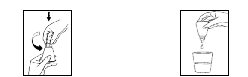
The bottle has a child-resistant closure. To dispense the drops
To open, press on the cap while pressing lightly on the container
and simultaneously turn
counterclockwise until opening
Dilute the drops in half a glass of still, non-carbonated natural water, mix and take
preferably during meals.
If you take more OKi than you should
In case of accidental ingestion/intake of an excessive dose of OKi, warnimmediately
your doctor or go to the nearest hospital.
In case of severe overdose, hypotension, respiratory depression and
gastrointestinal bleeding have been observed.
The patient must be immediately transferred to a specialist center to start
symptomatic treatment.
There are no specific antidotes in case of ketoprofen overdose. In case of suspected
massive overdose, gastric lavage and initiation of symptomatic and supportive treatment are recommended.
In case of renal insufficiency, hemodialysis may be useful to remove the drug from the body.
4. Possible side effects
Like all medicines, this medicine can cause side effects, although not everyone will experience them.
The most commonly observed adverse events are of a gastrointestinal nature.
The following adverse reactions have been observed with the use of ketoprofen in adults:
Common(may affect up to 1 in 10 people):
- dyspepsia (indigestion), nausea, abdominal pain, vomiting.
Uncommon(may affect up to 1 in 100 people):
- headache, dizziness, vertigo, drowsiness
- constipation, diarrhea, flatulence (presence of gas in the intestine), gastritis, abdominal discomfort
- skin rash, itching
- edema (fluid retention causing swelling), fatigue, peripheral edema, chills.
Rare(may affect up to 1 in 1,000 people):
- hemorrhagic anemia (anemia due to blood loss)
- paresthesia (abnormal skin sensation, tingling)
- blurred vision (see subsection “Warnings and precautions”)
- tinnitus (ringing in the ear)
- asthma
- stomatitis (ulcer in the mouth), peptic ulcer (gastric or duodenal ulcer), colitis
- hepatitis, increased transaminases (liver enzymes), increased blood bilirubin (elevated serum bilirubin levels due to liver disorders), jaundice
- weight gain.
Very rare(may affect up to 1 in 10,000 people):
- dyskinesia (movement disorder), syncope
- hypotension (low blood pressure)
- edema (swelling) of the larynx
- hematuria (blood in the urine)
- asthenia (physical weakness), facial edema.
Not known(frequency cannot be estimated from available data):
- thrombocytopenia (decreased number of platelets in the blood), agranulocytosis (severe reduction in the number of white blood cells in the blood), bone marrow failure (reduced production of blood cells), hemolytic anemia (anemia due to abnormal destruction of red blood cells); neutropenia (decrease in the number of neutrophil white blood cells); aplastic anemia (anemia due to insufficient production of blood cells in the bone marrow); leukocytosis (increased number of leukocytes in the blood), thrombocytopenic purpura, leukopenia (reduction in the number of white blood cells)
- anaphylactic reactions (including shock), hypersensitivity
- depression, hallucinations, confusion, mood alterations, excitability, insomnia;
- convulsions
- dysgeusia (altered taste)
- tremor, hyperkinesia
- heart failure (weak heart), atrial fibrillation (irregular heartbeat), palpitations, tachycardia (increased heart rate)
- hypertension (increased blood pressure), vasodilation (widening of blood vessels), vasculitis (inflammation of blood or lymphatic vessels) (including leucocytoclastic vasculitis)
- bronchospasm (especially in patients with established hypersensitivity to acetylsalicylic acid and other NSAIDs), rhinitis, dyspnea (difficulty breathing), laryngospasm, acute respiratory failure (a single case has been reported, with fatal outcome, in an asthmatic patient sensitive to Aspirin)
- gastralgia (stomach pain), exacerbation of colitis and Crohn's disease, gastrointestinal bleeding, gastrointestinal perforation (sometimes fatal, particularly in the elderly), heartburn, gastric ulcer, duodenal ulcer, edema (swelling) of the mouth, pancreatitis, gastritis, erosive gastritis, hematemesis (vomiting blood) or melena (passage of digested blood in the stool), hyperchlorhydria (excess of hydrochloric acid in gastric juice), stomach pain, tongue edema
- photosensitization (reaction to sunlight or UV lamps), alopecia (hair loss), urticaria, angioedema, blistering skin reactions including Stevens-Johnson syndrome, Lyell's syndrome and toxic epidermal necrolysis (severe skin reactions), erythema (skin redness), exanthema (skin rash), maculopapular rash, purpura, acute generalized exanthematous pustulosis (skin rash with pustule formation), dermatitis
- acute renal failure, tubulointerstitial nephritis, nephritis or nephrotic syndrome, nephrotic syndrome, glomerular nephritis, fluid/sodium retention with possible edema, acute tubular necrosis (damage to tubular cells in the kidneys), renal papillary necrosis (damage to the renal papillae), oliguria (decreased urine production), abnormal renal function test
- periorbital edema (swelling around the eyes)
- aseptic meningitis (inflammation of the membranes surrounding the brain not caused by bacteria)
- lymphangitis (inflammation of the lymphatic vessels)
- hyperkalemia (increased amount of potassium in the blood), hyponatremia (decreased amount of sodium in the blood).
Medicines such as OKi may be associated (especially at high doses and for long-term treatments) with an increased risk of arterial thrombotic events (formation of blood clots in blood vessels), such as heart attack (myocardial infarction) or stroke (cerebrovascular accident) (see paragraph 2 “What you need to know before taking OKi”).
Reporting of side effects
If you get any side effects, even those not listed in this leaflet, tell your doctor or pharmacist. You can also report side effects directly through the national reporting system https://www.aifa.gov.it/content/segnalazioni-reazioni-avverse
By reporting side effects you can help provide more information on the safety of this medicine.
5. How to store OKi
Keep this medicine out of the sight and reach of children.
Do not use this medicine after the expiry date which is stated on the packaging. The expiry date refers to the last day of that month. The expiry date indicated refers to the
product in intact packaging, correctly stored.
This medicine does not require any special storage precautions.
Do not dispose of any medicine in wastewater or household waste. Ask your pharmacist how to
dispose of medicines you no longer use. This will help protect the environment.
6. Contents of the pack and other information
What OKi contains
- The active ingredient is lysine ketoprofen. 100 ml of solution contains 8 g of lysine ketoprofen (1 drop contains 4 mg) corresponding to 5 g of ketoprofen.
- The other ingredients are sodium alginate, sorbitol70%, propylene glycol, sodium saccharin, methyl parahydroxybenzoate, mint aroma(contains ethanoland propylene glycol), purified water.
Description of the appearance of OKi and contents of the pack
Oral drops, solution – 1 bottle of 30 ml.
Marketing Authorisation Holder
Dompé farmaceutici S.p.A. - Via San Martino, 12 – 20122 Milano
Manufacturer
Dompé farmaceutici S.p.A. - Via Campo di Pile - L’Aquila

Nie jesteś pewien, czy ten lek jest odpowiedni dla ciebie?
Omów swoje objawy i leczenie z lekarzem online.
OKi 160 mg/2 ml injectable solution for intramuscular use
ketoprofene lysine salt
Read this leaflet carefully before using this medicine as it contains important information for you.
- Keep this leaflet. You may need to read it again.
- If you have any questions, ask your doctor or pharmacist.
- This medicine has been prescribed for you only. Do not pass it on to others, even if they have the same symptoms as you, as it may be harmful.
- If you get any side effects, even those not listed in this leaflet, tell your doctor or pharmacist. See section 4.
Contents of this leaflet:
- 1. What OKi is and what it is used for
- 2. What you need to know before you use OKi
- 3. How to use OKi
- 4. Possible side effects
- 5. How to store OKi
- 6. Contents of the pack and other information
1. What is OKi and what is it used for
OKi 160 mg/2 ml injectable solution for intramuscular use contains ketoprofene lysine salt as the active ingredient, which belongs to a group of medicines used against pain and inflammation called “non-steroidal anti-inflammatory drugs (NSAIDs)”.
This medicine is used for
- the symptomatic treatment of acute exacerbations (worsening) of:
- rheumatoid arthritis (autoimmune disease that causes joint pain and stiffness)
- osteoarthritis (such as coxarthrosis and gonarthrosis)
- ankylosing spondylitis (chronic inflammatory disease that primarily affects the spine and joints)
- periarticular conditions such as scapulo-humeral periarthritis, tendinitis and tenosynovitis, capsulitis and bursitis
- lumbar pain of musculoskeletal origin
- sciatica
- acute gout.
- control of post-operative pain.
- treatment of neoplastic pain.
2. What you need to know before using OKi
Do not use OKi
- if you are allergic to ketoprofen, to other non-steroidal anti-inflammatory drugs (NSAIDs) or to any of the other components of this medicine (listed in paragraph 6 “Contents of the pack and other information”);
- if you have a history of hypersensitivity (allergy) reactions such as bronchospasm, asthma attacks, rhinitis, nasal polyps, angioedema (swelling of the deep skin and subcutaneous tissue that can also affect the mucous membranes), urticaria or other allergic reactions to ketoprofen, acetylsalicylic acid and other NSAIDs. Serious anaphylactic reactions, rarely fatal, have been observed in these patients (see paragraph 4 “Possible side effects”);
- if you are undergoing intensive diuretic therapy;
- if you have leukopenia (reduced number of white blood cells) and thrombocytopenia (reduced number of platelets in the blood);
- if you have gastritis;
- if you suffer from bleeding or have an active peptic ulcer or have suffered in the past from recurrent bleeding/peptic ulcer (two or more ascertained episodes of bleeding or ulceration);
- if you have suffered in the past from gastrointestinal bleeding, ulceration or perforation or chronic dyspepsia;
- if you suffer from Crohn's disease or ulcerative colitis;
- if you have a history of bronchial asthma;
- if you suffer from severe heart failure (the heart's inability to pump the adequate amount of blood needed by the body);
- if you suffer from severe liver failure (liver cirrhosis, severe hepatitis, reduced liver function);
- if you suffer from severe kidney failure (reduced kidney function);
- if you suffer from a bleeding diathesis (predisposition to the development of bleeding) and other coagulation disorders and are being treated with anticoagulants (medicines that thin the blood);
- if you suffer from cerebrovascular hemorrhage or any ongoing bleeding;
- if you are in the last three months of pregnancy
- if you are of pediatric age.
Warnings and precautions
Warnings
Adverse effects can be minimized by using the shortest duration of
treatment possible to control the symptoms (see the sub-paragraph “How to take OKi” and the
underlying paragraphs on gastrointestinal and cardiovascular risks).
Concomitant use of OKi with other NSAIDs should be avoided, including selective cyclooxygenase-2
inhibitors.
During treatment with all NSAIDs, such as OKi, at any time, with or without warning symptoms or a
previous history of serious gastrointestinal events, cases of ulcerations and
perforation or gastrointestinal bleeding, which may be fatal, have been reported.
The doctor may recommend the concomitant use of stomach-protecting medicines (e.g. misoprostol or
proton pump inhibitors), especially if you are elderly, if you have had an ulcer
or if you are taking low doses of acetylsalicylic acid or other medicines that may increase the risk of
gastrointestinal events (see the sub-paragraph “Other medicines and OKi”).
Report any unusual abdominal signs or symptoms (especially gastrointestinal bleeding)
particularly in the early stages of treatment.
Use caution if you are taking medicines that may increase the risk of ulceration or
bleeding, such as oral corticosteroids (medicines used to treat inflammatory states),
selective serotonin reuptake inhibitors (such as medicines used to treat
depression), anticoagulants (medicines that thin the blood such as warfarin), or antiplatelet agents such as
acetylsalicylic acid (see the sub-paragraph “Other medicines and OKi”).
The risk of gastrointestinal bleeding is increased in patients with low body weight.
Immediately discontinuetreatment with OKi at the first signs of bleeding or ulceration
gastrointestinal.
For the severity of gastrointestinal effects, gastric symptoms must be carefully
monitored.
Patients with active or previous peptic ulcer:
Use caution if you have a history of gastrointestinal disease (ulcerative colitis, Crohn's disease), as
these conditions may recur with the use of NSAIDs (see paragraph 4 “Possible side effects”).
Ketoprofen, especially at high doses, may be associated with a higher risk of severe
gastrointestinal toxicity compared to other NSAIDs.
Elderly patients are more exposed to the risk of developing adverse reactions to NSAIDs, in
particular, bleeding or gastrointestinal perforations, which may be fatal (see paragraph 3 “How to use OKi”).
Elderly patients are more predisposed to reduced
function of the kidneys, heart and liver.
Skin reactions:
Severe skin (skin) reactions, some of which are fatal, such as exfoliative dermatitis, Stevens-Johnson
syndrome and toxic epidermal necrolysis, have been very rarely reported in association
with the use of NSAIDs (see paragraph 4 “Possible side effects”). In the early stages of therapy
patients appear to be at higher risk: the reaction occurs in most cases within
the first month of treatment.
Stopusing OKi at the first appearance of skin rash, mucous membrane lesions or any other
sign of hypersensitivity.
The safety of use of OKi 160 mg/2 ml injectable solution for intramuscular use in children
has not been defined.
Consult your doctor or pharmacist before using OKi:
- If you have impaired kidney function, OKi must be administered with caution.
- If you suffer from heart failure (a condition in which the heart is weakened), if you suffer from liver function alterations, such as cirrhosis (severe liver damage), if you suffer from kidney function alterations, such as nephrosis (degenerative disease of the
kidney), or are affected by chronic renal failure (impaired kidney function), if
you are undergoing diuretic therapy (medicines used to increase urine production), or if
you may have a low blood volume (hypovolemia), especially if you are elderly
at the beginning of treatment, as kidney function must be carefully
monitored.
- As with all NSAIDs, the medicine may increase the value of some laboratory tests, such as blood urea nitrogen and creatinine.
- If you have liver disease or if you have altered liver function tests, as liver enzymes should be evaluated periodically, especially in long-term therapy.
- As with other NSAIDs, the medicine may cause small transient increases in some liver parameters and also significant increases in GPT/ALT and GOT/AST transaminases (liver enzymes) (see paragraph 4 “Possible side effects”). If there is a significant increase in these parameters, therapy should be discontinued. Rare cases of jaundice (yellowing of the skin and eyes) and hepatitis (liver disease) have been reported with ketoprofen use. During long-term therapy, liver and kidney function tests and a blood count should be performed.
- If you suffer from uncontrolled hypertension (high blood pressure), congestive heart failure (fluid accumulation in the lungs, abdominal organs and peripheral tissues due to inadequate heart pumping function), confirmed ischemic heart disease (heart disease that occurs following a reduction in blood flow due to narrowing of the coronary arteries), peripheral arterial disease and/or cerebrovascular disease (of the blood vessels of the brain), as you must be treated with ketoprofen lysine salt, as with all NSAIDs, only after careful evaluation.
- If you have heart problems, or a history of stroke (cerebrovascular accident) or think you may be at risk for these conditions (for example if you have high blood pressure, diabetes or high cholesterol or if you smoke).
- If you have a history (also family history) of hypertension (high blood pressure) and/or congestive heart failure (fluid accumulation in the lungs, abdominal organs and peripheral tissues due to inadequate heart pumping function) from mild to moderate, as adequate monitoring and appropriate instructions are necessary. Fluid retention and edema (swelling) have been found during treatment with NSAIDs.
- Medicines such as OKi may be associated with a modest increase in the risk of heart attack (myocardial infarction) or stroke (cerebrovascular accident). Any risk is more likely with high doses and prolonged treatments.
- An increased risk of atrial fibrillation (altered heart rhythm) associated with the use of NSAIDs has been reported.
- Hyperkalemia may occur, especially if you suffer from diabetes, renal failure and/or are undergoing treatment with agents promoting hyperkalemia (see the sub-paragraph “Other medicines and OKi”). In these circumstances, potassium levels should be monitored.
- If you have an infection - see paragraph «Infections» below.
- If you have allergic manifestations or have suffered from allergies in the past, as the medicine must be administered with caution.
- As with all non-steroidal drugs, the use of ketoprofen in patients with bronchial asthma or with allergic diathesis (predisposition to the onset of allergy) may trigger an asthma crisis. If you have asthma associated with chronic rhinitis, chronic sinusitis and/or nasal polyposis (polyps in the nose) as you are more exposed to the risk of allergy to acetylsalicylic acid and/or NSAIDs compared to the rest of the population. The administration of this medicine may cause asthmatic crises or bronchospasm, shock and other allergic phenomena especially in subjects allergic to acetylsalicylic acid or NSAIDs (see the sub-paragraph “Do not use OKi”).
- Consult your doctor if you experience vision disturbances, such as blurred vision, as treatment should be discontinued.
- If you are affected by hematopoietic alterations (which modify the formation and maturation of blood cells), systemic lupus erythematosus (disease of the immune system) or mixed connective tissue disease, as OKi must be administered with caution.
Infections
OKi 160 mg/2 ml solution for intramuscular injection may mask the symptoms of infections
such as fever and pain. Therefore, it is possible that OKi 160 mg/2 ml solution for intramuscular injection
may delay adequate treatment of the infection, which may
increase the risk of complications. This has been observed in pneumonia caused by bacteria and in
skin infections related to varicella. If you take this medicine while you have
an infection and the symptoms of the infection persist or worsen, consult your doctor immediately.
Other medicines and OKi
Tell your doctor or pharmacist if you are taking, have recently taken or might take
any other medicines.
It is not recommended that you take OKi in combination with:
- Other NSAIDs (including selective cyclooxygenase 2 inhibitors) and high doses of salicylates (over 3 g per day) because they may increase the risk of ulcers and gastrointestinal bleeding.
- Medicines that thin the blood (anticoagulants such as heparin and warfarin and platelet aggregation inhibitors such as ticlopidine and clopidogrel); NSAIDs may amplify the effects of anticoagulants, such as warfarin (see the sub-paragraph “Warnings and precautions”) thus increasing the risk of bleeding (see the sub-paragraph “Warnings and precautions”). If co-administration cannot be avoided, you should be subjected to close monitoring.
- Lithium (medicine used to treat manic-depressive psychosis). NSAIDs may increase lithium levels in the blood up to toxic values.
- Methotrexate (medicine indicated in the treatment of some autoimmune diseases and some tumors) used at doses greater than 15 mg/week: there may be an increased risk of methotrexate toxicity. Allow at least 12 hours between stopping or starting treatment with ketoprofen and administering methotrexate.
- Hydantoins (such as phenytoin) and sulfonamides (such as some antibiotics and other medicines): the toxic effects of these substances may be increased.
Caution is required if you are taking OKi in association with:
- Medicines that can promote hyperkalemia, such as potassium salts, potassium-sparing diuretics, angiotensin-converting enzyme (ACE) inhibitors, angiotensin II receptor blockers, NSAIDs, heparins (low molecular weight or unfractionated), cyclosporine, tacrolimus and trimethoprim.
- Tenofovir (medicine used in the treatment of some infections caused by viruses): may increase the risk of renal failure.
- Medicines used for the treatment of high blood pressure, such as Beta-blockers, Diuretics, ACE-inhibitors and Angiotensin II Antagonists. You must be adequately hydrated before starting concomitant therapy and monitoring of renal function should be considered after starting concomitant therapy (see the sub-paragraph “Warnings and Precautions”). NSAIDs may reduce the effect of diuretics.
- Corticosteroids: increased risk of gastrointestinal ulceration or bleeding (see the
sub-paragraph “Warnings and precautions”).
- Methotrexate (medicine indicated in the treatment of some autoimmune diseases and some tumors) used at low doses, less than 15 mg/week. During the first weeks of association, a weekly monitoring of the complete blood count should be performed. If you are an elderly patient or renal function is impaired, monitoring should be more frequent.
- Pentoxifylline (medicine used to improve blood circulation in the limbs): may occur an increased risk of bleeding. More frequent clinical controls of bleeding time may be necessary.
- Zidovudine (medicine used for the treatment of HIV infection): risk of increased blood toxicity with possible severe anemia. Blood tests should be performed after starting treatment with the NSAID.
- Sulfonylureas (medicines against diabetes, such as gliclazide): NSAIDs may increase the hypoglycemic effect of sulfonylureas.
- Cardioactive glycosides: NSAIDs may exacerbate heart failure, reduce glomerular filtration rate and increase levels of cardiac glycosides; however, the pharmacokinetic interaction between ketoprofen and active glycosides has not been demonstrated.
Associations with other medicines to be considered:
- Antihypertensive medicines (beta-blockers, ACE inhibitors, diuretics): NSAIDs may reduce the effect of antihypertensive medicines.
- Mifepristone (medicine used for voluntary termination of pregnancy): the effectiveness of the contraceptive method may theoretically be reduced due to the properties of NSAIDs.
- Intrauterine contraceptive devices: the effectiveness of the device may be reduced with consequent pregnancy.
- Cyclosporine and tacrolimus (medicines used after a transplant or for the treatment of immune system disorders): during combination therapy, renal function must be measured
- Probenecid (medicine also used for gout): co-administration of probenecid may increase ketoprofen concentrations in the blood.
- Thrombolytic medicines (medicines that facilitate the dissolution of blood clots): increased risk of bleeding. Several substances are involved in interactions due to their antiplatelet effect: tirofiban, eptifibatide, abciximab and iloprost. The use of several antiplatelet drugs increases the risk of bleeding.
- Antiplatelet agents (ticlopidine and clopidogrel) and selective serotonin reuptake inhibitors (SSRIs): increased risk of gastrointestinal bleeding (see the sub-paragraph “Warnings and precautions”).
- Quinolone antibiotics: possible increased risk of developing seizures.
- Diphenylhydantoin and sulfonamides: the dosage may need to be reduced.
- Gemeprost (medicine used in operations of the female genital apparatus): reduction of effectiveness.
- Avoid taking alcohol.
Pregnancy, breastfeeding and fertility
If you are pregnant, suspect or are planning a pregnancy, or if you are breastfeeding with
breast milk, ask your doctor or pharmacist for advice before using this medicine.
Pregnancy
The use of ketoprofen during the first and second trimester of pregnancy should be avoided.
Inhibition of prostaglandin synthesis may adversely affect pregnancy and/or
embryo/fetal development.
Results of epidemiological studies suggest an increased risk of spontaneous abortion and cardiac malformations and gastroschisis (fetal abdominal wall defect) following the use of
prostaglandin synthesis inhibitors in the early stages of pregnancy. The risk is believed to increase with dose and duration of therapy.
During the first and second trimester of pregnancy, take this medicine only in case of
actual need and as directed by your doctor.
If ketoprofen is used by a woman who wishes to become pregnant, or during the first and second
trimester of pregnancy, the dose and duration of treatment should be kept as low as
possible.
During the third trimester of pregnancy, all prostaglandin synthesis inhibitors can
expose the fetus to:
- cardiopulmonary toxicity (with premature closure of the ductus arteriosus and pulmonary hypertension, i.e. increased pressure in the pulmonary circulation);
- renal dysfunction, which may progress to renal failure with oligo-hydroamnios (lower than normal amount of amniotic fluid);
the mother and the newborn, at the end of pregnancy, to:
- possible prolongation of bleeding time and antiplatelet effect that can occur even at very low doses;
- inhibition of uterine contractions resulting in delayed or prolonged labor.
The use of the drug near term may cause alterations of the hemodynamics of the small
circulation of the newborn with serious consequences for breathing.
Therefore DO NOT use OKi during the third trimester of pregnancy(see the sub-paragraph “Do
not take OKi”).
Breastfeeding
There is no information available on the excretion of ketoprofen in breast milk. Ketoprofen
is not recommended during breastfeeding.
Fertility
The use of NSAIDs, including OKi, may reduce female fertility and is not recommended in women
who intend to become pregnant. The administration of OKi should be discontinued in women
who have fertility problems or who are undergoing fertility investigations.
Driving and operating machinery
If visual disturbances, drowsiness, dizziness, vertigo or seizures occur following the administration of ketoprofen, avoid driving, using machinery or performing activities
that require particular attention.
OKi 160 mg/2 ml injectable solution for intramuscular use contains benzyl alcohol.
This medicine contains 80 mg of benzyl alcohol per dose (one vial), equivalent to 80mg/2ml.
Benzyl alcohol may cause allergic reactions.
Ask your doctor or pharmacist if you are pregnant or breastfeeding or if you have a liver or
kidney disease. This is because large amounts of benzyl alcohol can accumulate in the body and
cause adverse effects (such as metabolic acidosis).
OKi 160 mg/2 ml injectable solution for intramuscular use contains sodium.
This medicine contains less than 1 mmol (23mg) of sodium per dose (one vial), i.e.
essentially ‘sodium-free’.
3. How to use OKi
Use this medicine following exactly the instructions of your doctor or pharmacist. If you have
doubts, consult your doctor or pharmacist.
The lowest effective dose should be used for the shortest period necessary to relieve symptoms.
If you have an infection, see your doctor immediately if symptoms (e.g. fever and
pain) persist or worsen (see paragraph 2).
Recommended doses are:
Adults: the recommended daily dose is 160-320 mg of ketoprofen lysine salt (1-2 vials per
day).
The maximum daily dose is 320 mg of ketoprofen lysine salt. Higher doses are not
recommended (see also the sub-paragraph “Warnings and precautions”).
Special populations
Elderly: the dosage must be carefully established by the doctor who will assess a possible
reduction of the dosages mentioned above.
Patients with mild or moderate hepatic (liver) dysfunction: it is recommended to start therapy
at the minimum daily dose.
Patients with mild or moderate renal dysfunction: it is recommended to monitor urine volume and
renal function and to practice maintenance therapy with the minimum effective dose. Individual
adjustments can only be considered after establishing good tolerability of the
drug.
OKi 160 mg/2 ml injectable solution for intramuscular use must not be used in patients
with severe hepatic and renal dysfunction.
Paediatric population
The safety and efficacy of ketoprofen for intramuscular use have not been studied in children.
The paediatric dosage has not been established.
OKi 160 mg/ 2 ml injectable solution for intramuscular use must not be used in children
under 15 years of age.
Route of administration
Administer with a deep intramuscular injection into the upper outer quadrant of the
buttock.
Do not use injectable therapy for more than three days. After three days, it is appropriate to start oral or rectal therapy.
If you use more OKi than you should
In case of accidental ingestion/intake of an excessive dose of OKi, immediately inform your
doctor or go to the nearest hospital.
In adults, the main signs of overdose are headache, dizziness, drowsiness, nausea,
vomiting, diarrhoea and abdominal pain. In cases of severe poisoning, hypotension,
respiratory depression and gastrointestinal bleeding have been observed.
The patient must be immediately transferred to a specialist centre to begin
symptomatic treatment.
There are no specific antidotes in case of ketoprofen overdose.
In case of renal failure, haemodialysis may be useful to remove the drug from the body.
4. Possible side effects
Like all medicines, this medicine can cause side effects, although not everyone will experience them.
The most commonly observed adverse events are of a gastrointestinal nature.
The following adverse reactions have been observed with the use of ketoprofen in adults:
Common(may affect up to 1 in 10 people):
- dyspepsia (indigestion), nausea, abdominal pain, vomiting.
Uncommon(may affect up to 1 in 100 people):
- headache, dizziness, vertigo, drowsiness
- constipation, diarrhoea, flatulence (presence of gas in the intestine), gastritis, abdominal discomfort
- skin rash, itching
- edema (fluid retention causing swelling), fatigue, peripheral edema, chills
- pain and burning sensation at the injection site, including cutis medicamentosa embolia (Nicolau syndrome).
Rare(may affect up to 1 in 1,000 people):
- haemorrhagic anaemia (anaemia due to blood loss)
- paresthesia (abnormal skin sensation, tingling)
- blurred vision (see subsection “Warnings and precautions”)
- tinnitus (ringing in the ear)
- asthma
- stomatitis (ulcer in the mouth), peptic ulcer (gastric or duodenal ulcer), colitis
- hepatitis, increased transaminases (liver enzymes), increased blood bilirubin (elevated serum bilirubin levels due to liver disorders), jaundice
- weight gain.
Very rare(may affect up to 1 in 10,000 people):
- dyskinesia (movement disorder), syncope
- hypotension (low blood pressure)
- laryngeal edema (swelling of the larynx)
- hematuria (blood in the urine)
- asthenia (physical weakness), facial edema.
Not known(frequency cannot be estimated based on available data):
- thrombocytopenia (decreased number of platelets in the blood), agranulocytosis (severe reduction in the number of white blood cells in the blood), bone marrow failure (reduced production of blood cells), hemolytic anaemia (anaemia due to abnormal destruction of red blood cells); neutropenia (decrease in the number of neutrophil white blood cells); aplastic anaemia (anaemia due to insufficient production of blood cells in the bone marrow); leucocytosis (increased number of leukocytes in the blood), thrombocytopenic purpura; leucopenia (decreased number of white blood cells)
- anaphylactic reactions (including shock); hypersensitivity
- depression, hallucinations, confusion, mood alterations, excitability, insomnia
- convulsions;
- dysgeusia (altered taste)
- tremor, hyperkinesia
- burning sensation (local reaction at the infusion site)
- heart failure (weak heart), atrial fibrillation (irregular heartbeat), palpitations, hypertension (increased blood pressure), vasodilation (dilation of blood vessels), vasculitis (inflammation of blood or lymphatic vessels) (including leucocytoclastic vasculitis), tachycardia (increased heart rate)
- bronchospasm (especially in patients with established hypersensitivity to acetylsalicylic acid and other NSAIDs), rhinitis, dyspnea (difficulty breathing), laryngospasm, acute respiratory failure (a single case, with fatal outcome, has been reported in an asthmatic patient sensitive to Aspirin);
- gastralgia (stomach pain), exacerbation of colitis and Crohn's disease, gastrointestinal haemorrhage, gastrointestinal perforation (sometimes fatal, particularly in the elderly), pyrosis (heartburn), gastric ulcer, duodenal ulcer, oral edema, pancreatitis, erosive gastritis, hematemesis (vomiting blood) or melena (passage of digested blood in the stool), hyperchlorhydria (excess of hydrochloric acid in gastric juice), gastric pain, tongue edema
- photosensitization (reaction to sunlight or UV lamps), alopecia (hair loss), urticaria, angioedema, bullous eruptions including Stevens-Johnson syndrome, Lyell's syndrome and toxic epidermal necrolysis (severe skin reactions), erythema (skin redness), exanthema (skin rash), maculopapular rash, purpura, acute generalized pustulotic exanthem (skin rash with pustule formation), dermatitis
- acute renal failure, tubulointerstitial nephritis, nephritis or nephrotic syndrome, glomerular nephritis, fluid/sodium retention with possible edema, acute tubular necrosis (damage to the tubular cells of the kidneys), renal papillary necrosis (damage to the renal papillae), oliguria (decreased urine production), abnormal renal function test;
- periorbital edema (swelling around the eyes)
- aseptic meningitis (inflammation of the membranes surrounding the brain not caused by bacteria)
- lymphangitis (inflammation of the lymphatic vessels)
- hyperpotassemia (increased amount of potassium in the blood), hyponatremia (decreased amount of sodium in the blood).
Medicines such as OKi may be associated (especially at high doses and for long-term treatments) with an increased risk of arterial thrombotic events (formation of blood clots in blood vessels), such as heart attack (myocardial infarction) or stroke (cerebrovascular accident) (see section 2 “What you need to know before taking OKi”).
Reporting of side effects
If you experience any side effects, including those not listed in this leaflet, please tell your doctor or pharmacist. You can also report side effects directly through the national reporting system https://www.aifa.gov.it/content/segnalazioni-reazioni-avverse
By reporting side effects you can help provide more information on the safety of this medicine.
5. How to store OKi
Keep this medicine out of the sight and reach of children.
Do not use this medicine after the expiry date which is stated on the packaging after Exp. The
expiry date refers to the last day of that month.
The period of validity refers to the product in intact packaging, correctly stored.
Protect from heat. Store in the original container to protect it from light.
Do not dispose of any medicine in wastewater or household waste. Ask your pharmacist how to
dispose of medicines you no longer use. This will help protect the environment.
6. Contents of the pack and other information
What OKi contains
- The active ingredient is lysine ketoprofen. Each 2 ml vial contains 160 mg of lysine ketoprofen (corresponding to 100 mg of ketoprofen).
- The other ingredients are benzyl alcohol, sodium hydrogen carbonate, sodium hydroxide, water for injections.
Description of the appearance of OKi and contents of the pack
Injectable solution for intramuscular use.
Pack of 6 vials of 2 ml
Marketing Authorisation Holder
Dompé farmaceutici S.p.A. - Via San Martino, 12 – 20122 Milano
Manufacturer
Alfasigma S.p.A – Via Enrico Fermi, 1 - Alanno (PE)
or
Abiogen Pharma S.p.A. – Via Meucci 36 – 56014 Ospedaletto (PI)
OKi 160 mg suppositories
ketoprofene lysine salt
Read this leaflet carefully before using this medicine as it contains important information for you.
- Keep this leaflet. You may need to read it again.
- If you have any questions, ask your doctor or pharmacist.
- This medicine has been prescribed for you only. Do not pass it on to others, even if they have the same symptoms as you, as it may be harmful.
- If you get any side effects, even those not listed in this leaflet, tell your doctor or pharmacist. See section 4.
Contents of this leaflet:
- 1. What OKi is and what it is used for
- 2. What you need to know before using OKi
- 3. How to use OKi
- 4. Possible side effects
- 5. How to store OKi
- 6. Contents of the pack and other information
1. What is OKi and what is it used for
OKi 160 mg suppositories contain the active ingredient ketoprofen lysine salt, which belongs to a
group of medicines used against pain and inflammation called “Non-Steroidal Anti-Inflammatory Drugs” (NSAIDs).
OKi 160 mg suppositories are used for the symptomatic treatment of inflammatory conditions associated with pain, including: rheumatoid arthritis (autoimmune disease that causes joint pain and stiffness), ankylosing spondylitis (chronic inflammatory disease affecting the spine and joints),
painful osteoarthritis (disease affecting the joints), extra-articular rheumatism (rheumatic diseases affecting structures outside the joints), post-traumatic inflammation (inflammatory condition with a traumatic basis).
2. What you need to know before using OKi
Do not use OKi
- if you are allergic to ketoprofen or any of the other ingredients of this medicine (listed in paragraph 6 “Contents of the pack and other information”);
- if you have a history of hypersensitivity (allergy) reactions such as bronchospasm, asthma attacks, rhinitis, urticaria, nasal polyps, angioedema (deep skin and subcutaneous tissue swelling that can also affect mucous membranes) or other allergic reactions to ketoprofen, acetylsalicylic acid (ASA) or other NSAIDs. Very rarely, life-threatening anaphylactic reactions have been observed in these patients (see paragraph 4 “Possible side effects”);
- if you suffer from previous bronchial asthma;
- if you have severe heart failure (the heart's inability to pump the adequate amount of blood needed by the body);
- if you currently have a peptic ulcer (in the stomach) or bleeding, or if you have suffered in the past from bleeding or recurrent peptic ulcer (two or more distinct episodes, confirmed by bleeding or ulceration);
- if you have suffered in the past from gastrointestinal bleeding, ulceration or perforation or chronic dyspepsia;
- if you have suffered in the past from perforation or gastrointestinal bleeding resulting from previous therapies with other NSAIDs;
- if you have leukopenia (reduction in the number of white blood cells) and thrombocytopenia (reduction in the number of platelets in the blood);
- if you suffer from Crohn's disease or ulcerative colitis;
- if you suffer from gastritis;
- if you have ongoing bleeding and suffer from a bleeding diathesis (predisposition to developing bleeding);
- if you have hemostatic disorders;
- if you have severe hepatic (liver cirrhosis, severe hepatitis, reduced liver function) or renal (reduced kidney function) failure;
- if you have severe blood coagulation disorders;
- if you are in the last three months of pregnancy (see the sub-paragraph “Pregnancy, breastfeeding and fertility”);
- if you are of pediatric age;
- if you are undergoing intensive diuretic therapy;
- if you suffer from proctitis (inflammation of the rectal mucosa) or have suffered in the past from proctorrhagia (blood loss from the rectum) and if you suffer from hemorrhoidal disorders or have other local lesions currently or in the recent history.
Warnings and precautions
Warnings
Adverse effects can be minimized by using the shortest possible duration of
treatment necessary to control the symptoms (see the sub-paragraph “How to take OKi” and the
underlying paragraphs on gastrointestinal and cardiovascular risks).
Concomitant use of OKi with other NSAIDs should be avoided, including selective cyclooxygenase-2
inhibitors.
During treatment with all NSAIDs, such as OKi, at any time, with or without warning symptoms or a
previous history of serious gastrointestinal events, cases of ulceration and
perforation or gastrointestinal bleeding, which may be fatal, have been reported.
Your doctor may recommend the concomitant use of stomach-protecting medicines (e.g. misoprostol or
proton pump inhibitors), especially if you are elderly, if you have had an ulcer
or if you are taking low doses of acetylsalicylic acid or other medicines that may increase the risk of
gastrointestinal events (see the sub-paragraph “Other medicines and OKi”).
Report any unusual abdominal signs or symptoms (especially gastrointestinal bleeding)
particularly in the early stages of treatment.
Use caution if you are taking medicines that could increase the risk of ulceration or
bleeding, such as oral corticosteroids (medicines used to treat inflammatory states),
selective serotonin reuptake inhibitors (such as medicines used to treat
depression), anticoagulants (blood-thinning medicines such as warfarin), or antiplatelet agents such as
acetylsalicylic acid (see the sub-paragraph “Other medicines and OKi”).
The risk of gastrointestinal bleeding is increased in patients with low body weight.
Immediately stoptreatment with OKi at the first signs of gastrointestinal bleeding or ulceration.
Due to the severity of gastrointestinal effects, gastric symptoms must be carefully
monitored.
Patients with active or previous peptic ulcer:
Use caution if you have a history of gastrointestinal disease (ulcerative colitis, Crohn's disease), as
these conditions may recur with the use of NSAIDs (see paragraph 4 “Possible side
effects”).
Ketoprofen, especially at high doses, may be associated with a higher risk of severe
gastrointestinal toxicity compared to other NSAIDs.
Elderly patients are more exposed to the risk of developing adverse reactions to NSAIDs, in
particular, gastrointestinal bleeding or perforation, which may be fatal (see
paragraph 3 “How to use OKi”). Elderly patients are more prone to reduced
kidney, heart and liver function.
Skin reactions:
Severe skin reactions (of the skin), some of which are fatal, such as exfoliative dermatitis, Stevens-Johnson
syndrome and toxic epidermal necrolysis, have been very rarely reported with the use of
NSAIDs (see paragraph 4 “Possible side effects”). The risk is higher in the early stages of
therapy, the reaction occurring in most cases within the first month of treatment.
Stop using OKi at the first appearance of rash, mucous membrane lesions or any other
sign of hypersensitivity.
Talk to your doctor or pharmacist before using OKi:
- If you have impaired kidney function, OKi must be administered with caution.
- If you suffer from heart failure (a condition in which the heart is weakened), if you suffer from alterations of liver function, such as cirrhosis (severe liver damage), if you suffer from alterations of kidney function, such as nephrosis (degenerative kidney disease), or if you suffer from chronic renal failure (impaired kidney function), if you are undergoing diuretic therapy (medicines used to increase urine production), or if you may have a low blood volume (hypovolemia), especially if you are elderly at the beginning of treatment, as kidney function must be carefully monitored.
- As with all NSAIDs, the medicine may increase the value of some laboratory tests, such as blood urea nitrogen and creatinine.
- If you have liver disease or if you have altered liver function tests, as liver enzyme levels should be evaluated periodically, particularly with long-term therapy.
- As with other NSAIDs, the medicine may cause small, transient increases in some liver parameters and also significant increases in GPT/ALT and GOT/AST transaminases (liver enzymes) (see paragraph 4 “Possible side effects”). If there is a significant increase in these parameters, therapy should be discontinued. Rare cases of jaundice (yellowing of the skin and eyes) and hepatitis (liver disease) have been reported with ketoprofen. Liver and kidney function tests and a blood count should be performed during long-term therapy.
- If you suffer from uncontrolled hypertension (high blood pressure), congestive heart failure (fluid accumulation in the lungs, abdominal organs and peripheral tissues due to inadequate heart pumping function), confirmed ischemic heart disease (heart disease that occurs following a narrowing of the coronary arteries), peripheral arterial disease and/or cerebrovascular disease (disease of the blood vessels of the brain), as you must be treated with ketoprofen lysine salt, as with all NSAIDs, only after careful evaluation.
- If you have heart problems, or a history of stroke (cerebrovascular accident) or think you may be at risk for these conditions (for example if you have high blood pressure, diabetes or high cholesterol or if you smoke).
- If you have a history (also family history) of hypertension (high blood pressure) and/or congestive heart failure (fluid accumulation in the lungs, abdominal organs and peripheral tissues due to inadequate heart pumping function) from mild to moderate, as adequate monitoring and appropriate instructions are necessary. Fluid retention and edema (swelling) have been found during treatment with NSAIDs.
- Medicines such as OKi may be associated with a modest increase in the risk of heart attack (myocardial infarction) or stroke (cerebrovascular accident). Any risk is more likely with high doses and prolonged treatments.
- An increased risk of atrial fibrillation (irregular heartbeat) associated with the use of NSAIDs has been reported.
- Hyperkalemia may occur, especially if you suffer from diabetes, renal failure and/or are undergoing therapy with agents that promote hyperkalemia (see the sub-paragraph “Other medicines and OKi”). In these circumstances, potassium levels should be monitored.
- If you have an infection - see paragraph “Infections” below.
- If you have allergic manifestations or have suffered from allergies in the past, as the medicine must be administered with caution.
- As with all non-steroidal drugs, the use of ketoprofen in patients with bronchial asthma or with allergic diathesis (predisposition to the onset of allergy) may trigger an asthma attack. If you have asthma associated with chronic rhinitis, chronic sinusitis and/or nasal polyps, as you are more exposed to the risk of allergy to acetylsalicylic acid and/or NSAIDs compared to the rest of the population. The administration of this medicine may cause asthma attacks or bronchospasm, shock and other allergic phenomena especially in subjects allergic to acetylsalicylic acid or NSAIDs (see the sub-paragraph “Do not use OKi”). See your doctor if you experience vision problems, such as blurred vision, as treatment should be discontinued.
- If you suffer from hematopoietic alterations (which modify the formation and maturation of blood cells), systemic lupus erythematosus (an autoimmune disease) or mixed connective tissue diseases, as OKi must be administered with caution.
Infections
OKi 160 mg suppositories may mask the symptoms of infections such as fever and pain. It is therefore
possible that OKi 160 mg suppositories may delay adequate treatment of the infection, which
could increase the risk of complications. This has been observed in pneumonia caused by
bacteria and in bacterial skin infections related to varicella. If you take this medicine
while you have an infection and the symptoms of the infection persist or worsen, contact
your doctor immediately.
Other medicines and OKi
Tell your doctor or pharmacist if you are taking, have recently taken or might take
any other medicine.
It is not recommended that you take OKi in association with:
- Other NSAIDs (including selective cyclooxygenase-2 inhibitors) and high-dose salicylates because they may increase the risk of bleeding and gastrointestinal ulceration.
- Medicines that thin the blood (anticoagulants such as heparin and warfarin and platelet aggregation inhibitors such as ticlopidine and clopidogrel). NSAIDs may amplify the effects of these medicines, thus increasing the risk of bleeding (see the sub-paragraph “Warnings and Precautions”). If concomitant administration cannot be avoided, you should be carefully monitored.
- Lithium (medicine used to treat manic-depressive psychosis). NSAIDs may increase plasma lithium levels, up to toxic levels.
- Methotrexate (medicine indicated in the treatment of some autoimmune diseases and some tumors) used at doses greater than 15 mg/week: there may be an increased risk of methotrexate hematological toxicity. Leave at least 12 hours between stopping or starting treatment with ketoprofen and administering methotrexate.
- Hydantoins (such as phenytoin) and sulfonamides (such as some antibiotics and other medicines): the toxic effects of these substances may be increased.
Caution is required if you are taking OKi in combination with:
- Medicines that can promote hyperpotassemia, such as potassium salts, potassium-sparing diuretics, angiotensin-converting enzyme (ACE) inhibitors, angiotensin II receptor blockers, NSAIDs, heparins (low molecular weight or unfractionated), cyclosporine, tacrolimus and trimethoprim.
- Tenofovir (medicine used in the treatment of some infections caused by viruses): may increase the risk of renal failure.
- Medicines used for the treatment of high blood pressure, such as Beta-blockers, Diuretics, ACE-inhibitors and Angiotensin II Antagonists. You must be adequately hydrated before starting concomitant therapy and monitoring of renal function should be considered after starting concomitant therapy (see subsection “Warnings and Precautions”). NSAIDs may reduce the effect of diuretics.
- Methotrexate (medicine indicated in the treatment of some autoimmune diseases and some tumors) used at doses less than 15 mg/week: during the first few weeks of use of the association, a weekly monitoring of the complete blood count should be performed. If you are an elderly patient or renal function is impaired, monitoring should be more frequent.
- Corticosteroids (medicines used for the treatment of inflammatory states): an increased risk of gastrointestinal ulceration or bleeding may occur (see subsection “Warnings and Precautions”).
- Pentoxifylline (medicine used to improve blood circulation in the limbs): an increased risk of bleeding may occur. More frequent clinical checks and monitoring of bleeding time may be necessary.
more frequent and monitoring of bleeding time.
- Zidovudine (medicine used for the treatment of HIV): an increase in blood toxicity with possible severe anemia may occur. Blood tests should be performed after starting treatment with NSAIDs.
- Sulfonylureas (medicines against diabetes, such as gliclazide): NSAIDs may increase the hypoglycemic effect of sulfonylureas.
- Cardioglycosides: NSAIDs may exacerbate heart failure, reduce glomerular filtration rate and increase levels of cardiac glycosides; however, the pharmacokinetic interaction between ketoprofen and active glycosides has not been demonstrated.
Associations with other medicines to be considered:
- Antihypertensive medicines (beta-blockers, ACE inhibitors, diuretics): NSAIDs may reduce the effect of antihypertensive medicines. Mifepristone (medicine used for voluntary termination of pregnancy): the effectiveness of the contraceptive method may theoretically be reduced due to the properties of NSAIDs.
- Intrauterine contraceptive devices: the effectiveness of the device may be reduced, resulting in pregnancy.
- Thrombolytic medicines (medicines that facilitate the dissolution of blood clots): NSAIDs may increase the risk of bleeding.
- Antiplatelet agents (ticlopidine and clopidogrel) and selective serotonin reuptake inhibitors (SSRIs): increased risk of gastrointestinal bleeding (see subsection “Warnings and Precautions”).
- Diphenylhydantoin and sulfonamides: it may be necessary to reduce the dosage of diphenylhydantoin or sulfonamides.
- Cyclosporine, tacrolimus (medicines used after a transplant or for the treatment of immune system disorders): risk of additional toxic effects on the kidneys, particularly in the elderly.
- Probenecid (medicine used for the treatment of gout): co-administration of probenecid may increase ketoprofen concentrations in the blood.
- Quinolone antibiotics: possible increased risk of developing seizures.
- Gemeprost (medicine used in operations of the female genital apparatus): reduction in effectiveness.
- Avoid drinking alcohol.
Pregnancy, breastfeeding and fertility
If you are pregnant, suspect or are planning a pregnancy, or if you are breastfeeding with
breast milk, ask your doctor or pharmacist for advice before using this medicine.
Pregnancy
The use of ketoprofen during the first and second trimester of pregnancy should be avoided.
Inhibition of prostaglandin synthesis may adversely affect pregnancy and/or
embryo/fetal development.
Results of epidemiological studies suggest an increased risk of abortion and cardiac malformation and gastroschisis (fetal abdominal wall defect) after the use of a prostaglandin synthesis inhibitor in the early stages of pregnancy. The risk is believed to increase
with dose and duration of therapy.
During the first and second trimester of pregnancy, take this medicine only in case of
actual need and on the advice of your doctor.
If ketoprofen is used by a woman who wishes to become pregnant or during the first and second
trimester of gestation, the dose and duration of treatment should be kept as low as
possible.
During the third trimester of pregnancy, all prostaglandin synthesis inhibitors may
expose the fetus to:
- cardiopulmonary toxicity (with premature closure of the ductus arteriosus and pulmonary hypertension, i.e. increased pressure in the pulmonary circulation);
- renal dysfunction, which may progress to renal failure with oligo-hydroamnios (lower than normal amount of amniotic fluid);
the mother and the newborn, at the end of pregnancy, to:
- possible prolongation of bleeding time, and antiplatelet effect that can occur even at very low doses;
- inhibition of uterine contractions resulting in delayed or prolonged labor
The use of the drug near term may cause alterations in the hemodynamics of the small
circulation of the newborn with serious consequences for breathing.
Therefore, do not use OKi 160 mg suppositories during the third trimester of pregnancy (see “Do
not take OKi”).
Breastfeeding
No information is available on the excretion of ketoprofen into breast milk. Ketoprofen
is not recommended during breastfeeding.
Fertility
The use of NSAIDs, including OKi, may reduce female fertility and is not recommended in women
who intend to become pregnant. The administration of OKi should be discontinued in women
who have fertility problems or who are undergoing fertility investigations.
Driving and operating machinery
If drowsiness, dizziness or
convulsions occur following the administration of ketoprofen, avoid driving, using machinery or performing activities requiring particular
vigilance.
3. How to use OKi
Use this medicine following exactly the instructions of your doctor or pharmacist. If you have
doubts, consult your doctor or pharmacist.
The lowest effective dose should be used for the shortest period necessary to relieve symptoms.
If you have an infection, consult your doctor immediately if symptoms (such as fever and
pain) persist or worsen (see section 2).
The recommended dose is:
Adults:1 suppository 2 times a day or as prescribed by your doctor.
The maximum daily dose is 320 mg of ketoprofen lysine salt and higher doses are not
recommended (see subheading “Warnings and precautions”).
Special populations
Patients with renal impairment and elderly patients
It is recommended to reduce the initial dose and practice maintenance therapy with the minimum
effective dose. Individual adjustments can be considered only after establishing good
tolerability of the drug. Monitor urine volume and kidney function (see the
subheading “Warnings and precautions”).
Patients with mild or moderate hepatic impairment:must be carefully monitored and treated
with the minimum effective daily dose (see subheading “Warnings and precautions”).
OKi 160 mg suppositories should not be used if you have severe hepatic and renal dysfunction (see
subheading “Do not take OKi”).
Paediatric population
The safety and efficacy of OKi 160 mg suppositories have not been studied in children.
If you use more OKi than you should
In case of taking an excessive dose of OKi or accidental ingestion immediately inform
your doctor or go to the nearest hospital.
Cases of overdose with doses greater than 2.5 g of ketoprofen have been reported. In most
cases, the observed symptoms have been benign and limited to lethargy, drowsiness, nausea, vomiting
and epigastric pain (in the upper part of the abdomen) and abdominal pain, headache, dizziness and
diarrhea.
In cases of severe overdose, hypotension, respiratory depression and
gastrointestinal bleeding have been observed.
The patient must be immediately transferred to a specialist center to begin
symptomatic treatment.
There are no specific antidotes for ketoprofen overdose. In case of suspected
massive overdose, gastric lavage is recommended and symptomatic and supportive therapy is advised.
In case of renal failure, hemodialysis may be useful to remove the drug from the body.
4. Possible side effects
Like all medicines, this medicine can cause side effects, although not everybody gets them.
The most commonly observed adverse events are of a gastrointestinal nature.
The following adverse reactions have been observed with the use of ketoprofen in adults:
Common(may affect up to 1 in 10 people):
- dyspepsia (indigestion), nausea, abdominal pain, vomiting.
Uncommon(may affect up to 1 in 100 people):
- headache, dizziness, vertigo, drowsiness
- constipation, diarrhoea, flatulence (presence of gas in the intestine), gastritis, abdominal discomfort
- skin rash, itching
- edema (fluid retention causing swelling), fatigue, peripheral edema, chills.
Rare(may affect up to 1 in 1,000 people):
- haemorrhagic anaemia (anaemia due to blood loss)
- paresthesia (abnormal skin sensation, tingling)
- blurred vision (see subsection “Warnings and precautions”)
- tinnitus (ringing in the ear)
- asthma
- stomatitis (ulcer in the mouth), peptic ulcer (gastric or duodenal ulcer), colitis
- hepatitis, increased transaminases (liver enzymes), increased blood bilirubin (elevated serum bilirubin levels due to liver disorders), jaundice
- weight gain.
Very rare(may affect up to 1 in 10,000 people):
- dyskinesia (movement disorder), syncope
- hypotension (low blood pressure)
- edema (swelling) of the larynx
- hematuria (blood in the urine)
- asthenia (physical weakness), facial edema.
Not known(frequency cannot be estimated from available data):
- thrombocytopenia (decreased number of platelets in the blood), agranulocytosis (severe decrease in the number of white blood cells in the blood), bone marrow failure (decreased production of blood cells), hemolytic anaemia (anaemia due to abnormal destruction of red blood cells); neutropenia (decrease in the number of neutrophils); aplastic anaemia (anaemia due to insufficient production of blood cells in the bone marrow); leukocytosis (increased number of leukocytes in the blood), thrombocytopenic purpura; leukopenia (decreased number of white blood cells)
- anaphylactic reactions (including shock); hypersensitivity
- depression, hallucinations, confusion, mood alterations, excitability, insomnia
- convulsions
- dysgeusia (altered taste)
- tremor, hyperkinesia
- heart failure (weak heart), atrial fibrillation (irregular heartbeat), palpitations, tachycardia (increased heart rate)
- hypertension (increased blood pressure), vasodilation (dilation of blood vessels), vasculitis (inflammation of blood or lymphatic vessels) (including leucocytoclastic vasculitis)
- bronchospasm (especially in patients with established hypersensitivity to acetylsalicylic acid and other NSAIDs), rhinitis, dyspnea (difficulty breathing), laryngospasm, acute respiratory failure (a single case has been reported with a fatal outcome in an asthmatic patient sensitive to Aspirin)
- gastralgia (stomach pain), exacerbation of colitis and Crohn's disease, gastrointestinal bleeding, gastrointestinal perforation (sometimes fatal, particularly in the elderly), pyrosis (heartburn), gastric ulcer, duodenal ulcer, edema (swelling) of the mouth, pancreatitis, erosive gastritis, hematemesis (vomiting blood) or melena (passage of digested blood in the stool), hyperchlorhydria (excess of hydrochloric acid in gastric juice), gastric pain, tongue edema
- photosensitization (reaction to sunlight or UV lamps), alopecia (hair loss), urticaria, angioedema, blistering eruptions including Stevens-Johnson syndrome, Lyell's syndrome and toxic epidermal necrolysis (severe skin reactions), erythema (redness of the skin), exanthema (skin rash), maculopapular rash, purpura, acute generalized exanthematous pustulosis (skin rash with the formation of
pustules), dermatitis
- acute renal failure, tubulointerstitial nephritis, nephritis or nephrotic syndrome, glomerular nephritis, fluid/sodium retention with possible edema, acute tubular necrosis (damage to the tubular cells of the kidneys), renal papillary necrosis (damage to the renal papillae), oliguria (decreased urine production), abnormal renal function test
- periorbital edema (swelling around the eyes)
- aseptic meningitis (inflammation of the membranes surrounding the brain not caused by bacteria)
- lymphangitis (inflammation of the lymphatic vessels)
- hyperkalaemia (increased amount of potassium in the blood), hyponatremia (decreased amount of sodium in the blood)
- rectal tenesmus, soft stools.
Medicines such as OKi may be associated (especially at high doses and for long-term treatments) with an increased risk of arterial thrombotic events (formation of blood clots in blood vessels), such as heart attack (myocardial infarction) or stroke (cerebrovascular accident) (see paragraph 2 “What you need to know before taking OKi”).
Reporting of side effects
If you get any side effects, talk to your doctor or pharmacist. This includes any possible side effects not listed in this leaflet. You can also report side effects directly through the national reporting system https://www.aifa.gov.it/content/segnalazioni-reazioni-avverse
By reporting side effects you can help provide more information on the safety of this medicine.
5. How to store OKi
Keep this medicine out of the sight and reach of children.
Do not use this medicine after the expiry date which is stated on the packaging. The expiry date refers to the last day of that month.
The indicated expiry date refers to an intact product, correctly stored.
Do not store at a temperature above 25°C.
Do not dispose of any medicine in wastewater or household waste. Ask your pharmacist how to
dispose of medicines you no longer use. This will help protect the environment.
6. Contents of the pack and other information
What OKi contains
- The active ingredient is lysine ketoprofen. One suppository contains 160 mg of lysine ketoprofen.
- The other ingredients are semi-synthetic glycerides.
Description of the appearance of OKi and contents of the pack
Pharmaceutical form: suppositories - Pack of 10 suppositories.
Marketing Authorisation Holder
Dompé farmaceutici S.p.A.
Via San Martino, 12 – 20122 Milano
Manufacturer
Istituto De Angeli S.r.l. - Officina Farmaceutica di Reggello (FI)

Zacząłeś przyjmować lek i masz pytania?
Omów swoje objawy i leczenie z lekarzem online.

- Kraj rejestracji
- Postać farmaceutycznaSuppository, 160 MG
- Kod ATCM01AE03
- Substancja czynna
- Wymaga receptyTak
- Producent
- Te treści mają charakter wyłącznie informacyjny i nie zastępują konsultacji lekarskiej.
- Zamienniki OKIPostać farmaceutyczna: Hard prolonged-release capsule, 200 MGSubstancja czynna: ketoprofenProducent: S.F. GROUP S.R.L.Wymaga receptyPostać farmaceutyczna: Powder for oral solution, 80 MGSubstancja czynna: ketoprofenProducent: LANOVA FARMACEUTICI S.R.L.Wymaga receptyPostać farmaceutyczna: Suppository, 160 MGSubstancja czynna: ketoprofenProducent: DOMPE' FARMACEUTICI S.P.A.Wymaga recepty
Odpowiedniki OKI w innych krajach
Leki z tą samą substancją czynną dostępne w innych krajach.
Odpowiednik OKI w Hiszpania
Odpowiednik OKI w Polska
Odpowiednik OKI w Ukraina
Lekarze online w sprawie OKI
Omów stosowanie OKI, bezpieczeństwo i ocenę zasadności recepty zgodnie z obowiązującymi przepisami.









Uzyskaj receptę na OKI online
Wypełnij 2-minutowy formularz
Opisz swoje objawy, historię choroby i lek, o który prosisz.
Wybierz lekarza lub pozwól nam przydzielić
Wybierz specjalistę lub dopasujemy Cię do najbliższego dostępnego lekarza.
Lekarz analizuje Twój przypadek
Zazwyczaj w ciągu 30 minut. Może zadawać dodatkowe pytania przez czat.
Odbierz w dowolnej aptece
Recepta elektroniczna wysłana na Twój e-mail — ważna w całej Polsce.
Często zadawane pytania
OKI wymaga recepty w Włochy. Możesz skonsultować się z lekarzem online, aby sprawdzić, czy ten lek może być odpowiedni w Twojej sytuacji.
Substancją czynną w OKI jest ketoprofen. Informacja ta pomaga rozpoznać leki o tym samym składzie, ale pod różnymi nazwami handlowymi.
OKI jest produkowany przez DOMPE' FARMACEUTICI S.P.A.. Nazwy handlowe i opakowania mogą się różnić w zależności od dystrybutora.
Lekarze, tacy jak Lekarze rodzinni, Psychiatrzy, Dermatolodzy, Kardiolodzy, Endokrynolodzy, Gastroenterolodzy, Pulmonolodzy, Nefrolodzy, Reumatolodzy, Hematolodzy, Zakaźnicy, Alergolodzy, Geriatrzy, Pediatrzy, Onkolodzy, mogą ocenić, czy stosowanie OKI jest odpowiednie w Twoim przypadku, w zależności od sytuacji klinicznej i lokalnych przepisów. Możesz umówić konsultację online, aby omówić objawy i możliwe dalsze kroki.
Polska posiada dobrze rozwiniętą infrastrukturę ochrony zdrowia w dużych miastach, takich jak Warszawa, Kraków, Wrocław i Gdańsk. Apteki są łatwo dostępne i działają zgodnie z obowiązującymi przepisami, zapewniając dostęp do leków na receptę.
Możesz kupić OKI w Warszawie, Krakowie, Wrocławiu lub Gdańsku w każdej aptece, posiadając ważną receptę.
Aby uzyskać receptę, możesz skorzystać z Oladoctor:
Inne leki zawierające tę samą substancję czynną (ketoprofen) to m.in. ALKET, ARDBEG, ARTROSILENE. Mogą one różnić się nazwą handlową lub postacią, ale zawierają ten sam składnik terapeutyczny. Przed zmianą lub rozpoczęciem nowego leku skonsultuj się z lekarzem.
