



OFTACILOX 0.3% Krople do oczu, roztwór

Ocena recepty online
Lekarz przeanalizuje Twój przypadek i zdecyduje, czy wystawienie recepty jest medycznie uzasadnione.

Porozmawiaj z lekarzem o tym leku
Omów swoje objawy i opcje leczenia podczas szybkiej konsultacji online.



Jak stosować OFTAKILOX
Treść ulotki
OFTACILOX 0,3%
eye drops,
ciprofloxacin solution
PHARMACOTHERAPEUTIC CATEGORY
Antimicrobial.
THERAPEUTIC INDICATIONS
Adults, newborns (0-27 days), infants (from 28 days to 23 months), children (2-11 years) and adolescents (12
- 16 years) OFTACILOX is indicated in the treatment of external eye and adnexal infections caused by bacteria sensitive to ciprofloxacin and in the treatment of corneal ulcers. CONTRAINDICATIONSHypersensitivity to ciprofloxacin or to any of the excipients. Even a confirmed hypersensitivity to other quinolones may constitute a contraindication to the use of ciprofloxacin.
PRECAUTIONS FOR USE
Prolonged use of antibacterial drugs, including ciprofloxacin, can cause the
growth of non-sensitive microorganisms, including fungi. Repeated use of topical products can
lead to sensitization phenomena.
If you are an elderly person or if you are taking medicines called 'corticosteroids' used for
treating conditions such as pain and inflammation, asthma or skin problems, you may be at
increased risk of tendon problems during treatment with OFTACILOX. If you have any
inflammation, stop treatment and consult your doctor immediately. If you experience pain, swelling or
inflammation of the tendons during or immediately after using OFTACILOX, stop treatment
and consult your doctor.
The administration of ciprofloxacin should be discontinued at the first appearance of skin
reactions or any other hypersensitivity reaction.
Reproduction studies have not shown embryotoxic or teratogenic effects. However, due to the effects of ciprofloxacin on growth cartilage, during pregnancy, breastfeeding, in
pediatric age and in adolescents the product should only be used when deemed absolutely
necessary at the doctor's judgment.
During breastfeeding, the product should be administered only in cases of actual need, under the direct
control of the doctor.
INTERACTIONS
Ciprofloxacin for ophthalmic use has not been the subject of specific drug interaction studies.
Given the low systemic concentration of ciprofloxacin following topical
ocular administration of the medicine, drug interactions are unlikely to occur.
In case of use of more than one ophthalmic topical medicine, the medicines must be administered
at least 10 minutes apart. Ophthalmic ointments should be administered last.
Inform your doctor or pharmacist if you have recently taken any other medicines, even
those without a prescription.
SPECIAL WARNINGS
Use OFTACILOX eye drops, solution only in the eyes.
Clinical experience in children under one year of age, particularly in newborns, is very limited.
The use of OFTACILOX eye drops, solution in newborns with ophthalmia neonatorum of gonococcal
or chlamydial origin is not recommended as it has not been evaluated in these patients. Newborns affected
by ophthalmia neonatorum should be treated appropriately for their condition.
If you notice a skin reaction, contact your doctor. Skin sensitivity
to light has been detected with the use of antibiotics. Similar reactions with ciprofloxacin are uncommon.
When using OFTACILOX, consider the risk of a nasopharyngeal passage that may
contribute to the manifestation and spread of bacterial resistance.
In patients undergoing therapy based on the systemic administration of quinolones, serious and occasionally fatal anaphylactic hypersensitivity reactions have been reported, sometimes after the
first administration. Some reactions were accompanied by cardiovascular collapse, loss of
consciousness, tingling, swelling of the throat or face, difficulty breathing, hives, and itching. Only some
patients had a history of hypersensitivity. Severe hypersensitivity reactions require
immediate emergency treatment with adrenaline and other resuscitation measures, including oxygen,
intravenous fluids, intravenous antihistamines, corticosteroids, vasopressors
and interventions to maintain airway patency.
In patients with corneal ulcers undergoing frequent administration of OFTACILOX, white residues of the medicine have been observed, which disappeared with continued application of
OFTACILOX. The precipitate does not preclude continued use of OFTACILOX, nor does it negatively affect
the clinical course of the healing process.
The medicine contains 0.06 mg of benzalkonium chloride per 1 ml.
Benzalkonium chloride can be absorbed by soft contact lenses and can lead to
changing their color. Remove contact lenses before using this medicine and wait 15
minutes before re-applying them.
Benzalkonium chloride can also cause eye irritation, especially if you have dry eyes or
corneal disorders (the most superficial transparent layer of the eye). If you experience a
feeling of discomfort, burning or pain in the eye after using this medicine, talk to your doctor.
Pregnancy and breastfeeding
During pregnancy and breastfeeding, OFTACILOX should only be used after consulting
your doctor and evaluating the risk/benefit ratio in your case with him.
Consult your doctor if you suspect you are pregnant or plan to become pregnant.
Effects on ability to drive and operate machinery
As with any ophthalmic medicine, if vision is
temporarily blurred or if other visual disturbances are experienced immediately after application, wait until vision returns to clear
before driving vehicles or using machinery.
DOSAGE, ADMINISTRATION AND DURATION OF TREATMENT
Adults, newborns (0-27 days), infants (from 28 days to 23 months), children (2-11 years) and adolescents (12 –
16 years).
For the first two days, instill 1 or 2 drops in the affected eye every two hours, interrupting
administration during the night. In the following days, 1 or 2 drops every four hours, always in
daytime hours, until the infection resolves.
In the case of corneal ulcers, administer OFTACILOX at the following intervals, even during the night:
Day 1:2 drops every 15 minutes for the first 6 hours and then 2 drops every
30 minutes for the rest of the day;
Day 2:2 drops every hour;
from day 3 to 14:2 drops every 4 hours.
If the patient needs treatment for more than 14 days, the therapeutic regimen
will be established by the doctor.
After removing the cap, if the mobile protective ring has loosened, remove it before
using the product.
OVERDOSE
Any excess of the drug can be eliminated by washing the eye with lukewarm running water.
If OFTACILOX is accidentally ingested/taken, contact your doctor.
However, serious effects are not expected.
UNDESIRABLE EFFECTS
Like all medicines, OFTACILOX eye drops can cause side effects, although not everyone
will experience them.
The frequency of possible side effects listed below is defined on the basis of the following
convention:
Very common (affects more than 1 in 10 users)
Common (affects 1 to 10 users in 100)
Uncommon (affects 1 to 10 users in 1,000)
Rare (affects 1 to 10 users in 10,000)
Not known (frequency cannot be established on the basis of available data)
Immune system disorders
Rare: hypersensitivity.
Nervous system disorders
Uncommon: headache.
Rare: dizziness.
Eye disorders
Common: white deposits on the surface of the eye (cornea), eye discomfort, redness of
eyes.
Uncommon: discomfort, degeneration on the surface of the eye (cornea), corneal discoloration,
sensitivity to light, reduced visual acuity, swelling of the eyelid, blurred vision, eye pain, dry eye, eye swelling, eye itching, foreign body sensation in the eye,
increased tearing, eye discharge, crusting of the eyelid margin, exfoliation of
the eyelid, conjunctival edema, eyelid erythema.
Rare:eye toxicity, conjunctivitis, corneal pathology, defect of the surface of the eye
(cornea), double vision, decreased eye sensitivity, eye fatigue, stye,
eye irritation, eye inflammation, redness of the eyes.
Ear and labyrinth disorders
Rare: ear pain.
Respiratory, thoracic and mediastinal disorders
Rare: nasal hypersecretion, inflammation inside the nose.
Gastrointestinal disorders
Common: taste alteration.
Uncommon:nausea.
Rare: diarrhea, abdominal pain.
Skin and subcutaneous tissue disorders
Rare: skin inflammation.
Musculoskeletal and connective tissue disorders
Not known: tendon pathology.
Systemic pathologies and conditions related to the site of administration
Rare: intolerance to the medicine.
Laboratory tests
Rare: laboratory test abnormalities.
With local application of fluoroquinolones, skin rashes (generalized),
toxic epidermal necrolysis, exfoliative dermatitis, Stevens-Johnson syndrome and urticaria occur
very rarely.
In isolated cases, blurred vision, reduced visual acuity and persistence of drug residues in the eye have been observed with ciprofloxacin ophthalmic solution.
In patients undergoing systemic therapy with quinolones, serious and occasionally fatal hypersensitivity reactions have been reported, sometimes after the
first administration. Some reactions were accompanied by cardiovascular collapse, loss of
consciousness, tingling, swelling of the throat or face, difficulty breathing, hives and itching.
In patients undergoing systemic treatment with fluoroquinolones, ruptures of the shoulder, hand, Achilles tendon or other tendons requiring surgical intervention have been reported
for adjustment or resulting in prolonged disability.
Clinical data and post-marketing experience with systemic fluoroquinolones indicate that the risk of such fractures
may increase in patients undergoing treatment with corticosteroids, especially in elderly patients, and in
case of tendons subjected to high stress, including the Achilles tendon.
Available clinical and post-marketing data have not shown a clear association between
OFTACILOX and adverse reactions of the musculoskeletal and connective tissue.
In cases of hypersensitivity, discontinue treatment and consult your doctor at the first symptoms.
Reporting of side effects
It is important to inform your doctor or pharmacist of any side effects
Side effects can also be reported directly through the national reporting system at the address: https://www.aifa.gov.it/content/segnalazioni-reazioni-avverse .
Reporting side effects helps to provide more information on the
safety of this medicine.
Use in children
The safety and efficacy of OFTACILOX have been determined in 230 children aged between
0 and 12 years. No serious drug-related adverse reactions were recorded in this group of patients.
EXPIRY DATE AND STORAGE
Expiry date: see the expiry date indicated on the packaging.
Do not refrigerate or freeze.
Caution: do not use after the expiry date indicated on the outer packaging and on
the bottle.
The expiry date indicated refers to the product in intact packaging, correctly
stored.
The product must not be used more than 28 days after first opening the container.
Medicines should not be disposed of via wastewater or household waste. Ask your
pharmacist how to dispose of medicines you no longer use. This will help protect
the environment.
Keep the medicine out of the sight and reach of children.
COMPOSITION
1 ml contains:
Active ingredient: ciprofloxacin hydrochloride monohydrate 3.5 mg equivalent to ciprofloxacin base 3.0 mg.
Excipients: benzalkonium chloride, sodium acetate, acetic acid, mannitol, disodium edetate, purified water or, alternatively, water for injections.
PHARMACEUTICAL FORM AND CONTENT
Sterile ophthalmic solution; eye drops, solution. 5 ml bottle.
Marketing Authorisation Holder:
NTC s.r.l.
Via Luigi Razza 3
20124 Milan
Italy
Manufacturer and final control
SA ALCON - COUVREUR NV, Rijksweg 14, B - 2870 Puurs (Belgium)
Or
SIEGFRIED El Masnou, S.A., Camil Fabra, 58 - 08320 El Masnou Barcelona (Spain)
Or
EXCELVISION S.A., 27, Rue de la Lombardière - 07100 Annonay (France)
OFTACILOX 0,3%
ophthalmic ointment
ciprofloxacin
PHARMACOTHERAPEUTIC CATEGORY
Antimicrobial
THERAPEUTIC INDICATIONS
Adults and children over one year of age.
OFTACILOX is indicated in the treatment of ocular infections such as corneal ulcers (or corneal abscesses),
conjunctivitis and blepharitis caused by strains sensitive to ciprofloxacin.
CONTRAINDICATIONS
Hypersensitivity to ciprofloxacin or to any of the excipients. Even a confirmed
hypersensitivity to other quinolones may constitute a contraindication to the use of ciprofloxacin.
PRECAUTIONS FOR USE
Prolonged use of antibacterial medicinal products can cause the growth of microorganisms that are not
sensitive, including fungi. Repeated use of products for local use can lead to sensitization phenomena.
If you are an elderly person or if you are taking medicines called ´corticosteroids´ used for
treating problems such as pain and inflammation, asthma or skin problems, you may be at a
higher risk of tendon problems during treatment with OFTACILOX. If you have any
inflammation, stop treatment and consult your doctor immediately. If you experience pain, swelling or
inflammation of the tendons during or immediately after using OFTACILOX, stop treatment and
consult your doctor.
The administration of ciprofloxacin should be discontinued at the first sign of skin reactions
or any other hypersensitivity reaction.
Reproduction studies have not shown embryotoxic and teratogenic effects.
However, due to the effects of ciprofloxacin on growth cartilage, during pregnancy, during
breastfeeding, in pediatric age and in adolescents, the product should only be used when deemed
absolutely necessary at the doctor's discretion.
INTERACTIONS
If you are using other eye medications, wait at least 10 minutes between applications.
If you are also using an ophthalmic ointment, apply it last.
Ophthalmic ciprofloxacin has not been the subject of specific drug interaction studies.
Given the low systemic concentration of ciprofloxacin following topical ocular administration
of the medicine, it is unlikely that drug interactions will occur.
Inform your doctor or pharmacist if you have recently taken any other medicines, including
over-the-counter medicines.
SPECIAL WARNINGS
Use Oftacilox ophthalmic ointment only in the eyes.
Clinical experience in children under one year of age, especially in newborns, is very limited.
The use of OFTACILOX ophthalmic ointment in newborns with ophthalmia neonatorum of gonococcal
or chlamydial origin is not recommended as it has not been evaluated in these patients. Newborns affected
by ophthalmia neonatorum should be given appropriate treatment for their condition.
If you notice a skin reaction, contact your doctor. Skin sensitivity to light has been detected with the use of antibiotics.
Similar reactions with ciprofloxacin are uncommon.
When using OFTACILOX, consider the risk of a nasopharyngeal passage that may
contribute to the manifestation and spread of bacterial resistance.
In patients undergoing therapy based on the systemic administration of quinolones, severe and occasionally
life-threatening hypersensitivity (anaphylactic) reactions have been reported, sometimes after the
first administration. Some reactions were accompanied by cardiovascular collapse, loss of
consciousness, tingling, swelling of the throat or face, difficulty breathing, hives and itching. Only some
patients had a history of hypersensitivity. Severe hypersensitivity reactions may
require immediate emergency treatment with adrenaline and other resuscitation measures, including
oxygen, intravenous fluids, intravenous antihistamines, corticosteroids, vasopressors and interventions to maintain airway patency.
In patients with corneal ulcers undergoing frequent administration of OFTACILOX, white residues of the medicine have been observed, which disappeared with continued application of
OFTACILOX. The precipitate does not preclude continued use of OFTACILOX, nor does it negatively affect
the clinical course of the healing process.
Do not wear contact lenses (rigid or soft) during treatment with OFTACILOX ophthalmic ointment.
Pregnancy and breastfeeding
During pregnancy and breastfeeding, OFTACILOX should only be used after consulting
your doctor and weighing the risk/benefit ratio in your case with him.
Consult your doctor if you suspect you are pregnant or plan to become pregnant.
During breastfeeding, the product should be administered only when necessary, under direct
medical supervision.
Effects on ability to drive and operate machinery
As with any ophthalmic medicine, if vision is temporarily blurred immediately after application
or if other visual disturbances are experienced, wait for vision to return to normal
before driving or operating machinery.
DOSAGE, ADMINISTRATION AND DURATION OF TREATMENT
Adults and children over one year of age.
The recommended dosage regimen in adults (including the elderly) and children over one year of age is as follows:
- Corneal ulcers or abscesses (interchangeable terms) Apply a strip of 1.25 cm of ointment into the conjunctival sac, even at night, at the following intervals: every 1-2 hours for two days, then every 4 hours for another 12 days. The treatment may be prolonged at the doctor's discretion.
- Bacterial conjunctivitis (and blepharitis) Apply 1.25 cm of ointment into the conjunctival sac (or respectively on the edge of the eyelid) three times a day for two days, then twice a day for another five days. The treatment may be prolonged at the doctor's discretion.
Do not touch surfaces with the tip of the tube to avoid contamination of the contents.
Use in the elderly
Clinical studies have shown that no dosage adjustments are necessary in the elderly.
OVERDOSAGE
Any excess of medicine can be removed by washing the eye with lukewarm running water. In case of accidental ingestion/intake of an excessive dose of
OFTACILOX, immediately inform your doctor. However, serious effects are not expected.
UNDESIRABLE EFFECTS
Like all medicines, OFTACILOX ointment can cause side effects, although not everyone
will experience them.
The frequency of possible side effects listed below is defined on the basis of the following
convention:
Very common (affects more than 1 in 10 users)
Common (affects 1 to 10 users in 100)
Uncommon (affects 1 to 10 users in 1,000)
Rare (affects 1 to 10 users in 10,000)
Not known (frequency cannot be estimated on the basis of available data).
Rare: hypersensitivity.
Uncommon: headache.
Rare: dizziness.
Eye disorders
Common: white deposits on the surface of the eye (cornea), eye discomfort, redness of the
eyes,.
Uncommon: discomfort, degeneration on the surface of the eye (cornea), corneal discoloration
light sensitivity, decreased visual acuity, eyelid swelling, blurred vision, eye pain, dry eye, eye swelling, eye itching, foreign body sensation
in the eyeincreased tearing, eye discharge, crusting of the eyelid margin,
peeling of the eyelid, conjunctival edema, eyelid erythema.
Rare:eye toxicity, conjunctivitis, corneal pathologydefect of the surface of the eye
(cornea), double vision, decreased eye sensitivity, eye fatigue, hordeolum,
eye irritation, eye inflammation, redness of the eyes.
Ear and labyrinth disorders
Rare: ear pain.
Respiratory, thoracic and mediastinal disorders
Rare: nasal hypersecretion, inflammation inside the nose.
Gastrointestinal disorders
Common: taste alteration
Uncommon:nausea.
Rare: diarrhea, abdominal pain.
Skin and subcutaneous tissue disorders
Rare: skin inflammation.
Musculoskeletal and connective tissue disorders
Not known: tendon pathology..
Systemic conditions and administration site conditions
Rare: intolerance to the medicine
Laboratory tests
Rare: laboratory test abnormalities
Very rarely, skin rashes (generalized), toxic epidermal necrolysis, exfoliative dermatitis, Stevens-Johnson syndrome and
urticaria occur with the local application of fluoroquinolones.
Severe and occasionally life-threatening hypersensitivity (anaphylactic) reactions have been reported in patients undergoing therapy based on the systemic administration of quinolones, sometimes after the
first administration. Some reactions were accompanied by cardiovascular collapse, loss of
consciousness, tingling, swelling of the throat or face, difficulty breathing, hives and itching.
Only some patients had a history of hypersensitivity. Severe hypersensitivity reactions may
require immediate emergency treatment with adrenaline and other resuscitation measures, including
oxygen, intravenous fluids, intravenous antihistamines, corticosteroids, vasopressors and interventions to maintain airway patency.
In patients undergoing systemic treatment with fluoroquinolones, ruptures of the shoulder, hand, Achilles tendon or other tendons have been reported that required surgical intervention for
adjustment or resulted in prolonged disability. Studies and post-marketing experience
with systemic fluoroquinolones indicate that the risk of such fractures may increase in patients in
treatment with corticosteroids, especially in elderly patients, and in case of tendons subjected to
high stress, including the Achilles tendon.
Available clinical and post-marketing data have not shown a clear association between OFTACILOX
and adverse reactions of the musculoskeletal and connective tissue.
In cases of hypersensitivity, discontinue treatment and consult your doctor at the first symptoms.
Reporting of side effects
It is important to inform your doctor or pharmacist of the occurrence of any side effects
Side effects can also be reported directly through the national reporting system at the address: www.agenziafarmaco.gov.it/it/responsabili .
Reporting side effects helps to provide more information on the safety
of this medicine.
Use in children
The safety and efficacy of OFTACILOX have been determined in 103 children aged between
one and 12 years. No serious adverse events were reported in these patients. These clinical studies
have shown that no dosage adjustments are necessary in children.
EXPIRY AND STORAGE
Expiry date: see the expiry date indicated on the packaging.
The expiry date indicated refers to the product in intact packaging, correctly
stored.
Do not store the product at a temperature above 25°C.
Do not refrigerate, do not freeze.
Caution: do not use the medicine after the expiry date indicated on the outer packaging
and on the bottle.
The product can be used up to 30 days after the first opening of the container: after this period
the remaining product must be discarded.
Medicines should not be disposed of via drains and household waste. Ask your
pharmacist how to dispose of medicines you no longer use. This will help protect the environment.
Keep the medicine out of the sight and reach of children.
COMPOSITION
1 g of ophthalmic ointment contains:
Active ingredient: ciprofloxacin hydrochloride 3.5 mg equivalent to ciprofloxacin 3 mg.
Excipients: liquid paraffin, white petrolatum
PHARMACEUTICAL FORM AND CONTENT
Ophthalmic ointment. Tube of 3.5 g
MARKETING AUTHORISATION HOLDER
Novartis Farma S.p.A.
Largo Umberto Boccioni 1
21040 Origgio (VA)
Italy
MANUFACTURER AND FINAL CONTROLLER
S.A. ALCON - Couvreur N.V., Rijksweg 14, B-2870 Puurs (Belgium)

Nie jesteś pewien, czy ten lek jest odpowiedni dla ciebie?
Omów swoje objawy i leczenie z lekarzem online.

Zacząłeś przyjmować lek i masz pytania?
Omów swoje objawy i leczenie z lekarzem online.
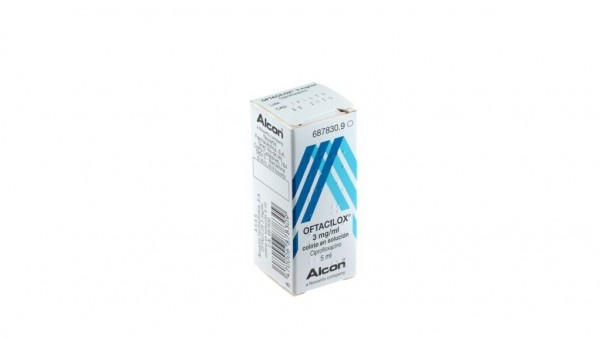
- Kraj rejestracji
- Postać farmaceutycznaEye drops, solution, 0.3%
- Kod ATCS01AE03
- Substancja czynna
- Wymaga receptyTak
- Producent
- Te treści mają charakter wyłącznie informacyjny i nie zastępują konsultacji lekarskiej.
- Zamienniki OFTAKILOXPostać farmaceutyczna: Eye drops, solution, 3 MG/MLSubstancja czynna: ciprofloxacinProducent: LABORATORIOS SALVAT S.A.Wymaga receptyPostać farmaceutyczna: Eye drops, solution, 5 MG/MLSubstancja czynna: levofloxacinProducent: DOC GENERICI SRLWymaga receptyPostać farmaceutyczna: Eye drops, solution, 3 MG/MLSubstancja czynna: ofloxacinProducent: BIONATIVA S.P.A.Wymaga recepty
Odpowiedniki OFTAKILOX w innych krajach
Leki z tą samą substancją czynną dostępne w innych krajach.
Odpowiednik OFTAKILOX w Polska
Odpowiednik OFTAKILOX w Hiszpania
Lekarze online w sprawie OFTAKILOX
Omów stosowanie OFTAKILOX, bezpieczeństwo i ocenę zasadności recepty zgodnie z obowiązującymi przepisami.









Uzyskaj receptę na OFTAKILOX online
Wypełnij 2-minutowy formularz
Opisz swoje objawy, historię choroby i lek, o który prosisz.
Wybierz lekarza lub pozwól nam przydzielić
Wybierz specjalistę lub dopasujemy Cię do najbliższego dostępnego lekarza.
Lekarz analizuje Twój przypadek
Zazwyczaj w ciągu 30 minut. Może zadawać dodatkowe pytania przez czat.
Odbierz w dowolnej aptece
Recepta elektroniczna wysłana na Twój e-mail — ważna w całej Polsce.
Często zadawane pytania
OFTAKILOX wymaga recepty w Włochy. Możesz skonsultować się z lekarzem online, aby sprawdzić, czy ten lek może być odpowiedni w Twojej sytuacji.
Substancją czynną w OFTAKILOX jest ciprofloxacin. Informacja ta pomaga rozpoznać leki o tym samym składzie, ale pod różnymi nazwami handlowymi.
OFTAKILOX jest produkowany przez NTC S.R.L.. Nazwy handlowe i opakowania mogą się różnić w zależności od dystrybutora.
Lekarze, tacy jak Lekarze rodzinni, Psychiatrzy, Dermatolodzy, Kardiolodzy, Endokrynolodzy, Gastroenterolodzy, Pulmonolodzy, Nefrolodzy, Reumatolodzy, Hematolodzy, Zakaźnicy, Alergolodzy, Geriatrzy, Pediatrzy, Onkolodzy, mogą ocenić, czy stosowanie OFTAKILOX jest odpowiednie w Twoim przypadku, w zależności od sytuacji klinicznej i lokalnych przepisów. Możesz umówić konsultację online, aby omówić objawy i możliwe dalsze kroki.
Polska posiada dobrze rozwiniętą infrastrukturę ochrony zdrowia w dużych miastach, takich jak Warszawa, Kraków, Wrocław i Gdańsk. Apteki są łatwo dostępne i działają zgodnie z obowiązującymi przepisami, zapewniając dostęp do leków na receptę.
Możesz kupić OFTAKILOX w Warszawie, Krakowie, Wrocławiu lub Gdańsku w każdej aptece, posiadając ważną receptę.
Aby uzyskać receptę, możesz skorzystać z Oladoctor:
Inne leki zawierające tę samą substancję czynną (ciprofloxacin) to m.in. KETRAFLUX, DOKLEVO, DUNAFLOT. Mogą one różnić się nazwą handlową lub postacią, ale zawierają ten sam składnik terapeutyczny. Przed zmianą lub rozpoczęciem nowego leku skonsultuj się z lekarzem.
