



MOMENT 200 mg Coated Tablet

Запит на рецепт онлайн
Лікар розгляне ваш випадок і визначить, чи є рецепт медично доцільним.

Поговоріть з лікарем про ці ліки
Обговоріть симптоми та можливі подальші кроки під час короткої онлайн-консультації.



Інструкція із застосування MOMENT
Зміст інструкції
- MOMENT 200 mg chewable tablets
- MOMENT 200 mg orodispersible tablets
- Moment may cause problems with the kidneys in the fetus that can lead to low levels of
- MOMENT 200 mg coated tablets
- Moment may cause problems with the kidneys in the fetus that can lead to low levels of
- MOMENT 200 mg soft capsules
- MOMENT 200 mg 20 g/100 ml drops for oral solution
- Moment may cause problems with the kidneys in the fetus, which can lead to low levels of
- MOMENT 200 mg granules for oral solution
- Moment may cause problems with the kidneys in the fetus that can lead to low levels of
- MOMENT 200 mg oral suspension in sachets
MOMENT 200 mg chewable tablets
ibuprofen
Read this leaflet carefully before taking this medicine as it contains important
information for you.
Always take this medicine exactly as described in this leaflet or as your doctor or pharmacist
has told you to do.
- Keep this leaflet. You may need to read it again.
- If you want more information or advice, ask your pharmacist.
- If any side effects occur, including those not listed in this leaflet, tell your doctor or pharmacist. See section 4.
- See a doctor if you do not feel better or if your symptoms worsen after 3 days of treatment.
Contents of this leaflet:
- 1. What Moment is and what it is used for
- 2. What you need to know before you take Moment
- 3. How to take Moment
- 4. Possible side effects
- 5. How to store Moment
- 6. Contents of the pack and other information
1. What Moment is and what it is used for
Moment contains ibuprofen, a medicine that belongs to the class of analgesic-anti-inflammatory drugs, i.e.
drugs that fight pain and inflammation.
Moment is used, in adultsand adolescents starting from 12 years, for:
- treatment of pains of various origins and nature (headache, toothache, neuralgia, osteo-articular and muscular pains, menstrual pains);
- reduction of the symptoms of feverish and flu-like states. Consult a doctor if you do not feel better or if you feel worse after 3 days of treatment.
2. Cosa deve sapere prima di prendere Moment
Non prenda Moment
- Se lei è allergico all’ibuprofene e/o ad uno qualsiasi degli altri componenti di questo medicinale (elencati al paragrafo 6).
- Se lei è allergico ad altri medicinali antireumatici (es. acido acetilsalicilico, etc.), medicinali utilizzati per il trattamento di dolori delle articolazioni o dei muscoli (vedere paragrafo “Altri medicinali e Moment”).
- Se il paziente è un bambino di età inferiore ai 12 anni.
- Se è negli ultimi 3 mesi di gravidanza o sta allattando al seno (vedere paragrafo “Gravidanza, allattamento e fertilità”).
- Se soffre di malattie dello stomaco e dell’intestino (ad esempio, ulcera gastroduodenale attiva o grave).
- Se in passato ha avuto sanguinamento o perforazione dello stomaco o dell’intestino in seguito all’assunzione di farmaci.
- Se in passato ha avuto due o più episodi distinti di ulcera o sanguinamenti dello stomaco.
- In presenza di gravi malattie del cuore (insufficienza cardiaca severa).
- In presenza di una grave malattia del fegato o dei reni.
- Se ha perso molti liquidi (disidratazione severa) a causa di vomito, diarrea o insufficiente assunzione di liquidi.
- Se soffre di una malattia del metabolismo degli aminoacidi, che costituiscono le proteine, chiamata fenilchetonuria.
Avvertenze e precauzioni- Faccia particolare attenzione con Moment
Cosa deve sapere prima di prendere Moment
Con l’ibuprofene sono stati segnalati segni di una reazione allergica a questo medicinale, inclusi problemi
respiratori, gonfiore del viso e della regione del collo (angioedema) e dolore al petto. Interrompa
immediatamente Moment e contatti immediatamente il medico o il servizio di emergenza sanitaria se nota
uno di questi segni.
Reazioni cutanee
In associazione al trattamento con ibuprofene sono state segnalate reazioni cutanee gravi tra cui dermatite
esfoliativa, eritema multiforme, sindrome di Stevens-Johnson, necrolisi epidermica tossica, reazione da
farmaco con eosinofilia e sintomi sistemici (DRESS), pustolosi esantematica acuta generalizzata (AGEP).
Smetta di usare Moment e contatti immediatamente il medico se nota uno qualsiasi dei sintomi correlati a
queste gravi reazioni cutanee descritte nel paragrafo 4.
Si rivolga al medico o al farmacista prima di prendere Moment:
- Se ha avuto episodi di difficoltà a respirare (broncospasmo) dopo l’impiego di acido acetilsalicilico (aspirina) o di altri farmaci antinfiammatori.
- Se soffre di asma, naso che cola (rinite cronica), presenza di polipi nel naso (poliposi nasale) o infiammazione della mucosa dei seni paranasali (sinusite) o soffre/ha sofferto di allergie perché potrebbe manifestare difficoltà a respirare (broncospasmo), arrossamento della pelle con prurito (orticaria) o gonfiore della pelle e della gola (angioedema), soprattutto se ha già avuto reazioni allergiche dopo l’uso di altri medicinali utilizzati per il trattamento di dolori delle articolazioni o dei muscoli, della febbre o per il trattamento dell’infiammazione (FANS).
- Se sta assumendo altri medicinali antinfiammatori, inclusi gli inibitori selettivi della COX-2, (un enzima coinvolto nei processi infiammatori), poiché in questi casi il rischio di ulcere e sanguinamento può aumentare (vedere paragrafo “Altri medicinali e Moment”).
- Se è anziano o se ha sofferto di ulcera, soprattutto se l’ulcera si è manifestata anche con sanguinamento o perforazione (vedere paragrafo “Non prenda Moment”), poiché il rischio di sanguinamento, ulcera o perforazione è più elevato, specie con le dosi più alte di farmaci antiinfiammatori. In questi casi deve iniziare il trattamento con la dose più bassa disponibile, ed eventualmente rivolgersi al suo medico per farsi prescrivere un medicinale che protegge lo stomaco (misoprostolo o inibitori di pompa protonica). Questa possibilità deve essere presa in considerazione
anche se lei prende basse dosi di acido acetilsalicilico o di farmaci che possono aumentare il rischio di
malattie dello stomaco e/o dell’intestino (vedere paragrafo “Altri medicinali e Moment”).
- Se ha sofferto o soffre di malattie croniche dell’intestino (colite ulcerosa, morbo di Crohn) poiché possono peggiorare (vedere paragrafo 4 “Possibili effetti indesiderati”).
- Se ha avuto malattie dello stomaco e dell’intestino correlate all’uso di farmaci, ed in particolare se è anziano, deve riferire al medico qualsiasi sintomo intestinale non usuale (soprattutto emorragia) in particolare nelle fasi iniziali di trattamento.
- Se sta prendendo altri medicinali che aumentano il rischio di ulcera o sanguinamento dello stomaco e/o dell’intestino, come i corticosteroidi presi per bocca (ad esempio cortisone), gli anticoagulanti (ad esempio warfarin), gli antidepressivi (inibitori selettivi del reuptake della serotonina), o gli antiaggreganti del sangue (ad esempio acido acetilsalicilico). Vedere anche il paragrafo “Altri medicinali e Moment”. Se si verifica emorragia o ulcerazione gastrointestinale in pazienti che assumono Moment il trattamento deve essere sospeso.
- Se ha la pressione alta e le medicine che assume non riescono ad abbassarla e/o ha malattie del cuore o della circolazione del sangue a livello del cervello o di altri distretti corporei o pensa di poter essere a rischio per queste malattie (per esempio se soffre di pressione sanguigna alta, diabete o colesterolo elevato o se fuma).
- Se soffre di pressione alta e/o ha malattie del cuore, in quanto in seguito al trattamento con FANS sono stati riscontrati ritenzione di liquidi, aumento della pressione del sangue e gonfiore. I FANS possono ridurre l’azione dei medicinali per abbassare la pressione del sangue (vedere il paragrafo “Altri medicinali e Moment”).
- Se ha perso una considerevole quantità di liquidi o se compaiono gonfiore, disturbi del cuore o pressione alta.
- Se ha una funzionalità dei reni diminuita, malfunzionamento del cuore o del fegato o se è anziano o in trattamento con farmaci per la pressione alta, in quanto potrebbe essere più predisposto alla comparsa di problemi dei reni. Inoltre l’abituale utilizzo concomitante di diversi antidolorifici può ulteriormente aumentare tale rischio.
- Se soffre di una malattia della coagulazione o sta assumendo medicinali che rallentano la coagulazione del sangue (anticoagulanti) (vedere paragrafo “Altri medicinali e Moment”).
- Se soffre di una malattia che può colpire diversi organi e tessuti del corpo (lupus eritematoso diffuso o sistemico) o di una malattia del tessuto connettivo, presente in molte parti del corpo, come ad es. ossa e cartilagini, poiché in rare occasioni in pazienti in trattamento con ibuprofene sono stati osservati sintomi di “meningite asettica”. Sebbene sia più probabile che questa si verifichi in pazienti con lupus eritematoso sistemico e patologie del tessuto connettivo collegate, è stata osservata anche in pazienti i quali non manifestavano malattie croniche concomitanti.
- Se sta assumendo medicinali per trattare il dolore, malattie del cuore o la pressione alta del sangue (vedere paragrafo “Altri medicinali e Moment”).
- Se intende iniziare una gravidanza (vedere paragrafo “Gravidanza, allattamento e fertilità”).
- Se ha problemi ad iniziare una gravidanza o si sta sottoponendo ad indagini sulla fertilità (vedere paragrafo “Gravidanza, allattamento e fertilità”).
- Se ha un’infezione - vedere paragrafo “Infezioni” di seguito.
I farmaci antinfiammatori/antidolorifici come ibuprofene possono essere associati a un modesto aumento del
rischio di attacco cardiaco o ictus, specialmente se somministrati in dosi elevate. Non superare la dose
raccomandata o la durata del trattamento.
Deve discutere la terapia con il medico o farmacista prima di prendere Moment se ha:
- problemi cardiaci inclusi attacco cardiaco, angina (dolore al petto) o se ha precedenti di attacco cardiaco, intervento di bypass coronarico, malattia arteriosa periferica (scarsa circolazione alle gambe o ai piedi dovuta a restringimento oppure ostruzione delle arterie) oppure qualunque tipo di ictus (incluso ‘mini- ictus’ o “TIA”, attacco ischemico transitorio);
- pressione alta, diabete, colesterolo alto, storia familiare di malattia cardiaca o ictus, oppure se è un fumatore. I medicinali come Moment possono:
- essere associati alla comparsa di malattie renali anche gravi (come necrosi papillare renale, nefropatia da analgesici e insufficienza renale), pertanto il medico monitorerà la funzionalità dei suoi reni; dar luogo a disturbi degli occhi, pertanto si raccomanda in caso di trattamenti prolungati, di effettuare periodici controlli oculistici. Se si verificano disturbi della vista interrompa il trattamento con Moment. Infezioni Moment può nascondere i sintomi di infezioni quali febbre e dolore. È pertanto possibile che Moment possa ritardare un trattamento adeguato dell’infezione, cosa che potrebbe aumentare il rischio di complicanze. Ciò è stato osservato nella polmonite causata da batteri e nelle infezioni cutanee batteriche correlate alla varicella. Se prende questo medicinale mentre ha un’infezione e i sintomi dell’infezione persistono o peggiorano, si rivolga immediatamente al medico.
Adolescenti
Se l’adolescente è disidratato esiste il rischio che sviluppi una malattia dei reni.
Altri medicinali e Moment
Informi il medico o il farmacista se sta assumendo, o ha recentemente assunto o potrebbe assumere qualsiasi
altro medicinale.
Moment può influenzare o essere influenzato da altri medicinali. Ad esempio:
Non assuma Momentinsieme ad acido acetilsalicilico (ad esempio aspirina) o ad altri medicinali
antiinfiammatori (come inibitori della COX 2 o altri FANS).
Consulti il medicoprima di usare Momentcon altri medicinali, in particolare:
- corticosteroidi (medicinali utilizzati per il trattamento dell’infiammazione, come ad esempio il cortisone);
- medicinali che hanno un effetto anticoagulante (vale a dire sostanze che rallentano la coagulazione del sangue, es. aspirina/acido acetilsalicilico, warfarin, ticlopidina);
- medicinali che riducono la pressione alta (diuretici, ACE-inibitori come captopril, betabloccanti come atenololo, antagonisti dei recettori dell'angiotensina II come losartan). Moment può ridurre l’effetto di questi medicinali. Se è in trattamento con questi medicinali, è anziano o soffre di una malattia dei reni, il medico la inviterà ad assumere un’adeguata quantità di liquidi per evitare la disidratazione e potrebbe chiederle di sottoporsi a esami del sangue;
- inibitori selettivi del reuptake della serotonina (medicinali utilizzati per il trattamento della depressione), poiché potrebbero aumentare il rischio di lesioni o sanguinamenti. Il medico potrebbe pertanto prescriverle un medicinale per proteggere il suo stomaco;
- litio (un medicinale utilizzato per trattare le malattie mentali) o fenitoina (un medicinale utilizzato per trattare l’epilessia). Durante il trattamento con questi medicinali il medico potrebbe chiederle di sottoporsi ad esami del sangue;
- metotrexato, un medicinale utilizzato per trattare il cancro o l’artrite reumatoide;
- moclobemide, un medicinale usato per trattare la depressione;
- aminoglicosidi (medicinali antibiotici);
- glicosidi cardiaci (medicinali usati per trattare alcune malattie del cuore). I medicinali come Moment possono aggravare le malattie del cuore;
- colestiramina (un medicinale utilizzato per diminuire i lipidi nel sangue);
- ciclosporina (medicinale utilizzato se ha avuto un trapianto di organo), poiché medicinali come Moment possono aumentare il rischio di danno ai reni;
- estratti vegetali come ad es. il Ginkgo Biloba, poiché se assunti insieme a medicinali come Moment possono aumentare il rischio di sanguinamento gastrointestinale;
- mifepristone (un medicinale utilizzato nelle donne per indurre l’aborto);
- antibiotici chinolonici (medicinali utilizzati per trattare le infezioni), poiché se assunti insieme a medicinali come Moment, è possibile avere un rischio maggiore di sviluppare convulsioni;
- sulfaniluree, medicinali usati per trattare il diabete; nel caso sia necessario il trattamento contemporaneo con tali farmaci, il medico potrebbe farle effettuare delle analisi del sangue;
- tacrolimus, medicinale usato per prevenire e trattare il rigetto in caso di trapianto di organo, la somministrazione contemporanea con Moment può aumentare il rischio di danno ai reni;
- zidovudina e ritonavir, medicinali utilizzati per trattare l’AIDS; se il trattamento contemporaneo è necessario, il medico potrebbe farle effettuare delle analisi del sangue;
- probenecid, un medicinale utilizzato per trattare la gotta;
- inibitori del CYP2C9, come voriconazolo e fluconazolo (medicinali usati per trattare le infezioni causate da funghi);
- bifosfonati, medicinali per trattare le malattie delle ossa, poiché possono aumentare gli effetti indesiderati a carico di stomaco ed intestino;
- ossipentifillina (pentossifillina), un medicinale per trattare le ulcere delle gambe, poiché può aumentare gli effetti indesiderati a carico di stomaco ed intestino;
- baclofene, un medicinale per rilassare i muscoli.
Anche altri medicinali possono influenzare o essere influenzati dal trattamento con Moment. Pertanto,
consulti sempre il medico o il farmacista prima di usare Moment con altri medicinali.
Moment con alcool
Non beva alcool durante il trattamento con Moment, poiché può aumentare i possibili effetti indesiderati.
Gravidanza, allattamento e fertilità
Se è in corso una gravidanza, se sospetta o sta pianificando una gravidanza, o se sta allattando con latte
materno chieda consiglio al medico o al farmacista prima di prendere questo medicinale.
Gravidanza
Donot take Moment in the last 3 months of pregnancy, as it may cause significant
disorders to the heart, lungs and kidneys of the fetus or cause problems during childbirth. It may
affect your and your baby's tendency to bleed and delay or prolong
labor more than expected. You must not take MOMENT during the first 6 months of
pregnancy unless absolutely necessary and recommended by your doctor.
If you need treatment during this period or while trying to
become pregnant, the lowest dose should be used for the shortest possible time. If
taken for more than a few days from the twentieth week of pregnancy onwards,
Moment may cause kidney problems in the fetus that may lead to low levels of
amniotic fluid surrounding the baby (oligohydramnios) or may cause
narrowing of a blood vessel (ductus arteriosus) in the baby's heart. If it is
necessary to have treatment for more than a few days, your doctor may recommend
additional monitoring.
Breast-feeding
Ibuprofen passes into breast milk, therefore donot take Moment if you are breast-feeding.
Fertility
If you have difficulty getting pregnant or are undergoing investigations into fertility, stop
using Moment because this medicine may temporarily impair
your fertility.
Driving and operating machinery
Normally Moment does not alter the ability to drive or operate other machinery. However, if you are engaged in an activity
that requires vigilance, be careful if you notice the onset of drowsiness, dizziness, or depression
during treatment with Moment.
This medicine contains:
- Sorbitol:this medicine contains 1124 mg of sorbitol per tablet, equivalent to 1124 mg/1511.5 mg. Sorbitol is a source of fructose. If your doctor has told you that you (or your child) are intolerant to certain sugars, or if you have a diagnosis of hereditary fructose intolerance, a rare genetic disease in which patients cannot metabolize fructose, talk to your doctor before you (or your child) take this medicine. It may cause gastrointestinal problems and have a mild laxative effect.
- Aspartame:This medicine contains 40 mg of aspartame per tablet equivalent to 40 mg/1511.5 mg. Aspartame is a source of phenylalanine. It may be harmful to you if you suffer from phenylketonuria, a rare genetic disease that causes the accumulation of phenylalanine because the body cannot dispose of it properly.
3. How to take Moment
Take this medicine exactly as described in this leaflet or as instructed by your doctor or pharmacist. If you have any doubts, consult your doctor or pharmacist.
Consult your doctor if you have noticed any recent change in the characteristics of your condition.
Adults and adolescents over 12 years:the recommended dose is 1-2 chewable tablets, two to three times a day.
The tablets should not be swallowed whole, but chewed; in this way they disintegrate quickly without leaving any unpleasant taste in your mouth.
Moment can be taken on an empty stomach. In subjects with gastric intolerance problems, it is preferable to take the medicine on a full stomach.
After three days of treatment without appreciable results, consult your doctor.
The lowest effective dose should be used for the shortest period necessary to relieve symptoms.
If you have an infection, consult your doctor immediately if the symptoms (e.g. fever and pain) persist or worsen (see paragraph 2).
Do not exceed the dose of 6 chewable tablets per day. If you are elderly, you should adhere to the minimum dosages
above.
If you suffer from kidney and/or liver or heart disease, consult your doctor who will determine the appropriate dose for you.
If you suffer from severe liver disease, do not take Moment.
Use in the elderly
Consult your doctor who will determine the appropriate dose for you by reducing the recommended dose, especially if you suffer from kidney and/or liver disorders.
Use in adolescents
Consult your doctor if the use of the medicine is necessary for more than 3 days in the adolescent, or in case of worsening of symptoms.
If you take more Moment than you should
If you have taken more Moment than you should or if your child has mistakenly taken this medicine, always contact a doctor or the nearest hospital in order to receive an opinion on the risk and advice on the actions to be taken.
If you take an excessive dose (overdose) of ibuprofen, you may more commonly experience the following symptoms: nausea, vomiting, stomach pain, deep sleep with reduced response to normal stimuli (lethargy), drowsiness, headache, dizziness, ringing in the ears (tinnitus), uncontrolled body movements (convulsions) and loss of consciousness. Symptoms of an overdose may appear within 4-6 hours of taking ibuprofen.
Rarely, it may present: uncontrolled eye movements (nystagmus), lowering of body temperature (hypothermia), effects on the kidneys, bleeding of the stomach and intestines, deep unconsciousness (coma), temporary interruption of breathing (apnea), diarrhea, reduction of the activity of the nervous system (depression of the Central Nervous System) and of the respiratory system (depression of the respiratory system).
In addition, you may experience: disorientation, excitement, fainting, lowering of blood pressure (hypotension), decrease or increase in heartbeats (bradycardia or tachycardia).
In cases of severe poisoning, metabolic acidosis (increased acids in the blood) may occur.
Overdose symptoms may include nausea, stomach upset, vomiting (possibly with traces of blood), gastrointestinal bleeding (see also paragraph 4 below), diarrhea, headache, ringing in the ears, confusion, and uncontrolled eye movements. In addition, agitation, drowsiness, disorientation, or coma may occur. Occasionally patients develop convulsions. At high doses, drowsiness, chest pain, palpitations, loss of consciousness, convulsions (especially in children), weakness and dizziness, blood in the urine, low potassium levels in the blood, a feeling of coldness in the body and breathing problems have been reported.
In addition, the prothrombin time/INR may be prolonged, probably due to interference with the actions of circulating coagulation factors. Acute renal failure and liver damage may occur. Exacerbation of asthma may occur in asthmatic subjects. In addition, low blood pressure and reduced respiratory capacity may occur.
If you have any doubts about the use of Moment, consult your doctor or pharmacist.
If you forget to take Moment
Do not take a double dose to make up for the missed tablet.
4. Possible side effects
Like all medicines, Moment can cause side effects, although not everybody gets them.
The side effects of the medicine can be minimized if you use the lowest dose among those
recommended, and if you use the medicine only for the period necessary to control your symptoms.
If you develop an ulcer or bleeding of the stomach and/or intestine, or skin and/or
mucous membrane lesions, you should stop treatment with Moment and consult your doctor. These effects
are usually more frequent in elderly people.
The use of Moment may cause side effects that are generally mild or moderate, or more serious reactions, including
allergic ones, although rarely.
If you experience any of the following symptoms, STOP usingMoment immediately and consult
your doctor or the nearest hospital immediately where you will undergo appropriate and specific
treatment:
- chest pain, which may be a sign of a potentially serious allergic reaction called Kounis syndrome.
- skin or mucous membrane eruptions or lesions,
- mucous membrane lesions,
- signs of an allergic reaction, even severe (erythema, itching, urticaria, asthma, skin and mucous membrane swelling, anaphylactic shock),
- skin that is peeling,
- reddish, non-raised, target-shaped or circular spots on the trunk, often with central blisters, skin peeling, ulcers of the mouth, throat, nose, genitals and eyes. These severe skin rashes may be preceded by fever and flu-like symptoms (exfoliative dermatitis, erythema multiforme, Stevens-Johnson syndrome, toxic epidermal necrolysis),
- widespread rash, high body temperature and enlarged lymph nodes (DRESS syndrome),
- widespread, red and scaly rash, with bumps under the skin and blisters, accompanied by fever. Symptoms usually appear at the beginning of treatment (acute generalized exanthematous pustulosis),
- vision disturbances,
- liver disease (hepatic dysfunction),
- bleeding, ulceration and perforation of the stomach and intestine, which can be fatal, especially in the elderly. If you experience any of the allergic reactions listed above, go to the hospital as immediate availability of equipment, medicines and qualified personnel for emergency treatment is necessary, as serious side effects, sometimes fatal, have been reported following the use of ibuprofen, even in the absence of known allergy. The risk of experiencing these symptoms is higher in the early stages of therapy: in most cases the reaction occurs within the first month of treatment. Furthermore, you may experience additional side effects that have also been reported with other medicines similar to Moment and are listed below according to frequency:
common (may affect up to 1 in 10 people)
- dizziness
- discomfort
- fatigue
uncommon (may affect up to 1 in 100 people)
- inflammation of the stomach (gastritis)
- insomnia, anxiety
- numbness of the limbs or other parts of the body (paresthesia), drowsiness
- inflammation of the nasal mucosa (rhinitis)
- difficulty breathing (bronchospasm, dyspnea)
- temporary interruption of breathing (apnea)
- vision disturbances
- hearing impairment
- ringing in the ears (tinnitus)
- vertigo
- liver disorders (altered liver function)
- liver inflammation (hepatitis)
- jaundice (yellowing of skin and eyes)
- kidney diseases (damage to renal function and toxic nephropathy in various forms, including interstitial nephritis, nephrotic syndrome and renal failure)
- hypersensitivity reactions such as skin rash, urticaria, itching, formation of red spots on the skin (purpura), swelling of the skin and mucous membranes (angioedema), difficulty breathing (bronchospasm or dyspnea), asthma attacks with possible lowering of blood pressure
- skin reactions to light (photosensitivity)
rare (may affect up to 1 in 1,000 people)
- reduction in the number of blood cells: reduction of white blood cells (leukopenia, neutropenia, agranulocytosis), red blood cells (hemolytic anemia, aplastic anemia), platelets (thrombocytopenia)
- reduced ability to coagulate
- depression, confusion, hallucinations
- inflammation of the optic nerve (optic neuritis)
- inflammation of the meninges, the membranes that cover the brain (aseptic meningitis, especially in patients with pre-existing autoimmune disorders, see section “Warnings and precautions”), with symptoms of stiff neck, headache, nausea, vomiting, fever or disorientation
- eye disorders with vision disturbances and optic nerve pathology (toxic optic neuropathy)
- swelling due to fluid accumulation in the tissues
- a disease that can affect different organs and tissues of the body (systemic lupus erythematosus)
- worsening of inflammation caused by an existing infection (e.g. development of necrotizing fasciitis)
- high levels of nitrogen in the blood
- alteration of liver function tests (increased transaminases, increased alkaline phosphatase)
- abnormal blood tests (reduced hemoglobin, reduced hematocrit, prolonged bleeding time, decreased blood calcium, increased blood uric acid)
very rare (may affect up to 1 in 10,000 people)
- inflammation of the pancreas, a gland involved in digestive processes (pancreatitis)
- feeling of perceiving one's heartbeat (palpitations)
- heart disease (heart failure)
- heart attack (myocardial infarction)
- fluid in the lungs (acute pulmonary edema)
- liver disease (hepatic failure)
- hypertension
- severe allergic reactions, which may include symptoms such as severe asthma, swelling of the face, tongue and throat making it difficult to breathe, rapid heartbeat, severe allergic reaction with rapid onset and potentially causing death (anaphylaxis), severe skin rash or skin peeling (toxic epidermal necrolysis, Stevens-Johnson syndrome, erythema multiforme).
- severe infections of the skin and soft tissues can occur during varicella infection
not known (frequency cannot be estimated from available data)
- feeling of heaviness in the stomach
- nausea
- vomiting
- diarrhea
- flatulence
- constipation
- difficulty digesting
- abdominal pain
- heartburn
- blood in the stool
- blood in the vomit
- lesions inside the mouth
- worsening of inflammatory diseases of the colon and intestine (colitis, Crohn's disease),
- increased risk of sudden reduction in blood flow to the brain (stroke)
- allergic reactions, anaphylaxis
- drug reaction with eosinophilia and systemic symptoms (DRESS syndrome): a severe skin reaction known as DRESS syndrome may occur. The symptoms of DRESS include: skin rash, fever, swollen lymph nodes, and increased eosinophils (a type of white blood cells)
- a widespread, red and scaly rash, with the formation of pustules under the skin and blisters located mainly on skin lesions, on the trunk and upper limbs accompanied by fever at the beginning of treatment (acute generalized exanthematous pustulosis) Stop using Moment if you develop these symptoms and contact your doctor immediately. See also paragraph
- 2.
Reporting of side effects
If you get any side effects, talk to your
doctor or pharmacist. This includes any possible side effects not listed in this leaflet. You can also report side effects directly through the national reporting system
at https://www.aifa.gov.it/content/segnalazioni-reazioni-avverse .
By reporting side effects you can help provide more information on the safety of this
medicine.
5. How to store Moment
Store in the original packaging to protect the medicine from light and moisture.
Keep this medicine out of sight and reach of children.
Do not use this medicine after the expiry date which is reported on the package after Scad.
The expiry date refers to the last day of that month.
Do not dispose of any medicine in wastewater or household waste. Ask your pharmacist how to eliminate the
medicines that you no longer use. This will help protect the environment.
6. Contents of the pack and other information
What Moment contains
- The active ingredient is ibuprofen 200 mg.
- The other ingredients are sorbitol, grapefruit aroma, hydroxypropylmethylcellulose phthalate, aspartame, acesulfame K, anhydrous citric acid, diethyl phthalate, magnesium stearate, precipitated silica.
Description of the appearance of Moment and contents of the pack
Moment is available in the form of chewable tablets for oral use.
Each pack contains 12 and 24 chewable tablets.
Not all pack sizes may be marketed.
Marketing Authorisation Holder and Manufacturer
Marketing Authorisation Holder
Angelini Pharma S.p.A.
Viale Amelia, 70 - 00181 Rome
Manufacturer
A.C.R.A.F. S.p.A., Via Vecchia del Pinocchio, 22 - 60131 Ancona
NDES
There are various types of pain, of varying origin and nature, which we all face with greater or lesser frequency, in particular headaches and toothaches, muscle and joint pains, menstrual pains.
One of the most common pains is certainly a headache. If you suffer from headaches, it is important to identify the factors that can trigger them and try to prevent them (irregular eating habits, particular foods, smoking, alcohol, stress, too much strenuous exercise, excessive exposure to the sun, loud noises, strong perfumes, etc.).
Menstrual pain, sometimes even of considerable intensity, can be combated with painkillers that work by reducing the amount of prostaglandins, substances produced by the uterus and considered the main cause of the disorder.
MOMENT 200 mg orodispersible tablets
ibuprofen
Read this leaflet carefully before taking this medicine as it contains important information for you.
Always take this medicine exactly as described in this leaflet or as your doctor or pharmacist has told you.
- Keep this leaflet. You may need to read it again.
- If you would like more information or advice, ask your pharmacist.
- If any side effects occur, including those not listed in this leaflet, tell your doctor or pharmacist. See section 4.
- See a doctor if you do not feel better or if your symptoms get worse after 3 days of treatment.
Contents of this leaflet:
- 1. What Moment is and what it is used for
- 2. What you need to know before you take Moment
- 3. How to take Moment
- 4. Possible side effects
- 5. How to store Moment
- 6. Contents of the pack and other information
1. What is Moment and what is it for
Moment contains ibuprofen, a medicine that belongs to the class of analgesic-anti-inflammatory drugs, i.e.
drugs that fight pain and inflammation.
Moment is used, in adultsand in adolescents starting from 12 years, for:
- treatment of pain of various origins and nature (headache, toothache, neuralgia, osteo-articular and muscular pain, menstrual pain);
- reduction of the symptoms of feverish and flu-like states. Consult a doctor if you do not feel better or if you feel worse after 3 days of treatment.
2. Cosa deve sapere prima di prendere Moment
Non prenda Moment
- Se lei è allergico all’ibuprofene e/o ad uno qualsiasi degli altri componenti di questo medicinale (elencati al paragrafo 6).
- Se lei è allergico ad altri medicinali antireumatici (es. acido acetilsalicilico, etc.), medicinali utilizzati per il trattamento di dolori delle articolazioni o dei muscoli (vedere paragrafo “Altri medicinali e Moment”).
- Se il paziente è un bambino di età inferiore ai 12 anni.
- Se è negli ultimi tre mesi di gravidanza o sta allattando al seno (vedere paragrafo “Gravidanza, allattamento e fertilità”).
- Se soffre di malattie dello stomaco e dell’intestino (ad esempio, ulcera gastroduodenale attiva o grave).
- Se in passato ha avuto sanguinamento o perforazione dello stomaco o dell’intestino in seguito all’assunzione di farmaci.
- Se in passato ha avuto due o più episodi distinti di ulcera o sanguinamenti dello stomaco.
- In presenza di gravi malattie del cuore (insufficienza cardiaca severa).
- In presenza di una grave malattia del fegato o dei reni.
- Se ha perso molti liquidi (disidratazione severa) a causa di vomito, diarrea o insufficiente assunzione di liquidi.
- Se soffre di una malattia del metabolismo degli aminoacidi, che costituiscono le proteine, chiamata fenilchetonuria (vedere paragrafo Moment contiene saccarosio, sorbitolo (E420) e aspartame (E951)).
Avvertenze e precauzioni – Faccia particolare attenzione con Moment
Cosa deve sapere prima di prendere Moment
Con l’ibuprofene sono stati segnalati segni di una reazione allergica a questo medicinale, inclusi problemi
respiratori, gonfiore del viso e della regione del collo (angioedema) e dolore al petto. Interrompa
immediatamente il trattamento con Moment e contatti immediatamente il medico o il servizio di
emergenza sanitaria se nota uno di questi segni.
Reazioni cutanee
In associazione al trattamento con ibuprofene sono state segnalate reazioni cutanee gravi tra cui dermatite
esfoliativa, eritema multiforme, sindrome di Stevens-Johnson, necrolisi epidermica tossica, reazione da
farmaco con eosinofilia e sintomi sistemici (DRESS), pustolosi esantematica acuta generalizzata (AGEP).
Smetta di usare Moment e contatti immediatamente il medico se nota uno qualsiasi dei sintomi correlati a
queste gravi reazioni cutanee descritte nel paragrafo 4.
Si rivolga al medico o al farmacista prima di prendere Moment:
- Se ha avuto episodi di difficoltà a respirare (broncospasmo) dopo l’impiego di acido acetilsalicilico (aspirina) o di altri farmaci antinfiammatori.
- Se soffre di asma, naso che cola (rinite cronica), presenza di polipi nel naso (poliposi nasale) o infiammazione della mucosa dei seni paranasali (sinusite) o soffre/ha sofferto di allergie perché potrebbe manifestare difficoltà a respirare (broncospasmo), arrossamento della pelle con prurito (orticaria) o gonfiore della pelle e della gola (angioedema), soprattutto se ha già avuto reazioni allergiche dopo l’uso di altri medicinali utilizzati per il trattamento di dolori delle articolazioni o dei muscoli, della febbre o per il trattamento dell’infiammazione (FANS).
- Se sta assumendo altri medicinali antinfiammatori, inclusi gli inibitori selettivi della COX-2, (un enzima coinvolto nei processi infiammatori), poiché in questi casi il rischio di ulcere o sanguinamento può aumentare (vedere paragrafo “Altri medicinali e Moment”).
- Se è anziano e se ha sofferto di ulcera, soprattutto se l’ulcera si è manifestata anche con sanguinamento o perforazione (vedere paragrafo “Non prenda Moment”), poiché il rischio di sanguinamento, ulcera o perforazione è più elevato, specie con le dosi più alte di farmaci antiinfiammatori. In questi casi deve iniziare il trattamento con la dose più bassa disponibile, ed eventualmente rivolgersi al suo medico per farsi prescrivere un medicinale che protegge lo stomaco (misoprostolo o inibitori di pompa protonica). Questa possibilità deve essere presa in considerazione
anche se lei prende basse dosi di acido acetilsalicilico o di farmaci che possono aumentare il rischio di
malattie dello stomaco e/o dell’intestino (vedere paragrafo “Altri medicinali e Moment”).
- Se ha sofferto o soffre di malattie croniche dell’intestino (colite ulcerosa, morbo di Crohn) poiché possono peggiorare (vedere paragrafo 4 “Possibili effetti indesiderati”).
- Se ha avuto malattie dello stomaco e dell’intestino correlate all’uso di farmaci, ed in particolare se è anziano, deve riferire al medico qualsiasi sintomo intestinale non usuale (soprattutto emorragia) in particolare nelle fasi iniziali di trattamento.
- Se sta prendendo altri medicinali che aumentano il rischio di ulcera o sanguinamento dello stomaco e/o dell’intestino, come i corticosteroidi presi per bocca (ad esempio cortisone), gli anticoagulanti (ad esempio warfarin), gli antidepressivi (inibitori selettivi del reuptake della serotonina), o gli antiaggreganti del sangue (ad esempio acido acetilsalicilico). Vedere anche il paragrafo “Altri medicinali e Moment”. Se si verifica emorragia o ulcerazione gastrointestinale in pazienti che assumono Moment il trattamento deve essere sospeso.
- Se ha la pressione alta e le medicine che assume non riescono ad abbassarla e/o ha malattie del cuore o della circolazione del sangue a livello del cervello o di altri distretti corporei o pensa di poter essere a rischio per queste malattie (per esempio se soffre di pressione sanguigna alta, diabete o colesterolo elevato o se fuma).
- Se soffre di pressione alta e/o ha malattie del cuore, in quanto in seguito al trattamento con FANS sono stati riscontrati ritenzione di liquidi, aumento della pressione del sangue e gonfiore. I FANS possono ridurre l’azione dei medicinali per abbassare la pressione del sangue (vedere il paragrafo “Altri medicinali e Moment”).
- Se ha perso una considerevole quantità di liquidi, o se compaiono gonfiore, disturbi del cuore o pressione alta.
- Se ha una funzionalità dei reni diminuita, malfunzionamento del cuore o del fegato, o se è anziano o in trattamento con farmaci per la pressione alta, in quanto potrebbe essere più predisposto alla comparsa di problemi dei reni. Inoltre l’abituale utilizzo concomitante di diversi antidolorifici può ulteriormente aumentare tale rischio.
- Se soffre di una malattia della coagulazione o sta assumendo medicinali che rallentano la coagulazione del sangue (anticoagulanti) (vedere paragrafo “Altri medicinali e Moment”).
- Se soffre di una malattia che può colpire diversi organi e tessuti del corpo (lupus eritematoso diffuso o sistemico) o di una malattia del tessuto connettivo, presente in molte parti del corpo, come ad es. ossa e cartilagini, poiché in rare occasioni in pazienti in trattamento con ibuprofene sono stati osservati sintomi di “meningite asettica”. Sebbene sia più probabile che questa si verifichi in pazienti con lupus eritematoso sistemico e patologie del tessuto connettivo collegate, è stata osservata anche in pazienti i quali non manifestavano malattie croniche concomitanti.
- Se sta assumendo medicinali per trattare il dolore, malattie del cuore o la pressione alta del sangue (vedere paragrafo “Altri medicinali e Moment”).
- Se intende iniziare una gravidanza (vedere paragrafo “Gravidanza, allattamento e fertilità”).
- Se ha problemi ad iniziare una gravidanza o si sta sottoponendo ad indagini sulla fertilità (vedere paragrafo “Gravidanza, allattamento e fertilità”).
- Se ha un’infezione - vedere paragrafo “Infezioni” di seguito.
- I farmaci antinfiammatori/antidolorifici come ibuprofene possono essere associati a un modesto aumento del rischio di attacco cardiaco o ictus, specialmente se somministrati in dosi elevate. Non superare la dose raccomandata o la durata del trattamento.
Deve discutere la terapia con il medico o farmacista prima di prendere Moment se ha:
- problemi cardiaci inclusi attacco cardiaco, angina (dolore al petto) o se ha precedenti di attacco cardiaco , intervento di bypass coronarico, malattia arteriosa periferica (scarsa circolazione alle gambe o ai piedi dovuta a restringimento oppure ostruzione delle arterie) oppure qualunque tipo di ictus (incluso ‘mini- ictus’ o “TIA”, attacco ischemico transitorio);
- pressione alta, diabete, colesterolo alto, storia familiare di malattia cardiaca o ictus, oppure se è un fumatore. I medicinali come Moment possono:
- essere associati alla comparsa di malattie renali anche gravi (come necrosi papillare renale, nefropatia da analgesici e insufficienza renale), pertanto il medico monitorerà la funzionalità dei suoi reni;
- dar luogo a disturbi degli occhi, pertanto si raccomanda in caso di trattamenti prolungati, di effettuare periodici controlli oculistici. Se si verificano disturbi della vista interrompa il trattamento con Moment. Infezioni Moment può nascondere i sintomi di infezioni quali febbre e dolore. È pertanto possibile che Moment possa ritardare un trattamento adeguato dell’infezione, cosa che potrebbe aumentare il rischio di complicanze. Ciò è stato osservato nella polmonite causata da batteri e nelle infezioni cutanee batteriche correlate alla varicella. Se prende questo medicinale mentre ha un’infezione e i sintomi dell’infezione persistono o peggiorano, si rivolga immediatamente al medico. AdolescentiSe l’adolescente è disidratato esiste il rischio che sviluppi una malattia dei reni.
Altri medicinali e Moment
Informi il medico o il farmacista se sta assumendo, o ha recentemente assunto o potrebbe assumere qualsiasi
altro medicinale.
Moment può influenzare o essere influenzato da altri medicinali. Ad esempio:
Non assuma Momentinsieme ad acido acetilsalicilico (ad esempio aspirina) o ad altri medicinali
antiinfiammatori (come inibitori della COX 2 o altri FANS).
Consulti il medicoprima di usare Momentcon altri medicinali, in particolare:
- corticosteroidi (medicinali utilizzati per il trattamento dell’infiammazione, come ad esempio il cortisone);
- medicinali che hanno un effetto anticoagulante (vale a dire sostanze che rallentano la coagulazione del sangue, es. aspirina/acido acetilsalicilico, warfarin, ticlopidina);
- medicinali che riducono la pressione alta (diuretici, ACE-inibitori come captopril, betabloccanti come atenololo, antagonisti dei recettori dell'angiotensina II come losartan). Moment può ridurre l’effetto di questi medicinali. Se è in trattamento con questi medicinali, è anziano o soffre di una malattia dei reni, il medico la inviterà ad assumere una adeguata quantità di liquidi per evitare la disidratazione e potrebbe chiederle di sottoporsi a esami del sangue;
- inibitori selettivi del reuptake della serotonina (medicinali utilizzati per il trattamento della depressione), poiché potrebbero aumentare il rischio di lesioni o sanguinamenti. Il medico potrebbe pertanto prescriverle un medicinale per proteggere il suo stomaco;
- litio (un medicinale utilizzato per trattare le malattie mentali) o fenitoina (un medicinale utilizzato per trattare l’epilessia). Durante il trattamento con questi medicinali il medico potrebbe chiederle di sottoporsi ad esami del sangue;
- metotrexato, un medicinale utilizzato per trattare il cancro o l’artrite reumatoide;
- moclobemide, un medicinale usato per trattare la depressione;
- aminoglicosidi (medicinali antibiotici);
- glicosidi cardiaci (medicinali usati per trattare alcune malattie del cuore). I medicinali come Moment possono aggravare le malattie del cuore;
- colestiramina (un medicinale utilizzato per diminuire i lipidi nel sangue);
- ciclosporina (medicinale utilizzato se ha avuto un trapianto di organo), poiché medicinali come Moment possono aumentare il rischio di danno ai reni;
- estratti vegetali come ad es. il Ginkgo Biloba, poiché se assunti insieme a medicinali come Moment possono aumentare il rischio di sanguinamento gastrointestinale;
- mifepristone (un medicinale utilizzato nelle donne per indurre l’aborto);
- antibiotici chinolonici (medicinali utilizzati per trattare le infezioni), poiché se assunti insieme a medicinali come Moment, è possibile avere un rischio maggiore di sviluppare convulsioni;
- sulfaniluree, medicinali usati per trattare il diabete; nel caso sia necessario il trattamento contemporaneo con tali farmaci, il medico potrebbe farle effettuare delle analisi del sangue;
- tacrolimus, medicinale usato per prevenire e trattare il rigetto in caso di trapianto di organo, la somministrazione contemporanea con Moment può aumentare il rischio di danno ai reni;
- zidovudina e ritonavir, medicinali utilizzati per trattare l’AIDS; se il trattamento contemporaneo è necessario, il medico potrebbe farle effettuare delle analisi del sangue;
- probenecid, un medicinale utilizzato per trattare la gotta;
- inibitori del CYP2C9, come voriconazolo e fluconazolo (medicinali usati per trattare le infezioni causate da funghi);
- bifosfonati, medicinali per trattare le malattie delle ossa, poiché possono aumentare gli effetti indesiderati a carico di stomaco ed intestino;
- ossipentifillina (pentossifillina), un medicinale per trattare le ulcere delle gambe, poiché può aumentare gli effetti indesiderati a carico di stomaco ed intestino;
- baclofene, un medicinale per rilassare i muscoli.
Anche altri medicinali possono influenzare o essere influenzati dal trattamento con Moment. Pertanto,
consulti sempre il medico o il farmacista prima di usare Moment con altri medicinali.
Moment con alcool
Non beva alcool durante il trattamento con Moment, poiché può aumentare i possibili effetti indesiderati.
Gravidanza, allattamento e fertilità
Se è in corso una gravidanza, se sospetta o sta pianificando una gravidanza, o se sta allattando con latte
materno chieda consiglio al medico o al farmacista prima di prendere questo medicinale.
Gravidanza
Donot take Moment during the last 3 months of pregnancy, as it may cause significant
disorders to the heart, lungs and kidneys of the fetus or cause problems during childbirth. It may
affect your and your baby's tendency to bleed and delay or prolong
labor more than expected. You must not take MOMENT during the first 6 months of
pregnancy unless absolutely necessary and recommended by your doctor.
If you need treatment during this period or while trying to
become pregnant, the lowest dose should be used for the shortest possible time. If
taken for more than a few days from the twentieth week of pregnancy onwards,

Не впевнені, чи підходить вам цей лікарський засіб?
Обговоріть симптоми та можливі варіанти лікування з лікарем онлайн.
Moment may cause problems with the kidneys in the fetus that can lead to low levels of
amniotic fluid surrounding the baby (oligohydramnios) or may cause constriction of a blood vessel (ductus arteriosus) in the baby's heart. If treatment is necessary for more than a few days, your doctor may recommend additional monitoring.
Breastfeeding
Ibuprofen passes into breast milk, therefore do nottake Moment if you are breastfeeding.
Fertility
If you are having trouble getting pregnant or are undergoing investigations for fertility, stop using Moment because this medicine may temporarily impair your fertility.
Driving and operating machinery
Normally Moment does not alter the ability to drive or use other machinery. However, if you are engaged in an activity that requires vigilance, be careful if you notice the onset of drowsiness, dizziness, or depression during treatment with Moment.
this medicine contains:
- Sucrose:if your doctor has diagnosed you with an intolerance to certain sugars (such as sucrose), contact them before taking this medicine.
- Sorbitol (E420):this medicine contains 55.93 mg of sorbitol per tablet, equivalent to 55.93 mg/1000 mg. Sorbitol is a source of fructose. If your doctor has told you that you (or your child) are intolerant to certain sugars, or if you have a diagnosis of hereditary fructose intolerance, a rare genetic disease in which patients cannot metabolize fructose, talk to your doctor before you (or your child) take this medicine.
- Aspartame:this medicine contains 20 mg of aspartame per dose equivalent to 20 mg/1000 mg. Aspartame is a source of phenylalanine. It may be harmful to you if you suffer from phenylketonuria, a rare genetic disease that causes the accumulation of phenylalanine because the body cannot dispose of it properly.
- Potassium:this medicine contains 1.26 mmol of potassium per dose. This should be taken into consideration in patients with reduced kidney function or in patients following a low-potassium diet.
- Sodium:this medicine contains less than 1 mmol (23 mg) of sodium per dose, i.e. essentially ‘sodium-free’
3. How to take Moment
Take this medicine exactly as stated in this leaflet or as instructed by your doctor or pharmacist. If you have any doubts, consult your doctor or pharmacist.
Consult your doctor if you have noticed any recent change in the characteristics of your condition
Adults and adolescents over 12 years:the recommended dose is 1-2 tablets, two to three times a day.
Dissolve the tablet in your mouth without water, then swallow it without chewing.
Moment can be taken on an empty stomach. In subjects with gastric intolerance problems, it is
preferable to take the medicine on a full stomach.
After three days of treatment without appreciable results, consult your doctor.
The lowest effective dose for the shortest period necessary to relieve symptoms should be used.
If you have an infection, contact your doctor immediately if the symptoms (e.g. fever and pain)
persist or worsen (see paragraph 2).
Do not exceed the doses of 6 tablets per day. If you are elderly, you should adhere to the minimum dosages indicated above.
If you suffer from kidney and/or liver or heart disease, consult your doctor who will determine the appropriate dose for
you.
If you suffer from severe liver disease, do not take Moment.
Use in the elderly
Consult your doctor who will determine the appropriate dose for you by reducing the recommended dose, especially if you suffer
from kidney and/or liver disorders.
Use in adolescents
Consult your doctor if the use of the medicine is necessary for more than 3 days in the adolescent, or if
the symptoms worsen.
If you take more Moment than you should
If you have taken more Moment than you should or if your child has accidentally taken this medicine, always contact
a doctor or the nearest hospital in order to receive advice on the risk and recommendations regarding
the actions to be taken.
If you take an excessive dose (overdose) of ibuprofen, you may most commonly experience the following
symptoms: nausea, vomiting, stomach pain, deep sleep with reduced response to normal stimuli
(lethargy), drowsiness, headache, dizziness, ringing in the ears (tinnitus), uncontrolled body movements
(convulsions) and loss of consciousness. Symptoms of an overdose may appear within 4-6 hours
of taking ibuprofen.
Rarely, it may present: uncontrolled eye movements (nystagmus), lowering of body temperature
(hypothermia), effects on the kidneys, bleeding from the stomach and intestines, profound
loss of consciousness (coma), temporary cessation of breathing (apnea), diarrhea, reduction of the activity of the
central nervous system (depression of the Central Nervous System) and respiratory activity (depression of the
respiratory system).
In addition, it may manifest: disorientation, state of excitement, fainting, lowering of
blood pressure (hypotension), decrease or increase in heartbeats (bradycardia or tachycardia).
In cases of severe poisoning, metabolic acidosis (increased acids in the blood) may occur.
Overdose symptoms may include nausea, stomach pain, vomiting (possibly with traces of
blood), gastrointestinal bleeding (see also paragraph 4 below), diarrhea, headache,
ringing in the ears, confusion and uncontrolled eye movements. At high doses, drowsiness, chest pain, palpitations, loss of consciousness, convulsions (especially in children),
weakness and dizziness, blood in the urine, low potassium levels in the blood, feeling cold to the body and
breathing problems have been reported.
In addition, the prothrombin time/INR may be prolonged, probably due to interference
with the actions of circulating coagulation factors. Acute renal failure and liver damage may occur. Exacerbation of asthma in asthmatic subjects is possible. In addition, low
blood pressure and reduced respiratory capacity may occur.
If you have any doubts about the use of Moment, consult your doctor or pharmacist.
If you forget to take Moment
Do not take a double dose to make up for the missed tablet.
4. Possible side effects
Like all medicines, Moment can cause side effects, although not everybody gets them.
The side effects of the medicine can be minimized if you use the lowest dose among those
recommended, and if you use the medicine only for the period necessary to control your symptoms.
If you develop an ulcer, or bleeding from the stomach and/or intestines occurs, or skin and/or
mucous membrane lesions appear, you should stop treatment with Moment and contact your doctor. These effects
are usually more frequent in the elderly.
The use of Moment may cause side effects that are generally mild or moderate, or more serious reactions, including
allergic type reactions, although rarely.
If you experience any of the following symptoms, STOP usingMoment immediately and contact
your doctor or the nearest hospital immediately where you will be subjected to appropriate and specific
treatment:
- chest pain, which may be a sign of a potentially serious allergic reaction called Kounis syndrome.
- rashes or skin lesions,
- mucous membrane lesions,
- signs of an allergic reaction, even severe (erythema, itching, urticaria, asthma, swelling of the skin and mucous membranes, anaphylactic shock)
- reddish, non-raised spots, target-shaped or circular on the trunk, often with central blisters, skin exfoliation, ulcers of the mouth, throat, nose, genitals and eyes. These severe skin rashes may be preceded by fever and flu-like symptoms (exfoliative dermatitis, erythema multiforme, Stevens-Johnson syndrome, toxic epidermal necrolysis),
- widespread rash, high body temperature and swollen lymph nodes (DRESS syndrome),
- widespread, red and scaly rash, with bumps under the skin and blisters, accompanied by fever. Symptoms usually appear at the beginning of treatment (acute generalized exanthematous pustulosis),
- severe skin rash or skin exfoliation (toxic epidermal necrolysis, Stevens-Johnson syndrome),
- vision disturbances,
- liver disease (hepatic dysfunction),
- bleeding, ulceration and perforation of the stomach and intestines, which can be fatal, especially in the elderly. If you experience any of the allergic reactions listed above, go to hospital as immediate availability of equipment, medicines and personnel suitable for emergency treatment is necessary, as serious, sometimes fatal, side effects have been reported following the use of ibuprofen, even in the absence of a known allergy.
The risk of experiencing these symptoms is higher in the early stages of therapy: in most cases
reactions occur within the first month of treatment.
In addition, you may experience further side effects that have also been reported with other medicines
similar to Moment and which are listed below according to frequency:
common (may affect up to 1 in 10 people)
- dizziness
- discomfort
- fatigue
uncommon (may affect up to 1 in 100 people)
- inflammation of the stomach (gastritis)
- insomnia, anxiety
- numbness of the limbs or other parts of the body (paresthesia), drowsiness
- inflammation of the nasal mucosa (rhinitis)
- difficulty breathing (bronchospasm, dyspnea)
- temporary interruption of breathing (apnea)
- vision disturbances
- hearing impairment
- ringing in the ears (tinnitus)
- vertigo
- liver disorders (altered liver function)
- liver inflammation (hepatitis)
- jaundice (yellowing of skin and eyes)
- kidney diseases (damage to renal function and toxic nephropathy in various forms, including interstitial nephritis, nephrotic syndrome and renal failure)
- hypersensitivity reactions such as skin rash, urticaria, itching, formation of red spots on the skin (purpura), swelling of the skin and mucous membranes (angioedema), difficulty breathing (bronchospasm or dyspnea), asthma attacks with possible lowering of blood pressure
- skin reactions to light (photosensitivity)
rare (may affect up to 1 in 1,000 people)
- reduction in the number of blood cells: reduction in white blood cells (leukopenia, neutropenia, agranulocytosis), red blood cells (hemolytic anemia, aplastic anemia), platelets (thrombocytopenia)
- reduced ability to coagulate
- depression, confusion, hallucinations
- inflammation of the optic nerve (optic neuritis)
- inflammation of the meninges, the membranes that cover the brain (aseptic meningitis, especially in patients with pre-existing autoimmune disorders, see section “Warnings and precautions”), with symptoms of stiff neck, headache, nausea, vomiting, fever or disorientation
- eye disorders with visual disturbances and optic nerve pathology (toxic optic neuropathy)
- swelling due to fluid accumulation in the tissues
- a disease that can affect various organs and tissues of the body (systemic lupus erythematosus)
- worsening of inflammation caused by an existing infection (e.g. development of necrotizing fasciitis)
- high levels of nitrogen in the blood
- alteration of liver function tests (increased transaminases, increased alkaline phosphatase)
- abnormal blood tests (reduced hemoglobin, reduced hematocrit, prolonged bleeding time, decreased blood calcium, increased blood uric acid)
very rare (may affect up to 1 in 10,000 people)
- inflammation of the pancreas, a gland involved in the digestive processes (pancreatitis)
- sensation of feeling your heartbeat (palpitations)
- heart disease (heart failure)
- heart attack (myocardial infarction)
- fluid in the lungs (acute pulmonary edema)
- liver disease (hepatic failure)
- hypertension
- severe allergic reactions, which may include symptoms such as severe asthma, swelling of the face, tongue and throat making it difficult to breathe, rapid heartbeat, severe allergic reaction with rapid onset and that can cause death (anaphylaxis), severe skin rash or skin exfoliation (toxic epidermal necrolysis, Stevens-Johnson syndrome, erythema multiforme).
- severe infections of the skin and soft tissues can occur during varicella infection
not known (frequency cannot be estimated from the available data)
- feeling of fullness in the stomach
- nausea
- vomiting
- diarrhea
- flatulence
- constipation
- difficulty digesting
- abdominal pain
- heartburn
- blood in the stool
- blood in vomit
- lesions inside the mouth
- worsening of inflammatory diseases of the colon and intestine (aggravated colitis, Crohn's disease)
- increased risk of sudden reduction in blood flow to the brain (stroke).
- allergic reactions, anaphylaxis
- drug reaction with eosinophilia and systemic symptoms (DRESS syndrome): a severe skin reaction known as DRESS syndrome may occur. Symptoms of DRESS include: rash, fever, swollen lymph nodes and increased eosinophils (a type of white blood cells)
- a widespread, red and scaly rash, with the formation of pustules under the skin and blisters located mainly on skin lesions, on the trunk and upper limbs accompanied by fever at the beginning of treatment (acute generalized exanthematous pustulosis) Stop using Moment if you develop these symptoms and contact your doctor immediately. See also paragraph
- 2.
Reporting of side effects
If you get any side effects, even those not listed in this leaflet, tell your
doctor. You can also report side effects directly through the national reporting system
at https://www.aifa.gov.it/content/segnalazioni-reazioni-avverse.
By reporting side effects you can help provide more information on the safety of this
medicine.
5. How to store Moment
Tube
Do not store at a temperature above 25°C.
Store in the original packaging.
Do not use this medicine after 6 months from the first opening of the tube.
Blister
Do not store at a temperature above 25°C.
Store in the original packaging.
Keep this medicine out of the sight and reach of children.
Do not use this medicine after the expiry date which is reported on the package after Expiry.
The expiry date refers to the last day of that month.
Do not dispose of any medicine in wastewater or household waste. Ask your pharmacist how to eliminate the
medicines that you no longer use. This will help protect the environment.
6. Contents of the pack and other information
What Moment contains
- The active ingredient is ibuprofen 200 mg.
- The other ingredients are mannitol (E421), sorbitol(E420), sugar spheres (sucrose, corn starch), basic butylated methacrylate copolymer, orange flavour, hydrated colloidal silica, potassiumcarbonate, aspartame (E951), stearic acid, sodiumlauryl sulfate, magnesium stearate, polysorbate 20, simethicone (as an emulsion).
Description of the appearance of Moment and contents of the pack
Moment is available as orally disintegrating tablets, packaged in a tube or blister.
Tube
Each pack contains 12 and 24 tablets.
Blister
Each pack contains 6, 10, 12, 16, 20, 24, 30, 32 and 36 tablets.
Not all pack sizes may be marketed.
Marketing authorisation holder and manufacturer
Marketing authorisation holder
Angelini Pharma S.p.A.
Viale Amelia, 70 - 00181 Rome
Manufacturer
A.C.R.A.F. S.p.A., Via Vecchia del Pinocchio, 22 - 60131 Ancona
E-Pharma Trento S.p.A., Frazione Ravina - Via Provina, 2 – 38123 Trento (TN)
NDES
There are various types of pain, of varying origin and nature, that we all face, to a greater or lesser extent, in particular headaches and toothaches, muscle and joint pain, and menstrual pain.
One of the most common pains is certainly a headache. If you suffer from headaches, it is important to identify the factors that can trigger them and try to prevent them (irregular eating habits, certain foods, smoking, alcohol, stress, excessive physical exertion, excessive exposure to the sun, loud noises, strong perfumes, etc.).
Menstrual pain, sometimes even of considerable intensity, can be combated with painkillers that work by reducing the amount of prostaglandins, substances produced by the uterus and considered the main cause of the disorder.
MOMENT 200 mg coated tablets
ibuprofen
Read this leaflet carefully before taking this medicine as it contains important
information for you.
Always take this medicine exactly as described in this leaflet or as your doctor or pharmacist
has told you to do.
- Keep this leaflet. You may need to read it again.
- If you want more information or advice, ask your pharmacist.
- If any side effects occur, including those not listed in this leaflet, tell your doctor or pharmacist. See section 4.
- See a doctor if you do not feel better or if your symptoms worsen after 3 days of treatment.
Contents of this leaflet:
- 1. What Moment is and what it is used for
- 2. What you need to know before you take Moment
- 3. How to take Moment
- 4. Possible side effects
- 5. How to store Moment
- 6. Contents of the pack and other information
1. What Moment is and what it is used for
Moment contains ibuprofen, a medicine that belongs to the class of analgesic-anti-inflammatory drugs, i.e.
drugs that fight pain and inflammation.
Moment is used, in adultsand adolescents starting from 12 years, for:
- treatment of pain of various origins and nature (headache, toothache, neuralgia, osteo-articular and muscular pain, menstrual pain);
- reduction of the symptoms of feverish and flu-like states. Consult a doctor if you do not feel better or if you feel worse after 3 days of treatment.
2. Cosa deve sapere prima di prendere Moment
Non prenda Moment
- Se lei è allergico all’ibuprofene e/o ad uno qualsiasi degli altri componenti di questo medicinale (elencati al paragrafo 6).
- Se lei è allergico ad altri medicinali antireumatici (es. acido acetilsalicilico, etc.), medicinali utilizzati per il trattamento di dolori delle articolazioni o dei muscoli (vedere paragrafo “Altri medicinali e Moment”).
- Se il paziente è un bambino di età inferiore ai 12 anni.
- Se è negli ultimi 3 mesi di gravidanza o sta allattando al seno (vedere paragrafo “Gravidanza, allattamento e fertilità”).
- Se soffre di malattie dello stomaco e dell’intestino (ad esempio, ulcera gastroduodenale attiva o grave).
- Se in passato ha avuto sanguinamento o perforazione dello stomaco o dell’intestino in seguito all’assunzione di farmaci.
- Se in passato ha avuto due o più episodi distinti di ulcera o sanguinamenti dello stomaco.
- In presenza di gravi malattie del cuore (insufficienza cardiaca severa).
- In presenza di una grave malattia del fegato o dei reni.
- Se ha perso molti liquidi (disidratazione severa) a causa di vomito, diarrea o insufficiente assunzione di liquidi.
Avvertenze e precauzioni - Faccia particolare attenzione con Moment
Cosa deve sapere prima di prendere Moment
With ibuprofen, signs of an allergic reaction to this medicine have been reported, including breathing problems, swelling of the face and neck (angioedema) and chest pain. Stop Moment immediately and contact your doctor or emergency medical service immediately if you notice any of these signs.
Skin reactions
Severe skin reactions, including exfoliative dermatitis, erythema multiforme, Stevens-Johnson syndrome, toxic epidermal necrolysis, drug reaction with eosinophilia and systemic symptoms (DRESS), acute generalized exanthematous pustulosis (AGEP) have been reported in association with treatment with ibuprofen.
Stop using Moment and contact your doctor immediately if you notice any symptoms related to these severe skin reactions described in paragraph 4.
Talk to your doctor or pharmacist before taking Moment:
- Se ha avuto episodi di difficoltà a respirare (bronchospasm) after using acetylsalicylic acid (aspirin) or other anti-inflammatory drugs.
- Se soffre di asma, runny nose (chronic rhinitis), presence of polyps in the nose (nasal polyposis) or inflammation of the mucous membrane of the paranasal sinuses (sinusitis) or suffers/has suffered from allergies because you may experience difficulty breathing (bronchospasm), redness of the skin with itching (urticaria) or swelling of the skin and throat (angioedema), especially if you have already had allergic reactions after using other medicines used for the treatment of joint or muscle pain, fever or for the treatment of inflammation (NSAIDs).
- Se sta assumendo altri anti-inflammatory drugs, including selective COX-2 inhibitors, (an enzyme involved in inflammatory processes), as in these cases the risk of ulcers and bleeding may increase (see paragraph “Other medicines and Moment”).
- Se è anziano o se ha sofferto di ulcera, especially if the ulcer has also manifested with bleeding or perforation (see paragraph “Do not take Moment”), as the risk of bleeding, ulcer or perforation is higher, especially with higher doses of anti-inflammatory drugs. In these cases you should start treatment with the lowest available dose, and possibly consult your doctor to be prescribed a medicine that protects the stomach (misoprostol or proton pump inhibitors). This possibility must be considered
anche se lei prende basse dosi di acido acetilsalicilico o di farmaci che possono aumentare il rischio di malattie dello stomaco e/o dell’intestino (vedere paragrafo “Altri medicinali e Moment”).
- Se ha sofferto o soffre di chronic intestinal diseases (ulcerative colitis, Crohn's disease) as they may worsen (see paragraph 4 “Possible side effects”).
- Se ha avuto malattie dello stomaco e dell’intestino correlate all’uso di farmaci, ed in particolare se è anziano, deve riferire al medico qualsiasi sintomo intestinale non usuale (soprattutto emorragia) in particolare nelle fasi iniziali di trattamento.
- Se sta prendendo altri medicinali che increase the risk of ulcer or bleeding of the stomach and/or intestine, such as corticosteroids taken orally (e.g. cortisone), anticoagulants (e.g. warfarin), antidepressants (selective serotonin reuptake inhibitors), or antiplatelet agents (e.g. acetylsalicylic acid). See also the paragraph “Other medicines and Moment”. If gastrointestinal bleeding or ulceration occurs in patients taking Moment, treatment should be discontinued.
- Se ha la pressione alta e le medicine che assume non riescono ad abbassarla e/o ha malattie del cuore o della circolazione del sangue a livello del cervello o di altri distretti corporei o pensa di poter essere a rischio per queste malattie (per esempio se soffre di pressione sanguigna alta, diabete o colesterolo elevato o se fuma).
- Se soffre di pressione alta e/o ha malattie del cuore, in quanto in seguito al trattamento con FANS sono stati riscontrati ritenzione di liquidi, aumento della pressione del sangue e gonfiore. NSAIDs can reduce the action of medicines to lower blood pressure (see paragraph “Other medicines and Moment”).
- Se ha perso una considerevole quantità di liquidi, o se compaiono gonfiore, disturbi del cuore o pressione alta.
- Se ha una funzionalità dei reni diminuita, malfunzionamento del cuore o del fegato, o se è anziano o in trattamento con farmaci per la pressione alta, in quanto potrebbe essere più predisposto alla comparsa di problemi dei reni. Inoltre l’abituale utilizzo concomitante di diversi antidolorifici può ulteriormente aumentare tale rischio.
- Se soffre di una malattia della coagulazione o sta assumendo medicinali che rallentano la coagulazione del sangue (anticoagulants) (see paragraph “Other medicines and Moment”).
- Se soffre di una malattia che può colpire diversi organi e tessuti del corpo (lupus erythematosus diffuso o sistemico) or a connective tissue disease, present in many parts of the body, such as e.g. bones and cartilage, as in rare cases, symptoms of “aseptic meningitis” have been observed in patients treated with ibuprofen. Although this is more likely to occur in patients with systemic lupus erythematosus and related connective tissue diseases, it has also been observed in patients who did not have pre-existing chronic diseases.
- Se sta assumendo medicinali per trattare il dolore, malattie del cuore o la pressione alta del sangue (see paragraph “Other medicines and Moment”).
- Se intende iniziare una gravidanza (see paragraph “Pregnancy, breastfeeding and fertility”).
- Se ha problemi ad iniziare una gravidanza o si sta sottoponendo ad indagini sulla fertilità (see paragraph “Pregnancy, breastfeeding and fertility”).
- Se ha un’infezione - see paragraph “Infections” below.
Anti-inflammatory/pain relievers such as ibuprofen may be associated with a modest increased risk of heart attack or stroke, especially when administered at high doses. Do not exceed the recommended dose or duration of treatment.
You should discuss the therapy with your doctor or pharmacist before taking Moment if you have:
- heart problems including heart attack, angina (chest pain) or if you have a history of heart attack, coronary bypass surgery, peripheral arterial disease (poor circulation in the legs or feet due to narrowing or blockage of the arteries) or any type of stroke (including ‘mini-stroke’ or transient ischemic attack);
- high blood pressure, diabetes, high cholesterol, family history of heart disease or stroke, or if you are a smoker.
Medicines like Moment can:
- be associated with the onset of kidney diseases even severe (such as papillary necrosis, analgesic nephropathy and renal failure), therefore the doctor will monitor your kidney function;
- give rise to eye disorders, therefore it is recommended in case of prolonged treatments, to undergo periodic eye checks. If you experience vision disturbances, stop treatment with Moment. Infections Moment can mask the symptoms of infections such as fever and pain. It is therefore possible that Moment may delay adequate treatment of the infection, which could increase the risk of complications. This has been observed in pneumonia caused by bacteria and bacterial skin infections related to varicella. If you take this medicine while you have an infection and the symptoms of the infection persist or worsen, contact your doctor immediately.
Adolescents
If the adolescent is dehydrated there is a risk of developing kidney disease.
Other medicines and Moment
Tell your doctor or pharmacist if you are taking, have recently taken or might take any other medicines.
Moment can influence or be influenced by other medicines. For example:
Do not take Momenttogether with acetylsalicylic acid (e.g. aspirin) or other anti-inflammatory medicines (such as COX-2 inhibitors or other NSAIDs).
Consult your doctorbefore using Momentwith other medicines, in particular:
- corticosteroids (medicines used to treat inflammation, such as cortisone);
- medicines that have an anticoagulant effect (i.e. substances that slow down blood clotting, e.g. aspirin/acetylsalicylic acid, warfarin, ticlopidine);
- medicines that lower blood pressure (diuretics, ACE inhibitors such as captopril, beta-blockers such as atenolol, angiotensin II receptor antagonists such as losartan). Moment may reduce the effect of these medicines. If you are being treated with these medicines, are elderly or suffer from a kidney disease, your doctor may ask you to take an adequate amount of fluids to avoid dehydration and may ask you to undergo blood tests;
- selective serotonin reuptake inhibitors (medicines used to treat depression), as they may increase the risk of injury or bleeding. Your doctor may therefore prescribe a medicine to protect your stomach;
- lithium (a medicine used to treat mental illness) or phenytoin (a medicine used to treat epilepsy). During treatment with these medicines, your doctor may ask you to undergo blood tests;
- methotrexate, a medicine used to treat cancer or rheumatoid arthritis;
- moclobemide, a medicine used to treat depression;
- aminoglycosides (antibiotic medicines);
- cardiac glycosides (medicines used to treat some heart diseases). Medicines like Moment can worsen heart disease;
- cholestyramine (a medicine used to lower blood lipids);
- cyclosporine (medicine used if you have had an organ transplant), as medicines like Moment can increase the risk of kidney damage;
- herbal extracts such as e.g. Ginkgo Biloba, as if taken together with medicines like Moment, they can increase the risk of gastrointestinal bleeding;
- mifepristone (a medicine used in women to induce abortion);
- quinolone antibiotics (medicines used to treat infections), as if taken together with medicines like Moment, there may be a greater risk of developing seizures;
- sulfonylureas, medicines used to treat diabetes; if it is necessary to treat simultaneously with these drugs, your doctor may have you undergo blood tests;
- tacrolimus, a medicine used to prevent and treat rejection in case of organ transplantation, concomitant administration with Moment may increase the risk of kidney damage;
- zidovudine and ritonavir, medicines used to treat AIDS; if concomitant treatment is necessary, your doctor may have you undergo blood tests;
- probenecid, a medicine used to treat gout;
- CYP2C9 inhibitors, such as voriconazole and fluconazole (medicines used to treat fungal infections);
- bisphosphonates, medicines for treating bone diseases, as they may increase the side effects on the stomach and intestines;
- oxypentifylline (pentoxifylline), a medicine for treating leg ulcers, as it may increase the side effects on the stomach and intestines;
- baclofen, a medicine for relaxing muscles. Also other medicines can influence or be influenced by the treatment with Moment. Therefore,always consult your doctor or pharmacist before using Moment with other medicines.
Moment with alcohol
Do not drink alcohol during treatment with Moment, as it may increase the possible side effects.
Pregnancy, breastfeeding and fertility
If you are pregnant, suspect you are pregnant or are planning a pregnancy, or if you are breastfeeding, ask your doctor or pharmacist for advice before taking this medicine.
Pregnancy
Donot take Moment during the last 3 months of pregnancy, as it may cause significant
disorders to the heart, lungs and kidneys of the fetus or cause problems during labour. It may
affect your and your baby's tendency to bleed and delay or prolong
labour more than expected. You should not take MOMENT during the first 6 months of
pregnancy unless absolutely necessary and recommended by your doctor.
If you need treatment during this period or while trying to
become pregnant, the lowest dose should be used for the shortest possible time. If
taken for more than a few days from the twentieth week of pregnancy onwards,

Виникли питання під час прийому ліків?
Обговоріть свої симптоми та лікування з лікарем онлайн.
Moment may cause problems with the kidneys in the fetus that can lead to low levels of
amniotic fluid surrounding the baby (oligohydramnios) or may cause the
narrowing of a blood vessel (ductus arteriosus) in the baby's heart. If treatment is
necessary for more than a few days, the doctor may recommend additional
monitoring.
Breast-feeding
Ibuprofen passes into breast milk, therefore do nottake Moment if you are breast-feeding.
Fertility
If you have difficulty getting pregnant or are undergoing investigations for fertility, stop
using Moment because this medicine may temporarily impair
your fertility.
Driving and operating machinery
Normally Moment does not alter the ability to drive or operate other machinery. However, if you are engaged in an
activity that requires vigilance, be careful if you notice the onset of drowsiness, dizziness, or depression
during treatment with Moment.
This medicine contains:
- Sucrose:if your doctor has diagnosed you with an intolerance to some sugars (such as sucrose), contact them before taking this medicine.
- Sodium:this medicine contains less than 1 mmol (23 mg) of sodium per dose, i.e. essentially ‘sodium-free’.
3. How to take Moment
Take this medicine exactly as stated in this leaflet or as instructed by your doctor or pharmacist. If you have any doubts, consult your doctor or pharmacist.
Consult your doctor if you have noticed any recent change in the characteristics of your condition.
Adults and adolescents over 12 years:the recommended dose is 1-2 tablets, two to three times a day.
Take the tablet with a glass of water.
Moment can be taken on an empty stomach. In subjects with gastric intolerance problems, it is
preferable to take the medicine on a full stomach.
After three days of treatment without appreciable results, consult your doctor.
The lowest effective dose should be used for the shortest period necessary to relieve symptoms.
If you have an infection, see your doctor immediately if the symptoms (e.g. fever and pain)
persist or worsen (see paragraph 2).
Do not exceed the dose of 6 tablets per day. If you are elderly, you should adhere to the minimum dosages indicated above.
If you suffer from kidney and/or liver or heart disease, consult your doctor who will determine the appropriate dose for
you.
If you suffer from severe liver disease, do not take Moment.
Use in the elderly
Consult your doctor who will determine the appropriate dose for you by reducing the recommended dose, especially if you suffer
from kidney and/or liver disorders.
Use in adolescents
Consult your doctor if the use of the medicine is necessary for more than 3 days in the adolescent, or in the case
of worsening of symptoms.
If you take more Moment than you should
If you have taken more Moment than you should or if your child has accidentally taken this medicine, always contact
a doctor or the nearest hospital to receive advice on the risk and recommendations regarding
actions to be taken.
If you take an excessive dosage (overdose) of ibuprofen, you may more commonly experience the following
symptoms: nausea, vomiting, stomach pain, deep sleep with reduced response to normal stimuli
(lethargy), drowsiness, headache, dizziness, ringing in the ears (tinnitus), uncontrolled body movements
(convulsions) and loss of consciousness. Symptoms of an overdose may appear within 4-6 hours
after taking ibuprofen.
Rarely, you may experience: uncontrolled eye movements (nystagmus), lowering of body temperature
(hypothermia), effects on the kidneys, bleeding of the stomach and intestines, profound
loss of consciousness (coma), temporary cessation of breathing (apnea), diarrhea, reduction of the activity of the
nervous system (depression of the Central Nervous System) and the respiratory system (depression of the
respiratory system).
In addition, you may also experience: disorientation, excitement, fainting, lowering of
blood pressure (hypotension), decreased or increased heart rate (bradycardia or tachycardia).
In cases of severe poisoning, metabolic acidosis (increased acids in the blood) may occur.
Overdose symptoms may include nausea, stomach pain, vomiting (possibly with traces of
blood), gastrointestinal bleeding (see also paragraph 4 below), diarrhea, headache,
ringing in the ears, confusion and uncontrolled eye movements. Agitation may also occur,
drowsiness, disorientation or coma. Occasionally patients develop convulsions. At high doses,
sleepiness, chest pain, palpitations, loss of consciousness, convulsions (especially
in children), weakness and dizziness, blood in the urine, low potassium levels in the blood, feeling of
coldness in the body and breathing problems have been reported.
In addition, the prothrombin time/INR may be prolonged, probably due to interference
with the actions of circulating coagulation factors. Acute renal failure and liver damage may occur. Exacerbation of asthma in asthmatic subjects is possible. In addition, low
blood pressure and reduced respiratory capacity may occur.
If you have any doubts about the use of Moment, consult your doctor or pharmacist.
If you forget to take Moment
Do not take a double dose to make up for a missed tablet.
4. Possible side effects
Like all medicines, Moment can cause side effects, although not everybody gets them.
The side effects of the medicine can be minimised if you use the lowest dose that controls your symptoms, and if you use the medicine only for as long as necessary to control your symptoms.
If you develop an ulcer, or experience bleeding from the stomach and/or intestines, or skin and/or mucous membrane lesions, you should stop treatment with Moment and consult your doctor. These side effects are usually more frequent in the elderly.
The use of Moment may cause side effects that are generally mild or moderate, or more serious reactions, including allergic reactions, although rarely.
If you experience any of the following symptoms, STOP usingMoment immediately and seek immediate medical attention or go to the nearest hospital where you will be given appropriate and specific treatment:
- chest pain, which may be a sign of a potentially serious allergic reaction called Kounis syndrome.
- skin or mucous membrane eruptions or lesions,
- mucous membrane lesions,
- signs of an allergic reaction, even severe (erythema, itching, urticaria, asthma, skin and mucous membrane swelling, anaphylactic shock),
- skin that is peeling,
- reddish, non-raised, target-shaped or circular spots on the trunk, often with central blisters, skin peeling, ulcers of the mouth, throat, nose, genitals and eyes. These severe skin rashes may be preceded by fever and flu-like symptoms (exfoliative dermatitis, erythema multiforme, Stevens-Johnson syndrome, toxic epidermal necrolysis),
- widespread rash, high body temperature and enlarged lymph nodes (DRESS syndrome),
- widespread, red and scaly rash with bumps under the skin and blisters, accompanied by fever. Symptoms usually appear early in treatment (acute generalized exanthematous pustulosis),
- vision disturbances,
- liver disease (hepatic dysfunction),
- bleeding, ulceration and perforation of the stomach and intestines, which can be fatal, especially in the elderly. If you experience any of the allergic reactions listed above, go to hospital as immediate availability of equipment, medicines and qualified personnel for emergency treatment is necessary, as serious, sometimes fatal, side effects have been reported following the use of ibuprofen, even in the absence of a known allergy.
The risk of experiencing these symptoms is higher in the early stages of therapy: in most cases the reaction occurs within the first month of treatment.
In addition, you may experience further side effects that have also been reported with other medicines similar to Moment and which are listed below according to frequency:
common (may affect up to 1 in 10 people)
- dizziness
- discomfort
- fatigue
uncommon (may affect up to 1 in 100 people)
- inflammation of the stomach (gastritis)
- insomnia, anxiety
- numbness of the limbs or other parts of the body (paresthesia), drowsiness
- inflammation of the nasal mucosa (rhinitis)
- difficulty breathing (bronchospasm, dyspnea)
- temporary interruption of breathing (apnea)
- vision disturbances
- hearing impairment
- ringing in the ears (tinnitus)
- vertigo
- liver disorders (altered liver function)
- inflammation of the liver (hepatitis)
- jaundice (yellowing of the skin and eyes)
- kidney diseases (kidney damage and toxic nephropathy in various forms, including interstitial nephritis, nephrotic syndrome and renal failure)
- hypersensitivity reactions such as rash, urticaria, itching, formation of red spots on the skin (purpura), swelling of the skin and mucous membranes (angioedema), difficulty breathing (bronchospasm or dyspnea), asthma attacks with possible lowering of blood pressure
- skin reactions to light (photosensitivity)
rare (may affect up to 1 in 1,000 people)
- reduction in the number of blood cells: reduction in white blood cells (leukopenia, neutropenia, agranulocytosis), red blood cells (hemolytic anemia, aplastic anemia), platelets (thrombocytopenia)
- reduced ability to coagulate
- depression, confusion, hallucinations
- inflammation of the optic nerve (optic neuritis)
- inflammation of the meninges, the membranes covering the brain (aseptic meningitis, especially in patients with pre-existing autoimmune disorders, see section “Warnings and precautions”), with symptoms of stiff neck, headache, nausea, vomiting, fever or disorientation
- eye disorders with visual disturbances and optic nerve pathology (toxic optic neuropathy)
- swelling due to fluid accumulation in the tissues
- a disease that can affect various organs and tissues of the body (systemic lupus erythematosus)
- worsening of inflammation caused by an existing infection (e.g. development of necrotizing fasciitis)
- high levels of nitrogen in the blood
- alteration of liver function tests (increased transaminases, increased alkaline phosphatase)
- abnormal blood tests (reduced hemoglobin, reduced hematocrit, prolonged bleeding time, decreased blood calcium, increased blood uric acid)
very rare (may affect up to 1 in 10,000 people)
- inflammation of the pancreas, a gland involved in the digestive process (pancreatitis)
- sensation of feeling your heartbeat (palpitations)
- heart disease (heart failure)
- heart attack (myocardial infarction)
- fluid in the lungs (acute pulmonary edema)
- liver disease (hepatic failure)
- hypertension severe allergic reactions, which may include symptoms such as severe asthma, swelling of the face, tongue and throat making it difficult to breathe, rapid heartbeat, severe allergic reaction with rapid onset and which can cause death (anaphylaxis), severe skin rash or peeling of the
skin (toxic epidermal necrolysis, Stevens-Johnson syndrome, erythema multiforme).
- severe infections of the skin and soft tissues may occur during varicella infection
not known (frequency cannot be estimated from available data)
- feeling of heaviness in the stomach
- nausea
- vomiting
- diarrhea
- flatulence
- constipation
- difficulty digesting
- abdominal pain
- heartburn
- blood in the stool
- blood in the vomit
- lesions inside the mouth
- worsening of inflammatory diseases of the colon and intestines (colitis, Crohn's disease)
- increased risk of sudden reduction in blood flow to the brain (stroke)
- allergic reactions, anaphylaxis
- drug reaction with eosinophilia and systemic symptoms (DRESS syndrome): a severe skin reaction known as DRESS syndrome may occur. Symptoms of DRESS include: rash, fever, swollen lymph nodes and increased eosinophils (a type of white blood cells).
- a widespread, red and scaly rash with the formation of pustules under the skin and blisters located mainly on skin lesions, on the trunk and upper limbs accompanied by fever at the beginning of treatment (acute generalized exanthematous pustulosis). Stop using Moment if you develop these symptoms and contact your doctor immediately. See also paragraph
- 2.
Reporting of side effects
If you get any side effects, even those not listed in this leaflet, tell your doctor. You can also report side effects directly through the national reporting system at https://www.aifa.gov.it/content/segnalazioni-reazioni-avverse .
By reporting side effects you can help provide more information on the safety of this medicine.
5. How to store Moment
This medicine does not require any particular storage temperature.
Keep this medicine out of the sight and reach of children.
Do not use this medicine after the expiry date which is reported on the package after Scad.
The expiry date refers to the last day of that month.
Do not dispose of any medicine in wastewater or household waste. Ask your pharmacist how to eliminate the
medicines that you no longer use. This will help protect the environment.
6. Package contents and other information
What Moment contains
- The active ingredient is ibuprofen 200 mg.
- The other ingredients are corn starch, sodium carboxymethylamide, povidone, anhydrous colloidal silica, talc, hydroxypropylcellulose, gum arabic, sucrose, Macrogol 6000, light magnesium carbonate, titanium dioxide.
Description of the appearance of Moment and package contents
Moment is presented in the form of film-coated tablets for oral use.
Each pack contains 6, 10, 12, 20, 24, 30, 32 and 36 tablets.
A blister saver is also included in the 6 tablet pack.
Not all pack sizes may be marketed.
Marketing authorisation holder and manufacturer
Marketing authorisation holder
Angelini Pharma S.p.A.
Viale Amelia, 70 - 00181 Rome
Manufacturer
A.C.R.A.F. S.p.A., Via Vecchia del Pinocchio, 22 - 60131 Ancona
Famar Italia S.p.A., Via Zambelletti, 25 - 20021 Baranzate di Bollate (MI)
INDICATIONS
There are various types of pain, of varying origin and nature, that we all face, with greater or lesser frequency, in particular headaches and toothaches, muscle and joint pain, menstrual pain.
One of the most common pains is certainly a headache. If you suffer from headaches, it is important to identify the factors that can trigger them and try to prevent them (irregular eating habits, certain foods, smoking, alcohol, stress, excessive physical exertion, excessive exposure to the sun, loud noises, strong perfumes, etc.).
Menstrual pain, sometimes even of considerable intensity, can be combated with painkillers that work by reducing the amount of prostaglandins, substances produced by the uterus and considered the main cause of the disorder.
You can read the updated and multilingual package leaflet by scanning the QR Code on the packaging or at http://leaflet.angelini.it/L01.
MOMENT 200 mg soft capsules
ibuprofen
Read this leaflet carefully before taking this medicine as it contains important
information for you.
Always take this medicine exactly as described in this leaflet or as your doctor or pharmacist
has told you.
- Keep this leaflet. You may need to read it again.
- If you would like more information or advice, ask your pharmacist.
- If any side effects occur, including those not listed in this leaflet, tell your doctor or pharmacist. See section 4.
- See a doctor if you do not feel better or if your symptoms worsen after 3 days of treatment.
Contents of this leaflet:
- 1. What Moment is and what it is used for
- 2. What you need to know before you take Moment
- 3. How to take Moment
- 4. Possible side effects
- 5. How to store Moment
- 6. Contents of the pack and other information
1. What Moment is and what it is used for
Moment contains ibuprofen, a medicine that belongs to the class of analgesic-anti-inflammatory drugs, i.e.
drugs that fight pain and inflammation.
Moment is used, in adultsand adolescents starting from 12 years, for:
- treatment of pain of various origins and nature (headache, toothache, neuralgia, osteo-articular and muscular pain, menstrual pain);
- reduction of the symptoms of febrile and flu-like states. Consult a doctor if you do not feel better or if you feel worse after 3 days of treatment.
2. Cosa deve sapere prima di prendere Moment
Non prenda Moment
- Se lei è allergico all’ibuprofene e/o ad uno qualsiasi degli altri componenti di questo medicinale (elencati al paragrafo 6).
- Se lei è allergico ad altri medicinali antireumatici (es. acido acetilsalicilico, etc.), medicinali utilizzati per il trattamento di dolori delle articolazioni o dei muscoli (vedere paragrafo “Altri medicinali e Moment”).
- Se il paziente è un bambino di età inferiore ai 12 anni.
- Se è negli ultimi 3 mesi di gravidanza o sta allattando al seno (vedere paragrafo “Gravidanza, allattamento e fertilità”).
- Se soffre di malattie dello stomaco e dell’intestino (ad esempio, ulcera gastroduodenale attiva o grave).
- Se in passato ha avuto sanguinamento o perforazione dello stomaco o dell’intestino in seguito all’assunzione di farmaci.
- Se in passato ha avuto due o più episodi distinti di ulcera o sanguinamenti dello stomaco.
- In presenza di gravi malattie del cuore (insufficienza cardiaca severa).
- In presenza di una grave malattia del fegato o dei reni.
- Se ha perso molti liquidi (disidratazione severa) a causa di vomito, diarrea o insufficiente assunzione di liquidi.
Avvertenze e precauzioni Faccia particolare attenzione con Moment
Cosa deve sapere prima di prendere Moment
With ibuprofen, signs of an allergic reaction to this medicine have been reported, including breathing problems, swelling of the face and neck region (angioedema) and chest pain. Stop Moment immediately and contact your doctor or emergency medical service immediately if you notice any of these signs.
Skin reactions
Severe skin reactions, including exfoliative dermatitis, erythema multiforme, Stevens-Johnson syndrome, toxic epidermal necrolysis, drug reaction with eosinophilia and systemic symptoms (DRESS), and acute generalized exanthematous pustulosis (AGEP) have been reported in association with treatment with ibuprofen.
Stop using Moment and contact your doctor immediately if you notice any of the symptoms related to these severe skin reactions described in paragraph 4.
Talk to your doctor or pharmacist before taking Moment:
- If you have had episodes of difficulty breathing (bronchospasm) after using acetylsalicylic acid (aspirin) or other anti-inflammatory drugs.
- If you suffer from asthma, runny nose (chronic rhinitis), polyps in the nose (nasal polyposis) or inflammation of the mucous membrane of the sinuses (sinusitis) or have suffered/are suffering from allergies because you may experience difficulty breathing (bronchospasm), redness of the skin with itching (urticaria) or swelling of the skin and throat (angioedema), especially if you have already had allergic reactions after using other medicines used for the treatment of joint or muscle pain, fever or for the treatment of inflammation (NSAIDs).
- If you are taking other anti-inflammatory drugs, including selective COX-2 inhibitors (an enzyme involved in inflammatory processes), as in these cases the risk of ulcers and bleeding may increase (see paragraph “Other medicines and Moment”).
- If you are elderly or have suffered from an ulcer, especially if the ulcer has also manifested with bleeding or perforation (see paragraph “Do not take Moment”), as the risk of bleeding, ulcer or perforation is higher, especially with higher doses of anti-inflammatory drugs. In these cases, you should start treatment with the lowest available dose, and possibly consult your doctor to be prescribed a medicine that protects the stomach (misoprostol or proton pump inhibitors). This possibility should also be considered if you take low doses of acetylsalicylic acid or drugs that may increase the risk of stomach and/or intestinal diseases (see paragraph “Other medicines and Moment”).
- If you have suffered or are suffering from chronic intestinal diseases (ulcerative colitis, Crohn's disease) as they may worsen (see paragraph 4 “Possible side effects”).
- If you have had stomach and intestinal diseases related to the use of drugs, and in particular if you are elderly, you should report any unusual intestinal symptoms (especially bleeding) in particular in the early stages of treatment to your doctor.
- If you are taking other medicines that increase the risk of ulcer or bleeding of the stomach and/or intestines, such as corticosteroids taken orally (e.g. cortisone), anticoagulants (e.g. warfarin), antidepressants (selective serotonin reuptake inhibitors), or antiplatelet agents (e.g. acetylsalicylic acid). See also the paragraph “Other medicines and Moment”. If gastrointestinal bleeding or ulceration occurs in patients taking Moment, treatment should be discontinued.
- If you have high blood pressure and the medicines you are taking fail to lower it and/or you have heart or blood circulation problems in the brain or other parts of the body or think you may be at risk for these diseases (e.g. if you suffer from high blood pressure, diabetes or high cholesterol or if you smoke).
- If you suffer from high blood pressure and/or have heart disease, as fluid retention, increased blood pressure and swelling have been found following treatment with NSAIDs. NSAIDs may reduce the effect of medicines to lower blood pressure (see paragraph “Other medicines and Moment”).
- If you have lost a considerable amount of fluid or you experience swelling, heart problems or high blood pressure.
- If you have decreased kidney function, heart or liver dysfunction or if you are elderly or being treated with medicines for high blood pressure, as you may be more prone to developing kidney problems. Furthermore, the regular concomitant use of several painkillers may further increase this risk.
- If you suffer from a bleeding disorder or are taking medicines that slow down blood clotting (anticoagulants) (see paragraph “Other medicines and Moment”).
- If you suffer from a disease that can affect different organs and tissues of the body (systemic lupus erythematosus or systemic connective tissue disease) or a disease of the connective tissue, present in many parts of the body, such as bones and cartilage, as in rare cases symptoms of "aseptic meningitis" have been observed in patients treated with ibuprofen. Although this is more likely to occur in patients with systemic lupus erythematosus and related connective tissue diseases, it has also been observed in patients who do not have concomitant chronic diseases.
- If you are taking medicines to treat pain, heart disease or high blood pressure (see paragraph “Other medicines and Moment”).
- If you intend to become pregnant (see paragraph “Pregnancy, breastfeeding and fertility”).
- If you have trouble getting pregnant or are undergoing fertility investigations (see paragraph “Pregnancy, breastfeeding and fertility”).
- If you have an infection - see paragraph “Infections” below.
Anti-inflammatory/painkillers such as ibuprofen may be associated with a modest increase in the risk of heart attack or stroke, especially if administered in high doses. Do not exceed the recommended dose or duration of treatment.
You should discuss the therapy with your doctor or pharmacist before taking Moment if you have:
- heart problems including heart attack, angina (chest pain) or if you have a history of heart attack, coronary bypass surgery, peripheral artery disease (poor circulation in the legs or feet due to narrowing or blockage of the arteries) or any type of stroke (including ‘mini-stroke’ or transient ischemic attack);
- high blood pressure, diabetes, high cholesterol, a family history of heart disease or stroke, or if you are a smoker. Medicines like Moment can:
be associated with the onset of kidney diseases, even severe (such as papillary renal necrosis, analgesic nephropathy and renal failure), therefore the doctor will monitor your kidney function;
cause eye disorders, therefore periodic eye checks are recommended in case of prolonged treatments. If you experience vision disorders, stop treatment with Moment. Infections Moment can mask the symptoms of infections such as fever and pain. Therefore, Moment may delay adequate treatment of the infection, which could increase the risk of complications. This has been observed in bacterial pneumonia and skin infections related to varicella. If you take this medicine while you have an infection and the symptoms of the infection persist or worsen, contact your doctor immediately.
Adolescents
If the adolescent is dehydrated, there is a risk that they will develop kidney disease.
Other medicines and Moment
Tell your doctor or pharmacist if you are taking, have recently taken or might take any other medicines.
Moment can affect or be affected by other medicines. For example:
Do not take Momenttogether with acetylsalicylic acid (e.g. aspirin) or other anti-inflammatory medicines (such as COX 2 inhibitors or other NSAIDs).
Consult your doctorbefore using Momentwith other medicines, in particular:
- corticosteroids (medicines used to treat inflammation, such as cortisone);
- medicines that have an anticoagulant effect (i.e. substances that slow down blood clotting, e.g. aspirin/acetylsalicylic acid, warfarin, ticlopidine);
- medicines that lower blood pressure (diuretics, ACE inhibitors such as captopril, beta-blockers such as atenolol, angiotensin II receptor antagonists such as losartan). Moment may reduce the effect of these medicines. If you are being treated with these medicines, you are elderly or suffer from a kidney disease, the doctor may ask you to take an adequate amount of fluids to avoid dehydration and may ask you to undergo blood tests;
- selective serotonin reuptake inhibitors (medicines used to treat depression), as they may increase the risk of injury or bleeding. The doctor may therefore prescribe a medicine to protect your stomach;
- lithium (a medicine used to treat mental illness) or phenytoin (a medicine used to treat epilepsy). During treatment with these medicines, the doctor may ask you to undergo blood tests;
- methotrexate, a medicine used to treat cancer or rheumatoid arthritis;
- moclobemide, a medicine used to treat depression;
- aminoglycosides (antibiotic medicines);
- cardiac glycosides (medicines used to treat some heart diseases). Medicines like Moment can worsen heart disease;
- cholestyramine (a medicine used to lower lipids in the blood);
- cyclosporine (medicine used if you have had an organ transplant), as medicines like Moment may increase the risk of kidney damage;
- herbal extracts such as Ginkgo Biloba, as if taken together with medicines like Moment, they may increase the risk of gastrointestinal bleeding;
- mifepristone (a medicine used in women to induce abortion);
- quinolone antibiotics (medicines used to treat infections), as if taken together with medicines like Moment, there may be an increased risk of developing seizures;
- sulfonylureas, medicines used to treat diabetes; if concomitant treatment with these drugs is necessary, the doctor may ask you to undergo blood tests;
- tacrolimus, a medicine used to prevent and treat rejection in case of organ transplantation, concomitant administration with Moment may increase the risk of kidney damage;
- zidovudine and ritonavir, medicines used to treat AIDS; if concomitant treatment is necessary, the doctor may ask you to undergo blood tests;
- probenecid, a medicine used to treat gout;
- CYP2C9 inhibitors, such as voriconazole and fluconazole (medicines used to treat fungal infections);
- bisphosphonates, medicines for treating bone diseases, as they may increase the side effects on the stomach and intestines;
- oxypentifylline (pentoxifylline), a medicine for treating leg ulcers, as it may increase the side effects on the stomach and intestines;
- baclofen, a medicine for relaxing muscles. Also, other medicines may affect or be affected by treatment with Moment. Therefore,always consult your doctor or pharmacist before using Moment with other medicines.
Moment with alcohol
Do not drink alcohol during treatment with Moment, as it may increase the possible side effects.
Pregnancy, breastfeeding and fertility
If you are pregnant, suspect you may be pregnant or are planning to become pregnant, or if you are breastfeeding, ask your doctor or pharmacist for advice before taking this medicine.
Pregnancy
Donot take Moment in the last 3 months of pregnancy, as it may cause significant
disorders to the heart, lungs and kidneys of the fetus or cause problems during labour. It may
affect your and your baby's tendency to bleed and delay or prolong
labour more than expected. You should not take MOMENT during the first 6 months of
pregnancy unless absolutely necessary and recommended by your doctor.
If you need treatment during this period or while trying to
become pregnant, the lowest dose should be used for the shortest possible time. If
taken for more than a few days from the twentieth week of pregnancy onwards,
Moment may cause kidney problems in the fetus that may lead to low levels of
amniotic fluid surrounding the baby (oligohydramnios) or may cause
narrowing of a blood vessel (ductus arteriosus) in the baby's heart. If it
is necessary to be treated for more than a few days, your doctor may recommend
additional monitoring.
Breast-feeding
Ibuprofen passes into breast milk, therefore donot take Moment if you are breast-feeding.
Fertility
If you have difficulty getting pregnant or are undergoing investigations for fertility, stop
using Moment because this medicine may temporarily impair
your fertility.
Driving and operating machinery
Normally Moment does not alter the ability to drive or operate other machinery. However, if you are engaged in an
activity that requires vigilance, be careful if you notice the onset of drowsiness, dizziness, or depression
during treatment with Moment.
This medicine contains:
- Sorbitol:this medicine contains 14.83 mg of sorbitol per capsule, equivalent to 14.83 mg/651 mg. Sorbitol is a source of fructose. If your doctor has told you that you (or your child) are intolerant to some sugars, or if you have a diagnosis of hereditary fructose intolerance, a rare genetic disease in which patients cannot convert fructose, talk to your doctor before you (or your child) take this medicine.
- Ponceau 4R (E124):may cause allergic reactions.
3. How to take Moment
Take this medicine exactly as described in this leaflet or as instructed by your doctor or pharmacist. If you have any doubts, consult your doctor or pharmacist.
Consult your doctor if you have noticed any recent change in the characteristics of your condition.
Adults and adolescents over 12 years:the recommended dose is 1-2 soft capsules, two to three times a day.
Take the capsule with a glass of water.
Moment can be taken on an empty stomach. In subjects with gastric intolerance, it is preferable to take the medicine on a full stomach.
After three days of treatment without appreciable results, consult your doctor.
The lowest effective dose should be used for the shortest period necessary to relieve symptoms.
If you have an infection, consult your doctor immediately if symptoms (e.g. fever and pain) persist or worsen (see section 2).
Do not exceed the dose of 6 soft capsules per day. If you are elderly, you should adhere to the minimum dosages indicated above.
If you suffer from kidney and/or liver or heart disease, consult your doctor who will determine the appropriate dose for you.
If you suffer from severe liver disease, do not take Moment.
Use in the elderly
Consult your doctor who will determine the appropriate dose for you by reducing the recommended dose, especially if you suffer from kidney and/or liver disorders.
Use in adolescents
Consult your doctor if the use of the medicine is necessary for more than 3 days in the adolescent, or if the symptoms worsen.
If you take more Moment than you should
If you have taken more Moment than you should or if your child has accidentally taken this medicine, always contact a doctor or the nearest hospital to receive advice on the risk and recommendations on the actions to be taken.
If you take an excessive dose (overdose) of ibuprofen, you may most commonly experience the following symptoms: nausea, vomiting, stomach pain, deep sleep with reduced response to normal stimuli (lethargy), drowsiness, headache, dizziness, ringing in the ears (tinnitus), uncontrolled body movements (convulsions) and loss of consciousness. Symptoms of an overdose may appear within 4-6 hours of taking ibuprofen.
Rarely, it may present: uncontrolled eye movements (nystagmus), lowering of body temperature (hypothermia), effects on the kidney, bleeding of the stomach and intestines, profound loss of consciousness (coma), temporary interruption of breathing (apnea), diarrhea, reduction of the activity of the nervous system (depression of the Central Nervous System) and of the respiratory system (depression of the respiratory system).
In addition, it may manifest: disorientation, excitement, fainting, lowering of blood pressure (hypotension), decrease or increase in heart rate (bradycardia or tachycardia).
In cases of severe poisoning, metabolic acidosis (increased acids in the blood) may occur.
Overdose symptoms may include nausea, stomach pain, vomiting (possibly with traces of blood), gastrointestinal bleeding (see also section 4 below), diarrhea, headache, ringing in the ears, confusion and uncontrolled eye movements. In addition, agitation, drowsiness, disorientation or coma may occur. Occasionally patients develop convulsions. At high doses, drowsiness, chest pain, palpitations, loss of consciousness, convulsions (especially in children), weakness and dizziness, blood in the urine, low potassium levels in the blood, feeling of coldness in the body and breathing problems have been reported.
In addition, the prothrombin time/INR may be prolonged, probably due to interference with the actions of circulating coagulation factors. Acute renal failure and liver damage may occur. Exacerbation of asthma may occur in asthmatic subjects. In addition, low blood pressure and reduced respiratory capacity may occur.
If you have any doubts about the use of Moment, consult your doctor or pharmacist.
If you forget to take Moment
Do not take a double dose to make up for the missed capsule.
4. Possible side effects
Like all medicines, Moment can cause side effects, although not everybody gets them.
The side effects of the medicine can be minimised if you use the lowest dose that controls your symptoms and if you use the medicine only for as long as necessary to control your symptoms.
If you develop an ulcer or bleeding in the stomach and/or intestines or skin and/or mucous membrane lesions, stop treatment with Moment and consult your doctor. These effects are usually more frequent in the elderly.
The use of Moment may cause side effects that are generally mild or moderate, or more serious reactions, including allergic reactions, albeit rarely.
If you experience any of the following symptoms, STOPusing Moment immediately and seek immediate medical attention or go to the nearest hospital where you will be given appropriate and specific treatment:
- chest pain, which may be a sign of a potentially serious allergic reaction called Kounis syndrome
- rashes or skin lesions,
- mucous membrane lesions,
- signs of an allergic reaction, even severe (erythema, itching, urticaria, asthma, swelling of the skin and mucous membranes, anaphylactic shock),
- skin that is peeling,
- reddish, non-raised, target-shaped or circular spots on the trunk, often with central blisters, skin scaling, ulcers of the mouth, throat, nose, genitals and eyes. These severe skin rashes may be preceded by fever and flu-like symptoms (exfoliative dermatitis, erythema multiforme, Stevens-Johnson syndrome, toxic epidermal necrolysis),
- widespread rash, high body temperature and enlarged lymph nodes (DRESS syndrome),
- widespread, red and scaly rash with bumps under the skin and blisters, accompanied by fever. Symptoms usually appear at the beginning of treatment (acute generalised exanthematous pustulosis),
- vision disturbances,
- liver disease (hepatic dysfunction),
- bleeding, ulceration and perforation of the stomach and intestines, which can be fatal, especially in the elderly. If you experience any of the allergic reactions listed above, go to hospital as immediate availability of equipment, medicines and personnel suitable for emergency treatment is necessary, as serious side effects, sometimes with fatal outcome, have been reported, even in the absence of known allergy, following the use of ibuprofen.
The risk of experiencing these symptoms is higher in the early stages of therapy: in most cases the reaction occurs within the first month of treatment.
In addition, you may experience further side effects that have also been reported with other medicines similar to Moment and which are listed below according to frequency:
common (may affect up to 1 in 10 people)
- dizziness
- malaise
- fatigue
uncommon (may affect up to 1 in 100 people)
- inflammation of the stomach (gastritis)
- insomnia, anxiety
- numbness of the limbs or other parts of the body (paresthesia), drowsiness
- inflammation of the nasal mucosa (rhinitis)
- difficulty breathing (bronchospasm, dyspnea)
- temporary interruption of breathing (apnea)
- vision disturbances
- hearing impairment
- ringing in the ears (tinnitus)
- vertigo
- liver disorders (altered liver function)
- inflammation of the liver (hepatitis)
- jaundice (yellowing of the skin and eyes)
- kidney diseases (damage to renal function and toxic nephropathy in various forms, including interstitial nephritis, nephrotic syndrome and renal failure)
- hypersensitivity reactions such as rash, urticaria, itching, formation of red spots on the skin (purpura), swelling of the skin and mucous membranes (angioedema), difficulty breathing (bronchospasm or dyspnea), asthma attacks with possible lowering of blood pressure
- skin reactions to light (photosensitivity)
rare (may affect up to 1 in 1,000 people)
- reduction in the number of blood cells: reduction in white blood cells (leukopenia, neutropenia, agranulocytosis), red blood cells (hemolytic anemia, aplastic anemia), platelets (thrombocytopenia)
- reduced ability to coagulate
- depression, confusion, hallucinations
- inflammation of the optic nerve (optic neuritis)
- inflammation of the meninges, the membranes that cover the brain (aseptic meningitis, especially in patients with pre-existing autoimmune disorders, see section “Warnings and precautions”), with symptoms of stiff neck, headache, nausea, vomiting, fever or disorientation
- eye disorders with vision disturbances and optic nerve pathology (toxic optic neuropathy)
- swelling due to fluid accumulation in the tissues
- a disease that can affect various organs and tissues of the body (systemic lupus erythematosus)
- worsening of inflammation caused by an existing infection (e.g. development of necrotising fasciitis)
- high levels of nitrogen in the blood
- alteration of liver function tests (increased transaminases, increased alkaline phosphatase)
- abnormal blood tests (reduced hemoglobin, reduced hematocrit, prolonged bleeding time, decreased blood calcium, increased blood uric acid)
very rare (may affect up to 1 in 10,000 people)
- inflammation of the pancreas, a gland involved in the digestive process (pancreatitis)
- feeling of heartbeats (palpitations)
- heart disease (heart failure)
- heart attack (myocardial infarction)
- fluid in the lungs (acute pulmonary edema)
- liver disease (hepatic failure)
- hypertension
- severe allergic reactions, which may include symptoms such as severe asthma, swelling of the face, tongue and throat making it difficult to breathe, rapid heartbeat, severe allergic reaction with rapid onset and that can cause death (anaphylaxis), severe rash or skin peeling (toxic epidermal necrolysis, Stevens-Johnson syndrome, erythema multiforme).
- severe infections of the skin and soft tissues may occur during varicella infection
frequency not known (the frequency cannot be estimated on the basis of the available data)
- feeling of heaviness in the stomach
- nausea
- vomiting
- diarrhea
- flatulence
- constipation
- difficulty digesting
- abdominal pain
- heartburn
- blood in the stool
- blood in the vomit
- lesions inside the mouth
- worsening of inflammatory diseases of the colon and intestines (colitis, Crohn's disease),
- increased risk of sudden reduction in blood flow to the brain (stroke)
- allergic reactions, anaphylaxis
- drug reaction with eosinophilia and systemic symptoms (DRESS syndrome): a severe skin reaction known as DRESS syndrome may occur. Symptoms of DRESS include: rash, fever, swollen lymph nodes and increased eosinophils (a type of white blood cells). a widespread, red and scaly rash with the formation of pustules under the skin and blisters located mainly on skin lesions, on the trunk and upper limbs accompanied by fever at the beginning of treatment (acute generalised exanthematous pustulosis) Stop using Moment if you develop these symptoms and contact your doctor immediately. See also section 2. Reporting of side effectsIf you get any side effects, talk to your doctor or pharmacist. This includes any possible side effects not listed in this leaflet. You can also report side effects directly through the national reporting system at https://www.aifa.gov.it/content/segnalazioni-reazioni-avverse . By reporting side effects you can help provide more information on the safety of this medicine.
5. How to store Moment
Store at a temperature below 25°C.
Keep this medicine out of the sight and reach of children.
Do not use this medicine after the expiry date which is stated on the pack after Scad.
The expiry date refers to the last day of that month.
Do not dispose of any medicine in wastewater or household waste. Ask your pharmacist how to dispose of medicines you no longer use. This will help protect the environment.
6. Package contents and other information
What Moment contains
- The active ingredient is ibuprofen 200 mg.
- The other ingredients are Macrogol 600, potassiumhydroxide, gelatin, sorbitolpartially dehydrated liquid, purified water, Ponceau 4R (E124), lecithin, fractionated coconut oil.
Description of the appearance of Moment and package contents
Moment is presented as soft capsules for oral use.
Each pack contains one or two PVC/PVDC/Al blisters each containing 10 soft capsules.
Not all pack sizes may be marketed.
Marketing authorisation holder and manufacturer
Marketing authorisation holder
Angelini Pharma S.p.A.
Viale Amelia, 70 - 00181 Rome
Manufacturer
Catalent Germany Eberbach GmbH, Gammelsbacher Str. 2
69412 Eberbach/Baden - Germany
NDES
There are different types of pain, of varying origin and nature, that we all face with greater or lesser frequency, particularly headaches and toothaches, muscle and joint pain, and menstrual pain.
One of the most common pains is certainly a headache. If you suffer from headaches, it is important to identify the factors that can trigger them and try to prevent them (irregular eating habits, certain foods, smoking, alcohol, stress, too much physical exertion, excessive exposure to the sun, loud noises, strong perfumes, etc.).
Menstrual pain, sometimes even of considerable intensity, can be combated with painkillers that work by reducing the amount of prostaglandins, substances produced by the uterus and considered the main cause of the disorder.
You can read the updated and multilingual package leaflet by scanning the QR code on the package or at http://leaflet.angelini.it/L03.
MOMENT 200 mg 20 g/100 ml drops for oral solution
ibuprofen
Read this leaflet carefully before taking this medicine as it contains important
information for you.
Always take this medicine exactly as described in this leaflet, or as your doctor or pharmacist
has told you.
- Keep this leaflet. You may need to read it again.
- If you want more information or advice, ask your pharmacist.
- If any side effects occur, including those not listed in this leaflet, tell your doctor or pharmacist. See section 4.
- See a doctor if you do not feel better or if your symptoms worsen after 3 days of treatment.
Contents of this leaflet:
- 1. What Moment is and what it is used for
- 2. What you need to know before you take Moment
- 3. How to take Moment
- 4. Possible side effects
- 5. How to store Moment
- 6. Contents of the pack and other information
1. What is Moment and what is it used for
Moment contains ibuprofen, a medicine that belongs to the class of analgesic-anti-inflammatory drugs, i.e.
drugs that fight pain and inflammation.
Moment is used, in adultsand adolescents starting from 12 years, for:
- treatment of pains of various origins and nature (headache, toothache, neuralgia, osteo-articular and muscular pains, menstrual pains);
- reduction of the symptoms of feverish and flu-like states. Consult a doctor if you do not feel better or if you feel worse after 3 days of treatment.
2. Cosa deve sapere prima di prendere Moment
Non prenda Moment
- Se lei è allergico all’ibuprofene e/o ad uno qualsiasi degli altri componenti di questo medicinale (elencati al paragrafo 6).
- Se lei è allergico ad altri medicinali antireumatici (es. acido acetilsalicilico, etc.), medicinali utilizzati per il trattamento di dolori delle articolazioni o dei muscoli (vedere paragrafo “Altri medicinali e Moment”).
- Se il paziente è un bambino di età inferiore ai 12 anni.
- Se è negli ultimi 3 mesi di gravidanza o sta allattando al seno (vedere paragrafo “Gravidanza, allattamento e fertilità”).
- Se soffre di malattie dello stomaco e dell’intestino (ad esempio, ulcera gastroduodenale attiva o grave).
- Se in passato ha avuto sanguinamento o perforazione dello stomaco o dell’intestino in seguito all’assunzione di farmaci.
- Se in passato ha avuto due o più episodi distinti di ulcera o sanguinamenti dello stomaco.
- In presenza di gravi malattie del cuore (insufficienza cardiaca severa).
- In presenza di una grave malattia del fegato o dei reni.
- Se ha perso molti liquidi (disidratazione severa) a causa di vomito, diarrea o insufficiente assunzione di liquidi.
Avvertenze e precauzioni – Faccia particolare attenzione con Moment
Cosa deve sapere prima di prendere Moment
With ibuprofen, signs of an allergic reaction to this medicine have been reported, including breathing problems, swelling of the face and neck (angioedema) and chest pain. Stop Moment immediately and contact your doctor or emergency medical service immediately if you notice any of these signs.
Skin reactions
Severe skin reactions, including exfoliative dermatitis, erythema multiforme, Stevens-Johnson syndrome, toxic epidermal necrolysis, drug reaction with eosinophilia and systemic symptoms (DRESS), and acute generalized exanthematous pustulosis (AGEP) have been reported in association with treatment with ibuprofen.
Stop using Moment and contact your doctor immediately if you notice any of the symptoms related to these severe skin reactions described in paragraph 4.
Talk to your doctor or pharmacist before taking Moment:
- Se ha avuto episodi di difficoltà a respirare (broncospasmo) after using acetylsalicylic acid (aspirin) or other anti-inflammatory drugs.
- Se soffre di asma, runny nose (chronic rhinitis), presence of polyps in the nose (nasal polyposis) or inflammation of the mucous membrane of the paranasal sinuses (sinusitis) or suffers/has suffered from allergies because you may experience difficulty breathing (bronchospasm), redness of the skin with itching (urticaria) or swelling of the skin and throat (angioedema), especially if you have already had allergic reactions after using other medicines used for the treatment of joint or muscle pain, fever or for the treatment of inflammation (NSAIDs).
- Se sta assumendo altri anti-inflammatory drugs, including selective COX-2 inhibitors (an enzyme involved in inflammatory processes), as in these cases the risk of ulcers and bleeding may increase (see paragraph “Other medicines and Moment”).
- Se è anziano o se ha sofferto di ulcera, especially if the ulcer has also manifested with bleeding or perforation (see paragraph “Do not take Moment”), as the risk of bleeding, ulcer or perforation is higher, especially with higher doses of anti-inflammatory drugs. In these cases you should start treatment with the lowest available dose, and possibly consult your doctor to be prescribed a medicine that protects the stomach (misoprostol or proton pump inhibitors). This possibility should also be considered if you take low doses of acetylsalicylic acid or drugs that may increase the risk of stomach and/or intestinal diseases (see paragraph “Other medicines and Moment”).
- Se ha sofferto o soffre di chronic intestinal diseases (ulcerative colitis, Crohn's disease) as they may worsen (see paragraph 4 “Possible side effects”).
- Se ha avuto stomach and intestinal diseases related to the use of drugs, and in particular if you are elderly, you should tell your doctor any unusual intestinal symptoms (especially bleeding) particularly in the early stages of treatment.
- Se sta prendendo altri medicines that increase the risk of stomach or intestinal ulcer or bleeding, such as corticosteroids taken orally (e.g. cortisone), anticoagulants (e.g. warfarin), antidepressants (selective serotonin reuptake inhibitors), or antiplatelet agents (e.g. acetylsalicylic acid). See also the paragraph “Other medicines and Moment”. If bleeding or gastrointestinal ulceration occurs in patients taking Moment, treatment should be discontinued.
- Se ha la pressione alta and the medicines you are taking fail to lower it and/or has heart or blood circulation diseases in the brain or other parts of the body or think you may be at risk for these diseases (e.g. if you suffer from high blood pressure, diabetes or high cholesterol or if you smoke).
- Se soffre di high blood pressure and/or has heart disease, as fluid retention, increased blood pressure and swelling have been found following treatment with NSAIDs. NSAIDs may reduce the action of medicines to lower blood pressure (see paragraph “Other medicines and Moment”).
- Se ha perso a considerable amount of fluids, or if swelling, heart problems or high blood pressure appear.
- Se ha a decreased kidney function, heart or liver dysfunction, or if you are elderly or being treated with medicines for high blood pressure, as you may be more prone to developing kidney problems. In addition, the usual concomitant use of several painkillers may further increase this risk. If you suffer from a disease of coagulation or are taking medicines that slow down blood clotting (anticoagulants) (see paragraph “Other medicines and Moment”).
- Se soffre di a disease that can affect different organs and tissues of the body (systemic lupus erythematosus or systemic lupus) or a connective tissue disease, present in many parts of the body, such as bones and cartilage, as in rare cases symptoms of “aseptic meningitis” have been observed in patients treated with ibuprofen. Although this is more likely to occur in patients with systemic lupus erythematosus and related connective tissue diseases, it has also been observed in patients who do not have concomitant chronic diseases.
- Se sta assumendo medicines to treat pain, heart disease or high blood pressure (see paragraph “Other medicines and Moment”).
- Se intende iniziare una gravidanza (see paragraph “Pregnancy, breastfeeding and fertility”).
- Se ha problemi ad iniziare una gravidanza or are undergoing fertility investigations (see paragraph “Pregnancy, breastfeeding and fertility”).
- Se ha un’infezione - see paragraph “Infections” below. Anti-inflammatory/pain relievers such as ibuprofen may be associated with a modest increase in the risk of heart attack or stroke, especially when administered in high doses. Do not exceed the recommended dose or duration of treatment. You should discuss the therapy with your doctor or pharmacist before taking Moment if you have:
- heart problems including heart attack, angina (chest pain) or if you have a history of heart attack, coronary bypass surgery, peripheral arterial disease (poor circulation to the legs
or feet due to narrowing or obstruction of the arteries) or any type of stroke (including ‘mini-stroke’ or TIA, transient ischemic attack);
- high blood pressure, diabetes, high cholesterol, family history of heart disease or stroke, or if you are a smoker.
Medicines like Moment can:
- be associated with the appearance of kidney diseases even severe (such as papillary necrosis, analgesic nephropathy and renal failure), therefore the doctor will monitor your kidney function;
- give rise to eye disorders, therefore it is recommended in case of prolonged treatments, to undergo periodic eye checks. If you experience vision problems, stop treatment with Moment.
InfectionsMoment can mask the symptoms of infections such as fever and pain. It is therefore possible that Moment may delay adequate treatment of the infection, which could increase the risk of complications. This has been observed in pneumonia caused by bacteria and bacterial skin infections related to varicella. If you take this medicine while you have an infection and the symptoms of the infection persist or worsen, see your doctor immediately.
Adolescents
If the adolescent is dehydrated there is a risk that they will develop a kidney disease.
Other medicines and Moment
Tell your doctor or pharmacist if you are taking, have recently taken or may take any other medicine.
Moment can influence or be influenced by other medicines. For example:
Do not take Momenttogether with acetylsalicylic acid (e.g. aspirin) or other anti-inflammatory medicines (such as COX-2 inhibitors or other NSAIDs).
Consult your doctorbefore using Momentwith other medicines, in particular:
- corticosteroids (medicines used to treat inflammation, such as cortisone);
- medicines that have an anticoagulant effect (i.e. substances that slow down blood clotting, e.g. aspirin/acetylsalicylic acid, warfarin, ticlopidine);
- medicines that lower blood pressure (diuretics, ACE inhibitors such as captopril, beta-blockers such as atenolol, angiotensin II receptor antagonists such as losartan). Moment may reduce the effect of these medicines. If you are being treated with these medicines, you are elderly or suffer from a kidney disease, the doctor may ask you to take an adequate amount of fluids to avoid dehydration and may ask you to undergo blood tests;
- selective serotonin reuptake inhibitors (medicines used to treat depression), as they may increase the risk of injury or bleeding. The doctor may therefore prescribe you a medicine to protect your stomach;
- lithium (a medicine used to treat mental illness) or phenytoin (a medicine used to treat epilepsy). During treatment with these medicines, the doctor may ask you to undergo blood tests;
- methotrexate, a medicine used to treat cancer or rheumatoid arthritis;
- moclobemide, a medicine used to treat depression;
- aminoglycosides (antibiotic medicines);
- cardiac glycosides (medicines used to treat some heart diseases). Medicines like Moment can worsen heart disease;
- cholestyramine (a medicine used to lower lipids in the blood);
- cyclosporine (medicine used if you have had an organ transplant), as medicines like Moment may increase the risk of kidney damage;
- herbal extracts such as Ginkgo Biloba, as if taken together with medicines like Moment, they may increase the risk of gastrointestinal bleeding;
- mifepristone (a medicine used in women to induce abortion);
- quinolone antibiotics (medicines used to treat infections), as if taken together with medicines like Moment, there may be a greater risk of developing seizures;
- sulfonylureas, medicines used to treat diabetes; if simultaneous treatment with these drugs is necessary, the doctor may ask you to undergo blood tests;
- tacrolimus, medicine used to prevent and treat rejection in case of organ transplantation, concomitant administration with Moment may increase the risk of kidney damage;
- zidovudine and ritonavir, medicines used to treat AIDS; if simultaneous treatment is necessary, the doctor may ask you to undergo blood tests;
- probenecid, a medicine used to treat gout;
- CYP2C9 inhibitors, such as voriconazole and fluconazole (medicines used to treat fungal infections);
- bisphosphonates, medicines for treating bone diseases, as they may increase the side effects on the stomach and intestines;
- oxypentifylline (pentoxifylline), a medicine for treating leg ulcers, as it may increase the side effects on the stomach and intestines;
- baclofen, a medicine for relaxing muscles. Other medicines may also influence or be influenced by treatment with Moment. Therefore,always consult your doctor or pharmacist before using Moment with other medicines.
Moment with alcohol
Do not drink alcohol during treatment with Moment, as it may increase possible side effects.
Pregnancy, breastfeeding and fertility
If you are pregnant, suspect or are planning a pregnancy, or if you are breastfeeding with breast milk, ask your doctor or pharmacist before taking this medicine.
Pregnancy
Donot take Moment during the last 3 months of pregnancy, as it may cause significant
disorders to the heart, lungs and kidneys of the fetus or cause problems during labor. It may
affect your and your baby's tendency to bleed and delay or prolong
labor more than expected. You should not take MOMENT during the first 6 months of
pregnancy unless absolutely necessary and recommended by your doctor.
If you need treatment during this period or while trying to
become pregnant, the lowest dose should be used for the shortest possible time. If
taken for more than a few days from the twentieth week of pregnancy onwards,
Moment may cause problems with the kidneys in the fetus, which can lead to low levels of
amniotic fluid surrounding the baby (oligohydramnios) or may cause the
narrowing of a blood vessel (ductus arteriosus) in the baby's heart. If treatment is
necessary for more than a few days, your doctor may recommend additional
monitoring.
Breastfeeding
Ibuprofen passes into breast milk, therefore do nottake Moment if you are breastfeeding.
Fertility
If you are having trouble getting pregnant or are undergoing investigations into fertility, stop
using Moment because this medicine may temporarily impair
your fertility.
Driving and operating machinery
Normally Moment does not alter the ability to drive or operate other machinery. However, if you are engaged in an
activity that requires vigilance, be careful if you notice the onset of drowsiness, dizziness, or depression
during treatment with Moment.
This medicine contains:
- Sucrose: if your doctor has diagnosed you with an intolerance to certain sugars (such as sucrose), contact them before taking this medicine.
- Methyl parahydroxybenzoate:may cause allergic reactions (including delayed ones).
- Ethanol:This medicine contains small amounts of ethanol (alcohol) less than 100 mg per dose.
- Potassium:contains 1.26 mmol of potassium per dose. This should be taken into consideration in people with reduced kidney function or who are following a low-potassium diet.
- Sodium sulfite:rarely may cause severe hypersensitivity reactions and bronchospasm.
- Sodium:this medicine contains less than 1 mmol (23 mg) of sodium per dose, i.e. essentially ‘sodium-free’.
3. How to take Moment
Take this medicine exactly as described in this leaflet or as instructed by your doctor or pharmacist. If you have any doubts, consult your doctor or pharmacist.
Consult your doctor if you have noticed any recent change in the characteristics of your condition.
Adults and adolescents over 12 years:the recommended dose is 25-50 drops (25 drops = ibuprofen 200 mg), two to three times a day.
The bottle has a child-resistant closure: to open, press the cap and simultaneously turn it counterclockwise until it opens (fig. 1).
Place the bottle upright, with the opening facing down.
Wait a few seconds until the liquid starts to descend.
If the liquid does not descend, tap the bottom of the bottle with a finger 3-4 times (fig. 2).
Briefly mix the contents of the glass before taking it.
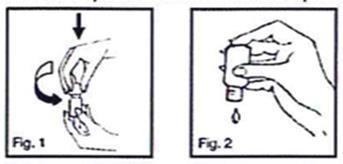
It is possible to take Moment on an empty stomach. In subjects with gastric tolerability problems, it is preferable to take the medicine on a full stomach.
After three days of treatment without appreciable results, consult your doctor.
The lowest effective dose should be used for the shortest period necessary to relieve symptoms.
If you have an infection, consult your doctor immediately if the symptoms (e.g. fever and pain) persist or worsen (see paragraph 2).
Do not exceed the dose of 50 drops three times a day. If you are elderly, you should adhere to the minimum dosages indicated above.
If you suffer from kidney and/or liver or heart disease, consult your doctor who will determine the appropriate dose for you.
If you suffer from severe liver disease, do not take Moment.
Use in the elderly
Consult your doctor who will determine the appropriate dose for you by reducing the recommended dose, especially if you suffer from kidney and/or liver disorders.
Use in adolescents
Consult your doctor if the use of the medicine is necessary for more than 3 days in the adolescent, or if the symptoms worsen.
If you take more Moment than you should
If you have taken more Moment than you should or if your child has accidentally taken this medicine, always contact a doctor or the nearest hospital to obtain advice on the risk and recommendations for action.
If you take an excessive dose (overdose) of ibuprofen, you may most commonly experience the following symptoms: nausea, vomiting, stomach pain, deep sleep with reduced response to normal stimuli (lethargy), drowsiness, headache, dizziness, ringing in the ears (tinnitus), uncontrolled body movements (convulsions) and loss of consciousness. Symptoms of an overdose may appear within 4-6 hours of taking ibuprofen.
Rarely, it may present: uncontrolled eye movements (nystagmus), lowering of body temperature (hypothermia), effects on the kidney, bleeding of the stomach and intestines, profound loss of consciousness (coma), temporary cessation of breathing (apnea), diarrhea, reduction of the activity of the nervous system (depression of the Central Nervous System) and respiratory activity (depression of the respiratory system).
In addition, it may manifest: disorientation, excitement, fainting, lowering of blood pressure (hypotension), decrease or increase in heartbeats (bradycardia or tachycardia).
In cases of severe poisoning, metabolic acidosis (increased acids in the blood) may occur. Symptoms of overdose may include nausea, stomach pain, vomiting (possibly with traces of blood), gastrointestinal bleeding (see also paragraph 4 below), diarrhea, headache, ringing in the ears, confusion and uncontrolled eye movements. In addition, agitation, drowsiness, disorientation or coma may occur. Occasionally, patients develop convulsions. At high doses, drowsiness, chest pain, palpitations, loss of consciousness, convulsions (especially in children), weakness and dizziness, blood in the urine, low potassium levels in the blood, feeling of coldness in the body and breathing problems have been reported.
In addition, the prothrombin/INR time may be prolonged, probably due to interference with the actions of circulating coagulation factors. Acute renal failure and liver damage may occur. Exacerbation of asthma may occur in asthmatic subjects. In addition, low blood pressure and reduced respiratory capacity may occur.
If you have any doubts about the use of Moment, consult your doctor or pharmacist.
If you forget to take Moment
Do not take a double dose to make up for a missed dose.
4. Possible side effects
Like all medicines, Moment can cause side effects, although not everybody gets them.
The side effects of the medicine can be minimized by using the lowest dose that controls your symptoms, and by using the medicine for only as long as necessary to control your symptoms.
If you develop an ulcer, or experience bleeding in the stomach and/or intestines, or skin and/or mucous membrane lesions, you should stop treatment with Moment and contact your doctor. These side effects are usually more common in the elderly.
The use of Moment may cause side effects that are generally mild or moderate, or more serious reactions, including allergic reactions, although rarely.
If you experience any of the following symptoms, STOP usingMoment immediately and contact your doctor or the nearest hospital where you will be given appropriate and specific treatment:
- chest pain, which may be a sign of a potentially serious allergic reaction called Kounis syndrome.
- rashes or skin lesions,
- mucous membrane lesions,
- signs of an allergic reaction, even severe (erythema, itching, urticaria, asthma, skin and mucous membrane swelling, anaphylactic shock),
- skin that is peeling,
- reddish, non-elevated, target-shaped or circular spots on the trunk, often with central blisters, skin scaling, ulcers of the mouth, throat, nose, genitals and eyes. These severe skin rashes may be preceded by fever and flu-like symptoms (exfoliative dermatitis, erythema multiforme, Stevens-Johnson syndrome, toxic epidermal necrolysis),
- widespread rash, high body temperature and swollen lymph nodes (DRESS syndrome),
- widespread, red and scaly rash, with bumps under the skin and blisters, accompanied by fever. Symptoms usually appear at the beginning of treatment (acute generalized exanthematous pustulosis),
- vision disturbances,
- liver disease (hepatic dysfunction),
- bleeding, ulceration and perforation of the stomach and intestines, which can be fatal, particularly in the elderly. If you experience any of the allergic reactions listed above, go to hospital as immediate availability of equipment, medicines and qualified personnel for emergency treatment is necessary, as serious, sometimes fatal, side effects have been reported following the use of ibuprofen, even in the absence of a known allergy.
The risk of experiencing these symptoms is higher in the early stages of therapy: in most cases the reaction occurs within the first month of treatment.
In addition, you may experience further side effects that have also been reported with other medicines similar to Moment and which are listed below according to frequency:
common (may affect up to 1 in 10 people)
- dizziness
- discomfort
- fatigue
uncommon (may affect up to 1 in 100 people)
- inflammation of the stomach (gastritis)
- insomnia, anxiety
- numbness of the limbs or other parts of the body (paresthesia), drowsiness
- inflammation of the nasal mucosa (rhinitis)
- difficulty breathing (bronchospasm, dyspnea)
- temporary interruption of breathing (apnea)
- vision disturbances
- hearing impairment
- ringing in the ears (tinnitus)
- vertigo
- liver disorders (altered liver function)
- liver inflammation (hepatitis)
- jaundice (yellowing of the skin and eyes)
- kidney diseases (impaired renal function and toxic nephropathy in various forms, including interstitial nephritis, nephrotic syndrome and renal failure)
- hypersensitivity reactions such as rash, urticaria, itching, formation of red spots on the skin (purpura), swelling of the skin and mucous membranes (angioedema), difficulty breathing (bronchospasm or dyspnea), asthma attacks with possible lowering of blood pressure
- skin reactions to light (photosensitivity)
rare (may affect up to 1 in 1,000 people)
- reduction in the number of blood cells: reduction in white blood cells (leukopenia, neutropenia, agranulocytosis), red blood cells (hemolytic anemia, aplastic anemia), platelets (thrombocytopenia)
- reduced ability to coagulate, depression, confusion, hallucinations
- inflammation of the optic nerve (optic neuritis)
- inflammation of the meninges, the membranes covering the brain (aseptic meningitis, especially in patients with pre-existing autoimmune disorders, see section “Warnings and precautions”), with symptoms of stiff neck, headache, nausea, vomiting, fever or disorientation
- eye disorders with vision disturbances and optic nerve pathology (toxic optic neuropathy)
- swelling due to fluid accumulation in the tissues
- a disease that can affect various organs and tissues of the body (systemic lupus erythematosus)
- worsening of inflammation caused by an existing infection (e.g. development of necrotizing fasciitis)
- high levels of nitrogen in the blood
- alteration of liver function tests (increased transaminases, increased alkaline phosphatase)
- abnormal blood tests (reduced hemoglobin, reduced hematocrit, prolonged bleeding time, decreased blood calcium, increased blood uric acid)
very rare (may affect up to 1 in 10,000 people)
- inflammation of the pancreas, a gland involved in the digestive processes (pancreatitis)
- feeling of heartbeats (palpitations)
- heart disease (heart failure)
- heart attack (myocardial infarction)
- fluid in the lungs (acute pulmonary edema)
- liver disease (hepatic failure)
- hypertension
- severe allergic reactions, which may include symptoms such as severe asthma, swelling of the face, tongue and throat making it difficult to breathe, rapid heartbeat, severe allergic reaction with rapid onset and potentially fatal (anaphylaxis), severe skin rash or skin peeling (toxic epidermal necrolysis, Stevens-Johnson syndrome, erythema multiforme).
- severe infections of the skin and soft tissues can occur during varicella infection.
not known (frequency cannot be estimated from available data)
- feeling of heaviness in the stomach
- nausea
- vomiting
- diarrhea
- flatulence
- constipation
- difficulty digesting
- abdominal pain
- heartburn
- blood in the stool
- blood in the vomit
- lesions inside the mouth
- worsening of inflammatory diseases of the colon and intestines (colitis, Crohn's disease),
- increased risk of sudden reduction in blood flow to the brain (stroke)
- allergic reactions, anaphylaxis
- drug reaction with eosinophilia and systemic symptoms (DRESS syndrome): a severe skin reaction known as DRESS syndrome may occur. Symptoms of DRESS include: rash, fever, swollen lymph nodes and increased eosinophils (a type of white blood cells).
- a widespread, red and scaly rash, with the formation of pustules under the skin and blisters located mainly on skin lesions, on the trunk and upper limbs accompanied by fever at the beginning of treatment (acute generalized exanthematous pustulosis). Stop using Moment if you develop these symptoms and contact your doctor immediately. See also paragraph
- 2.
Reporting of side effects
If you get any side effects, even those not listed in this leaflet, tell your doctor. You can also report side effects directly through the national reporting system at https://www.aifa.gov.it/content/segnalazioni-reazioni-avverse.
By reporting side effects you can help provide more information on the safety of this medicine.
5. How to store Moment
This medicine does not require any particular storage temperature.
Keep this medicine out of the sight and reach of children.
Do not use this medicine after the expiry date that is reported on the pack after Scad.
The expiry date refers to the last day of that month.
Do not dispose of any medicine in wastewater or household waste. Ask your pharmacist how to eliminate the
medicines that you no longer use. This will help protect the environment.
6. Package contents and other information
What Moment contains
- The active ingredient is ibuprofen 200 mg. The other components are sucrose, glycerol, potassiumhydroxide, pyridoxine hydrochloride, sodium sulfiteanhydrous, polysorbate 20, methylparahydroxybenzoate, sodiumcitrate, saccharin sodium, sodiumedetate, mint flavour (contains ethanol), sambuca flavour (contains ethanol), erythrosine (E127), purified water.
Description of the appearance of Moment and package contents
Moment is available as oral drops.
Each pack contains a 15 ml amber glass bottle with a dropper.
Not all pack sizes may be marketed.
Marketing Authorisation Holder and Manufacturer
Marketing Authorisation Holder
Angelini Pharma S.p.A.
Viale Amelia, 70 - 00181 Rome
Manufacturer
A.C.R.A.F. S.p.A., Via Vecchia del Pinocchio, 22 - 60131 Ancona
INDICATIONS
There are various types of pain, of varying origin and nature, that we all face with greater or lesser frequency, particularly headaches and toothaches, muscle and joint pain, and menstrual pain.
One of the most common pains is certainly a headache. If you suffer from headaches, it is important to identify the factors that can trigger them and try to prevent them (irregular eating habits, certain foods, smoking, alcohol, stress, excessive physical exertion, excessive exposure to the sun, loud noises, strong perfumes, etc.).
Menstrual pain, sometimes even of considerable intensity, can be combated with painkillers that work by reducing the amount of prostaglandins, substances produced by the uterus and considered the main cause of the disorder.
By scanning the QR Code on the package or visiting http://leaflet.angelini.it/LXX you can read the updated and multilingual package leaflet.
MOMENT 200 mg granules for oral solution
ibuprofen
Read this leaflet carefully before taking this medicine as it contains important
information for you.
Always take this medicine exactly as described in this leaflet or as your doctor or pharmacist
has told you to do.
- Keep this leaflet. You may need to read it again.
- If you want more information or advice, ask your pharmacist.
- If any side effects occur, including those not listed in this leaflet, tell your doctor or pharmacist. See section 4.
- See a doctor if you do not feel better or if your symptoms worsen after 3 days of treatment.
Contents of this leaflet:
- 1. What Moment is and what it is used for
- 2. What you need to know before you take Moment
- 3. How to take Moment
- 4. Possible side effects
- 5. How to store Moment
- 6. Contents of the pack and other information
1. What Moment is and what it is used for
Moment contains ibuprofen, a medicine that belongs to the class of analgesic-anti-inflammatory drugs, i.e.
drugs that fight pain and inflammation.
Moment is used, in adultsand adolescents starting from 12 years, for the treatment of pain of various
origins and nature (headache, toothache, neuralgia, osteo-articular and muscular pain, menstrual pain).
Consult a doctor if you do not feel better or if you feel worse after 3 days of treatment.
2. Cosa deve sapere prima di prendere Moment
Non prenda Moment
- Se lei è allergico all’ibuprofene e/o ad uno qualsiasi degli altri componenti di questo medicinale (elencati al paragrafo 6).
- Se lei è allergico ad altri medicinali antireumatici (es. acido acetilsalicilico, etc.), medicinali utilizzati per il trattamento di dolori delle articolazioni o dei muscoli (vedere paragrafo “Altri medicinali e Moment”).
- Se il paziente è un bambino di età inferiore ai 12 anni.
- Se è negli ultimi 3 mesi di gravidanza o sta allattando al seno (vedere paragrafo “Gravidanza, allattamento e fertilità”).
- Se soffre di malattie dello stomaco e dell’intestino (ad esempio, ulcera gastroduodenale attiva o grave).
- Se in passato ha avuto sanguinamento o perforazione dello stomaco o dell’intestino in seguito all’assunzione di farmaci.
- Se in passato ha avuto due o più episodi distinti di ulcera o sanguinamenti dello stomaco.
- In presenza di gravi malattie del cuore (insufficienza cardiaca severa).
- In presenza di una grave malattia del fegato o dei reni.
- Se ha perso molti liquidi (disidratazione severa) a causa di vomito, diarrea o insufficiente assunzione di liquidi.
- Se soffre di una malattia del metabolismo degli aminoacidi, che costituiscono le proteine, chiamata fenilchetonuria.
Avvertenze e precauzioni – Faccia particolare attenzione con Moment
Cosa deve sapere prima di prendere Moment
With ibuprofen, signs of an allergic reaction to this medicine have been reported, including breathing problems, swelling of the face and neck region (angioedema) and chest pain. Stop taking Moment immediately and contact your doctor or emergency medical service immediately if you notice any of these signs.
Skin reactions
Severe skin reactions, including exfoliative dermatitis, erythema multiforme, Stevens-Johnson syndrome, toxic epidermal necrolysis, drug reaction with eosinophilia and systemic symptoms (DRESS), and acute generalized exanthematous pustulosis (AGEP) have been reported in association with ibuprofen treatment.
Stop using Moment and contact your doctor immediately if you notice any of the symptoms related to these severe skin reactions described in paragraph 4.
Talk to your doctor or pharmacist before taking Moment:
- Se ha avuto episodi di difficoltà a respirare (broncospasmo) after using acetylsalicylic acid (aspirin) or other anti-inflammatory drugs.
- Se soffre di asma, runny nose (chronic rhinitis), presence of polyps in the nose (nasal polyposis) or inflammation of the mucous membrane of the sinuses (sinusitis) or suffers/has suffered from allergies because you may experience difficulty breathing (broncospasmo), redness of the skin with itching (urticaria) or swelling of the skin and throat (angioedema), especially if you have already had allergic reactions after using other medicines used for the treatment of joint or muscle pain, fever or for the treatment of inflammation (NSAIDs).
- Se sta assumendo altri anti-inflammatory drugs, including selective COX-2 inhibitors, (an enzyme involved in inflammatory processes), as in these cases the risk of ulcers and bleeding may increase (see paragraph “Other medicines and Moment”).
- Se è anziano o se ha sofferto di ulcera, especially if the ulcer has also manifested with bleeding or perforation (see paragraph “Do not take Moment”), as the risk of bleeding, ulcer or perforation is higher, especially with higher doses of anti-inflammatory drugs. In these cases you should start treatment with the lowest available dose, and possibly consult your doctor to have a medicine prescribed that protects the stomach (misoprostol or proton pump inhibitors). This possibility should also be considered if you take low doses of acetylsalicylic acid or medicines that may increase the risk of stomach and/or intestinal diseases (see paragraph “Other medicines and Moment”).
- Se ha sofferto o soffre di chronic intestinal diseases (ulcerative colitis, Crohn's disease) as they may worsen (see paragraph 4 “Possible side effects”).
- Se ha avuto stomach and intestinal diseases related to the use of drugs, and in particular if you are elderly, you should report to the doctor any unusual intestinal symptoms (especially bleeding) particularly in the early stages of treatment.
- Se sta prendendo altri medicines that increase the risk of stomach or intestinal ulcer or bleeding, such as corticosteroids taken orally (e.g. cortisone), anticoagulants (e.g. warfarin), antidepressants (selective serotonin reuptake inhibitors), or antiplatelet agents (e.g. acetylsalicylic acid). See also the paragraph “Other medicines and Moment”. If gastrointestinal bleeding or ulceration occurs in patients taking Moment, treatment should be discontinued.
- Se ha la pressione alta and the medicines you are taking fail to lower it and/or has heart or blood circulation diseases at the level of the brain or other districts of the body or think you may be at risk for these diseases (for example if you suffer from high blood pressure, diabetes or high cholesterol or if you smoke).
- Se soffre di high blood pressure and/or has heart disease, as fluid retention, increased blood pressure and swelling have been found following treatment with NSAIDs. NSAIDs may reduce the action of medicines to lower blood pressure (see paragraph “Other medicines and Moment”).
- Se ha perso a considerable amount of fluids, or if swelling, heart problems or high blood pressure appear.
- Se ha a decreased kidney function, heart or liver dysfunction, or if you are elderly or being treated with medicines for high blood pressure, as you may be more prone to developing kidney problems. Furthermore, the habitual concomitant use of several painkillers may further increase this risk.
- Se soffre di a coagulation disease or is taking medicines that slow down blood clotting (anticoagulants) (see paragraph “Other medicines and Moment”).
- Se soffre di a disease that can affect different organs and tissues of the body (systemic lupus erythematosus or systemic lupus) or a connective tissue disease, present in many parts of the body, such as bones and cartilage, as in rare cases symptoms of “aseptic meningitis” have been observed in patients treated with ibuprofen. Although this is more likely to occur in patients with systemic lupus erythematosus and related connective tissue diseases, it has also been observed in patients who did not manifest concomitant chronic diseases.
- Se sta assumendo medicines to treat pain, heart disease or high blood pressure (see paragraph “Other medicines and Moment”).
- Se intende iniziare una gravidanza (see paragraph “Pregnancy, breastfeeding and fertility”).
- Se ha problemi ad iniziare una gravidanza or is undergoing investigations on fertility (see paragraph “Pregnancy, breastfeeding and fertility”).
- Se ha un’infezione - see paragraph “Infections” below.
Anti-inflammatory/pain-relieving drugs such as ibuprofen may be associated with a modest increase in the risk of heart attack or stroke, especially if administered in high doses. Do not exceed the recommended dose or duration of treatment.
You should discuss the therapy with your doctor or pharmacist before taking Moment if you have:
- heart problems including heart attack, angina (chest pain) or if you have a history of heart attack, coronary bypass surgery, peripheral arterial disease (poor circulation in the legs or feet due to narrowing or obstruction of the arteries)
or any type of stroke (including ‘mini-stroke’ or “TIA”, transient ischemic attack);
- high blood pressure, diabetes, high cholesterol, family history of heart disease or stroke, or if you are a smoker. Medicines like Moment can:
- be associated with the onset of kidney diseases even severe (such as papillary renal necrosis, analgesic nephropathy and renal failure), therefore the doctor will monitor your kidney function;
- give rise to eye disorders, therefore it is recommended in case of prolonged treatments, to undergo periodic eye checks. If you experience visual disturbances, stop treatment with Moment.
Infections
Moment can mask the symptoms of infections such as fever and pain. It is therefore possible that Moment may delay adequate treatment of the infection, which could increase the risk of complications. This has been observed in pneumonia caused by bacteria and skin infections related to varicella. If you take this medicine while you have an infection and the symptoms of the infection persist or worsen, see your doctor immediately.
Adolescents
If the adolescent is dehydrated there is a risk of developing kidney disease.
Other medicines and Moment
Tell your doctor or pharmacist if you are taking, have recently taken or may take any other medicine.
Moment can affect or be affected by other medicines. For example:
Do not take Momenttogether with acetylsalicylic acid (e.g. aspirin) or other anti-inflammatory medicines (such as COX-2 inhibitors or other NSAIDs).
Consult your doctorbefore using Momentwith other medicines, in particular:
- corticosteroids (medicines used to treat inflammation, such as cortisone);
- medicines that have an anticoagulant effect (i.e. substances that slow down blood clotting, e.g. aspirin/acetylsalicylic acid, warfarin, ticlopidine);
- medicines that lower high blood pressure (diuretics, ACE inhibitors such as captopril, beta-blockers such as atenolol, angiotensin II receptor antagonists such as losartan). Moment may reduce the effect of these medicines. If you are being treated with these medicines, you are elderly or suffer from kidney disease, the doctor may ask you to take an adequate amount of fluids to avoid dehydration and may ask you to undergo blood tests;
- selective serotonin reuptake inhibitors (medicines used to treat depression), as they may increase the risk of injury or bleeding. The doctor may therefore prescribe you a medicine to protect your stomach;
- lithium (a medicine used to treat mental illness) or phenytoin (a medicine used to treat epilepsy). During treatment with these medicines, the doctor may ask you to undergo blood tests;
- methotrexate, a medicine used to treat cancer or rheumatoid arthritis;
- moclobemide, a medicine used to treat depression;
- aminoglycosides (antibiotic medicines);
- cardiac glycosides (medicines used to treat some heart diseases). Medicines like Moment can worsen heart disease;
- cholestyramine (a medicine used to lower lipids in the blood);
- cyclosporine (medicine used if you have had an organ transplant), as medicines like Moment may increase the risk of kidney damage;
- herbal extracts such as Ginkgo Biloba, as if taken together with medicines like Moment they may increase the risk of gastrointestinal bleeding;
- mifepristone (a medicine used in women to induce abortion);
- quinolone antibiotics (medicines used to treat infections), as if taken together with medicines like Moment, there may be a greater risk of developing seizures;
- sulfonylureas, medicines used to treat diabetes; if simultaneous treatment with these drugs is necessary, the doctor may have you undergo blood tests;
- tacrolimus, medicine used to prevent and treat rejection in case of organ transplantation, concomitant administration with Moment may increase the risk of kidney damage;
- zidovudine and ritonavir, medicines used to treat AIDS; if simultaneous treatment is necessary, the doctor may have you undergo blood tests;
- probenecid, a medicine used to treat gout;
- inhibitors of CYP2C9, such as voriconazole and fluconazole (medicines used to treat fungal infections);
- bisphosphonates, medicines for treating bone diseases, as they may increase the side effects on the stomach and intestines;
- oxypentifylline (pentoxifylline), a medicine for treating leg ulcers, as it may increase the side effects on the stomach and intestines;
- baclofen, a medicine for relaxing muscles. Other medicines may also affect or be affected by treatment with Moment. Therefore, always consult your doctor or pharmacist before using Moment with other medicines.
Moment with alcohol
Do not drink alcohol during treatment with Moment, as it may increase the possible side effects.
Pregnancy, breastfeeding and fertility
If you are pregnant, suspect you are pregnant or are planning a pregnancy, or if you are breastfeeding, ask your doctor or pharmacist for advice before taking this medicine.
Pregnancy
Donot take Moment in the last 3 months of pregnancy, because it can cause significant
disorders to the heart, lungs and kidneys of the fetus or cause problems during labor. It can
affect your and your baby's tendency to bleed and delay or prolong
labor more than expected. You must not take MOMENT during the first 6 months of
pregnancy unless it is absolutely necessary and recommended by your doctor.
If you need treatment during this period or while trying to
become pregnant, the lowest dose should be used for the shortest possible time. If
taken for more than a few days from the twentieth week of pregnancy onwards,
Moment may cause problems with the kidneys in the fetus that can lead to low levels of
amniotic fluid surrounding the baby (oligohydramnios) or may cause the
constriction of a blood vessel (ductus arteriosus) in the baby's heart. If treatment is
necessary for more than a few days, your doctor may recommend additional
monitoring.
Breast-feeding
Ibuprofen passes into breast milk, therefore do nottake Moment if you are breast-feeding.
Fertility
If you are having trouble getting pregnant or are undergoing investigations for fertility, stop
using Moment because this medicine may temporarily impair
your fertility.
Driving and using machines
Normally Moment does not alter the ability to drive or use other machinery. However, if you are engaged in an
activity that requires vigilance, be careful if you notice the onset of drowsiness, dizziness or depression
during treatment with Moment.
This medicine contains:
- Potassium:this medicine contains 2.25 mmol of potassium per dose. This should be taken into consideration in people with reduced kidney function or who are following a low-potassium diet.
- Sucroseif your doctor has diagnosed you with an intolerance to certain sugars (such as sucrose), contact them before taking this medicine.
- Aspartame:this medicine contains 20 mg of aspartame per sachet equivalent to 20 mg/3000 mg. Aspartame is a source of phenylalanine. It may be harmful to you if you have phenylketonuria, a rare genetic disease that causes the accumulation of phenylalanine because the body cannot dispose of it correctly.
3. How to take Moment
Take this medicine exactly as stated in this leaflet or as instructed by your doctor or pharmacist. If you have any doubts, consult your doctor or pharmacist.
Consult your doctor if you have noticed any recent change in the characteristics of your condition.
Adults and adolescents over 12 years:the recommended dose is 1-2 sachets, two to three times a day.
Dissolve the contents of one sachet in a glass of water, stirring with a teaspoon until dissolved and drink the resulting solution immediately.
Moment can be taken on an empty stomach. In subjects with gastric tolerability problems, it is preferable to take the medicine on a full stomach.
After three days of treatment without appreciable results, consult your doctor.
The lowest effective dose should be used for the shortest period necessary to relieve symptoms.
If you have an infection, consult your doctor immediately if the symptoms (e.g. fever and pain) persist or worsen (see paragraph 2).
Do not exceed the dose of 6 sachets per day. If you are elderly, you should adhere to the minimum dosages indicated above.
If you suffer from a kidney and/or liver or heart disease, consult your doctor who will determine the appropriate dose for you.
If you suffer from severe liver disease, do not take Moment.
Use in the elderly
Consult your doctor who will determine the appropriate dose for you by reducing the recommended dose, especially if you suffer from kidney and/or liver disorders.
Use in adolescents
Consult your doctor if the use of the medicine is necessary for more than 3 days in the adolescent, or if the symptoms worsen.
If you take more Moment than you should
If you have taken more Moment than you should or if your child has accidentally taken this medicine, always contact a doctor or the nearest hospital in order to receive an opinion on the risk and advice on the actions to be taken.
If you take an excessive dose (overdose) of ibuprofen, you may more commonly experience the following symptoms: nausea, vomiting, stomach pain, deep sleep with reduced response to normal stimuli (lethargy), drowsiness, headache, dizziness, ringing in the ears (tinnitus), uncontrolled body movements (convulsions) and loss of consciousness. Symptoms of an overdose may appear within 4-6 hours of taking ibuprofen.
Rarely, it may present: uncontrolled eye movements (nystagmus), lowering of body temperature (hypothermia), effects on the kidney, bleeding from the stomach and intestines, profound loss of consciousness (coma), temporary interruption of breathing (apnea), diarrhea, reduced activity of the nervous system (depression of the Central Nervous System) and respiratory activity (depression of the respiratory system).
In addition, you may experience: disorientation, a state of excitement, fainting, low blood pressure (hypotension), decreased or increased heart rate (bradycardia or tachycardia).
In cases of severe poisoning, metabolic acidosis (increased acids in the blood) may occur.
Overdose symptoms may include nausea, stomach pain, vomiting (possibly with traces of blood), gastrointestinal bleeding (see also paragraph 4 below), diarrhea, headache, ringing in the ears, confusion, and uncontrolled eye movements. Agitation, drowsiness, disorientation or coma may also occur. Occasionally, patients develop convulsions. At high doses, drowsiness, chest pain, palpitations, loss of consciousness, convulsions (especially in children), weakness and dizziness, blood in the urine, low potassium levels in the blood, a feeling of coldness in the body and breathing problems have been reported.
In addition, the prothrombin time/INR may be prolonged, probably due to interference with the actions of circulating coagulation factors. Acute renal failure and liver damage may occur. Exacerbation of asthma in asthmatic subjects is possible. In addition, low blood pressure and reduced respiratory capacity may occur.
If you have any doubts about the use of Moment, consult your doctor or pharmacist.
If you forget to take Moment
Do not take a double dose to make up for the missed sachet.
4. Possible side effects
Like all medicines, Moment can cause side effects, although not everybody gets them.
The side effects of the medicine can be minimized by using the lowest dose that controls your symptoms, and by using the medicine for the shortest possible time needed to control your symptoms.
If you develop an ulcer, or experience bleeding in the stomach and/or intestines, or skin and/or mucous membrane lesions, you should stop treatment with Moment and contact your doctor. These side effects are usually more common in the elderly.
The use of Moment may cause side effects that are generally mild or moderate, or more serious reactions, including allergic reactions, although rarely.
If you experience any of the following symptoms, STOP usingMoment immediately and seek immediate medical attention or go to the nearest hospital where you will be given appropriate and specific treatment:
- chest pain, which may be a sign of a potentially serious allergic reaction called Kounis syndrome.
- skin or mucous membrane eruptions or lesions,
- mucous membrane lesions,
- signs of an allergic reaction, even severe (erythema, itching, urticaria, asthma, skin and mucous membrane swelling, anaphylactic shock),
- skin that is peeling,
- non-raised, reddish spots, target-shaped or circular on the trunk, often with central blisters, skin scaling, ulcers of the mouth, throat, nose, genitals and eyes. These severe skin rashes may be preceded by fever and flu-like symptoms (exfoliative dermatitis, erythema multiforme, Stevens-Johnson syndrome, toxic epidermal necrolysis),
- widespread rash, high body temperature, and swollen lymph nodes (DRESS syndrome),
- widespread, red and scaly rash, with bumps under the skin and blisters, accompanied by fever. Symptoms usually appear early in treatment (acute generalized exanthematous pustulosis),
- vision disturbances,
- liver disease (hepatic dysfunction),
- bleeding, ulceration and perforation of the stomach and intestines, which can be fatal, especially in the elderly. If you experience any of the allergic reactions listed above, go to hospital as immediate availability of equipment, medicines and qualified personnel for emergency treatment is necessary, as serious, sometimes fatal, side effects have been reported, even in the absence of known allergy, following the use of ibuprofen.
The risk of experiencing these symptoms is higher in the early stages of therapy: in most cases the reaction occurs within the first month of treatment.
In addition, you may experience further side effects that have also been reported with other medicines similar to Moment and are listed below according to frequency:
common (may affect up to 1 in 10 people)
- dizziness
- discomfort
- fatigue
uncommon (may affect up to 1 in 100 people)
- inflammation of the stomach (gastritis)
- insomnia, anxiety
- numbness of the limbs or other parts of the body (paresthesia), drowsiness
- inflammation of the nasal mucosa (rhinitis)
- difficulty breathing (bronchospasm, dyspnea)
- temporary interruption of breathing (apnea)
- vision disturbances
- hearing impairment
- ringing in the ears (tinnitus)
- vertigo
- liver disorders (altered liver function)
- liver inflammation (hepatitis)
- jaundice (yellowing of the skin and eyes)
- kidney diseases (kidney damage and toxic nephropathy in various forms, including interstitial nephritis, nephrotic syndrome, and renal failure)
- hypersensitivity reactions such as skin rash, urticaria, itching, formation of red spots on the skin (purpura), swelling of the skin and mucous membranes (angioedema), difficulty breathing (bronchospasm or dyspnea), asthma attacks with possible lowering of blood pressure
- skin reactions to light (photosensitivity)
rare (may affect up to 1 in 1,000 people)
- reduction in the number of blood cells: reduction of white blood cells (leukopenia, neutropenia, agranulocytosis), red blood cells (hemolytic anemia, aplastic anemia), platelets (thrombocytopenia)
- reduced ability to coagulate
- depression, confusion, hallucinations
- inflammation of the optic nerve (optic neuritis)
- inflammation of the meninges, the membranes covering the brain (aseptic meningitis, especially in patients with pre-existing autoimmune disorders, see section “Warnings and precautions”), with symptoms of stiff neck, headache, nausea, vomiting, fever or disorientation
- eye disorders with visual disturbances and optic nerve pathology (toxic optic neuropathy)
- swelling due to fluid accumulation in the tissues
- a disease that can affect various organs and tissues of the body (systemic lupus erythematosus)
- worsening of inflammation caused by an existing infection (e.g. development of necrotizing fasciitis)
- high levels of nitrogen in the blood
- alteration of liver function tests (increased transaminases, increased alkaline phosphatase)
- abnormal blood tests (reduced hemoglobin, reduced hematocrit, prolonged bleeding time, decreased blood calcium, increased blood uric acid)
very rare (may affect up to 1 in 10,000 people)
- inflammation of the pancreas, a gland involved in the digestive process (pancreatitis)
- feeling of heartbeats (palpitations)
- heart disease (heart failure)
- heart attack (myocardial infarction)
- fluid in the lungs (acute pulmonary edema)
- liver disease (hepatic failure)
- hypertension
- severe allergic reactions, which may include symptoms such as severe asthma, swelling of the face, tongue and throat making it difficult to breathe, rapid heartbeat, severe allergic reaction with rapid onset and which can cause death (anaphylaxis), severe skin rash or skin peeling (toxic epidermal necrolysis, Stevens-Johnson syndrome, erythema multiforme).
- severe infections of the skin and soft tissues can occur during chickenpox infection
not known (frequency cannot be estimated from available data)
- feeling of heaviness in the stomach
- nausea
- vomiting
- diarrhea
- flatulence
- constipation
- difficulty digesting
- abdominal pain
- heartburn
- blood in the stool
- blood in vomit
- lesions inside the mouth
- worsening of inflammatory diseases of the colon and intestines (colitis, Crohn's disease),
- increased risk of sudden reduction in blood flow to the brain (stroke)
- allergic reactions, anaphylaxis
- drug reaction with eosinophilia and systemic symptoms (DRESS syndrome): a severe skin reaction known as DRESS syndrome may occur. Symptoms of DRESS include: rash, fever, swollen lymph nodes, and increased eosinophils (a type of white blood cell)
- a widespread, red and scaly rash, with the formation of pustules under the skin and blisters located mainly on skin lesions, on the trunk and upper limbs accompanied by fever at the beginning of treatment (acute generalized exanthematous pustulosis) Stop using Moment if you develop these symptoms and contact your doctor immediately. See also paragraph
- 2.
Reporting of side effects
If you get any side effects, even those not listed in this leaflet, tell your doctor. You can also report side effects directly through the national reporting system at https://www.aifa.gov.it/content/segnalazioni-reazioni-avverse .
By reporting side effects you can help provide more information on the safety of this medicine.
5. How to store Moment
This medicine does not require any particular storage temperature.
Keep this medicine out of the sight and reach of children.
Do not use this medicine after the expiry date that is reported on the package after Scad.
The expiry date refers to the last day of that month.
Do not dispose of any medicine in wastewater or household waste. Ask your pharmacist how to eliminate the
medicines that you no longer use. This will help protect the environment.
6. Contents of the pack and other information
What Moment contains
- The active ingredient is ibuprofen 200 mg (as sodium dihydrate 256 mg salt).
- The other ingredients are sucrose, potassiumbicarbonate, orange flavour, acesulfame potassium, aspartame (E 951).
Description of the appearance of Moment and contents of the pack
Moment is presented in the form of granules for oral use in sachets.
Each pack contains 12 sachets.
Marketing Authorisation Holder and Manufacturer
Marketing Authorisation Holder
Angelini Pharma S.p.A.
Viale Amelia, 70 - 00181 Rome
Manufacturer
E-Pharma Trento S.p.A., Frazione Ravina - Via Provina, 2 - 38123 Trento (TN) (Italy)
NDES
There are various types of pain, of varying origin and nature, which we all face with greater or lesser frequency, particularly headaches and toothaches, muscle and joint pains, menstrual pains.
One of the most common pains is certainly a headache. If you suffer from headaches, it is important to identify the factors that can trigger them and try to prevent them (irregular eating habits, certain foods, smoking, alcohol, stress, excessive physical exertion, excessive exposure to the sun, loud noises, strong perfumes, etc.).
Menstrual pain, sometimes also of considerable intensity, can be combated with painkillers that work by reducing the amount of prostaglandins, substances produced by the uterus and considered the main cause of the disorder.
You can read the updated and multilingual package leaflet via the QR Code on the package or at http://leaflet.angelini.it/L02.
MOMENT 200 mg oral suspension in sachets
Ibuprofen
Read this leaflet carefully before taking this medicine as it contains important information for you.
Always take this medicine exactly as described in this leaflet or as your doctor or
pharmacist has told you.
- Keep this leaflet. You may need to read it again.
- If you want more information or advice, ask your pharmacist.
- If any side effects occur, including those not listed in this leaflet, tell your doctor or pharmacist. See section 4.
- See a doctor if you do not feel better or if your symptoms worsen after 3 days of treatment.
Contents of this leaflet:
- 1. What Moment is and what it is used for
- 2. What you need to know before you take Moment
- 3. How to take Moment
- 4. Possible side effects
- 5. How to store Moment
- 6. Contents of the pack and other information
1. What Moment is and what it is used for
Moment contains ibuprofen, a medicine that belongs to the class of analgesic-anti-inflammatory drugs, i.e. drugs that fight pain and inflammation.
Moment is used, in adultsand in adolescents aged 12 years or older, for:
- Treatment of pain of various origins and nature (headache, toothache, neuralgia, osteo-articular and muscular pain, menstrual pain);
- Reduction of the symptoms of febrile and flu-like states. Consult a doctor if you do not feel better or if you feel worse after 3 days of treatment.
2. Cosa deve sapere prima di prendere Moment
Non prenda Moment
- Se lei è allergico all’ibuprofene e/o ad uno qualsiasi degli altri componenti di questo medicinale (elencati al paragrafo 6).
- Se lei è allergico ad altri medicinali antireumatici (es. acido acetilsalicilico, etc.), medicinali utilizzati per il trattamento di dolori delle articolazioni o dei muscoli (vedere paragrafo “Altri medicinali e Moment”).
- Se il paziente è un bambino di età inferiore ai 12 anni.
- Se è negli ultimi 3 mesi di gravidanza o sta allattando al seno (vedere paragrafo “Gravidanza, allattamento e fertilità”).
- Se soffre di malattie dello stomaco e dell’intestino (ad esempio, ulcera gastroduodenale attiva o grave).
- Se in passato ha avuto sanguinamento o perforazione dello stomaco o dell’intestino in seguito all’assunzione di farmaci.
- Se in passato ha avuto due o più episodi distinti di ulcera o sanguinamenti dello stomaco.
- In presenza di gravi malattie del cuore (insufficienza cardiaca severa).
- In presenza di una grave malattia del fegato o dei reni.
- Se ha perso molti liquidi (disidratazione severa) a causa di vomito, diarrea o insufficiente assunzione di liquidi.
Avvertenze e precauzioni - Faccia particolare attenzione con Moment
Cosa deve sapere prima di prendere Moment
With ibuprofen, signs of an allergic reaction to this medicine have been reported, including
breathing problems, swelling of the face and neck (angioedema) and chest pain.
Immediately stop Moment and contact your doctor or emergency medical service if you notice any of these signs.
Skin reactions
Severe skin reactions, including exfoliative dermatitis, erythema multiforme, Stevens-Johnson syndrome, toxic epidermal necrolysis, drug reaction with eosinophilia and systemic symptoms (DRESS), acute generalized exanthematous pustulosis (AGEP), have been reported in association with ibuprofen treatment. Stop using Moment and immediately contact your doctor if you notice
any of the symptoms related to these severe skin reactions described in paragraph 4.
Talk to your doctor or pharmacist before taking Moment:
- Se ha avuto episodi di difficoltà a respirare (broncospasmo) dopo l’impiego di acido acetilsalicilico (aspirina) o di altri farmaci antinfiammatori.
- Se soffre di asma, naso che cola (rinite cronica), presenza di polipi nel naso (poliposi nasale) o infiammazione della mucosa dei seni paranasali (sinusite) o soffre/ha sofferto di allergie perché potrebbe manifestare difficoltà a respirare (broncospasmo), arrossamento della pelle con prurito (orticaria) o gonfiore della pelle e della gola (angioedema), soprattutto se ha già avuto reazioni allergiche dopo l’uso di altri medicinali utilizzati per il trattamento di dolori delle articolazioni o dei muscoli, della febbre o per il trattamento dell’infiammazione (FANS).
- Se sta assumendo altri medicinali antinfiammatori, inclusi gli inibitori selettivi della COX-2, (an enzyme involved in inflammatory processes), since in these cases the risk of ulcers and bleeding may increase (see paragraph “Other medicines and Moment”).
- Se è anziano o se ha sofferto di ulcera, soprattutto se l’ulcera si è manifestata anche con sanguinamento o perforazione (vedere paragrafo “Non prenda Moment”), poiché il rischio di sanguinamento, ulcera o perforazione è più elevato, specie con le dosi più alte di farmaci antinfiammatori. In questi casi deve iniziare il trattamento con la dose più bassa disponibile, ed eventualmente rivolgersi al suo medico per farsi prescrivere un medicinale che protegge lo stomaco (misoprostolo o inibitori di pompa protonica). This possibility must also be considered if you are taking low doses of acetylsalicylic acid or medicines that may increase the risk of stomach and/or intestinal diseases (see paragraph “Other medicines and Moment”).
- Se ha sofferto o soffre di malattie croniche dell’intestino (colite ulcerosa, morbo di Crohn) poiché possono peggiorare (vedere paragrafo 4 “Possibili effetti indesiderati”).
- Se ha avuto malattie dello stomaco e dell’intestino correlate all’uso di farmaci, ed in particolare se è anziano, deve riferire al medico qualsiasi sintomo intestinale non usuale (soprattutto emorragia) in particolare nelle fasi iniziali di trattamento.
- Se sta prendendo altri medicinali che aumentano il rischio di ulcera o sanguinamento dello stomaco e/o dell’intestino, come i corticosteroidi presi per bocca (ad esempio cortisone), gli anticoagulanti (ad esempio warfarin), gli antidepressivi (inibitori selettivi del reuptake della serotonina), o gli antiaggreganti del sangue (ad esempio acido acetilsalicilico). See also the paragraph “Other medicines and Moment”. If bleeding or gastrointestinal ulceration occurs in patients taking Moment, treatment should be discontinued.
- Se ha la pressione alta and the medicines you are taking are not able to lower it and/or has heart disease or blood circulation problems in the brain or other districts or think you may be at risk for these diseases (for example if you suffer from high blood pressure, diabetes or high cholesterol or if you smoke).
- Se soffre di pressione alta e/o ha malattie del cuore, in quanto in seguito al trattamento con FANS sono stati riscontrati ritenzione di liquidi, aumento della pressione del sangue e gonfiore. FANS can reduce the action of medicines to lower blood pressure (see paragraph “Other medicines and Moment”).
- Se ha perso una considerevole quantità di liquidi, o se compaiono gonfiore, disturbi del cuore o pressione alta.
- Se ha una funzionalità dei reni diminuita, heart or liver dysfunction, or if you are elderly or being treated for high blood pressure, as you may be more prone to kidney problems. In addition, the regular concomitant use of several painkillers may further increase this risk.
- Se soffre di una malattia della coagulazione o sta assumendo medicinali che rallentano la coagulazione del sangue (anticoagulanti) (vedere paragrafo “Altri medicinali e Moment”).
- Se soffre di una malattia che può colpire diversi organi e tessuti del corpo (lupus eritematoso diffuso o sistemico) o di una malattia del tessuto connettivo, present in many parts of the body, such as bones and cartilage, because in rare cases, symptoms of “aseptic meningitis” have been observed in patients treated with ibuprofen. Although this is more likely to occur in patients with systemic lupus erythematosus and connective tissue diseases
- connected, it has also been observed in patients who did not have pre-existing chronic diseases.
collegate, è stata osservata anche in pazienti i quali non manifestavano malattie croniche
concomitanti.
- Se sta assumendo medicinali per trattare il dolore, malattie del cuore o la pressione alta del sangue (vedere paragrafo “Altri medicinali e Moment”).
- Se intende iniziare una gravidanza (vedere paragrafo “Gravidanza, allattamento e fertilità”).
- Se ha problemi ad iniziare una gravidanza o si sta sottoponendo ad indagini sulla fertilità (vedere paragrafo “Gravidanza, allattamento e fertilità”). If you have an infection - see paragraph “Infections” below. Anti-inflammatory/painkillers such as ibuprofen may be associated with a modest increase in the risk of heart attack or stroke, especially if administered in high doses. Do not exceed the recommended dose or duration of treatment.
Deve discutere la terapia con il medico o farmacista prima di prendere Moment se ha:
- problemi cardiaci inclusi attacco cardiaco, angina (dolore al petto) o se ha precedenti di attacco cardiaco, intervento di bypass coronarico, malattia arteriosa periferica (scarsa circolazione alle gambe o ai piedi dovuta a restringimento oppure ostruzione delle arterie) oppure qualunque tipo di ictus (incluso ‘mini-ictus’ o “TIA”, attacco ischemico transitorio);
- pressione alta, diabete, colesterolo alto, storia familiare di malattia cardiaca o ictus, oppure se è un fumatore. Medicines like Moment can:
- essere associati alla comparsa di malattie renali anche gravi (come necrosi papillare renale, nefropatia da analgesici e insufficienza renale), pertanto il medico monitorerà la funzionalità dei suoi reni;
- dar luogo a disturbi degli occhi, pertanto si raccomanda in caso di trattamenti prolungati, di effettuare periodici controlli oculistici. Se si verificano disturbi della vista interrompa il trattamento con Moment. Infections Moment can mask the symptoms of infections such as fever and pain. It is therefore possible that Moment may delay adequate treatment of the infection, which could increase the risk of complications. This has been observed in pneumonia caused by bacteria and skin infections related to varicella. If you take this medicine while you have an infection and the symptoms of the infection persist or worsen, see your doctor immediately.
Adolescenti
Se l’adolescente è disidratato esiste il rischio che sviluppi una malattia dei reni.
Altri medicinali e Moment
Informi il medico o il farmacista se sta assumendo, o ha recentemente assunto o potrebbe assumere
qualsiasi altro medicinale.
Moment può influenzare o essere influenzato da altri medicinali. Ad esempio:
Non assuma Momentinsieme ad acido acetilsalicilico (ad esempio aspirina) o ad altri medicinali
antiinfiammatori (come inibitori della COX 2 o altri FANS).
Consulti il medicoprima di usare Momentcon altri medicinali, in particolare:
- corticosteroidi (medicinali utilizzati per il trattamento dell’infiammazione, come ad esempio il cortisone);
- medicinali che hanno un effetto anticoagulante (vale a dire sostanze che rallentano la coagulazione del sangue, es. aspirina/acido acetilsalicilico, warfarin, ticlopidina, eparina);
- medicinali che riducono la pressione alta (diuretici, ACE-inibitori come captopril, betabloccanti come atenololo, antagonisti dei recettori dell'angiotensina II come losartan). Moment può ridurre l’effetto di questi medicinali. If you are being treated with these medicines, are elderly or suffer from kidney disease, your doctor may ask you to drink an adequate amount of fluids to avoid dehydration and may ask you to undergo blood tests;
- inibitori selettivi del reuptake della serotonina (medicinali utilizzati per il trattamento della depressione), poiché potrebbero aumentare il rischio di lesioni o sanguinamenti. Il medico potrebbe pertanto prescriverle un medicinale per proteggere il suo stomaco;
- litio (un medicinale utilizzato per trattare le malattie mentali) o fenitoina (un medicinale utilizzato per trattare l’epilessia). Durante il trattamento con questi medicinali il medico potrebbe chiederle di sottoporsi ad esami del sangue;
- metotrexato, un medicinale utilizzato per trattare il cancro o l’artrite reumatoide;
- moclobemide, un medicinale usato per trattare la depressione;
- aminoglicosidi (medicinali antibiotici);
- glicosidi cardiaci (medicinali usati per trattare alcune malattie del cuore). I medicinali come Moment possono aggravare le malattie del cuore;
- colestiramina (un medicinale utilizzato per diminuire i lipidi nel sangue);
- ciclosporina (medicinale utilizzato se ha avuto un trapianto di organo), poiché medicinali come Moment possono aumentare il rischio di danno ai reni;
- estratti vegetali come ad es. il Ginkgo Biloba, poiché se assunti insieme a medicinali come Moment possono aumentare il rischio di sanguinamento gastrointestinale;
- mifepristone (un medicinale utilizzato nelle donne per indurre l’aborto);
- antibiotici chinolonici (medicinali utilizzati per trattare le infezioni), poiché se assunti insieme a medicinali come Moment, è possibile avere un rischio maggiore di sviluppare convulsioni;
- sulfaniluree, medicinali usati per trattare il diabete; nel caso sia necessario il trattamento contemporaneo con tali farmaci, il medico potrebbe farle effettuare delle analisi del sangue;
- tacrolimus, medicinale usato per prevenire e trattare il rigetto in caso di trapianto di organo, la somministrazione contemporanea con Moment può aumentare il rischio di danno ai reni;
- zidovudina e ritonavir, medicinali utilizzati per trattare l’AIDS; se il trattamento contemporaneo è necessario, il medico potrebbe farle effettuare delle analisi del sangue;
- probenecid, un medicinale utilizzato per trattare la gotta;
- inibitori del CYP2C9, come voriconazolo e fluconazolo (medicinali usati per trattare le infezioni causate da funghi);
- bifosfonati, medicinali per trattare le malattie delle ossa, poiché possono aumentare gli effetti indesiderati a carico di stomaco ed intestino;
- ossipentifillina (pentossifillina), un medicinale per trattare le ulcere delle gambe, poiché può aumentare gli effetti indesiderati a carico di stomaco ed intestino;
- baclofene, un medicinale per rilassare i muscoli. Anche altri medicinali possono influenzare o essere influenzati dal trattamento con Moment.Pertanto, consulti sempre il medico o il farmacista prima di usare Moment con altri medicinali.
Moment con alcool
Non beva alcool durante il trattamento con Moment, poiché può aumentare i possibili effetti
indesiderati.
Gravidanza, allattamento e fertilità
Se è in corso una gravidanza, se sospetta o sta pianificando una gravidanza, o se sta allattando con
latte materno chieda consiglio al medico o al farmacista prima di prendere questo medicinale.
Gravidanza
Donot take Moment during the last 3 months of pregnancy, as it may cause significant
disorders to the heart, lungs and kidneys of the fetus or cause problems during childbirth. It may
affect your and your baby's tendency to bleed and delay or prolong
labor more than expected. You should not take MOMENT during the first 6 months of
pregnancy unless absolutely necessary and recommended by your doctor.
If you need treatment during this period or while trying to
become pregnant, the lowest dose should be used for the shortest possible time. If
taken for more than a few days from the twentieth week of pregnancy onwards,
Moment may cause kidney problems in the fetus that may lead to low levels of
amniotic fluid surrounding the baby (oligohydramnios) or may cause the
narrowing of a blood vessel (ductus arteriosus) in the baby's heart. If it
is necessary to be treated for more than a few days, your doctor may recommend
additional monitoring.
Breast-feeding
Ibuprofen passes into breast milk, therefore donot take Moment if you are
breast-feeding.
Fertility
If you have difficulty getting pregnant or are undergoing investigations into fertility,
stop using Moment because this medicine may temporarily impair
your fertility.
Driving and operating machinery
Normally Moment does not alter the ability to drive or operate other machinery. However, if you
are performing an activity that requires vigilance, be careful if you notice the onset of drowsiness,
dizziness, or depression during treatment with Moment.
This medicine contains:
- Sucrose:if your doctor has diagnosed you with an intolerance to some sugars (such as sucrose), contact him/her before taking this medicine.
- Propyl and methyl parahydroxybenzoate:may cause allergic reactions (including delayed ones).
- Sodium (disodiumedetate dihydrate) :this medicine contains less than 1 mmol (23 mg) of sodium per dose, i.e. it is essentially “sodium-free”
3. How to take Moment
Take this medicine exactly as stated in this leaflet or as instructed by your doctor or pharmacist. If you have any doubts, consult your doctor or pharmacist.
Consult your doctor if you have noticed any recent change in the characteristics of your
condition.
Adults and adolescents aged 12 years and over:the recommended dose is 1-2 sachets, two to three times a day.
Instructions for use:
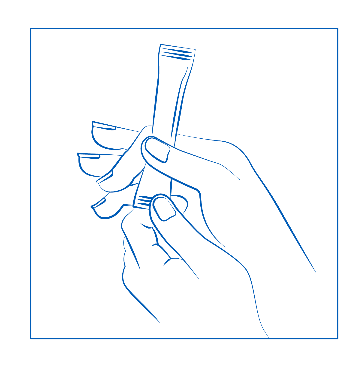
Before use, apply slight pressure to the sachet,
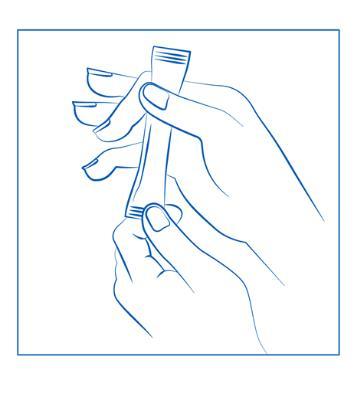
passing it between your fingers to homogenize the contents.
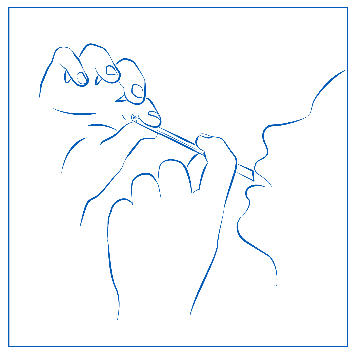
Once the sachet is opened, take the product by pouring it directly into your mouth without drinking water, gently pressing from below to facilitate its complete release.
Moment can be taken on an empty stomach. In subjects with gastric intolerance, it is preferable to take the medicine on a full stomach.
After three days of treatment without appreciable results, consult your doctor.
The lowest effective dose should be used for the shortest period necessary to relieve symptoms.
If you have an infection, consult your doctor immediately if the symptoms (e.g. fever and pain) persist or worsen (see section 2).
Do not exceed the dose of 6 single-dose sachets per day. If you are elderly, you should adhere to the minimum dosages
indicated above.
If you suffer from kidney and/or liver or heart disease, consult your doctor who will determine the dose suitable for you.
If you suffer from severe liver disease, do not take Moment.
Use in the elderly
Consult your doctor who will determine the appropriate dose for you by reducing the recommended dose, especially if you suffer from kidney and/or liver disorders.
Use in adolescents
Consult your doctor if the use of the medicine is necessary for more than 3 days in the adolescent, or if the symptoms worsen.
If you take more Moment than you should
If you have taken more Moment than you should or if your child has mistakenly taken this medicine, always contact a doctor or the nearest hospital to obtain an opinion on the risk and advice on the actions to be taken.
If you take an excessive dose (overdose) of ibuprofen, you may more commonly experience the following symptoms: nausea, vomiting, stomach pain, deep sleep with reduced response to normal stimuli (lethargy), drowsiness, headache, dizziness, ringing in the ears (tinnitus), uncontrolled body movements (convulsions) and loss of consciousness. Symptoms of an overdose may appear within 4-6 hours of taking ibuprofen.
Rarely, it may present: uncontrolled eye movements (nystagmus), lowering of body temperature (hypothermia), effects on the kidneys, bleeding of the stomach and intestines, profound loss of consciousness (coma), temporary interruption of breathing (apnea), diarrhea, reduction of the activity of the nervous system (depression of the Central Nervous System) and respiratory activity (depression of the respiratory system).
In addition, it may manifest: disorientation, excitement, fainting, low blood pressure (hypotension), decreased or increased heart rate (bradycardia or tachycardia).
In cases of severe poisoning, metabolic acidosis (increased acids in the blood) may occur. Symptoms of an overdose may include nausea, stomach pain, vomiting (possibly with traces of blood), gastrointestinal bleeding (see also section 4 below), diarrhea, headache, ringing in the ears, confusion, and uncontrolled eye movements. Agitation, drowsiness, disorientation, or coma may also occur. Occasionally, patients develop convulsions. At high doses, drowsiness, chest pain, palpitations, loss of consciousness, convulsions (especially in children), weakness, and dizziness have been reported, as well as blood in the urine, low potassium levels in the blood, a feeling of coldness in the body, and respiratory problems.
In addition, the prothrombin/INR time may be prolonged, probably due to interference with the actions of circulating coagulation factors. Acute renal failure and liver damage may occur. Exacerbation of asthma may occur in asthmatic subjects. In addition, low blood pressure and reduced respiratory capacity may occur.
.
If you have any doubts about the use of Moment, consult your doctor or pharmacist.
If you forget to take Moment
Do not take a double dose to make up for the missed dose.
4. Possible side effects
Like all medicines, Moment can cause side effects, although not everybody gets them.
The side effects of the medicine can be minimised if you use the lowest dose recommended, and if you
use the medicine only for as long as necessary to control your symptoms.
If you develop an ulcer, or experience bleeding from the stomach and/or intestines, or skin and/or
mucous membrane lesions, you should stop treatment with Moment and consult your doctor.
These side effects are usually more frequent in elderly people.
The use of Moment may cause side effects that are generally mild or moderate, or more serious
reactions, including allergic reactions, although rarely.
If you experience any of the following symptoms, STOP usingMoment immediately and
seek immediate medical attention or go to the nearest hospital where you will undergo appropriate
and specific treatment:
- chest pain, which may be a sign of a potentially serious allergic reaction called Kounis syndrome
- rashes or skin lesions,
- mucous membrane lesions,
- signs of an allergic reaction, even severe (erythema, itching, urticaria, asthma, skin and mucous
membrane swelling, anaphylactic shock), - skin that is peeling,
- reddish, non-raised, target-shaped or circular spots on the trunk, often with central blisters,
skin scaling, ulcers of the mouth, throat, nose, genitals and eyes. These severe skin rashes
may be preceded by fever and flu-like symptoms (exfoliative dermatitis, erythema multiforme,
Stevens-Johnson syndrome, toxic epidermal necrolysis), - widespread rash, high body temperature and enlarged lymph nodes (DRESS syndrome),
- widespread, red and scaly rash, with bumps under the skin and blisters, accompanied by fever.
The symptoms usually appear at the beginning of treatment (acute generalised exanthematous
pustulosis), - vision disturbances,
- liver disease (hepatic dysfunction),
- bleeding, ulceration and perforation of the stomach and intestines, which can be fatal, especially
in the elderly. If you experience any of the allergic reactions listed above, go to hospital
because immediate availability of equipment, medicines and personnel suitable for emergency
treatment is necessary, as serious side effects, sometimes fatal, have been reported following
the use of ibuprofen, even in the absence of a known allergy.
The risk of experiencing these symptoms is higher in the early stages of therapy: in most cases the
reaction occurs within the first month of treatment.
In addition, you may experience further side effects that have also been reported with other
medicines similar to Moment and which are listed below according to frequency:
common (may affect up to 1 in 10 people)
- dizziness
- discomfort
- fatigue
uncommon (may affect up to 1 in 100 people)
- inflammation of the stomach (gastritis)
- insomnia, anxiety
- numbness of the limbs or other parts of the body (paresthesia), drowsiness
- inflammation of the nasal mucosa (rhinitis)
- difficulty breathing (bronchospasm, dyspnea)
- temporary interruption of breathing (apnea)
- vision disturbances
- hearing impairment
- ringing in the ears (tinnitus)
- vertigo
- liver disorders (altered liver function)
- liver inflammation (hepatitis)
- jaundice (yellowing of the skin and eyes)
- kidney diseases (renal function damage and toxic nephropathy in various forms, including
interstitial nephritis, nephrotic syndrome and renal failure) - hypersensitivity reactions such as rash, urticaria, itching, formation of red spots on the skin
(purpura), swelling of the skin and mucous membranes (angioedema), asthma, difficulty
breathing (bronchospasm or dyspnea), asthma attacks with possible lowering of blood pressure - skin reactions to light (photosensitivity)
- allergic rash (erythema)
rare (may affect up to 1 in 1,000 people)
- reduction in the number of blood cells: reduction in white blood cells (leukopenia, neutropenia,
agranulocytosis), red blood cells (hemolytic anemia, aplastic anemia), platelets (thrombocytopenia) - reduced ability to coagulate
- depression, confusion, hallucinations
- inflammation of the optic nerve (optic neuritis)
- inflammation of the meninges, the membranes covering the brain (aseptic meningitis, especially in
patients with pre-existing autoimmune disorders, see section “Warnings and precautions”), with
symptoms of stiff neck, headache, nausea, vomiting, fever or disorientation - eye disorders with vision disturbances and optic nerve pathology (toxic optic neuropathy)
- swelling due to fluid accumulation in the tissues
- a disease that can affect various organs and tissues of the body (systemic lupus erythematosus)
- worsening of inflammation caused by an existing infection (e.g. development of necrotizing fasciitis)
- high levels of nitrogen in the blood
- alteration of liver function tests (increased transaminases, increased alkaline phosphatase)
- abnormal blood tests (reduced hemoglobin, reduced hematocrit, prolonged bleeding time, decreased
blood calcium, increased blood uric acid)
very rare (may affect up to 1 in 10,000 people)
- inflammation of the pancreas, a gland involved in the digestive processes (pancreatitis)
- feeling of heartbeats (palpitations)
- heart disease (heart failure)
- heart attack (myocardial infarction)
- fluid in the lungs (acute pulmonary edema)
- liver disease (hepatic failure)
- hypertension
- severe allergic reactions, which may include symptoms such as severe asthma, swelling of the face,
tongue and throat making it difficult to breathe, rapid heartbeat, severe allergic reaction with
rapid onset and which can cause death (anaphylaxis), severe skin rash or peeling of the skin
(toxic epidermal necrolysis, Stevens-Johnson syndrome, erythema multiforme) - severe infections of the skin and soft tissue may occur during chickenpox infection
- Skin and soft tissue infection
not known (frequency cannot be estimated from available data)
- Peptic ulcer, gastrointestinal bleeding.
- feeling of fullness in the stomach
- nausea
- vomiting
- diarrhea
- flatulence
- constipation
- difficulty digesting
- abdominal pain
- heartburn
- blood in the stool
- blood in the vomit
- lesions inside the mouth
- worsening of inflammatory diseases of the colon and intestine (colitis, Crohn's disease)
- increased risk of sudden reduction in blood flow to the brain (stroke)
- allergic reactions, anaphylaxis
- drug reaction with eosinophilia and systemic symptoms (DRESS syndrome): it is possible to develop
a serious skin reaction known as DRESS syndrome. The symptoms of DRESS include: rash,
fever, swollen lymph nodes and increased eosinophils (a type of white blood cell). - a widespread, red and scaly rash, with the formation of pustules under the skin and blisters
located mainly in the skin folds, on the trunk and upper limbs accompanied by fever at the
beginning of treatment (acute generalised exanthematous pustulosis). Stop using Moment if
you develop these symptoms and contact your doctor immediately. See also paragraph 2.
Reporting of side effects
If you get any side effects, even those not listed in this leaflet, tell your doctor. You can also report
side effects directly through the national reporting system at https://www.aifa.gov.it/content/segnalazioni-reazioni-
avverse .
By reporting side effects you can help provide more information on the safety of this medicine.
5. How to store Moment
This medicine does not require any particular storage temperature.
Keep this medicine out of the sight and reach of children.
Do not use this medicine after the expiry date that is reported on the package after Scad. The expiry
date refers to the last day of that month.
Do not dispose of any medicine in wastewater or household waste. Ask your pharmacist how to
dispose of medicines that you no longer use. This will help protect the environment.
6. Contents of the pack and other information
What Moment contains
- The active ingredient is ibuprofen 200 mg.
- The other ingredients are cetyl alcohol, sucrose, xanthan gum, sucrosemonopalmitate, anhydrous colloidal silica, citric acid monohydrate, disodiumedetate dihydrate,
methyl parahydroxybenzoate, simethicone emulsion, propyl parahydroxybenzoate, orange flavour
purified water
Description of the appearance of Moment and contents of the pack
Moment 200 mg is presented in the form of single-dose sachets
containing a fluid, homogeneous suspension, from white to slightly yellow in colour.
Each pack contains 6, 8, 10, 12, 16, 18, 20, 24 or 30 single-dose sachets of 5 ml.
Not all pack sizes may be marketed.
Marketing Authorisation Holder and Manufacturer
Marketing Authorisation Holder
Angelini Pharma S.p.A.
Viale Amelia, 70 - 00181 Rome
Manufacturer
A.C.R.A.F. S.p.A., Via Vecchia del Pinocchio, 22 - 60131 Ancona
INDICATIONS
There are various types of pain, of varying origin and nature, which we all face with greater or lesser frequency,
particularly headache and toothache, muscle and
joint pain, menstrual pain.
One of the most common pains is certainly headache. If you suffer from headaches, it is important
to identify the factors that can trigger it and try to prevent them (irregular eating habits,
certain foods, smoking, alcohol, stress, excessive physical exertion, excessive exposure to the sun, loud noises
strong perfumes, etc.).
Menstrual pain, sometimes even of considerable intensity, can be combated with painkillers
that work by reducing the amount of prostaglandins, substances produced by the uterus and considered the
main cause of the disorder.
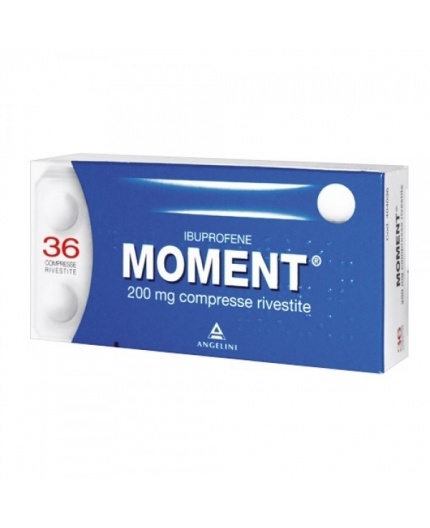
- Країна реєстрації
- Лікарська формаCoated tablet, 200 MG
- Код АТХM01AE01
- Діюча речовина
- Потрібен рецептНі
- Виробник
- Ця інформація надана лише для ознайомлення і не є медичною порадою. Рішення щодо лікування завжди приймає лікар.
- Альтернативи до MOMENTЛікарська форма: Film-coated tablet, 200 MGДіюча речовина: ИбупрофенВиробник: AURORA LICENSING SRLРецепт не потрібенЛікарська форма: Oral suspension, 20 MG/MLДіюча речовина: ИбупрофенВиробник: DICOFARM S.P.A.Рецепт не потрібенЛікарська форма: Coated tablet, 200 MGДіюча речовина: ИбупрофенРецепт не потрібен
Аналоги MOMENT в інших країнах
Препарати з тією самою діючою речовиною, доступні в інших країнах.
Аналог MOMENT у Іспанія
Аналог MOMENT у Польща
Аналог MOMENT у Україна
Лікарі онлайн щодо MOMENT
Застосування, безпека та можливість призначення рецепта — за результатами медичної оцінки.









Отримайте рецепт на MOMENT онлайн
Заповніть форму за 2 хвилини
Розкажіть про симптоми, історію хвороби та потрібний препарат.
Оберіть лікаря або ми призначимо
Оберіть спеціаліста або ми підберемо найближчого доступного лікаря.
Лікар розглядає ваш випадок
Зазвичай протягом 30 хвилин. Може ставити уточнювальні запитання в чаті.
Отримайте в будь-якій аптеці
Електронний рецепт надсилається на вашу пошту — дійсний по всій Польщі.
Часті запитання
MOMENT не потребує рецепта в Італія. Ви можете обговорити з лікарем онлайн, чи підходить цей лікарський засіб для вашої ситуації.
Діюча речовина у MOMENT — Ибупрофен. Це допомагає визначити препарати з тим самим складом, але під іншими торговими назвами.
MOMENT виробляється компанією AZIENDE CHIMICHE RIUNITE ANGELINI FRANCESCO A.C.R.A.F. S.P.A.. Назва бренду та упаковка можуть відрізнятися залежно від дистрибʼютора.
Лікарі, зокрема Сімейні лікарі, Психіатри, Дерматологи, Кардіологи, Ендокринологи, Гастроентерологи, Пульмонологи, Нефрологи, Ревматологи, Гематологи, Інфекціоністи, Алергологи, Геріатри, Педіатри, Онкологи, можуть оцінити доцільність застосування MOMENT з урахуванням вашого стану та місцевих правил. Ви можете записатися на онлайн-консультацію, щоб обговорити симптоми та можливі подальші кроки.
Польща має добре розвинену систему охорони здоров'я у великих містах, таких як Варшава, Краків, Вроцлав і Гданськ. Аптеки широко доступні та працюють відповідно до чинного законодавства, забезпечуючи доступ до рецептурних препаратів.
Ви можете придбати MOMENT у Варшаві, Кракові, Вроцлаві або Гданську в будь-якій аптеці за наявності дійсного рецепта.
Щоб отримати рецепт, ви можете скористатися Oladoctor:
Інші препарати з тією самою діючою речовиною (Ибупрофен) включають ABIDOL, ALJIDRIN, ALGOFEN. Вони можуть відрізнятися торговою назвою або формою випуску, але містять той самий терапевтичний компонент. Перед зміною або початком прийому нового препарату варто проконсультуватися з лікарем.
