



MINIRIN 4 MCG/ML Roztwór do wstrzykiwań

Ocena recepty online
Lekarz przeanalizuje Twój przypadek i zdecyduje, czy wystawienie recepty jest medycznie uzasadnione.

Porozmawiaj z lekarzem o tym leku
Omów swoje objawy i opcje leczenia podczas szybkiej konsultacji online.



Jak stosować MINIRIN/DDAVP
Treść ulotki
- Minirin/DDAVP 50 mcg/ml nasal spray, solution
- Minirin/DDAVP 50 mcg/ml nasal spray, solution
- Minirin/DDAVP 60 mcg sublingual tablets, 120 mcg sublingual tablets, 240 mcg sublingual tablets
- Minirin/DDAVP 4 mcg/ml injectable solution
Minirin/DDAVP 50 mcg/ml nasal spray, solution
Desmopressin
Read this leaflet carefully before using this medicine as it contains important
information for you.
- Keep this leaflet. You may need to read it again.
- If you have any questions, ask your doctor or pharmacist.
- This medicine has been prescribed only for you. Do not give it to other people, even if their symptoms are the same as yours, as it could be dangerous.
- If any side effects occur, including those not listed in this leaflet, tell your doctor or pharmacist. See section 4.
Contents of this leaflet:
- 1. What Minirin/DDAVP nasal spray, solution is and what it is used for
- 2. What you need to know before using Minirin/DDAVP nasal spray, solution
- 3. How to use Minirin/DDAVP nasal spray, solution
- 4. Possible side effects
- 5. How to store Minirin/DDAVP nasal spray, solution
- 6. Contents of the pack and other information
1. What is Minirin/DDAVP nasal spray, solution and what it is used for
Minirin/DDAVP belongs to a group of medicines called vasopressin analogues, which temporarily reduce the amount of urine produced by the body.
It is indicated, only when oral administration is not possible, for:
- treatment of pituitary, idiopathic or symptomatic diabetes insipidus (a disease that causes continuous urine production and intense thirst)
- treatment of post-surgical, reversible or permanent polyuria (excessive urine production) and polydipsia (intense and persistent thirst)
- differential diagnosis of diabetes insipidus
- renal function tests.
2. What you need to know before using Minirin/DDAVP nasal spray, solution
There are restrictions, warnings and general precautions that apply to all patients who are prescribed Minirin/DDAVP and other restrictions, warnings and additional precautions that apply in certain conditions and depend on the use of the medicine.
General restrictions (all patients):
➔ Do not use Minirin/DDAVP
- if you are allergic to the active ingredient or to any of the other ingredients of this medicine ( listed in paragraph 6)
- if you suffer from habitual or psychogenic polydipsia (intense and persistent thirst)
- if you suffer from established or suspected heart failure and other conditions requiring treatment with diuretic drugs (drugs that increase urine production)
- if you suffer from moderate or severe renal insufficiency
- if you suffer from low levels of sodium in the blood (hyponatremia)
- if you suffer from inappropriate ADH secretion syndrome (antidiuretic hormone, which reduces urine production).
General warnings and precautions (all patients)
Minirin/DDAVP should only be used in patients in whom the administration of oral pharmaceutical forms is not possible.
Use particular caution to avoid a decrease in blood sodium levels if any of the following applies to you:
- if you have serum sodium levels lower than normal
- if you suffer from diseases characterized by fluid and electrolyte imbalance (e.g. calcium, magnesium), such as systemic infections, fever, gastroenteritis
- if you suffer from asthma, epilepsy, migraine, heart failure, high blood pressure
- if you suffer from cystic fibrosis
- if you are a patient at risk of increased intracranial pressure (a condition you will be informed about by your doctor)
- if you are being treated with tricyclic antidepressant or selective serotonin reuptake inhibitor medicines, chlorpromazine (antipsychotic) and carbamazepine (antiepileptic), or with some antidiabetic sulfonylurea group medicines, in particular chlorpropamide and non-steroidal anti-inflammatory drugs (NSAIDs) because they can increase the antidiuretic effect (reduction in urine output) and increase the risk of fluid retention (see paragraph “Taking Minirin/DDAVP with other medicines”).
Additional warnings and precautions:
In addition to the general restrictions, warnings and precautions:
Conditions to which you must pay particular attention
All patients must respect the limitation of fluid intake during treatment with this medicine, because failure to limit fluid intake can cause fluid retention and low blood sodium levels, the symptoms of which are headache, nausea/vomiting, weight gain and, in severe cases, convulsions.
➔ If these symptoms occur, contact your doctor urgently(see paragraph 4)
All patients and, if applicable, their guardians must be carefully instructed on fluid restriction.
If you are using Minirin/DDAVP for renal function tests:
- fluid intake should be limited to the minimum and only to satisfy thirst, it should not exceed 0.5 l from 1 hour before to 8 hours after administration of the drug. In infants:
- fluid intake with the two meals after administration of Minirin/DDAVP should be reduced by 50% compared to the usual intake, in order to avoid fluid overload.
If you have alterations of the nasal mucosa caused by scarring, fluid accumulation (edema) or other conditions, the use of Minirin/DDAVP is not recommended.
Before starting treatment, the doctor will assess any severe bladder dysfunction or obstructions.
➔ If you are in any of the conditions described aboveor if you are unsure, consult your doctor or pharmacist
before using Minirin/DDAVP.
Use in children
Administration in children must occur under the strict supervision of an adult in order to control the dose taken.
In children under 1 year of age, renal function tests should only be performed in a hospital setting, under medical supervision.
Taking Minirin/DDAVP with other medicines
Tell your doctor if you are taking, have recently taken or might take any other medicines, even those available without a prescription.
There are medicines that can alter the effect of Minirin/DDAVP or whose effect may be altered by Minirin/DDAVP:
- Indometacin, an anti-inflammatory drug that can increase the extent but not the duration of the response to desmopressin.
- Tricyclic antidepressants or selective serotonin reuptake inhibitors (antidepressants), chlorpromazine (antipsychotic) and carbamazepine (antiepileptic), clofibrate (lipid-lowering agent) and also some antidiabetic sulfonylurea group medicines, in particular chlorpropamide, and non-steroidal anti-inflammatory drugs (NSAIDs) as these medicines can increase the antidiuretic effect of desmopressin (reduction in urine output) and therefore increase the risk of water retention and decreased sodium levels in the blood (hyponatremia).
- Glibenclamide (antidiabetic) which instead reduces the antidiuretic effect of desmopressin.
Pregnancy, breastfeeding and fertility
If you are pregnant, suspect or are planning a pregnancy, or if you are breastfeeding, ask your doctor or pharmacist for advice before using this medicine.
You should not use Minirin/DDAVP nasal spray if you are pregnant or planning a pregnancy because it may be harmful to your baby. See paragraph 2, “Minirin/DDAVP nasal spray solution contains chlorobutanol”.
Driving and operating machinery
Normally this medicine does not alter or negligibly alters the ability to drive vehicles or operate machinery.
For athletes
The use of the drug without therapeutic necessity constitutes doping and may still result in positive doping tests.
Minirin/DDAVP contains chlorobutanol.
Chlorobutanol may increase the risk of heart rhythm problems. You should not use Minirin/DDAVP nasal spray if you are pregnant or planning a pregnancy. This is because chlorobutanol can affect the ability to become pregnant and may be harmful to your baby.
3. How to use Minirin/DDAVP nasal spray, solution
Use this medicine following the instructions of your doctor or pharmacist exactly. If you have any doubts
consult your doctor or pharmacist.
Minirin/DDAVP must only be used in patients for whom the use of oral pharmaceutical forms is not possible and
treatment must always be started at the lowest dose ( see section 2 “Warnings and
precautions”). Your doctor will decide the appropriate dosage and duration of treatment.
Fluid intake should be limited (see section 2 “Warnings and precautions”).
It is recommended to empty the bladder immediately before administering the medicine.
The recommended doses are:
- Therapeutic use: ➢ Diabetes insipidus, post-surgical polyuria and polydipsia
- Adults: 1-2 sprays per each nostril (10-20 mcg) one to two times a day.
- Children: from 1 spray in one nostril (5 mcg) one - two times a day to 1 spray per each nostril (10 mcg) one - two times a day.
- Diagnostic use: ➢ Differential diagnosis of diabetes insipidus
- Children and adults: 2 sprays per each nostril (20 mcg). ➢ Renal function tests
- Infants(up to 1 year of age): 1 spray per each nostril (10 mcg)
- Children(from 1 to 15 years): 2 sprays per each nostril (20 mcg)
- Adults: 4 sprays per each nostril (40 mcg). It is recommended to administer 2 sprays per nostril (20 mcg) consecutively and after about 5 minutes the remaining 2 sprays per nostril (20 mcg). The urine collected within one hour of administering Minirin/DDAVP must be discarded. In the following 8 hours, two urine portions must be collected for osmolality testing.
Instructions for use
Read these instructions carefully before using Minirin/DDAVP.
Before using Minirin/DDAVP for the first time:
- activate the pump by pressing it 4 times or until a spray is obtained, holding the bottle slightly tilted as shown in figure 2.
- 1. Remove the protective cap.

- 2. Check that the end of the tubing
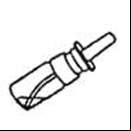
inside the bottle is immersed in the
liquid.
- 3. If the spray has not been used for a week, the pump must be reactivated by pressing it one or more times until a spray is obtained, holding the bottle slightly tilted as shown in figure 2. Once activated, the pump delivers one dose with each application of pressure.
- 4. Blow your nose and tilt your

head back while inserting the
applicator into the nostril.
- 5. When a higher dose is needed, spray alternately into both nostrils.
- 6. Replace the cap after use. Always store the bottle in an upright position.

If you have any doubts about the correct administration of the product dose, do not administer the medicine until the
next scheduled dose.
If you take more Minirin/DDAVP than you should
➔ In case of ingestion/taking an excessive dose of Minirin/DDAVP immediately notify your
doctor or go to the nearest hospital.
If you forget to take Minirin/DDAVP
Do not take a double dose to make up for the missed dose.
If you stop taking Minirin/DDAVP
If you have any doubts about the use of this medicine, consult your doctor or pharmacist.
4. Possible side effects
Like all medicines, this medicine can cause side effects, although not everybody gets them.
The following are side effects that may occur with the use of this medicine:
Very common(may affect more than 1 in 10 people)
- Nasal congestion, rhinitis
- Increased body temperature
Common(may affect up to 1 in 10 people)
- Insomnia, emotional lability, nightmares, nervousness, aggressiveness
- Headache
- Nosebleeds (epistaxis), upper respiratory tract infection
- Gastroenteritis, nausea, abdominal pain
Uncommon(may affect up to 1 in 100 people)
- Low levels of sodium in the blood (hyponatremia)
- Uterine spasms of a menstrual type
- Cardiac ischemia (reduced or interrupted blood flow to the heart)
- Vomiting
- Facial flushing
Not known(frequency cannot be estimated from available data)
- Allergic reactions
- Dehydration
- Confusional state
- Convulsions, coma, dizziness, drowsiness
- Hypertension (high blood pressure)
- Dyspnea (difficulty breathing)
- Diarrhea
- Pruritus, skin rashes, urticaria
- Muscle spasms
- Fatigue, peripheral edema (fluid retention), chest pain, chills
- Weight gain
Description of selected adverse reactions:
The most serious adverse reaction with desmopressin is hyponatremia and, in severe cases, its complications, e.g.
convulsions and coma. The cause of potential hyponatremia is the anticipated antidiuretic effect (see
section 2 “Warnings and precautions”).
Paediatric population:
Hyponatremia is reversible and in children has often occurred in relation to changes in daily behaviours
affecting fluid intake and/or sweating. Particular attention should be paid to the precautions indicated in section 2“Warnings and precautions”in children.
Other special populations:
Children, the elderly and patients with serum sodium levels in the lower range of normal may have an
increased risk of developing hyponatremia (see section 2 “Warnings and precautions”).
Reporting of side effects
If you get any side effects, even those not listed in this leaflet, tell your doctor or pharmacist.
You can also report side effects directly through the national reporting system at https://www.aifa.gov.it/content/segnalazioni-reazioni-avverse.
Reporting side effects helps to provide more information on the safety of this medicine.
5. How to store Minirin/DDAVP nasal spray, solution
Store in a refrigerator (between +2° and +8°C) in an upright position with the protective cap applied
to the nasal applicator.
The product may be stored for 4 weeks at a temperature below 25°C in its original packaging,
after which it must be immediately discarded. Always keep the product in a dry place, protected
from heat sources.
After opening, the product may be stored for 2 months in a refrigerator.
After use, always apply the protective cap to the nasal applicator.
Do not use this medicine after the expiry date which is stated on the packaging. The expiry date refers to
the last day of that month.
The expiry date indicated refers to the product in its original, unopened packaging, and when stored correctly.
Keep this medicine out of the sight and reach of children.
Do not dispose of any medicine in wastewater or household waste. Ask your pharmacist how to dispose of
medicines you no longer use. This will help protect the environment.
6. Contents of the pack and other information
What Minirin/DDAVP nasal spray, solution contains
- The active ingredient is desmopressin. 1 ml contains 0.05 mg of desmopressin acetate equivalent to 44.5 mcg of desmopressin.
- The other ingredients are sodium chloride, chlorobutanol, 1M hydrochloric acid, purified water.
Description of the appearance of Minirin/DDAVP nasal spray, solution and contents of the pack
50 mcg/ml nasal spray solution - 2.5 ml spray bottle (25 spray doses of 5 mcg each) of
desmopressin acetate hydrate, with automatic dosing pump and nasal applicator.
Marketing Authorisation Holder:
Ferring S.p.A. - via C. Imbonati, 18 - 20159 Milan
Manufacturer:
Ferring GmbH - Wittland 11, 24109 Kiel (Germany)
Minirin/DDAVP 50 mcg/ml nasal spray, solution
desmopressin
Read this leaflet carefully before using this medicine as it contains important
information for you.
- Keep this leaflet. You may need to read it again.
- If you have any questions, ask your doctor or pharmacist.
- This medicine has been prescribed for you only. Do not pass it on to others, even if they have the same symptoms as you, as it may be harmful.
- If any side effects occur, including those not listed in this leaflet, tell your doctor or pharmacist. See section 4.
Contents of this leaflet:
- 1. What Minirin/DDAVP nasal spray, solution is and what it is used for
- 2. What you need to know before using Minirin/DDAVP nasal spray, solution
- 3. How to use Minirin/DDAVP nasal spray, solution
- 4. Possible side effects
- 5. How to store Minirin/DDAVP nasal spray, solution
- 6. Contents of the pack and other information
1. What is Minirin/DDAVP nasal spray, solution and what it is used for
Minirin/DDAVP belongs to a group of medicines called vasopressin analogues, which temporarily reduce the amount of urine produced by the body.
It is indicated, only when oral administration is not possible, for:
- treatment of central diabetes insipidus, idiopathic or symptomatic (a disease that causes continuous urine production and intense thirst)
- treatment of post-surgical, reversible or permanent polyuria (excessive urine production) and polydipsia (intense and persistent thirst)
- differential diagnosis of diabetes insipidus
- renal function tests.
2. What you need to know before using Minirin/DDAVP nasal spray, solution
There are restrictions, warnings and general precautions that apply to all patients who are prescribed Minirin/DDAVP and other restrictions, warnings and additional precautions that apply in certain conditions and depend on the use of the medicine.
General restrictions (all patients):
➔ Do not use Minirin/DDAVP
- if you are allergic to the active ingredient or to any of the other ingredients of this medicine ( listed in paragraph 6)
- if you suffer from habitual or psychogenic polydipsia (intense and persistent thirst)
- if you suffer from confirmed or suspected heart failure and other conditions requiring treatment with diuretic drugs (drugs that increase urine production)
- if you suffer from moderate or severe kidney failure
- if you suffer from low levels of sodium in the blood (hyponatremia)
- if you suffer from syndrome of inappropriate ADH secretion (antidiuretic hormone, which reduces urine production).
General warnings and precautions (all patients)
Minirin/DDAVP should only be used in patients where the administration of oral pharmaceutical forms is not possible.
Use particular caution to avoid decreasing levels of sodium in the blood if one of the following applies to you:
- if you have serum sodium levels lower than normal
- if you suffer from diseases characterized by fluid and electrolyte imbalance (e.g. calcium, magnesium), such as systemic infections, fever, gastroenteritis
- if you suffer from asthma, epilepsy, migraine, heart failure, high blood pressure (hypertension)
- if you suffer from cystic fibrosis
- if you are a patient at risk of increased intracranial pressure (a condition your doctor will inform you about)
- if you are being treated with tricyclic antidepressant or selective serotonin reuptake inhibitor medications, chlorpromazine (antipsychotic) and carbamazepine (antiepileptic), or with some antidiabetic drugs of the sulfonylurea group, in particular chlorpropamide and non-steroidal anti-inflammatory drugs (NSAIDs) because they can increase the antidiuretic effect (reduction in urine output) and increase the risk of fluid retention (see paragraph “Taking Minirin/DDAVP with other medicines”).
Additional warnings and precautions:
In addition to the general restrictions, warnings and precautions:
Conditions to which you must pay particular attention
All patients must respect the limitation of fluid intake during treatment with this medicine, because failure to limit fluid intake can cause fluid retention and low levels of sodium in the blood, the symptoms of which are headache, nausea/vomiting, weight gain and, in severe cases, convulsions.
➔ If these symptoms occur, contact your doctor urgently(see paragraph 4)
All patients and, if applicable, their guardians must be carefully instructed on fluid restriction.
If you are using Minirin/DDAVP for kidney function tests:
- fluid intake must be limited to a minimum and only to satisfy thirst, and must not exceed 0.5 l from 1 hour before to 8 hours after administration of the drug. In infants:
- fluid intake with the two meals following administration of Minirin/DDAVP must be reduced by 50% compared to the usual intake, in order to avoid fluid overload.
If you have alterations of the nasal mucosa caused by scarring, fluid accumulation (edema) or other conditions, the use of Minirin/DDAVP is not recommended.
Before starting treatment, the doctor will assess any dysfunctions and/or severe obstructions of the bladder.
➔ If you are in one of the conditions described aboveor if you are not sure, consult your doctor or pharmacist
before using Minirin/DDAVP.
Use in children
Administration in children must occur under the strict supervision of an adult in order to control the dose taken.
In children under 1 year of age, kidney function tests should only be performed in a hospital setting, under medical supervision.
Taking Minirin/DDAVP with other medicines
Tell your doctor if you are taking, have recently taken or might take any other medicines, even those available without a prescription.
There are medicines that can alter the effect of Minirin/DDAVP or whose effect may be altered by Minirin/DDAVP:
- Indometacin, an anti-inflammatory drug that can increase the magnitude but not the duration of the response to desmopressin.
- Tricyclic antidepressants or selective serotonin reuptake inhibitors (antidepressants), chlorpromazine (antipsychotic) and carbamazepine (antiepileptic), clofibrate (lipid-lowering agent) and also some antidiabetic drugs of the sulfonylurea group, in particular chlorpropamide, and non-steroidal anti-inflammatory drugs (NSAIDs) as these medicines can increase the antidiuretic effect of desmopressin (reduction in urine output) and therefore increase the risk of water retention and decreased sodium levels in the blood (hyponatremia).
- Glibenclamide (antidiabetic) which instead reduces the antidiuretic effect of desmopressin.
Pregnancy, breastfeeding and fertility
If you are pregnant, suspect you are pregnant or are planning to become pregnant, or if you are breastfeeding, ask your doctor or pharmacist for advice before using this medicine.
Driving and operating machinery
Normally this medicine does not alter or negligibly alters the ability to drive vehicles or operate machinery.
For athletes
The use of the drug without a therapeutic need constitutes doping and can still result in positive doping tests.
3. How to use Minirin/DDAVP nasal spray, solution
Use this medicine following the instructions of your doctor or pharmacist exactly. If you have any doubts
consult your doctor or pharmacist.
Minirin/DDAVP must only be used in patients for whom oral pharmaceutical forms are not suitable
and treatment should always be started at the lowest dose ( see section 2 “Warnings and
precautions”). Your doctor will decide the appropriate dosage and duration of treatment.
Fluid intake should be limited (see section 2 “Warnings and precautions”).
It is recommended to empty the bladder immediately before administering the medicine.
The recommended doses are:
- Therapeutic use: ➢ Diabetes insipidus, post-surgical polyuria and polydipsia
- Adults: 1-2 sprays per each nostril (10-20 mcg) one to two times a day.
- Children: from 1 spray in one nostril (5 mcg) one to two times a day to 1 spray per each nostril (10 mcg) one to two times a day.
- Diagnostic use: ➢ Differential diagnosis of diabetes insipidus
- Children and adults: 2 sprays per each nostril (20 mcg). ➢ Renal function tests
- Infants(up to 1 year of age): 1 spray per each nostril (10 mcg)
- Children(from 1 to 15 years): 2 sprays per each nostril (20 mcg)
- Adults: 4 sprays per each nostril (40 mcg). It is recommended to administer 2 sprays per nostril (20 mcg) consecutively and after about 5 minutes the remaining 2 sprays per nostril (20 mcg). Urine collected within one hour of administering Minirin/DDAVP should be discarded. In the following 8 hours, two urine portions should be collected for osmolality testing.
Instructions for use
Before using Minirin/DDAVP, read these instructions carefully.
Before using Minirin/DDAVP for the first time:
- activate the pump by pressing it 4 times or until a spray is obtained, holding the bottle slightly tilted as shown in figure 2.
- 7. Remove the protective cap.

- 8. Check that the end of the tubing
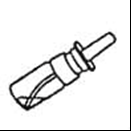
inside the bottle is immersed in the
liquid.
- 9. If the spray has not been used for a week, the pump must be reactivated by pressing it one or more times until a spray is obtained, holding the bottle slightly tilted as shown in figure 2. Once activated, the pump delivers one dose with each application.
- 10. Blow your nose and tilt your

head back while inserting the
applicator into the nostril.
- 11. When a higher dose is needed, spray alternately into both nostrils.
- 12. Replace the cap after use.

Always keep the bottle in an upright
position.
If you have any doubts about the correct administration of the product dose, do not administer the medicine until the
next scheduled dose.
If you take more Minirin/DDAVP than you should
➔ In case of ingestion/taking an excessive dose of Minirin/DDAVP immediately notify your
doctor or go to the nearest hospital.
If you forget to take Minirin/DDAVP
Do not take a double dose to make up for the missed dose.
If you stop taking Minirin/DDAVP
If you have any doubts about using this medicine, consult your doctor or pharmacist.
4. Possible side effects
Like all medicines, this medicine can cause side effects, although not everybody gets them.
The following are side effects that may occur with the use of this medicine:
Very common(affects more than 1 in 10 people)
- Nasal congestion, rhinitis
- Increased body temperature
Common(affects less than 1 in 10 people)
- Insomnia, emotional lability, nightmares, nervousness, aggressiveness
- Headache
- Nosebleeds (epistaxis), upper respiratory tract infection
- Gastroenteritis, nausea, abdominal pain
Uncommon(affects less than 1 in 100 people)
- Low levels of sodium in the blood (hyponatremia)
- Uterine spasms of a menstrual-like type
- Cardiac ischemia (reduced or interrupted blood flow to the heart)
- Vomiting
- Facial flushing
Not known(frequency cannot be estimated from available data)
- Allergic reactions
- Dehydration
- Confusional state
- Convulsions, coma, dizziness, drowsiness
- Hypertension (high blood pressure)
- Dyspnea (difficulty breathing)
- Diarrhea
- Pruritus, skin rashes, urticaria
- Muscle spasms
- Fatigue, peripheral edema (fluid retention), chest pain, chills
- Weight gain
Description of selected adverse reactions:
The most serious adverse reaction with desmopressin is hyponatremia and, in severe cases, its complications, e.g.
convulsions and coma. The cause of potential hyponatremia is the anticipated antidiuretic effect (see
section 2 “Warnings and precautions”).
Paediatric population:
Hyponatremia is reversible and in children has often occurred in relation to changes in daily behaviors
affecting fluid intake and/or sweating. Particular attention should be paid to the precautions indicated in section 2“Warnings and precautions”in children.
Other special populations:
Children, the elderly and patients with serum sodium levels in the lower range than normal may have an
increased risk of developing hyponatremia (see section 2 “Warnings and precautions”).
Reporting of side effects
If you get any side effects, talk to your doctor or pharmacist.
You can also report side effects directly through the national reporting system at www.agenziafarmaco.gov.it/it/responsabili.
Reporting side effects helps to provide more information on the safety of this medicine.
5. How to store Minirin/DDAVP nasal spray, solution
Store in a refrigerator (between +2° and +8°C) in an upright position with the protective cap applied to the nasal applicator.
The product may be stored for 4 weeks at a temperature below 25°C in its original packaging,
after which it must be immediately discarded. Always keep the product in a dry place, protected
from heat sources.
After opening, the product can be stored for 2 months in the refrigerator.
After use, always apply the protective cap to the nasal applicator.
Do not use this medicine after the expiry date which is stated on the pack. The expiry date refers to the last day of that month.
The expiry date indicated refers to the product in its original packaging, correctly stored.
Keep this medicine out of the sight and reach of children.
Do not dispose of any medicine in the wastewater or household waste. Ask your pharmacist how to dispose of
medicines you no longer use. This will help protect the environment.
6. Contents of the pack and other information
What Minirin/DDAVP nasal spray, solution contains
- The active ingredient is desmopressin. 1 ml contains 0.05 mg of desmopressin acetate equivalent to 44.5 mcg of desmopressin.
- The other ingredients are sodium chloride, chlorobutanol, 1M hydrochloric acid, purified water.
Description of the appearance of Minirin/DDAVP nasal spray, solution and contents of the pack
50 mcg/ml nasal spray solution - spray bottle of 2.5 ml (25 spray doses of 5 mcg each) of
desmopressin acetate hydrate, with automatic dosing pump and nasal applicator.
Marketing Authorisation Holder:
Ferring S.p.A. – Via Senigallia 18/2 – 20161 Milan
Manufacturer:
Ferring GmbH - Wittland 11, 24109 Kiel (Germany)

Nie jesteś pewien, czy ten lek jest odpowiedni dla ciebie?
Omów swoje objawy i leczenie z lekarzem online.
Minirin/DDAVP 60 mcg sublingual tablets, 120 mcg sublingual tablets, 240 mcg sublingual tablets
Desmopressin
Read this leaflet carefully before you start using this medicine as it contains important information for you.
- Keep this leaflet. You may need to read it again.
- If you have any questions, ask your doctor or pharmacist.
- This medicine has been prescribed for you only. Do not pass it on to others, even if they have the same symptoms as you, as it may be harmful.
- If you get any side effects, even those not listed in this leaflet, tell your doctor or pharmacist. See section 4.
Contents of this leaflet:
- 1. What Minirin/DDAVP sublingual tablets are and what they are used for
- 2. What you need to know before you use Minirin/DDAVP sublingual tablets
- 3. How to use Minirin/DDAVP sublingual tablets
- 4. Possible side effects
- 5. How to store Minirin/DDAVP sublingual tablets
- 6. Contents of the pack and other information
1. What is Minirin/DDAVP sublingual tablets and what are they used for
Minirin/DDAVP belongs to a group of medicines called vasopressin analogues, which
temporarily reduce the amount of urine produced by the body.
It is indicated for:
- treatment of central diabetes insipidus (a disease that causes continuous urine production and intense thirst)
- primary nocturnal enuresis (involuntary loss of urine during the night) in children over 5 years of age with normal urine concentrating ability.
2. What you need to know before using Minirin/DDAVP sublingual tablets
There are restrictions, warnings and general precautions that apply to all patients who are prescribed Minirin/DDAVP and other restrictions, warnings and additional precautions that apply in certain conditions and depend on how the medicine is used.
General restrictions (all patients):
➔ Do not use Minirin/DDAVP
- if you are hypersensitive (allergic) to the active substance or to any of the other ingredients of this medicine ( listed in paragraph 6)
- if you suffer from habitual or psychogenic polydipsia (intense and persistent thirst)
- if you suffer from confirmed or suspected heart failure and other conditions requiring treatment with diuretic drugs (drugs that increase urine production)
- if you suffer from moderate or severe kidney failure
- if you suffer from low levels of sodium in the blood (hyponatremia)
- if you suffer from syndrome of inappropriate antidiuretic hormone secretion (ADH, a hormone that reduces urine production)
General warnings and precautions (all patients)
Take particular care to avoid decreasing levels of sodium in the bloodif any of the following applies to you:
- if you have serum sodium levels lower than normal
- if you suffer from diseases characterized by fluid and electrolyte imbalance (e.g. calcium, magnesium), such as systemic infections, fever, gastroenteritis
- if you suffer from asthma, epilepsy, migraine
- if you suffer from cardiovascular problems (coronary insufficiency, high blood pressure)
- if you suffer from cystic fibrosis
- if you are a patient at risk of increased intracranial pressure (a condition your doctor will inform you about)
- if you are being treated with tricyclic antidepressant drugs, selective serotonin reuptake inhibitors, chlorpromazine (antipsychotic) and carbamazepine (antiepileptic), or with some antidiabetic drugs of the sulfonylurea group, in particular chlorpropamide and non-steroidal anti-inflammatory drugs (NSAIDs) because they can increase the antidiuretic effect (reduction in urine output) and increase the risk of fluid retention ( seeparagraph “Taking Minirin/DDAVP with other medicines”).
Additional warnings and precautions:
In addition to the general restrictions, warnings and precautions:
Conditions to which you must pay particular attention
All patients must respect the limitation of fluid intake during treatment with this medicine.
Ingesting fluids without limitation can cause fluid retention and low levels of sodium in the blood, the symptoms of which are headache, nausea/vomiting, weight gain and, in severe cases, convulsions.
➔ If these symptoms occur,contact your doctor urgently(see paragraph 4).
All patients and, if applicable, their guardians must be carefully instructed about reducing fluid intake, including alcohol.
Before starting treatment, the doctor will assess any dysfunctions and/or severe obstructions of the bladder.
In the treatment of primary nocturnal enuresis:
Fluid intake must be limited to a minimum starting 1 hour before and up to 8 hours after administration of the drug and, in any case, only in quantities sufficient to satisfy thirst.
➔ If you are in any of the conditions described aboveor if you are unsure, consult your doctor or pharmacist before using Minirin/DDAVP.
Elderly
Treatment in patients over 65 years of age is not recommended.
The doctor will assess serum sodium levels before starting treatment, 3 days after starting treatment or after increasing the dosage and during treatment whenever deemed necessary.
Taking Minirin/DDAVP with other medicines
Tell your doctor if you are taking, have recently taken or might take any other medicines, including those available without a prescription.
There are medicines that can alter the effect of Minirin/DDAVP or whose effect can be altered by Minirin/DDAVP:
- Tricyclic antidepressants and selective serotonin reuptake inhibitors (antidepressants), chlorpromazine (antipsychotic), carbamazepine (antiepileptic), some antidiabetic drugs of the sulfonylurea group, in particular chlorpropamide and non-steroidal anti-inflammatory drugs (NSAIDs) as these medicines can increase the antidiuretic effect of desmopressin (reduction in urine output) and therefore increase the risk of water retention and decreased sodium levels in the blood (hyponatremia).
- Glibenclamide (antidiabetic) which instead reduces the antidiuretic effect of desmopressin.
- Loperamide (antidiarrheal) and other drugs that slow down intestinal motility may increase the antidiuretic effect of desmopressin.
Minirin/DDAVP with food
Food intake can reduce the intensity and duration of the antidiuretic effect of Minirin/DDAVP tablets if used at low doses.
Pregnancy, breastfeeding and fertility
If you are pregnant, suspect or are planning a pregnancy, or if you are breastfeeding, ask your doctor or pharmacist for advice before using this medicine.
Driving and using machines
Normally this medicine does not alter or negligibly alters the ability to drive vehicles or use machines.
For athletes
The use of the drug without therapeutic need constitutes doping and may still result in positive doping tests.
3. How to use Minirin/DDAVP sublingual tablets
Use this medicine following exactly the instructions of your doctor or pharmacist. If you have
doubts, consult your doctor or pharmacist.
Place the tablet under your tongue. It will dissolve without the need for water.
Fluid intake must be limited ( see section 2 “Warnings and precautions”).
In case of signs of fluid retention and/or hyponatremia (headache, nausea/vomiting, weight gain
and, in severe cases, convulsions), your doctor will interrupt treatment until you are
completely recovered. When treatment resumes, fluid intake should be
limited as much as possible.
If, after 4 weeks from defining the appropriate dose, an adequate clinical effect has not been achieved,
the doctor will decide whether the treatment should be discontinued.
It is recommended to empty your bladder immediately before administering the medicine.
The optimal dosage must be individualized on a case-by-case basis.
The recommended doses are:
- Diabetes insipidus or Adults and children:
- The sublingual daily dose is between 120 mcg and 720 mcg.
- The recommended starting dose is 60 mcg three times a day.
- In most cases, the optimal maintenance dose is 60-120 mcg three times a day. The doctor will assess how to adjust the dose based on your response to treatment.
- Primary nocturnal enuresis or Adults and children over 5 years of age:
- The recommended starting dose is 120 mcg in the evening before bedtime and after emptying the bladder.
- If this is not effective, the doctor will decide whether to increase the dose to 240 mcg.
Minirin/DDAVP is indicated for treatment periods of up to 3 months. The need to continue
treatment must be re-evaluated by your doctor after a period of at least one
week without Minirin/DDAVP.
INSTRUCTIONS FOR USE
The individual tablets are contained in a child-proof safety blister.
See attached instructions for its use.
Note: there is a single opening point on the blister.
Figure 1.Looking directly at the printed side of the blister, completely remove
the upper tab by pulling to the left.
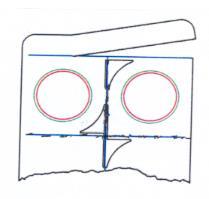
Figure 2.Follow the perforation to remove the first tablet from the
blister cavity.
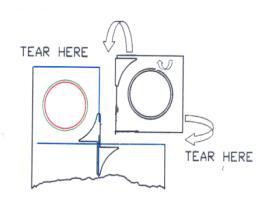
Figure 3.Each cavity has a raised, unsealed corner indicated by
an arrow. To release the product, lift and tear this corner.
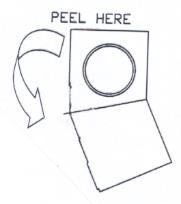
Figure4.To access the next tablet, completely remove the cavity including the remaining small protective triangle.
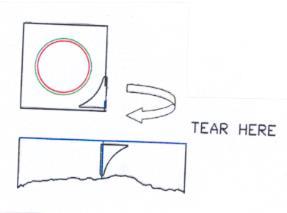
If the tablet accidentally breaks into two or three pieces, take the broken fragments
as indicated.
If the tablet breaks into more than three pieces, leave them in the blister and take a
new tablet.
If you have doubts about taking the correct dose of the product, do not take the medicine until the next scheduled dose.
If you take more Minirin/DDAVP than you should
➔ In case of ingestion/taking an excessive dose of Minirin/DDAVP immediately
notify your doctor or go to the nearest hospital.
If you forget to take Minirin/DDAVP
Do not take a double dose to make up for a missed dose.
If you stop taking Minirin/DDAVP
If you have any questions about using this medicine, ask your doctor or pharmacist.
4. Possible side effects
Like all medicines, Minirin/DDAVP can cause side effects, although not everybody gets them.
Those listed below are the side effects that may occur with the use of this medicine:
Adults
Very common(may affect more than 1 in 10 people)
- Headache
Common(may affect up to 1 in 10 people)
- Low levels of sodium in the blood (hyponatremia)
- Dizziness
- Hypertension (high blood pressure)
- Nausea, abdominal pain, diarrhea, constipation, vomiting
- Bladder and urethra disorders
- Edema (fluid retention)
- Fatigue
Uncommon(may affect up to 1 in 100 people)
- Insomnia
- Somnolence
- Paresthesia (altered sensitivity of some parts of the body)
- Visual disturbances
- Vertigo
- Palpitations
- Orthostatic hypotension (lowering of blood pressure when the subject moves from a sitting to an upright position)
- Dyspnea (difficulty breathing)
- Dyspepsia (difficulty digesting food), flatulence, bloating and abdominal distension
- Sweating, itching, rash, urticaria
- Muscle spasms, myalgia (muscle pain)
- Malaise
- Chest pain
- Flu-like syndrome
- Weight gain
- Increased liver enzymes
- Low levels of potassium in the blood (hypokalemia)
Rare(may affect up to 1 in 1,000 people)
- Confusional state
- Allergic dermatitis
Not known(frequency cannot be estimated from available data)
- Allergic reactions
- Dehydration
- High levels of sodium in the blood (hypernatremia)
- Convulsions, asthenia (fatigue), coma
Children and adolescents
Common(may affect up to 1 in 10 people)
- Headache
Uncommon(may affect up to 1 in 100 people)
- Emotional lability, aggression
- Abdominal pain, nausea, vomiting, diarrhea
- Bladder and urethra disorders
- Peripheral edema (fluid retention), fatigue
Rare(may affect up to 1 in 1,000 people)
- Anxious symptoms, nightmares, mood swings
- Somnolence
- Hypertension
- Irritability
Not known(frequency cannot be estimated from available data)
- Allergic reactions
- Low levels of sodium in the blood (hyponatremia)
- Abnormal behavior, emotional disorders, depression, hallucinations, insomnia
- Attention disorders, psychomotor hyperactivity, convulsions
- Nosebleeds (epistaxis)
- Allergic dermatitis, rash, sweating, urticaria
Description of selected adverse reactions:
The most serious adverse reaction with desmopressin is hyponatremia, which can cause headache,
abdominal pain, nausea, vomiting, weight gain, dizziness, confusion, malaise,
impaired memory, vertigo, falls, water intoxication and, in severe cases, convulsions and
coma. The cause of potential hyponatremia is the anticipated antidiuretic effect (see section 2
“Warnings and precautions”) .
In adults, the risk of hyponatremia increases with increasing doses of desmopressin and the
risk is more pronounced in women.
Paediatric population:
Hyponatremia is reversible and in children has often occurred in relation to changes in
usual daily behaviors affecting fluid intake and/or sweating. In
children, particular attention should be paid to the precautions indicated in section 2
“Warnings and precautions”.
Other special populations:
Children, the elderly and patients with lower than normal serum sodium levels may have
an increased risk of developing hyponatremia (see section 2 “Warnings and precautions”).
Reporting of side effects
If you get any side effects, even those not listed in this leaflet, tell your doctor or pharmacist.
You can also report side effects directly through the national reporting system at https://www.aifa.gov.it/content/segnalazioni-reazioni-avverse
By reporting side effects you can help provide more information on the safety of
this medicine.
5. How to store Minirin/DDAVP sublingual tablets
No special storage conditions. Store in the original packaging in order to
protect from humidity and light.
Do not use this medicine after the expiry date which is reported on the packaging. The expiry date
refers to the last day of that month.
The expiry date indicated refers to the product in intact packaging, correctly
stored.
Keep this medicine out of the sight and reach of children.
Do not dispose of any medicine in wastewater or household waste. Ask your pharmacist how to
dispose of medicines you no longer use. This will help protect the environment.
6. Contents of the pack and other information
What Minirin/DDAVP sublingual tablets contain
- The active ingredient is desmopressin: o One Minirin/DDAVP 60 mcg tablet contains 67 mcg of desmopressin acetate corresponding to 60 mcg of desmopressin free base o One Minirin/DDAVP 120 mcg tablet contains 135 mcg of desmopressin acetate corresponding to 120 mcg of desmopressin free base o One Minirin/DDAVP 240 mcg tablet contains 270 mcg of desmopressin acetate corresponding to 240 mcg of desmopressin free base
- The other ingredients are gelatin, mannitol E421, anhydrous citric acid.
Description of the appearance of Minirin/DDAVP sublingual tablets and pack contents
Minirin/DDAVP 60 mcg:
Oral sublingual tablet of round shape and white color with a droplet-shaped figure on one
side.
Minirin/DDAVP 120 mcg:
Oral sublingual tablet of round shape and white color with a figure of two droplets on one
side.
Minirin/DDAVP 240 mcg:
Oral sublingual tablet of round shape and white color with a figure of three droplets on one
side.
Packs of 10, 30, 100 tablets
Not all pack sizes may be marketed.
Marketing authorisation holder
Ferring S.p.A. - via C. Imbonati, 18 - 20159 Milan
Manufacturer
Ferring GmbH - Wittland 11, 24109 Kiel (Germany)
Minirin/DDAVP 4 mcg/ml injectable solution
Desmopressin
Read this leaflet carefully before you use this medicine as it contains important
information for you.
- Keep this leaflet. You may need to read it again.
- If you have any questions, ask your doctor, pharmacist or nurse.
- This medicine has been prescribed for you only. Do not pass it on to others, even if they have the same symptoms as you, as it may be harmful.
- If you get any side effects, even those not listed in this leaflet, tell your doctor, pharmacist or nurse. See section 4 .
Contents of this leaflet:
- 1. What Minirin/DDAVP injectable solution is and what it is used for
- 2. What you need to know before you use Minirin/DDAVP injectable solution
- 3. How to use Minirin/DDAVP injectable solution
- 4. Possible side effects
- 5. How to store Minirin/DDAVP injectable solution
- 6. Contents of the pack and other information
1. What is Minirin/DDAVP injectable solution and what it is used for
Minirin/DDAVP belongs to the group of medicines called vasopressin analogues, which temporarily reduce the amount of urine produced by the body and increase the production of certain coagulation factors that allow normal blood clotting and prevent bleeding.
It is indicated for:
- the treatment of pituitary, idiopathic or symptomatic diabetes insipidus (a disease that causes continuous urine production and intense thirst);
- the treatment of post-surgical, reversible or permanent polyuria (excessive urine production) and polydipsia (intense and persistent thirst);
- the prevention or treatment of bleeding episodes (excessive bleeding) following tooth extractions, surgical procedures or trauma in patients with: mild or moderate haemophilia A (inherited disease characterized by the lack of a protein, called coagulation factor VIII, which causes clotting problems and is responsible for abnormal abundant bleeding); von Willebrand disease (inherited disease characterized by the lack of a protein, called von Willebrand factor, which causes clotting problems and is responsible for abnormal abundant bleeding);
- the differential diagnosis of diabetes insipidus;
- renal function tests.
(N.B. .Renal diabetes insipidus is not sensitive to treatment with Minirin/DDAVP injectable solution).
2. What you need to know before using Minirin/DDAVP injectable solution
There are restrictions, warnings and general precautions that apply to all patients who are prescribed this medicine, as well as additional warnings and precautions that apply in certain conditions and depend on how the medicine is used.
General restrictions (all patients)
➔ Do not use Minirin/DDAVP injectable solution:
- if you are allergic to the active ingredient or any of the other ingredients of this medicine (listed in section 6);
- if you suffer from habitual or psychogenic polydipsia (intense and persistent thirst);
- if you suffer from confirmed or suspected heart failure and other conditions requiring treatment with diuretic drugs (drugs that increase urine production);
- if you suffer from certain heart diseases (uncompensated heart failure or unstable angina pectoris);
- if you suffer from type IIB von Willebrand disease in which Factor VIII is abnormal and the administration of desmopressin may cause platelet aggregation (blood clot) and thrombocytopenia (platelet deficiency);
- if you suffer from low levels of sodium in the blood (hyponatremia);
- if you suffer from a disease that leads to inappropriate secretion of the antidiuretic hormone, vasopressin: consult your doctor to find out if you suffer from one of these diseases.
General warnings and precautions
Use particular caution to avoid worsening water retention with resulting fluid overload, if one of the following applies to you:
- if you suffer from diseases characterized by fluid or electrolyte imbalance (such as systemic infections, fever, gastroenteritis);
- in the presence of excessive bleeding;
- if you suffer from asthma, epilepsy, migraine, heart failure, high blood pressure (arterial hypertension);
- if you suffer from cystic fibrosis;
- in children under two years of age and in elderly patients;
- if you are a patient at risk of increased intracranial pressure (a condition your doctor will inform you about);
- if you are being treated with diuretic drugs (see section “Other medicines and Minirin/DDAVP injectable solution”);
- patients with risk factors and a known history of thrombosis, thrombophilia and cardiovascular disease;
- if you suffer from moderate and severe renal impairment (creatinine clearance less than 50 ml/min);
- if you suffer from bladder dysfunction or urinary tract obstruction.
Additional warnings and precautions
All patients must respect the limitation of fluid intake during treatment with this medicine. Ingestion of fluids without limitation can cause fluid retention and low levels of sodium in the blood, the symptoms of which are headache, nausea/vomiting, weight gain and, in severe cases, convulsions.
➔ If these symptoms occur, contact your doctor urgently(see section 4).
All patients and, if applicable, their guardians must be carefully instructed about fluid restriction.
If you are using Minirin/DDAVP injectable solution for renal function tests and in the differential diagnosis of diabetes insipidus:
- fluid intake must be limited, and must not exceed 0.5 l from 1 hour before to 8 hours after administration of the drug;
- in infants, fluid intake with the two meals after administration of the medicine must be reduced by 50% compared to the usual intake, in order to avoid fluid overload. Tests of renal
concentrating ability in children under 1 year of age must be performed only in a hospital setting, under careful medical supervision.
If you are using Minirin/DDAVP injectable solution for hemostatic use:
- fluid intake must be drastically reduced and the administration of the medicine must be stopped if the following occur: persistent headache, nausea, weight gain greater than 5%, reduction of sodium in the blood to below 130 mmol/L or plasma osmolality to below 270 mOsm/kg of body weight;
- particular attention must be paid to the risk of fluid retention;
- bleeding time, blood pressure and pulse rate must be constantly monitored.
Children
Administration to children who may be at increased risk of fluid retention and hyponatremia must be done with caution and under strict medical control and under the strict supervision of an adult in order to monitor the dose taken. Particular caution must be used when using the medicine in children under two years of age.
Other medicines and Minirin/DDAVP injectable solution
Tell your doctor if you are taking, have recently taken or may take any other medicines.
Pay particular attention when desmopressin is administered simultaneously with other medicines that may alter fluid and/or sodium balance, for example:
- opioids
- antidepressants (tricyclic and selective serotonin reuptake inhibitors)
- non-steroidal anti-inflammatory drugs (NSAIDs)
- chlorpromazine (antipsychotic), carbamazepine (antiepileptic) and some sulfonylurea antidiabetic drugs because concomitant use may lead to an increased risk of fluid retention/hyponatremia.
- fibrates (drugs used to decrease triglyceride and cholesterol levels in the blood)
Pregnancy and breastfeeding
Pregnancy
The risk of harmful effects to the baby following the use of desmopressin is not excluded.
Therefore, the use of this medicine during pregnancy should be reserved for cases of absolute necessity, as judged by the doctor.
Breastfeeding
In breastfeeding mothers, this medicine should only be used in case of actual need and under the control of the doctor.
Driving and operating machinery
This medicine does not impair or negligibly impairs the ability to drive vehicles or operate machinery.
For those who play sports
The use of the drug without therapeutic need constitutes doping and may in any case result in positive doping tests.
This medicine contains less than 1 mmol of sodium (23 mg) per dose, i.e. it is essentially sodium-free
3. How to use Minirin/DDAVP injectable solution
Use this medicine exactly as your doctor or pharmacist has told you. If you have any doubts, ask your doctor, pharmacist or nurse..
Therapeutic use:
Diabetes insipidus, post-surgical polyuria and polydipsia
Minirin/DDAVP injectable solution can be administered subcutaneously or intramuscularly or intravenously.
Adults
0.25 - 1 ml (1 - 4 mcg), one - two times a day.
Children
0.06 - 0.12 ml (0.24 - 0.48 mcg), one - two times a day.
The doctor will decide the appropriate dosage on a case-by-case basis.
In post-surgical polyuria and polydipsia, the dose must be adjusted in relation to changes in urinary osmolality.
For fractional dosages, use 1 ml insulin-type graduated syringes, but, in cases of non-subcutaneous administration, use needles suitable for intramuscular or intravenous administration.
Mild or moderate hemophilia A and von Willebrand disease
0.1 ml (0.4 mcg/kg) to be diluted in 30 ml of isotonic saline and administered intravenously
- 60 - 90 minutes before surgery. Healthcare professionals will administer it taking into account your clinical condition.
Diagnostic use:
Differential diagnosis of diabetes insipidus
Children and Adults:
0.5 ml (2 mcg) subcutaneously or intramuscularly.
The inability to process concentrated urine after restriction of fluid intake, followed by the ability to process concentrated urine after administration of the medicine, confirms a diagnosis of pituitary diabetes insipidus. The inability to process concentrated urine after administration of the drug suggests a renal diabetes insipidus.
Renal function tests
Infants:
0.1 ml (0.4 mcg) subcutaneously or intramuscularly.
Children and Adults:
0.5 ml (2 mcg) subcutaneously or intramuscularly.
It is recommended to empty the bladder immediately before administering the medicine. In normal infants within 5 hours after administration of this medicine, a urinary concentration of 600 mOsm/kg must be reached.
In children and adults with normal renal function within 5 - 9 hours after administration of the medicine, urinary concentrations greater than 700 mOsm/kg can be expected. If you have any doubts about the use of this medicine, ask your doctor, pharmacist or nurse .
If you take more Minirin/DDAVP injectable solution than you should
Overdosage increases the risk of fluid retention and hyponatremia (low sodium levels).
➔ In case of ingestion/administration of an excessive dose of Minirin/DDAVP injectable solution
immediately notify your doctor or go to the nearest hospital.
If you forget to take Minirin/DDAVP injectable solution
Do not take a double dose to make up for a missed dose.
If you stop taking Minirin/DDAVP injectable solution
If you have any doubts about the use of this medicine, ask your doctor, pharmacist or nurse.
4. Possible side effects
Like all medicines, this medicine can cause side effects, although not everybody gets them.
The following are side effects that may occur with the use of this medicine.
Commonly reported side effects (may affect up to 1 in 10 people):
- Headache
- Increased heart rate (tachycardia) Flushing
- Low blood pressure (hypotension)
- Nausea
- Abdominal pain
- Fatigue
- Asthenia
- Pallor
- Stomach ache, nausea.
Rarely reported side effects (may affect up to 1 in 1,000 people):
- Feeling of instability and dizziness.
- Uterine spasms of a menstrual-like type.
Very rarely reported side effects (may affect up to 1 in 10,000 people):
- Low sodium levels in the blood (hyponatremia)
Side effects with unknown frequency:
- Hypersensitivity reactions including anaphylactic reaction and other serious allergic conditions
- Water intoxication (excess fluid intoxication, is a clinical condition characterized by overhydration with severe hyponatremia)
- Weight gain
- Confusional state
- Coma
- Loss of consciousness
- Hyponatremic encephalopathy
- Cerebral edema
- Convulsions
- Myocardial infarction
- Angina pectoris
- Chest pain
- Deep vein thrombosis
- Cardiovascular events and disorders (infarction)
- Cerebral thrombosis
- Hypertension
- Dyspnea
- Pulmonary embolism
- Vomiting
- Maculopapular rash (skin eruption with flat and raised lesions less than 1 cm in size)
- Erythematous rash (skin eruption in the form of erythema)
- Macular rash (skin eruption with flat lesions less than 1 cm in size)
- Urticaria
- Erythema
- Pruritus
- Rash (skin eruption)
- Generalized or local (peripheral, facial) edema
- Reactions at the injection/infusion site including swelling, pain, leukocyte diapedesis (migration of white blood cells from blood vessels following an inflammatory reaction), erythema, bruising and nodules
- Chills
- Malaise
Ingesting fluids without restriction during treatment may cause fluid retention and low
sodium levels in the blood, the symptoms of which are headache, nausea/vomiting, weight gain and, in severe cases,
convulsions.
Reporting of side effects
If you get any side effects, talk to your doctor, pharmacist or nurse. You can also report side effects directly through
the national reporting system at
http://www.agenziafarmaco.gov.it/content/come-segnalare-una-sospetta-reazione-avversa .
By reporting side effects you can help provide more information on the safety of
this medicine.
5. How to store Minirin/DDAVP injectable solution
Store in a refrigerator (between +2°C and +8°C).
Do not use this medicine after the expiry date which is reported on the packaging. The expiry date refers to the last day of that month.
The indicated expiry date refers to the product in intact packaging, correctly stored.
Keep this medicine out of the sight and reach of children.
Do not dispose of any medicine in wastewater or household waste. Ask your pharmacist how to dispose of
medicines that you no longer use. This will help protect the environment.
6. Package contents and other information
What Minirin/DDAVP injectable solution contains
- The active ingredient is desmopressin. 1 ml contains 4 micrograms (mcg) of desmopressin acetate hydrate, equivalent to 3.56 mcg of desmopressin.
- The other ingredients are sodium chloride, hydrochloric acid, water for injections.
Description of the appearance of Minirin/DDAVP injectable solution and package contents
Injectable solution for subcutaneous, intramuscular, intravenous use.
10 vials of 1 ml.
Marketing authorisation holder
Ferring S.p.A. – Via Senigallia 18/2 – 20161 Milan
Manufacturer
Rechon Life Science AB - Soldattorpsvagen 5, SE-20061 Limhamn (Sweden)
Ferring GmbH - Wittland 11, 24109 Kiel (Germany)
Final control
Ferring GmbH - Wittland 11, 24109 Kiel (Germany)
-------------------------------------------
The following information is intended exclusively for doctors or healthcare professionals:
Mild or moderate Haemophilia A and von Willebrand disease
(information relevant to healthcare personnel)
0.1 ml (0.4 mcg/kg) to be diluted in 30 ml of isotonic saline solution and administered intravenously
- 60 - 90 minutes before surgery. Inject the first 5 ml in 5 minutes and, if the patient does not present tachycardia or facial flushing, complete the infusion more rapidly. Minirin/DDAVP injectable solution does not reduce bleeding time in thrombocytopenias. Desmopressin, the active ingredient of Minirin/DDAVP injectable solution, in addition to causing an increase in plasma concentration of Factor VIII, also determines the release into circulation of plasminogen activator (PA) with a consequent increase in fibrinolytic activity.
Check the concentration of Factor VIII before and 20 minutes after the infusion of Minirin/DDAVP
injectable solution for an indicative assessment.
The critical hemostatic level must be evaluated with the same criteria used in the treatment with
blood derivatives, bearing in mind that the concentration of Factor VIII does not reach its maximum 20
minutes after administration, but continues to increase for 1 - 2 hours.
Further doses of Minirin/DDAVP injectable solution can be administered at intervals of 12 hours,
checking the concentration of Factor VIII as a reduction in
response to subsequent doses may be found in some patients.
If a sufficient concentration of Factor
VIII is not reached after the first indicative check after 20 minutes, a complementary dose of blood derivatives must be administered, checking again after 6
hours from the infusion the concentration of the same factor.
Antifibrinolytic therapy (tranexamic acid) should be administered before, during and after treatment with
Minirin/DDAVP injectable solution.
For any clarification, if a haematologist specialist is not currently available, it is advisable to
contact the nearest haemophilia centre.

Zacząłeś przyjmować lek i masz pytania?
Omów swoje objawy i leczenie z lekarzem online.

- Kraj rejestracji
- Postać farmaceutycznaInjectable solution, 4 MCG/ML
- Kod ATCH01BA02
- Substancja czynna
- Wymaga receptyNie
- Producent
- Te treści mają charakter wyłącznie informacyjny i nie zastępują konsultacji lekarskiej.
- Zamienniki MINIRIN/DDAVPPostać farmaceutyczna: Sublingual tablet, 60 MICROGRAMSSubstancja czynna: desmopressinProducent: TEVA ITALIA S.R.L.Wymaga receptyPostać farmaceutyczna: Sublingual tablet, 60 MICROGRAMSSubstancja czynna: desmopressinProducent: ZENTIVA ITALIA S.R.L.Wymaga receptyPostać farmaceutyczna: Injectable solution, 4 MCG/0.5 MLSubstancja czynna: desmopressinProducent: KEDRION S.P.A.Wymaga recepty
Odpowiedniki MINIRIN/DDAVP w innych krajach
Leki z tą samą substancją czynną dostępne w innych krajach.
Odpowiednik MINIRIN/DDAVP w Hiszpania
Odpowiednik MINIRIN/DDAVP w Polska
Odpowiednik MINIRIN/DDAVP w Ukraina
Lekarze online w sprawie MINIRIN/DDAVP
Omów stosowanie MINIRIN/DDAVP, bezpieczeństwo i ocenę zasadności recepty zgodnie z obowiązującymi przepisami.









Uzyskaj receptę na MINIRIN/DDAVP online
Wypełnij 2-minutowy formularz
Opisz swoje objawy, historię choroby i lek, o który prosisz.
Wybierz lekarza lub pozwól nam przydzielić
Wybierz specjalistę lub dopasujemy Cię do najbliższego dostępnego lekarza.
Lekarz analizuje Twój przypadek
Zazwyczaj w ciągu 30 minut. Może zadawać dodatkowe pytania przez czat.
Odbierz w dowolnej aptece
Recepta elektroniczna wysłana na Twój e-mail — ważna w całej Polsce.
Często zadawane pytania
MINIRIN/DDAVP nie wymaga recepty w Włochy. Możesz skonsultować się z lekarzem online, aby sprawdzić, czy ten lek może być odpowiedni w Twojej sytuacji.
Substancją czynną w MINIRIN/DDAVP jest desmopressin. Informacja ta pomaga rozpoznać leki o tym samym składzie, ale pod różnymi nazwami handlowymi.
MINIRIN/DDAVP jest produkowany przez FERRING S.P.A.. Nazwy handlowe i opakowania mogą się różnić w zależności od dystrybutora.
Lekarze, tacy jak Lekarze rodzinni, Psychiatrzy, Dermatolodzy, Kardiolodzy, Endokrynolodzy, Gastroenterolodzy, Pulmonolodzy, Nefrolodzy, Reumatolodzy, Hematolodzy, Zakaźnicy, Alergolodzy, Geriatrzy, Pediatrzy, Onkolodzy, mogą ocenić, czy stosowanie MINIRIN/DDAVP jest odpowiednie w Twoim przypadku, w zależności od sytuacji klinicznej i lokalnych przepisów. Możesz umówić konsultację online, aby omówić objawy i możliwe dalsze kroki.
Polska posiada dobrze rozwiniętą infrastrukturę ochrony zdrowia w dużych miastach, takich jak Warszawa, Kraków, Wrocław i Gdańsk. Apteki są łatwo dostępne i działają zgodnie z obowiązującymi przepisami, zapewniając dostęp do leków na receptę.
Możesz kupić MINIRIN/DDAVP w Warszawie, Krakowie, Wrocławiu lub Gdańsku w każdej aptece, posiadając ważną receptę.
Aby uzyskać receptę, możesz skorzystać z Oladoctor:
Inne leki zawierające tę samą substancję czynną (desmopressin) to m.in. DESMOPRESSINA TEVA, DESMOPRESSINA TSENTIVA, EMOSINT. Mogą one różnić się nazwą handlową lub postacią, ale zawierają ten sam składnik terapeutyczny. Przed zmianą lub rozpoczęciem nowego leku skonsultuj się z lekarzem.
