



LODOTRA 1 mg Modified-Release Tablet

Запит на рецепт онлайн
Лікар розгляне ваш випадок і визначить, чи є рецепт медично доцільним.

Поговоріть з лікарем про ці ліки
Обговоріть симптоми та можливі подальші кроки під час короткої онлайн-консультації.



Інструкція із застосування LODOTRA
Зміст інструкції
Lodotra 1 mg modified-release tablets, 2 mg modified-release tablets, 5 mg modified-release tablets
Prednisone
Read this leaflet carefully before you start taking this medicine because it contains
important information for you.
- Keep this leaflet. You may need to read it again.
- If you have any questions, ask your doctor or pharmacist.
- This medicine has been prescribed for you only. Do not pass it on to others, even if their symptoms are the same as yours, as it could be harmful.
- If you get any side effects, even those not listed in this leaflet, tell your doctor or pharmacist. See section 4.
Contents of this leaflet:
- 1. What Lodotra is and what it is used for
- 2. What you need to know before you take Lodotra
- 3. How to take Lodotra
- 4. Possible side effects
- 5. How to store Lodotra
- 6. Contents of the pack and other information
1. What is Lodotra and what is it used for
Lodotra is a delayed-release tablet that contains the active ingredient prednisone, a
corticosteroid. Corticosteroids have anti-inflammatory activity. Anti-inflammatory drugs
reduce pain, swelling, stiffness, redness and heat in the affected joints.
Lodotra is used for the treatment of:
- active rheumatoid arthritis, from moderate to severe, particularly if accompanied by morning stiffness, in adults. Lodotra tablets are modified release. This means they are designed to release prednisone approximately 4 hours after administration. This allows you to take Lodotra at bedtime and experience an improvement in morning symptoms, such as stiffness.
2. What you need to know before taking Lodotra
DO NOT take Lodotra
- If you are allergic to prednisone or any of the other ingredients of this medicine (listed in section 6).
Warnings and precautions
Talk to your doctor or pharmacist before taking Lodotra
You must tell your doctor if you have (currently) or have had (in the past) any of the following conditions, or if
you have undergone any of the following treatments:
- too high a level of sugar (glucose) in the blood (diabetes). Your doctor may increase the dose of your diabetes medications and closely monitor your blood sugar levels
- weakening of the bones (osteoporosis)
- softening of the bones (osteomalacia)
- stomach and intestinal ulcers
- severe ulcerative colitis (inflammation of the colon) with a high risk of perforation (a hole) in the colon
- inflammation of the intestine (diverticulitis)
- condition immediately following surgery to connect two parts of the intestine (entero-anastomosis)
- hepatitis B (liver disease caused by a virus)
- tuberculosis (TB), a bacterial infection that usually affects the lungs
- swelling and inflammation of the lymph nodes after vaccination with BCG (a vaccine against tuberculosis)
- poliomyelitis (a contagious disease caused by a virus that affects the nervous system)
- vaccination in the 8 weeks before or 2 weeks after (if live vaccines are used)
- acute viral infection (e.g. chickenpox, cold sores or eye herpes, measles or shingles)
- acute bacterial infection (e.g. bacterial tonsillitis) or chronic bacterial infections (e.g. tuberculosis)
- acute fungal infection (e.g. thrush)
- parasitic infection (e.g. ascariasis). In patients with suspected or known parasitic infection (Strongyloides), Lodotra may cause widespread infection and widespread larval migration.
- high blood pressure. You may need to have your blood pressure checked more frequently
- eye diseases (glaucoma). Your condition may need to be monitored more closely
- recent heart attack
- kidney failure
- injuries or ulcers of the cornea (the transparent front part of the eye that covers the iris and pupil)
- heart problems. Your condition may need to be monitored more closely
- mental illness
- sleep disturbances may occur during treatment without apparent improvement. In this situation, it may be advisable to switch to a conventional release (immediate) prednisone formulation.
- scleroderma (also known as systemic sclerosis, an autoimmune disease) as daily doses of 15 mg or more may increase the risk of a serious complication called scleroderma renal crisis. Signs of scleroderma renal crisis include increased blood pressure and decreased urine production. Your doctor may advise you to have regular blood pressure and urine checks.
Contact your doctor if you experience blurred vision or other visual disturbances.
Lodotra may not achieve the desired concentrations of prednisone in the blood if it is
taken on an empty stomach. Therefore, the medicine should always be taken during or immediately after
the evening meal in order to exert its effectiveness. In addition to this, it should be considered that, in 6-7%
of patients who take Lodotra correctly, the levels in the blood are not sufficient. This
fact must be considered if Lodotra does not work as well as it should. In these situations,
it may be advisable to switch to a conventional release (immediate) prednisone formulation.
Lodotra should not be taken for acute treatment in place of immediate release prednisone tablets,
due to its pharmacological properties.
In one of the treatments or disorders mentioned above, another type of medicine may be more suitable.
See also “Other important information about Lodotra”.
For those who play sports: the use of the medicine without therapeutic need constitutes doping and
may still result in positive doping tests.
YOUR DOCTOR WILL ADVISE YOU WHAT TO DO.
Other important information about Lodotra
Lodotra can have an effect on the immune system.
This compromises its ability to fight infections. If your immune system is
altered:
- Vaccination with an inactivated vaccine (e.g. influenza or cholera vaccines) may not be effective if you are taking or start taking Lodotra.
- Some viral diseases (chickenpox and measles) may be more severe. If you have not been vaccinated against these diseases, you may be particularly at risk.
- There may be an increased risk of other serious infections. Treatment with Lodotra may increase the likelihood of developing an infection. If you are developing an infection, it may be more difficult to detect during treatment with Lodotra. It may be necessary to reduce the dose of Lodotra in case of:
- hypothyroidism (thyroid gland not sufficiently active)
- liver cirrhosis (liver disease caused by alcoholism or hepatitis). It may be necessary to increase the dose of Lodotra in case of stressful events, such as:
- a surgical intervention
- an ongoing infection. If you take Lodotra for several months and beyond, your doctor will perform periodic checks, such as:
- eye examination
- blood tests
- blood pressure check. Treatment with Lodotra can have a negative effect on the way calcium is metabolized in your bones. For this reason, you should clarify with your doctor the risk of osteoporosis (loss of bone mass and fractures), especially if there are family members with a history of bone fractures, if you do not exercise regularly, if you are a woman in or post- menopause or if you are elderly. When stopping treatment with Lodotra, there is a risk of:
- recurrence of rheumatoid arthritis symptoms
- adrenal insufficiency. This occurs when the adrenal gland does not produce enough cortisol (a hormone), particularly likely in stressful situations, for example:
- with ongoing infections
- after an accident
- if you are subjected to greater physical exertion
- cortisone withdrawal syndrome (a serious illness caused by the body's failure to produce cortisol).
YOUR DOCTOR WILL ADVISE YOU WHAT TO DO.
Other medicines and Lodotra
Tell your doctor or pharmacist if you are taking, have recently taken or might take
any other medicines.
Treatment with Lodotra may enhance the effects of the following medicines:
- heart medicines, such as cardiac glycosides (e.g. digoxin)
- laxatives or medicines that reduce the level of salts, e.g. some diuretics (medicines that increase urine production)
- cyclosporine, a medicine used after a transplant or occasionally in severe rheumatoid arthritis
- muscle relaxants, such as suxamethonium, used in hospital
- cyclophosphamide, a treatment for various types of cancer. Treatment with Lodotra may reduce the effects of the following medicines:
- somatropin, a growth hormone
- praziquantel, a treatment for parasitic infections
- medicines for diabetes, e.g. insulin, metformin, glibenclamide. The following medicines may reduce the effect of Lodotra on the symptoms of rheumatoid arthritis:
- treatments for epilepsy, such as barbiturates, phenytoin and primidone
- rifampicin, a treatment for infections
- bupropion, a treatment for depression
- aluminum and magnesium-based antacids. The following medicines may increase the effect of Lodotra on the symptoms of rheumatoid arthritis:
- medicines containing estrogens, e.g. oral contraceptives, hormone replacement therapy (HRT)
- licorice (used as an expectorant in cough medicines and also present in sweets). Other effects of medicines:
- report to your doctor if you are taking or have recently taken other medicines, including over-the-counter medicines
- some medicines may increase the effects of Lodotra and your doctor may want to monitor you closely if you are taking these medicines (including some medicines for the treatment of HIV: ritonavir, cobicistat)
- non-steroidal anti-inflammatory drugs (NSAIDs), such as acetylsalicylic acid, diclofenac and ibuprofen, increase the risk of gastrointestinal bleeding
- warfarin may cause a reduction or increase in blood-thinning effects, depending on the subject
- treatment with ACE inhibitors, (e.g. captopril or enalapril) for high blood pressure or heart failure, may increase the risk of alteration of blood cell count
- anticholinergic medicines (e.g. atropine) may entail a greater risk of increased eye pressure (glaucoma)
- medicines for the treatment or prevention of malaria (e.g. chloroquine, hydroxychloroquine, mefloquine) may increase the risk of muscle weakness, including heart muscle weakness
- amphotericin B, an antifungal medicine, may increase the risk of hypokalemia
- some diagnostic tests may be altered, for example:
- skin tests for allergies
- blood tests to measure the levels of a hormone produced by the thyroid gland.
YOUR DOCTOR WILL ADVISE YOU WHAT TO DO.
Lodotra with food and drink
Take Lodotra in the evening, usually around 10 p.m. Ideally, you should take the modified-release tablets of Lodotra during or after the evening meal. The modified-release tablets of Lodotra
must be swallowed whole, with sufficient liquid, e.g. a glass of water.
DO NOT break, divide or chew the tablets.
Also, if more than 2-3 hours have passed since eating, take the tablets with a light meal or snack.
Pregnancy and breastfeeding
If you are pregnant, suspect you may be pregnant, are planning a pregnancy, or are breastfeeding with
breast milk, ask your doctor or pharmacist for advice before using this medicine.
Driving and using machines
It is unlikely that Lodotra will impair your ability to drive vehicles or use machinery. However, if
eye pain or blurred vision occur during treatment, you should avoid
performing these activities.
Lodotra contains lactose
The medicine contains a sugar called lactose. If you have been diagnosed with an intolerance
to some sugars, consult your doctor before taking Lodotra.
This medicine contains less than 1 mmol of sodium (23 mg) per tablet, which is
essentially "sodium-free".
3. How to take Lodotra
Take this medicine following exactly the instructions of your doctor or pharmacist.
If you have doubts, consult your doctor or pharmacist.
The dose of Lodotra prescribed by the doctor depends on the severity of the disease. Usually, it should not
exceed 10 mg of prednisone per day.
The initial dose, as advised by your doctor, may be gradually reduced to a lower maintenance dose based on:
- the symptoms of rheumatoid arthritis
- the response to Lodotra. For dosages not achievable with this dosage, other dosages of this medicine are also available. When switching from taking standard glucocorticoid tablets in the morning to taking Lodotra in the evening, the dose must contain the same amount of active ingredient (prednisone).
Method of administration:
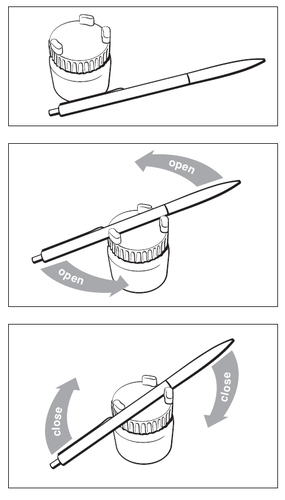
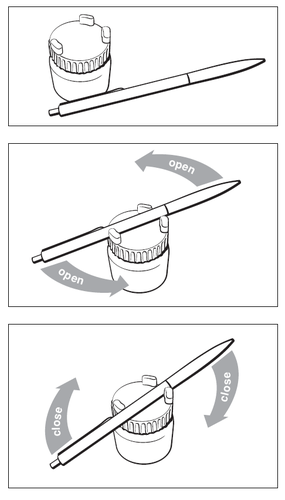
- How to open and close the Lodotra bottle specially designed for patients with rheumatoid arthritis: see “Instructions for opening and closing the container”
- Take the number of tablets prescribed by your doctor
- Do not break the tablet, because the integrity of the coating is important for the effectiveness of Lodotra
- Swallow the tablets whole: do not break, divide or chew the tablets
- Take Lodotra in the evening (usually around 10 PM) with a glass of water
- You must take Lodotra during or after your evening meal. If more than 2-3 hours have passed since eating, take the tablet with a light meal or snack
- Always take the tablets after dinner or after a light snack.
The modified-release tablets of Lodotra are usually taken for several months or more. The
doctor will discuss with you the duration necessary for the treatment.
Instructions for opening and closing the container:
Follow the instructions below:
| I t a l i a | |
| a | |
| i To open z Insert a pen or similar object between the n raised sections of the lid and rotate in the indicated direction (counterclockwise). | To close Insert a pen or similar object between the raised sections of the lid and rotate in the indicated direction (clockwise). |
If you take more Lodotra than you should
No cases of acute intoxication with Lodotra are known. In case of overdose, an
increase in undesirable effects is likely, such as:
- hormonal function disorders
- effects on metabolism
- effects on electrolyte balance (salts), which leads to an increased risk of heart rhythm abnormalities.
CONTACT YOUR DOCTOR IF YOU ARE CONCERNED OR IF YOU NOTICE AN
INCREASE IN ADVERSE EFFECTS
If you forget to take Lodotra
CONTACT YOUR DOCTOR TO FIND OUT HOW TO PROCEED
If you stop taking Lodotra
Do not suddenly stop taking the modified-release tablets of Lodotra.
If you stop treatment with Lodotra, the symptoms of rheumatoid arthritis may reappear.
It is important to reduce the dose of Lodotra slowly. Your doctor will advise you how to gradually reduce the dose.
Lodotra should not be replaced with immediate-release prednisone tablets without first
consulting your doctor.
IF YOU HAVE ANY DOUBTS ABOUT USING THIS MEDICINE, ASK YOUR
DOCTOR OR PHARMACIST.
4. Possible side effects
Like all medicines, this medicine can cause side effects, although not everyone gets them.
The frequency and severity of the side effects listed below depend on the dosage and
duration of treatment.
Common side effects of Lodotra (may affect up to 1 in 10 people):
Hormonal imbalance causing Cushing's syndrome (typical symptoms: round face, often called
“moon face", increased weight in the upper body and rash on the
face) as well as a reduction in the production of glucocorticoids in the body.
Disturbances in the balance of sugars, fats and salts in the body, which can lead to:
- increased appetite and body weight
- diabetes
- high cholesterol
- irregular heartbeat (due to increased potassium excretion)
- fluid retention (edema, due to reduced sodium excretion). Reduced ability to fight infections. Infections may be more severe or symptoms may be masked. Increased susceptibility and severity of infections. Opacity of the lens (cataract) and increased eye pressure (glaucoma) with or without eye pain. Stretch marks, bruises or red spots on the skin or inside the mouth, deterioration of the skin. Increase or decrease in the number of blood cells. Deterioration and weakness of the muscles, deterioration of the bones leading to an increased risk of bone fractures (osteoporosis). Headache. Difficulty sleeping. Uncommon side effects of Lodotra (may affect up to 1 in 100 people):
- High blood pressure
- Thickening or inflammation of the lining of blood vessels and blood clots
- Stomach ulcers and intestinal bleeding
- Increased hair growth, spots or other skin imperfections and delayed wound healing, acne.
Rare side effects of Lodotra (may affect up to 1 in 1000 people):
- Allergic reactions, including blistering of the skin
- Inflammation of the pancreas, causing severe abdominal pain
- Disorders of the secretion of sex hormones, which can cause: absence of menstruation in women or impotence in men
- Thyroid dysfunction
- Depression (feeling sad), irritability, feelings of unjustified happiness, increased impulsivity, loss of contact with reality (psychosis)
- Increased pressure in the head, causing headache, vomiting and double vision
- Development or worsening of epileptic seizures
- Worsening of existing eye ulcers or infections
- Bone loss (osteonecrosis).
Side effects of Lodotra, with frequency not known (frequency cannot be estimated
based on available data):
- Reversible accumulation of fat at the back, heart and chest (lipomatosis)
- Fast heartbeat
- Slow heartbeat
- Acid-base blood imbalance due to low potassium levels (hypokalemic alkalosis)
- Distortion of vision due to fluid leakage from the retina (central serous chorioretinopathy)
- Blurred vision
- Nausea, diarrhea, vomiting
- Hair growth in women (hirsutism)
- Muscle atrophy of the upper arms and legs, tendon rupture, vertebral and long bone fractures
- Sclerodermal renal crisis in patients already suffering from scleroderma (an autoimmune disease)
- Signs of sclerodermal renal crisis include increased blood pressure and decreased urine production. Reporting of side effects:If you get any side effects, even those not listed in this leaflet, tell your doctor or pharmacist. You can also report side effects directly through the national reporting system at www.agenziafarmaco.gov.it/content/come-segnalare- una-sospetta-reazione-avversa . By reporting side effects you can help provide more information on the safety of this medicine.
IF ANY SIDE EFFECT OCCURS, INCLUDING
THOSE NOT LISTED IN THIS LEAFLET, CONTACT YOUR DOCTOR OR
PHARMACIST
5. How to store Lodotra
- Keep this medicine out of the sight and reach of children
- Do not use this medicine after the expiry date which is stated on the bottle and the packaging. The expiry date refers to the last day of the month
- After opening the container, the tablets can be stored in the bottle for up to 14 weeks. After this period, discard any remaining tablets.
- Do not store at a temperature above 25°C
- Do not dispose of any medicine in wastewater or household waste. Ask your pharmacist how to dispose of medicines you no longer use. This will help protect the environment.
6. Contents of the pack and other information
What Lodotra contains
The active ingredient is prednisone.
One modified-release 1 mg tablet of Lodotra contains 1 mg of prednisone.
One modified-release 2 mg tablet of Lodotra contains 2 mg of prednisone.
One modified-release 5 mg tablet of Lodotra contains 5 mg of prednisone.
The other ingredients are:
Tablet core:Tablet coating:
- Anhydrous colloidal silica
- Sodium croscarmellose
- Lactose monohydrate
- Magnesium stearate
- Povidone K 29/32
- Red iron oxide E172.
- Anhydrous colloidal silica
- Dihydrate calcium hydrogen phosphate
- Glycerol dibehenate
- Magnesium stearate
- Povidone K 29/32
- Yellow iron oxide E172.
Description of the appearance of Lodotra and contents of the pack
Lodotra 1 mg modified-release tablets are light yellowish-white,
cylindrical tablets, with “NP1” embossed on one side.
Lodotra 2 mg modified-release tablets are yellowish-white,
cylindrical tablets, with “NP2” embossed on one side.
Lodotra 5 mg modified-release tablets are light yellow, cylindrical tablets,
with “NP5” embossed on one side.
Pack sizes: bottles of 30 and 100 modified-release tablets.
Hospital packs: bottles of 30, 100 and 500 modified-release tablets.
Not all pack sizes may be marketed.
Marketing Authorisation Holder
Mundipharma Pharmaceuticals Srl, Via F. Turati 40, 20121 Milano, Italy.
Manufacturer
SKYEPHARMA PRODUCTION SAS
ZI des Chesnes Ouest 55 rue du Montmurier
38070 Saint Quentin Fallavier
France
This medicinal product is authorised in the Member States of the European Economic Area under the
following denominations:
Germany Lodotra 1 mg/2 mg/5 mg Tabletten mit verzögerter Wirkstofffreisetzung
Italy Lodotra 1 mg/2 mg/5 mg compresse a rilascio modificato
July 2021

Не впевнені, чи підходить вам цей лікарський засіб?
Обговоріть симптоми та можливі варіанти лікування з лікарем онлайн.

Виникли питання під час прийому ліків?
Обговоріть свої симптоми та лікування з лікарем онлайн.
- Країна реєстрації
- Лікарська формаModified-release tablet, 1 MG
- Код АТХH02AB07
- Діюча речовина
- Потрібен рецептТак
- Виробник
- Ця інформація надана лише для ознайомлення і не є медичною порадою. Рішення щодо лікування завжди приймає лікар.
- Альтернативи до LODOTRAЛікарська форма: Coated tablet, 5 MGДіюча речовина: ПреднизонВиробник: GENETIC S.P.A.Потрібен рецептЛікарська форма: Coated tablet, 5 MGДіюча речовина: ПреднизонПотрібен рецептЛікарська форма: Tablet, 5 MGДіюча речовина: ПреднизонВиробник: BRUNO FARMACEUTICI S.P.A.Потрібен рецепт
Аналоги LODOTRA в інших країнах
Препарати з тією самою діючою речовиною, доступні в інших країнах.
Аналог LODOTRA у Польща
Аналог LODOTRA у Україна
Аналог LODOTRA у Іспанія
Лікарі онлайн щодо LODOTRA
Застосування, безпека та можливість призначення рецепта — за результатами медичної оцінки.


Отримайте рецепт на LODOTRA онлайн
Заповніть форму за 2 хвилини
Розкажіть про симптоми, історію хвороби та потрібний препарат.
Оберіть лікаря або ми призначимо
Оберіть спеціаліста або ми підберемо найближчого доступного лікаря.
Лікар розглядає ваш випадок
Зазвичай протягом 30 хвилин. Може ставити уточнювальні запитання в чаті.
Отримайте в будь-якій аптеці
Електронний рецепт надсилається на вашу пошту — дійсний по всій Польщі.
Часті запитання
LODOTRA потребує рецепта в Італія. Ви можете обговорити з лікарем онлайн, чи підходить цей лікарський засіб для вашої ситуації.
Діюча речовина у LODOTRA — Преднизон. Це допомагає визначити препарати з тим самим складом, але під іншими торговими назвами.
LODOTRA виробляється компанією MUNDIPHARMA PHARMACEUTICALS S.R.L.. Назва бренду та упаковка можуть відрізнятися залежно від дистрибʼютора.
Лікарі, зокрема Сімейні лікарі, Психіатри, Дерматологи, Кардіологи, Ендокринологи, Гастроентерологи, Пульмонологи, Нефрологи, Ревматологи, Гематологи, Інфекціоністи, Алергологи, Геріатри, Педіатри, Онкологи, можуть оцінити доцільність застосування LODOTRA з урахуванням вашого стану та місцевих правил. Ви можете записатися на онлайн-консультацію, щоб обговорити симптоми та можливі подальші кроки.
Польща має добре розвинену систему охорони здоров'я у великих містах, таких як Варшава, Краків, Вроцлав і Гданськ. Аптеки широко доступні та працюють відповідно до чинного законодавства, забезпечуючи доступ до рецептурних препаратів.
Ви можете придбати LODOTRA у Варшаві, Кракові, Вроцлаві або Гданську в будь-якій аптеці за наявності дійсного рецепта.
Щоб отримати рецепт, ви можете скористатися Oladoctor:
Інші препарати з тією самою діючою речовиною (Преднизон) включають KISON, KORTIREX, DELTAKORTENE. Вони можуть відрізнятися торговою назвою або формою випуску, але містять той самий терапевтичний компонент. Перед зміною або початком прийому нового препарату варто проконсультуватися з лікарем.
