



KALETRA Soft capsule

Ocena recepty online
Lekarz przeanalizuje Twój przypadek i zdecyduje, czy wystawienie recepty jest medycznie uzasadnione.

Porozmawiaj z lekarzem o tym leku
Omów swoje objawy i opcje leczenia podczas szybkiej konsultacji online.



Jak stosować KALETRA
Treść ulotki
- Kaletra (80 mg + 20 mg) / mL oral solution
- Kaletra 200 mg/50 mg film-coated tablets
- Kaletra 100 mg/25 mg film-coated tablets
Kaletra (80 mg + 20 mg) / mL oral solution
(lopinavir + ritonavir)
Read this leaflet carefully before taking this medicine as it contains
important information for you or the child.
- Keep this leaflet. You may need to read it again.
- If you have any questions, ask your doctor or pharmacist.
- This medicine has been prescribed only for you or your child. Do not give it to other people, even if their symptoms are the same as yours, as it could be dangerous.
- If any side effects occur, including those not listed in this leaflet, tell your doctor or pharmacist. See section 4.
Contents of this leaflet:
- 1. What Kaletra is and what it is used for
- 2. What you need to know before you or the child take Kaletra
- 3. How to take Kaletra
- 4. Possible side effects
- 5. How to store Kaletra
- 6. Contents of the pack and other information
1. What is Kaletra and what is it used for
- Your doctor has prescribed Kaletra to help you keep your Human Immunodeficiency Virus (HIV) infection under control. Kaletra works by slowing the spread of the infection in your body.
- Kaletra is not a cure for HIV infection or for AIDS.
- Kaletra is used in children starting from 14 days of age, in adolescents and in adults affected by HIV, the virus that causes AIDS.
- Kaletra contains the active ingredients lopinavir and ritonavir. Kaletra is an antiretroviral medicine. It belongs to a group of medicines called Protease Inhibitors.
- Kaletra is prescribed to be used in combination with other antiviral medicines. Your doctor will discuss this with you and decide which medicines will be most suitable for your specific case.
2. Cosa deve sapere prima che lei o il bambino prenda Kaletra
Non prenda Kaletra
- se è allergico a lopinavir, ritonavir o ad uno qualsiasi degli altri componenti di Kaletra (elencati al paragrafo 6);
- se presenta gravi problemi al fegato.
Non prenda Kaletra in concomitanza con uno dei seguenti medicinali:
- astemizolo o terfenadina (comunemente usati per il trattamento di sintomi allergici - questi medicinali possono essere disponibili senza presentazione della ricetta medica);
- midazolam somministrato per via orale (assunto per bocca), triazolam (utilizzati per alleviare l’ansia e/o i disturbi del sonno);
- pimozide (utilizzato per il trattamento della schizofrenia);
- quetiapina (usato per il trattamento della schizofrenia, disturbi bipolari e patologia depressiva maggiore);
- lurasidone (utilizzato per il trattamento della depressione);
- ranolazina (utilizzata per il trattamento del dolore cronico al petto [angina]);
- cisapride (utilizzato per alleviare alcuni problemi digestivi);
- ergotamina, diidroergotamina, ergonovina, metilergonovina (utilizzati per il trattamento della cefalea);
- amiodarone, dronedarone (utilizzato per il trattamento delle aritmie cardiache);
- lovastatina, simvastatina (usati per ridurre il colesterolo nel sangue);
- lomitapide (usato per ridurre il colesterolo nel sangue);
- alfuzosina (usata negli uomini per il trattamento dei sintomi dell’ingrossamento della prostata (iperplasia prostatica benigna (BPH));
- acido fusidico (usato per il trattamento delle infezioni della pelle causate dal batterio Staphylococcuscome l’impetigine e le dermatiti infette. L’acido fusidico utilizzato per il trattamento a lungo termine delle infezioni delle ossa e delle articolazioni deve essere assunto sotto la supervisione del medico (vedere il paragrafo Altri medicinali e Kaletra);
- colchicina (usata per trattare la gotta) se ha problemi renali o al fegato (vedere paragrafo Altrimedicinali e Kaletra);
- elbasvir/grazoprevir (utilizzato per il trattamento del virus dell’epatite C cronica [HCV]);
- ombitasvir/paritaprevir/ritonavir con o senza dasabuvir (utilizzato per il trattamento del virus dell’epatite C cronica [HCV]);
- neratinib (usato per il trattamento del cancro al seno);
- avanafil o vardenafil (usato per il trattamento della disfunzione erettile);
- sildenafil usato per il trattamento dell’ipertensione arteriosa polmonare (elevata pressione sanguigna nell’arteria polmonare). Sildenafil usato per il trattamento della disfunzione erettile può essere assunto sotto la supervisione del medico (vedere il paragrafo Altri medicinali e Kaletra);
- prodotti contenenti l’erba di S. Giovanni ( Hypericum perforatum).
Legga l’elenco dei medicinali riportato di seguito nel paragrafo“ Altri medicinali e Kaletra” per
informazioni più specifiche relativamente ad altri medicinali che richiedono particolare attenzione.
Se è attualmente sottoposto a terapia con uno di questi medicinali, chieda al medico se apportare le
necessarie modifiche sia al trattamento di un’altra sua condizione(i) o al trattamento antiretrovirale .
Avvertenze e precauzioni
Si rivolga al medico o al farmacista prima di prendere Kaletra.
Informazioni importanti
- Nei pazienti che assumono Kaletra, si può comunque verificare l’insorgenza di infezioni o altre malattie associate all’HIV o all’AIDS. Per questa ragione, è importante sottoporsi a regolari controlli medici, nel corso del periodo di trattamento a base di Kaletra.
Informi il medico se lei o suo/a figlio/a ha/ha avuto
- Emofiliadi tipo A e B poiché Kaletra potrebbe aumentare il rischio di emorragie.
- Diabetepoiché è stato segnalato un aumento degli zuccheri nel sangue nei pazienti che assumono Kaletra.
- Problemi a carico del fegatopoiché nei pazienti che presentano una problemi al fegato, tra cui l’epatite cronica di tipo B o C il rischio di insorgenza di effetti indesiderati a livello del fegato potenzialmente fatali o gravi può aumentare.
Informi il medico nel caso in cui lei o suo/a figlio/a noti/a la comparsa di
- Nausea, vomito, dolore addominale, difficoltà respiratoria e grave debolezza muscolare alle gambe e alle braccia poiché questi sintomi possono indicare livelli di acido lattico aumentato.
- Sete, minzione frequente, offuscamento della vista o perdita di peso poiché tali condizioni possono indicare la presenza di un aumento degli zuccheri nel sangue.
- Nausea, vomito, dolore addominale così come aumenti marcati dei livelli di trigliceridi (grassi nel sangue) sono stati considerati un fattore di rischio per la pancreatite (infiammazione del pancreas) ed questi sintomi possono indicare la presenza di questa condizione.
- In alcuni pazienti con infezione da HIV avanzata ed una storia di infezione opportunistica, i segni e i sintomi di infiammazione da precedenti infezioni possono manifestarsi subito dopo aver iniziato il trattamento anti-HIV. Si ritiene che tali sintomi siano attribuibili ad un miglioramento della risposta immunitaria dell’organismo che consente all’organismo di combattere processi infettivi latenti che pur essendo stati presenti in precedenza non avevano dato luogo ad una sintomatologia conclamata.
- In aggiunta alle infezioni opportunistiche, malattie autoimmuni (una condizione che si verifica quando il sistema immunitario attacca il tessuto corporeo sano) possono anche verificarsi dopo l’assunzione di medicinali per il trattamento dell’infezione da HIV. Le malattie autoimmuni possono manifestarsi molti mesi dopo l’inizio del trattamento. Se nota qualsiasi sintomo di infezione o qualsiasi altro sintomo come debolezza muscolare, debolezza che inizia dalle mani e dai piedi e si dirama lungo il busto del corpo, palpitazioni, tremore o iperattività, informi il medico immediatamente per richiedere il necessario trattamento.
- Rigidità articolare, sofferenza e dolori(soprattutto a carico delle anche, delle ginocchia e della spalla) e difficoltà di movimento poichè in alcuni pazienti in terapia con tali medicinali potrebbe verificarsi l’insorgenza di una malattia ossea definita osteonecrosi (morte del tessuto osseo causata dal mancato apporto di sangue alle ossa). La durata della terapia antiretrovirale combinata, l’impiego di corticosteroidi, il consumo di alcool, la presenza di una grave immunosoppressione (riduzione dell’attività del sistema immunitario), un maggiore indice di massa corporea, tra gli altri, possono rappresentare alcuni dei numerosi fattori di rischio per lo sviluppo di questa malattia.
- Dolore muscolare, dolorabilità o debolezza, soprattutto se associati all’assunzione di questi medicinali. In alcune rare occasioni tali condizioni si sono rivelate gravi.
- Sintomi di vertigine, sensazione di testa vuota, svenimenti o sensazione di battiti cardiaci anormali. Kaletra può causare cambiamenti nel ritmo cardiaco e nell’attività elettrica del cuore. Questi cambiamenti possono essere osservati all’ECG (Elettrocardiogramma).
Altri medicinali e Kaletra
Informi il medico o il farmacista se lei o suo/a figlio/a sta assumendo, ha recentemente assunto
o potrebbe assumere qualsiasi altro medicinale.
- antibiotici (ad es. rifabutina, rifampicina, claritromicina);
- medicinali antitumorali (ad es. abemaciclib, afatinib, apalutamide, ceritinib, encorafenib, ibrutinib, venetoclax, la maggior parte degli inibitori della tirosin chinasi come dasatinib e nilotinib ,vincristina e vinblastina);
- anticoagulanti (ad es. dabigatran etexilato, edoxaban, rivaroxaban, vorapaxar e warfarin);
- antidepressivi (ad es. trazodone, bupropione);
- antiepilettici (ad es. carbamazepina, fenitoina, fenobarbital, lamotrigina e valproato);
- antimicotici (ad es. ketoconazolo, itraconazolo, voriconazolo);
- medicinali anti gotta (ad es. colchicina). Non deve prendere Kaletra con colchicina nel caso in cui soffra di problemi renali o al fegato (vedere anche ‘ Non prenda Kaletra’ sopra);
- medicinali anti-tubercolosi (bedaquilina, delamanid);
- medicinale antivirale utilizzato per trattare l’infezione cronica da virus dell’epatite C (HCV) negli adulti (ad es. glecaprevir/pibrentasvir, simeprevir e sofosbuvir/velpatasvir/voxilaprevir);
- medicinali utilizzati per il trattamento della disfunzione erettile (ad es. sildenafil e tadalafil);
- acido fusidico utilizzato per il trattamento a lungo termine delle infezioni delle ossa e delle articolazioni (ad es. osteomielite);
- medicinali utilizzati per il trattamento di problemi cardiaci:
- digossina;
- calcio-antagonisti (ad es. felodipina, nifedipina, nicardipina);
- medicinali utilizzati per stabilizzare il battito cardiaco (ad es. bepridil, lidocaina sistemica, chinidina);
- HIV CCR5 - antagonista (ad es. maraviroc);
- inibitore dell’integrasi HIV-1 (ad es. raltegravir);
- medicinali utilizzati per il trattamento di un basso numero di piastrine nel sangue (ad es. fostamatinib);
- levotiroxina (usata nel trattamento di problemi alla tiroide);
- medicinali utilizzati per ridurre il colesterolo nel sangue (ad es. atorvastatina, lovastatina, rosuvastatina e simvastatina);
- medicinali utilizzati per il trattamento dell’asma ed altri problemi correlati ai polmoni come la malattia polmonare ostruttiva cronica (COPD) (ad es. salmeterolo);
- medicinali utilizzati per il trattamento dell’ipertensione arteriosa polmonare (elevata pressione sanguigna nell’arteria polmonare) (ad es. bosentan, riociguat, sildenafil, tadalafil);
- medicinali che influiscono sul sistema immunitario (ad es. ciclosporina, sirolimus (rapamicina), tacrolimus);
- medicinali utilizzati per smettere di fumare (ad es. bupropione);
- medicinali antidolorifici (ad es. fentanyl);
- medicinali morfino-simili (ad es. metadone);
- contraccettivi orali o contraccettivi in cerotto utilizzati per prevenire una gravidanza (vedere il seguente paragrafo intitolato “ Contraccettivi”);
- inibitori della proteasi (ad es. fosamprenavir, indinavir, ritonavir, saquinavir, tipranavir);
- sedativi (ad es. midazolam somministrato per iniezione);
- medicinali steroidei (ad es. budesonide, desametasone, fluticasone propionato, etinilestradiolo, triamcinolone);
- medicinali che causano una reazione con l’alcool (ad es. disulfiram).
Legga l’elenco dei medicinali riportato sopra nel paragrafo “Non prenda Kaletra in
concomitanza con uno qualsiasi dei seguenti medicinali”per informazioni sui medicinali che non
si devono prendere con Kaletra.
Informi il medico o il farmacista se lei o suo/a figlio/a sta assumendo, ha recentemente assunto o
potrebbe assumere qualsiasi altro medicinale, anche quei medicinali che possono essere ottenuti senza
prescrizione medica.
Medicinali per il trattamento della disfunzione erettile (avanafil, vardenafil, sildenafil,
tadalafil)
- Non prenda Kaletrase sta assumendo avanafil o vardenafil.
- Non deve prendere Kaletra con sildenafil usato per il trattamento dell’ipertensione arteriosa polmonare (elevata pressione sanguigna nell’arteria polmonare) (vedere anche il paragrafo sopra Non prenda Kaletra).
- Nel caso in cui stia assumendo sildenafil o tadalafil in concomitanza con Kaletra, può esporsi al rischio di insorgenza di effetti indesiderati come calo della pressione sanguigna, perdita dei sensi, alterazione della vista ed erezione prolungata della durata di oltre 4 ore. Nel caso in cui l’erezione persista oltre le 4 ore, deve immediatamenterivolgersi al medico e chiedere il suo intervento per evitare che si verifichino danni permanenti a carico del pene. Il medico le potrà spiegare questi sintomi.
Contraccettivi
- Nel caso in cui stia utilizzando un contraccettivo orale o un contraccettivo in cerotto per prevenire una gravidanza, deve far ricorso ad ulteriori metodi contraccettivi od utilizzare metodi contraccettivi diversi (ad es. il preservativo) in quanto Kaletra può ridurre l’efficacia dei contraccettivi orali o in cerotto.
Gravidanza e allattamento
- Informi immediatamenteil medico nel caso in cui stia pianificando di avere un bambino, sia in gravidanza o presuma di essere in gravidanza.
- Se sta allattando, o sta pensando di allattare, deve discuterne con il medico il prima possibile.
- Se è in gravidanza o sta allattando, parli con il medico o farmacista prima di prendere il medicinale poiché contiene glicole propilenico e alcol.
- Si sconsiglia alle donne che convivono con l’HIV di allattare al seno perché esiste la possibilità di trasmettere l’infezione da HIV al bambino attraverso il latte materno.
Guida di veicoli e utilizzo di macchinari
Kaletra non è stato specificamente testato per i suoi possibili effetti sulla capacità di guidare veicoli
o di usare macchinari. Non guidi alcun veicolo o non utilizzi macchinari nel caso in cui dovesse notare
la presenza di effetti indesiderati (ad esempio nausea) che possono influire negativamente sulla sua
capacità di svolgere tali attività in tutta sicurezza. In tal caso, consulti il medico.
Kaletra contiene 42% v/v di alcool. La quantità di alcol contenuta nel medicinale potrebbe influire
sulla sua capacità di guidare veicoli o utilizzare macchinari, nonché sulla sua capacità di giudizio e
sui tempi di reazione.
Important information about some ingredients of Kaletra
Kaletra contains 42% v/v of alcohol and 15% of propylene glycol w/v. Each 1 mL of Kaletra oral
solution contains 356.3 mg of alcohol and 152.7 mg of propylene glycol. Alcohol and propylene glycol are
potentially harmful to subjects suffering from liver diseases, kidney diseases, alcoholism,
epilepsy, brain damage or pathology, as well as pregnant women and children. They may increase or
modify the effect of other medicines.
At the recommended dose(s) of the medicine for adults, the estimated blood alcohol concentration
is approximately 0.002-0.01 g/dL, equivalent to approximately 4-22 mL of beer or 1-4 mL of wine consumed by an adult. Alcohol may
be contained in other medicines or may be consumed with food and beverages. Combined effects may lead to an increase in blood alcohol levels and increased side effects due to alcohol.
This medicine contains up to 0.8 g of fructose per dose when taken according to the recommended
dosage. Not suitable in case of hereditary fructose intolerance. Due to the possibility of
undetected fructose intolerance, this medicine should be given alone to children and infants after
consulting a doctor.
Kaletra contains glycerol which is harmful at high doses. This may cause headache and stomach upset and diarrhea.
Kaletra contains hydrogenated castor oil polyoxyl 40. This may cause nausea, vomiting, colic, severe
diarrhea at high doses. This should not be administered when intestinal obstruction is present.
Kaletra contains potassium as acesulfame potassium, which may be harmful in people with a low-potassium diet. A high concentration of potassium in the blood can cause stomach upset and diarrhea.
Kaletra contains sodium as sodium saccharin, sodium chloride and sodium citrate, which may be harmful
in people with a low-sodium diet.
Kaletra contains sodium
This medicine contains less than 1 mmol (23 mg) of sodium per 1 mL, i.e. essentially ‘sodium-free’.
3. How to take Kaletra
The use of Kaletra is recommended in adults and children from 14 days of age affected by HIV.
Maximum care should be taken when establishing the dosage for children. The dosage
should not exceed 5 mL twice a day for children weighing less than 40 kg.
If you or your child are able to swallow tablets, Kaletra is also available in the form of
film-coated tablets containing 200 mg of lopinavir and 50 mg of ritonavir and in tablets
coated with film containing 100 mg of lopinavir and 25 mg of ritonavir.
Take this medicine following the instructions of your doctor exactly. If you have doubts about
how to take the medicine, consult your doctor or pharmacist.
What is the dose of Kaletra that you must take and when?
For children from 14 days of age and up to 15 kg of weight
- The doctor will decide the most appropriate dose to administer based on the child's height and weight.
- It is important that all doses of Kaletra oral solution are taken with food.
- To measure the dose, use the 2 mLoral syringe provided.
For children weighing more than 15 kg
- The doctor will decide the most appropriate dose to administer based on the child's height and weight.
- It is important that all doses of Kaletra oral solution are taken with food.
- To measure the dose, use the 5 mLoral syringe provided.
Use in adults
- The usual dosage of Kaletra for adult patients is 5 mL of oral solution twice a day, i.e. every 12 hours, in association with other anti-HIV medicines. Your doctor will advise you on the exact dosage of Kaletra to take.
- It is important that all doses of Kaletra oral solution are taken with food.
- To measure the dose, use the 5 mL dosing syringe provided.
How do I measure the correct dose?
- If the dose does not exceed 2 mL: prepare the dose with the 2 mLoral dosing syringe.
- If the dose is between 2 mL and 5 mL: prepare the dose with the 5 mLoral dosing syringe.
Ask your pharmacist to verify that you have the correct size syringe. If you have doubts about
how to use the oral dosing syringe, consult your doctor, pharmacist or nurse, who will
explain how to use it correctly.
Before using the dosing syringe for the first time, wash the plunger and cylinder in warm water with
liquid detergent. Rinse with running water and let air dry.
Do not shake the bottle to avoid the formation of air bubbles that interfere with dose measurement.
Open the cap with the child-resistant safety opening by holding it down with the
palm of your hand and turning it counterclockwise or in the direction of the arrow on the cap.
Consult your pharmacist if you have difficulty opening the bottle.

Use of the 2 mL oral dosing syringe for doses up to 2 mL
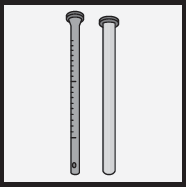
The syringe consists of two
main parts: a “plunger” and a “cylinder”.
In the figure, the plunger is
shown outside the
cylinder so that each
component can be clearly seen.
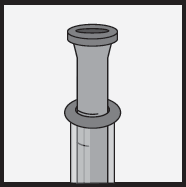
- 1. Push the plunger all the way to the bottom of the cylinder.
- 2. Immerse the tip of the syringe into the liquid.
- 3. Pull the plunger back until you reach the correct amount indicated on the plunger itself. The “mL” indicator should be aligned with the top of the cylinder collar.
- 4. Turn the syringe upside down so that the tip is facing up, tap it gently and push the plunger to eliminate air bubbles.
- 5. Once the air bubbles have been eliminated, check the dose indicator.
- If the “mL” indicator on the collar exceeds the prescribed dose, push the plunger to the prescribed dose.
- If the “mL” indicator on the collar is less than the prescribed dose, draw more solution until the prescribed dose.
- 6. Place the dosing syringe in the child's mouth towards the cheek and gently push the plunger to release the medicine.
Close the bottle with the cap after each administration.
Use of the 5 mL dosing syringe for doses greater than 2 mL
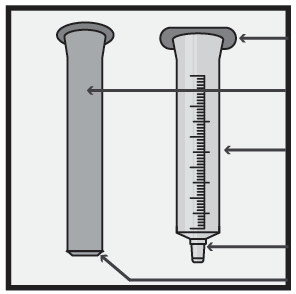
Grip with fingers | |
Plunger | |
The syringe consists of two parts
main: a “plunger” and a
“cylinder”. In the figure, the plunger is
shown outside the cylinder in
so that each component can be clearly
seen.
- 1. Push the plunger all the way to the bottom of the cylinder
- 2. Immerse the tip of the syringe into the liquid.
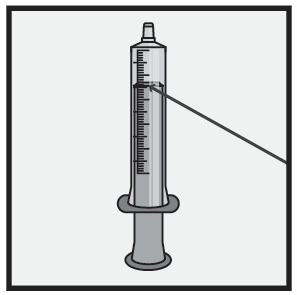
- 3. Pull the plunger back until the raised ring corresponds to the correct dose indicated with “mL” on the cylinder.
- 4. Turn the syringe upside down so that the tip is facing up, tap it gently and push the plunger to eliminate air bubbles.
- 5. Once the air bubbles have been eliminated, check the dose indicator.
- If the “mL” indicator on the raised ring is higher than the prescribed dose, push the plunger to the prescribed dose.
- If the “mL” indicator on the raised ring is lower than the prescribed dose, draw more solution until the prescribed dose.
- 6. Insert the dosing syringe into the child's mouth towards the cheek and gently push the plunger to release the medicine.

Close the bottle with the cap after each administration.
After using the Kaletra dosing syringe, separate the plunger from the cylinder. As soon as possible,
wash both the plunger and the cylinder with liquid detergent and warm water; you can also leave both
elements to soak in soapy water for about 15 minutes. Rinse the cylinder and plunger with
running water. Reposition the plunger in the syringe cylinder and push it several times to
expel the water and thoroughly rinse the syringe. Let the syringe dry completely
before using it for dosing.
Do not use the dosing syringes supplied with Kaletra oral solution to administer any other
medicine to yourself or your child.
If you or your child takes more Kaletra than you should
- If you realize you have taken a dose of Kaletra higher than that prescribed, contact your doctor immediately.
- If you are unable to contact your doctor, go to the hospital.
If you or your child forgets to take Kaletra
- If you notice you have forgotten the dose within 6 hours of the usual time of taking it, take the forgotten dose as soon as possible, and then continue treatment according to the instructions and methods provided by your doctor.
- If you notice you have forgotten the dose more than 6 hours after the usual time of taking it, do not take the forgotten dose. Take the next dose as usual. Do not take a double dose to make up for the missed dose.
If you or your child stops taking Kaletra
- Do not stop or change the dose of Kaletra without first consulting your doctor.
- Kaletra should always be taken twice a day in order to keep the HIV infection under control. Kaletra should be taken in any case even if you should notice an improvement in your condition.
- Taking Kaletra according to the recommendations provided by your doctor will allow you to delay the appearance of resistance to the medicine as much as possible.
- If an undesirable effect prevents you from taking Kaletra according to your doctor's prescription, inform him immediately.
- Make sure you always have enough Kaletra available so as not to run out. When traveling or being hospitalized, make sure you have a supply of Kaletra to cover the period in question until you can obtain another one.
- Continue treatment with the medicine until your doctor gives you different instructions regarding it.
4. Possible side effects
Like all medicines, Kaletra can cause side effects, although not everybody gets them.
It may be difficult to distinguish between side effects caused by Kaletra and effects that could occur following the use of other medicines that are being administered to the patient at the same time as Kaletra, or effects due to complications resulting from HIV infection.
During HIV therapy, an increase in weight and levels of lipids and glucose in the blood may occur. This is partly related to the restoration of health and lifestyle, and in the case of blood lipids, sometimes to the HIV medicines themselves. Your doctor will check these changes.
The following side effects have been reported by patients who have taken this
medicine.Immediately inform your doctor if these symptoms occur or any other symptom. If the condition found should persist or worsen, do not hesitate to seek prompt medical attention.
Very common:may affect more than 1 in 10 people
- diarrhoea;
- nausea;
- upper respiratory tract infection.
Common: may affect up to 1 in 10 people
- inflammation of the pancreas;
- vomiting, increased abdominal volume, pain in the upper and lower abdomen, flatulence, indigestion, decreased appetite, reflux from the stomach to the esophagus which may cause pain;
- Inform your doctorif you experience nausea, vomiting, or abdominal pain, as these may indicate pancreatitis (inflammation of the pancreas).
- swelling or inflammation of the stomach, intestines, and colon;
- increased levels of cholesterol in the blood, increased levels of triglycerides (a type of fat) in the blood, increased blood pressure;
- decreased ability of the body to metabolize sugar, including diabetes mellitus, weight loss;
- low red blood cell count, low white blood cell count that are usually used to fight infections;
- skin rash, eczema, accumulation of oily skin scales;
- dizziness, anxiety, difficulty sleeping;
- feeling tired, lack of strength and energy, headache including migraine;
- hemorrhoids;
- inflammation of the liver including increased liver enzymes;
- allergic reactions including hives and inflammation of the mouth;
- lower respiratory tract infection;
- enlarged lymph nodes;
- impotence, heavy or prolonged menstrual flow, or absence of menstruation;
- muscle disorders such as weakness and spasms, joint, muscle and back pain;
- damage to the nerves of the peripheral nervous system;
- night sweats, itching, skin rash including swelling on the skin, skin infections, inflammation of the skin or hair pores, accumulation of fluid in cells or tissues.
Uncommon:may affect up to 1 in 100 people
- abnormal dreams;
- loss or change of taste:
- hair loss;
- abnormality in the electrocardiogram (ECG) called atrioventricular block;
- formation of plaques inside the arteries that can lead to heart attack and stroke;
- inflammation of blood vessels and capillaries;
- inflammation of the bile duct;
- uncontrollable tremor of the body;
- constipation;
- deep vein inflammation due to a blood clot;
- dry mouth;
- inability to control the bowels;
- inflammation of the first part of the small intestine immediately after the stomach, wound or ulcer in the digestive tract, bleeding from the intestinal tract or rectum;
- red blood cells in the urine;
- yellowing of the skin or whites of the eyes (jaundice);
- fat deposits in the liver, enlargement of the liver;
- lack of testicular function;
- a set of symptoms related to inactive infections in the body (immune reconstitution);
- increased appetite;
- abnormally elevated level of bilirubin (a pigment produced by the breakdown of red blood cells) in the blood;
- decreased sexual desire;
- inflammation of the kidneys;
- bone necrosis due to poor blood supply to the area;
- mouth sores or ulcers, inflammation of the stomach and intestines;
- kidney failure;
- breakdown of muscle fibers resulting in the release of muscle fiber contents (myoglobin) into the bloodstream;
- a sound in one or both ears, such as buzzing, ringing, or whistling;
- tremor;
- abnormal closure of one of the valves (tricuspid valve of the heart);
- vertigo (a sensation of spinning);
- eye disorders, abnormal vision;
- weight gain.
Rare:may affect up to 1 in 1,000 people
- severe or life-threatening skin rash and blisters (Stevens-Johnson syndrome and erythema multiforme).
Not known:frequency cannot be estimated based on available data
- kidney stones.
If any of these side effects get serious or if you notice any not listed in this leaflet, tell your
pharmacist.
Reporting of side effects
If you get any side effects, talk to your doctor or pharmacist. This includes any side effects not listed
in this leaflet. You can also report side effects directly through the national reporting system detailed in
Appendix V. By reporting side effects you can help provide more information on the safety of this medicine.
5. How to store Kaletra
- Keep this medicine out of the sight and reach of children.
- Do not use Kaletra after the expiry date which is stated on the bottle.
- Do not use this medicine if you notice that the solution has changed colour or contains particles.
How to store Kaletra and for how long?
- Store in a refrigerator (2°C -8°C).
- Storage during use: if the bottle is stored outside the refrigerator, do not store it above 25°C and discard any unused contents of the bottle after 42 days (6 weeks). It is recommended to write the date corresponding to the day the bottle was removed from the refrigerator on the packaging.
- It is important to store Kaletra in the bottle it was packaged in and to close it with the cap after each administration. Do not transfer its contents into any other container.
How to dispose of unused Kaletra?
Do not dispose of any medicine in wastewater. Ask your pharmacist how to eliminate medicines
that you no longer use. This will help protect the environment.
6. Contents of the pack and other information
What Kaletra contains
The active ingredients are lopinavir and ritonavir.
Each mL of Kaletra oral solution contains 80 mg of lopinavir and 20 mg of ritonavir.
The other ingredients are:
Alcohol, high fructose corn syrup, propylene glycol, purified water, glycerol,
povidone, magnasweet 110 flavour (mixture of monoammonium glycyrrhizinate and glycerol), vanilla
flavour (containing p-hydroxybenzoic acid, p-hydroxybenzaldehyde, vanillic acid, vanillin,
heliotropin, ethyl vanillin), hydrogenated castor oil polyoxyl 40, sugar floss flavour (containing
ethyl maltol, ethyl vanillin, acetoin, dihydrocoumarin, propylene glycol), potassium acesulfame,
sodium saccharin, sodium chloride, peppermint essential oil, sodium citrate, citric acid,
levomenthol.
Description of Kaletra and contents of the pack
Kaletra oral solution is packaged in an amber 60 mL multi-dose bottle. Each mL of Kaletra
contains 80 mg of lopinavir and 20 mg of ritonavir.
Packs are available in two sizes:
- 120 mL (2 bottles x 60 mL). The 2-bottle pack also contains two 2 mL graduated syringes for 0.1 mL. For volumes up to 2 mL. For larger volumes, an alternative pack is available.
- 300 mL (5 bottles x 60 mL). The 5-bottle pack also contains five 5 mL graduated syringes for 0.1 mL. For volumes greater than 2 mL. For smaller volumes, an alternative pack is available.
Marketing Authorisation Holder
AbbVie Deutschland GmbH & Co. KG, Knollstrasse, 67061 Ludwigshafen, Germany
Manufacturer
AbbVie Deutschland GmbH & Co. KG, Knollstrasse, 67061 Ludwigshafen, Germany
AbbVie Logistics B.V., Zuiderzeelaan 53, 8017 JV Zwolle, Netherlands
For further information on this medicinal product, contact the local representative of the marketing
authorisation holder:
België/Belgique/Belgien
AbbVie SA
Tél/Tel: +32 10 477811
Lietuva
AbbVie UAB
Tel: +370 5 205 3023
България
АбВи ЕООД
Тел.: +359 2 90 30 430
Luxembourg/Luxemburg
AbbVie SA
Belgique/Belgien
Tél/Tel: +32 10 477811
Česká republika
AbbVie s.r.o.
Tel: +420 233 098 111
Magyarország
AbbVie Kft.
Tel.: +36 1 455 8600
Danmark
AbbVie A/S
Tlf: +45 72 30-20-28
Malta
V.J.Salomone Pharma Limited
Tel: +356 22983201
Deutschland
AbbVie Deutschland GmbH & Co. KG
Tel: 00800 222843 33 (gebührenfrei)
Nederland
AbbVie B.V.
Tel: +31 (0)88 322 2843
Tel: +49 (0) 611 / 1720-0
Eesti
AbbVie OÜ
Tel: +372 623 1011
Norge
AbbVie AS
Tlf: +47 67 81 80 00
Ελλάδα
AbbVie ΦΑΡΜΑΚΕΥΤΙΚΗ Α.Ε.
Τηλ: +30 214 4165 555
Österreich
AbbVie GmbH
Tel: +43 1 20589-0
España
AbbVie Spain, S.L.U.
Tel: +34 9 1 384 0910
Polska
AbbVie Sp. z o.o.
Tel.: +48 22 372 78 00
France
AbbVie
Tél: +33 (0)1 45 60 13 00
Portugal
AbbVie, Lda.
Tel: +351 (0)21 1908400
Hrvatska
AbbVie d.o.o.
Tel: +385 (0)1 5625 501
România
AbbVie S.R.L.
Tel: +40 21 529 30 35
Ireland
AbbVie Limited
Tel: +353 (0)1 4287900
Slovenija
AbbVie Biofarmacevtska družba d.o.o.
Tel: +386 (1)32 08 060
Ísland
Vistor hf.
Tel: +354 535 7000
Slovenská republika
AbbVie s.r.o.
Tel: +421 2 5050 0777
Italia
AbbVie S.r.l.
Tel: +39 06 928921
Suomi/Finland
AbbVie Oy
Puh/Tel: +358 (0) 10 2411 200
Κύπρος
Lifepharma (Z.A.M.) Ltd
Τηλ: +357 22 34 74 40
Sverige
AbbVie AB
Tel: +46 (0)8 684 44 600
Latvija
AbbVie SIA
Tel: +371 67605000
United Kingdom (Northern Ireland)
AbbVie Deutschland GmbH & Co. KG
Tel: +44 (0)1628 561090
Further details on this medicinal product are available on the website of the European Medicines
Agency: http://www.ema.europa.eu /.
Kaletra 200 mg/50 mg film-coated tablets
lopinavir/ritonavir
Read this leaflet carefully before taking this medicine as it contains
important information for you or the child.
- Keep this leaflet. You may need to read it again.
- If you have any questions, ask your doctor or pharmacist.
- This medicine has been prescribed only for you or your child. Do not pass it on to others, even if their symptoms are the same as yours, as it could be harmful.
- If any side effects occur, including those not listed in this leaflet, tell your doctor or pharmacist. See section 4.
Contents of this leaflet:
- 1. What Kaletra is and what it is used for
- 2. What you need to know before you or the child takes Kaletra
- 3. How to take Kaletra
- 4. Possible side effects
- 5. How to store Kaletra
- 6. Contents of the pack and other information
1. What is Kaletra and what it is used for
- Your doctor has prescribed Kaletra to help you control the infection caused by the Human Immunodeficiency Virus (HIV). Kaletra works by slowing the spread of the infection in your body.
- Kaletra is not a cure for HIV infection or for AIDS.
- Kaletra is used in children aged 2 years and over, adolescents and adults with HIV, the virus that causes AIDS.
- Kaletra contains the active ingredients lopinavir and ritonavir. Kaletra is an antiretroviral medicine. It belongs to a group of medicines called Protease Inhibitors.
- Kaletra is prescribed to be used in combination with other antiviral medicines. Your doctor will discuss this with you and decide which medicines are most suitable for your specific case.
2. What you need to know before you or your child take Kaletra
Do not take Kaletra
- if you are allergic to lopinavir, ritonavir or any of the other ingredients of Kaletra (listed in section 6);
- if you have severe liver problems.
Do not take Kaletra at the same time as any of the following medicines:
- astemizole or terfenadine (commonly used to treat allergy symptoms - these medicines may be available without a prescription);
- Midazolam administered orally (taken by mouth), triazolam (used to relieve anxiety and/or sleep disorders);
- pimozide (used to treat schizophrenia);
- quetiapine (used to treat schizophrenia, bipolar disorder and major depressive disorder);
- lurasidone (used to treat depression);
- ranolazine (used to treat chronic chest pain [angina]);
- cisapride (used to relieve some digestive problems);
- ergotamine, dihydroergotamine, ergonovine, methylergonovine (used to treat headache);
- amiodarone, dronedarone (used to treat heart rhythm problems);
- lovastatin, simvastatin (used to lower cholesterol);
- lomitapide (used to lower cholesterol);
- alfuzosin (used in men to treat the symptoms of an enlarged prostate [benign prostatic hyperplasia (BPH)]);
- fusidic acid (used to treat skin infections caused by the bacterium Staphylococcussuch as impetigo and infected dermatitis. Fusidic acid used for the long-term treatment of bone and joint infections should be taken under the supervision of a doctor (see section Other medicines and Kaletra);
- colchicine (used to treat gout) if you have kidney or liver problems (see section Other medicines and Kaletra);
- elbasvir/grazoprevir (used to treat chronic hepatitis C virus [HCV]);
- ombitasvir/paritaprevir/ritonavir with or without dasabuvir (used to treat chronic hepatitis C virus [HCV]);
- neratinib (used to treat breast cancer);
- avanafil or vardenafil (used to treat erectile dysfunction);
- sildenafil used to treat pulmonary arterial hypertension (high blood pressure in the pulmonary artery). Sildenafil used to treat erectile dysfunction may be taken under the supervision of a doctor (see section Other medicines and Kaletra);
- products containing St John's wort (Hypericum perforatum).
Read the list of medicines below in the section“Other medicines and Kaletra” for
more specific information about other medicines that require special attention.
If you are currently taking any of these medicines, ask your doctor if adjustments need to be made to
your treatment for another condition(s) or to your antiretroviral treatment.
Warnings and precautions
Talk to your doctor or pharmacist before taking Kaletra.
Important information
- Even in patients taking Kaletra, infections or other diseases associated with HIV or AIDS may still occur. For this reason, it is important to have regular medical check-ups during the treatment period with Kaletra.
Tell your doctor if you or your child has/have had
- Hemophiliatype A and B, as Kaletra may increase the risk of bleeding.
- Diabetesas an increase in blood sugar has been reported in patients taking Kaletra.
- Liver problemsas patients with liver problems, including chronic hepatitis B or C, may have an increased risk of serious or fatal liver side effects.
Tell your doctor if you or your child notice the appearance of
- Nausea, vomiting, abdominal pain, difficulty breathing and severe muscle weakness in the legs and arms, as these symptoms may indicate increased lactic acid levels.
- Thirst, frequent urination, blurred vision or weight loss as these conditions may indicate high blood sugar.
- Nausea, vomiting, abdominal pain, as well as marked increases in triglyceride levels (fats in the blood) have been considered a risk factor for pancreatitis (inflammation of the pancreas) and these symptoms may indicate the presence of this condition.
- In some patients with advanced HIV infection and a history of opportunistic infection, signs and symptoms of inflammation from previous infections may appear shortly after starting anti-HIV treatment. These symptoms are believed to be due to an improvement in the body's immune response, which allows the body to fight latent infections that were previously present but had not caused any symptoms.
- In addition to opportunistic infections, autoimmune diseases (a condition that occurs when the immune system attacks healthy body tissue) may also occur after taking medicines to treat HIV infection. Autoimmune diseases can manifest many months after starting treatment. If you notice any symptoms of infection or any other symptoms such as muscle weakness, weakness starting in the hands and feet and spreading along the torso, palpitations, tremors or hyperactivity, tell your doctor immediately for necessary treatment.
- Joint stiffness, suffering and pain(especially in the hips, knees and shoulder) and difficulty moving, as in some patients treated with these medicines, the onset of a bone disease called osteonecrosis (death of bone tissue caused by a lack of blood supply to the bones) may occur. The duration of combination antiretroviral therapy, the use of corticosteroids, alcohol consumption, the presence of severe immunosuppression (reduced activity of the immune system), a higher body mass index, among others, may represent some of the numerous risk factors for the development of this disease.
- Muscle pain, tenderness or weakness, especially if accompanied by the use of these medicines. In some rare cases, these conditions have proven serious.
- Symptoms of dizziness, lightheadedness, fainting or feeling of abnormal heartbeats. Kaletra can cause changes in heart rhythm and electrical activity of the heart. These changes can be observed on an ECG (Electrocardiogram).
Other medicines and Kaletra
Tell your doctor or pharmacist if you or your child are taking, have recently taken
or might take any other medicine.
- antibiotics (e.g. rifabutin, rifampicin, clarithromycin);
- anti-cancer medicines (e.g. abemaciclib, afatinib, apalutamide, ceritinib, encorafenib, ibrutinib, venetoclax, most tyrosine kinase inhibitors such as dasatinib and nilotinib,vincristine and vinblastine);
- anticoagulants (e.g. dabigatran etexilate, edoxaban, rivaroxaban, vorapaxar and warfarin);
- antidepressants (e.g. trazodone, bupropion);
- antiepileptics (e.g. carbamazepine, phenytoin, phenobarbital, lamotrigine and valproate);
- antifungals (e.g. ketoconazole, itraconazole, voriconazole);
- anti-gout medicines (e.g. colchicine). Do not take Kaletra with colchicine if you have kidney or liver problems (see also ‘Do not take Kaletra’ above);
- anti-tuberculosis medicines (bedaquiline, delamanid);
- antiviral medicine used to treat chronic hepatitis C virus (HCV) infection in adults (e.g. glecaprevir/pibrentasvir, simeprevir and sofosbuvir/velpatasvir/voxilaprevir);
- medicines used to treat erectile dysfunction (e.g. sildenafil and tadalafil);
- fusidic acid used for the long-term treatment of bone and joint infections (e.g. osteomyelitis);
- medicines used to treat heart problems:
- digoxin;
- calcium channel blockers (e.g. felodipine, nifedipine, nicardipine);
- medicines used to stabilize the heartbeat (e.g. bepridil, systemic lidocaine, quinidine);
- HIV CCR5 - antagonist (e.g. maraviroc);
- HIV-1 integrase inhibitor (e.g. raltegravir);
- medicines used to treat a low number of platelets in the blood (e.g. fostamatinib);
- levothyroxine (used to treat thyroid problems);
- medicines used to lower cholesterol in the blood (e.g. atorvastatin, lovastatin, rosuvastatin and simvastatin);
- medicines used to treat asthma and other lung-related problems such as chronic obstructive pulmonary disease (COPD) (e.g. salmeterol);
- medicines used to treat pulmonary arterial hypertension (high blood pressure in the pulmonary artery) (e.g. bosentan, riociguat, sildenafil, tadalafil);
- medicines that affect the immune system (e.g. cyclosporine, sirolimus (rapamycin), tacrolimus);
- medicines used to quit smoking (e.g. bupropion);
- pain relievers (e.g. fentanyl);
- morphine-like medicines (e.g. methadone);
- non-nucleoside reverse transcriptase inhibitors (NNRTIs) (e.g. efavirenz, nevirapine);
- oral contraceptives or contraceptive patches used to prevent pregnancy (see the following section entitled “Contraceptives”);
- protease inhibitors (e.g. fosamprenavir, indinavir, ritonavir, saquinavir, tipranavir);
- sedatives (e.g. midazolam administered by injection);
- steroid medicines (e.g. budesonide, desamethasone, fluticasone propionate, ethinylestradiol, triamcinolone).
Read the list of medicines above in the section “Do not take Kaletra in
concomitance with any of the following medicines”for information about medicines that you
should not take with Kaletra.
Tell your doctor or pharmacist if you or your child are taking, have recently taken or
might take any other medicine, including medicines that can be obtained without
a prescription.
Medicines for the treatment of erectile dysfunction (avanafil, vardenafil, sildenafil,
tadalafil)
- Do not take Kaletraif you are taking avanafil or vardenafil.
- Do not take Kaletra with sildenafil used to treat pulmonary arterial hypertension (high blood pressure in the pulmonary artery) (see also the section above Do not take Kaletra).
- If you are taking sildenafil or tadalafil in combination with Kaletra, you may be at risk of side effects such as low blood pressure, fainting, blurred vision and prolonged erection lasting more than 4 hours. If the erection persists for more than 4 hours, you should immediatelysee a doctor and seek their intervention to avoid permanent damage to the penis. Your doctor will be able to explain these symptoms to you.
Contraceptives
- If you are using an oral contraceptive or a contraceptive patch to prevent pregnancy, you should use additional methods of contraception or use different methods of contraception (e.g. condoms) as Kaletra may reduce the effectiveness of oral or patch contraceptives.
Pregnancy and breastfeeding
- Immediatelytell your doctor if you are planning to become pregnant, are pregnant or suspect you may be pregnant.
- If you are breastfeeding or are considering breastfeeding, you should discuss this with your doctor as soon as possible.
- It is not recommended that women living with HIV breastfeed, as there is a possibility that HIV infection may be transmitted to the baby through breast milk.
Driving and operating machinery
Kaletra has not been specifically tested for its potential effects on the ability to drive
vehicles or operate machinery. Do not drive any vehicle or operate machinery if
you notice side effects (e.g. nausea) that may negatively affect your ability to perform
these activities safely. In such cases, consult your
doctor. Kaletra contains sodium
This medicine contains less than 1 mmol (23 mg) of sodium per tablet, i.e. essentially ‘sodium-free’.
3. How to take Kaletra
It is important to take Kaletra tablets, swallowing them whole without chewing, dividing or
crushing them.
Take this medicine following the instructions of your doctor exactly. If you have any doubts about
how to take the medicine, consult your doctor or pharmacist.
What is the dose of Kaletra you need to take and when?
Use in adults
- The usual dosage of Kaletra for adult patients is 400 mg/100 mg twice a day, that is every 12 hours, in association with other anti-HIV medicines. Adult patients who have not previously taken other antivirals may also take Kaletra tablets once a day at a dose of 800 mg/200 mg. Your doctor will tell you how many tablets to take. Adult patients who have previously taken other antiviral medicines may take Kaletra tablets once a day at a dosage of 800 mg/200 mg if their doctor deems it appropriate.
- Kaletra should not be taken once a day with efavirenz, nevirapine, carbamazepine, phenobarbital and phenytoin.
- Kaletra tablets can be taken with or without food.
Use in children
- For children, the doctor will determine the most appropriate dosage to administer (number of tablets) based on the child's height and weight.
- Kaletra tablets can be taken with or without food.
Kaletra is also available in film-coated tablets of 100 mg/25 mg. Kaletra oral solution is available for patients who have difficulty swallowing the tablets.
If you or your child takes more Kaletra than you should
- If you realize you have taken a dose of Kaletra higher than prescribed, contact your doctor immediately.
- If you are unable to contact your doctor, go to hospital.
If you or your child forgets to take Kaletra
If you take Kaletra twice a day
- If you notice you have forgotten the dose within 6 hours of the usual time of taking it, take the forgotten dose as soon as possible, and then continue treatment according to the instructions and methods provided by your doctor.
- If you notice you have forgotten the dose more than 6 hours after the usual time of taking it, do not take the forgotten dose. Do not take a double dose to make up for the missed dose.
If you take Kaletra once a day
- If you notice you have forgotten the dose within 12 hours of the usual time of taking it, take the forgotten dose as soon as possible, and then continue treatment according to the instructions and methods provided by your doctor.
- If you notice you have forgotten the dose more than 12 hours after the usual time of taking it, do not take the forgotten dose. Do not take a double dose to make up for the missed dose.
If you or your child stops taking Kaletra
- Do not stop or change the daily dose of Kaletra without first consulting your doctor.
- Kaletra must be taken every day to keep the HIV infection under control. Kaletra should be taken in any case, even if you should notice an improvement in your condition.
- Taking Kaletra according to the recommendations provided by your doctor will allow you to delay the appearance of resistance to the medicine for as long as possible.
- If an undesirable effect prevents you from taking Kaletra according to your doctor's prescription, inform him immediately.
- Make sure you always have a sufficient amount of Kaletra available, so as not to run out. When traveling or being hospitalized, make sure you have a supply of Kaletra to cover the period in question until you can obtain more.
- Continue treatment with the medicine until your doctor gives you different instructions.
4. Possible side effects
Like all medicines, this medicine can cause side effects, although not everyone will experience them.
It may be difficult to distinguish between side effects caused by Kaletra and effects that may occur
following the administration of other medicines that are given to the patient in conjunction with Kaletra or
effects due to complications resulting from HIV infection.
During HIV therapy, an increase in weight and levels of lipids and glucose in the blood may occur. This is
partly related to the restoration of health and lifestyle and, in the case of blood lipids, sometimes to the
HIV medicines themselves. The doctor will check these changes.
The following side effects have been reported by patients who have taken this medicine.
Immediately inform your doctor if you experience these symptoms or any other symptoms. If the
condition found persists or worsens, do not hesitate to seek prompt medical attention.
Very common:may affect more than 1 in 10 people
- diarrhea;
- nausea;
- upper respiratory tract infection.
Common: may affect up to 1 in 10 people
- pancreatitis (inflammation of the pancreas);
- vomiting, increased abdominal volume, pain in the upper and lower abdomen, flatulence, indigestion, decreased
appetite, reflux from the stomach to the esophagus which may cause pain; - Inform your doctorif you experience nausea, vomiting, or abdominal pain, as these may indicate
pancreatitis (inflammation of the pancreas). - swelling or inflammation of the stomach, intestines and colon;
- increased cholesterol in the blood, increased levels of triglycerides (a type of fat) in the blood, increased
blood pressure; - decreased ability of the body to metabolize sugar, including diabetes mellitus, weight loss;
- low red blood cell count, low white blood cell count that are usually used to fight infections;
- skin rash, eczema, accumulation of oily skin scales;
- dizziness, anxiety, difficulty sleeping;
- feeling tired, lack of strength and energy, headache including migraine;
- hemorrhoids;
- inflammation of the liver including increased liver enzymes;
- allergic reactions including hives and inflammation of the mouth;
- lower respiratory tract infection;
- enlarged lymph nodes;
- impotence, heavy or prolonged menstrual flow or absence of menstruation;
- muscle disorders such as weakness and spasms, joint, muscle and back pain;
- damage to the nerves of the peripheral nervous system;
- night sweats, itching, skin rash including swelling on the skin, skin infections, inflammation of the skin or
hair pores, accumulation of fluids in cells or tissues.
Uncommon:may affect up to 1 in 100 people
- abnormal dreams;
- loss or change of taste;
- hair loss;
- abnormality in the electrocardiogram (ECG) called atrioventricular block;
- formation of plaques inside the arteries which can lead to heart attack and stroke;
- inflammation of blood vessels and capillaries;
- inflammation of the bile duct;
- uncontrollable tremor of the body;
- constipation;
- deep vein inflammation due to a blood clot;
- dry mouth;
- inability to control the bowels;
- inflammation of the first part of the small intestine immediately after the stomach, wound or ulcer in the
digestive tract, bleeding from the intestinal tract or rectum; - red blood cells in the urine;
- yellowing of the skin or whites of the eyes (jaundice);
- fat deposits in the liver, enlargement of the liver;
- lack of testicular function;
- a set of symptoms related to inactive infections in the body (immune reconstitution syndrome);
- increased appetite;
- abnormally high level of bilirubin (a pigment produced by the breakdown of red blood cells) in the blood;
- decreased sexual desire;
- inflammation of the kidneys;
- bone necrosis due to poor blood supply to the area;
- mouth sores or ulcers, inflammation of the stomach and intestines;
- kidney failure;
- degradation of muscle fibers resulting in the release of muscle fiber content (myoglobin) into the
bloodstream; - a sound in one or both ears, such as buzzing, ringing or whistling;
- tremor;
- abnormal closure of one of the valves (tricuspid valve of the heart);
- vertigo (sensation of spinning);
- eye disorders, abnormal vision;
- weight gain.
Rare:may affect up to 1 in 1,000 people
- skin rashes and blisters (Stevens-Johnson syndrome and erythema multiforme) severe or life-threatening.
Not known:frequency cannot be estimated based on available data
- kidney stones.
If any of these side effects worsen or if you notice the appearance of any other symptoms, tell your
pharmacist.
Reporting of side effects
If you get any side effects, talk to your doctor or pharmacist. This includes any possible side effects not
listed in this leaflet. You can also report side effects directly through the national reporting system listed in
Appendix V. By reporting side effects you can help provide more information on the safety of this medicine.
5. How to store Kaletra
- Keep this medicine out of the sight and reach of children.
- Do not use Kaletra after the expiry date which is stated on the packaging.
- This medicine does not require any particular storage conditions.
- Do not use this medicine if you notice any changes in colour.
How to dispose of unused Kaletra?
Do not dispose of any medicine in wastewater. Ask your pharmacist how to eliminate the medicines
that you no longer use. This will help protect the environment.
6. Package contents and other information
What Kaletra contains
The active ingredients are lopinavir and ritonavir.
Each Kaletra tablet contains 200 mg of lopinavir and 50 mg of ritonavir.
The other ingredients are:
Tablet
Copovidone, sorbitan laurate, colloidal anhydrous silica, sodium stearyl fumarate.
Coating components
Hypromellose, titanium dioxide, macrogols type 400 (polyethylene glycol 400), hydroxypropyl cellulose,
talc, colloidal anhydrous silica, macrogols type 3350 (polyethylene glycol 3350), red iron oxide
E172, polysorbate 80.
Description of the appearance of Kaletra and contents of the pack
Kaltra film-coated tablets are red in colour and imprinted with the code “AL” on one side.
Kaltra film-coated tablets are supplied in packs of 120 tablets (1 plastic bottle of 120 tablets) and 360
tablets (3 plastic bottles of 120 tablets). They are also available in blister packs containing 120 tablets (1
pack of 120 tablets or 3 packs of 40 tablets).
Not all pack sizes may be marketed.
Marketing Authorisation Holder
AbbVie Deutschland GmbH & Co. KG, Knollstrasse, 67061 Ludwigshafen, Germany
Manufacturer
AbbVie Deutschland GmbH & Co. KG, Knollstrasse, 67061 Ludwigshafen, Germany
Fournier Laboratories Ireland Limited, Carrigtwohill Business Park, Anngrove, Carrigtwohill, Co.
Cork, Ireland
For further information on this medicine, contact the local representative of the Marketing Authorisation
Holder:
België/Belgique/Belgien
AbbVie SA
Tél/Tel: +32 10 477811
Lietuva
AbbVie UAB
Tel: +370 5 205 3023
България
АбВи ЕООД
Тел.: +359 2 90 30 430
Luxembourg/Luxemburg
AbbVie SA
Belgique/Belgien
Tél/Tel: +32 10 477811
Česká republika
AbbVie s.r.o.
Tel: +420 233 098 111
Magyarország
AbbVie Kft.
Tel.: +36 1 455 8600
Danmark
AbbVie A/S
Tlf: +45 72 30-20-28
Malta
V.J.Salomone Pharma Limited
Tel: +356 22983201
Deutschland
AbbVie Deutschland GmbH & Co. KG
Tel: 00800 222843 33 (gebührenfrei)
Tel: +49 (0) 611 / 1720-0
Nederland
AbbVie B.V.
Tel: +31 (0)88 322 2843
Eesti
AbbVie OÜ
Tel: +372 623 1011
Norge
AbbVie AS
Tlf: +47 67 81 80 00
Ελλάδα
AbbVie ΦΑΡΜΑΚΕΥΤΙΚΗ Α.Ε.
Τηλ: +30 214 4165 555
Österreich
AbbVie GmbH
Tel: +43 1 20589-0
España
AbbVie Spain, S.L.U.
Tel: +34 9 1 384 0910
Polska
AbbVie Sp. z o.o.
Tel.: +48 22 372 78 00
France
AbbVie
Tél: +33 (0)1 45 60 13 00
Portugal
AbbVie, Lda.
Tel: +351 (0)21 1908400
Hrvatska
AbbVie d.o.o.
Tel: +385 (0)1 5625 501
România
AbbVie S.R.L.
Tel: +40 21 529 30 35
Ireland
AbbVie Limited
Tel: +353 (0)1 4287900
Slovenija
AbbVie Biofarmacevtska družba d.o.o.
Tel: +386 (1)32 08 060
Ísland
Vistor hf.
Tel: +354 535 7000
Slovenská republika
AbbVie s.r.o.
Tel: +421 2 5050 0777
Italia
AbbVie S.r.l.
Tel: +39 06 928921
Suomi/Finland
AbbVie Oy
Puh/Tel: +358 (0) 10 2411 200
Κύπρος
Lifepharma (Z.A.M.) Ltd
Τηλ: +357 22 34 74 40
Sverige
AbbVie AB
Tel: +46 (0)8 684 44 600
Latvija
AbbVie SIA
Tel: +371 67605000
United Kingdom (Northern Ireland)
AbbVie Deutschland GmbH & Co. KG
Tel: +44 (0)1628 561090
More detailed information on this medicine is available on the website of the European Medicines
Agency: http://www.ema.europa.eu /.

Nie jesteś pewien, czy ten lek jest odpowiedni dla ciebie?
Omów swoje objawy i leczenie z lekarzem online.
Kaletra 100 mg/25 mg film-coated tablets
lopinavir/ritonavir
Read this leaflet carefully before you take this medicine as it contains
important information for you or the child.
- Keep this leaflet. You may need to read it again.
- If you have any questions, ask your doctor or pharmacist.
- This medicine has been prescribed only for you or your child. Do not pass it on to others, even if their symptoms are the same as yours, as it could be harmful.
- If any side effects occur, including any not listed in this leaflet, tell your doctor or pharmacist. See section 4.
Contents of this leaflet:
- 1. What Kaletra is and what it is used for
- 2. What you need to know before you or the child takes Kaletra
- 3. How to take Kaletra
- 4. Possible side effects
- 5. How to store Kaletra
- 6. Contents of the pack and other information
1. What is Kaletra and what is it used for
- Your doctor has prescribed Kaletra to help you keep your Human Immunodeficiency Virus (HIV) infection under control. Kaletra performs this action by slowing the spread of the infection in your body.
- Kaletra is not a cure for HIV infection or for AIDS.
- Kaletra is used in children aged 2 years and over, adolescents and adults with HIV, the virus that causes AIDS.
- Kaletra contains the active ingredients lopinavir and ritonavir. Kaletra is an antiretroviral medicine. It belongs to a group of medicines called protease inhibitors.
- Kaletra is prescribed to be used in combination with other antiretroviral medicines. Your doctor will discuss this with you and decide which medicines will be most suitable for your specific case.
2. What you need to know before you or your child take Kaletra
Do not take Kaletra
- if you are allergic to lopinavir, ritonavir or any of the other ingredients of Kaletra (listed in section 6);
- if you have severe liver problems.
Do not take Kaletra at the same time as any of the following medicines:
- astemizole or terfenadine (commonly used to treat allergy symptoms - these medicines may be available without a prescription);
- midazolam given by mouth (taken by mouth), triazolam (used to relieve anxiety and/or sleep disorders);
- pimozide (used to treat schizophrenia);
- quetiapine (used to treat schizophrenia, bipolar disorder and major depressive disorder);
- lurasidone (used to treat depression);
- ranolazine (used to treat chronic chest pain [angina]);
- cisapride (used to relieve some digestive problems);
- ergotamine, dihydroergotamine, ergonovine, methylergonovine (used to treat headaches);
- amiodarone, dronedarone (used to treat heart rhythm problems);
- lovastatin, simvastatin (used to lower cholesterol in the blood);
- lomitapide (used to lower cholesterol in the blood);
- alfuzosin (used in men to treat the symptoms of an enlarged prostate [benign prostatic hyperplasia (BPH)]);
- fusidic acid (used to treat skin infections caused by the bacterium Staphylococcussuch as impetigo and infected dermatitis. Fusidic acid used for the long-term treatment of bone and joint infections should be taken under the supervision of a doctor (see section Other medicines and Kaletra);
- colchicine (used to treat gout) if you have kidney or liver problems (see section Other medicines and Kaletra);
- elbasvir/grazoprevir (used to treat chronic hepatitis C virus [HCV]);
- ombitasvir/paritaprevir/ritonavir with or without dasabuvir (used to treat chronic hepatitis C virus [HCV]);
- neratinib (used to treat breast cancer);
- avanafil or vardenafil (used to treat erectile dysfunction);
- sildenafil used to treat pulmonary arterial hypertension (high blood pressure in the pulmonary artery). Sildenafil used to treat erectile dysfunction may be taken under the supervision of a doctor (see section Other medicines and Kaletra);
- products containing St John's wort (Hypericum perforatum).
Read the list of medicines below in the section“ Other medicines and Kaletra” for
more specific information regarding other medicines that require special attention.
If you are currently taking any of these medicines, ask your doctor if adjustments need to be made to
your treatment for another condition(s) or to your antiretroviral treatment.
Warnings and precautions
Talk to your doctor or pharmacist before taking Kaletra.
Important information
- Even while taking Kaletra, infections or other illnesses associated with HIV or AIDS may still occur. For this reason, it is important to have regular medical check-ups during the period of treatment with Kaletra.
Tell your doctor if you or your child has/have had
- Hemophiliatype A and B because Kaletra may increase the risk of bleeding.
- Diabetesbecause increased blood sugar levels have been reported in patients taking Kaletra.
- Liver problemsbecause in patients with liver problems, including chronic hepatitis B or C, the risk of serious or life-threatening liver side effects may increase.
Tell your doctor if you or your child notice the appearance of
- Nausea, vomiting, abdominal pain, difficulty breathing and severe muscle weakness in the legs and arms, as these symptoms may indicate increased lactic acid levels.
- Thirst, frequent urination, blurred vision or weight loss as these conditions may indicate increased blood sugar levels.
- Nausea, vomiting, abdominal pain as well as marked increases in triglyceride levels (fats in the blood) have been considered a risk factor for pancreatitis (inflammation of the pancreas) and the symptoms listed above may indicate the presence of this condition.
- In some patients with advanced HIV infection and a history of opportunistic infection, signs and symptoms of inflammation from previous infections may appear immediately after starting anti-HIV treatment. These symptoms are believed to be due to an improvement in the body's immune response, which allows the body to fight latent infections that were previously present but had not caused any symptoms.
- In addition to opportunistic infections, autoimmune diseases (a condition that occurs when the immune system attacks healthy body tissue) may also occur after taking medicines to treat HIV infection. Autoimmune diseases can manifest many months after starting treatment. If you notice any symptoms of infection or any other symptoms such as muscle weakness, weakness starting in the hands and feet and spreading along the body, palpitations, tremors or hyperactivity, tell your doctor immediately for necessary treatment.
- Joint stiffness, suffering and pain(especially in the hips, knees and shoulder) and difficulty moving because in some patients treated with these medicines, the onset of a bone disease called osteonecrosis (death of bone tissue caused by a lack of blood supply to the bones) may occur. The duration of antiretroviral therapy, the use of corticosteroids, alcohol consumption, the presence of severe immunosuppression (reduced activity of the immune system), a higher body mass index, among others, may represent some of the numerous risk factors for the development of this disease. Muscle pain, tenderness or weakness, especially if associated with taking these medicines. In some rare cases, these conditions have proven to be serious.
- Symptoms of dizziness, lightheadedness, fainting or feeling of abnormal heartbeats. Kaletra can cause changes in heart rate and electrical activity. These changes can be observed on an ECG (Electrocardiogram).
Other medicines and Kaletra
Tell your doctor or pharmacist if you or your child are taking, have recently
taken or might take any other medicines.
- antibiotics (e.g. rifabutin, rifampicin, clarithromycin);
- anti-cancer medicines (e.g. abemaciclib, afatinib, apalutamide, ceritinib, encorafenib, ibrutinib, venetoclax, most tyrosine kinase inhibitors such as dasatinib and nilotinib ,vincristine and vinblastine);
- anticoagulants (e.g. dabigatran etexilate, edoxaban, rivaroxaban, vorapaxar and warfarin);
- antidepressants (e.g., trazodone, bupropion);
- antiepileptics (e.g., carbamazepine, phenytoin, phenobarbital, lamotrigine and valproate);
- antifungals (e.g., ketoconazole, itraconazole, voriconazole);
- medicines for gout (e.g. colchicine). You must not take Kaletra with colchicine if you have kidney or liver problems (see also ‘ Do not take Kaletra’ above);
- medicine for tuberculosis (bedaquiline, delamanid);
- antiviral medicine used to treat chronic hepatitis C virus (HCV) infection in adults (e.g. glecaprevir/pibrentasvir, simeprevir and sofosbuvir/velpatasvir/voxilaprevir);
- medicines for the treatment of erectile dysfunction (e.g., sildenafil and tadalafil);
- fusidic acid used for the long-term treatment of bone and joint infections (e.g. osteomyelitis);
- heart medicines including:
- digoxin;
- calcium channel blockers (e.g. felodipine, nifedipine, nicardipine);
- medicines used to stabilize the heartbeat (e.g. bepridil, systemic lidocaine, quinidine);
- HIV CCR5 - antagonist (e.g. maraviroc);
- HIV-1 integrase inhibitor (e.g. raltegravir);
- medicines used to treat a low number of platelets in the blood (e.g. fostamatinib);
- levothyroxine (used to treat thyroid problems);
- medicines used to lower cholesterol in the blood (e.g. atorvastatin, lovastatin, rosuvastatin and simvastatin);
- medicines used to treat asthma and other lung-related problems such as chronic obstructive pulmonary disease (COPD) (e.g. salmeterol);
- medicines used to treat pulmonary arterial hypertension (high blood pressure in the pulmonary artery) (e.g. bosentan, riociguat, sildenafil, tadalafil);
- medicines that affect the immune system (e.g. cyclosporine, sirolimus (rapamycin), tacrolimus);
- medicines used to quit smoking (e.g. bupropion);
- painkillers (e.g. fentanyl);
- opioid-like medicines (e.g. methadone);
- non-nucleoside reverse transcriptase inhibitors (NNRTIs) (e.g. efavirenz, nevirapine);
- oral contraceptives or contraceptive patches used to prevent pregnancy (see the section entitled “ Contraceptives” below);
- protease inhibitors (e.g. fosamprenavir, indinavir, ritonavir, saquinavir, tipranavir);
- sedatives (e.g. midazolam given by injection);
- steroid medicines (e.g. budesonide, dexamethasone, fluticasone propionate, ethinylestradiol, triamcinolone).
Read the list of medicines above in the section “Do not take Kaletra in
concomitance with any of the following medicines”for information on medicines that should not
be taken with Kaletra.
Tell your doctor or pharmacist if you or your child are taking, have recently taken or
might take other medicines, even those that can be obtained without
a prescription.
Medicines for the treatment of erectile dysfunction (avanafil, vardenafil, sildenafil,
tadalafil)
- Do not take Kaletraif you are taking avanafil or vardenafil.
- Do not take Kaletra with sildenafil used to treat pulmonary arterial hypertension (high blood pressure in the pulmonary artery) (see also the section above Do not take Kaletra).
- If you are taking sildenafil or tadalafil together with Kaletra, you may be at risk of side effects such as low blood pressure, fainting, blurred vision and an erection lasting longer than 4 hours. If the erection persists for more than 4 hours, you should immediatelysee a doctor and seek their intervention to avoid permanent damage to the penis. Your doctor can explain these symptoms to you.
Contraceptives
- If you are using an oral contraceptive or a contraceptive patch to prevent pregnancy, you should use additional methods of contraception or use different methods of contraception (e.g. a condom) as Kaletra may reduce the effectiveness of oral or patch contraceptives.
Pregnancy and breastfeeding
- Immediatelytell your doctor if you are planning to have a baby, are pregnant or suspect you are pregnant.
- If you are breastfeeding or are thinking of breastfeeding, you should discuss this with your doctor as soon as possible.
- It is recommended that women living with HIV do not breastfeed as there is a possibility of transmitting HIV infection to the baby through breast milk.
Driving and using machines
Kaletra has not been specifically tested for its possible effects on the ability to drive vehicles
or use machines. Do not drive any vehicle or use machines if you notice side effects (e.g. nausea) that may negatively affect
your ability to perform these activities safely. In this case, consult your doctor.
Kaletra contains sodium
This medicine contains less than 1 mmol (23 mg) of sodium per tablet, i.e. essentially ‘sodium-free’.
3. How to take Kaletra
It is important to take Kaletra tablets, swallowing them whole without chewing, dividing or
crushing them.
Take this medicine following the instructions of your doctor exactly. If you have any doubts about
how to take the medicine, consult your doctor or pharmacist.
What is the dose of Kaletra you need to take and when?
Use in adults
- The usual dosage of Kaletra for adult patients is 400 mg/100 mg twice a day, meaning every 12 hours, in association with other anti-HIV medicines. Adult patients who have not previously taken other antiviral drugs may also take Kaletra tablets once a day at a dose of 800 mg/200 mg. Your doctor will tell you how many tablets to take. Adult patients who have previously taken other antiviral medicines may take Kaletra tablets once a day at a dosage of 800 mg/200 mg if their doctor deems it appropriate.
- Kaletra should not be taken once a day with efavirenz, nevirapine, carbamazepine, phenobarbital and phenytoin.
- Kaletra tablets can be taken with or without food.
Use in children aged 2 years and over
- For children, the doctor will decide the most appropriate dose to administer (number of tablets) based on the child's height and weight.
- Kaletra tablets can be taken with or without food.
Kaletra is also available in film-coated tablets containing 200 mg/50 mg. Kaletra oral solution is
available for patients who have difficulty swallowing the tablets.
If you or your child takes more Kaletra than you should
- If you realize you have taken a dose of Kaletra higher than that prescribed, contact your doctor immediately.
- If you are unable to contact your doctor, go to hospital.
If you or your child forgets to take Kaletra
If you take Kaletra twice a day
- If you notice you have forgotten the dose within 6 hours of the usual time of taking it, take the forgotten dose as soon as possible, and then continue treatment according to the instructions and methods provided by your doctor.
- If you notice you have forgotten the dose more than 6 hours after the usual time of taking it, do not take the forgotten dose. Do not take a double dose to make up for the missed dose.
If you take Kaletra once a day
- If you notice you have forgotten the dose within 12 hours of the usual time of taking it, take the forgotten dose as soon as possible, and then continue treatment according to the instructions and methods provided by your doctor.
- If you notice you have forgotten the dose more than 12 hours after the usual time of taking it, do not take the forgotten dose. Do not take a double dose to make up for the missed dose.
If you or your child stops taking Kaletra
- Do not stop or change the dose of Kaletra without first consulting your doctor.
- Kaletra should always be taken every day to keep the HIV infection under control, and should be taken even if you notice an improvement in your condition.
- Taking Kaletra according to the recommendations provided by your doctor will allow you to delay the appearance of resistance to the medicine for as long as possible.
- If an undesirable effect prevents you from taking Kaletra as prescribed by your doctor, inform him immediately.
- Make sure you always have a sufficient amount of Kaletra available, so that you do not run out. When traveling or being hospitalized, make sure you have a supply of Kaletra to cover the period in question until you can obtain more.
- Continue treatment with the medicine until your doctor gives you different instructions.
4. Possible side effects
Like all medicines, Kaletra can cause side effects, although not everybody gets them.
It may be difficult to distinguish between side effects caused by Kaletra and the effects that could occur after taking other medicines that are being
administered to the patient at the same time as Kaletra or the effects due to complications resulting
from HIV infection.
During HIV therapy, an increase in weight and levels of lipids and glucose
in the blood may occur. This is partly related to the restoration of health and lifestyle and, in the case of
blood lipids, sometimes to the HIV medicines themselves. The doctor will check these
changes.
The following side effects have been reported by patients who have taken this medicine.
Immediately inform your doctor if any of these or other symptoms occur. If the condition
found persists or worsens, do not hesitate to seek prompt medical attention.
Very common:may affect more than 1 in 10 people
- diarrhoea;
- nausea;
- upper respiratory tract infection.
Common: may affect up to 1 in 10 people
- pancreatitis (inflammation of the pancreas);
- vomiting, increased abdominal volume, pain in the upper and lower abdomen, flatulence, indigestion, decreased appetite, reflux from the stomach to the esophagus which can cause pain;
- Inform your doctorif you experience nausea, vomiting, or abdominal pain, as these may indicate pancreatitis (inflammation of the pancreas).
- swelling or inflammation of the stomach, intestines, and colon;
- increased cholesterol in the blood, increased levels of triglycerides (a type of fat) in the blood, increased blood pressure;
- decreased ability of the body to metabolize sugar, including diabetes mellitus, weight loss;
- low red blood cell count, low white blood cell count that are usually used to fight infections;
- skin rash, eczema, accumulation of oily skin scales;
- dizziness, anxiety, difficulty sleeping;
- feeling tired, lack of strength and energy, headache including migraine;
- hemorrhoids;
- liver inflammation including increased liver enzymes;
- allergic reactions including hives and inflammation of the mouth;
- lower respiratory tract infection;
- enlarged lymph nodes;
- impotence, heavy or prolonged menstrual flow, or absence of menstruation;
- muscle disorders such as weakness and spasms, joint, muscle, and back pain;
- damage to the nerves of the peripheral nervous system;
- night sweats, itching, skin rash including swelling on the skin, skin infections, inflammation of the skin or hair pores, accumulation of fluids in cells or tissues.
Uncommon:may affect up to 1 in 100 people
- abnormal dreams;
- loss or change of sense of taste;
- hair loss;
- abnormality in the electrocardiogram (ECG) called atrioventricular block;
- formation of plaques inside the arteries that can lead to heart attack and stroke;
- inflammation of blood vessels and capillaries;
- inflammation of the bile duct;
- uncontrolled tremor of the body;
- constipation;
- deep vein inflammation due to a blood clot;
- dry mouth;
- inability to control the intestines;
- inflammation of the first part of the small intestine immediately after the stomach, wound or ulcer in the digestive tract, bleeding from the intestinal tract or rectum;
- red blood cells in the urine;
- yellowing of the skin or whites of the eyes (jaundice);
- fat deposits in the liver, enlarged liver;
- lack of testicular function;
- a set of symptoms related to inactive infections in the body (immune reconstitution);
- increased appetite;
- abnormally high level of bilirubin (a pigment produced by the breakdown of red blood cells) in the blood;
- decreased sexual desire;
- kidney inflammation;
- bone necrosis due to poor blood supply to the area;
- sores or ulcers in the mouth, inflammation of the stomach and intestines;
- kidney impairment;
- degradation of muscle fibers resulting in the release of muscle fiber content (myoglobin) into the bloodstream;
- a sound in one or both ears, such as buzzing, ringing, or whistling;
- tremor;
- abnormal closure of one of the heart valves (tricuspid valve of the heart);
- vertigo (a sensation of spinning);
- eye disorders, abnormal vision;
- weight gain.
Rare:may affect up to 1 in 1,000 people
- skin rashes and blisters (Stevens-Johnson syndrome and erythema multiforme) severe or life-threatening.
Not known:frequency cannot be estimated based on available data
- kidney stones.
If any of these side effects worsen or if you notice any other effects
Reporting of side effects
If you get any side effects, talk to your doctor or pharmacist. This includes any side effects not listed in this leaflet. You can also report side effects directly through the national reporting system detailed in Annex V. By reporting side effects, you can help provide more information on the safety of this medicine.
5. How to store Kaletra
- Keep this medicine out of the sight and reach of children.
- Do not use Kaletra after the expiry date which is stated on the packaging.
- This medicine does not require any particular storage conditions.
- Do not use this medicine if you notice changes in colour.
How to dispose of unused Kaletra?
Do not dispose of any medicine in wastewater. Ask your pharmacist how to eliminate the medicines that
you no longer use. This will help protect the environment.
6. Contents of the pack and other information
What Kaletra contains
The active ingredients are lopinavir and ritonavir
Each Kaletra tablet contains 100 mg of lopinavir and 25 mg of ritonavir.
The other ingredients are:
Tablet
Colloidal anhydrous silica, copovidone, sodium stearyl fumarate, sorbitan laurate.
Coating Components
Polyvinyl alcohol, talc, titanium dioxide, macrogols type 3350, red iron oxide E172.
Description of the appearance of Kaletra and contents of the pack
Kaltra film-coated tablets are light pink in color and imprinted with the code “AC” on one
side.
Kaltra 100 mg/25 mg film-coated tablets are supplied in plastic bottles containing
60 tablets.
Marketing Authorisation Holder
AbbVie Deutschland GmbH & Co. KG, Knollstrasse, 67061 Ludwigshafen, Germany
Manufacturer
AbbVie Deutschland GmbH & Co. KG, Knollstrasse, 67061 Ludwigshafen, Germany
For further information on this medicinal product, contact the local representative of the marketing
authorisation holder:
België/Belgique/Belgien
AbbVie SA
Tél/Tel: +32 10 477811
Lietuva
AbbVie UAB
Tel: +370 5 205 3023
България
АбВи ЕООД
Тел.: +359 2 90 30 430
Luxembourg/Luxemburg
AbbVie SA
Belgique/Belgien
Tél/Tel: +32 10 477811
Česká republika
AbbVie s.r.o.
Tel: +420 233 098 111
Magyarország
AbbVie Kft.
Tel.: +36 1 455 8600
Danmark
AbbVie A/S
Tlf: +45 72 30-20-28
Malta
V.J.Salomone Pharma Limited
Tel: +356 22983201
Deutschland
AbbVie Deutschland GmbH & Co. KG
Tel: 00800 222843 33 (gebührenfrei)
Tel: +49 (0) 611 / 1720-0
Nederland
AbbVie B.V.
Tel: +31 (0)88 322 2843
Eesti
AbbVie OÜ
Tel: +372 623 1011
Norge
AbbVie AS
Tlf: +47 67 81 80 00
Ελλάδα
AbbVie ΦΑΡΜΑΚΕΥΤΙΚΗ Α.Ε.
Τηλ: +30 214 4165 555
Österreich
AbbVie GmbH
Tel: +43 1 20589-0
España
AbbVie Spain, S.L.U.
Tel: +34 9 1 384 0910
Polska
AbbVie Sp. z o.o.
Tel.: +48 22 372 78 00
France
AbbVie
Tél: +33 (0)1 45 60 13 00
Portugal
AbbVie, Lda.
Tel: +351 (0)21 1908400
Hrvatska
AbbVie d.o.o.
Tel: +385 (0)1 5625 501
România
AbbVie S.R.L.
Tel: +40 21 529 30 35
Ireland
AbbVie Limited
Tel: +353 (0)1 4287900
Slovenija
AbbVie Biofarmacevtska družba d.o.o.
Tel: +386 (1)32 08 060
Ísland
Vistor hf.
Tel: +354 535 7000
Slovenská republika
AbbVie s.r.o.
Tel: +421 2 5050 0777
Italia
AbbVie S.r.l.
Tel: +39 06 928921
Suomi/Finland
AbbVie Oy
Puh/Tel: +358 (0) 10 2411 200
Κύπρος
Lifepharma (Z.A.M.) Ltd
Τηλ: +357 22 34 74 40
Sverige
AbbVie AB
Tel: +46 (0)8 684 44 600
Latvija
AbbVie SIA
Tel: +371 67605000
United Kingdom (Northern Ireland)
AbbVie Deutschland GmbH & Co. KG
Tel: +44 (0)1628 561090
More detailed information on this medicinal product is available on the website of the European
Medicines Agency: http://www.ema.europa.eu /.

Zacząłeś przyjmować lek i masz pytania?
Omów swoje objawy i leczenie z lekarzem online.

- Kraj rejestracji
- Postać farmaceutycznaSoft capsule
- Kod ATCJ05AR10
- Substancja czynna
- Wymaga receptyTak
- Producent
- Te treści mają charakter wyłącznie informacyjny i nie zastępują konsultacji lekarskiej.
- Zamienniki KALETRAPostać farmaceutyczna: Film-coated tablet, 100 MG / 25 MGSubstancja czynna: lopinavir and ritonavirProducent: VIATRIS LIMITEDWymaga receptyPostać farmaceutyczna: Film-coated tablet, 600 MG/300 MGSubstancja czynna: lamivudine and abacavirProducent: AUROBINDO PHARMA (ITALIA) S.R.L.Wymaga receptyPostać farmaceutyczna: Film-coated tablet, 600 MG/300 MGSubstancja czynna: lamivudine and abacavirProducent: SUN PHARMA FRANCEWymaga recepty
Odpowiedniki KALETRA w innych krajach
Leki z tą samą substancją czynną dostępne w innych krajach.
Odpowiednik KALETRA w Hiszpania
Odpowiednik KALETRA w Ukraina
Lekarze online w sprawie KALETRA
Omów stosowanie KALETRA, bezpieczeństwo i ocenę zasadności recepty zgodnie z obowiązującymi przepisami.









Uzyskaj receptę na KALETRA online
Wypełnij 2-minutowy formularz
Opisz swoje objawy, historię choroby i lek, o który prosisz.
Wybierz lekarza lub pozwól nam przydzielić
Wybierz specjalistę lub dopasujemy Cię do najbliższego dostępnego lekarza.
Lekarz analizuje Twój przypadek
Zazwyczaj w ciągu 30 minut. Może zadawać dodatkowe pytania przez czat.
Odbierz w dowolnej aptece
Recepta elektroniczna wysłana na Twój e-mail — ważna w całej Polsce.
Często zadawane pytania
KALETRA wymaga recepty w Włochy. Możesz skonsultować się z lekarzem online, aby sprawdzić, czy ten lek może być odpowiedni w Twojej sytuacji.
Substancją czynną w KALETRA jest lopinavir and ritonavir. Informacja ta pomaga rozpoznać leki o tym samym składzie, ale pod różnymi nazwami handlowymi.
KALETRA jest produkowany przez ABBVIE DEUTSCHLAND GMBH & CO. KG. Nazwy handlowe i opakowania mogą się różnić w zależności od dystrybutora.
Lekarze, tacy jak Lekarze rodzinni, Psychiatrzy, Dermatolodzy, Kardiolodzy, Endokrynolodzy, Gastroenterolodzy, Pulmonolodzy, Nefrolodzy, Reumatolodzy, Hematolodzy, Zakaźnicy, Alergolodzy, Geriatrzy, Pediatrzy, Onkolodzy, mogą ocenić, czy stosowanie KALETRA jest odpowiednie w Twoim przypadku, w zależności od sytuacji klinicznej i lokalnych przepisów. Możesz umówić konsultację online, aby omówić objawy i możliwe dalsze kroki.
Polska posiada dobrze rozwiniętą infrastrukturę ochrony zdrowia w dużych miastach, takich jak Warszawa, Kraków, Wrocław i Gdańsk. Apteki są łatwo dostępne i działają zgodnie z obowiązującymi przepisami, zapewniając dostęp do leków na receptę.
Możesz kupić KALETRA w Warszawie, Krakowie, Wrocławiu lub Gdańsku w każdej aptece, posiadając ważną receptę.
Aby uzyskać receptę, możesz skorzystać z Oladoctor:
Inne leki zawierające tę samą substancję czynną (lopinavir and ritonavir) to m.in. LOPINAVIR E RITONAVIR VIATRIS, ABAKAVIR E LAMIVUDINA AUROBINDO, ABAKAVIR E LAMIVUDINA SUN. Mogą one różnić się nazwą handlową lub postacią, ale zawierają ten sam składnik terapeutyczny. Przed zmianą lub rozpoczęciem nowego leku skonsultuj się z lekarzem.
