



DIUREMID 10 mg Tabletka Powlekana

Ocena recepty online
Lekarz przeanalizuje Twój przypadek i zdecyduje, czy wystawienie recepty jest medycznie uzasadnione.

Porozmawiaj z lekarzem o tym leku
Omów swoje objawy i opcje leczenia podczas szybkiej konsultacji online.



Jak stosować DIUREMID
Treść ulotki
DIUREMID 10 mg tablets, 10 mg/2 ml injectable solution, 200 mg/20 ml solution for infusion
Torasemide
Read this leaflet carefully before you start taking this medicine as it contains important information for you.
- Keep this leaflet. You may need to read it again.
- If you have any questions, ask your doctor or pharmacist.
- This medicine has been prescribed for you only. Do not pass it on to others, even if their symptoms are the same as yours, as it could be harmful.
- If you get any side effects, even those not listed in this leaflet, tell your doctor or pharmacist. See section 4.
Contents of this leaflet:
- 1. What DIUREMID is and what it is used for
- 2. What you need to know before you take DIUREMID
- 3. How to take DIUREMID
- 4. Possible side effects
- 5. How to store DIUREMID
- 6. Contents of the pack and other information
1. What is DIUREMID and what is it used for
DIUREMID contains torasemide and belongs to the class of diuretic drugs (i.e. drugs that
increase the amount of urine expelled).
This medicine is used in adults for the treatment of:
- Edema (fluid accumulation) of cardiac, hepatic (liver) and renal origin.
- Acute pulmonary edema (fluid accumulation in the lungs).
- Ascites (fluid accumulation in the abdomen).
- Congestive heart failure (the heart's inability to provide an adequate amount of blood in relation to the body's normal needs).
- Acute renal failure (oliguria, i.e. reduction in the amount of urine eliminated), chronic renal failure (long-term kidney malfunction), nephrotic syndrome (an alteration at the level of the kidneys that involves the elimination of proteins in the urine). The use of DIUREMID 200 mg/20 ml solution for infusion is indicated only in patients with non-anuric renal failure (kidney malfunction not accompanied by total inability to eliminate urine).
Consult your doctor if you do not feel better or if you feel worse.
Page 1of 6
2. What you need to know before taking DIUREMID
Do not take DIUREMID
- If you are allergic to the active ingredient, to sulphonamides (a class of drugs used to treat diabetes) or to any of the other ingredients of this medicine (listed in section 6).
- If you suffer from anuric renal failure (kidney malfunction accompanied by an inability to eliminate urine).
- In pre-coma and hepatic coma.
- During pregnancy and breastfeeding (see “Pregnancy and breastfeeding”).
Warnings and precautions
Consult your doctor or pharmacist before taking DIUREMID.
If you are being treated with DIUREMID or with any other diuretic, particularly in case of
prolonged treatment, adequate monitoring of potassium levels (concentration of potassium in the blood) should be performed.
Similarly, potassium levels, blood sugar levels (glucose levels in the blood), uric acid levels (amount of uric acid in the blood), creatinine levels (creatinine levels in the blood) and lipid levels (fat content in the blood) should be monitored regularly and whenever necessary.
If you suffer from latent (not yet manifested) or manifest diabetes mellitus, careful monitoring of sugar metabolism is recommended, as an increase in blood glucose following treatment with torasemide cannot be ruled out.
Before starting treatment with torasemide, ensure that situations of hypokalemia (potassium deficiency in the blood), hyponatremia (sodium deficiency in the blood), hypovolemia (decreased blood volume) and urinary disorders (urine emission) have been resolved (see section 4 “Possible side effects”).
For athletes
The use of the drug without a therapeutic need constitutes doping and may still result in positive anti-doping tests.
Children
There is no data on the use of torasemide in paediatric age.
Other medicines and DIUREMID
Tell your doctor or pharmacist if you are taking, have recently taken or might take
any other medicine.
The simultaneous use of DIUREMID with:
- Cardiac glycosides such as digoxin and digitoxin (drugs that stimulate heart activity) may cause cardiac rhythm disturbances if there is a potassium and/or magnesium deficiency (which may be caused by DIUREMID). If you are taking DIUREMID and cardiac glycosides at the same time, your doctor may have you undergo periodic checks of potassium and magnesium levels in your blood.
Page 2of 6
- NSAIDs (Non-Steroidal Anti-Inflammatory Drugs, such as indometacin) may reduce the effect of torasemide.
- Laxatives (substances that stimulate intestinal motility and bowel movements), mineralocorticoids (substances that regulate water and salt balance in the body) and glucocorticoids (substances important in glucose metabolism) may lead to an increase in their kaliuretic effect (increased excretion of potassium in the urine).
- Antihypertensive drugs (drugs that lower blood pressure) lead to an increase in the effect of the latter. If treatment with torasemide is associated with an ACE inhibitor (a drug used to treat hypertension), an excessive drop in blood pressure may occur.
- Antidiabetic drugs lead to a decrease in the effectiveness of the latter.
- Aminoglycoside antibiotics (e.g. kanamycin, gentamicin, tobramycin), cisplatin and cephalosporin preparations (antibiotic drugs), especially when taken in high doses, may enhance their harmful effects (toxicity to the ears and kidneys).
- Lithium, may lead to an increase in the toxicity of lithium itself to the heart and neurons.
- Curare and theophylline (a drug used in the treatment of numerous respiratory diseases) may enhance their muscle relaxant action (reduction of muscle tone).
- Salicylates (anti-inflammatory drugs derived from acetylsalicylic acid) at high doses, may lead to an increase in the toxicity of the latter.
- Pressor agents (substances that increase blood pressure, such as epinephrine, norepinephrine) may lead to a decrease in the response of the arteries to the same.
- Cholestyramine (a drug that reduces cholesterol levels in the blood) reduces bioavailability, i.e. the amount of drug that reaches the organ on which it must act, and this consequently leads to a reduction in the effectiveness of torasemide.
DIUREMID with alcohol
If you are taking this medicine, you should be careful when driving or operating
machinery, when the drug is taken simultaneously with alcohol (see “Driving and using machines”).
Pregnancy and breastfeeding
You should not take DIUREMID during pregnancy and breastfeeding (see “Do not take
DIUREMID”).
Driving and using machines
Torasemide, even when used correctly, can affect your ability to react.
Therefore, if you are taking this medicine, you should be careful when driving or
operating machinery, especially during the first few days of treatment or when the drug is
taken simultaneously with alcohol (see “DIUREMID with alcohol”).
DIUREMID 10 mg tablets contains lactose.
If your doctor has diagnosed you with an intolerance to certain sugars, contact them before taking
this medicine.
3. How to take DIUREMID
Page 3of 6
Take this medicine following exactly the instructions of your doctor or pharmacist.
If you have any doubts, consult your doctor or pharmacist.
DIUREMID 10 mg tablets
The recommended dose may vary from half to a maximum of 2 tablets per day depending on
the severity of the disease. Take the tablets with some liquid during meals.
The tablet can be divided into equal parts.
DIUREMID 10 mg/2 ml injectable solution
Unless otherwise prescribed by a doctor, the use of 1 or 2 vials per day in a single
administration into a vein is sufficient.
In case of acute clinical situations (with rapid onset of severe symptoms), for example in pulmonary
edema, 2 vials can be administered as an initial dose. If necessary, this dose can be
repeated after 30 minutes.
DIUREMID 200 mg/20 ml solution for infusion
The 200 mg vials for infusion are only indicated in patients with renal insufficiency in a non-
anuric phase (kidney dysfunction not accompanied by total inability to eliminate
urine).
Using an infusion pump (a medical device that allows the slow injection of a drug into a vein)
200 mg of torasemide (20 ml vial) can be administered in a slow intravenous infusion.
Further infusions must be carried out at intervals of 6-12 hours depending on diuresis. The maximum
daily dose is 400 mg.
The infusion rate should not exceed 4 mg/min of torasemide (0.4 ml/min). If
necessary, the DIUREMID 200 mg vial can be diluted in 30 ml, 125 ml, 250 ml or 500 ml of
physiological solution, 5% glucose solution, 5% fructose solution or water for
injections. The resulting solution must be used immediately.
If you take more DIUREMID than you should
In case of overdose, marked diuresis with loss of fluids and electrolytes may occur. In such
cases, electrolyte concentrations in the blood (particles present
within the body, such as sodium, potassium, chlorine, etc.) must be restored. There is no specific antidote to
torasemide (i.e. a substance capable of neutralizing the action of torasemide).
If you have any doubts about the use of this medicine, ask your doctor or pharmacist.
4. Possible side effects
Like all medicines, this medicine can cause side effects, although not everybody gets them.
In relation to the dosage and duration of treatment, disturbances of the water and electrolyte
balance (ratio between mineral salts and water in our body) may occur, especially in case of
reduced salt intake. Especially at the beginning of treatment and if you are elderly, in case of
increased diuresis, symptoms of electrolyte deficiency and reduced blood volume may manifest,
such as migraine, dizziness, asthenia (lack of strength), loss of appetite and cramps, and in
rare cases circulatory disorders and thromboembolic complications (difficulty in blood
circulation with subsequent formation of clots) due to hemoconcentration (increased
blood concentration). These side effects disappear by adjusting the dosage to the
individual need.
Occasionally, the concentration of potassium in the blood may be reduced by treatment
with torasemide at the recommended doses; hypokalaemia may also occur in case of a diet poor
in potassium, continuous vomiting, profuse diarrhea and excessive use of laxatives (see “Warnings
and precautions” and “Other medicines and DIUREMID”).
Occasionally, gastrointestinal disorders such as nausea, vomiting, diarrhea and
constipation may occur.
If you suffer from obstruction (closure or narrowing) of the urinary tract (e.g. due to prostatic
hypertrophy), the increased urine production may lead to its retention, thus causing
bladder distension.
In rare cases, treatment with torasemide may lead to a reversible decrease in the
formed elements of the blood (erythrocytes, leukocytes, platelets).
Isolated cases of increased azotemia (nitrogen concentration in the blood),
creatininemia and gamma-GT (substances whose level in the blood may indicate an abnormality
of the liver), alterations of glycaemia, lipid metabolism and increased levels of uric
acid have been reported.
Individual cases of allergic skin reactions such as itching or erythema may occur.
Reporting of side effects
If you get any side effects, even if not listed in this leaflet, tell your doctor or pharmacist. You can also
report side effects directly through the national reporting system at the address: http://
www.agenziafarmaco.gov.it/it/responsabili .
By reporting side effects you can help to provide more information on the safety of
this medicine.
5. How to store DIUREMID
Keep this medicine out of the sight and reach of children.
This medicine does not require any particular storage conditions.
Do not use this medicine after the expiry date which is stated on the packaging after ‘Exp’.
The expiry date refers to the last day of that month.
Do not dispose of any medicine in wastewater or household waste. Ask your pharmacist how
to eliminate medicines that you no longer use. This will help protect the environment.
6. Package Contents and Other Information
What DIUREMID contains
DIUREMID 10 mg tablets
Page 5of 6
1 divisible tablet contains:
Active ingredient: Torasemide 10 mg.
Other ingredients: Lactose, corn starch, precipitated silica, magnesium stearate.
DIUREMID 10 mg/2 ml injectable solution
1 vial contains:
Active ingredient: Torasemide 10 mg (equivalent to 10.631 mg of sodium salt).
Other ingredients: Sodium hydroxide, trometamol, polyethylene glycol 400, water for injections
DIUREMID 200 mg/20 ml solution for infusion
1 vial contains:
Active ingredient: Torasemide 200 mg (equivalent to 212.62 mg of sodium salt).
Other ingredients: Sodium hydroxide, trometamol, polyethylene glycol 400, water for injections.
Description of the appearance of DIUREMID and contents of the pack
DIUREMID 10 mg tablets: white tablets with a fracture line for oral use - 14
tablets of 10 mg in blisters.
DIUREMID 10 mg/2 ml injectable solution: colorless injectable solution for intravenous use - 5
vials of 10 mg in 2 ml, of colorless glass.
DIUREMID 200 mg/20 ml solution for infusion: colorless solution for intravenous infusion - 1
vial of 200 mg in 20 ml, of colorless glass.
Marketing Authorisation Holder
Menarini International Operations Luxembourg S.A. – 1, Avenue de la Gare, Luxembourg .
Distributor for sales: Istituto Luso Farmaco d’Italia S.p.A., Milanofiori – Strada 6 – Edificio
- L – 20089 Rozzano (MI)
Manufacturer
DIUREMID 10 mg/2 ml injectable solution and DIUREMID 200 mg/20 ml solution for infusion
- A. Menarini Manufacturing Logistics and Services s.r.l., via Sette Santi, 3 – Firenze. DIUREMID 10 mg tablets
- A. Menarini Manufacturing Logistics and Services s.r.l., via Sette Santi, 3 – Firenze.
- A. Menarini Manufacturing Logistics and Services s.r.l., Campo di Pile, L'Aquila. Berlin Chemie AG, Glienicker Weg, 125 - 12489 Berlin – Germany.
Page 6of 6

Nie jesteś pewien, czy ten lek jest odpowiedni dla ciebie?
Omów swoje objawy i leczenie z lekarzem online.

Zacząłeś przyjmować lek i masz pytania?
Omów swoje objawy i leczenie z lekarzem online.
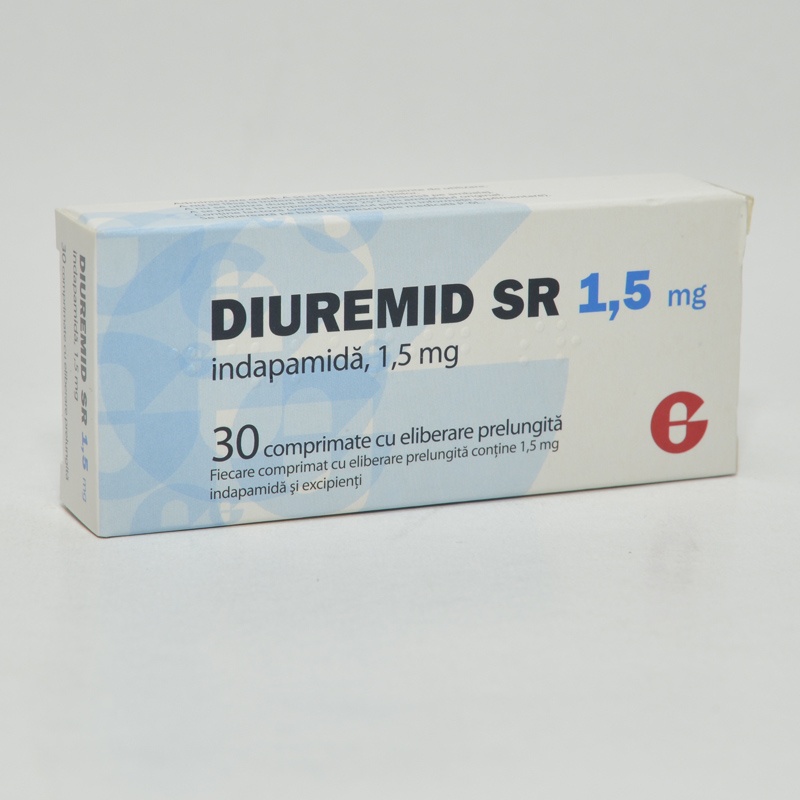
- Kraj rejestracji
- Postać farmaceutycznaCoated tablet, 10 MG
- Kod ATCC03CA04
- Substancja czynna
- Wymaga receptyTak
- Producent
- Te treści mają charakter wyłącznie informacyjny i nie zastępują konsultacji lekarskiej.
- Zamienniki DIUREMIDPostać farmaceutyczna: Coated tablet, 10 MGSubstancja czynna: torasemideWymaga receptyPostać farmaceutyczna: Tablet, 10 MGSubstancja czynna: torasemideProducent: Viatris Healthcare LimitedWymaga receptyPostać farmaceutyczna: Tablet, 10 MGSubstancja czynna: torasemideProducent: MYLAN S.P.A.Wymaga recepty
Odpowiedniki DIUREMID w innych krajach
Leki z tą samą substancją czynną dostępne w innych krajach.
Odpowiednik DIUREMID w Hiszpania
Odpowiednik DIUREMID w Polska
Odpowiednik DIUREMID w Ukraina
Lekarze online w sprawie DIUREMID
Omów stosowanie DIUREMID, bezpieczeństwo i ocenę zasadności recepty zgodnie z obowiązującymi przepisami.
Uzyskaj receptę na DIUREMID online
Wypełnij 2-minutowy formularz
Opisz swoje objawy, historię choroby i lek, o który prosisz.
Wybierz lekarza lub pozwól nam przydzielić
Wybierz specjalistę lub dopasujemy Cię do najbliższego dostępnego lekarza.
Lekarz analizuje Twój przypadek
Zazwyczaj w ciągu 30 minut. Może zadawać dodatkowe pytania przez czat.
Odbierz w dowolnej aptece
Recepta elektroniczna wysłana na Twój e-mail — ważna w całej Polsce.
Często zadawane pytania
DIUREMID wymaga recepty w Włochy. Możesz skonsultować się z lekarzem online, aby sprawdzić, czy ten lek może być odpowiedni w Twojej sytuacji.
Substancją czynną w DIUREMID jest torasemide. Informacja ta pomaga rozpoznać leki o tym samym składzie, ale pod różnymi nazwami handlowymi.
DIUREMID jest produkowany przez MENARINI INTERNATIONAL OPERATIONS LUXEMBOURG S.A.. Nazwy handlowe i opakowania mogą się różnić w zależności od dystrybutora.
Lekarze, tacy jak Lekarze rodzinni, Psychiatrzy, Dermatolodzy, Kardiolodzy, Endokrynolodzy, Gastroenterolodzy, Pulmonolodzy, Nefrolodzy, Reumatolodzy, Hematolodzy, Zakaźnicy, Alergolodzy, Geriatrzy, Pediatrzy, Onkolodzy, mogą ocenić, czy stosowanie DIUREMID jest odpowiednie w Twoim przypadku, w zależności od sytuacji klinicznej i lokalnych przepisów. Możesz umówić konsultację online, aby omówić objawy i możliwe dalsze kroki.
Polska posiada dobrze rozwiniętą infrastrukturę ochrony zdrowia w dużych miastach, takich jak Warszawa, Kraków, Wrocław i Gdańsk. Apteki są łatwo dostępne i działają zgodnie z obowiązującymi przepisami, zapewniając dostęp do leków na receptę.
Możesz kupić DIUREMID w Warszawie, Krakowie, Wrocławiu lub Gdańsku w każdej aptece, posiadając ważną receptę.
Aby uzyskać receptę, możesz skorzystać z Oladoctor:
Inne leki zawierające tę samą substancję czynną (torasemide) to m.in. DIURESIX, TORADIUR, TORASEMIDE MYLAN JENERIKS. Mogą one różnić się nazwą handlową lub postacią, ale zawierają ten sam składnik terapeutyczny. Przed zmianą lub rozpoczęciem nowego leku skonsultuj się z lekarzem.
