



BENTELAN 0.5 mg Tabletka musująca

Ocena recepty online
Lekarz przeanalizuje Twój przypadek i zdecyduje, czy wystawienie recepty jest medycznie uzasadnione.

Porozmawiaj z lekarzem o tym leku
Omów swoje objawy i opcje leczenia podczas szybkiej konsultacji online.



Jak stosować BENTELAN
Treść ulotki
- Bentelan 0,5 mg effervescent tablets
- Bentelan 1 mg effervescent tablets
- Bentelan 1,5 mg/2 ml injectable solution, 4 mg/2 ml injectable solution
Bentelan 0,5 mg effervescent tablets
betamethasone
Read this leaflet carefully before taking or giving this medicine to the child, as it contains important information for you.
- Keep this leaflet. You may need to read it again.
- If you have any questions, ask your doctor or pharmacist.
- This medicine has been prescribed only for you or the child. Do not give it to other people, even if they have the same symptoms as you or the child, as it could be dangerous.
- If any side effects occur, including those not listed in this leaflet, ask your doctor or pharmacist. See section 4.
Contents of this leaflet:
- 1. What Bentelan is and what it is used for
- 2. What you need to know before taking or giving Bentelan to the child
- 3. How to take or give Bentelan to the child
- 4. Possible side effects
- 5. How to store Bentelan
- 6. Contents of the pack and other information
1. What Bentelan is and what it is used for
Bentelan contains the active ingredient betamethasone which belongs to a group of medicines called
corticosteroids. Bentelan is a hormonal medicine, which belongs to the class of glucocorticoids.
Bentelan is indicated for the treatment of a large number of diseases, including the main ones are:
- bronchial asthma
- severe allergic diseases
- chronic and autoimmune inflammation of the joints (rheumatoid arthritis)
- diseases of the connective tissue of the skin and mucous membranes (collagenopathies)
- inflammatory skin diseases
- tumors of the lymphatic system such as: o acute and chronic malignant hemolymphopathies o Hodgkin's disease
Bentelan is also indicated for the treatment of other diseases:
- severe kidney disease (nephrotic syndrome)
- chronic inflammation of the intestine (ulcerative colitis and Crohn's disease)
- autoimmune diseases of the skin and mucous membranes characterized by blister formation (pemphigus)
- disease characterized by the formation of granulomas in various organs and tissues (sarcoidosis)
- inflammation of the heart associated with rheumatic fever (rheumatic carditis)
- chronic and autoimmune inflammatory disease of the spine (ankylosing spondylitis)
- blood diseases such as: o reduction in the number of red blood cells in the blood due to their destruction (hemolytic anemia) o reduction of a type of white blood cells in the blood (agranulocytosis) o alteration of blood coagulation due to a reduction in platelets (thrombocytopenic purpura)
2. What you need to know before taking or giving Bentelan to the child
Do not take or give Bentelan to the child if you or the child:
- is allergic to betamethasone, to other corticosteroid medicines or to any of the other ingredients of this medicine (listed in section 6);
- has infections that affect the whole body and is not taking specific therapy to treat them;
- is having vaccinations with live attenuated viruses or other types of vaccinations.
Warnings and precautions
Consult your doctor or pharmacist before taking or giving Bentelan to the child.
Tell your doctor before taking or giving Bentelan to the child, if you or the child:
- has a serious heart problem (congestive heart failure)
- suffers from alterations of the psychic and emotional sphere, because these conditions may worsen during treatment with Bentelan
- has epilepsy
- has diabetes
- has increased pressure in the eye (glaucoma)
- has a chronic inflammation of the last part of the intestine (ulcerative colitis)
- has an abscess or an infection
- has inflammation of the diverticula, small pouches naturally present or that form in the terminal part of the intestine (diverticulitis)
- has recently undergone surgery to connect parts of the intestine together (intestinal anastomosis)
- has an active or latent ulcer of the stomach or duodenum
- has impaired kidney function
- has impaired liver function
- has chronic liver damage (liver cirrhosis)
- has high blood pressure
- has a disease characterized by loss of bone tissue (osteoporosis)
- has a disease that causes severe muscle weakness (myasthenia gravis)
- has had muscle problems after a previous treatment with medicines similar to Bentelan (steroids)
- has a thyroid that is not functioning properly
- has a herpes simplex infection in the eye
- has reduced blood coagulation (hypoprothrombinemia) and must use acetylsalicylic acid (e.g. aspirin)
Tell your doctor if during treatment with Bentelan you or the child:
- must undergo a radiological examination of the gallbladder that is made opaque with a contrast agent (cholecystography), because Bentelan may reduce the effects of the contrast agents used during this examination;
- is subjected to particular stress, for example in case of surgery, because in these situations it may be necessary to modify the dose of Bentelan;
- develops alterations of the psychic and emotional sphere such as exaltation, exuberance and excessive happiness (euphoria), insomnia, severe depression, changes in mood and personality, alterations of mental balance, delusions and hallucinations (psychosis).
Take special care during treatment with Bentelan:
- you or the child must not come into contact with people affected by measles and chickenpox if you are taking high doses of this medicine. If this occurs, contact your doctor;
- glucocorticoids, like Bentelan, can: either hide some signs of infection and infections can occur during their use due to a reduction in immune defenses. In these cases, the doctor will assess whether to prescribe adequate therapy with antibiotics.
or cause adrenal insufficiency, in these cases the doctor will tell you whether to gradually reduce the dose or
temporarily interrupt the treatment. This type of insufficiency can last up to a
year after discontinuation of therapy. If a stressful condition occurs during the
period of interruption of therapy with Bentelan, the doctor may tell you to resume therapy
with this medicine.
or cause effects on the whole body when used by inhalation (using
aerosol) at high doses and for prolonged periods; for this reason the doctor will prescribe the
lowest possible dose by inhalation to maintain effective control of asthma. These effects
are less likely to occur than with oral corticosteroid treatment.
Use in active tuberculosis should be limited to cases of fulminant or disseminated disease, in which
the glucocorticoid should be used with appropriate antitubercular therapy.
If glucocorticoids are administered to patients with latent tuberculosis or with a positive
tuberculin reaction, close monitoring is necessary as reactivation of the disease may occur
(see section 4).
During treatment with Bentelan your doctor may prescribe for you or the child:
- appropriate therapy to prevent infections, if you or the child must use Bentelan for long periods of time;
- supplements based on sodium and potassium if you or the child should have an alteration of fluids and electrolytes in the body.
Children and adolescents
The doctor will prescribe Bentelan to children and adolescents at the minimum doses and for the shortest possible
period of time. The doctor will assess on a case-by-case basis the possibility of administering
a single dose of the medicine on alternate days. See section 3.
The doctor will carefully monitor growth and development in children and adolescents undergoing
prolonged treatment with Bentelan.
Children are particularly at risk of increased pressure inside the skull.
Elderly patients
In elderly patients, treatment with Bentelan, especially if prolonged, may more frequently cause
undesirable effects such as loss of bone tissue (osteoporosis), worsening of diabetes, high
blood pressure, increased susceptibility to infections, thinning of the skin. Taking this into account,
the doctor will assess the most appropriate dose of Bentelan for you. See section 3.
Other medicines and Bentelan
Tell your doctor or pharmacist if you or the child is taking, has recently taken or may take
any other medicine.
Tell your doctor if you or the child is taking or must take one or more of the following medicines:
- anticholinesterases
- anti-inflammatory medicines: either acetylsalicylic acid or other salicylates or non-steroidal anti-inflammatory drugs
- medicines that increase urine production (diuretics) in particular furosemide and thiazide diuretics
- amphotericin (antifungal)
- xanthines e.g. theophylline
- medicines against diabetes, e.g. insulin
- cyclosporine (immunosuppressant)
- ritonavir (medicine used against the HIV virus)
- ketoconazole (medicine to fight fungal infections)
- phenytoin and phenobarbital (used for the treatment of epileptic seizures)
- ephedrine
- rifampicin (antibiotic)
- anticoagulants (medicines that reduce blood clotting)
Laboratory tests
Bentelan may reduce the effects of contrast agents in cholecystography. Tell your doctor that you or the
child is being treated with Bentelan if you must undergo a cholecystography.
An alteration of the values of electrolytes (such as sodium or potassium) may occur, especially in
case of prolonged treatment and with high doses of Bentelan; in this case the doctor will have you undergo
laboratory tests and give you appropriate advice.
Pregnancy and breastfeeding
If you are pregnant, suspect you are pregnant or are planning to become pregnant, or if you are breastfeeding with
breast milk, ask your doctor or pharmacist for advice before taking this medicine.
If you are pregnant or breastfeeding, the doctor will assess whether the benefits for you clearly outweigh the risks for
the fetus/child before prescribing Bentelan.
Driving and operating machinery
It is not known whether this medicine alters the ability to drive vehicles and operate machinery. However, rare neurological-type adverse effects have been reported.
Bentelan contains sodium
This medicine contains 0.89 mmol (or 20.4 mg) of sodium per tablet. This medicine contains
less than 1 mmol (23 mg) of sodium per tablet, i.e. it is practically ‘sodium-free’.
For those who play sports
The use of the drug without therapeutic necessity constitutes doping and may in any case determine positivity to
anti-doping tests.
3. How to use Bentelan
Take or administer to the child this medicine following always exactly the doctor's or
pharmacist's instructions. If you have doubts consult the doctor or the pharmacist.
The tablet can be divided into equal parts.
Use in adults
Short-term therapy
The recommended dose is 4-6 tablets per day. Subsequently the doctor will tell you how to reduce
gradually the dose based on the evolution of your disease.
Long-term therapy
The recommended dose at the beginning of the treatment is 6-8 tablets per day.
Subsequently the doctor will tell you how to reduce gradually the dose until reaching the dose of
maintenance able to keep under control your disease.
Maintenance therapy
The recommended dose is 1-2 tablets per day.
Use in children
The recommended dose is 0.1-0.2 mg per kg of body weight per day.
You can administer Bentelan to the child also by aerosol. Dissolve 0.5-1 mg (1-2 tablets) just
before use in 1-2 ml of water.
Elderly patients
The doctor will evaluate the Bentelan dose most suitable for you.
The doctor will prescribe you the lowest maintenance dose able to control the disease.
If necessary, the doctor will tell you to reduce the dose gradually over a few weeks or months based on
the initial dose and the duration of the therapy.
If you take or administer to the child more Bentelan than you should
In case of accidental ingestion of an excessive dose of Bentelan immediately warn the doctor or go
to the nearest hospital.
Normally the ingestion of an excessive dose of glucocorticoids, including Bentelan, does not put life in danger
except when very high doses are taken or in case you or the child have some
specific clinical conditions such as for example:
- diabetes mellitus
- increased eye pressure (glaucoma)
- stomach and duodenal ulcer
- concomitant treatment with medicines e.g. digitalis (heart medicine), anticoagulant medicines (coumarins) or diuretics that cause potassium reduction.
If you forget to take or administer to the child Bentelan
Do not take or administer to the child a double dose to compensate for the forgotten dose.
If you or the child stop the treatment with Bentelan
The treatment with Bentelan must not be interrupted without having first consulted the doctor.
If you have any doubt about the use of this medicine, consult the doctor or the pharmacist.
4. Possible side effects
Like all medicines, this medicine can cause side effects, although not everybody gets them.
During therapy with corticosteroids, especially for intensive and prolonged treatments, the following
side effects may occur with unknown frequency (the frequency cannot be defined based on the available
data):
- severe heart failure (congestive heart failure)
- adrenal insufficiency
- decrease in adrenal gland size (adrenal atrophy)
- disorders of the adrenal glands such as Cushing's syndrome, hyperadrenocorticism
- diabetes mellitus
- increased blood sugar levels
- excessive hair or beard growth
- increased eye pressure (glaucoma)
- opacity at the level of the posterior capsule of the lens (subcapsular cataract)
- increased eye tension
- perforation of an existing stomach and intestinal ulcer before starting treatment with Bentelan
- stomach and duodenal ulcer
- acute pancreatitis
- esophageal inflammation
- nausea
- incomplete healing
- severe allergic reaction
- urticaria
- skin inflammation due to allergy
- recurrence of tuberculosis
- infections caused by fungi or viruses
- reduction of potassium levels
- reduction of nitrogen levels in the blood
- reduction of proteins
- reduction of lymphocytes (white blood cells) in the blood
- reduced glucose tolerance
- weight gain or loss
- loss of bone tissue (osteoporosis)
- death of bone tissue (osteonecrosis)
- swelling from fluid retention (edema)
- increased appetite
- growth retardation
- muscle diseases
- collagen diseases
- fracture
- tendon rupture
- increased pressure inside the skull
- swelling of the optic nerve head due to increased intracranial pressure (papilledema)
- dizziness
- headache
- psychiatric disorders
- anxiety
- irritability
- menstrual cycle alterations
- thinning of the skin
- acne
- bruising
- skin erythema
- skin changes such as delayed wound healing
- excessive sweating
- high blood pressure
Reporting of side effects
If you get any side effects, even those not listed in this leaflet, tell your
doctor or pharmacist. You can also report side effects directly through the national
reporting system at http://www.agenziafarmaco.gov.it/it/responsabili.
By reporting side effects you can help provide more information on the safety of
this medicine.
5. How to store Bentelan
Keep this medicine out of the sight and reach of children.
Store in the original package to protect the medicine from moisture.
Do not use this medicine after the expiry date which is reported on the package after “Exp.”.
The expiry date refers to the last day of that month.
Do not dispose of any medicine in wastewater or household waste. Ask your pharmacist how to eliminate
medicines that you no longer use. This will help to protect the environment.
6. Contents of the pack and other information
What Bentelan contains
- The active ingredient is betamethasone. Each effervescent tablet contains 0.6578 mg of betamethasone disodium phosphate equivalent to 0.5 mg of betamethasone.
- The other ingredients are sodium citrate, sodium bicarbonate, sodium saccharin, polyvinylpyrrolidone, sodium benzoate.
Description of the appearance of Bentelan and contents of the pack
Each pack contains 10 effervescent tablets of 0.5 mg.
Marketing Authorisation Holder and Manufacturer
Marketing Authorisation Holder
Alfasigma S.p.A. - Viale Sarca, n. 223 - 20126 Milano (MI)
Manufacturer
Alfasigma S.p.A. - Via Pontina km 30,400 - 00071 Pomezia (RM)
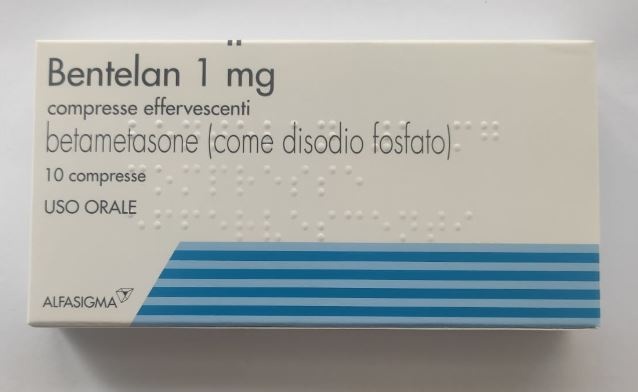
Bentelan 1 mg effervescent tablets
betamethasone
Read this leaflet carefully before taking or giving this medicine to the child, as it contains important information for you.
- Keep this leaflet. You may need to read it again.
- If you have any questions, ask your doctor or pharmacist.
- This medicine has been prescribed only for you or the child. Do not give it to other people, even if their symptoms are the same as yours or those of the child, as it could be dangerous.
- If any side effects occur, including those not listed in this leaflet, ask your doctor or pharmacist. See section 4.
Contents of this leaflet:
- 1. What Bentelan is and what it is used for
- 2. What you need to know before taking or giving Bentelan to the child
- 3. How to take or give Bentelan to the child
- 4. Possible side effects
- 5. How to store Bentelan
- 6. Contents of the pack and other information
1. What Bentelan is and what it is used for
Bentelan contains the active ingredient betamethasone which belongs to a group of medicines called
corticosteroids. Bentelan is a hormonal medicine, which belongs to the class of glucocorticoids.
Bentelan is indicated for the treatment of a large number of diseases, including the main ones are:
- bronchial asthma
- severe allergic diseases
- chronic and autoimmune inflammation of the joints (rheumatoid arthritis)
- diseases of the connective tissue of the skin and mucous membranes (collagenopathies)
- inflammatory skin diseases
- tumors of the lymphatic system such as: o acute and chronic malignant hemopathies o Hodgkin's disease.
Bentelan is also indicated for the treatment of other diseases:
- severe kidney disease (nephrotic syndrome)
- chronic inflammation of the intestine (ulcerative colitis and Crohn's disease)
- autoimmune diseases of the skin and mucous membranes characterized by the formation of blisters (pemphigus)
- disease characterized by the formation of granulomas in various organs and tissues (sarcoidosis)
- inflammation of the heart associated with rheumatic fever (rheumatic carditis)
- chronic and autoimmune inflammatory disease of the spine (ankylosing spondylitis)
- blood diseases such as: o reduction of the number of red blood cells in the blood due to their destruction (hemolytic anemia) o reduction of a type of white blood cells in the blood (agranulocytosis) o alteration of blood coagulation due to a reduction of platelets (thrombocytopenic purpura).
2. What you need to know before taking or giving Bentelan to the child
Do not take or give Bentelan to the child if you or the child:
- is allergic to betamethasone, to other corticosteroid medicines or to any of the other ingredients of this medicine (listed in section 6);
- has infections that affect the whole body and is not taking specific therapy to treat them;
- is having vaccinations with live attenuated viruses or other types of vaccinations.
Warnings and precautions
Consult your doctor or pharmacist before taking or giving Bentelan to the child.
Tell your doctor before taking or giving Bentelan to the child, if you or the child:
- has a serious heart problem (congestive heart failure)
- suffers from alterations of the psychic and emotional sphere, because these conditions may worsen during treatment with Bentelan
- has epilepsy
- has diabetes
- has increased pressure in the eye (glaucoma)
- has a chronic inflammation of the last part of the intestine (ulcerative colitis)
- has an abscess or an infection
- has inflammation of the diverticula, small pouches naturally present or that form in the terminal part of the intestine (diverticulitis)
- has recently undergone surgery to connect parts of the intestine (intestinal anastomosis)
- has an active or latent ulcer of the stomach or duodenum
- has impaired kidney function
- has impaired liver function
- has chronic liver damage (hepatic cirrhosis)
- has high blood pressure
- has a disease characterized by loss of bone tissue (osteoporosis)
- has a disease that causes severe muscle weakness (myasthenia gravis)
- has had muscle problems after a previous treatment with medicines similar to Bentelan (steroids)
- has a thyroid that is not functioning properly
- has a herpes simplex infection in the eye
- has reduced blood clotting (hypoprothrombinemia) and must use acetylsalicylic acid (e.g. aspirin)
Tell your doctor if during treatment with Bentelan you or the child:
- must undergo a radiological examination of the gallbladder which is made opaque with a contrast agent (cholecystography), because Bentelan may reduce the effects of the contrast agents used during this examination;
- is subjected to particular stress, for example in case of surgery, because in these situations it may be necessary to modify the dose of Bentelan;
- develops alterations of the psychic and emotional sphere such as exaltation, exuberance and excessive happiness (euphoria), insomnia, severe depression, changes in mood and personality, alterations of psychic balance, delusions and hallucinations (psychosis).
Pay particular attention during treatment with Bentelan:
- you or the child must not come into contact with people affected by measles and chickenpox if you are taking high doses of this medicine. If this occurs, contact your doctor;
- glucocorticoids, like Bentelan, can: either mask some signs of infection and infections can occur during their use due to a reduction in immune defenses. In these cases, the doctor will assess whether to prescribe adequate therapy with antibiotics.
or cause adrenal insufficiency, in these cases the doctor will tell you whether to gradually reduce the dose or
temporarily interrupt the treatment.
This type of insufficiency can last up to a year after discontinuation of therapy. If a
stressful condition occurs during the period of interruption of therapy with
Bentelan, the doctor may tell you to resume therapy with this medicine.
or cause effects on the whole body when used by inhalation (using
aerosol) at high doses and for prolonged periods; for this reason the doctor will prescribe the
lowest possible dose by inhalation to maintain effective control of asthma. These effects
are less likely to occur than with oral corticosteroid treatment.
Use in active tuberculosis should be limited to cases of fulminant or disseminated disease, in which
the glucocorticoid should be used with appropriate anti-tuberculosis therapy. If glucocorticoids are
administered to patients with latent tuberculosis or with a positive tuberculin response, close
monitoring is necessary as the disease may reactivate (see section 4).
During treatment with Bentelan your doctor may prescribe for you or the child:
- appropriate therapy to prevent infections, if you or the child must use Bentelan for long periods of time;
- sodium and potassium supplements if you or the child should have an alteration of fluids and electrolytes.
Children and adolescents
The doctor will prescribe Bentelan to children and adolescents at the minimum doses and for the shortest
possible period of time. The doctor will assess in each case the possibility of administering
a single dose of the medicine on alternate days. See section 3.
The doctor will carefully monitor growth and development in children and adolescents undergoing
prolonged treatment with Bentelan.
Children are particularly at risk of increased pressure inside the skull.
Elderly patients
In elderly patients, treatment with Bentelan, especially if prolonged, may more frequently
cause undesirable effects such as loss of bone tissue (osteoporosis), worsening of diabetes, high
blood pressure, increased susceptibility to infections, thinning of the skin. Taking this into account,
the doctor will assess the most suitable dose of Bentelan for you. See section 3.
Other medicines and Bentelan
Tell your doctor or pharmacist if you or the child is taking, has recently taken or might take
any other medicine.
Tell your doctor if you or the child is taking or must take one or more of the medicines listed below:
- anticholinesterases
- anti-inflammatory medicines: either acetylsalicylic acid or other salicylates or non-steroidal anti-inflammatory drugs
- medicines that increase urine production (diuretics) in particular furosemide and thiazide diuretics
- amphotericin (antifungal)
- xanthines e.g. theophylline
- medicines against diabetes, e.g. insulin
- cyclosporine (immunosuppressant)
- ritonavir (medicine used against the HIV virus)
- ketoconazole (medicine to fight fungal infections)
- phenytoin and phenobarbital (used for the treatment of epileptic seizures)
- ephedrine
- rifampicin (antibiotic)
- anticoagulants (medicines that reduce blood clotting).
Laboratory tests
Bentelan may reduce the effects of contrast agents in cholecystography. Tell your doctor that you or the
child is being treated with Bentelan if you must undergo a cholecystography.
An alteration of the values of electrolytes (such as sodium or potassium) may occur, especially in
case of prolonged treatment and with high doses of Bentelan; in this case the doctor will have you undergo
laboratory tests and give you appropriate advice.
Pregnancy and breastfeeding
If you are pregnant, suspect you are pregnant or are planning a pregnancy, or if you are breastfeeding with
breast milk, ask your doctor or pharmacist for advice before taking this medicine.
If you are pregnant or breastfeeding, the doctor will assess whether the benefits for you clearly outweigh the risks
to the fetus/child before prescribing Bentelan.
Driving and operating machinery
It is not known whether this medicine alters the ability to drive vehicles and operate machinery. However, rare
neurological-type adverse effects have been reported.
Bentelan contains sodium
This medicine contains 0.85 mmol (or 19.6 mg) of sodium per tablet. This medicine contains
less than 1 mmol (23 mg) of sodium per tablet, i.e. it is practically ‘sodium-free’.
For those who play sports
The use of the drug without therapeutic necessity constitutes doping and may in any case determine positivity to
anti-doping tests.
3. How to use Bentelan
Take or administer to the child this medicine following exactly the instructions of the doctor or
pharmacist. If you have doubts, consult the doctor or pharmacist.
The tablet can be divided into equal parts.
Use in adults
Short-term therapy
The recommended dose is 2-3 tablets per day. Subsequently, the doctor will tell you how to reduce
the dose gradually based on the evolution of your condition.
Long-term therapy
The recommended dose at the beginning of treatment is 3-4 tablets per day.
Subsequently, the doctor will tell you how to reduce the dose gradually until reaching the dose of
maintenance capable of keeping your condition under control.
Maintenance therapy
The recommended dose in an adult of average weight is 1-2 tablets per day.
Use in children
The recommended dose is 0.1-0.2 mg per kg of body weight per day.
You can also administer Bentelan to the child via aerosol. Dissolve 0.5-1 mg (half or 1 tablet)
just before use in 1-2 ml of water.
Elderly patients
The doctor will evaluate the most suitable dose of Bentelan for you.
The doctor will prescribe the lowest maintenance dose capable of controlling the disease.
If necessary, the doctor will tell you to reduce the dose gradually over a few weeks or months based on
the initial dose and the duration of therapy.
If you take or administer to the child more Bentelan than you should
In case of accidental ingestion of an excessive dose of Bentelan, immediately inform the doctor or go to
the nearest hospital.
Normally, the ingestion of an excessive dose of glucocorticoids, including Bentelan, does not endanger life
except when very high doses are taken or in the case where you or the child have specific
clinical conditions such as for example:
- diabetes mellitus
- increased eye pressure (glaucoma)
- stomach and duodenal ulcer
- concomitant treatment with medicines such as e.g. digitalis (heart medication), anticoagulant medicines (coumarins) or diuretics that cause potassium reduction.
If you forget to take or administer Bentelan to the child
Do not take or administer to the child a double dose to compensate for the missed dose.
If you or the child stop treatment with Bentelan
Treatment with Bentelan should not be interrupted without first consulting the doctor.
If you have any doubts about the use of this medicine, consult the doctor or pharmacist.
4. Possible side effects
Like all medicines, this medicine can cause side effects, although not everybody gets them.
manifest.
Side effects with unknown frequency (frequency cannot be estimated from available data)
- severe heart failure (congestive heart failure)
- adrenal insufficiency
- decrease in adrenal gland size (adrenal atrophy)
- disorders of the adrenal glands such as Cushing's syndrome, hyperadrenocorticism
- diabetes mellitus
- increased blood sugar levels
- excessive hair or beard growth
- increased eye pressure (glaucoma)
- opacity at the level of the posterior capsule of the lens (subcapsular cataract)
- increased eye tone
- perforation of a stomach and intestinal ulcer already present before starting treatment with Bentelan
- stomach and duodenal ulcer
- acute inflammation of the pancreas
- inflammation of the esophagus
- nausea
- incomplete healing
- severe allergic reaction
- urticaria
- skin inflammation due to allergy
- recurrence of tuberculosis
- infections caused by fungi or viruses
- reduction of potassium levels
- reduction of nitrogen levels in the blood
- reduction of proteins
- reduction of lymphocytes (white blood cells) in the blood
- reduced glucose tolerance
- weight gain or loss
- loss of bone tissue (osteoporosis)
- death of bone tissue (osteonecrosis)
- swelling due to fluid retention (edema)
- increased appetite
- growth delay
- muscle diseases
- collagen diseases
- fracture
- tendon rupture
- increased pressure inside the skull
- swelling of the optic nerve head due to increased intracranial pressure (papilledema)
- dizziness
- headache
- psychiatric disorders
- anxiety
- irritability
- menstrual cycle alterations
- thinning of the skin
- acne
- bruising
- skin erythema
- skin changes such as delayed wound healing
- excessive sweating
- high blood pressure.
Reporting of side effects
If you get any side effects, talk to your doctor or pharmacist. You can also report side effects directly through the national reporting system at http://www.agenziafarmaco.gov.it/it/responsabili.
By reporting side effects you can help provide more information on the safety of
this medicine.
5. How to store Bentelan
Keep this medicine out of the sight and reach of children.
Store in the original packaging to protect the medicine from moisture.
Do not use this medicine after the expiry date which is stated on the packaging after “Exp.”.
The expiry date refers to the last day of that month.
Do not dispose of any medicine in wastewater or household waste. Ask your pharmacist how to dispose of
medicines you no longer use. This will help protect the environment.
6. Contents of the pack and other information
What Bentelan contains
- The active ingredient is betamethasone. Each effervescent tablet contains 1.316 mg of betamethasone disodium phosphate equivalent to 1 mg of betamethasone.
- The other ingredients are sodium citrate, sodium bicarbonate, polyvinylpyrrolidone, sodium benzoate.
Description of the appearance of Bentelan and contents of the pack
Each pack contains 10 effervescent tablets of 1 mg.
Marketing Authorisation Holder and Manufacturer
Marketing Authorisation Holder
Alfasigma S.p.A. - Viale Sarca, n. 223 - 20126 Milano (MI)
Manufacturer
Alfasigma S.p.A. - Via Pontina km 30,400 - 00071 Pomezia (RM)

Nie jesteś pewien, czy ten lek jest odpowiedni dla ciebie?
Omów swoje objawy i leczenie z lekarzem online.
Bentelan 1,5 mg/2 ml injectable solution, 4 mg/2 ml injectable solution
betamethasone
Read this leaflet carefully before using this medicine as it contains important
information for you.
- Keep this leaflet. You may need to read it again.
- If you have any questions, ask your doctor or pharmacist.
- This medicine has been prescribed for you only. Do not pass it on to others, even if they have the same symptoms as you, as it may be harmful.
- If you get any side effects, even those not listed in this leaflet, tell your doctor or pharmacist. See section 4.
Contents of this leaflet:
- 1. What Bentelan is and what it is used for
- 2. What you need to know before using Bentelan
- 3. How to use Bentelan
- 4. Possible side effects
- 5. How to store Bentelan
- 6. Contents of the pack and other information
1. What Bentelan is and what it is used for
Bentelan contains the active ingredient betamethasone which belongs to a group of medicines called
corticosteroids. Bentelan is a hormonal medicine, which belongs to the class of glucocorticoids.
Bentelan is indicated for the treatment of a large number of diseases, including the main ones are:
- shock (surgical and traumatic shock, burns)
- severe anaphylactic and allergic reactions, for example: or laryngeal edema or drug allergy or allergy after a transfusion
- severe and prolonged asthma crisis
- brain edema
- heart attack
- blood diseases in a phase of rapid worsening
- acute adrenal insufficiency crisis in patients or with Waterhouse-Friderichsen syndrome or with Addison's disease or with Simmonds' disease or who have had their adrenal gland removed (adrenalectomized) or in whom the adrenal gland no longer functions due to prolonged corticosteroid therapy
- soft tissue injuries such as tennis elbow and periarthritis of the shoulder joint
Bentelan is also indicated:
- in all cases where corticosteroid treatment is useful and patients have particular conditions for which it is not possible to use oral therapy (vomiting, persistent diarrhea, maxillo-facial surgery).
2. What you need to know before using Bentelan
Do not use Bentelan
- if you are allergic to betamethasone, to other corticosteroid medicines or to any of the other ingredients of this medicine (listed in section 6)
- if you have infections that affect the whole body and are not taking specific therapy to treat them
- if you are having vaccinations with live attenuated viruses or other types of vaccinations
- if you are allergic to bisulfites and metabisulfites because it contains sodium metabisulfite (see section “Bentelan contains”).
Bentelan injectable solution should not be injected directly into tendons.
Warnings and precautions
Talk to your doctor or pharmacist before using Bentelan.
Tell your doctor before using Bentelan:
- if you have a serious heart problem (congestive heart failure)
- if you suffer from alterations of the psyche and emotional sphere, because these conditions may worsen during treatment with Bentelan
- if you have epilepsy
- if you have diabetes
- if you have increased pressure in the eye (glaucoma)
- if you have chronic inflammation of the last part of the intestine (ulcerative colitis)
- if you have an abscess or an infection
- if you have inflammation of the diverticula, small pockets naturally present or that form in the terminal part of the intestine (diverticulitis)
- if you or the child have recently undergone surgery to connect portions of the intestine (intestinal anastomosis)
- if you have an active or latent ulcer of the stomach or duodenum
- if you have kidney function failure
- if you have liver function failure
- if you have chronic liver damage (liver cirrhosis)
- if you have high blood pressure
- if you have a disease characterized by loss of bone tissue (osteoporosis)
- if you have a disease that causes severe muscle weakness (myasthenia gravis)
- if you have had muscle problems after a previous treatment with medicines similar to Bentelan (steroids)
- if you have a thyroid that is not functioning properly
- if you have a herpes simplex infection in the eye
- if you have reduced blood coagulation (hypoprothrombinemia) and need to use acetylsalicylic acid (e.g. aspirin)
Tell your doctor if during treatment with Bentelan:
- you need to have a radiological examination of the gallbladder that is opacified with a contrast agent (cholecystography), because Bentelan may reduce the effects of the contrast agents used during this examination
- you are undergoing particular stress, for example in case of surgery, because in these situations it may be necessary to modify the dose of Bentelan
- you develop alterations of the psyche and emotional sphere, for example exaltation, exuberance and excessive happiness (euphoria), insomnia, severe depression, changes in mood and personality, mental alterations of psychic balance, delusions and hallucinations (psychosis).
Take special care during treatment with Bentelan:
- you must not come into contact with people affected by measles and chickenpox if you are taking high doses of this medicine. If this occurs, contact your doctor.
- Bentelan should not be injected directly into tendons
- glucocorticoids, such as Bentelan, can: either mask some signs of infection and infections can occur during their use due to a reduction in immune defenses. In these cases, the doctor will assess whether to prescribe appropriate therapy with antibiotics or cause adrenal insufficiency, in these cases the doctor will tell you whether to gradually reduce the dose or temporarily interrupt the treatment. This type of insufficiency can last up to a year after discontinuation of therapy. If a stressful condition should occur during the period of interruption of therapy with Bentelan, the doctor may tell you to resume therapy with this medicine. Use in active tuberculosis should be limited to cases of fulminant or disseminated disease, in which the glucocorticoid should be used with appropriate antitubercular therapy. If glucocorticoids are administered to patients with latent tuberculosis or with a positive tuberculin response, close surveillance is necessary as reactivation of the disease may occur (see section 4).
During treatment with Bentelan, your doctor may prescribe for you or the child:
- appropriate therapy to prevent infections, if you or the child needs to use Bentelan for long periods of time
- integrators based on sodium and potassium if you or the child should have an alteration of the liquids and salts of the organism.
Children and adolescents
The doctor will prescribe Bentelan to children and adolescents at the minimum doses and for the shortest possible period of time. The doctor will assess, depending on the cases, the possibility of administering the medicine singly on alternate days. See section 3.
The doctor will carefully monitor growth and development in children and adolescents undergoing prolonged treatment with Bentelan.
Children are particularly at risk of increased pressure inside the skull.
Elderly patients
In elderly patients, treatment with Bentelan, especially if prolonged, may more frequently cause undesirable effects such as loss of bone tissue (osteoporosis), worsening of diabetes, high blood pressure, increased susceptibility to infections, thinning of the skin. Taking this into account, the doctor will assess the most suitable dose of Bentelan for you. See section 3.
Other medicines and Bentelan
Tell your doctor or pharmacist if you are taking, have recently taken or might take any other medicine.
Tell your doctor if you are taking or need to take one or more of the medicines listed below:
- anticholinesterases
- anti-inflammatory medicines: either other salicylates or non-steroidal anti-inflammatory drugs
- medicines that increase urine production (diuretics) in particular furosemide and thiazide diuretics
- amphotericin (antifungal)
- xanthines e.g. theophylline
- medicines against diabetes, e.g. insulin
- cyclosporine (immunosuppressant)
- ritonavir (medicine used against the HIV virus)
- ketoconazole (medicine to fight fungal infections)
- phenytoin and phenobarbital (used for the treatment of epileptic seizures)
- ephedrine
- rifampicin (antibiotic)
- anticoagulants (medicines that reduce blood coagulation)
Laboratory tests
Bentelan may reduce the effects of contrast agents in cholecystography. Tell your doctor that you are being treated with Bentelan if you need to have a cholecystography.
An alteration of the values of electrolytes (such as sodium or potassium) may occur, especially in case of prolonged treatment and with high doses of Bentelan; in this case the doctor will have you undergo laboratory tests and give you appropriate advice.
Pregnancy and breastfeeding
If you are pregnant, suspect you are pregnant, are planning to become pregnant, or are breastfeeding, ask your doctor or pharmacist for advice before using this medicine.
If you are pregnant or breastfeeding, the doctor will assess whether the benefits for you clearly outweigh the risks to the fetus/child before prescribing Bentelan.
Driving and operating machinery
It is not known whether this medicine alters the ability to drive vehicles and operate machinery. However, rare neurological-type adverse effects have been reported.
Bentelan contains sodium metabisulfite and sodium
Sodium metabisulfite can rarely cause severe hypersensitivity reactions and bronchospasm.
This medicine contains less than 1 mmol (23 mg) of sodium per vial, i.e. it is practically ‘sodium-free’.
However, depending on the administration, the amount of sodium administered to the patient may in some cases be greater than 1 mmol (23 mg) and therefore should be taken into consideration in people with reduced renal function or who are following a low-sodium diet.
For athletes
The use of the drug without therapeutic necessity constitutes doping and may in any case determine positivity to anti-doping tests.
3. How to use Bentelan
Use this medicine following the instructions of your doctor or pharmacist exactly. If you have any doubts
consult your doctor or pharmacist.
Use in adults
The doctor will assess the most suitable dose of Bentelan for you based on the severity of your illness and your response
to treatment.
The recommended dose varies from 1.5 mg to 4 mg per administration. If necessary, the administration
may be repeated until the desired response is obtained.
In particular cases, your doctor may prescribe 10-15 mg or more in a single injection up to 3-4 times within
24 hours.
If necessary, the medicine can be added directly to normal infusion fluids.
Elderly patients
The doctor will assess the most suitable dose of Bentelan for you.
The doctor will prescribe the lowest maintenance dose capable of controlling the disease.
If necessary, the doctor will tell you to reduce the dose gradually over a few weeks or months based on
the initial dose and the duration of therapy.
How to open the vial
The vials are equipped with a safety break and must be opened as follows:
- 1. position the vial as shown in the figure
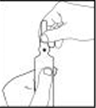
- 2. apply pressure with the
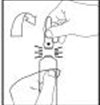
thumb placed above the point
colored as indicated in the
figure
If you use more Bentelan than you should
In case of accidental ingestion of an excessive dose of Bentelan, immediately inform your doctor or
go to the nearest hospital.
Normally, ingestion of an excessive dose of glucocorticoids, including Bentelan, is not life-threatening
except when very high doses are taken or if you or the child have specific
clinical conditions such as:
- diabetes mellitus
- increased eye pressure (glaucoma)
- stomach and duodenal ulcer
- concomitant treatment with medicines such as digitalis (heart medicine), anticoagulant medicines (coumarins) or diuretics that cause potassium reduction.
If you forget to use Bentelan
Do not use a double dose to make up for a missed dose.
If you stop using Bentelan
Treatment with Bentelan should not be stopped without first consulting your doctor.
If you have any doubts about the use of this medicine, ask your doctor or pharmacist.
4. Possible side effects
Like all medicines, this medicine can cause side effects, although not everybody gets them.
manifest.
Side effects with unknown frequency (frequency cannot be estimated based on available data)
- severe heart failure (congestive heart failure)
- adrenal insufficiency
- decrease in adrenal gland size (adrenal atrophy)
- disorders of the adrenal glands such as Cushing's syndrome, hyperadrenocorticism
- diabetes mellitus
- increased blood sugar levels
- excessive hair or beard growth
- increased eye pressure (glaucoma)
- opacity at the level of the posterior capsule of the lens (subcapsular cataract)
- increased eye tone
- perforation of a stomach and intestinal ulcer already present before starting treatment with Bentelan
- stomach and duodenal ulcer
- acute inflammation of the pancreas
- inflammation of the esophagus
- nausea
- incomplete healing
- severe allergic reaction
- urticaria
- skin inflammation due to allergy
- recurrence of tuberculosis
- infections caused by fungi or viruses
- reduction of potassium levels
- reduction of nitrogen levels in the blood
- reduction of proteins
- reduction of lymphocytes (white blood cells) in the blood
- reduced glucose tolerance
- weight gain or loss
- loss of bone tissue (osteoporosis)
- death of bone tissue (osteonecrosis)
- swelling from fluid retention (edema)
- increased appetite
- growth delay
- muscle diseases
- collagen diseases
- fracture
- tendon rupture
- increased pressure inside the skull
- swelling of the optic nerve head due to increased intracranial pressure (papilledema)
- dizziness
- headache
- psychiatric disorders
- anxiety
- irritability
- menstrual cycle alterations
- thinning of the skin
- acne
- bruising
- skin erythema
- skin changes such as delayed wound healing
- excessive sweating
- high blood pressure
Reporting of side effects
If you get any side effects, even those not listed in this leaflet, tell your
doctor or pharmacist. You can also report side effects directly through the national
reporting system at http://www.agenziafarmaco.gov.it/it/responsabili.
By reporting side effects you can help provide more information on the safety of
this medicine.
5. How to store Bentelan
Keep this medicine out of the sight and reach of children.
Store in the original package to protect the medicine from light.
Do not use this medicine after the expiry date which is stated on the packaging after “Exp.”.
The expiry date refers to the last day of that month.
Do not dispose of any medicine in wastewater or household waste. Ask your pharmacist how to dispose of
medicines you no longer use. This will help protect the environment.
6. Contents of the pack and other information
What Bentelan contains
Bentelan 1.5 mg/2 ml injectable solution
- The active ingredient is betamethasone. Each vial contains 1.975 mg of betamethasone disodium phosphate equivalent to 1.5 mg of betamethasone.
- The other ingredients are phenol, sodium chloride, sodium metabisulfite, sodium edetate, water for injections. Bentelan 4 mg/2 ml injectable solution
- The active ingredient is betamethasone. Each vial contains 5.263 mg of betamethasone disodium phosphate equivalent to 4 mg of betamethasone.
- The other ingredients are phenol, sodium chloride, sodium metabisulfite, sodium edetate, water for injections.
Description of the appearance of Bentelan and contents of the pack
Bentelan 1.5 mg/2 ml injectable solution
Each pack contains 6 vials of 1.5 mg/2 ml.
Bentelan 4 mg/2 ml injectable solution
Each pack contains 3 vials of 4 mg/2 ml.
Marketing Authorisation Holder and Manufacturer
Marketing Authorisation Holder
Alfasigma S.p.A. - Viale Sarca, n. 223 - 20126 Milan (MI)
Manufacturer
Alfasigma S.p.A. - Via Pontina km 30,400 - 00071 Pomezia (RM)

Zacząłeś przyjmować lek i masz pytania?
Omów swoje objawy i leczenie z lekarzem online.
- Kraj rejestracji
- Postać farmaceutycznaEffervescent tablet, 0.5 MG
- Kod ATCH02AB01
- Substancja czynna
- Wymaga receptyTak
- Producent
- Te treści mają charakter wyłącznie informacyjny i nie zastępują konsultacji lekarskiej.
- Zamienniki BENTELANPostać farmaceutyczna: Injectable solution, 1,5 MG/2 MLSubstancja czynna: betamethasoneProducent: ESSETI FARMACEUTICI S.R.L.Wymaga receptyPostać farmaceutyczna: Effervescent tablet, 0.5 MGSubstancja czynna: betamethasoneProducent: DOC GENERICI SRLWymaga receptyPostać farmaceutyczna: Injectable solution, 1,5 MG/2 MLSubstancja czynna: betamethasoneProducent: DOC GENERICI SRLWymaga recepty
Odpowiedniki BENTELAN w innych krajach
Leki z tą samą substancją czynną dostępne w innych krajach.
Odpowiednik BENTELAN w Polska
Odpowiednik BENTELAN w Ukraina
Odpowiednik BENTELAN w Hiszpania
Lekarze online w sprawie BENTELAN
Omów stosowanie BENTELAN, bezpieczeństwo i ocenę zasadności recepty zgodnie z obowiązującymi przepisami.


Uzyskaj receptę na BENTELAN online
Wypełnij 2-minutowy formularz
Opisz swoje objawy, historię choroby i lek, o który prosisz.
Wybierz lekarza lub pozwól nam przydzielić
Wybierz specjalistę lub dopasujemy Cię do najbliższego dostępnego lekarza.
Lekarz analizuje Twój przypadek
Zazwyczaj w ciągu 30 minut. Może zadawać dodatkowe pytania przez czat.
Odbierz w dowolnej aptece
Recepta elektroniczna wysłana na Twój e-mail — ważna w całej Polsce.
Często zadawane pytania
BENTELAN wymaga recepty w Włochy. Możesz skonsultować się z lekarzem online, aby sprawdzić, czy ten lek może być odpowiedni w Twojej sytuacji.
Substancją czynną w BENTELAN jest betamethasone. Informacja ta pomaga rozpoznać leki o tym samym składzie, ale pod różnymi nazwami handlowymi.
BENTELAN jest produkowany przez ALFASIGMA S.P.A.. Nazwy handlowe i opakowania mogą się różnić w zależności od dystrybutora.
Lekarze, tacy jak Lekarze rodzinni, Psychiatrzy, Dermatolodzy, Kardiolodzy, Endokrynolodzy, Gastroenterolodzy, Pulmonolodzy, Nefrolodzy, Reumatolodzy, Hematolodzy, Zakaźnicy, Alergolodzy, Geriatrzy, Pediatrzy, Onkolodzy, mogą ocenić, czy stosowanie BENTELAN jest odpowiednie w Twoim przypadku, w zależności od sytuacji klinicznej i lokalnych przepisów. Możesz umówić konsultację online, aby omówić objawy i możliwe dalsze kroki.
Polska posiada dobrze rozwiniętą infrastrukturę ochrony zdrowia w dużych miastach, takich jak Warszawa, Kraków, Wrocław i Gdańsk. Apteki są łatwo dostępne i działają zgodnie z obowiązującymi przepisami, zapewniając dostęp do leków na receptę.
Możesz kupić BENTELAN w Warszawie, Krakowie, Wrocławiu lub Gdańsku w każdej aptece, posiadając ważną receptę.
Aby uzyskać receptę, możesz skorzystać z Oladoctor:
Inne leki zawierające tę samą substancję czynną (betamethasone) to m.in. ALBAFLO, BETAMETASONE DOK JENERIKI, BETAMETASONE DOK. Mogą one różnić się nazwą handlową lub postacią, ale zawierają ten sam składnik terapeutyczny. Przed zmianą lub rozpoczęciem nowego leku skonsultuj się z lekarzem.
